
Ever wished you could hit a pause button on the 21st century? Ditch the notifications, the traffic, and the endless stream of news for a world that moves at a different speed. Some places around the globe don’t need a special effects budget to make you feel like you’ve stepped through a portal to the past. They’re living, breathing time capsules where history is in the cobblestones under your feet.
From ancient cities frozen by disaster to medieval mazes buzzing with life, these destinations offer a chance to experience a different era. Pack your bags, but maybe leave the smartphone in your pocket. You won’t need it where you’re going. This is your ultimate guide to time-travel tourism.
25. Gjirokastër, Albania
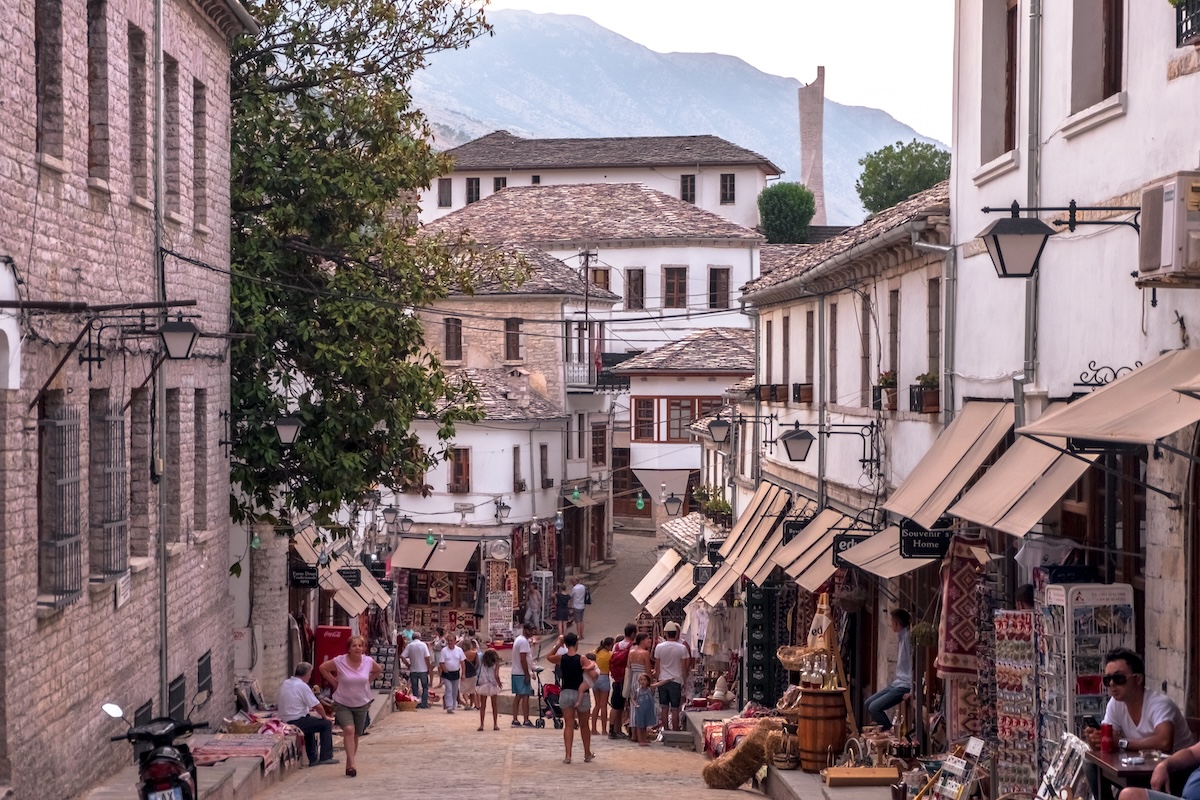
In this southern Albanian mountain town, Ottoman architecture still dominates the landscape. The stone houses with their slate roofs spill down the hillside, barely changed since the 17th and 18th centuries. Walking here, your footsteps echo on winding cobblestone streets between fortress-like homes built to withstand both time and invasion.
The castle looming above gives you sweeping views of the Drino Valley—a reminder of the town’s strategic past. The old bazaar still hosts traditional crafts, and the stone-paved streets snake by historic houses now turned museums. UNESCO named Gjirokastër a World Heritage Site, and it’s easy to see why. Locals still live in these ancient homes, keeping traditions alive, making the whole place feel like a living museum.
24. Gokayama, Japan
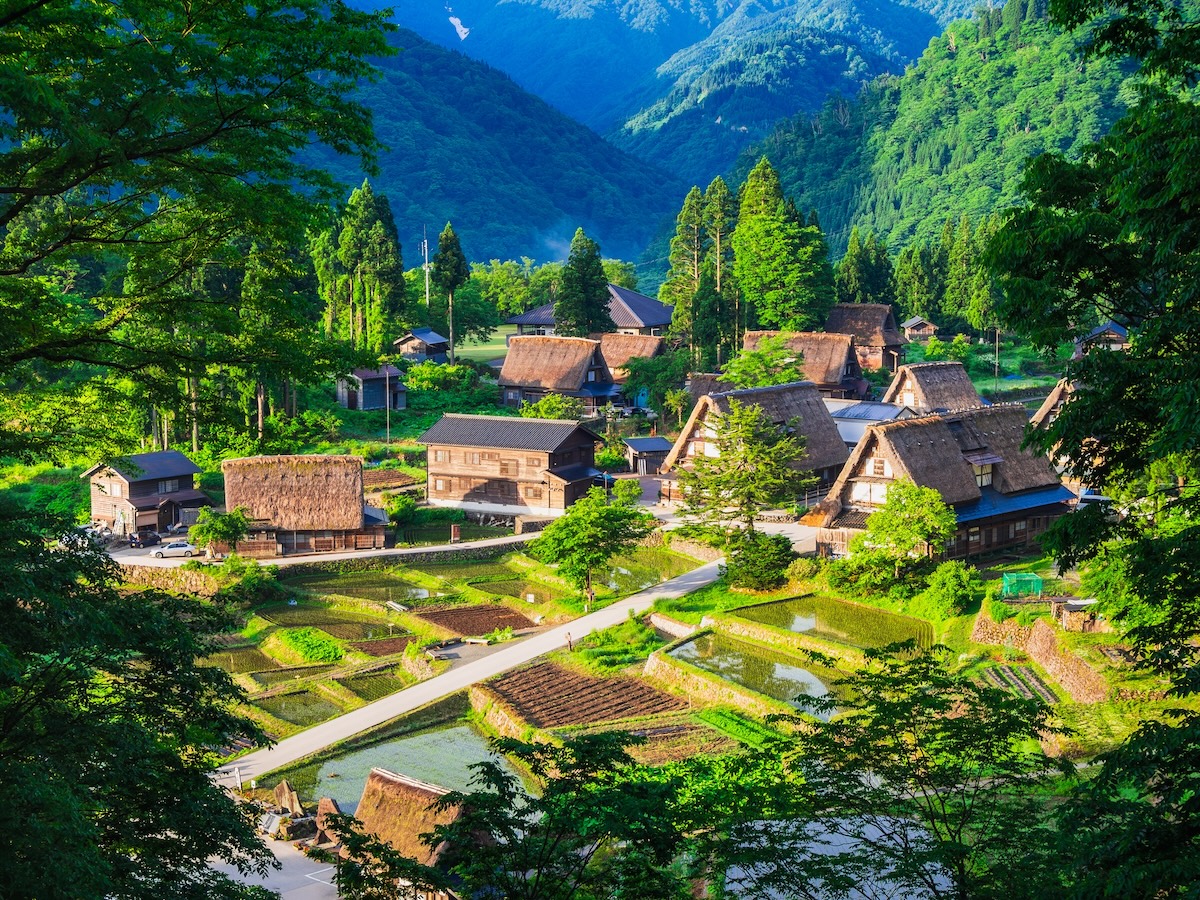
Hidden deep in a mountain valley, Gokayama lets you experience rural Japan much as it was centuries ago. The village is best known for its gassho-zukuri farmhouses—those steep, thatched A-frames built without nails. They were designed to handle heavy snow and once sheltered big families raising silkworms.
When you visit, you’ll see working farms and rice paddies where old methods still rule. Gokayama’s isolation helped it keep its character. The historic settlements of Ainokura and Suganuma are both UNESCO World Heritage Sites, and people still live in these old houses. In winter, the snow and glowing farmhouses create a scene that looks straight out of the Edo period.
23. Galle Fort, Sri Lanka
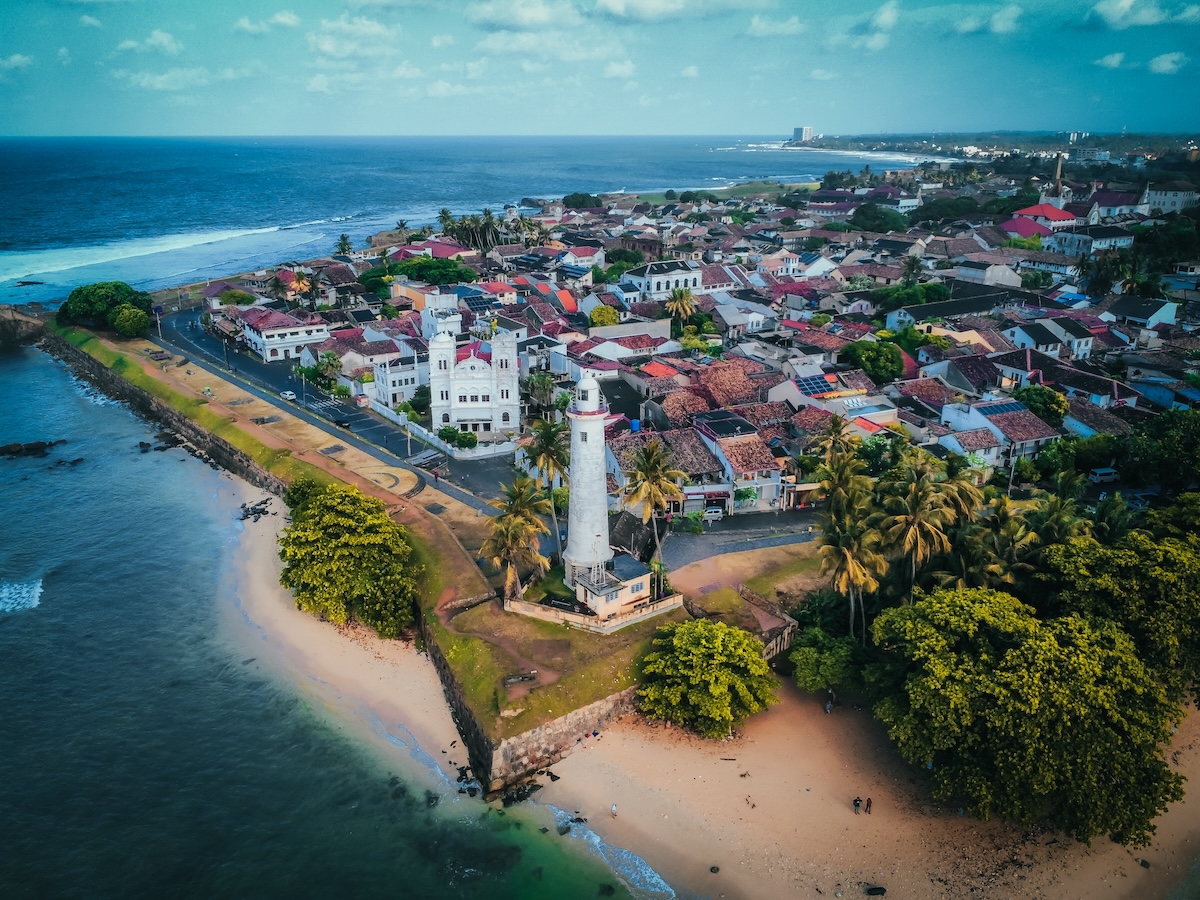
Step into centuries of colonial history at this UNESCO World Heritage Site on Sri Lanka’s southwest coast. The Dutch built these fortifications in the 1600s, taking over from the Portuguese. Strolling the ramparts gives you ocean views and access to narrow lanes lined with buildings from the 17th century.
Galle Fort isn’t just a monument—it’s a real neighborhood where locals go about their lives among structures that have barely changed in 300 years. Antique shops fill Dutch warehouses, the All Saints Church from 1871 still stands, and the lighthouse has guided ships since 1939. The mix of European architecture and tropical scenery creates an atmosphere that feels genuinely stuck in time—one of Asia’s best-preserved colonial towns, hands down.
22. Bodie, California

Bodie is pure 1880s gold rush—a real ghost town, not a tourist trap. Tucked in the Sierra Nevada foothills about 75 miles from Lake Tahoe, this state historic park keeps about 110 wooden buildings exactly as they were left. Peer through dusty windows and you’ll spot dishes on tables, goods on shelves, even books open in the schoolhouse.
At its peak in 1880, Bodie had nearly 10,000 residents and a wild reputation. The streets once buzzed with saloons, opium dens, and more than a little mayhem. Today, the dry climate helps preserve these weathered buildings in a state of “arrested decay”—park staff maintain them, but don’t restore. Getting here means braving a rough dirt road, and there are no services, so come prepared. The isolation only adds to that eerie, time-stopped feeling.
21. Asmara, Eritrea
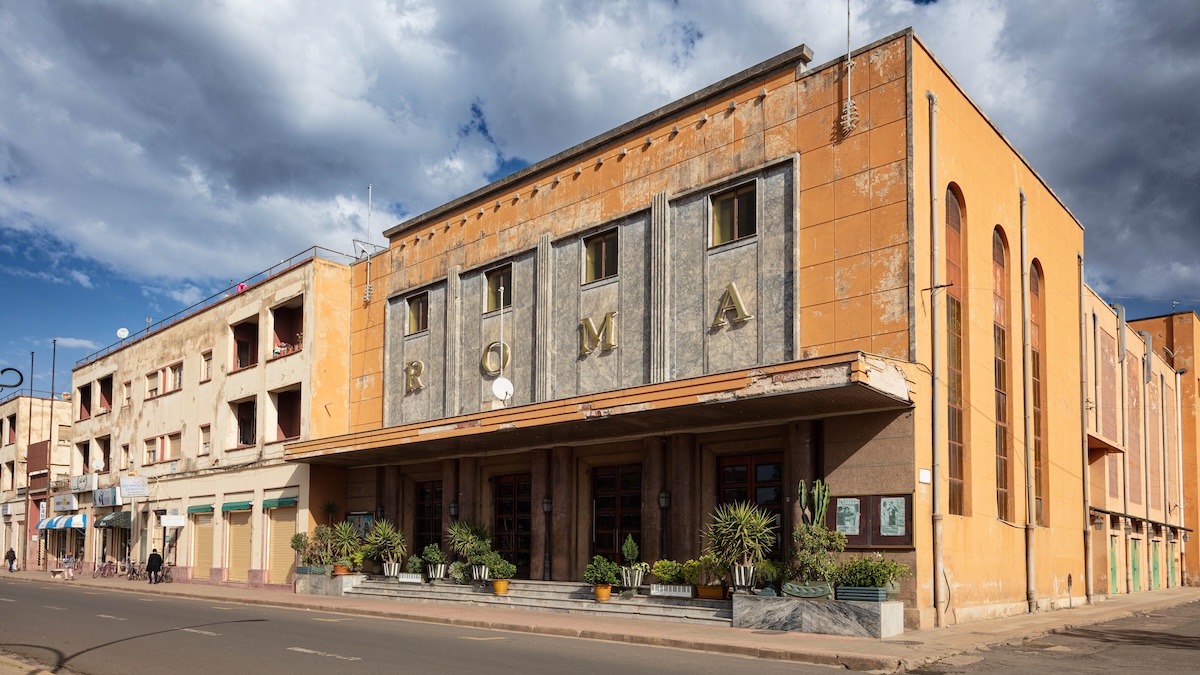
Asmara feels like a perfectly preserved 1930s Italian city—just transplanted to Africa. Eritrea’s capital is packed with Art Deco and Futurist architecture you’d expect in Europe. Pastel buildings, the wild Fiat Tagliero service station, and the streamlined Cinema Impero all look ready for a vintage film shoot.
UNESCO recognized Asmara’s architectural consistency in 2017. You can sip macchiato in cafés that haven’t changed since Mussolini’s day, browse shops with original fixtures, and spot vintage Italian cars still rolling down palm-lined boulevards. There’s barely any modern development, so you’re getting a real-deal time capsule, not a recreation. The city feels frozen in the interwar years, and daily life unfolds against a backdrop of geometric facades and period details.
20. Vigan, Philippines
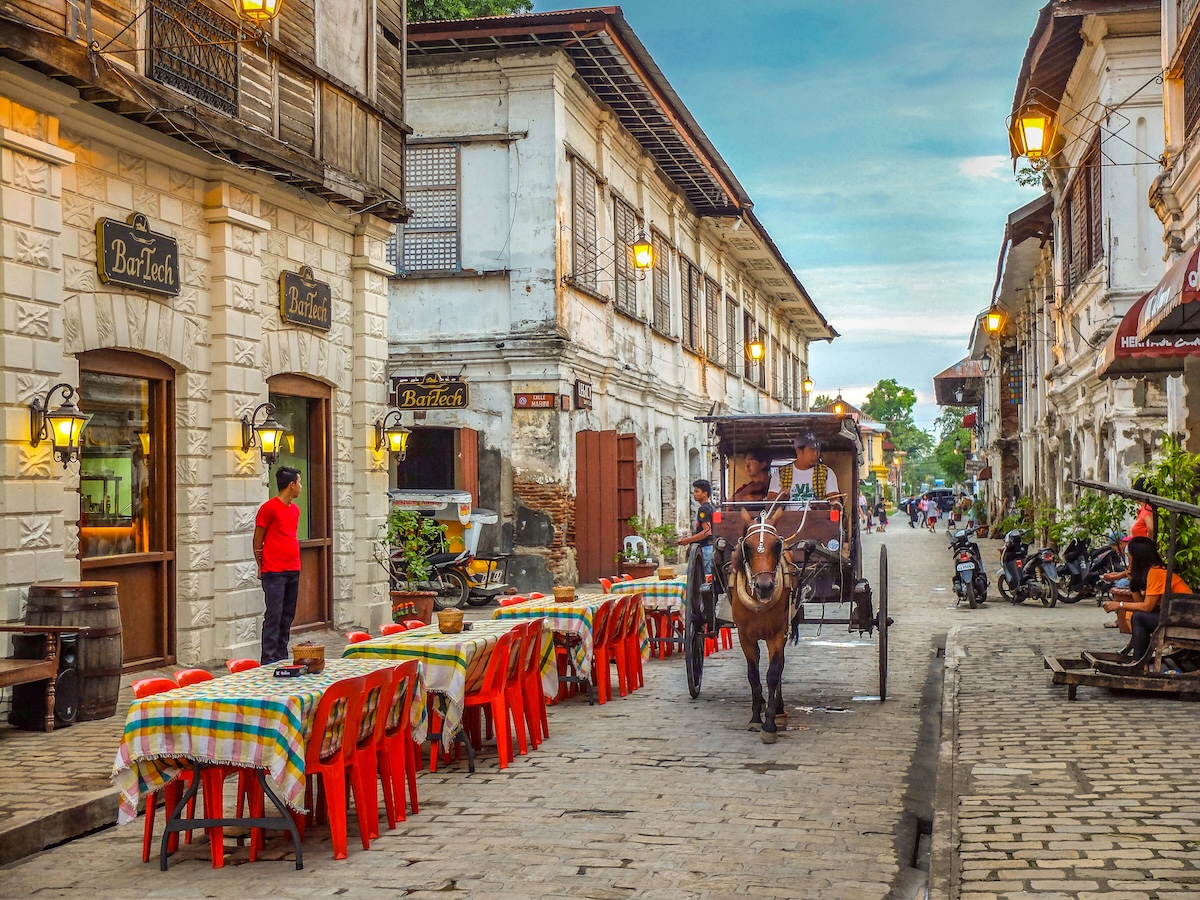
Vigan’s cobblestone streets and Spanish colonial architecture make you feel like you’ve wandered into the 16th century. This UNESCO World Heritage site is one of Asia’s best-preserved colonial towns. The iconic Calle Crisologo is the old town’s heart, where horse-drawn kalesas still rattle past ancestral houses with wooden shutters and capiz shell windows.
You can tour merchant homes turned museums, packed with period furniture and Spanish-era artifacts. The blend of Chinese, Spanish, and Filipino influences shows up everywhere—from the buildings to the pottery and weaving that locals still practice. Unlike some historic sites that feel staged, Vigan is a living city. People still inhabit these old structures, and crafts get passed down through the generations.
19. Mdina, Malta
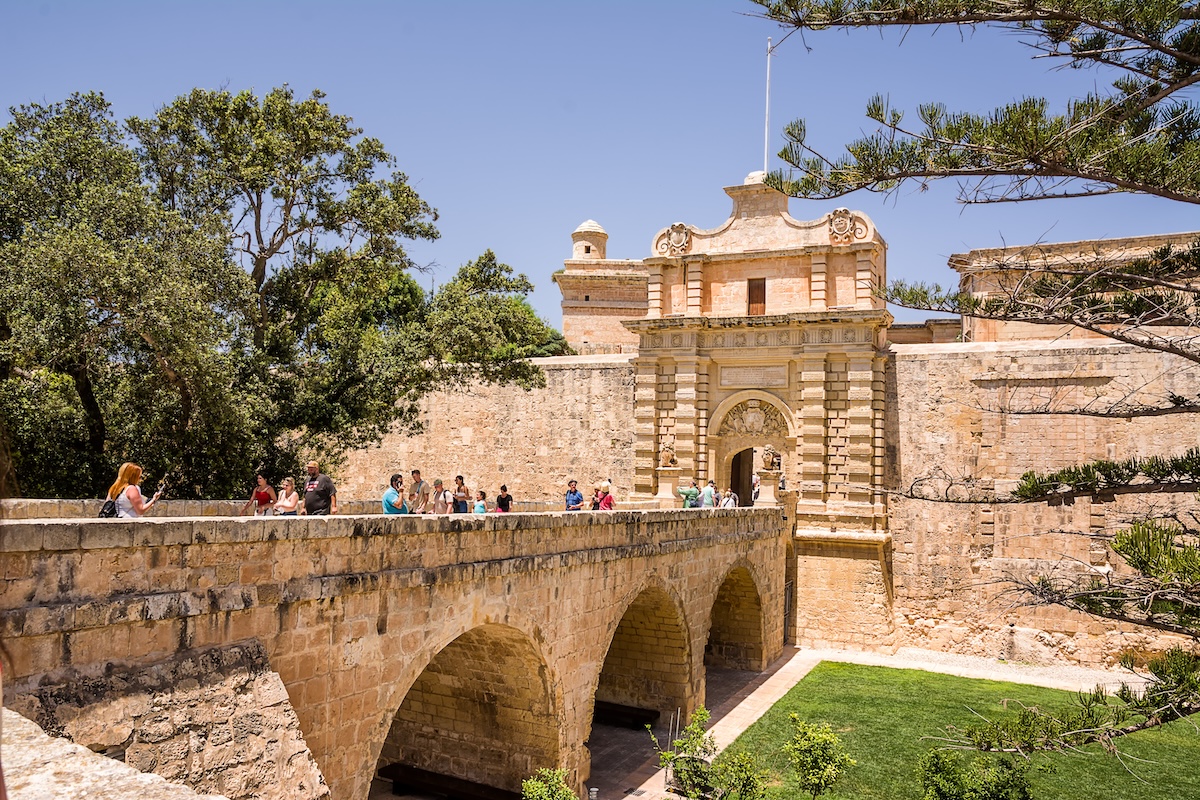
Mdina’s medieval streets make you wonder if you’ve time-traveled. This fortified city, perched on a hill in central Malta, is called the “Silent City” for its peaceful, car-free vibe. Honey-colored limestone and baroque architecture date back thousands of years, though most buildings are medieval.
Your steps echo on ancient cobblestones as you explore palaces, churches, and convents that haven’t changed much since the Middle Ages. The city walls offer sweeping views of the countryside and the Mediterranean. You can visit St. Paul’s Cathedral, slip into hidden courtyards, and browse family-run shops selling Maltese glass and lace. At night, gas lamps light the streets just as they did centuries ago. There’s something magical about it—like you’ve genuinely slipped into another era.
18. Ouro Preto, Brazil
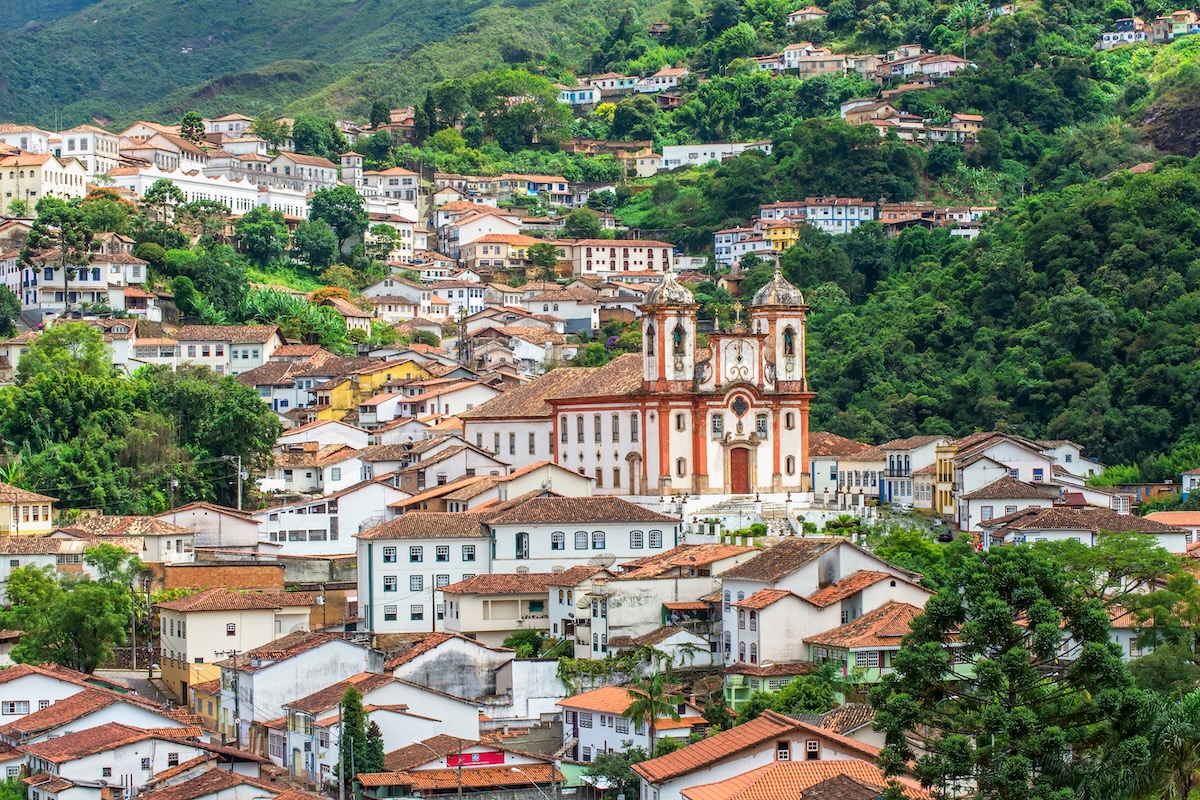
In Ouro Preto, cobblestone streets wind through a colonial town that looks much like it did in the 1700s. The name means “black gold,” a nod to the gold-laced ore that brought Portuguese miners here. Baroque churches with ornate interiors line the hills, their walls covered in carvings and paintings that hint at the town’s former wealth.
The entire historic center is a UNESCO World Heritage Site. Steep neighborhoods are packed with colorful colonial houses, and the original street layout—built for mules, not cars—remains. The architecture drops you straight into Brazil’s colonial era, when Ouro Preto was a major city in the Portuguese empire. Visiting here gives you a rare peek at 18th-century Latin America, tucked away in the mountains of Minas Gerais.
17. Québec City, Canada
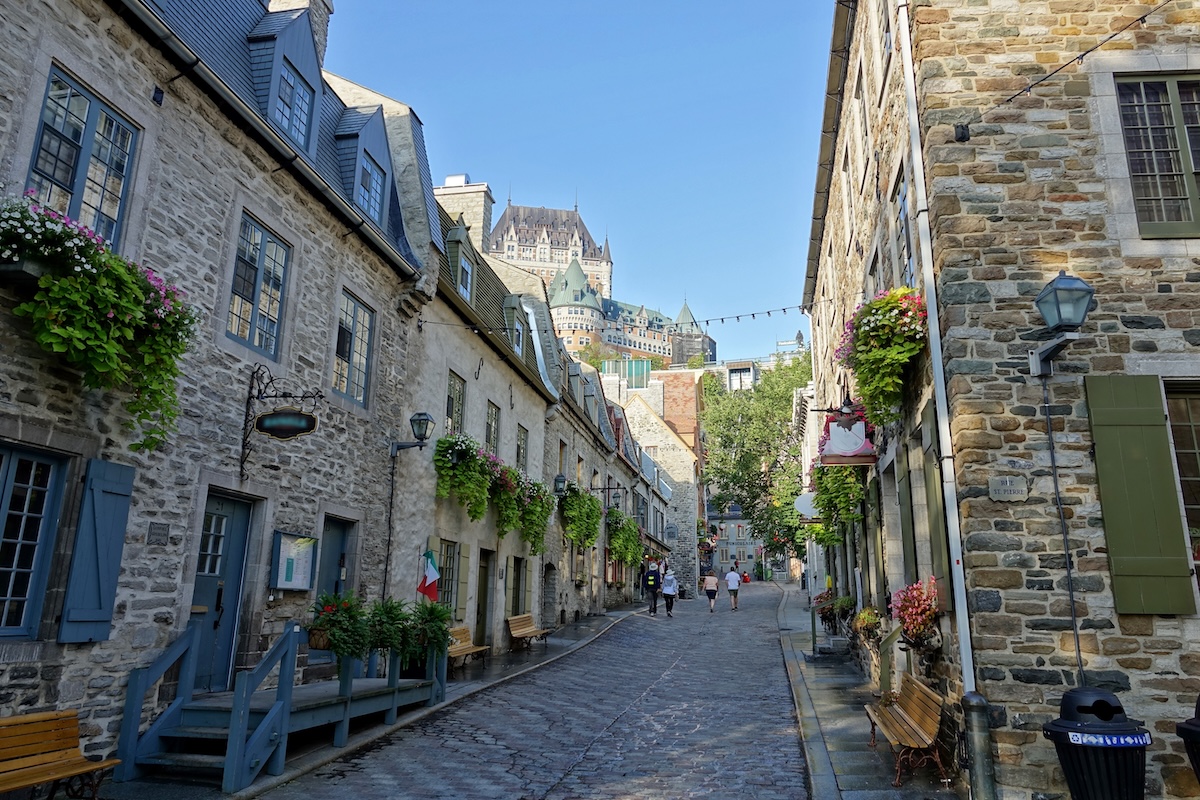
Québec City delivers North America’s most convincing slice of old France. The historic district sits on cliffs above the St. Lawrence River and is the only fortified city north of Mexico with its original stone walls. Walk past centuries-old buildings and cozy bistros, and you’ll swear you’re in a French provincial town, not Canada.
The Château Frontenac towers over the skyline, but the neighborhood around it is even older. You can explore Place Royale, where Samuel de Champlain set up shop in 1608, or stroll along the Terrasse Dufferin for river views that haven’t changed in centuries. The narrow lanes of Petit Champlain and the Latin Quarter ooze old-world charm, with French signs, café terraces, and stone buildings that European settlers would still recognize.
16. Jaisalmer, India
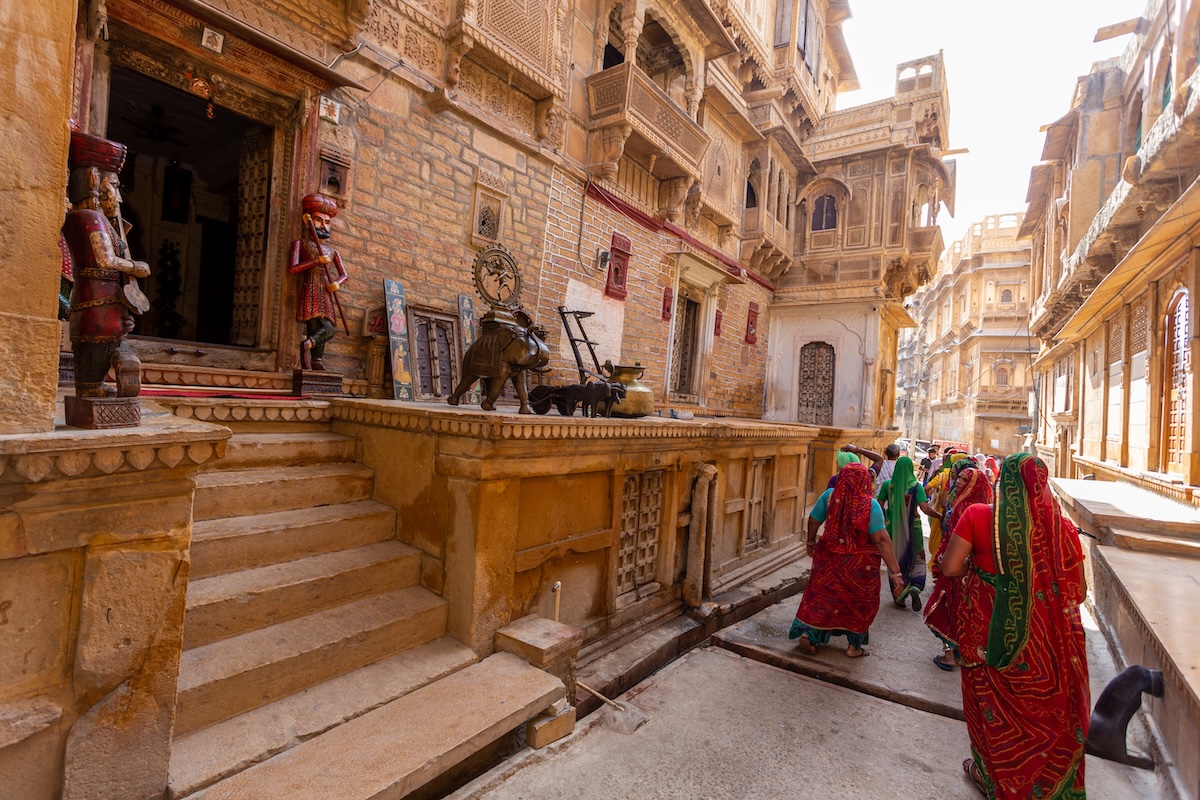
Jaisalmer’s golden sandstone fort rises out of the Thar Desert like something from a storybook. This 12th-century fortress isn’t just a relic—it’s still home to nearly 3,000 people. At sunset, the honey-colored walls glow, earning the city its “Golden City” nickname.
Inside, you’ll find narrow lanes lined with ornate havelis—merchant mansions with intricate carvings and balconies that show off centuries-old craftsmanship. The bazaars still sell textiles, silver jewelry, and handicrafts, just as they did in the days of the Silk Road. Beyond the fort, Jain temples and palatial homes date back to the 15th century. The desert landscape and preserved architecture make Jaisalmer feel like it’s paused somewhere in its legendary past.
15. Shibam, Yemen
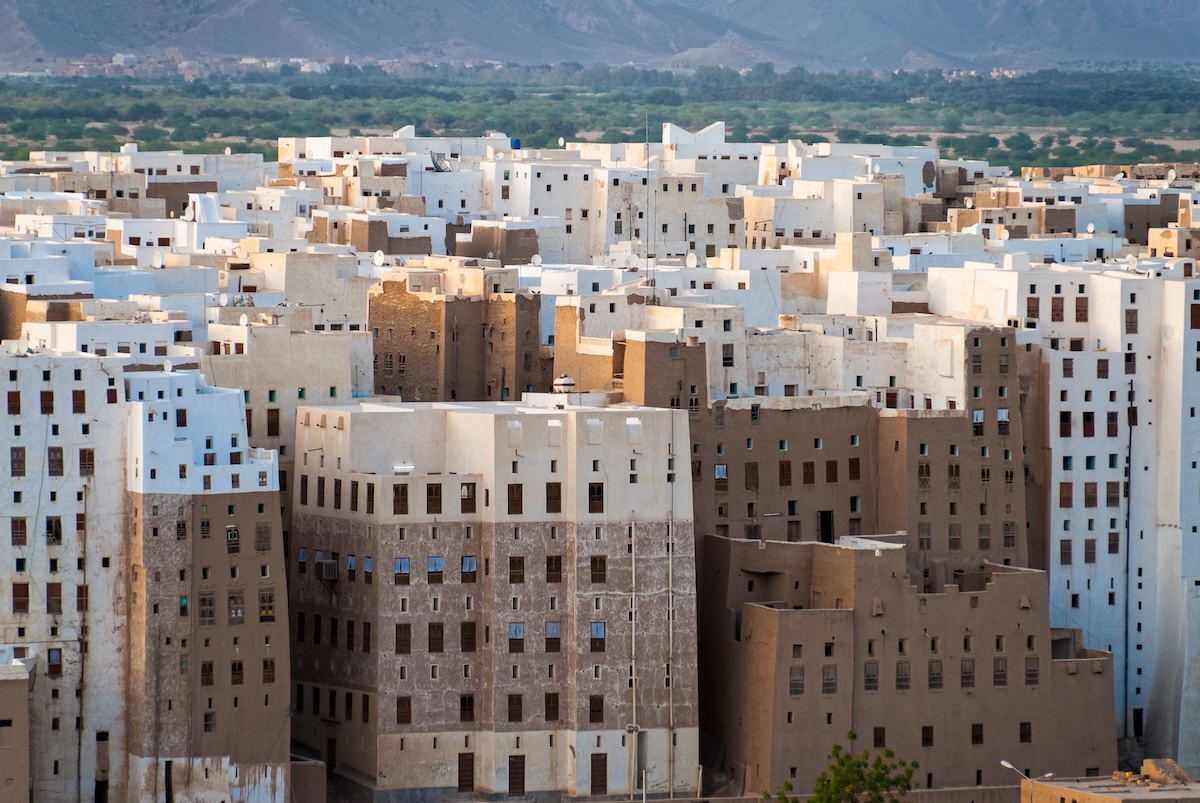
Shibam stands as one of the world’s earliest experiments in vertical city living. This ancient Yemeni city, set in the Hadhramaut Valley, is packed with mud-brick towers up to eight stories tall—no wonder it’s called “the Manhattan of the desert.” The towers date to the 16th century, but the city’s roots go back almost 2,000 years.
Strolling Shibam’s narrow lanes, you’re surrounded by these sun-dried mud-brick buildings, designed tall to defend against Bedouin raids and floods, and to make the most of limited space inside the city walls. The entire place sits on a rocky outcrop, ringed by a wall that once guarded desert trade routes. Even with modern challenges, Shibam’s architecture still shows off building methods that have survived the harsh desert for centuries.
14. Humberstone, Chile

Humberstone, set in Chile’s Atacama Desert, is a ghost town that’s all too real. Once a bustling saltpeter mining community, it thrived in the early 20th century before collapsing in 1960. Now, the theater, hotel, and company store stand empty but intact, letting you peek into miners’ lives in this unforgiving landscape.
Walking through Humberstone feels a bit surreal, like you’ve wandered onto a movie set—except everything’s authentic. Check out the swimming pool made from a salvaged ship hull, squeeze into the cramped workers’ houses, and wander the processing plant where saltpeter was once king. UNESCO listed it in 2005 for its role in Chile’s nitrate mining era. Despite some wear and tear from time and earthquakes, the site holds on, giving you a sense of the isolation and community spirit that defined life here.
13. Saltaire, England
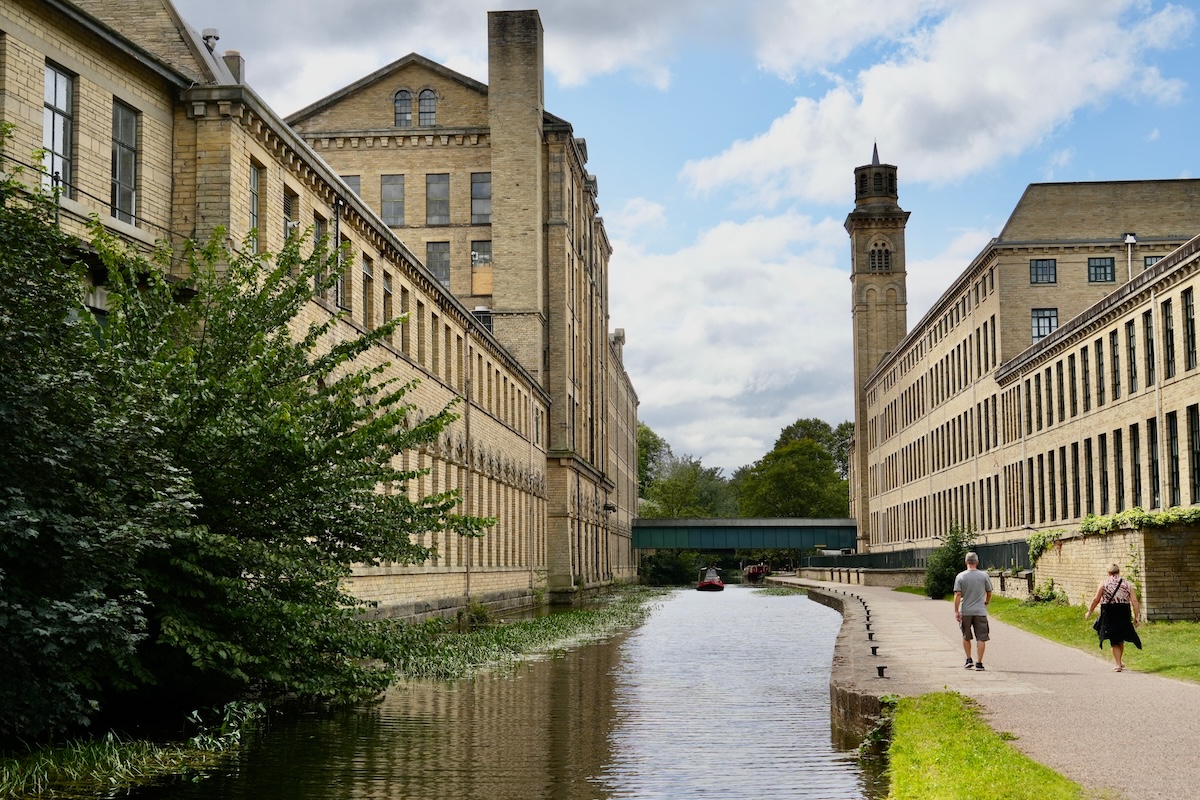
Saltaire, just north of Bradford in West Yorkshire, stands as a perfectly preserved Victorian industrial village. Textile magnate Sir Titus Salt built it in the 1850s as a model community for mill workers, and today it’s a UNESCO World Heritage Site. The honey-colored stone buildings still look just as they did back then, freezing the town in the mid-19th century.
You can wander rows of workers’ cottages, almshouses, and public buildings that show off Victorian architecture and social ideals. Salt’s Mill, once a massive textile factory, now houses a David Hockney gallery, shops, and cafés. Walk the same streets mill workers did, visit the Congregational Church, or relax in the parks where they spent their downtime. The village layout hasn’t changed, so you get a true sense of how progressive industrialists imagined worker communities during the Industrial Revolution.
12. Palenque, Mexico
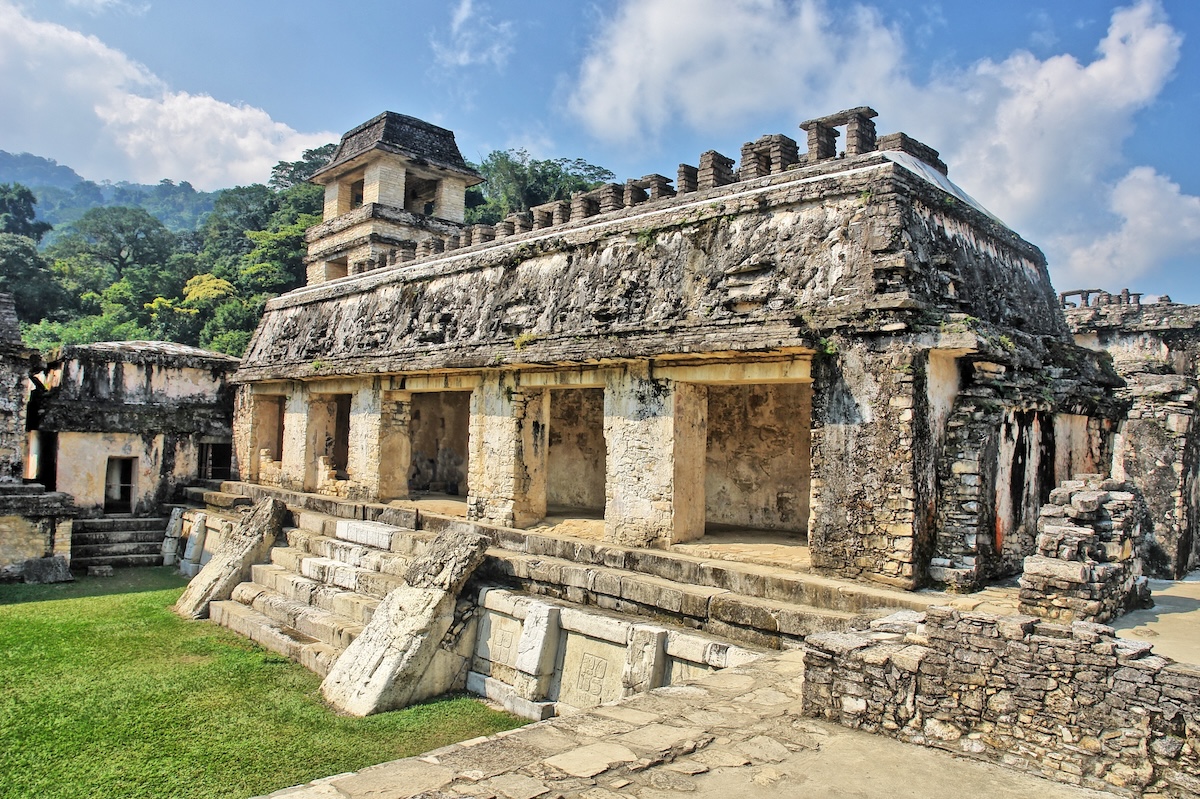
You can wander through ancient Maya ruins hidden deep in the Chiapas jungle, where temples still rise above the treetops just like they did centuries ago. Palenque thrived between 600 and 700 CE, and honestly, walking those mossy paths almost feels like time travel. The Temple of the Inscriptions guards one of Mexico’s most fascinating archaeological finds—the tomb of Pakal the Great, the ruler who turned Palenque into a powerhouse.
The jungle’s alive out there. Howler monkeys shout from the branches overhead while you scramble up steep pyramid steps. Everywhere you look, there’s something—intricate stone carvings, mysterious hieroglyphs, hints about Maya astronomy, politics, or just what daily life might’ve been like. The Palace complex stands out with its odd four-story tower, a testament to the Maya’s knack for architecture. If you can swing it, go in the morning. The light’s better, the crowds are thinner, and you get a real sense of just how much these builders pulled off—no modern machinery, just pure ingenuity.
11. Kizhi Island, Russia
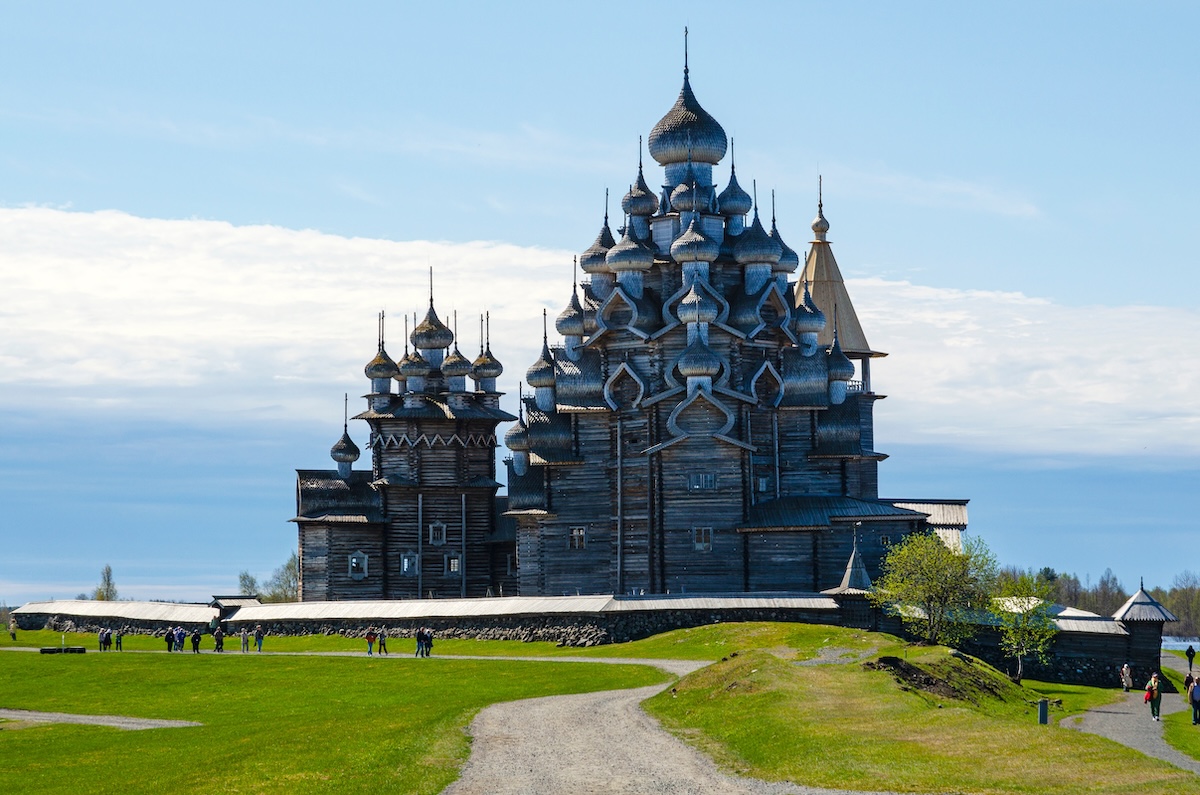
Step onto Kizhi Island in Lake Onega, and it really does feel like you’ve slipped into 18th-century Russia. The place is an open-air museum, packed with wooden architecture from centuries ago—most famously, the 22-domed Church of the Transfiguration, which craftsmen built in 1714 without using a single nail. The log construction and intricate carpentry aren’t just impressive; they’re a testament to skills families passed down for generations.
You’ll find authentic peasant houses, windmills, and chapels, all relocated from Karelian villages nearby. Thanks to the island’s remote northern spot, modern development hasn’t really touched these buildings. Strolling along the dirt paths between them, you get a sense of what life might’ve been like for villagers hundreds of years ago. Sure, summer is the easiest time to visit, but there’s something about the stark winter landscape that gives you a raw, atmospheric feel for the tough conditions people faced here.
10. Braña la Pornacal, Spain
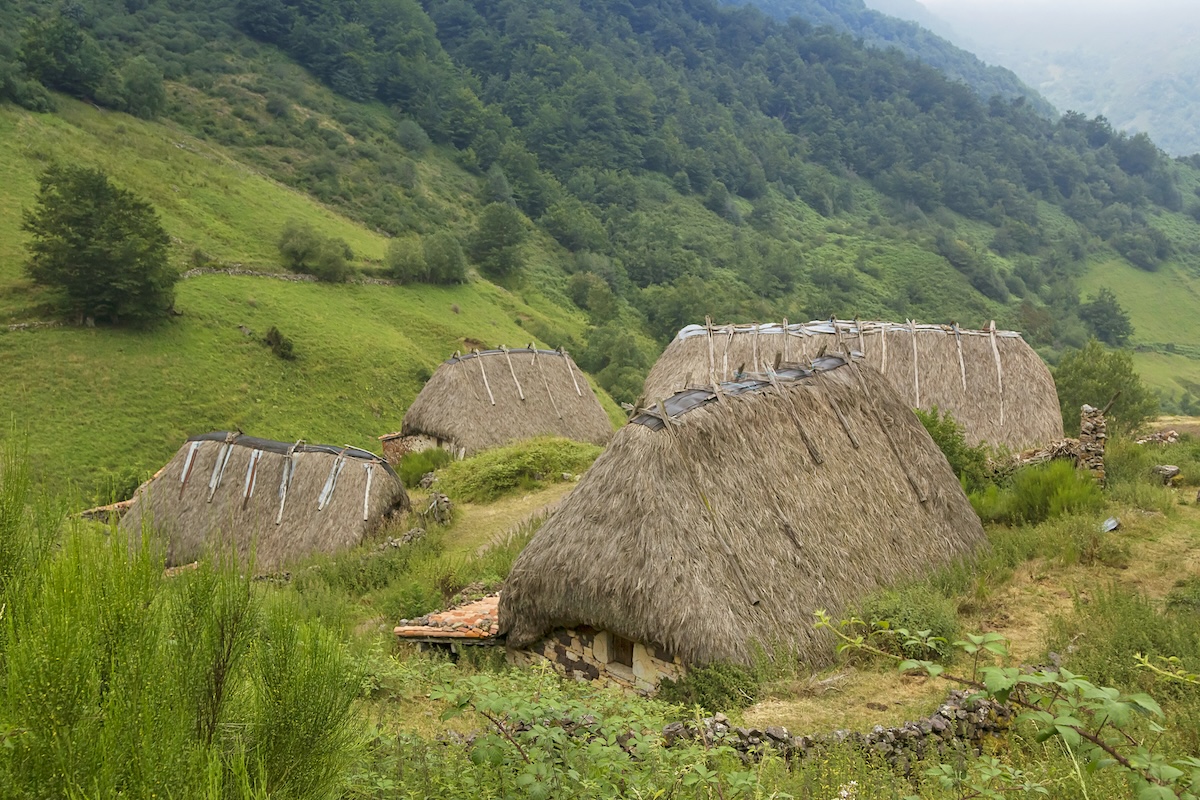
For a truly off-the-grid time warp, head to the remote mountains of Asturias in northern Spain. Braña la Pornacal is a seasonal settlement of stone huts with thick, thatched roofs known as teitos. This ancient style of construction dates back to pre-Roman times and was used by herders who brought their livestock up to the high pastures for the summer.
There are no shops, no hotels, and barely any people. It’s a silent, windswept place where the only sounds are the cicadas and the occasional cowbell. Visiting this isolated collection of ancient structures is a journey to a nearly forgotten way of life, showcasing a deep, primal connection between people and a rugged landscape.
9. Maramureș, Romania
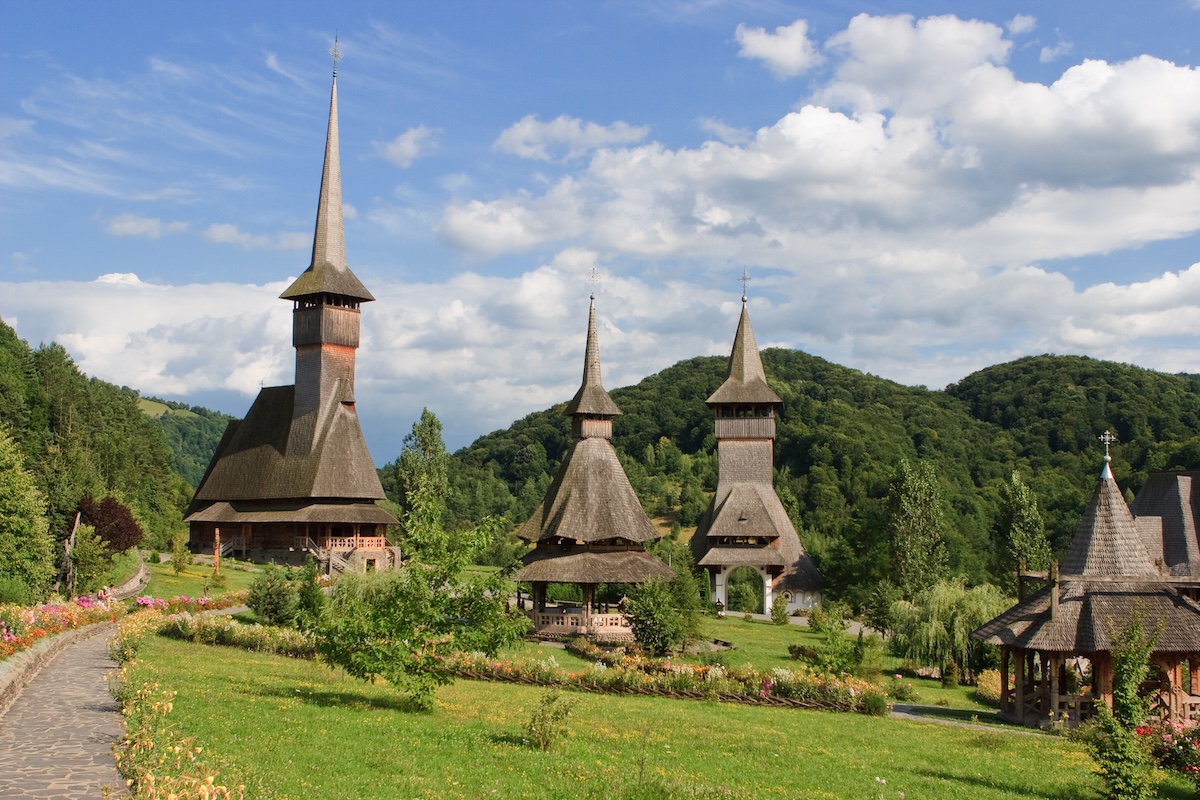
In the rural region of Maramureș in northern Romania, you’ll find a corner of Europe where traditional peasant culture is still a part of everyday life. This is a land of rolling green hills, where horse-drawn carts are a common sight on the roads and villagers still work the fields by hand, gathering hay into tall, conical stacks.
The area is famous for its magnificent wooden churches, with their distinctive tall, slender steeples. These UNESCO World Heritage sites are masterpieces of carpentry. A visit to Maramureș feels less like tourism and more like stepping into a living folk museum, offering a genuine glimpse into a simpler, pre-industrial way of life that has vanished from most of the continent.
8. Fes el Bali, Morocco
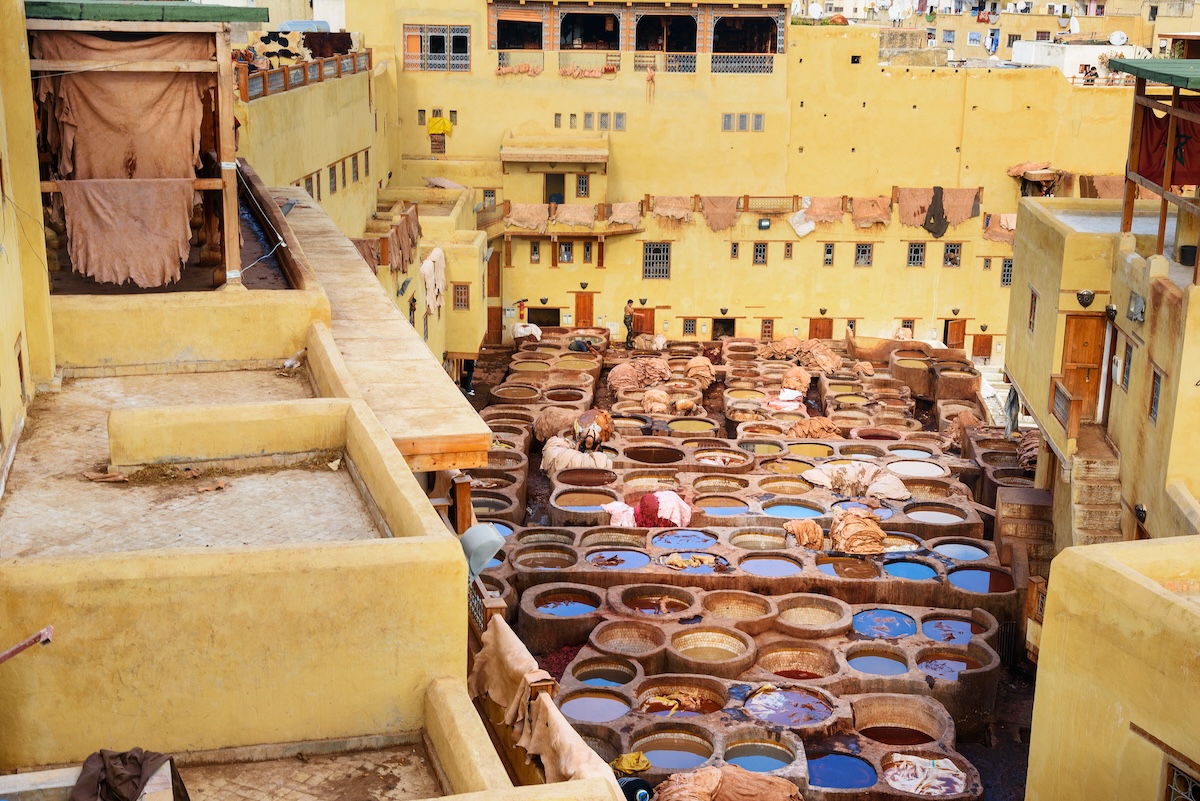
Prepare your senses for a trip back to the Middle Ages. The old medina of Fes is one of the world’s largest and most authentic medieval cities, a sprawling, car-free labyrinth of over 9,000 alleyways. Getting lost here isn’t just a possibility; it’s the whole point. Every corner reveals something new: a hidden courtyard, a bustling souk, or a donkey carrying goods down a lane too narrow for anything else.
The air is filled with the scent of spices, the sound of artisans hammering metal, and the call to prayer echoing from ancient minarets. Be sure to visit the famous Chouara Tannery, where workers treat leather in giant stone vats using methods that haven’t changed in centuries. It’s a chaotic, overwhelming, and absolutely unforgettable experience.
7. Luang Prabang, Laos
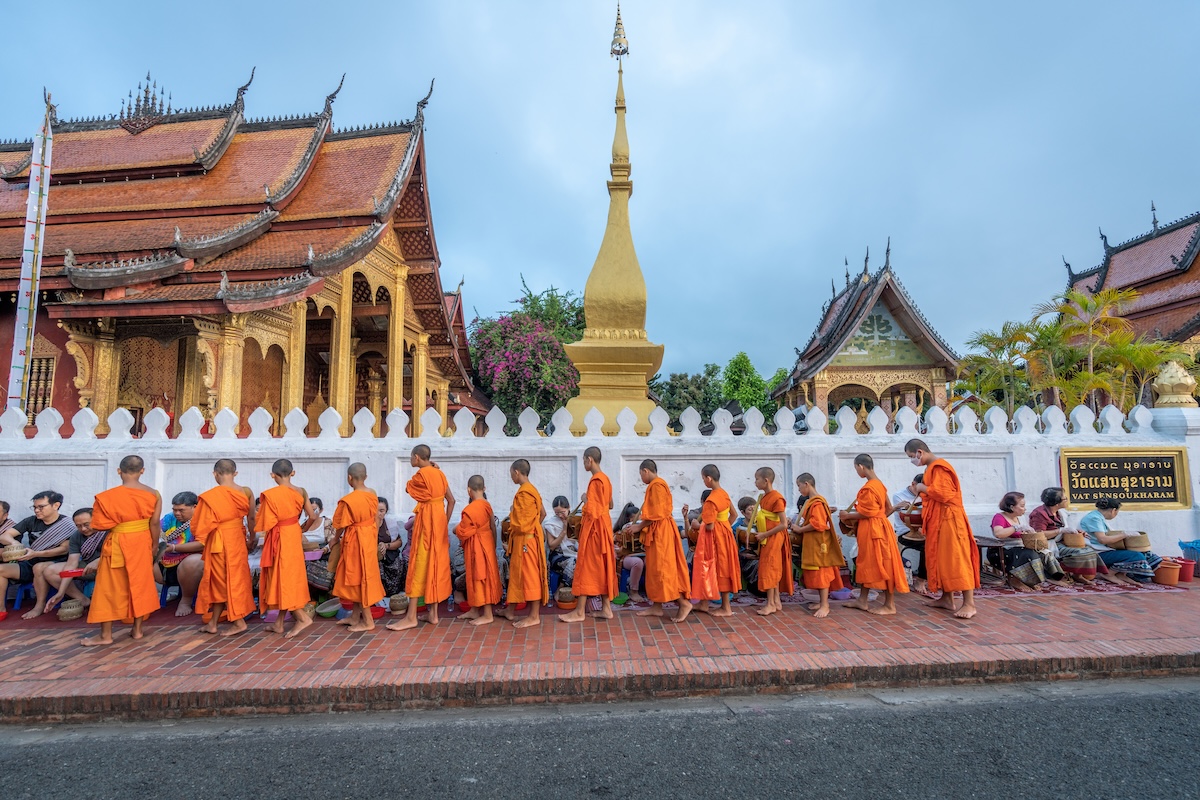
Time moves differently in Luang Prabang. Here, the spiritual and the historical blend together in a way that feels utterly serene. This ancient royal capital is a UNESCO-listed city known for its beautifully preserved mix of traditional Lao wooden houses and French colonial architecture. The whole town is nestled at the confluence of the Mekong and Nam Khan rivers, surrounded by green mountains.
Each morning at sunrise, hundreds of saffron-robed monks walk through the streets in a silent procession to collect alms. This ancient, peaceful ritual sets the tone for the entire city. Exploring the glittering temples, browsing the night market, or simply watching the river flow by is a deeply relaxing journey into Southeast Asia’s spiritual heart.
6. Český Krumlov, Czechia
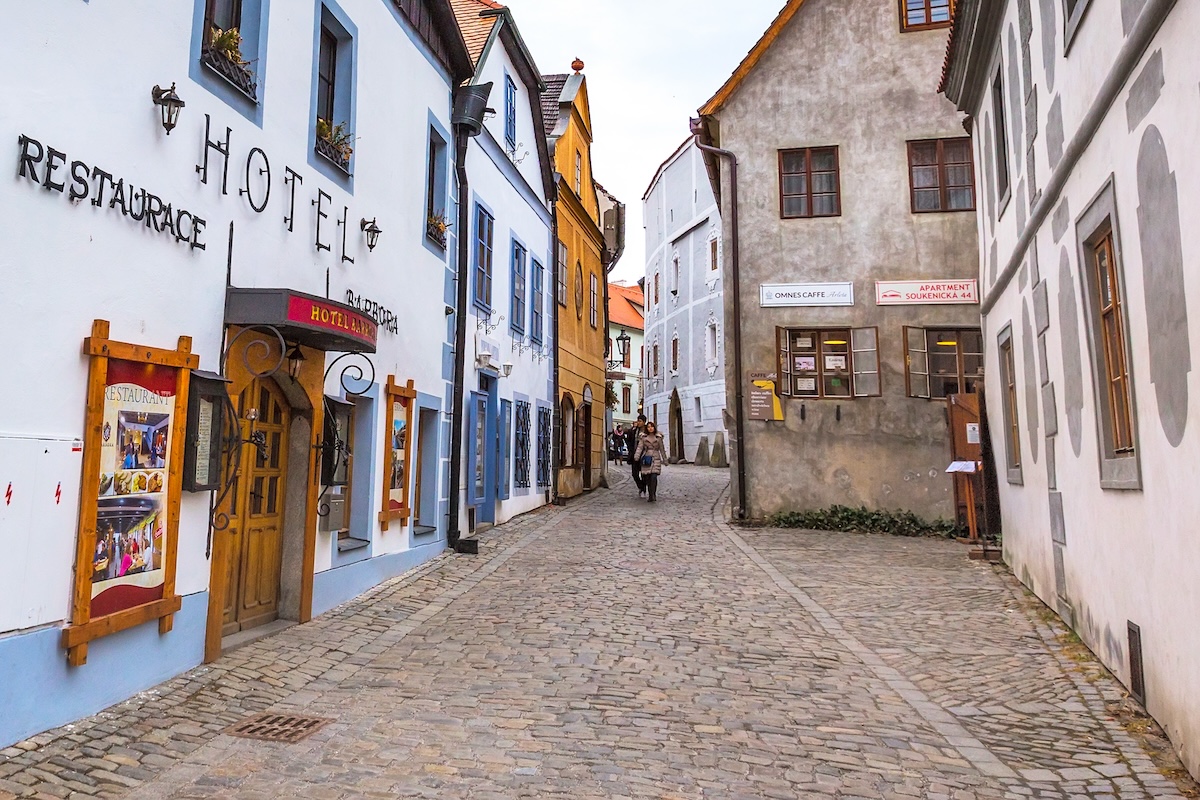
If you were asked to draw a fairytale town, you’d probably sketch something that looks a lot like Český Krumlov. This perfectly preserved medieval town in southern Bohemia is wrapped in a horseshoe bend of the Vltava River, with a magnificent castle complex perched on a cliff overlooking the red-roofed houses below. It’s so storybook-perfect it almost doesn’t seem real.
The entire old town is a UNESCO World Heritage site, and its narrow, winding cobblestone lanes are a joy to get lost in. With no traffic lights and hardly any modern buildings to spoil the view, it’s an enchanting escape into the heart of old-world Europe. Find a riverside cafe and just soak it all in.
5. Machu Picchu, Peru
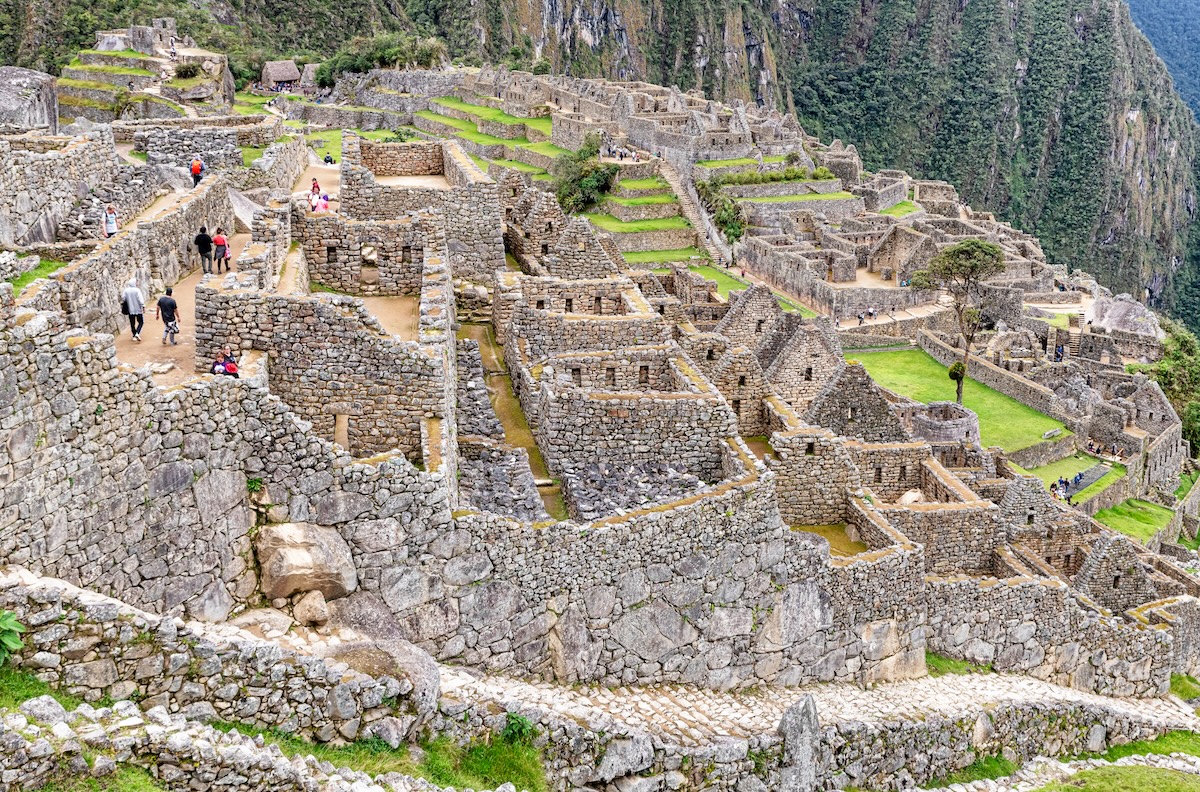
Hidden high in the Andes mountains, the lost city of the Incas is the stuff of legend. The journey itself, whether by train or a multi-day trek, builds the anticipation for the moment you finally see the iconic stone ruins emerge from the clouds. Built in the 15th century and abandoned just a century later, its original purpose remains a captivating mystery.
The genius of Inca engineering is on full display here, with precisely cut stones that fit together without mortar, terraces clinging to steep mountain faces, and sophisticated water systems. The breathtaking setting, surrounded by lush green peaks, adds to the site’s mystical atmosphere. It truly feels like you’ve discovered a forgotten world.
4. Forbidden City, China
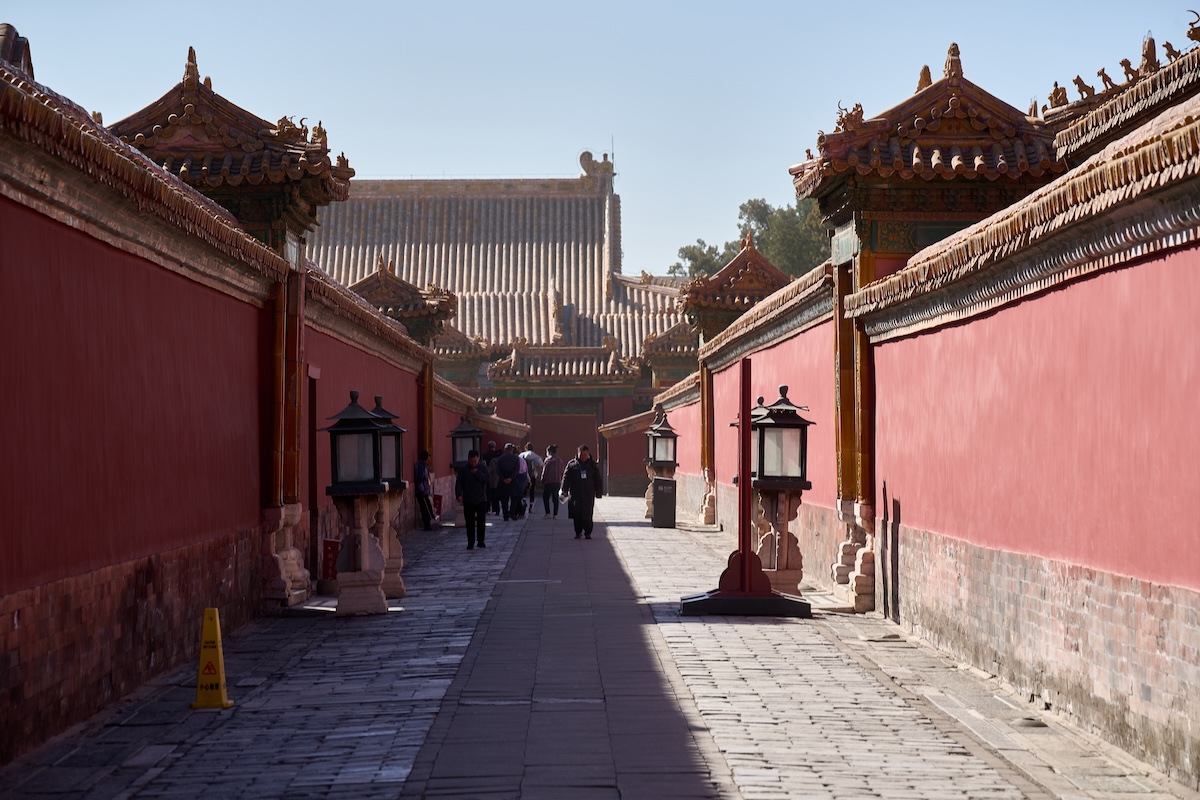
For 500 years, this vast palace complex in the heart of Beijing was the exclusive domain of emperors, their families, and their court. Ordinary citizens were forbidden from even approaching its towering red walls, hence the name. Today, you can walk through the same gates and courtyards that were once home to the most powerful people in the Middle Kingdom.
The sheer scale is staggering. With nearly 1,000 buildings, the Forbidden City is the world’s largest imperial palace. As you move from grand ceremonial halls to the private residential quarters, you get a sense of the incredible power, ceremony, and isolation that defined imperial life. It’s a journey into the very soul of dynastic China.
3. Colonial Williamsburg, Virginia
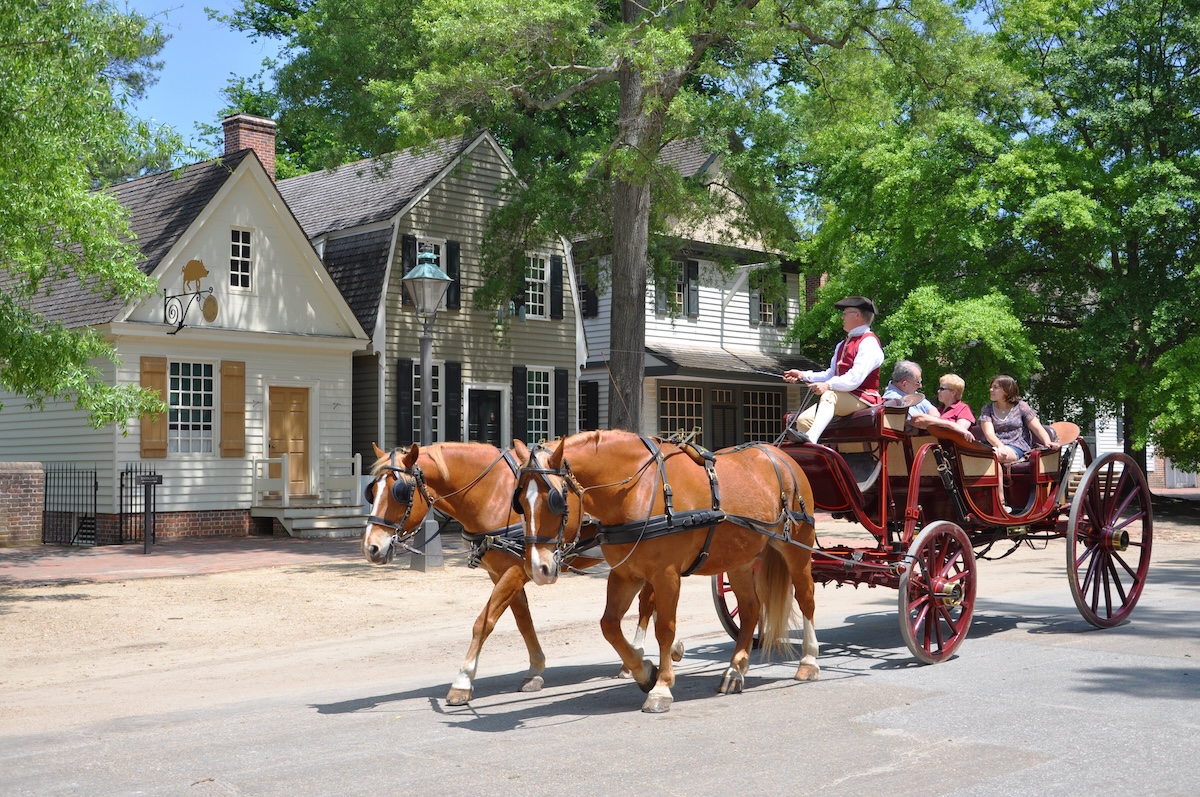
Colonial Williamsburg is a full-blown immersion into 18th-century America and the entire city is the museum where the residents are all in on the act. You can walk for miles through this meticulously restored revolutionary capital, where blacksmiths hammer at forges, cooks prepare meals over open fires, and horse-drawn carriages clatter down the streets.
Chat with historical interpreters playing the roles of everyone from political figures to skilled artisans, who never break character. It’s a brilliantly executed concept that brings history to life in a way that reading a book never could. You can even participate in reenactments or learn a colonial trade. It’s the closest you’ll get to joining the revolution.
2. Havana, Cuba
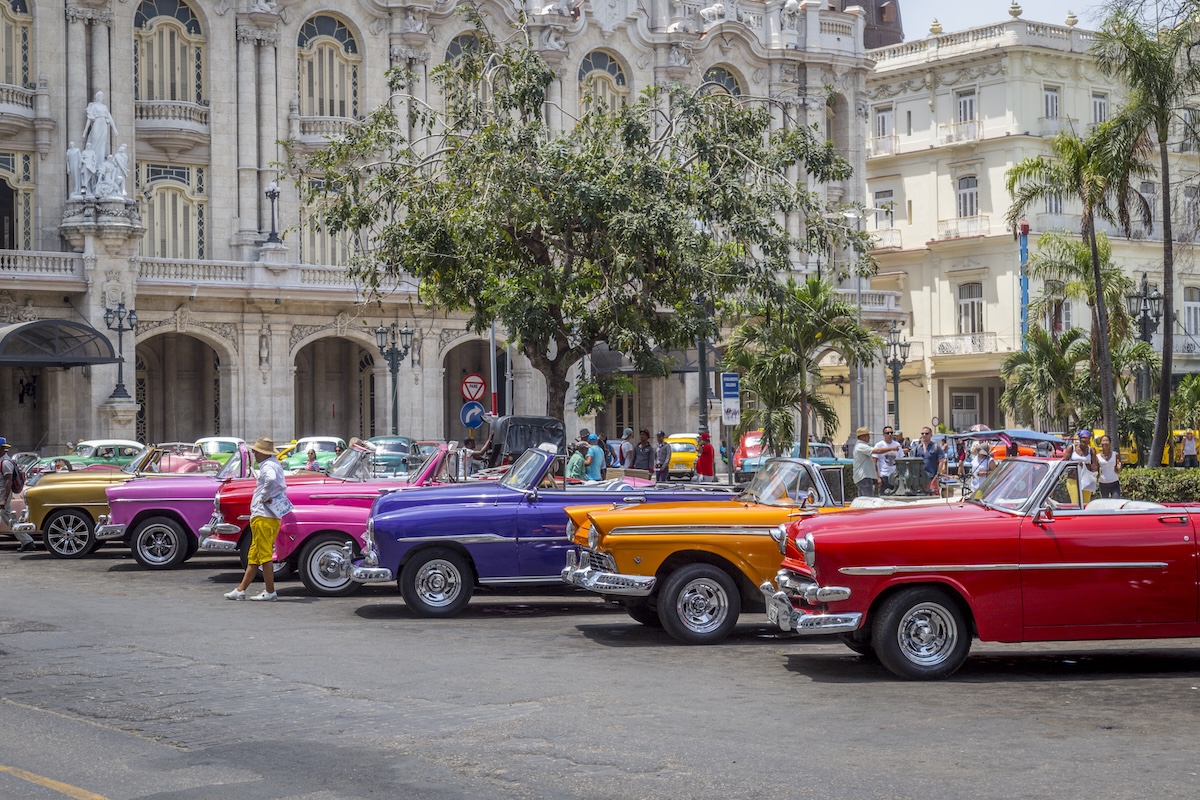
Stepping into Cuba’s capital is to step into a world where time seems to have stalled around 1959. The city is a vibrant, living museum, famous for the classic American cars that cruise its streets. Bright pink Cadillacs and turquoise Chevrolets rumble past grand but crumbling Spanish colonial buildings, their pastel facades faded by the sun and sea salt. The energy is infectious.
Wander through Old Havana, a UNESCO World Heritage site, where laundry flutters from balconies and the sounds of rumba music spill from open doorways. The lack of modern advertising and the beautifully preserved architecture create an atmosphere that is completely unique. It’s a city that moves to its own beat, one that hasn’t changed in decades.
1. Pompeii, Italy
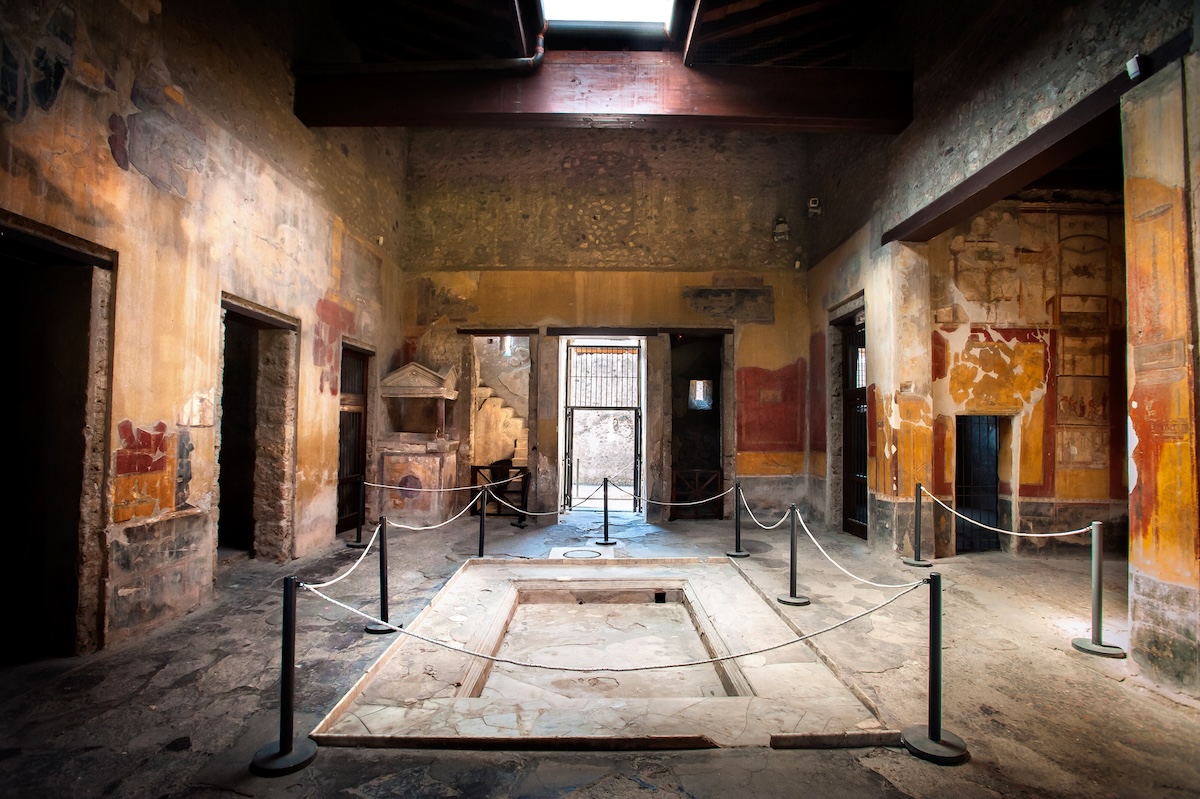
This ancient Roman city offers a travel experience that is both fascinating and haunting. In 79 AD, Mount Vesuvius erupted, burying Pompeii under tonnes of ash and pumice. The disaster was tragic, but it also created an incredible time capsule. The ash preserved everything exactly as it was on that fateful day, from grand villas with intricate mosaics to humble bakeries with loaves of bread still in the ovens.
Walking down the stone-paved streets, you can peek into homes, temples, and even a brothel, getting a startlingly intimate look at daily Roman life. The looming volcano in the background is a constant, powerful reminder of the city’s story. It’s one of the most complete and compelling archaeological sites on Earth.