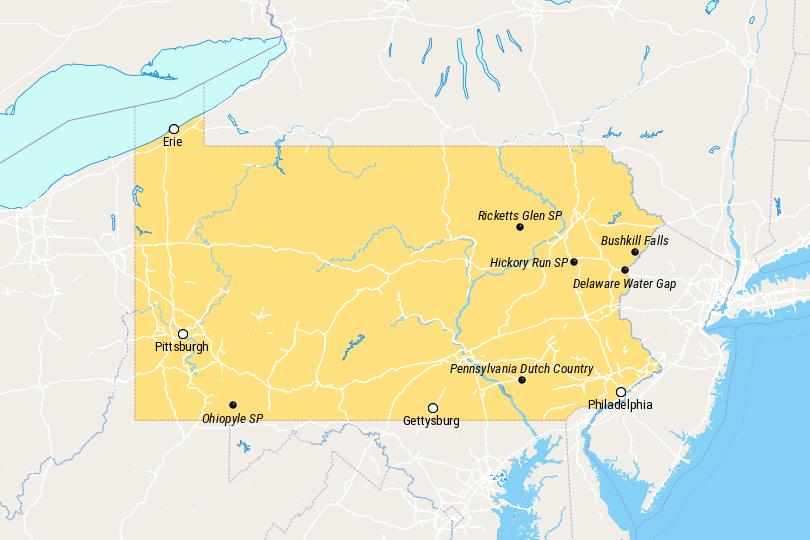
Nicknamed the Quaker State and the Keystone State, Pennsylvania is a state bordered by New Jersey, New York, Ohio, West Virginia, Maryland and Delaware. Pennsylvania is large and diverse, and within its borders you’ll find big cities, rolling agricultural land, traditional Amish settlements and even beaches on one of the Great Lakes.
All too often, trips to Pennsylvania revolve around Pittsburgh and Philadelphia. While these great cities are definitely great places to visit in Pennsylvania, don’t forget to add in a few more of the many noteworthy destinations.
10. Hickory Run State Park
In the Pocono Mountains of Eastern Pennsylvania is Hickory Run State Park. This enormous park in Carbon County has a lot to offer, including more than 40 miles of scenic hiking trails. In the winter, some of the trails even do double duty for cross-country skiing.
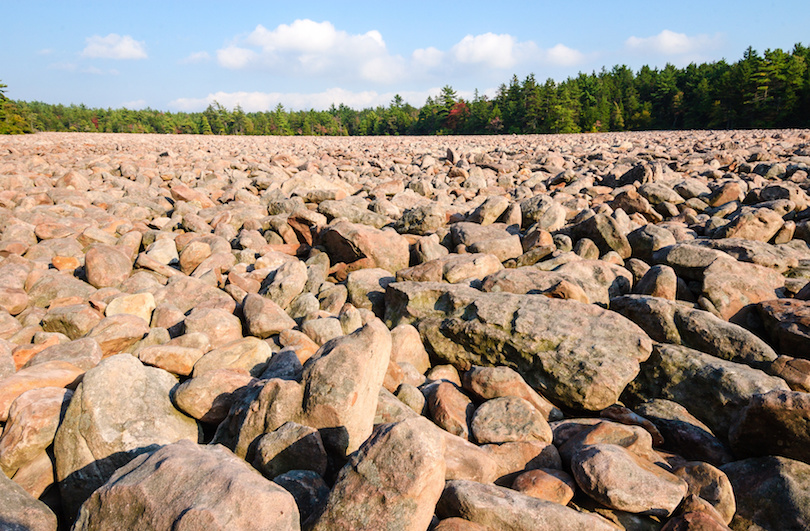
In the summer, Sand Spring Lake boasts a sandy beach suitable for swimming. One of the must-see parts of the state park is its boulder field. This field is more than 20,000 years old, and was formed due to the thawing of glaciers. Hop from boulder to boulder on the fascinating and picturesque Boulder Field Trail.
9. Ohiopyle State Park
On the banks of the Youghiogheny River, you’ll come across the small but scenic Ohiopyle State Park. The river itself is a big part of the state park’s appeal. From the park, you’ll have access to the river and recreation activities like whitewater rafting.
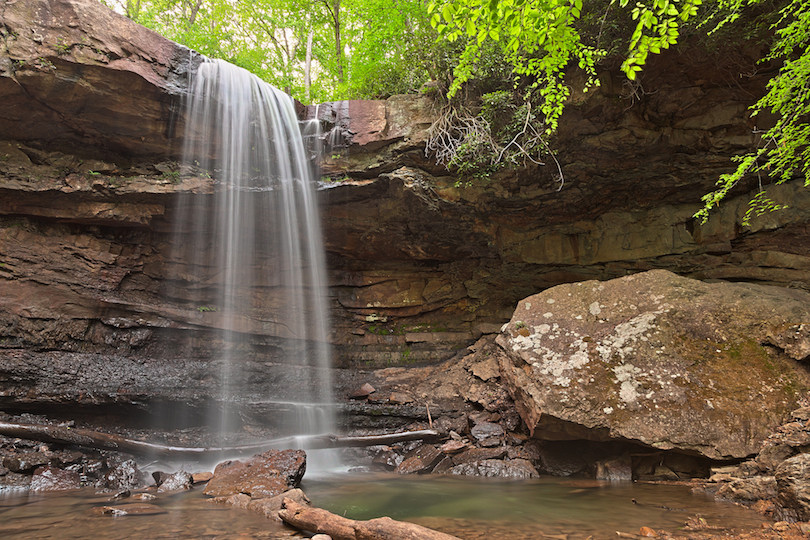
The seven-mile stretch of the Youghiogheny River called the Lower Yough is home to impressive rapids, and you can join a guided tour to experience it yourself. Ohiopyle State Park also boasts great hiking and beautiful waterfalls, the most popular of which is Cucumber Falls. Bring along your camera to snap pictures of the 30-foot (10-meter) bridal waterfall located along the Great Gorge Trail.
8. Delaware Water Gap
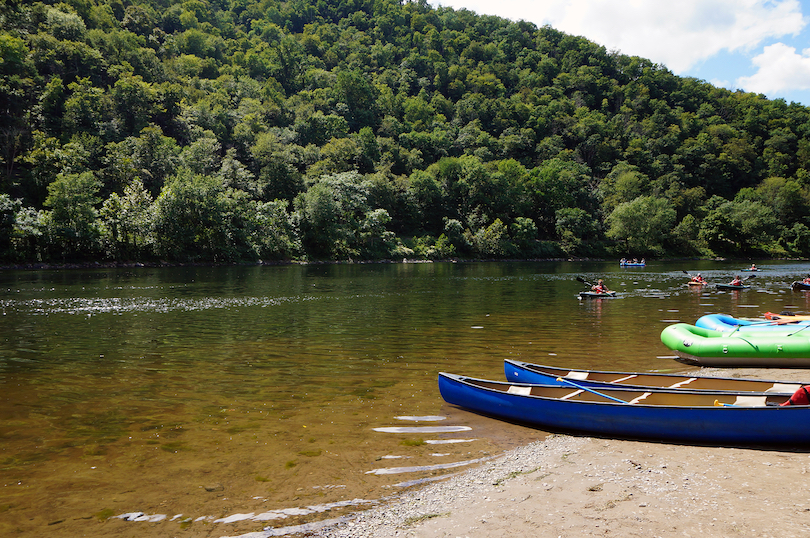
Crossing over the state line between Pennsylvania and New Jersey is the Delaware Water Gap National Recreation Area. As the name suggests, the Delaware Water Gap is found on both sides of the Delaware River. If you enjoy the great outdoors, there are countless choices available to you there.
Bring history to life in the 19th century Milbrook Village, or take a bike ride along the Old Mill Road. Hikers can pick from more than 100 miles of trails, trekking along scenic streams and lush green hemlock forests. The river also offers three beaches for swimming: Milford Beach, Smithfield Beach and Turtle Beach.
7. Erie
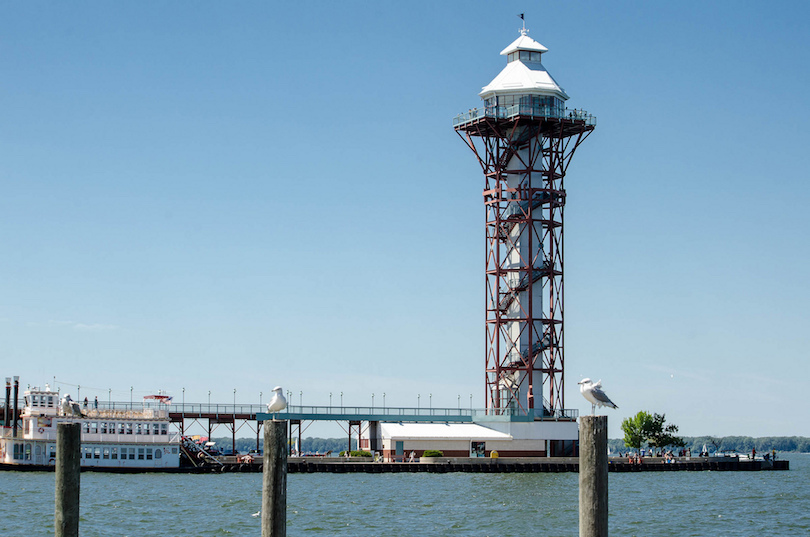
As you might have guessed, the city of Erie is named after the lake it borders: Lake Erie. Erie is the only lake port in the state, and it is the northernmost part of Pennsylvania. To take a closer look at the heritage of Erie, and how the port impacted development, check out the Erie Maritime Museum. The museum also owns the U.S.S. Niagara, an incredible historic warship that you can tour right in the port.
Arguably the most popular thing to do in Erie is visit Presque Isle State Park, which is just off the coast, for hiking, fishing, cycling or just enjoying the beaches.
6. Ricketts Glen State Park
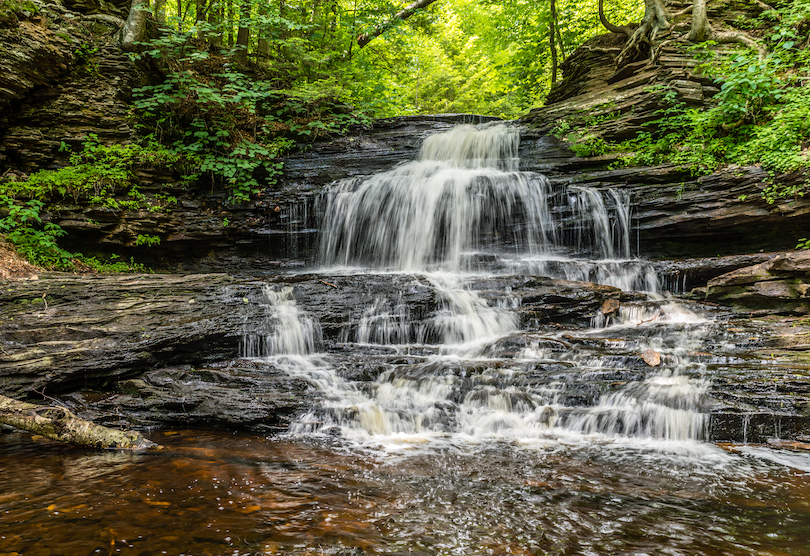
In the heart of Pennsylvania, there is a National Natural Landmark called Ricketts Glen State Park. This park is enormous, spreading out into three different counties, and it is a nature lover’s dream destination. The park is home to 24 major waterfalls and many more smaller falls, and hiking the Falls Trail System is the best way to see as many of them as possible.
If you’d rather kick back, head to the beach on Lake Jean and set up a picnic with a view of the water. You can also head onto the lake with a boat rental or try some fishing from the shore.
5. Pennsylvania Dutch Country
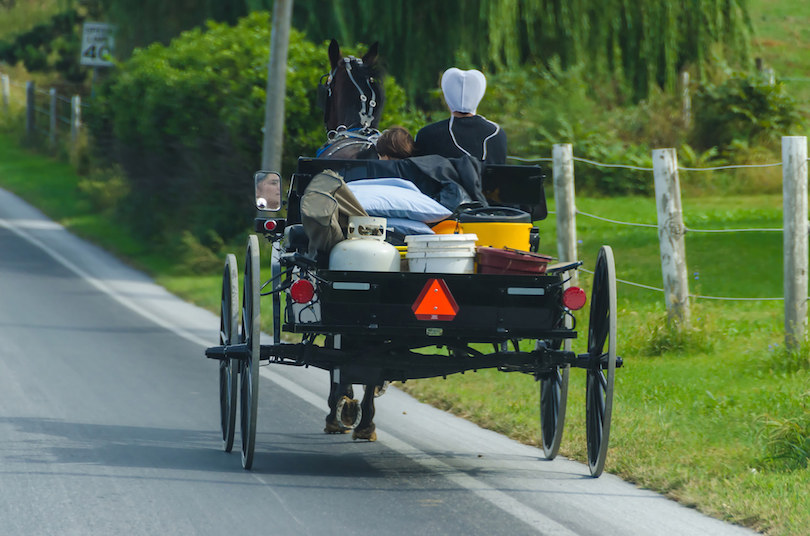
In Lancaster County, you can find a large portion of the state’s Amish population in what is known as Pennsylvania Dutch Country. Although the capital of Harrisburg is technically within this region, much of the area is rural.
Whitewashed fences, perfectly maintained barns and horse-drawn buggies abound in this part of the state. One of the best ways to explore Amish country is to visit the local markets. One of the most popular is the Bird in Hand Farmers Market, where you can find fresh produce as well as baked goods like apple butter and the delicious shoofly pie.
4. Bushkill Falls
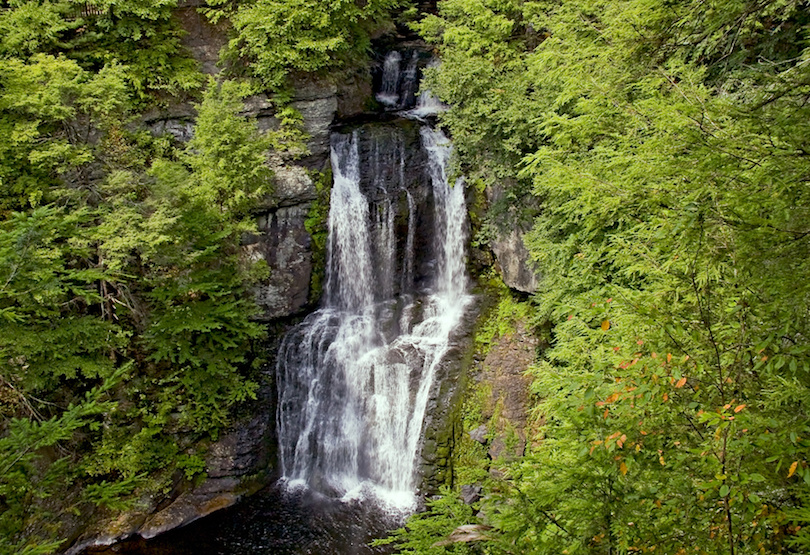
The “Niagara of Pennsylvania,” Bushkill Falls is among the best places to visit in Pennsylvania. These waterfalls are phenomenal, and they are located in the beautiful Pocono Mountains. There are eight waterfalls in total, and they are accessible via a collection of hiking trails and stunning bridges.
For a quick trip, the Green Trail takes just 15 minutes and head straight to the main falls. For the more ambitious hikers, the Red Trail takes about two hours and include all eight waterfalls. Kids and adults alike may want to check out the Bushkill Falls Mining Company Maze, which is timed and can add a fun bit of competition to your visit.
3. Gettysburg
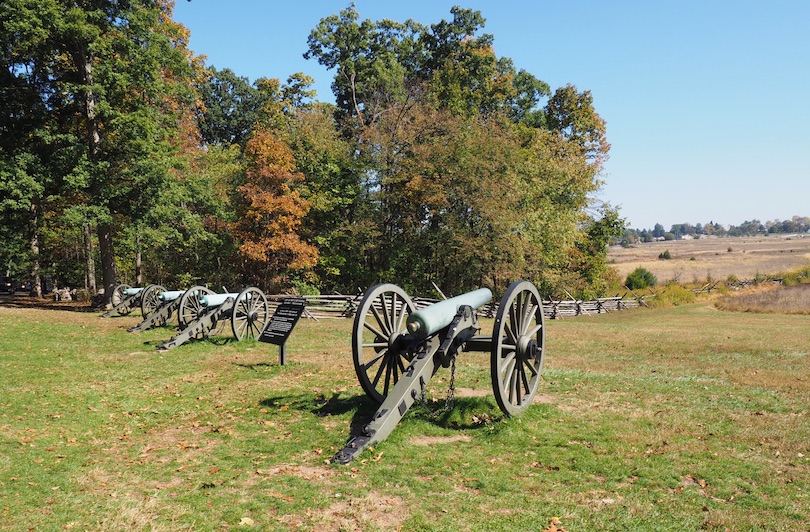
One of the most significant battles ever fought in the Civil War was the Battle of Gettysburg. In July of 1863, three days of fighting resulted in heavy casualties and the retreat of the Confederate Army. Today, the Gettysburg National Military Park marks the historic site.
At the Gettysburg Heritage Center, you can get an introduction to the entire Civil War and how Gettysburg factored into it way. Make time to tour the Jennie Wade House, where the only Gettysburg citizen who died during the battle once lived.
2. Pittsburgh
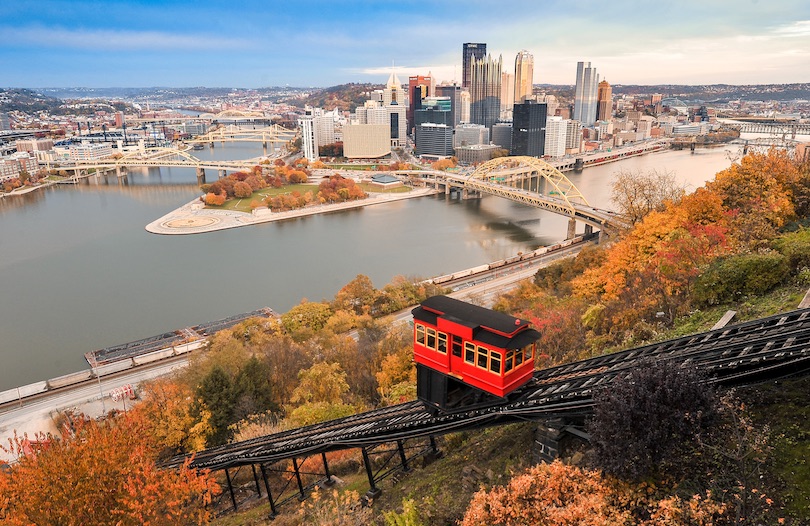
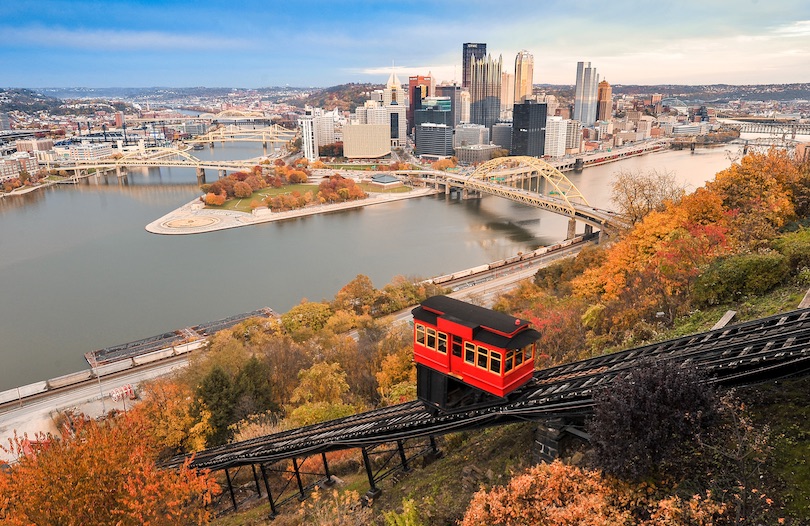
Pittsburgh, or the Steel City, is a huge metropolis created where three rivers converge. Several steel bridges span the Ohio River, the Allegheny River and the Monongahela River. It has a distinct topography, a mass of green hills rising straight up from the rivers below.
While Pittsburgh’s heritage is industrial, there are plenty of tourism attractions worth visiting in the city. The skyline in Downtown Pittsburgh is not to be missed, with the U.S. Steel Tower nabbing the honor of tallest in the city. In the heart of Downtown is Point State Park, a green park where you can also tour the 19th century Fort Pitt Block House. For sports fans, head to the North Side of the city to catch the Steelers at Heinz Field or the Pirates at PNC Park.
1. Philadelphia
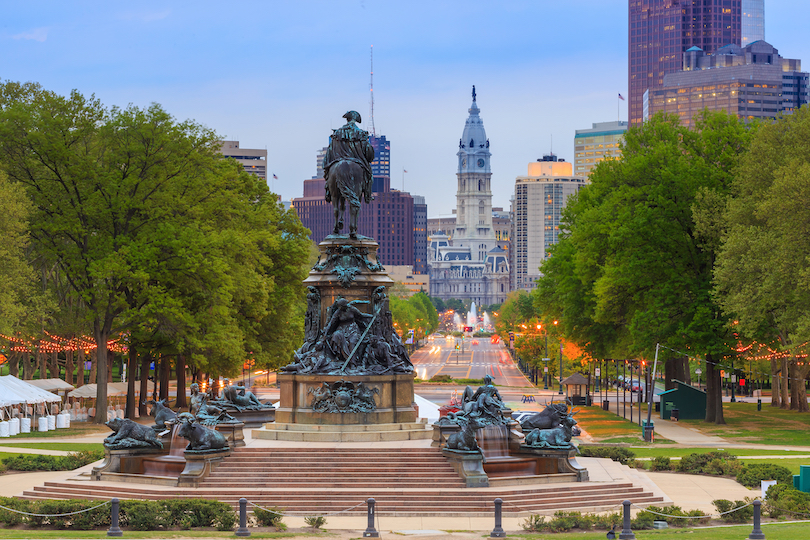
It is nicknamed the City of Brotherly Love, but Philadelphia is probably best known for three things: American history, Rocky and cheesesteaks! Check out the Philadelphia Museum of Art for its excellent collection of works, and then admire the steps where Rocky famously trained.
History lovers can’t miss the Independence National Historic Park, where several iconic landmarks are located. Within the park, you’ll be able to see Independence Hall, the cracked Liberty Bell and the original U.S. Constitution, which is located in Constitution Hall. Round out the day of sightseeing with a Philly cheesesteak from Pat’s or Geno’s, two rival purveyors located across the street from one another in South Philadelphia.