
The Louvre Museum in Paris holds over 35,000 artworks across hundreds of rooms. You could spend days wandering its halls and still not see everything. Knowing which pieces deserve your attention can save you time—and, honestly, make your visit way more enjoyable.
In the Louvre you’ll spot everything from massive historical scenes to delicate Renaissance portraits. Some works draw huge crowds, while others sit in quieter corners, just waiting for someone to notice.
First trip or a return visit? Either way, these masterpieces take you on a wild tour through different time periods and art styles. Each one has its own story and helps explain why the Louvre became the world’s most visited museum.
9. Coronation of Napoleon
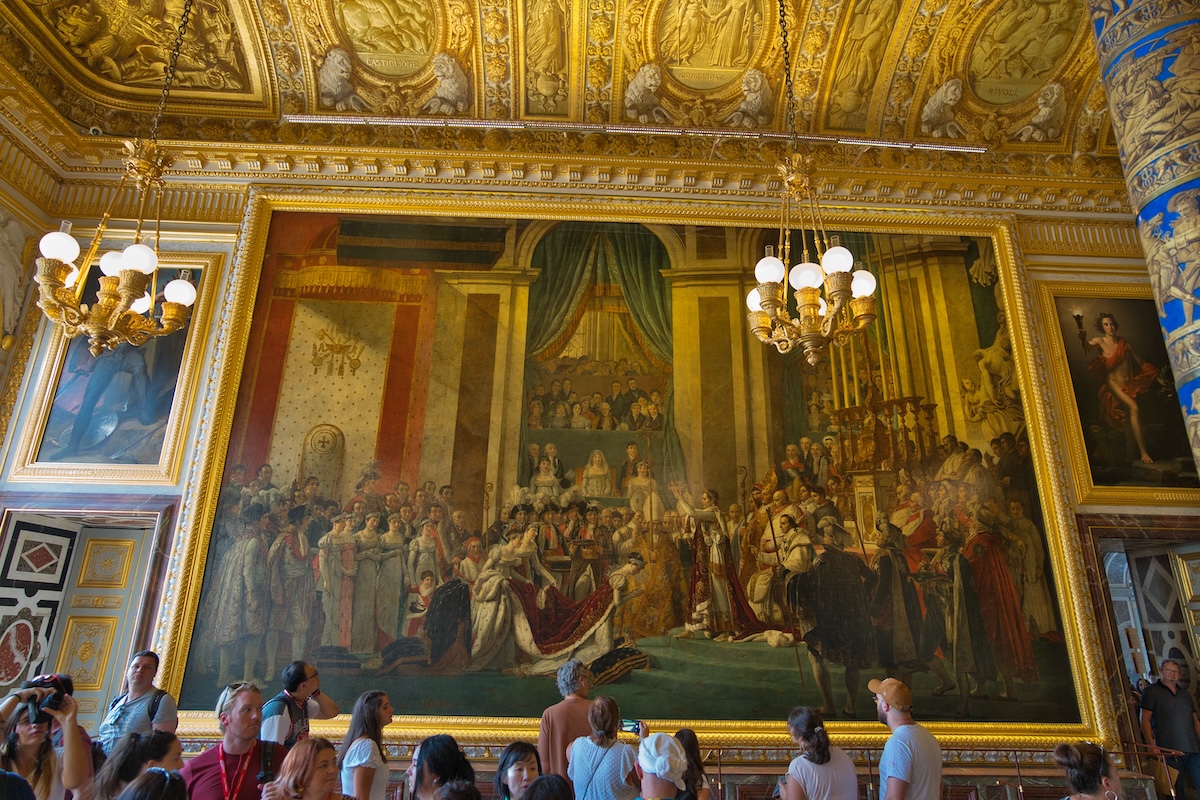
This massive painting lives in the Louvre’s red rooms, and you can’t really miss it. It stretches nearly 33 feet wide and over 20 feet tall—Jacques-Louis David painted it in 1807 as Napoleon’s official court artist.
The painting shows Napoleon’s coronation ceremony at Notre-Dame Cathedral in Paris. But here’s the twist: Napoleon isn’t crowning himself. Instead, he’s placing the crown on his wife Joséphine’s head as she becomes empress.
David wanted to create both a historical record and a piece of propaganda. The scene looks grand and official, though he tweaked a few details from what actually happened. When Napoleon first saw the finished work, he supposedly said you could walk right through it.
Over 150 people appear in the painting, all dressed in their finest clothes.
8. The Wedding at Cana
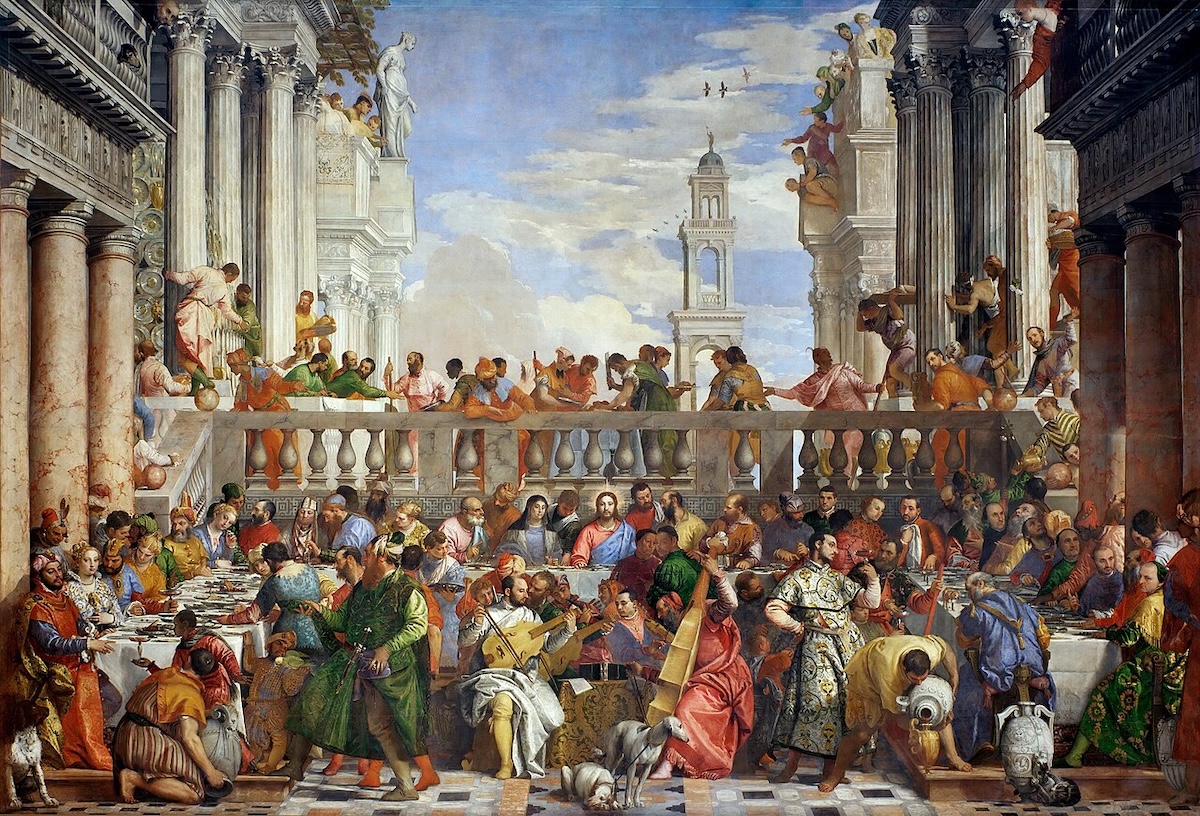
This enormous painting hangs across from the Mona Lisa in the Denon wing. Paolo Veronese painted it between 1562 and 1563, and it’s absolutely huge—almost 70 square meters, making it the largest painting in the entire Louvre.
The scene shows the biblical story where Jesus turns water into wine at a wedding. Veronese painted Jesus right in the middle, but set the whole thing at a fancy Venetian celebration instead of an ancient backdrop.
The Benedictine monks in Venice originally commissioned this piece for their monastery dining hall. Standing in front of it, you can see why Veronese needed such a big canvas. He crammed every inch with guests, musicians, and little details that pull you into the chaos.
The rich colors and crowded composition just scream Renaissance art at its best.
7. Code of Hammurabi
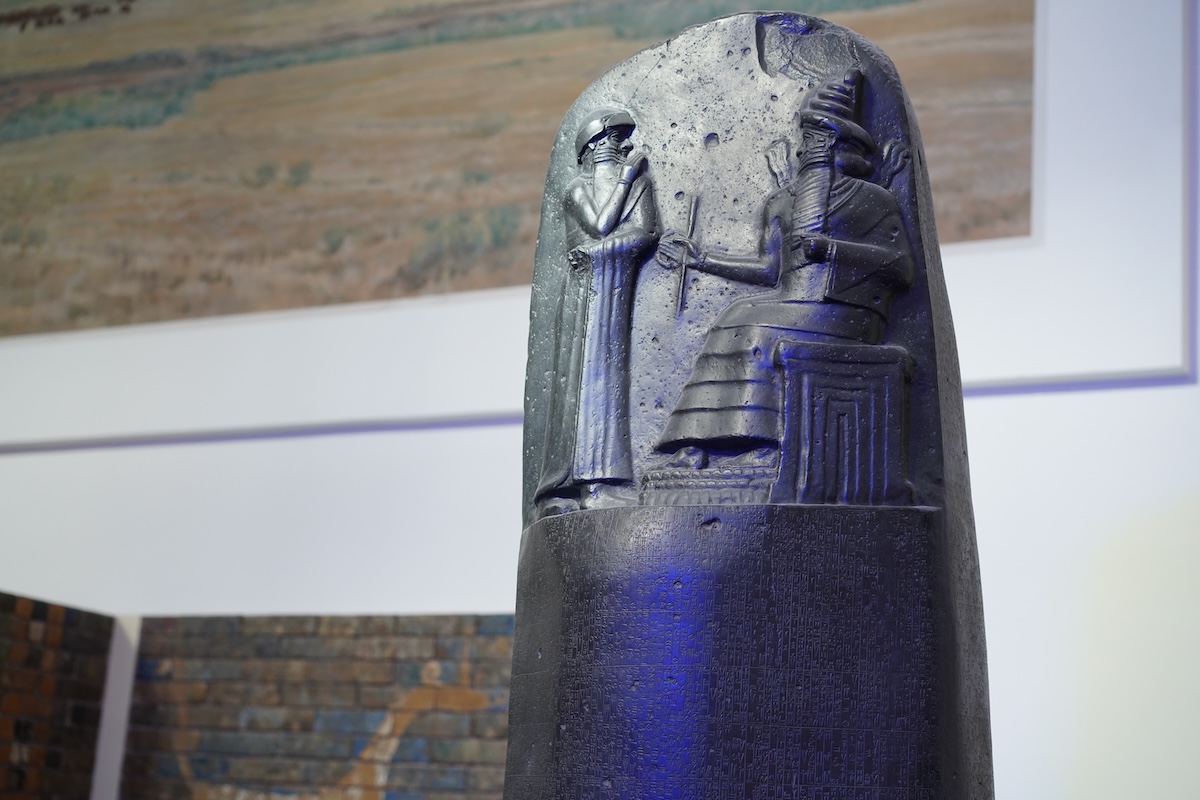
You’ll spot one of the world’s oldest legal codes carved into a tall black stone pillar in the Louvre’s ancient Near Eastern collection. The Code of Hammurabi dates back to around 1754 BC, when King Hammurabi ruled Babylon.
The stone stands over seven feet tall and lists 282 laws that governed Babylonian society. At the top, King Hammurabi receives his authority from Shamash, the sun god.
This basalt stele shows how ancient civilizations tried to organize their communities. The laws cover everything from property rights to family squabbles. Reading those thousands of carved characters, you’re peering into legal thinking that’s older than biblical law.
6. Oath of the Horatii
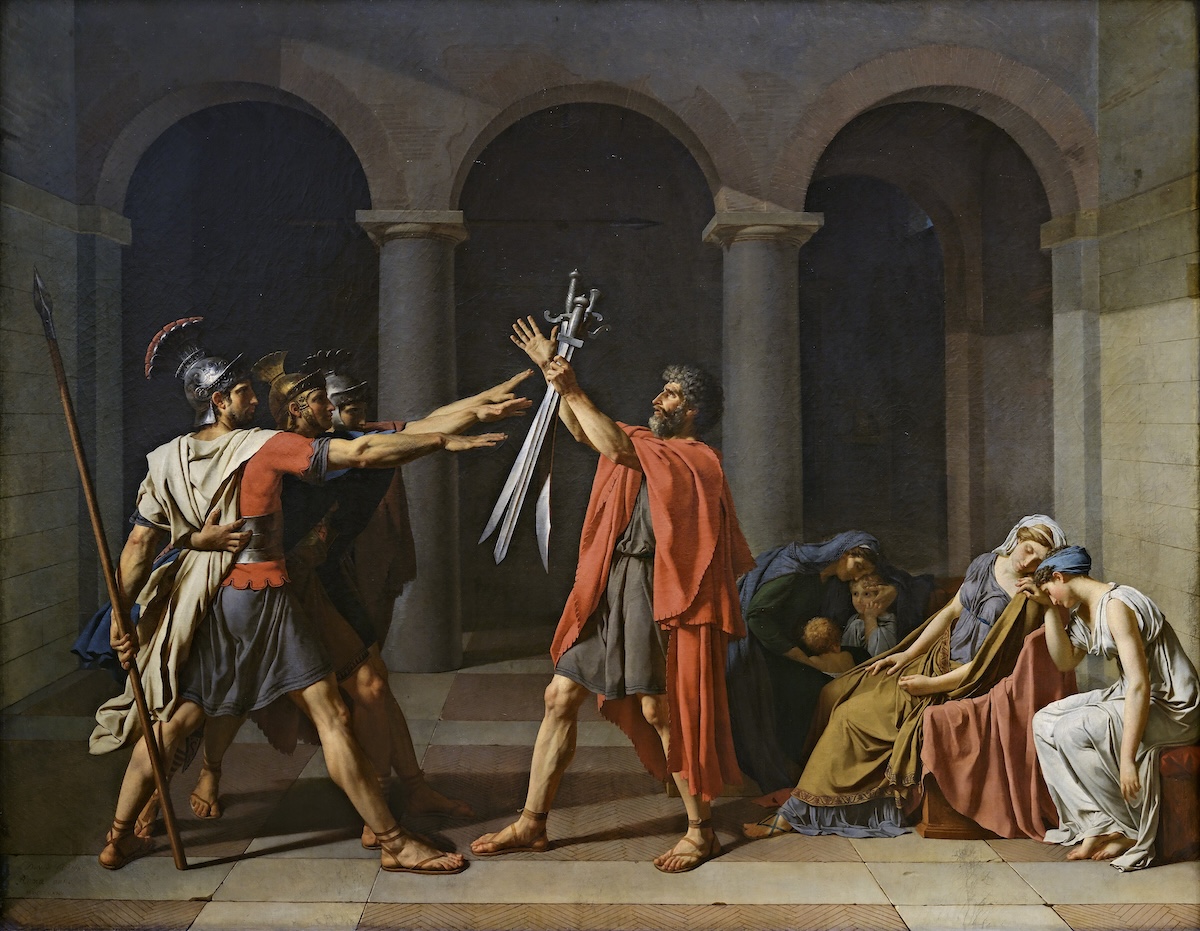
This massive painting by Jacques-Louis David dominates one of the Louvre’s grand galleries. He finished it in 1785, and it quickly became famous across Europe.
The painting shows three brothers from ancient Rome raising their arms in a dramatic oath—swearing loyalty to their father and city before heading into battle. David based the scene on a Roman legend about duty and sacrifice.
This artwork set the standard for Neoclassical painting. The clean lines, balanced composition, and stories from ancient history really defined the style. When David first showed it in Rome, everyone wanted to see it—priests, royalty, even the Pope.
The painting measures about 11 feet tall and 14 feet wide. Its size alone makes it hard to miss as you walk through the museum.
5. Liberty Leading the People
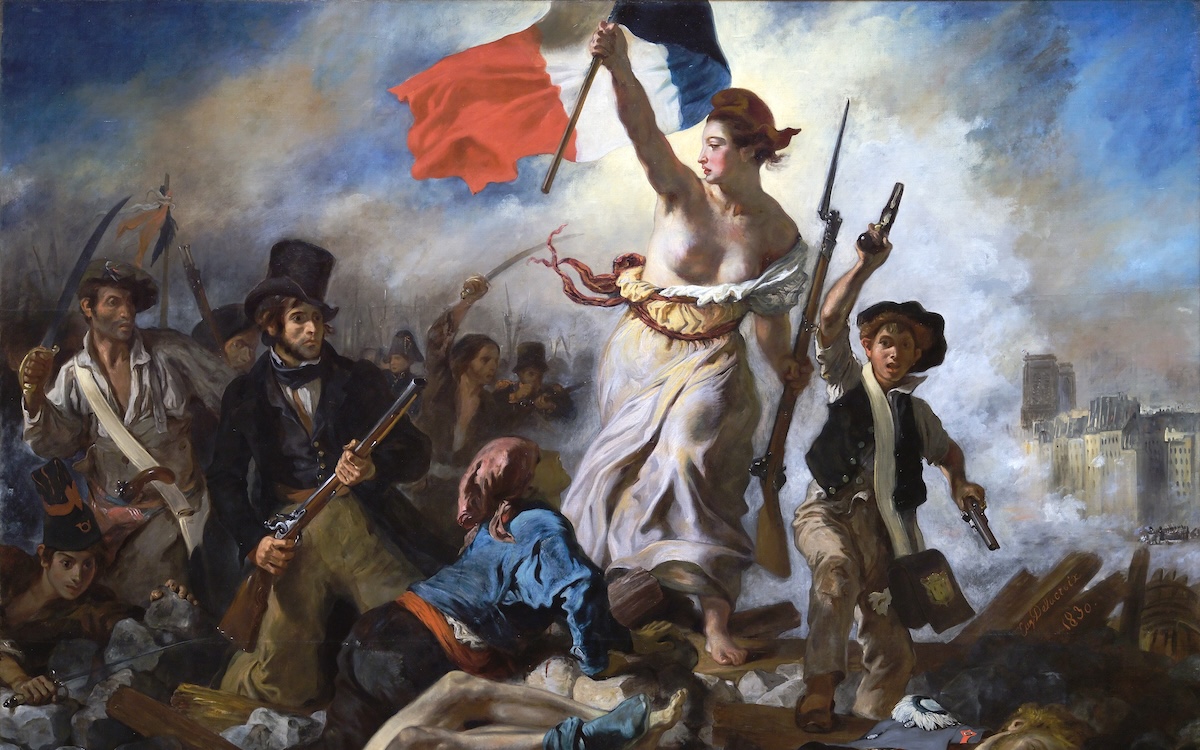
Eugène Delacroix painted this powerful work in 1830 to celebrate the July Revolution that ousted King Charles X. You’ll find it in Room 700 of the Denon Wing on Level 1.
Liberty appears as a woman holding the French flag high, leading people from all walks of life forward together. Her expression is fierce and determined as she guides revolutionaries through the chaos of battle.
This painting changed how artists captured political events. The image became so iconic that it inspired the Statue of Liberty and even appeared on French money. Believe it or not, you might have seen it on a Coldplay album cover too.
The painting captures a specific moment in French history, but its message about freedom fighting against oppression still rings true. No wonder it’s one of the most visited works at the Louvre.
4. Raft of the Medusa
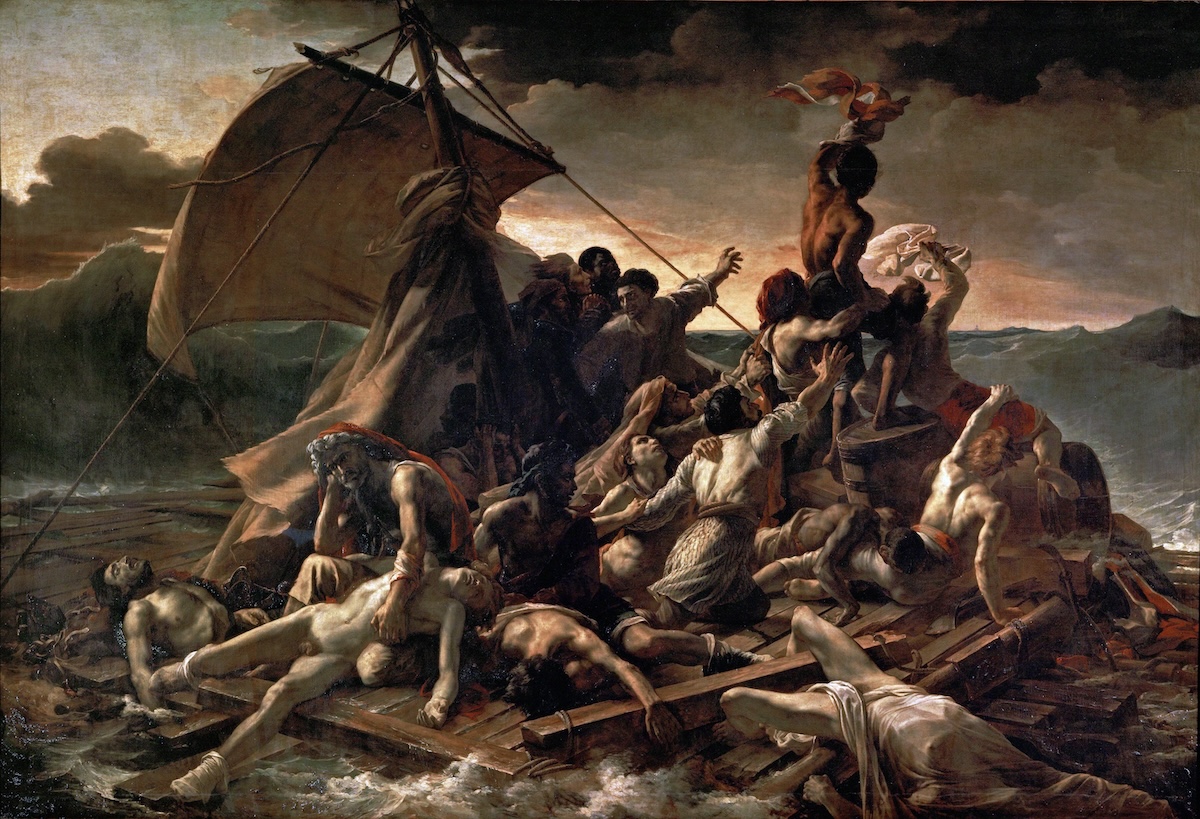
This massive painting hangs in the Louvre’s French Romanticism galleries. Théodore Géricault created it between 1818 and 1819 when he was just 27 years old.
The painting shows survivors on a makeshift raft after the French naval ship Méduse crashed off the coast of Mauritania in 1816. At least 147 people ended up stranded. Géricault didn’t shy away from the grim reality of what happened during those desperate days at sea.
When it debuted at the 1819 Salon exhibition, critics couldn’t agree. Some loved it; others thought the subject matter was just too much. The painting earned a gold medal but shocked many viewers with its raw honesty.
It measures about 16 by 23 feet, so there’s no way you’ll miss it. This work helped kick off the Romantic Movement in art.
3. Venus de Milo
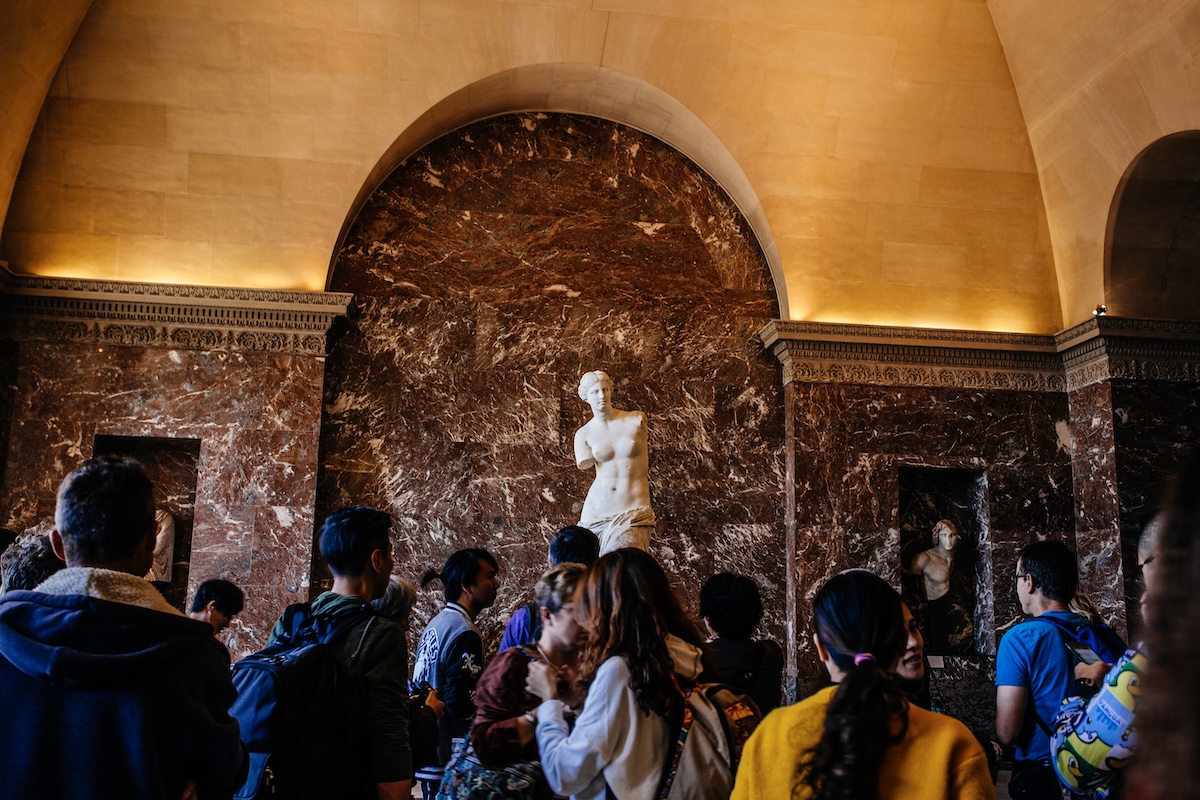
You’ll find this ancient Greek sculpture in the Sully wing on the ground floor. The Venus de Milo stands over six feet tall and shows the goddess Aphrodite in a graceful pose.
Artists sculpted her sometime between 160 and 110 BC during the Hellenistic period. A farmer found her on the Greek island of Milos in 1820, and the Louvre snapped her up just a year later.
Her missing arms have sparked endless debate about what she originally looked like. Was she holding an apple? Maybe adjusting her hair? Nobody really knows, which just adds to her mystery.
The marble goddess shows off the Greek ideal of beauty. Her contrapposto stance looks natural and relaxed, a testament to how skilled ancient sculptors were at capturing the human form.
You’ll spot her in gallery 16, where she draws crowds every single day.
2. Winged Victory of Samothrace
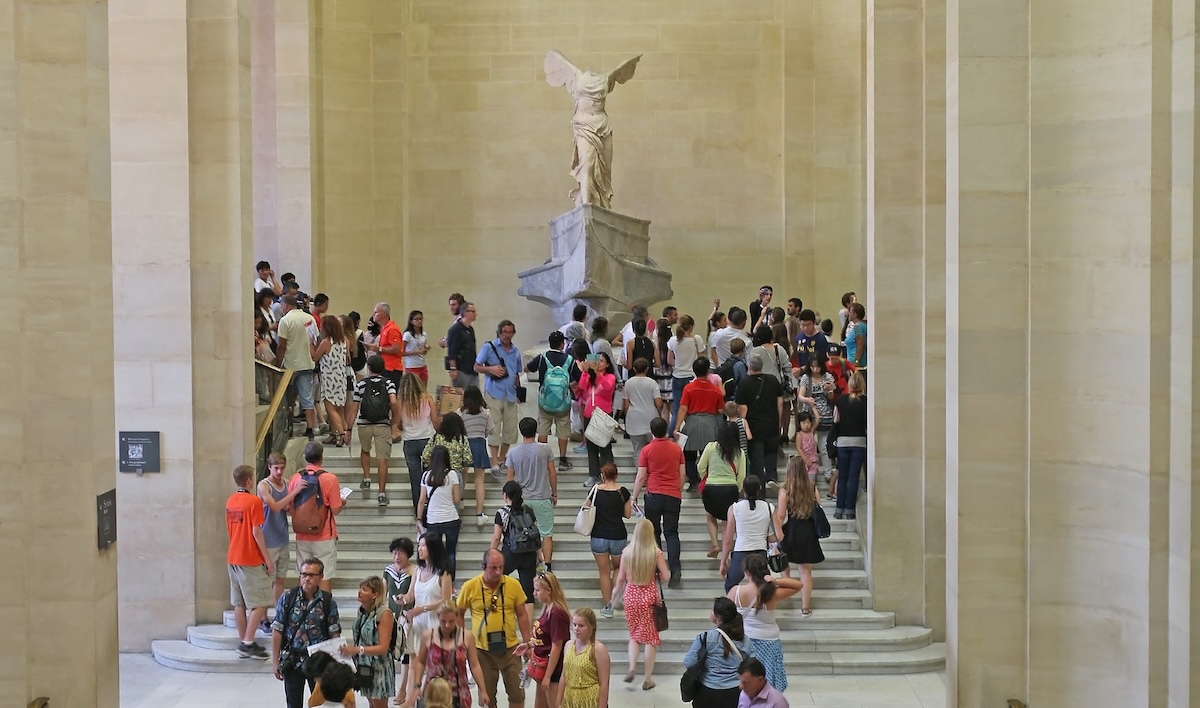
This stunning Greek statue stands at the top of the Daru staircase in the Louvre. The Winged Victory of Samothrace shows Nike, the goddess of victory, landing on a ship’s bow.
Artists carved it around 200-175 BCE, and the marble sculpture stands about 9 feet tall. Even without the head and arms, the statue still manages to capture an amazing sense of movement and power.
The way the fabric clings and twists makes it look like wind is whipping around her. It’s a brilliant example of what Greek artists could do during the Hellenistic period.
A French archaeologist found the broken pieces on the island of Samothrace in 1863. The sculpture was originally part of a sanctuary where people prayed for protection at sea. These days, it’s one of the most famous ancient Greek artworks in the world, right up there with the Venus de Milo.
1. Mona Lisa
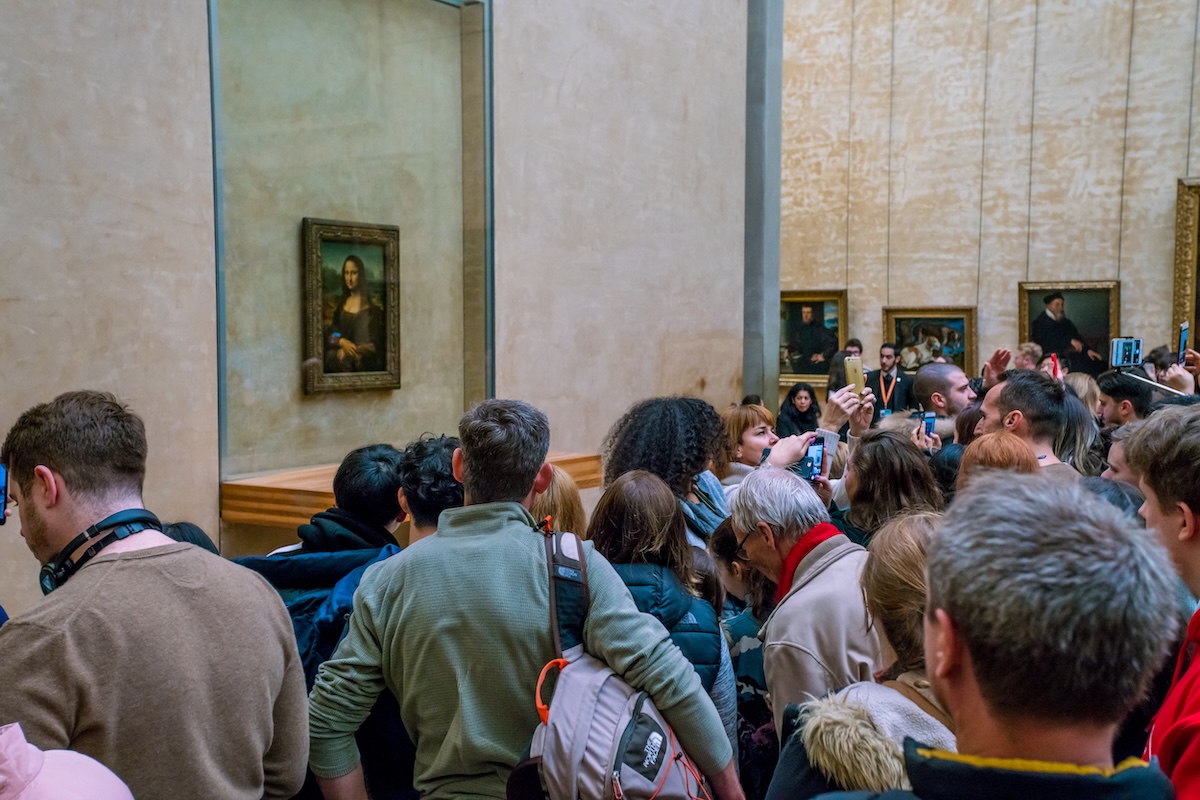
Leonardo da Vinci painted the Mona Lisa in the early 1500s, and honestly, it’s probably the most famous painting you’ll ever come across. The small portrait hangs in the Denon Wing behind thick glass, and crowds pack in around it every day—sometimes it’s hard to even get a glimpse.
So why does everyone care so much? That mysterious smile has puzzled people for centuries. And those eyes—don’t they seem to follow you around? It’s a little uncanny, honestly.
Da Vinci used a technique called sfumato, blending colors so softly that the edges just sort of melt away. That’s what gives the painting its hazy, almost otherworldly look. No one really knows who she is, though most folks guess she was a merchant’s wife from Florence. But who can say for sure?
Someone actually stole the painting from the Louvre in 1911. It vanished for two whole years before the police finally tracked it down. That wild story just made it even more legendary.