
The world contains an almost unfair number of beautiful coastal towns, most of which prefer to sit quietly in the sunshine while its tourist trap neighbors get absorbed by the shadows of cruise ships and tour buses. These spots share a quality that resort developers spend enormous budgets trying to manufacture: character that developed over centuries without anyone planning it.
Some built their identities around fishing fleets and harbor culture. Others attracted artists who came for the light and never left. A few simply stayed small enough that their best qualities survived the kind of attention that ruins places less careful about what they allow in.
15. Cadaqués, Spain
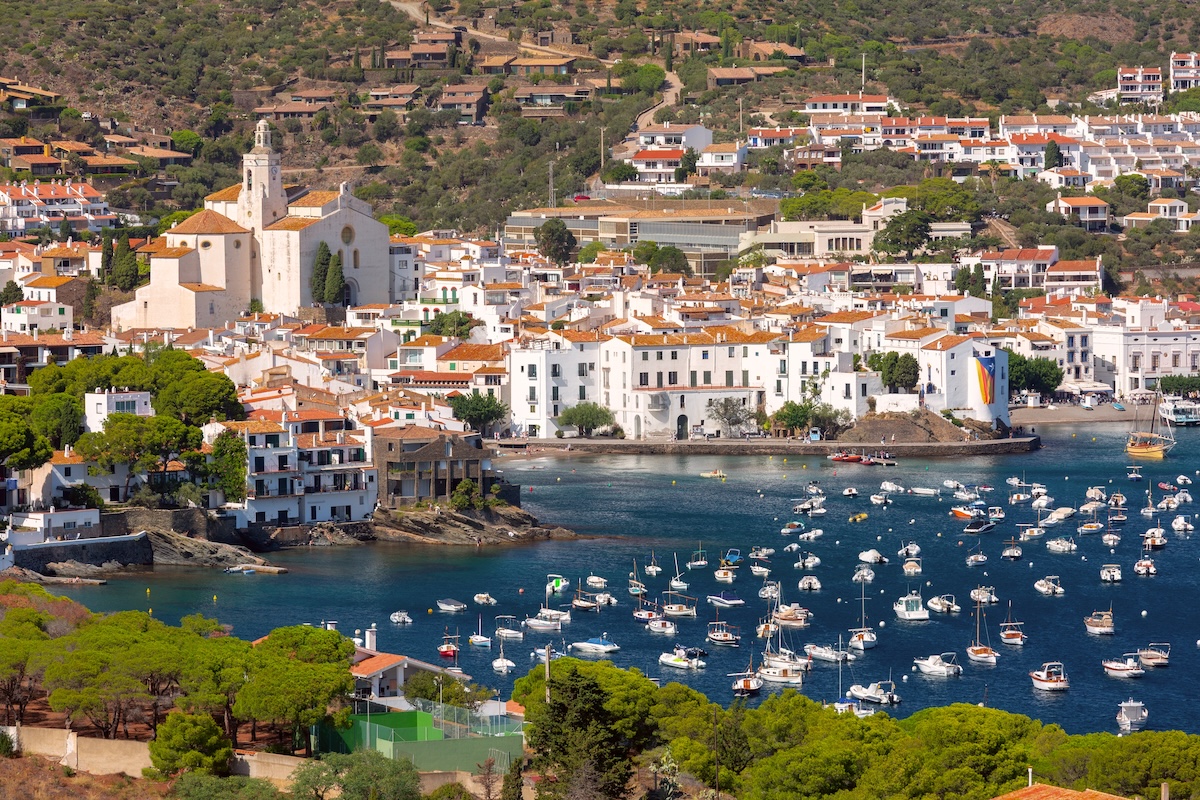
A single mountain road through the Cap de Creus peninsula separates Cadaqués from the wider Costa Brava, and that geography served the town better than any preservation law could. The whitewashed houses and blue-shuttered church above the harbor look exactly like a painting, which makes complete sense given that Salvador Dalí spent decades at his house in nearby Portlligat and reportedly never grew tired of the view.
The surrounding Cap de Creus National Park covers the most dramatic coastline on the Spanish Mediterranean, with hiking trails reaching headlands that the road never approaches. The anchovies carry serious local pride, the harbor restaurants pour excellent Empordà whites, and the town earns every kilometer of that winding approach road.
14. St Ives, England
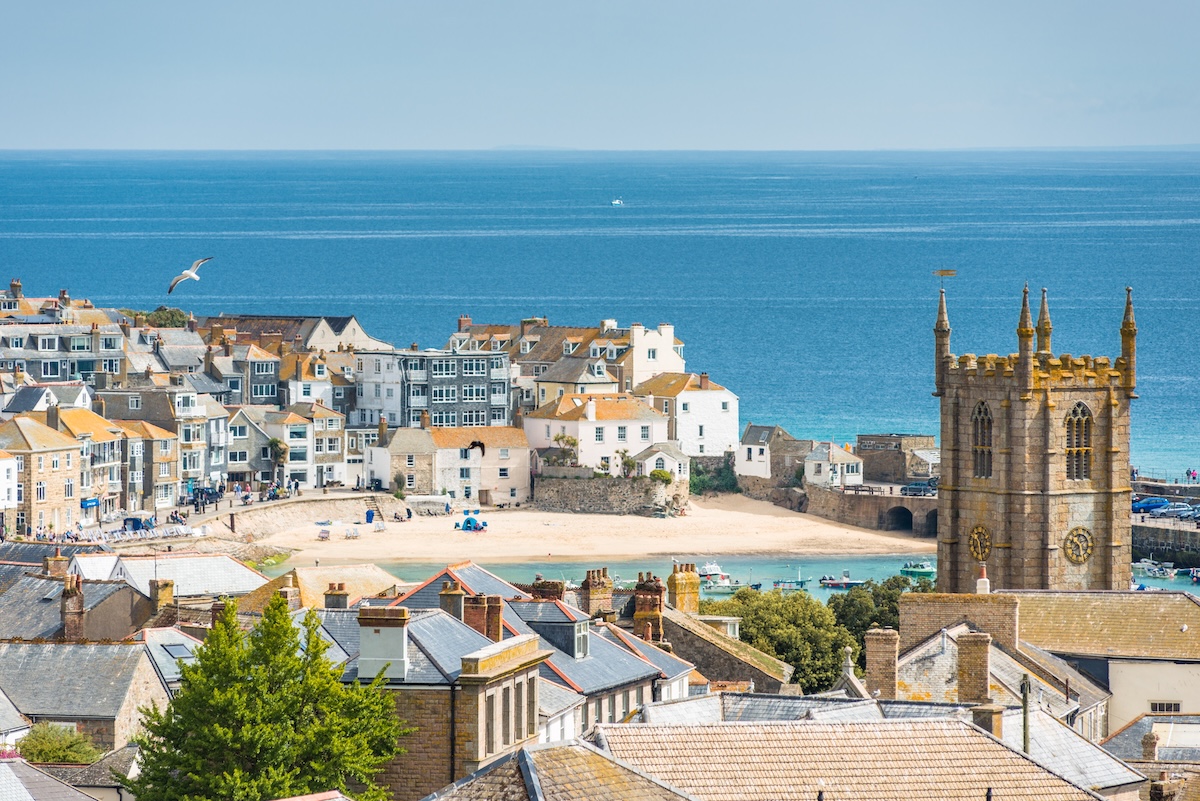
Cornwall’s most celebrated art town sits on a peninsula with four beaches facing different directions, giving visitors option upon option, which isn’t a regular feature on the English coast. The water at Porthminster Beach turns a shade of turquoise, which seems simply unnatural for the usually broody English coast, making people on the train from London second guess what their actual destination is.
The Tate St Ives gallery sits above Porthmeor Beach with an ocean view that competes admirably with the art inside. The fishing fleet still works out of the harbor, and the painting tradition here stretches back to the late 19th century when artists arrived for the quality of light and started a colony that never really disbanded.
13. Puerto López, Ecuador
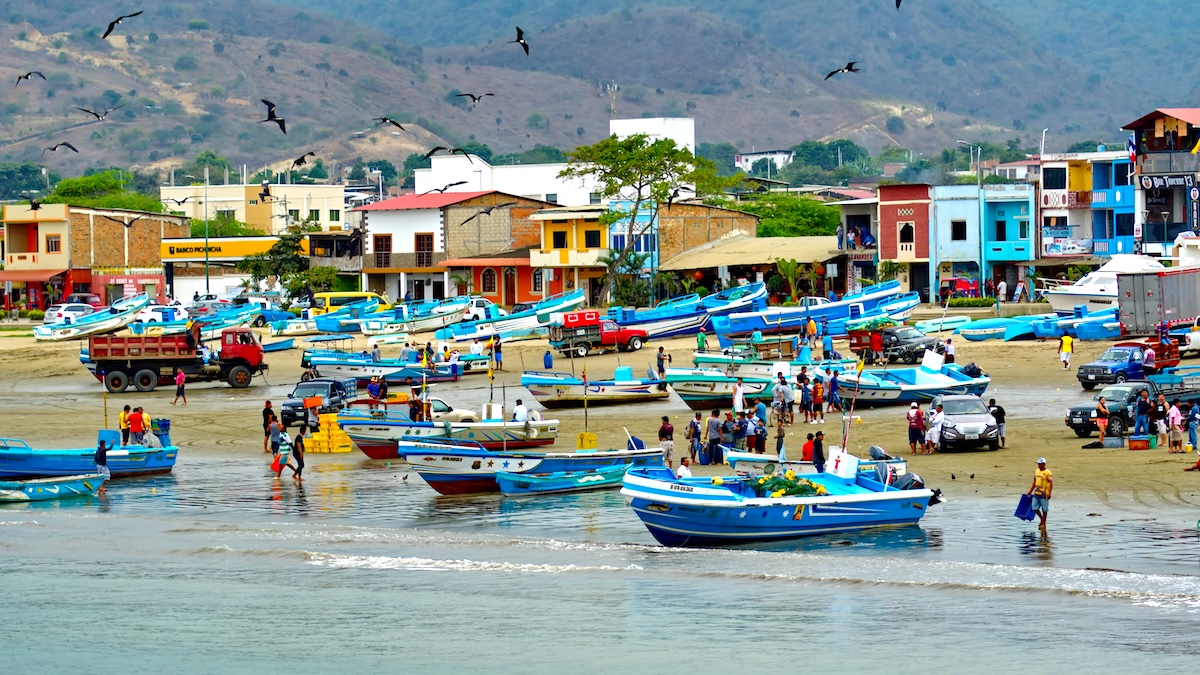
From July through October, humpback whales breach offshore, performing elaborate displays as if they know we are watching. The Machalilla National Park protects the feeding grounds that bring them here annually, while Isla de la Plata nearby offers snorkeling and nesting seabirds, earning the nickname the “poor man’s Galápagos” despite that underselling what the island actually contains.
The town keeps things straightforward: a beach, a malecón, cheap seafood restaurants serving ceviche at breakfast, and the kind of unpretentious Pacific coast atmosphere that Ecuador’s beach towns do well before development pressure eventually arrives. Whale season alone makes the trip worth planning around.
12. Sayulita, Mexico
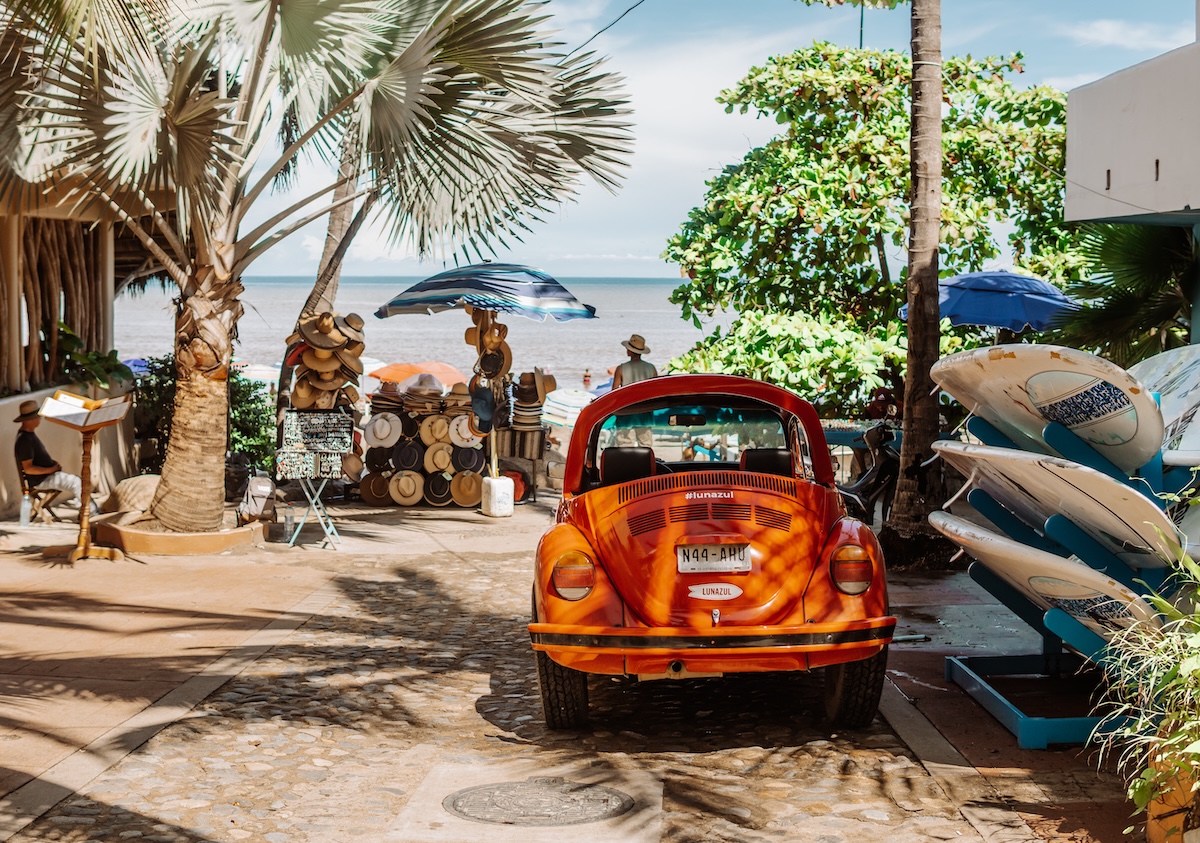
The Riviera Nayarit positioned Sayulita as the relaxed alternative to Puerto Vallarta’s resort corridor, and the town delivered so effectively that managing the resulting popularity now takes real effort. Colorful buildings, surfable beach breaks, and a taco reputation for the insatiable palate built a vibe that the backpacker crowd discovered first, and the boutique hotel set followed closely behind.
The Day of the Dead celebrations cover the town in marigolds and candlelit altars with an authentic community energy, a far cry from the performative counterpart in tourist-friendly Mexican towns. The cemetery above town fills with families on November 1st, which you will want to witness before heading back down for mezcal.
11. Domburg, Netherlands
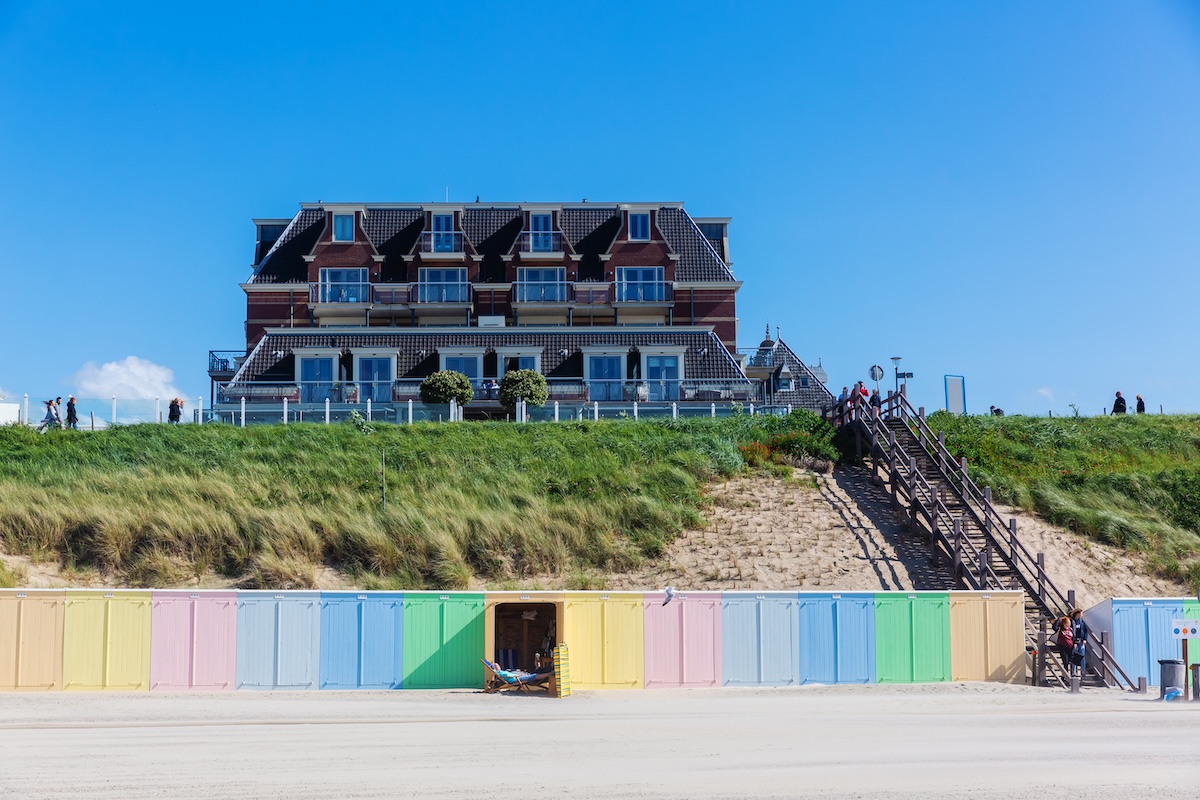
The Dutch built their first fashionable beach resort here on the Zeeland coast in the 19th century, and the historic villas and white-painted beach pavilions that wealthy families commissioned still line the dunes. Piet Mondrian painted the sea views here repeatedly before developing the geometric abstraction he became famous for, which you can appreciate in the local museum.
The North Sea beach stretches wide and clean in both directions, and the dune landscape behind the town has winding cycling paths through nature reserve territory that Zeeland’s flat geography was simply made for.
10. Vrbnik, Croatia
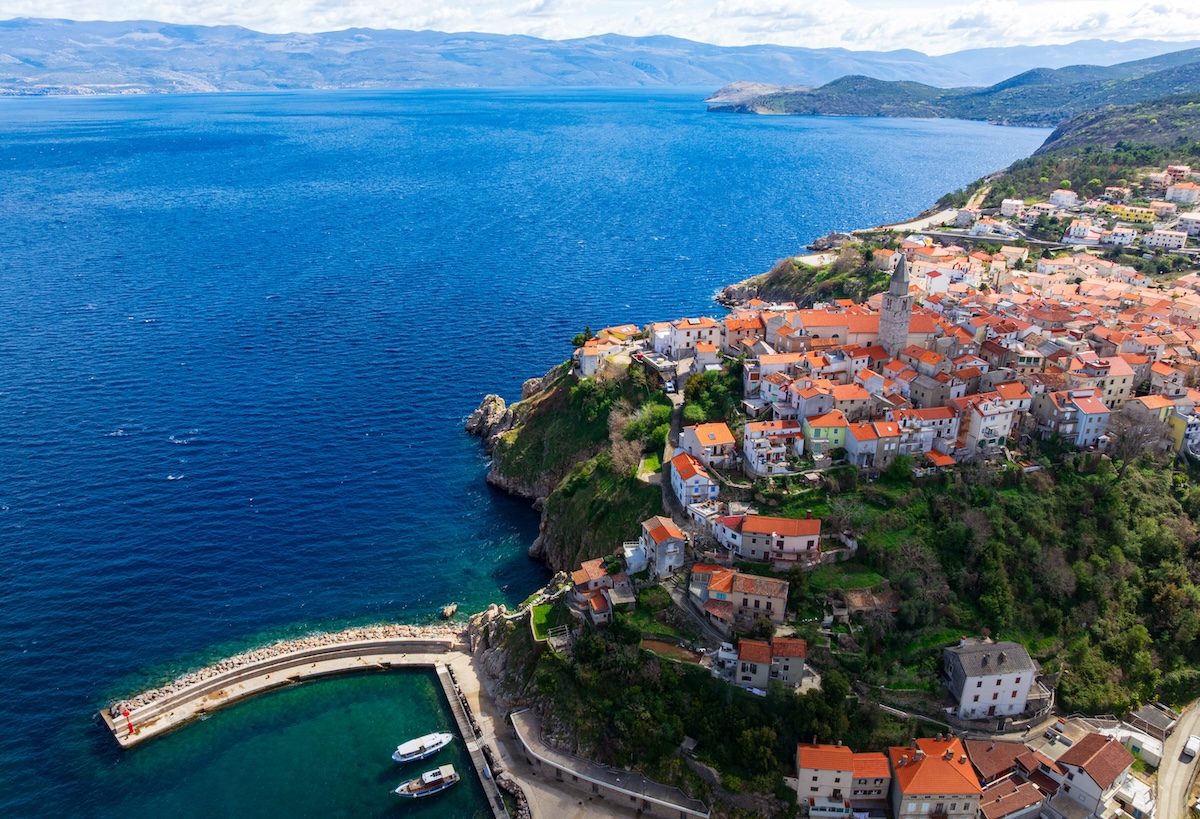
Perched on a cliff above the Kvarner Gulf on Krk Island, Vrbnik’s medieval stone houses stack so tightly together that the alleys between them narrow to less than half a meter in places. The town holds the official record for the world’s narrowest street, which is a daily reality for residents, not just a tourism gimmick.
The vineyards surrounding the cliff grow Žlahtina, a dry white wine specific to this corner of Krk that local restaurants pour as if it is going out of fashion. The views across the Kvarner Gulf toward the mainland mountains from the cliff edge are vertigo-inducing, but once you find your feet, you will be thankful you made the drive.
9. Galle, Sri Lanka
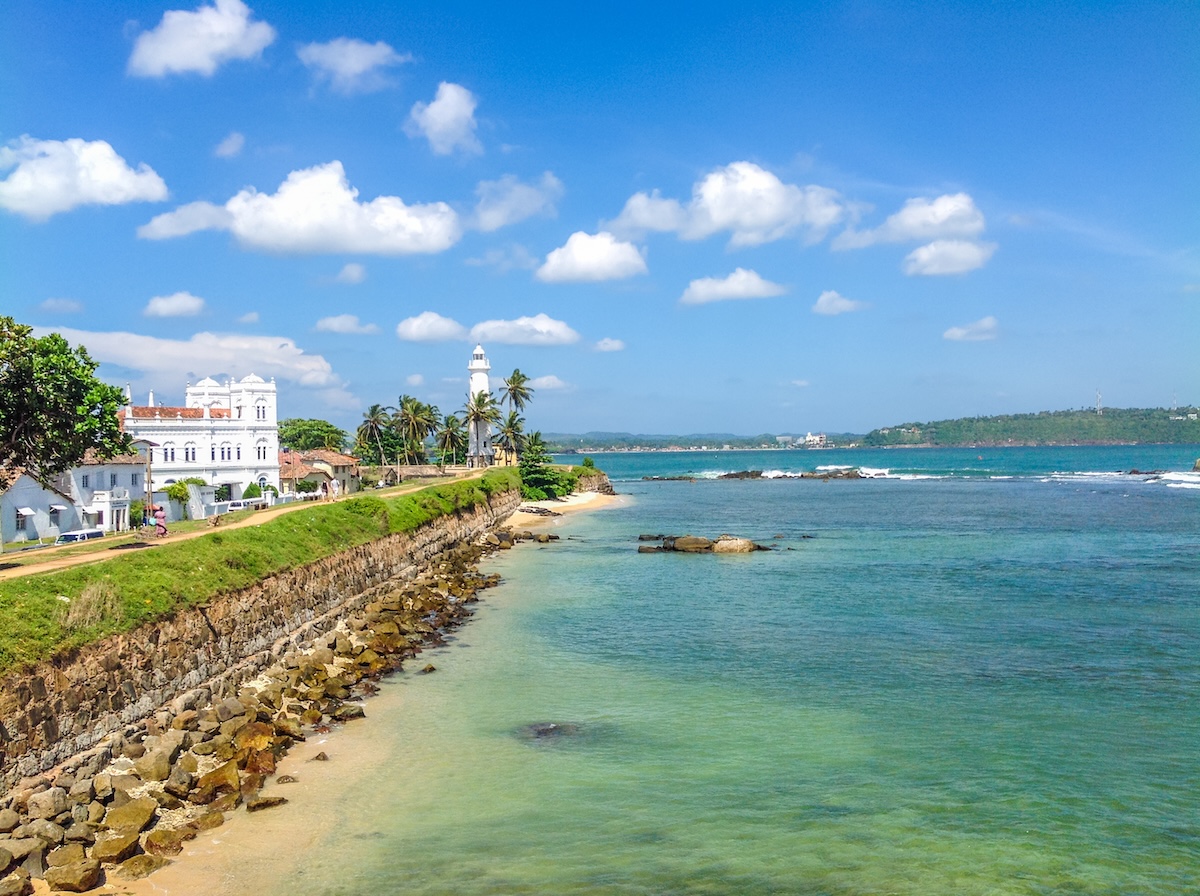
A 17th-century fort dominates Sri Lanka’s southern tip, built by the Dutch East India Company with walls thick enough that walking the 1.3-kilometre perimeter still delivers sea views on three sides. The fort town inside holds colonial architecture, boutique hotels in converted merchant houses, and a café culture that the surf crowd discovered before heritage tourism arrived to complicate the atmosphere.
Blue whale watching runs off the coast at Mirissa, 20 kilometres east, from December through April, adding a marine spectacle that few coastal towns in any category can match. Galle works well as both a destination and a base for the wider Southern Province.
8. Zapallar, Chile
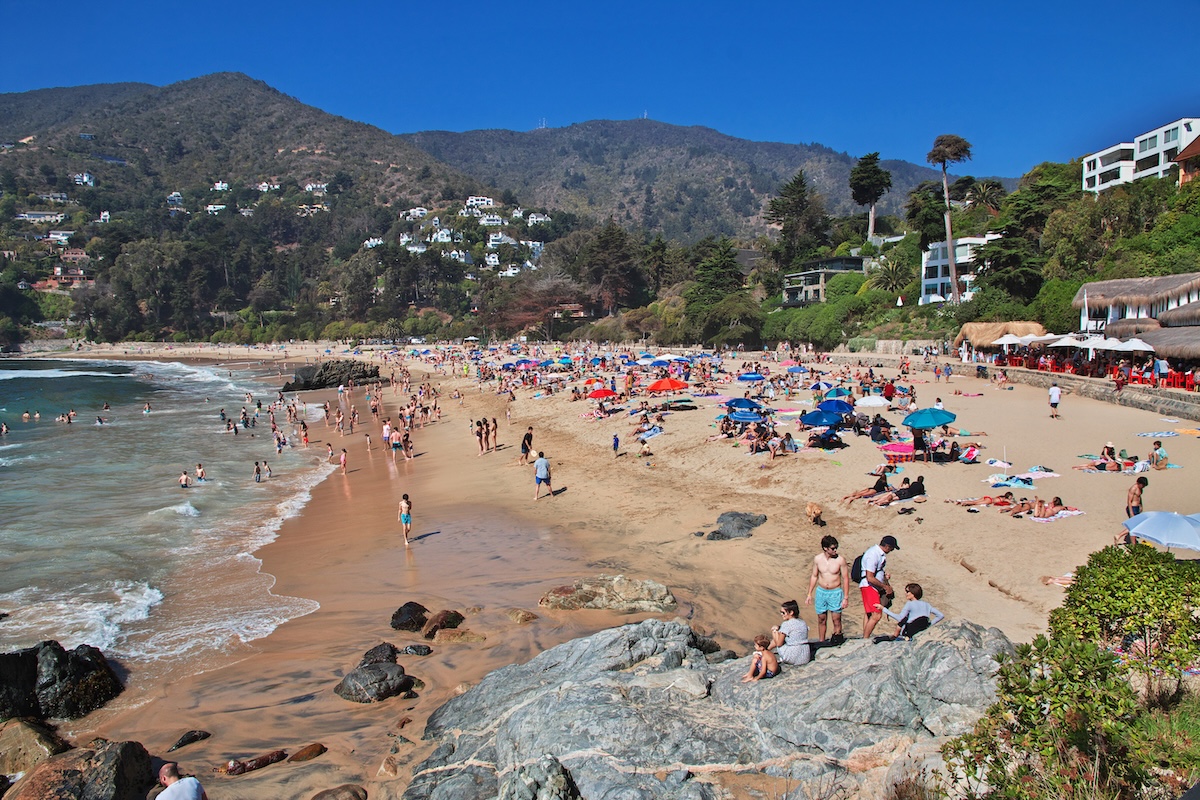
An hour north of Santiago, Chilean aristocracy built their summer houses above a sheltered cove in the early 20th century. They maintained the resulting exclusivity carefully enough that Zapallar became Chile’s most beautiful beach town without most Chileans ever visiting it. The old money architecture and terraced gardens give the town a composed elegance that simply can’t be manufactured.
The cove beach stays calm and clear, the restaurant on the rocks above the water sources directly from the fishing boats below. The overall atmosphere suits visitors who want beauty without the commercial infrastructure that beauty usually attracts. Getting here requires a car, filtering the crowd to a level the town clearly prefers.
7. Peggy’s Cove, Nova Scotia, Canada
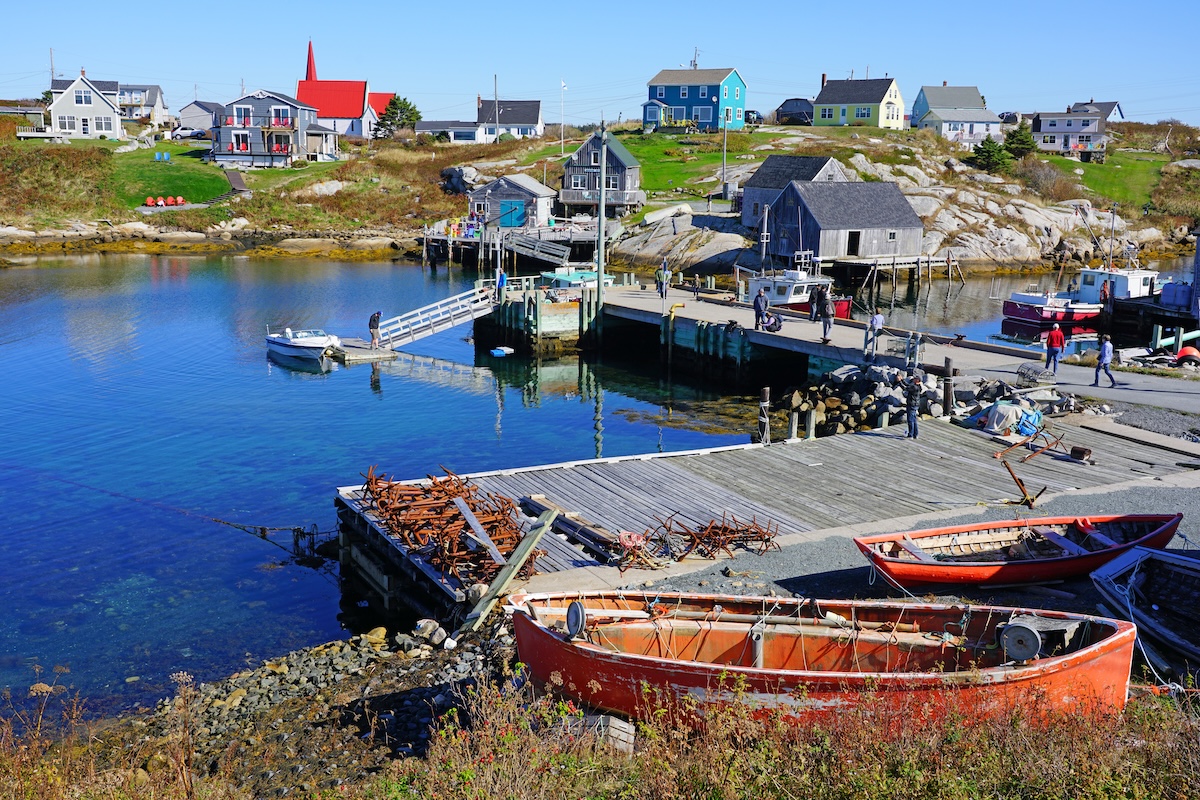
The lighthouse at Peggy’s Cove sits on granite boulders above the Atlantic, and the photograph of it appeared in enough travel magazines across enough decades that arriving for the first time feels slightly like meeting a celebrity in person. Around 35 permanent residents maintain lobster traps while tour buses navigate the single road in and out.
Early morning or late afternoon gets the light right and brings the crowds down to manageable levels. The surrounding coastline of smoothed granite dropping into cold Atlantic water brings round two of the drama that the postcard version only partially captures, and the seafood chowder at the village restaurant is the correct meal regardless of what time it is.
6. Binz, Germany
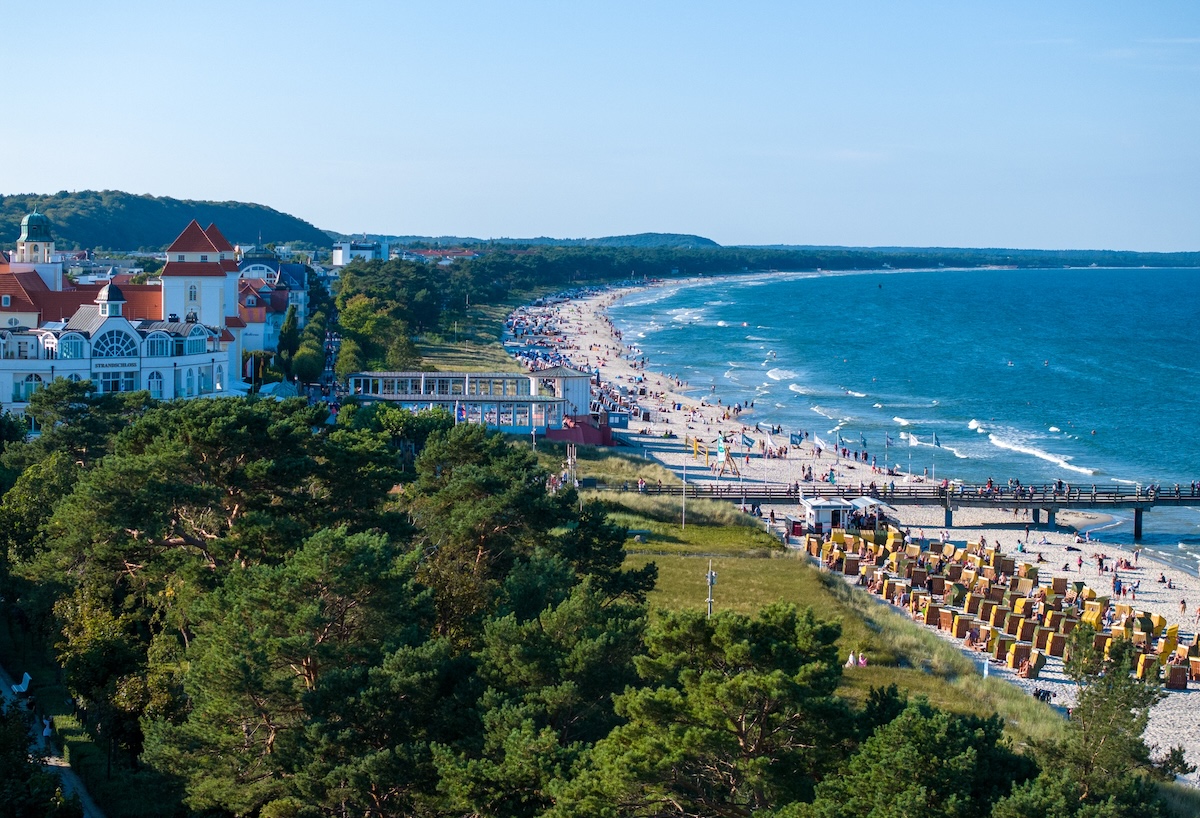
Rügen Island’s most elegant beach resort preserves a concentration of Bäderarchitektur, the ornate white resort architecture from the late 19th century. It was widely found along the Baltic Coast and mostly lost to wartime and subsequent East German development priorities. Binz kept enough alive to make the hands of time turn back a little as you soak in the sun on the prominade.
The white sand beach extends for several kilometres behind the promenade, and the pier reaching into the Baltic offers a viewpoint back toward the resort buildings that makes the whole scene look a little staged. Jasmund National Park nearby also has chalk cliffs above the sea that Caspar David Friedrich painted in 1818, and they still look exactly like the painting.
5. Collioure, France
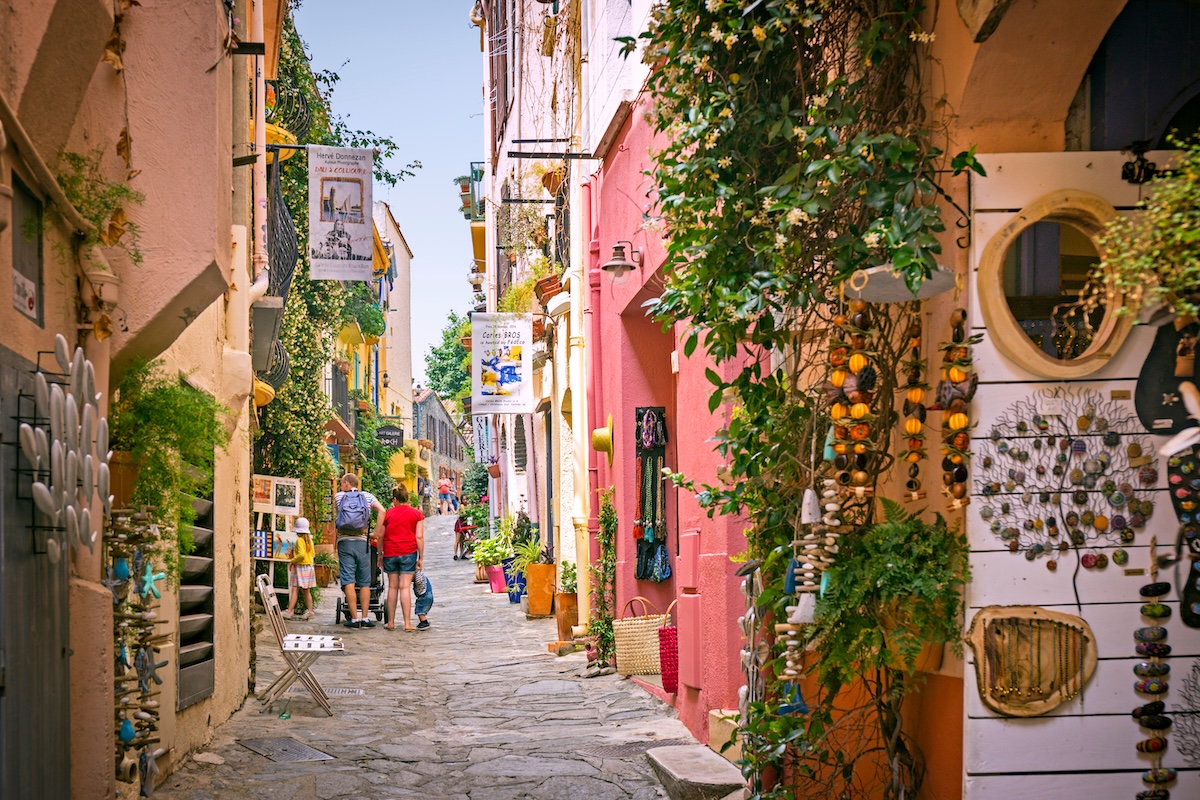
Henri Matisse and André Derain spent the summer of 1905 in this Catalan fishing village and produced the paintings that launched Fauvism. The Royal Castle sits where the river meets the sea, the church bell tower doubles as a lighthouse above the harbor, and the colored fishing boats that inspired both painters still sit on the beach each morning.
The anchovy industry that supported the town for centuries continues in salt cellars and shops that sell their treasured tin fish. Collioure sits 26 kilometres from the Spanish border, and the Roussillon wine country directly behind the town spoils visitors with some of the best value red wine in France.
4. Asilah, Morocco
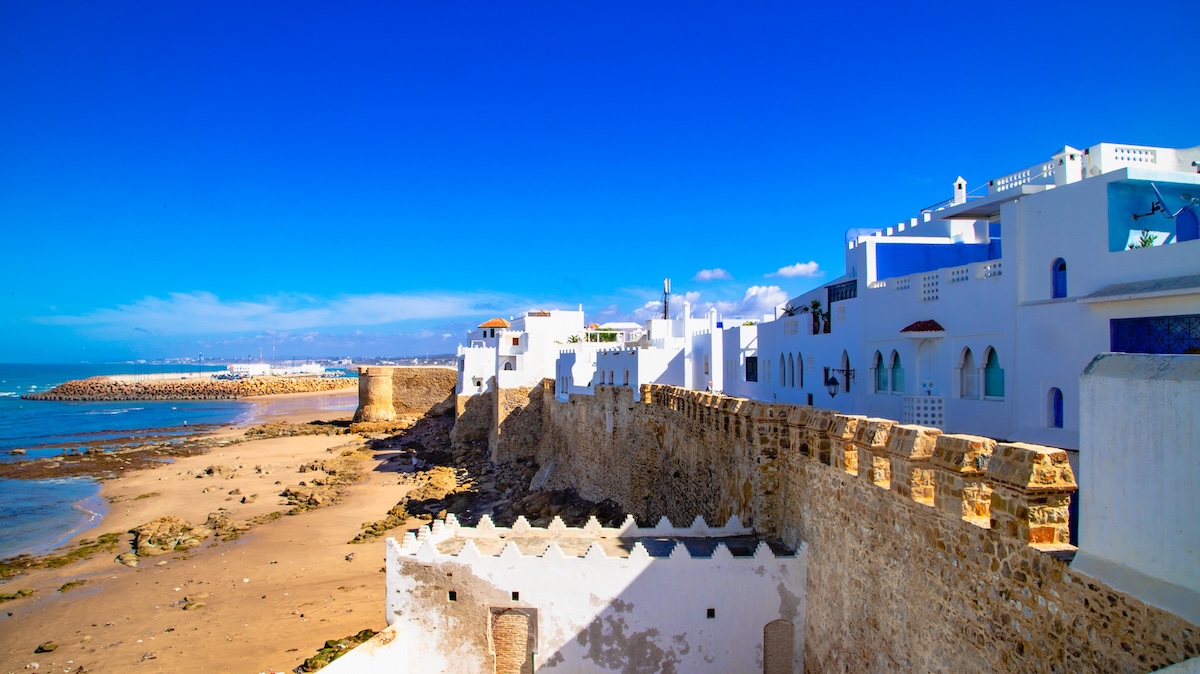
The Portuguese built walls around this Atlantic coast medina in 1471, and centuries later, artists began painting the interior alleys in murals. An annual international arts festival now refreshes and expands it each summer. The combination of whitewashed houses, Atlantic light, and geometric tile work gives Asilah a visual identity that Chefchaouen’s more famous blue walls receive all the credit for, despite Asilah doing it differently and with considerably more variety.
The beach stretching south of the medina walls stays clean and wide enough, giving the summer crowds plenty of space to stretch out without bothering any neighbors. The restaurants inside the medina serve fresh fish from the harbor, and the prices are low enough to make you want to rebook this trip before you even leave.
3. Morro de São Paulo, Brazil
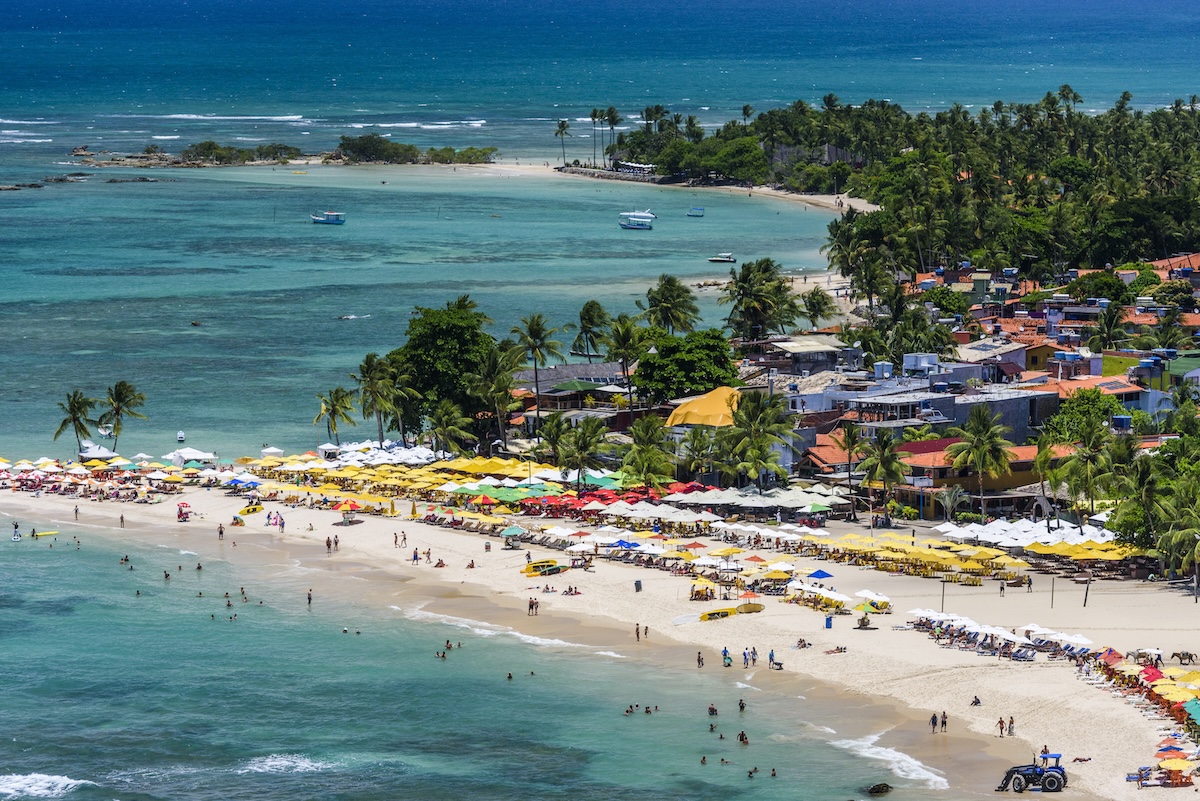
No cars reach this island off the Bahian coast, and the four numbered beaches stretching south from the village get progressively wilder and quieter as the numbers climb. The first beach handles the social scene, beach bars, and the crowd that arrived on the same ferry. By the fourth, the only sounds come from Atlantic surf and whatever the surrounding Atlantic Forest adds to the afternoon.
The village covers the space between the arrival dock and the beaches with pousadas, seafood restaurants, and a nightlife scene that Brazilian domestic tourism keeps lively without pushing prices to levels that defeat the purpose of going. The ferry connects through Salvador, making Morro de São Paulo a natural addition to any Bahia itinerary.
2. Symi Town, Greece
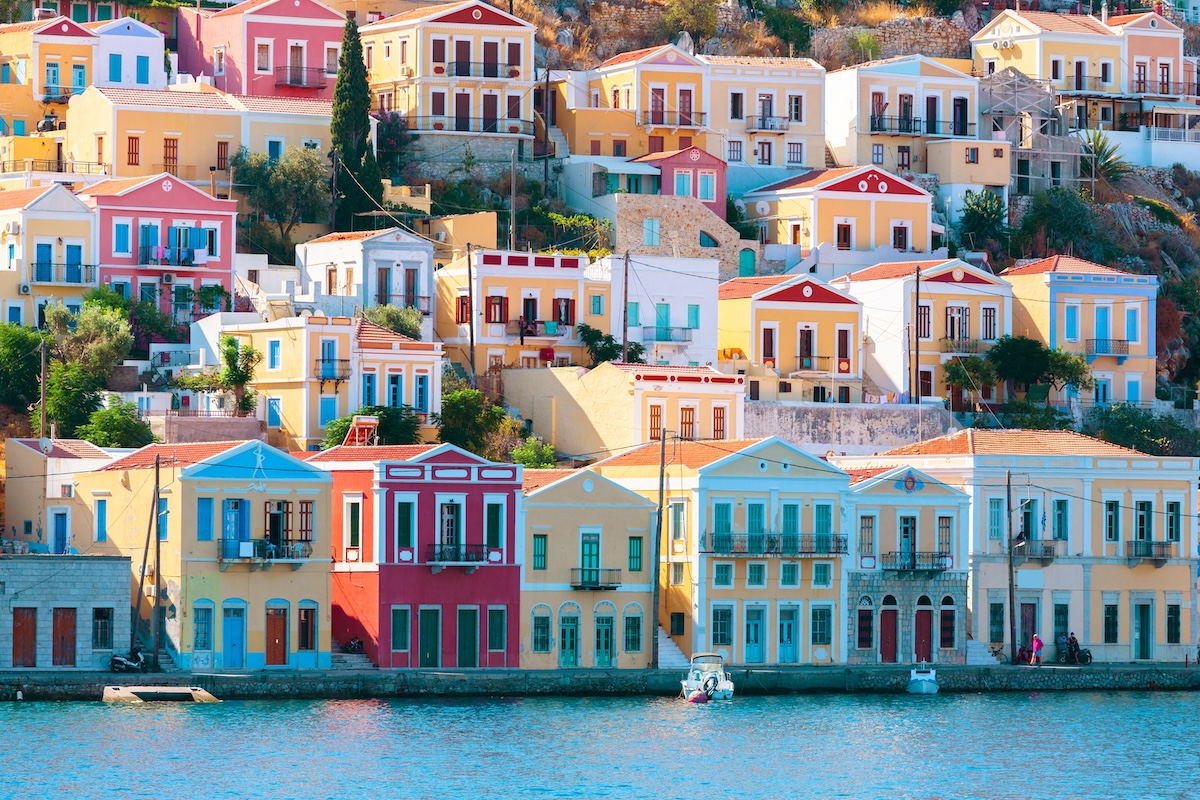
The harbor creates an amphitheater effect, with neoclassical mansions in terracotta, ochre, and cream stacking up the hillside in tiers that returning fishing boats can see from several kilometres out. The architecture reflects a 19th-century sponge diving prosperity that gave the island more money than its size suggested, and the building quality that wealth established still shows throughout.
The 375 steps of the Kali Strata staircase connect the harbor to the upper village, and most day visitors from Rhodes turn around at the top for the photograph and head back down. Around 2,500 permanent residents keep Symi functioning as a real community, and the quiet evenings after the day boats leave give overnight visitors something to look forward to.
1. Mazunte, Mexico
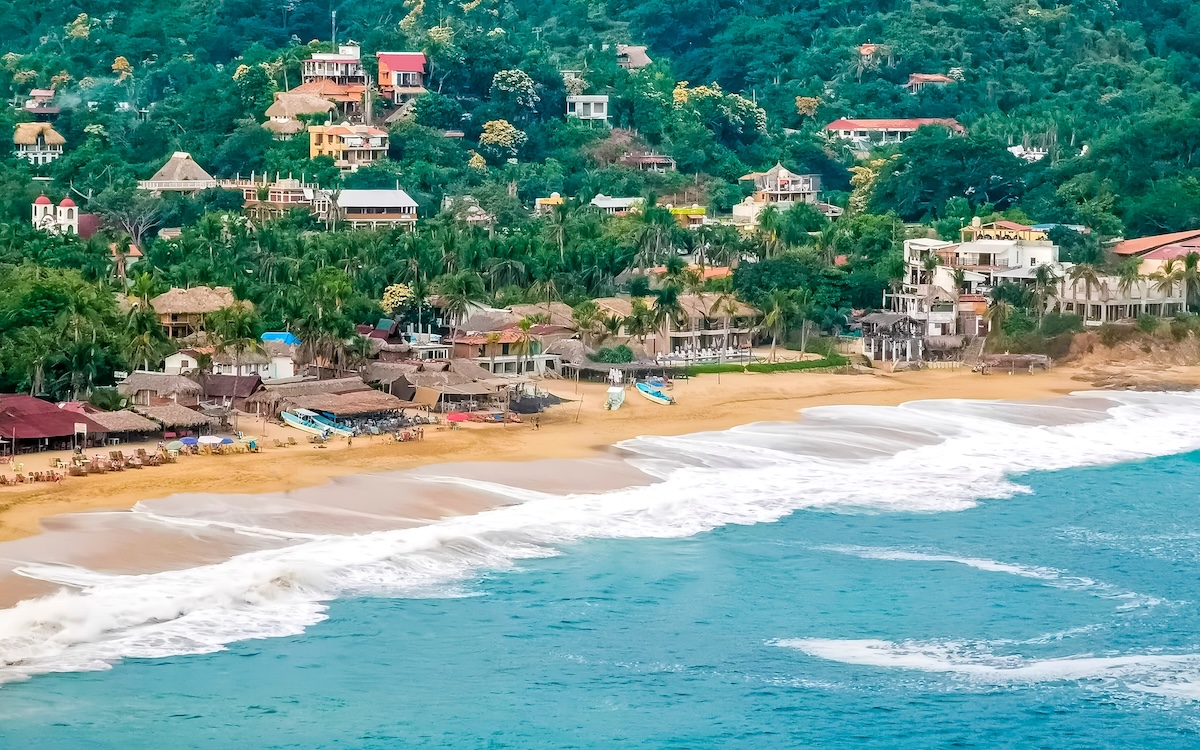
The Oaxacan coast hides Mazunte behind a mountain road south of Puerto Escondido that most people follow to Puerto Ángel and stop. Here, the turtle sanctuary protects one of Mexico’s most important Olive Ridley nesting beaches and gives us one of Mexico’s more quietly compelling sustainable development stories, as the ban on turtle hunting almost completely wiped out the local economy.
The beach faces west for sunsets that the mezcal bars above the cliff exist specifically to watch, and the bays at Mermejita and San Agustinillo reward anyone who rents a bicycle and explores in either direction. No large hotels, no resort infrastructure, and a town that decided at some point that staying small was the right call.