
Historic riverfront buildings, steep bluffs, and old industrial architecture give this small city a strong sense of place along the Mississippi. Shaped by trade and river life for nearly two centuries, it blends history with some surprisingly scenic surroundings.
Set beside the Mississippi River in northeastern Iowa, Dubuque is the oldest city in the state. Founded in 1833 and named after Quebecois explorer Julien Dubuque, it first grew as a mining and river port town before developing into an important regional center.
Today, Dubuque’s waterfront, historic architecture, and hillside views remain among its biggest draws, alongside museums, river walks, and the city’s famous hillside funicular.
Riverwalk
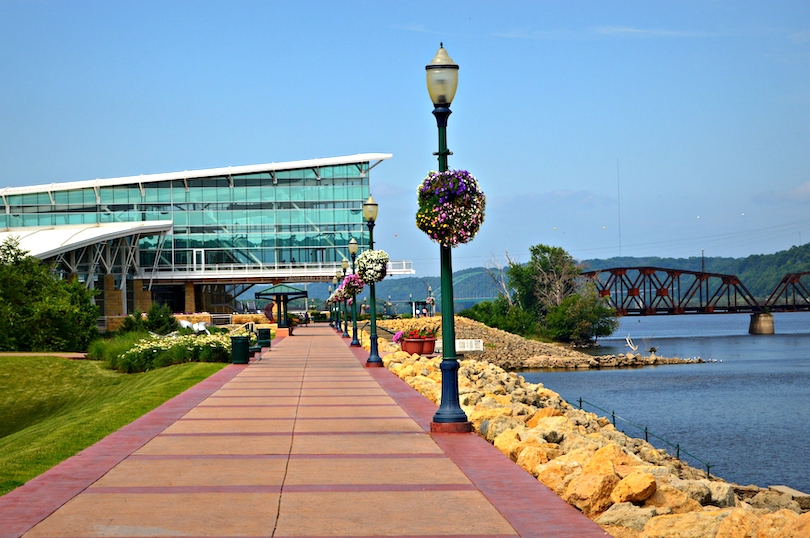
Offering up some outstanding views over both the Mississippi and downtown Dubuque is the scenic Riverwalk. Very popular with both locals and tourists, it takes you down by the waterfront with park benches and public artworks lining the route.
Stretching half a mile in length, the flat, paved path runs atop the flood protection levee that lies alongside the bustling port. From here, you can enjoy divine views over the mighty Mississippi and neighboring states of Illinois and Wisconsin on the opposite bank.
Rising at one end of the Riverwalk is the distinctive Dubuque Shot Tower while the informative plaques dotted along teach you all about the port’s past. In addition, you can also snap some superb pics of the historic 1868 railroad bridge and trussed arch Julien Dubuque Bridge off in the distance.
Field of Dreams Movie Site
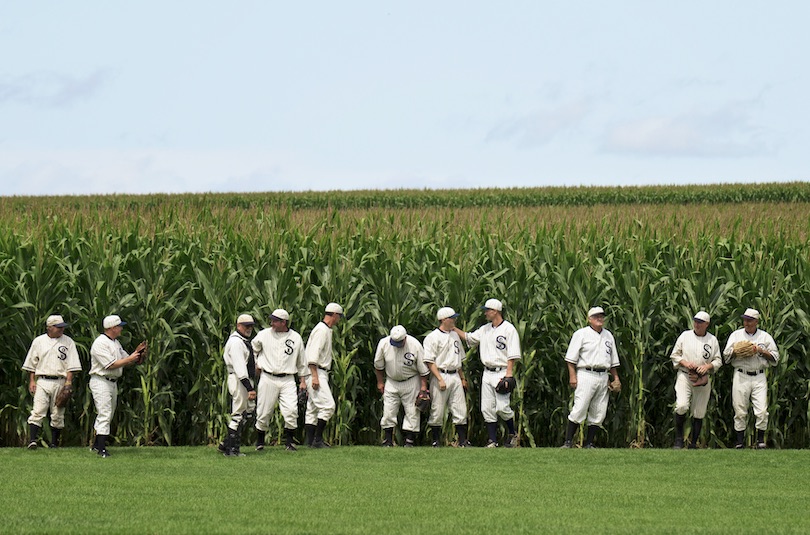
For baseball fans, a visit to the Field of Dreams movie site is simply a must when in town. Nestled away to the northeast of Dyersville, it has terrific tours for you to take around the iconic farmhouse and ballpark featured in the film.
Surrounded by almost endless fields of corn, the Lansing family’s farm was selected to be the set of Kevin Costner’s sports fantasy drama in 1989. With its inspiring message to pursue your dreams no matter what, it quickly became a huge hit and was later nominated for three Academy Awards.
On tours, you’ll hear lots of fascinating facts about the filming process and property before pitching and catching out on the immaculate field yourself. At times, you can also take photos with some of the ghost baseball players who starred in the film.
Dubuque Arboretum and Botanical Gardens
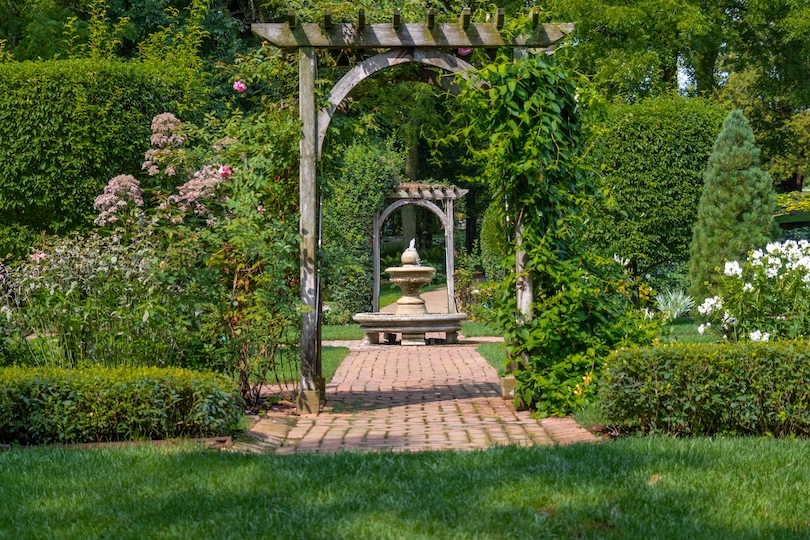
Full of colorful plants, flowers, trees and shrubs, the gorgeous Dubuque Arboretum and Botanical Gardens lie on the northwest outskirts of the city. With picturesque paths meandering their way here and there amidst all the fantastic flowerbeds and water features; it really is a treat to stroll around.
Since being established in 1980, the arboretum has grown considerably and is now impressively the largest in the States staffed solely by volunteers. In total, there are over a staggering sixty gardens to see with prickly cacti and pretty perennials lying next to formal English and Japanese gardens.
While wandering amidst its towering trees and acclaimed hosta garden, keep an eye out for some of the arresting artworks lining its trails. You can also take engaging tours around the arboretum with a playground and magical children’s garden also geared to younger ones.
Eagle Point Park
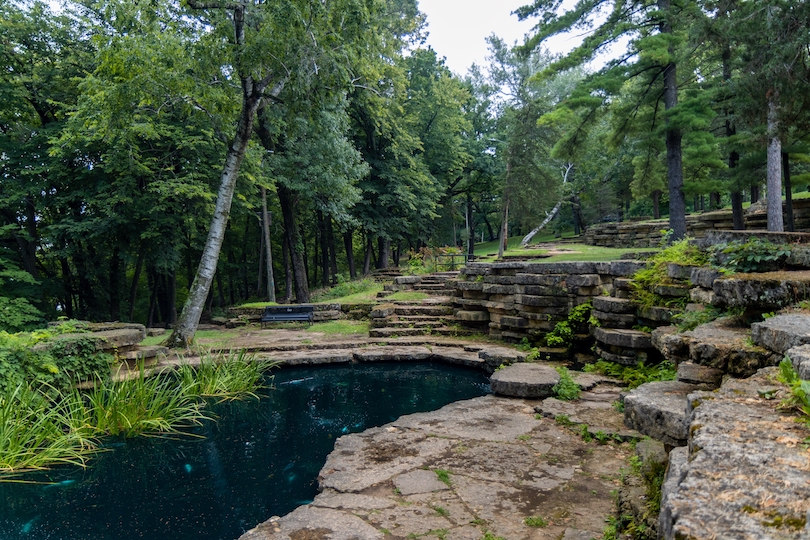
As it boasts breathtaking views over three states, the prominent Eagle Point is often listed among the most spectacular public parks in the Midwest. Home to plenty of paths, picnic areas and playing fields, it lies just up the Mississippi River from downtown, perched atop lofty limestone bluffs.
First opened to the public in 1909, the park was later praised by President Franklin D. Roosevelt for its beauty and views. As the drop down to the river is quite steep, visitors can see Iowa, Illinois and Wisconsin stretching away before them with pelicans and eagles often spied flying about below.
Other than basking in phenomenal views of the Mississippi, its banks and bridges, you can hike and bike about its trails or watch a concert at its band shell in summer.
Fenelon Place Elevator
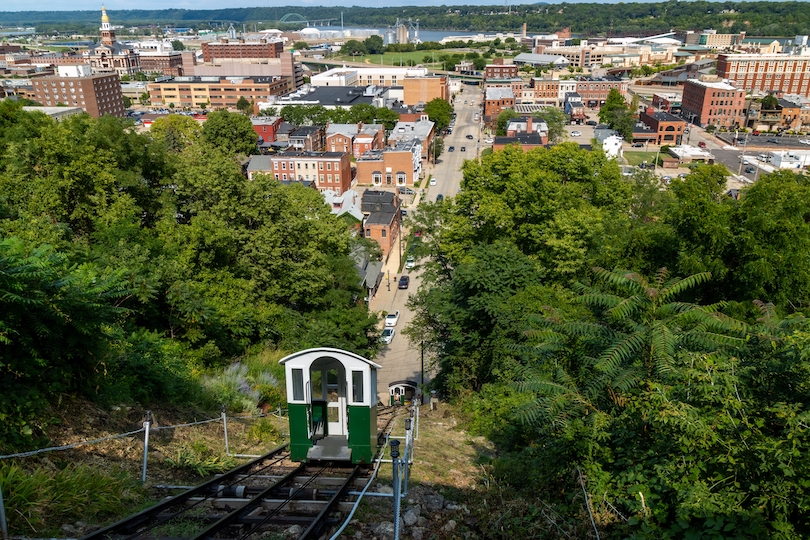
Although claims it is the shortest and steepest railroad in the world have yet to be backed up, a ride on the Fenelon Place Elevator is certainly a memorable affair. In no time at all, its classic cable cars transport you to the top of a big bluff which offers beautiful views over downtown Dubuque and the Mississippi River below.
Built in 1882, the narrow-gauge funicular was the brainchild of former mayor and state senator J.K. Greaves who lived at the top and worked at the bottom of the hulking great bluffs. Frustrated by the time and energy he was wasting each day, he commissioned a local engineer to design a small track and cable car for his private use.
Later opened to the public, it stretches just 296 feet in length and elevates passengers 189 feet from Fourth Street up to Fenelon Place. Now recognized as a National Historic Landmark, its wonderful old wooden cars are romantic to ride in with the views from up high the best in town.
Crystal Lake Cave
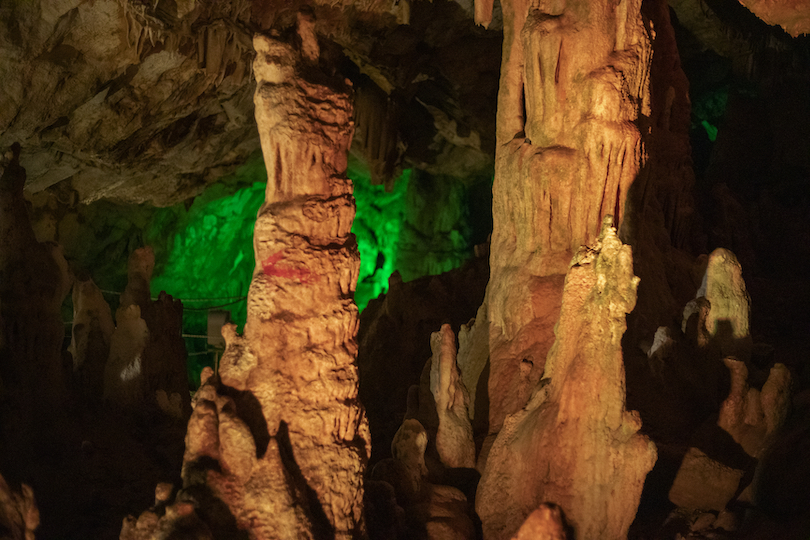
Located just ten minutes drive down the Mississippi River from downtown is the incredible Crystal Lake Cave. At the enormous underground complex, guests can take tours around all its illuminated passageways and see shimmering stalactites and stalagmites.
Discovered accidentally by lead miners in 1868, it was then developed into a commercial show cave in the early 1930s. Since then, generations have come to ogle at fantastical formations like the Lost Gardens, Soda Straws and The Chandelier which dangles dramatically from the cave ceiling.
The highlight however has to be the shallow Crystal Lake itself which beautifully reflects the shiny lights and little flowerlike crystal clusters above. After learning more about the cavernous cave, you can sift for gems or shop for gifts above ground in its on-site store.
Voices Mural Project
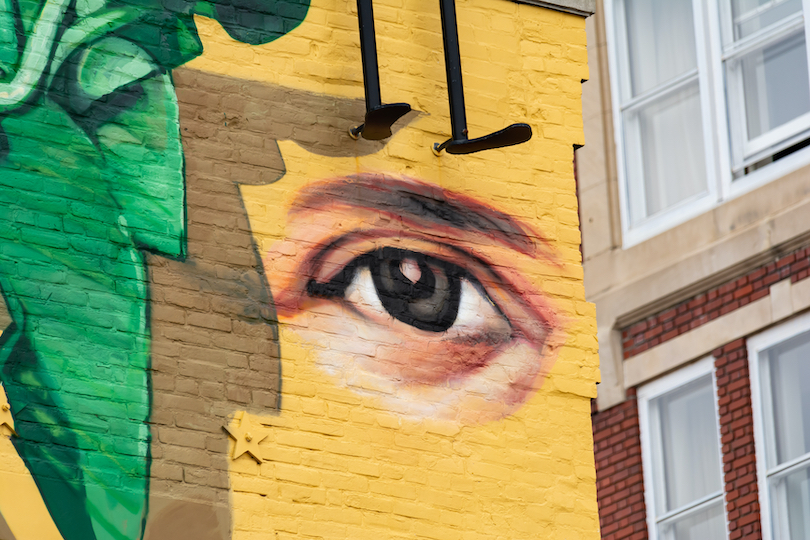
When ambling about the center and some surrounding neighborhoods, you can hardly fail to notice the countless colorful and creative artworks decorating the area. These impressive productions are part of the Voices Mural Project; a plan to turn the city’s streets into an amazing outdoor art gallery.
Since being established in 2006, dozens of delightful designs by both regional and national artists have been plastered on the unused walls of otherwise plain and boring buildings. While some depict Iowa-inspired landcapes and animals, others are of flowers, fishes and famous US figures.
Visitors can either keep an eye out for the marvelous murals or use an online map to uncover all the arresting artworks. In total, there are around 45 unique art pieces just waiting to be discovered either on highly visible high streets or down hidden alleys.