
The largest Spanish speaking nation in the world, Argentina is awash with diverse cultures and landscapes. From rolling prairies that play host to the country’s very own cowboys, all the way to arid steppes in the southeast, subtropical forests in the far north, and virtual desert in the northwest, there’s a lot to clap your eyes on here.
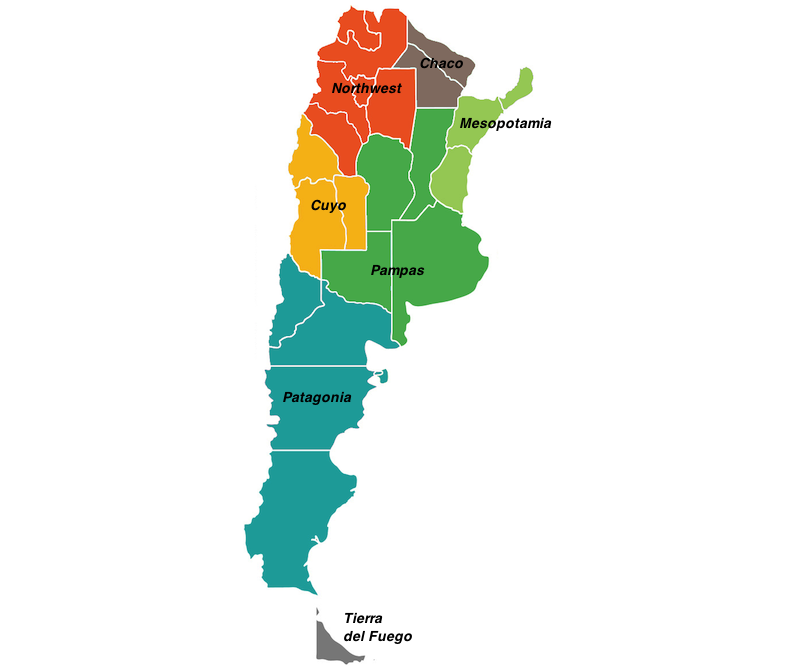
Here you’ll find the tallest mountain in the Americas and one of the most impressive waterfalls in the world. You’ll discover some of the sleepiest, most charming towns you could imagine, while the capital of Buenos Aires is full of hustle and bustle.
Northwest
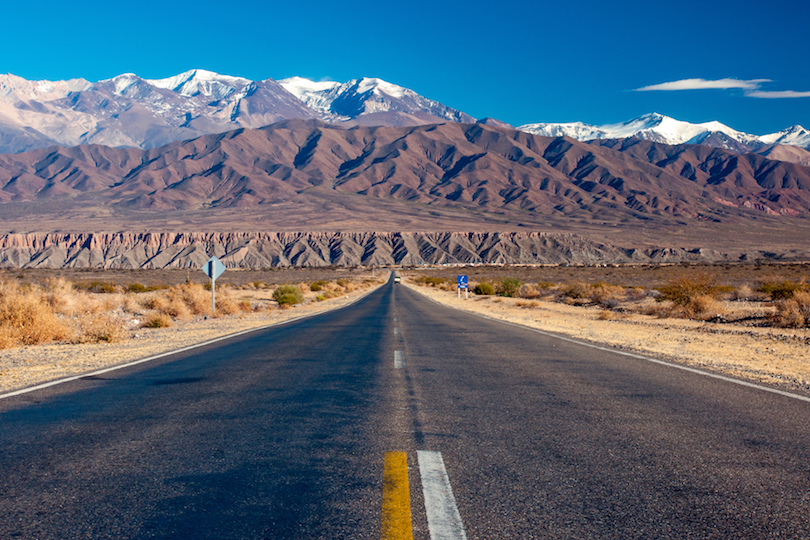
More like neighboring Bolivia and Peru in terms of culture, the Northwest region of Argentina is worlds away from the European stylings of Buenos Aires. This is Andes country, where valleys are arid and the mountain ranges – or quebrada – are towering.
Trekking is a good option here, such as at Quebrada de las Conchas, which is also a stunning choice for a road trip with its striped and red rocky outcrops. Visiting this area is something like taking a trip to Mars with a landscape like that.
The city of Salta, located in the northern province of the same name, is full of old-world charm, with European-flavoured plazas, ornate churches, and chances to see the city from up high; take a cable car up to Cerro San Bernardo for great views.
From Salta, the Northwest is all about long drives on winding roads, staying in small pueblos, and enjoying a slice of Argentine culture that could be said to be more Andean than any particular nationality.
Chaco
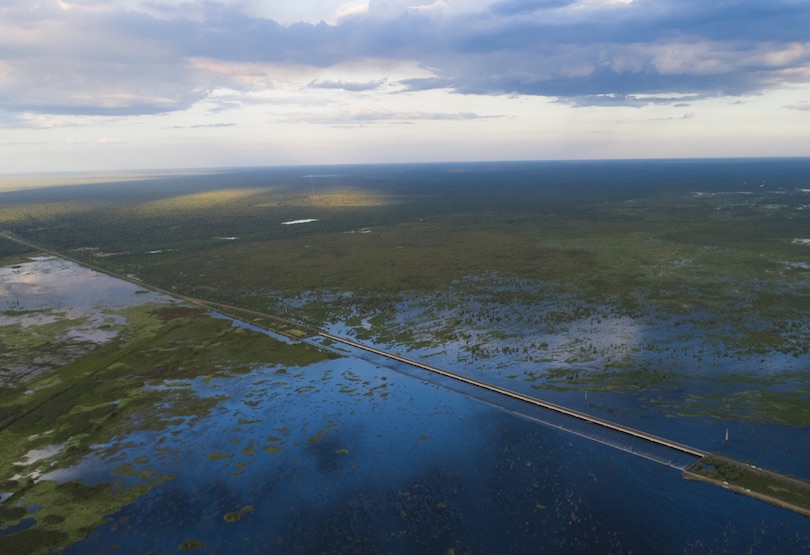
The Chaco region of the northeast is named after the sprawling Chaco Basin, a sedimentary Basin which takes up part of the country’s northern and northeastern provinces – as well as parts of Bolivia and Paraguay.
This area is characterized by a number of different ecosystems. There are dense forests, as in Formasa province, full of wild animals from deer to jaguar; there are wetlands in Chaco, which is also the poorest province of Argentina. It’s here that you’ll find Chaco National Park, a protected area for quebracho trees and home to savannah, swamps, and scrublands. Pumas roam here, and so do armadillos.
Not exactly known for its cities, the Chaco region still boasts settlements that prove important jumping-off points for the wilder nature of the area. Formosa is a good start, as the capital of the province of the same name. And Resistencia is known as the ‘City of Sculptures,’ with over 300 spread across town.
Cuyo
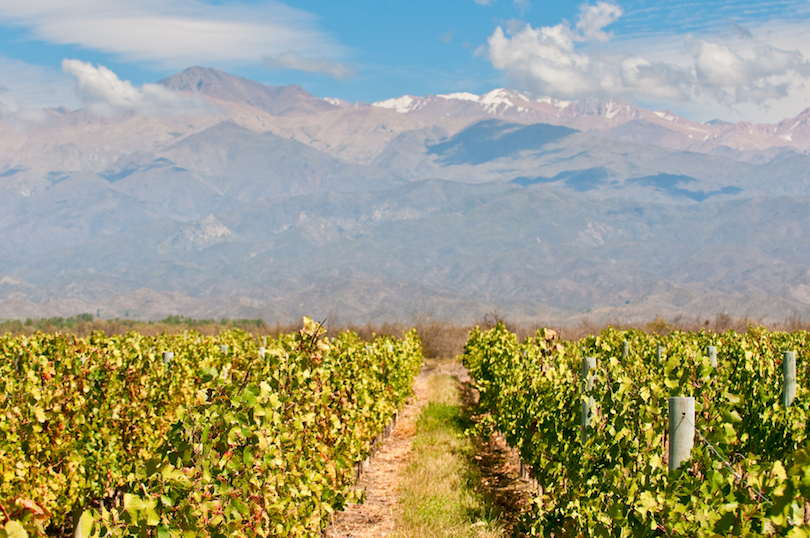
Three provinces – Mendoza, San Juan, and San Luis – comprise Cuyo, bordering Chile in the west, the Northwest region to the north and northeast, Pampas to the east and southeast, and Patagonia in the south.
This is Argentina’s foremost wine-producing area, representing almost 80% of all viticulture in the entire country. Mendoza is the province most associated with wine, with its eponymous capital the gateway to wineries and tastings in the surrounding area. It’s in Mendoza city that you’ll find wide, leafy boulevards and plenty of art deco buildings to appreciate, too.
The Andes make up part of the Cuyo region, with the star of the show easily being Aconcagua. This is the highest peak outside of Asia, soaring to an impressive 6,960.8 meters above sea level.
Other natural wonders of the area include Ischigualasto Provincial Park, which is home to Valle de la Luna – or ‘Moon Valley.’ It was named for good reason: the rock formations here are out of this world.
Mesopotamia
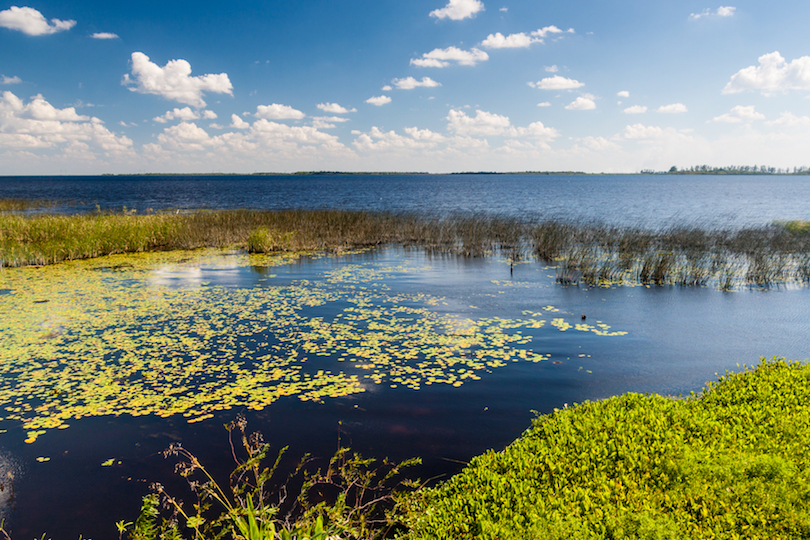
A slither of land made up of Entre Rios, Corrientes, and Misiones provinces, Mesopotamia is bordered by Chaco to the west and Pampas to the south, with Paraguay, Brazil, and Uruguay bordering Mesopotamia from the north to the east.
In the north, Misiones is engulfed by international borders on all but its southern demarcation. It’s in this province that Argentina has its only subtropical climate – with subtropical forests to match.
It’s in its northernmost reaches where you can find the famous Iguaçu Falls. Argentina shares the falls with Brazil, but there’s enough to go around; it’s as wide as Niagara and Victoria Falls combined. The falls are located in Iguazú National Park, home to a wide variety of flora and fauna.
Corrientes boasts the Ibera Wetlands, swathes of flooded forests that may remind some of the Pantanal in Brazil. Meanwhile, places like the riverside city of Posadas in Misiones are filled with colonial architecture and the ruins of 16th century Jesuit missions.
Pampas
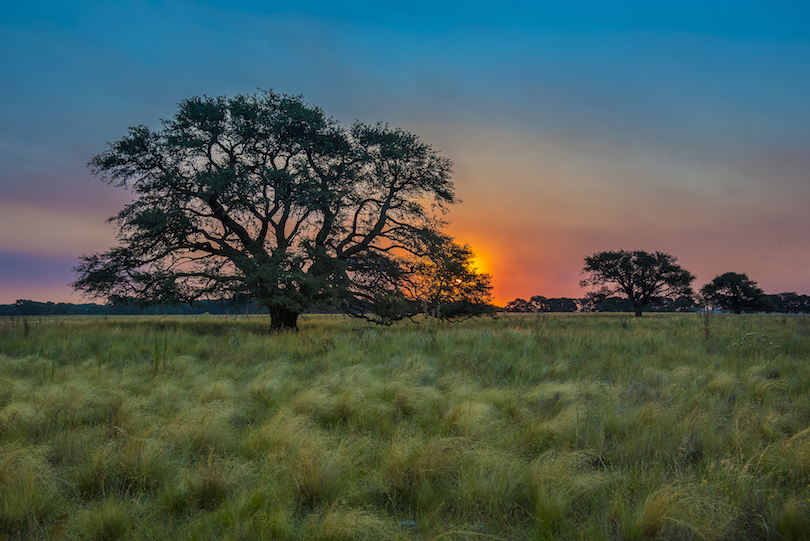
Pampas is a famous region of Argentina. Bordering Patagonia in the south, these are Argentina’s lowlands, and the home of everything from the cities of Cordoba and Buenos Aires to the country’s own cowboy culture – gauchos. It’s this region that’s shaped ‘Argentine’ culture as it appears today.
A region of livestock farming and agriculture thanks to its fertile soil, Pampas is the place to go to experience the hardy lifestyle – and meat-heavy barbeque feasts – that typify gaucho ranches.
Very different to all of that are the cities. Cordoba – capital of the province of the same name and the second-largest city in the country – boasts a charming historic center with plenty of colonial architecture and beautiful churches. It’s known for its many universities.
Buenos Aires is the big, bustling capital surrounded by the Pampas. This very European city is marked by upper-class areas where inhabitants still speak German, as in Belgrano, shiny skyscraper-clad neighborhoods and old, colonial districts alike.
Patagonia
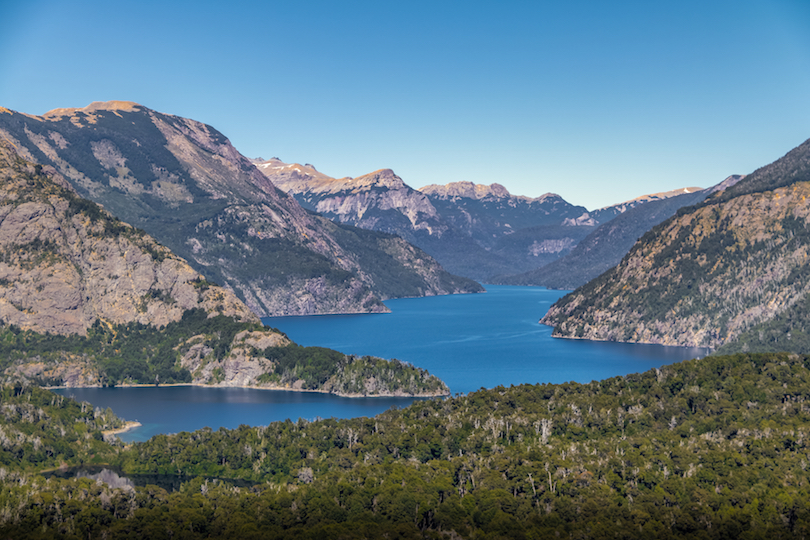
Split between Argentina and Chile to the west, Patagonia is the enormous southern end of South America. In the north, things are humid and bristling with monkey puzzle trees, while in the south, there are glaciers and lakes galore.
In the southern Andes, The Los Glaciares National Park is aptly named for its dramatic glacier scenery, while away from the rugged landscape itself, you can find some prime ski resorts. In fact, outdoor sports are the name of the game here, with many hiking, biking, rafting, and paragliding opportunities.
The east of Patagonia is characterized by a dry steppe landscape, which actually makes up around 80% of the region. Here is the place to find beaches, such as in Rio Negro province, where the water is warm in summer and perfectly poised for swimming.
In terms of beautiful areas, San Carlos de Bariloche is a must: its nearby lakes and mountains make for intriguing places to explore. Santa Cruz, with its towering granite peaks, is simply stunning.
Tierra del Fuego
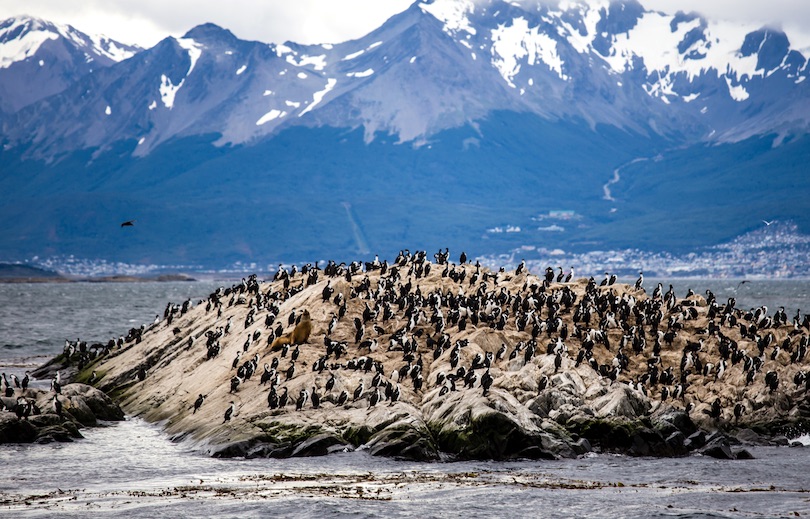
‘The Land of Fire,’ Tierra del Fuego is the almost inaccessible southernmost region of Argentina. In fact, this region isn’t even part of the South American mainland; it’s an archipelago.
The main island, Isla Grande de Tierra, is shared between Chile and Argentina. On the eastern side of the island is Ushuaia, the largest city of the archipelago. It’s here – in one of the world’s southernmost cities – where all tourism activities are based, while Rio Grande is home to the heavy industries of Tierra del Fuego.
The Martial Glacier is a hikable glacier; head up here for resplendent views of Ushuaia and the Beagle Channel. For the most part, however, this region is made up of the Tierra del Fuego National Park – the only coastal park in Argentina. Here is the place for kayaking, climbing, fishing, and hiking amidst the rugged scenery.
Bays, beaches, and jagged mountains make up the irregularly layered coastline of this Argentine outpost.