
The National Park Service manages over 400 sites, covering everything from the spectacular wilderness of Yellowstone to one-acre Civil War fields in Mississippi. Not all deliver the same experience, and visitors who treat every NPS designation as a promise of Grand Canyon-level drama set themselves up for disappointment.
These sites collected honest reviews ranging from mildly anticlimactic to thoroughly confused about the drive. Some hold real value that expectation consistently obscures. Others raise fair questions about what the national park designation actually means when the criteria stretch this wide. Worth knowing before you plan the trip.
Gateway Arch National Park, St. Louis
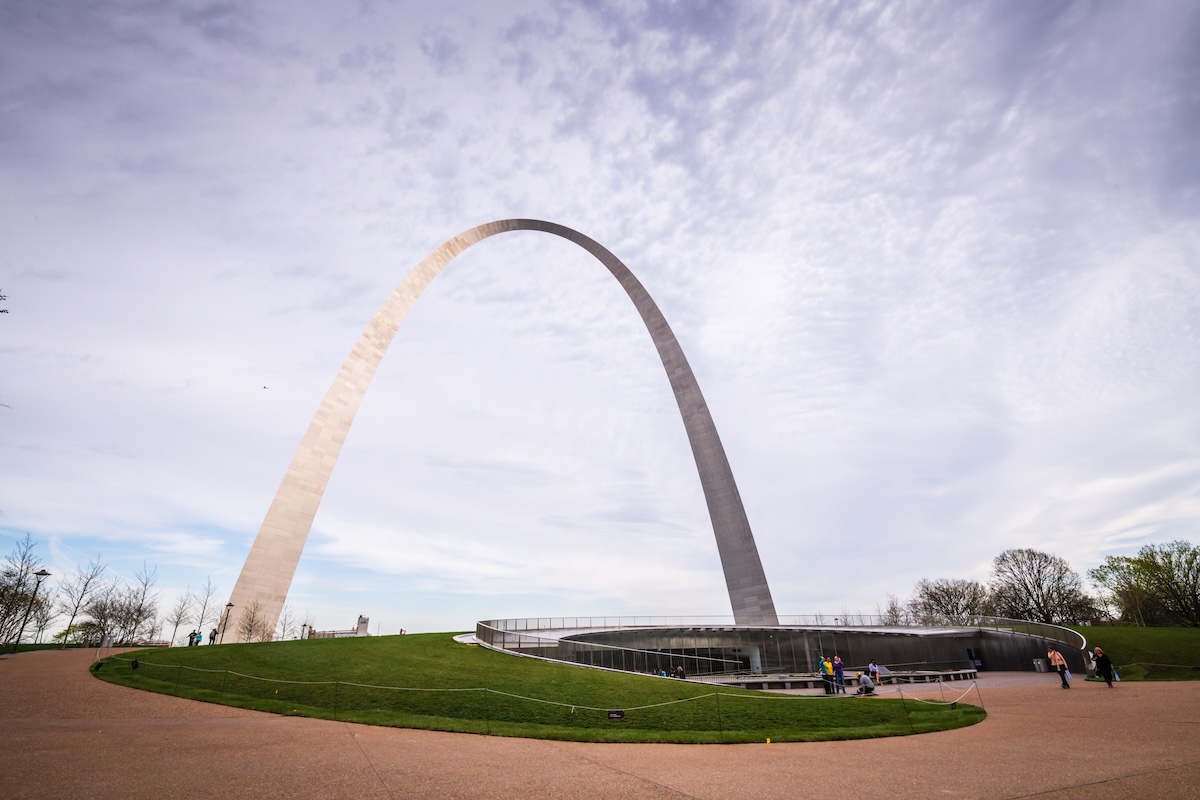
The 630-foot stainless steel arch above the Mississippi delivers exactly the visual impact that makes it one of America’s most striking monuments, and walking the grounds costs nothing. That version of the experience works well and consistently.
The interior generates more debate. Small tram pods carry visitors to the summit in a four-minute ride that some people find charming, but claustrophobic people not so much. The windows at the top are narrow, and crowds limit viewing time considerably. The Museum of Westward Expansion underground tells a compelling story about American expansion history and tends to surprise visitors who planned only to ride the elevator.
Castle Clinton National Monument, New York City

Battery Park’s circular sandstone fort sits at Manhattan’s southern tip, and most visitors walk past it toward the Statue of Liberty ferry line without registering what they’re passing. The structure never fired a shot in combat and moved through careers as an immigration station, an aquarium, and a concert venue before the National Park Service took over.
It now functions primarily as the ticket booth for the Statue of Liberty and Ellis Island ferries, making it the most-visited national monument in the country, largely by proximity. You only need twenty focused minutes to cover the history well. The ferry line handles the rest of most visitors’ available time without requiring any further decision-making.
Mount Rushmore National Memorial, South Dakota
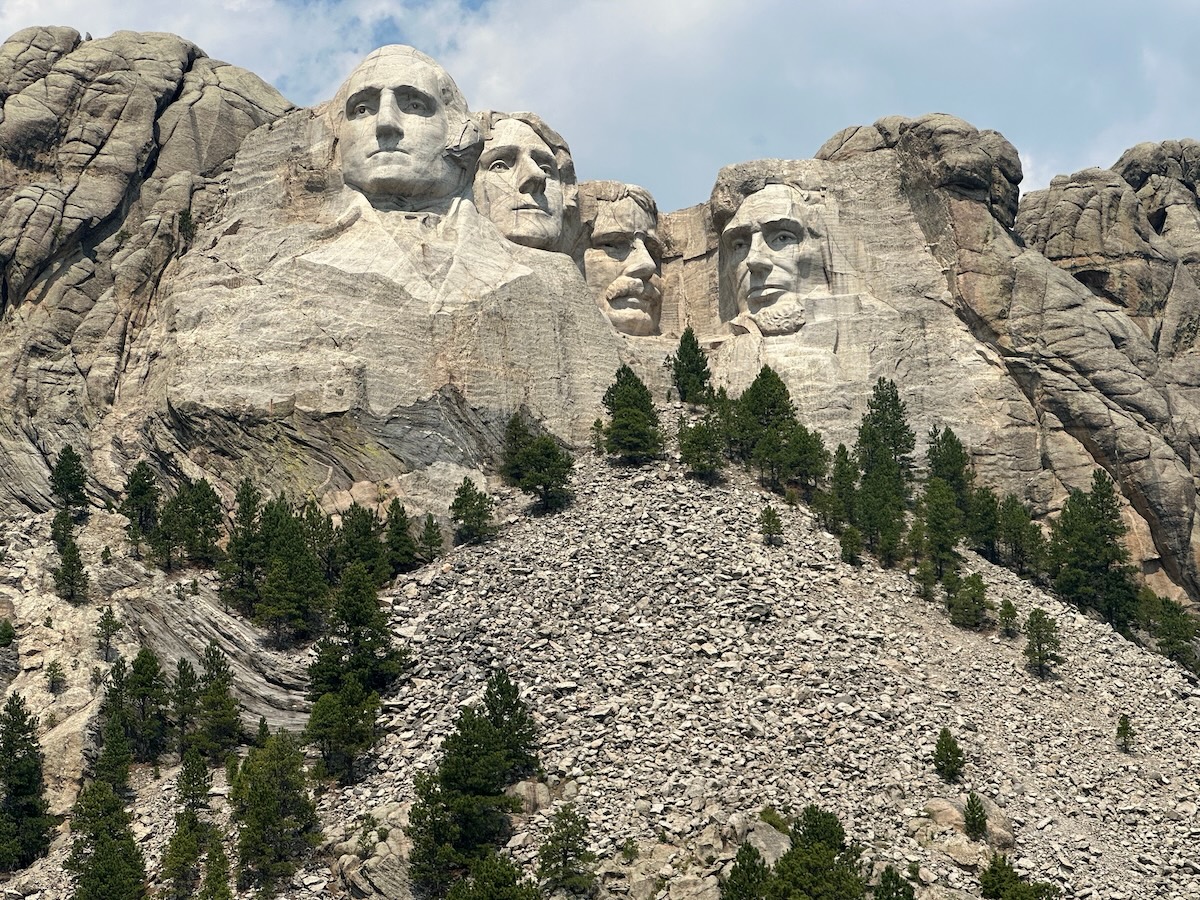
The 60-foot carved faces appear smaller than expected in virtually every first-time visitor account. The viewing distance from the main avenue creates a gap between the anticipation that the telephoto lens photographs build and what the park actually delivers. And also, there is no Nicholas Cage around.
The surrounding Black Hills cover far more rewarding territory. Custer State Park shines with bison herds and granite spires, the Crazy Horse Memorial nearby continues through ongoing carving work, and Deadwood delivers frontier history with real depth an hour north. Mount Rushmore works as one stop within a larger Black Hills itinerary but building a trip around it alone is the mistake that most disappointed visitors made.
Yucca House National Monument, Colorado
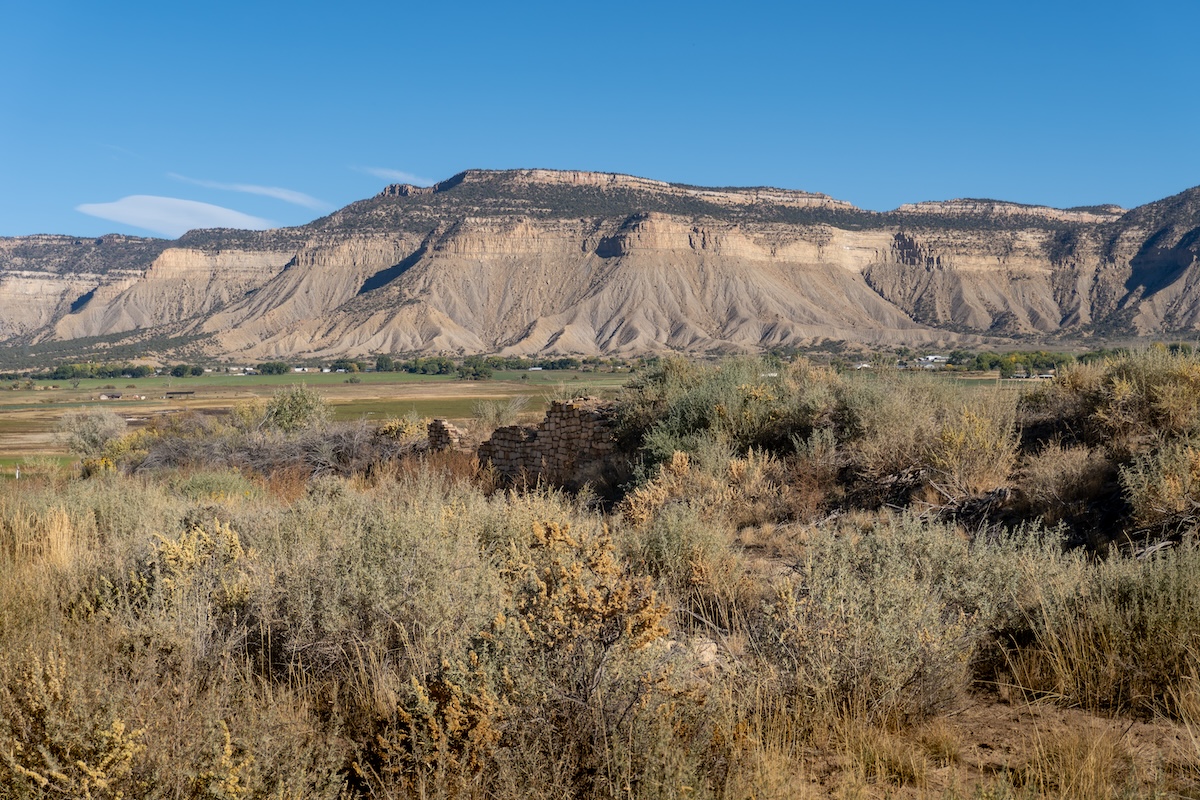
One of the largest unexcavated Ancestral Puebloan sites in the Southwest sits outside Cortez, Colorado, and leaving it underground was a deliberate, scientifically responsible decision. That context doesn’t change what visitors see upon arrival: low mounds in an open field.
No visitor center, no interpretive panels, no facilities of any kind. The site sits at the end of a dirt road and rewards visitors who find meaning in what lies beneath the soil they cannot dig. Everyone else should drive 40 minutes to Mesa Verde, where the same culture built cliff dwellings that stop people completely in their tracks and provide everything the imagination needs above ground.
Cuyahoga Valley National Park, Ohio
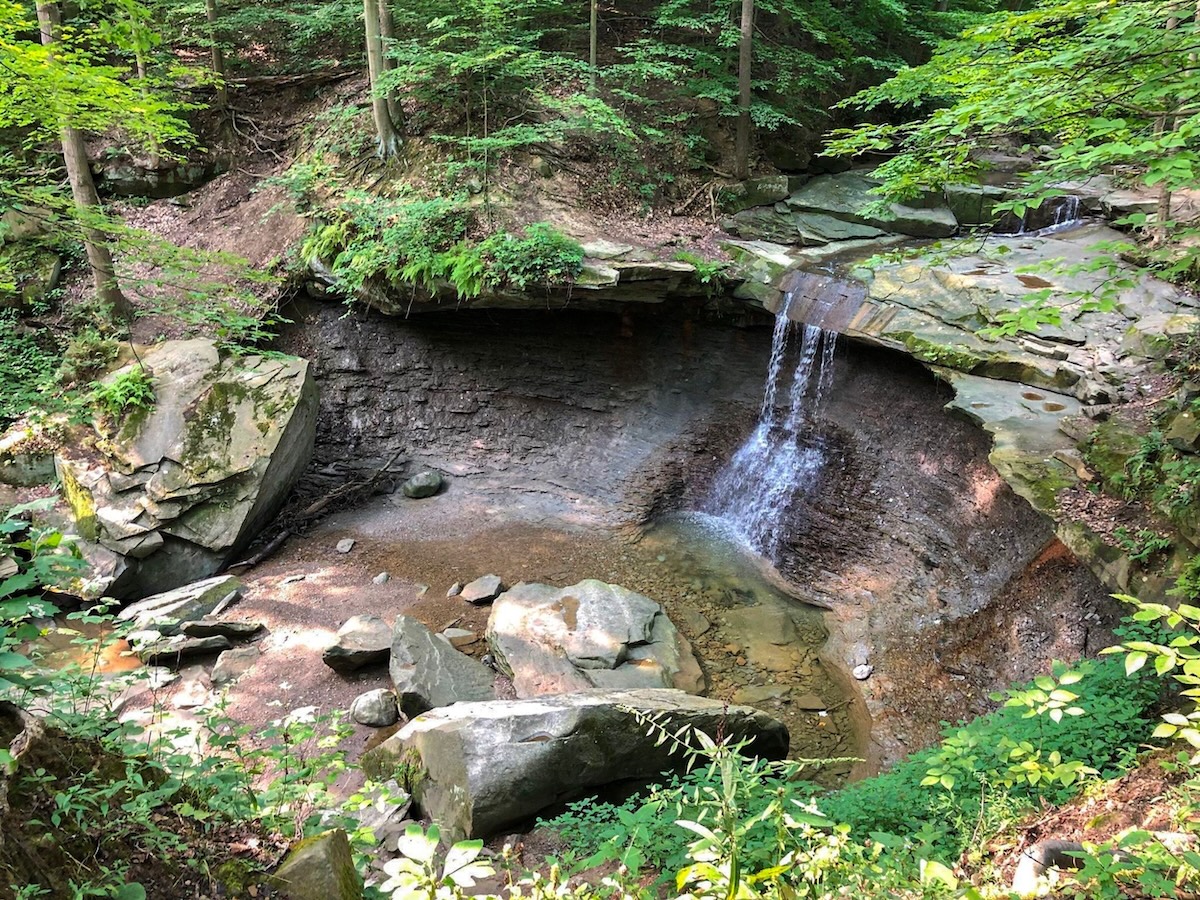
Ohio’s only national park covers river valley terrain between Cleveland and Akron with waterfalls, a historic canal towpath, and the Cuyahoga River that famously caught fire in 1969 from industrial pollution. That disaster helped drive the Clean Water Act, and the river now supports real wildlife. Brandywine Falls drops 65 feet through layered shale and sandstone in the park’s most photographed feature.
Comparing Cuyahoga Valley to the western parks sharing its designation is where the frustration enters the picture. It serves the region well as a green space with legitimate natural and historical character. Visitors who arrive expecting the Rockies tend to leave confused about the classification, which says more about the designation system than the park itself.
Indiana Dunes National Park, Indiana
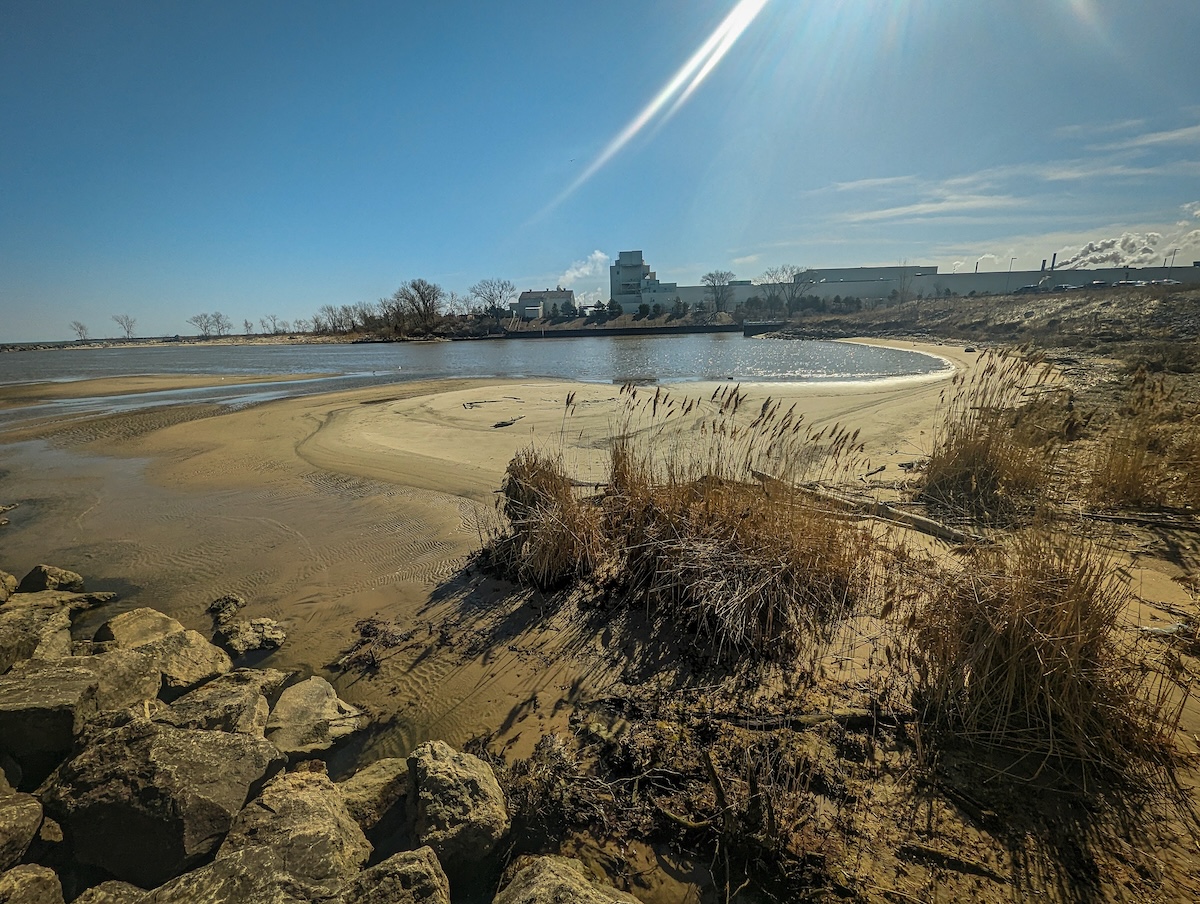
The Indiana shoreline along Lake Michigan has 200-foot-high dunes, 15 miles of beach, and wetland plant diversity that botanists value highly. But, upgrading from National Lakeshore to National Park designation in 2019 raised visitor expectations without changing what the park contains. A steel mill visible from parts of the beach adds some context that the promotional photography handles somewhat selectively.
Mount Baldy impresses as an active dune that migrates inland and periodically buries trees whole. That being said, swimming in Lake Michigan on a clear July afternoon with the Chicago skyline visible to the west remains pretty impressive. The park works for visitors who arrive knowing what it is. It disappoints visitors who assumed the designation implied something considerably wilder.
Saguaro National Park, Arizona
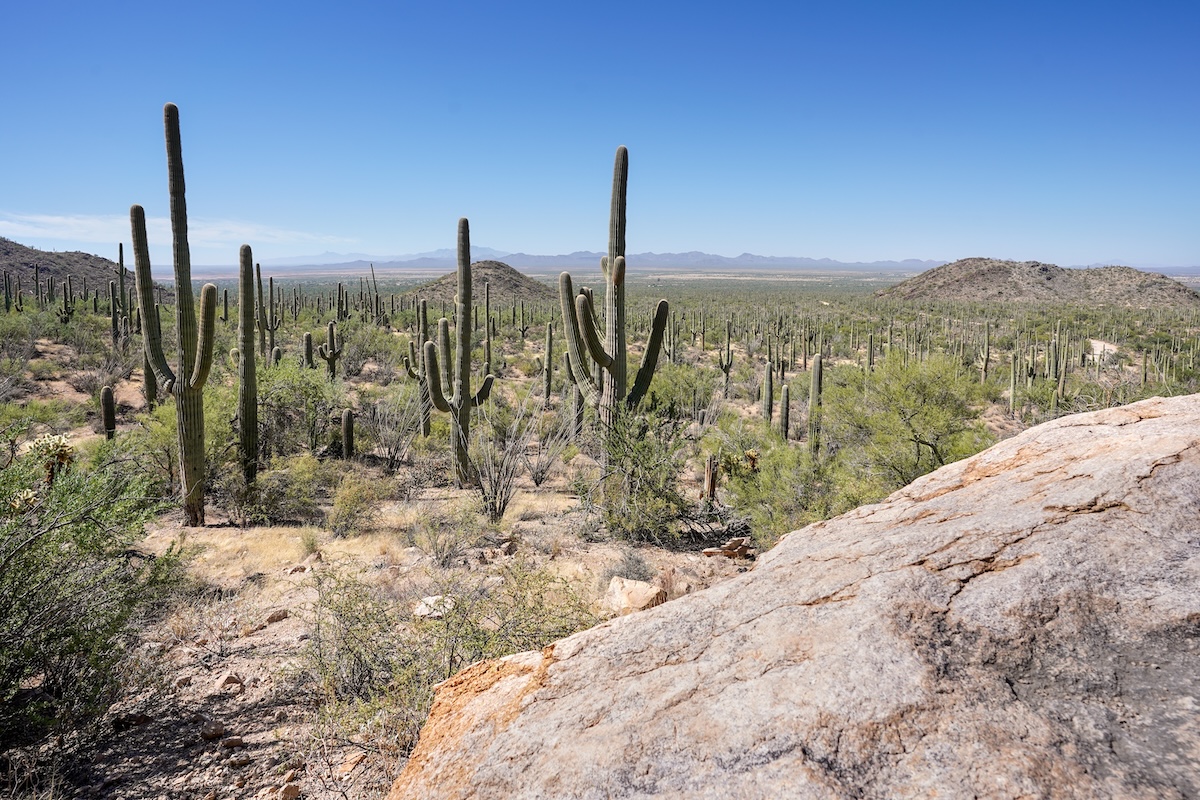
Giant saguaro cacti take 75 years to grow their first arm, so the full-grown specimens surrounding Tucson represent centuries of slow botanical patience. Both the Rincon Mountain and Tucson Mountain districts have high concentrations of these cacti that earn the park its name honestly.
The common complaint comes from visitors expecting dramatic Utah-style scenery who find flat desert with very tall cacti instead. Sunset changes the situation, though. When the Sonoran Desert turns pink and centuries-old saguaro silhouettes cover the hillsides in every direction, the park delivers something the midday version never quite promises. Timing the visit around that light resolves most of the gap between expectation and experience.
Great Smoky Mountains National Park, Tennessee/North Carolina
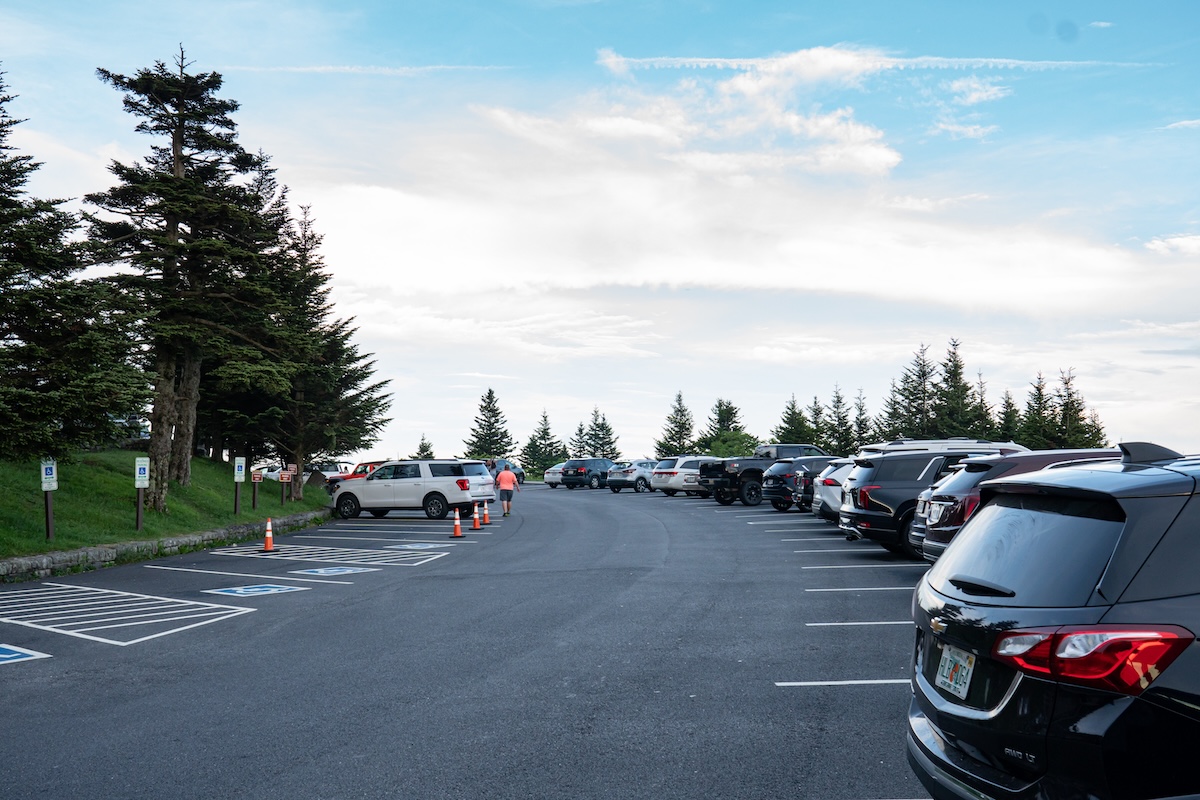
America’s most visited national park draws over 12 million people annually, and weekend traffic reflects that number without question. Cades Cove, the popular valley loop, becomes a slow vehicle procession on summer Saturdays, with cars stopping every 50 yards for deer that could not care less about your presence. Free admission removes the financial barrier, keeping other parks at manageable crowd levels, and visitor numbers follow that policy accordingly.
The Smokies have some real depth for anyone willing to walk more than 200 meters from the road. Appalachian Trail access covers some of the East’s finest backcountry hiking, synchronous firefly displays in June can be enjoyed through lottery entry, and old-growth forest delivers throughout. The crowds concentrate predictably enough that finding quieter territory requires only minimal effort beyond the obvious stops.
Shenandoah National Park, Virginia
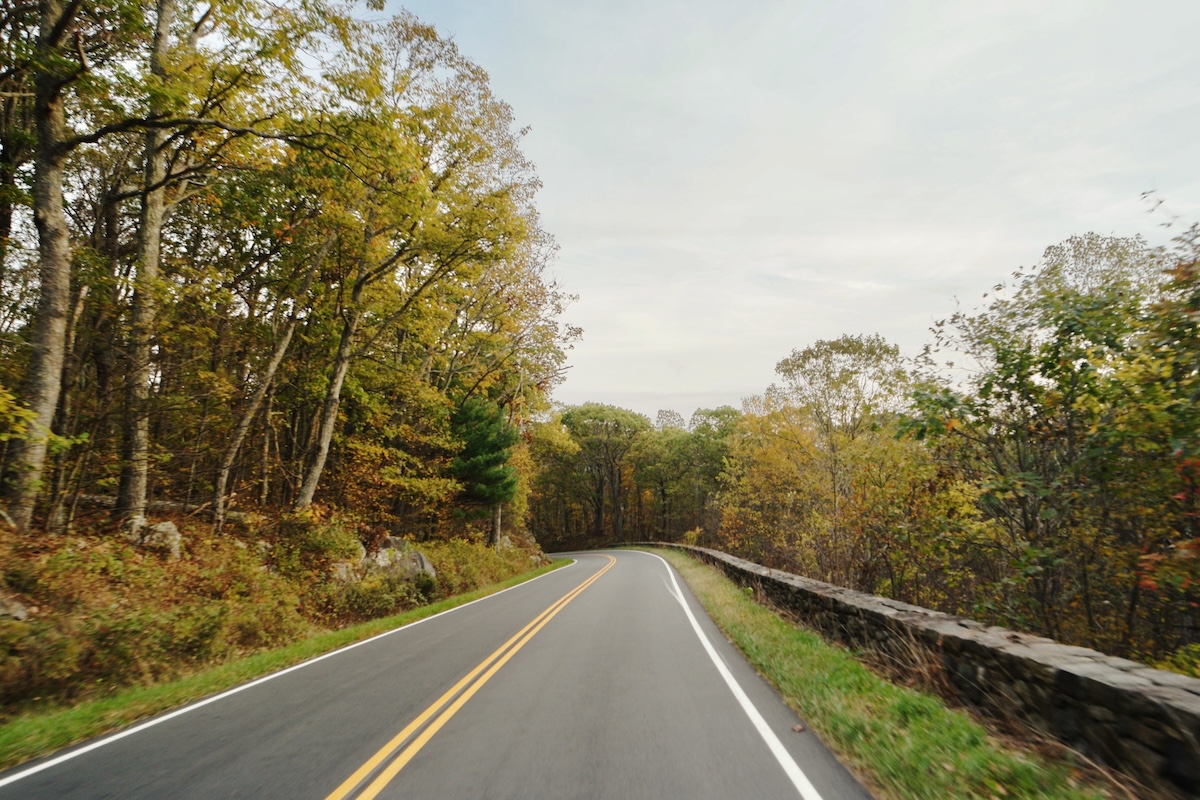
Skyline Drive covers 105 miles along the Blue Ridge crest with overlooks above the Shenandoah Valley. White-tailed deer wander the roadside at dawn and dusk, black bears appear on trails often enough, and fall foliage along the drive photographs beautifully through October.
Most complaints come from visitors who drove 500 miles expecting western park drama and encountered a pleasant Virginia ridge instead. Shenandoah does exactly what it describes for scenic drives, accessible hiking, and wildlife viewing within a few hours of Washington DC and the Eastern Seaboard. Comparing it to Yosemite might be a little much, so it’s nothing that Shenandoah did particularly wrong.
Hot Springs National Park, Arkansas
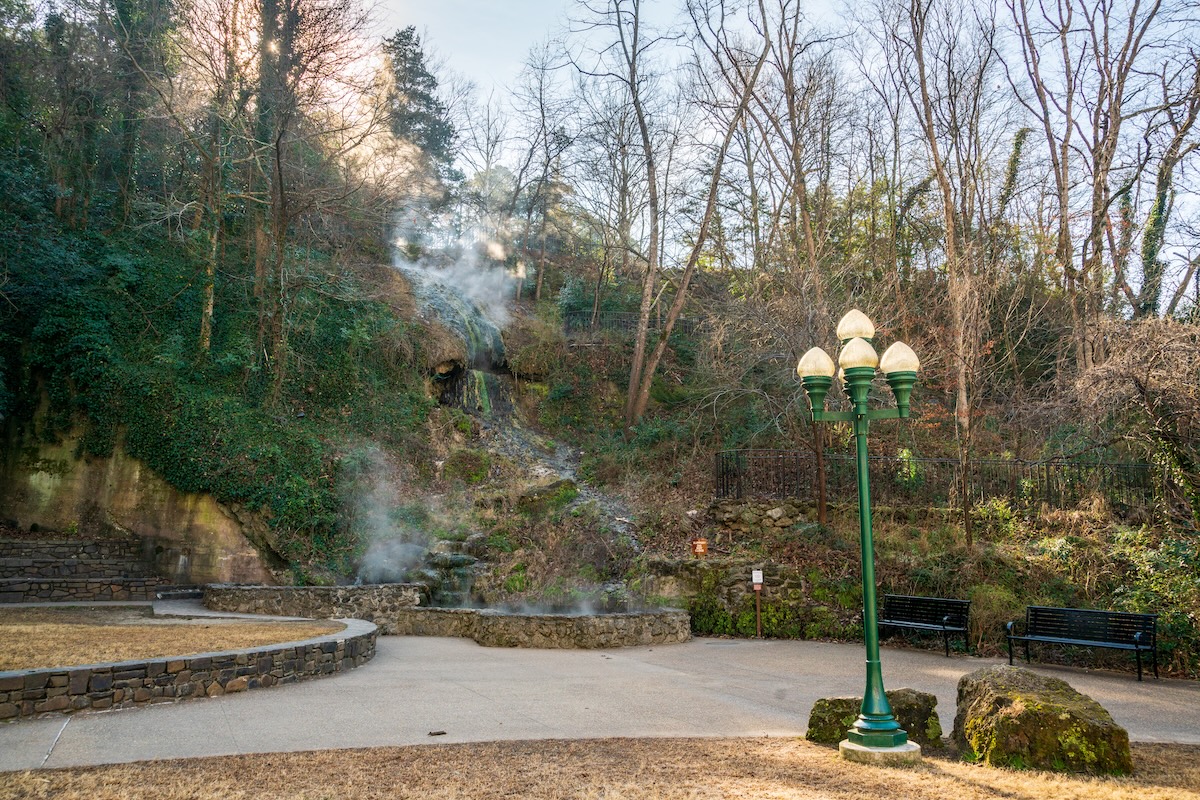
A national park located inside a mid-sized Arkansas city raises immediate questions, and Hot Springs answers them with Bathhouse Row. You will find Ornate early 20th-century bathhouses along Central Avenue, where thermal waters flow at 143 degrees from 47 springs in the surrounding hillsides. The Fordyce Bathhouse museum covers the resort era thoroughly, and active bathhouses still operating make the visit more than purely historical.
The confusion hits visitors who arrive expecting wilderness and find downtown Hot Springs instead, where the national park visitor center shares a city block with restaurants and souvenir shops. Hiking trails in the surrounding hills exist and hold their own, but most visitors never reach them because Bathhouse Row and the adjacent commercial district absorb the available time long before the trailheads enter the picture.
Padre Island National Seashore, Texas
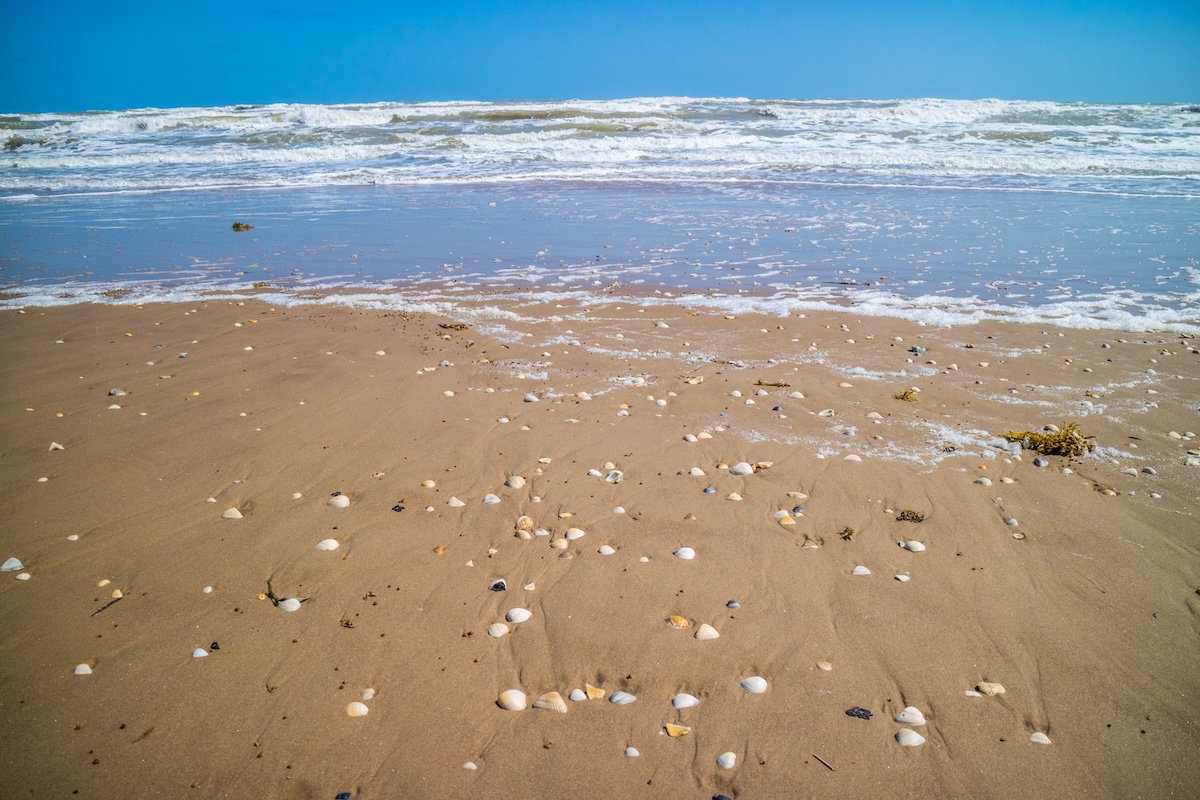
The longest undeveloped barrier island in the country stretches along the Texas Gulf Coast. Most of it stays that way because the soft sand becomes impassable without a high-clearance 4WD vehicle past the first few miles of the developed section near Corpus Christi. Primitive camping in the wild southern sections sounds like heaven, and the logistics are all worth it for the solitude that the northern end never offers.
Kemp’s Ridley sea turtle nesting in late spring is another natural spectacle that organized volunteer programs help visitors witness. The let-down belongs to visitors who pull into the park entrance, walk the accessible beach for an hour, and leave wondering what qualified this stretch for national recognition. The park’s real character concentrates in difficult-to-reach sections that the visitor infrastructure barely acknowledges.
Tupelo National Battlefield, Mississippi
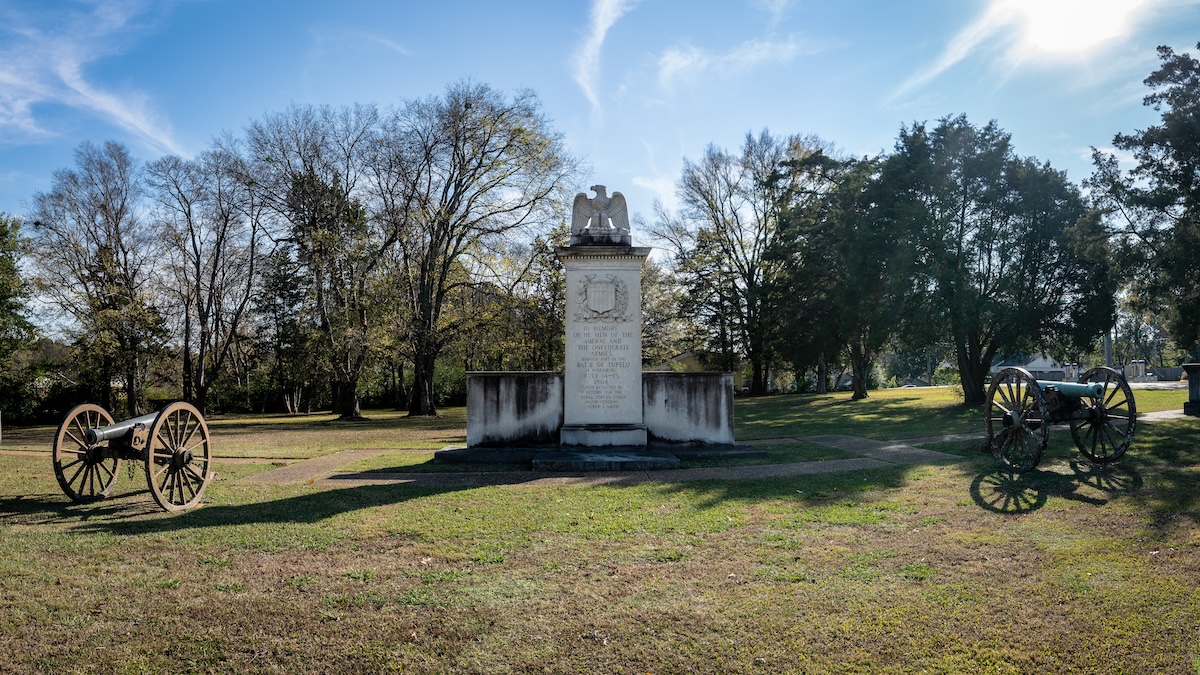
One acre. The entire Tupelo National Battlefield covers one acre of Mississippi farmland that marks a Civil War engagement from July 1864. Here, Union forces held off a Confederate attack to secure the railroad supplying Sherman’s Atlanta campaign. The historical significance is real, and the interpretive signage explains it without overselling what the site physically contains.
Reading the panels beside a modest monument takes about eight minutes. Visitors then stand in a field processing the disconnect between the outcome’s historical weight and the ground it happened on. Civil War historians tracking the full campaign record find value here. Everyone else who drove specifically to Tupelo expecting a national park experience tends to check their GPS twice upon arrival and once more when leaving.
John Muir National Historic Site, Martinez, California
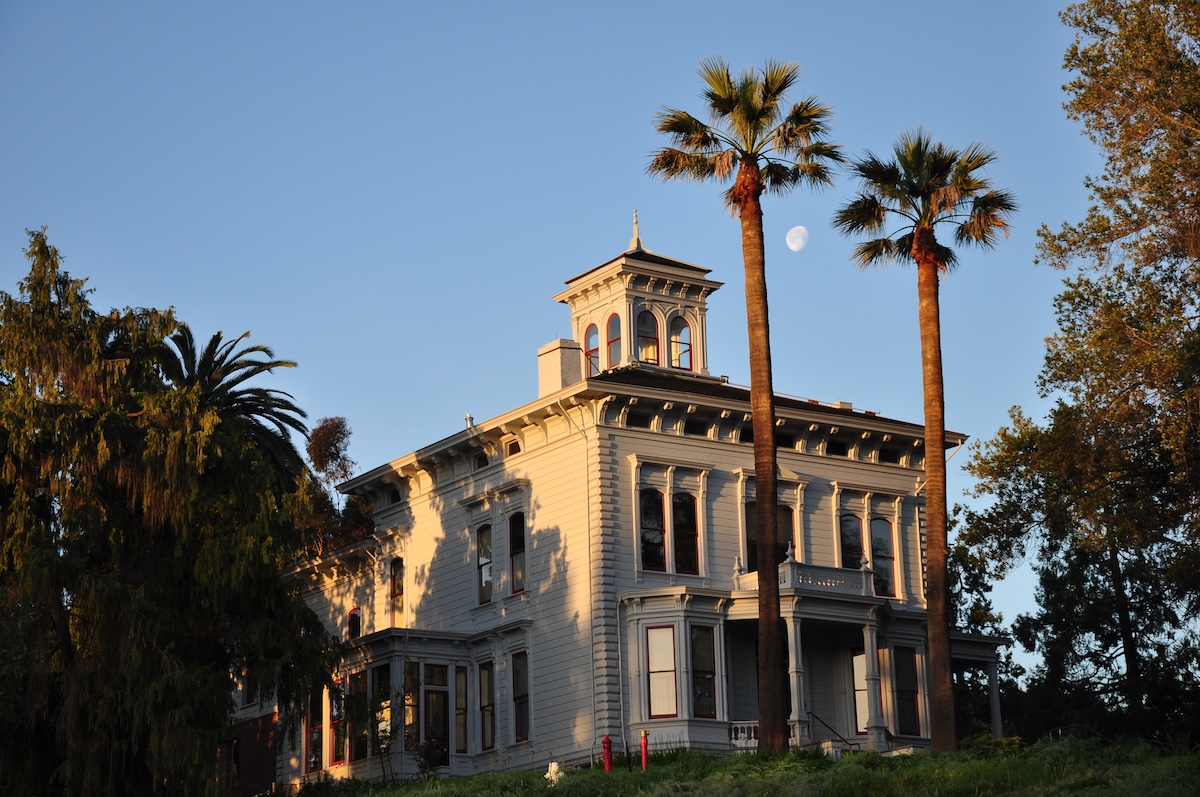
The father of the American conservation movement spent the last 24 years of his life in a 17-room Victorian house in Martinez, a Contra Costa County city 30 miles northeast of San Francisco. The house tour covers period furnishings, family history, and the writing study where Muir produced the work that shaped Theodore Roosevelt’s conservation agenda and helped establish the national park system itself.
Experiencing Muir’s legacy surrounded by suburban development, refineries, and strip malls produces a cognitive dissonance that the site cannot fully fix. The historical presentation is honest and thorough, and visitors who want to understand Muir as a person and writer leave with something real. Visitors who want to experience the landscapes he spent his life writing about should drive in almost any other direction from the parking lot.
Bent’s Old Fort National Historic Site, Colorado
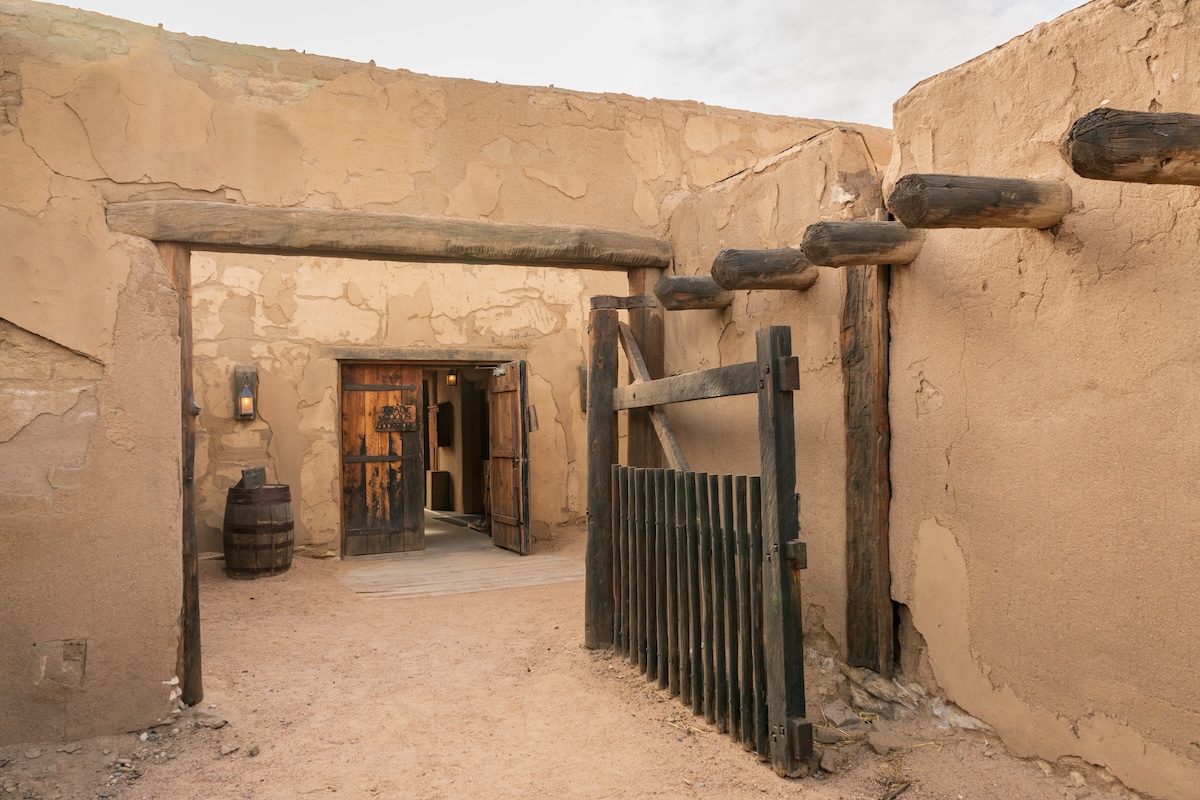
Eight miles east of La Junta in Colorado’s high plains, a reconstructed 1840s adobe trading fort stands where Santa Fe Trail commerce once shaped the American Southwest. The original came down in 1849 when the founder demolished the structure himself, reportedly to prevent competitors from taking it over, and the current building faithfully recreates what historical records describe.
Costumed interpreters and period demonstrations make the site more engaging than most reconstructed forts manage, though. The surrounding high plains stretching to the horizon in every direction also provide geographic context that no Front Range site replicates. Getting here requires real commitment, and visitors who arrive specifically for the history tend to leave satisfied with the decision.
Wolf Trap National Park for the Performing Arts, Virginia
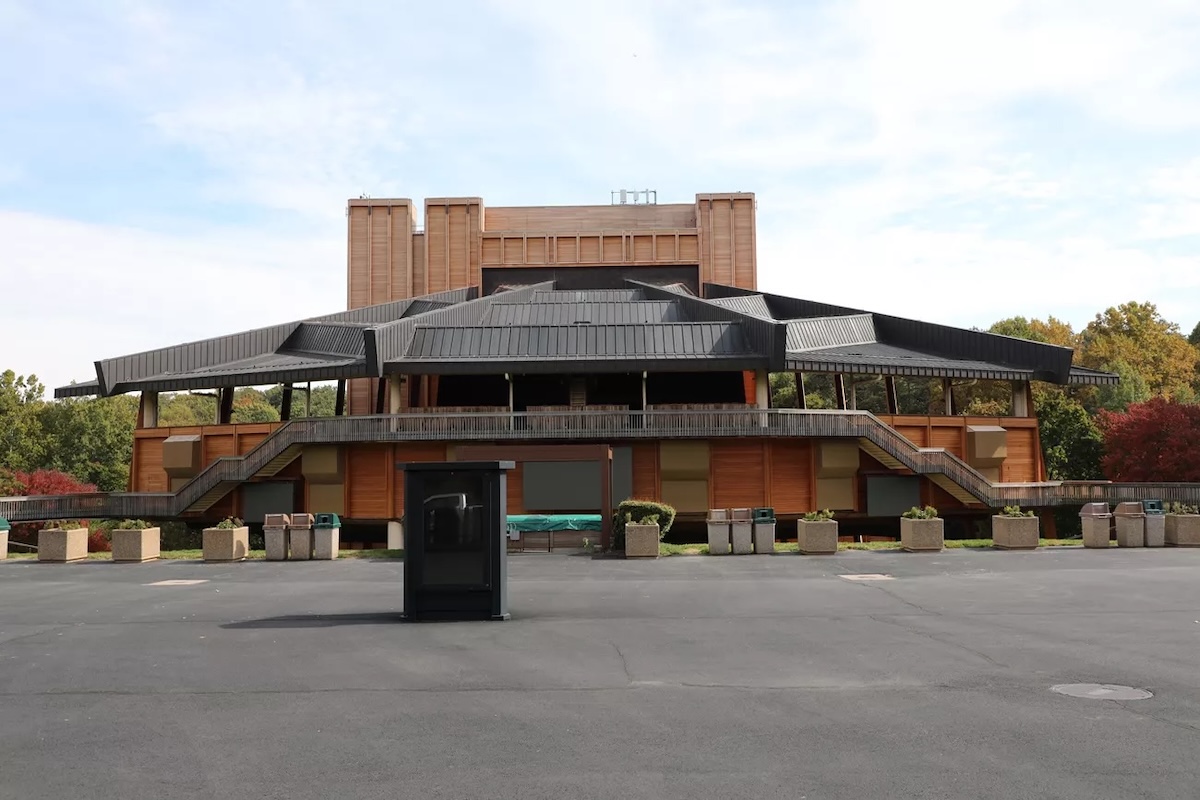
America’s only national park dedicated entirely to the performing arts sits in Vienna, Virginia, 20 miles outside Washington DC. The Filene Center holds 7,000 people for summer concerts spanning classical, jazz, folk, and popular programming, and the lawn seating creates blanket-and-picnic conditions that make the right evening memorable.
The national park designation confuses visitors who find it on a checklist and show up expecting trails and wildlife. Wolf Trap works completely as an outdoor concert venue set in Virginia woodland. Between concert seasons, visitors checking NPS sites off a list find a large outdoor stage in a forest clearing, which the National Park Service considers sufficient, and most visitors find is not quite what they came for.
Voyageurs National Park, Minnesota
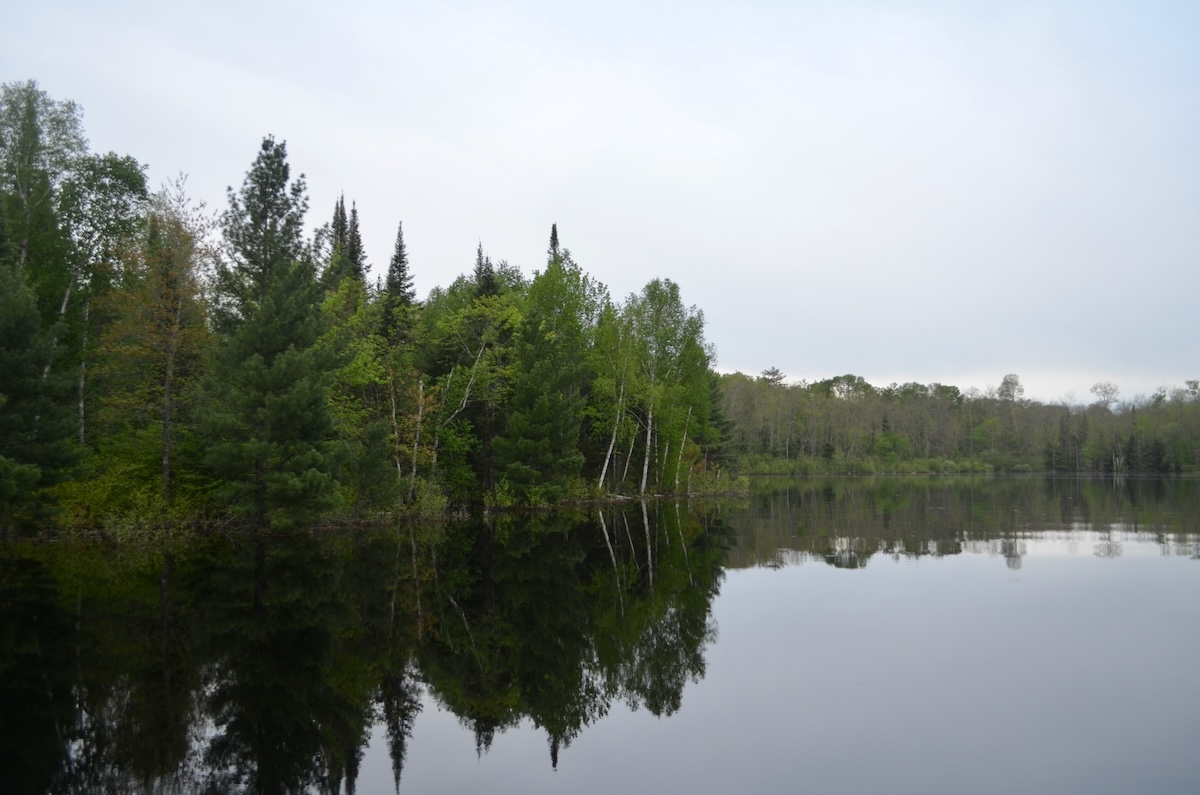
Reaching the park’s interior requires a boat in summer and a snowmobile or snowshoe in winter. That single logistical fact explains most of what visitors who drive to the Minnesota-Canada border expecting a conventional national park experience actually find. The four lakeside visitor centers provide orientation, and the territory beyond them covers boreal forest, island campsites, and dark sky conditions with some of the Midwest’s finest northern lights viewing.
Visitors who rent a houseboat, spend several nights on the water, and watch the aurora borealis over the Canadian wilderness, making Voyageurs one of America’s most underrated experiences. Everyone else encounters the parking lot version of something that requires water access to understand at all, which not everyone is fully prepared for.