
There are 133 national monuments scattered across the US, but they tend to be overshadowed by the country’s national parks. Don’t let that put you off – it just means you won’t have to share the great outdoors with masses of people!
Before we dive in, you might be wondering what a National Monument actually is? Well, they’re similar to National Parks because they are protected areas that are renowned for their unique beauty. The difference is they are chosen by US presidents, which is pretty bizarre.
Here are some of the most bucket-list-worthy national monuments, from arid sandstone deserts to impressive fjords and remote islands.
11. Craters of the Moon, Idaho
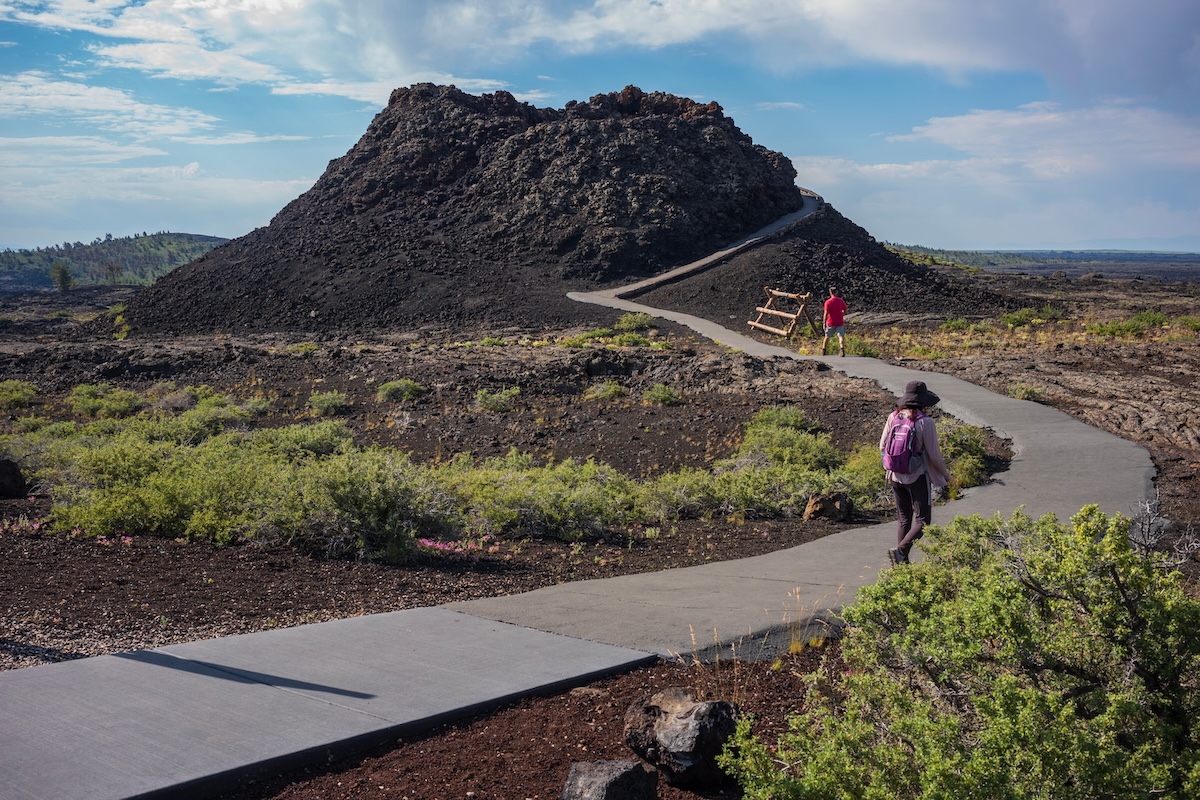
The ancient lava flows that have dried and formed a rough, blackened landscape that stretches as far as the eye can see are a must-visit if you’re in Idaho.
Spatter cones and ethereal lava fields, like the Blue Dragon lava field, are testament of the site’s historical volcanic activity. It was one of the first places to be declared a national monument, and for good reason!
Even though the lava fields are right here on Earth, the landscape feels distinctly out-of-space-like. One of the most magical spots is the Inferno Cones, where you can watch the sunset over the Teton Range 138 miles to the east.
10. Chiricahua, Arizona
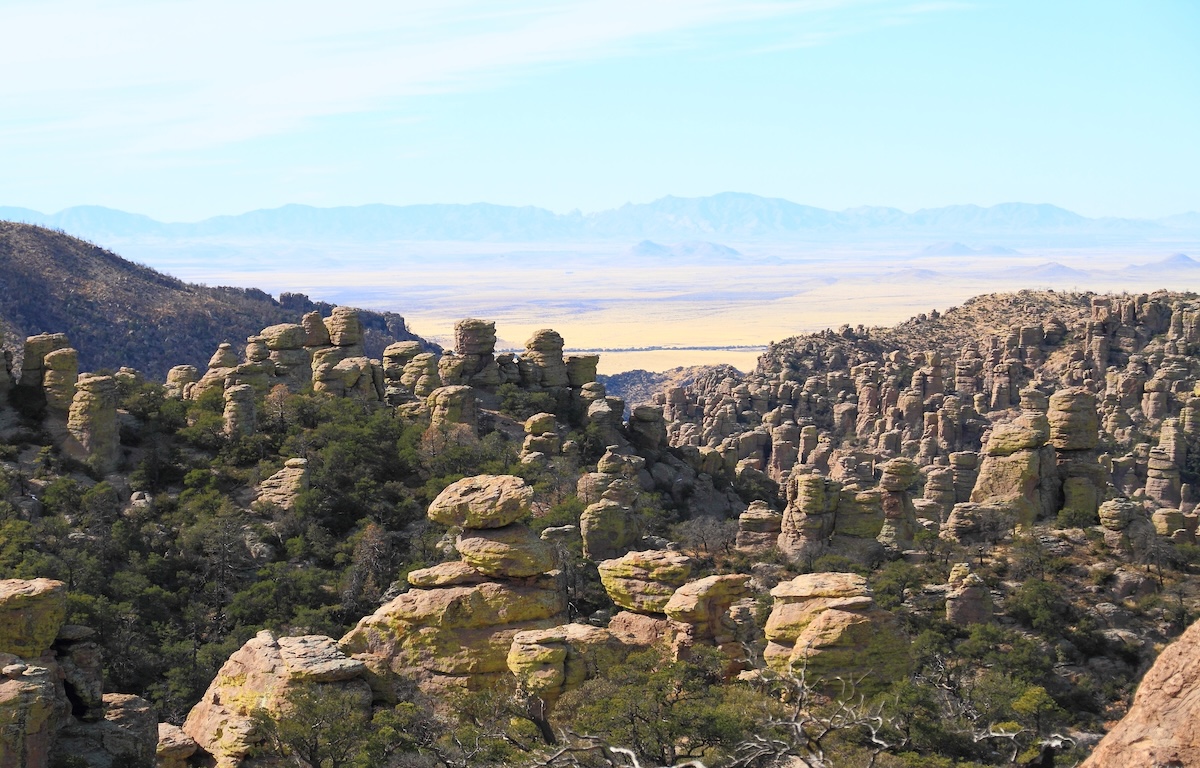
This epic mountain range nestled between two deserts is a unique oasis for wildlife and a haven for anyone looking to immerse themselves in nature. Impressive rhyolite pinnacles and balanced rocks jut out of the arid landscape and provide shade for the sparse vegetation.
It’s no wonder the Apaches called it ‘The Land of Standing-Up Rocks’. The region’s one-of-a-kind beauty was recognized early on, and the Chiricahua National Monument was established in 1924.
With more than 17 miles of trail that weave through the rocky wilderness, you won’t run out of things to do. It’s also a great spot for stargazing. At night, an uncountable number of stars lit up the otherwise dark night sky.
9. Bandelier, New Mexico
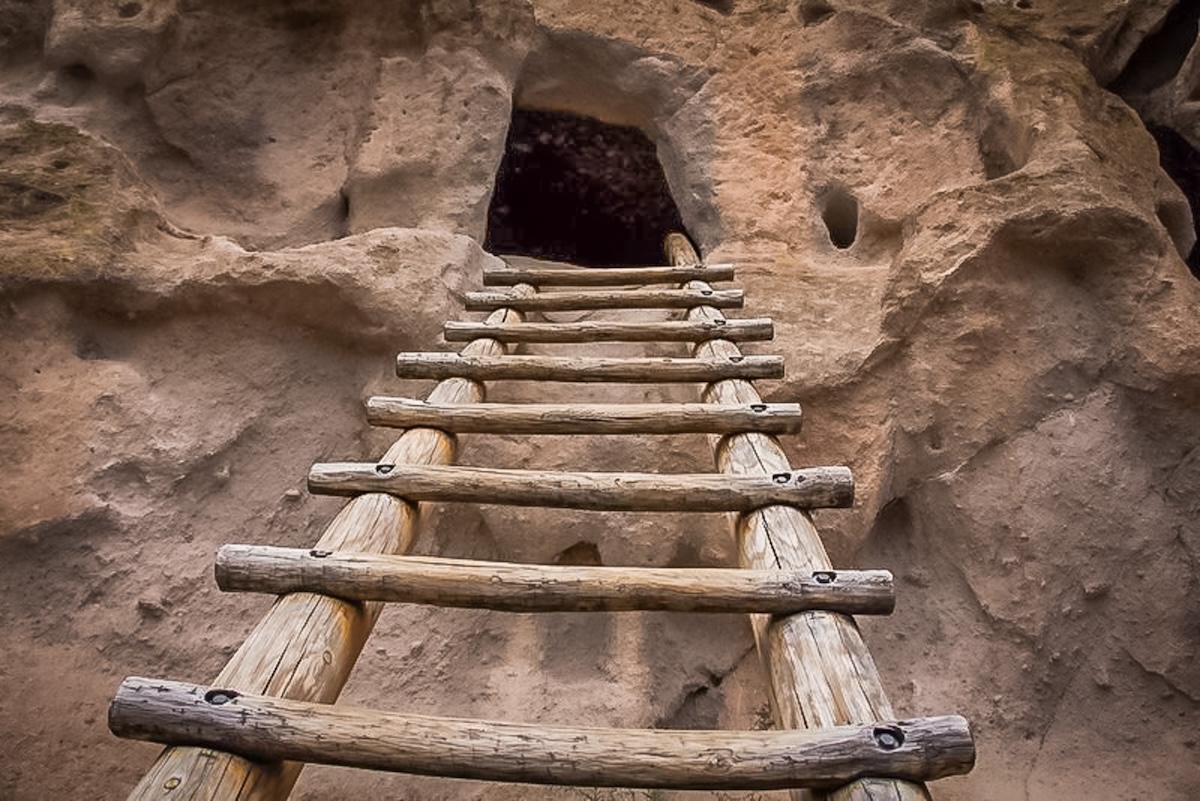
The Bandelier National Monument is a place where natural beauty, culture, and history come together seamlessly. Encompassing more than 33,000 acres of rugged canyon and mesa country, the park is home to ancient petroglyphs and old dwellings carved into the rocky cliffs.
More than 23 tribal nations have called this land home and shaped the landscape, most noticeably the Ancestral Pueblo people who carved homes into the volcanic tuff cliffs and cultivated crops in the unforgiving land.
Pack your hiking boots and follow the 1.4-mile-long Pueblo Loop trail which weaves through Bandelier and visits the most important archeological sites along the way.
8. George Washington Birthplace, Virginia

The legendary Founding Father and first president of the US, George Washington, grew up in the Northern Neck of Virginia. This vast National Monument encompasses a staggering 551 acres of land, which was the home of seven generations of the Washington family.
Washington was born here in 1731 and went on to serve as president from 1789 to 1797. There are a number of things you can do here, like setting off in a kayak and exploring the shoreline around The Potomac River Beach, and paying a visit to The Memorial House Museum.
7. Rainbow Bridge, Utah
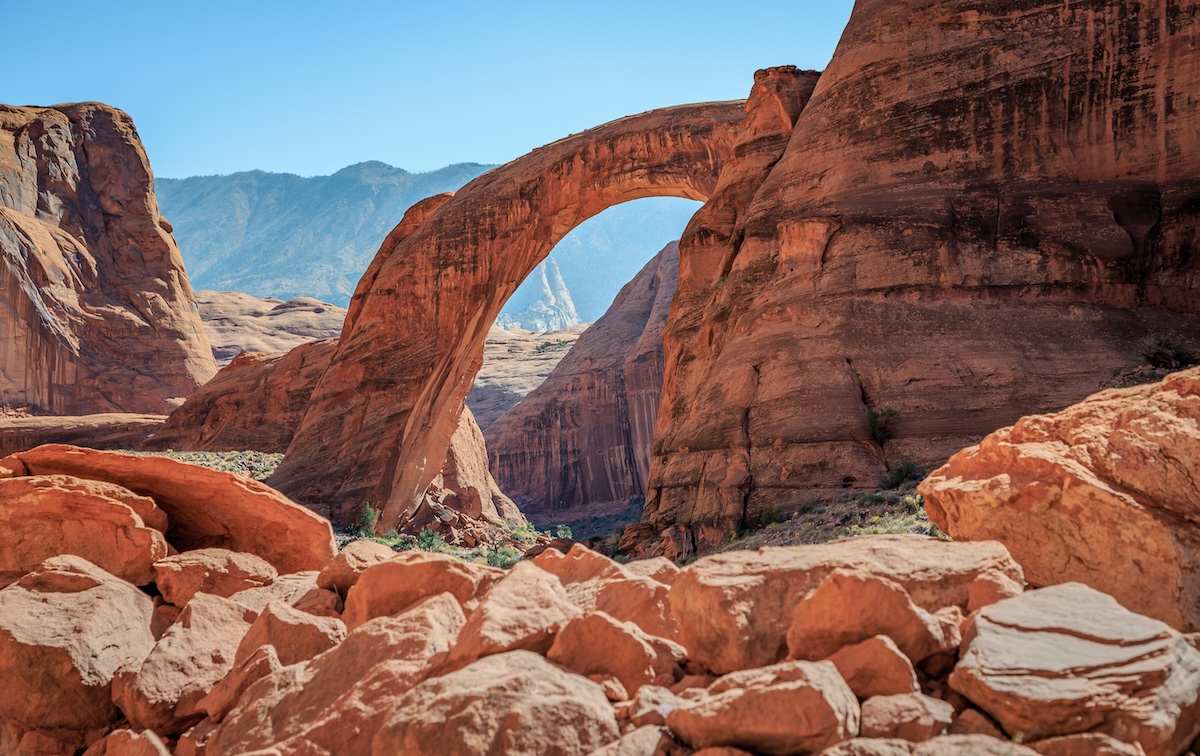
Protruding out of the rust-colored desert landscape in Utah you’ll find the Rainbow Bridge. It’s one of the world’s largest natural bridges. Spanning 275 feet over a creek channel, it’s hard to miss this immense rock bridge!
It’s not lacking in height either, reaching 290 feet from its base to the top of its arch. That makes Rainbow Bridge almost as tall as the Statue of Liberty!
The bridge has inspired many indigenous tribes and is considered a sacred site. To respect its significance, visitors are asked not to walk too close to Rainbow Bridge or pass under it. But don’t worry, it’s big enough to be admired from afar!
6. Giant Sequoia, California
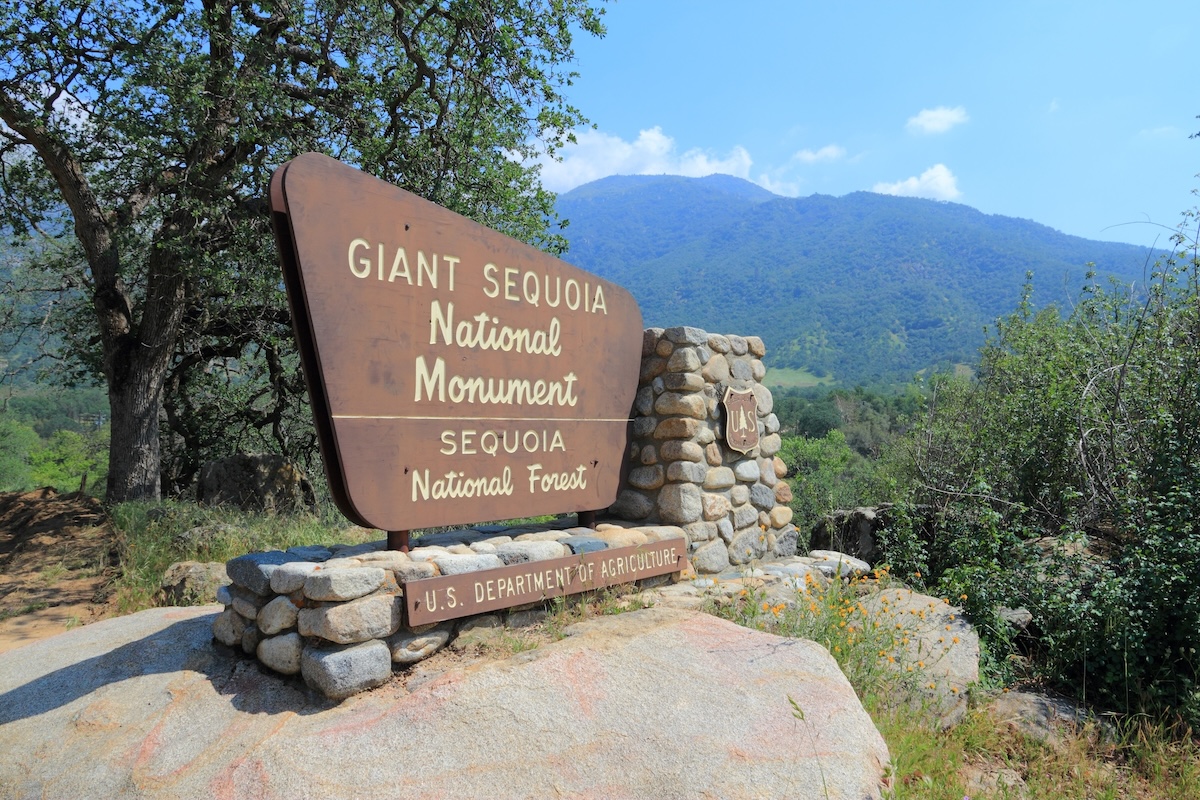
It’s hard not to feel tiny when you step into the shade of the 250-foot-tall giant sequoia trees in California. The trees can reach up to 35 feet wide, big enough to carve a tunnel lorries could fit through if you put your mind to it!
There’s something very humbling about being in the presence of these enormous trees, some of which have been alive for thousands of years. In fact, the oldest of its species reached 3,266 years old and lived in the Converse Basin Grove of this national monument.
5. Fort Sumter, South Carolina
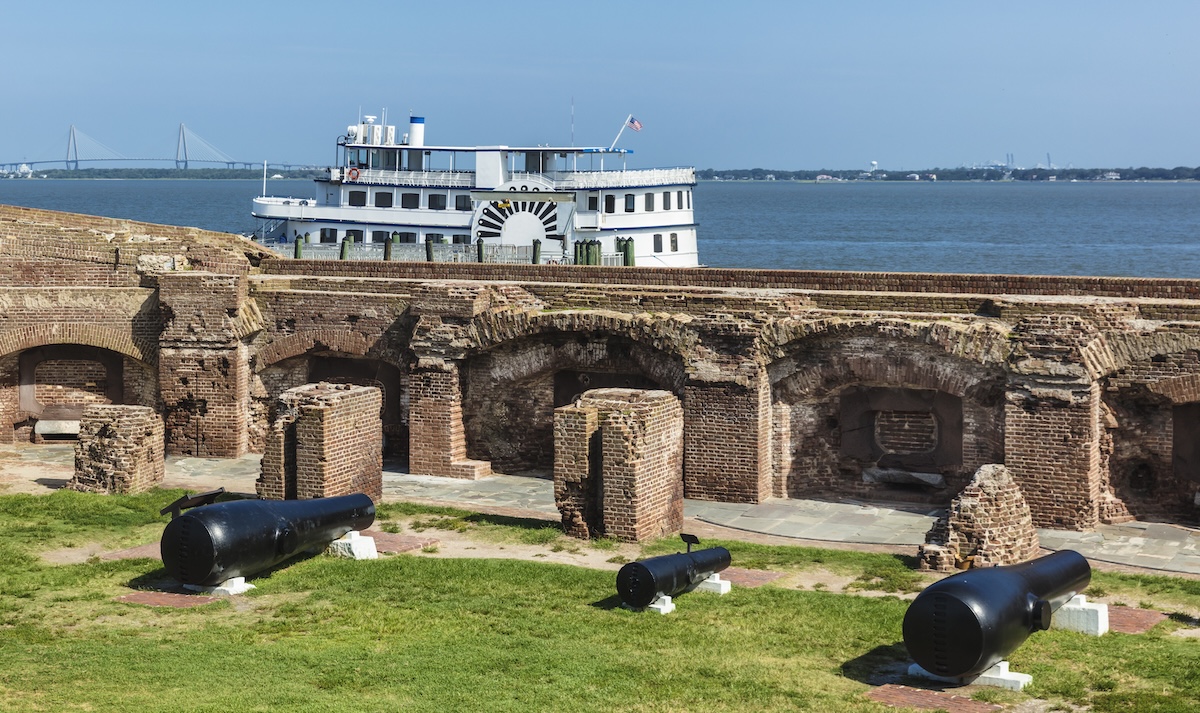
Curiously, Fort Sumter was constructed on an artificial island in Charleston Harbor. It was built back in 1829 after the War of 1812 which exposed the country’s vulnerability to naval attacks during the Battle of Fort Sumter.
The Confederate Forces closed in from the water, leaving the still incomplete fort in ruins and sparking the American Civil War!
Because of its historical ties to this immense battle, it is the country’s most significant sea fort and a popular National Monument amongst history nerds. If you want to visit bear in mind it’s only accessible via ferry tours from Charleston.
4. Canyon de Chelly, Arizona
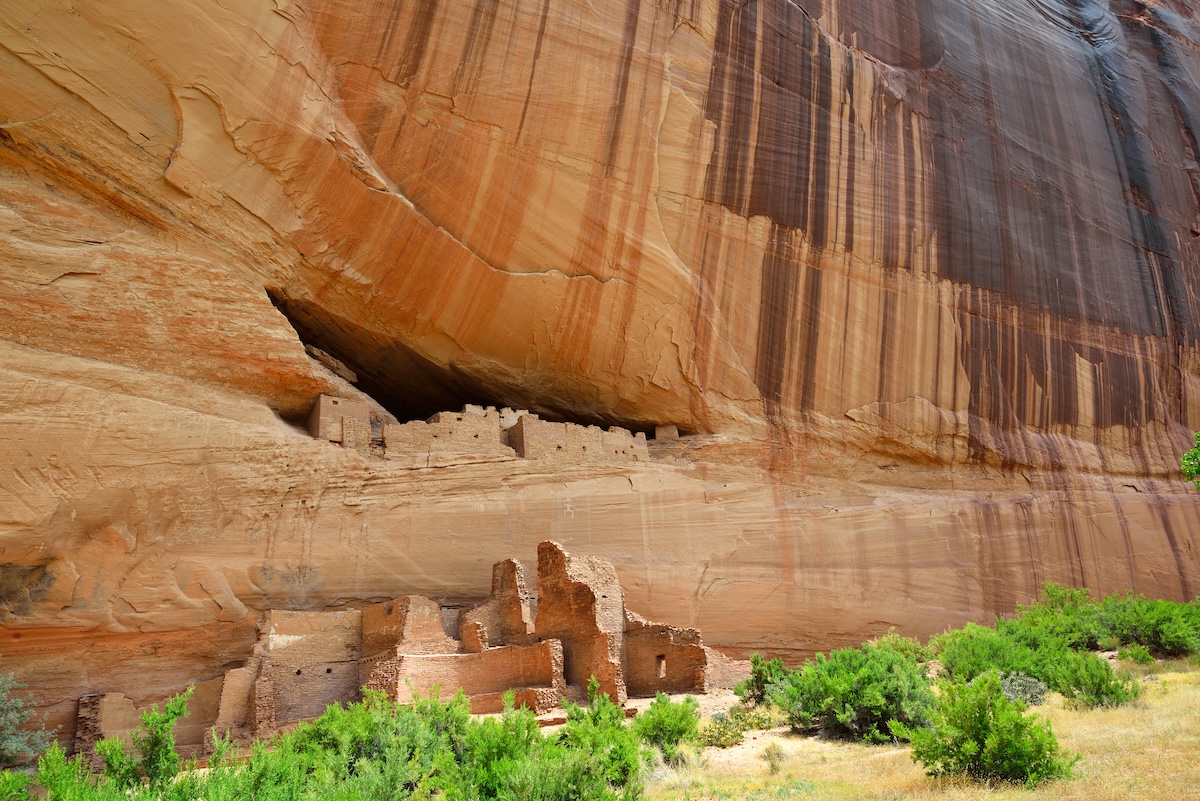
A maze of towering sandstone walls, the Canyon de Chelly preserves centuries-old ancestral Puebloan dwellings and historical wall art. Wander through the bulky sandstone monoliths on the lookout for petroglyphs.
There are lots of ways to explore the Canyon de Chelly, but if you’re scouting out the best view spots then hop in your car and drive along the North Rim Drive which has three viewpoints along its length. Stop at the Antelope House Overlook for the best panoramic photos!
Later in the afternoon drive along the South Rim Drive, a route that ends at the canyon’s most impressive sandstone monolith. The star of the show, Spider Rock’s dual spires rise 800 feet above the canyon floor.
3. Misty Fjords, Alaska
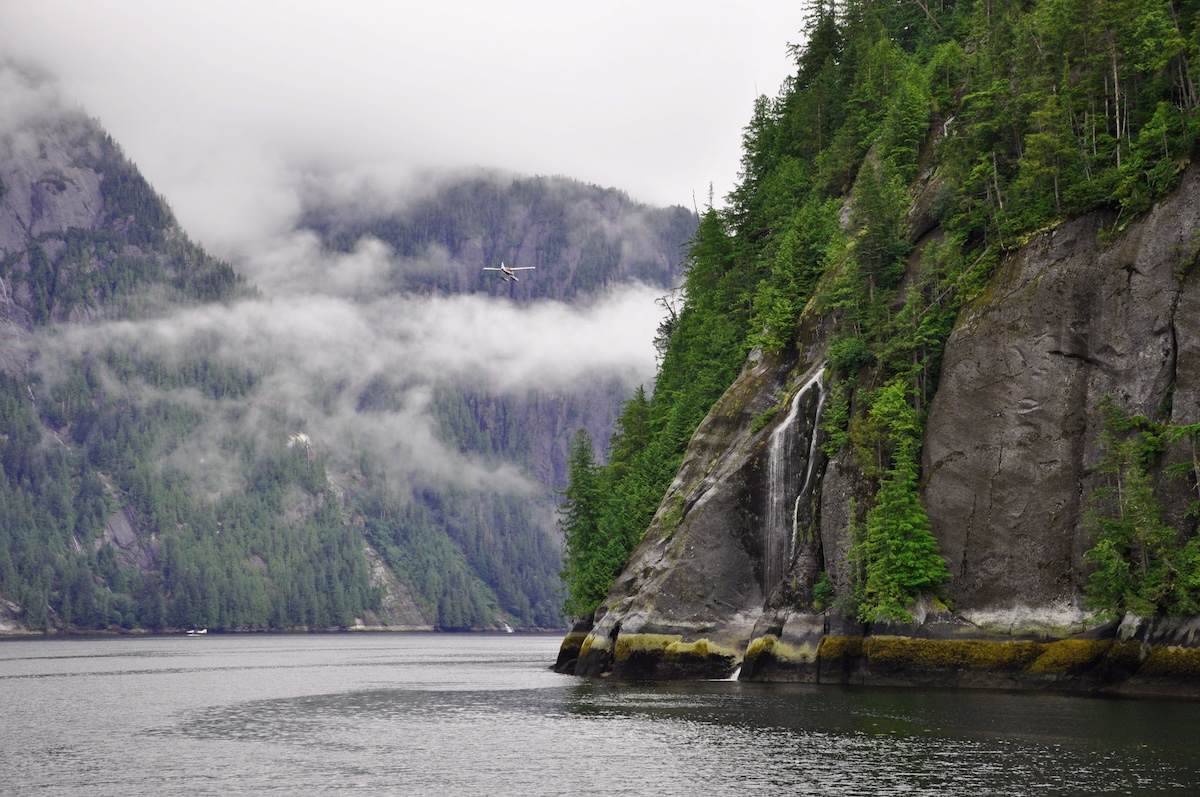
Nature enthusiasts can’t help but flock to the 2.2 million acres of rainforest, narrow fjords, and coastal cliffs in Misty Fjords. In true Alaskan style, this national monument is on the wilder side!
You can fly over the thick forest vegetation and explore the terrain from above on a scenic flight, or you can join a boat cruise and weave through the landscape. Another popular way to explore the Misty Fjords is by kayak.
Look up at the staggering sea cliffs and rock walls that soar 3,000 feet into the air. You can’t help but wonder at the gushing waterfalls that fall down the landscape’s steep cliffs and join the fjords.
2. San Juan Islands, Washington
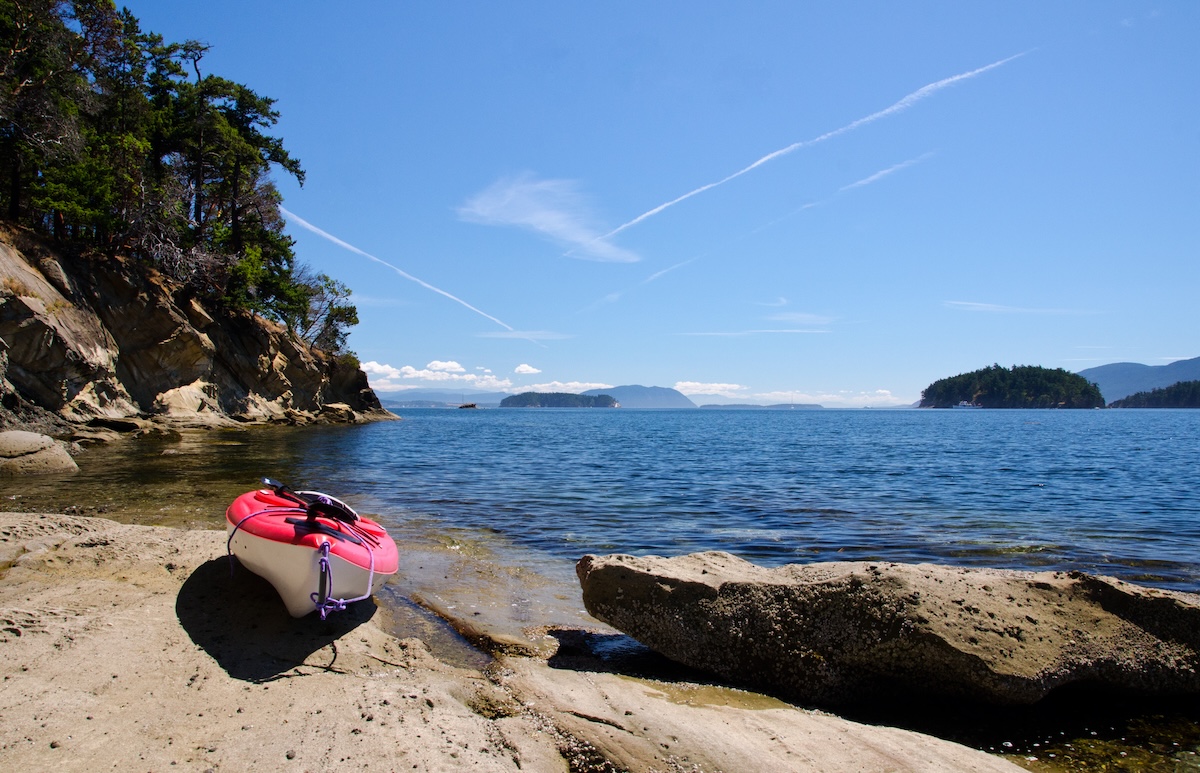
A fairly recent National Monument, the San Juan Islands were designated by President Obama in 2013 and encompass some 1,000 acres of rocky island terrain.
You can’t visit the San Juan Islands without going on a trip to the iconic Cattle Point Lighthouse, which offers sweeping views over neighboring islands and the Strait of Juan de Fuca . Kayaking is a fun way to get from one island to another, and the only way to reach the rugged and remote Warmouth Bay on Lopez Island!
The islands are also a famous orca watching destination. Always keep an eye on the ocean, you never know when one might pierce the water’s surface.
1. Grand Staircase-Escalante, Utah
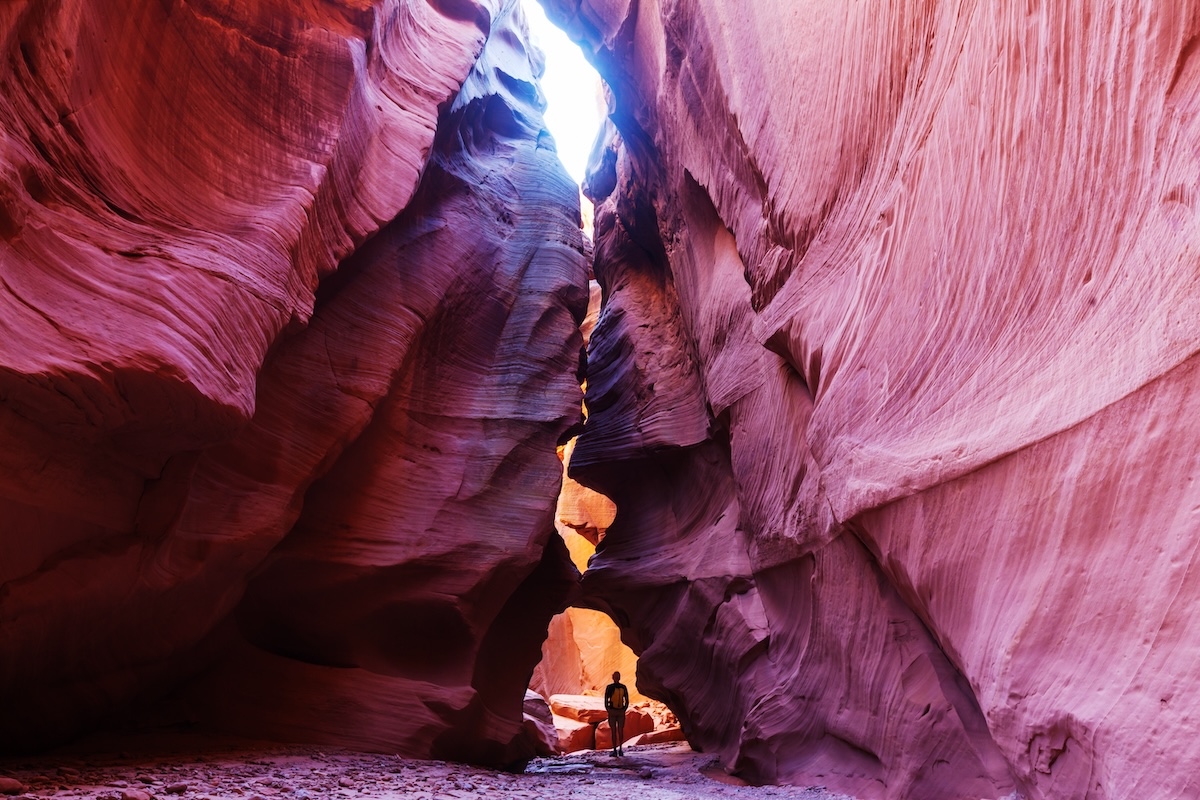
The stacked plateaus that make up the Grand Staircase-Escalante are sandwiched between Bryce Canyon and the Grand Canyon. Hike along the outskirts of the Vermilion Cliffs, marvel at the Grosvenor Arch, and watch the sunset over the hoodoos and spires at Pink Cliffs.
Embedded deep into the rock and only visible to the trained eye are fragments of dinosaur fossils that tell the stories of the ancient life forms that called the Grand Staircase home.
The Grand Staircase-Escalante is named after the colorful rock layers that step up all the way from the Grand Canyon in the south to Bryce Canyon in the north. A spectacle of fiery orange, bright red, and earthy brown rock layers.