
Seasoned travelers will know that the world’s best-kept secrets aren’t splashed across Instagram feeds or featured in every travel guide. These hidden villages offer something far more valuable: authentic experiences and genuine connections with local culture. The kind of thing you simply can’t capture in a 15-second video clip.
Some of these places have managed to stay under the radar through sheer remoteness, while others have been overlooked simply because they don’t fit the typical tourist mold. What they all share is an authenticity that’s becoming increasingly rare in our globalized world. Here are several hidden villages that prove the best travel experiences happen when you take the road much, much less traveled.
23. Piódão, Portugal
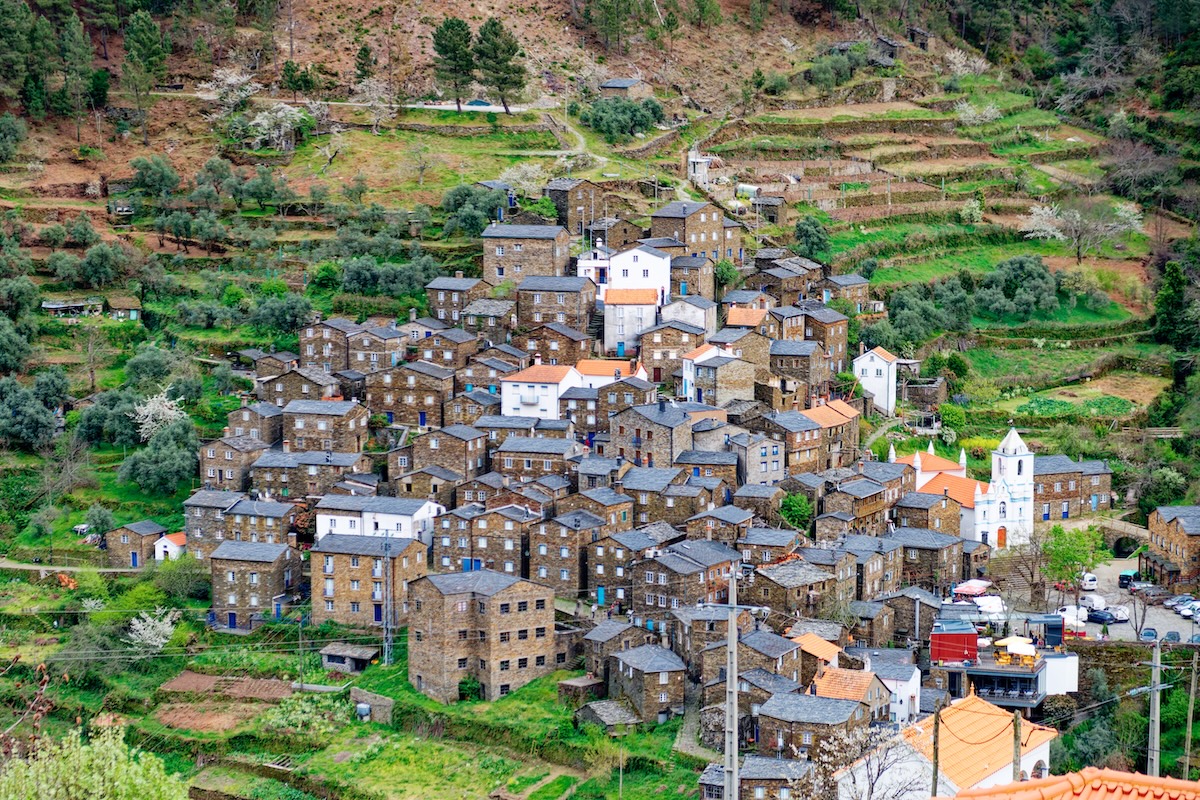
Piódão looks like a stone amphitheater spilling down a mountainside in the Serra do Açor in central Portugal. Its houses are built from dark schist and topped with slate roofs, and nearly every door and window frame is bright blue. Local lore says the village shop only sold paint in that color.
The bright white parish church at the bottom of the slope stands out against the gray stone. Piódão belongs to Portugal’s Historic Villages network. For centuries, its isolation also made it a refuge for people dodging the law. You’ll reach it by a winding mountain road, and it’s worth staying overnight to see the lamps light up the terraces after dark.
22. Ine, Japan
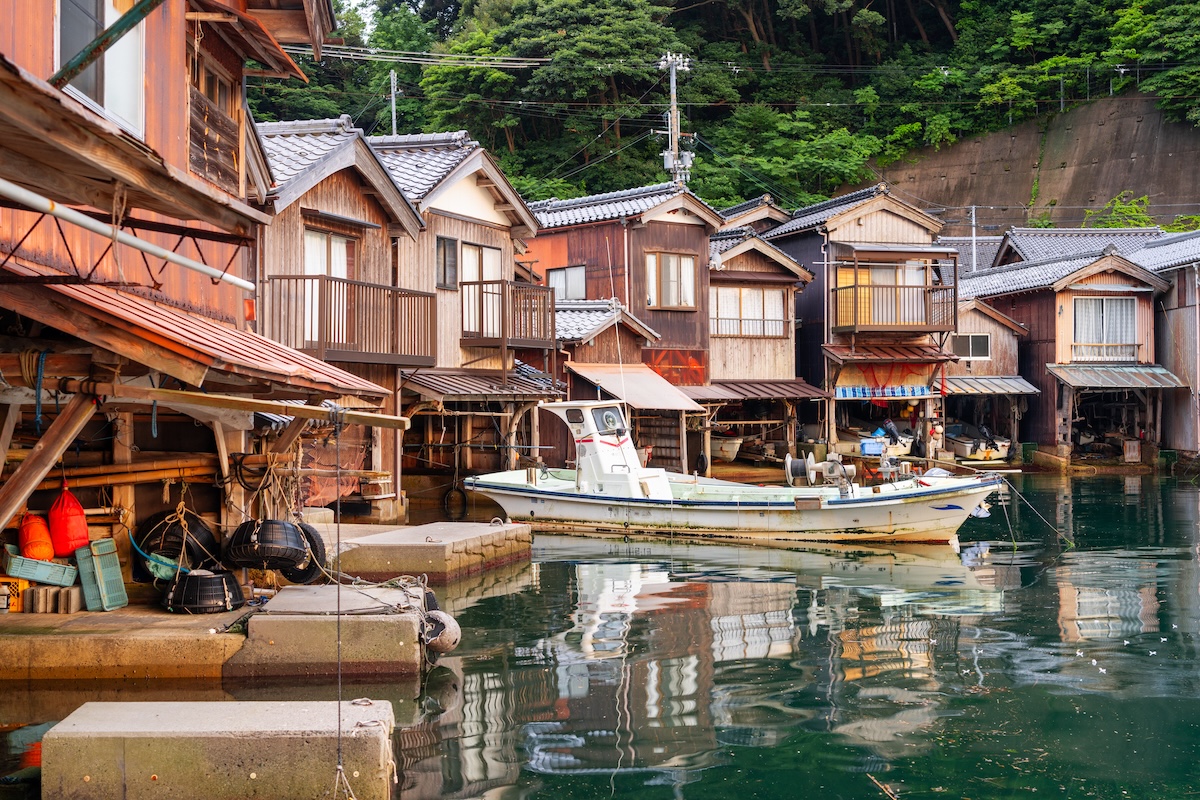
Ine sits on Kyoto Prefecture’s Tango Peninsula, where around 230 wooden funaya boathouses line a quiet bay. Fishing boats sit on the ground floor, right at water level, while families live upstairs. Japan protects the district as an Important Preservation District for Groups of Traditional Buildings.
A short sightseeing boat ride gives you a view of the whole shoreline. Gulls swoop in for snacks tossed by passengers. Some funaya now serve as guesthouses, so you can fall asleep with the tide lapping beneath your floor. Mukai Sake, a family brewery in town run by a female toji, makes a red rice sake worth tasting.
21. Vlkolínec, Slovakia
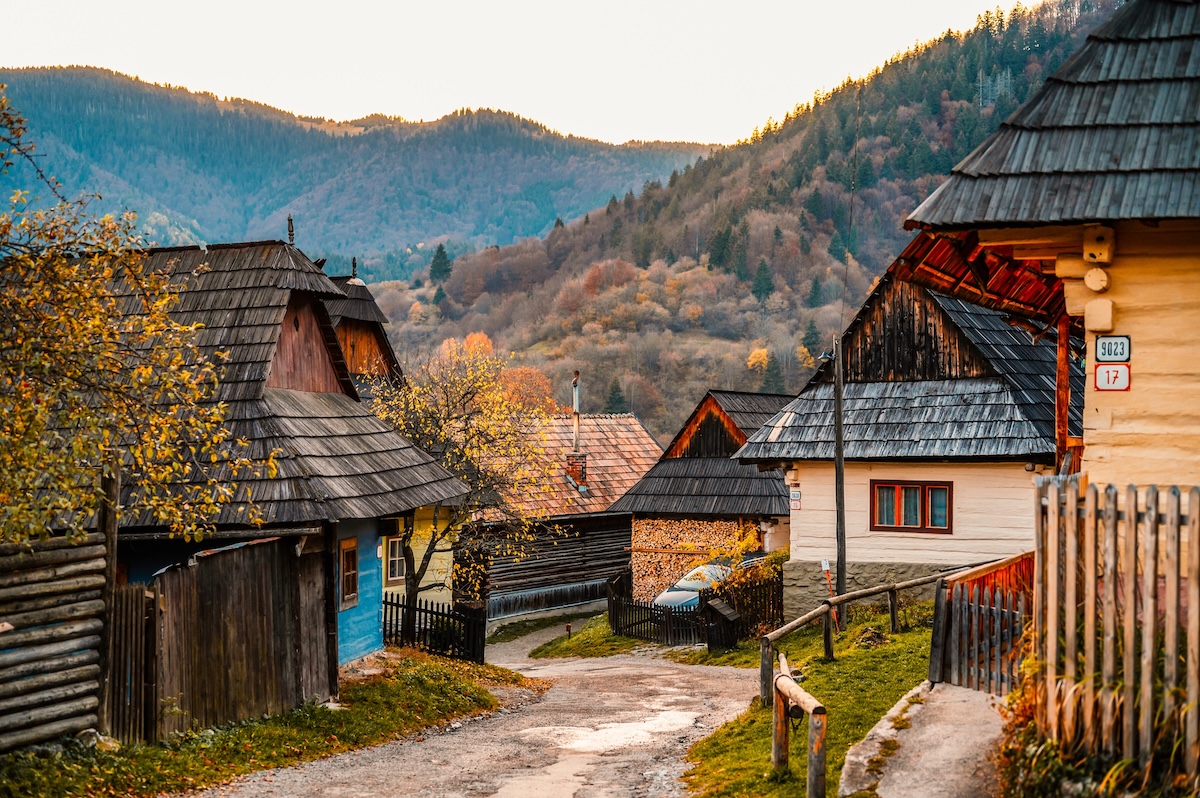
Fewer than two dozen people still live in Vlkolínec, a log-cabin hamlet in the Veľká Fatra mountains above Ružomberok. UNESCO added it to the World Heritage list in 1993, recognizing it as one of Central Europe’s best-preserved folk architecture settlements.
About 45 timber houses line a single sloping lane. Many have soft blue or ochre paint over their log walls. A wooden belfry dating to 1770 stands near the center, and a creek runs alongside the main street. One house serves as a small museum of rural life in past centuries. You’ll pay a modest entry fee at the gate. Arrive early, and you may share the lane with only a handful of other visitors.
20. Cudillero, Spain
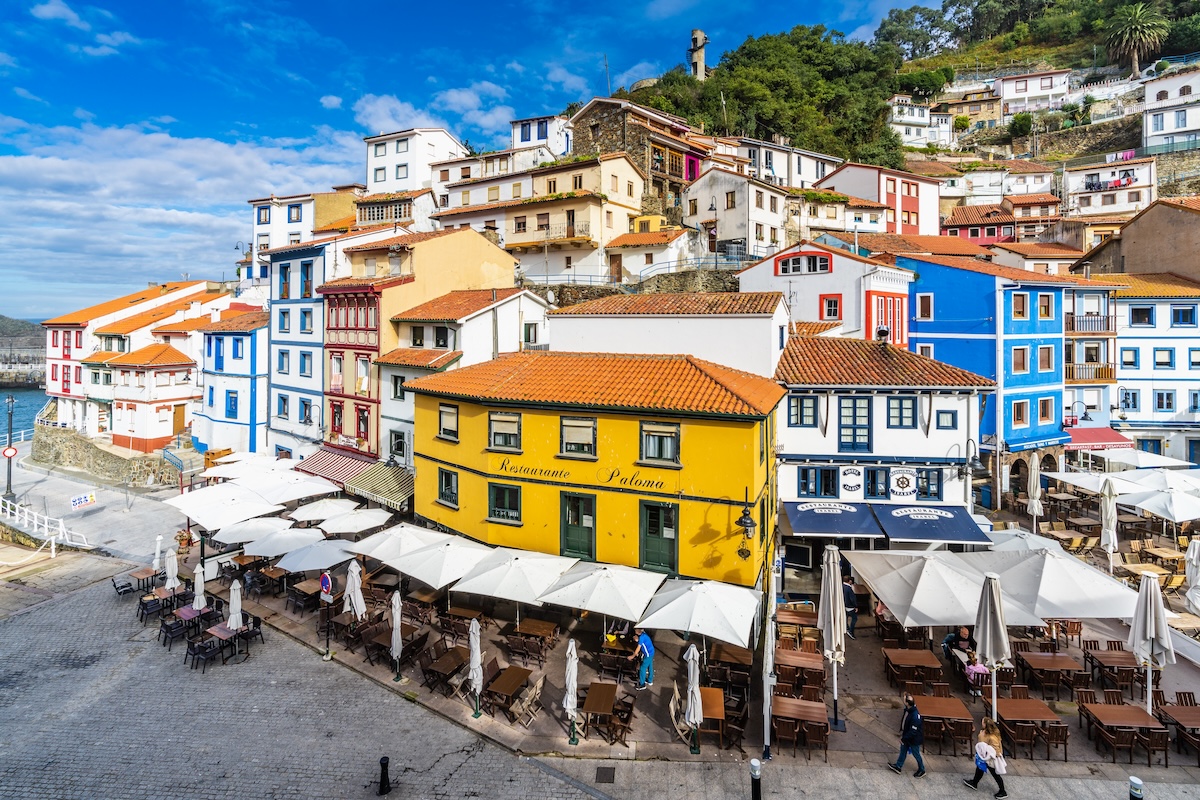
On Spain’s Asturian coast, Cudillero’s pastel houses rise so steeply above the harbor that the rooftops seem to sit on top of each other. The village wraps around the port like seats around a stage, which is why locals call it an amphitheater.
Fishing still shapes daily life here, and residents once spoke their own dialect, pixueto. Around the main plaza, seafood restaurants pour Asturian cider from shoulder height to aerate it. If you visit in late June, you can catch the L’Amuravela festival on June 29, when someone recites a traditional sermon in pixueto. Climb the stairways behind town for the best view of the colorful facades.
19. Misfat Al Abriyeen, Oman
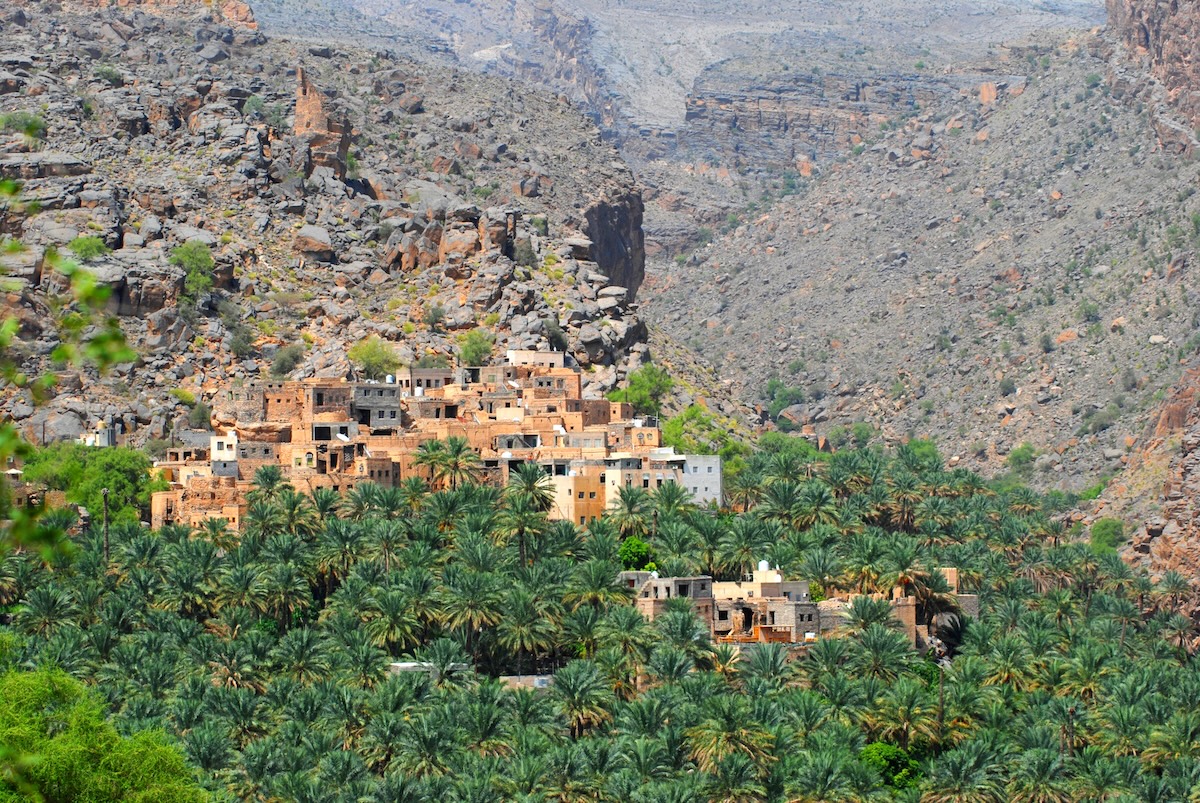
Misfat Al Abriyeen clings to a rocky slope in Oman’s Al Hajar Mountains, about a two-and-a-half-hour drive from Muscat. Its mud-brick houses sit right on the boulders, with shaded alleys winding between them.
An ancient falaj irrigation channel carries mountain water through the village to terraced gardens of date palms, bananas, and citrus. You can follow a marked walking path beside the channel. Some homes are still lived in, though, so stick to public routes and dress modestly, with your shoulders and knees covered. A few old houses now serve as small guesthouses, where you can wake to the call to prayer echoing off the canyon walls.
18. Počitelj, Bosnia and Herzegovina
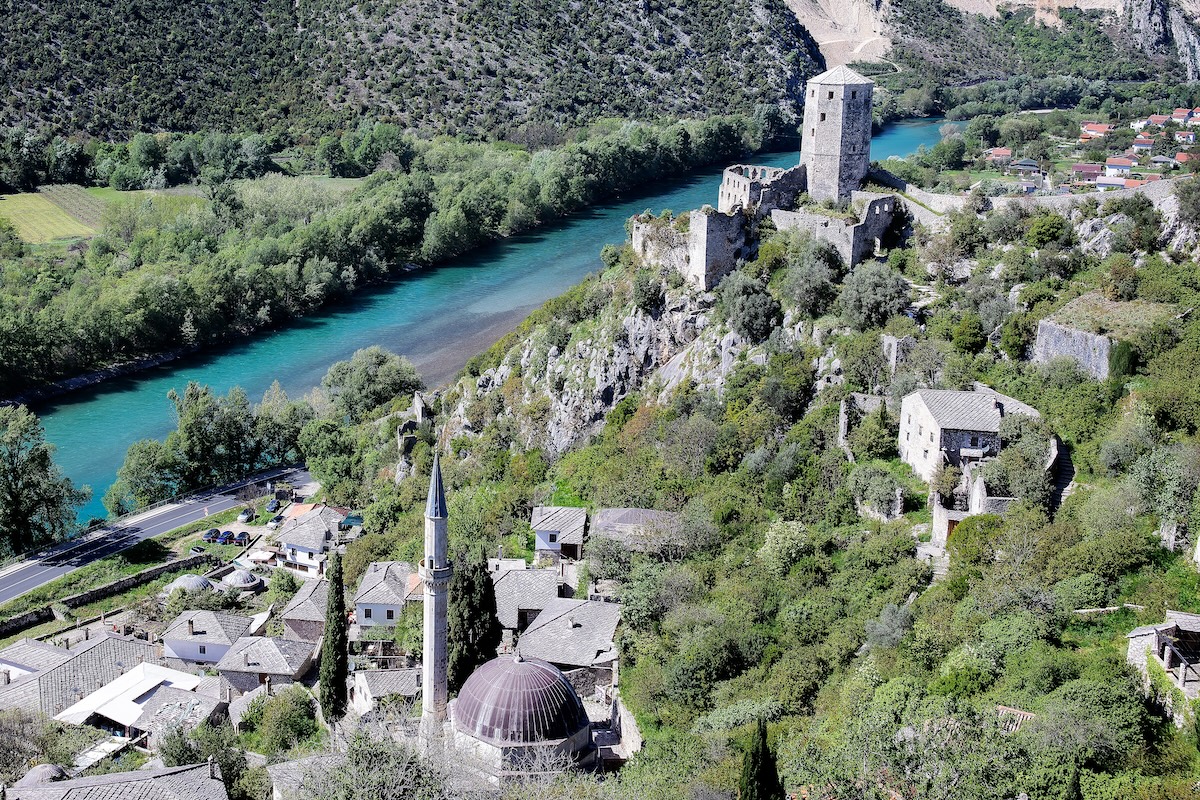
Počitelj rises from the east bank of the Neretva River, about 30 kilometers south of Mostar. Its Ottoman and medieval buildings form a stone staircase up the slope. The Hajji Alija Mosque, completed in 1563, anchors the village center with its dome and slender minaret.
Above it, the octagonal Gavrakapetan tower and the remains of fortress walls look out over the valley. Painters have gathered here since the 1960s, when an artists’ colony took root among the stone houses. You’ll climb steep, uneven steps, so wear good shoes. In late summer, locals sell pomegranate juice and figs from stands along the path. They make excellent fuel for the walk up.
17. Ganvié, Benin
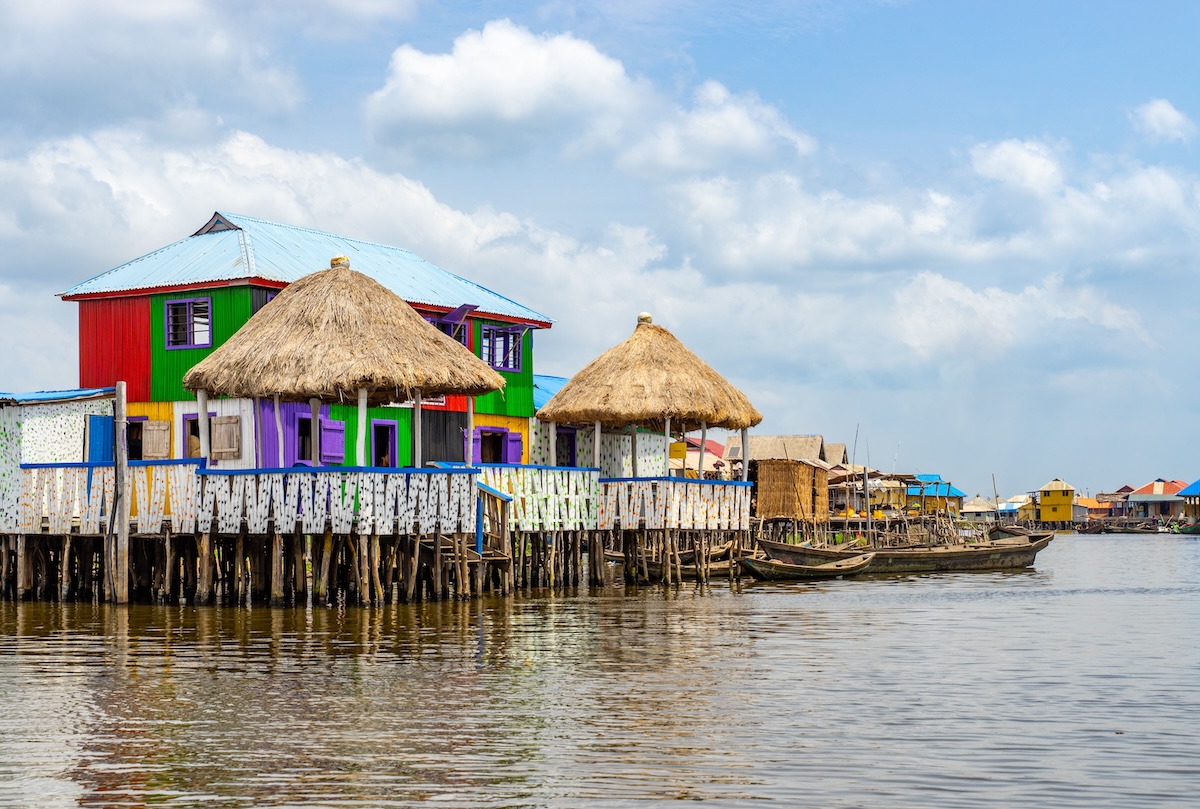
Ganvié is a stilt village of roughly 20,000 people built over Lake Nokoué, just north of Cotonou. Its homes, schools, and shops stand on wooden pilings, and almost everyone gets around by pirogue.
The Tofinu people founded the settlement centuries ago to escape slave raiders from the Kingdom of Dahomey. According to religious belief, the raiders’ warriors were forbidden from entering the water. You can catch a motorized boat from the jetty at Abomey-Calavi for the ride across. Look for the floating market, where women sell fish and produce straight from their canoes. Ask before photographing residents, and hire a local guide so your fee goes directly to the community.
16. Pitigliano, Italy
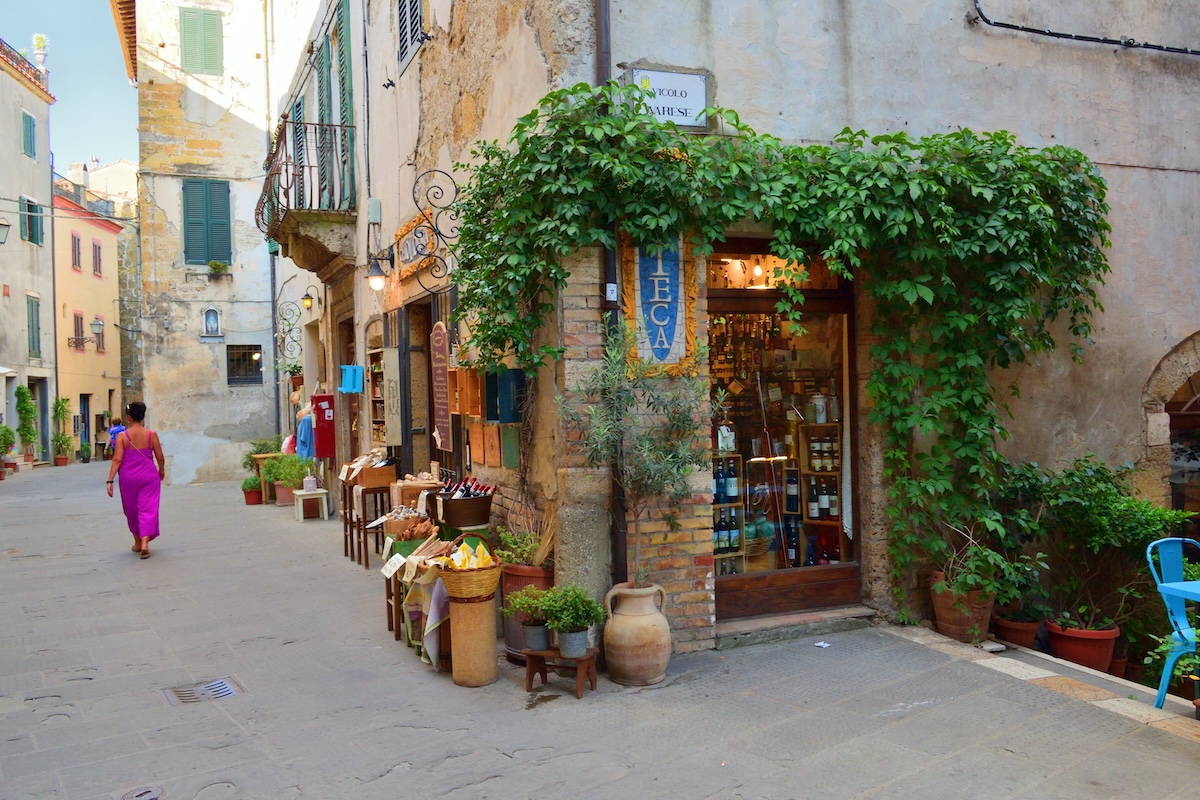
Pitigliano seems to grow straight out of a cliff of volcanic tufa in southern Tuscany’s Grosseto province. Houses are carved into the rock and built onto it, blending the village and cliff into one golden wall.
For centuries, a Jewish community flourished here, earning Pitigliano the nickname Little Jerusalem. You can tour the synagogue, first built in 1598, along with the old kosher bakery and wine cellar below. Outside town, Etruscan sunken roads called vie cave cut deep channels through the stone, making for a shady hike. Finish with a glass of Bianco di Pitigliano, the crisp local white, and a slice of sfratto, a walnut-and-honey pastry.
15. Ittoqqortoormiit, Greenland
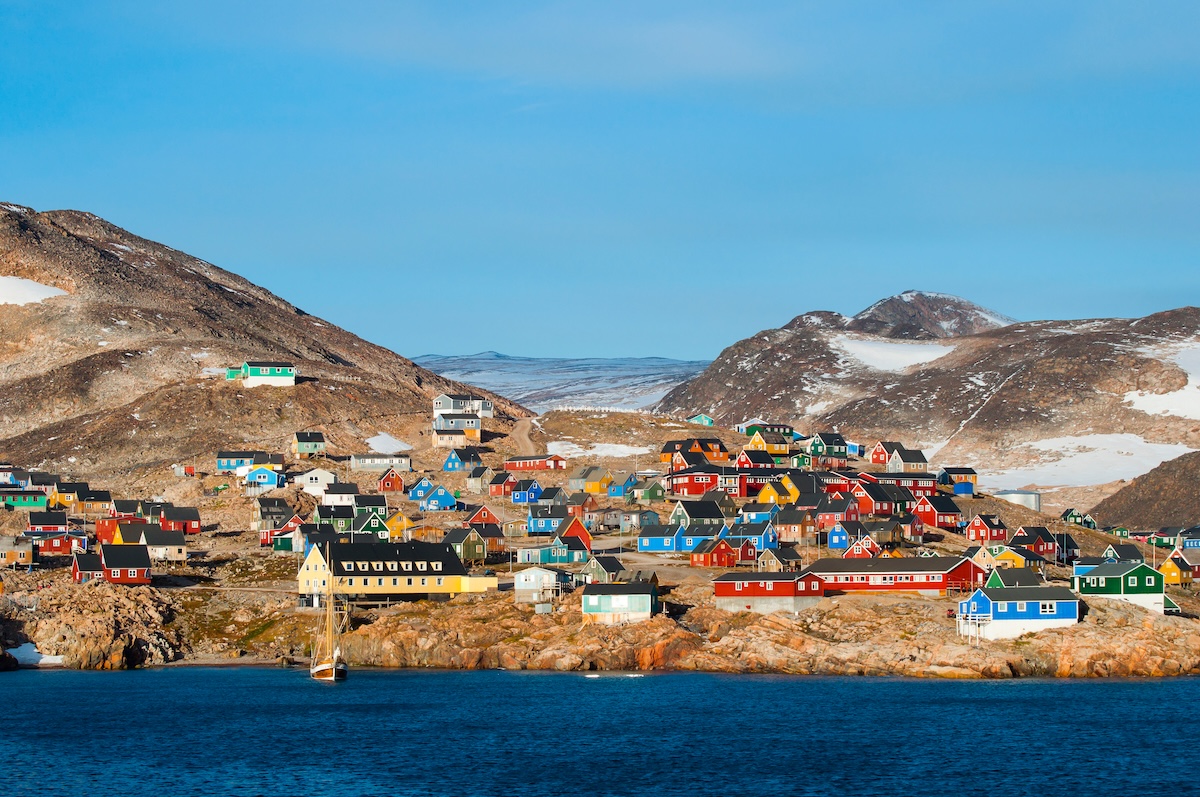
Around 350 people live in Ittoqqortoormiit, one of the Arctic’s most isolated towns, at the mouth of Scoresby Sund on Greenland’s east coast. Sea ice locks the fjord for most of the year, leaving ships only a short window in summer.
You’ll fly to Nerlerit Inaat airport, then take a helicopter into town. Founded in 1925, the settlement still relies on hunting. Brightly painted wooden houses dot the rocky shore. Polar bears, musk oxen, and narwhals live in the surrounding wilderness, which borders the enormous Northeast Greenland National Park. Book tours with a licensed local outfitter. Bear safety is a serious part of any outing.
14. Iruya, Argentina
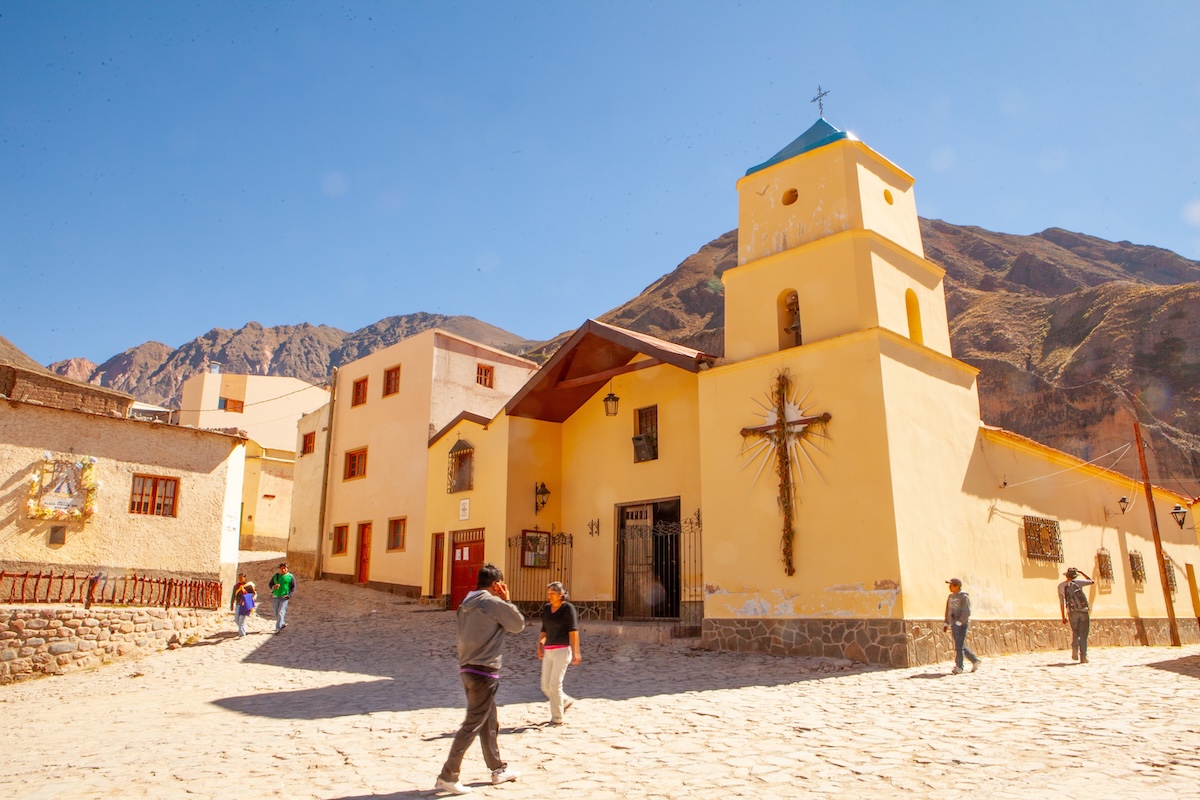
Iruya clings to a mountainside at about 2,780 meters in Argentina’s Salta Province. To get there, leave paved Ruta 9 for a gravel road that climbs over a pass near 4,000 meters, then drops through river crossings into a narrow gorge.
The village’s whitewashed adobe houses and blue-trimmed church cling to the slope above the Iruya River. Each October, the patron saint festival brings costumed dancers and processions through the cobbled streets. You can hike for several hours up the riverbed to the even more remote hamlet of San Isidro. Buses run daily from Humahuaca, and during the rainy summer months, it’s smart to travel with drivers who know the road well.
13. Wae Rebo, Indonesia
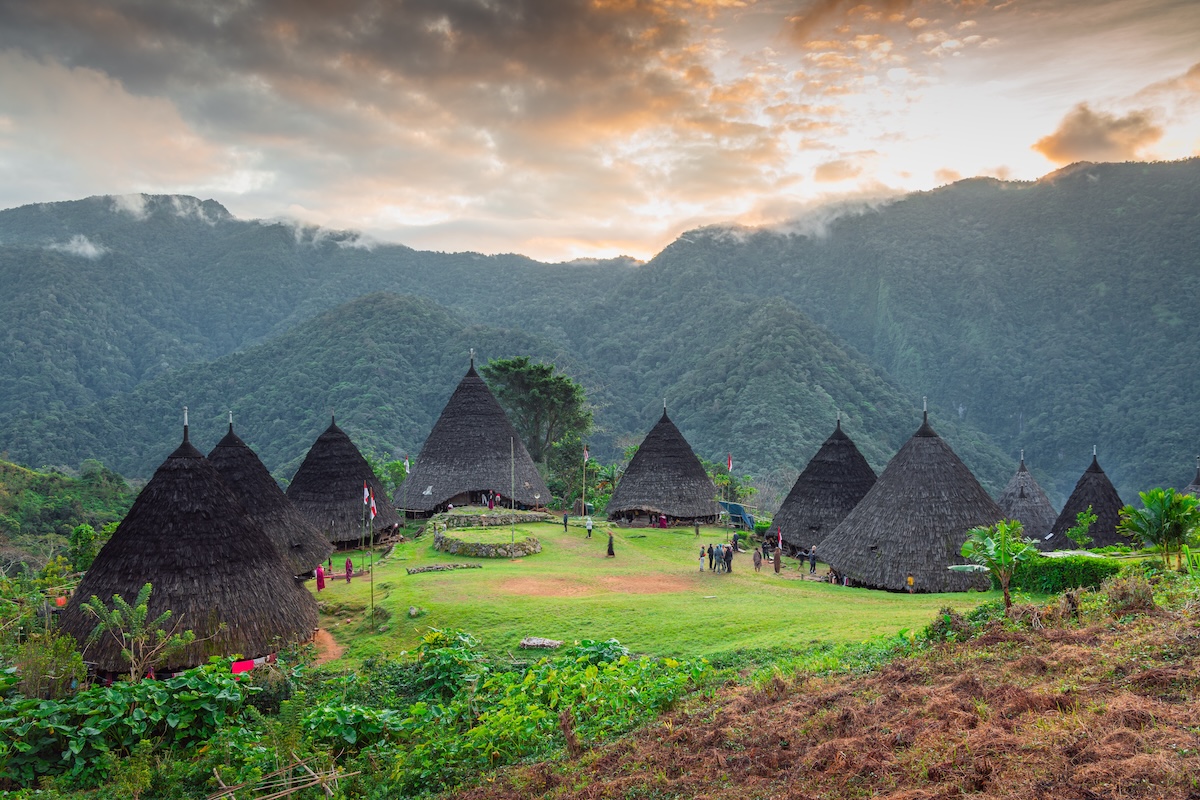
Wae Rebo, on the Indonesian island of Flores, is home to seven conical mbaru niang houses perched on a misty plateau about 1,100 meters up. Each thatched house shelters several Manggarai families.
The village won a UNESCO Asia-Pacific Award for Cultural Heritage Conservation in 2012, after residents rebuilt their traditional homes with outside help. You’ll reach it on foot, hiking roughly three to four hours through rainforest from the trailhead near Denge. Visitors sleep together on woven mats in a guest house after a welcome ceremony with village elders. Bring a light jacket for chilly nights, and try the coffee grown on the surrounding slopes.
12. Arrowtown, New Zealand

This former gold rush town tucked away in Central Otago is frozen in time, complete with original stone cottages and wooden shopfronts from the 1860s. Arrowtown sits in a valley surrounded by unreal mountain ranges, and autumn transforms the area into an even more of a fairytale when hundreds of deciduous trees explode in brilliant orange and gold hues.
The Chinese Settlement area tells fascinating stories of early immigrants who came seeking fortune during the gold rush era. You can wander through restored huts and learn about the hardships these pioneers faced. The town maintains its frontier charm without feeling touristy, and the local pub still serves as the unofficial community center where everyone knows everyone else’s business.
11. Ping’an Village, China

Perched high in the Guangxi mountains, Ping’an Village showcases some of the world’s most spectacular terraced rice fields. These ancient terraces cascade down mountainsides in perfect geometric patterns that have been carefully maintained for over 650 years. The Zhuang minority people who built this agricultural masterpiece continue farming these impossibly steep slopes using traditional methods.
Staying overnight in a traditional wooden house reveals village life that hasn’t changed much in centuries. You’ll wake to roosters crowing and mist rising from the valleys below. The local women still wear traditional clothing and practice age-old crafts, creating an immersive cultural experience that feels completely authentic.
10. Kralendijk, Bonaire

This laid-back Caribbean capital refuses to conform to typical tropical tourist expectations. Kralendijk focuses on underwater adventures rather than beach lounging, making it a mecca for serious divers who come for some of the healthiest coral reefs in the Caribbean. The colorful Dutch colonial buildings create a charming backdrop, but the real action happens beneath the waves.
Shore diving here is world-class, with reef systems starting just meters from the coast. The island’s commitment to marine conservation means you’ll encounter sea life that has largely disappeared elsewhere in the Caribbean. Local dive shops are run by passionate enthusiasts who know every reef intimately and love sharing their underwater secrets with visitors.
9. Júzcar, Spain

Júzcar is an Andalusian village that gained international attention when Sony painted every building bright blue to promote a Smurf movie, but locals loved the transformation so much they kept it. Now officially known as the “Smurf Village,” Júzcar embraces its quirky identity while maintaining authentic Spanish mountain culture. The blue buildings create a surreal contrast against the surrounding Sierra de Ronda landscape.
Beyond its unusual appearance, Júzcar offers excellent hiking trails and traditional Andalusian cuisine served in family-run restaurants. The village has successfully balanced its novelty factor with genuine cultural experiences, proving that tourist gimmicks don’t have to compromise authenticity when done thoughtfully.
8. Pariangan, Indonesia

Hidden in the West Sumatran highlands, Pariangan claims to be the oldest village in Minangkabau territory. Traditional houses with distinctive curved rooflines dot the landscape, surrounded by emerald rice terraces and volcanic peaks. This village maintains ancient customs and architectural styles that have largely disappeared elsewhere in rapidly modernizing Indonesia.
The local community practices traditional weaving and wood carving techniques passed down through generations. You can participate in rice harvesting, learn traditional cooking methods, or simply wander through centuries-old neighborhoods where extended families still live in ancestral homes. The pace of life here moves according to agricultural rhythms rather than modern schedules.
7. Ortahisar, Turkey

This Cappadocian village centers around a massive natural rock castle that towers 90 meters above the surrounding landscape. While nearby Göreme draws tour buses, Ortahisar remains refreshingly authentic with local families still living in cave houses carved directly into volcanic rock formations. The village offers all of Cappadocia’s geological wonders without the overwhelming crowds.
Traditional carpet weaving continues in family workshops where techniques haven’t changed for centuries. You can explore underground cities, hike through iconic rock formations, and experience genuine Turkish hospitality in guesthouses run by families who have lived here for generations. Hot air balloons still drift overhead at sunrise, but you’ll watch from peaceful terraces rather than crowded viewpoints.
6. Tepoztlán, Mexico

This mystical town in Morelos state attracts spiritual seekers and cultural enthusiasts who come for its powerful energy and rich indigenous heritage. Pre-Hispanic traditions blend seamlessly with colonial architecture, creating an atmosphere that feels both ancient and alive. The dramatic Tepozteco mountain provides a stunning backdrop and houses pre-Columbian pyramid ruins.
Weekend markets showcase traditional crafts, healing herbs, and regional cuisine that reflects centuries of cultural fusion. Local curanderos still practice traditional healing methods, while contemporary artists have established galleries and studios throughout the cobblestone streets. The combination creates a unique cultural destination that satisfies both spiritual and artistic curiosities.
5. Gásadalur, Faroe Islands

Home to just eighteen residents, Gásadalur sits on a remote cliff overlooking the North Atlantic. The village’s claim to fame is Múlafossur waterfall, which plunges directly into the ocean creating one of the most dramatic seascapes in Europe. Until 2004, reaching this village required a treacherous mountain hike, helping preserve its isolation and traditional way of life.
Sheep outnumber humans considerably here, and traditional grass-roof houses blend seamlessly into the rugged landscape. The weather can change from sunshine to storm within minutes, creating ever-changing dramatic scenes that photographers dream about. Despite its tiny size, the village maintains a church, post office, and strong sense of community that demonstrates how traditional life can thrive in remote locations.
4. Freudenberg, Germany

This half-timbered medieval town in North Rhine-Westphalia looks straight out of a fairy tale with its black and white buildings creating geometric patterns across hillsides. Strict building codes have preserved the architectural unity, resulting in one of Germany’s most photographed townscapes. Every building maintains traditional construction methods and materials, creating remarkable visual consistency.
The town’s elevated position provides panoramic views over the Siegerland region, while narrow cobblestone streets wind between perfectly preserved medieval structures. Local artisans still practice traditional crafts in workshops that have operated for centuries, and family-run restaurants serve regional specialties in dining rooms that haven’t changed much since medieval times.
3. Larung Gar, Tibet

This sprawling Buddhist academy houses thousands of monks and nuns in tiny red wooden huts that cascade down valley slopes. As one of the world’s largest Buddhist institutes, Larung Gar attracts serious practitioners from across Asia who come for intensive study and meditation retreats that can last for years.
The temporary nature of the wooden structures creates a city that seems to shift and change constantly as new students arrive and others complete their studies. Daily life revolves around religious practice, with chanting sessions, debates, and teachings filling every hour. Visiting requires special permits and cultural sensitivity, but offers profound insights into Tibetan Buddhist culture and philosophy.
2. Cordes-sur-Ciel, France

This medieval hilltop village appears to float above surrounding clouds on misty mornings, earning its “in the sky” designation. Gothic and Renaissance architecture remains perfectly preserved within ancient ramparts, creating an authentic medieval atmosphere without modern intrusions. Narrow stone streets wind past artisan workshops where traditional crafts continue flourishing.
The village has attracted artists and craftspeople for decades, resulting in galleries, studios, and boutiques that showcase both traditional and contemporary work. Local restaurants serve regional Tarn cuisine in medieval buildings with original stone walls and wooden beams, while outdoor terraces provide sweeping views across the surrounding countryside.
1. Sidi Bou Said, Tunisia

This clifftop village overlooking the Mediterranean captivates visitors with its distinctive blue and white architecture that has remained unchanged for centuries. Strict local laws require all buildings maintain traditional colors and architectural styles, preserving the village’s unique aesthetic identity. Narrow cobblestone streets wind past courtyards filled with jasmine and bougainvillea.
The village has long attracted artists, writers, and musicians drawn to its inspiring beauty and peaceful atmosphere. Traditional cafes serve mint tea on terraces with stunning sea views, while local artisans create intricate metalwork, ceramics, and textiles using techniques passed down through generations. The combination of artistic heritage, architectural beauty, and Mediterranean setting creates an enchanting destination that represents the best of North African culture.