
The People’s Republic of China is a vast and diverse country. Because of its size, it is impossible to see it all within a single trip. Although there are fascinating attractions throughout the country, North China is a top pick for travelers. Northern China is where you’ll find the capital city of Beijing, and it is also the area known as the cradle of Chinese civilization. Many of China’s emperors were born in the north, and the region is packed with historic architectural sites. From the terracotta warriors of Xi’an to the Great Wall of China, here are some of the top destinations to see while in North China.
10. Hohhot[SEE MAP]
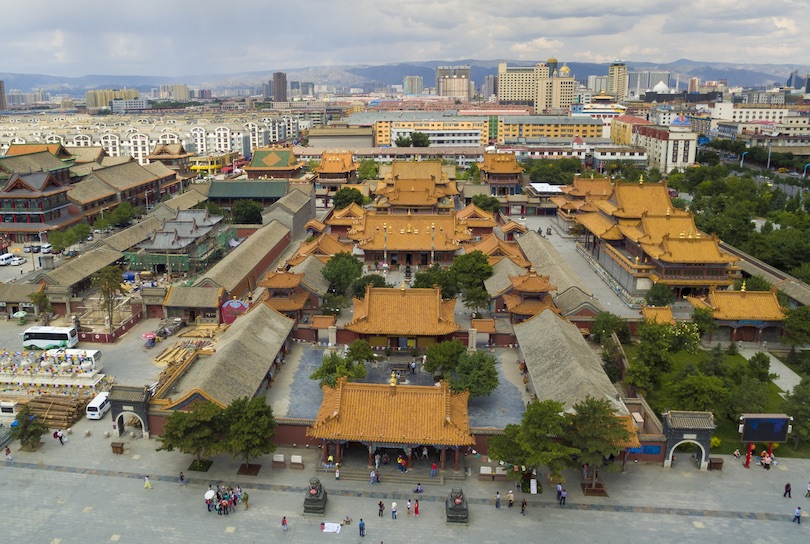
In the region of China known as Inner Mongolia, the city of Hohhot stands as the capital. Although many people think of Mongolia as vast and empty, Hohhot is actually a major city. The thriving destination is a gateway to other Mongolian activities, but it has plenty of offer in its own right. The Inner Mongolia Museum is a great place to start and the ideal place to explore the local history and culture. Lots of beautiful religious structures still stand, including the 17th century Great Mosque and the Temple of Five Pagodas, which boasts more than 1,500 carved Buddha figures.
9. Pingyao[SEE MAP]
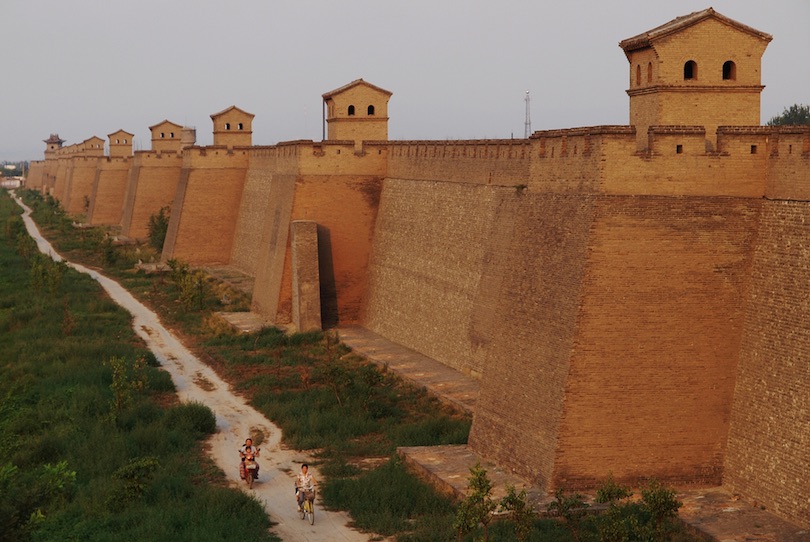
For a Chinese destination that will make you feel like you’re stepping back in time, head to Pingyao. The city of Pingyao is small but completely walled, and many of the structures date back to the Qing and Ming Dynasties. There are a handful of vehicles allowed within the city walls, and the best way to get around is by walking on the cobblestone streets. Make sure to check out the city walls as well as the north and south gates, which serve as the main entrances to the city. Shop for souvenirs and snacks along the main thoroughfare of Ming-Qing Street.
8. Mount Tai[SEE MAP]
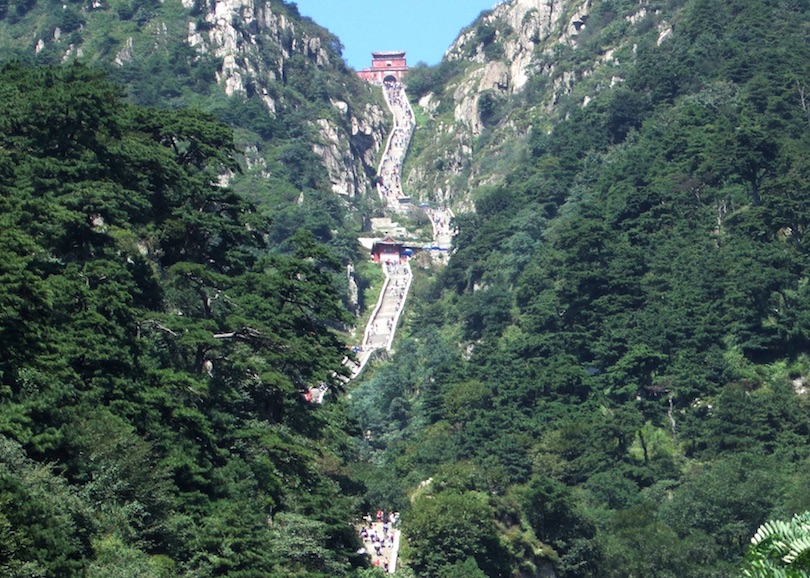
China has no shortage of mountains, but there are five that are collectively known as the sacred Daoist peaks. One of these peaks is Mount Tai, also known as Taishan Mountain. References to Mount Tai date back for more than 4,000 years, and many emperors would pay homage to heaven by worshipping at the mountain. If you’re up for some hiking, there are several paths leading up Mount Tai that you can explore on foot including a 6,000-step east route. Along the way, you’ll see villages, vendors and plenty of Chinese hikers. If the journey of four hours uphill doesn’t appeal to you, stay at the base of Mount Tai and check out the Taoist temple.
7. Hanging Monastery[SEE MAP]
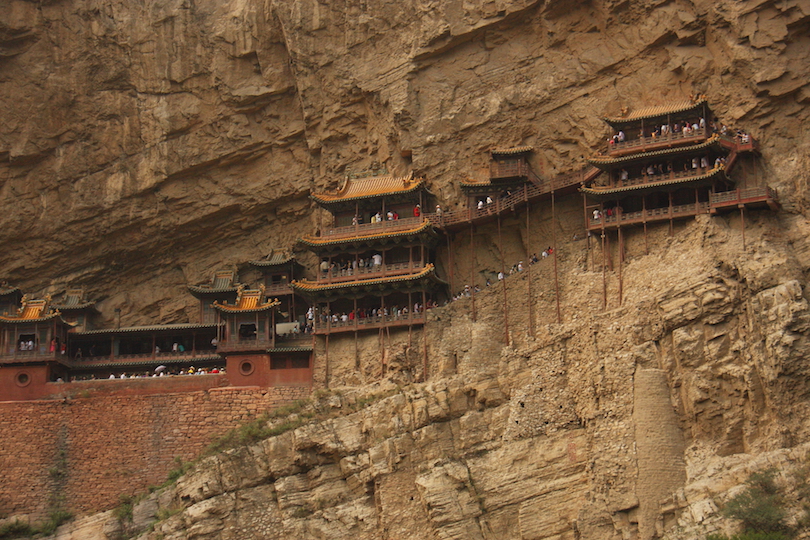
The Hanging Monastery, which is also known as the Xuankong Temple or the Hanging Temple, is an ancient temple that was built right into a cliff. Located in Datong, Shanxi Province, this monastery is more than 1,500 years old. Visually, it’s stunning, but it is also important because the temple honors three different religious simultaneously: Buddhism, Confucianism and Taoism. A variety of passageways link together the 40 rooms of the hanging monastery, and visitors can actually enter the monastery and look out from the cliff’s face from the temple itself.
6. Harbin[SEE MAP]
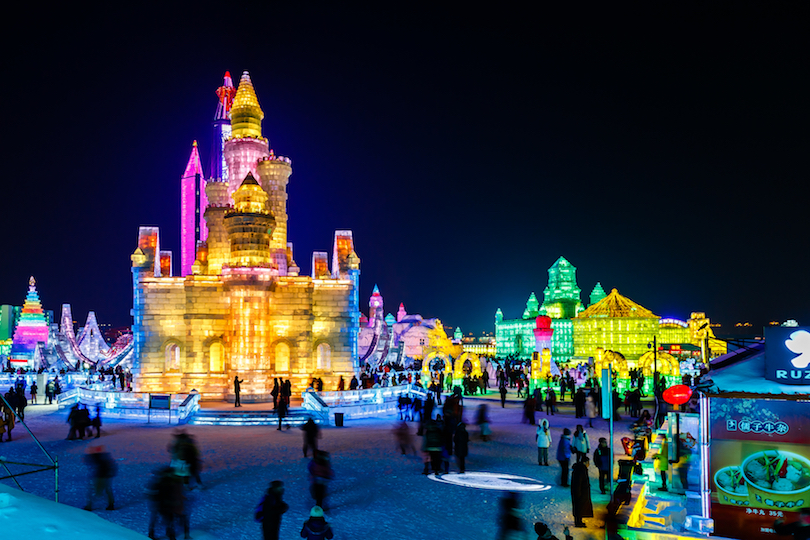
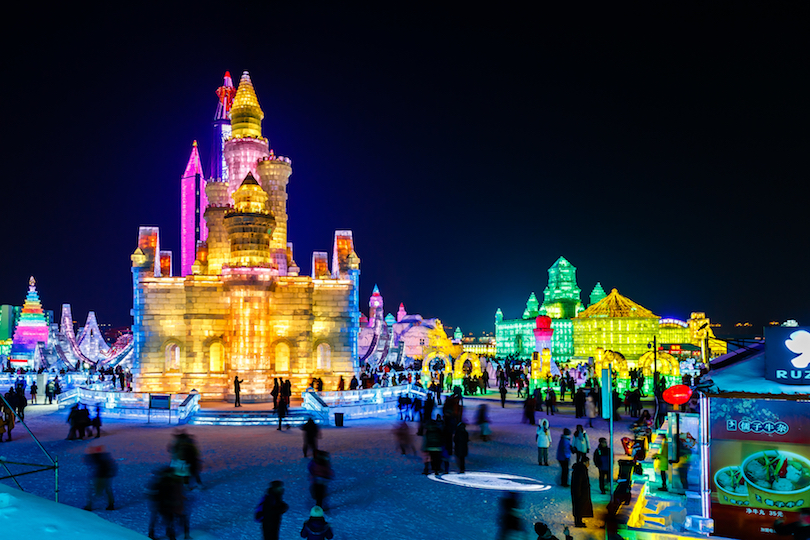
Northeast China is where you’ll find Harbin, the capital of Heilongjiang Province. Harbin is best known for hosting an ice festival each winter, but it is worth visiting any time of year. Harbin is influenced significantly by nearby Russia, and you’ll want to check out the Russian buildings in the Old Quarter, many of which were constructed in the 19th century. Another immensely popular attraction in the area is the Siberian Tiger Preserve. If you do happen to be visiting between December and February, look for ice festival events like snow and ice sculpture competitions.
5. Chengde[SEE MAP]
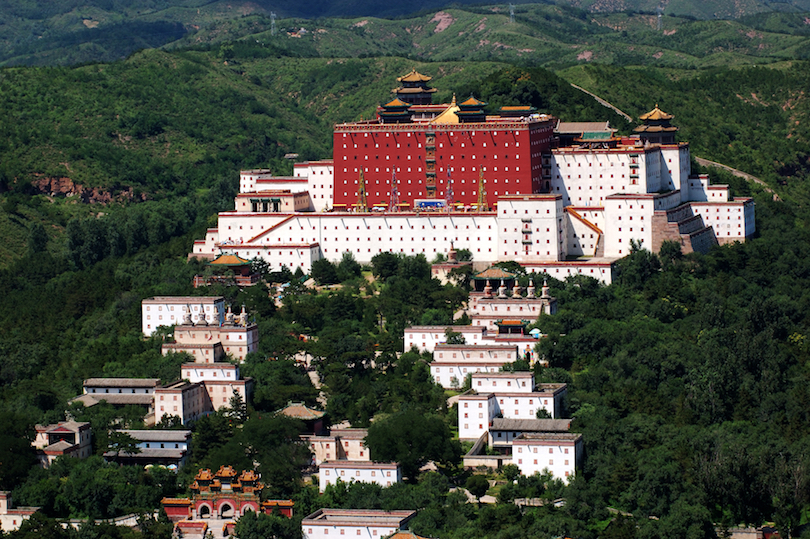
On the banks of the Wulie River is Chengde, a hillside resort where many of the early Qing Dynasty emperors used to live in the summer months. Their Bishu Shanzhuang, or palace to escape the summer heat, is now by far the destination’s most popular attraction. The summer palace is surrounded by temples, and it now houses a spectacular museum. In the warmer months, you can experience the summer palace as it was intended by strolling through garden paths and admiring the views. Don’t miss Puning Temple, which houses the tallest wooden Buddhist statue in the entire world.
4. Yungang Grottoes[SEE MAP]
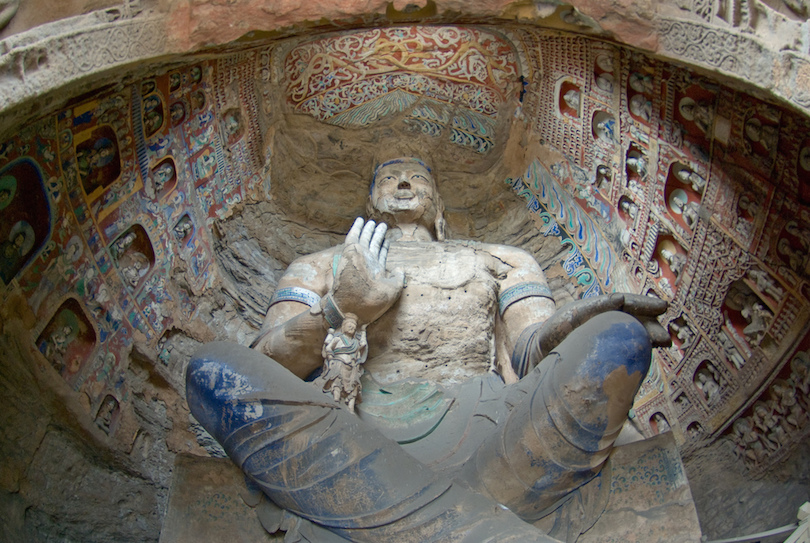
A few miles outside of the city of Datong, you’ll find the Yungang Grottoes. This attraction is a cross between a museum, a temple and an art gallery. The Yungang Grottoes is an ancient landmark where more than 1,5000 Buddhist statues have been carved right out of the mountain. Work on the carvings in the 252 grottoes took place in the fifth and sixth centuries. You can wind in and out of large caves and small recesses, admiring the incredible works of art along the way. Some of the statues depict a seated Buddha just an inch or two tall, while others tower at more than 15 meter (50 feet) high.
3. Xi'an[SEE MAP]
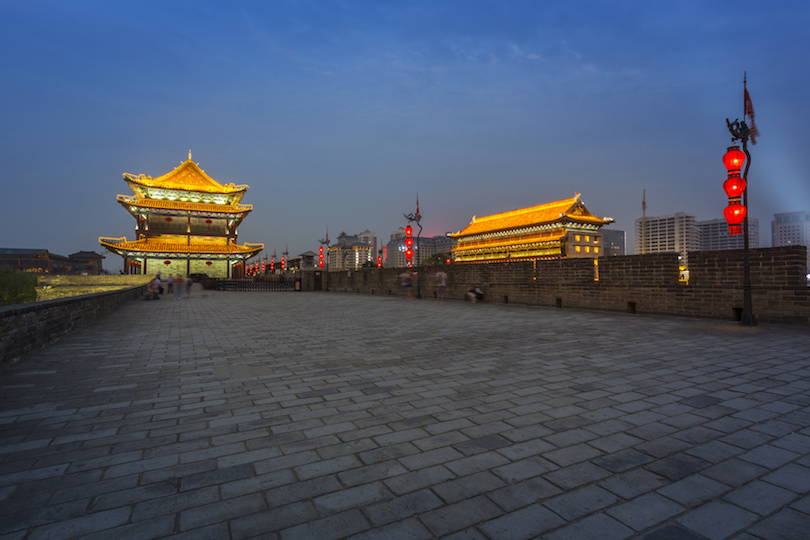
Xi’an is the oldest city in China, and it once served as the nation’s ancient capital. Formerly known as Chang’an, Xi’an is now best known as the home of the famed terracotta warriors, the protectors of the tomb of the first emperor of China. You’ll need to head a few miles outside of the city to see the Army of Terracotta Warriors and Horses, where you’ll get to admire more than 2,000 of these terracotta soldiers as well as 100 chariots and more than 30,000 weapons. While the warriors are the main attraction in Xi’an, you won’t want to miss another highlight: The City Wall. Xi’an’s City Wall is the largest in the world, and you can rent a bike and cycle across the top of the enormous structure.
2. Mutianyu[SEE MAP]
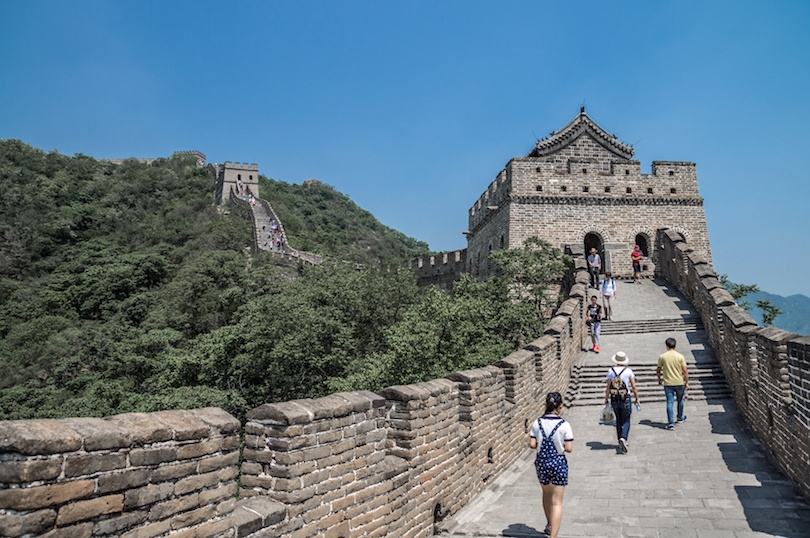
The Great Wall of China stretches for thousands of miles, but one of the best places to experience the structure is in Mutianyu. Less than 90 minutes from Beijing, this is a popular spot for day trips to the wall. You can hike up to the wall at Mutianyu, but there are also cable cars to take you up. Heading down, you can even ride on a toboggan for an unexpected and memorable experience. Parts of the Great Wall at Mutianyu are very well preserved and suitable for anyone. However, the further you walk, the closer you’ll get to the wild sections which are not as well maintained.
1. Beijing[SEE MAP]
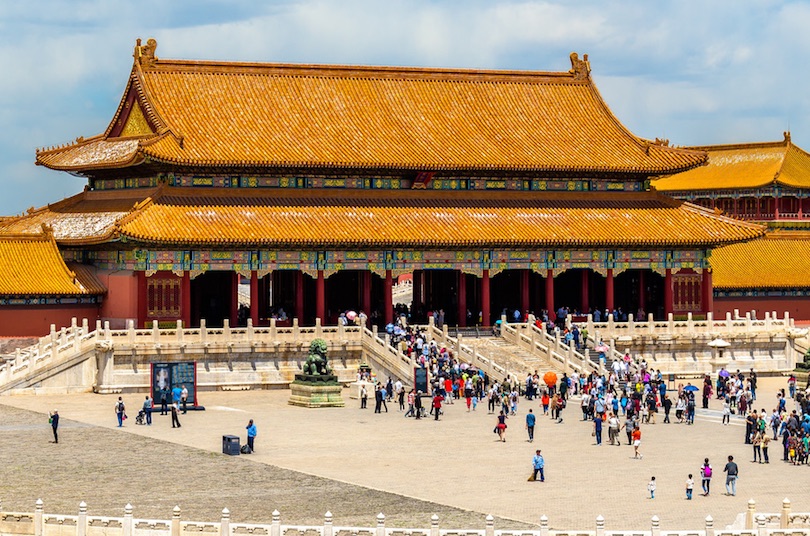
No trip to North China would be complete without visiting Beijing. The city is more than just China’s political capital: It is also the cultural heart of the country. There is so much to see in Beijing, but a good start is the Forbidden City. The Forbidden City was the Chinese Imperial Palace and the heart of government for more than 500 years, and it is remarkably well preserved. Another must-see landmark in Beijing is Tiananmen Square, the world’s largest public square and the site of the student protest and massacre in 1989. Finally, Beijing is home to countless museums, not to mention parts of the medieval city walls.