
Between the snow-capped mountains of the Himalayas and the unspoiled landscape of pastures, valleys, and lakes, it’s easy to see why Nepal is an outdoor lover’s paradise. However, spend any amount of time in this peaceful country, and you’ll discover that there is way more to Nepal than meets the eye.
Besides the dramatic landscapes, Nepal is home to ornate Buddhist temples, ancient royal palaces, and charming rural villages. Whether you’re seeking out your own spiritual calling or simply wanting to learn more about Asian culture, you’ll be amazed at all the things to do in Nepal.
20. Sagarmatha National Park
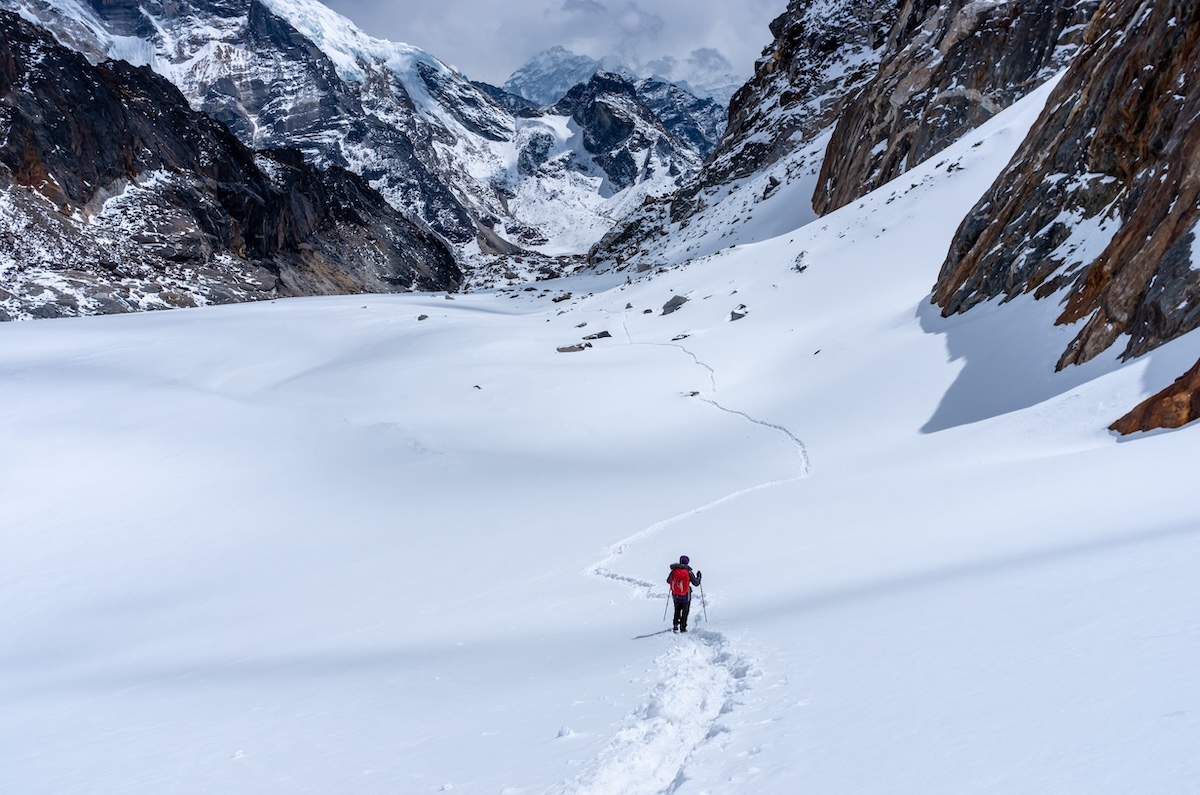
Sagarmatha National Park is home to the world’s highest mountains, including Mount Everest. However, there is much more to this park of mountain behemoths than the astounding natural landscape. The mountain ranges are home to some of the world’s rarest and more impressive species: the elusive snow leopard, the red panda, and Himalayan black bear.
There are hundreds of birds who stay within the park, and many musk deer who run wild throughout it. The local people: the Sherpas, have villages here and regularly worship at the holy sites scattered around the park. However, visitors should be wary of the high elevation and take the proper steps towards preventing altitude sickness.
19. Namche Bazaar
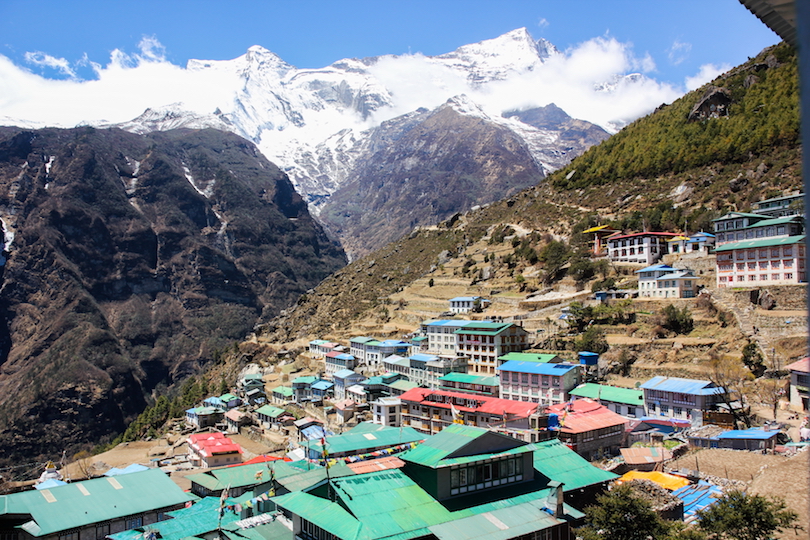
Namche is often called the gateway to Everest because it is where most people start their trek to the world’s tallest mountain. However, the bazaar in Namche has been a trading center for thousands of years and is famous for its local yak butter and cheese.
Today, the bazaar offers everything one might need for a trek through the Himalayas, or for daily life in the village. As you might expect, the Namche Bazaar is the highest bazaar in the world. For most people, it is a challenge simply to make it to Namche!
18. Bhote Koshi
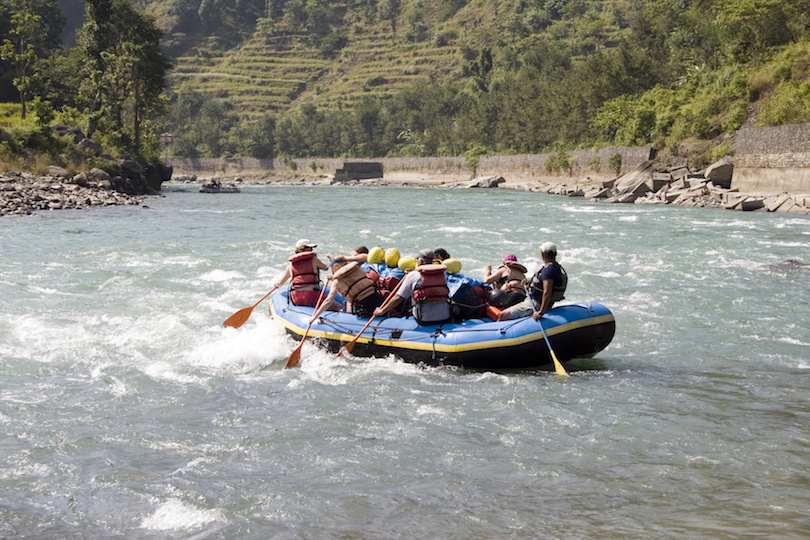
The Bhote Koshi is the upper river course of the Sun Kosi river, that originates in Tibet. Calling all adrenaline junkies; Bhote Koshi River rafting is perfect for individuals who are looking to take a break from sightseeing and trekking in Nepal, and indulge in some heart pounding adventure.
Bhote Koshi offers the steepest river rafting in all Nepal. It is located just a few hours north-west of Kathmandu near the Nepalese and Tibetan border, nestled between mountain ranges. The glacier fed river offers Level 5 rapids at its height, but if that’s not enough action, there is also an exciting bungee jump located dauntingly high above the river.
It is the highest free fall in the world. Despite the nature of the sport, the bungee is very safe; it was designed by the Kiwis behind the famous Queenstown bungee jump in New Zealand.
17. Langtang trek

Located in the beautiful Langtang National Park, The Langtang Trek is a must-do for any outdoor enthusiast. As you pass through the picturesque Alpine valley, you’ll be surrounded by vast pastures, steep mountains, and charming local villages.
The trek should be a leisurely stroll for moderate hikers, although it’s also easily accessible for beginners. The hike takes roughly two weeks, and there plenty of teahouses and rest stops along the way.
16. Manakamana Cable Car
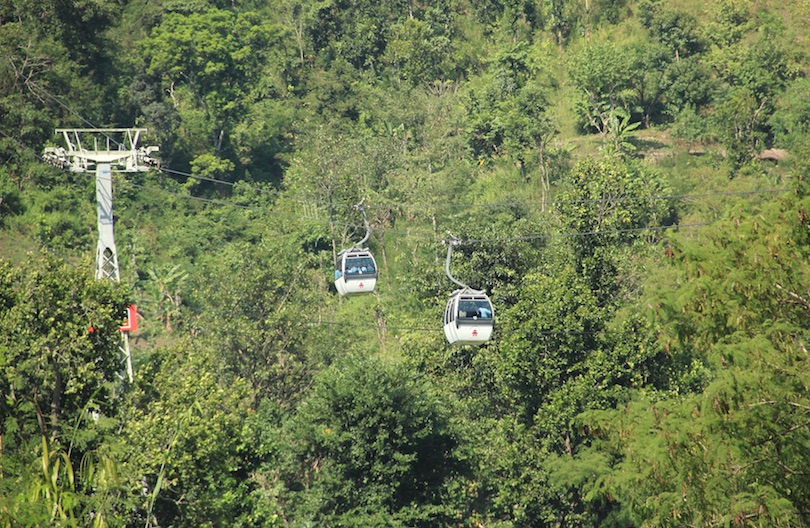
For sweeping panoramic views, hop aboard the Manakamana Cable Car. This Austrian-imported cable car takes you over 3,300 feet in the air and whisks you across some of the most breathtaking landscapes during the 17-minute ride.
As you glide through the sky, you’ll have dramatic views of the Manaslu, Himalchuli, and even the Annapurna Himalayan mountain ranges. Once you reach the top, you’ll be able to visit the sacred Manakamana Temple.
15. Maya Devi Temple
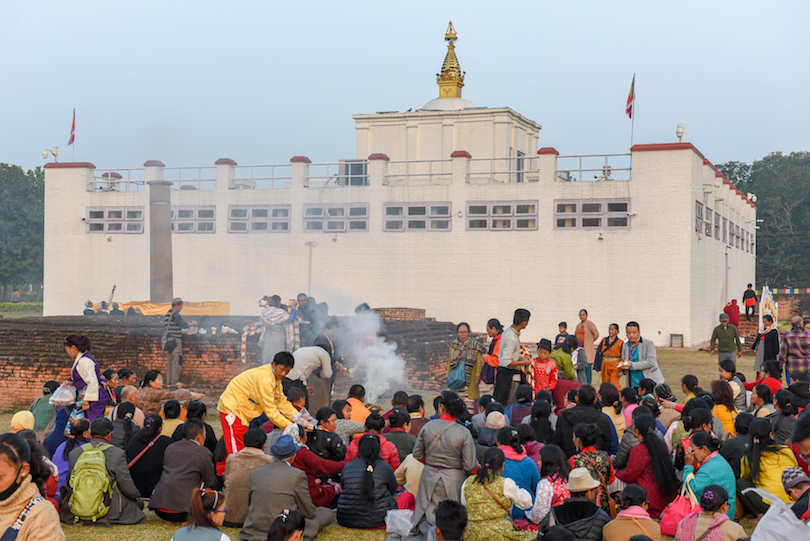
Located in the heart of Lumbini, the Maya Devi Temple holds a strong religious significance for many Buddhists. It’s believed to be the birthplace of Siddhartha Gautama, or as he’s more commonly referred to – the Historic Buddha.
Many of the ruins in the temple date back over 2,200 years. Visit the Ashoka pillar, the bodhi tree, and the sacred pond where Maya Devi bathed before giving birth to Buddha. Another highlight of the temple is the sandstone carving of Buddha, which pinpoints the location where Buddha was born.
14. Janaki Mandir
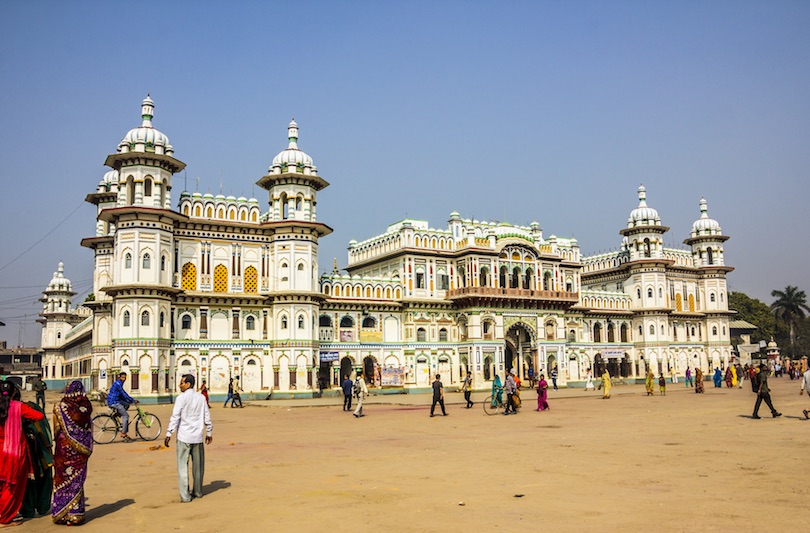
The bright white stone and marble Janaki Mandir is a striking example of Koiri architecture. This three-story Hindu Temple is located in Janakpur and dominates the skyline from almost every corner in the town.
Despite the uniform color of its exterior, the inside of the Janaki Mandir is full of life. All 60 rooms are adorned with colored glass and paintings of the Nepal flag. It was built in honor of the Hindu Goddess Sita and attracts Hindu pilgrims from all over the world.
13. Nagarkot
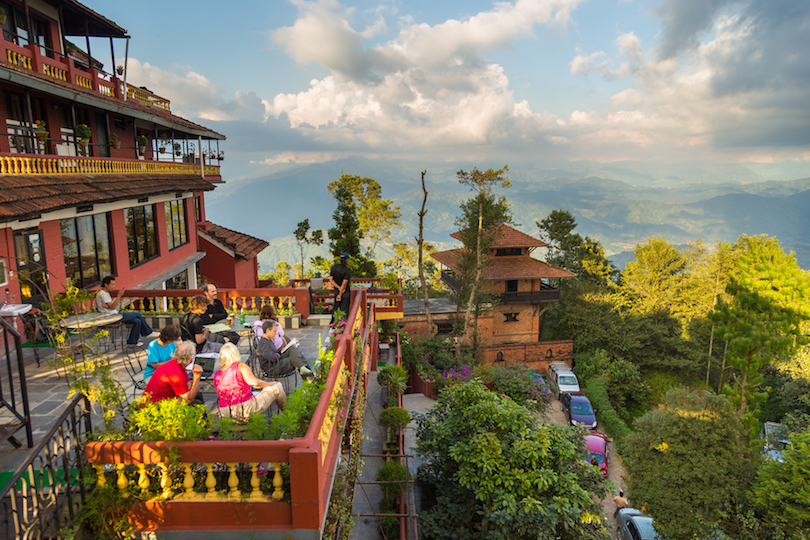
There are very few places in Nepal that offer sweeping views of the Himalayas as Nagarkot does. This quaint village is a great place for an overnight escape, and many of the hotels have rooms with balconies where you can marvel at the stunning landscape.
On a clear day, you might be lucky enough to spot Mount Everest to the northeast. You’ll also be able to see other peaks in the Himalayas, including Annapurna, Manaslu, Ganesh Himal, Langtang, Jugal, Rolwaling, and Numbur. For the best views, you’ll want to wake up around sunrise before the mountains are shrouded by clouds in the afternoon.
12. Swayambhunath Stupa

Perched on top of a hill in the Kathmandu Valley is Swayambhunath Stupa, a sacred pilgrimage site for both Buddhists and Hindus alike. It was founded by King Manadeva during the 5th-century, which also makes it one of the oldest religious sites in the country.
Every spire and structure of the temple has a significant meaning. The 13-tiered stupa represents the 13 stages of nirvana, as it sits atop a white dome, which is believed to represent the world. On the sides of the stupa, you’ll find paintings of Buddha’s eyes peering in all four directions.
11. Patan Durbar Square
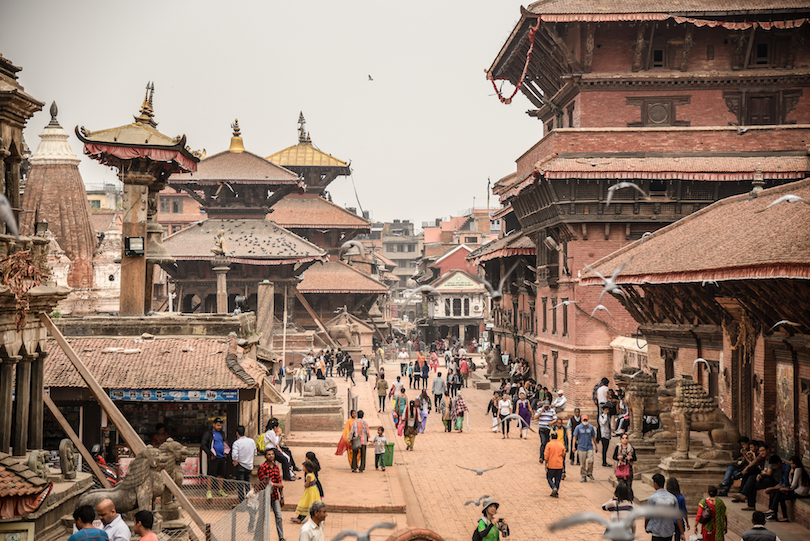
The royal temples of Patan Durbar Square are marvelous examples of Newar architecture. Patan is a testament to the ancient Kingdom of Nepal, as it’s only one of three royal squares in the Kathmandu Valley.
The sheer size of Patan Durbar Square is worth noting: it has over 130 courtyards and 55 temples. The most important temple is Krishna Mandir, which was built in 1667 by King Siddhi Narsingh Malla. Other popular sites include the Bhandarkhal Gardens, the Bhimsen Temple, and the Keshav Narayan Chowk courtyard.
10. Maha Shivaratri
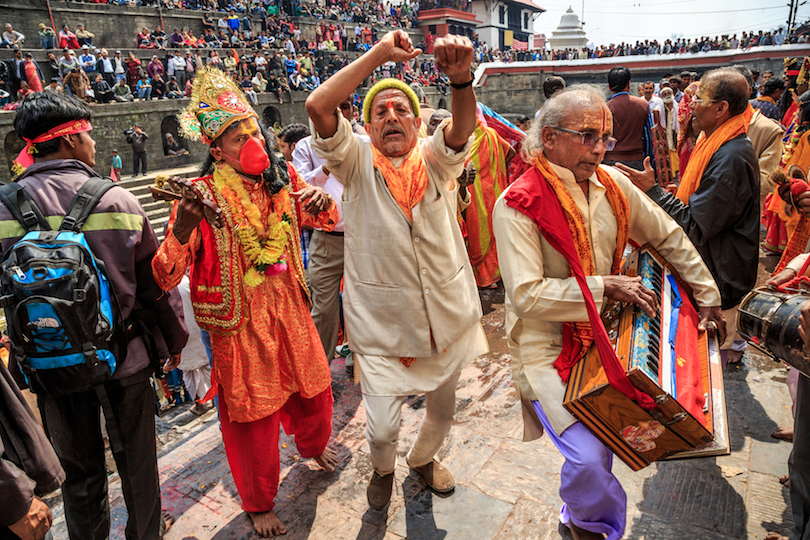
Every year on the 13th night of the Hindu Calendar, Nepal celebrates Maha Shivaratri. Translated to “Night of the Shiva,” this festival honors Lord Shiva, one of the main deities in Hinduism.
During the one-day celebration, different rituals and traditions are performed all throughout the country. Many devout Hindus spend the day bathing and fasting before visiting the sacred Pashupatinath Temple. Others celebrate with song, dance, and chanting as a way to symbol overcoming the darkness and difficulties in life.
9. Phewa Tal
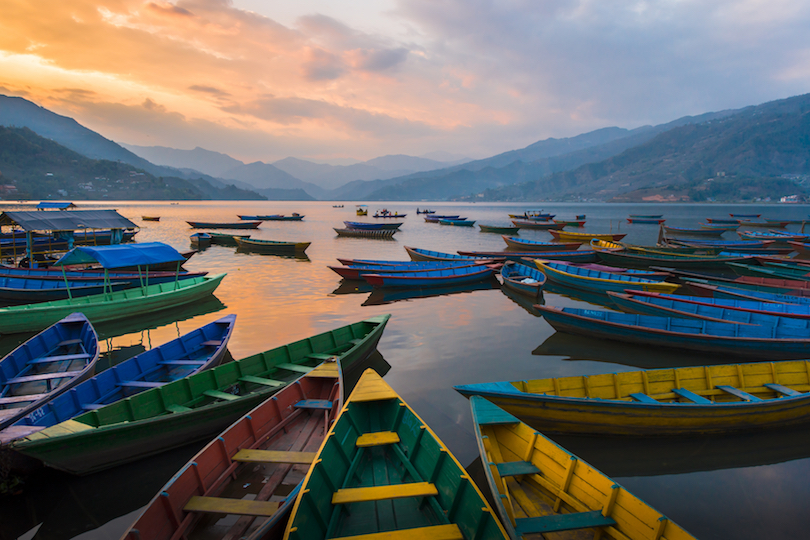
The spectacular Phewa Tal is the second-largest lake in Nepal and continues to attract locals and visitors who want to spend the day immersed in nature. Surrounded by the lush forest with the Annapurna mountains as your backdrop, Phewa Tal is the ideal destination to soak in Nepal’s natural beauty.
There are plenty of activities to keep you occupied during your visit: you can walk or cycle around the banks of the lake. It’s also possible to rent one of the brightly colored doongas (boats) if you’re eager to spend the afternoon on the water.
8. Whitewater Rafting
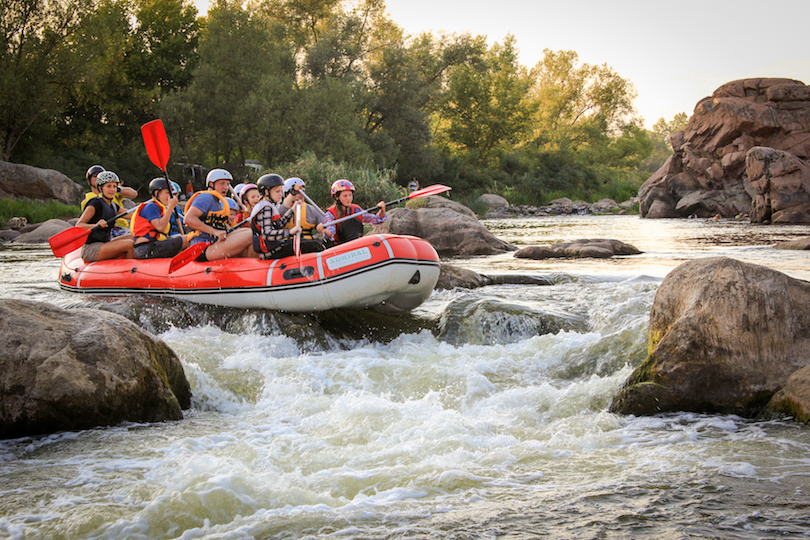
Between the scenic landscape and the tranquil temples, you might be interested in a thrilling adventure to keep you on your toes. If you’re looking for an exciting experience in Nepal, consider a whitewater rafting trip! The flowing rivers and surrounding mountainous landscape are practically made for a whitewater rafting adventure.
The Seti River is just a short drive from Kathmandu and offers thrill-seekers top-notch three and four class rapids. If you’re looking for something a little calmer, head to the Trisuli River. Even if the rapids are smaller, you’ll still have picturesque farms and hills to admire during your ride.
Multi-day rafting trips are also possible along the Kali Gandaki and Sun Kosi River. This is an excellent opportunity to see the varied landscape of Nepal.
7. Gorkha Durbar
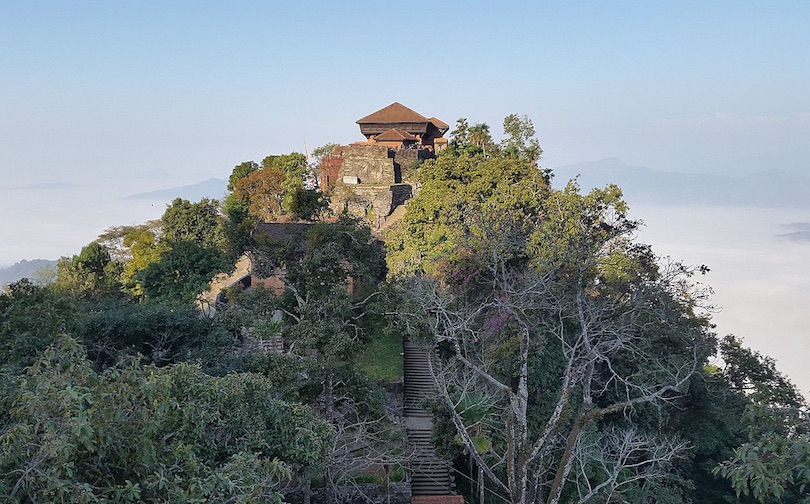
The grand fortress of Gorkha Durbar is more than just a religious temple. Inside the ancient fortified walls, the Gorkha Durba was also used as a palace and fort. It remains one of the most important temples for local Nepalis, as it was the birthplace of the first monarch of the Kingdom, Prithvi Narayan Shah.
During your visit, don’t forget to stop by the ornate Kalika Temple and the carved Dhuni Pati palace. It looms over the Trisuli Valley and gives visitors birds-eye views of the Annapurna, Manaslu and Ganesh Himalayan mountains.
6. Sarangkot
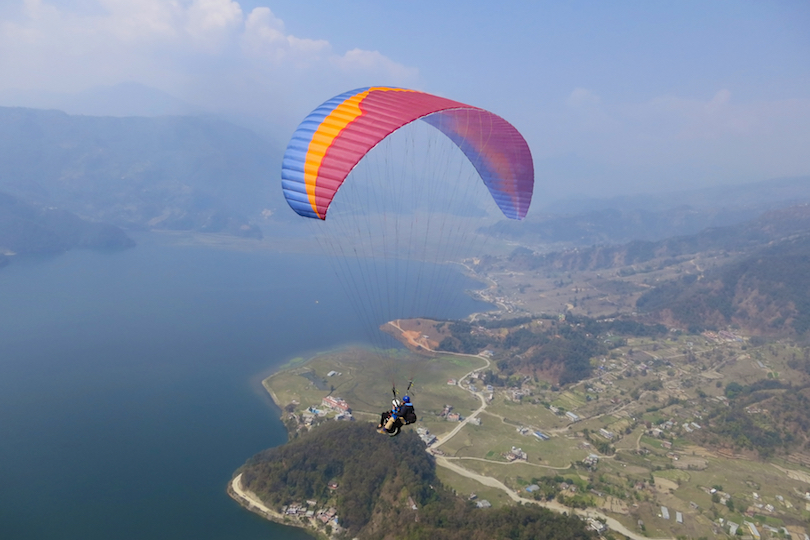
Although there isn’t much to see within the small town of Sarangkot, it’s the jaw-dropping views that draw in visitors from around the world. Sarangkot offers panoramic views of the Himalayas, which you can see peeking out from behind the clouds. You’ll be able to clearly see Dhaulagiri, Machhapuchhare, and even the Annapurna I peaks.
If you’re able to wake up early for sunrise, you’ll be treated to an experience that you won’t forget. Besides admiring the view, you can also hike and trek through the many different trails that branch out from Sarangkot.
5. Bhaktapur Durbar Square
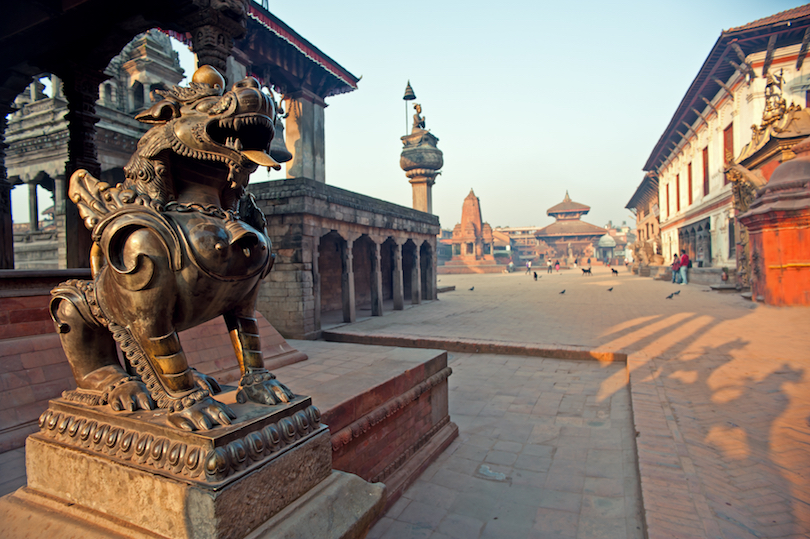
A stroll through Bhaktapur Durbar Square is like taking a step back in time. Once the royal palace of the Bhaktapur Kingdom, Bhaktapur Durbar Square is actually a complex that consists of several different structures. Many of the buildings inside the old town still look the way they did 500 years ago.
The most stunning of them all is the Palace of 55 windows, which was built by King Phupatindra Malla. Although you cannot enter the palace unless you are Hindu, you can still marvel at its grand structure from the outside. It’s also worth looking at the fantastic architecture of the five-story Nyatapola Temple, the heavenly Golden Gate, and the magnificent Statue of Bhupatindra Malla.
4. Chitwan National Park
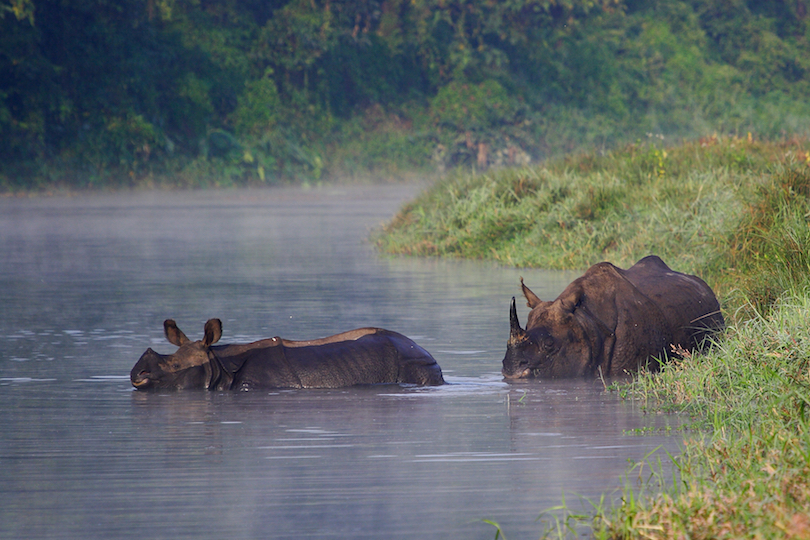
With your binoculars in one hand and your camera in the other, venture through the Chitwan National Park on a wildlife safari. Not only is the Chitwan National Park the first national park in the country, but it’s also a sanctuary for some of the world’s most exotic mammals and birds.
In total, Chitwan National Park is home to 68 different mammals, including the elusive Bengal Tiger. You’ll also find leopards, sloth bears, foxes, honey badgers, and many other four-legged creatures. Bird lovers will also appreciate the over 500 different species that live in the park. If you’re eager to see some of Nepal’s most famous residents, make sure to spend a day trekking through Chitwan National Park.
3. Everest Basecamp Trekking

The hike to Mount Everest is almost certainly at the top of most adventurous travelers’ bucket list. Over the course of 12 days, you’ll trek over 75 miles across glaciers, valleys, and rivers on one of the most iconic journeys in the world.
Most trips start in Kathmandu and end in Lukla. You can expect to walk for an average of six to seven hours per day, with a total ascent of over 19,000 feet. This trek is not for the faint of heart, and hikers need to be reasonably fit due to the high-altitude. For those who are up for the challenge, it’s guaranteed to be one of the memorable experiences you’ll have.
2. Boudhanath Stupa
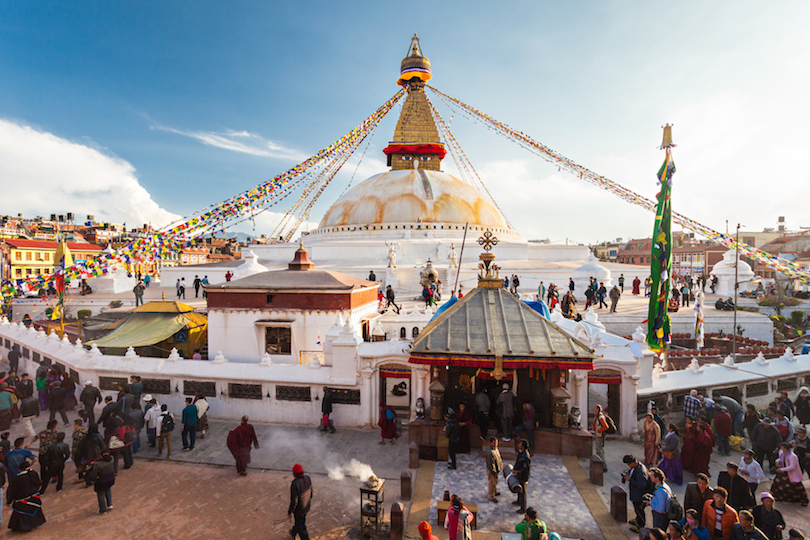
During your visit to Kathmandu, you’ll probably notice the massive Boudhanath Stupa that sits a few miles outside the city. It’s one of the largest spherical stupas not just in Kathmandu, but in the entire world. Many believe it was built by ting Vikramjit as an act of penance after he killed his father.
However, the focal point of the stupa is the golden base, which is painted on each side with the all-seeing eyes of Buddha. Around the sphere, you’ll find images of the Dhyani Buddha Amitabha, as well as several prayer wheels.
1. Annapurna Sanctuary Trek
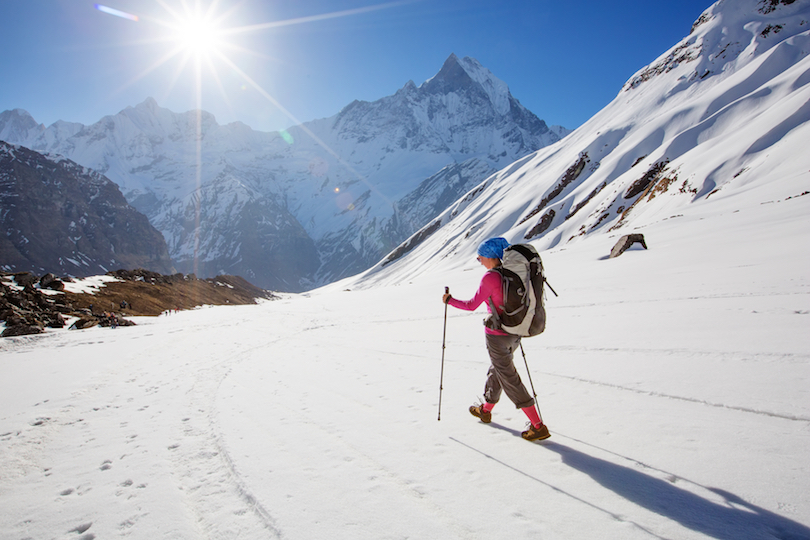
The elusive Annapurna Sanctuary can only be reached via a 10 to 15-day trek. It sits on a high glacial basin and is encircled by surrounding mountains. However, for this attraction, it’s more about the journey than the destination.
The Annapurna Sanctuary is reached mid-trip, but the entirety of the trek offers incredible views of the surrounding Himalayan mountain range. Trekkers stay at homestays along the route, often dining with local families.
This is one of the few hikes that does not require a guide, as the trails are very well marked and dotted with villages. The Sanctuary is held sacred by the local people, so visitors should behave accordingly when visiting.