
One of the most beautiful states in the country, the large and lovely Montana is awash with stunning scenery, with marvelous mountains rising dramatically above pretty plains and prairies. As it is sparsely populated, many of its standout tourist attractions relate to its incredible wilderness and wildlife which are on show wherever you go.
Known as ‘Big Sky Country’ due to its wide-open skies and endless meadows, its natural wonders beg to be explored. Hiking, camping, and canoeing are popular things to do in Montana alongside skiing and snowboarding in the winter months. With bison, grizzly bears and wolves to be spied – in nature and in wildlife reserves – and fascinating ghost towns and battlefields to visit, Montana really does have something for everyone to enjoy.
12. National Bison Range
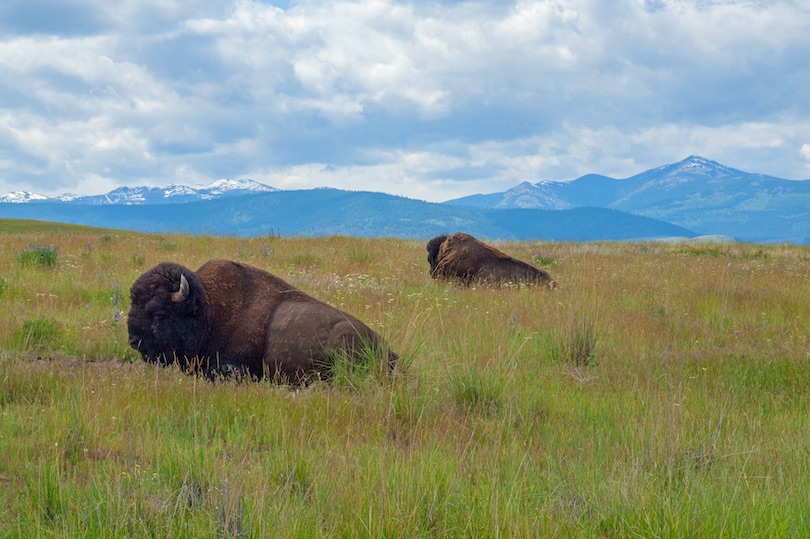
Located in the far west of Montana is the incredible National Bison Range, which can be found just to the north of Missoula on the way to Flathead Lake. Home to a huge herd of bison and many black bears, bighorn sheep, and deer, the wonderful wildlife refuge is well worth checking out if you have the chance.
Established in 1908, it encompasses some lovely landscapes and scenery, with majestic mountains rolling hills, and picturesque prairies and plains. After having stopped by its interesting and informative visitor center, there are two scenic roads to drive along which offer up fantastic wildlife viewing opportunities.
In total, there are around 500 bison residing within the park. The National Bison Range has played a crucial role in the preservation and protection of these magnificent mammals and their gorgeous grazing grounds.
11. Grizzly & Wolf Discovery Center
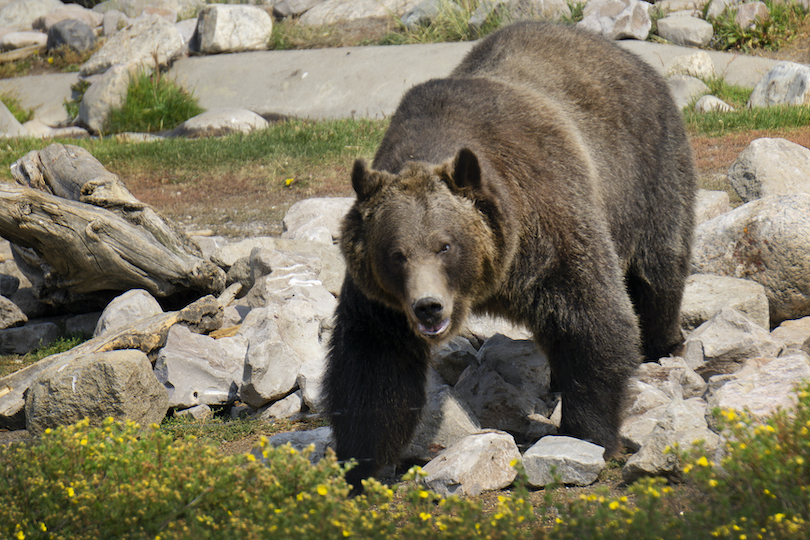
Set in the small town of West Yellowstone is the Grizzly & Wolf Discovery Center, which lies not far from Yellowstone National Park and the state border with Wyoming. Since opening in 1993, the excellent educational facility has offered visitors the unique experience of seeing grizzly bears and grey wolves in their natural habitat.
Founded as a sanctuary for nuisance bears who were sadly facing extermination, the wildlife park later expanded to include captive-born wolves who can’t survive in the wild. Now at home in large enclosures dotted with pools and trees, these astounding animals act as ambassadors for their wild counterparts, with interesting exhibits looking at their natural behavior and habitats.
In addition to watching them prowl about and play, visitors can hide food about for the bears and wolves to find. Besides these fabulous furry friends, there is an excellent birds of prey exhibit to visit and a freshwater aquarium containing various otters and fish.
10. Flathead Lake
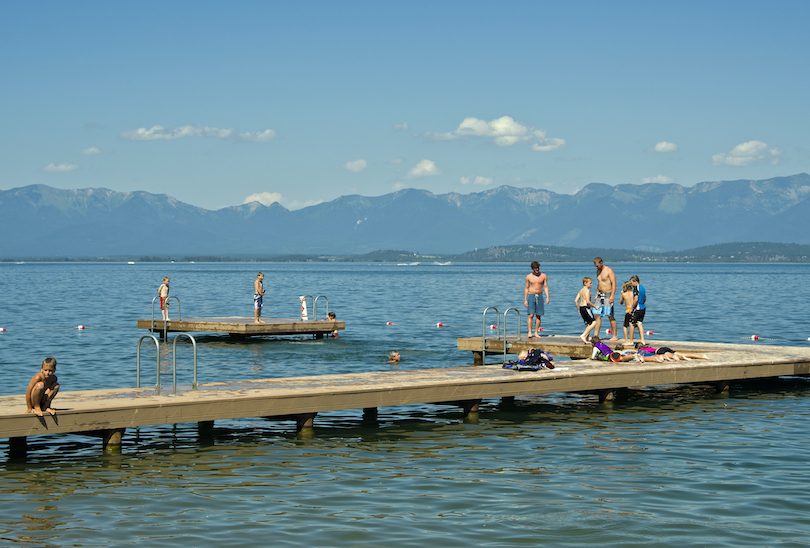
Nestled in the northwest of Montana are the crystal clear waters of Flathead Lake. A very popular and picturesque place, it has almost 300 kilometers of scenic shorelines for visitors to explore, with countless outdoor activities to try out.
The largest natural freshwater lake to be found in the States west of the Missouri River, it reaches 48 kilometers in length, spanning 26 kilometers at its widest point. Tucked away along its serene and secluded shores are laidback lakeside communities such as Bigfork and Polson to check out with the Mission and Salish mountain ranges rising magnificently in the background.
While it is renowned for its clean and clear waters (which formed a gigantic glacier during the last ice age), the lake also has lots of fun activities on offer, with fishing, swimming and hiking particularly popular. Besides taking boat trips to its handful of isolated islands, visitors to Flathead Lake can also find some fine wineries along its western shore.
9. Gates of the Mountains
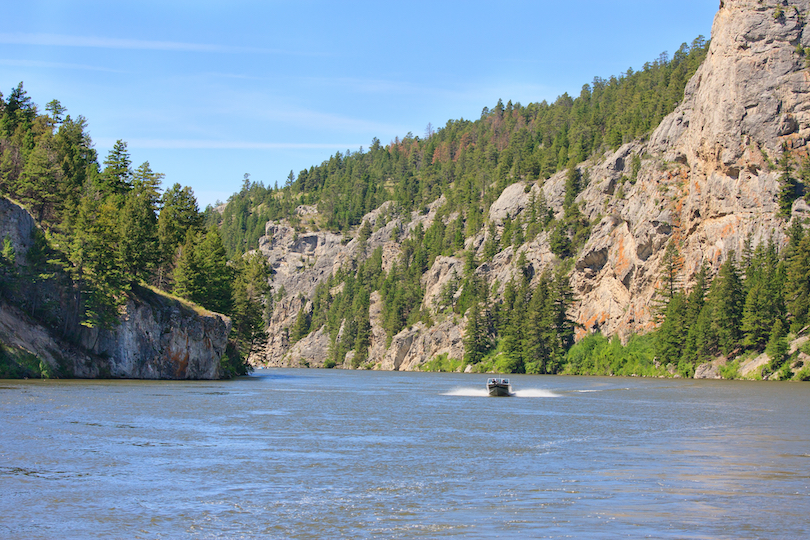
So named by the Lewis and Clark Expedition in 1805, the glorious Gates of the Mountains certainly make for one of the most spectacular sights in the whole of Montana. The canyon’s cliffs can be found just half an hour’s drive to the north of the historic city of Helena.
Towering dramatically above the wild waters of the Missouri River, its sheer cliff faces impressively reach up to 360 meters in height. With its rugged ridges and limestone layered landscapes, it’s no wonder that the expedition was so astounded by its scale and splendor.
While the Gates of the Mountains attract the most attention, it actually lies at the heart of a pretty and pristine wilderness area. In the canyon and its surrounding valleys, there are some exquisite hiking trails to explore and cosy campsites to stop off at, and some great fishing can be had along the Missouri River.
8. Whitefish Mountain Resort
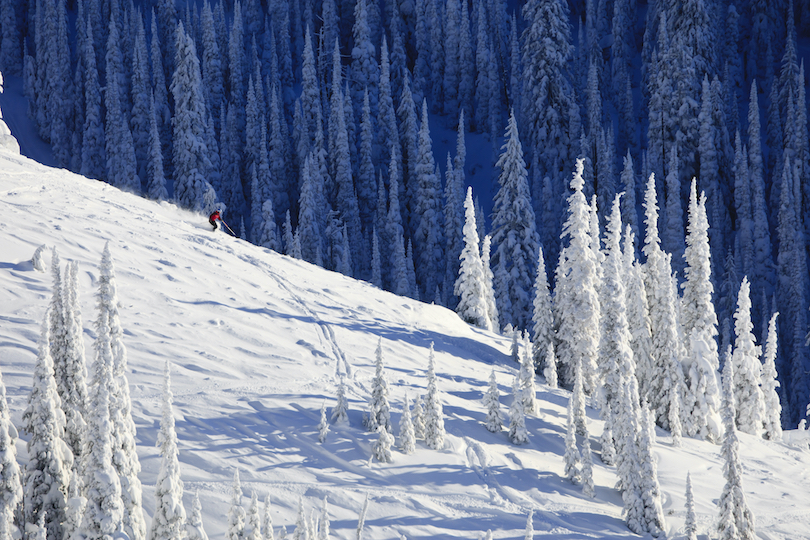
Lying just to the north of the small town and large lake of the same name is the beautiful Whitefish Mountain Resort. Nestled in the northwest of the state, it has superb snow-coated slopes for you to ski or snowboard down, with hiking and mountain biking available during summertime.
Founded in 1947, the resort has since grown, with plenty of lodges and cabins now dotted about The Big Mountain. Towering to 2,078 meters, the mighty mount has 113 marked trails for visitors to explore, which cater to beginners, intermediates, and advanced skiers alike. In addition, it has four terrain parks with a total vertical drop of 717 meters.
Servicing its slopes are 11 chairlifts and three surface tows, with various cafes and restaurants found at different elevations. From the mountain summit, visitors can enjoy divine views out over its surroundings, with marvelous mountains spied in the distance.
7. Lewis and Clark Caverns State Park
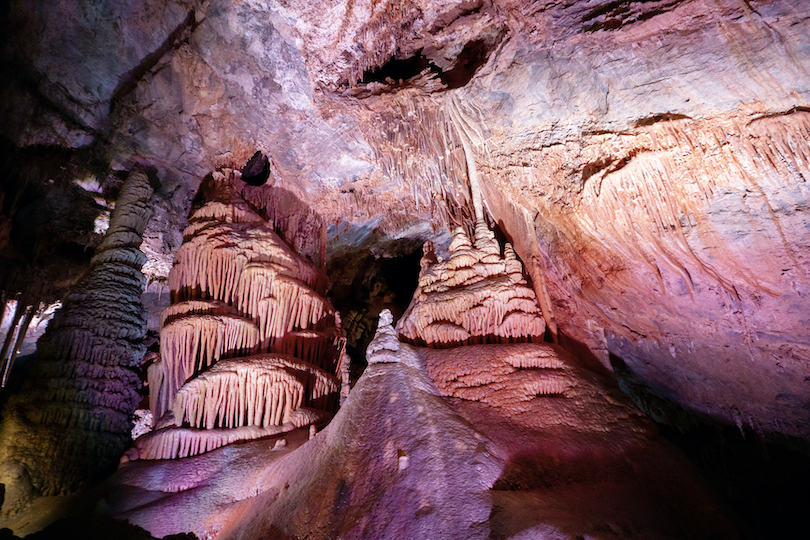
Named after the famous expedition that camped near their entrance in 1805, the large Lewis and Clark Caverns have since been protected as part of a state park. Nowadays, tourists travel from all around the state and further afield to gaze upon its sublime stalactites and stalagmites and explore its tunnels.
Full of fantastical formations and striking silhouettes and shapes, the caves are a delight to wander around, with the caverns stretching for many kilometers. As they are illuminated by flickering fairy lights, the underground tunnels make for a magical sight. Tours take you past remarkable rock formations, gaping chasms and dizzying drops.
While most people are enticed by its cool caverns, the state park also has lots of stunning scenery and nature to enjoy above ground, with hiking, camping and canoeing on offer. Set in a scenic and secluded spot to the northwest of Bozeman, it is well worth checking out if you have the chance.
6. Bannack State Park
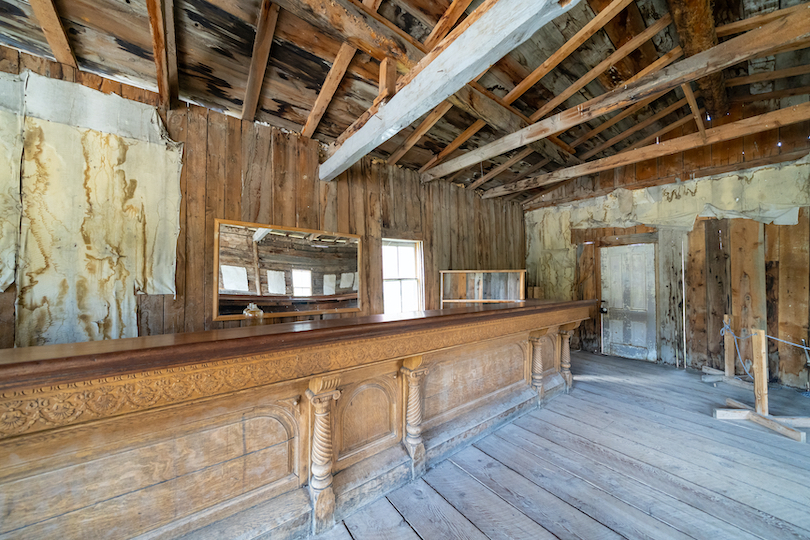
Located in the remote reaches of the southwest of the state is the fascinating ghost town of Bannack. Protected as part of a state park, it has lots of abandoned old buildings and atmospheric empty streets for you to explore.
Founded in 1862 when gold was discovered in the nearby mountains, the mining town’s population slowly dwindled in the following decades as the shimmering seams were exhausted. As its last residents only left in the 1970s, most of its wooden buildings and log cabins are still in good repair: a school, store and hotel can be spotted along its now decaying streets.
As it is set in such an idyllic yet isolated spot, it is a good idea to stay a night at the nearby campsite and hike or bike around the mountains to make the most of your visit. A particularly great time to stop by is in July, when costumed re-enactors descend upon the dilapidated ghost town for the ‘Bannack Days’ and recreate what life would have been like in the late 19th century.
5. Big Sky Resort
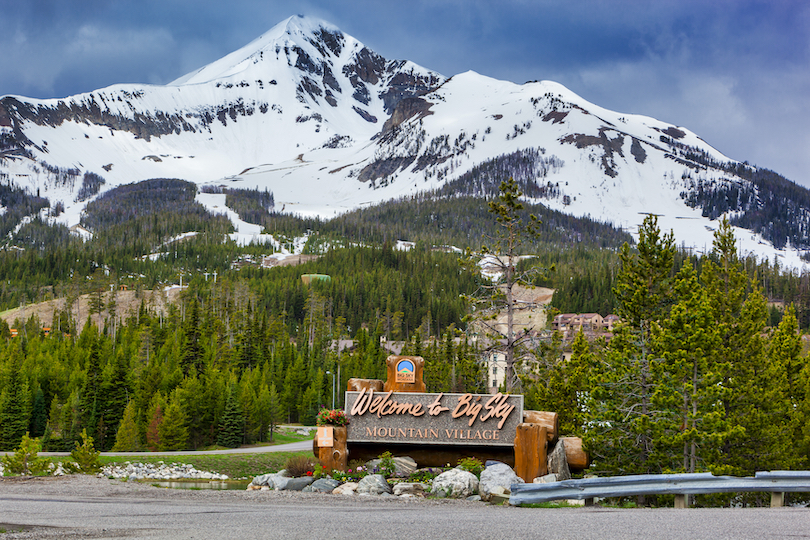
One of the most popular and picturesque places to go skiing in the state, the brilliant Big Sky Resort can be found some 70 kilometers to the southwest of Bozeman. With more than 250 runs for visitors to enjoy and a total vertical drop of 1,330 meters, it is the second-largest ski resort in the States after Utah’s Park City.
Reaching over 250 kilometers in length, its snow-coated slopes are exhilarating to ski or snowboard down, with its tempting trails and pretty pistes catering to all levels. In total, there are 38 chairlifts dotted about the resort, with an awe-inspiring aerial tram to take you up to the top of the 3,403 meter high Lone Mountain – Big Sky’s standout feature.
Opened in late 1973 after having been a private ranch, it has various lodges and cabins for guests to stay in, with ski shops and restaurants found here and there. While most people visit in winter for its sparkling snow and spectacular scenery, there is also some great hiking and horseback riding to be had in the sunny summer months.
4. Garnet Ghost Town
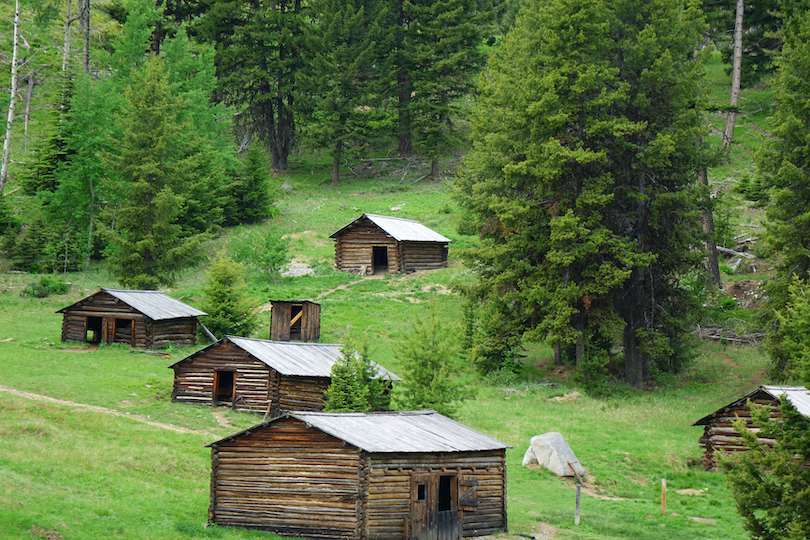
Despite having been abandoned back in the 1930s, Garnet Ghost Town is remarkably well-preserved and certainly warrants a visit if you have the chance. Now a popular tourist site, it has over 80 crumbling yet charming buildings to explore, with the gorgeous Garnet Mountain Range rising all around them.
Set in a scenic yet secluded spot, the tiny town was founded in 1895 when gold was discovered nearby. In the following decades, stores, saloons and hotels catering to the prospectors shot up before being just as quickly abandoned and left to the elements once the shiny seams ran dry.
An eerie yet evocative place, its dusty cabins are fascinating to wander around, with everything left just as it was by the miners almost a century ago. As well as learning all about its interesting history, visitors can go hiking, mountain biking and fishing in its sublime surroundings, with Garnet Ghost Town lying an hour’s drive to the east of Missoula at the end of a long dirt track.
3. Museum of the Rockies (Bozeman)
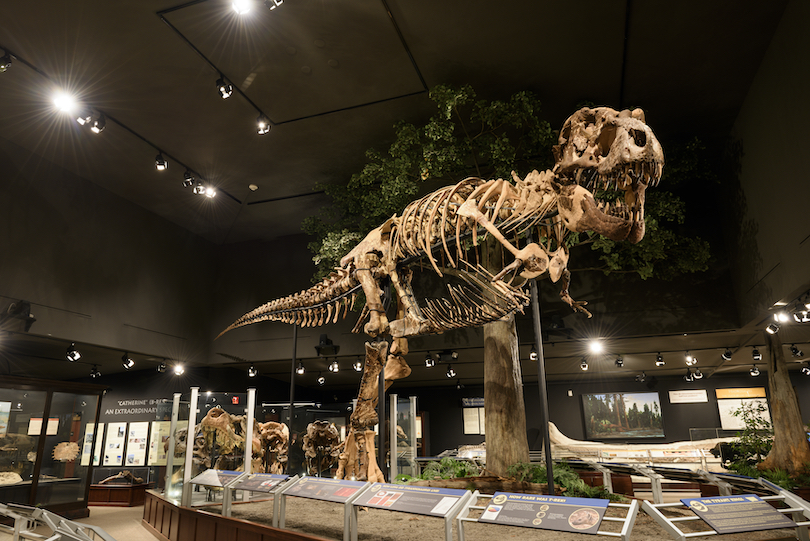
While the Museum of the Rockies focuses on the physical and cultural history of the rearing range, it is perhaps most well-known for being home to the most extensive collection of dinosaur bones in the States. Set just to the south of Bozeman’s city center, it has a range of excellent interactive exhibits to explore as well as a plethora of phenomenal paleontological findings to peruse.
Founded in 1957 to preserve and promote the history and heritage of not just the massive mountain range but that of Montana, its colossal collection has since grown to include more than 300,000 objects. Even more astonishing is the fact that its earliest finds date back around 500 million years. Astounding archaeological findings can be found next to Native American artifacts and artworks.
Despite all its displays on the culture, geography and geology of the region, its standout sight is understandably its collection of dinosaur remains. There is an enormous T-Rex skull on show alongside the skeletons of a Triceratops and its baby, with countless other fabulous fossils located nearby: the magnificent museum is not to be missed when in the area.
2. Little Bighorn Battlefield National Monument
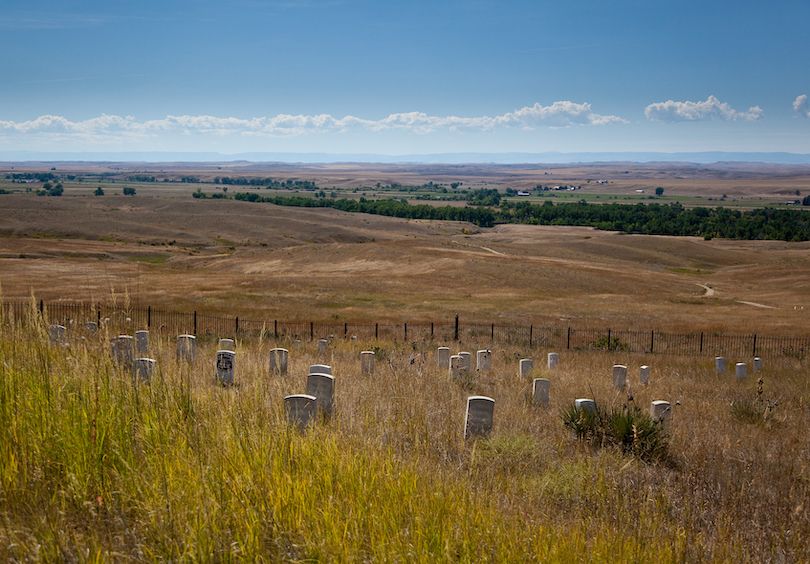
One of the best-known battlefields in the United States, it was at the bloody Battle of Little Bighorn that General Custer made his famous ‘last stand.’ Located in the southeast of the state, the moving monument and memorial can be found around an hour’s drive from Billings on the Crow Indian Reservation.
Now a very popular place to visit due to its historic importance, the sprawling site with its cemetery, sculptures and scenic views tells the story of the epic encounter that took place here on the 25th and 26th June 1876. Often portrayed as a clash of cultures, the battle saw Custer and his cavalry lose their lives to the local Native Americans who were fighting to preserve their traditional way of life.
Besides learning about the legendary leaders of the Lakota, visitors also hear about the run-up to the battle and its aftermath, which sadly saw the Northern Plains Indian Tribes confined to reservations soon afterwards. As informative as it is engaging, a visit to the Little Bighorn Battlefield National Monument is a must for anyone interested in the history of the US.
1. Glacier National Park
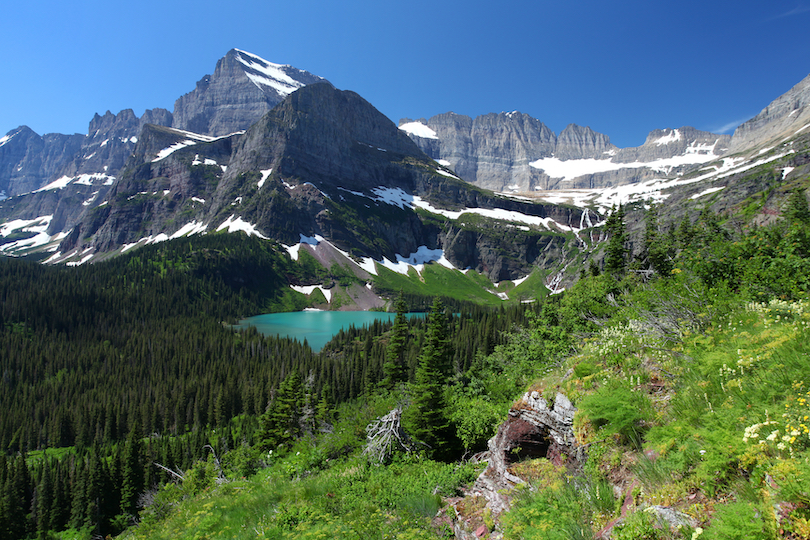
Boasting an astounding array of majestic mountains, vast valleys and turquoise lakes, Glacier National Park is home to some of the most epic scenery in the whole of the States. Sprawling over a scenic and secluded swathe of northwestern Montana, it protects a wealth of incredible wilderness and wildlife, with lots of outstanding outdoor activities on offer.
Founded in 1910, the park is named after its gigantic glaciers which were once believed to number around 150. While only 20 or so remain, the rugged and ravaged landscapes they left behind are a delight to gaze upon and explore, with mighty mounts lying alongside sweeping valleys, verdant forests and sparkling waterfalls.
Hidden away among its wild woods are grizzly bears, moose and wolverines for visitors to spy with wildlife watching being a very popular pastime. In addition, many people come to the national park to go hiking and camping with the breathtaking beauty of the ‘Crown of the Continent’ on show wherever you go.