
The ideal destination for any adventurous traveler, South Africa has so many amazing experiences on offer, from off-roading on a safari to diving with great white sharks. With its wonderful array of wildlife, beautiful beaches, divine vineyards, and magnificent mountains, there’s no doubt that this is a land of diversity.
The southern tip of Africa may have left the years of apartheid behind, but much of the nation still struggles with poverty and there remains a vast disparity between wealth and race. The country offers numerous chances to learn about its tumultuous history, land and peoples, with museums and trips to Robben Island or a visit to a Township.
Leave the cities behind, grab yourself some wheels, and head off on a road trip through the varied landscapes of the Garden Route. Make sure to stop off at Hermanus, known for its opportunities to spot southern right whales from the shoreline. Take a walk on the wild side in the Kruger National Park, where lions, leopards, rhinos, elephants, and buffalos roam free, and leap into the unknown as you take in the views from the top of Table Mountain. It’s hard to name another holiday destination that offers as much variety.
10. Blyde River Canyon
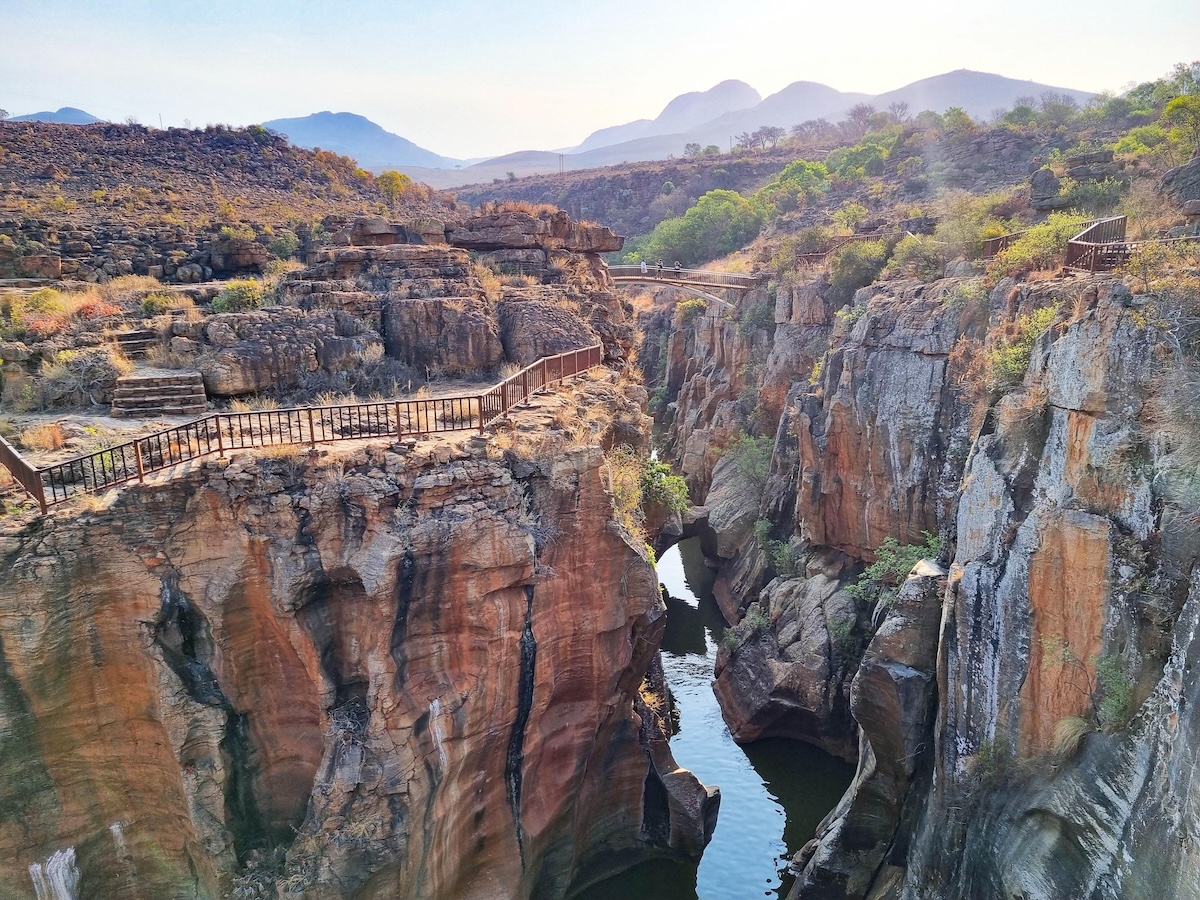
Tangled in subtropical foliage, the Blyde River Canyon is the largest green canyon on the planet, and one of the deepest natural canyons on Earth. Located along a sensational tourist drive known as the Panorama Route, the canyon is dotted with sensational hotspots – from waterfalls to unusual geology.
One such highlight is Bourke’s Luck Potholes – a series of giant potholes that have been spun into the riverbed by the movement of swirling water where the Blyde and Treue rivers meet.
With its lush valleys, mountain scenery like the Three Rondavels, and astonishing viewpoints like the appropriately named God’s Window, the Blyde River Canyon is understandably a popular spot for exploring by car, on foot, or horseback. Keep an eye out for a variety of wildlife along the way, such as hippos, crocodiles, and Samango monkeys, as well as Cape vulture, African fish eagle, and Knysna lourie. It’s one of the best bird-watching spots in Mpumalanga.
9. Cape Winelands
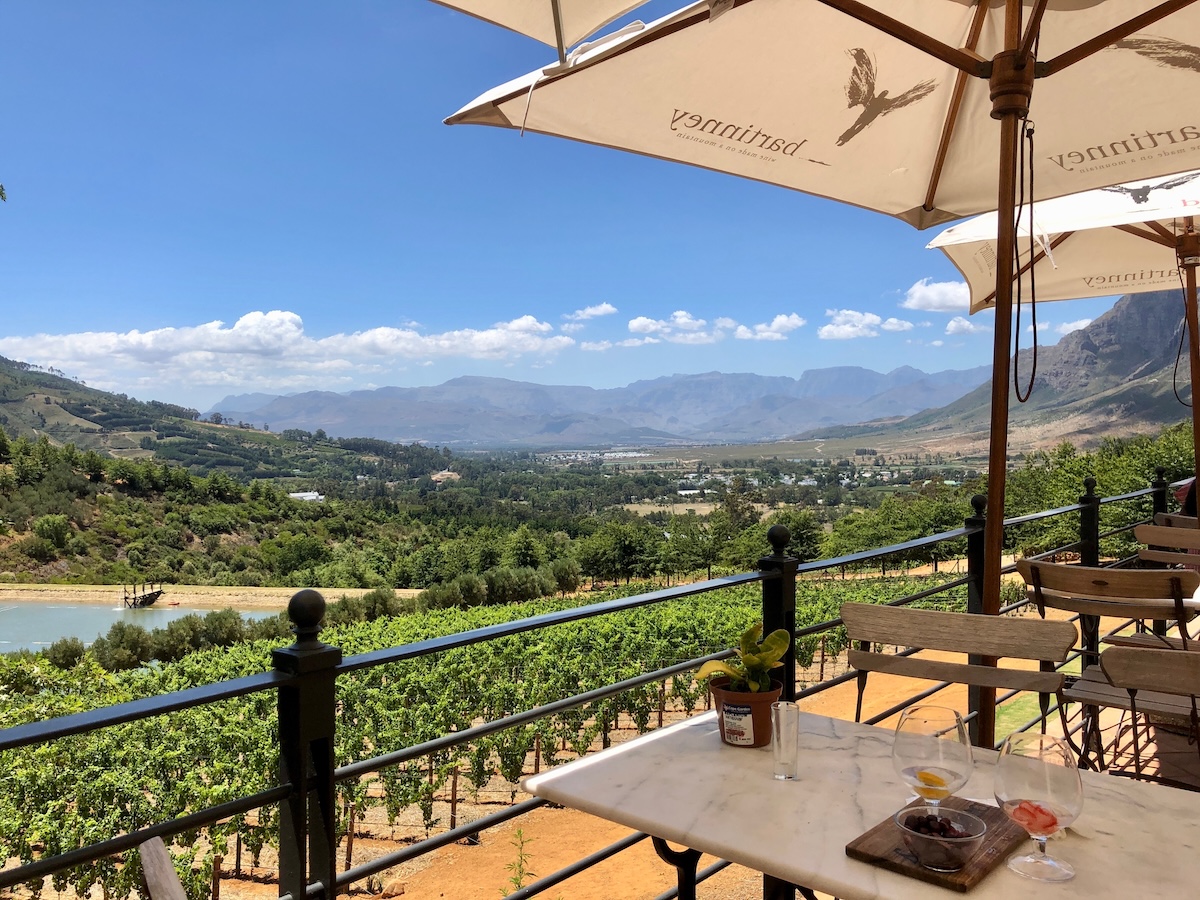
If you’re a wine connoisseur, you’ll be in your element in South Africa’s extraordinary Cape Winelands. Located just a 45-minute drive from Cape Town, it’s one of the most picturesque wine-producing regions in the world, with undulating vineyards and spectacular mountain views from just about anywhere.
The exact region you pick depends totally on you, but Franschhoek and Stellenbosch are two of the most popular. Here, you can enjoy the unique offerings of hundreds of wine estates with everything from wine and cheese or biltong platters (South Africa’s famous dried meat) to outdoor picnics with a bottle of estate wine surrounded by row upon row of vineyards. Head further afield to towns like Montagu to enjoy the hot springs after a sensational day of wine tasting, or Tulbagh to enjoy wine tasting sessions by bike.
8. Addo Elephant National Park
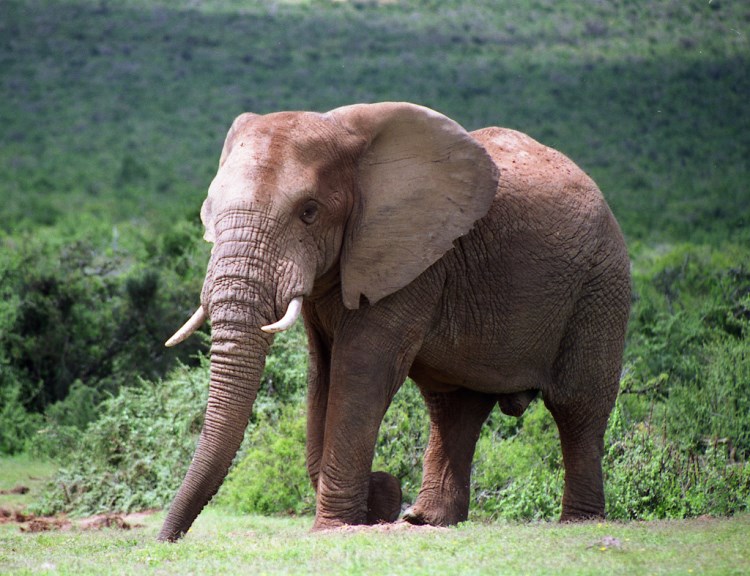
With humble beginnings as a small elephant sanctuary established to protect just 11 reddish-colored Addo elephants in the 1930s, Addo Elephant National Park is now one of South Africa’s largest national parks – and possibly one of the best for spotting these gentle giants. As the park has swelled and expanded over the years, it now consists of five different sections, each offering its own unique characteristics.
The Colchester section is the main game reserve. Here, you can enjoy exhilarating self-drives or camp-run game drives to view the massive populations of elephants, zebras, and antelopes in the park. The Darlington section is home to a dam that attracts some great wildlife, while the Kabouga section is available only to four-wheel-drive vehicles. If you prefer to explore on foot, the Zuurberg and Woody Cape sections have some wonderful trails.
Spotting the Big Seven (South Africa’s famous Big Five as well as southern right whales and great white sharks along the coast) is one of the major highlights here. Safari-goers won’t go home disappointed.
7. Hermanus
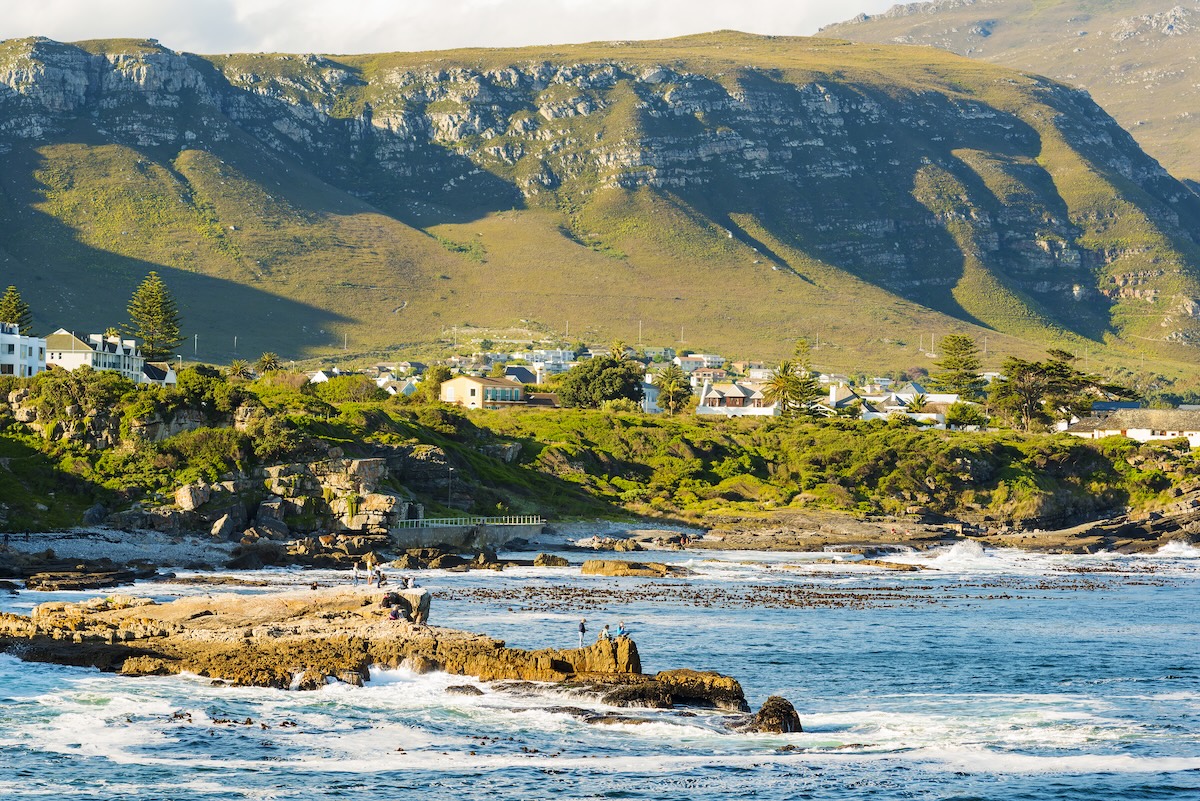
The once-sleepy, now touristy town of Hermanus in the Western Cape is the whale watching capital of South Africa – and for good reason. Every year, southern right whales come to this corner of Walker Bay to give birth to their young. While boat trips are touted daily, whale watching from the cliffs is just as phenomenal, if not better.
A 10 km (6 mile) long cliff-side walk with built-in telescopes and benches offers visitors plenty of opportunities to view these social animals – particularly during the Hermanus Whale Festival in September.
Encompassed by glorious mountains and the aquamarine water of the Atlantic, Hermanus is home to idyllic little beaches and the Hemel en Aarde Wine Valley with its decadent wine-filled experiences. Even the name itself means Heaven and Earth. Spend your days hiking to waterfalls, fishing in the lagoons or ocean, and horseback riding on the beach. Hermanus has it all.
6. Durban
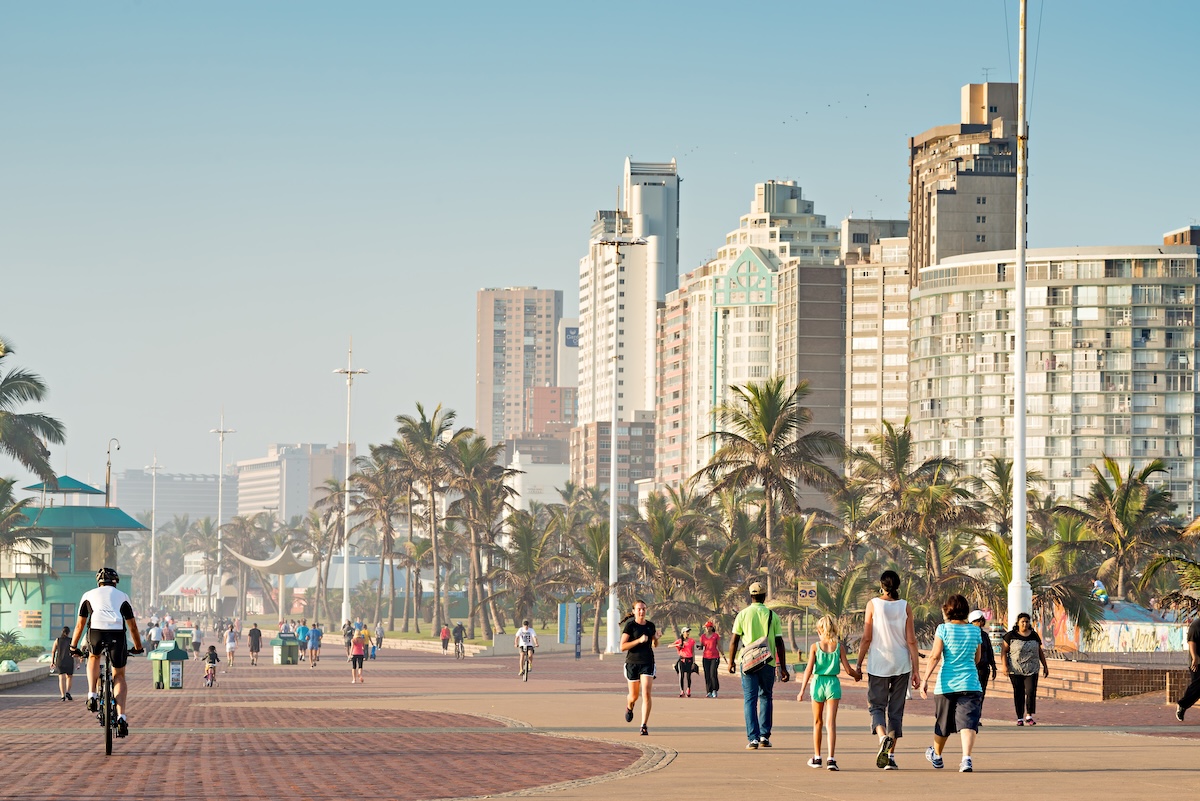
While often overshadowed by bigger sisters Cape Town and Joburg, the port city of Durban (South Africa’s busiest) has plenty to offer all of its own – particularly if you are visiting during the southern hemisphere winter. With average temperatures in the mid-20s from June to July, winter simply doesn’t exist here!
Luckily, all that great weather doesn’t go to waste, as Durban is home to a glorious stretch of coastline with some popular sandy beaches lapped by the warm waters of the Indian Ocean. Spend your days surfing the waves on the east coast of South Africa or exploring life beneath the waves with a snorkel or dive.
Back on land, Durbs (as it’s affectionately called) is known for its excellent curry. Interestingly, the city is home to the largest Indian population outside of India! Tucking into a traditional bunny chow (curry served in a half loaf of bread) isn’t just encouraged here, it’s a rite of passage.
5. Kgalagadi Transfrontier Park
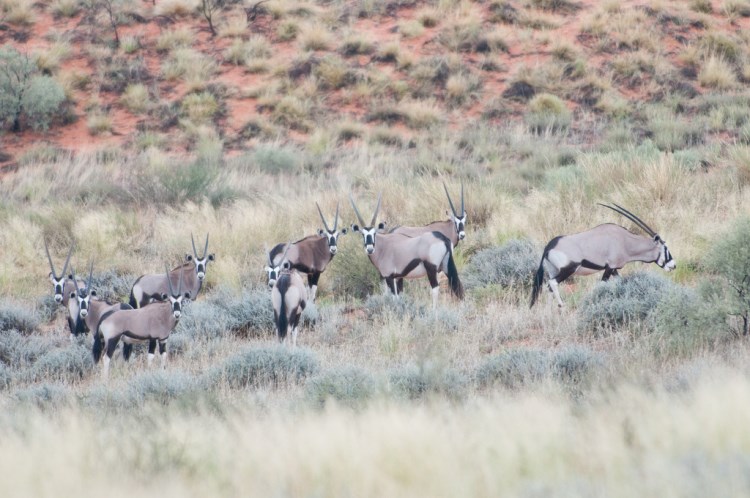
Reaching out into both South Africa and neighboring Botswana, the Kgalagadi Transfrontier Park (meaning ‘Great Thirst’) is a desert wilderness with terrain that’s totally unique. Amidst the salt pans, bushveld, and rust-red dunes of the Kalahari are hordes of plains game, such as wildebeest, springbok (South Africa’s national animal), and gemsbok (its original namesake) that are hunted in turn by predators like lions, cheetah, and leopards. Surrounded by nothing but barren wilderness, the game viewing here is simply astounding.
The Kgalagadi was once split in two: South Africa’s Kalahari Gemsbok National Park in South Africa and Botswana’s Gemsbok National Park were combined to form one official park in 1999. Due to its vast expanse, part of the Kgalagadi is inaccessible without a four-wheel-vehicle – and even then, it’s an adventure.
Many visitors prefer to stay at one of the park’s camps and enjoy one of the included game drives or bush walks to spot the park’s phenomenal wildlife. If you prefer to explore on your own, though, you can follow one of the many routes along the riverbeds of the Nossob and Auob on the South African side.
Named after the Kgalagadi tribes who formerly lived in this corner of the desert, some of the descendants of the original communities can still be found here today, such as the Mier Community and the Khoe-speaking Khomani Community, so make sure you include a visit!
4. Garden Route
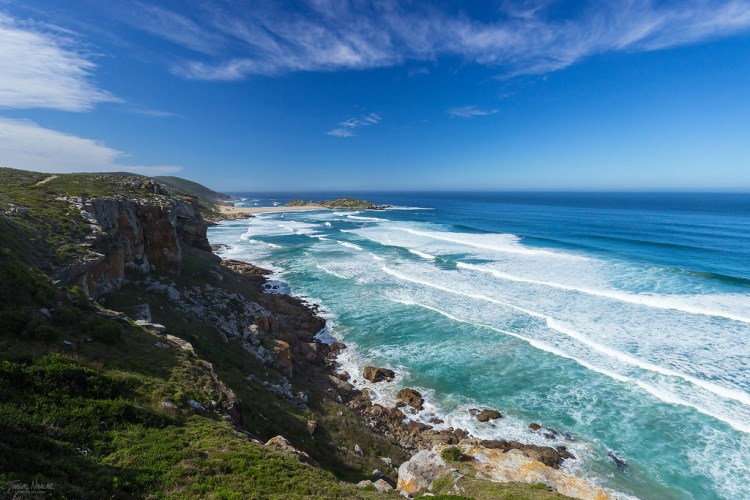
One of the most beautiful drives in the world, the Garden Route meanders past seaside villages, game reserves, forests, lagoons, and white sandy beaches, with the brilliant blues of the Indian Ocean right alongside you. Stretching from Mossel Bay to St. Francis, this tourist route is what lures most international visitors to South Africa.
There’s so much to see along the Garden Route that it’s hard not to stop every five minutes; you’ll need at least five days, if not longer, to make the most of it. Explore the quaint village of Wilderness with its tranquil beach, bungee jump off the highest commercial bridge bungee in Storms River, and get up close to African elephants at Knysna Elephant Park.
Plettenberg Bay, besides beaches, offers a host of wildlife watching opportunities and hiking trails in the sea-facing Robberg Nature Reserve. A short drive away, you can spot tropical birds in one of the world’s largest free-flying aviaries at Birds of Eden, or walk through the forest surrounded by squirrel monkeys and capuchins at Monkeyland.
3. Drakensberg
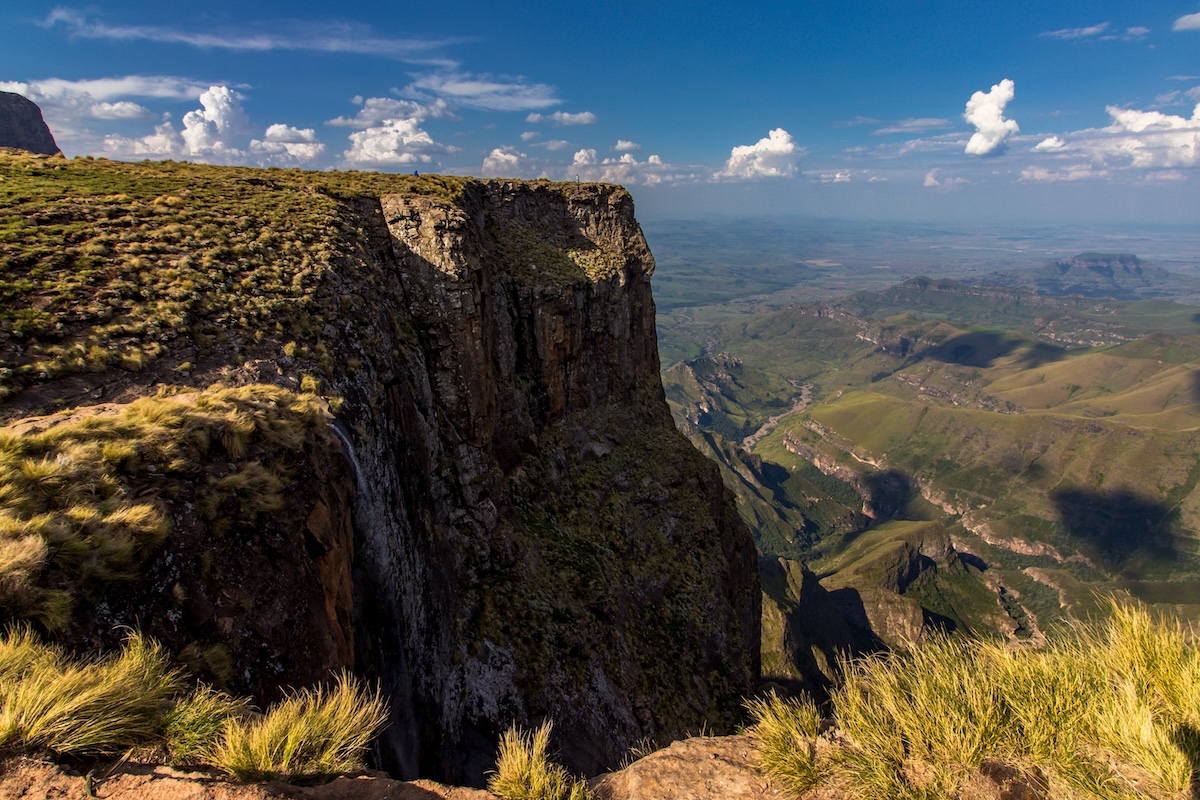
The Drakensberg is a mountain range in South Africa’s KwaZulu-Natal province. Often shortened to just ‘The Berg’ by locals, the Drakensberg means ‘Mountains of the Dragon.’ The meaning of such a dramatic name isn’t lost on you when you see the might and majesty of these mountains. Forming part of the Great Escarpment, the area is home to a mix of waterfalls and hiking trails split into the northern and southern reaches.
The Northern Drakensberg tempts visitors for its warm climate ideal for hiking. This side gets hardly any snowfall. Enjoy a one or two-day hike to the Amphitheater and explore UKhahlamba Drakensberg Park and the Royal Natal National Park, home to Tugela Falls, the second-highest waterfall in the world.
The Southern Drakensberg is for adventurers. Take the blood-curdling drive up the Sani Pass that leads to landlocked Lesotho, via the highest pub in Africa, or sign up for challenging trekking and mountaineering tours.
2. Kruger National Park
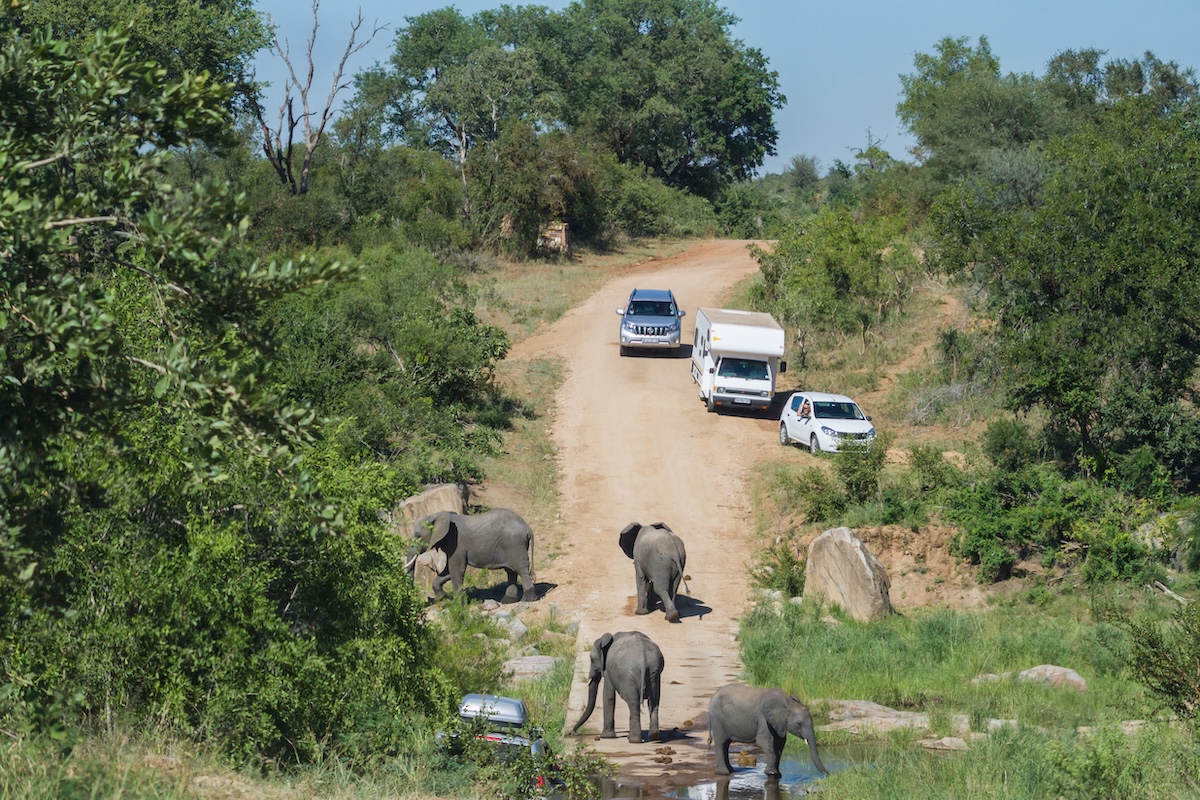
One of South Africa’s most famous and accessible game reserves, the Kruger National Park is a wildlife lover’s dream. Located in the north-east of the country , Kruger covers an enormous stretch of ecosystems that support all kinds of wildlife – from grasslands and dense forests to thickets and dry riverbeds.
While it was established as far back as 1898, it was only in the 1920s that the park opened to the public. Since then, Kruger has been a tick off the bucket list for locals and tourists alike hoping to spot one of the renowned Big Five. Highlights include hippo and croc spotting from the Crocodile River viewpoint and a visit to the reconstructed Iron Age ruins of Masorini village.
While park-run game drives are available regularly, Kruger is a fantastic game reserve to explore on a self-drive. Follow the Sabie and Crocodile rivers and keep your eyes peeled for lions, rhinos, elephants, buffaloes, and leopards lurking amongst the undergrowth. Kruger is also a birding paradise, so don’t forget your binoculars!
1. Cape Town
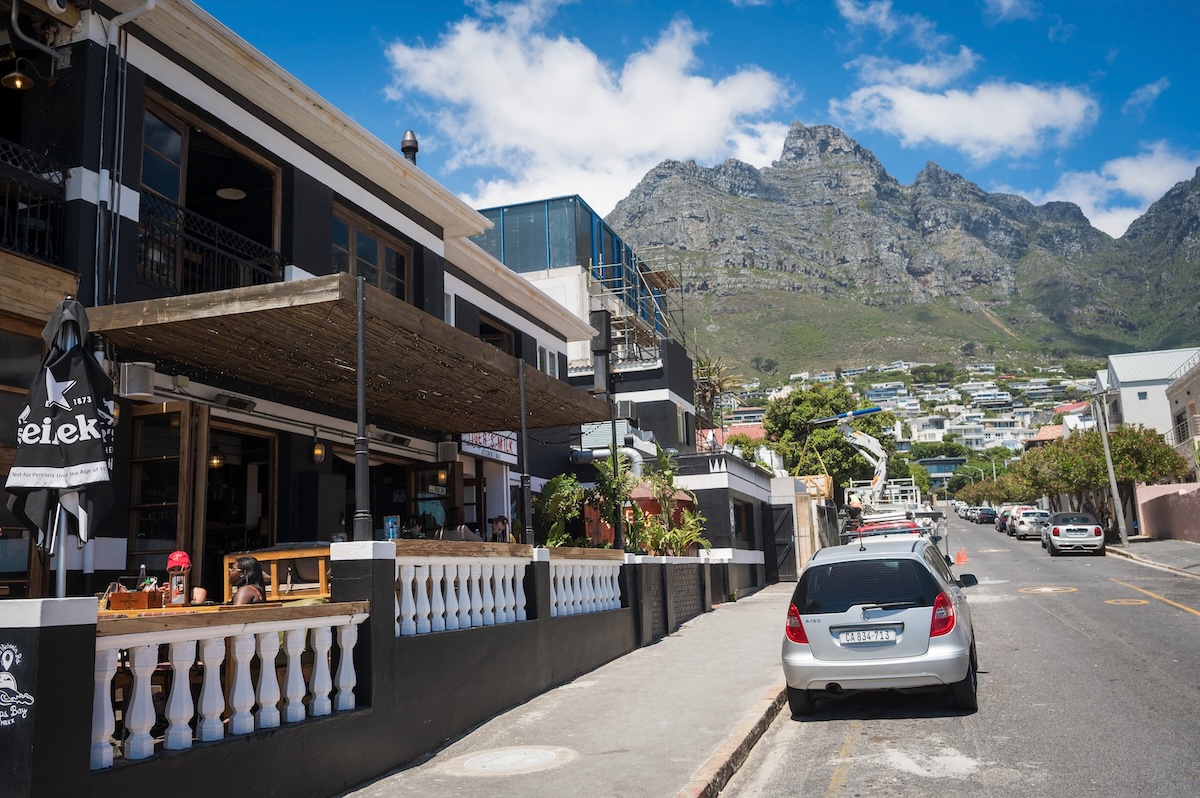
The Mother City, with its gorgeous beaches, majestic mountain views, and friendly people, is a highlight on any South African bucket list. It may only be the second-largest city in the country, but it’s easily one of the most recognizable cities in the world. Located on the southwest tip of South Africa’s Western Cape Province, Cape Town enjoys a mild, Mediterranean climate and a spectacular natural setting. Flanked by Table Mountain and overlooking infamous Robben Island, Cape Town has a bit of everything – history, nature, culture – you name it, Cape Town’s got it.
Explore the colorful streets of the Bo Kaap (a Cape Malay area) and wind your way above the treetops of Kirstenbosch before a picnic amidst the botanical gardens. Or do both with an open-top city sightseeing tour – with wine tasting to boot!
As the legislative capital of South Africa, the Houses of Parliament are well-positioned in the Cape Town city center. Free daily tours offer an inside look into the National Assembly and the notorious old assembly used during Apartheid. If you’ve got time, take a scenic drive to Cape Point Nature Reserve located on the wild and rocky Cape Peninsula.