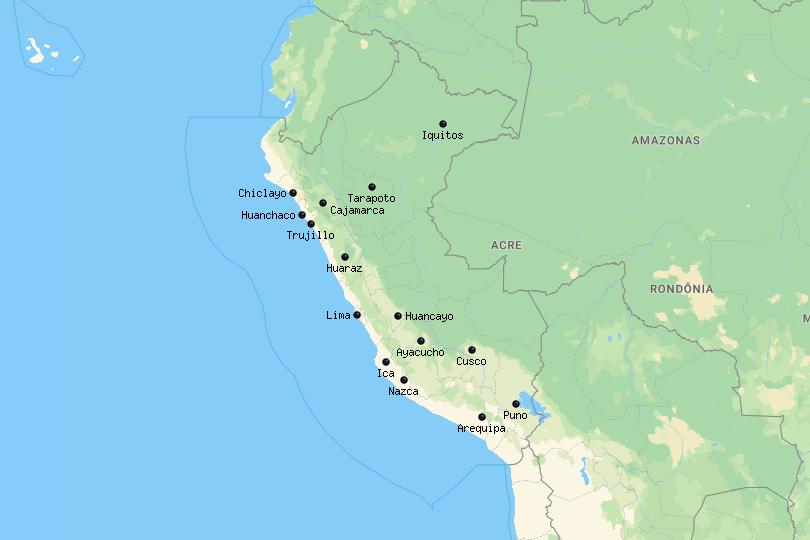
With a wealth of incredible historical sites as well as fantastic cuisine, lavish colonial architecture and stunning natural settings; Peru’s cities really need to be seen to be believed.
Nestled away amidst the Andes or peeking out from the foliage of the Amazon rainforest, the diversity of the cities in Peru makes for fascinating exploring and visitors to this marvelous country will fall in love with all of the sights that are on offer.
Lima
 © Igor Dymov / Dreamstime
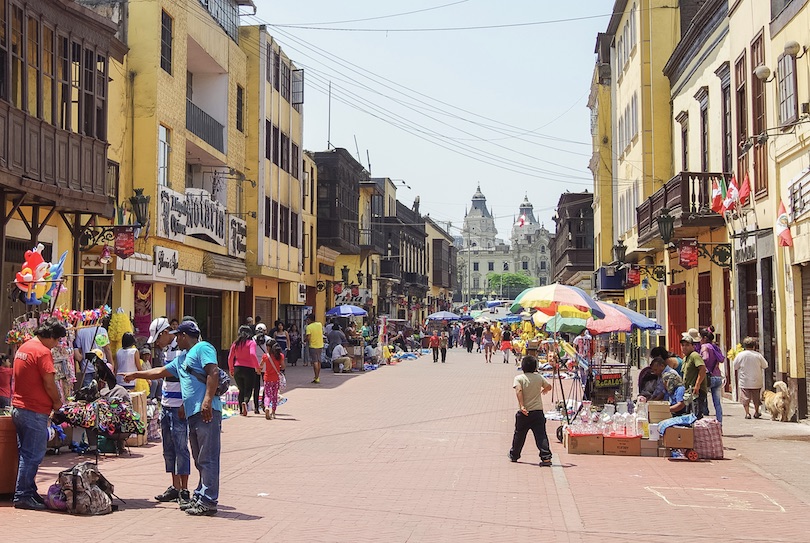
Located on the west coast of South America looking out over the Pacific Ocean, the capital of the country has a fascinating range of architectural styles ranging from modern tower blocks and sprawling slums to the delightful colonial buildings left behind by the Spanish.
With such a long and varied history, interspersed around the city you’ll find pre-Columbian ruins, lovely monasteries and churches as well as interesting museums and contemporary art galleries. With around 8.5 million people residing in Lima, there are a plethora of bars and restaurants for visitors to check out alongside its bustling nightlife.
See also: Where to Stay in Lima
Feted for its culinary delights, Lima is the highlight of Peruvian gastronomy as its diverse population has brought their local dishes from around the country to the metropolis. The second driest capital in the world, head to the beaches in Miraflores which line the craggy cliffs overlooking the ocean if you feel like relaxing and soaking up the sun.
Cusco
 © Villegas / Dreamstime
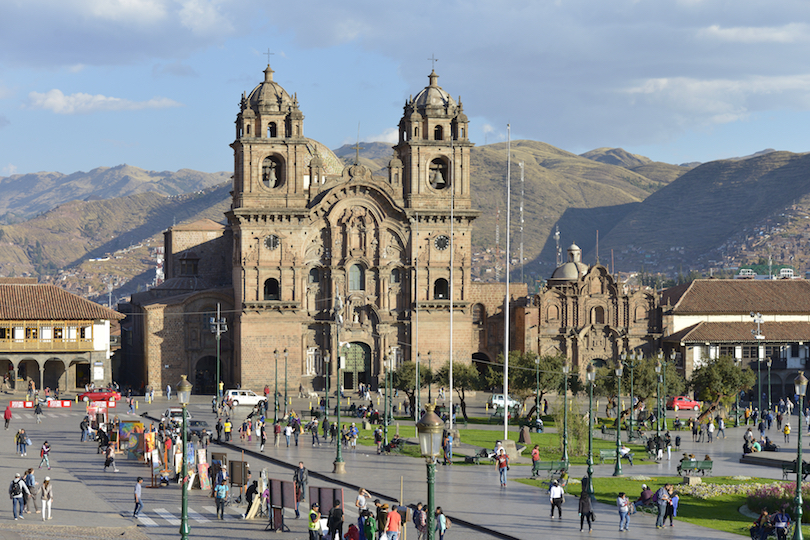
Formerly the capital of the Inca Empire, Cusco is mesmerising to wander around as decadent colonial cathedrals jostle for supremacy with the Inca temples and modern fast-food joints that line its ancient cobbled streets.
The archaeological capital of the continent is simply breathtaking for its fantastic wealth of historical sites and rich cultural heritage. The surrounding area is full of amazing sights just waiting to be explored and, as the gateway to Machu Picchu; Cusco is a must-see city in Peru.
Arequipa
 © Mariusz Prusaczyk / Dreamstime
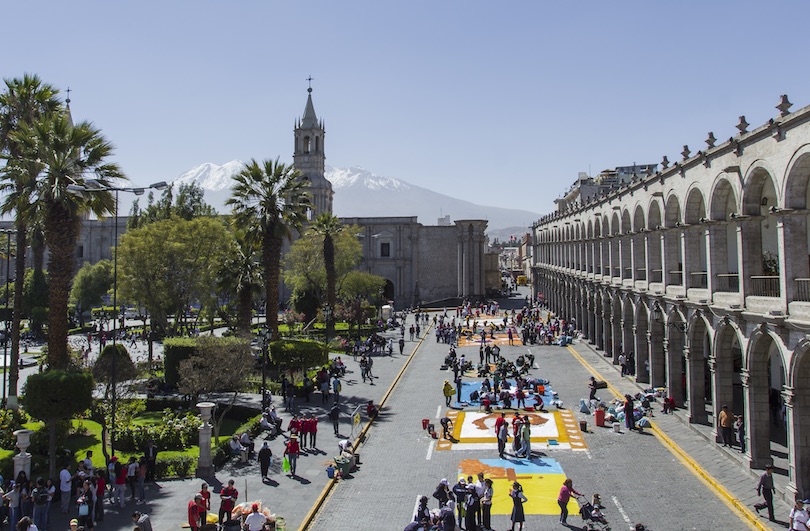
Lying at the foot of the towering El Misti volcano, Arequipa’s mountainous setting makes it beautiful to behold as, remarkably, another four volcanoes lie near to the city. Distinct from the rest of the country, Arequipans rightly have much to be proud of as a stunning array of lavish colonial architecture greets you as you wander around the city’s streets.
With its humongous cathedral and delightful churches, mansions and more that are often distinctively built out of white volcanic rock; Arequipa is dripping in history with the old colonial center at the heart of it all. Among its most popular attractions is the beguiling Convento de Santa Catalina which has some lovely little streets and captivating architectural designs for visitors to explore.
On top of this, Arequipa’s range of culinary options is fantastic, and it is the birthplace of the famous novelist Mario Vargas Llosa; highlighting the city’s cultural and intellectual prowess.
Trujillo
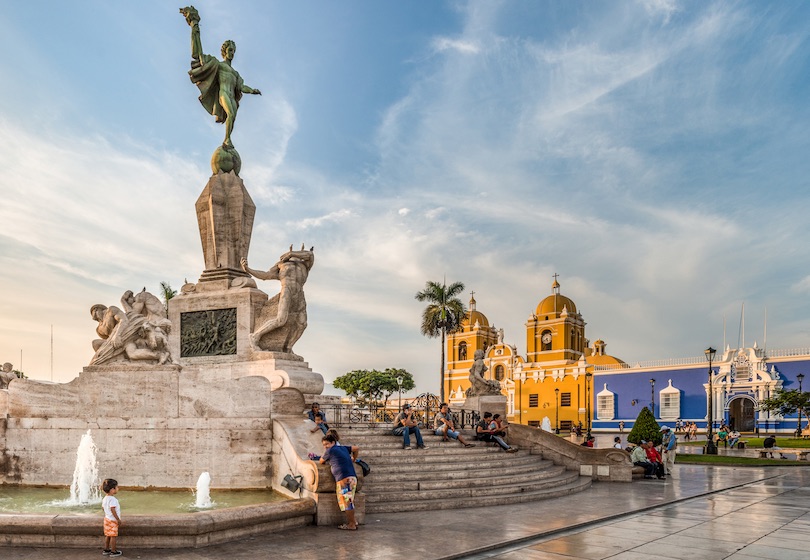
Lying in a verdant valley surrounded by arid desert, Trujillo’s close proximity to the ocean means that you can be lounging on the beach in no time at all and as such there is a lot of good seafood to be found here.
While the old town is ravishing to behold with its lovely colonial facades and old churches, most people use it as a base from which to visit the incredible pre-Inca sites nearby. Of these, Chan Chan, the capital of the Chimu is the undoubted highlight with its fantastic ancient ruins.
Puno
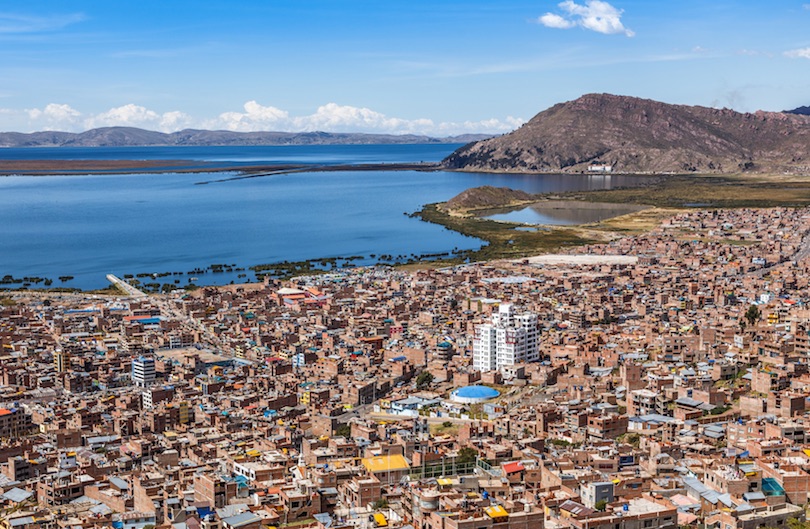
Despite lacking the colonial architecture and historical sites that dot other Peruvian cities, Puno has a lot going for it. Its rich cultural heritage shines forth in the people themselves and the welcoming and atmospheric bars that are to be found everywhere in Puno. Located between Cuzco and La Paz, many people visit Puno as it lies on the shores of Lake Titicaca. From here you can explore the amazing floating islands out on the lake.
Iquitos
 © Jesse Kraft / Dreamstime
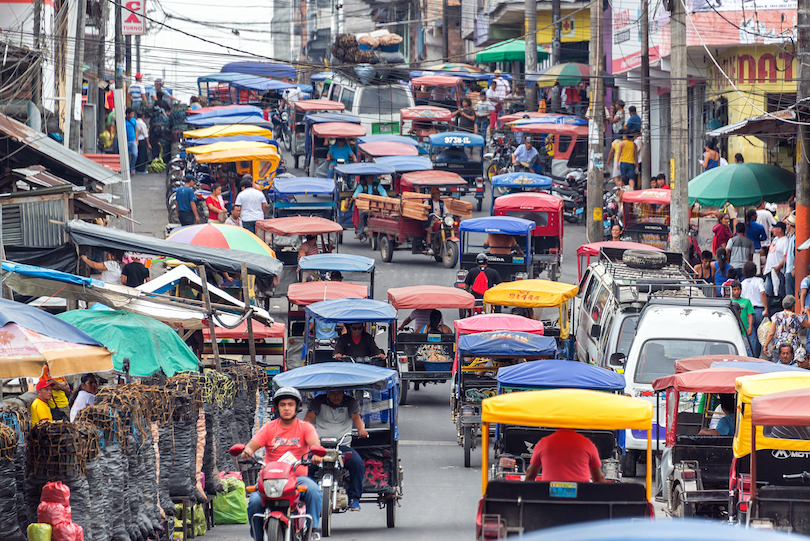
Unreachable by road, Iquitos is the perfect place if you are looking to explore the Peruvian Amazon. Set amidst the jungle, the city lies on the Amazon River and you can take boat trips along its quickly flowing waters or venture off into the jungle itself.
Iquitos is a vibrant and interesting city as old and new seamlessly mix together. Hollowed out canoes pass cruise ships on the river while swanky modern bars lie next to mansions and mud huts. The undoubted highlight is the unique Puerto Belen where wooden huts set on stilts above the river are home to a lively market, full of exotic products from the rainforest.
Ayacucho
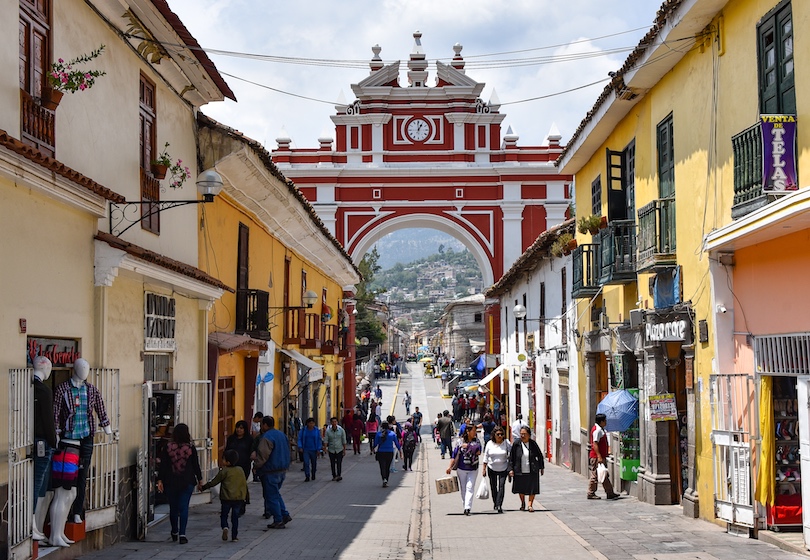
Located high up in the Andes, the area surrounding Ayacucho has been inhabited for around 20,000 years and as such there are a plethora of amazing archaeological sites hidden away among the mountains surrounding the city. Its colonial facades, beautiful churches and delightful cobbled streets hide the fact that in the 80s and 90s, Ayacucho was the seat of a revolutionary movement that attempted to overthrow the government.
Now, however, visitors to Ayacucho are invariably intrigued and stirred by its unique cultural heritage and the charming feel about the place. With a number of festivals throughout the year highlighting the local culture, Ayacucho is fun and lively to visit with a thriving restaurant scene.
Huancayo
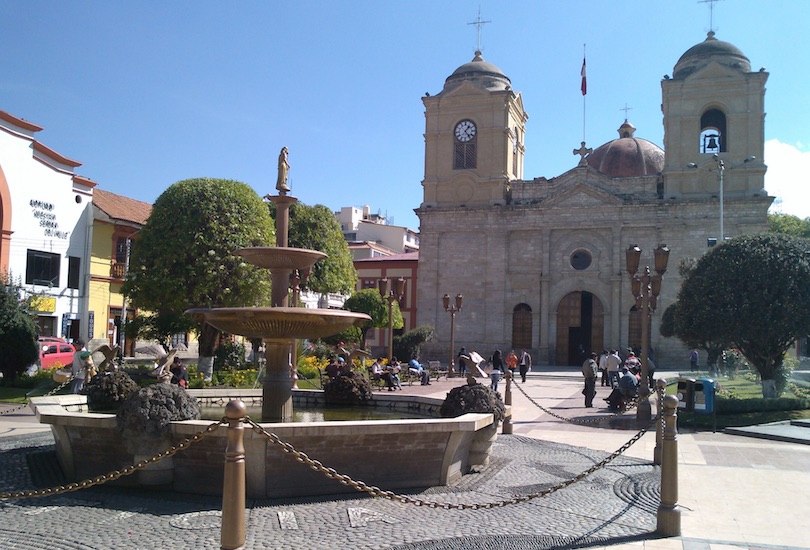
Set in the Peruvian highlands, Huancayo is a large commercial center for the area and although it has little in the way of architectural and historical sites; it is well worth a visit for seeing another side to Peru. A lively place, there are some great markets selling local products to wander around and loads of restaurants in which you can try some of the local Andean cooking.
In addition to this, there is a thriving nightlife scene and a great time to visit is in May when the fun festival of Fiesta de las Cruces takes place. Located in the Mantaro Valley, the nearby mountains make for a picturesque setting and hidden away amongst the landscape you can find interesting rock formations, dazzling lakes and fascinating pre-Inca ruins as well as some great hiking trails.
Tarapoto
 © A. Howson / Dreamstime
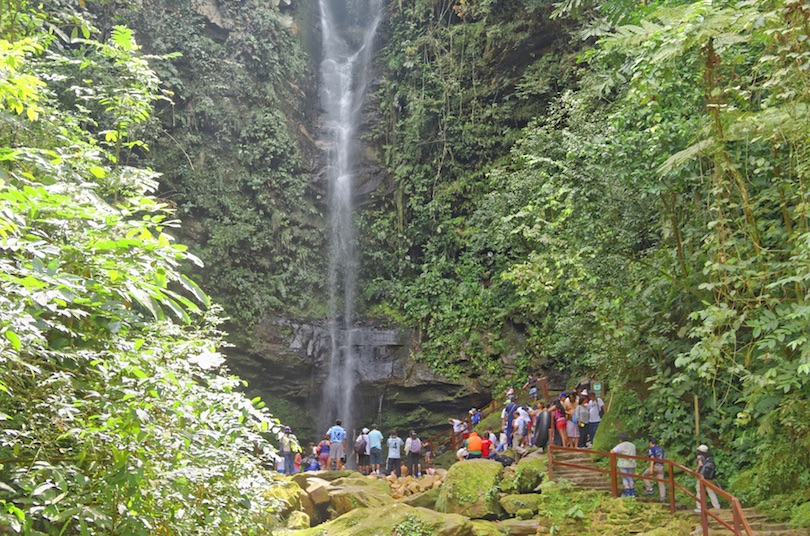
Lying on the fringes of the jungle and the lower foothills of the Andes, Tarapoto is the perfect place from which to explore the plethora of nearby natural attractions. The city itself has lots of good restaurants and markets which belies the fact that it has quite a large drug smuggling problem and a sizeable prison population. From here though you can explore the nearby river or the jungle with all of its delightful lagoons, waterfalls and walking trails.
Huanchaco
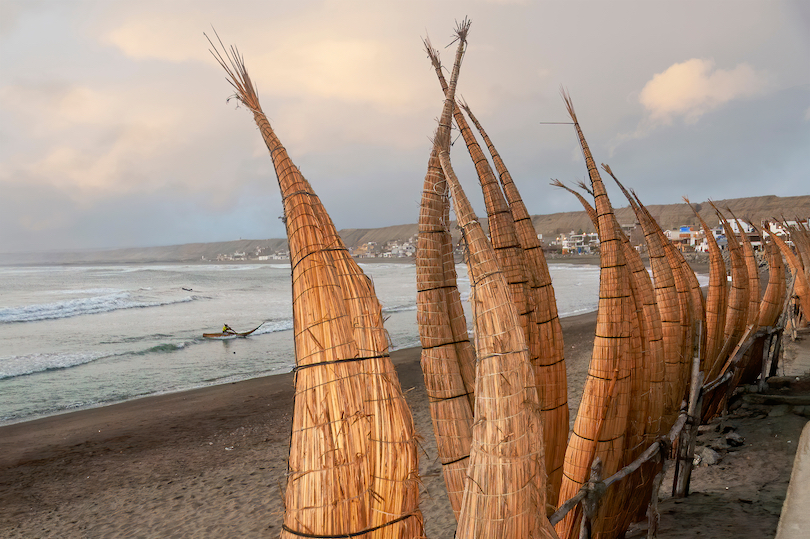
Formerly a peaceful fishing village, an explosion of development projects now means that tourists have a wide range of accommodation and dining options available to them when they visit.
Despite its rapid growth, Huanchaco has managed to keep its peaceful village feel and although the beach is average; it’s a nice spot to spend some time. In addition to its laid back vibe, many people use it to explore nearby sites such as the fantastic archaeological ruins at Chan Chan.
12. Chiclayo
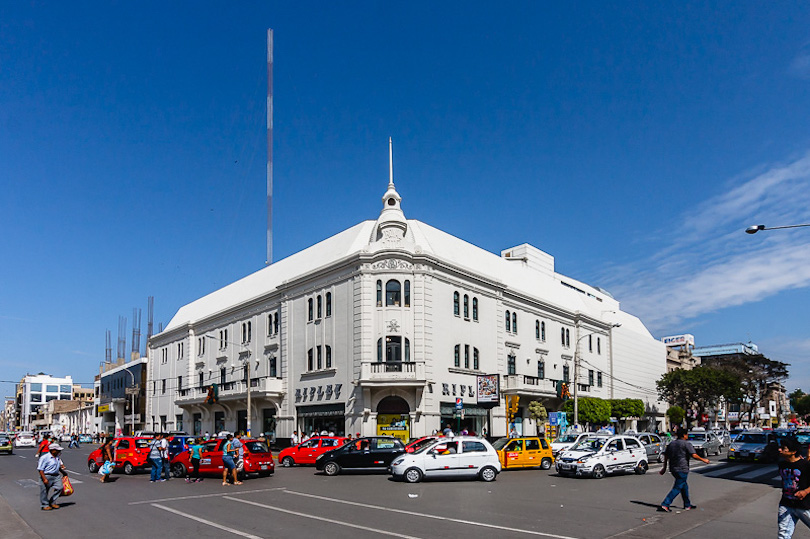
Due to its favorable location at the center of various trade routes, Chiclayo has prospered over the centuries and is now a commercial city with the usual accompanying urban sprawl.
Although it has relatively few tourist attractions, it is a lively city with some fantastic markets and restaurants as well as the intriguing Witch Market where you can buy elixirs, potions and protective amulets! Most people stop by as it is a great base from which to explore the incredible archaeological ruins that dot the surrounding area such as those at Mochi and Chimu.
Cajamarca
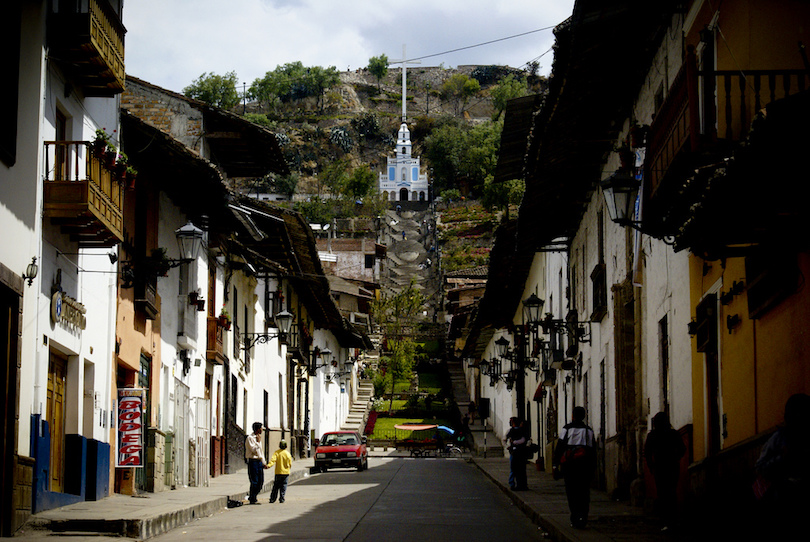
Cajamarca’s history is inextricably tied to that of its gold mine because their fabulous outpourings of wealth attracted the Spaniards who killed the Incan emperor and put an end to the empire itself.
Nowadays, the city has some stunning colonial architecture on show and, coupled with the beautiful mountainous terrain surrounding Cajamarca; it really is a picturesque city to visit.
Lovely baroque mansions and churches line its ancient streets and although there are trendy restaurants and boutiques for visitors to enjoy, there is a rural feel to the city. With production at the mine steadily decreasing, the city is turning to tourism and its traditional agricultural sector to fund its future.
Huaraz
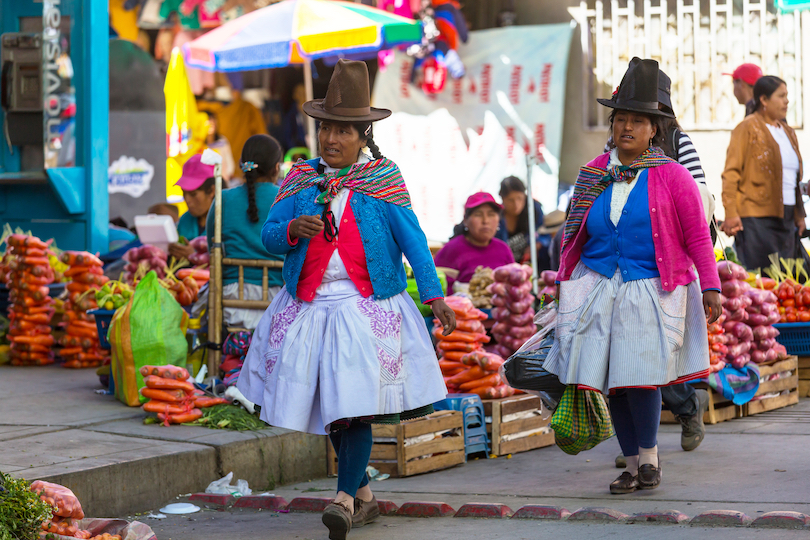
With its stunning setting and beautiful views over the Andes, Huaraz is feted as a place that outdoor adventurers will adore. While the city itself has lively bars and restaurants to entertain its guests, its main attractions are the plethora of activities that is has to offer in the natural wonders that abound all about it. With trekking, rock climbing, kayaking and more; adventuring in Huaraz’s spectacular wilderness will live long in the memory.
Nazca
 © J. Wagstaff / Dreamstime
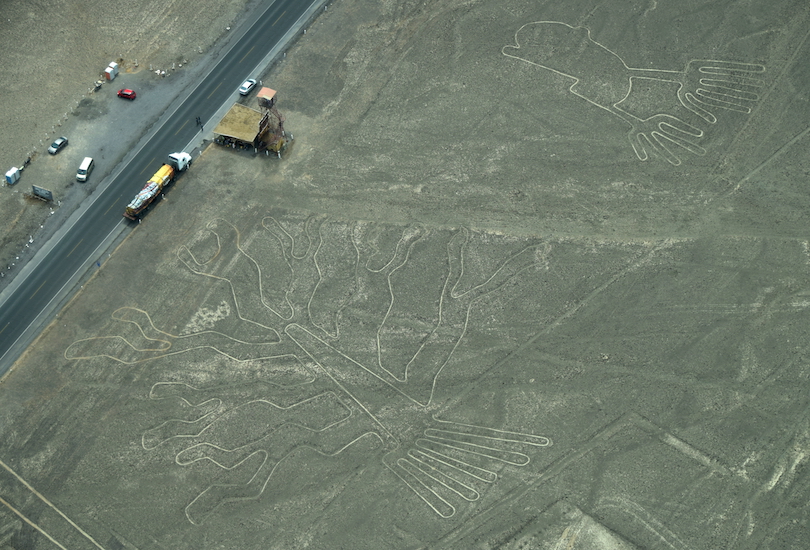
Famous for the gigantic geometric drawings and designs that are the ‘Nazca Lines’, the town itself almost solely caters to tourists interested in viewing the ancient and bizarre lines that lie in the desert around it.
Dating to around 450 AD, these giant and as yet unexplained etchings are fascinating to behold and are the main attraction in the south coastal area. Apart from that this small town has a museum and a couple of other archaeological sites where you can learn about the Nazca people.
Ica
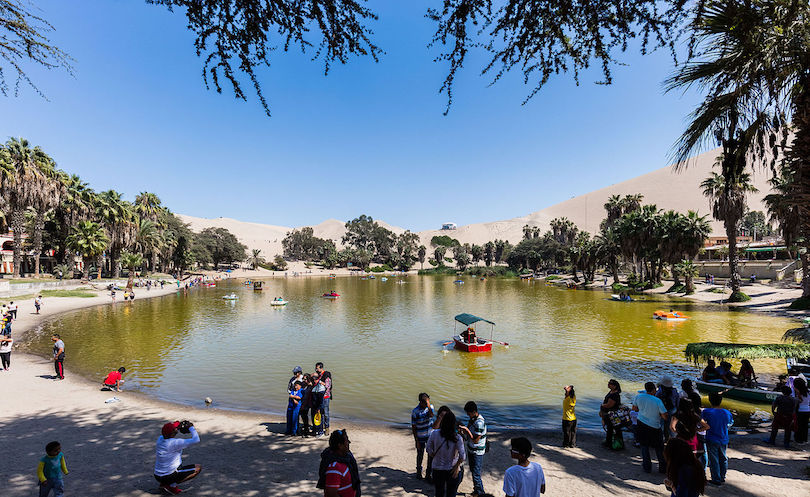
Surrounded by desert, it is almost miraculous that Ica produces so many crops and is home to some of the best wines in the country. A bustling and chaotic place, there are not too many tourist attractions in Ica although there are a couple of nice colonial churches and a cathedral which were damaged by an earthquake in 2007.
Most people who visit head to the nearby town of Huacachina which is so delightfully nestled in the sand dunes around an oasis. Make sure to try the wine before you head off!