
When planning a vacation to Europe, some of the first destinations that come to mind will be the teeming cities of Paris in France, London in England or Berlin in Germany. Each of these metropolises is incredible, but they are far from all that Europe has to offer. By exploring some of the smaller towns across the continent, it is possible to see a more authentic, traditional side to Europe.
If you’re planning an upcoming getaway to the continent, here are just a few of the most beautiful small towns in Europe. Pick a few to add to your itinerary to fully experience the very best of what Europe has in store for travelers.
17. Portree
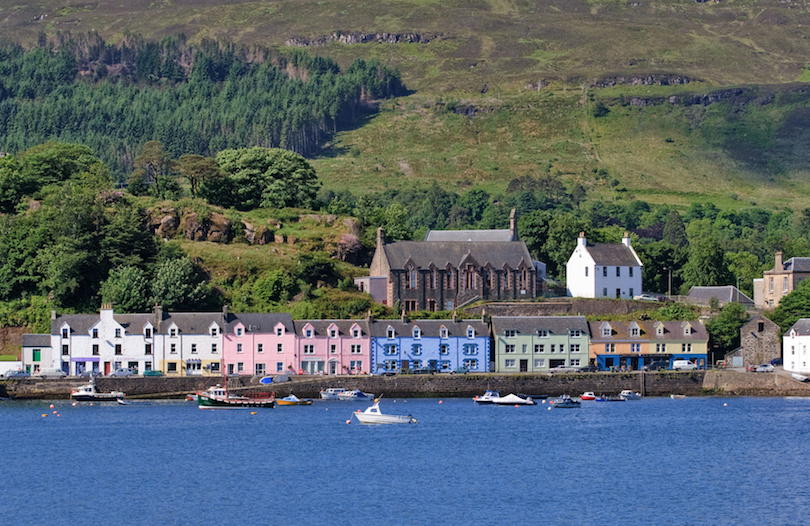
Off the coast of mainland Scotland is an island chain called the Inner Hebrides, and one of these islands is known as Skye. The capital of Skye is Portree, a remote but beautiful spot overlooking the Loch Portree itself.
Getting there is half the fun, particularly if you opt for an arrival by ferry. Portree is also known for its brightly colored houses that stand in a row just steps from Shingle Beach and the calm waters of the harbor.
16. Marsaxlokk
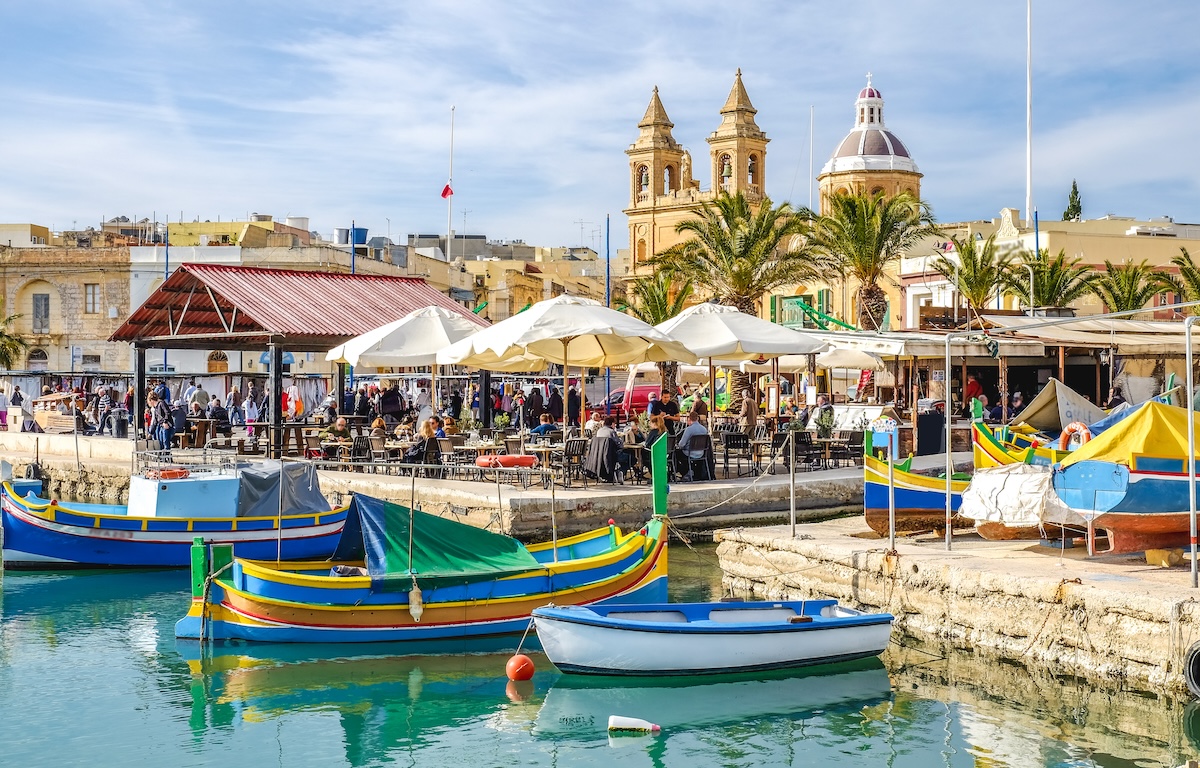
On the island of Malta is a small but scenic village called Marsaxlokk. This traditional fishing village on the south-east side of the island has an ancient history. It was once the base of a Roman temple dedicated to the god Juno, and today it is a mecca for those who love blue waters, fresh seafood and boating. You can pay to spend the day on a fishing boat or upgrade to a sailboat cruise along the coast.
15. Smogen
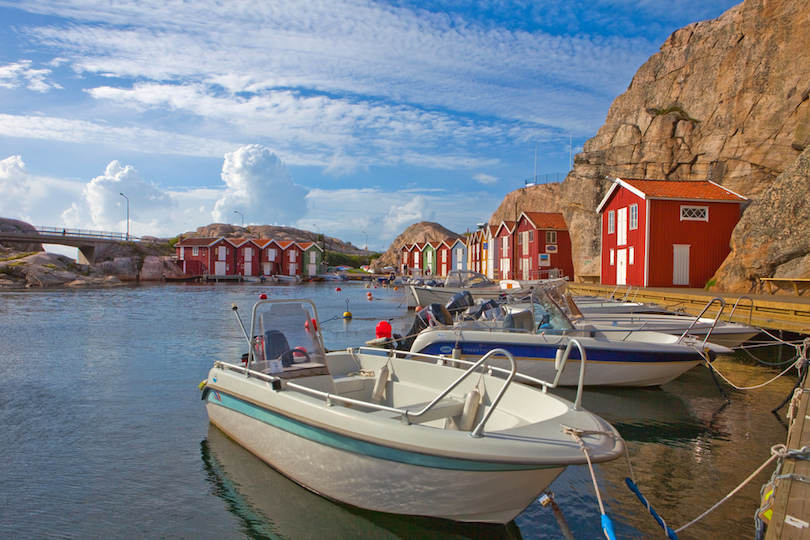
On Sweden’s western coast is the small town of Smogen, a coastal destination where arriving is half the fun. When visiting by car, you’ll approach Smogen over a stunning bridge, offering panoramic views over the bay below.
Once in Smogen, head to the harbor. Right in front of the water, small houses painted in bright colors are visible. Some homes are even built on cliffs, and the entire village is charming and quaint.
14. Bibury
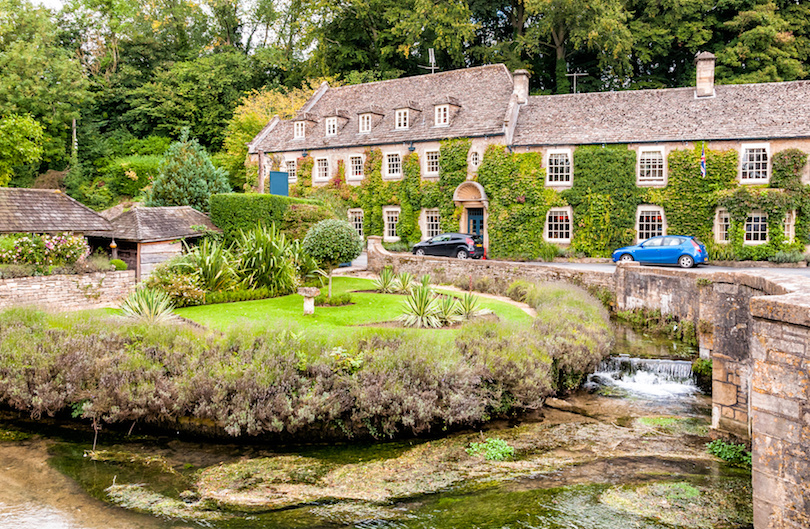
In central England, a region called the Cotswolds is filled with a hilly landscape, wide open spaces and ample greenery. In the center of the Cotswolds is a small village called Bibury, where it looks like time stood still. The most iconic attraction in Bibury is the line of Arlington Row cottages, where thatched roofs are still the preferred choice among the local homeowners. Famed American entrepreneur Henry Ford through Bibury’s charm and row houses were the best part of England, and there is every chance that you’ll agree with his assessment.
13. Giethoorn
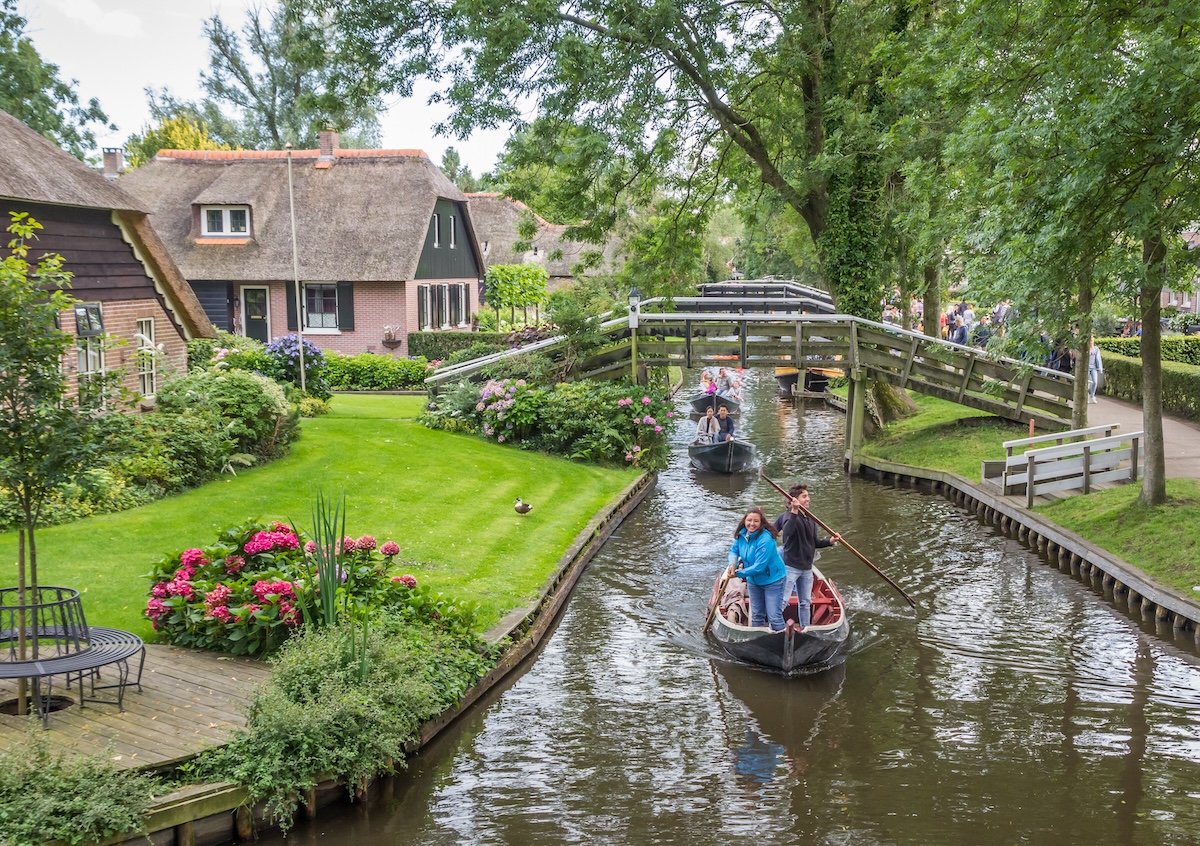
The city of Giethoorn is one of the oldest in the Netherlands, and its history dates back to the Flagellants from the 13th century. Canals built for irrigation and agriculture are everywhere in Giethoorn, giving many of the homes and restaurants waterfront views.
Lush greenery, manicured lawns and traditional architecture only increase the beauty of the town. Make the most of your time in Giethoorn by taking a canal boat tour and snapping photos of the many stunning bridges that span the water.
12. Cesky Krumlov
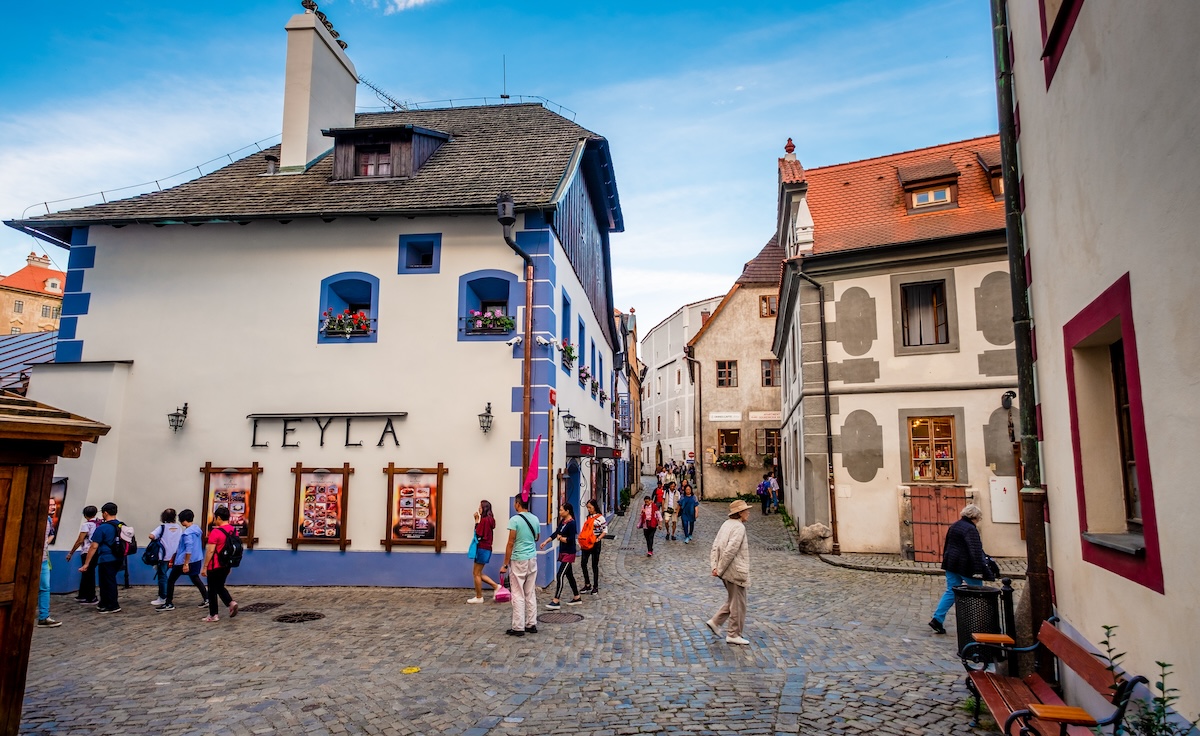
Be transported to a medieval fairy tale with a visit to Cesky Krumlov in the Czech Republic. The city itself is split by the waters of the Vltava River, and the center of Cesky Krumlov is an incredible Gothic 13th century castle.
Baroque housing straight from the 18th century lines the streets, paving the way to the breathing castle itself. Whether you’re eager to soak in the detailed architecture or natural scenic beauty, Cesky Krumlov has a number of picture-perfect views you will never forget.
11. Husavik
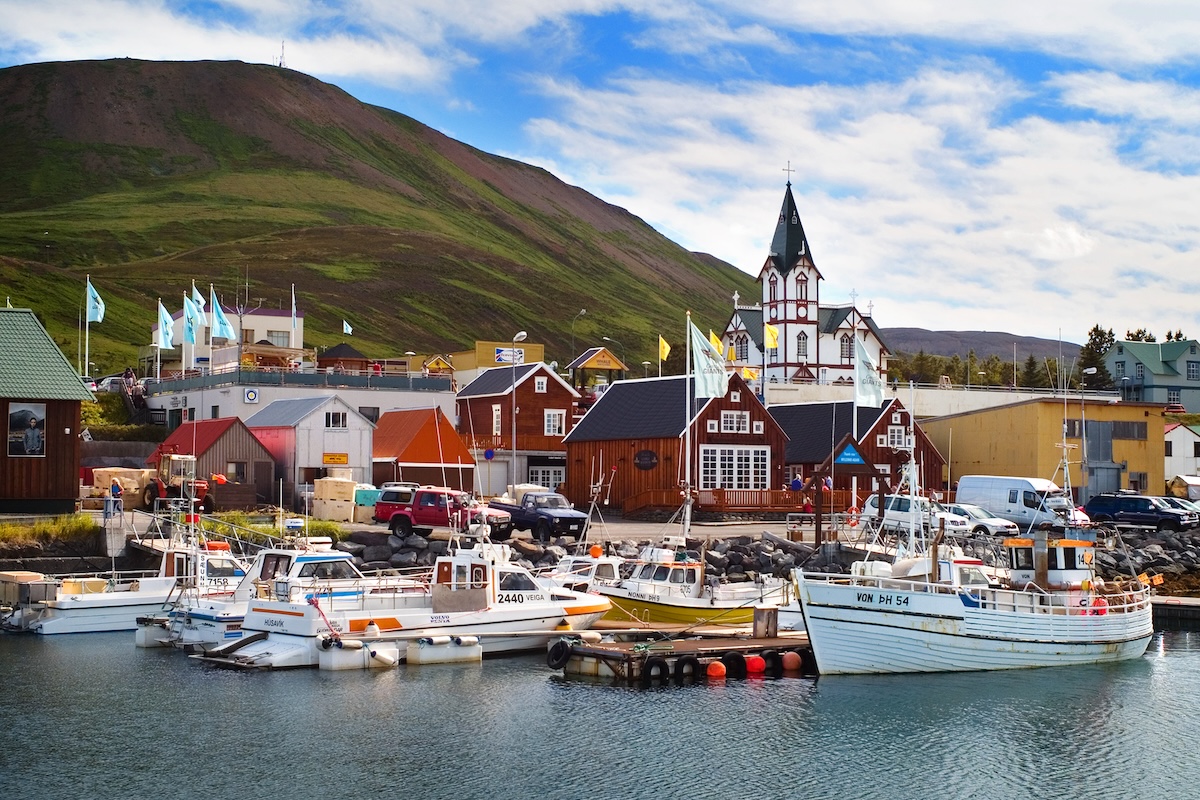
It’s not as busy as Reykjavik, but Húsavík in Northern Iceland is definitely worth a visit. The small town is widely regarded as the whale watching capital of Europe, and on summer boat trips you are all but guaranteed whale sightings.
Another popular pastime in this incredibly scenic destination is horseback riding. Icelandic breeds of horse are available for coastal rides, which is a truly breathtaking way to see the scenery.
10. Bled
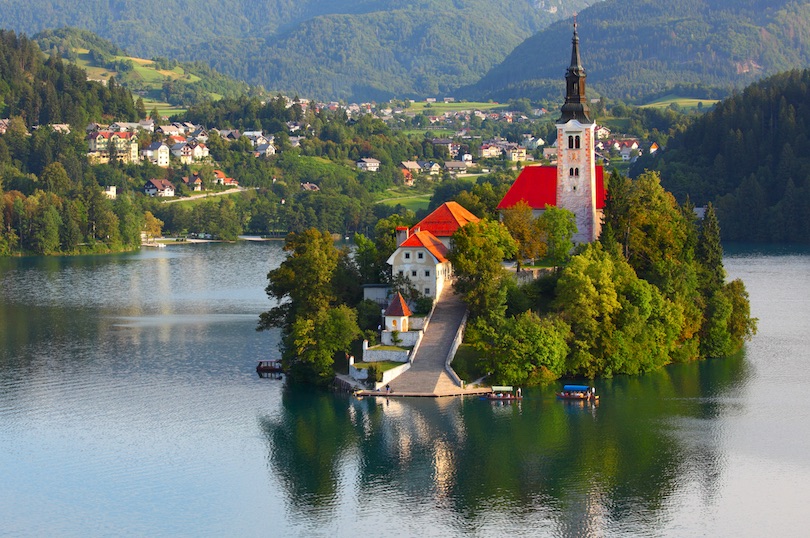
Slovenia may not be the first European country you think of for natural beauty, but it is an underrated destination with some of the most remarkable scenery on the continent. One example is Bled, a small town on the shores of Lake Bled.
The Julian Alps serve as the backdrop for the town, and in the center of the lake itself is a small island topped with a charming white church. Bled truly looks like it has come straight from a romantic fairy tale, and it has to be seen to be believed.
9. Ronda

Surrounding the town of Ronda in Spain are major resorts like Malaga and Marbella. Ronda, however, is a step back in time, and you’ll find an amazing collection of historic architecture.
One of the most iconic ruins still in Ronda is the Arabic Bathhouse, which was built in the 14th century. Crossing the Puente Nuevo bridge across the El Tajo Gorge is probably the most popular thing to do in Ronda, as well as exploring the twisting, narrow streets of the old town.
8. Zermatt
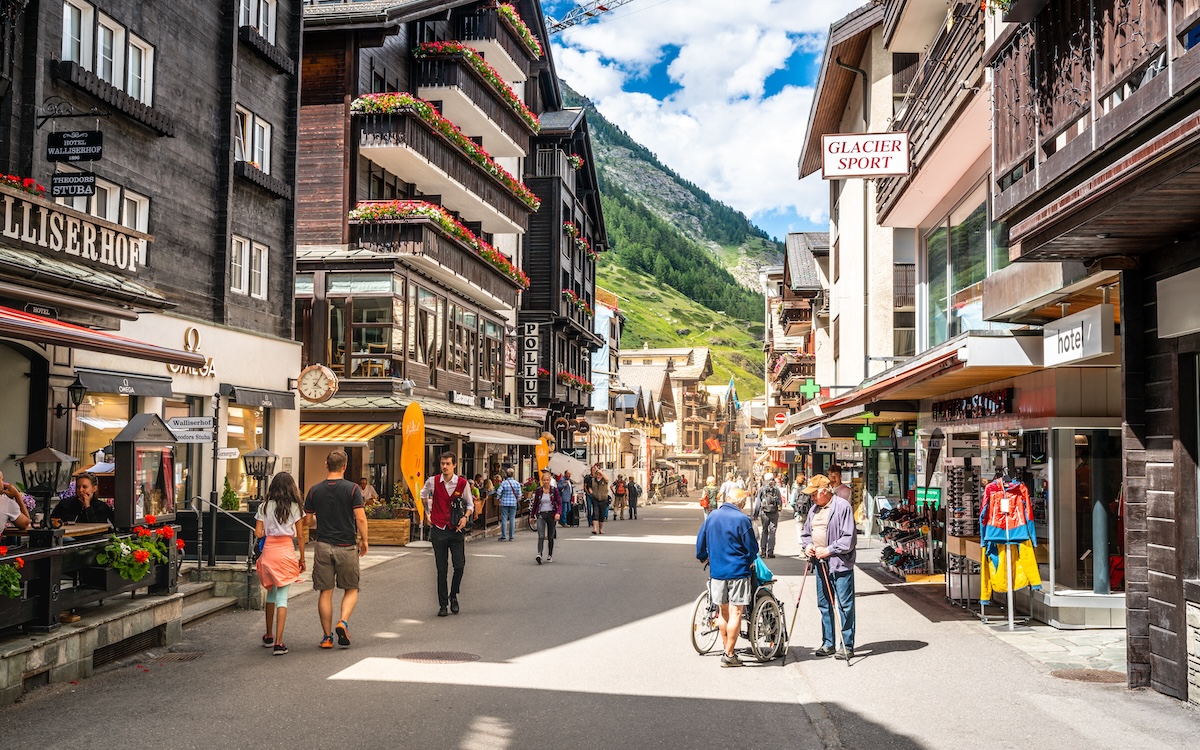
In the heart of the Swiss Alps is Zermatt, known to be one of the most picturesque spots in Switzerland. Towering in the background of the village is the Matterhorn, one of the tallest Alpine peaks and a truly stunning snow-capped beauty.
Zermatt also happens to be free from cars, helping to preserve its traditional atmosphere. Whether you’re planning on skiing in Zermatt in the winter or boating on the Vispa River in the summer, the destination in unparalleled.
7. Rothenburg ob der Tauber
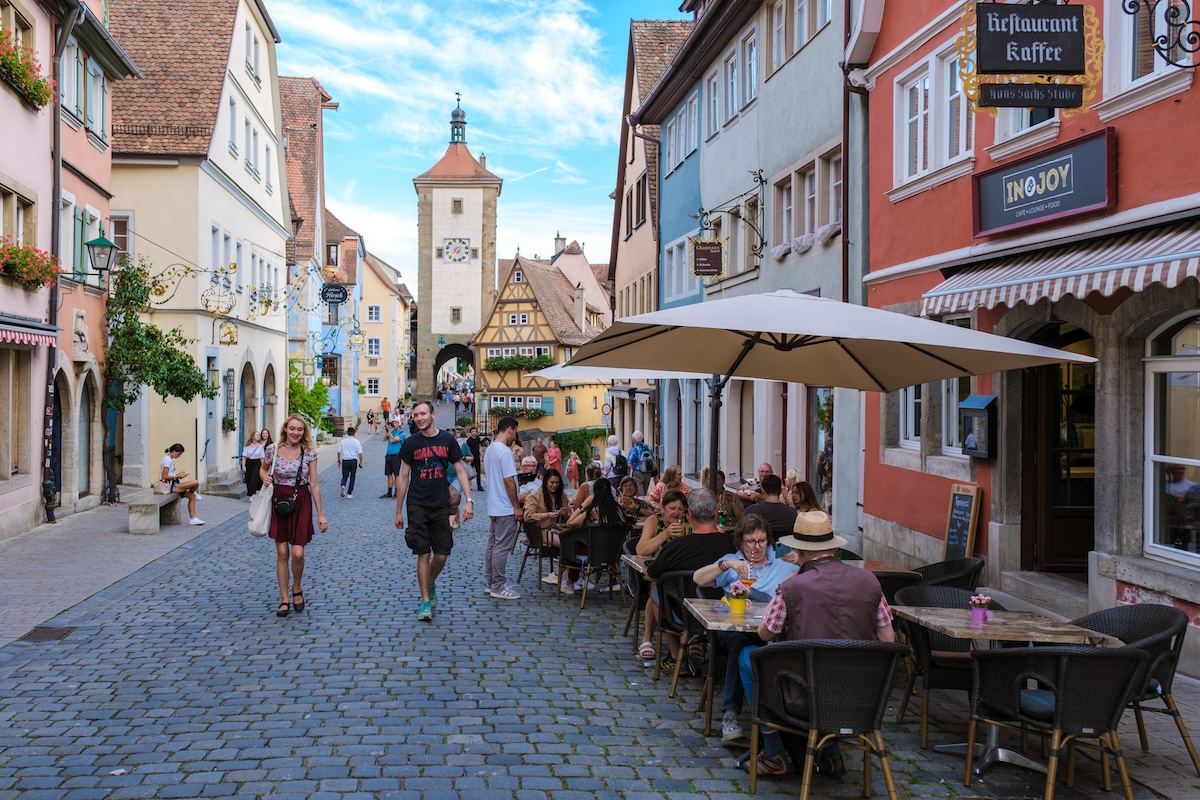
The medieval center of Rothenburg ob der Tauber is one of the most iconic and attractive places in all of Europe. The small German town built its city walls in the 14th century, and much of the architecture in the Old Town is similarly aged.
Seemingly untouched by time, Rothenburg ob der Tauber boasts medieval palaces, administrative buildings and the traditional Bavarian half-timbered homes. Walking tours are the best way to see the ancient walls and as much of the picturesque architecture as possible.
6. Eguisheim
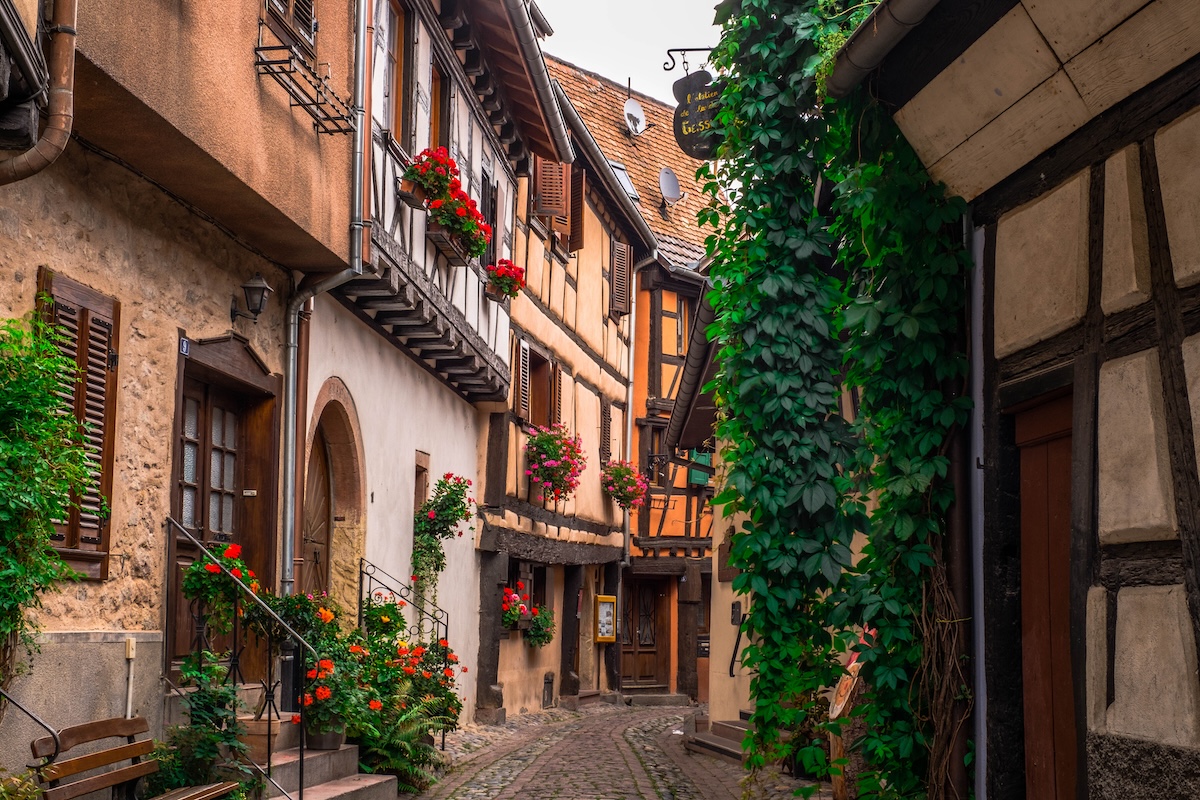
Close to the Rhine River and the border with Germany is Eguisheim, a French destination unlike any other. Widely known as one of the top wine producing areas in Europe, Eguisheim is nestled in between green hills and countless vineyards.
Houses date from centuries past, and cobblestone streets haven’t been paved over. This is a quaint, picturesque spot to linger at a charming cafe with a glass or two of the local wine.
5. Perast
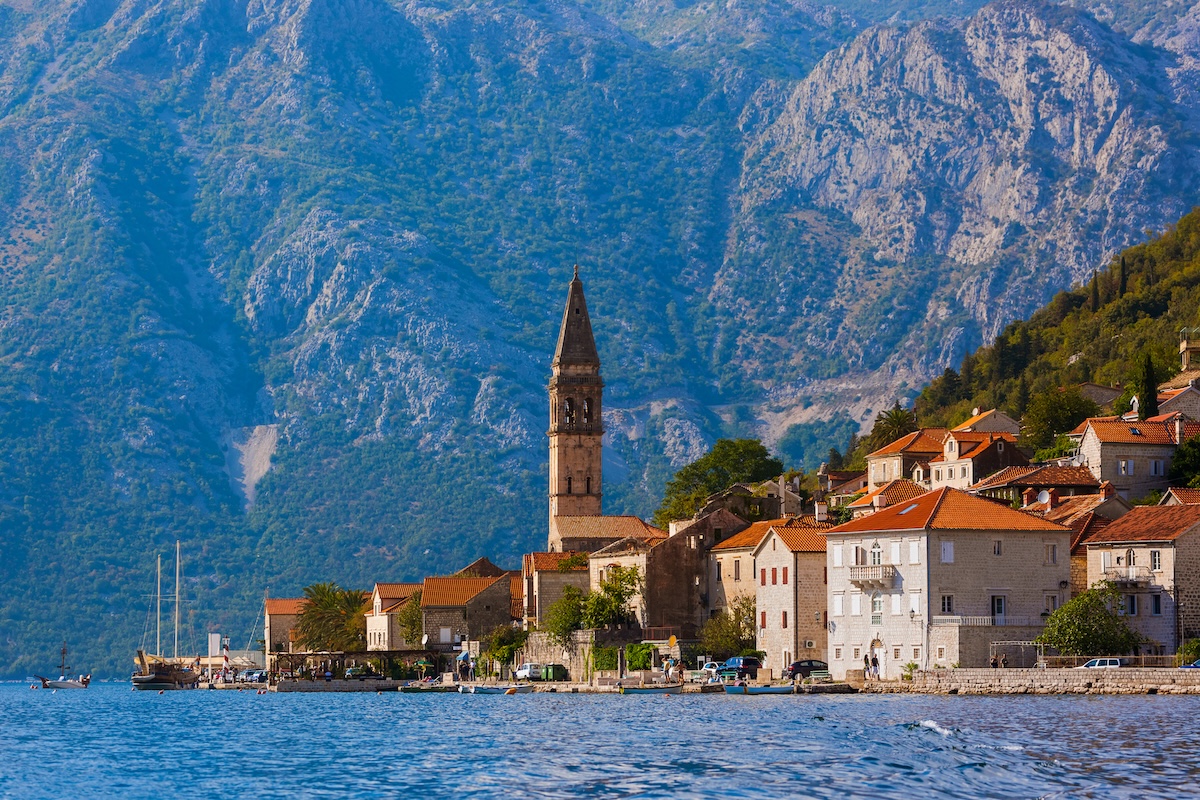
Montenegro’s coastal resorts are beautiful, but they can be crowded and filled with high-rise hotels and shopping malls. In contrast is Perast, a small village with just a few hundred residents. Perast is right on the water, and views from its concrete fishing piers and pebbled beaches are magnificent.
In Boka Bay is the island Gospa od Škrpjela, or Our Lady of the Rock, which is the home to an isolated but iconic cathedral that is the focus of many photographs from the Perast shoreline.
4. Hallstatt
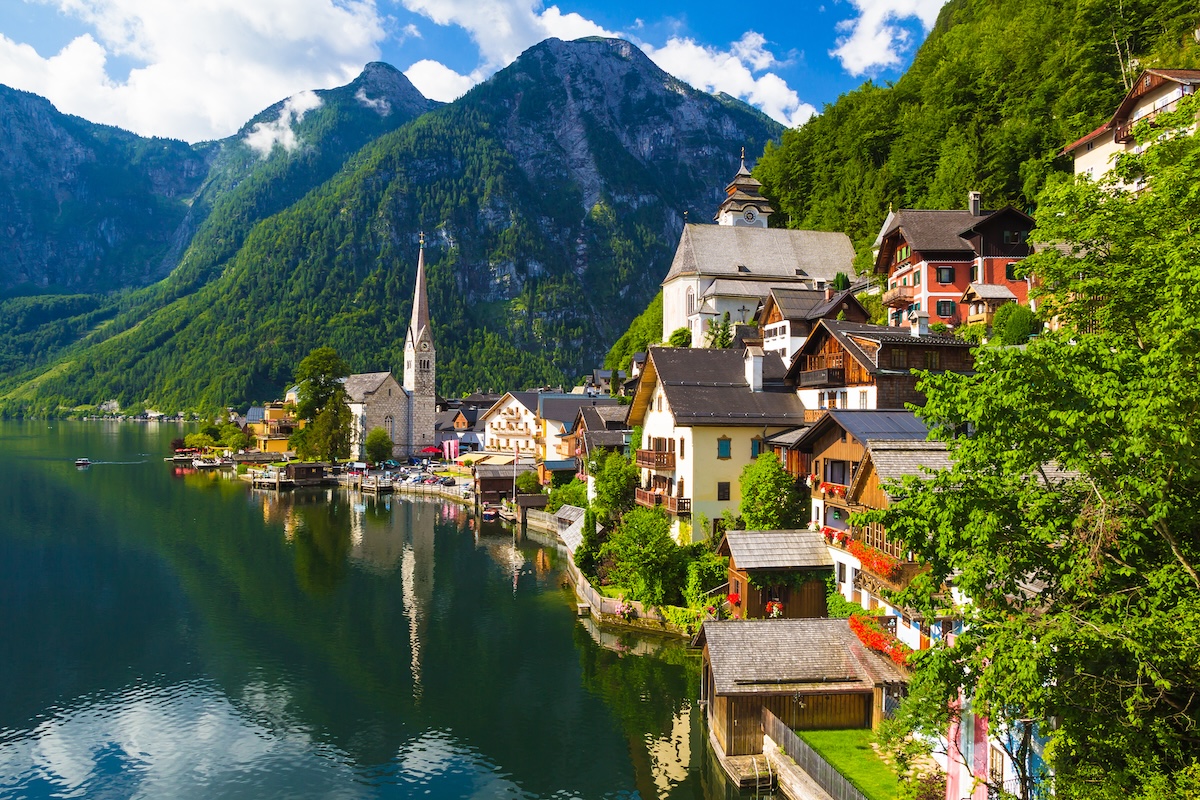
One of Austria’s most beautiful destinations is Hallstatt, located on the banks of the Hallstätter See, or Lake Hallstatt. For thousands of years, people have been drawn to Hallstatt because of its salt mines.
Today, however, a major reason to visit is for the scenery. Mountains jut up directly behind the placid mountain lake, and you can find everything from caves to waterfalls just a short walk from the picturesque, historic city center of Hallstatt.
3. Reine
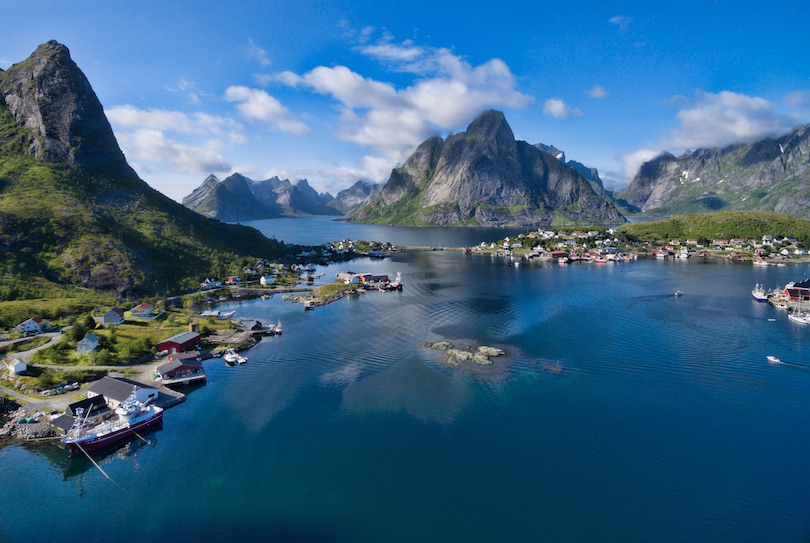
In the northernmost part of Norway are the Lofoten Islands, arguably the most scenic part of the country. There are no major metropolises here, but you will find the small village of Reine. Not only is Reine a prime spot for admiring wildlife in their natural habitats or getting a glimpse of the Northern Lights, it is also breathtakingly beautiful.
From Reine, you’ll see clear blue water, lush green landscapes and striking peaks that rise from the water. The homes are nearly all traditional and painted the same bright red shade.
2. Positano
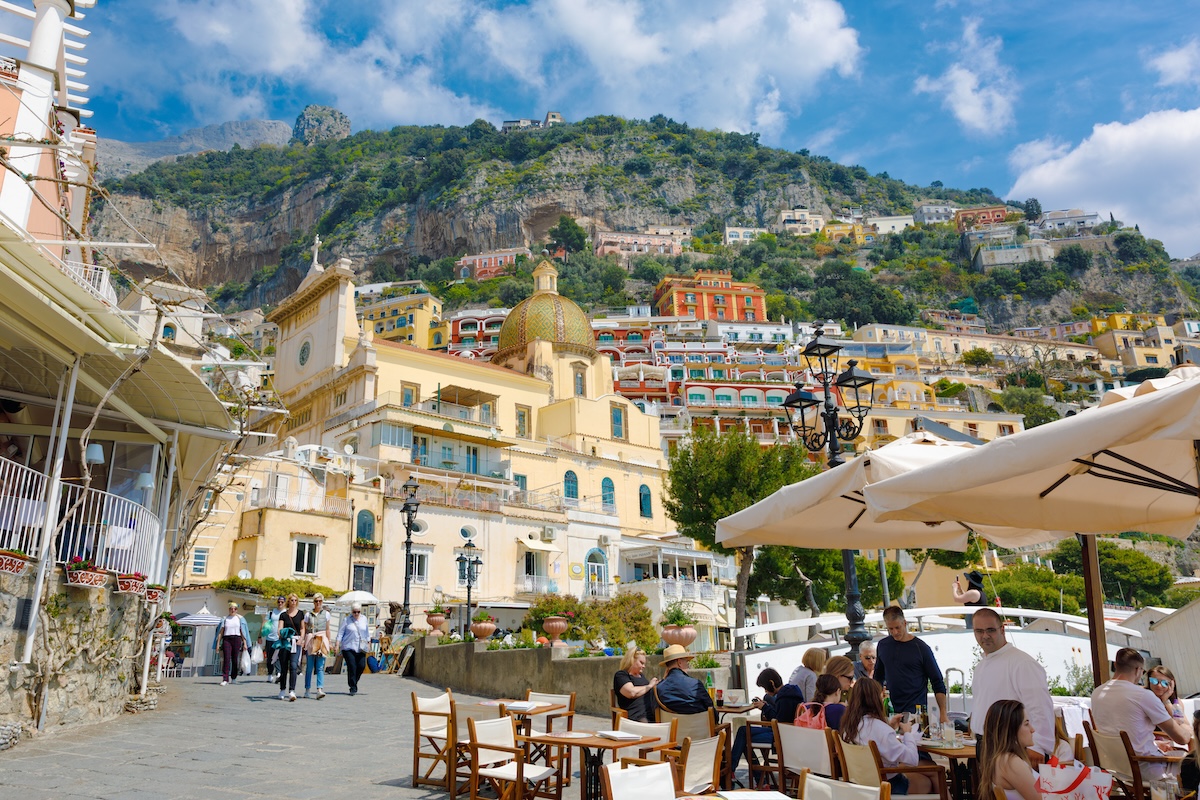
The coastal town of Positano is on Italy’s Amalfi Coast, but most of its visitors appear to be day-trippers from nearby places like Sorrento. As a result, there are fewer tourists in the evening while the world-class beach views remain. Spend time around the harbor, where most of the accommodation, restaurants and shops are located.
The harbor itself is stunning, but it really comes to life at sunset. For an unforgettable adventure, charter a boat to see the coast of Positano from the water, and you’ll really be able to appreciate its beauty.
1. Oia
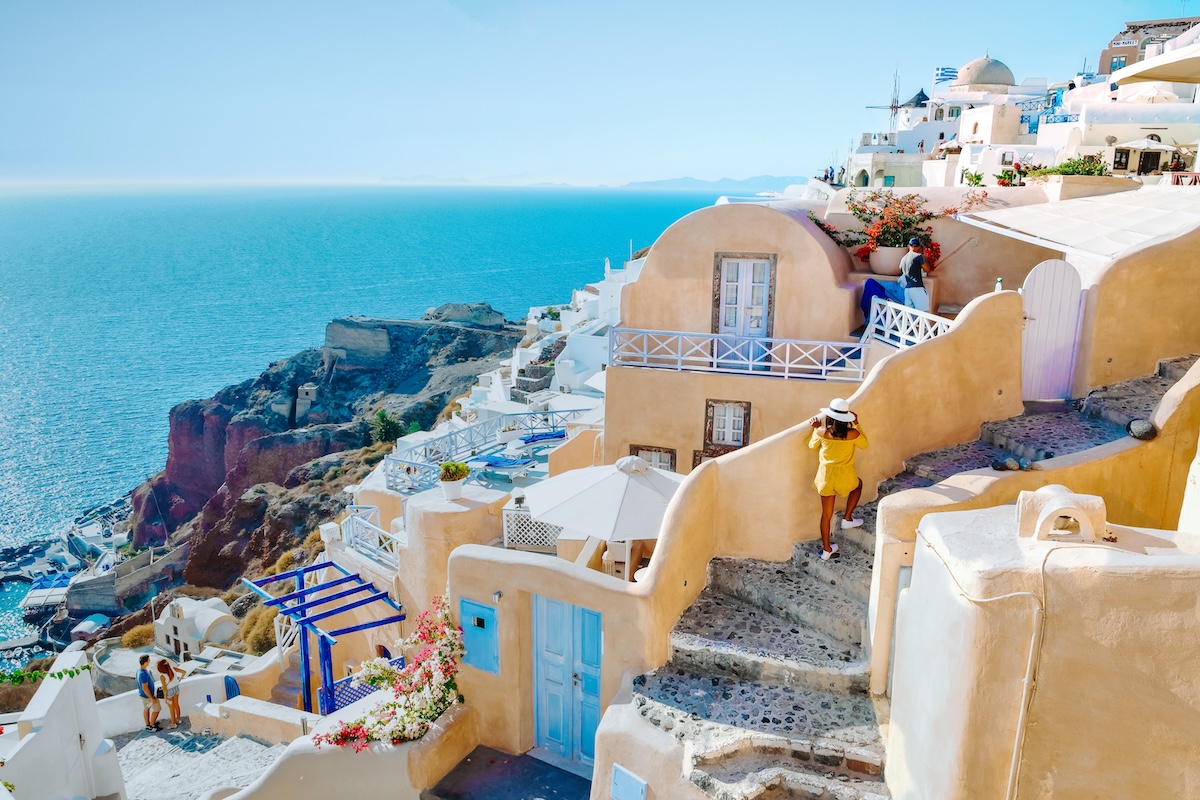
On the famed Greek island of Santorini is the clifftop village of Oia. Overlooking a caldera, Oia is a bucket-list spot for those who love breathtaking scenery. Miles of paths undulate up and down throughout the village and the surrounding landscape, offering countless views to soak up the vistas.
Sunset is the busiest time of day in Oia, because this Greek destination is known for its world-class sunsets, the pink sky illuminated by the sun dipping below the Aegean Sea.