
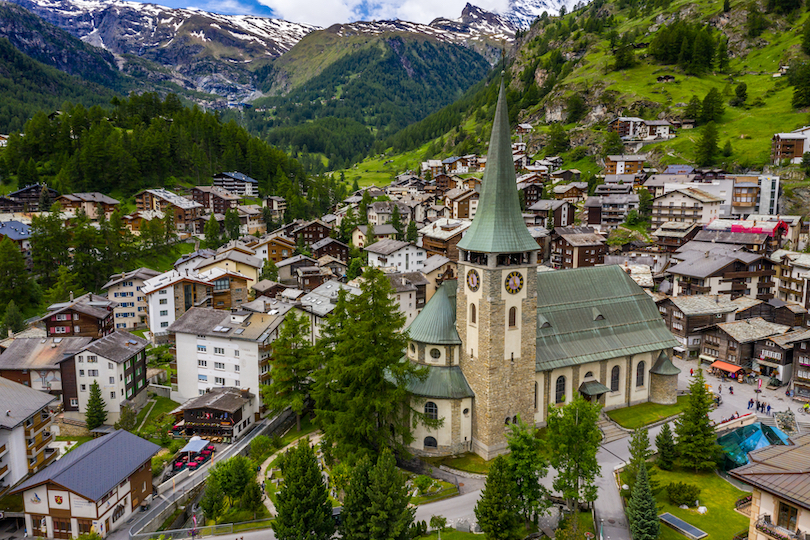
If you find yourself dreaming about snow-capped peaks, quaint villages and enchanting lakes, then you’ll fall in love with the compact resort town of Zermatt – beautifully tucked away in the stunning Swiss Alps. One of Switzerland’s most celebrated holiday destinations, Zermatt has been attracting visitors since the 1800s, and is renowned not only for its breathtaking scenery, but also its festive spirit and family-friendly atmosphere.
Featuring some of the world’s highest quality slopes, the most popular things to do in Zermatt are skiing and snowboarding. Home to many iconic mountains – including the Matterhorn, Breithorn and Rothorn, visitors are also treated to an array of intriguing tourist attractions such as the Matterhorn Museum and Mountaineers’ Cemetery.
See also: Where to Stay in Zermatt
Whether you’re looking to conquer the snow, relax by a scenic lake or simply take in the views, there’s something for everyone at Zermatt.
10. St Mauritius Church
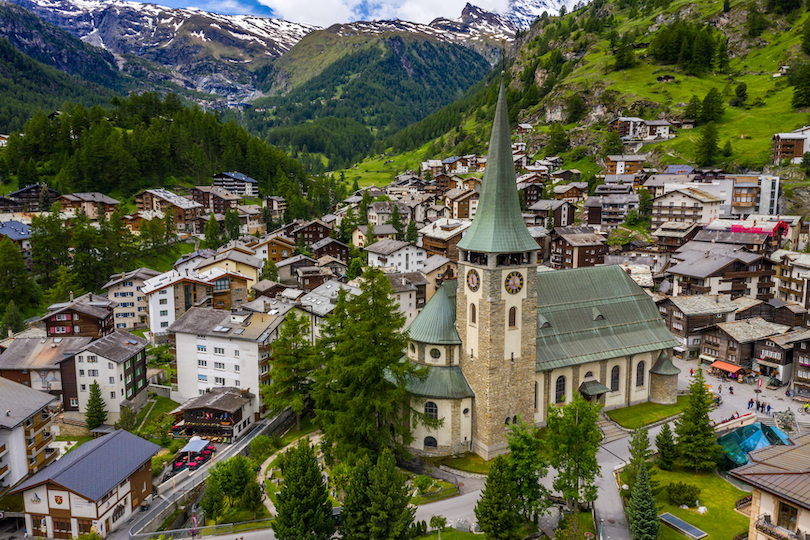
Located in charming Zermatt Village, St Mauritius Church is a compact, quaint parish church carrying a fascinating history. With its foundations stretching all the way back to the 13th century, St Mauritius Church has had to go through several transformations to become what it is today. In 1980, a complete renovation of the church was carried out to give the church its current impressive interior.
Featuring a striking bell tower, the church is also known for having particular artefacts – such as its altars and baptismal front – listed in the Swiss Inventory of Cultural property of Regional Significance.
9. Unterrothorn
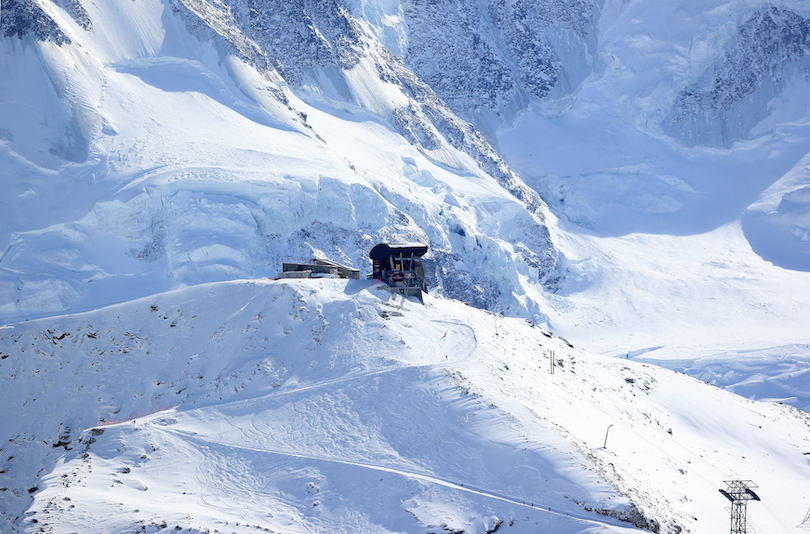
One of Zermatt’s many majestic mountain peaks, the Unterrothorn (more simply known as the ‘Rothorn’) is impressive for both its dramatic snowy ridges, as well as the cutting-edge cable car visitors ride to go up the mountain. Impressively, the Blauherd-Rothorn cable car can hold over 100 passengers, whilst offering 360-degree panoramas of Zermatt’s epic mountaintops.
Standing at a staggering 3,103 meter above sea level, at Rothorn, visitors are able to enjoy world-class dining, an outdoor sculpture exhibition and endless hiking trails. Undoubtedly amongst Zermatt’s highest and best mountains, Rothorn has the ability to take any visitor’s breath away.
8. Mountaineers’ Cemetery
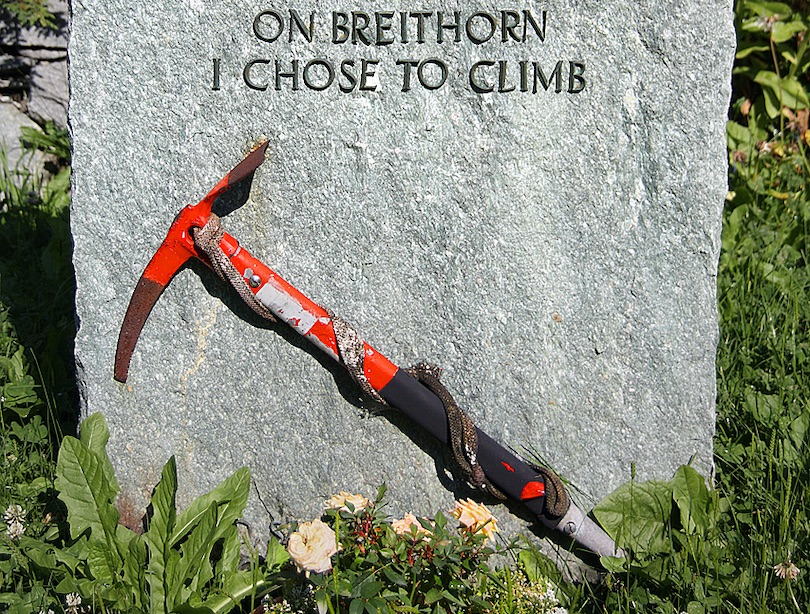
Even though Zermatt is filled with adventure and fun, it’s also important to be safe at all times. Specifically dedicated to honor climbers, the Mountaineers’ Cemetery is a sobering, but necessary reminder that visitors must be extra careful when navigating these gorgeous mountains.
Take in the peace and tranquillity at this site, while remembering the brave climbers who lost their lives at Zermatt. There are about 50 gravestones at the Mountaineers’ Cemetery with a poignant tribute attached to each, telling the stories of these brave individuals who passed away doing what they loved.
7. Matterhorn Museum
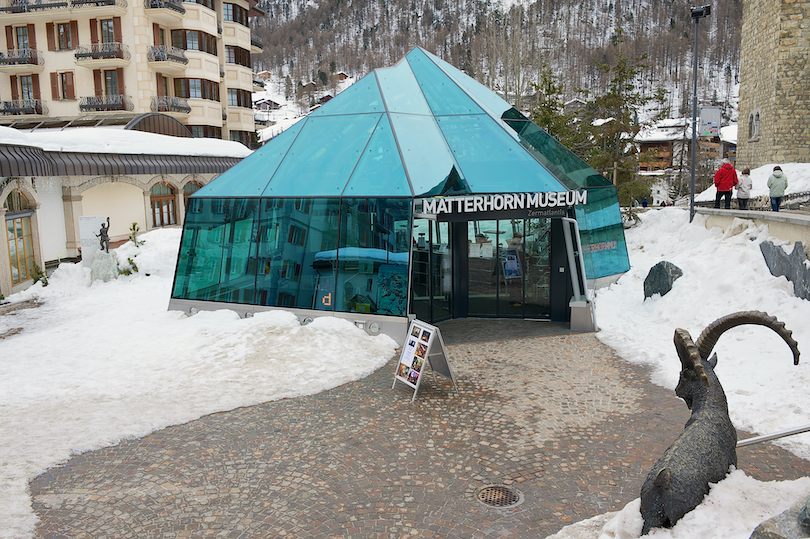
With countless stunning mountains adorning the Zermatt perimeter, the Matterhorn Museum, otherwise known as ‘Zermatlantis’, offers visitors an educational break in between taking on mountains.
It’s here that visitors can delve into Zermatt’s history, learn about the first courageous climbers who ascended these mountains, and gain an insight into how the Zermatt area was developed.
Particularly focused on the Matterhorn, keen learners will be able to marvel at historic artifacts and special exhibitions as they piece the story of Zermatt’s mountain culture together.
6. Riffelsee
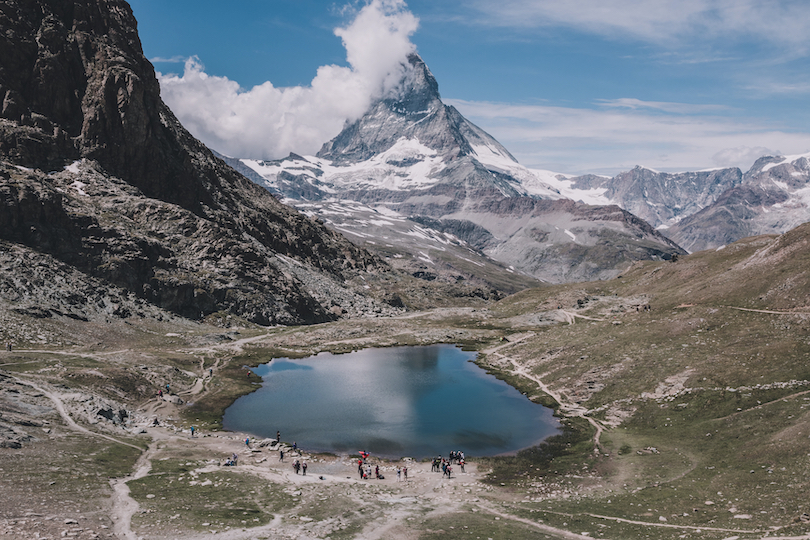
A destination that you’re unlikely to forget after witnessing it, Riffelsee is a postcard-perfect alpine lake that sits 2,757 meter above sea level. Although this enchanting lake is quietly tucked away from Zermatt’s most famous hiking trails, it still draws visitors in through its awe-inspiring reflection of the regal Matterhorn mountain.
Best viewed in the early morning or evening when the lake is at its stillest, this lake is also a popular spot for visitors to explore some rare alpine flowers that adorn the lake. With its serene qualities, peaceful atmosphere and beautiful surrounds, Riffelsee is every photographer’s dream.
5. Sunnegga
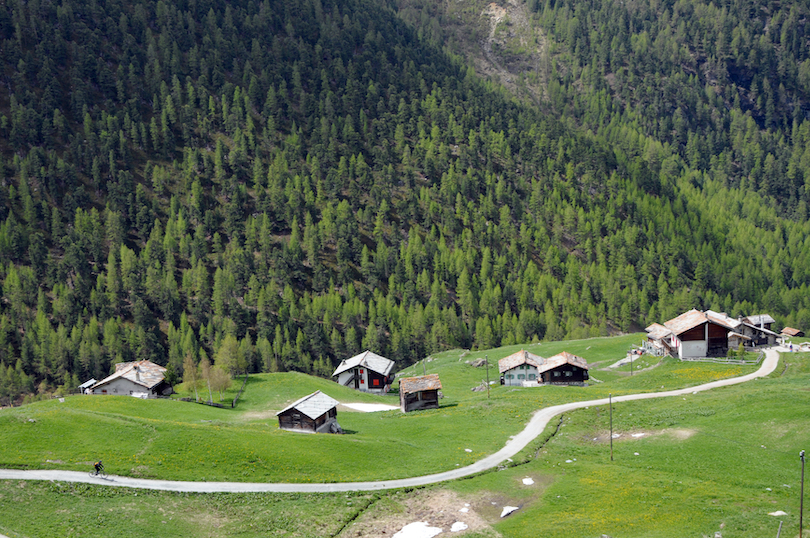
Described as a ‘family-friendly’ peak, Sunnegga is a hit with families because of its high accessibility and activities that are highly suited to young children. Only a 4.5-minute funicular ride away from the heart of Zermatt Village, visitors will be taken through a rock tunnel, passing through the inside of a mountain, until they are lead to a spectacular terrace with to-die-for views of the Matterhorn.
Little ones will no doubt enjoy Marmot’s playground in the summer – a marmot-watching station where the whole family can learn more about these endearing animals. The sunny season will also treat visitors with options to take on trails such as the Flower Walk or Five Lakes Walk. Mountain biking, or the more niche ‘kickbiking’ are other popular activities families can enjoy together.
4. Breithorn
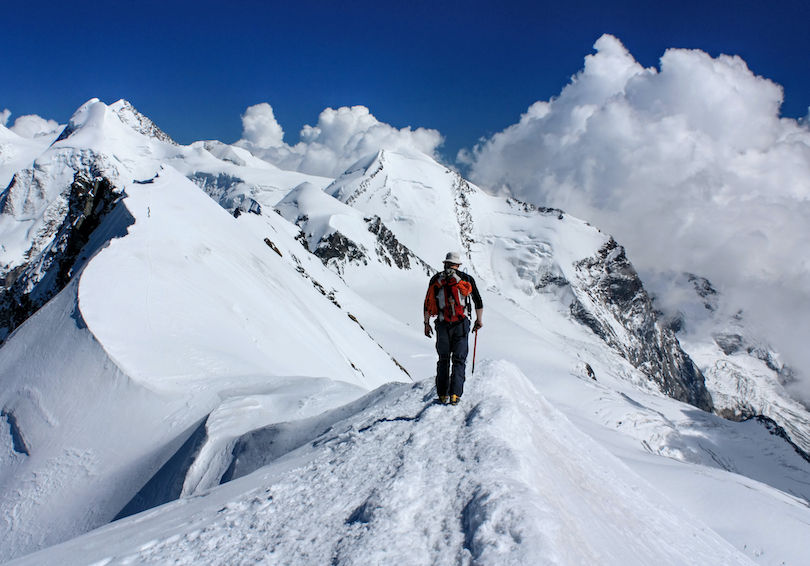
The highly celebrated Breithorn is another one of Zermatt’s respected peaks. Featuring several jagged summits, glaciers, and a thick blanket of snow, Breithorn can look intimidating at first. However, visitors will be relieved to find out that summiting Breithorn is actually one of the simpler climbs in the area.
In fact, standing at 4,164m above sea level, the Breithorn ascent is actually widely considered to be the easiest to climb out of Zermatt’s four-thousand meter mountains. With a return trip time of about 3 hours, climbers will still need to go with a guide if they want to conquer Breithorn.
3. Gorner Gorge
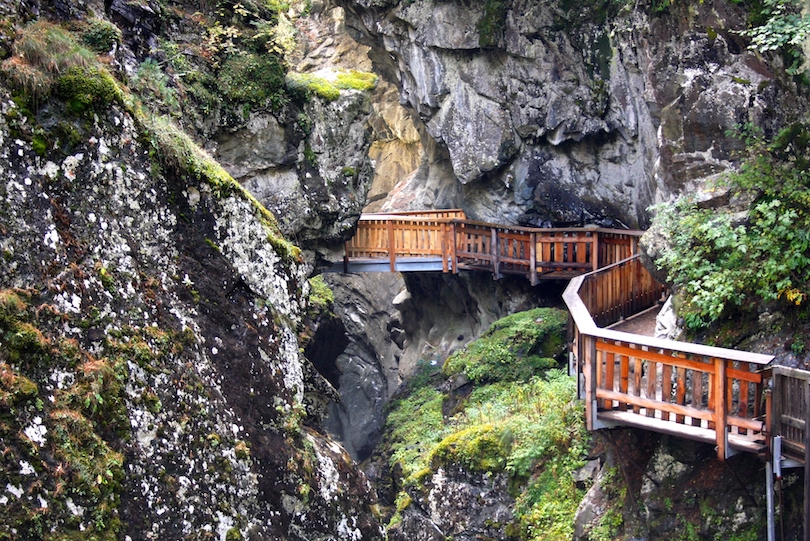
You wouldn’t expect to find an emerald green, alluring gorge to be situated within the chilly Swiss Alps, but that’s exactly what visitors are treated to when they visit the Gorner Gorge in Zermatt. This gorge will take visitors on a scenic 15-minute walk through intricate rock structures, serene teal water and gorgeous ravines, as they navigate themselves through a gorge that took over 220 million years for nature to craft. Gorner Gorge’s wooden stairways will take visitors up and down different elevation levels, and delight them to quite a few pleasant surprises.
For a change in scenery, the refreshing Gorner Gorge walk is definitely a fun activity that the whole family can enjoy together.
2. Matterhorn Glacier Paradise
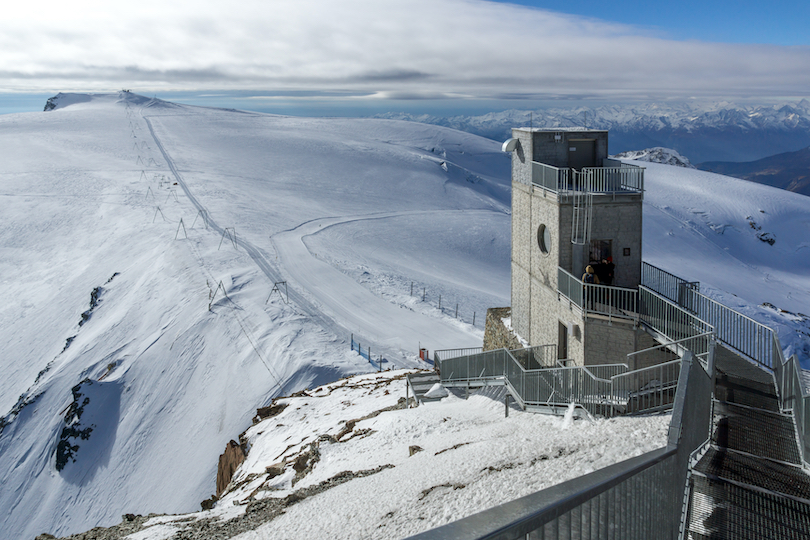
Dubbed as a ‘glacier paradise’, the Klein Matterhorn is the highest point in all of Europe that can be accessed by cable car. Clocking in at a mighty 3,883 meter above sea level, the Klein Matterhorn is ideal for families with little ones, as you’ll be able to see fantastic views of the Matterhorn without the effort of a climb. With more than enough to entertain everyone, the Klein Matterhorn also features indoor panoramic windows, restaurants, ice sculptures and a cinema lounge.
Otherwise known as ‘Little Matterhorn’, the Klein Matterhorn is also a favourite among visitors for reliable skiing and snowboarding due to its consistent snow all year round.
1. Matterhorn
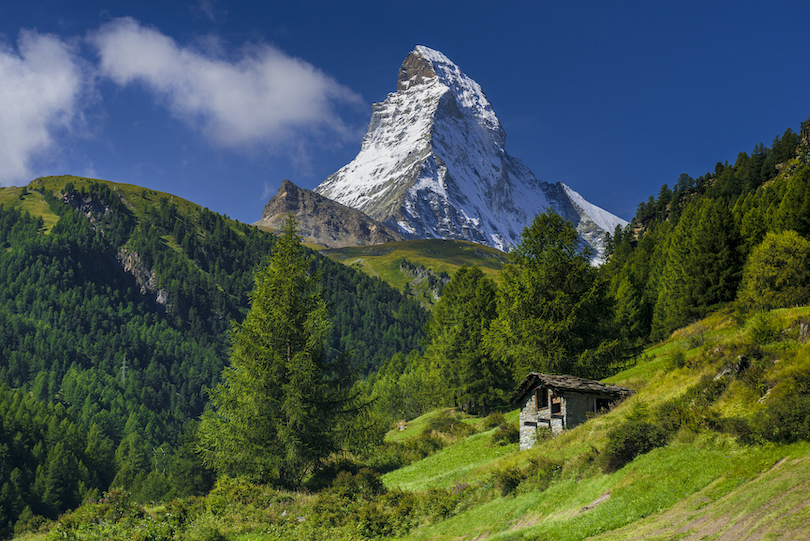
Iconic and symbolic of Switzerland in every aspect, the unbelievably stunning Matterhorn is one of the highest and most recognized peaks in the world. The Matterhorn proudly sits on the border of Switzerland and Italy, connecting the two countries through its elegant, almost symmetrical, pyramid shape.
Serving as the inspiration for Disneyland’s Matterhorn Bobsleds attraction, it’s no wonder even Walt Disney himself fell in love with the Matterhorn – standing at 4,478 meter, this mountain is majestic, regal and one-of-a-kind.
Unless you consider yourself a mountaineering expert, the Matterhorn is best viewed by marveling at it from afar, through vantage points such as Klein Matterhorn, Gornergrat, Rothorn and Sunnegga.