
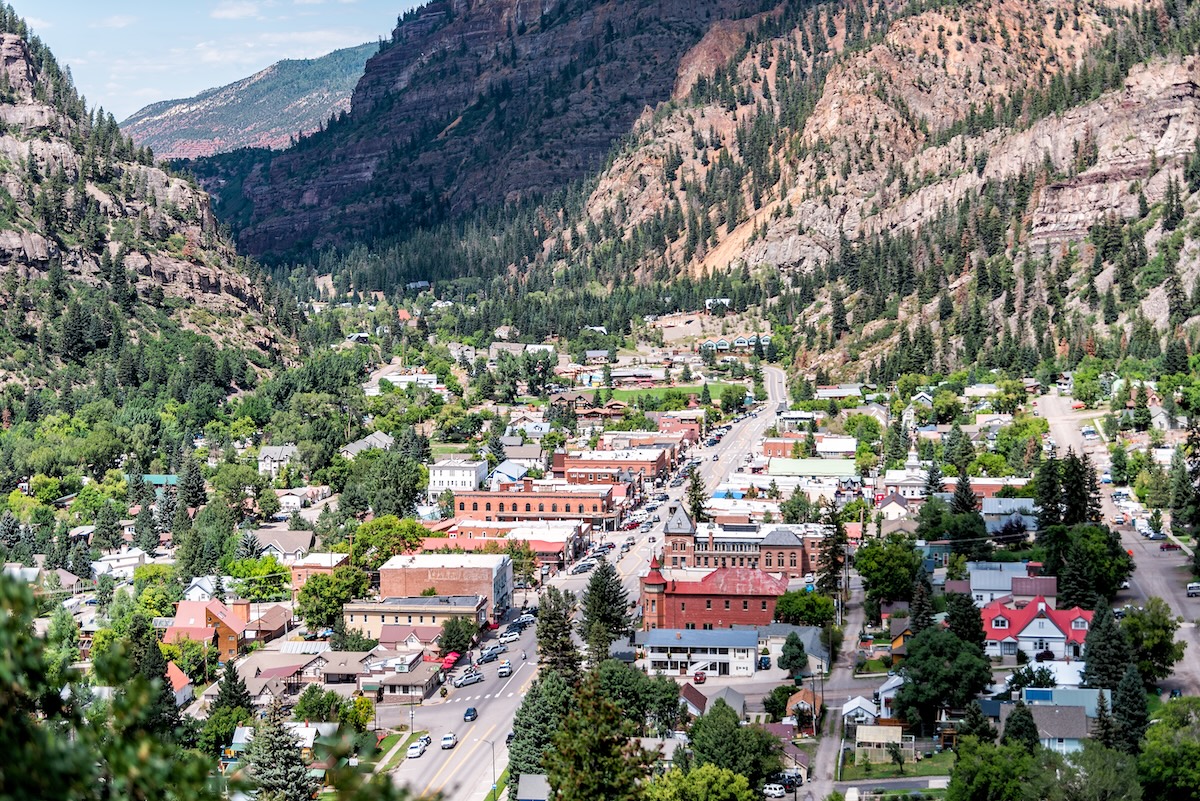
There’s a bend in the road somewhere in the San Juan Mountains where the world just opens up and everything hushes. The peaks tighten around you. The valley narrows. And then, almost before you know it, a small town appears at the bottom of a stone amphitheater, ringed by thirteen-thousand-foot walls and streaked with waterfalls.
This is Ouray. Odds are, you haven’t heard of it. That’s kind of the point.
Visiting Ouray feels like stumbling into a place you weren’t supposed to find. It sits at 7,800 feet, home to just a few hundred people, with hot mineral water running beneath its streets and those Victorian rooftops catching the alpine light. Southwest Colorado has plenty of beauty, but nothing else really hits you quite like this.
The First Glimpse Into The Mountain Bowl
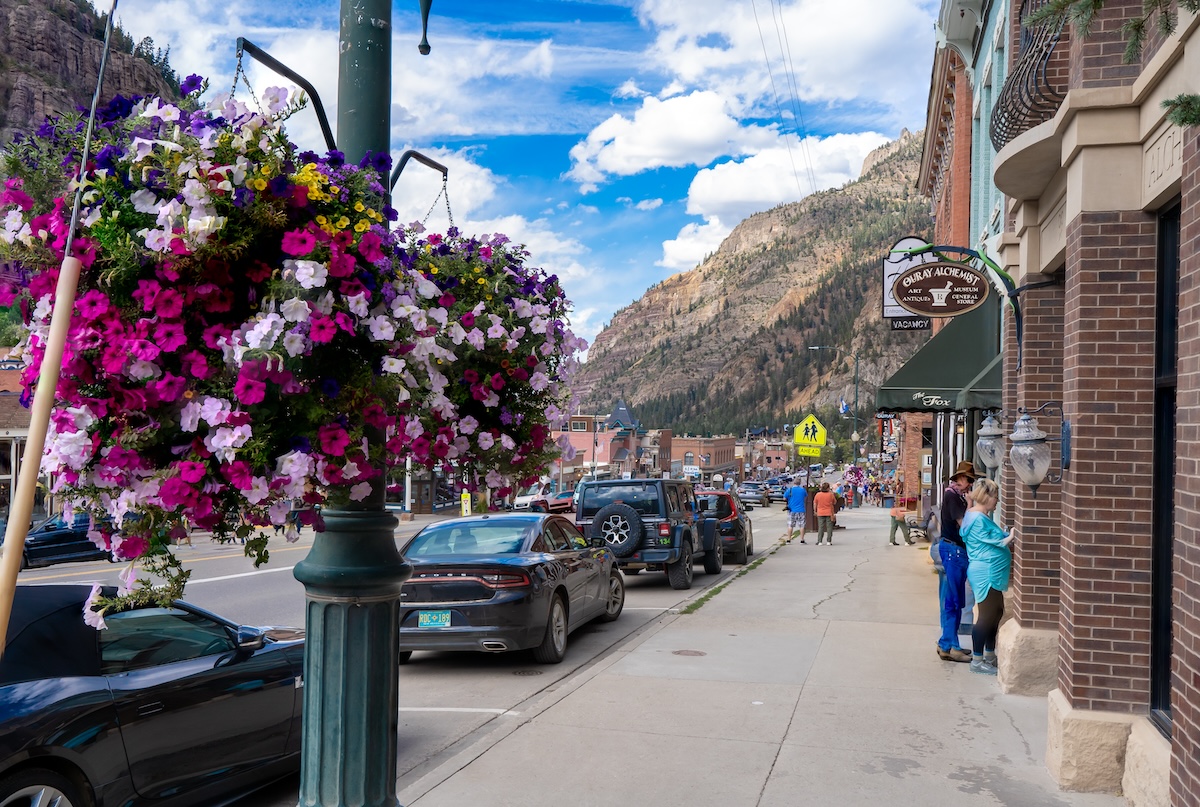
The nickname stuck for a reason. Folks started calling Ouray the Switzerland of America because the San Juan Mountains that cradle this town really do look like the Alps. Sheer granite walls, dark pine slopes, waterfalls that seem to drop straight from the sky. It’s not just marketing. That’s what greets you when you roll in.
The setting feels almost theatrical. Ouray sits inside a natural bowl, carved by glaciers and surrounded on nearly every side by peaks that block out everything but sky. Box Canyon slices into the rock just south of town, its walls so tight and deep the mist never quite escapes. The scale of it all feels impossible for such a tiny place.
If you’re road-tripping through Colorado, this is the moment that flips your trip on its head. The drive in—whether you come from Ridgway up north or along the Million Dollar Highway from the south—builds slow. Then the bowl opens up and, honestly, something just shifts. You pull over. You breathe deep; it tastes like cold stone and pine sap. Every epic Colorado road trip needs that one spot you’ll talk about for years. For a lot of people, Ouray is it.
A Downtown Framed By History And Cliffs
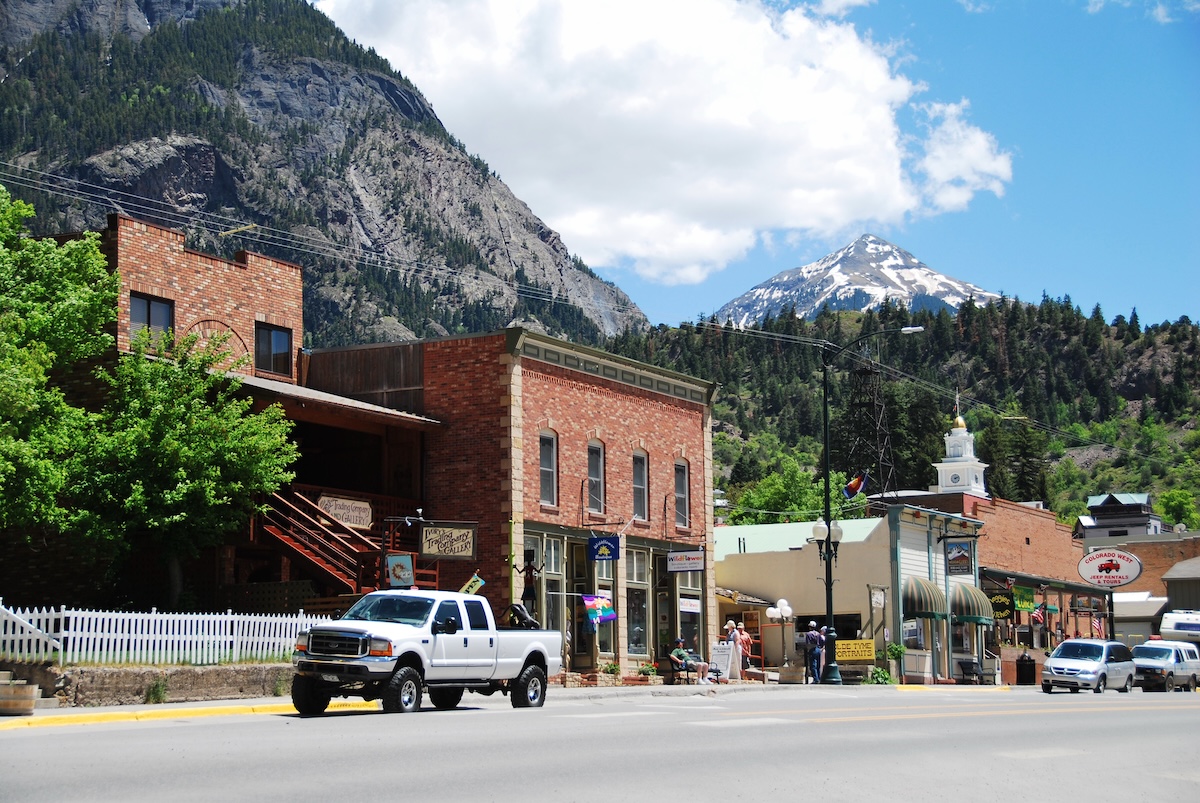
Main Street in Ouray is only a few blocks long, but it’s got more character than towns ten times bigger. The facades are Victorian, built during the mining boom of the late 1800s, and locals have kept them up with a kind of care that feels personal, not commercial. Paint peels here and there. Old brick catches the afternoon light. Cliffs rise right behind the rooftops.
Small boutiques line the sidewalks, selling things you never knew you wanted. Handmade jewelry, local art, leather goods, vintage oddities. There’s nothing chain-store about it. You wander in and out of doors that creak, and nobody hurries you along.
When evening comes, the mood shifts. Steam drifts up from the hot springs at the edge of town. The Ouray Brewery pours something local and cold while the mountains above fade from purple to black. You linger, because the town lets you. No pressure, no schedule. The cliffs glow faintly. Voices carry in the thin air. Something about this place after dark feels like a secret you’re keeping from the rest of the world.
The Trails That Reveal Its Wild Side
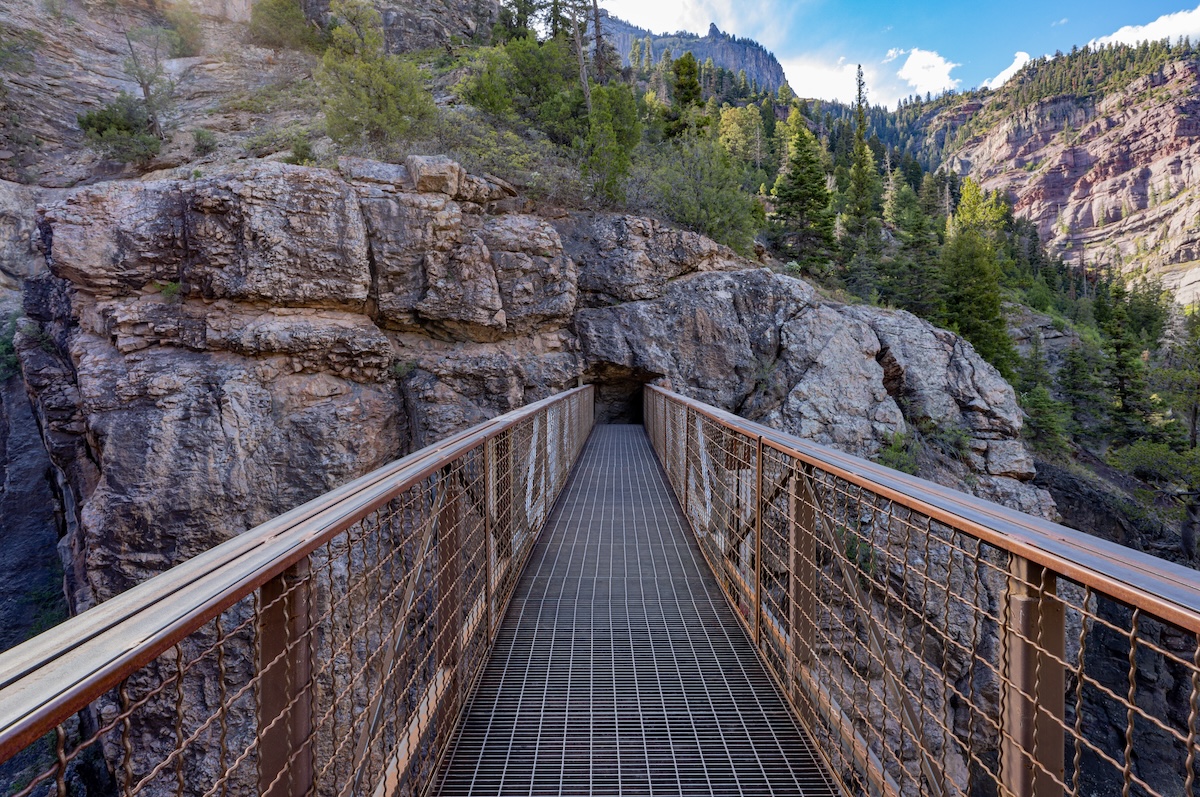
The Perimeter Trail loops around the whole town, kind of like a balcony seat above a stage. You can walk it in a couple of hours, winding through pine forest and open rock. The views just drop away into Main Street below—pretty wild, honestly. It’s one of the most rewarding things to do in Ouray, and all you need is a pair of shoes that aren’t brand new.
Cascade Falls is another story. The trail climbs through tight stone corridors and pine groves before you suddenly reach a waterfall crashing straight down a sheer rock face. Mist sticks to your arms, the roar just fills up the whole canyon. Most people end up standing there longer than planned—there’s something about it that’s just too alive to leave in a hurry.
The landscape around Ouray almost always feels bigger than you expect. The map claims the town is barely a mile across, but the vertical world around it stretches out in every direction. Canyon walls, ridge lines, snowfields that somehow hang on into July—it all just keeps going. You might start a walk thinking you’ll be back in an hour, but two hours later, you’re still out there on a rock ledge, watching the light shift across some peak you don’t even know the name of, feeling small and honestly, pretty lucky.