
Covering a vast swathe of territory in Peninsular Malaysia, Taman Negara is the largest and most popular national park in the country. Established in 1938/1939 during colonial times as the King George V National Park, at the onset of independence, it was renamed Taman Negara, which means ‘national park’ in Malay.
Lying between the three states of Kelantan, Pahang, and Terengganu, the park contains some of the oldest deciduous rainforest in the world, with some estimates putting it at around 130 million years old.
Hidden away among its many mountains, rivers, and forests are a host of tropical fauna and flora for you to enjoy, with species such as Asian elephants, leopards, and Malayan tigers also on show. Due to its stunning scenery, the park is a top-rated ecotourism destination with a wealth of things to do in Taman Negara. Its natural tourist attractions lend themselves perfectly to a myriad of fun and exhilarating outdoor activities, each more daring and adventurous than the last.
10. Climb Bukit Teresek
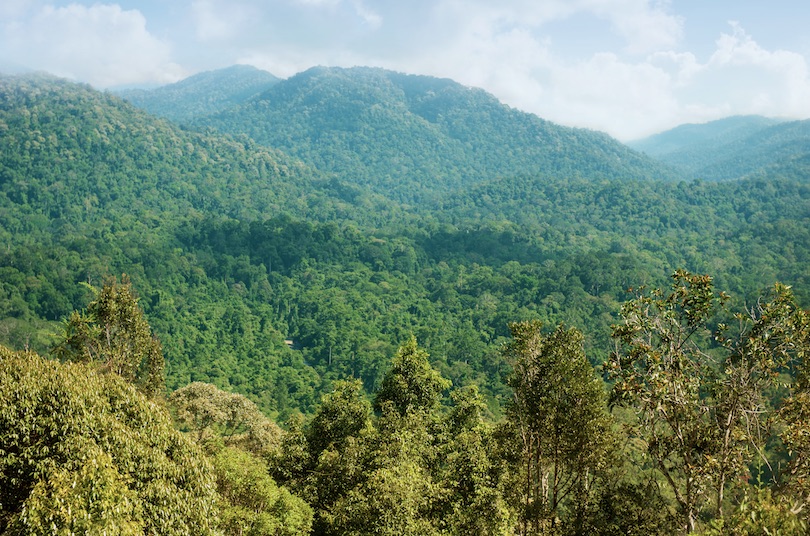
If you don’t have much time on your hands, then a fantastic and relatively quick hike or climb you can do is to the summit of Bukit Teresek, which lies around 340 meters above sea level. From the main Wildlife Headquarters located in the park not far from the river, the hike starts off quite flat and meanders its way through some absolutely gorgeous rainforest.
After taking you through one of the best parts of Taman Negara for birdwatching, the trail slowly climbs until it becomes quite steep. After a while, you’ll reach the first of two lovely viewpoints.
From both of these, you’ll be able to enjoy fantastic views out over the rainforest canopy. On good days, you’ll be able to see Gunung Perlis and Gunung Tahan – the highest peak in Peninsular Malaysia – rising in the distance.
All in all, the hike and climb to the top of Bukit Teresek is just under two kilometers in length and should take around 45 minutes to complete one way.
9. Shooting The Rapids
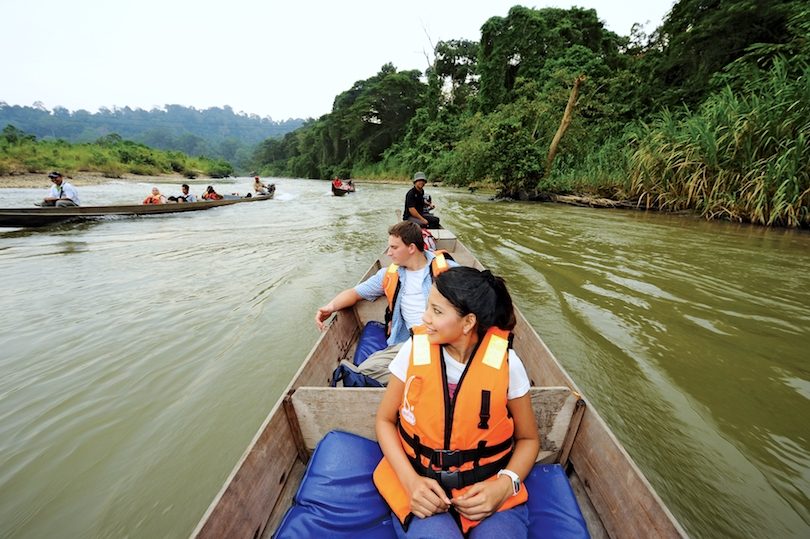
One of the most exhilarating activities on offer in Taman Negara is rapid shooting, and it certainly promises to be an unforgettable experience. Starting at either Kuala Tahan or Kuala Terengganu, the journey sees you speed off down Sungai Tembeling – the main tributary of the Pahang River – with thick rainforest lining the banks to either side of you.
Your guide will navigate the small, wooden boat through seven rocky rapids. As you are liable to get quite wet and shaken about, you are better off leaving any valuables at the camp. While shooting the rapids is loads of fun, the scenery on show is no less stunning, with amazing views of the river and jungle greeting you wherever you go. Once you disembark, you can either hike or catch a ride back to whichever jetty you started from.
8. Cave Exploration
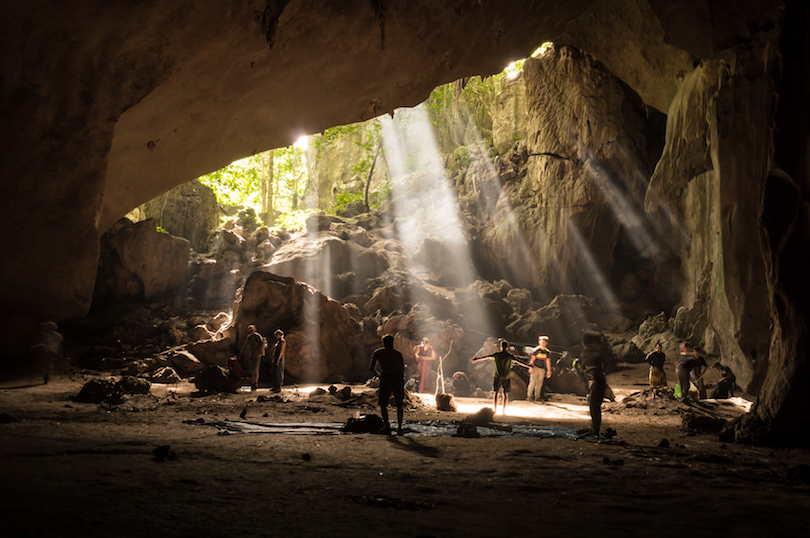
Hidden away among the national park’s rainforest-coated confines are a number of fantastic caves for you to explore. The most popular of these is Gua Telinga, which lies just under three kilometers from Wildlife Headquarters and is said to be shaped like a human ear.
As you have to crawl through an underground tunnel in the dark to reach the cave, it makes for an exciting experience. A number of different bats, amphibians, and insects reside within.
Staff at headquarters will kit you out with everything you need to explore the cave and let you know if it is currently open to the public or not. Other popular caves include Gua Kepayang Kecil and Kepayang Besar. As both of these lie deep within the jungle, they take much longer to reach by foot or boat. As such, many people camp overnight in the latter, which has a large, cavernous interior.
7. Go Fishing
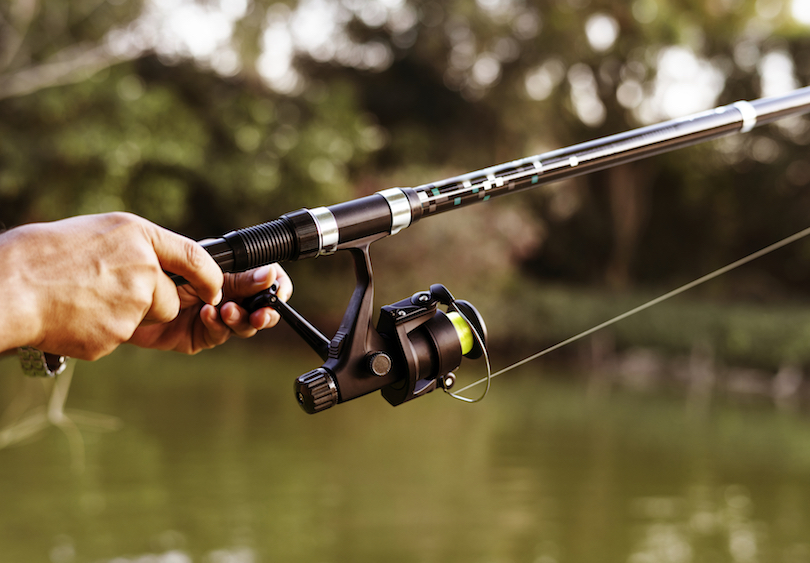
With numerous waterways coursing through the rainforest, Taman Negara is a brilliant place to go fishing. The deeper you venture into the jungle, the better it gets. The two rivers you can fish along are the Sungai Tembeling and Sungai Keniam.
Some of the best and most popular spots include Rincing, Rawa, and Kuala Perkai. These generally take around a two to five-hour boat journey to get to from Kuala Tahan, and the national park has various packages you can sign up for.
A three-day trip will set you back around RM 2.100, and a four-day trip RM 2.600. This includes everything from cooking and fishing equipment to a guide and boat. Fishing among the dense jungle with stunning scenery all around you is an incredible experience, and anglers can expect to catch local species such as Kelah, Sebarau, and Toman.
6. Bird Watching
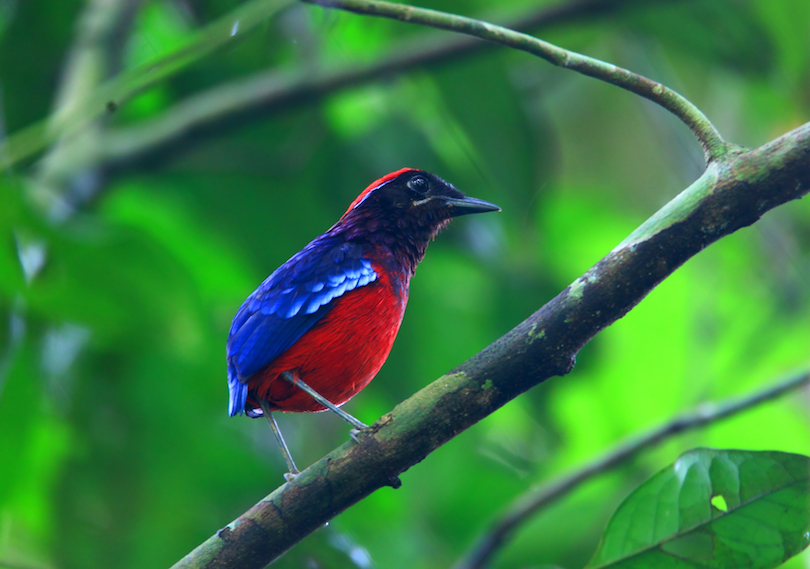
As its lush jungle is home to over 380 different species of bird, Taman Negara is undoubtedly the best place to go bird watching in Peninsular Malaysia. You don’t even have to go far to spot lots of brightly-colored birds.
The paths and trails around Wildlife Headquarters at Kuala Tahan, for instance, boast the Asian Fairy bluebird, Rhinoceros Hornbill, and Yellow-vented Flowerpecker, among many others. From May to August is one of the best times of year to visit the national park, as many fruits are in season, and lots of birds can be found feasting on figs around the headquarters.
5. Visit the Orang Asli Settlements

Tucked away deep inside the rainforest are two aboriginal villages, with one being home to the Batek and the other the Semokberi. Known as the Orang Asli – which means ‘original people’ in Malay – these small communities have lived for centuries in the rainforest, living off the land and hunting for their food.
Their small, palm-thatched shelters lie alongside age-old trails and paths or on the banks of rivers, with dense jungle all around them. Besides learning about their traditional way of life, they can also teach you how to start a fire and shoot a dart out of a blowpipe – their hunting weapon of choice.
While they are very welcoming and friendly to outsiders, guests are asked to respect their privacy and ask for permission before taking any photos. With a knowledgeable guide beside you, you’ll be able to ask them any questions you like, and come away having learned a lot about their rich cultural heritage and ways of life.
4. Climb Gunung Tahan
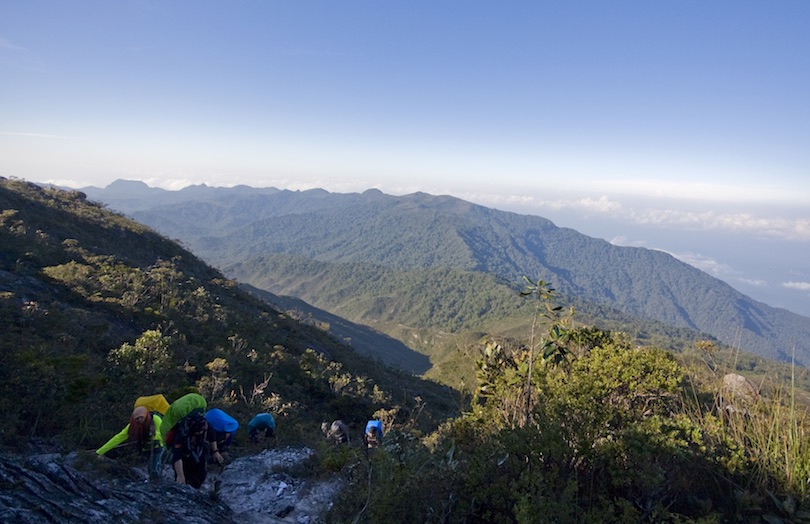
The tallest peak in Peninsular Malaysia, Gunung Tahan reaches a height of 2,187 meters and towers imperiously above the rainforest surrounding it. Climbing to the top of its majestic peak is one of the most adventurous and arduous activities you can undertake in the park. It generally takes a week to hike there and back, camping overnight as you go.
As it is the toughest trail and trek in Taman Negara, you really need a professional guide to accompany you. Most people opt to take the 53-kilometer hike from Wildlife Headquarters, although there are now other options available which shorten the route to just 32 kilometers and four days.
On the way to the top of Gunung Tahan and the fantastic view it offers of the rainforest below, you’ll cross rivers, climb mountain slopes, and push your way through dense jungle in what promises to be an unforgettable journey.
3. Night Walking Safaris
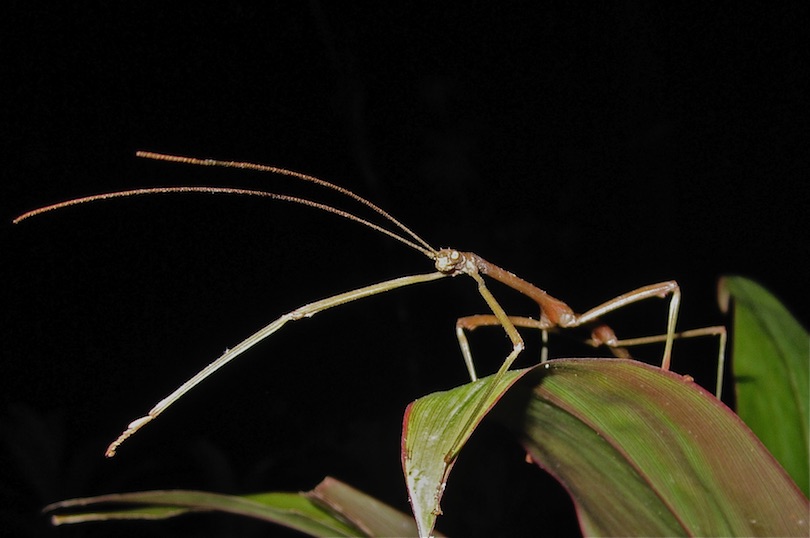
An equally memorable experience is going on a night walking safari around the park. As dusk falls and the sun sets over the rainforest, all types of nocturnal animals start to emerge, and the jungle has an entirely different look, feel, and sound to it in the dark.
Accompanied by a guide, you can go on a wonderful trek through the wilderness from Wildlife Headquarters before holing up in a hide to spot animals up close in the dark with your torch. Attracted by the salt lick left out for them, deer, tapirs, and wild boar congregate around the hide. Seeing them in their natural nocturnal habitat is a magnificent feeling.
2. Jungle Trekking
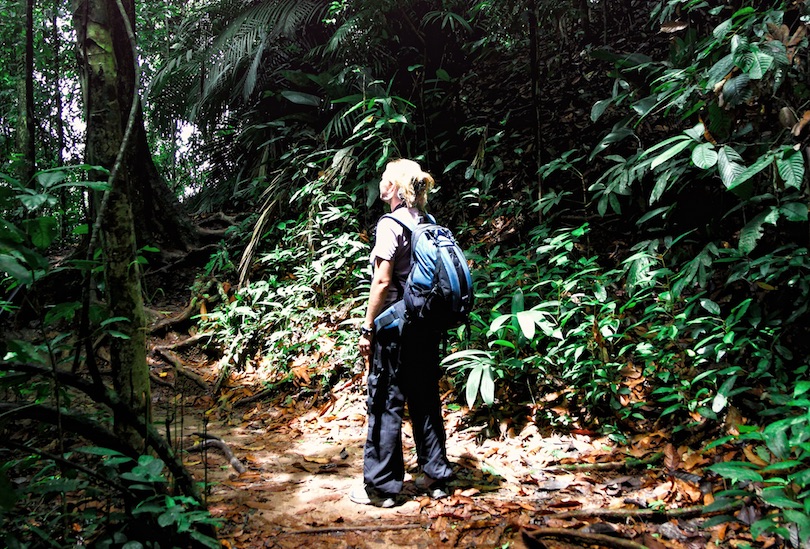
With so much lush rainforest and tropical fauna and flora on show, it only stands to reason that one of the most popular activities on offer in Taman Negara is jungle trekking. While there are lots of lovely paths and trails that weave around Wildlife Headquarters for you to explore, the further you venture into the rainforest, the more alone and in the wild you will find yourself.
Although you need to be reasonably fit and healthy to undertake the longer treks, they really are worth doing, as you’ll get to see so much more of the jungle and its incredible scenery and wildlife. Camping overnight at one of the park’s many campsites is also a fun adventure as the jungle erupts with the sounds of nocturnal animals during the night.
Among the most popular trails are Chegar Anjing, Lata Berkoh, and Kuala Terengganu, as well as the trek to Gunung Tahan. These take around a couple of days to a week to complete. You can choose the appropriate hike for you, depending on how long you have to spend in the park.
1. Canopy Walk
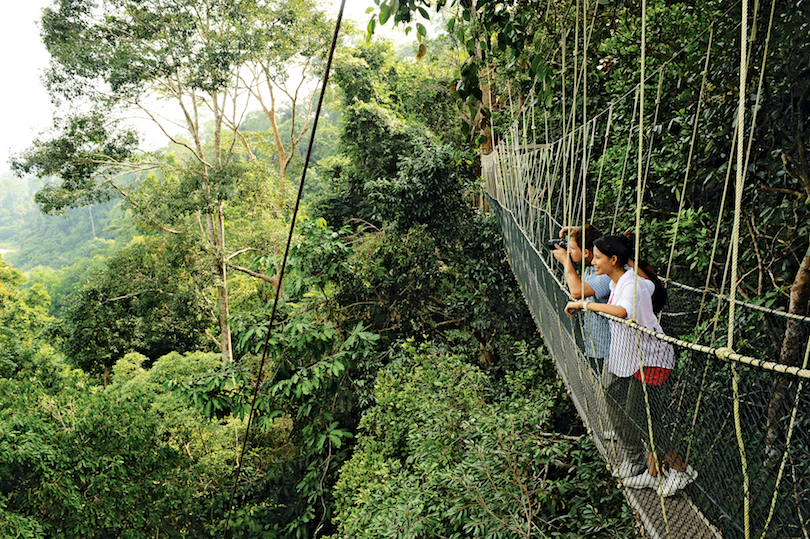
Boasting the longest canopy walkway in the world, no visit to Taman Negara can be complete without venturing above the treetops to see the rainforest canopy all around you. Stretching around 530 meters in length, the canopy walk lies between 25 and 40 meters above the ground and is a 1.2-kilometer hike or boat trip away from Wildlife Headquarters.
Walking along the bouncing suspension bridge strung up between the trees is an experience like no other; the views of the jungle all around you are simply phenomenal. Originally built for research purposes, the canopy walk is now the most popular and famous activity on offer in Taman Negara – and justifiably so.