
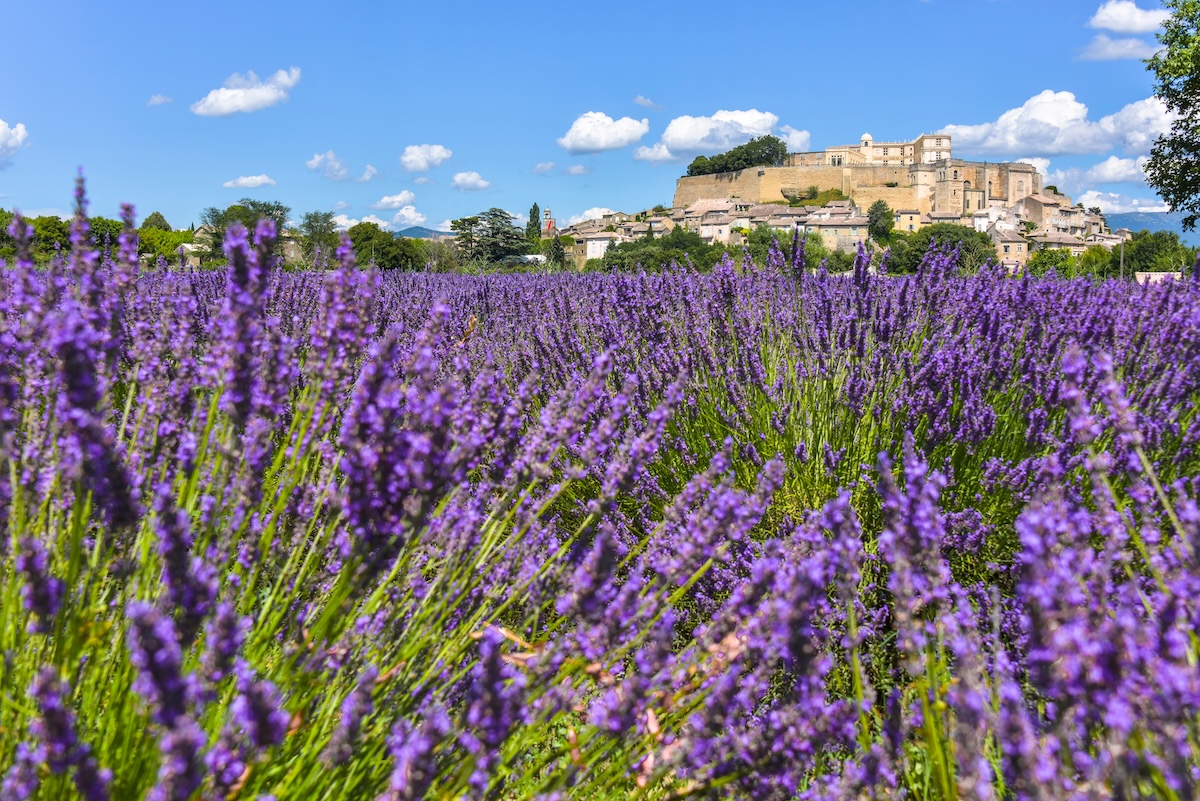
Lavender fields, hilltop villages, and sun-drenched vineyards have made this one of the most enchanting regions in France. Blending spectacular scenery with centuries of history, it captures the timeless charm of the French countryside.
Stretching across southeastern France between the Rhône River, the Mediterranean coast, and the Italian border, Provence is renowned for its picturesque villages, Roman monuments, and breathtaking landscapes. From rolling vineyards and fragrant lavender fields to dramatic mountains and sparkling coastline, the region offers an extraordinary diversity of scenery.
Whether you’re exploring ancient ruins, wandering medieval towns, sampling Provençal cuisine, or simply soaking up the relaxed pace of life, Provence is one of France’s most rewarding destinations and an unforgettable place to discover.
Uzes
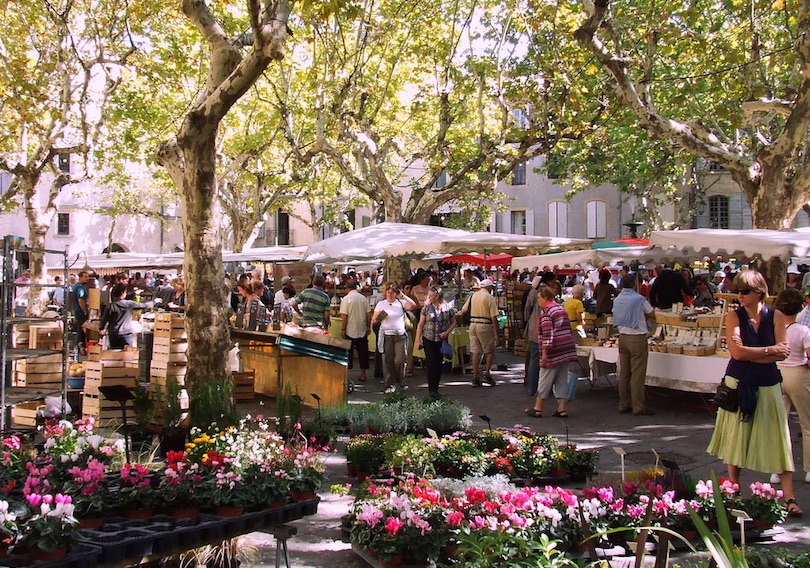
Uzes is an old Roman settlement, site of a first century BC aqueduct – the famous Pont du Gard – that supplied water to Nimes 50 km (30 miles) away. Uzes was once a walled city, though few traces remain today. Still, you can get some idea of what the walls contained since boulevards around the town replaced the walls. Perhaps the town’s most famous site is the Tour Fenestrelle, a round tower noted for its paired windows, part of the Uzes cathedral. The Saturday market is a good place to buy locally made textiles.
Cassis
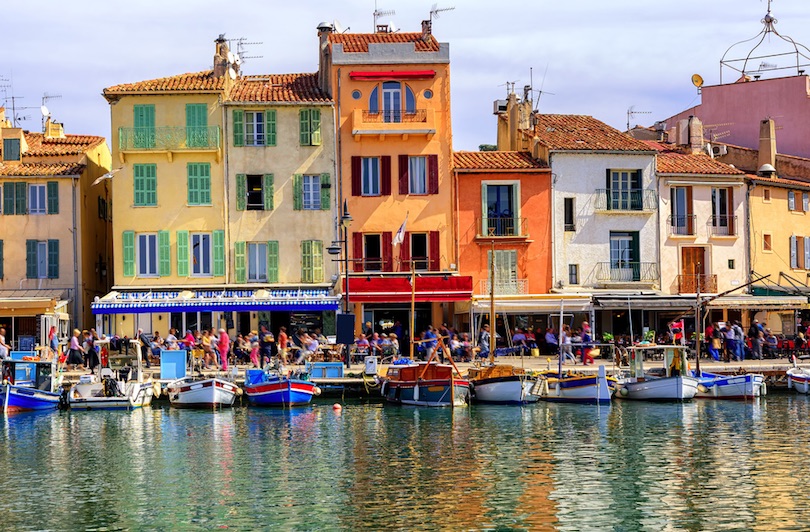
Located east of Marseille, Cassis is a little fishing port on the Mediterranean coast. The town is a popular place to visit in the Provence because of its cliffs and inlets. It’s known for its rose and white wines, but not for crème de cassis, which is made in Burgundy. Cassis also is famous for its white stone that was used to build lighthouses and docks on both sides of the Mediterranean. The white stone was even used as the base for the Statue of Liberty in New York harbor. But it is the cliffs (Cap Canaille is one of the highest coastal bluffs in Europe) and the sheltered inlets that give Cassis its picturesque reputation. See this for yourself with a cruise along the coastline.
Aix-en-Provence
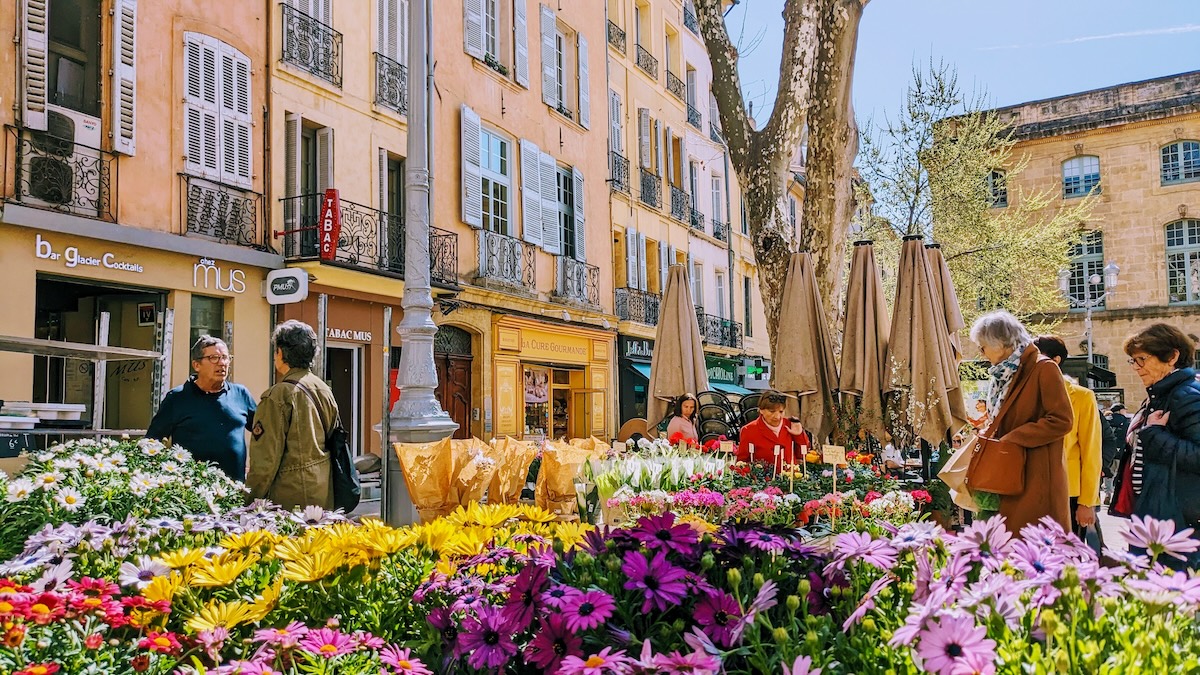
Aix-en-Provence may have been founded by the Romans in 125 BC, but it’s also been ruled over by the Visigoths, the Lombards, the Saracens and the French. Add a new twist to your sight-seeing by looking at fountains — Aix-en-Provence reportedly has a thousand of them. Perhaps the best known is the 17th century Fontaine des Quatre Dauphins, followed by three on the Cours Mirabeau, a scenic tree-lined boulevard that separates the old and new towns. The city market runs multiple days a week, but the largest and most colorful is the Saturday market which includes a flower market at the Place de l’Hotel de Ville and the main food market at Place Richelme. If you’re hungry, try the Deux Garçons, an eatery that has been serving artists and writers, like Cezanne and Hemingway, since 1792.
Roussillon
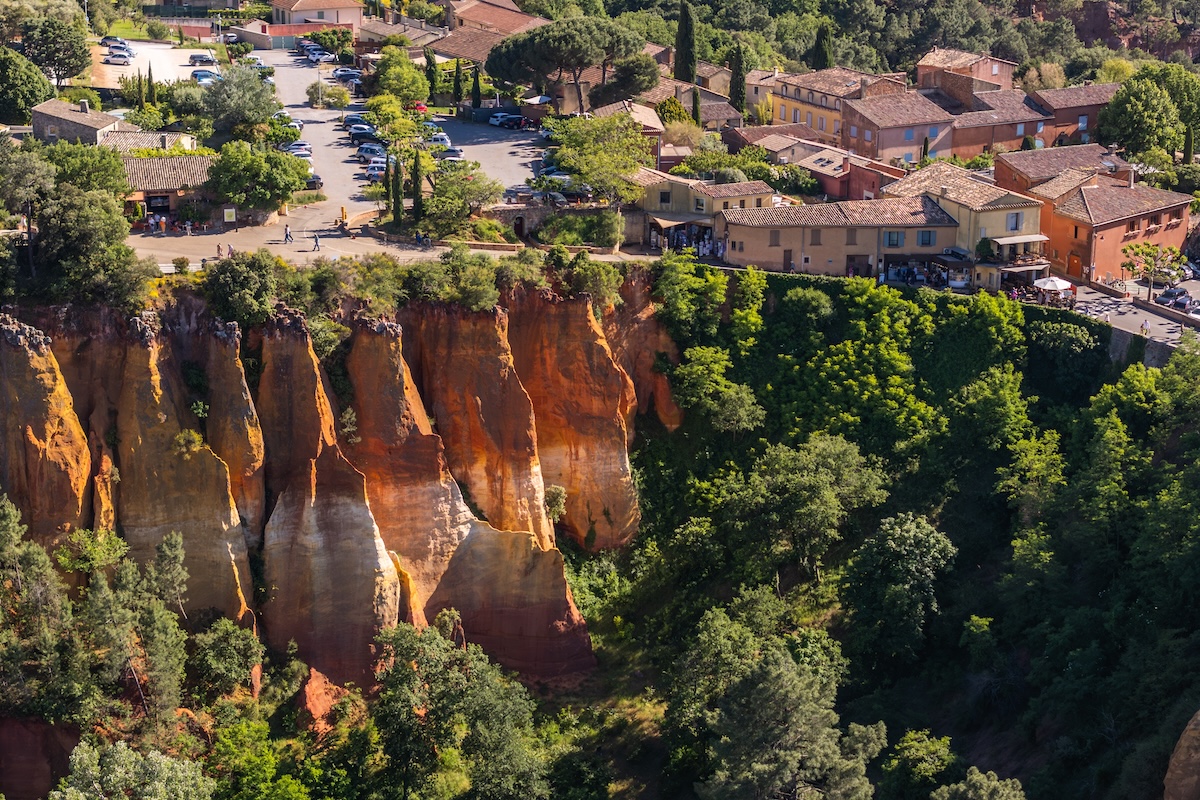
Roussillon is a colorful place that is considered one of France’s most impressive villages. It’s situated in the heart of one of the highest ochre deposits in the world. You’ll see impressive red cliffs as well as houses made from ochre that ranges from light yellow to dark red. Wandering through the streets here is a treat for the eyes. You can also take a walk through a former quarry to learn more about the mining process; it takes about an hour for Le Sentier des Ocres or Ochre Path. Roussillon provided inspiration for many artists, including Jean Cocteau, so be sure to take in some galleries.
Cannes
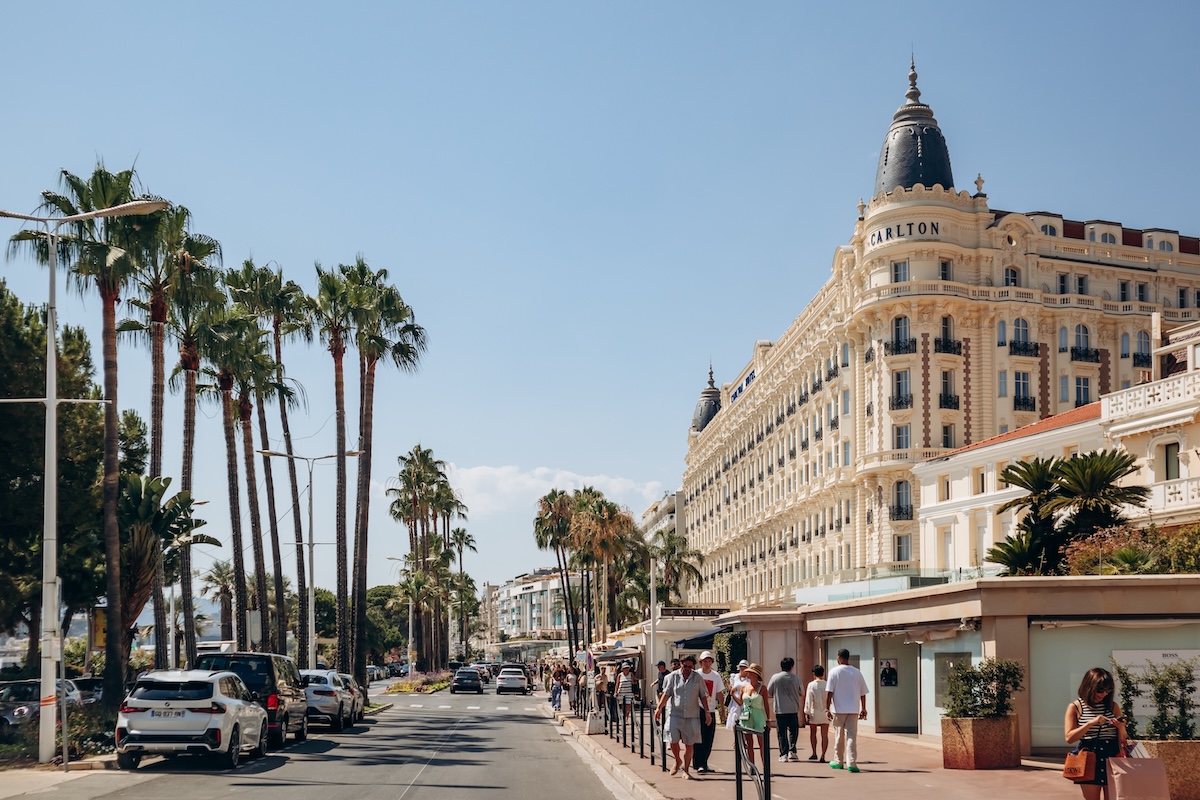
Cannes is well known as a playground for the rich and famous, which makes it a good place to go celebrity-spotting, especially during its famous film festival. But that doesn’t mean the less well-heeled can’t find things to do in Cannes that won’t break the budget. You can take a stroll along the Promenade de la Croisette where you’ll see pretty beaches, boutiques and outdoor cafes. Cannes’ old town, Le Suquet, also is worth exploring. Here you’ll find an old clock tower and church that overlook the bay and a lively morning market.
Arles
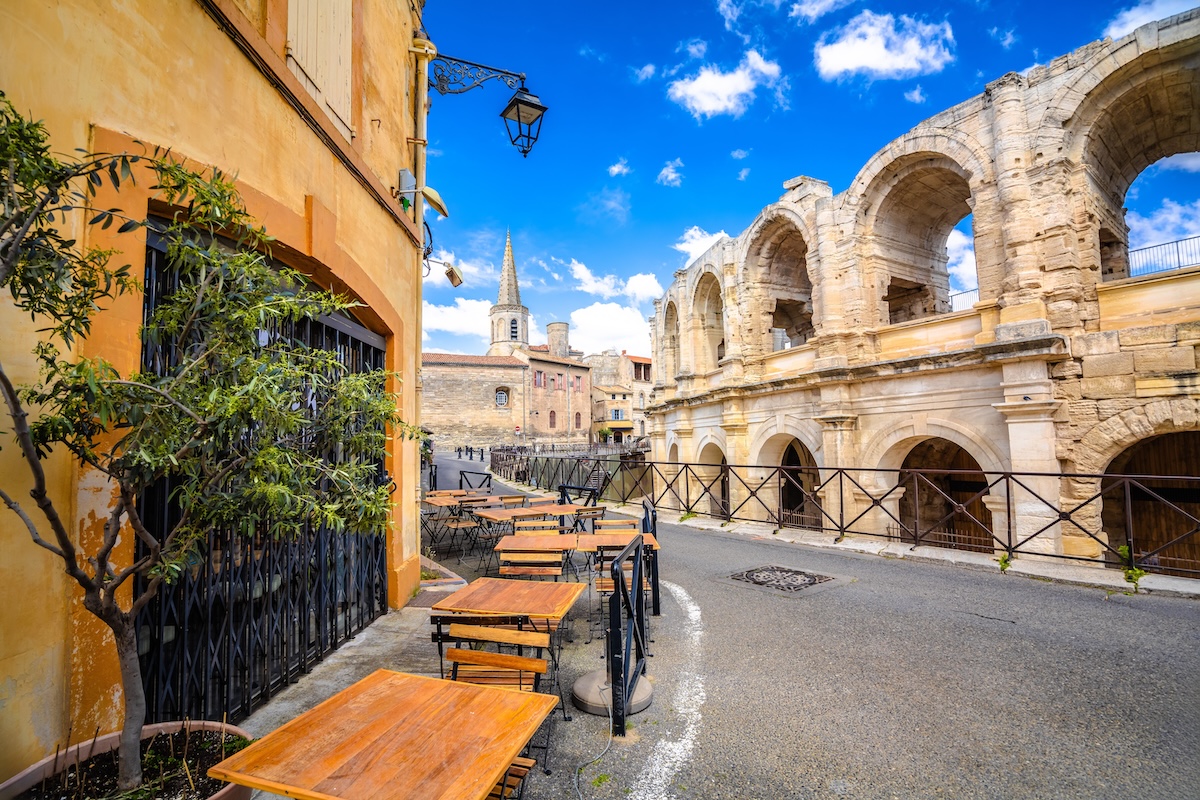
Arles is Vincent van Gogh country. The Dutch artist created around 300 paintings and drawings of the city and countryside when he lived here in 1888 and 1889. You can walk the van Gogh trail to see some of the scenes he painted. Arles also is a good place to see Roman ruins such as the stunning amphitheatre that is still used today, and the Elysian Fields where Romans were buried. You can climb to the top of the ancient arena for great views of the old town. The weekly market is considered one of the best in Provence.
Gorge du Verdon

Be prepared for stunning scenery when you visit the Gorge du Verdon, considered one of the prettiest river canyons in Europe. The best place to view it is between Moustiers-Sainte-Marie and Castellane where the gorge where, at almost 700 meters (2,300 feet), the gorge is its deepest. The Gorges du Verdon makes a great day trip from the French Riviera. Once there, you can kayak down the turquoise blue Verdun River, hike through the gorge, or, if you have advanced climbing skills, do some rock climbing on the limestone formations. Couch potatoes can choose a scenic drive along the rims.
Gordes
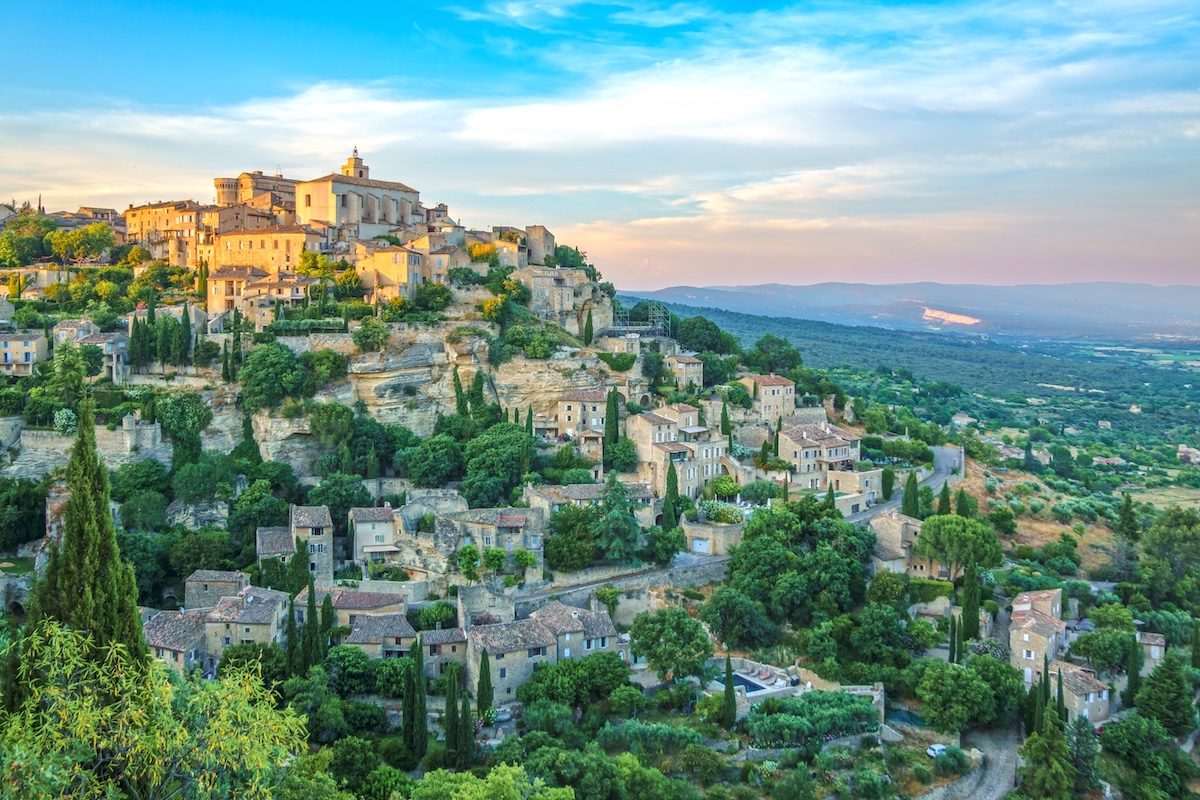
From its strategic position on a plateau overlooking the Luberon, Gordes is considered one of the prettiest villages in France. It’s hard to argue with that, since picturesque gray and white stone buildings line the hill to the top. At the top you’ll find a church and a castle. Be sure to check out the “bones” or little round stone huts that were used by shepherds in days of old. Another must-see is the Abbey of Senanque where monks make liquers and lavender essence. Peter Maylres’ A Year in Provence is set here.
Avignon
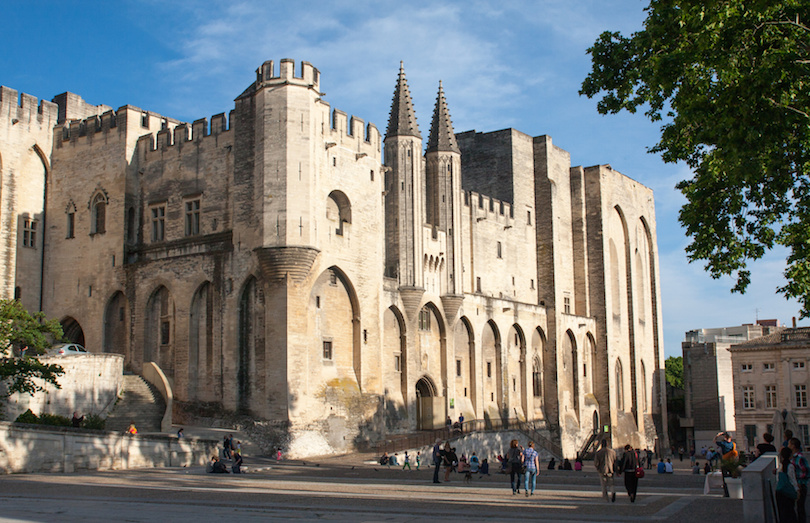
If you’ve always wanted to see where the popes lived and ruled, but don’t want to fight the crowds at the Vatican, head to Avignon instead. Avignon was the seat of Roman Catholicism from 1309 to 1377. The fortress-like Palais des Papas can be found in the old town, also home to a cathedral and other medieval monuments. This historic walled city attracts about 4 million visitors annual, with tens of thousands coming for the Festival d’Avignon, an annual arts festival that is the largest in France. Any time of the year, though, is a good time to explore this picturesque city.
Nice
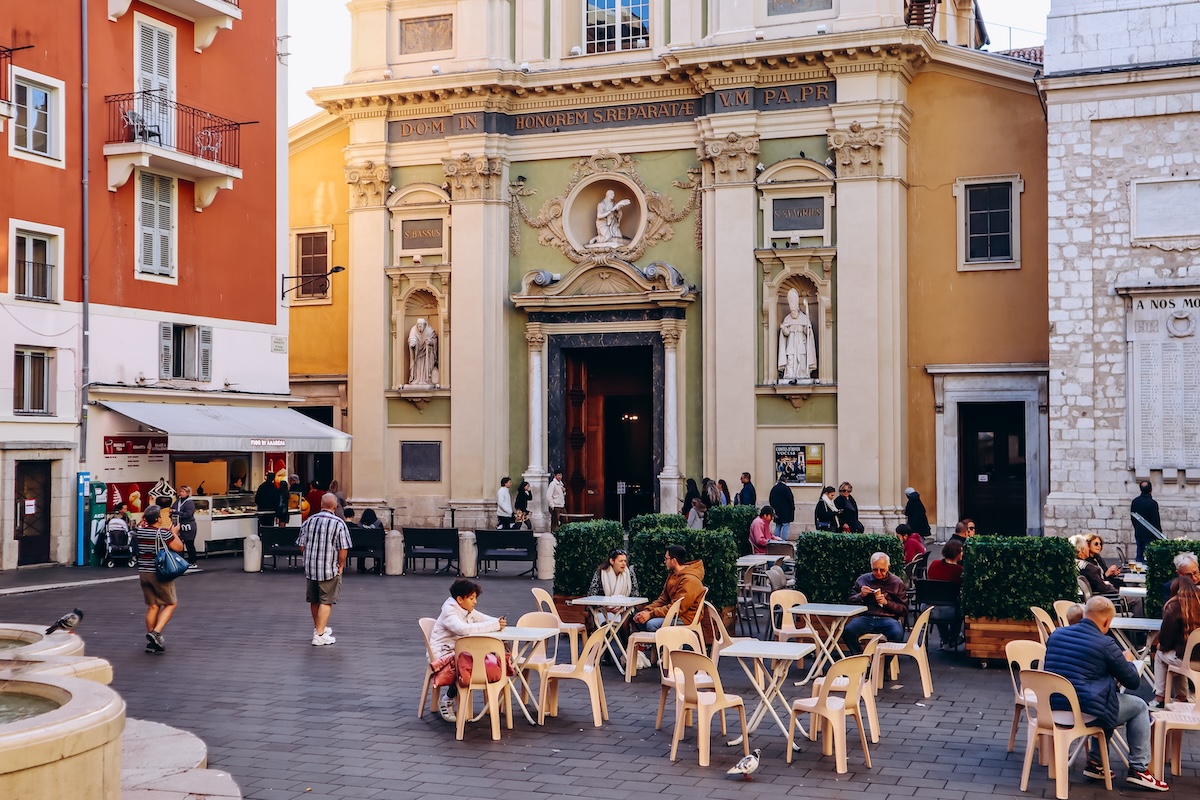
Nice is a pretty city that lines the banks of the Mediterranean Sea. A key city on the Cote d’Azur, Nice has been attracting visitors since the 19th century. After Paris, Nice is the second most visited city in France and it’s easy to see why. Nice has an old world ambiance, beginning in old town with its cobblestone streets. You can soak up the sun with a stroll along the Mediterranean, rest tired feet at an outdoor café and, in general, pick up the vibe that is the French Riviera. It’s easy to see why Nice is called Nice the Beautiful.