
Europe’s food conversation tends to collapse into the same five countries every time someone starts a dinner party debate. The continent is considerably more interesting than that narrow circuit suggests. From Sicilian street carts to kitchens preserving centuries-old Ottoman spice routes, Europe’s culinary geography has much more depth than initially advertised.
The destinations here range from world-famous to genuinely underestimated, and they share one quality: you will leave carrying food obsessions you’ll spend the next year unsuccessfully attempting to recreate in your home kitchen, to the quiet frustration of everyone who eats your cooking.
21. Sicily, Italy
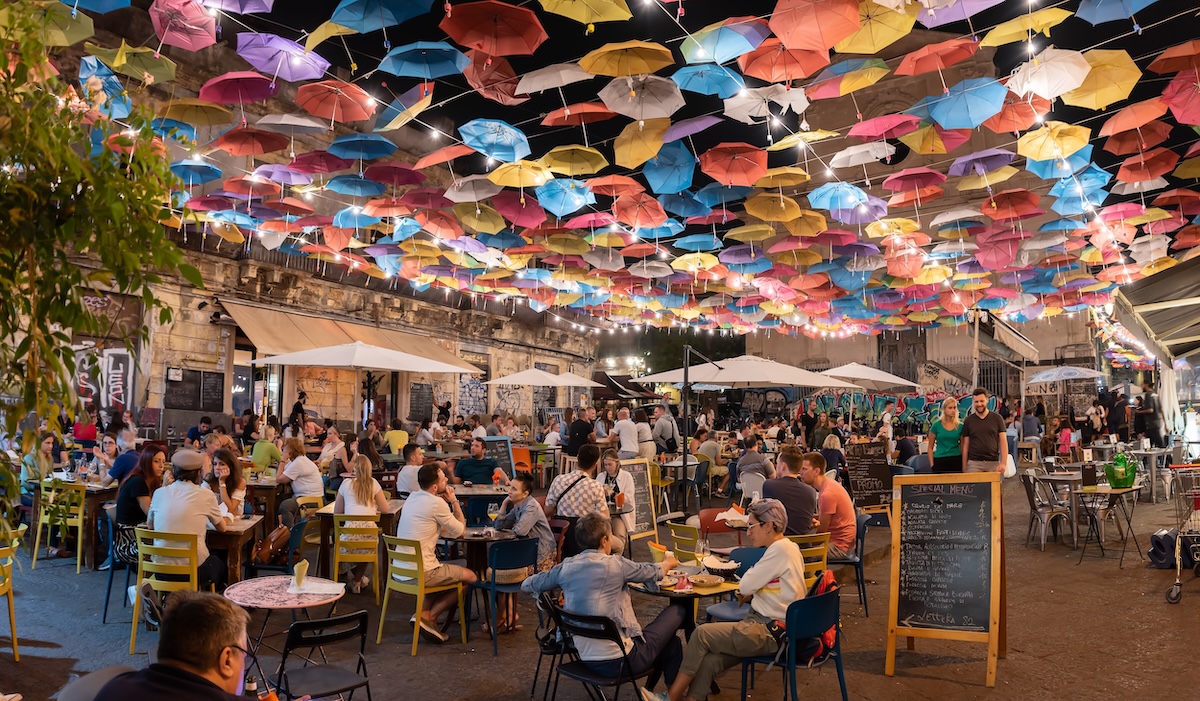
Sicily runs its best food outdoors, at street level, from vendors frying the same things from the same Palermo carts for generations. The Ballarò market delivers arancini the size of a fist, pane e panelle in sesame rolls, and sfincione dispensed by people with absolutely no time for hesitation. This is lunch. It costs four dollars. It beats most restaurant meals you will eat all week.
The culinary layering tells a 2,500-year story of Arab, Norman, Greek, and Spanish occupation negotiating through shared ingredients. Almond granita for breakfast is the correct opening move. Then, cannoli filled to order. End it off with the seafood along the Trapani coast, pulled straight out of the water and onto your table.
20. Porto, Portugal
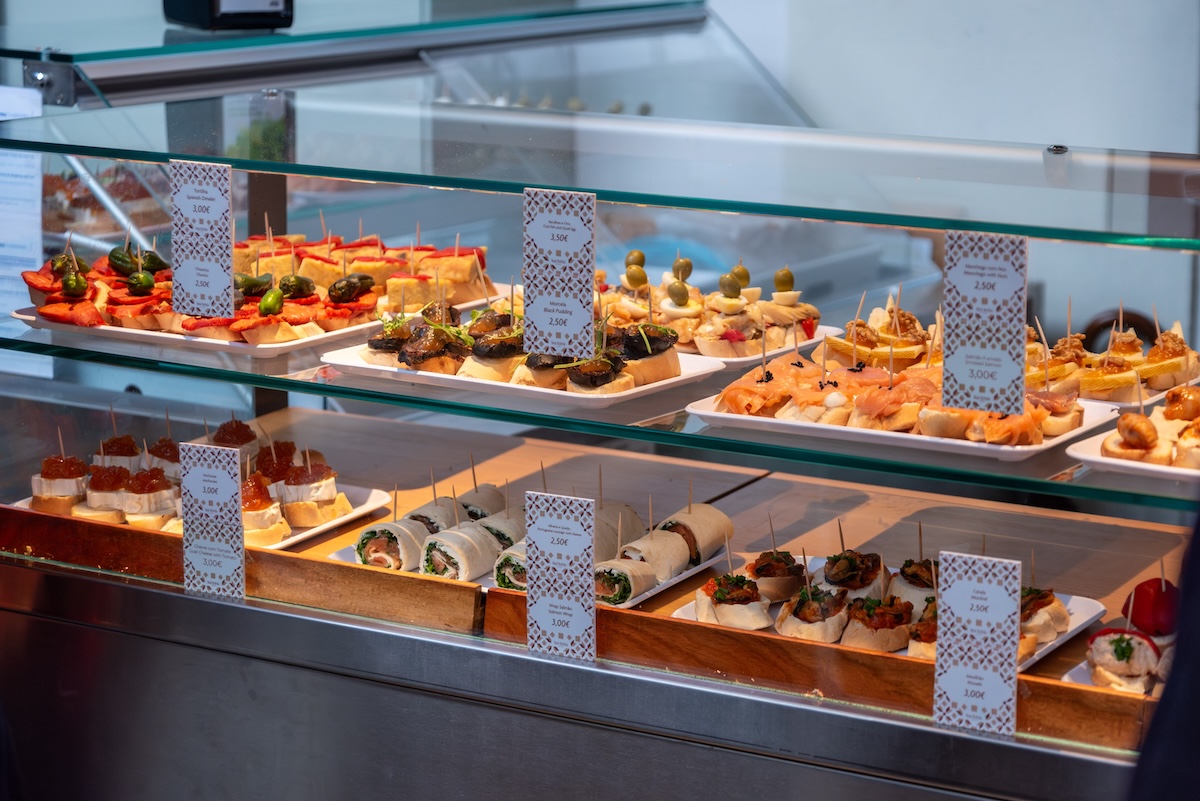
Porto does not ease you gently into its food. The Francesinha arrives as an architectural commitment: layers of cured meat and sausage between bread, cheese melting over the whole construction, a spiced beer-tomato sauce, with a fried egg sitting on top because the city decided subtlety was someone else’s problem. Arguments about which restaurant makes the definitive version have run for decades without resolution.
The rest of the table compensates with equal intensity. Bacalhau in fifty preparations, petiscos bars for leisurely small-plate evenings, and Douro Valley wines at prices that make visiting Americans pause mid-pour and wonder whether the menu lists things correctly. And let’s not get started on the pastel de nata…
19. Krakow, Poland
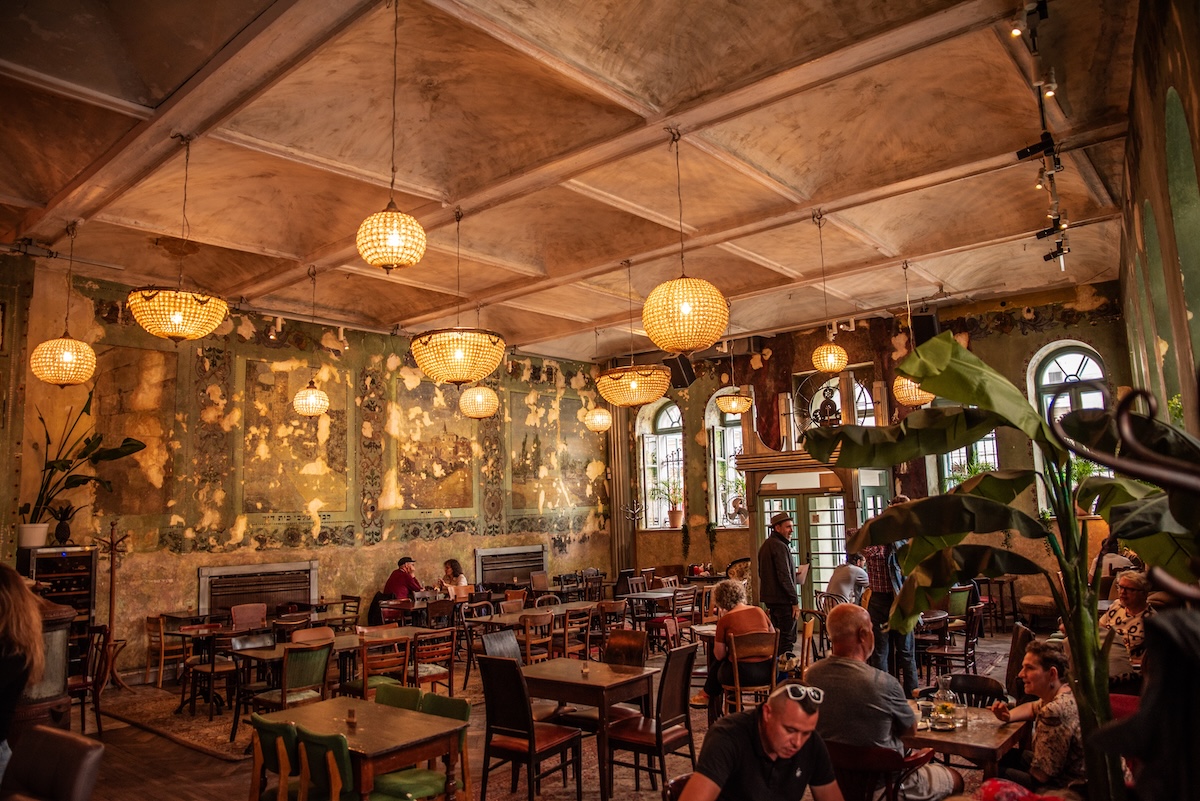
Kraków tends to appear on food lists as a surprise entry, which reflects more on how lazily people assess Central European cuisine than on the city itself. The pierogi situation obviously attracts attention: ruskie with potato and farmer’s cheese, kopytka in brown butter, barszcz in cups at Stary Kleparz market. These are not consolation foods; you are committing to a carb fest, and you won’t regret it.
The Kazimierz district adds Jewish culinary heritage and a craft brewery scene that arrived quietly and stayed. Milk bars still operate here, serving home-cooked food at pricing that belongs to a different decade entirely, where the people serving communicate through efficient, unhurried gestures that need no translation.
18. Ghent, Belgium
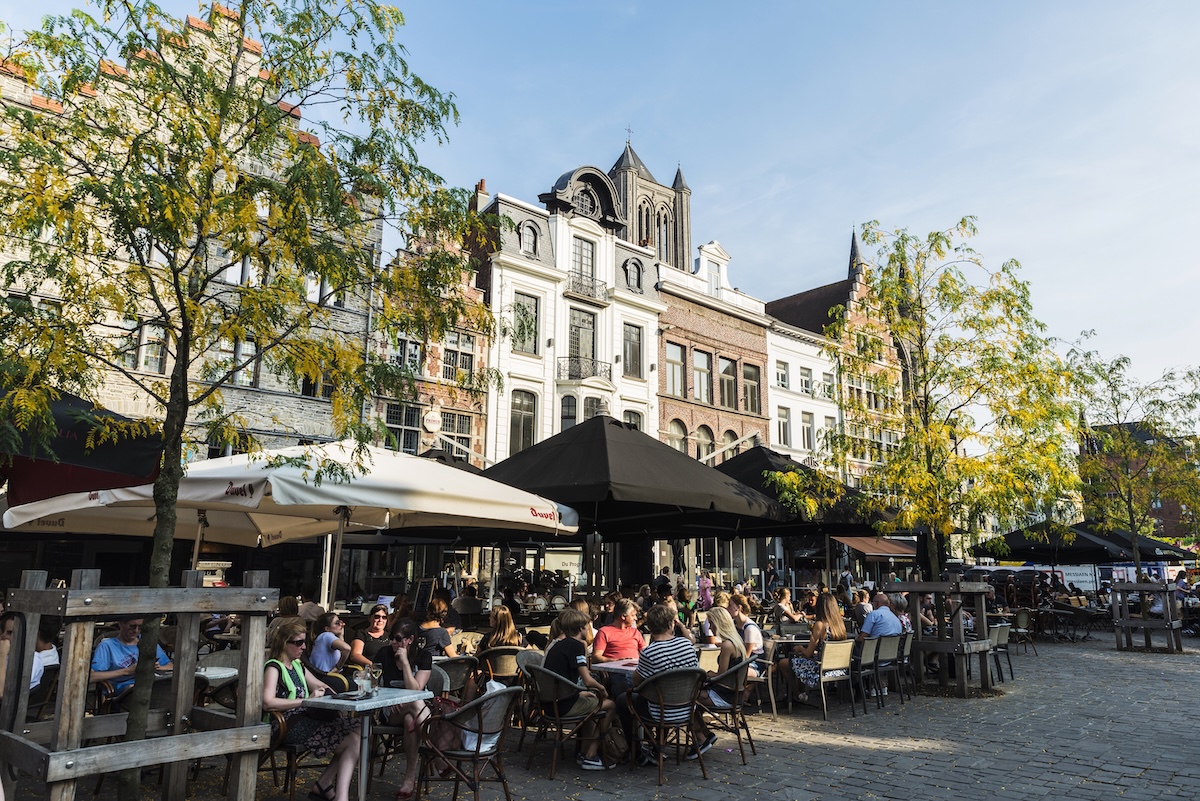
Ghent produces its own mustard, which it pairs with waterzooi, the creamy local chicken or fish stew the city treats as a religion. Locals hold firm positions on this mustard and expect visitors to develop one too. The Saturday market at Sint-Jacobs runs dense with regional cheese, charcuterie, and bread that Belgian bakers approach with something close to competitive professional grievance.
Belgium’s chocolate culture needs no travel writer advocacy, but Ghent’s independent chocolatiers produce work that the airport gift shop version cannot prepare you for. Canal-side genever bars handle the evening portion of any itinerary efficiently, at prices that encourage repetition.
17. Istria, Croatia
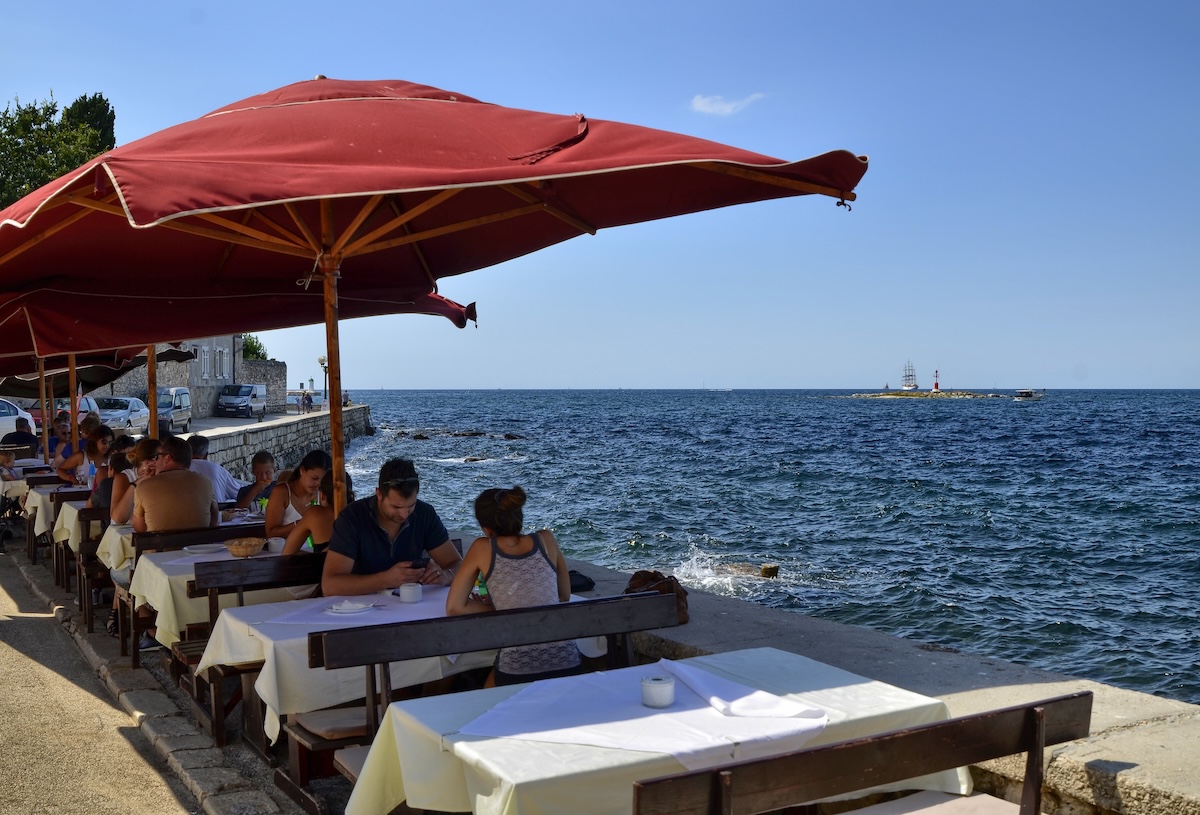
The truffle situation in Istria borders on theatrical. Motovun Forest produces black and white truffles, and local restaurants apply fresh shavings to pasta, eggs, and risotto with enthusiasm that is almost confrontational. The hunting season runs from October through January, and the dogs involved carry local celebrity status.
Istrian olive oil holds its own DOP designation, the local Malvazija white wine pairs well with most things on the table, and coastal towns produce seafood that restaurant owners in larger Adriatic cities drive vast distances to acquire. Build the itinerary specifically around eating here, and do not apologize for it.
16. Provence, France
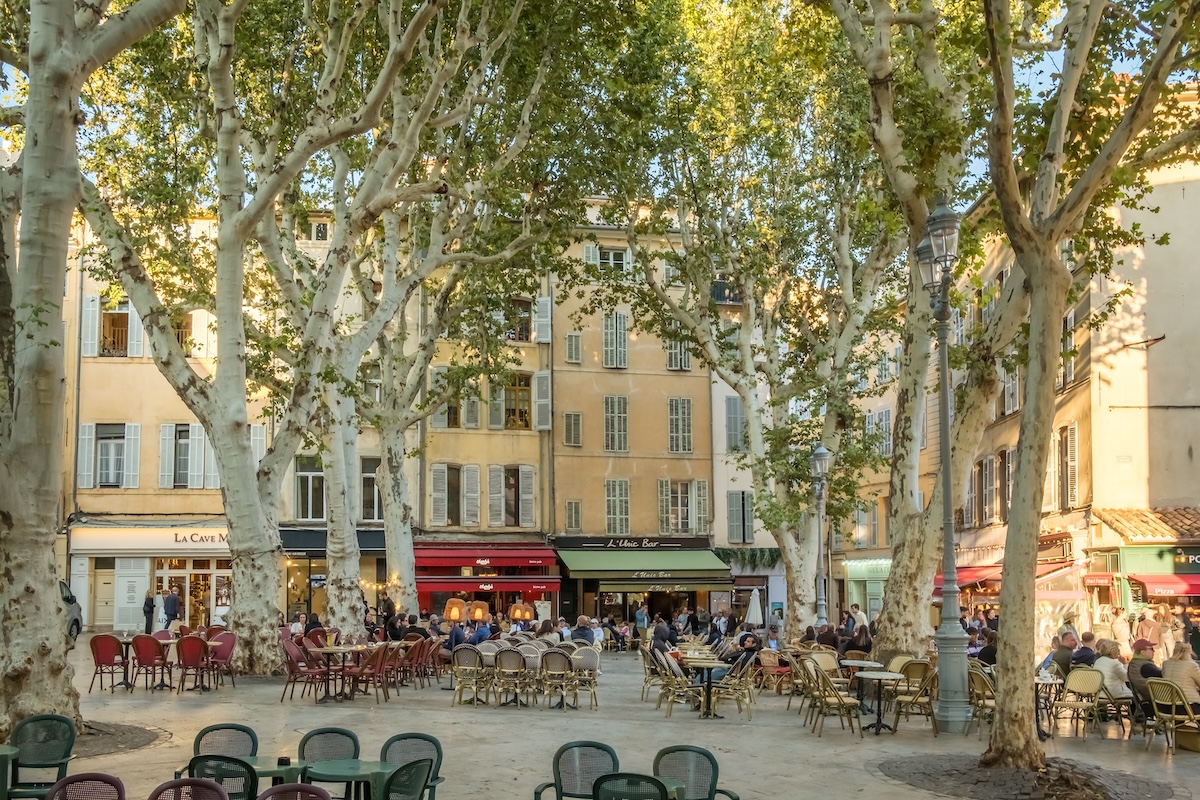
The Provence market calendar rotates through a different town every day of the week, and organizing a trip around it is one of the more rational food travel decisions available. Apt on Saturday, Aix-en-Provence on Tuesday and Thursday, Arles on Wednesday, each market pulling regional producers into a weekly event worth designing an entire driving route around.
The cuisine leans hard on olive oil, fresh tomatoes, and herbes de Provence in perfectly balanced combinations. Prepare yourself for long outdoor lunches with no schedule attached. Rosé from the Bandol and Côtes de Provence appellations suits every meal, a position locals defend without discussion, and visitors adopt within twenty-four hours of arriving.
15. Madrid, Spain
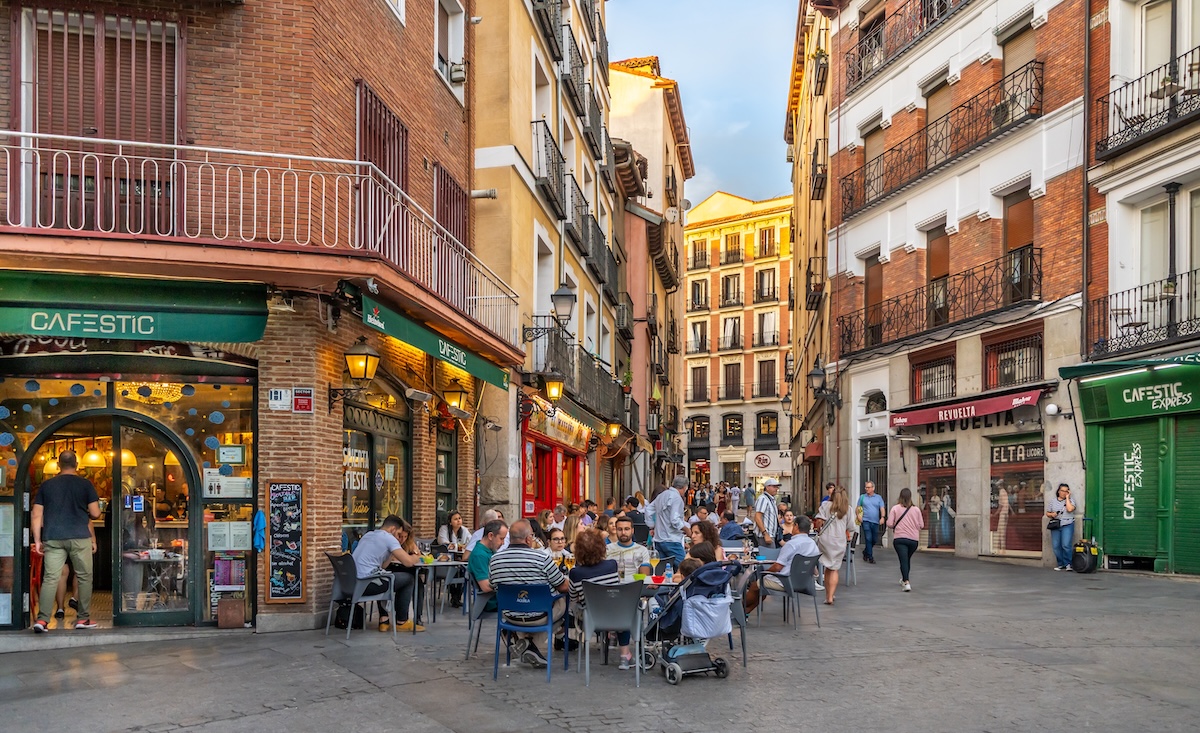
Madrid eats late in a way that defeats every schedule and produces excellent results. Dinner at 10 p.m. is standard, midnight tables are available, and the kitchen culture centers on jamón ibérico, gambas al ajillo, and bocadillos at marble-topped bars where regulars speak in shorthand and visitors learn to order with appropriate speed.
The Mercado de San Miguel provides an upscale starting point, but the real eating happens in La Latina’s tabernas, where wine costs two euros, croquetas arrive hot, and nobody watches the clock with any seriousness. Churros at Chocolatería San Ginés at 3 a.m. is the correct final move of any serious Madrid evening.
14. Belgrade, Serbia
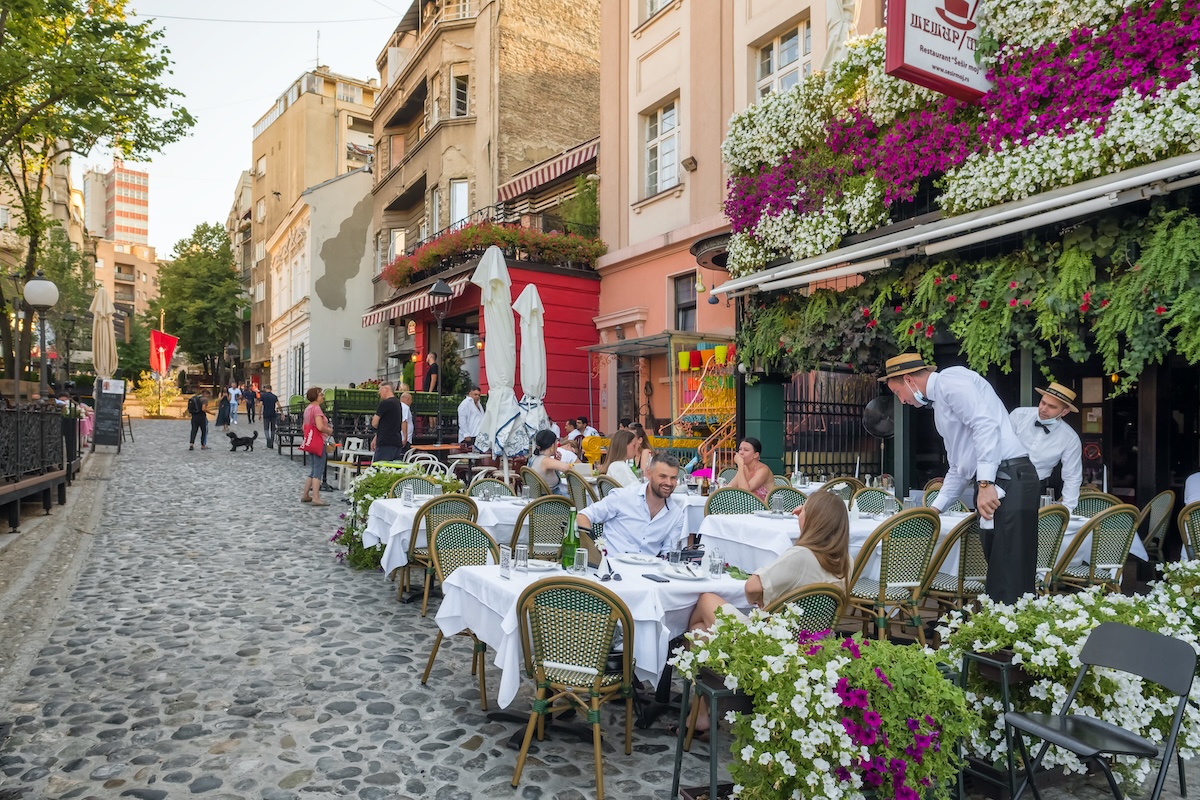
Belgrade organizes its social life around the kafana, a Serbian institution functioning as restaurant, music venue, and collective evening ritual with no fixed endpoint. The ćevapi arrive in somun flatbread with raw onion and kajmak, a clotted dairy product carrying no real equivalent elsewhere, and they form the essential first stop on any serious food visit to the city.
The Zeleni Venac produce market supplies a restaurant scene that has improved substantially over the past decade without abandoning its core commitment to meat cooked over wood. Rakija, the local fruit brandy, handles digestive logistics at the end of every dinner. That’s just how business has been conducted for centuries.
13. Crete, Greece
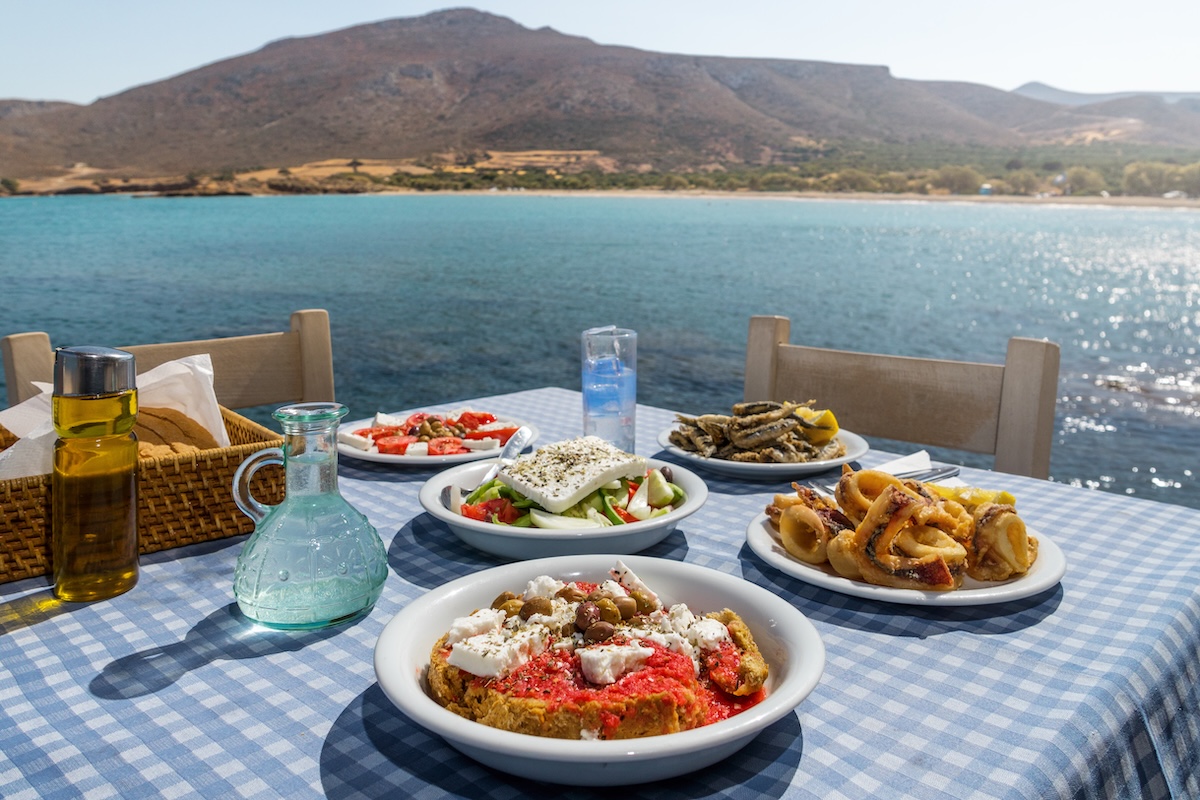
Nutritionists have praised the Cretan diet at such length that the island now bears the mild inconvenience of wellness travel associations. That framing undersells the actual pleasure considerably. Local producers take Lassithi Plateau olive oil pressing very seriously, and Cretan cooks deploy it in alarming volumes. But just take a look at the longevity data and you will be gulping it down too!
Dakos, a barley rusk loaded with crushed tomato, crumbled feta, and olive oil, makes a breakfast worth a dedicated trip on its own. Slow-roasted lamb, wild horta greens, and honey from hillsides thick with thyme complete a table that holds its quality from the first meal through to the last.
12. Emilia Romagna, Italy
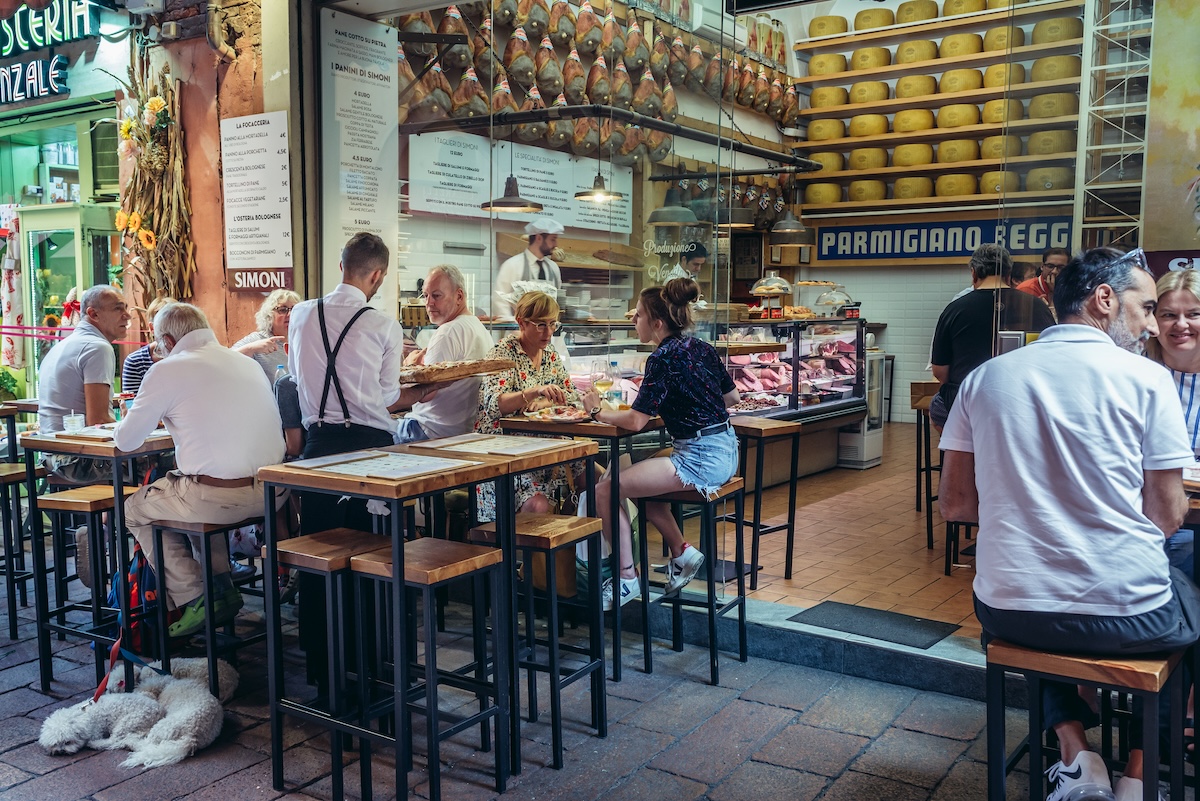
Emilia Romagna holds more Protected Designation of Origin food products than any other Italian region, which tells you everything about the area’s quality standards and the Italian government’s institutional appetite for agricultural regulation. Parmigiano Reggiano, Prosciutto di Parma, mortadella, Modena balsamic vinegar, and fresh egg pasta that sfogline hand-roll with fifty years of muscle memory all originate within one compact, drivable radius.
Bologna, the culinary capital, ranks among Italy’s most undervisited major cities, which means food discovery here feels personal and well earned. Tortellini in brodo at a proper Bolognese trattoria is the single dish most capable of producing a spontaneous dietary reassessment on the spot.
11. London, United Kingdom
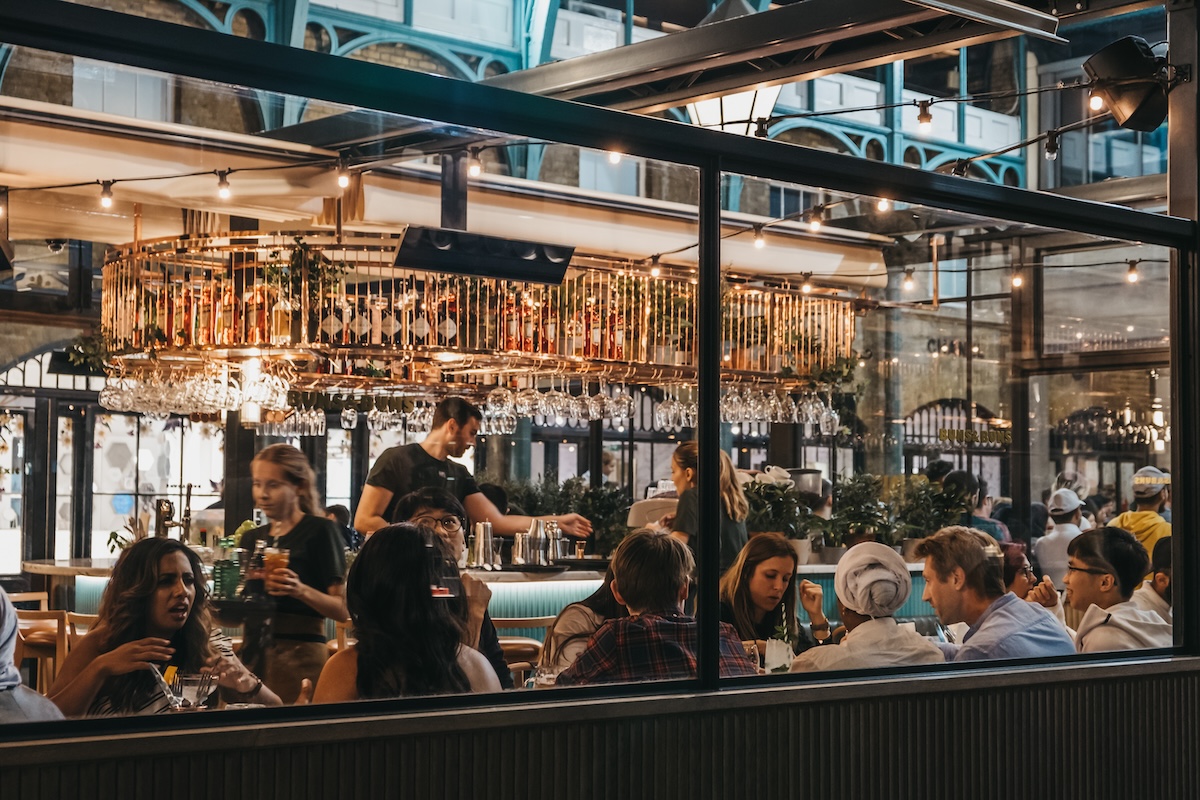
London ranks as one of Europe’s top food cities, with nearly 3,000 five-star reviews from travelers. You’ll find everything from traditional British pubs serving fish and chips to Michelin-starred restaurants pushing culinary boundaries.
The food scene here reflects the city’s multicultural population. Grab authentic Indian curry in Brick Lane, sample dim sum in Chinatown, or explore Middle Eastern flavors on Edgware Road. Borough Market is packed with fresh produce and artisan foods, so you can taste your way through local cheeses and baked goods. Street food markets have blown up in London. Camden Market and Maltby Street Market let you try dishes from around the world without breaking the bank.
Traditional afternoon tea is still popular at hotels and tea rooms. Gastropubs all over the city blend British classics with modern cooking techniques too—worth checking out if you want a twist on the usual.
10. Sarajevo, Bosnia
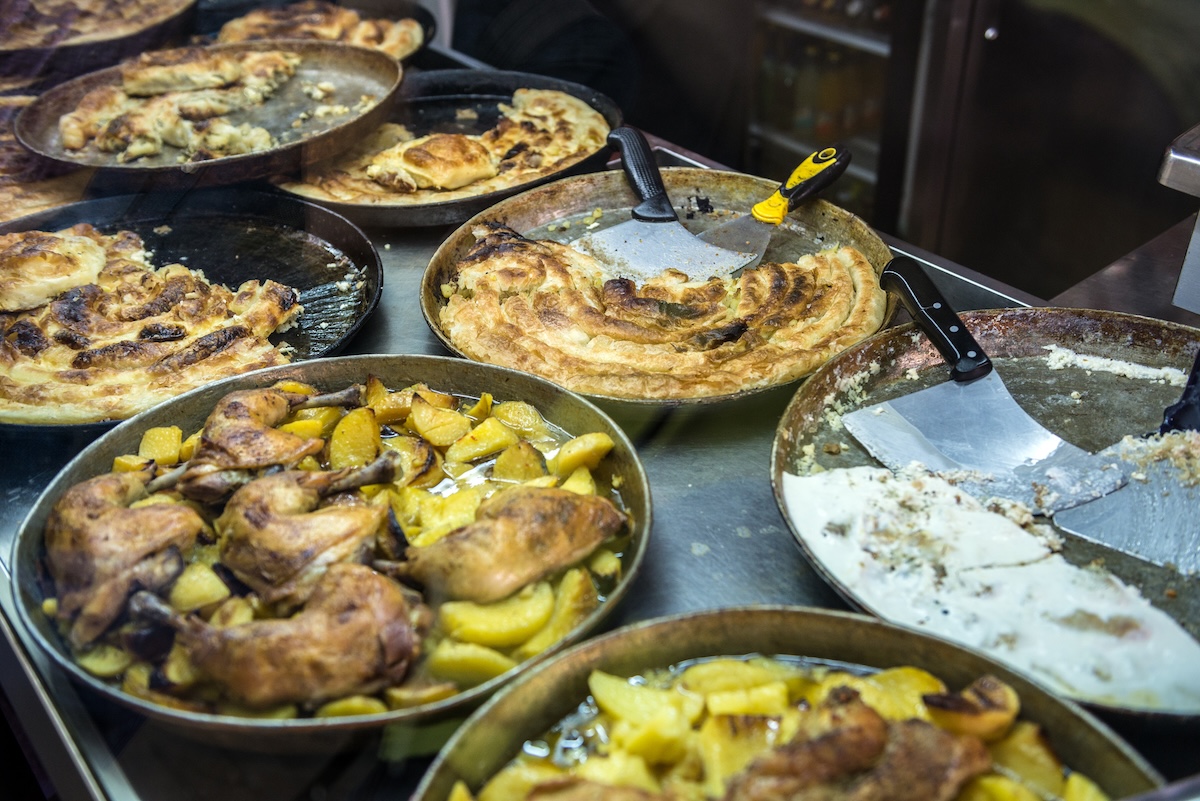
Sarajevo’s food runs at the intersection of Ottoman, Austro-Hungarian, and Balkan culinary traditions, producing a table with more range than its current international profile reflects. The ćevapi at Ćevabdžinica Željo arrive in somun flatbread with raw onion and kajmak and rank among the most specific and satisfying fast-food experiences in Europe, full stop. The lunch crowd outside communicates precisely how seriously the city treats this.
Beyond ćevapi, Sarajevo holds a burek culture of great distinction, a coffee ceremony adapted from Ottoman tradition that productively slows every afternoon, and a Baščaršija bazaar neighborhood full of restaurants where the cooking prioritizes flavor with absolutely no performance attached.
9. Copenhagen, Denmark
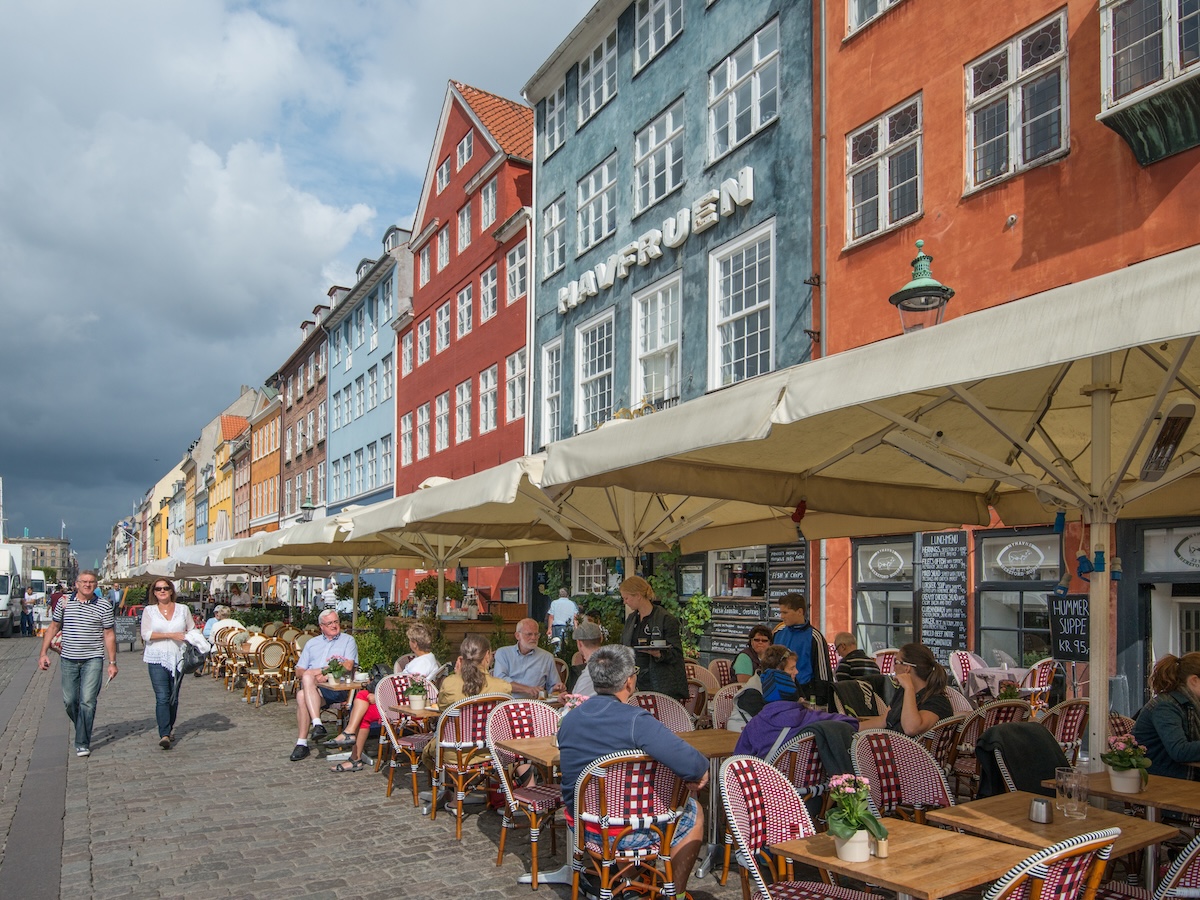
Copenhagen has turned into one of Europe’s most exciting cities for food lovers. The Danish capital has everything from cozy bakeries to high-end dining spots that really push culinary boundaries. More Michelin-starred restaurants per person pop up here than almost anywhere else. The city basically kickstarted the New Nordic food movement, changing how chefs across Europe think about local ingredients and creative cooking.
If you walk around neighborhoods like Vesterbrogade, you’ll run into vibrant restaurants and cocktail bars on nearly every corner. Torvehallerne, the city’s fantastic food market, is packed with Danish pastries, fresh seafood, and artisan cheeses.
You can grab budget-friendly street food at places like Reffen, or splurge on unforgettable fine dining. Whether you go for smørrebrød at a local café or book a table at a renowned restaurant, Copenhagen’s flavors make the trip worth it.
8. Rome, Italy
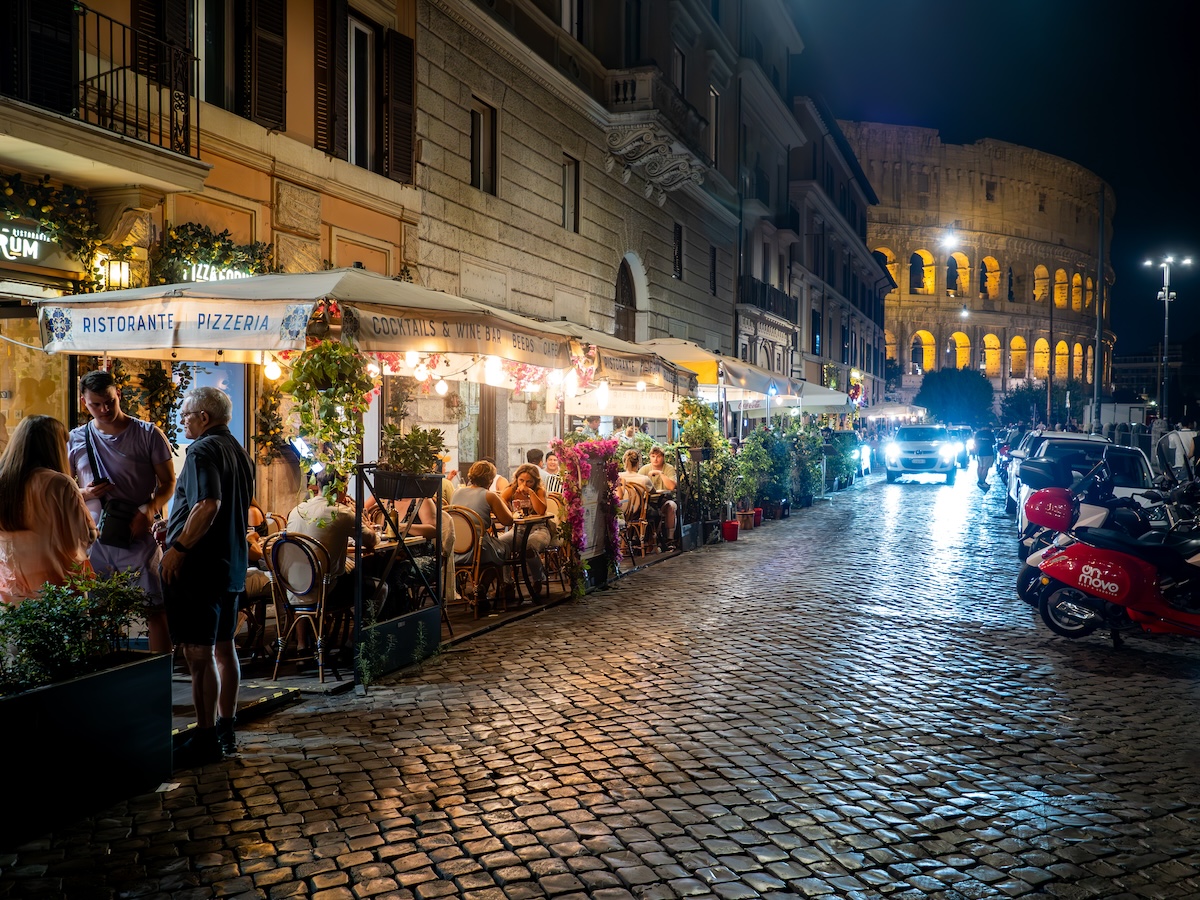
Rome stands out as one of the world’s top food cities, and honestly, you get it the moment you step off the train. The Eternal City weaves centuries of culinary tradition right into its streets—trattorias seem to pop up wherever you turn, each with its own loyal following.
You’ve got to try the classic Roman dishes while you’re here. Carbonara pretty much steals the show, thanks to that creamy sauce of eggs, pecorino cheese, and guanciale. And then there’s pizza al taglio—grab a slice, wander, and you’re set. Rome’s food markets tempt you with fresh ingredients and grab-and-go specialties. If you’re feeling curious, join a cooking class and get your hands messy making pasta like a local. Street vendors toss out supplì and pizza bianca that’ll have you coming back for seconds.
When evening rolls around, find a seat at a traditional restaurant and dig into cacio e pepe or amatriciana. And really, skipping gelato? Not a chance—Rome’s gelaterias churn out flavors you’ll daydream about long after you’ve left.
7. Lyon, France
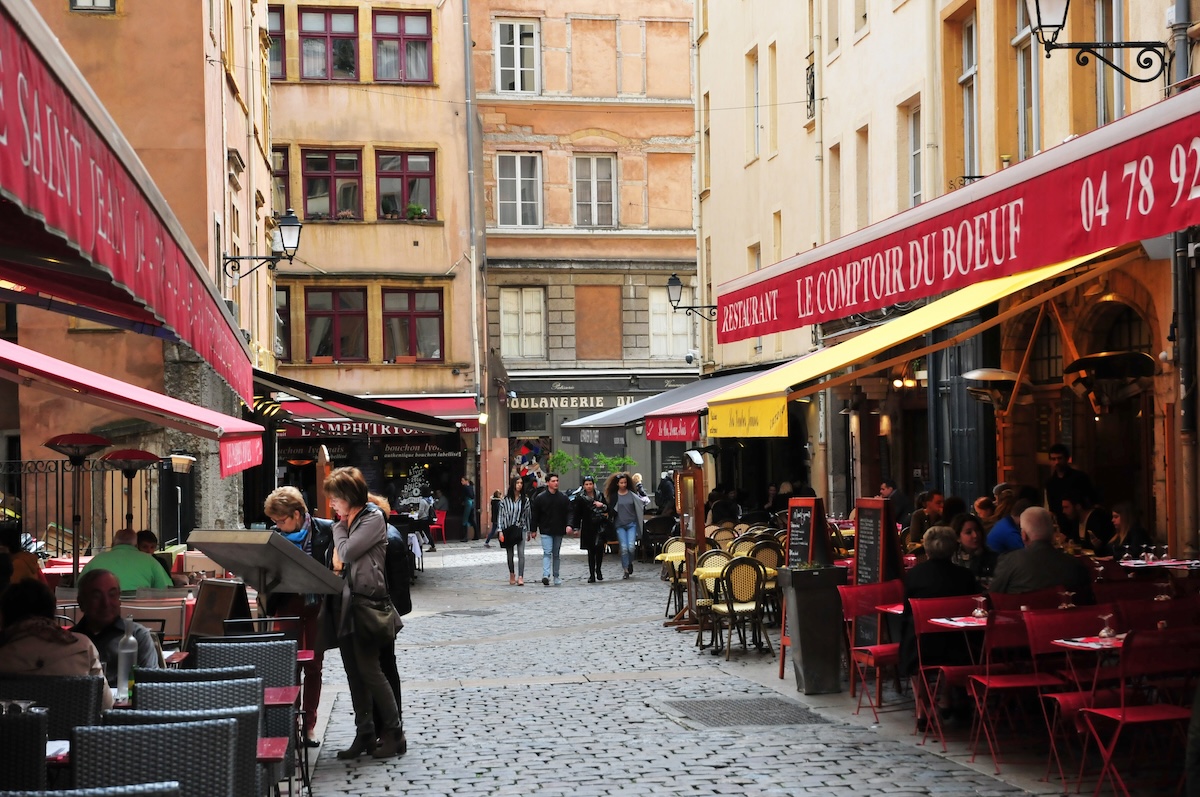
France’s true food capital sits tucked away in the southeast. Lyon actually beats out Paris for serious eating, if you ask most food lovers.
The city’s famous bouchons—cozy, traditional bistros—serve classic Lyonnaise dishes. You could spend days hopping between restaurants and markets. Les Halles, the covered food market, lets you see local ingredients and grab quick bites from dozens of vendors.
Lyon doesn’t just stick to old-school cooking. It leads France’s modern cuisine scene too, blending traditional recipes with fresh ideas. Restaurant options range from market stalls to fancy white-tablecloth spots.
6. Istanbul, Turkey
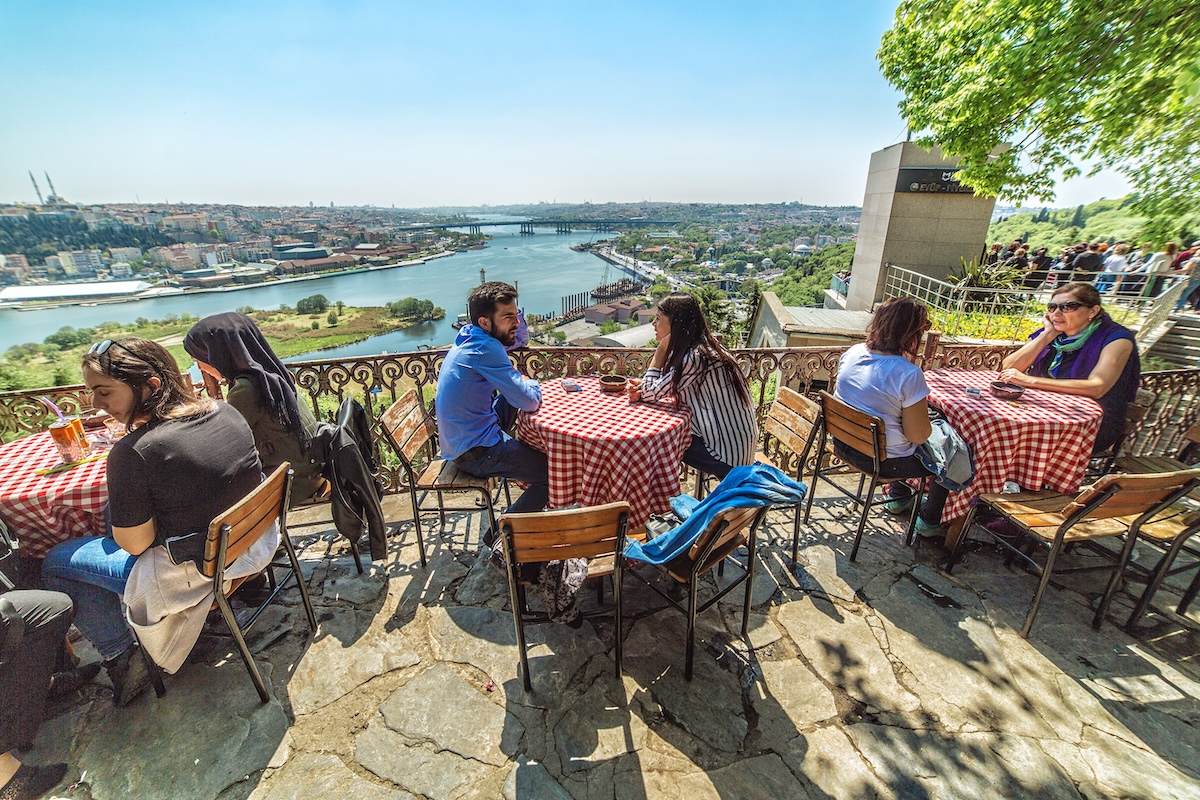
Istanbul sits right between Europe and Asia, so you get the best of both food worlds in one city. The streets are full of vendors selling everything from fresh simit bread to juicy kebabs that’ll blow your mind.
Head to the Asian side for some of the most authentic local eats you can imagine. Food markets here buzz with energy, spices, and flavors you just won’t find anywhere else. Grab cheap street food from carts or splurge at rooftop restaurants with killer views.
Don’t leave without trying cag kebab or checking out the local food stalls. The mix of Turkish spices, grilled meats, and fresh veggies makes these dishes totally different from most European fare. Istanbul’s food scene is vibrant, affordable, and honestly unforgettable.
5. Donostia-San Sebastián, Spain
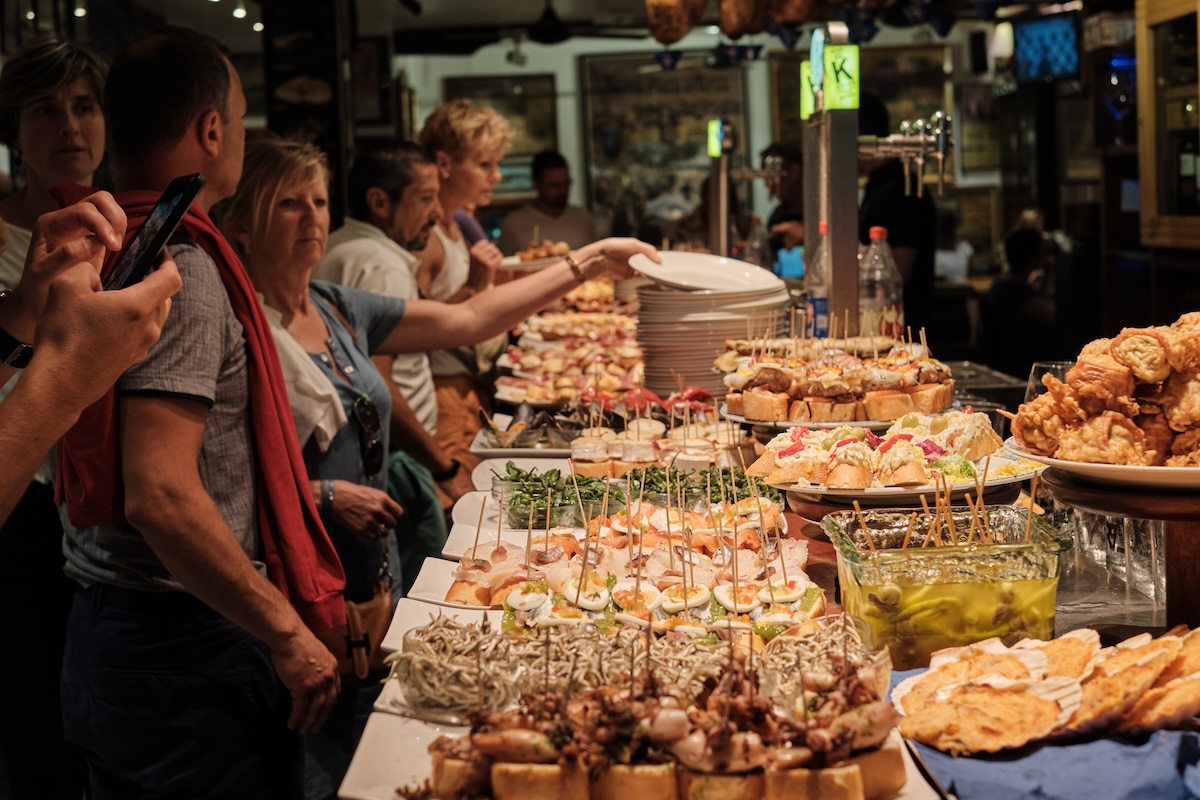
This coastal Basque city brings one of Europe’s most exciting food scenes. San Sebastián packs 19 Michelin stars into a small area, which is wild for a town its size.
The real magic? It’s in the pintxo bars scattered across the old town. These small bites aren’t just bar snacks—you can hop from place to place, trying new creations at each stop. Local chefs here have deep respect for their ingredients and treat meals as social events. You’ll find everything from casual pintxo bars to elegant Michelin-starred restaurants, sometimes all in one afternoon.
Being right on the coast, fresh seafood is everywhere. Traditional cider houses add to the experience, letting you try authentic Basque dining. Whether you’re grabbing quick bites or settling in for a long meal, San Sebastián delivers.
4. Athens, Greece
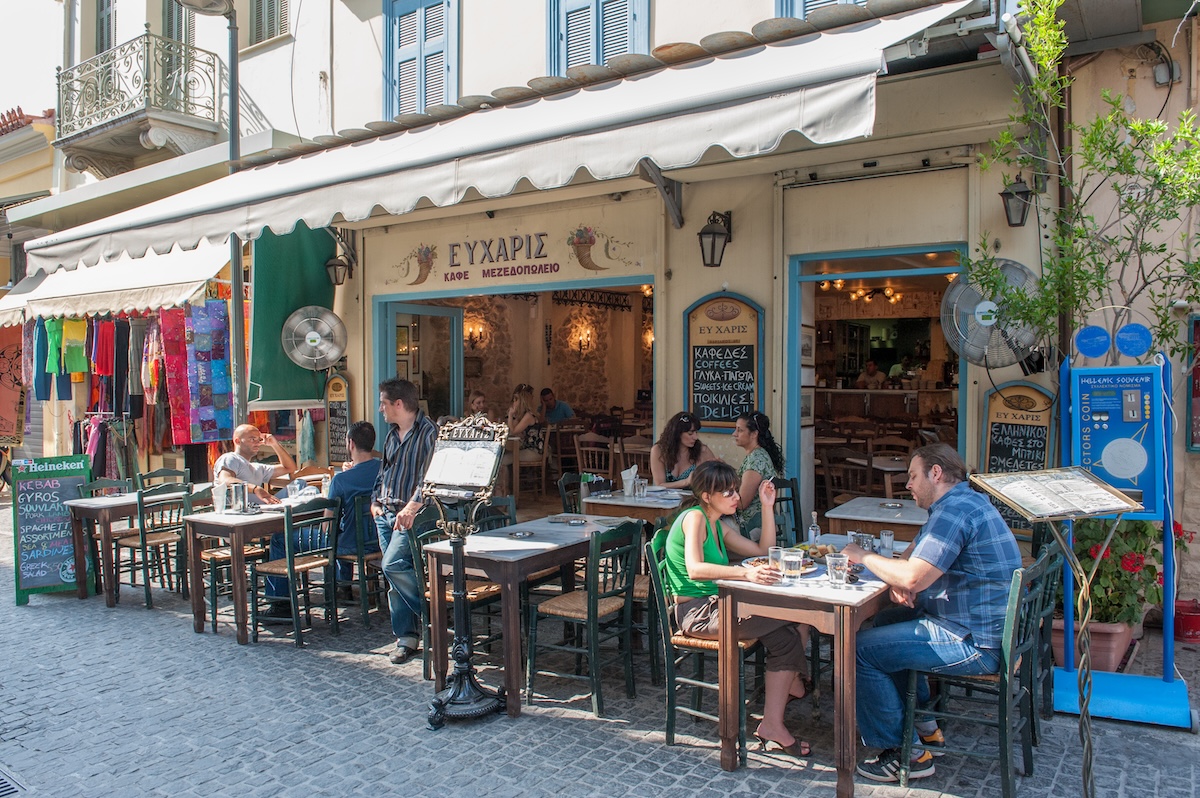
Athens has become one of Europe’s most exciting food cities. You’ll find everything from traditional tavernas serving Greek classics to modern restaurants putting new spins on ancient recipes.
The city’s food scene celebrates local ingredients from Greece’s fertile lands. Fresh olive oil, seasonal veggies, and quality meats show up on menus all over town. You can grab quick souvlaki from street vendors or settle in for a long dinner with rounds of meze. Athens covers every price point. Street markets let you sample local cheeses and olives, while Michelin-starred restaurants show off what Greek cuisine can do. The Koukaki neighborhood has turned into a hotspot for global flavors mixed with Greek traditions.
Don’t skip the bakeries and coffee shops. Greeks take their coffee seriously, and pairing traditional pastries with your morning drink is a must.
3. Barcelona, Spain
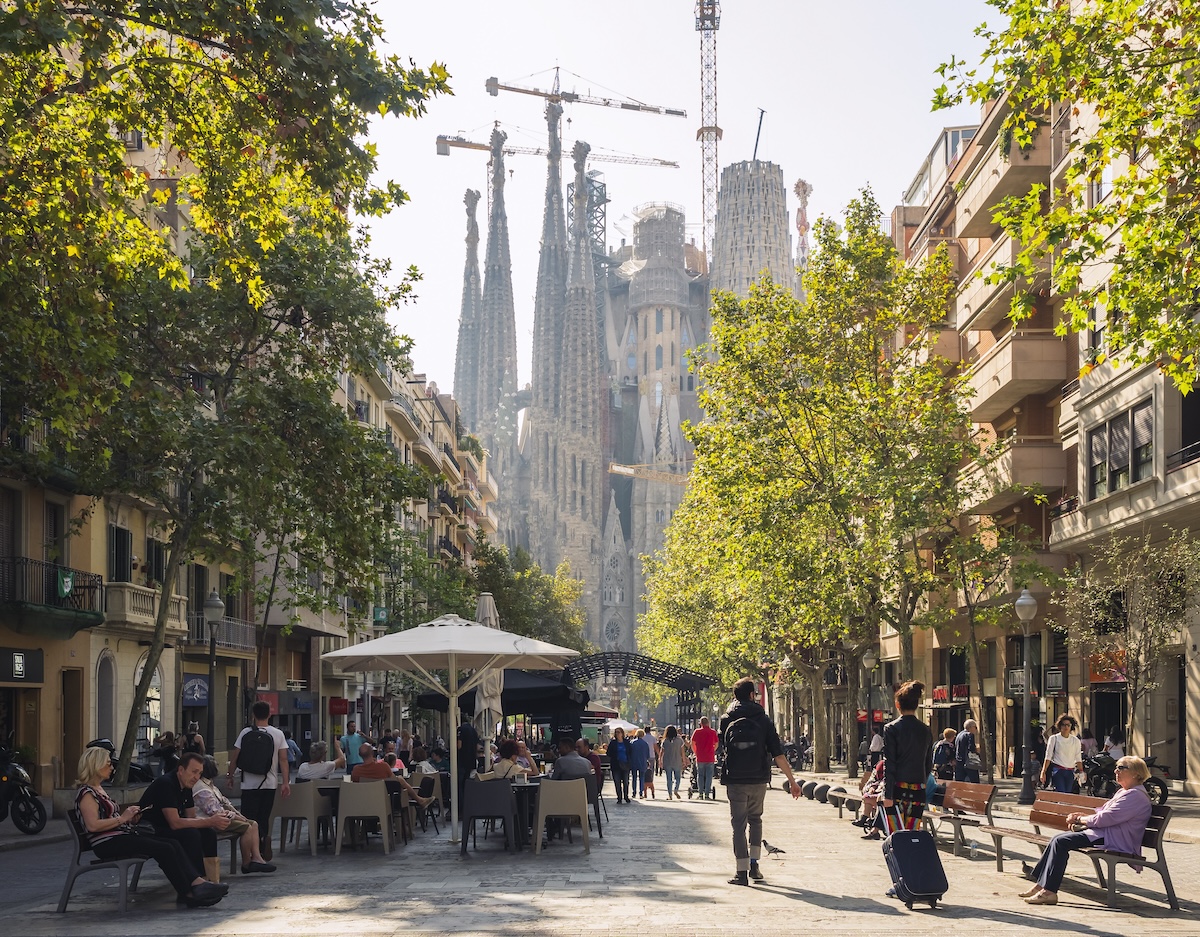
Barcelona stands out as one of Europe’s top spots for food lovers. You’ll find everything from bustling food markets to old tapas bars tucked away on narrow streets. The city mixes traditional Catalan cooking with bold ideas from creative chefs.
The tapas scene is incredible. Bar hopping for small plates of local favorites—fresh seafood, jamón ibérico, patatas bravas—never gets old.
Barcelona’s markets are a must. La Boqueria on Las Ramblas is packed with fresh produce, meats, and cheeses. You can grab a quick bite at the stalls or pick up ingredients to take home. No matter your budget, you’ll eat well. Whether it’s a quick bocadillo or a fancy restaurant meal, Mediterranean ingredients and big flavors are everywhere.
2. Naples, Italy
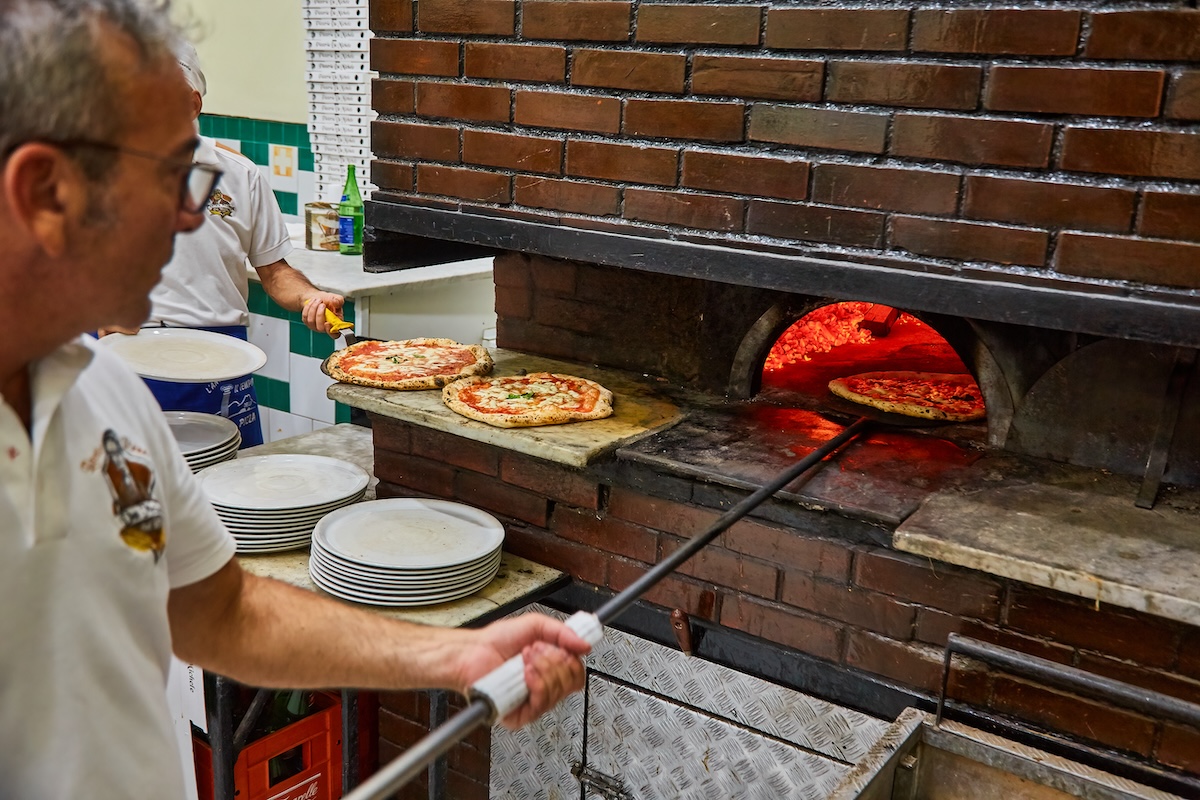
Naples lives and breathes food in a way few cities do. You’re in the birthplace of pizza, where locals take their eating seriously. The streets buzz as vendors sell pizza fritta and arancini from tiny carts.
Pizza here is on another level—the crust gets perfectly charred in wood-fired ovens, and the simple toppings let the ingredients shine. But there’s more to Naples than just pizza. Seafood comes straight from the bay to your plate at local restaurants. Grab fried street food from paper cones or sit down for a meal at a traditional trattoria. Coffee culture runs deep, with locals downing espresso at the bar all day long.
Naples doesn’t put on a show for tourists. You’re eating where generations of Neapolitans have, following food traditions that go back centuries.
1. Paris, France
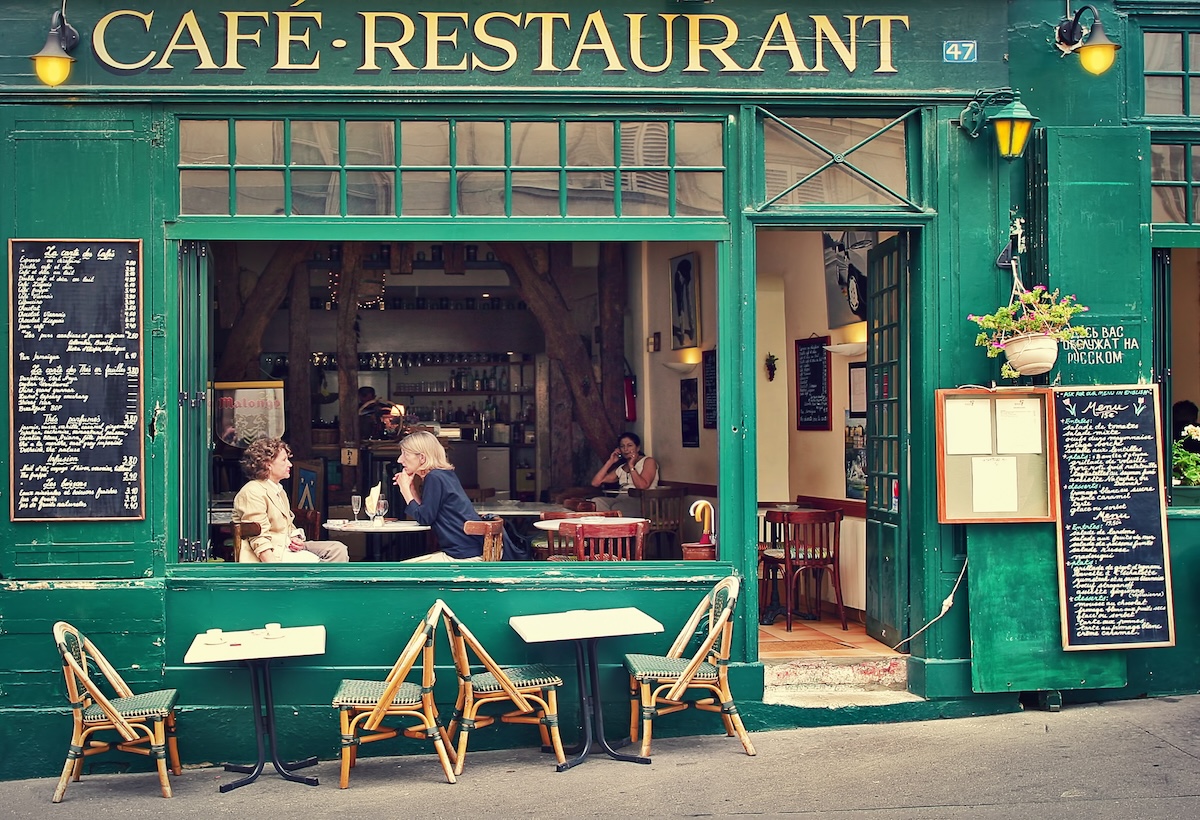
Paris stands as one of Europe’s top food cities, and honestly, it’s easy to see why. There are more than 100 Michelin-starred restaurants where you can try world-class dishes from expert chefs.
But it’s not all about fancy places. Street markets across the city sell fresh produce, cheeses, and meats. Local bakeries line almost every street, with buttery croissants and crusty baguettes that are tough to beat. The patisseries are worth your time. These shops create pastries and desserts that look almost too good to eat (but you’ll eat them anyway). For classic French dishes without the high prices, grab a quick bite at a brasserie.
Paris gives you options no matter your budget. The food culture runs deep here, making it easy to eat well whether you want fine dining or casual eats.