
Set amid the scenic foothills of the Blue Ridge Mountains, this charming city enjoys a picturesque location near the geographic center of Virginia. With a rich past and vibrant cultural scene, it was once described by Thomas Jefferson as “the most interesting spot in the state.”
Lynchburg is often called the “City of Seven Hills” due to its distinctive landscape. Founded in 1757 as a simple ferry crossing, it later played a notable role in the American Civil War, which officially ended here.
Today, its lively downtown stretches along the James River, where historic warehouses and mills have been transformed into trendy lofts, bars, and local businesses. Visitors can explore a range of museums and Civil War sites, while a large student population gives the city a youthful energy, reflected in its art exhibitions and cultural events.
Surrounded by forests and mountains, the area also offers plenty of opportunities for outdoor activities, making it an appealing destination for both history and nature enthusiasts.
National D-Day Memorial
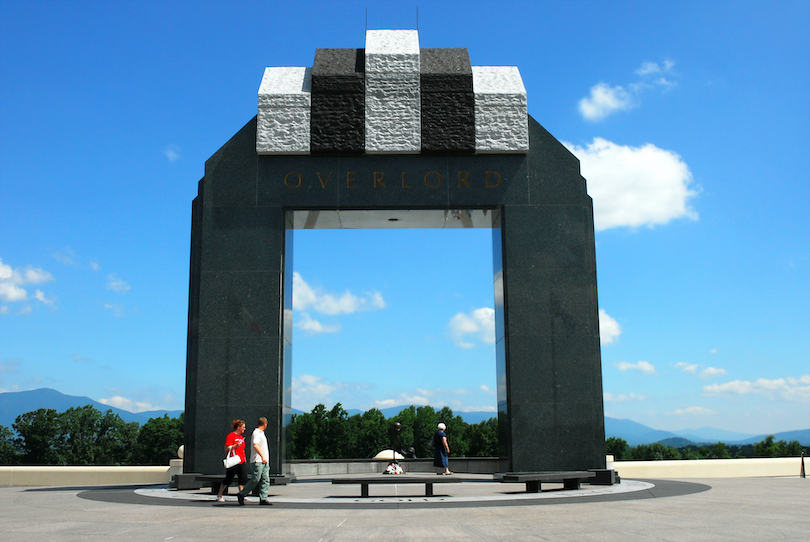
Not far away in nearby Bedford is the National D-Day Memorial. A very powerful and poignant monument, it honors the Allied forces that participated in the invasion of Normandy during World War II.
Officially unveiled in 2001 by then-President George W. Bush, its sprawling site occupies a hilltop overlooking the town below. Three distinct plazas take guests from the planning and preparation for the invasion to the landing and fighting stages with a necrology wall naming all those that lost their lives during the bloody battle.
The dramatic-looking memorial features sculptures of soldiers struggling ashore and jets of water that replicate the sound of gunfire. A must for those interested in history, it lies roughly half an hour’s drive to the southwest of Lynchburg.
Sandusky
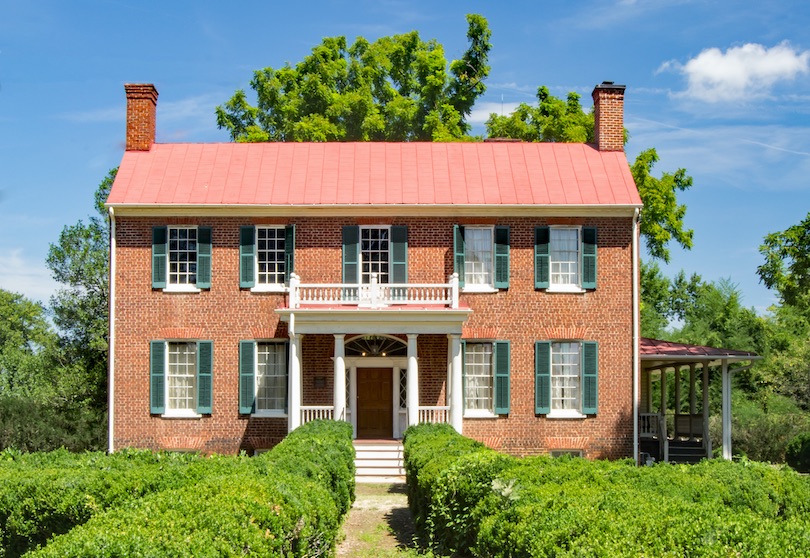
Another fascinating place to stop by is the historic Sandusky house that once served as a headquarters for the Union during the Civil War. Set just ten minutes’ drive southwest of downtown, the fine Federal-style mansion has terrific tours for you to take around its elegant interior.
Now recognized as a National Historic Landmark, the beautiful brick building was built about 1808 by Charles Johnston. During the Battle of Lynchburg in 1864, the house and its barn acted as both a headquarters and hospital for Union forces.
While touring the pretty property, you’ll learn all about its interesting history and architecture as you explore rooms full of period pieces and antique furniture. There is also a short film for you to watch and a few weapons and exhibits to see in its small museum.
Amazement Square
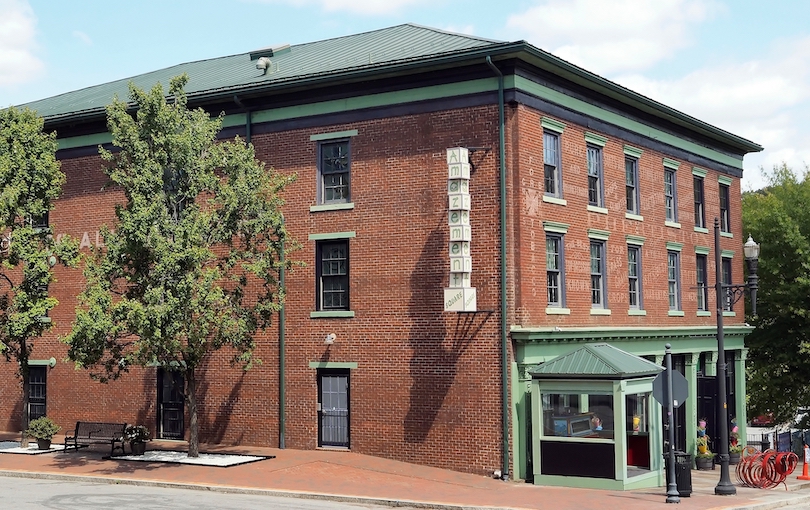
A firm favorite with families, Amazement Square has four floors of enthralling interactive exhibits and activities for guests of all ages to enjoy. Located right next to the James River in downtown, the award-winning museum covers everything from the arts and humanities to science and technology.
Established in 2001, its exciting installations and experimental areas occupy the historic J. W. Wood Building which dates to before the Civil War. Here you can learn all about Native American cultures and Ancient Egypt before painting, practicing music and playing on a pirate ship.
The top-class museum encourages people to learn about topics like agriculture, architecture and the environment through touch and play. One of its main highlights though is the incredible Amazement Tower which has an endless maze of tunnels, ladders and slides for kids to explore.
Blue Ridge Parkway & Peaks of Otter Lodge
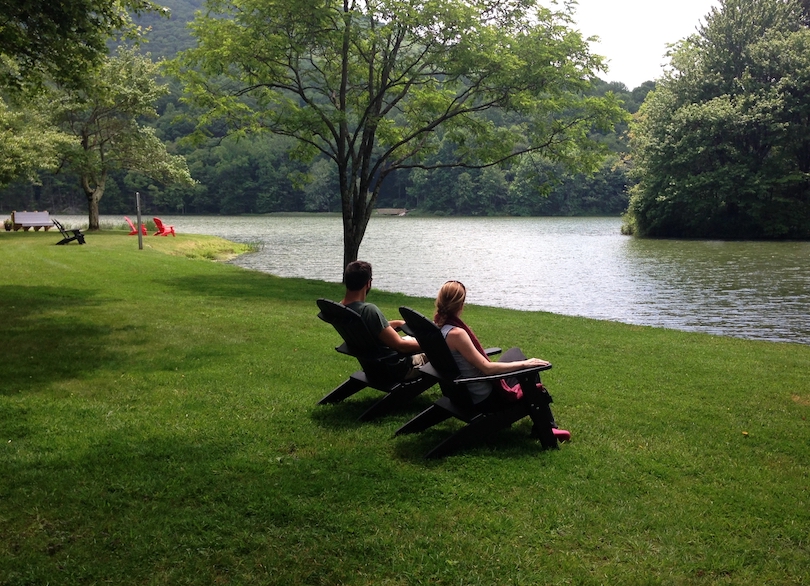
An absolute treat to drive along, the Blue Ridge Parkway takes you past lots of stunning landscapes, scenery and nature. To have more time to explore the area, it is well worth staying at the pretty and peaceful Peaks of Otter Lodge which lies fifty minutes’ drive west of Lynchburg.
Stretching 469 miles in length, the parkway mainly follows the spine of the breathtaking Blue Ridge Mountains in both Virginia and North Carolina. It connects Shenandoah National Park to the Great Smoky Mountains with sweeping valleys, sublime viewpoints and sparkling waterfalls found all along the route.
Just west of Bedford you can already hike about the Peaks of Otter; three lofty mountains that offer commanding views over the countryside below. At the rustic lodge of the same name, you can enjoy a relaxing stay and cruise along scenic parts of the parkway found nearby.
Riverwalk Trail
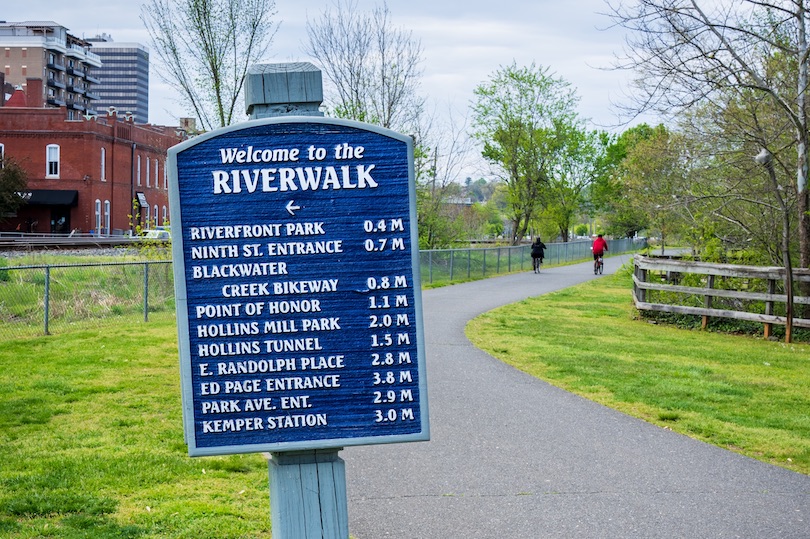
A wonderful way to see still more of the city and its surroundings is to walk, run, jog or cycle along the Riverwalk Trail. As well as taking you through both downtown and the Riverfront Park, it winds its way alongside the river and across Percival’s Island.
Starting at the point where the Blackwater Creek Trail ends, the multipurpose paved path meanders beside the James River for 5.7 miles in total. After having seen Amazement Square and some of downtown’s other attractions, you can head to the pristine woods and wildlife of Percival’s Island.
As you stroll along the tranquil trail, you can take fine photos of the old bridges and unspoiled nature spots that line the route. There are also plenty of cafes and shops to stop off at once you get back to the city center at the end of the out-and-back trail.
Appomattox Court House
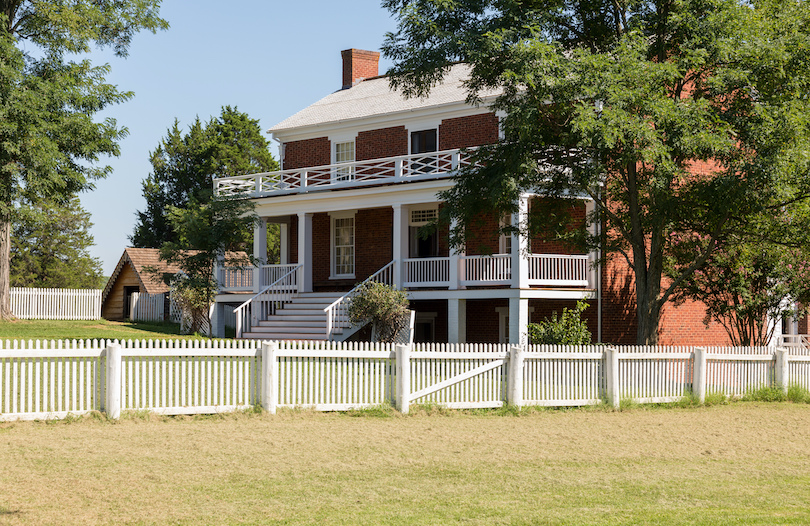
Simply a must for those interested in history, Appomattox Court House is where the surrender of the Confederate Army and the effective end of the American Civil War took place. Now protected as part of a National Historical Park, the well-preserved village has a couple of dozen restored buildings, ruins and even some cemeteries for you to wander around.
Famed for being the site of the Battle of Appomattox Court House, it was here on April 9, 1865 that Confederate general Robert E. Lee signed the surrender documents in the McLean House. In its old parlor, you can see the original desk and chairs where he and Union general Ulysses S. Grant finally brought the country-defining conflict to a close.
In addition to watching an informative video on the historical events, you can also chat to costumed reenactors as you explore the sprawling site. Artifacts and exhibits also shine a light on the battle as do the historic old buildings and the courthouse itself.
Old City Cemetery
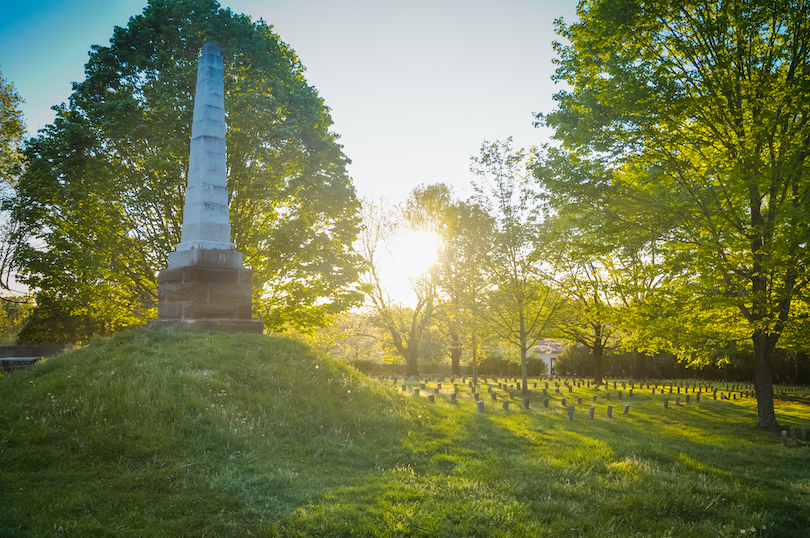
Just a short walk from downtown is the atmospheric Old City Cemetery. Asides from all its amazing old weathered gravestones, it has a gorgeous heritage rose garden and interesting mourning museum for you to visit.
One of the oldest public cemeteries in the United States that is still in use, it was established in 1808 with various historic house museums and an arboretum also being located within its grounds. Other than ambling about its wide open green spaces, you can therefore learn about the cemetery, funerals and mourning customs in America over the centuries.
In total, roughly 20,000 people are reckoned to be buried here with Union and Confederate soldiers now lying side by side with free and enslaved African Americans. Due to their old age, many of the graves and crypts make for some great photos with weddings also sometimes being held at the small chapel in the cemetery.
Lynchburg Museum

Offering up a fascinating insight into the history, culture and peoples of the Central Virginian city is the excellent Lynchburg Museum. Its extensive collection of artifacts and exhibitions can be found in the Old Court House, just a stone’s throw from the rest of downtown’s main tourist attractions.
Built in 1855, the historic courthouse occupies a prominent spot overlooking the steeply descending steps of Monument Terrace. While its Greek Revival-style columns and portico already make for a striking sight, as do the views over the memorial below, the exhibits inside are just as impressive.
These cover the pre-colonial period right up to the present day with its timeline of life in Lynchburg being particularly engaging. Countless historical photos and old artifacts dot its galleries with some sections focusing on local artists and businesses and others on the Civil War and suffragettes.
Blackwater Creek Trail
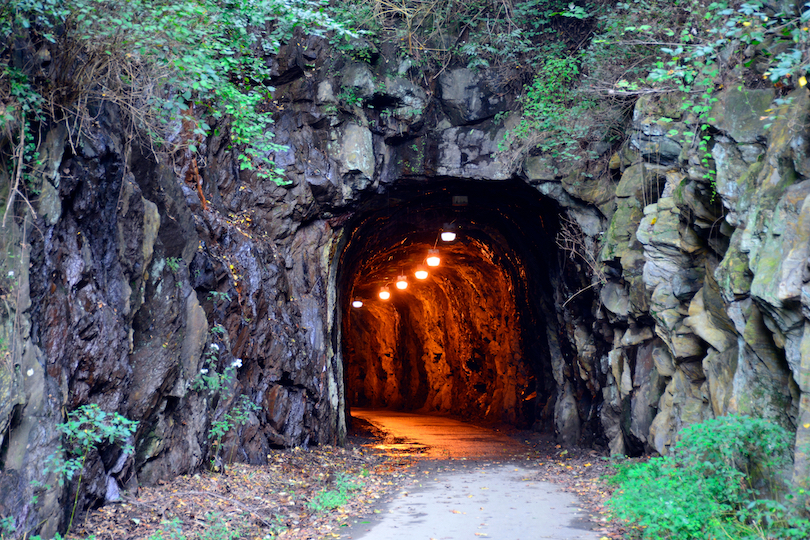
Sure to delight nature lovers and outdoor enthusiasts alike, the Blackwater Creek Trail is perfect for walking, jogging or biking along. Lying alongside the winding waterway of the same name, it takes you through verdant forests and cool stone tunnels with fine views and scenery to be enjoyed all the way along.
First opened to the public in the early eighties, the three-mile-long paved path is built atop a long abandoned railway bed. From its start point at the Ed Page Entrance, the trail slowly makes its way to downtown Lynchburg, passing an old disused train tunnel and a twinkling waterfall amidst the lush woodlands.
As you hike along, you’ll come across other earthen paths that take you deeper into the Blackwater Creek Natural Area. The route also connects with the Point of Honor and Riverwalk trails.
Thomas Jefferson’s Poplar Forest
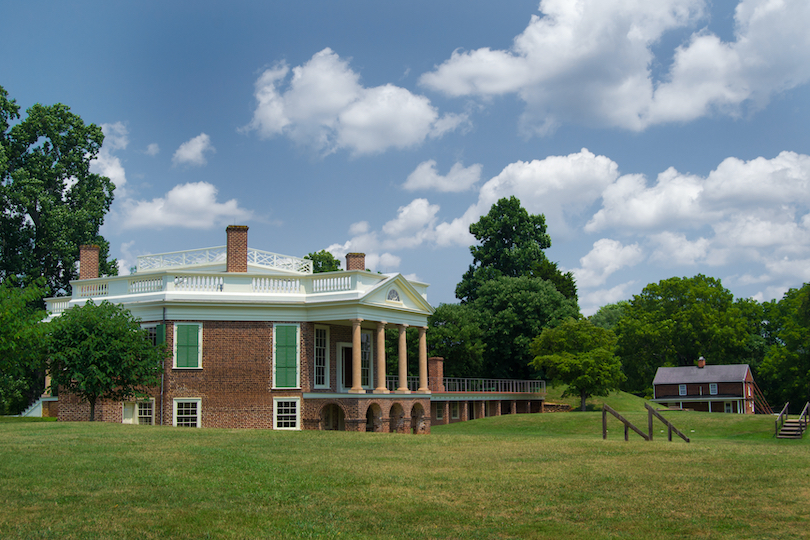
Another idyllic spot to head if you want to immerse yourself in nature and learn some history at the same time is Thomas Jefferson’s Poplar Forest. At the picturesque plantation, visitors can take tours of the former president’s personal retreat and explore the immaculate green grounds and gardens all around it.
Set just half an hour’s drive southwest of the center, the enormous estate was inherited by Jefferson in 1773. He designed the magnificent ‘mini Monticello’ mansion at its heart which was the first octagonal house built in the Americas.
As you tour around with your expert guide, you’ll learn more about his life on the plantation and see personal belongings before exploring the unfortunate slaves’ quarters. Ongoing archaeological digs and restoration projects are unveiling more and more about the site each year.
Point of Honor
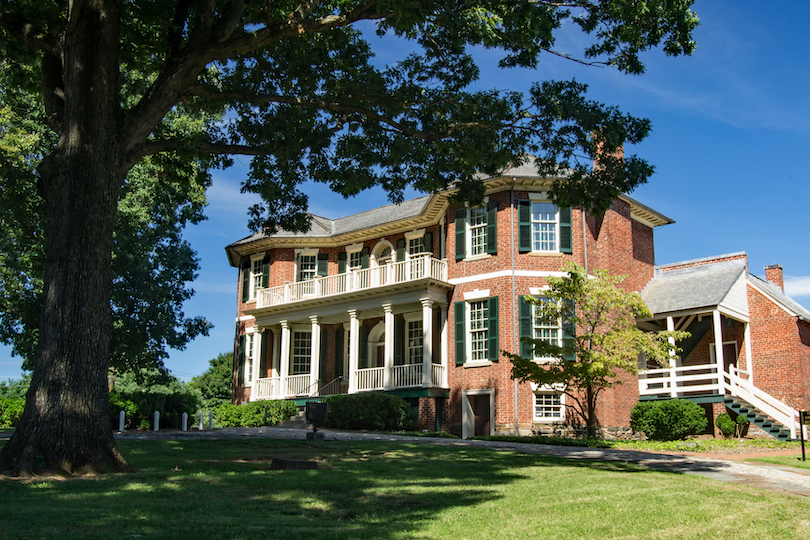
The most beautiful building in town though has to be the phenomenal Point of Honor that overlooks the city and river from the historic Daniel’s Hill neighborhood. The restored house highlights how the plantation’s owners and the poor enslaved people who worked for them lived in the early 1800s.
Located just across Blackwater Creek from downtown, the fabulous Federal-style home was built in 1815 by Dr George Cabell – a close friend and personal physician to Patrick Henry. The plantation was named Point of Honor as it is alleged that local arguments were once settled here through duels.
Carefully restored to its original appearance, the huge house has loads of fine furnishings for you to take in. Exhibits also cover the lives of the families and their slaves who inhabited the mansion and the medical practices of the times. After having explored its refined rooms, you can enjoy the property’s delightful views and stroll about its grounds.
Monument Terrace
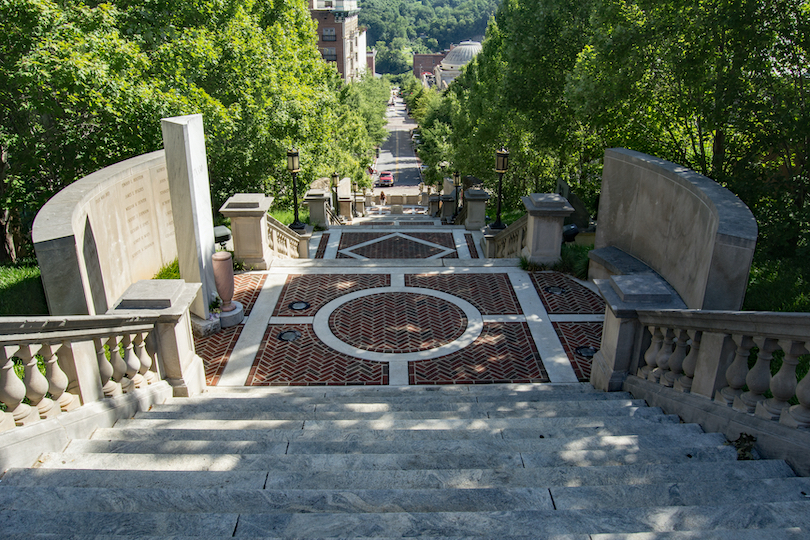
Undoubtedly Lynchburg’s standout attractions, Monument Terrace tumbles its way down a steep hill between the central Church and Court streets. Lining its 139 steps are numerous statues and memorials with each terrace commemorating local veterans that fought in conflicts from the Civil War right through to Vietnam.
Originally developed as a simple yet stylish semicircular staircase in the early 1880s, its ten tiers are now dedicated to victims of WWI, WWII and the Korean War among others. Bordering the lovingly landscaped memorial are bronze plaques and sculptures with some fountains, flowerbeds and trees also dotted about.
While the Old Court House looks out from atop the steep stairs, the city’s iconic Doughboy statue of a typical WWI infantry soldier lies at its base.