
Mist-shrouded mountains, cascading waterfalls, and some of the richest biodiversity in North America make this one of the country’s most beloved natural destinations. From scenic drives and wildlife encounters to unforgettable hikes, there is something here for every type of outdoor enthusiast.
Straddling the border between Tennessee and North Carolina, Great Smoky Mountains National Park protects a vast landscape of forested ridges, mountain valleys, and historic settlements. It is renowned for its abundant wildlife, spectacular scenery, and remarkably well-preserved Appalachian heritage.
Whether you’re spotting elk in Cades Cove, admiring sweeping mountain views, crossing dramatic sky bridges, or exploring miles of scenic trails, the park offers endless opportunities to experience the beauty of the southern Appalachians.
Discover Cades Cove
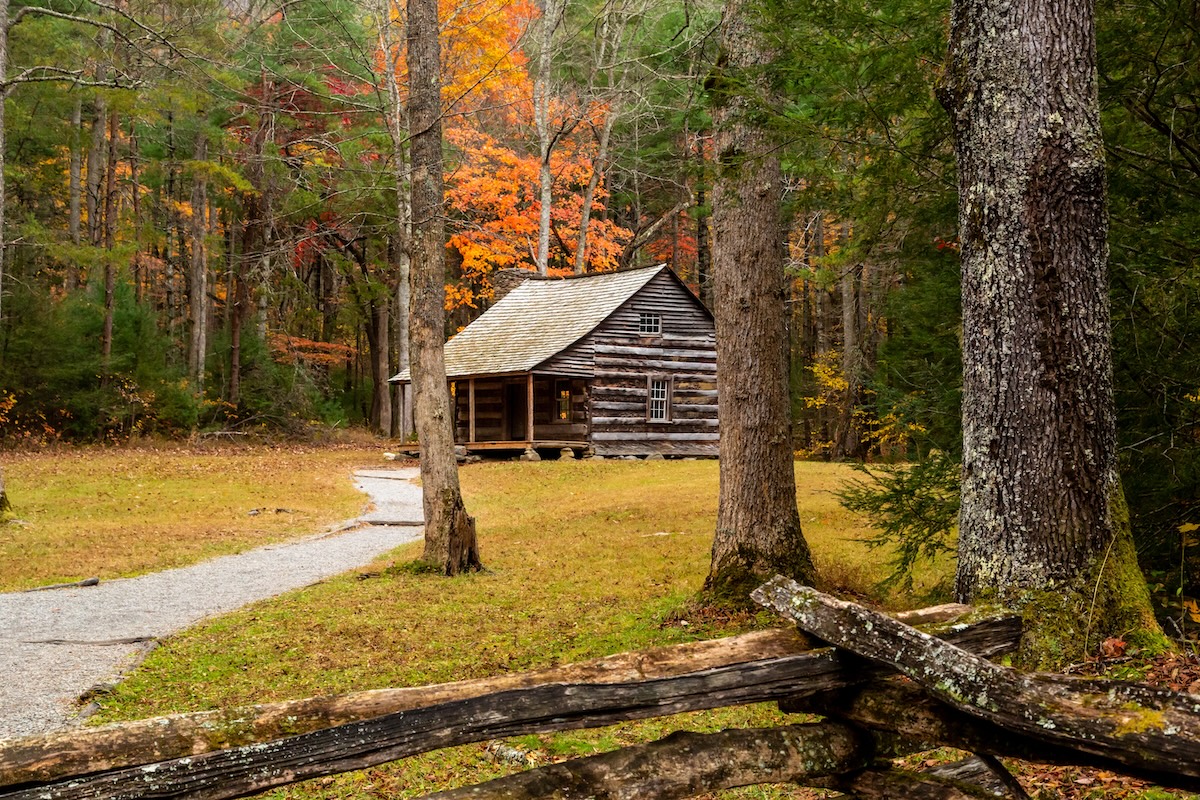
One of the most popular destinations in the Smokies, Cades Cove combines stunning scenery, abundant wildlife, and fascinating history into a single scenic drive.
As you make your way around the 11-mile loop road, keep an eye out for white-tailed deer, wild turkeys, black bears, and countless bird species. The area is one of the best wildlife-viewing locations in the park.
Along the route, you’ll also find historic churches, cemeteries, barns, and preserved homesteads that offer a glimpse into life in the Appalachian Mountains during the 19th century.
Don’t miss the short walk to the John Oliver Cabin, one of the oldest preserved structures in the cove.
Many of Cades Cove’s lesser-known landmarks are located away from the main road, so allow extra time if you’d like to explore beyond the most popular stops.
Visit Laurel Falls

If you’re looking for a relatively short hike with a rewarding payoff, head to Laurel Falls.
The paved 1.3-mile trail leads to one of the park’s most photographed waterfalls, where an 80-foot cascade tumbles down the mountainside. A footbridge crosses between the upper and lower sections of the falls, giving you an up-close view that’s difficult to find elsewhere in the park.
Because it’s one of the most accessible hikes in the Smokies, the trail can become crowded during the day. Visiting early in the morning or later in the afternoon usually offers a quieter experience and a better chance of finding parking.
Walk the Sky Bridge

Just outside the national park in Gatlinburg, the SkyBridge offers some of the most spectacular views in the region.
Stretching 680 feet across a mountain valley, it’s the longest pedestrian suspension bridge in North America. As you cross, you’ll encounter glass panels in the center of the bridge that provide a thrilling view straight down to the forest floor below.
Once you’ve crossed, spend some time at the SkyDeck, where observation areas provide panoramic views of the surrounding Smoky Mountains. It’s an excellent place to take photos, relax, and soak in the scenery.
You’ll also find food, drinks, and seating areas nearby if you need a break before continuing your day.
Take in the Views from Clingmans Dome

As the highest point in Great Smoky Mountains National Park, Clingmans Dome offers some of the most impressive views in the region.
A steep half-mile paved path leads from the parking area to the observation tower at the summit. While the climb is short, the incline can be challenging, especially for young children or anyone with mobility limitations.
At the top, you’ll be rewarded with sweeping views of rolling mountain ridges stretching into the distance. On clear days, visibility can extend for more than 100 miles.
Weather conditions at the summit are often much cooler than in nearby towns, so bring an extra layer and check conditions before heading up.
Take a Smoky Mountain Train Ride

For a more relaxed way to experience the mountains, consider a scenic train excursion departing from Bryson City.
These journeys travel through forests, alongside rivers, through historic tunnels, and past some of western North Carolina’s most beautiful landscapes. Depending on the excursion you choose, you may also enjoy onboard dining, beverages, and comfortable climate-controlled seating.
It’s a great option if you’d like to enjoy the scenery without spending the day hiking.
Experience Guided Llama Trekking

One of the most unique outdoor experiences in the Smokies is llama trekking.
These guided hikes pair you with a friendly llama that accompanies you along the trail and helps carry supplies. The gentle animals quickly become the highlight of the experience, especially for younger hikers.
The hikes are typically easy to moderate and provide a fun way to explore nature while learning more about the area’s wildlife and landscape.
If you’re traveling with children, llama trekking is often a hit and can make hiking much more engaging for younger adventurers.
Go Tubing Down the River

During warmer months, tubing is one of the best ways to cool off after a day of exploring.
The Deep Creek area is particularly popular, offering sections of river suited to different experience levels. If you’re looking for a leisurely float, stick to the calmer lower stretches of the creek.
Along the way, you’ll pass beautiful scenery and waterfalls, including Tom Branch Falls, making the journey just as enjoyable as the destination.
If tubing isn’t your style, the area also offers swimming holes, kayaking, rafting, and waterfall hikes.
Visit the Cataloochee Valley

For a quieter and less crowded experience, make the drive to Cataloochee Valley.
Surrounded by rugged mountain scenery, this historic valley is one of the best places in the Smokies to see elk. Large herds frequently graze in the open fields, particularly during the early morning and evening hours.
The valley is also home to several preserved historic buildings, including homes, barns, churches, and a schoolhouse that provide insight into the area’s past.
Bring a picnic and take your time exploring. The peaceful atmosphere and excellent wildlife viewing make Cataloochee Valley one of the most rewarding destinations in the park.
If you’d like to extend your stay, nearby campgrounds offer a convenient base for exploring this less-visited corner of Great Smoky Mountains National Park.