8 Day Trips from Lima That Need To Be On Your Travel Bucket List
Founded in 1535 by the Spanish conquistador Francisco Pizarro, Lima is a curious mix of high-rise condos, large but orderly slums and colonial architecture in the city center.

Touropia Travel
Discover the World
Founded in 1535 by the Spanish conquistador Francisco Pizarro, Lima is a curious mix of high-rise condos, large but orderly slums and colonial architecture in the city center.
The nation of Peru may be famous for its ancient cultures, age-old cities and wealth of history, but there’s more to this charming country than first meets the eye.
Peru is one of the great centers of ancient civilization. The Norte Chico civilization already flourished along the Pacific coast as early as 3,000 BC.
The Inca civilization arose from the highlands of Peru in the early 13th century.
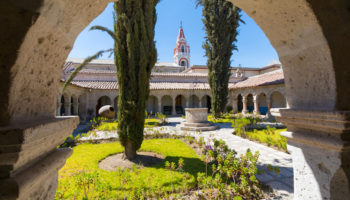
Formerly the capital of Peru, Arequipa is a beautiful place to visit thanks to its wonderful historic buildings and scenic location amidst three towering volcanoes.
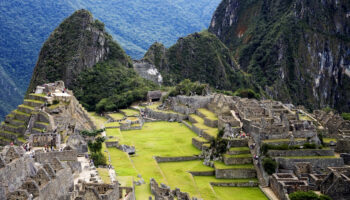
Peru is probably one of South America’s most well-known destinations, and the mysterious settlement of Machu Picchu has adorned many a tourist postcard.
Each year, more than a million visitors descend upon Peru’s most famous tourist attraction — the 15th century Inca citadel, Machu Picchu.
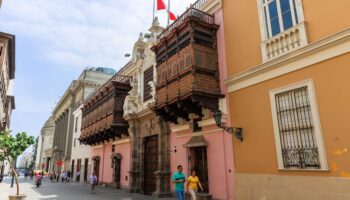
Home to ancient civilizations long before Spanish ships ever reached its shores, this coastal capital blends deep-rooted history with modern urban life.
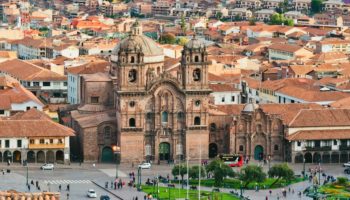
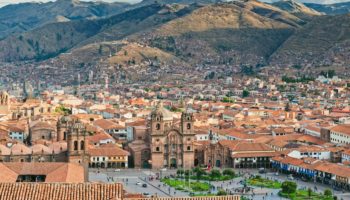
Once the capital and crown jewel of a vast ancient empire, this high-altitude city is surrounded on all sides by towering mountains.
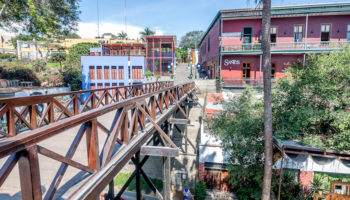
When it comes to colonial architecture, Lima is a great place to witness the buildings born from Spain’s Viceroyalty era in its South American territories.
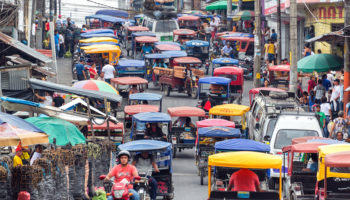
With a wealth of incredible historical sites as well as fantastic cuisine, lavish colonial architecture and stunning natural settings; Peru’s cities really need to be seen to be believed.