
Indonesia is a huge country, in both population and land area, with significant cultural and geological diversity. With 18,110 islands, 6,000 of them inhabited, it is the largest archipelago in the world. The population of around 240 million people is derived from 300 ethnic groups who speak over 250 different languages. While Bali is usually the destination most familiar to foreign visitors, there is a wealth of other top tourist attractions in Indonesia to discover in this vast and varied country.
10. Lake Toba
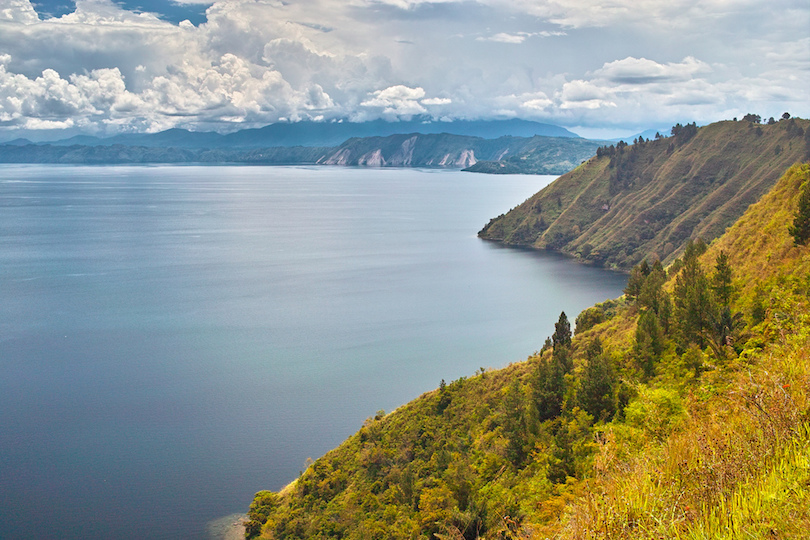
Lake Toba on the island of Sumatra is an immense volcanic lake about 100 kilometers long and 30 kilometers wide. Formed by a gigantic volcanic eruption some 70,000 years ago, it is the largest resurgent caldera on Earth. Genetic estimates suggests that there were only a few thousand humans that survived the catastrophe. The island in the middle – Pulau Samosir – is the largest island within an island and contains two lakes. Besides visiting “a lake on an island within a lake on an island” tourist also come here to kick back and relax and swim in the volcanically warmed waters.
9. Tanjung Puting
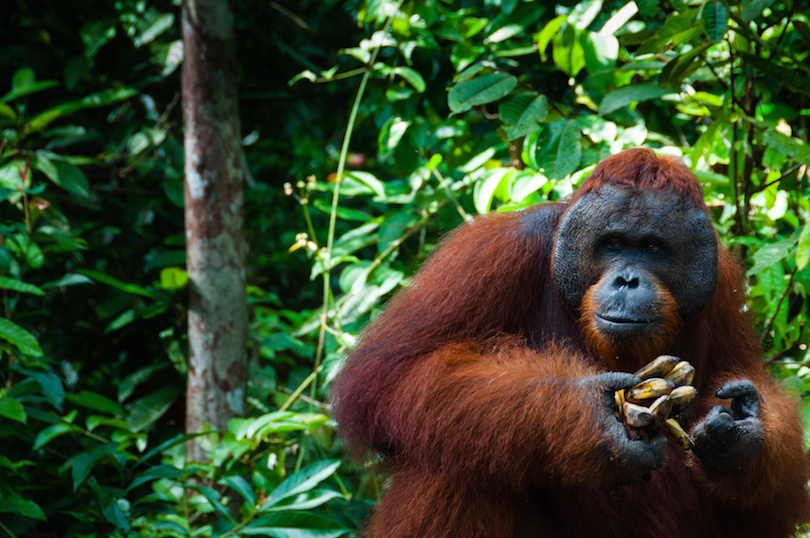
The Tanjung Puting National Park is located on the island of Borneo in the Indonesian province of Central Kalimantan. The park is a popular ecotourism destination, with many local tour companies offering multi-day boat tours to view wildlife and visit the research centers. Wildlife include gibbons, macaques, clouded leopards, sun bears, pythons, crocodiles and – most famously – orangutans. Unfortunately the park is heavily threatened by illegal logging and forest clearing for agricultural uses.
8. Baliem Valley
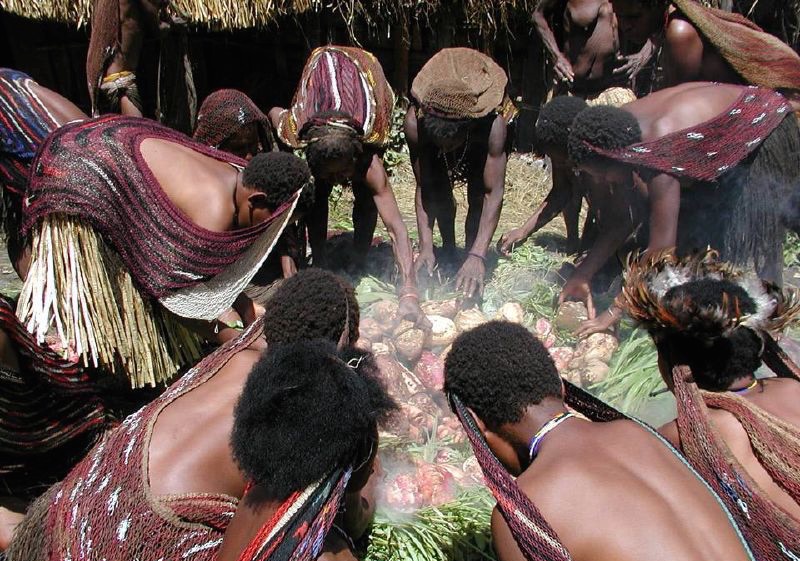
The Baliem Valley in the highlands of Western New Guinea offers a glimpse into what was recently a stone-age world. The valley was not known to the outside world until 1938 when an aerial reconnaissance flight southwards from Hollandia (now Jayapura) discovered a large agricultural population. Wamena is the starting point for most visitors who come nowadays to marvel at the mountain views, roaring rivers, tribal villages and at the tough but sweet spirit of the warm Dani people.
7. Mount Bromo

Gunung Bromo is an active volcano and part of the Tengger massif, in East Java. At 2,329 meters (7,641 feet) it is not the highest peak of the massif, but it is the most well known. The area is one of the most visited tourist attractions in Indonesia and Java. The top of the volcano has been blown off and the crater inside constantly belches white smoke. It is surrounded by the Sea of Sand of fine volcanic sand. The overall effect is unsettlingly unearthly.
6. Bunaken
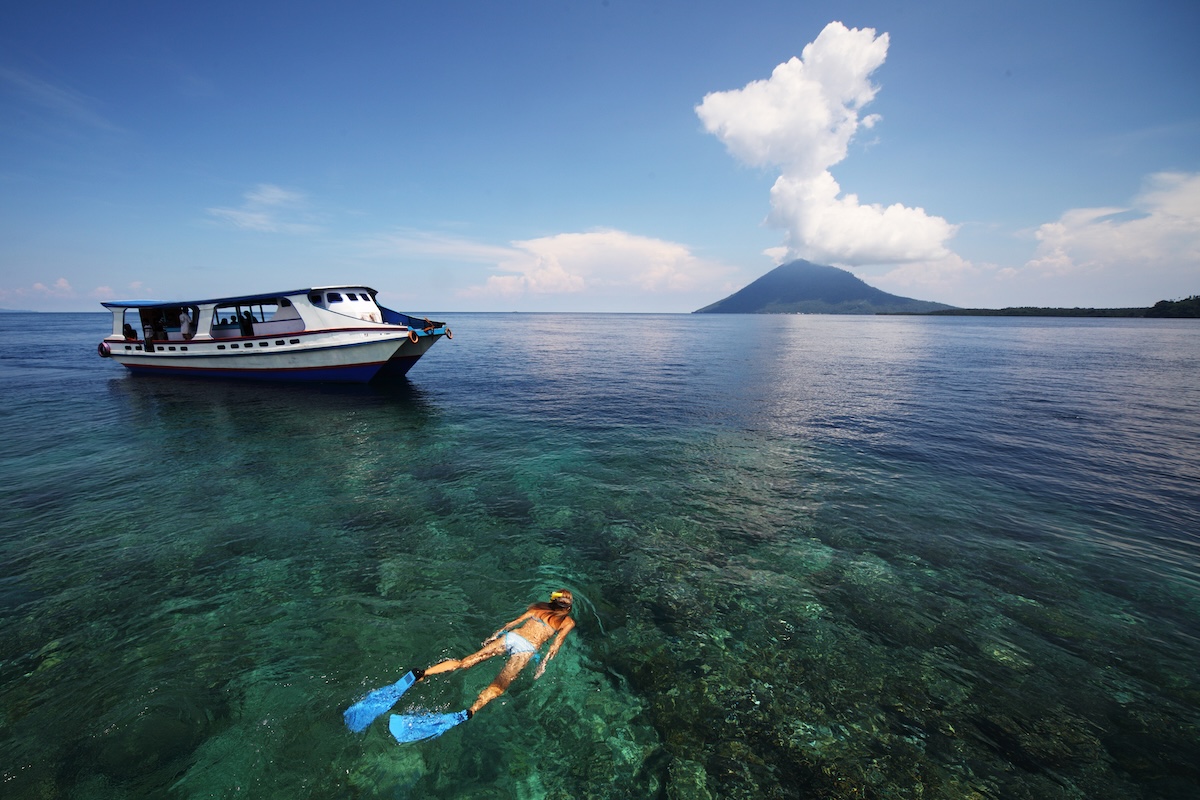
Located at the north of the island of Sulawesi, Bunaken is one of Indonesia’s most famous dive and snorkeling areas. The island is part of the Bunaken Marine Park where you can see more than 70% of all fish species that live in the western Pacific ocean. The best time for diving in Bunaken is between the months of April and November.
5. Torajaland
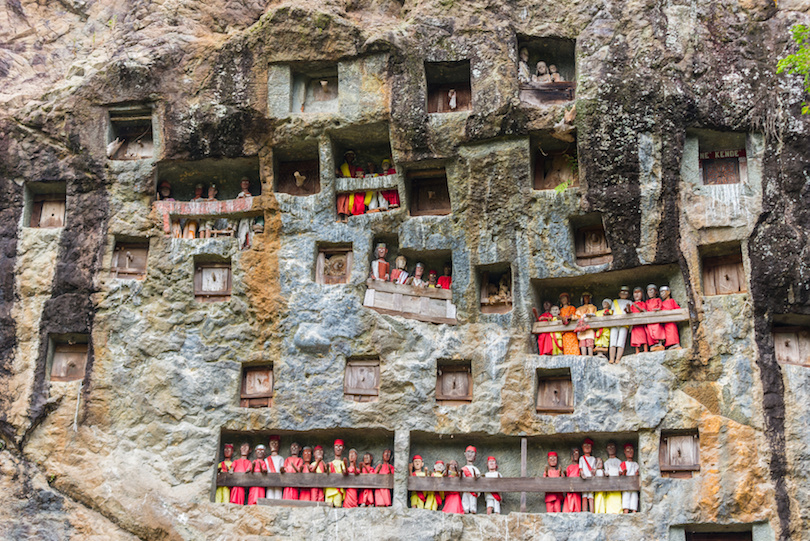
Torajaland (Tana Toraja) is a highland region of South Sulawesi, home of the Toraja people. Torajans are famous for their massive peaked-roof houses known as tongkonan and spectacular but gruesome funeral rites. After a person’s death, the body is kept – often for several years – until the actual funeral ceremony which can last for several days. The deceased is then finally buried in a small cave or in a hollow tree.
4. Gili Islands
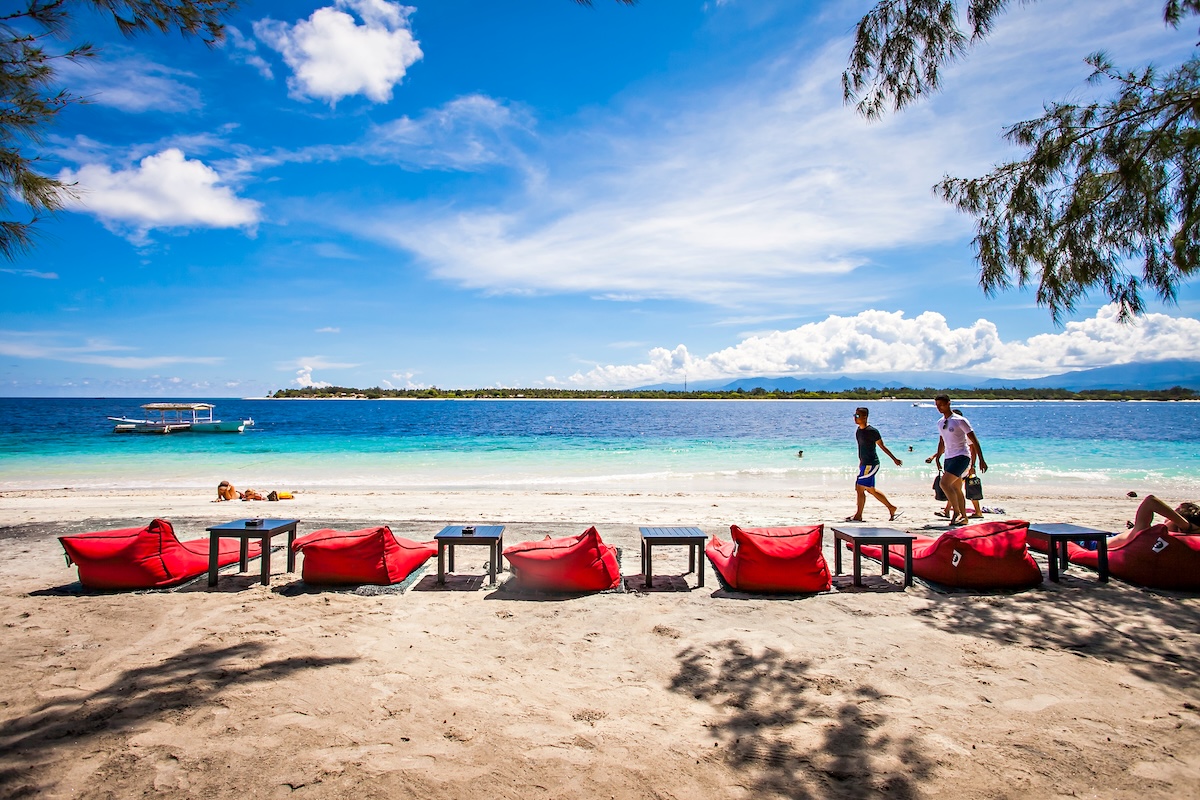
Lombok’s most popular tourist destination, the Gili Islands are an archipelago of three small islands: Gili Trawangan, Gili Meno and Gili Air. The islands are very relaxed and laid-back, with countless little beachside cafes still playing reggae and no cars or motorbikes to disturb the peace. Note that the name “Gili Islands” is rather redundant as gili simply means “small island” in Sasak and there are many other islands around the coast of Lombok with Gili in their names.
3. Komodo National Park
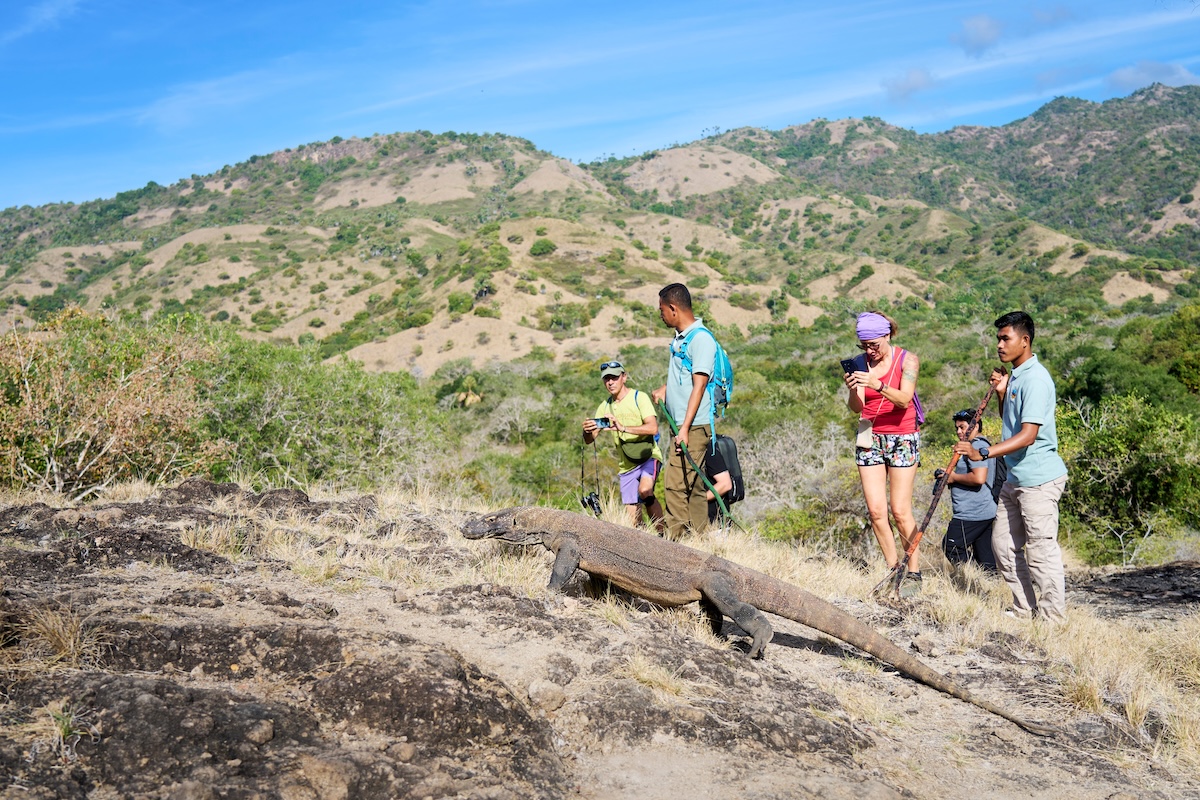
The Komodo National Park is a national park located within the Lesser Sunda Islands that includes the three larger islands Komodo, Padar and Rincah, and 26 smaller ones. The park is named after the Komodo Dragon, the world’s largest living reptile that can reach 3 meters or more in length and weigh over 70kg. Although Komodo dragons eat mostly carcass of dead animals, they are formidable predators and will also hunt prey including birds, and mammals. Attacks against humans are very rare.
2. Borobudur
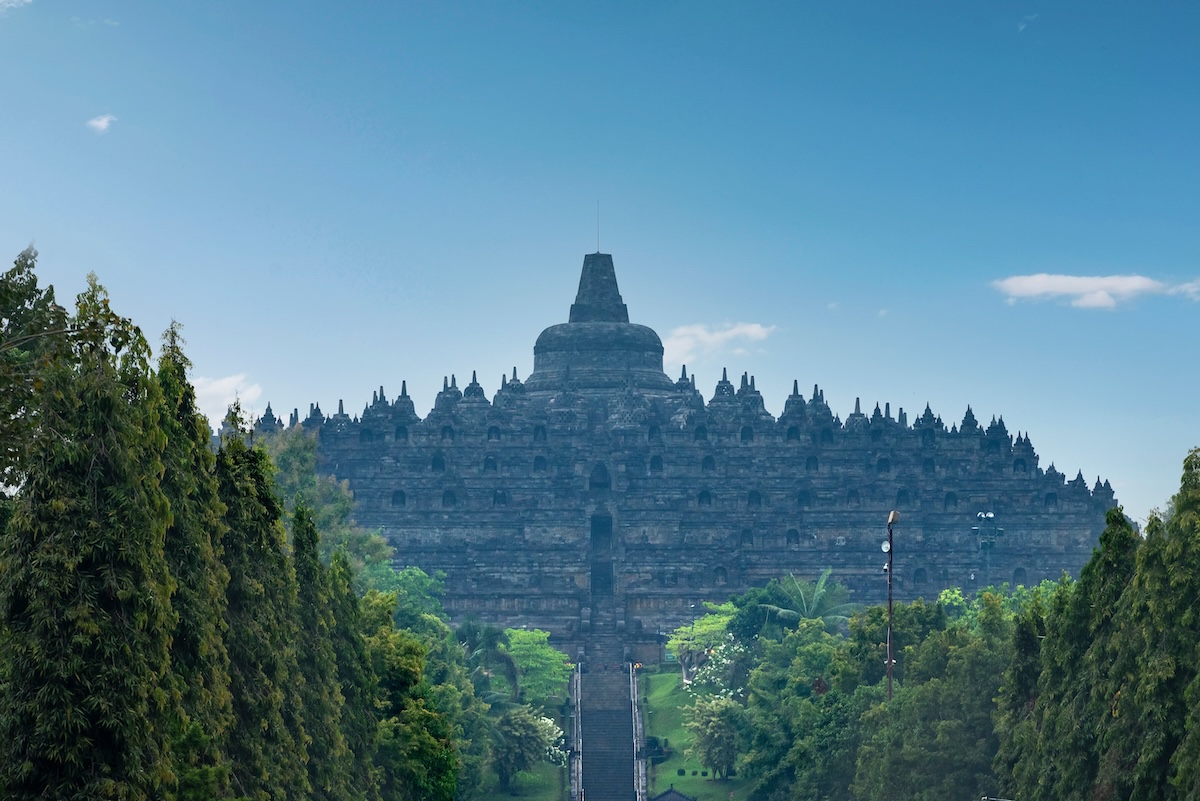
Located 40 km (25 miles) northwest of Yogyakarta on Java, the Borobudur is the one of the most famous Buddhist temple in the world. The Borobudur was built over a period of some 75 years in the 8th and 9th centuries by the kingdom of Sailendra, out of an estimated 2 million blocks of stone. It was abandoned in the 14th century for reasons that still remain a mystery and for centuries lay hidden in the jungle under layers of volcanic ash. Today it is one of the most popular tourist attractions in Indonesia.
1. Ubud
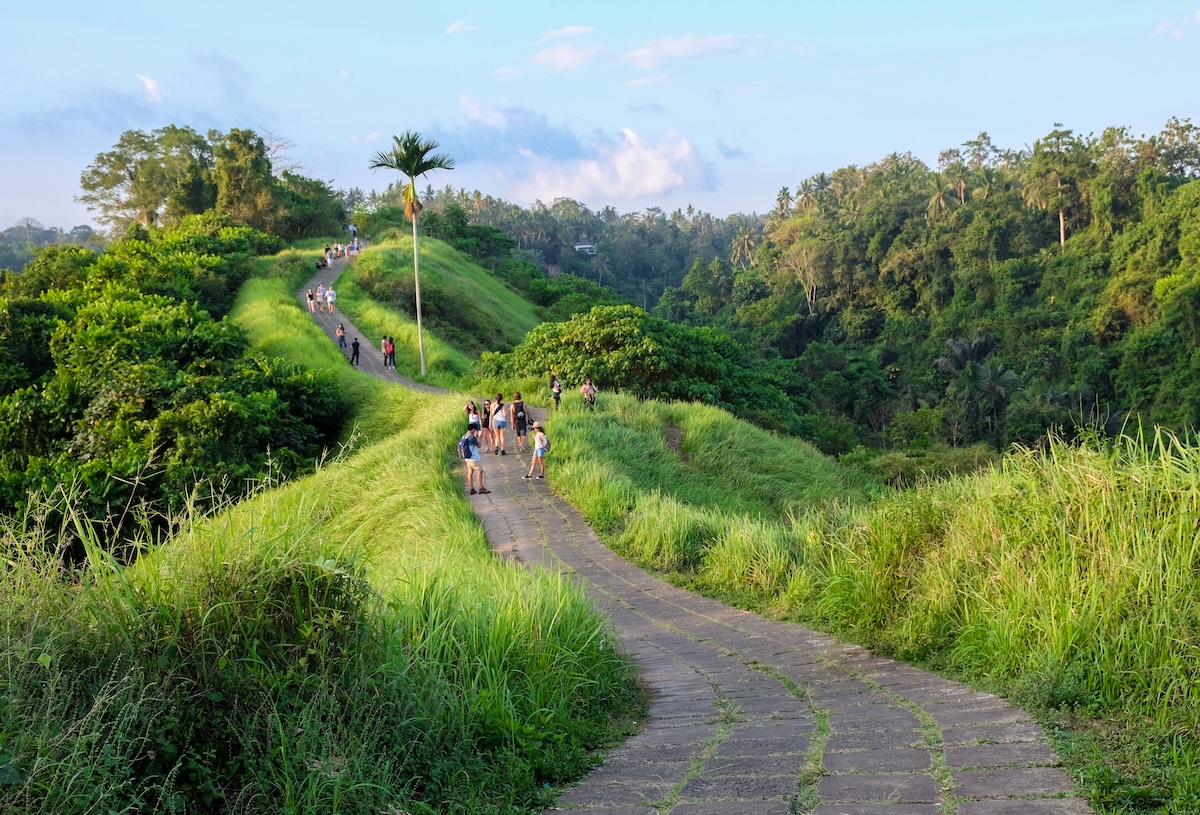
Perched among stunning terraced rice fields, Ubud is considered the cultural heart of Bali and one of the top tourist attractions in Indonesia. There are dance and music performances every day throughout the city as well as numerous art galleries and craft shops to explore. Although Ubud has long been valued as a great place to learn about Balinese culture, tourism in Ubud boomed exponentially in the last decades. Fortunately, it only takes a short walk or bicycle ride to escape from the crowds and commercialism.