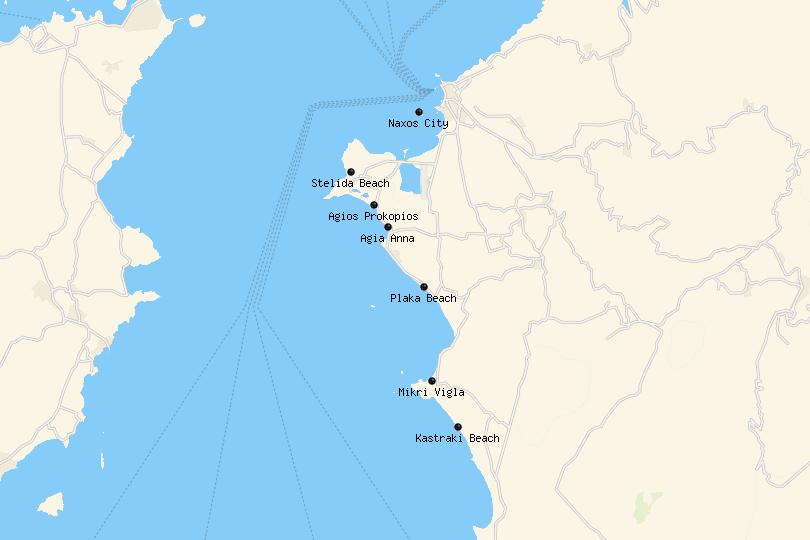

Set in the middle of the sparkling Aegean Sea, this island is the largest and most fertile in its archipelago. It offers everything travelers seek in a Greek escape—sun-drenched beaches, deep-rooted history, and vibrant local culture.
Practically ringed with beaches, Naxos was once the center of the millennia-old Cycladic Culture. In fact, it’s older than the Minoan culture based in Crete to the south; marble carved statues date back further than anything found there.

Archaeological sites and museums abound on Naxos, where you can learn more about the history of the Cyclades. It predates even what is known today as Ancient – or Hellenic – Greece.
Though you can learn a lot about bygone eras on Naxos, you can also have a lot of fun here, particularly if you’re into kitesurfing or windsurfing. Naxos is prone to being windswept, which makes for perfect conditions if you need a gust to get you around on the water.
Naxos City
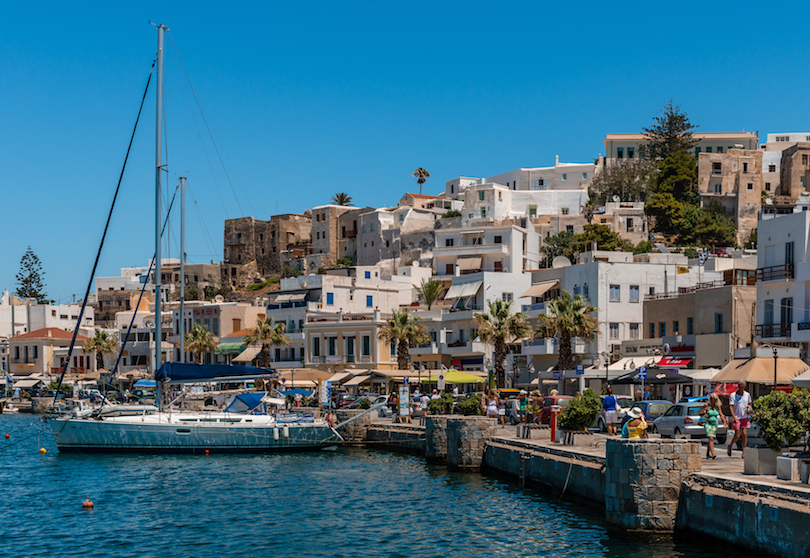
The capital of Naxos and the main transport hub, Chora – or Naxos City – is a bright, colorful and vibrant place to stay. The port town is known for its historical sights, such as the 6th-century BC marble gateway on the Palatia Peninsula in the middle of Naxos harbor.
Aside from its ancient history, Chora is alive and brims with the buzz of the modern day. Walk up one of the many winding, cobbled alleyways that throng with tourists, and treat yourself to some lunch in a local eatery, or even a spot of shopping.
Chora is overlooked by a 13th-century hilltop castle which is well worth the hike – if only for the views of the surrounding seascape. Looking to stay in town? There are numerous budget-friendly holiday apartments and hotels around town.
Where to Stay in Naxos City
- Nissaki Beach Hotel – This 5-star hotel sure packs a punch when it comes to amazing sea views; Nissaki Beach Hotel features an elegant pool area where you can soak up vistas, either in the water or relaxing on a sun lounger.
- Argo Boutique Hotel – A family-run offering, Argo Boutique Hotel is just steps away from the sand and sea of Agios Georgios Beach, so you don’t need to use public transport for some time in the sun.
- Xenia Hotel – Located amid the buzz of the center of town, with cobbled streets, restaurants, and bars to explore, this hotel is just a stone’s throw from Naxos Port.
Agia Anna
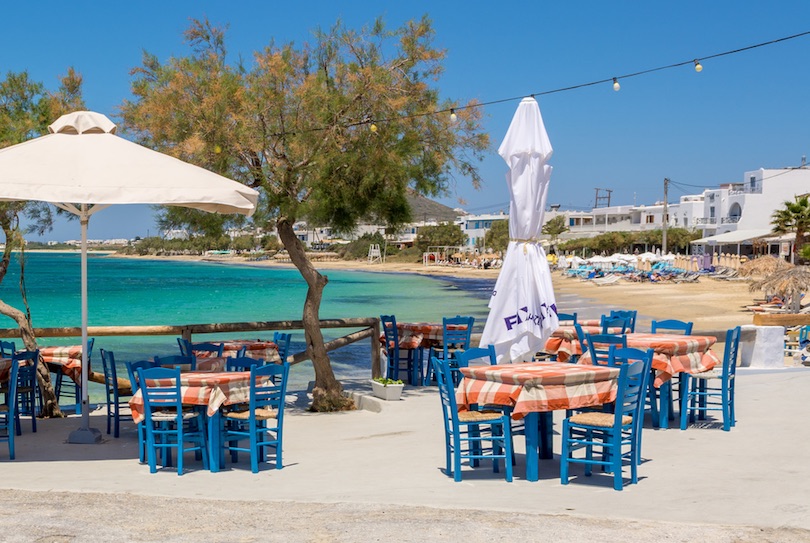
Home to one of the busiest beaches on the island, Agia Anna is located less than four miles away from Naxos City. Agia Anna’s long sandy beach is actually a continuation of Agios Prokopios beach and provides a secluded spot for holidaymakers to enjoy vacations by the sea.
Beach umbrellas and sunbeds are ubiquitous here, along with the numerous facilities on offer in Agia Anna. The area’s quaint port provides shelter from the high winds, making it an ideal swimming spot.
Accommodation is bountiful around the area, with a range of high-end hotels, holiday resorts, and beachfront accommodation to choose from.
Nighttime is a bustling affair, as the numerous tavernas and beach bars come alive with holidaymakers. The coastal road weaves its way behind the beachfront, and it’s well connected by local buses.
Where to Stay in Agia Anna
- Cycladic Islands – This 4-star hotel is located right next to the sea and boasts beautiful views of the surrounding landscape and coast.
- Iria Beach Art Hotel – Some rooms come with their very own private terraces. There’s a restaurant and bar as well as a spa area – perfect for indulgent relaxation.
Agios Prokopios
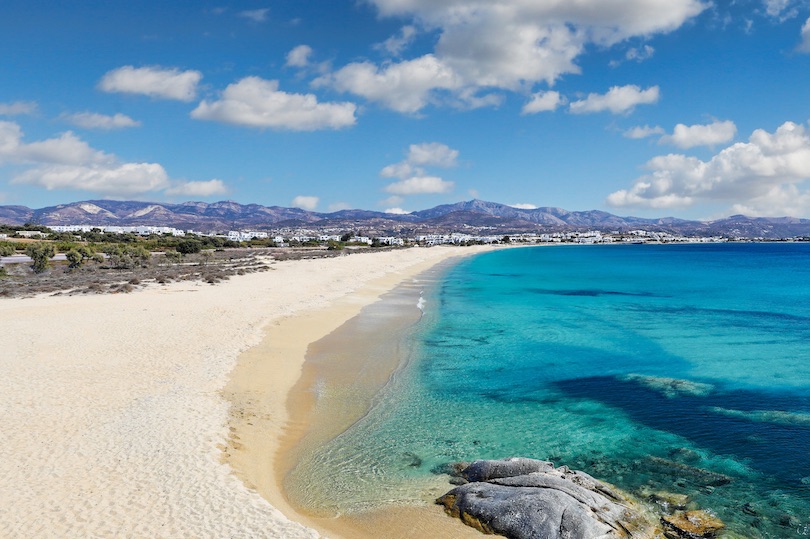
This is the spot to stay on Naxos if you want to be close to one of the most beautiful beaches on the island. Agios Prokopios’ beautiful, golden beach sits just south of the headland on the Stelida Peninsula.
The bright blue waters of the sea that lap the gorgeous sands here are clean and warm; it’s easy to see why Agios Prokopios is the second busiest beach on the island.
There’s a wide variety of hotels and holiday apartments to fit a range of budgets and travel needs of tourists, from village to seafront.
During the day, small beach cafes serve hungry beach-goers the fresh fish of the day alongside Greek salads. As night falls, Agios Prokopios heats up, with drinking, dining, and dancing until the early hours. From here, it’s a straightforward bus journey to Naxos City.
Where to Stay in Agios Prokopios
- Naxos Island Hotel – Guests can enjoy meals at the rooftop restaurant – particularly lovely in the evening as the sun sets. There’s an outdoor pool for you to splash around in, and don’t worry – the beach is a mere 30 meters away.
- Hotel Proteas – This new hotel is built in the traditional Cycladic style and features attractive whitewashed buildings, curving archways, and lush gardens.
- Agios Prokopios Hotel – This 3-star hotel offers studios and apartments that come with kitchens and seating areas, making them the perfect choice for those traveling as a group.
Plaka Beach
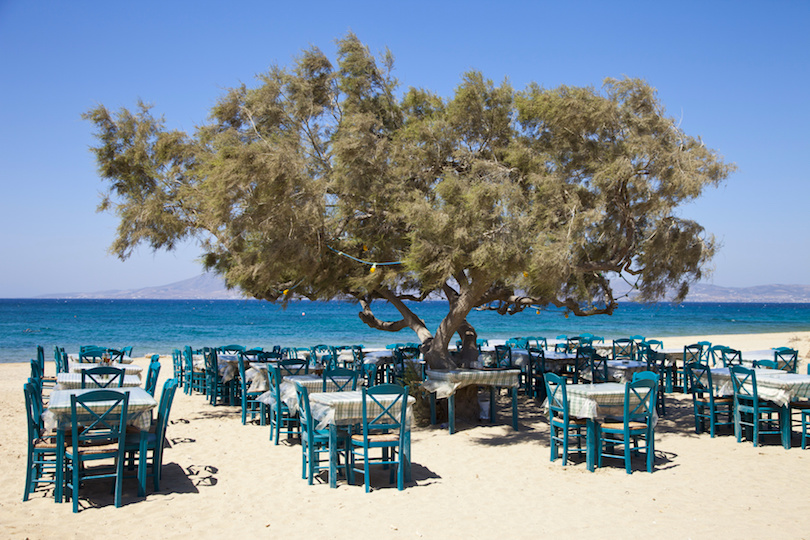
Continue south along the coastal road from Agia Anna, and you’ll find the gleaming turquoise waters and white strip of sand that is Plaka Beach. Plaka was once a famous nudist beach, but nowadays, the sand is better known for being busy with a wide range of holidaymakers.
The area is very popular in high season, with couples and families lazing on sunloungers and playing beach games. Nudists still enjoy time here out of season – and at the secluded southern end of the beach.
Days in Plaka Beach revolve around walks on the sand, swimming in the sea, and lunches in the numerous eateries situated along the two and a half mile long beachfront. Visitors to Plaka Beach can choose from one of the various budget and mid-range holiday apartments and studios on offer for holidaymakers.
Where to Stay in Plaka Beach
- Plaza Beach Hotel – Boasting a stunning, vast outdoor pool area where you can soak up the sun, this hotel is conveniently placed right on the beach.
Mikri Vigla
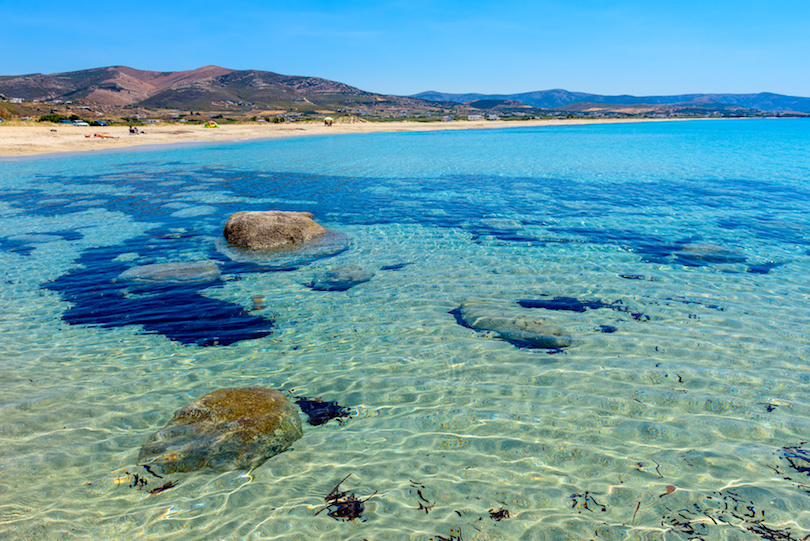
The small village of Mikri Vigla sits around 11 miles to the south of the city of Naxos. The area is very popular with holidaymakers, due to its two beautiful beaches separated by a rugged hillside.
Limanaki Beach in the south of Mikri Vigla is a relaxing sandy shore that stretches for two miles on the way to the village of Kastraki. The area is perfect for those who love swimming, especially families with young children, as the beach is protected from winds.
Parthenos Beach sits in a bay on the north side of Mikri Vigla; conversely, the winds that occur here create incredible conditions for kitesurfing and windsurfing, luring enthusiasts from around the world.
Thankfully, there are a variety of studios and apartments around Mikri Vigla – from budget to mid-range – for potential visitors to lay their heads.
Where to Stay in Mikri Vigla
- Orkos Beach Hotel – This hotel is situated on the golden sands of Mikri Vigla Beach itself, making it easy to spend days lazing around in the sun.
Kastraki Beach
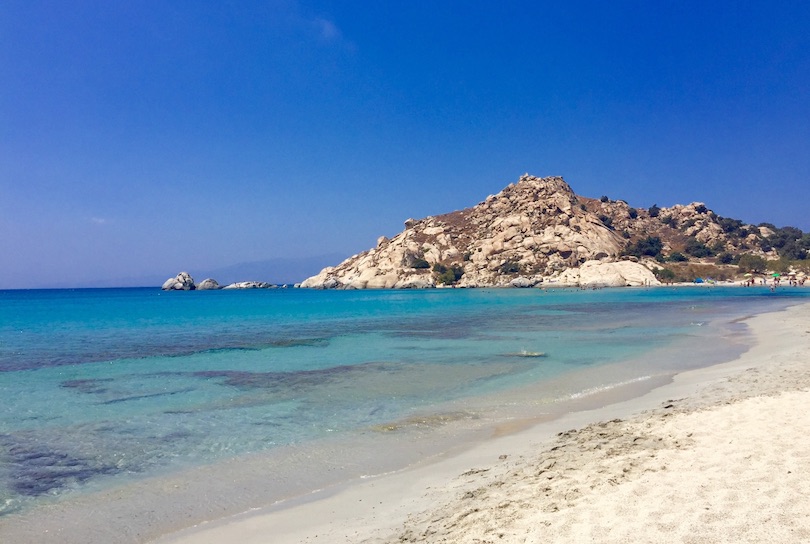
Stretching for just under two miles, Kastraki Beach is a beautiful area to stay if you like to spend time among nature. The beach here is unspoiled by big developments and boasts all the charm of a classic Greek island getaway.
There are many small, family-run hotels and apartments dotted around the area, some of which have stunning sea views for very affordable prices.
There’s a choice of traditional tavernas serving up an array of delicious Greek dishes, the most popular ones on the beach are perfect for drinks at the end of the day as the sun sets over Paros Island in the distance.
Although life is quieter in Kastraki compared to the buzz of other towns, there’s enough natural scenery and opportunities to try out watersports to keep you occupied. To the south is secluded Alyko, with its cedar trees and quiet beach.
Where to Stay in Kastraki Beach
- Dolphin Kastraki Studios – Situated close to Glyfadas Beach and Kastraki Beach, you’ll have some choice when it comes to where you want to sunbathe! The whole complex is surrounded by lush gardens, making it a lovely, natural place to base yourself.
Stelida Beach
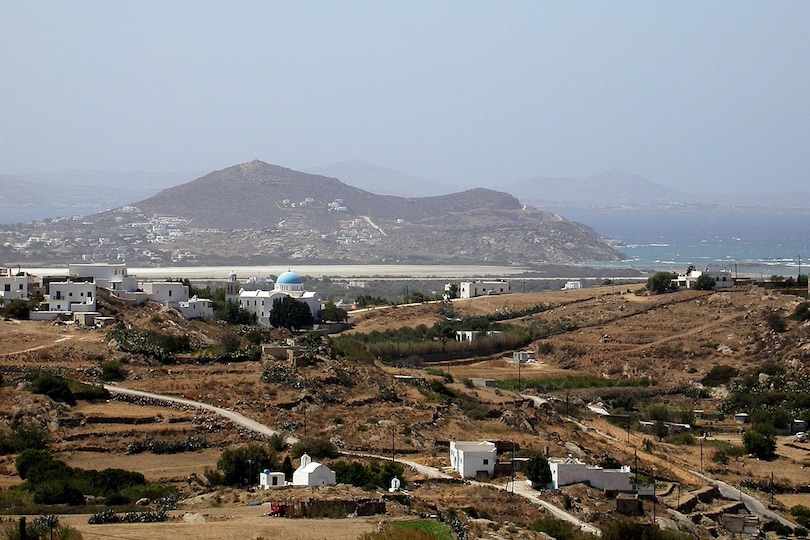
Stelida Beach sits just to the south of the bustling Naxos City and is within walking distance of the soft sands of Agios Prokopios. While Stelida itself has a prime position on a peninsula sheltered by hills, it’s surprisingly non-touristy in comparison to its neighbors.
The green, sloping landscape surrounding the beach is dotted with traditional whitewashed Greek homes and a charming church. Stelida Beach itself is made up of a mix of stones and sand but is still an excellent spot for swimming.
The area’s rugged natural scenery lends itself to being a fantastic place to stay for people who want to be close to nature, but also want to be a short journey away from the nightlife and sandy beaches of nearby areas.
Recent developments mean there’s now a choice of more high-end and luxury 4 to 5-star hotels and villas around Stelida Beach.
Where to Stay in Stelida Beach
- Naxos Magic Village – This charming hotel provides a calm, relaxing place to stay just yards from the sands of Stelida Beach, which makes this place convenient for beach lovers.