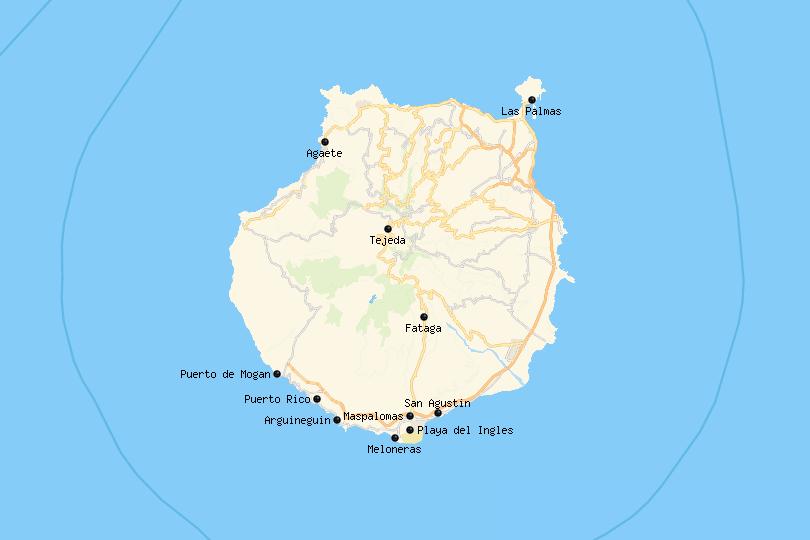
Golden beaches, volcanic landscapes, and lively resort towns have made this island one of Europe’s most popular year-round escapes. Whether you come for the sunshine, nightlife, or dramatic scenery, it offers far more variety than many travelers expect.
Part of Spain’s Canary Islands off the northwest coast of Africa, Gran Canaria is known for its long stretches of sand, warm climate, and contrasting landscapes. While the coastline is lined with busy beach resorts and waterfront cafés, the island’s mountainous interior reveals a quieter side filled with rustic villages and scenic hiking routes.
From relaxed beach days and family holidays to lively evenings that continue long after midnight, Gran Canaria manages to balance natural beauty with the atmosphere of a classic Mediterranean-style getaway.
Playa del Ingles
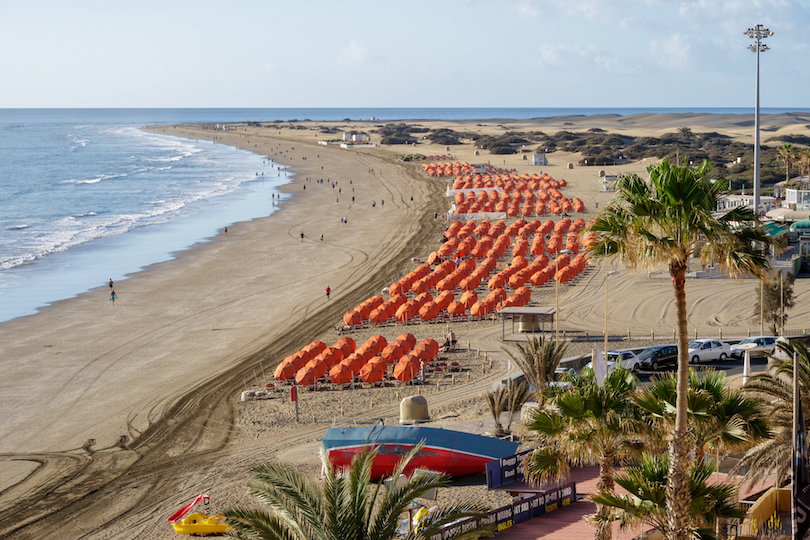
Playa del Ingles’s main draw is its huge golden beach with undulating dunes and calm, clear waters. The town is busy with a popping nightlife that attracts visitors from across the area to dance the night away. The Kasbah Centre is the nightlife spot to go to for chic bars and a vibrant gay scene – and then unwind the next day in beachside eateries.
Lined with holiday apartments and big hotels, the crowd here is young and carefree although families enjoy summer holidays here too, as the holiday apartment complexes have big swimming pools and fun activities.
The Playa del Ingles shopping scene is also busy: there are arcades and designer boutiques where you can pick up anything you might need your holiday.
Maspalomas
 © Diabluses / Dreamstime
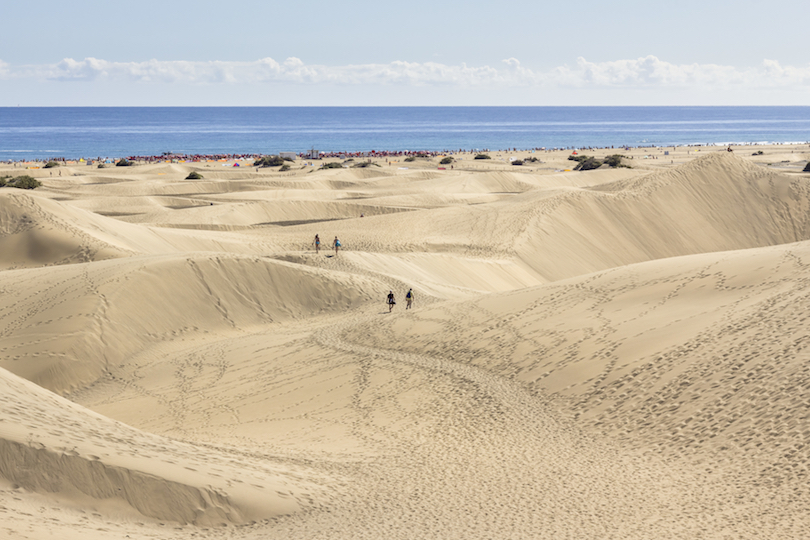
With its huge stretch of pure white-sand beach protected by rolling dunes, the popular resort town of Maspalomas is all about fun. There is a wide selection of watersports to try here, or you could just choose to watch other people paraglide from the safety of a beach side bar.
The town’s biggest icon is the 69-metre lighthouse, which beacons travelers to the Boulevard El Faro to enjoy a cocktail or two before dinner at one of the many restaurants.
Surrounding the town there are waterparks and theme parks to spend time having fun in the sun with your family. Then you can head back for a much needed rest at one of the many family-friendly, mid-priced hotel complexes.
Las Palmas
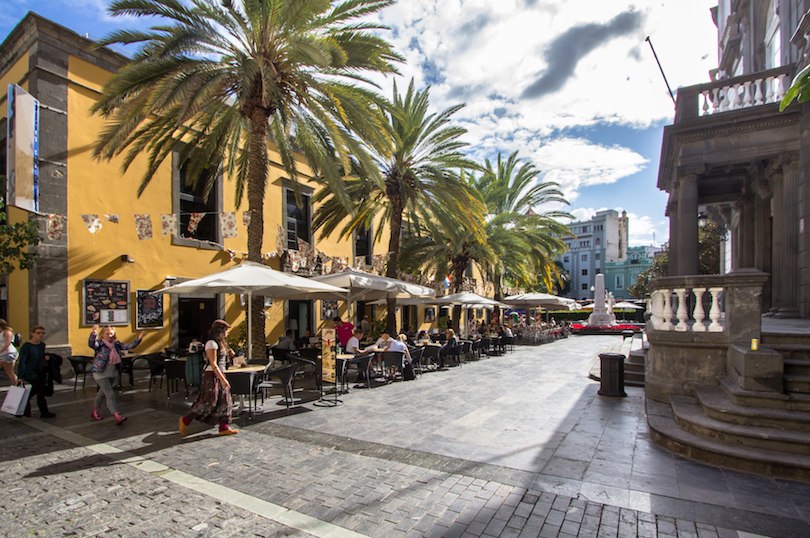
The island’s cosmopolitan capital Las Palmas brings a mix of urban city and beach hangout to your Gran Canaria holiday. The capital’s trendy bars, high street shopping and historic monuments add an interesting twist to a beach break. It’s home to two stretches of sandy beaches: one is perfect for sunbathing with plenty of room for everyone, and the other ideal for snorkeling and surfing.
The elegant old quarter, known as Vegueta, with its charming cathedral that sits high up on the hill and its traditional sights, is perfect to explore in the cool of the morning.
There’s a big selection of hotels and guest houses to choose from in the city, and some very reasonably priced accommodation can be found which doesn’t break the bank. Take a bus to many of the other top towns or visit the volcanic crater nearby.
Puerto Rico
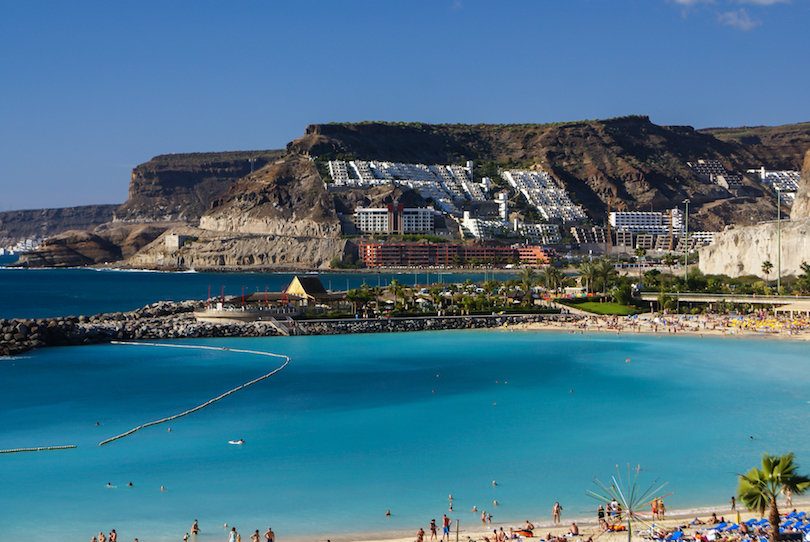
Fun loving Puerto Rico might not be the sultry Caribbean island of the same name, but with its lively nightlife and easygoing vibe, you could be mistaken for being there. Set on steep slopes shaped by volcanic activity, the town reaches to the sky with soaring hotels that have stunning views.
The town’s two beaches consist of Amadores Beach, which is all about the watersports, and then there’s a curving white sand beach for chilling out on, too.
The family-focused resort town is brimming with bars and restaurants, lush parks and outdoor activities such as mini golf and trampolines, as well as a nearby water park. Puerto Rico’s charm is its fun-loving way of live which keeps people coming back year after year.
Puerto de Mogan
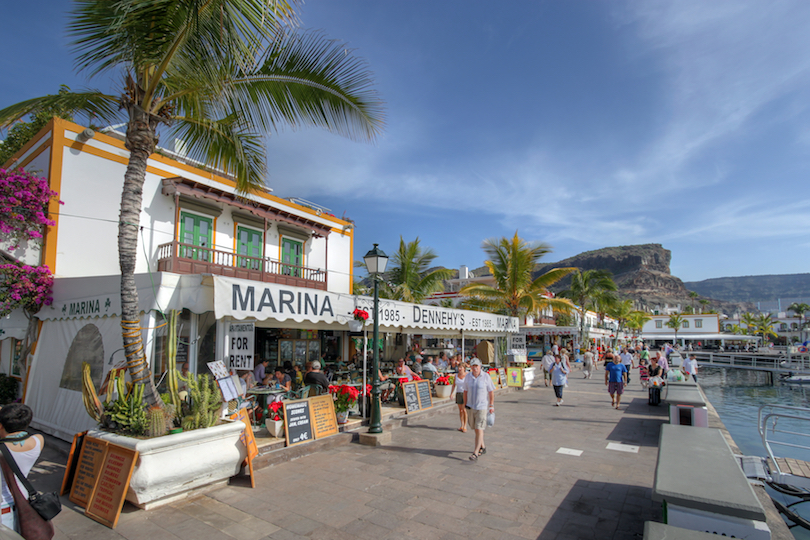
The rather charming marina around which Puerto de Mogan sets this holiday destination apart from other modern resorts. The beautiful waterside, pretty architecture popping with colour, and blooming floral arches make this one of the most attractive spots on the island.
As the town tumbles down the valley to meet the water’s edge, small waterways and canals have been created giving Puerto de Mogan the title “the Venice of Gran Canaria”.
The attractive little golden beach is perfect for snorkeling and there is plenty of shade to be found under the lines of palm trees. You can travel from the town by car, bus or ferry – but it will be hard for you to move an inch if you stay in one of the the town’s stylish holiday apartments.
Agaete
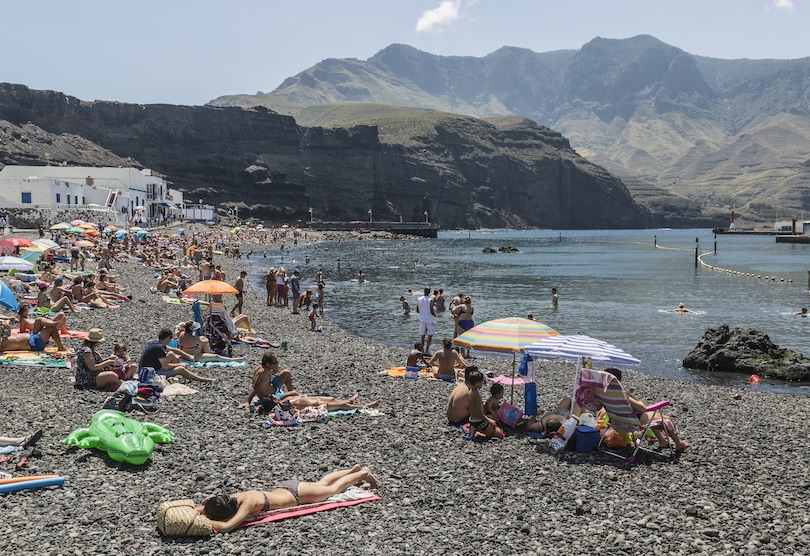
Agaete stands out from the rest of the towns on Gran Canaria. Home to the island’s biggest festival, one day a year the town comes alive with thousands of revelers and then falls back into its sleepy situ once again. This is a town that has hidden gems that aren’t revealed straight away: it is the only place in Europe that has a coffee crop, a stunning sunken garden and a stone age necropolis.
Agaete is popular with day-trippers, but many don’t get to discover the true life of the town; as night falls the energy picks up in tavernas and town squares. If you like staying in a town with authenticity and character, as well as accommodation that doesn’t break the bank, then this is the destination for you.
Tejeda
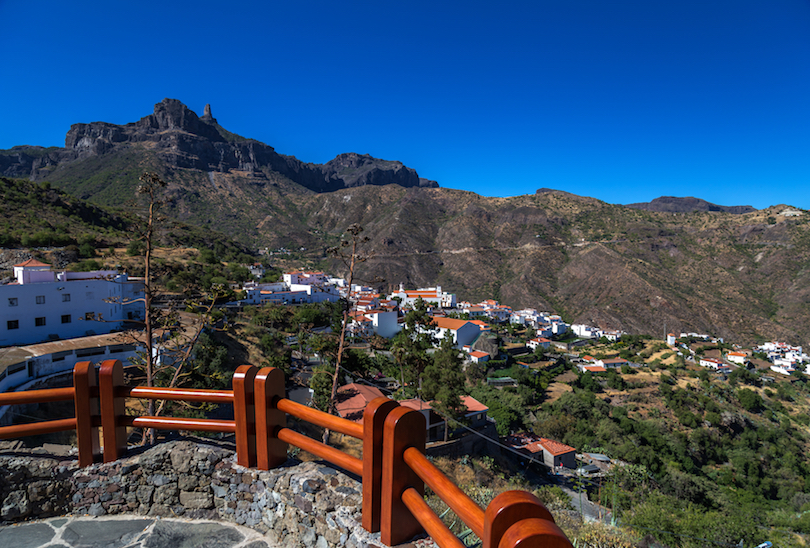
Set up high above sea level, surrounded by beautiful nature and popular with hikers, Tejeda is one of the smallest villages on the island. Dainty white houses edged with trees and local stalls selling farm produce – this is a rustic and truly charming spot for your Gran Canarian break. Make sure to try out the marzipan with honey and almonds – this is Tejeda’s specialty.
The countryside around the village is a magnet for explorers, the breathtaking nature along the old pathways gives a glimpse into the history of the island. Here you can stay in a unbelievably elegant house tucked into the surrounding countryside.
Arguineguin
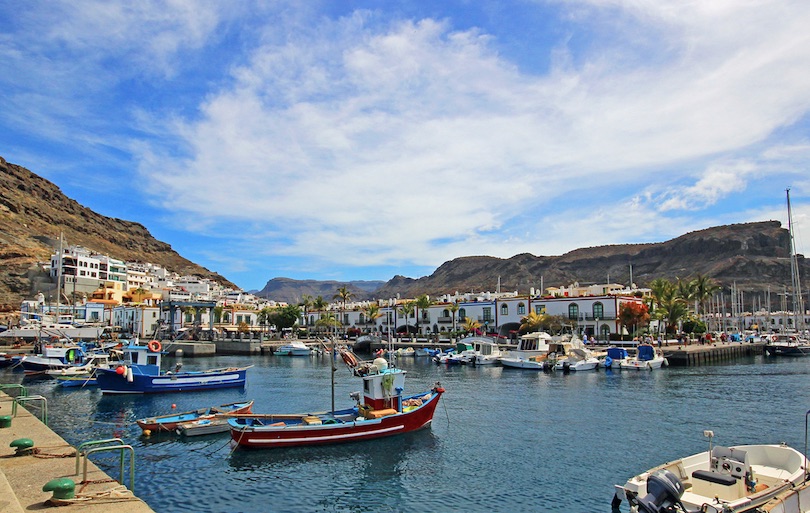
The holiday town of Arguineguin is ideal for a simple beach break. The old fishing village has grown up to become a modern resort town; with its selection of calm beaches, a huge amount of dining options and an array of hotels and apartments, this town really does have it all. Soak up some culture at the weekly market or try out a spot of scuba diving off the coast here.
The port at Arguineguin is still busy with working fishing boats whose fishermen work tirelessly to catch fresh fish, which is served up in the town’s restaurants. As for transport, you can take the bus to other resort towns, or hire yourself a scooter or car to travel along the coast.
Fataga
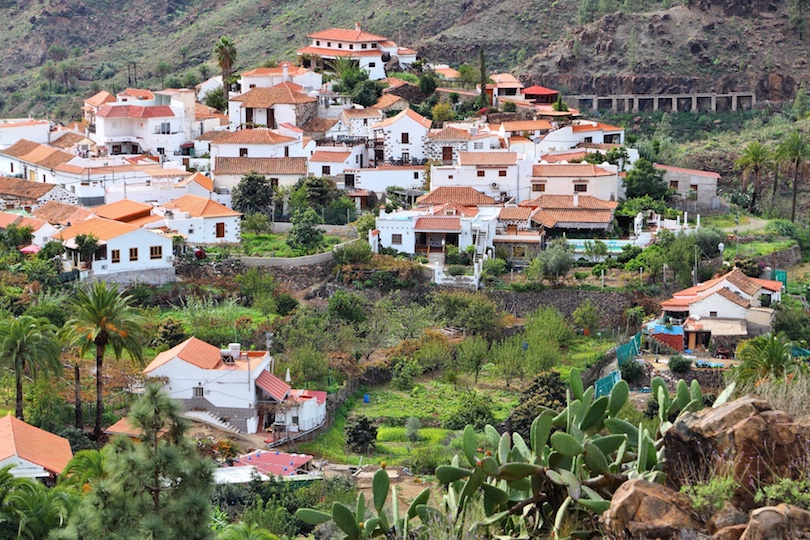
The magnificent mountain village of Fataga, set up high up in the middle of the island, is a picture of Canarian charm. Narrow lanes and whitewashed houses with terracotta tiles are edged with lush blooming gardens. The surrounding valleys are coated in pine forests and palm groves and is ideal for hiking – or even taking a camel ride!
There are restaurants and shops in the village that serve the visitors, and some lovely little hotels and guesthouses with views of the surrounding landscape; staying in Fataga will show you the traditional side of the island, as well as its vast wealth of nature.
San Agustin
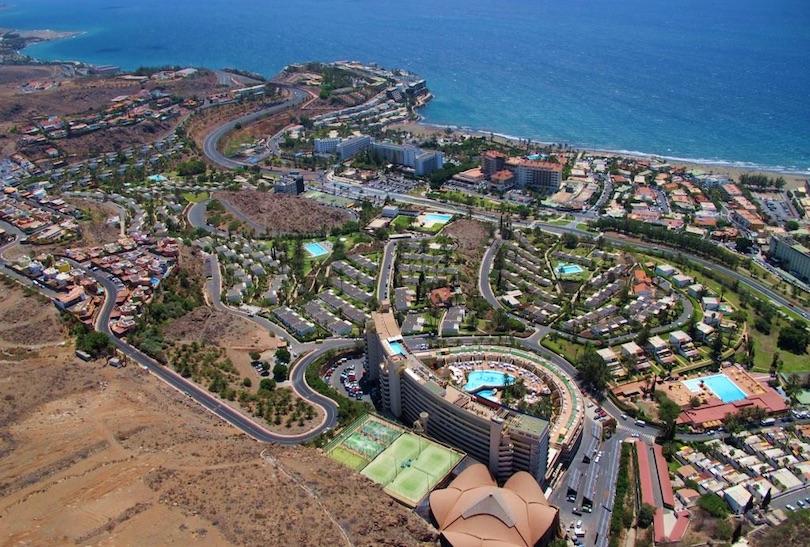
San Agustin is a sleepy town set along sun-drenched sandy beaches which are ideal for swimming. Although not as big as other resort towns, San Agustin has great transport connections to the airport and to other neighboring towns, as well as everything you should need on your holiday.
Shopping centers, international restaurants and a family-friendly, laid-back atmosphere make it the perfect compromise between bustling resort town and tiny village. Take time out in a mid-range holiday apartment and spend afternoons reading by the pool, or sipping coffee in a local cafe.
Meloneras
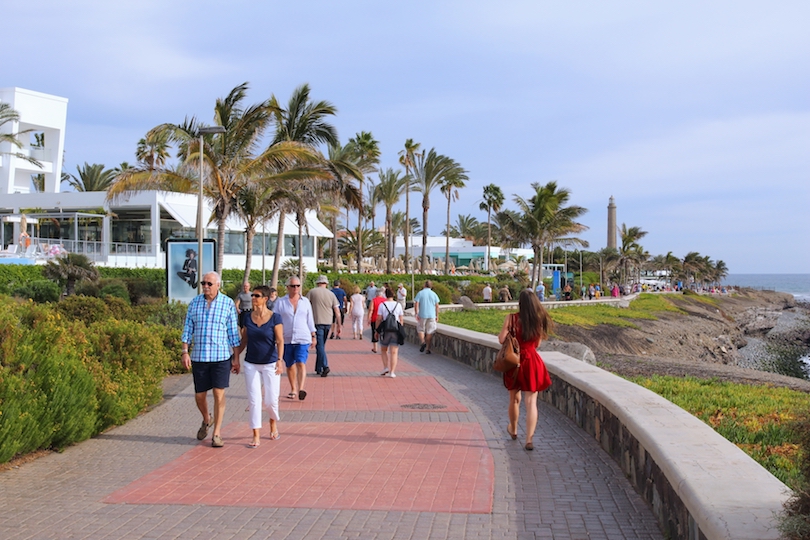
Modern Meloneras attracts stylish visitors with chic shopping and upscale restaurants all set along an elegant shoreline with an exclusive feel. Upmarket and peaceful, the resort town oozes sophistication; designer shopping and swanky cocktail bars attract more mature holidaymakers without budget worries.
The hotels on offer come in the form of 4- and 5-star holiday villages, where guests can stay in bungalows and all-inclusive resorts. There is a bus station in the town, but you can also catch a boat to explore the rest of what the area has to offer.