
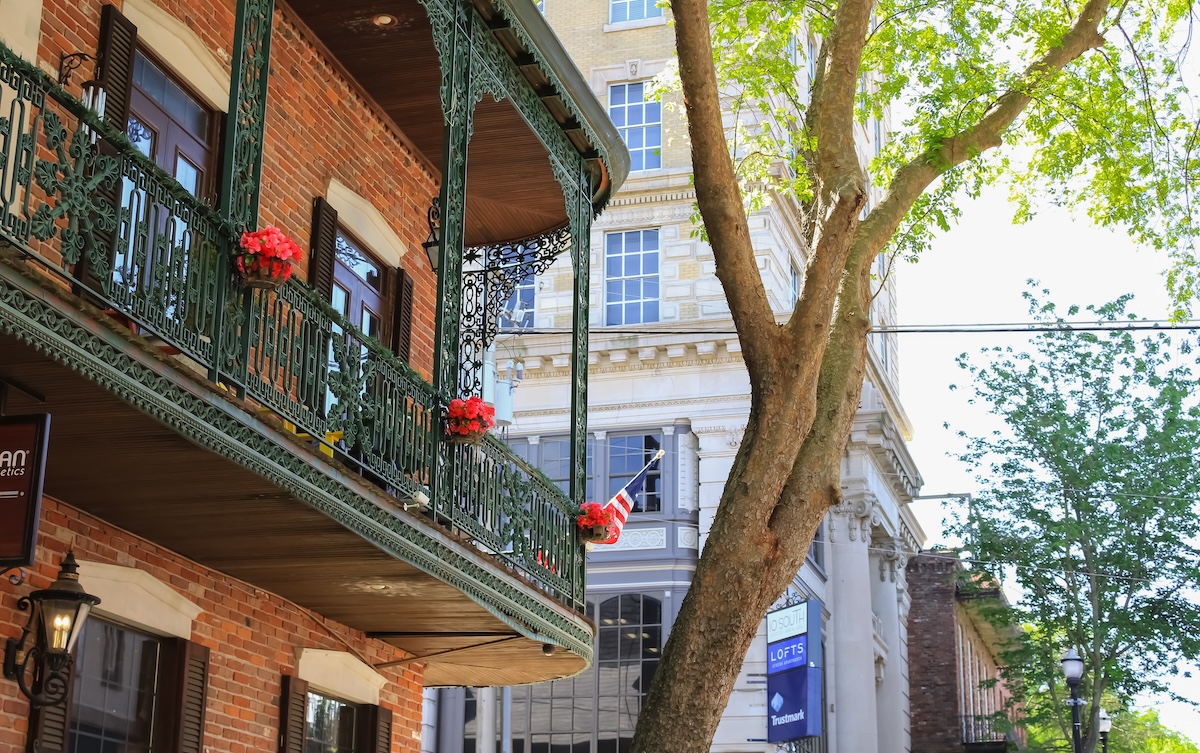
Perched on a bluff above the Mississippi River, Vicksburg packs more American history into a weekend than you’d expect from a city this size. The river bends, the land rises, and suddenly you’re standing in a place where geography shaped everything—military plans, riverboats, even the city’s stubborn personality.
Maybe you’ve heard the name in a textbook, or caught it in a documentary. What those sources miss is how close you can get to the past here. There’s an 1,800-acre national military park, antebellum homes that still stand proud, murals splashed across the riverfront floodwall, and even an ironclad gunboat they pulled from the river mud. Downtown, locals grab lunch in buildings that outdate most state capitals. It’s all crammed into a few walkable square miles, and thankfully, it doesn’t feel like some theme park trying too hard.
With fewer than 21,000 people, Vicksburg moves at a pace that lets you actually take things in. Spend a day or two, and you’ll find yourself hiking battlefield trails in the morning, eating lunch with a river view, and winding down on streets lined with historic homes. You can wander without a plan—curiosity gets you further than an itinerary ever would.
Why Travelers Stop Here
Vicksburg sits right where Interstate 20 meets the Great River Road, so it’s a natural pause for road trips between Jackson, Memphis, and New Orleans. Geography might get you to the exit, but what really keeps people around is how much there is to see within such a compact area.
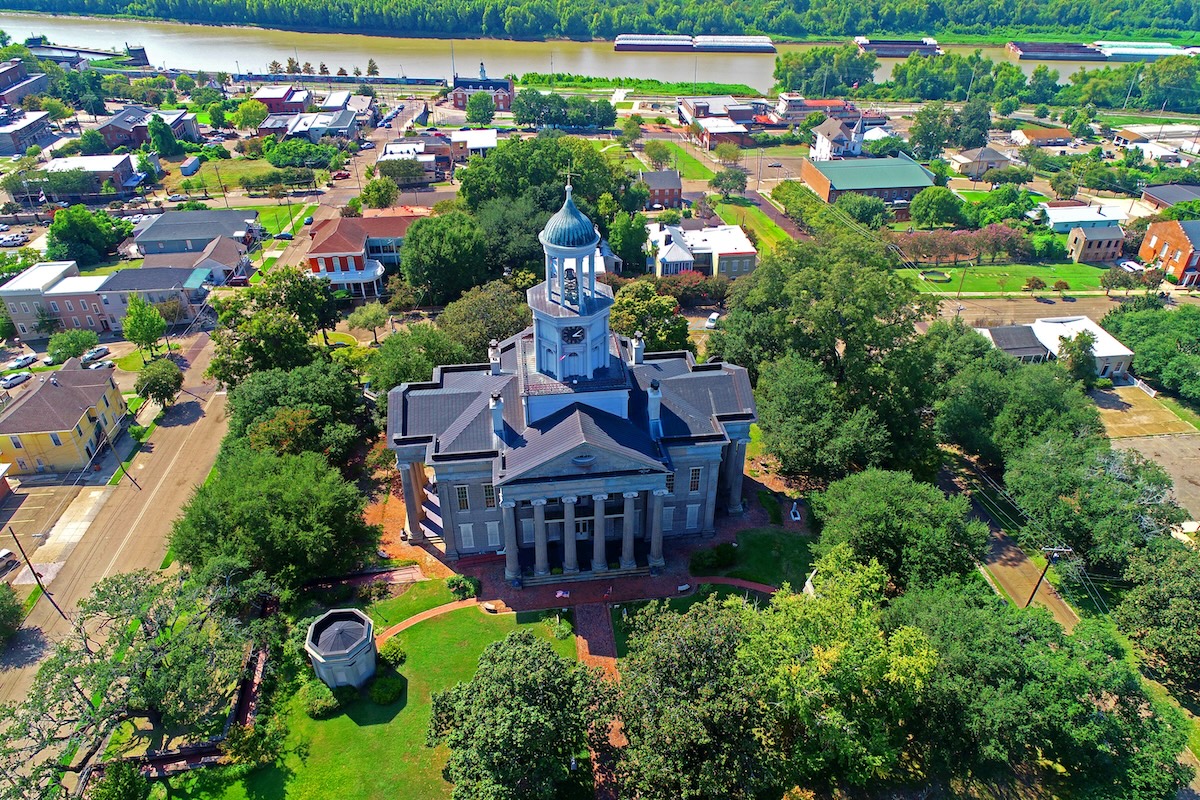
If you start at the riverfront, you’ll see 32 murals on the floodwall telling the city’s story from French colonial days in 1719 up to now. Head uphill to Washington Street, and you’ll find restaurants like Walnut Hills, Rusty’s Riverfront Grill, and 10 South Rooftop Bar and Grill. The menus run from fried catfish to more polished Southern favorites. Catfish Row Museum and the Old Court House Museum are just a few blocks apart, each one offering its own take on the region’s history.
There are five self-guided heritage walking trails, with 35 historical markers scattered through downtown and the historic districts. You can tour homes like Anchuca and Duff Green Mansion—both welcome visitors and double as inns if you want to stay somewhere with creaky floors and stories in the walls. Down by the river, the Army Corps of Engineers runs the Lower Mississippi River Museum, where you’ll finally get why this bluff mattered so much.
Vicksburg has four casinos, a 4.9-mile loop trail winding through the national military park, and more dining spots than you’ll get through in a long weekend. It’s earned a nod as one of the best small towns to visit in 2025. The city feels lived-in and real—history isn’t tucked away behind glass. Here, it’s just part of the streetscape.
Civil War Legacy
President Abraham Lincoln called Vicksburg “the key.” Confederate President Jefferson Davis described it as “the nailhead that holds the South’s two halves together.” They both saw the same thing: control of this bluff meant control of the Mississippi River, and by 1863, both armies were obsessed with that question.
The Siege of Vicksburg dragged on for 47 days, from May 18 to July 4, 1863. Union General Ulysses S. Grant maneuvered his troops to surround the city, trapping Confederate forces under Lieutenant General John C. Pemberton behind a ring of fortifications guarded by more than 170 cannon. When the city finally surrendered on Independence Day, the Union took control of the river and split the Confederacy in two.
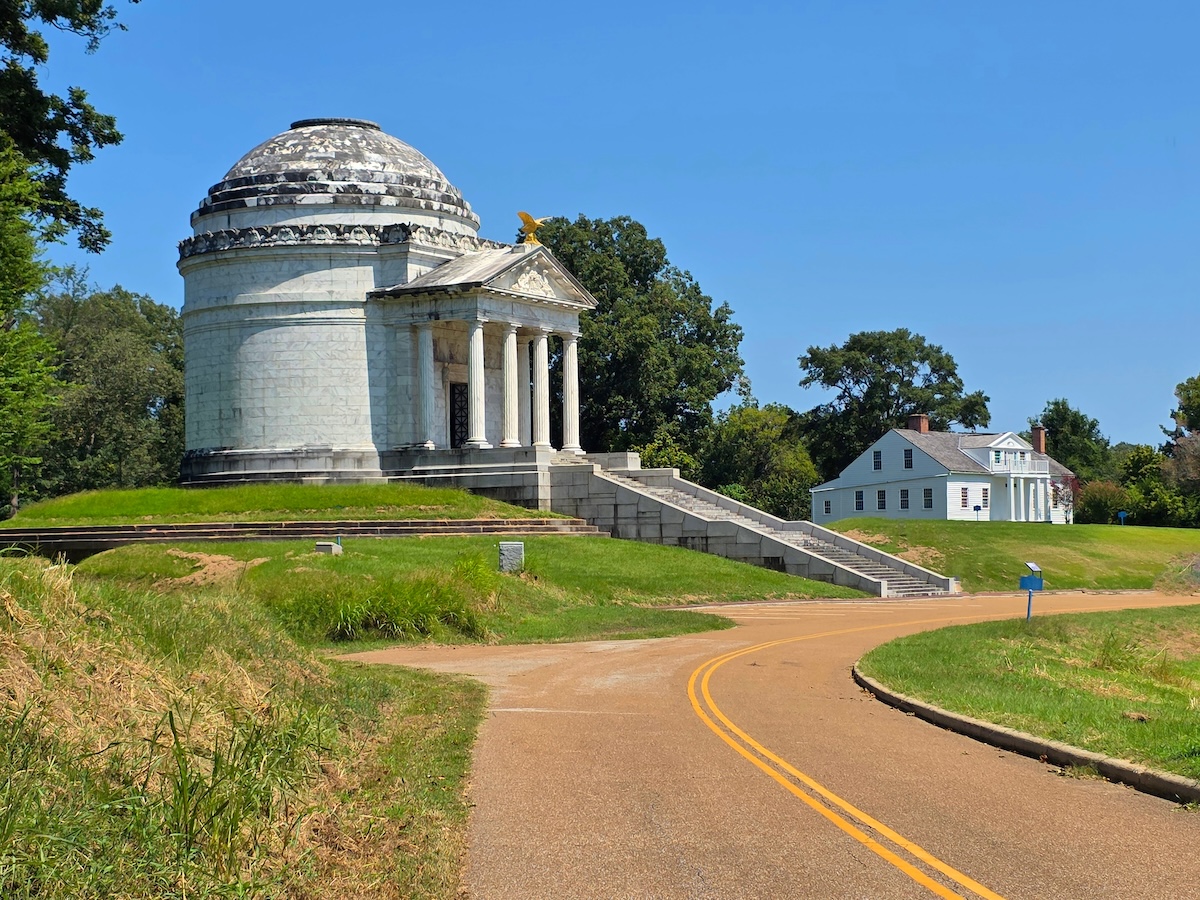
At Vicksburg National Military Park, you can follow the entire campaign. The park preserves the original fortification lines, more than 1,300 monuments and markers, and two restored gun positions. The USS Cairo, an ironclad gunboat that sank in 1862 and was pulled from the river a century later, now rests in a museum on the park grounds. It’s one of the rare Civil War-era warships you can actually walk around and see up close.
Outside the park, the Old Court House Museum displays artifacts from the siege, including stories from civilians who lived underground during the bombardment. The new Vicksburg Civil War Visitor Center, run by the state, adds fresh perspectives. The city famously didn’t celebrate the Fourth of July for decades after the surrender—one of those details that still hints at how deep the war’s scars go here.