
In 1965, the American vacation meant a station wagon full of kids and a motel with a neon sign out front. Cheap flights were still a rumor, Cancun did not exist, and Orlando was mostly orange groves and swamp.
Then airfares dropped, Disney opened in Florida, and the interstates bypassed half the map. Some of these places faded on their own, and others got help from hurricanes, politics, or a lake that shrank. All eighteen were once on every family’s shortlist, and most of them now live on reputation.
18. Lake Mead, Nevada/Arizona
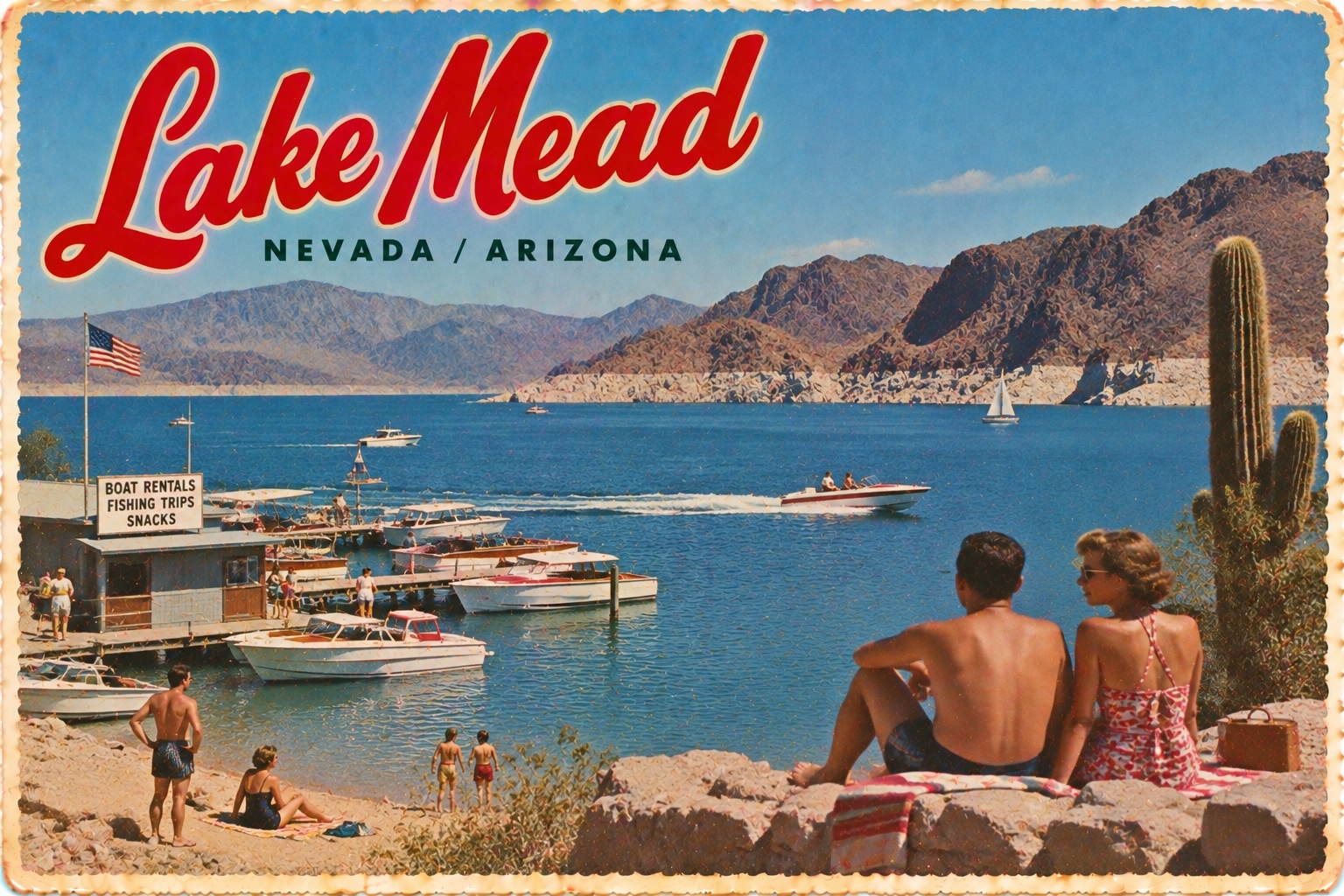
By the 1960s, the lake behind Hoover Dam was where Southwest families went to water-ski and rent houseboats for the weekend. Las Vegas sat close enough to make it an easy add-on, and a day on the water was a good counterweight to a night at the tables. Then a long drought set in, the shoreline backed away, and boat ramps ended up stranded far from the water.
Lake Mead is still the largest reservoir in the country, and the white mineral “bathtub ring” on its canyon walls has become its signature feature. The low water has also coughed up sunken boats and decades-old human remains, which Las Vegas locals immediately blamed on the mob. Turquoise water against bare desert canyon is still a stunning sight.
17. Niagara Falls, New York
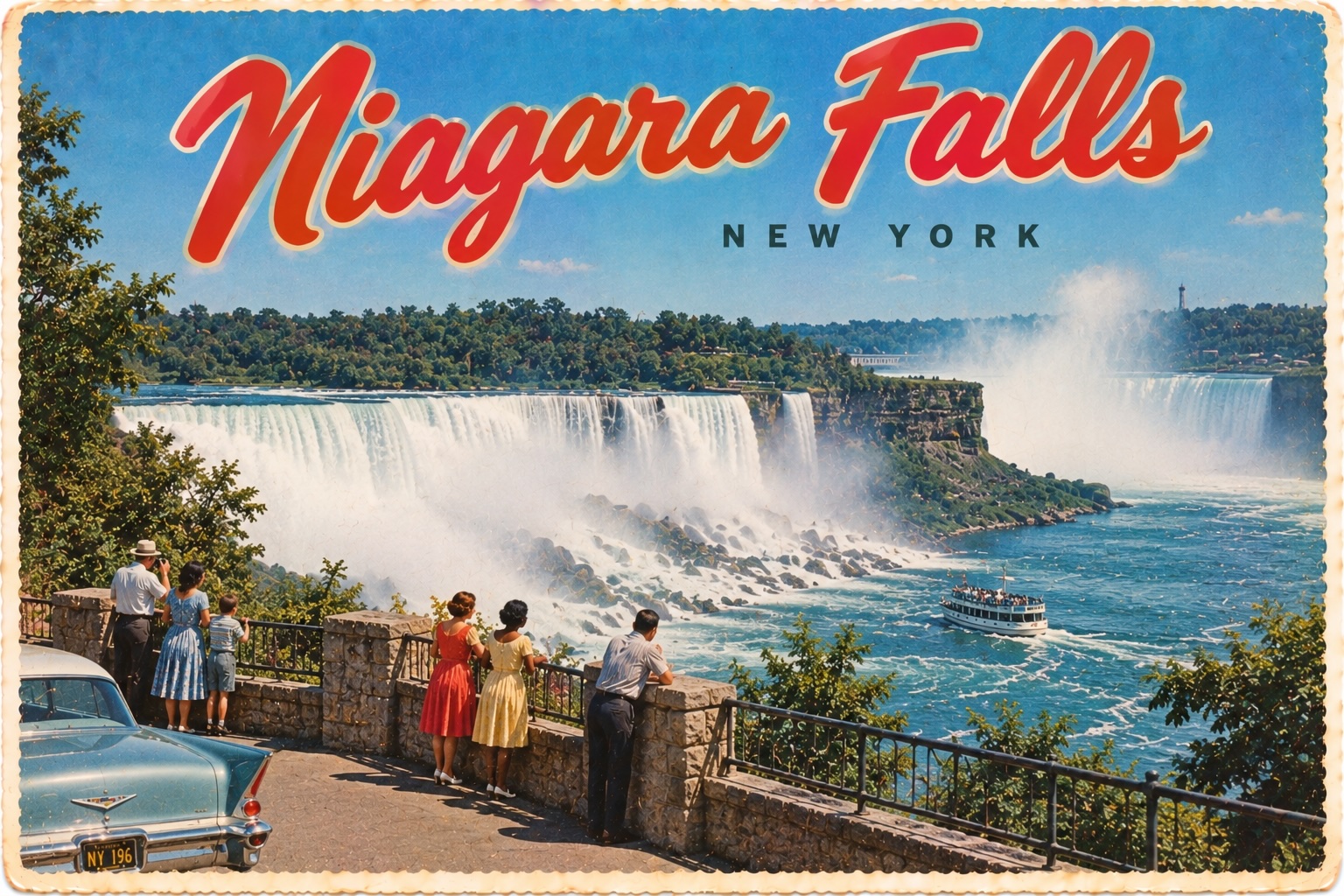
Marilyn Monroe’s 1953 thriller “Niagara” helped cement the falls as the place to start a marriage, though the plot suggests it is also a handy place to end one. For generations, newlyweds arrived by train and checked into hotels advertising their view of the water. Then jets got cheaper, and nobody wanted to honeymoon where their grandparents had.
The falls themselves have not changed. They still thunder and still soak anyone who boards a boat into the mist, and they still look best from the Canadian side, where the high-rise skyline gives them a dramatic backdrop. Today’s visitors tend to come for an afternoon, snap a photo in a plastic poncho, and head home before dinner.
16. Freeport, Grand Bahama
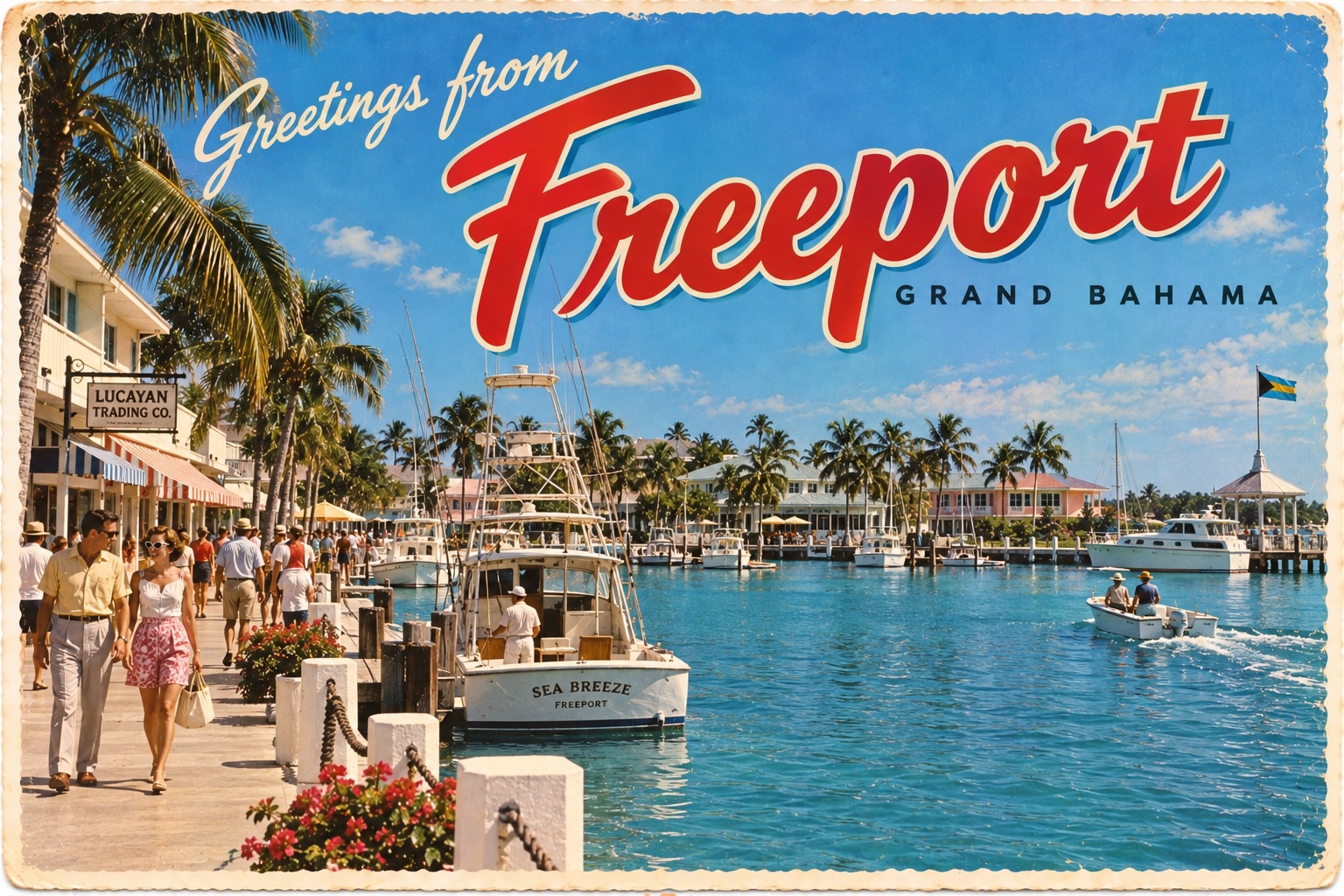
A 1955 agreement with the Bahamian government let a group of developers build a tax-exempt city on Grand Bahama from scratch. About 55 miles off the Florida coast, Freeport was an easy hop for Americans after rum drinks and roulette, and the Lucayan Beach Hotel opened with a casino in the early 1960s to welcome them. The International Bazaar followed, with a giant Torii gate at its entrance and shops selling goods from around the world.
Sixty years later, Hurricanes Matthew and Dorian have battered the island, and much of the old resort strip sits shuttered. Nassau and Paradise Island soaked up the high-end crowd, and cruise ships take the rest. The beaches remain beautiful and almost empty, which counts as a selling point if you can overlook the abandoned hotels nearby.
15. Idlewild, Michigan
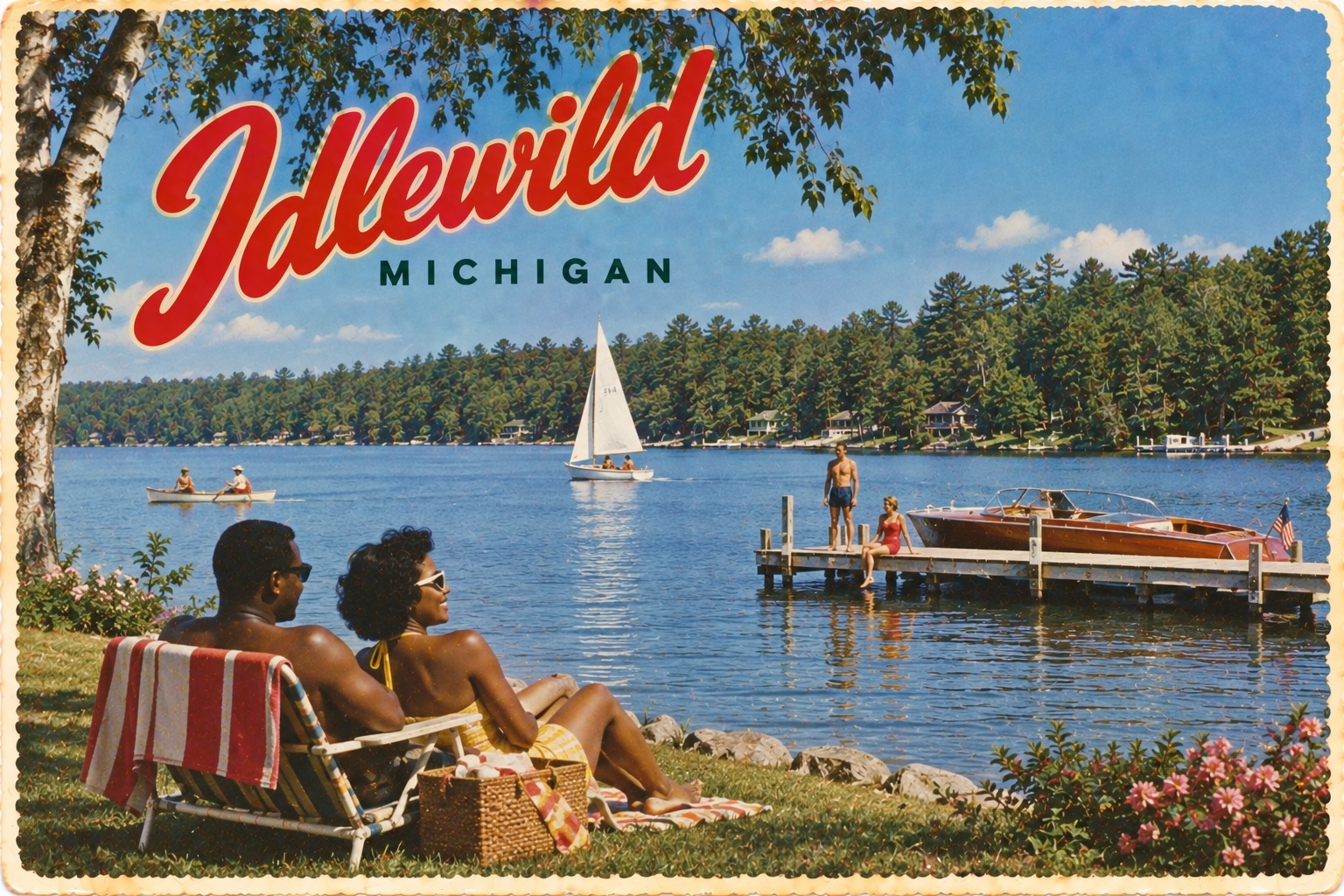
In the age of segregation, most American resorts turned Black families away, so a few developers in northern Michigan built one that welcomed them. Idlewild, founded in 1912 and nicknamed Black Eden, grew into one of the busiest Black resort communities in the country, drawing tens of thousands of visitors on summer weekends by the 1950s. Aretha Franklin and Sammy Davis Jr. played its clubs at a time when Black performers had far fewer stages that would book them.
The Civil Rights Act of 1964 opened other resorts to Black travelers, a victory that came with an unexpected cost for Idlewild. Visitors began going elsewhere, and the clubs thinned out. The lakes and cottages remain, and locals have spent years working to restore the community’s place in the history of American leisure.
14. Muskoka, Ontario
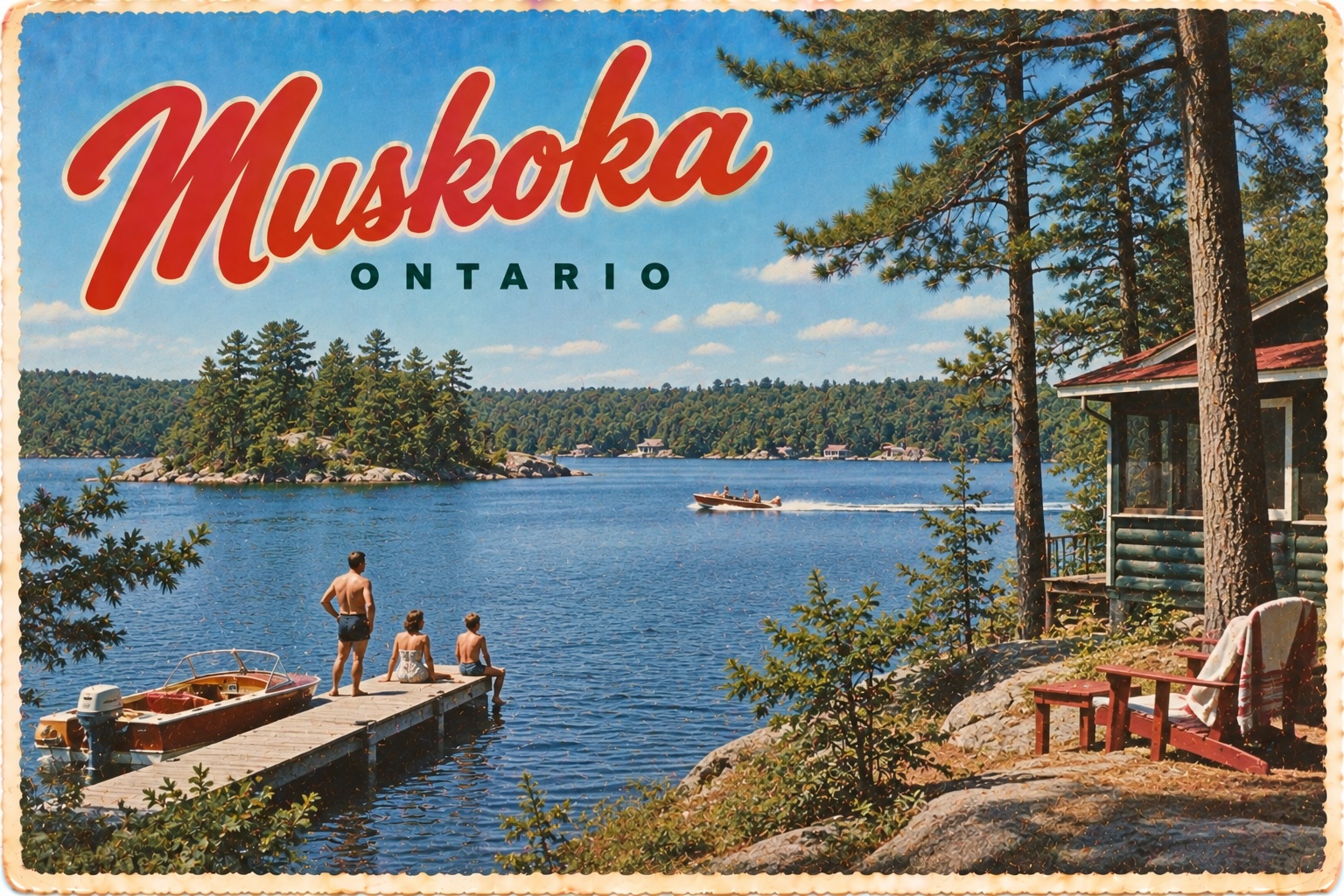
Long before anyone called it cottage country, Muskoka’s lakes drew families from Pittsburgh and Cleveland, who came north by train and finished the journey by steamship to grand wooden hotels. Americans made up a large part of the early clientele, and the region built its summer reputation on them. The RMS Segwun, launched in 1887, still sails the lakes and holds the title of oldest operating mail steamship in the world.
These days Muskoka is crowded again, but the crowd is mostly from Toronto, whose residents have bought up the waterfront and show no sign of selling. Most Americans have never given the region a thought, which leaves the lakes and the long dock-side evenings to Canadians who guard them jealously.
13. Cypress Gardens, Florida
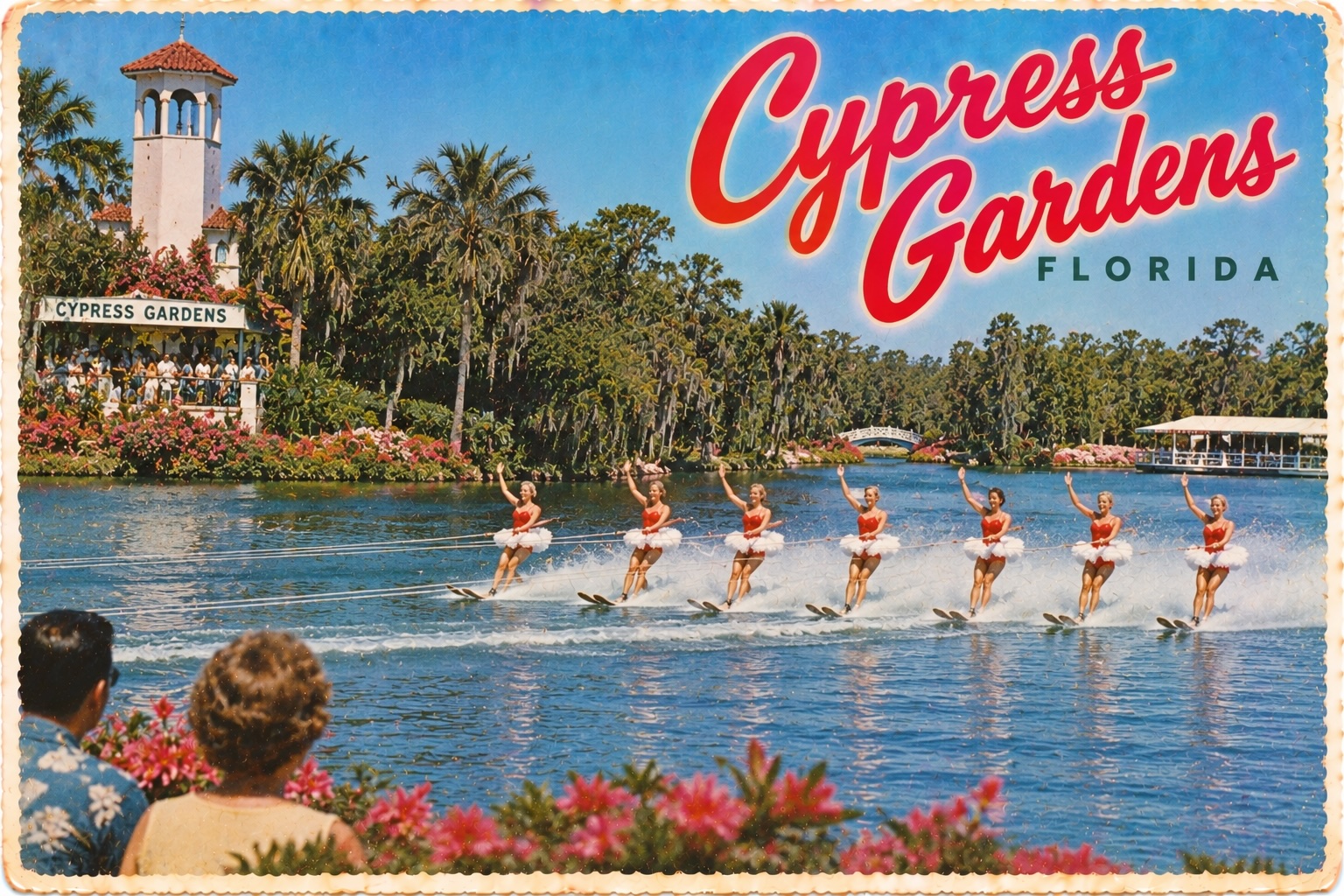
Dick Pope and his wife Julie opened Cypress Gardens in 1936 as a botanical garden, then discovered that hoop-skirted Southern belles made better advertising than azaleas. The water-ski shows that followed, complete with human pyramids on skis, made Winter Haven the water-skiing capital of the world and Cypress Gardens one of Florida’s biggest draws through the 1960s.
Walt Disney World opened up the road in 1971, and the long slow decline began. The park closed for good in 2009, and Legoland Florida opened on the site in 2011. The gardens survived inside it, including a banyan tree planted in 1939, and the water-ski show returned too. The old attraction now lives inside a theme park built from plastic bricks, which is not how anyone in 1936 pictured the ending.
12. Taxco, Mexico
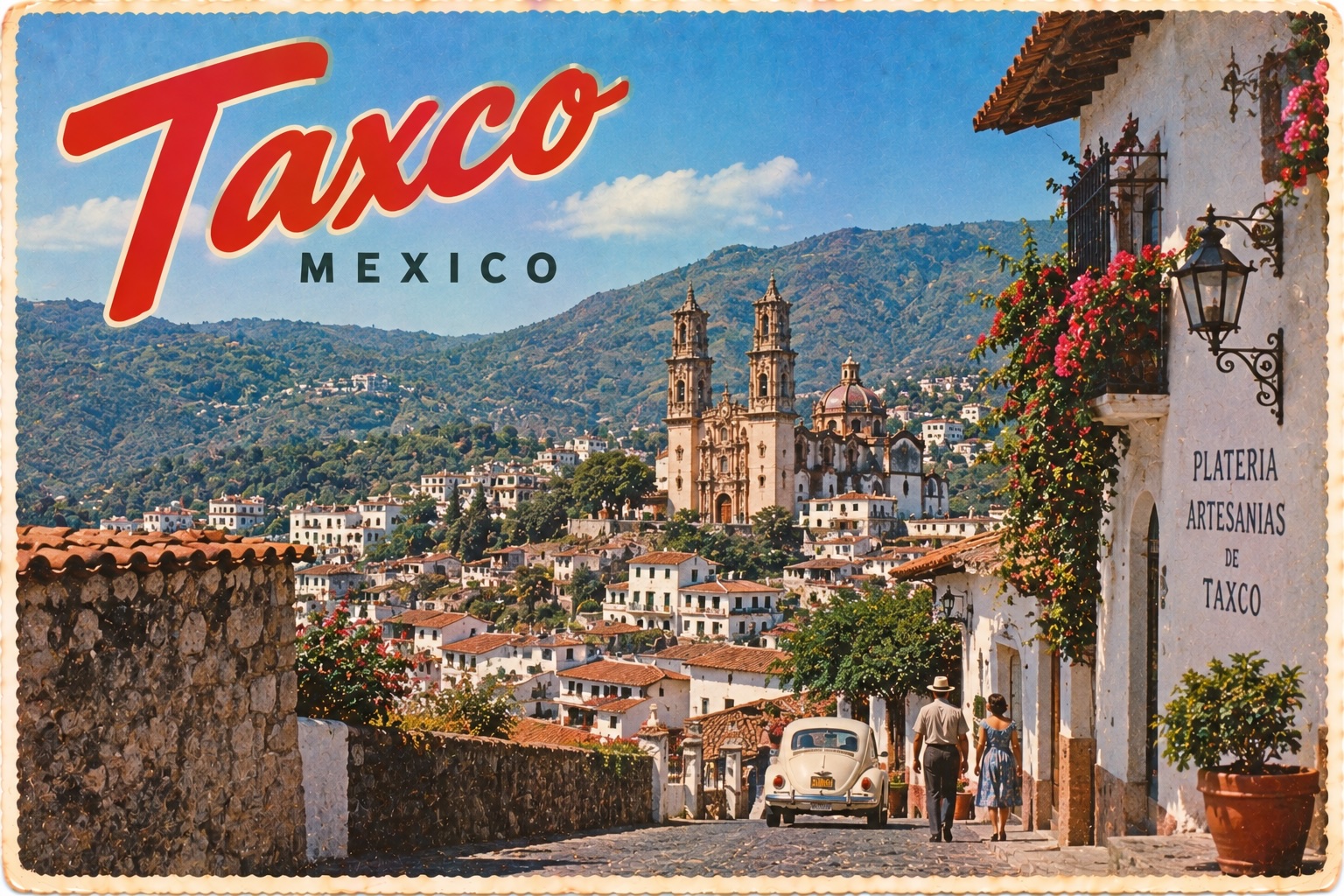
An American architect named William Spratling moved to Taxco in 1929 and worked with local artisans to revive its silver craft, putting the town on the map for jewelry lovers. Weekenders from Mexico City and visitors on side trips from Acapulco followed, and by the 1960s Taxco was a must-see for Americans traveling in Mexico.
The hillside town has barely changed, from its red tile roofs to the baroque Santa Prisca church. Americans largely stay away now because of U.S. travel warnings tied to violence in Guerrero state, so Taxco’s silver shops are kept busy by Mexican and European visitors instead. The white Volkswagen Beetle taxis still groan up the cobbled hills, though fewer Americans are around to ride in them.
11. Route 66 Roadside Towns
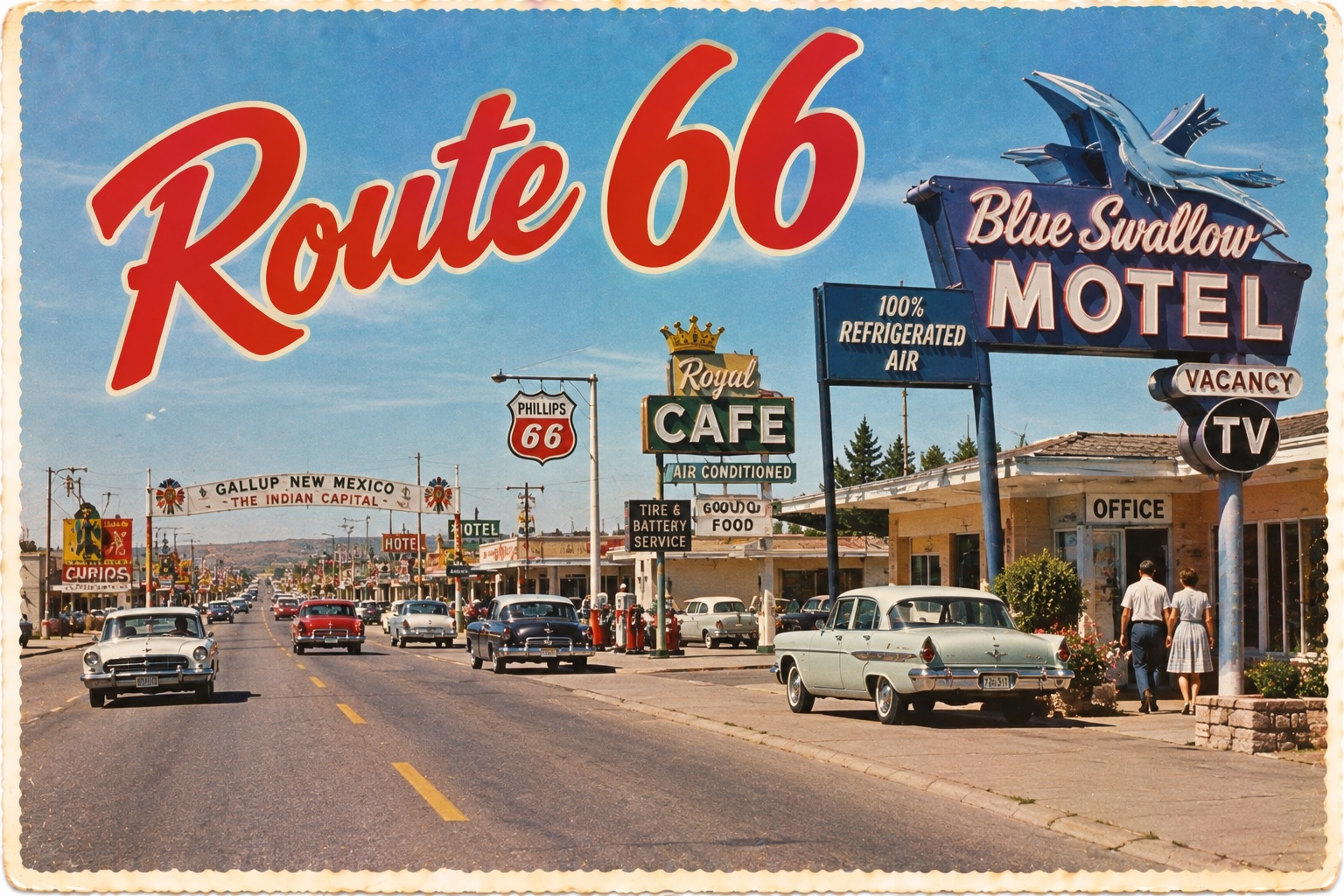
Route 66 carried families from Chicago to the Pacific, and every town along the way lived off their gas and hamburger money. Then the interstates arrived and bypassed those towns one at a time. Williams, Arizona was the last to go in 1984, and the highway was officially decommissioned the following year.
Some towns never recovered, while others reinvented themselves as shrines to nostalgia. Seligman, Arizona, where a barber named Angel Delgadillo led the preservation movement, did it best. A big share of the people driving the route today hold foreign passports, with Europeans and Australians renting Mustangs to chase a version of America that plenty of Americans have forgotten.
10. The Pocono Mountains, Pennsylvania
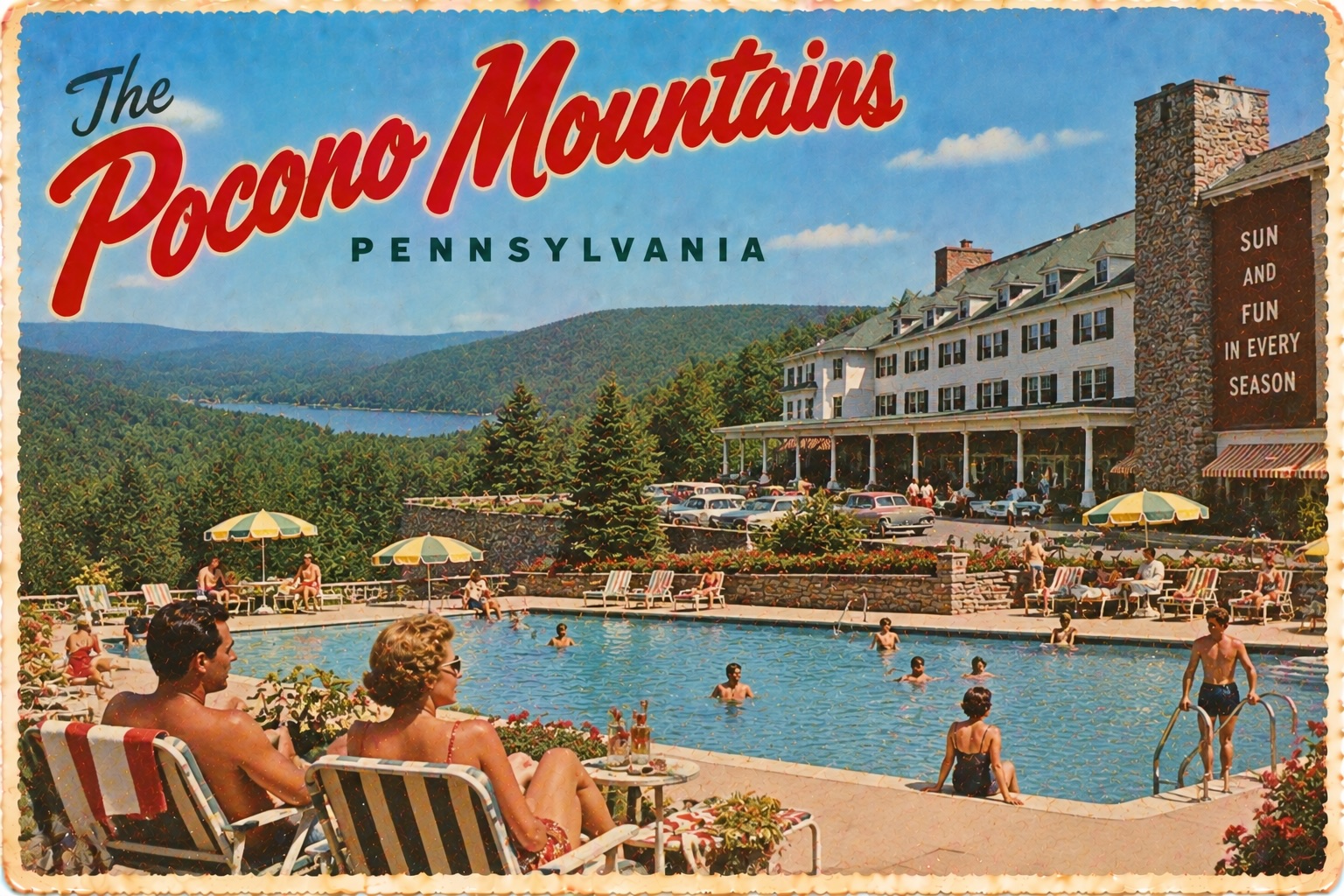
The heart-shaped bathtub was invented in the Poconos in 1963, and for the next two decades, honeymooners flocked to the Pennsylvania mountains for champagne-glass whirlpools and mirrored ceilings. Resorts competed to out-romance each other, and Niagara Falls suddenly had a serious rival.
The Poconos have not disappeared. Ski slopes and giant indoor water parks keep the region busy, but the honeymoon trade is long gone, and couples now fly to Maui or the Amalfi Coast instead. Several of the old resorts stand abandoned, their heart-shaped tubs still waiting in the ruins for a guest who is never coming.
9. Sainte-Agathe-des-Monts, Quebec
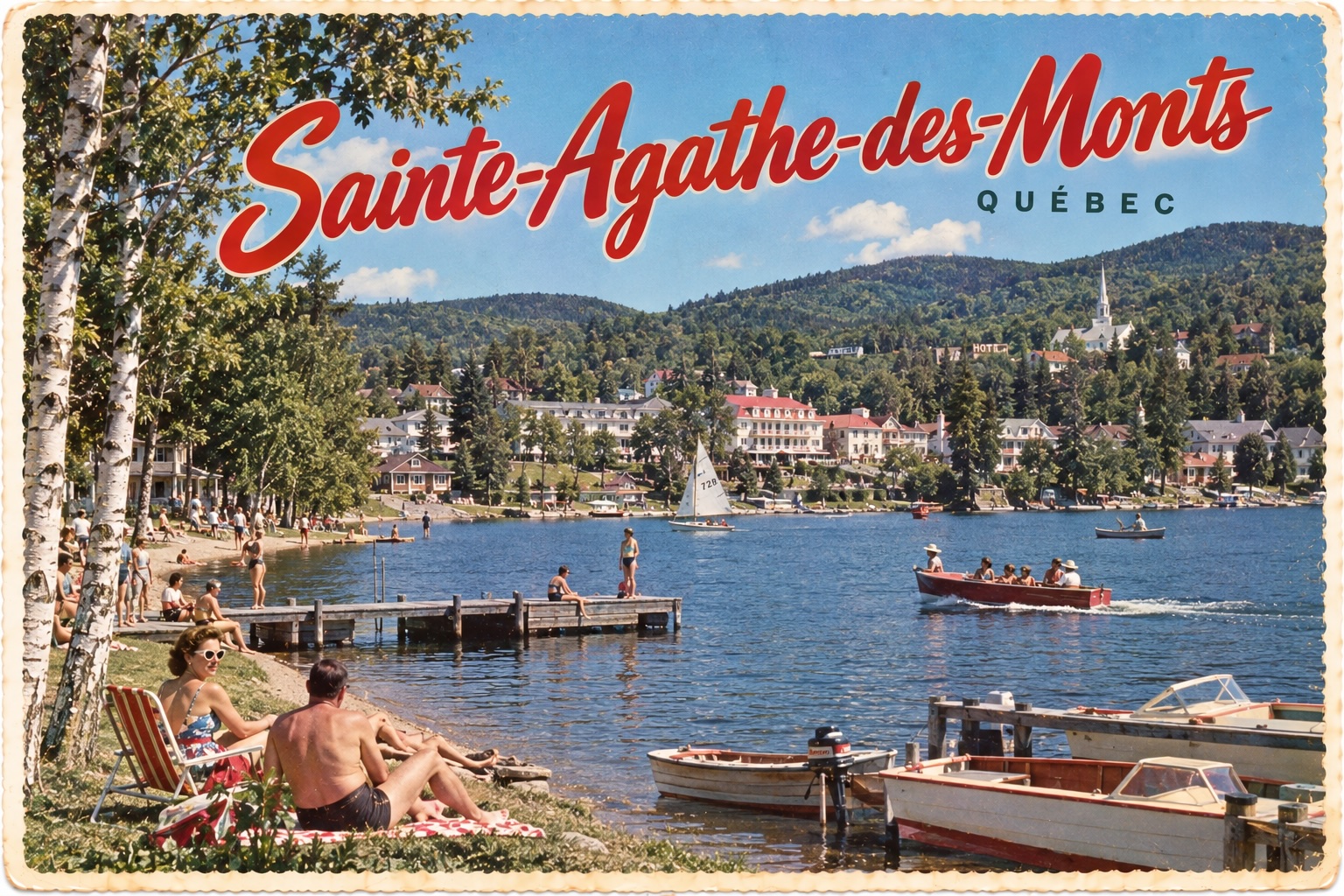
A couple of hours north of Montreal, Sainte-Agathe built its reputation on clean mountain air, first for tuberculosis patients and later for vacationing families who wanted a lake and a good deli. By the mid-twentieth century, it was a Jewish resort town often called the Catskills of Canada, and Mordecai Richler used its hotels as a setting in “The Apprenticeship of Duddy Kravitz.”
Visitors from Montreal and New York once filled the lakeside hotels each summer. Many of those hotels are gone, and the American crowd left with them once air travel opened up more exotic options. Today Sainte-Agathe is a low-key base for skiers headed to nearby Mont-Tremblant, with a lakefront on Lac des Sables that few Americans know exists.
8. Hot Springs, Arkansas
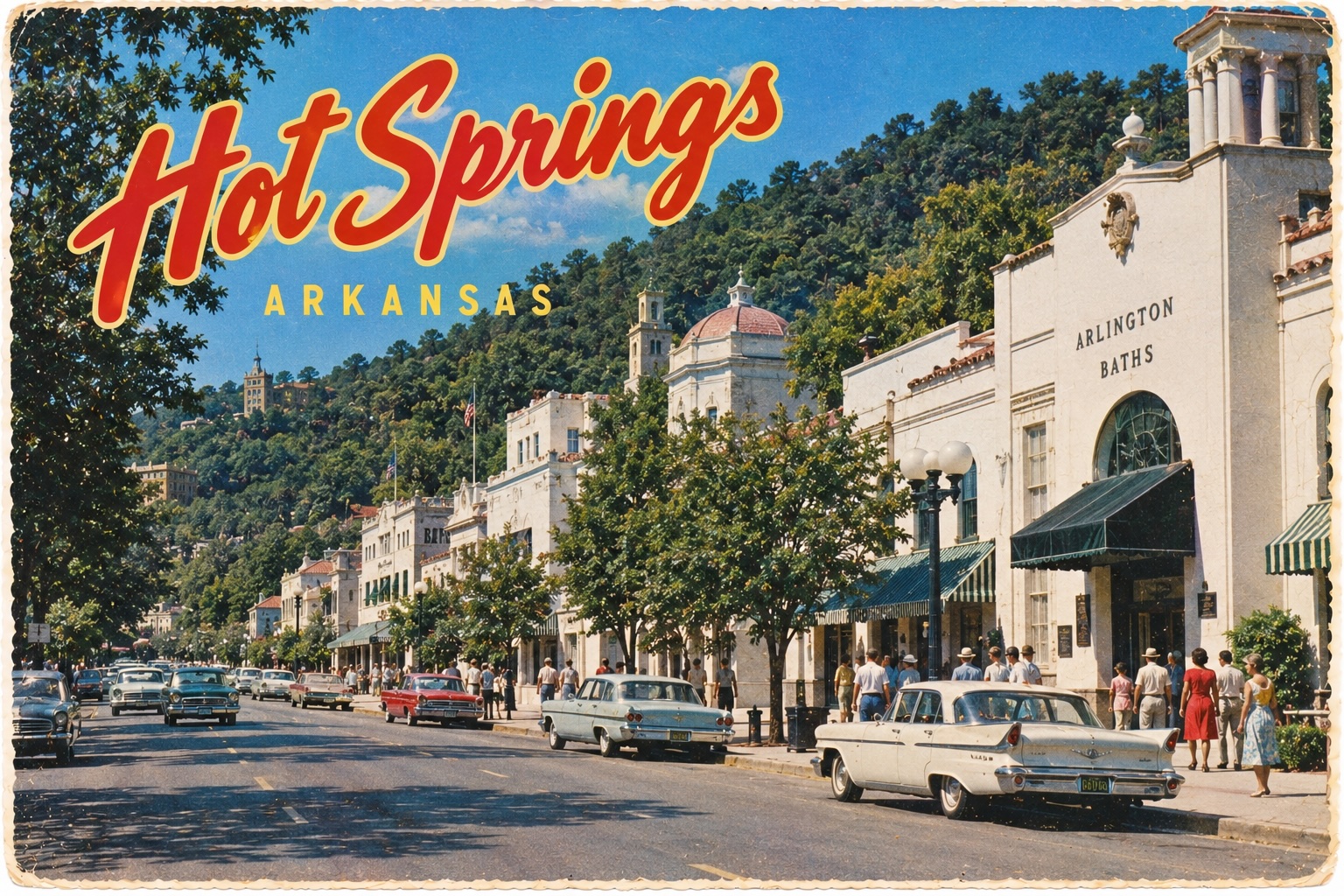
Few American towns managed to be a health spa and a den of vice at the same time, but Hot Springs pulled it off. Visitors soaked in thermal water for their rheumatism while Al Capone reportedly kept a room at the Arlington Hotel, and illegal casinos ran in the open until Governor Winthrop Rockefeller shut them down in 1967.
Bathhouse Row, a stretch of grand early twentieth-century bathhouses, is now part of Hot Springs National Park, the smallest national park in the country. The water still comes out of the ground at around 143 degrees, which is geology’s way of telling you not to touch it. Modern medicine ended the spa boom, the end of gambling thinned the crowds, and a few of the old baths still operate for nostalgic soakers.
7. Silver Springs, Florida
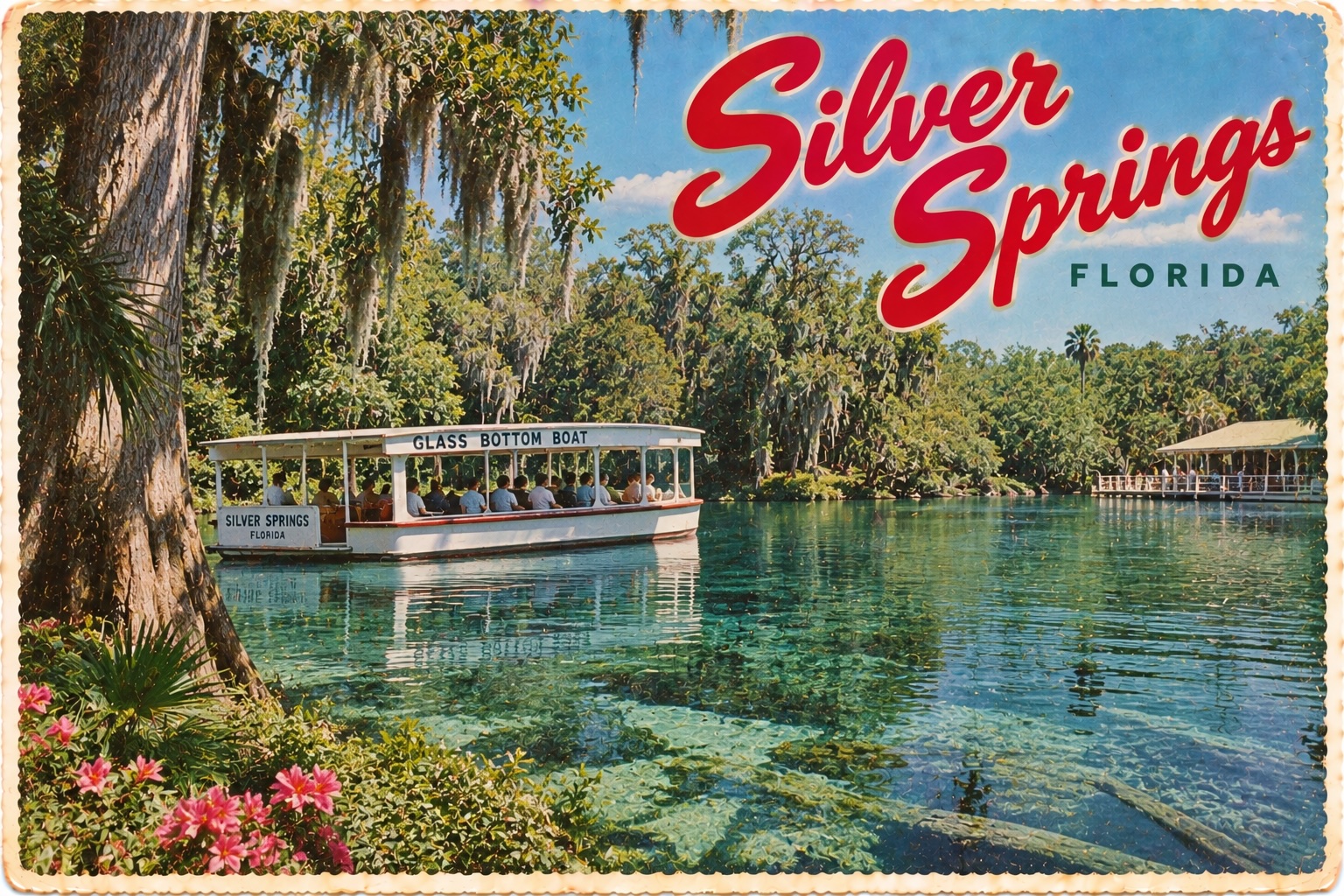
Glass-bottom boats have drifted over Silver Springs since the 1870s, and by the time Disney opened in 1971, it ranked among Florida’s biggest attractions. Tarzan movies and the TV show “Sea Hunt” used the crystal-clear water as a backdrop, and tourists lined up to peer down at turtles and fish from the boat deck.
Disney pulled Florida tourism an hour south, and the attraction faded. It became a state park in 2013, and the boats still run. The wild rhesus monkeys released along the river in the 1930s by a boat operator still live there, making them the only cast members who never took a day off.
6. Atlantic City, New Jersey
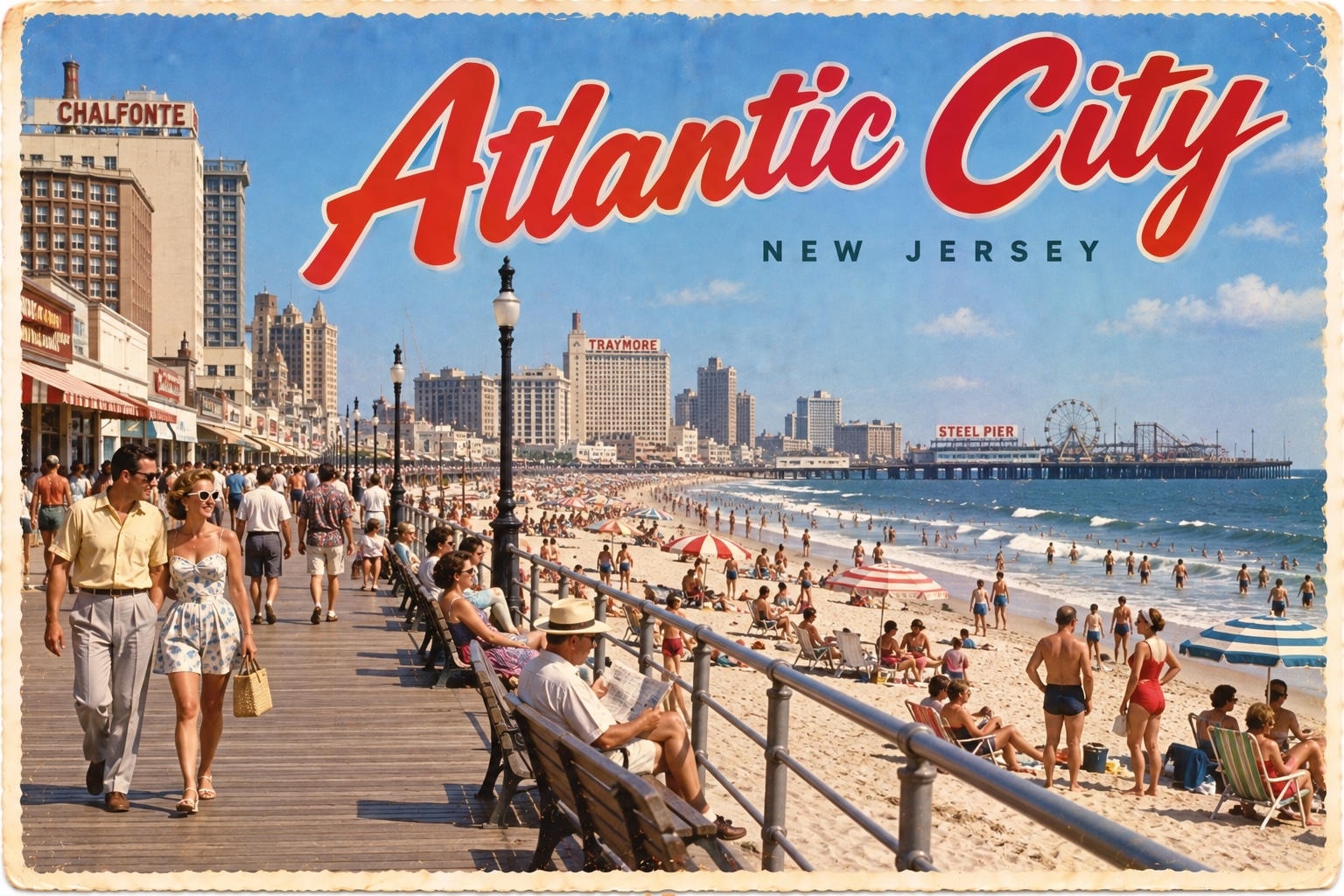
Atlantic City built the country’s first boardwalk in 1870 and spent the next century perfecting the American beach vacation. Families came for the saltwater taffy and the Steel Pier, where a horse dove off a platform into a tank of water, and the Miss America pageant gave the whole town a national spotlight.
Cheap flights to Florida emptied the hotels, and by the 1970s the city was in rough shape. Casinos arrived in 1978 to rescue it, and they changed the crowd. The family beach week became a gambling weekend, and most visitors now arrive by bus for a day. The Boardwalk is still there, the Monopoly street names are still there, and the taffy still sells. It’s mostly just the families that are missing.
5. Bermuda
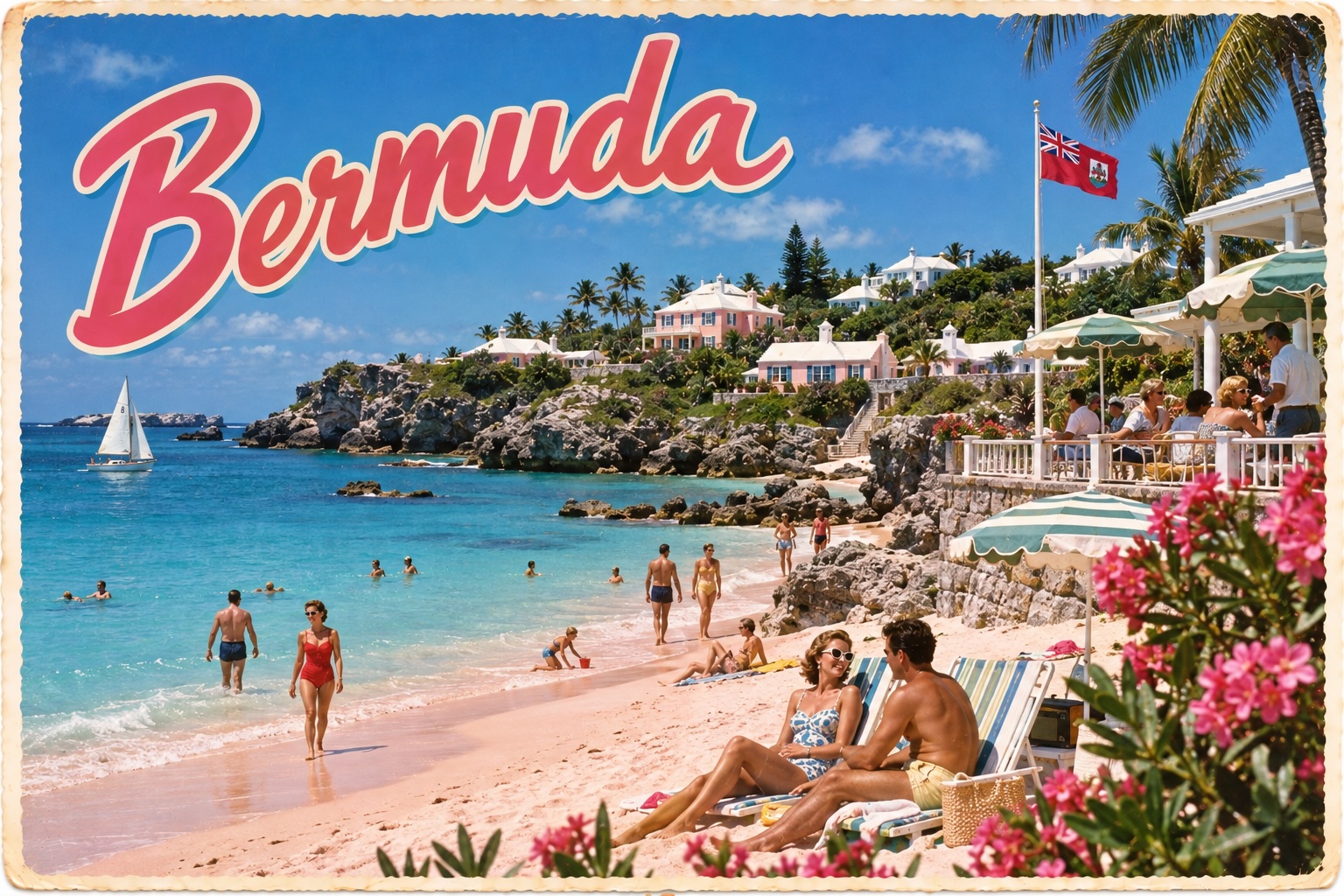
Bermuda was where well-off Americans went to feel European without crossing the Atlantic. Ocean liners from New York made the trip in about a day and a half, and the island offered pink-sand beaches and pastel cottages. Local businessmen wore shorts with blazers and knee socks, which remains the most dignified use of shorts ever devised.
The island never got cheap, hotel rooms disappeared, and the Caribbean offered warmer water for less money. Bermuda sits about 650 miles off the North Carolina coast, close enough to feel like a quick escape, but it no longer tops most American wish lists. Much of its traffic now arrives on cruise ships, so the pink sand gets plenty of day visitors and far fewer honeymooners.
4. Borscht Belt, New York
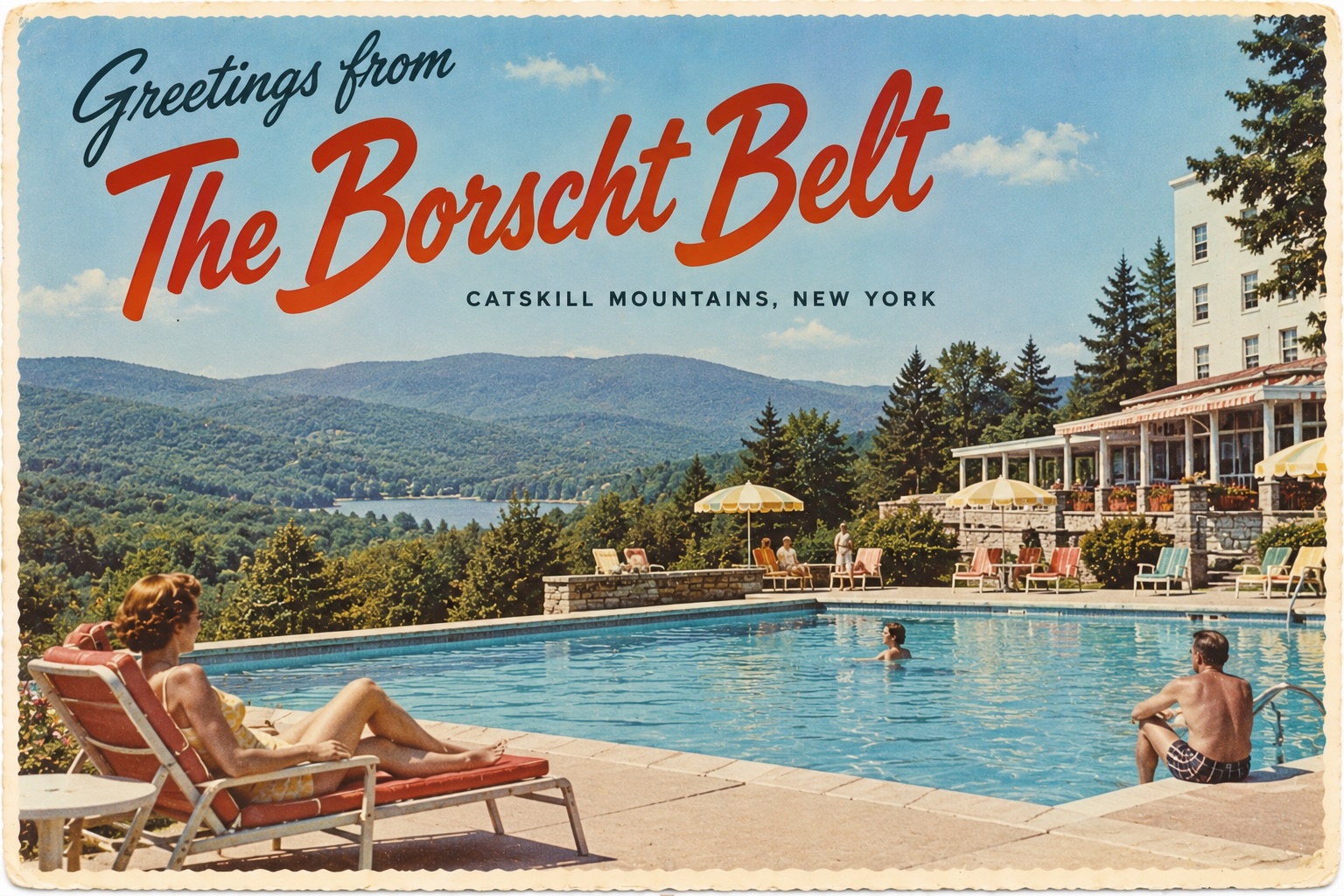
At its peak in the 1950s, the Catskills held hundreds of resorts, and Grossinger’s and the Concord were the heavyweights. They served Jewish families from New York City who were shut out of many other resorts, and they responded with endless food and shows every night. Mel Brooks and Joan Rivers sharpened their acts on this circuit, and “Dirty Dancing,” set at a Catskills resort in 1963, is the era’s most famous farewell.
Cheap flights and the end of discrimination at other resorts emptied the hotels. Grossinger’s closed in 1986, the Concord followed in 1998, and many of the rest were abandoned. The Catskills are fashionable again, though the new crowd is boutique hotel guests and weekenders from Brooklyn, and the old sprawling resort model is mostly in ruins.
3. Havana, Cuba
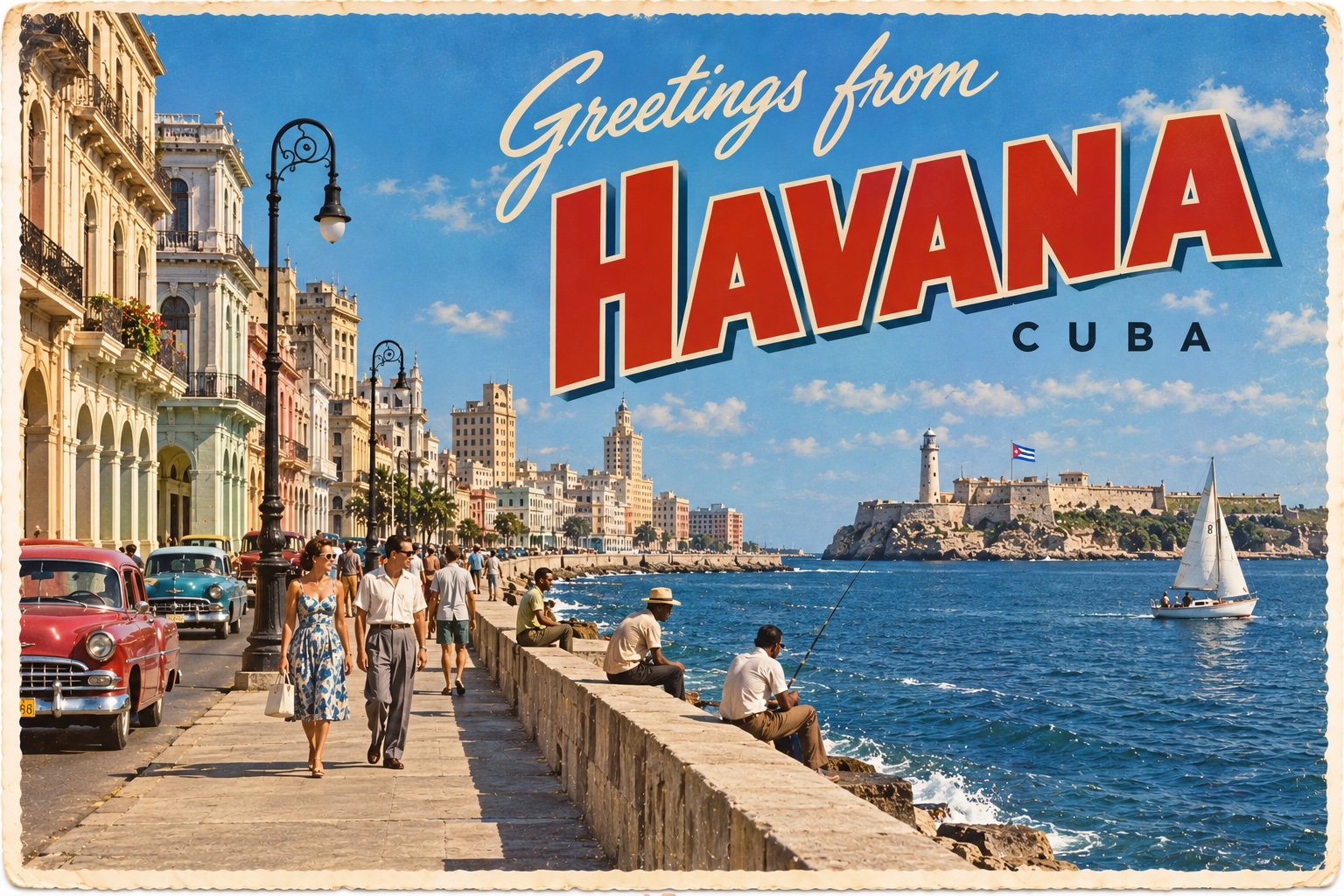
For decades, Havana was where Americans went for rum and roulette, hopping over from Miami on a flight shorter than most commutes. Mob-linked casinos filled the grand hotels, and the Tropicana’s floor shows ran until dawn.
Then came the 1959 revolution, followed by the embargo, and Havana went into a time capsule. The 1950s American cars still rolling along the Malecón are the one souvenir of that era nobody had to import. U.S. rules still make the trip complicated for the average traveler, which makes Havana the most famous place Americans cannot simply book. The daiquiris Hemingway favored are still poured at El Floridita, though most Americans will have to hear about them secondhand.
2. Salton Sea, California
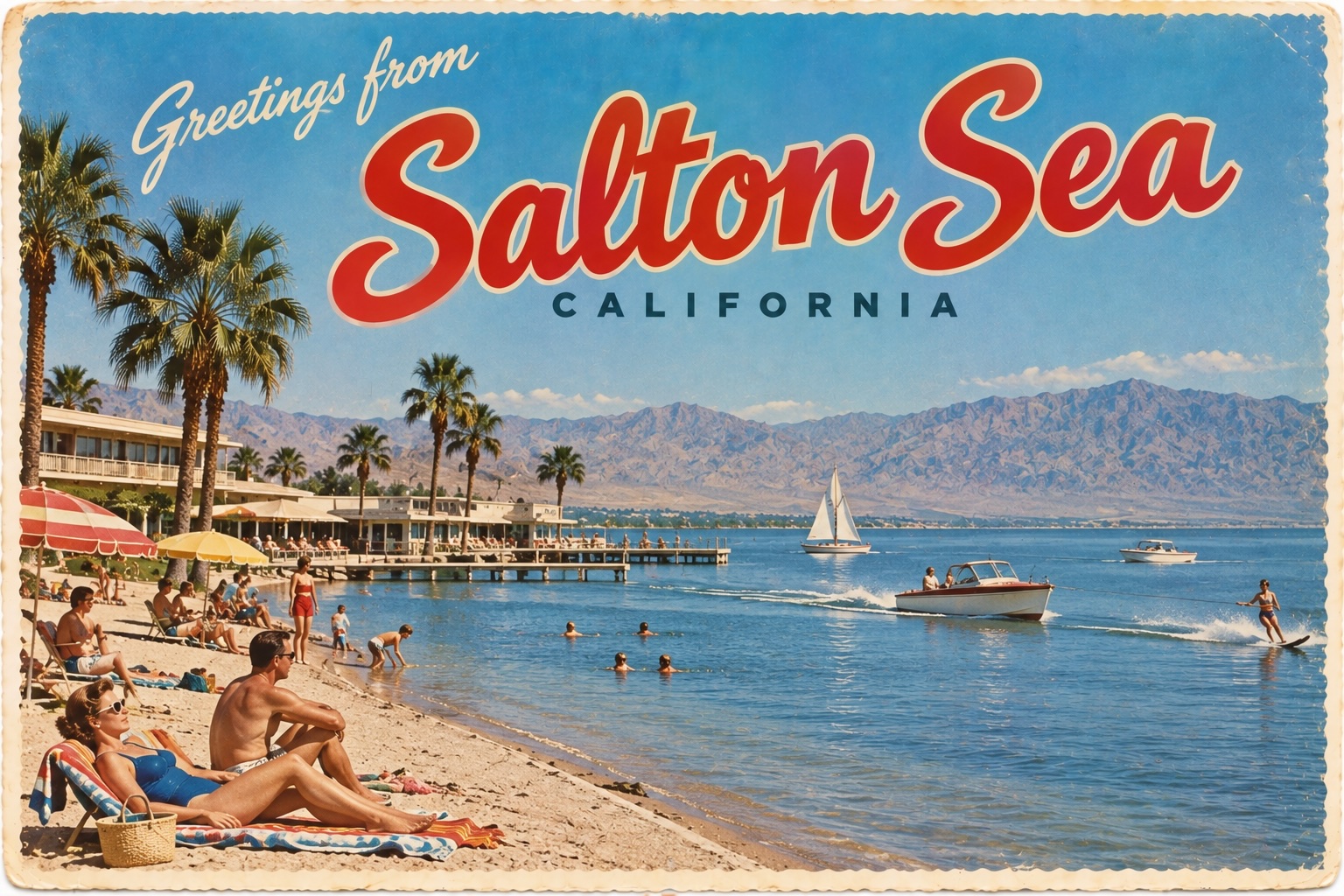
The Salton Sea exists because of an engineering mistake. In 1905, the Colorado River burst through an irrigation canal and spent roughly two years filling a dry desert basin, handing California its largest lake by accident. By the 1950s, developers had noticed, and yacht clubs and waterfront lots drew celebrities and families alike. At its peak, the lake reportedly out-drew Yosemite.
With no outlet and plenty of farm runoff, the water grew saltier than the ocean, and fish began dying by the thousands. The resorts emptied, and the shoreline filled with abandoned trailers and an occasional rotten-egg smell that has been known to drift all the way to Los Angeles. A few artists and photographers have claimed the ruins, especially around Bombay Beach, and the migrating birds never stopped coming.
1. Acapulco, Mexico
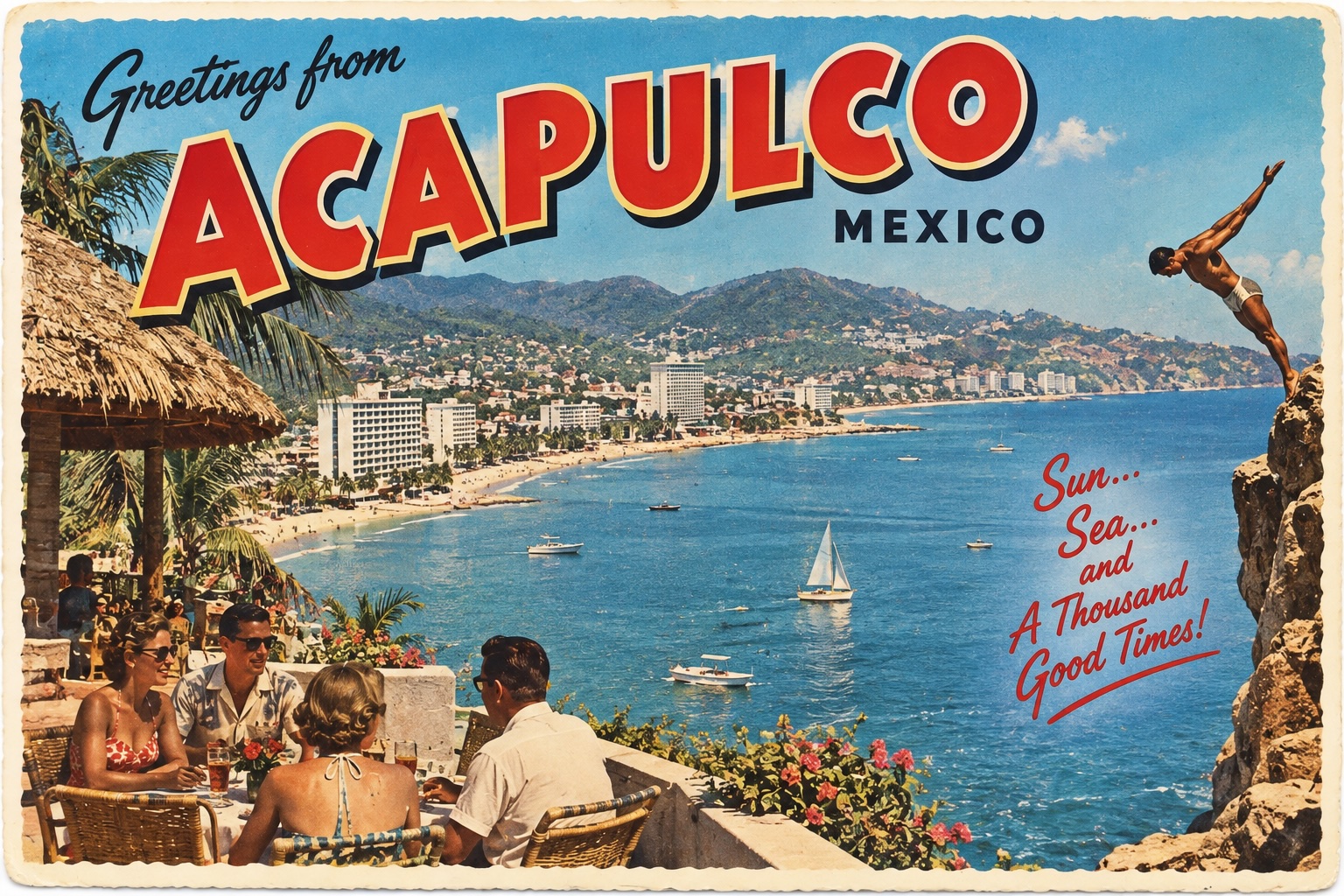
Elizabeth Taylor married Mike Todd in Acapulco, and John F. Kennedy honeymooned there with Jackie. Elvis made a movie called “Fun in Acapulco” without ever setting foot in the city. In its heyday in the 1950s and 60s, Acapulco was the glamour destination for Americans, with the cliff divers at La Quebrada providing the evening entertainment.
Cancun and Los Cabos eventually drew away the resort crowd, and cartel violence and travel warnings kept more Americans from returning. Hurricane Otis, a Category 5 storm, tore through the hotel zone in 2023, and the city is still rebuilding. The divers still launch themselves off the rocks into a narrow channel each night, and Mexican families still fill the beaches, a reminder that Acapulco never stopped being loved, just by a different crowd.