
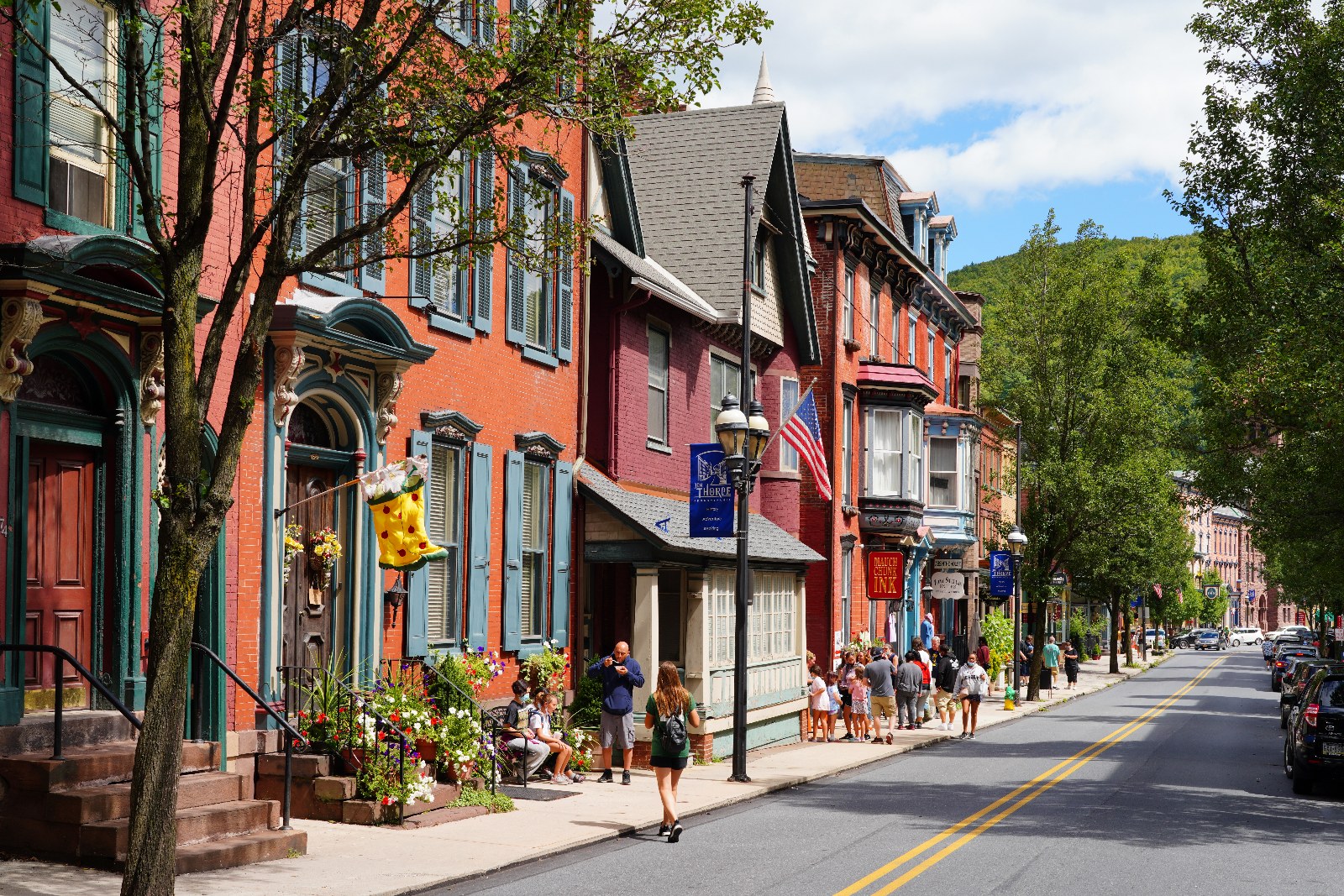
Most American trip planning starts from an unspoken assumption: you land, you pick up a car, and the vacation begins somewhere past the rental counter’s insurance pitch. For much of the country that holds up, because towns built after the Model T were built around the Model T.
Plenty of places predate that, though, or were shaped by geography, stubborn local planning, or outright car bans. In those spots, a car turns into a liability you pay for nightly in parking fees while it sits untouched. Walking, trolleys, ferries, gondolas, and trains handle the job better.
The destinations below all let you skip the rental car once you arrive. A few small towns still need a shuttle, bus, or train to reach, so check those connections before booking. Once you’re there, your feet and the local transit take over.
Savannah, Georgia
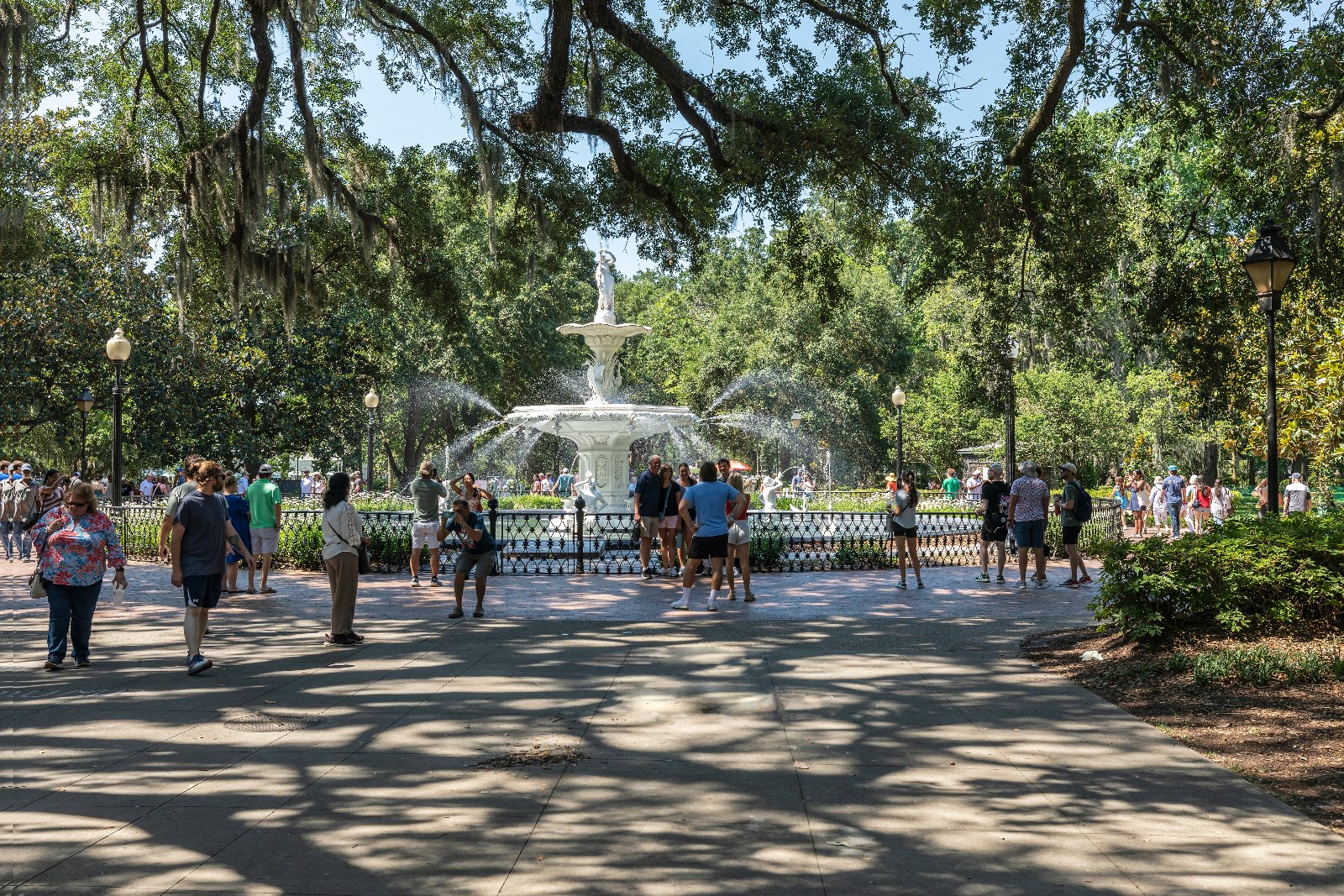
General James Oglethorpe laid out Savannah in 1733 on a grid of public squares, and 22 of them survive today. That plan makes the Historic District feel like a series of shaded outdoor rooms. You never walk more than a block or two before hitting another fountain, monument, or live oak dripping with Spanish moss, so a mile on foot goes by faster than you’d expect.
The city fills the gaps with free transit. The DOT Express Shuttle loops through downtown, and the Savannah Belles Ferry crosses the river to Hutchinson Island at no charge. Savannah/Hilton Head International Airport sits about 20 minutes away by taxi or rideshare. Parking downtown is metered and enforced with real enthusiasm, which is another reason to leave the car question alone entirely.
Glenwood Springs, Colorado
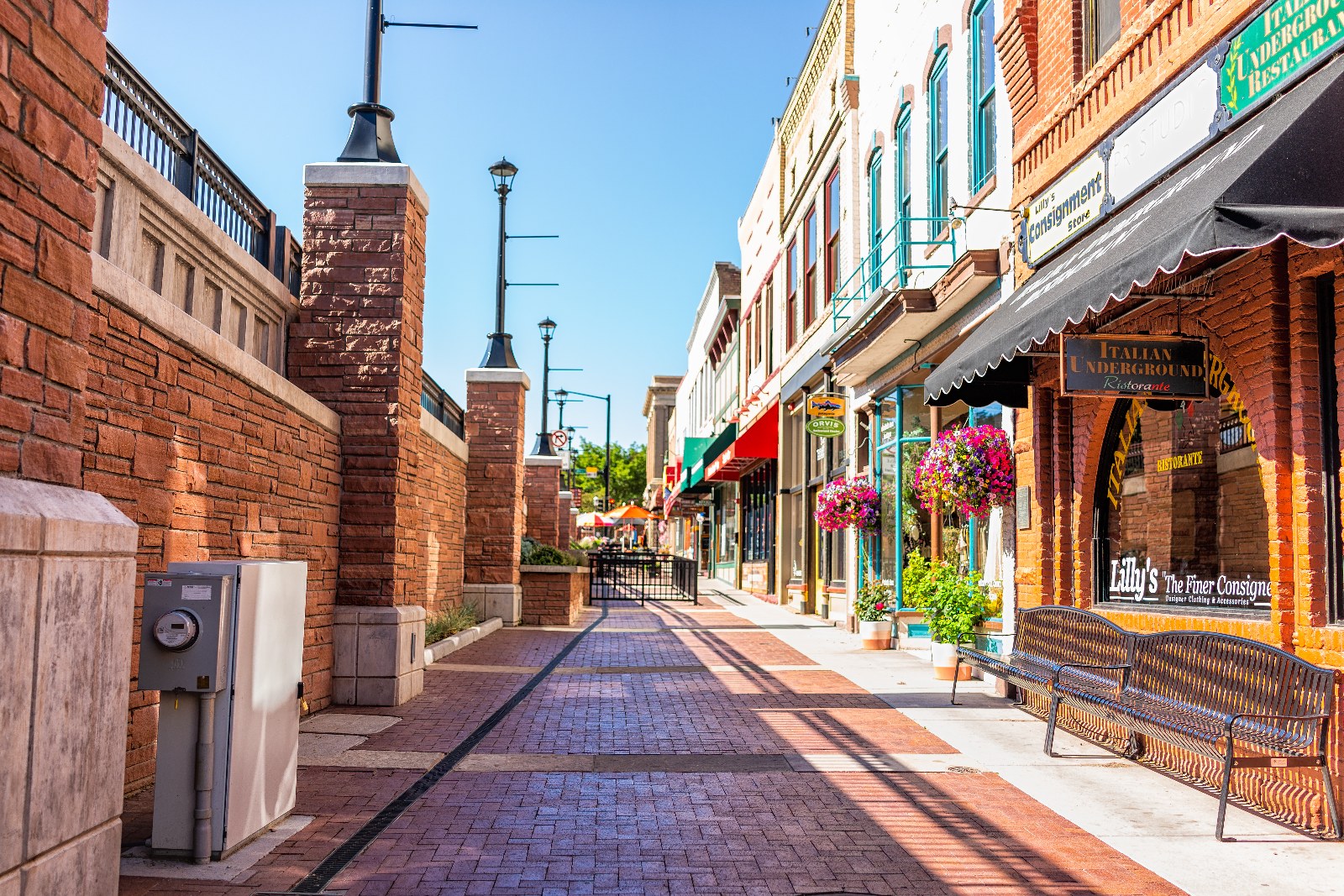
Amtrak’s California Zephyr drops you right downtown in Glenwood Springs, and the train ride through the Colorado River canyons is half the reason to book it. From the platform, a pedestrian bridge carries you across the river to Glenwood Hot Springs, home to one of the largest hot springs pools in the world. Your hotel, the pool, and a cluster of restaurants all sit within a short walk.
For anything farther out, the Roaring Fork Transportation Authority runs buses up the valley toward Aspen. A paved bike path also follows the river through Glenwood Canyon, with rental shops in town. Hanging Lake, the area’s most famous hike, runs on a permit-and-shuttle system during peak season, so a car would only get you to a parking lot you aren’t allowed to use.
Cape May, New Jersey
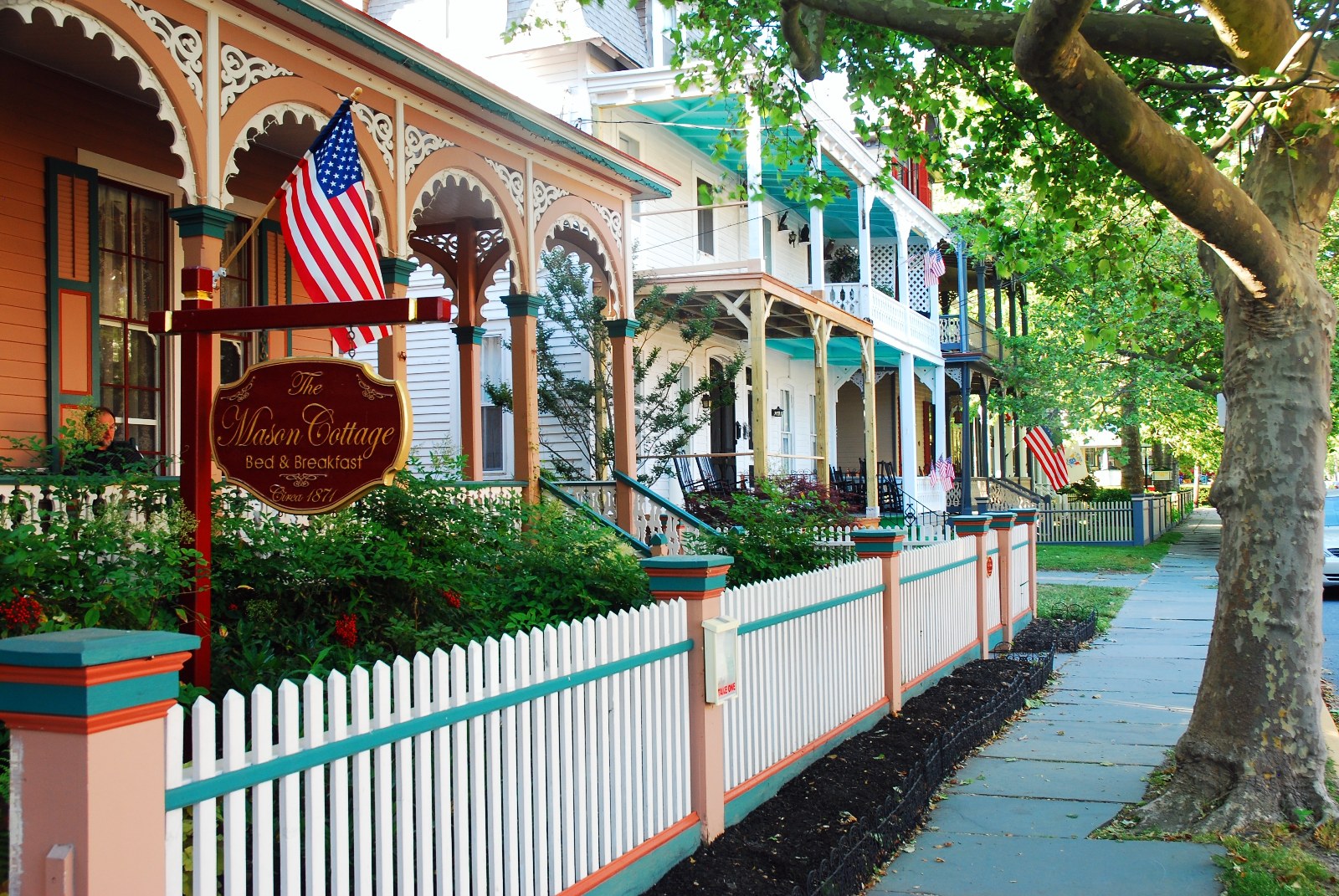
The whole town is a National Historic Landmark, packed with roughly 600 Victorian buildings squeezed onto the southern tip of New Jersey. Cape May was a seaside resort long before cars, and the dense street layout shows it: the beach, the Washington Street Mall, and the gingerbread-trimmed B&Bs all sit within easy walking distance of one another.
NJ Transit buses connect Cape May with Philadelphia and New York, and the Cape May-Lewes Ferry links the town to Delaware for anyone coming from the south. Bikes are the local default once you’re settled, with rental shops near the beach and flat streets everywhere. Trolley tours handle the history, and in summer, scoring a parking spot near the promenade is a competitive sport you can skip entirely.
Santa Fe, New Mexico
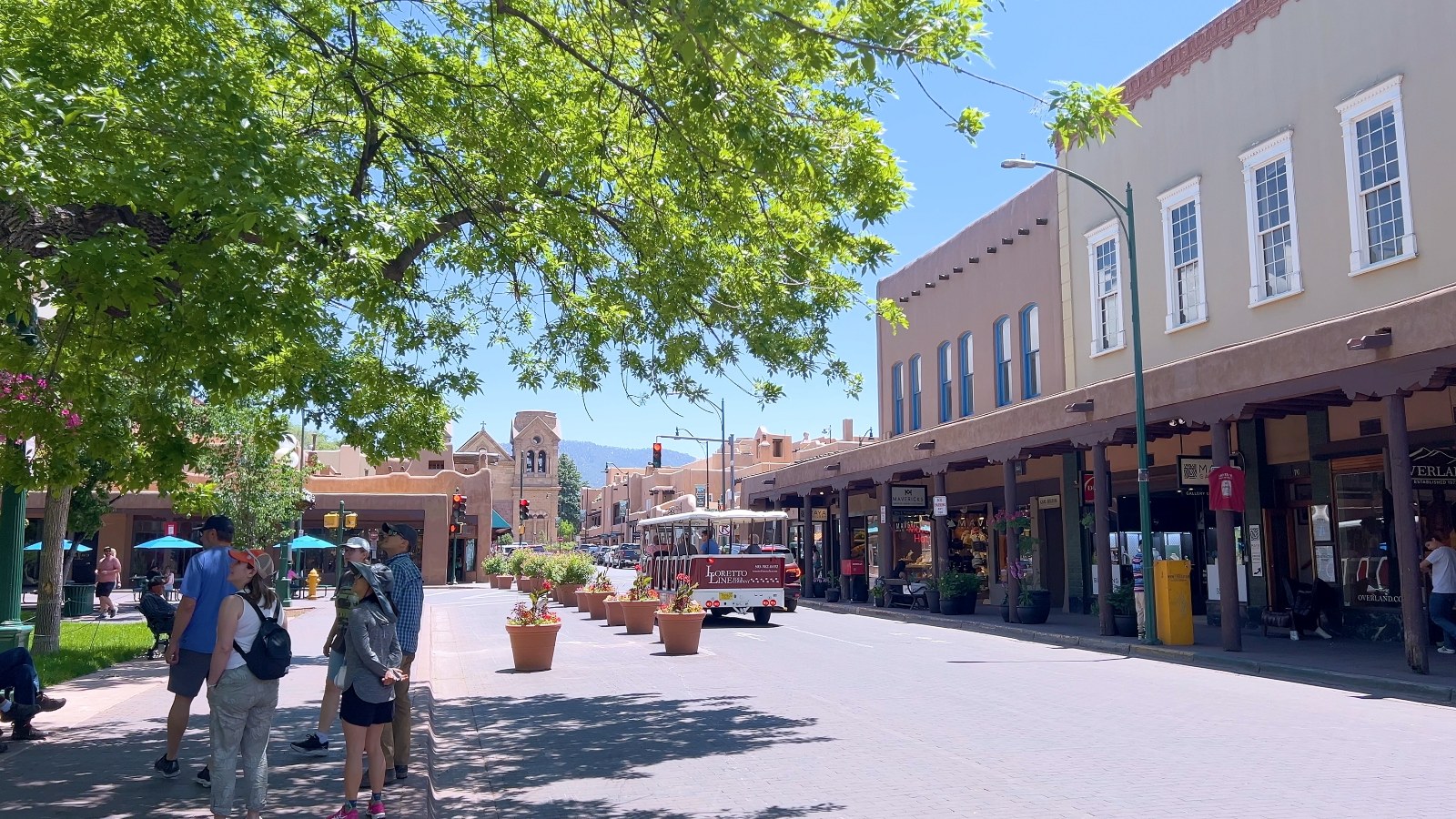
The New Mexico Rail Runner Express runs from Albuquerque to the Santa Fe Depot in the Railyard district, which turns a short flight into Albuquerque into a car-free trip. The train ride is cheap, scenic, and ends a short walk from the Plaza, the center of a city founded in 1610 and still laid out around its original square.
Downtown Santa Fe is compact enough that most visitors walk everything. Canyon Road, with more than 100 galleries along about half a mile, sits a short stroll from the Plaza. Santa Fe Trails buses cover the rest, including the route up to Museum Hill, where four museums share one campus. The adobe architecture and high-desert light are easier to appreciate at walking pace, and the 7,000-foot altitude will slow you down anyway.
Jim Thorpe, Pennsylvania
Jim Thorpe sits in a narrow valley so steep and pretty that 19th-century promoters called it the Switzerland of America. The town took its current name in 1954, honoring the Olympic athlete, and its brick-and-stone downtown still reflects the coal-baron wealth that built it. Mansions, the Asa Packer Mansion museum, and the old jail sit within a few blocks of one another.
Getting there takes some planning, but once you arrive, everything runs on foot or rail. The Lehigh Gorge Scenic Railway leaves from the historic depot downtown, and local outfitters run shuttles to the Lehigh Gorge Trail so you can rent a bike and pedal back downhill along the river. Whitewater rafting companies handle transport to the put-in, which leaves your vacation free of driving.
New Orleans, Louisiana
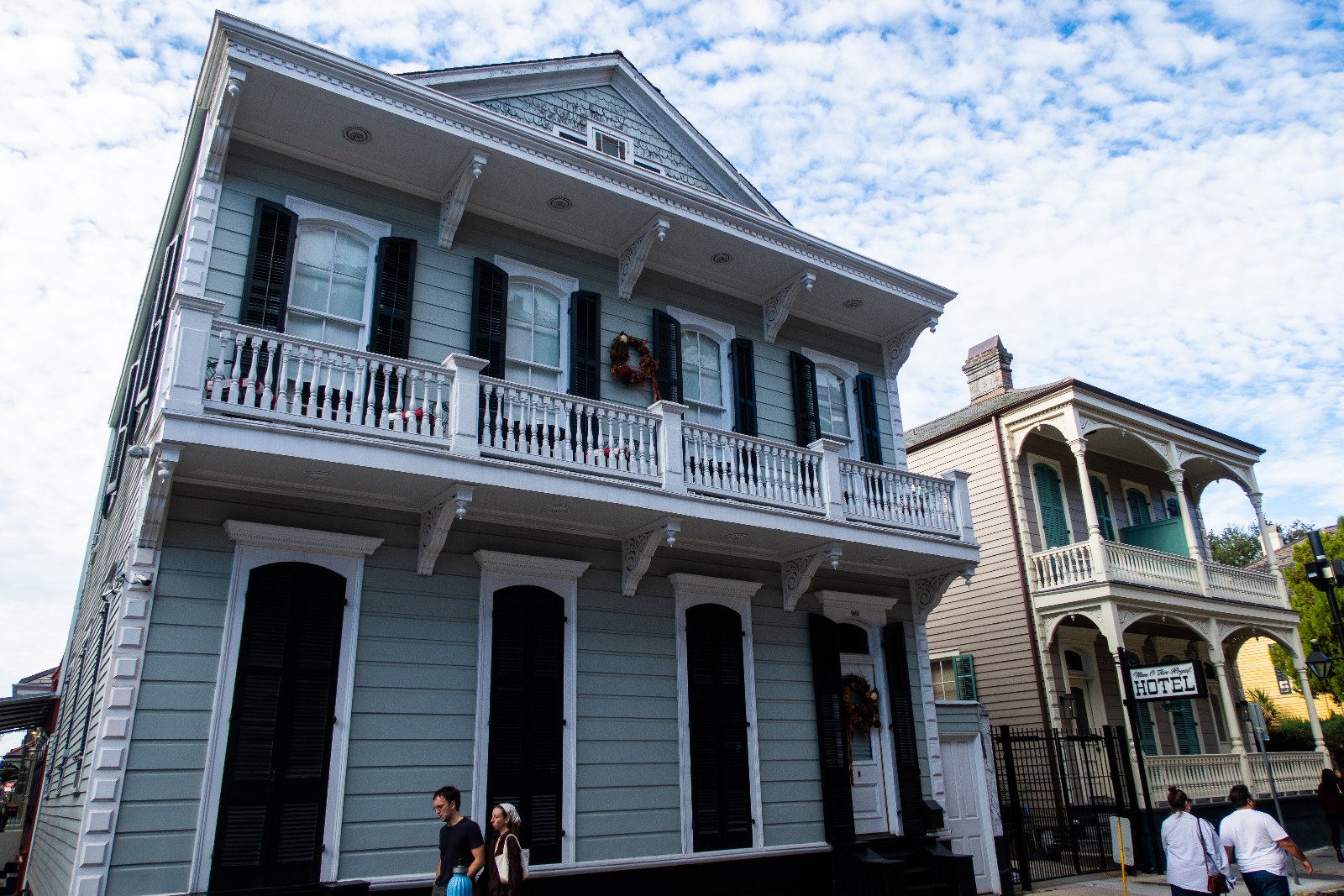
The St. Charles streetcar line has been running since 1835, making it the oldest continuously operating street railway in the world. You can ride it from the edge of the French Quarter through the Garden District and past the mansions of Uptown for a few dollars, and an RTA Jazzy Pass covers unlimited rides on streetcars and buses for the day.
The French Quarter itself is best on foot, since its narrow streets were laid out in 1718 and parking there is both expensive and scarce. The Canal Street and Riverfront lines fill in other gaps, and the Airport Express bus connects Louis Armstrong International with downtown. Amtrak also arrives at Union Passenger Terminal from Chicago, New York, and Los Angeles, which gives you three long-distance trains to choose from.
Healdsburg, California
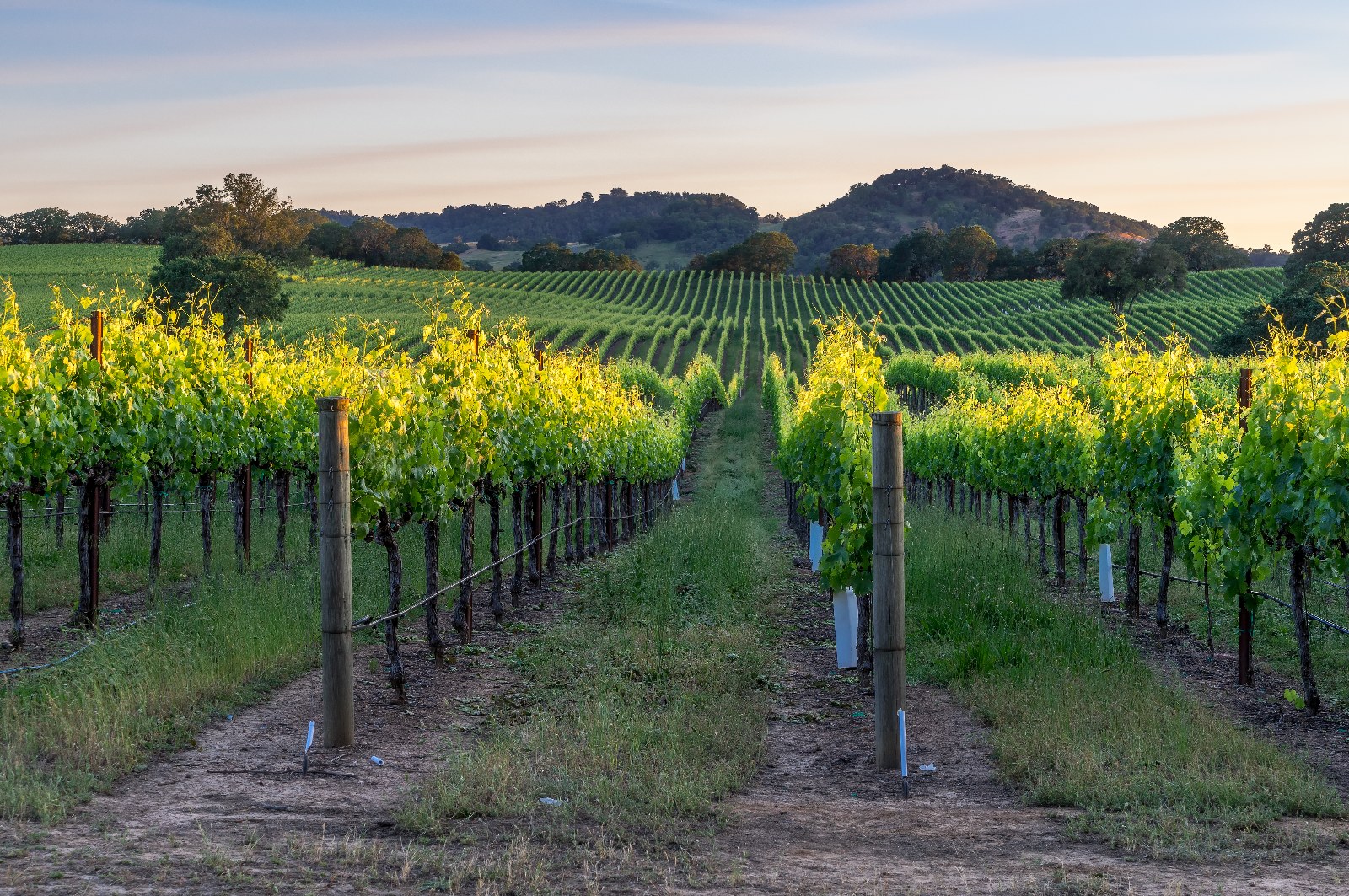
Healdsburg packs dozens of wine tasting rooms around a single leafy plaza, which solves wine country’s most obvious problem. In most of Napa and Sonoma, a tasting day means someone stays sober behind the wheel. Here, you can walk from one pour to the next, then stroll to dinner at restaurants that draw people up from San Francisco.
Charles M. Schulz Sonoma County Airport sits about 10 miles south, with direct flights from several West Coast cities and quick taxi or shuttle rides into town. For vineyard visits beyond the plaza, bike rentals make the Dry Creek Valley an easy ride on fairly flat roads, and several outfitters run guided wine-tasting bike tours. The town’s B&Bs and hotels cluster close to the square, so walking home stays easy.
New York City, New York
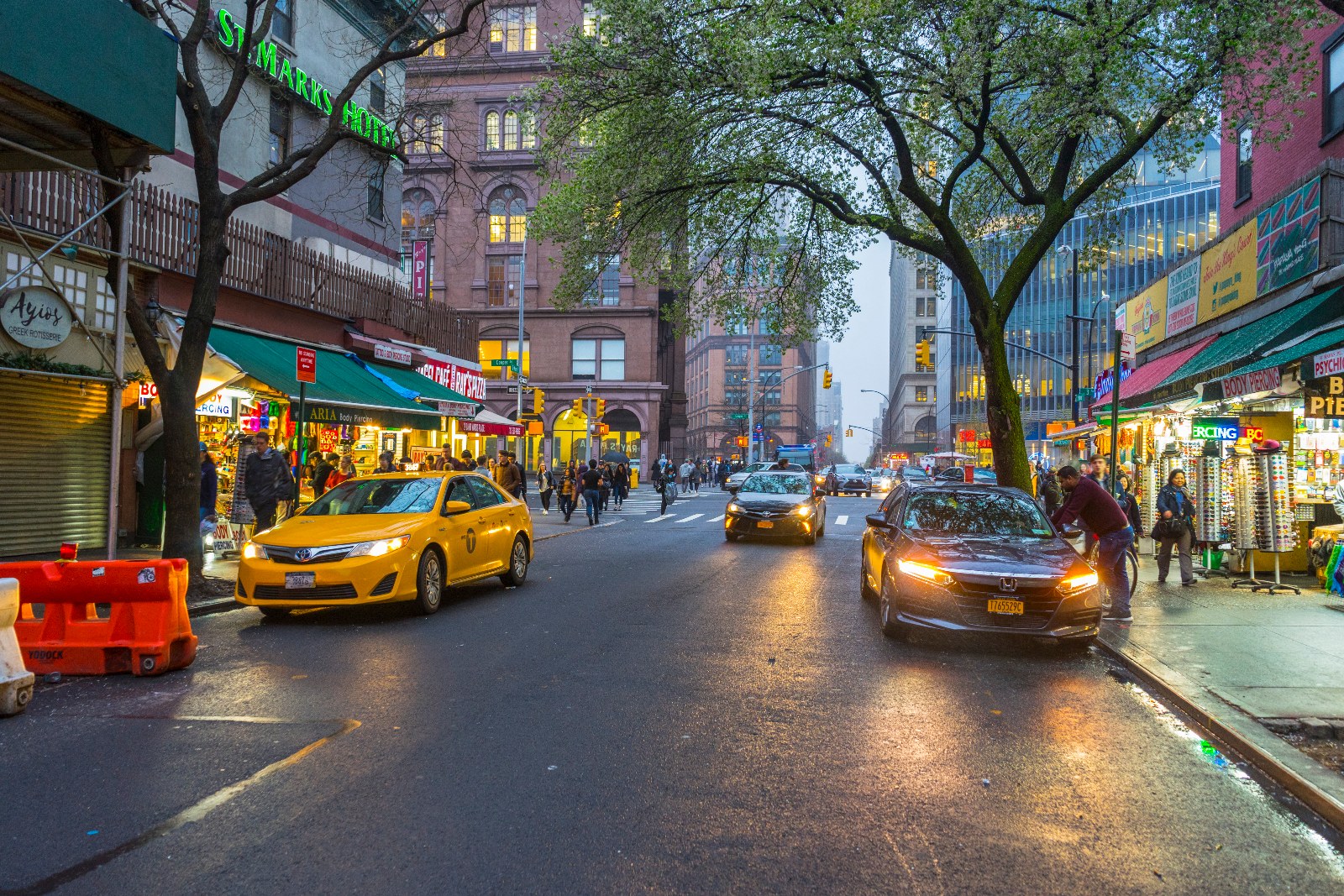
New York’s subway runs 24 hours a day across 472 stations, and more than half of the city’s households don’t own a car. That tells you most of what you need to know. You can tap a credit card or phone at any turnstile using OMNY, and a weekly fare cap means heavy riders stop paying after a set number of trips.
A car in New York becomes a daily expense, with garage rates in Manhattan regularly topping $50 a day and congestion pricing charging most drivers who enter Midtown and Lower Manhattan since early 2025. From the airports, the AirTrain connects JFK and Newark to rail lines, and buses link LaGuardia to the subway. Ferries, Citi Bike, and long walks through neighborhoods handle whatever the subway misses.
Mackinac Island, Michigan
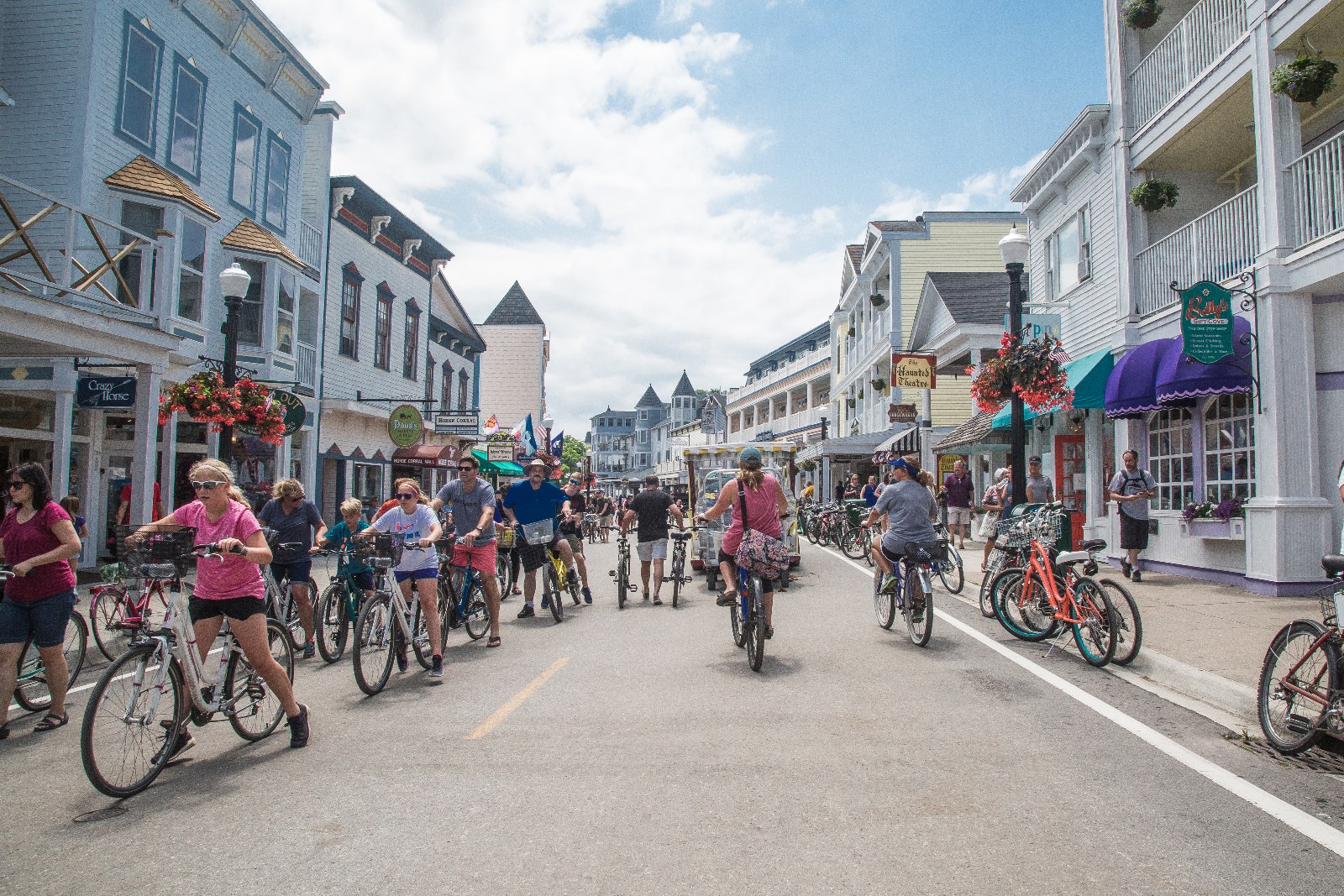
Cars have been banned on Mackinac Island since 1898, so skipping the rental is mandatory. Ferries from Mackinaw City and St. Ignace make the crossing in about 20 minutes, and you step off into a downtown where the traffic consists of horse-drawn carriages, bicycles, and pedestrians. The smell of horses and fudge, sold from shops lining Main Street, is part of the deal.
The island’s perimeter road, M-185, runs 8.2 miles around the shoreline and is the only state highway in the country without cars. Rent a bike downtown and you can circle the whole thing in about an hour. Arch Rock, Fort Mackinac, and the Grand Hotel’s famously long porch are all reachable by bike, carriage, or a decent walk.
Telluride, Colorado
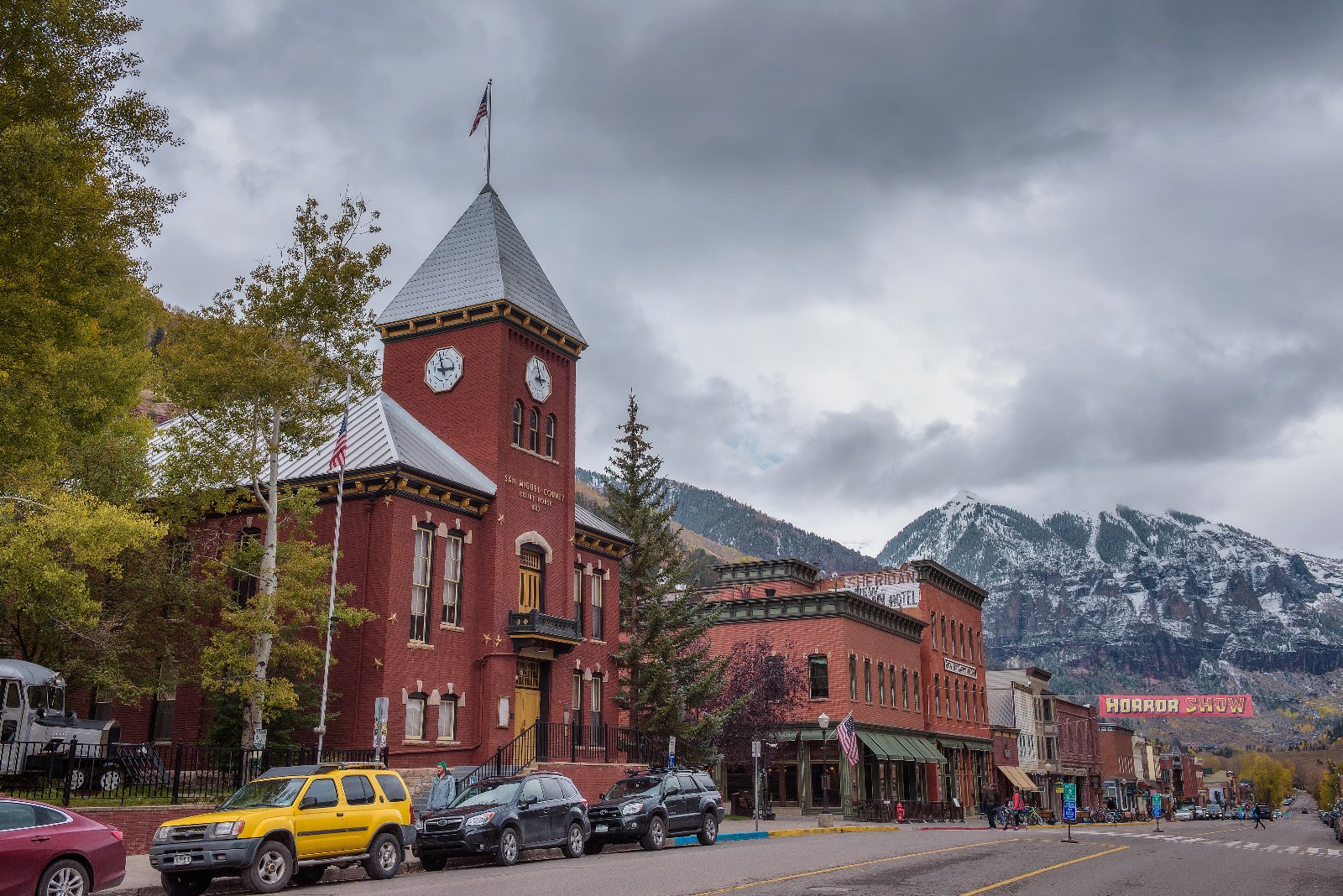
Telluride runs the only free public transportation gondola in North America, connecting downtown with Mountain Village in about 13 minutes. Skiers ride it in winter, hikers and festival-goers in summer, and the views over the box canyon are spectacular enough that people take it just for fun.
The town itself is eight blocks wide and boxed in by 13,000-foot peaks, so walking is the natural way to get around. Free Galloping Goose buses run town loops. Most visitors fly into Montrose, about 65 miles away, or the small Telluride Regional Airport, and shuttle companies make the drive. That road through the San Juans gets dicey in winter, so letting someone else handle it while you watch the scenery has its appeal.
St. Augustine, Florida
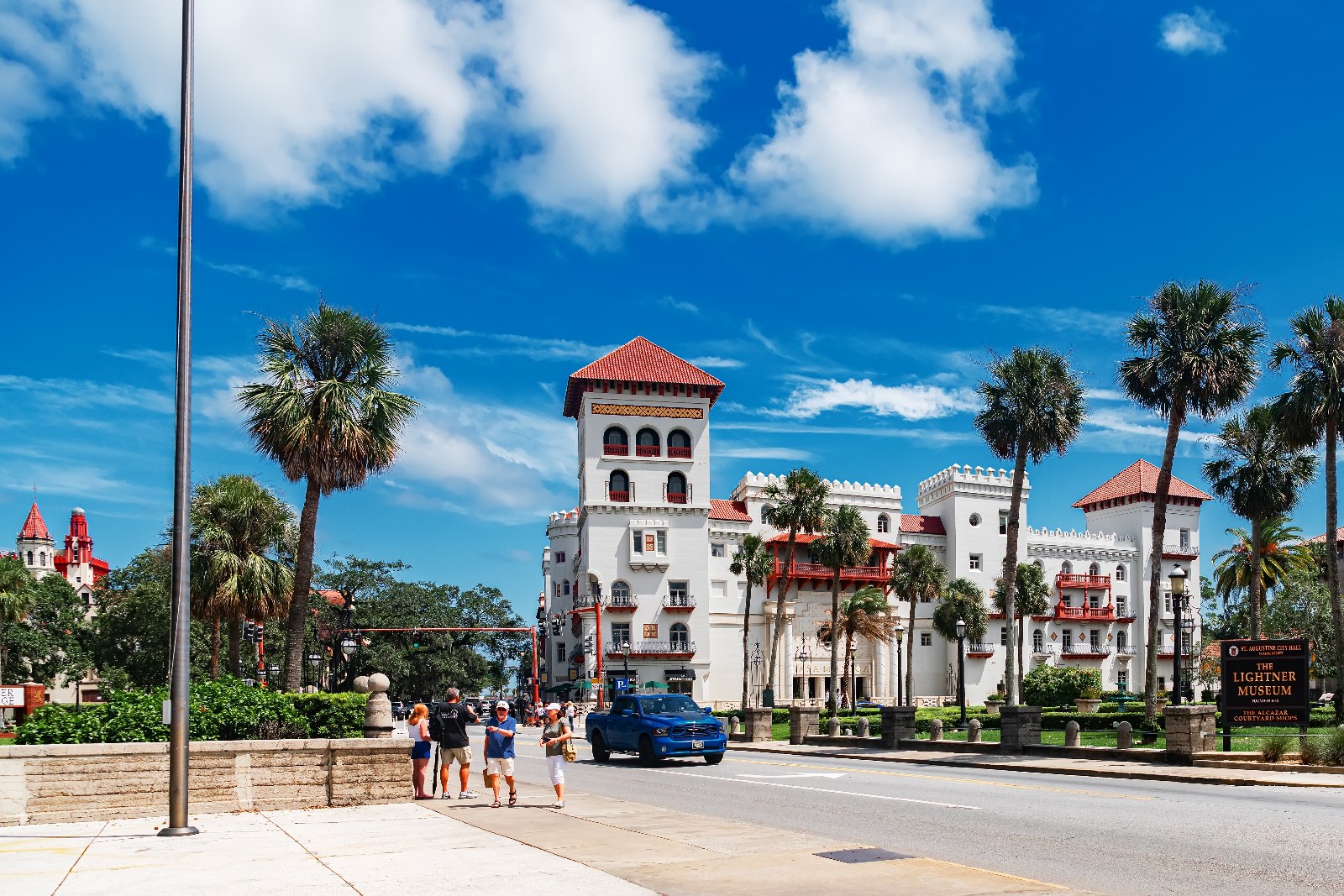
Spanish settlers founded St. Augustine in 1565, which makes it the oldest continuously inhabited European-founded city in the continental U.S. Its colonial core predates cars by a few centuries, and St. George Street is pedestrian-only, lined with shops, taverns, and restored buildings from the Spanish era.
The Castillo de San Marcos, a 17th-century coquina-stone fort, sits a short walk from the historic district, as do the Lightner Museum and the gilded former Hotel Ponce de León, now part of Flagler College. Hop-on, hop-off trolleys cover the wider attractions, including the Fountain of Youth park. Downtown parking garages fill fast on weekends, while bike rentals give you an easy way over the Bridge of Lions to Anastasia Island.
Cannon Beach, Oregon
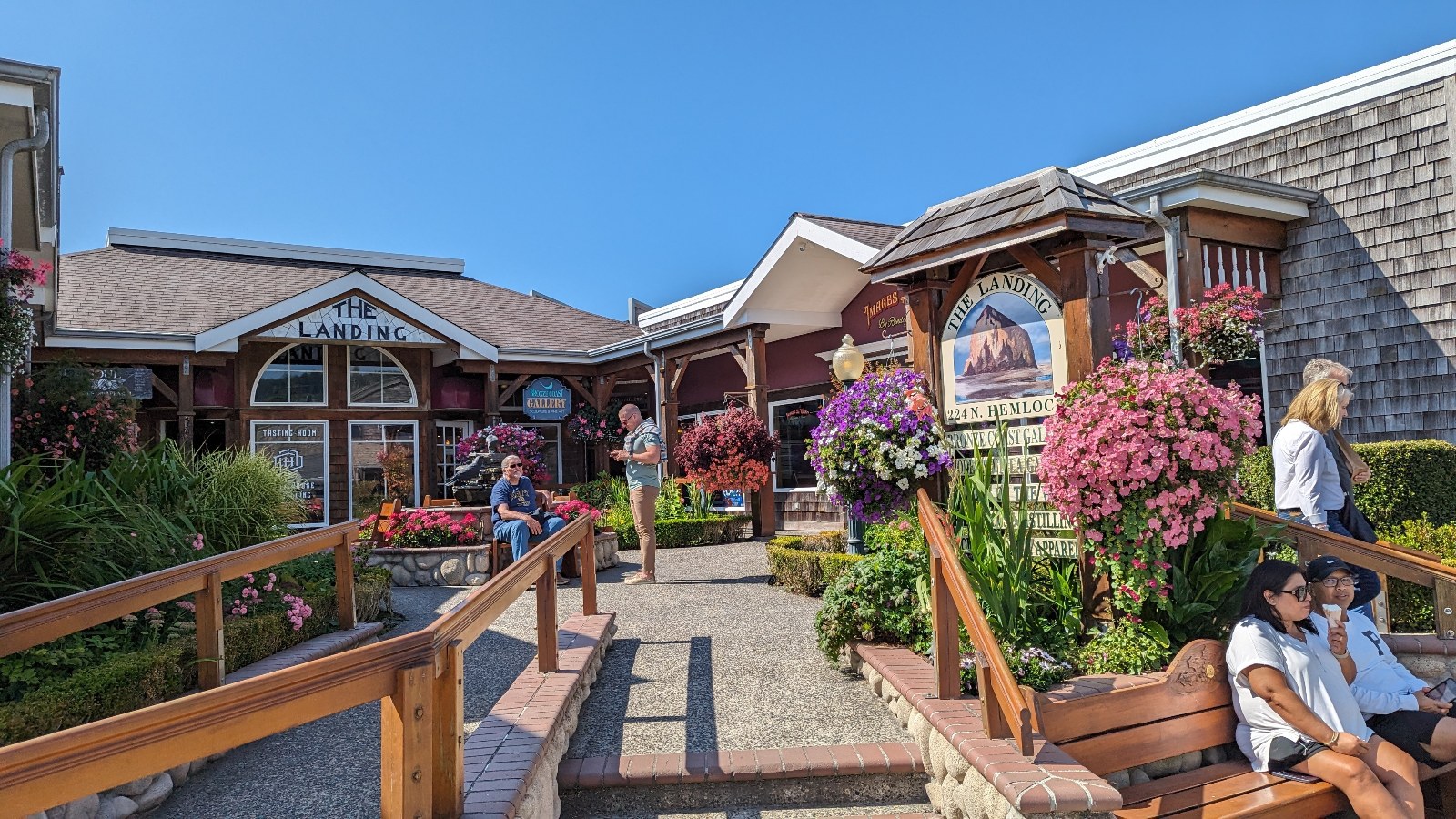
Haystack Rock, the 235-foot sea stack rising off the sand, sits within walking distance of most of Cannon Beach. That’s the rare beach town arrangement where your lodging, the shoreline, galleries, and bakeries line up along one flat strip, and the beach itself works as a walking path stretching for miles.
From Portland, the NorthWest POINT bus line runs to the coast, and local Sunset Empire Transportation buses connect Cannon Beach with Seaside and Astoria. Low tide brings tide pools at the base of Haystack Rock, where you’ll spot sea stars and anemones, and tufted puffins nest on the rock from spring into summer. Ecola State Park, just north, makes a solid day hike from town if your legs are up for the climb.
Boston, Massachusetts
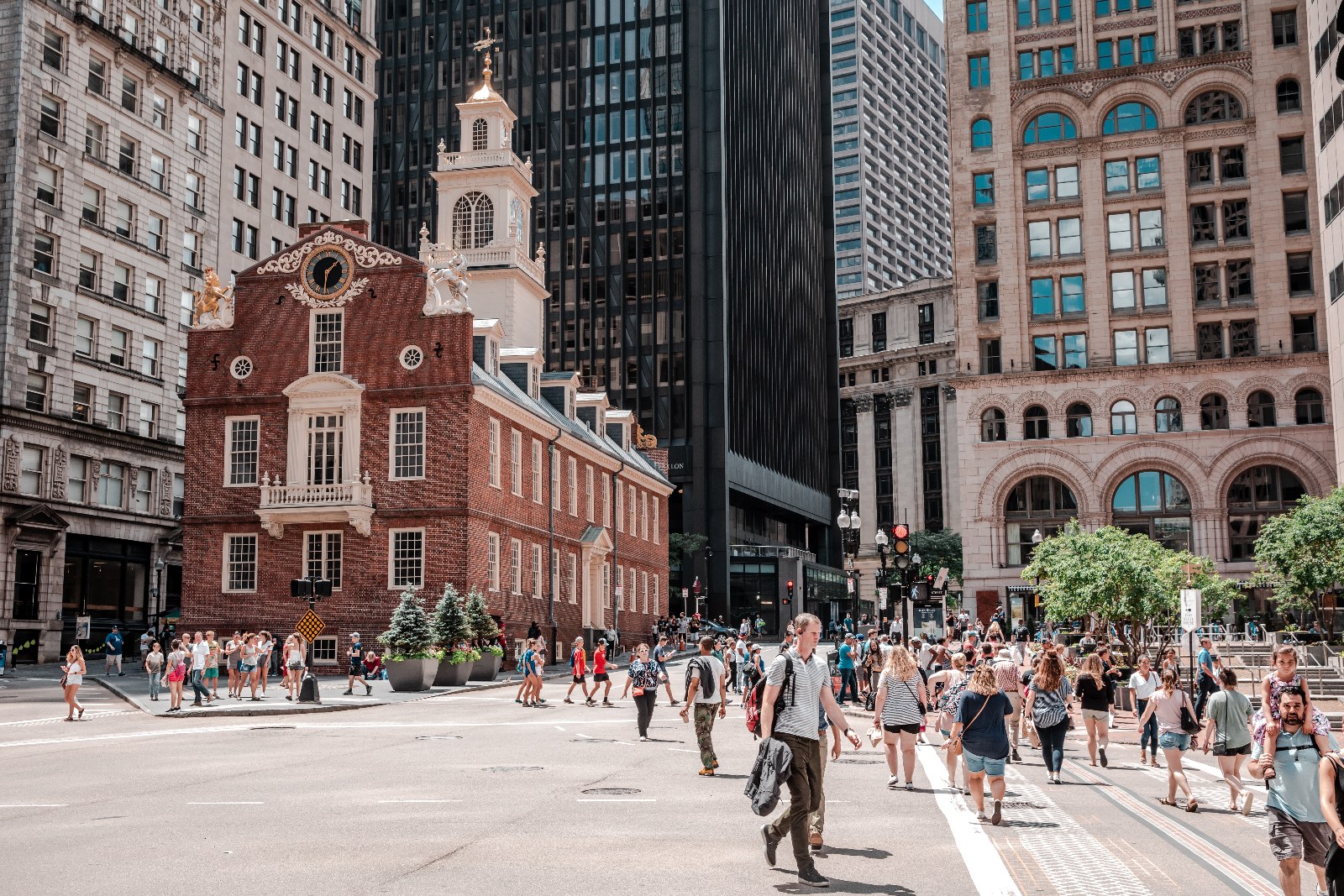
Boston opened America’s first subway in 1897, and the city still feels built for walking. The Freedom Trail packs 16 historic sites into a 2.5-mile red-brick line on the sidewalk, from Boston Common past Paul Revere’s house to the USS Constitution in Charlestown.
Logan Airport makes the car-free trip easy, since the Silver Line SL1 bus runs free from the terminals into South Station. The Blue Line also reaches the airport by shuttle. The T, as locals call the subway, covers most neighborhoods, and Bluebikes stations dot the city. Driving here means navigating streets that grew from colonial cow paths and paying steep garage rates, so walking ends up being the faster option in much of downtown.
Eureka Springs, Arkansas
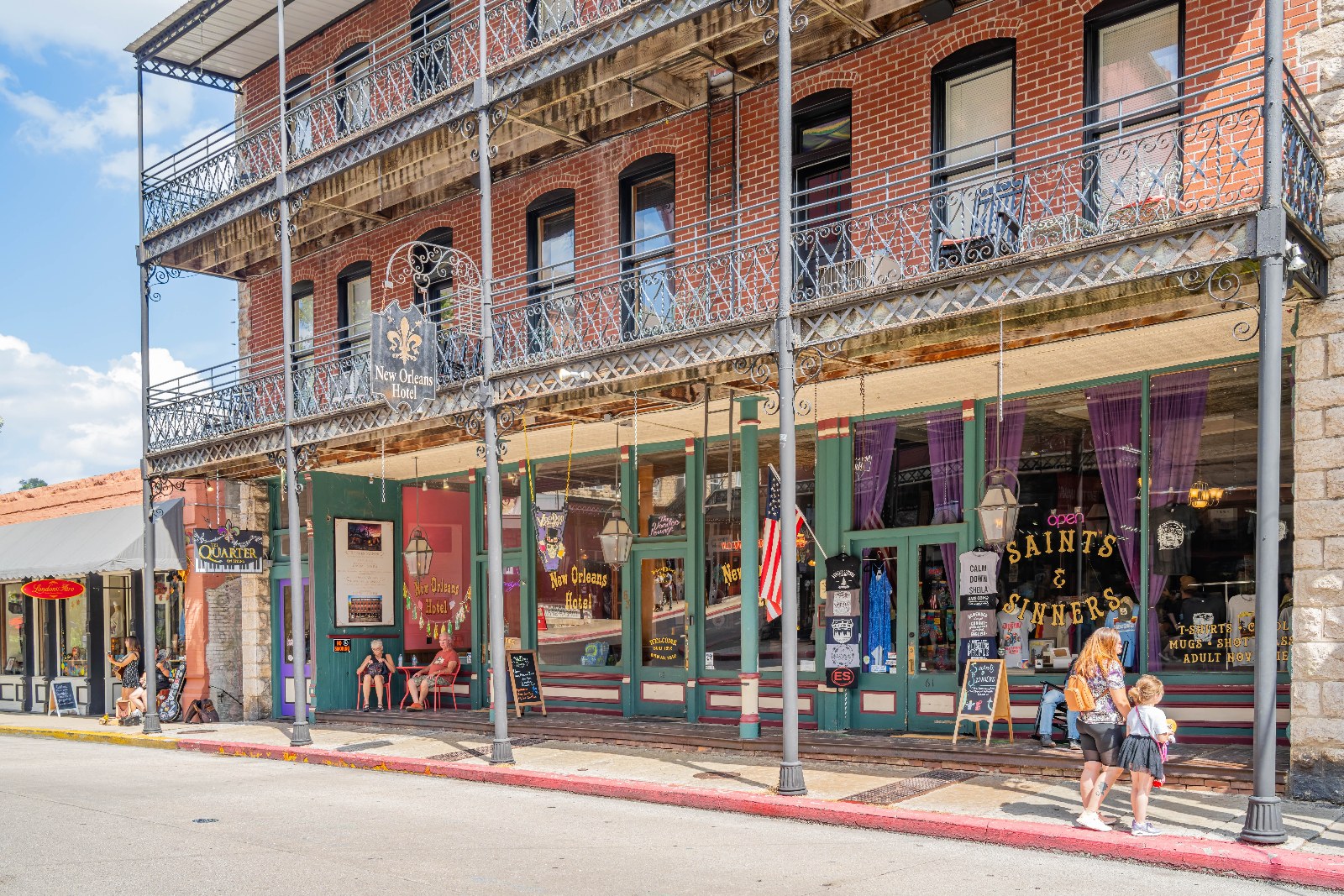
Eureka Springs climbs a steep Ozark hillside, and its Victorian streets curve around the slopes so sharply that the town is famous for having almost no right-angle intersections. The entire downtown is listed on the National Register of Historic Places, with stone buildings and gingerbread-trimmed cottages stacked on terraces built in the 1880s spa boom.
Driving those narrow, twisting streets is a headache, and parking is limited. The Eureka Springs trolley system solves both, running multiple routes past downtown shops, historic springs, and hotels, including the hilltop Crescent Hotel with its ghost tours. Walking works well too if you don’t mind hills. Most visitors arrive via Northwest Arkansas National Airport, about an hour away, with shuttle services handling the drive.
Lake Geneva, Wisconsin
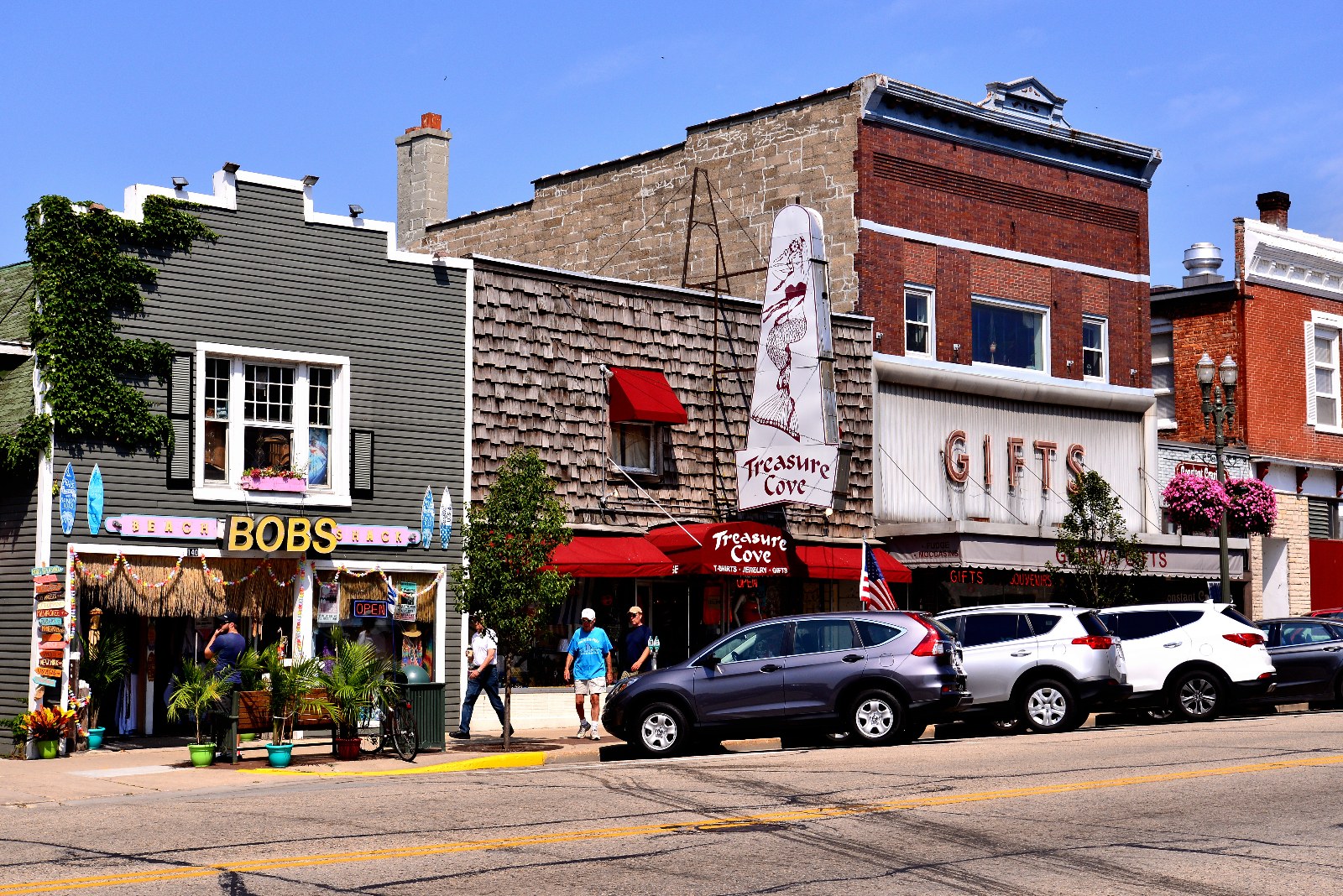
A public shore path circles roughly 21 miles around Geneva Lake, passing directly through the front lawns of mansions built by Chicago’s wealthy families in the late 1800s. The path is open to anyone thanks to an old tradition of shoreline access, so you get close-up views of grand estates on foot.
Downtown Lake Geneva sits right at the water, with restaurants, shops, and the Riviera boat docks within a few blocks of most hotels. Lake Geneva Cruise Line tours depart there, including the famous mail boat, where young mail jumpers leap onto piers to deliver letters while the boat keeps moving. Chicago is about 80 miles away, and private shuttles and car services make the trip for visitors who want to arrive without driving.
Charleston, South Carolina
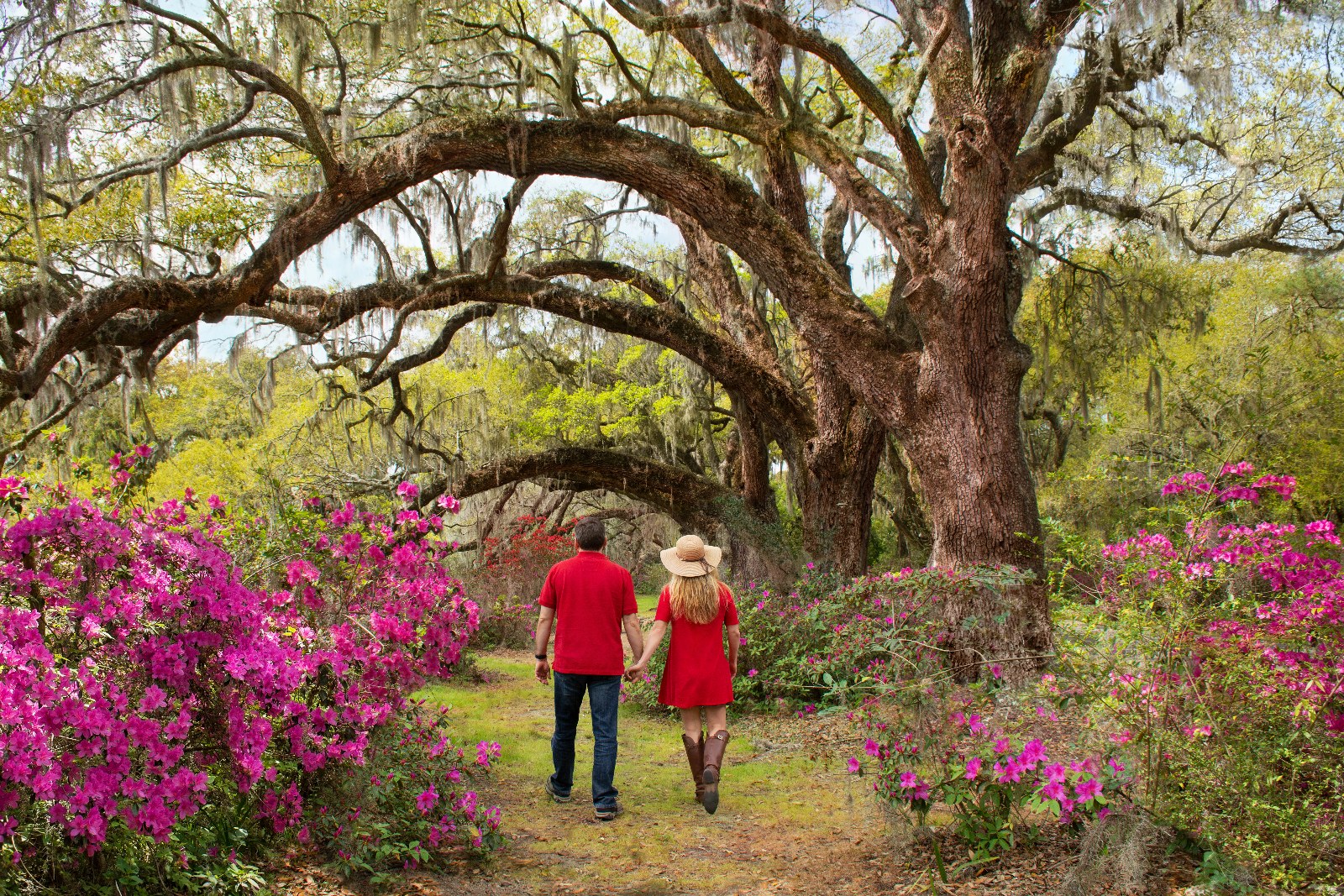
The Charleston peninsula is small, flat, and dense with history, packing Rainbow Row, the Battery, and dozens of antebellum homes into a space you can walk end to end in about an hour. Its narrow streets date to the 1600s, and many were built for horse carts, so driving downtown means slow going and tight parking.
The free DASH trolley runs routes around the historic district and up King Street, the main shopping and dining corridor. Pedicabs and horse-drawn carriage tours fill in gaps, and the city’s food scene keeps most visitors within a few blocks of their hotel anyway. Fort Sumter tours leave by boat from Liberty Square downtown, which puts the site where the Civil War began a walk and a ferry ride away.
Mystic, Connecticut
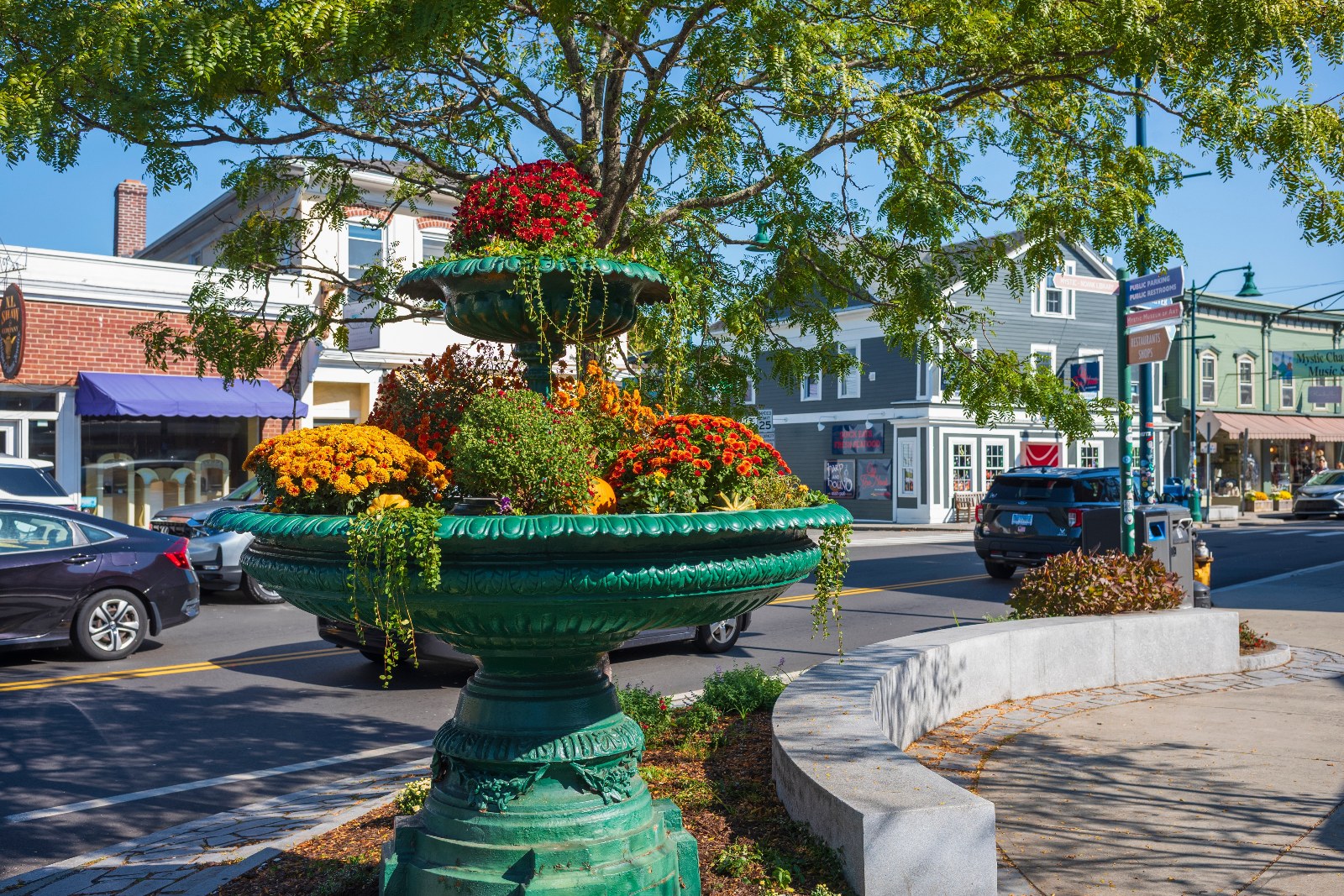
Amtrak’s Northeast Regional stops at Mystic, putting the town a train ride from Boston, Providence, or New York. From the station, downtown sits a short walk away, centered on a 1922 bascule bridge that still lifts on a schedule to let boats pass, stopping foot and car traffic alike.
Mystic Seaport Museum, one of the largest maritime museums in the country, recreates a 19th-century coastal village and is home to the Charles W. Morgan, the last wooden whaling ship still afloat. It sits about a mile north of downtown along the river, an easy walk. Mystic Aquarium is farther out, and taxis or rideshares cover that trip. Downtown keeps you busy with seafood shacks and Mystic Pizza, the restaurant that inspired the 1988 film.
Bar Harbor, Maine
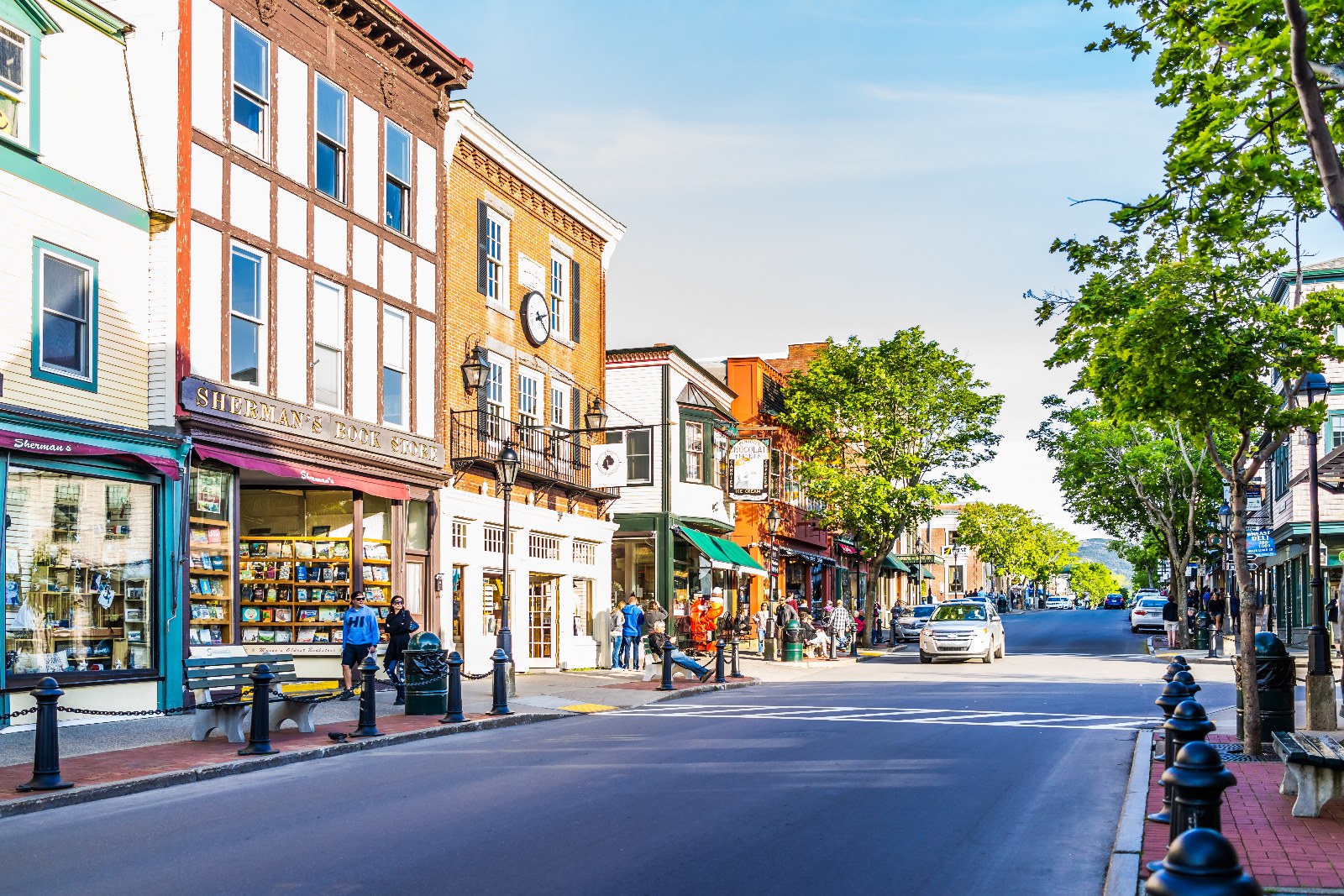
The Island Explorer, a fare-free bus system, carries visitors from downtown Bar Harbor throughout Acadia National Park from late June into October. Routes reach Sand Beach, Jordan Pond, and trailheads across Mount Desert Island, and buses carry bike racks. Since parking at popular stops fills early in summer, the bus is the easier way in.
Acadia’s 45 miles of carriage roads, built by John D. Rockefeller Jr. to keep cars out, are made for biking, and rental shops in Bar Harbor outfit you for the day. Concord Coach Lines and seasonal shuttles connect the region to Portland and Boston, and Hancock County-Bar Harbor Airport sits just off the island. Cadillac Mountain’s summit road requires a vehicle reservation in peak season, while bike and hiking routes need none.
Washington, D.C.
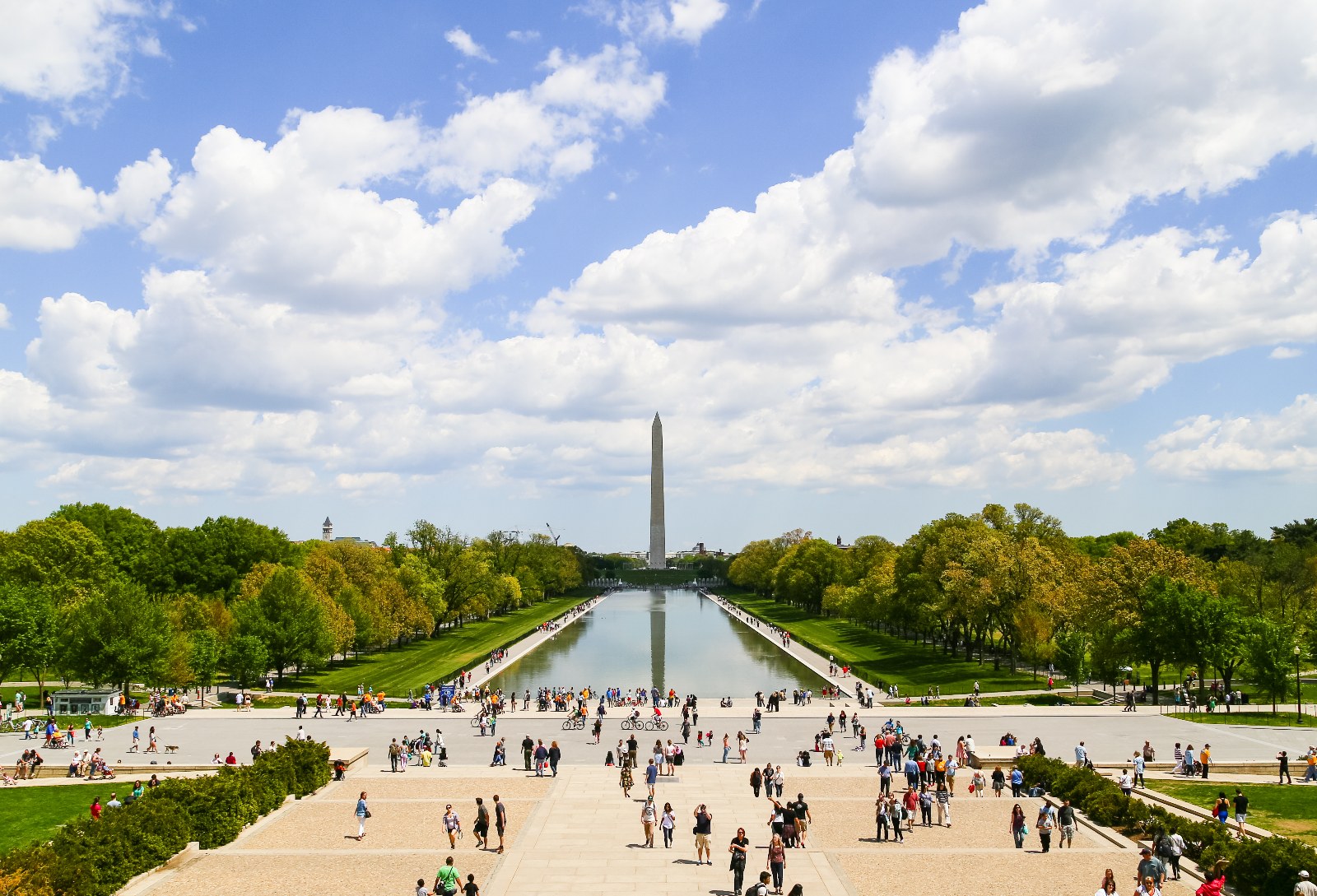
The National Mall stretches about two miles from the Capitol to the Lincoln Memorial, lined with Smithsonian museums that charge nothing to enter. You can spend days walking between them, and the Metro covers the rest of the city with six lines, including the Silver Line extension that reached Dulles International in 2022.
Reagan National Airport sits right on the Metro too, so you can be downtown within 20 minutes of landing. Amtrak trains pull into Union Station, a few blocks from the Capitol. Capital Bikeshare has hundreds of stations across the region for short hops. D.C. parking is expensive and heavily restricted near monuments, and the circles and diagonal avenues of the city’s 18th-century street plan confuse plenty of first-time drivers.
San Antonio, Texas
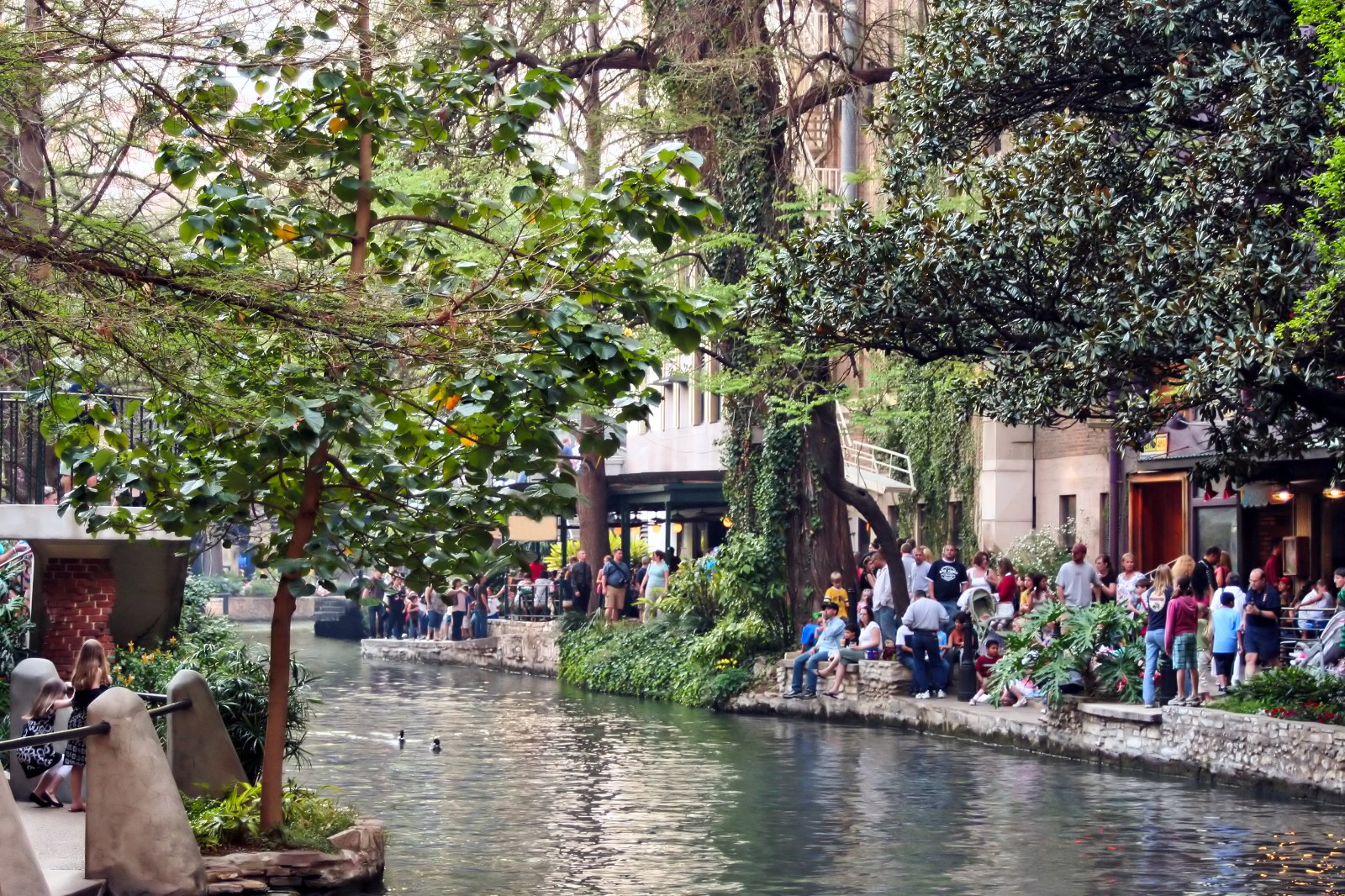
The River Walk winds about 15 miles through San Antonio, a series of tree-shaded paths one level below the street, linking downtown hotels, restaurants, and attractions. Most visitors stick to the busy downtown loop, while the Mission Reach section extends south past four Spanish colonial missions that, together with the Alamo, form a UNESCO World Heritage Site.
The Alamo itself sits a short walk from the River Walk. River barges double as transportation, with water taxi stops along the downtown stretch, and VIA Metropolitan Transit buses cover the wider city. Bike-share stations line the Mission Reach, making a ride to Mission San José an easy half-day trip. Amtrak serves San Antonio with the Sunset Limited and Texas Eagle, arriving at a station just east of downtown.
Galena, Illinois
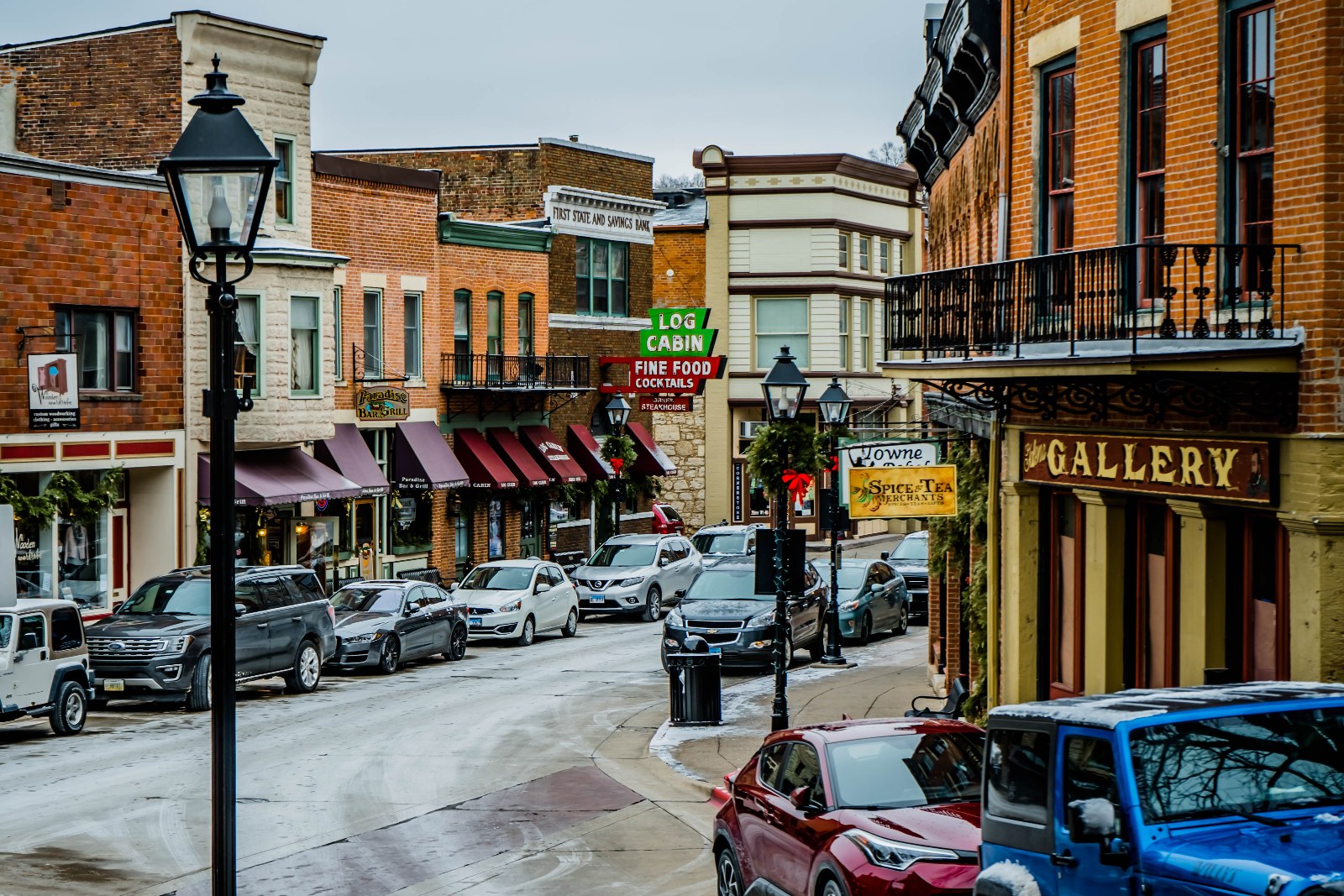
More than 85 percent of Galena’s buildings sit within a National Register historic district, a preserved snapshot of the 1850s lead-mining boom when the town was one of the busiest river ports above St. Louis. Main Street curves along the Galena River, lined with brick storefronts housing shops, wineries, and restaurants, all close enough to walk in an afternoon.
Ulysses S. Grant lived here before and after the Civil War, and his former home, gifted to him by local residents in 1865, sits just across the river from downtown. Trolley tours cover the historic sites, and the town’s B&Bs cluster within walking distance of Main Street. Getting to Galena takes planning, since Chicago is about three hours away, so most car-free visitors arrange a shuttle from Dubuque, Iowa, roughly 20 minutes west.
Springdale, Utah
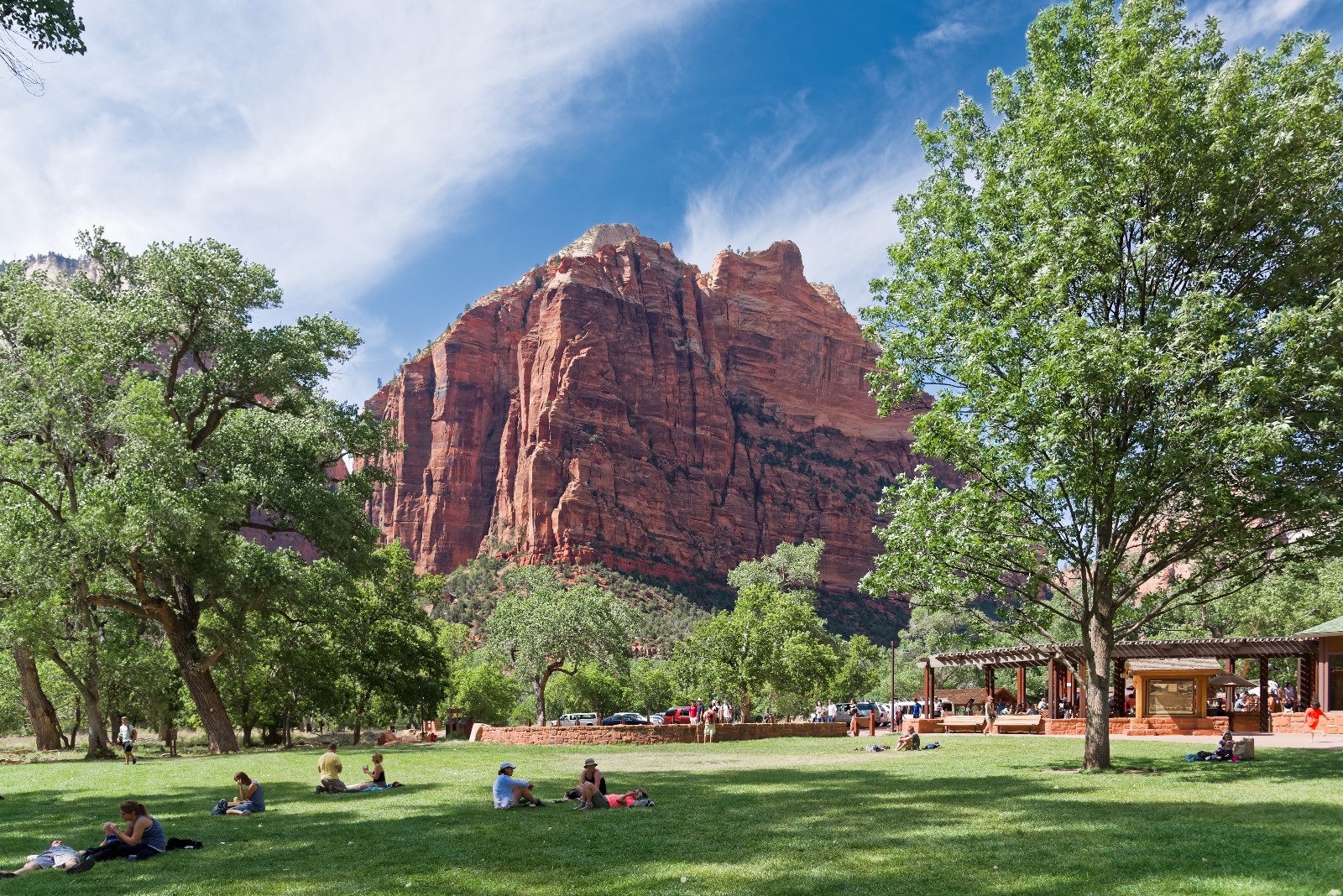
The Zion Canyon Scenic Drive closes to private vehicles for most of the year, which makes the park’s free shuttle the main way into its most famous stretch. Springdale sits at the park’s south entrance, and its own free shuttle runs through town with stops at hotels, restaurants, and the pedestrian entrance to Zion.
That setup means you can stay in Springdale, walk to dinner, and catch a bus to trailheads for Angels Landing (permit required) and the Narrows. Bike rentals in town are popular too, and the Pa’rus Trail allows bikes inside the park. Getting to Springdale is the only part that takes planning: private shuttles run from Las Vegas, about two and a half hours away, and from St. George Regional Airport.
Kennebunkport, Maine
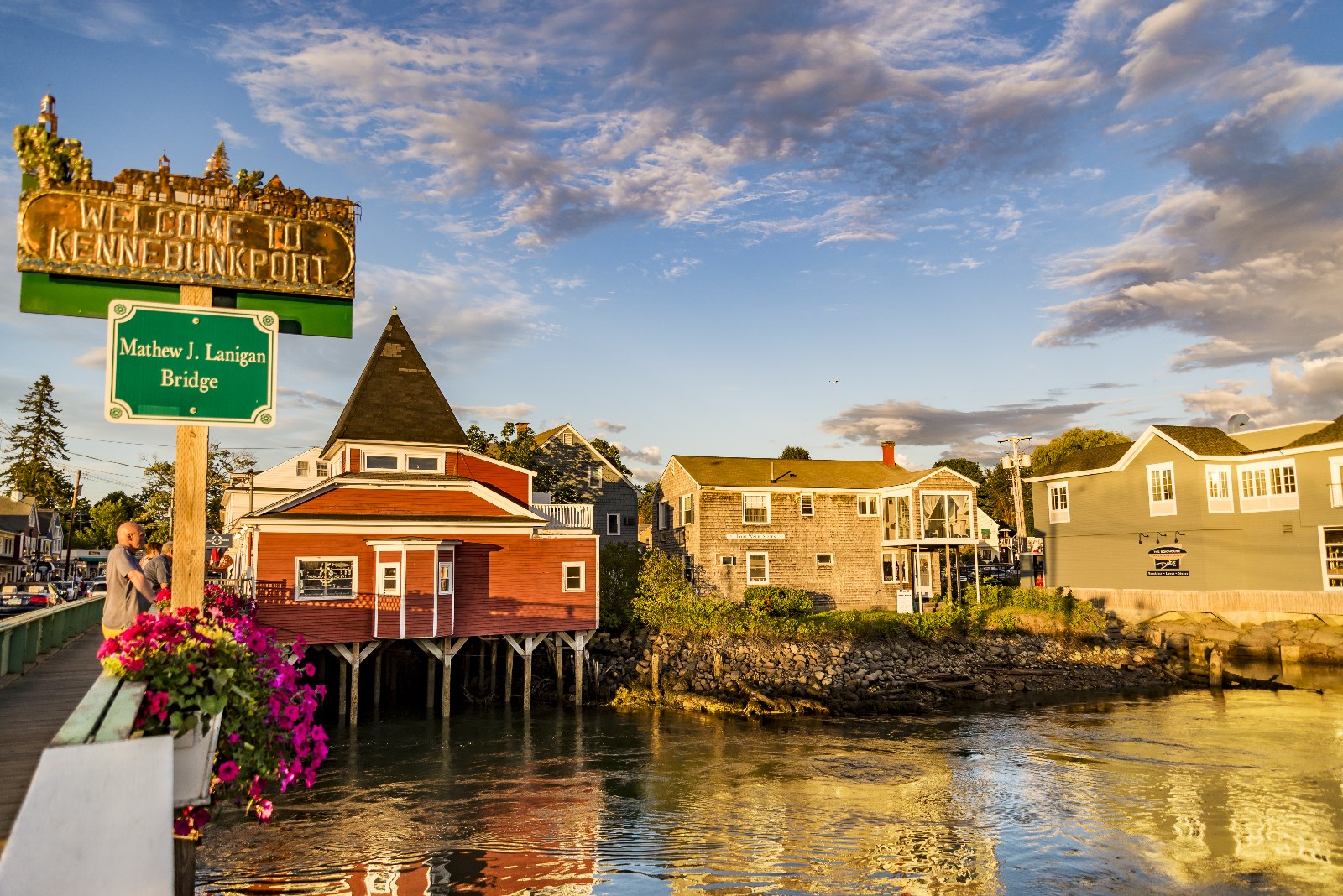
Dock Square, the center of Kennebunkport, holds most of the town’s shops, galleries, and restaurants within a few walkable blocks along the Kennebunk River. Sea captains’ mansions from the 1800s line the nearby streets, many now converted into inns, so staying in town puts you within an easy stroll of nearly everything.
Ocean Avenue runs about a mile and a half along the rocky coast, past the Bush family compound at Walker’s Point, and makes a scenic walk or bike ride. The Intown Trolley offers narrated tours with stops at beaches and landmarks. For arrival, Amtrak’s Downeaster serves Wells, about six miles away, and taxis or shuttles cover the remaining distance to the coast.
Decorah, Iowa
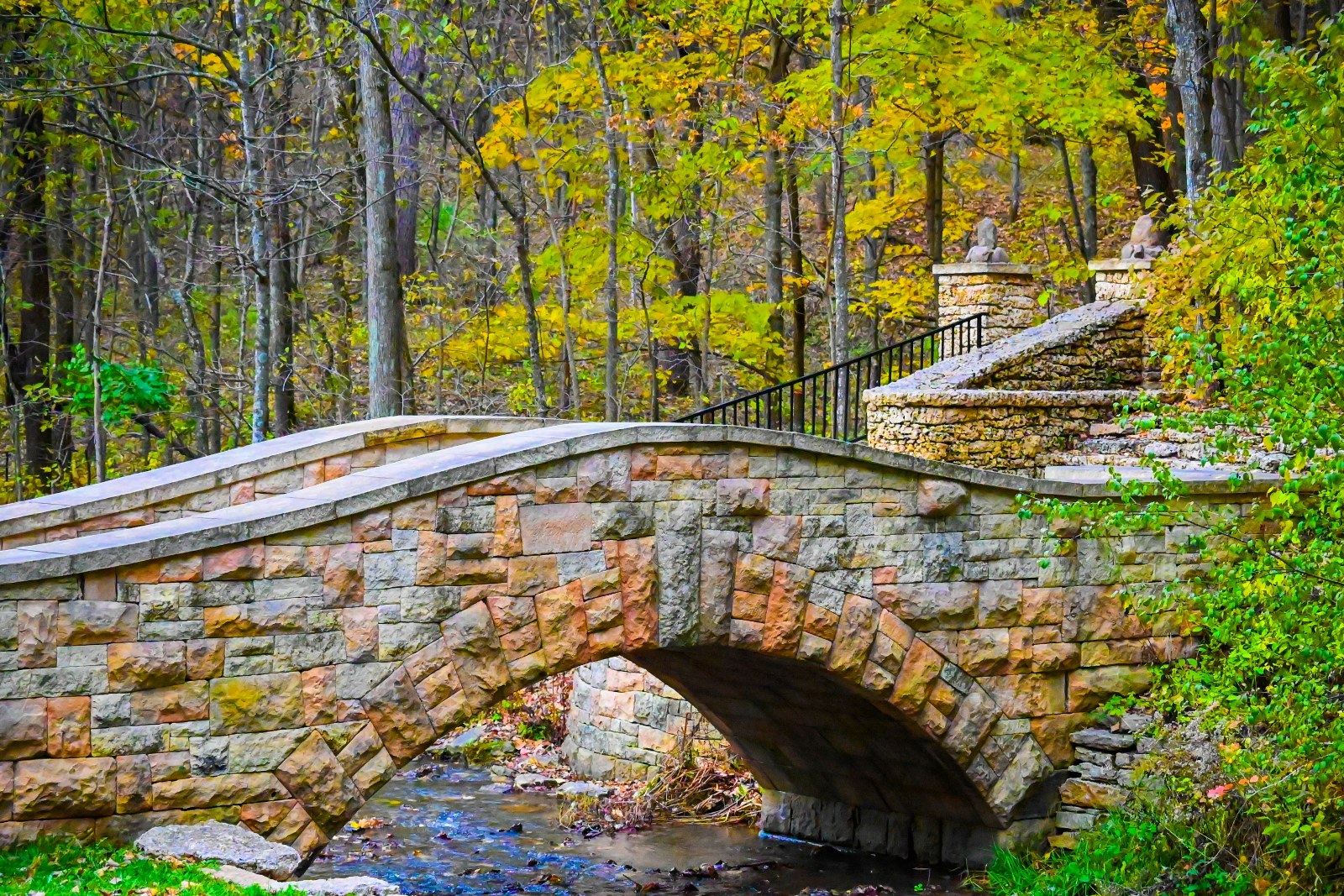
Decorah’s Trout Run Trail forms an 11-mile paved loop around town, passing a trout hatchery, bluffs, and a nest of bald eagles that became famous after a livestream drew millions of viewers. Rent a bike in town and you can circle the whole trail in a few hours, stopping at Dunning’s Spring, a waterfall tucked just minutes from downtown.
The town’s Norwegian roots run deep, and the Vesterheim National Norwegian-American Museum anchors the walkable downtown, along with breweries and cafes. Luther College adds a college-town feel. Getting here takes effort, since the nearest commercial airports sit more than an hour away in La Crosse, Wisconsin, and Rochester, Minnesota, so arrange a ride before you arrive. Once you’re in town, bikes and walking cover everything worth seeing.