
The national park road trip is a postwar invention, but the parks themselves are older than the highway system. Long before interstates, railroads built lodges at canyon rims and mountain passes to sell train tickets, and some of those rail lines and depots still run. Add the free shuttles, ferries, and city transit lines that came later, and a surprising number of parks are easy to reach and explore without ever touching a steering wheel.
Going car-free also solves the worst part of a busy park: the parking lot. You skip the 7 a.m. hunt for a space at a popular trailhead, and you get to stare out the window at the scenery while someone else handles the hairpin turns.
The parks below range from wilderness islands to downtown landmarks, so you can pick one that fits a long weekend or a full week.
Acadia National Park, Maine
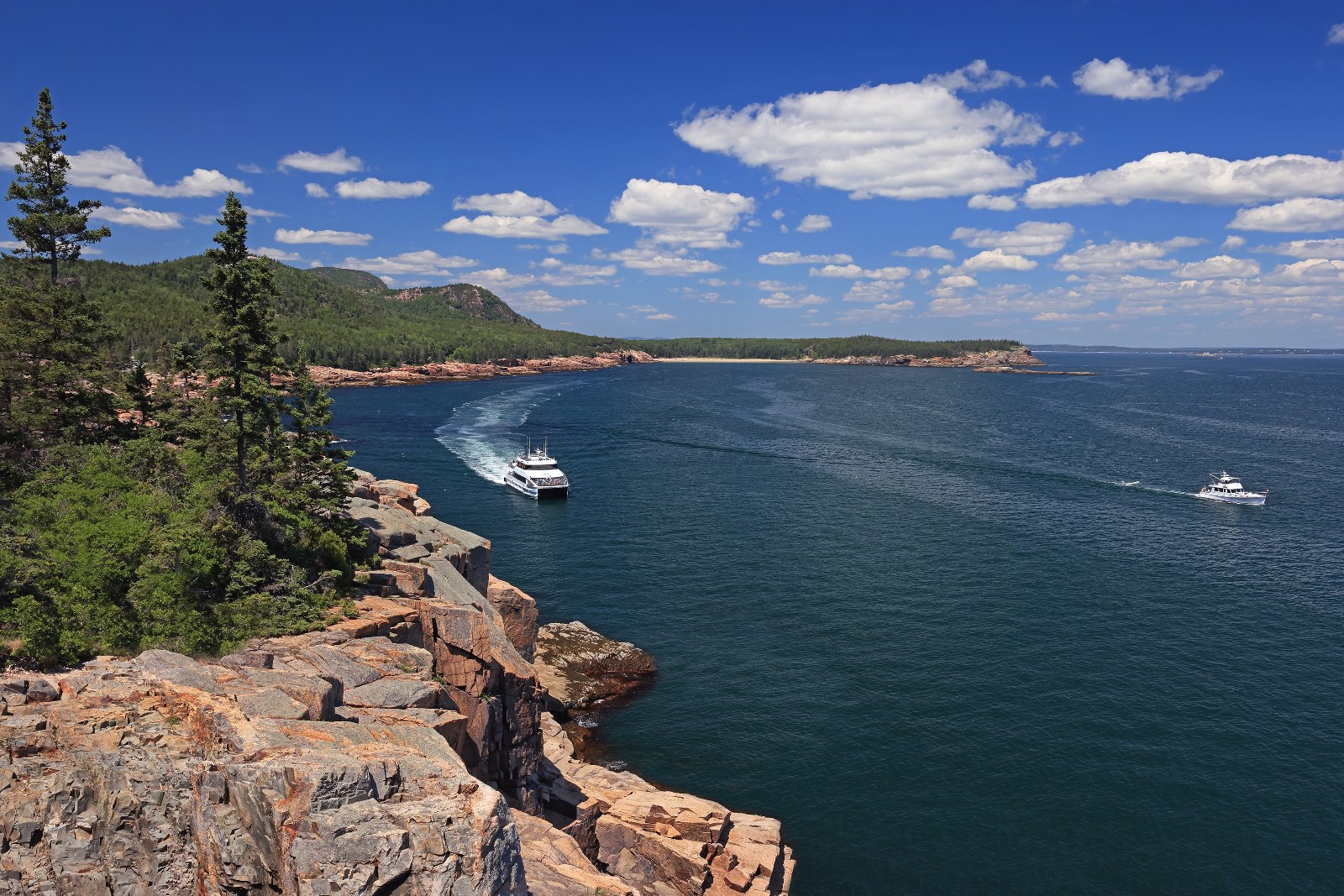
Acadia owes its car-free charm to a millionaire who hated automobiles. John D. Rockefeller Jr. funded roughly 45 miles of crushed-stone carriage roads in the early 1900s, complete with hand-built stone bridges, and motor vehicles are still banned from them today.
That means you can bike or walk past ponds and granite hillsides while the only traffic is a horse-drawn carriage or a cyclist who overestimated their fitness on the hills. Bike rentals are easy to find in Bar Harbor, which sits right at the park’s doorstep.
Getting around the rest of the island is just as simple. The fare-free Island Explorer shuttle runs from late June into October, linking Bar Harbor, campgrounds, and trailheads like Jordan Pond and Sand Beach. Buses carry bike racks, and Concord Coach Lines connects Bangor and Boston to the area, so the whole trip can happen without a rental counter.
Zion National Park, Utah
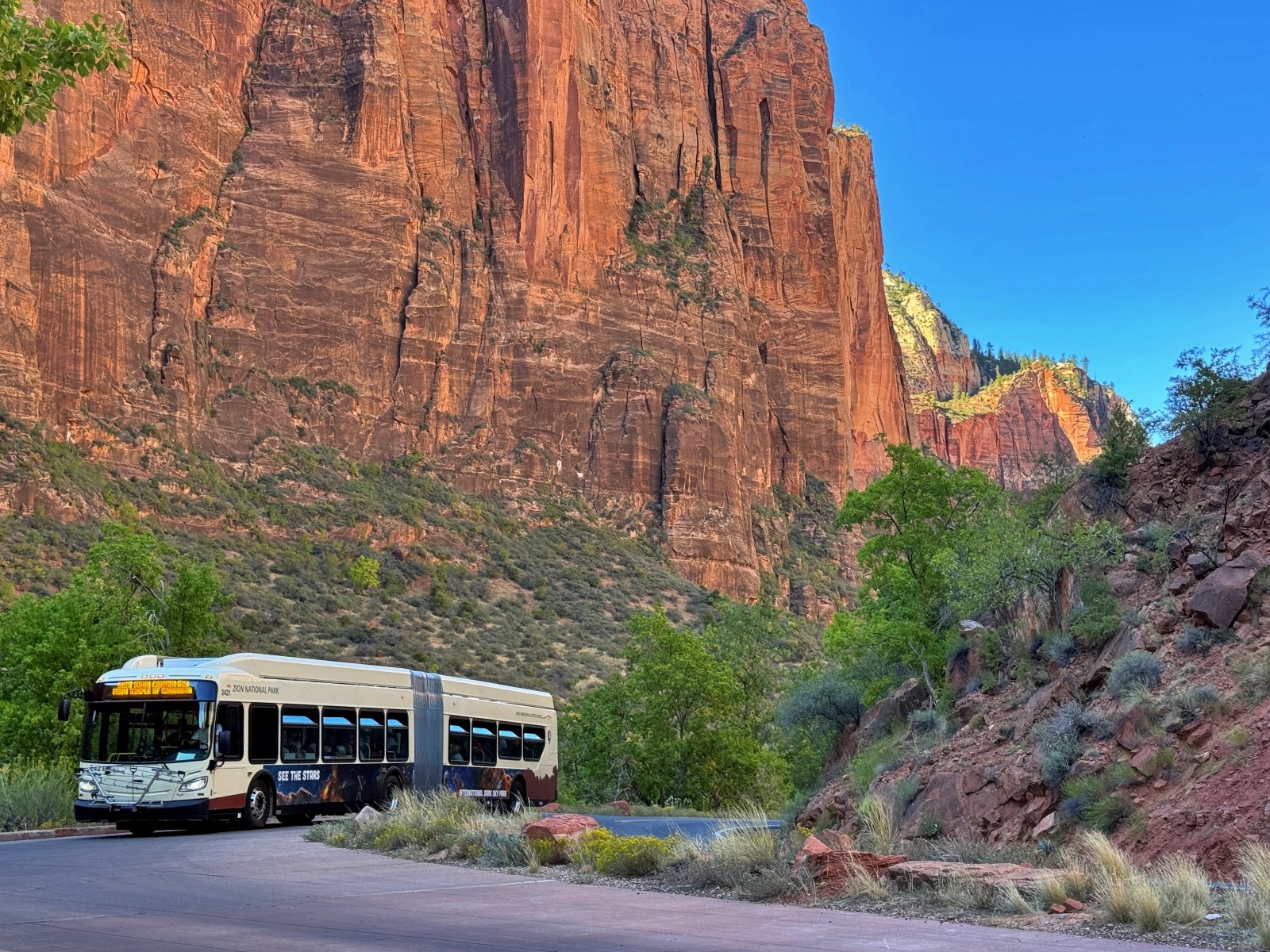
Zion decided cars were the problem back in 2000. For most of the year, private vehicles can’t drive the Zion Canyon Scenic Drive, and a propane-powered (now increasingly electric) shuttle takes over the job.
The result is a canyon that sounds like a canyon. Instead of engine noise bouncing off 2,000-foot sandstone walls, you hear the Virgin River and the occasional hiker groaning about the switchbacks on the way to Scout Lookout.
The shuttle stops at every major trailhead, including the Grotto, Weeping Rock, and the Temple of Sinawava, where the Narrows hike starts in the river itself. A separate free shuttle loops through the town of Springdale, so if you stay in a hotel there you can walk to the stop, ride into the park, and never think about parking. You’ll still need a way to reach Springdale, and private shuttle companies run from Las Vegas and St. George.
Yosemite National Park, California
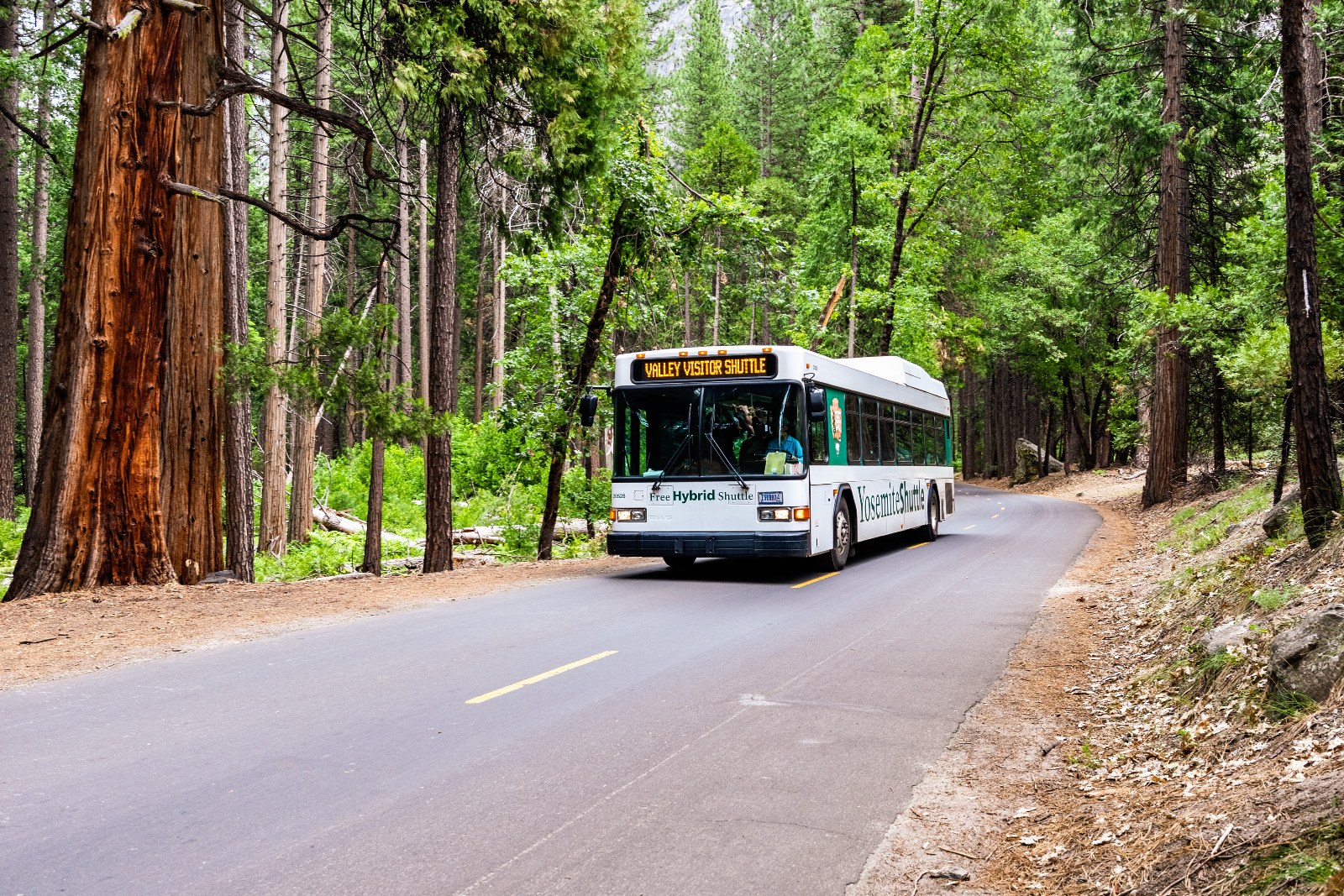
You can reach Yosemite Valley by train and bus on a single ticket. Amtrak’s San Joaquins route connects to YARTS buses in Merced, and the ride climbs along the Merced River into the valley, which is a far better introduction than a traffic jam at the entrance station.
Once you’re there, the free Yosemite Valley shuttle loops between lodges, campgrounds, and trailheads. The valley floor is mostly flat and about seven miles long, so walking and biking cover a lot of ground, and Curry Village rents bikes in season.
The valley holds the greatest hits anyway: Yosemite Falls, the Mist Trail to Vernal Fall, and the meadows below El Capitan where climbers look like specks of colored lint. Summer YARTS routes also reach Tuolumne Meadows and Mariposa Grove, so the high country and the giant sequoias stay on the table.
Grand Canyon National Park, Arizona
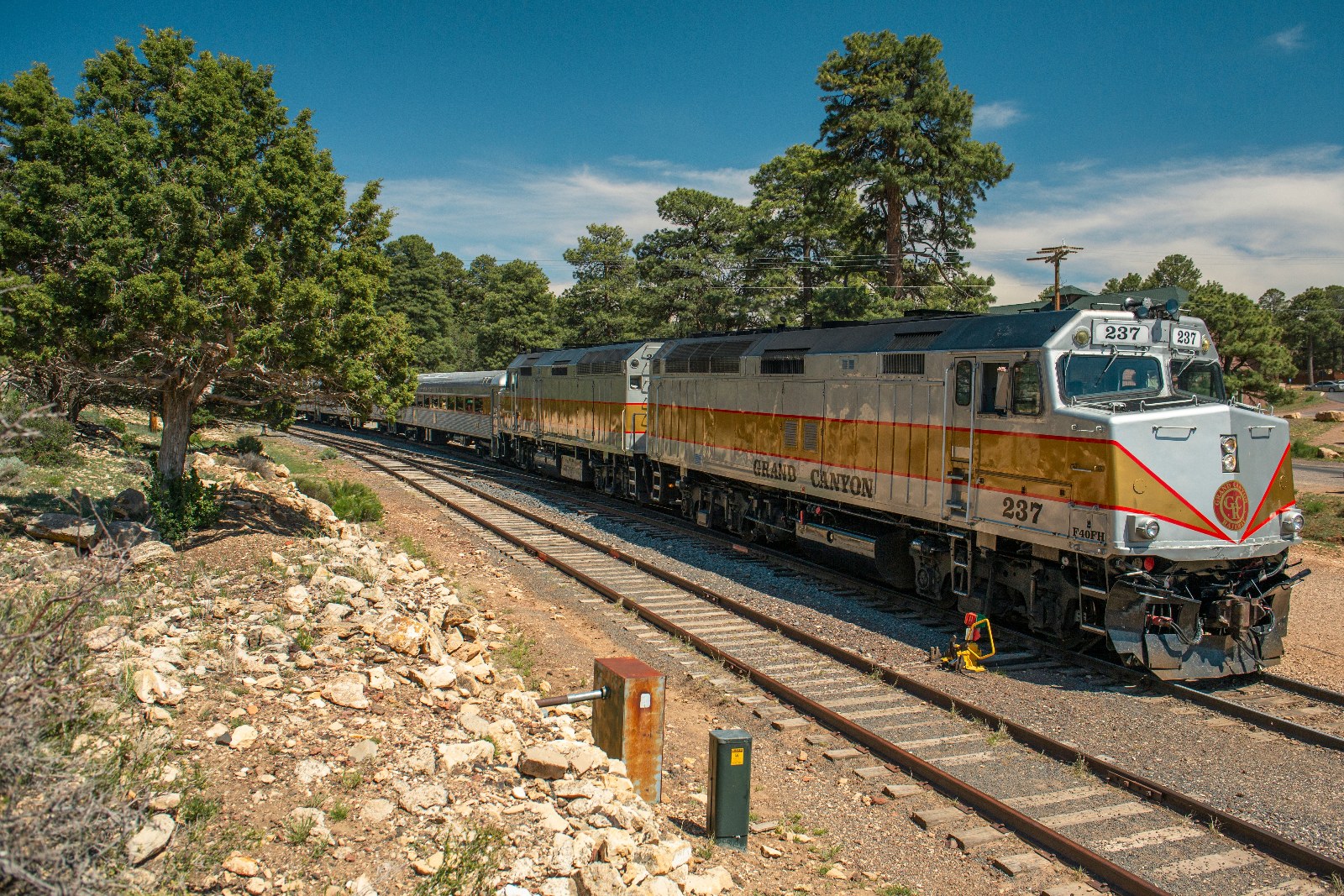
The South Rim was a train destination before it was anything else. The Grand Canyon Railway has run from Williams, Arizona, since 1901, and the restored line still drops you steps from El Tovar Hotel, with costumed train robbers staging a holdup on the return trip.
The park takes its shuttles seriously. Free buses run on several routes along the rim, and Hermit Road closes to private cars from March through November, so the shuttle is the main way to reach viewpoints like Hopi Point and Hermits Rest.
The Rim Trail fills in the gaps. It runs about 13 miles along the edge, much of it paved, and you can hop off a bus, walk a stretch, and catch the next one. The South Kaibab and Bright Angel trailheads are both on shuttle routes, which makes a sunrise hike below the rim easy to arrange without a car.
Glacier National Park, Montana
Glacier sits on the same railroad that created it. The Great Northern Railway lobbied for the park in 1910, built grand lodges to fill its trains, and today Amtrak’s Empire Builder still stops at West Glacier and East Glacier Park on its run between Chicago and the Pacific Northwest.
From the station, you’re surrounded by peaks. Lodges and shuttle services help you bridge the short distances, and in summer, park shuttles run along Going-to-the-Sun Road, the 50-mile route that crosses the Continental Divide at Logan Pass.
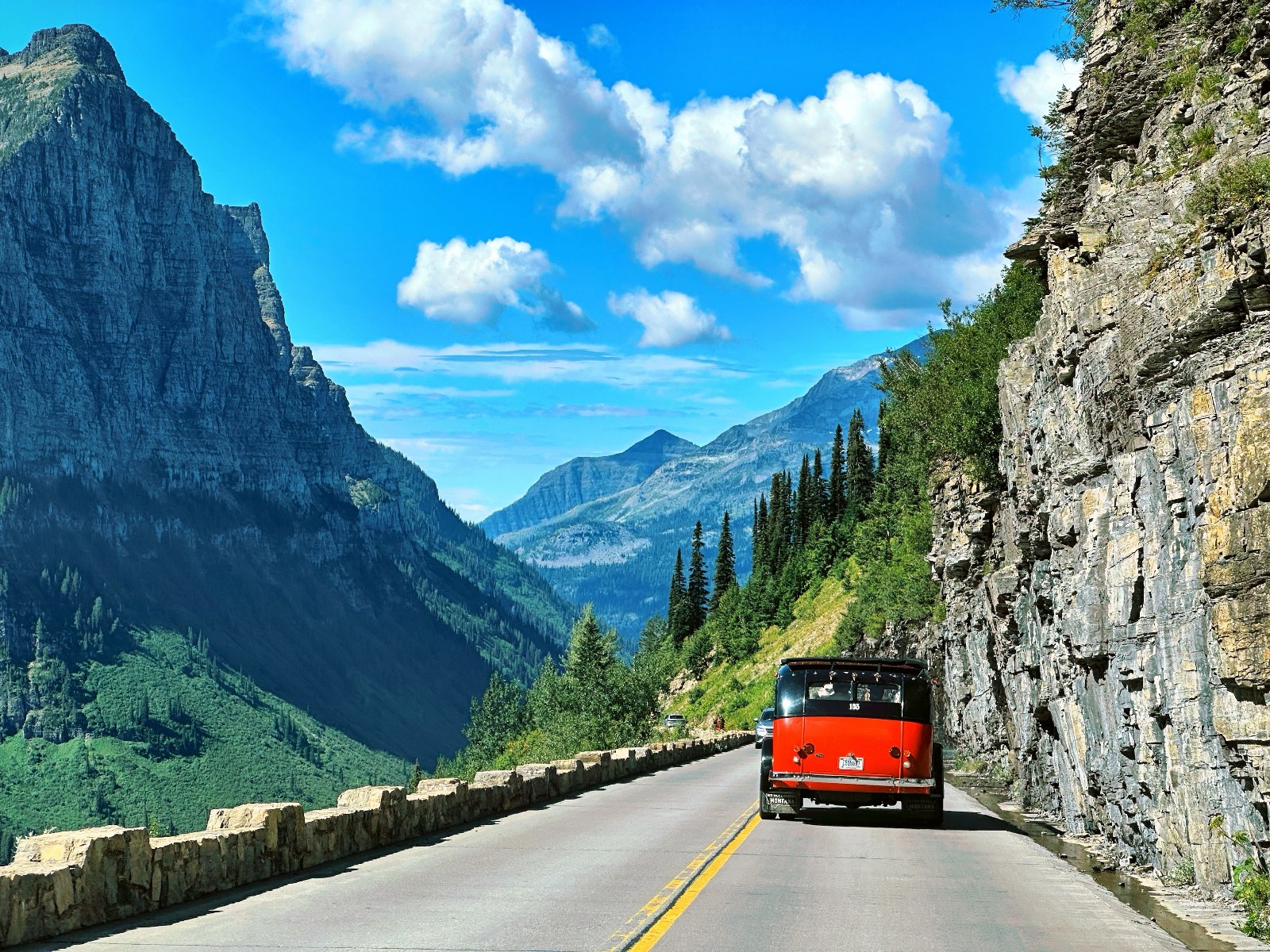
There’s also the vintage option. The famous red buses, built in the 1930s and nicknamed jammers for the gear-grinding their drivers once did, run guided tours with the canvas tops rolled back. Riding one over the pass with the cliffs dropping away on one side is the most stylish way anyone has ever avoided driving.
Bryce Canyon National Park, Utah
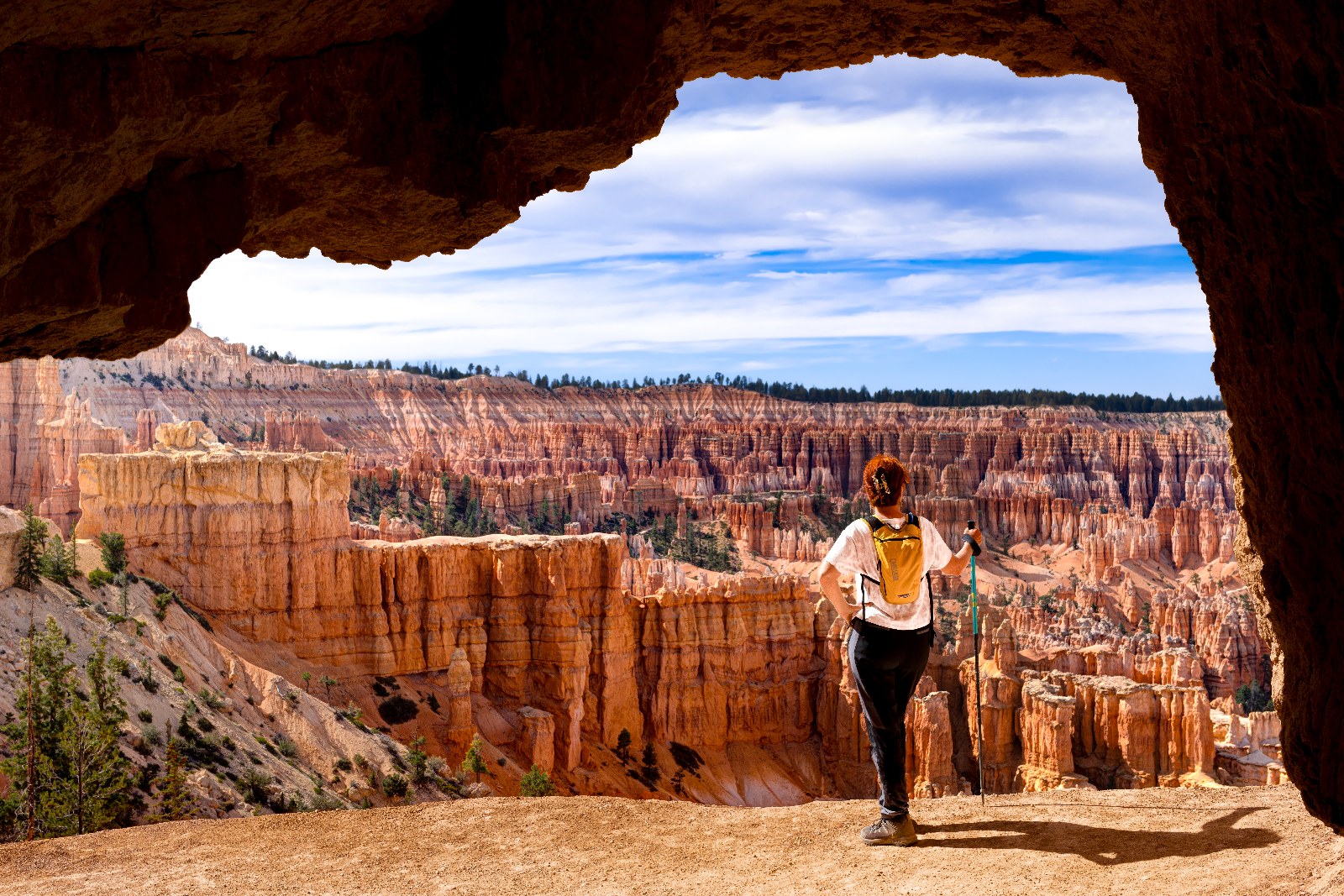
Bryce is small, and that works in your favor. The main amphitheater, packed with thousands of orange hoodoos, sits along a short stretch of rim, and the free summer shuttle connects the lodge, campgrounds, and viewpoints like Sunrise, Sunset, Inspiration, and Bryce Point.
The shuttle starts in Bryce Canyon City just outside the entrance, where most of the motels are clustered, so you can park yourself in a room and leave the logistics to the bus.
The best hiking here starts right from the rim. The Navajo Loop and Queens Garden trails combine into a roughly three-mile route that drops you into the hoodoos and back up again, and the Rim Trail links every major viewpoint on foot. Because Bryce sits above 8,000 feet, the walk back up will feel harder than the mileage suggests, and the night skies are dark enough that rangers hold astronomy programs.
Rocky Mountain National Park, Colorado
The town of Estes Park is your car-free base here. It sits right at the park’s eastern edge, private shuttles connect it to Denver International Airport, and the town’s free trolleys loop between hotels, shops, and the visitor center.
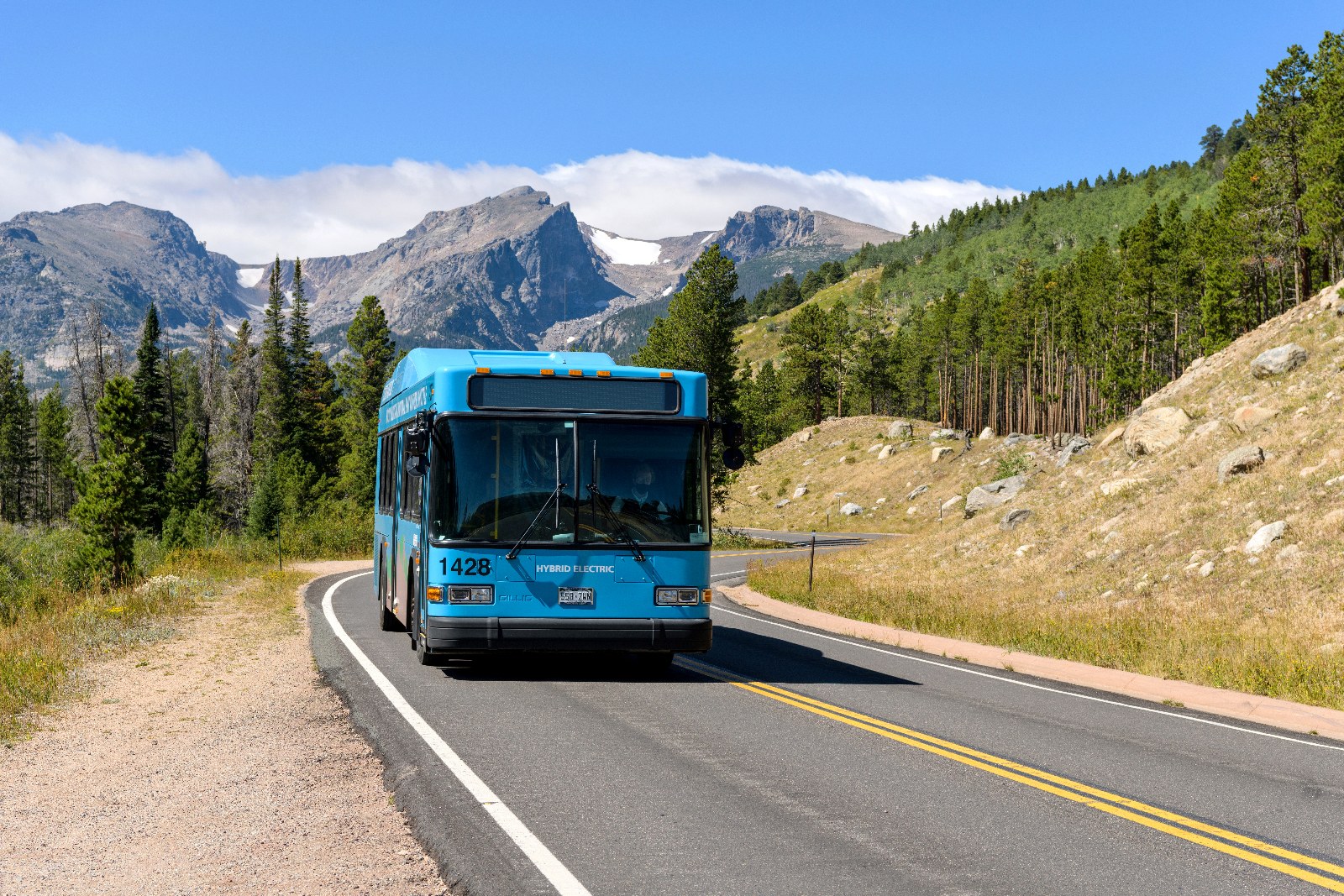
From the Estes Park Visitor Center, a park hiker shuttle runs into the park in summer, linking up with the Bear Lake Route. That corridor holds some of the park’s best-known hikes, including Bear Lake, Dream Lake, Emerald Lake, and the climb to Sky Pond.
The shuttles also save you from the park’s timed-entry reservation system, which can make driving in during peak hours feel like trying to get concert tickets. Riding in lets you start a hike in the cool morning, watch elk graze near the meadows, and return before the afternoon thunderstorms that roll over the Rockies almost daily in July.
Denali National Park, Alaska
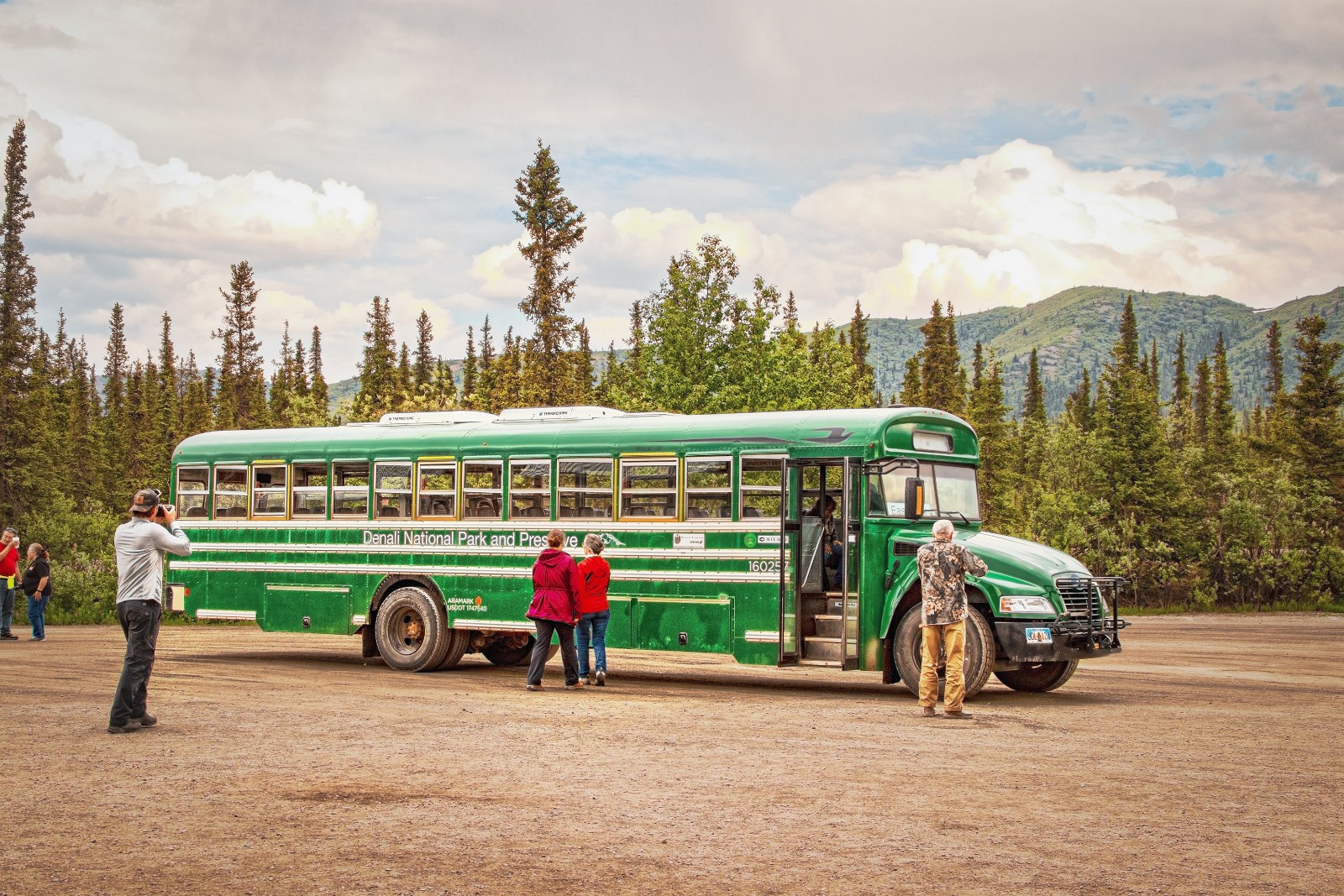
Denali practically requires you to leave the car behind. Private vehicles can only drive the first 15 miles of the 92-mile park road, so almost everyone heading deeper rides a bus.
The buses double as rolling wildlife safaris. Passengers shout out sightings of grizzlies, caribou, Dall sheep, and moose, and the driver pulls over so everyone can crowd one side of the bus with binoculars. A 2021 landslide at Pretty Rocks has shortened how far buses travel, so check the current turnaround point when you book.
Reaching the park is part of the fun. The Alaska Railroad’s Denali Star runs between Anchorage and Fairbanks with a stop at the park entrance, and the glass-domed cars give you a long look at the Alaska Range. On clear days, you might spot Denali itself, though at 20,310 feet it makes its own weather and hides behind clouds most of the time.
Sequoia National Park, California
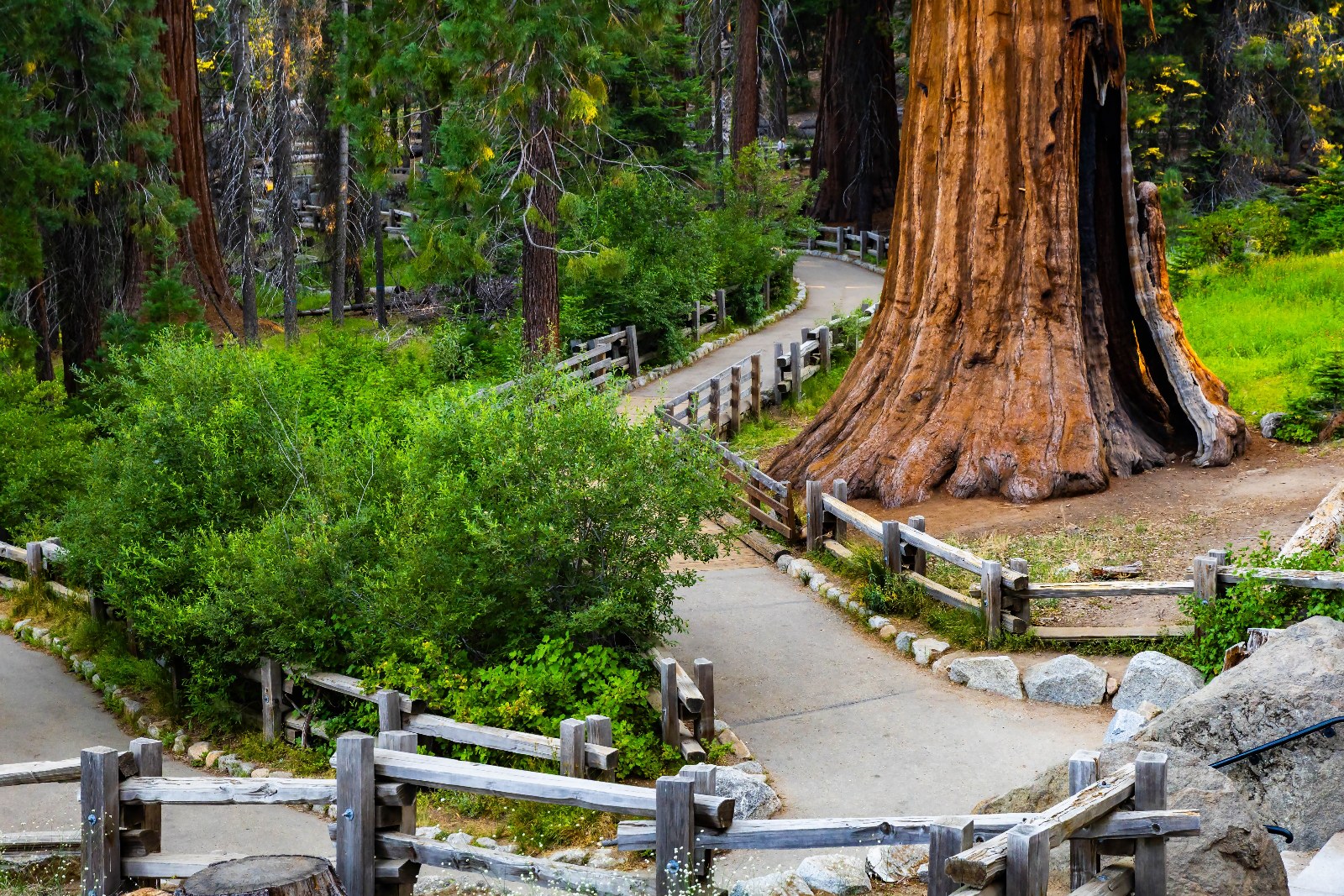
The Sequoia Shuttle runs from Visalia up into the park during the summer season, and your fare covers park entry. The ride climbs from the farmland of the San Joaquin Valley to the Giant Forest, gaining several thousand feet in a matter of hours.
Inside the park, free shuttles connect the Giant Forest Museum, Lodgepole, Moro Rock, and the General Sherman Tree. That tree is the largest on Earth by volume, and standing next to it makes the average redwood look like a houseplant.
Walking covers the rest. The Congress Trail loops about two miles through a grove of massive sequoias, and the Moro Rock staircase climbs roughly 350 steps to a granite summit with views over the Great Western Divide. Lodging inside the park, such as Wuksachi Lodge, lets you stay overnight and catch the forest when the day-trippers leave.
Olympic National Park, Washington
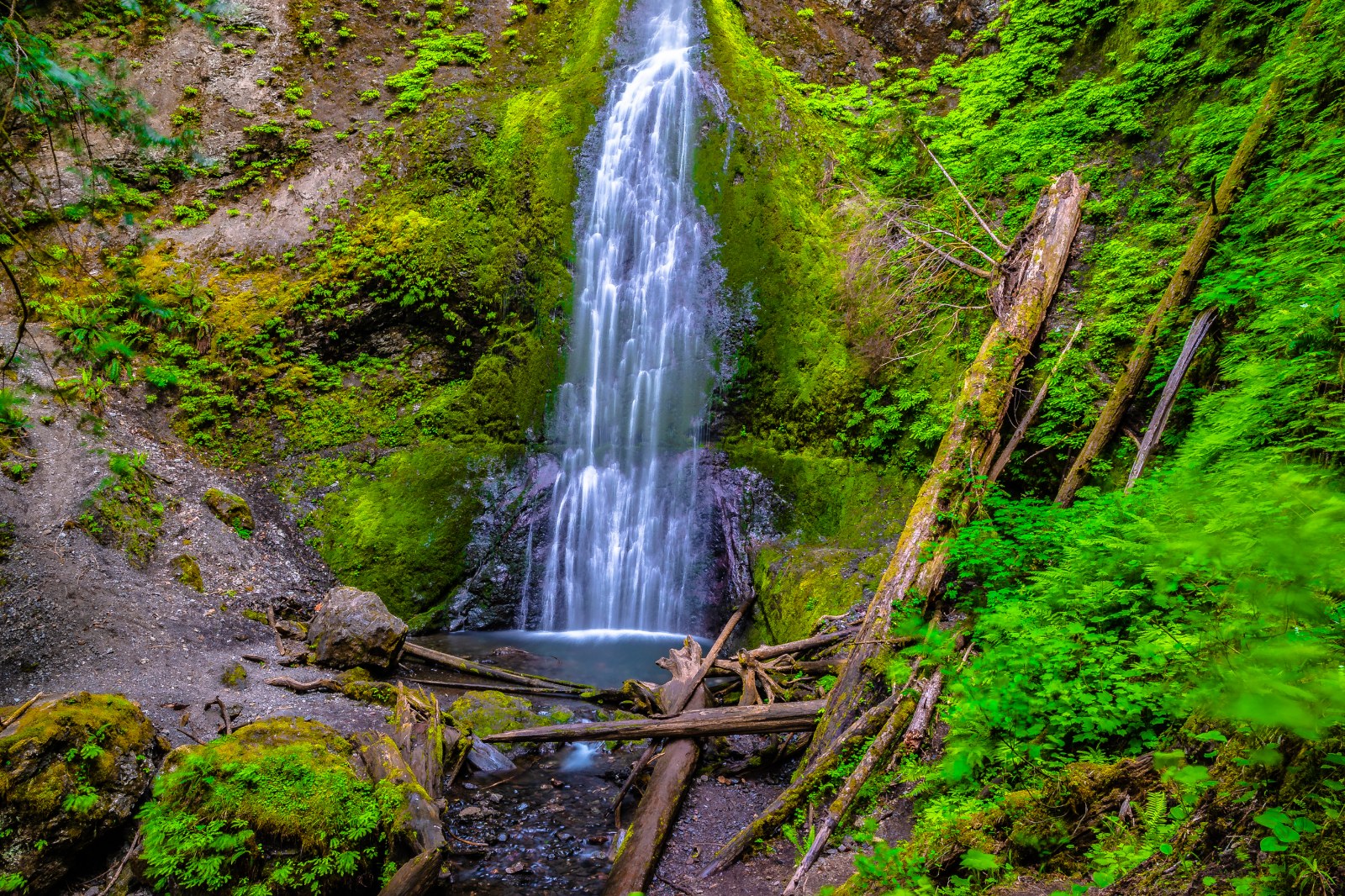
Olympic is huge and spread out, so going car-free here means picking a slice. The northern edge works best, with Port Angeles as your hub: the Dungeness Line bus connects it to Seattle and Sea-Tac Airport, and you can add a Washington State Ferries crossing for the scenic version.
From there, Clallam Transit buses follow US 101 along Lake Crescent, a glacier-carved lake so clear and blue it looks edited. The Olympic Discovery Trail also runs through the area, giving cyclists a paved route that skirts the lake and passes the park.
That corner of the park packs in rainforest-adjacent woods, the Marymere Falls trail, and access to the coast. The Hoh Rain Forest and the wilder beaches of the Pacific side take more effort to reach on public transit, so save those for a longer trip or a tour.
Cuyahoga Valley National Park, Ohio
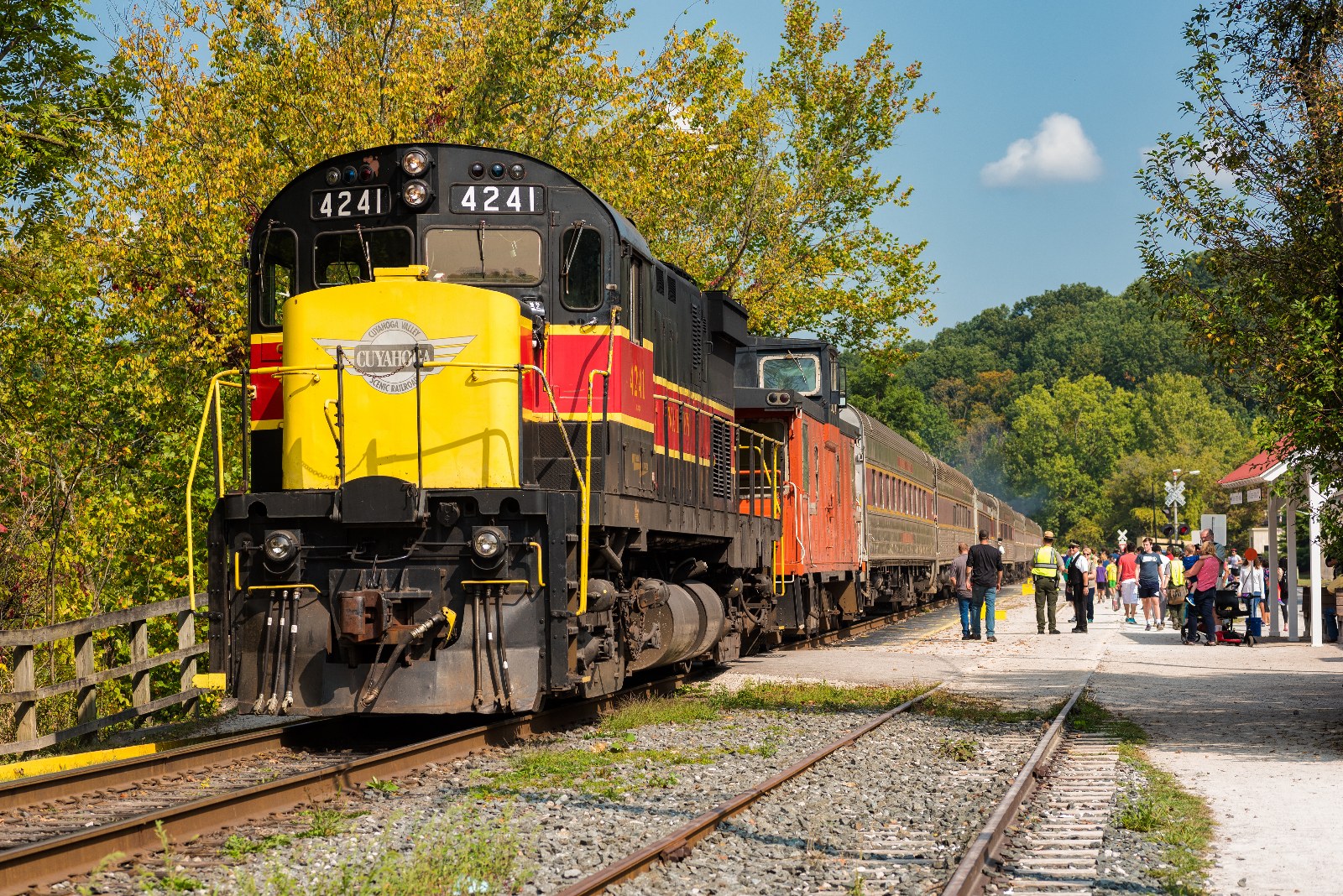
Cuyahoga Valley has its own train. The Cuyahoga Valley Scenic Railroad runs through the park between the Cleveland and Akron areas, stopping at stations like Peninsula and Brecksville along the river.
The best trick is the Bike Aboard program. You ride the Towpath Trail, which follows the historic Ohio and Erie Canal, as far as you want, then flag down the train and ride back with your bike for a small fare. It’s the rare outing where you can pedal one way and nap on the return.
The park also proves that nature can rebound. The Cuyahoga River famously caught fire in 1969, helping spark the environmental movement, and today the valley has bald eagles, great blue heron rookeries, and Brandywine Falls tumbling 60 feet over sandstone ledges. Regional transit lines from Cleveland and Akron connect to the edges of the park.
Indiana Dunes National Park, Indiana
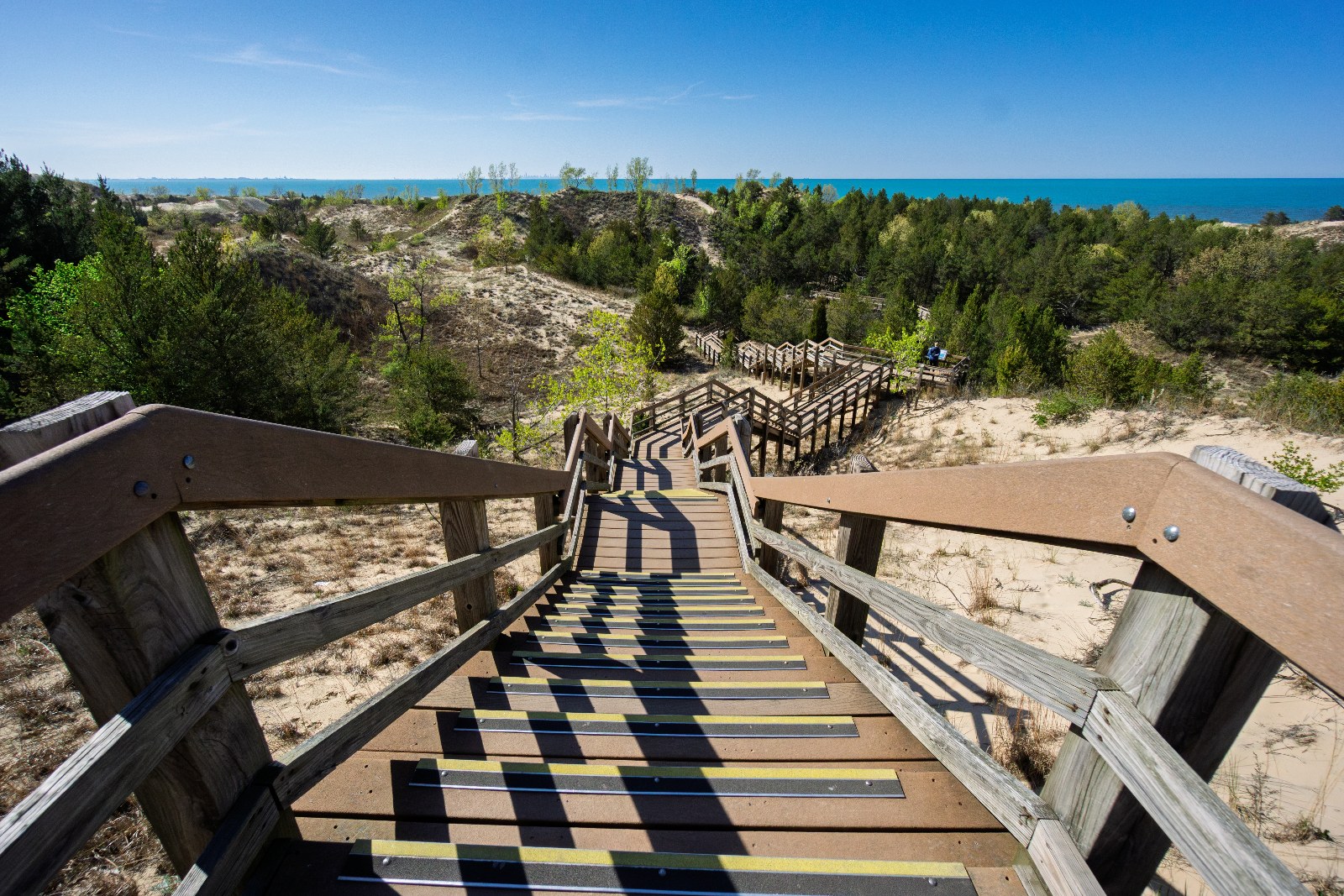
You can take a commuter train from downtown Chicago straight to the beach. The South Shore Line leaves from Millennium Station and stops at Dune Park and Beverly Shores, both a walk away from park trails and Lake Michigan’s shoreline.
The dunes themselves are the surprise. They rise nearly 200 feet in places and host an unusually wide mix of plant life, from prairie grasses to bog species to cactus, all within view of steel mills and the Chicago skyline.
The Three Dune Challenge at the neighboring state park packs about 550 feet of sandy climbing into 1.5 miles, and it’ll humble anyone who thinks the Midwest is flat. Mount Baldy, near Michigan City, is a moving dune that has crept inland over the years, burying trees as it goes, so rangers lead guided hikes to protect both you and the sand.
Hot Springs National Park, Arkansas
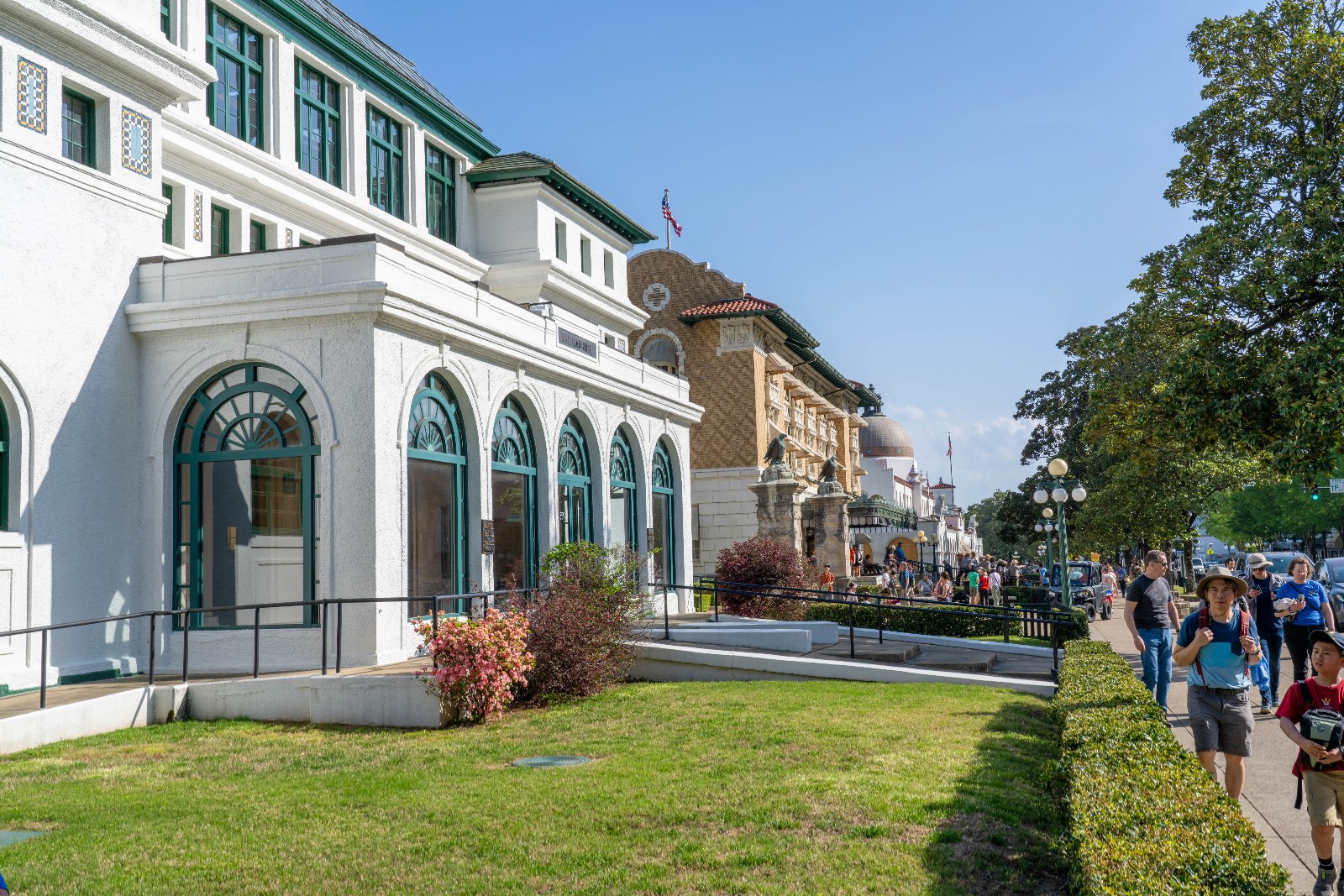
Hot Springs is the only national park where the main attraction is a row of bathhouses on a city street. Bathhouse Row lines Central Avenue in downtown Hot Springs, so you can walk from your hotel to the visitor center in the old Fordyce Bathhouse in minutes.
The water comes out of the ground at around 143 degrees Fahrenheit after a journey that takes thousands of years. You can soak the traditional way at the Buckstaff, which has operated since 1912, or try the more modern pools at Quapaw Baths.
Locals also fill jugs at public thermal water fountains around town, which is free and slightly strange to watch. For hiking, trails climb right from downtown up Hot Springs Mountain to an observation tower. Amtrak’s Texas Eagle stops in nearby Malvern, and shuttle services link the town to Little Rock’s airport.
Gateway Arch National Park, Missouri
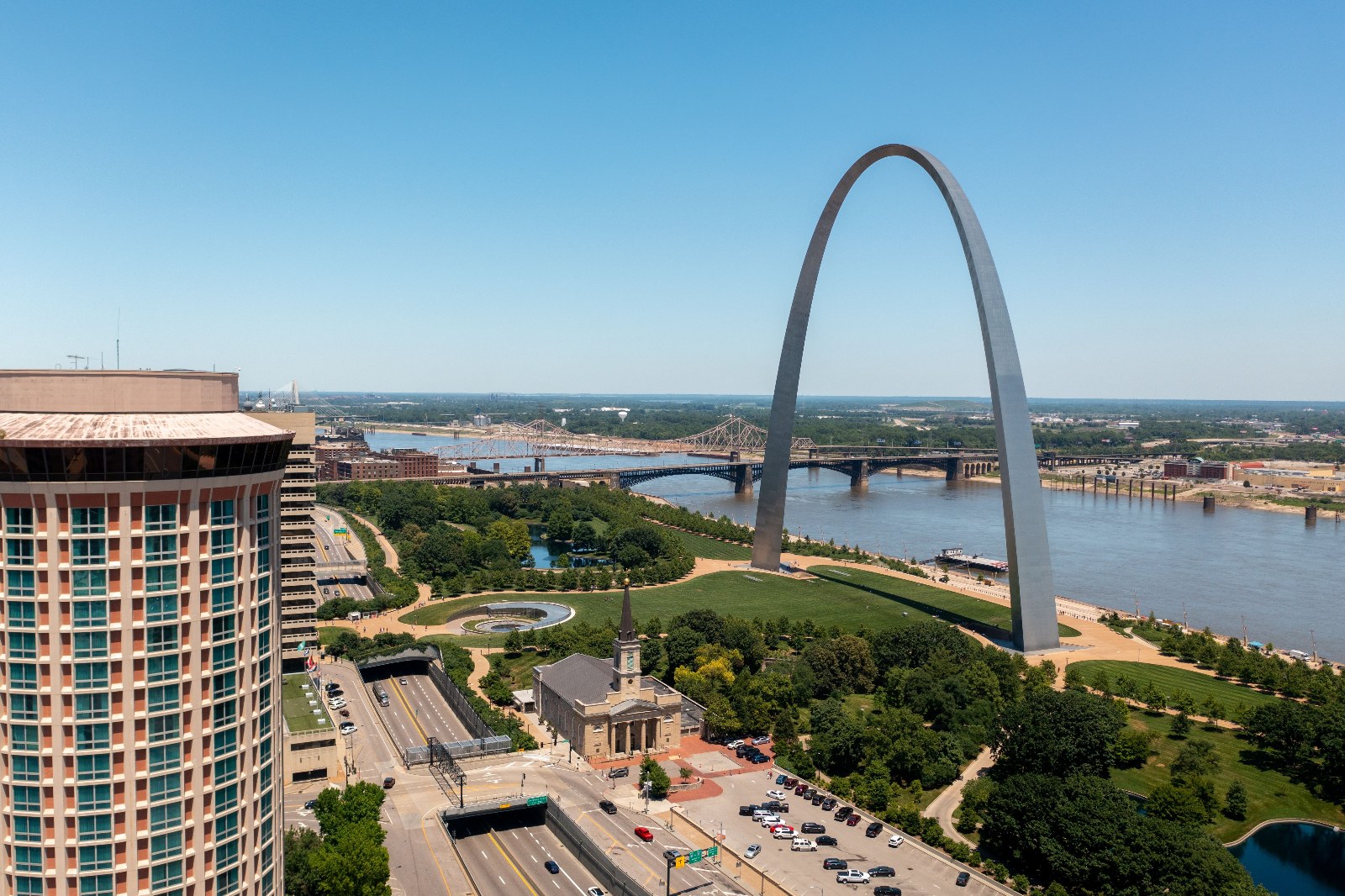
Gateway Arch is a national park you can reach by light rail. MetroLink stops within walking distance of the Arch grounds, including stations at 8th and Pine and Laclede’s Landing, and the Amtrak station sits a short ride away.
The Arch rises 630 feet, making it the tallest human-made monument in the country. To reach the top, you fold yourself into a small egg-shaped tram pod that clanks up inside one leg, and it feels like riding a vintage washing machine to the observation deck.
The museum beneath the Arch covers westward expansion and St. Louis history, including the Old Courthouse, where Dred and Harriet Scott first sued for freedom. The grounds connect to the Mississippi riverfront and downtown, so you can tie in a Cardinals game or a walk along the river without a car.
Dry Tortugas National Park, Florida
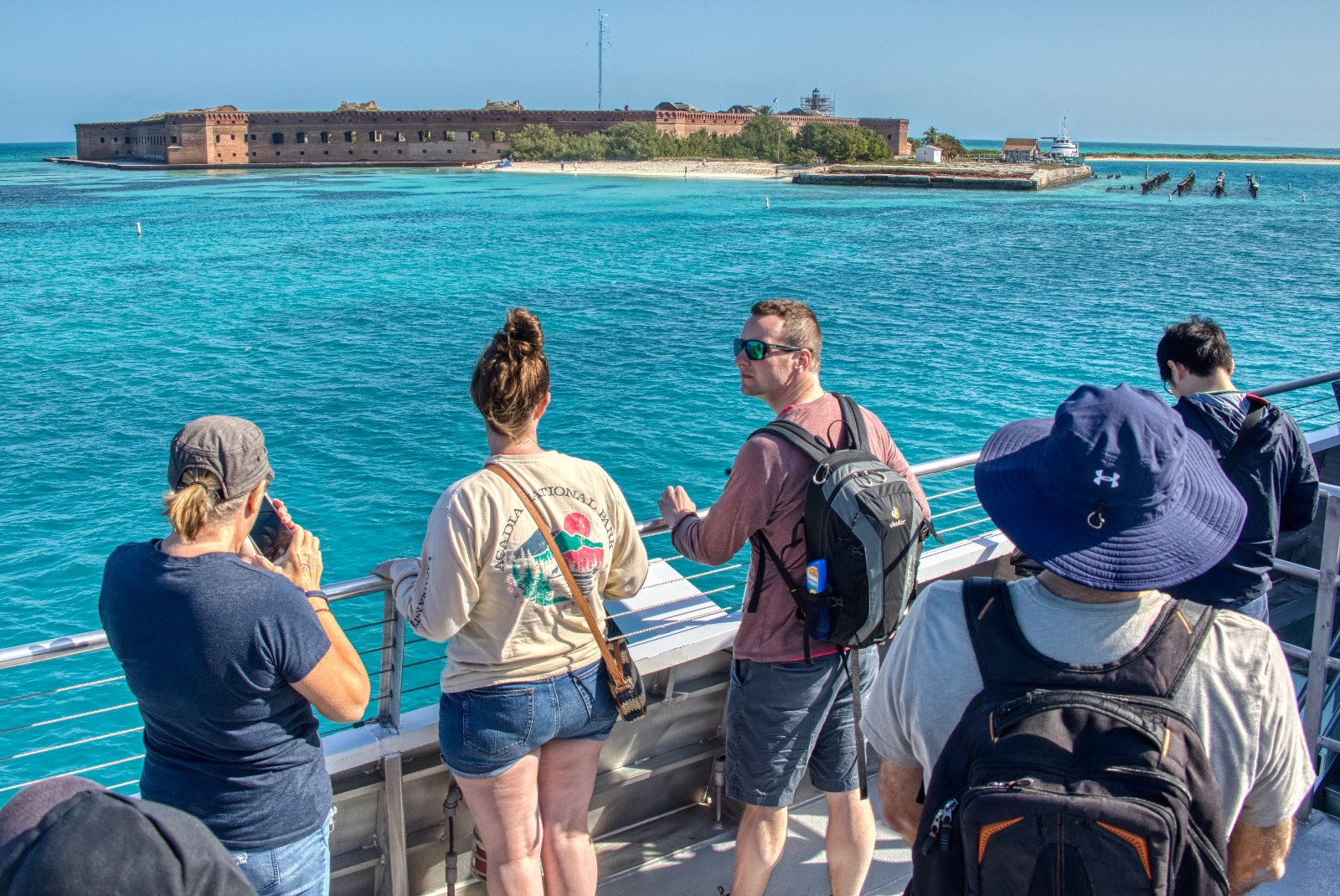
Getting to Dry Tortugas means a boat or a seaplane, since the park sits about 70 miles west of Key West. The Yankee Freedom ferry makes the trip in a little over two hours and includes breakfast, lunch, and snorkel gear.
The view when you arrive is bizarre in the best way. Fort Jefferson, a massive six-sided brick fort built in the 1800s with an estimated 16 million bricks, rises out of turquoise water on Garden Key like someone misplaced it.
The fort was never fully finished and later served as a prison, most famously holding Dr. Samuel Mudd, who treated John Wilkes Booth. Today you can walk the moat wall, snorkel among coral and tropical fish just off the beach, and camp overnight on the island if you snag one of the limited sites.
Channel Islands National Park, California
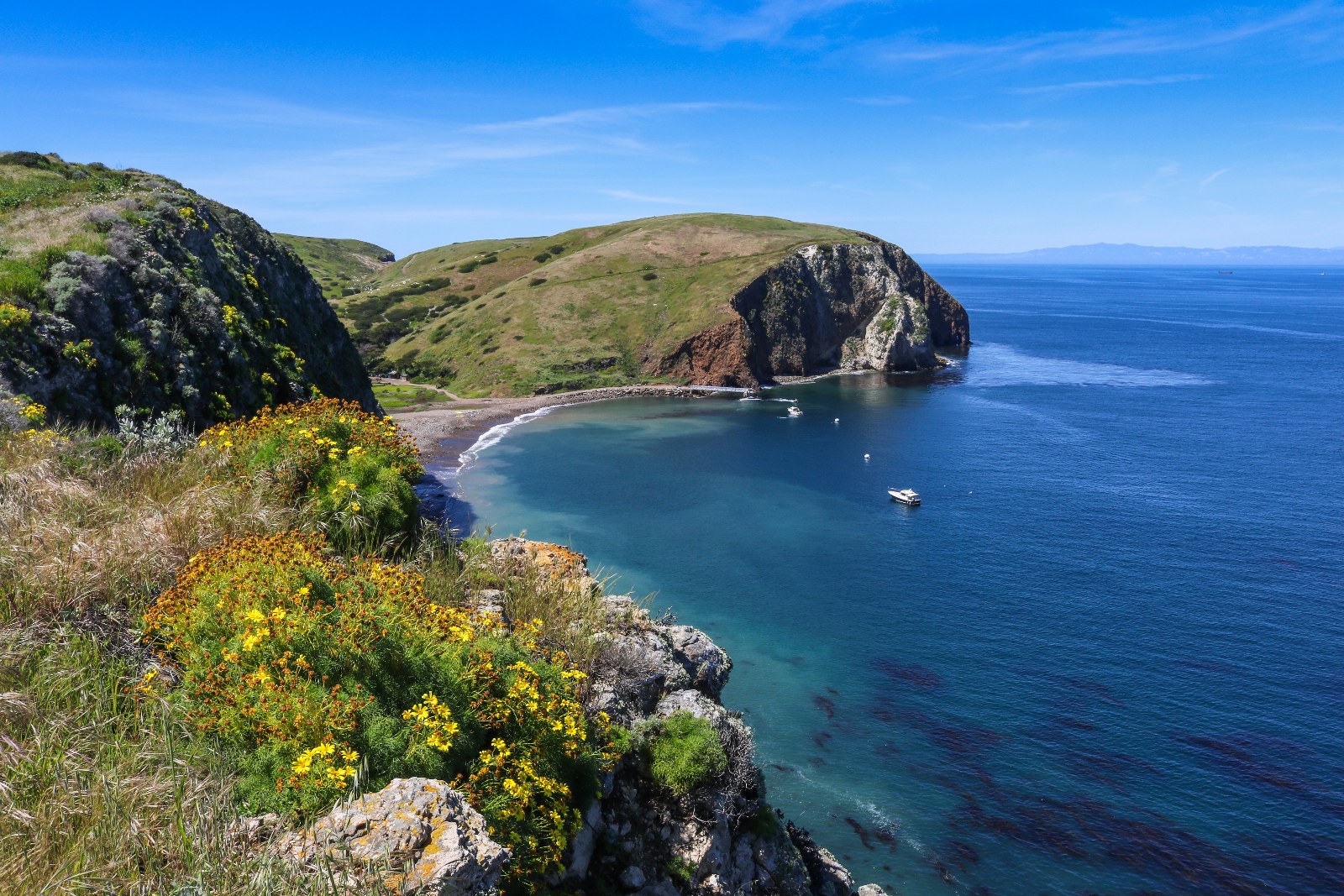
The Channel Islands are close to Los Angeles yet feel remote, and a boat is the only way in. Island Packers runs trips from Ventura and Oxnard, and Amtrak’s Pacific Surfliner stops in Ventura, so the whole trip can start from a train seat.
Isolation has made these islands a little odd. The island fox, a species about the size of a house cat, lives here and nowhere else, and the island scrub jay is found only on Santa Cruz Island.
Santa Cruz is the most popular stop, with sea caves for kayaking near Scorpion Anchorage and trails along cliffs above the Pacific. Boat crossings regularly pass dolphins, and gray and humpback whales appear seasonally. Bring your own food and water, since services on the islands are minimal.
Isle Royale National Park, Michigan
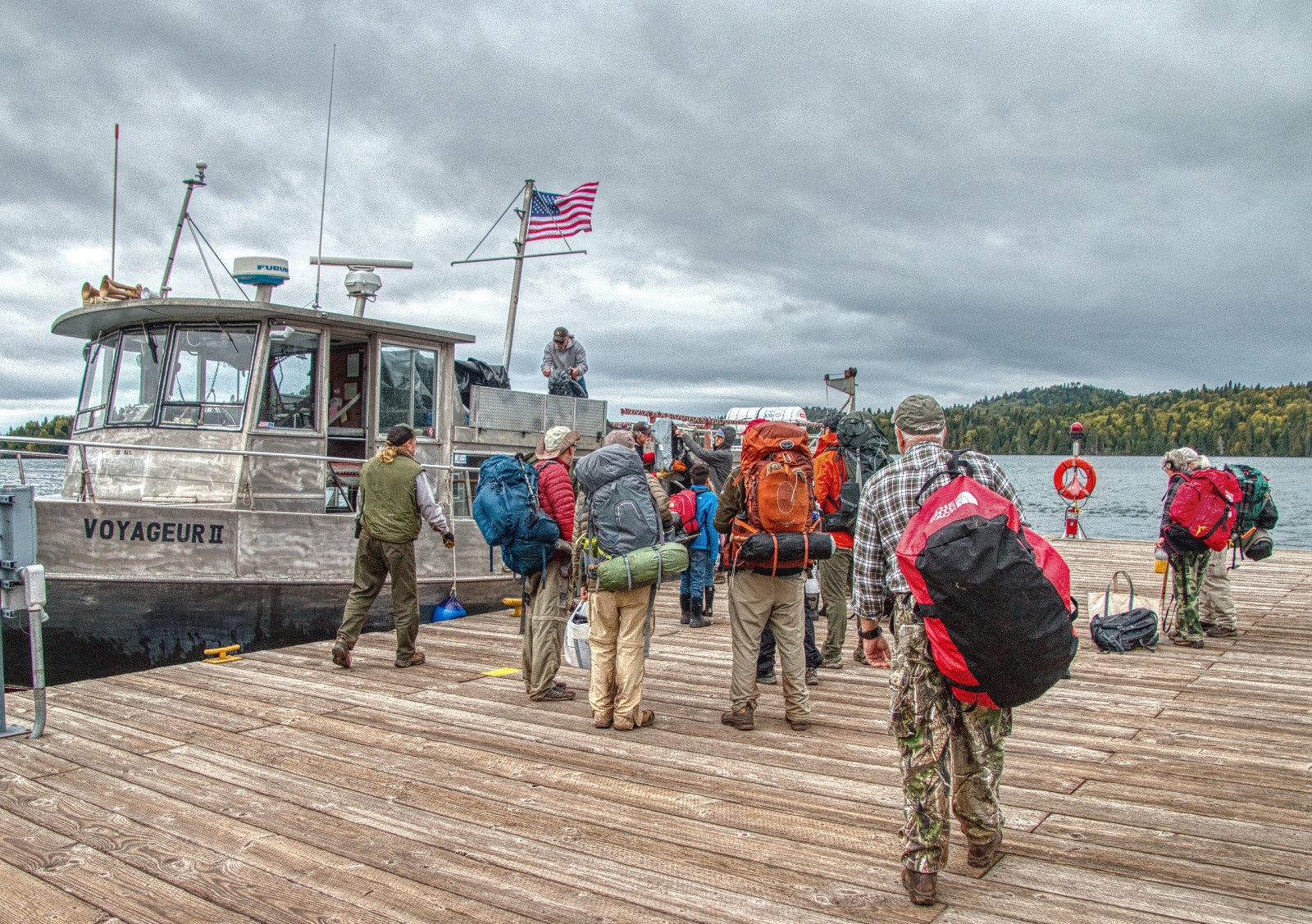
Isle Royale has no roads for cars at all, so you’d have a hard time exploring it with one. You arrive by ferry or seaplane, with boats leaving from Houghton and Copper Harbor in Michigan and Grand Portage in Minnesota.
Once you land on this Lake Superior island, you’re on foot or in a canoe or kayak. Backpackers follow the Greenstone Ridge Trail across the length of the island, and paddlers move between inland lakes and sheltered coves.
The island hosts one of the longest-running predator-prey studies in the world, tracking wolves and moose since 1958. The park sees fewer visitors in a full year than some parks get in a single day, partly because it closes in winter, and Rock Harbor Lodge offers rooms for anyone who prefers a bed over a tent.
Virgin Islands National Park, U.S. Virgin Islands
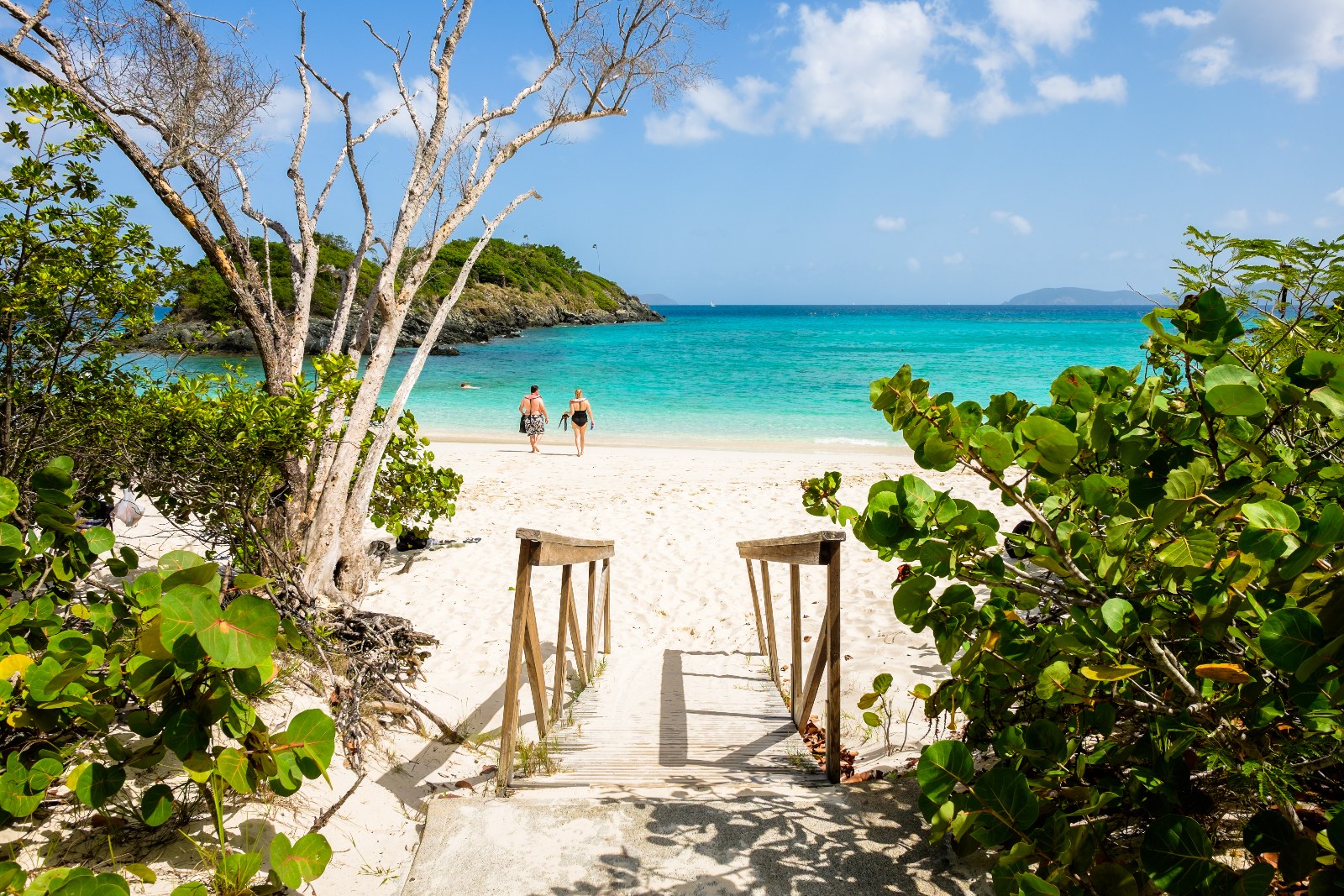
About 60 percent of St. John belongs to the national park, thanks largely to land donated by Laurance Rockefeller in the 1950s. Ferries from Red Hook on St. Thomas cross to Cruz Bay in about 20 minutes, and the park visitor center sits near the dock.
Open-air safari taxis handle the rest. They bounce along the steep island roads to beaches like Trunk Bay, Cinnamon Bay, and Maho Bay, and the drivers navigate curves that would make most rental-car drivers turn pale.
Trunk Bay has an underwater snorkel trail with markers identifying coral and fish, while Maho Bay is known for sea turtles grazing on seagrass. On land, the Reef Bay Trail descends through forest to sugar plantation ruins and petroglyphs carved by the Taíno people.
Kenai Fjords National Park, Alaska
The Alaska Railroad’s Coastal Classic runs from Anchorage to Seward, the gateway town for Kenai Fjords, and the route passes glaciers and mountains that would distract any driver.
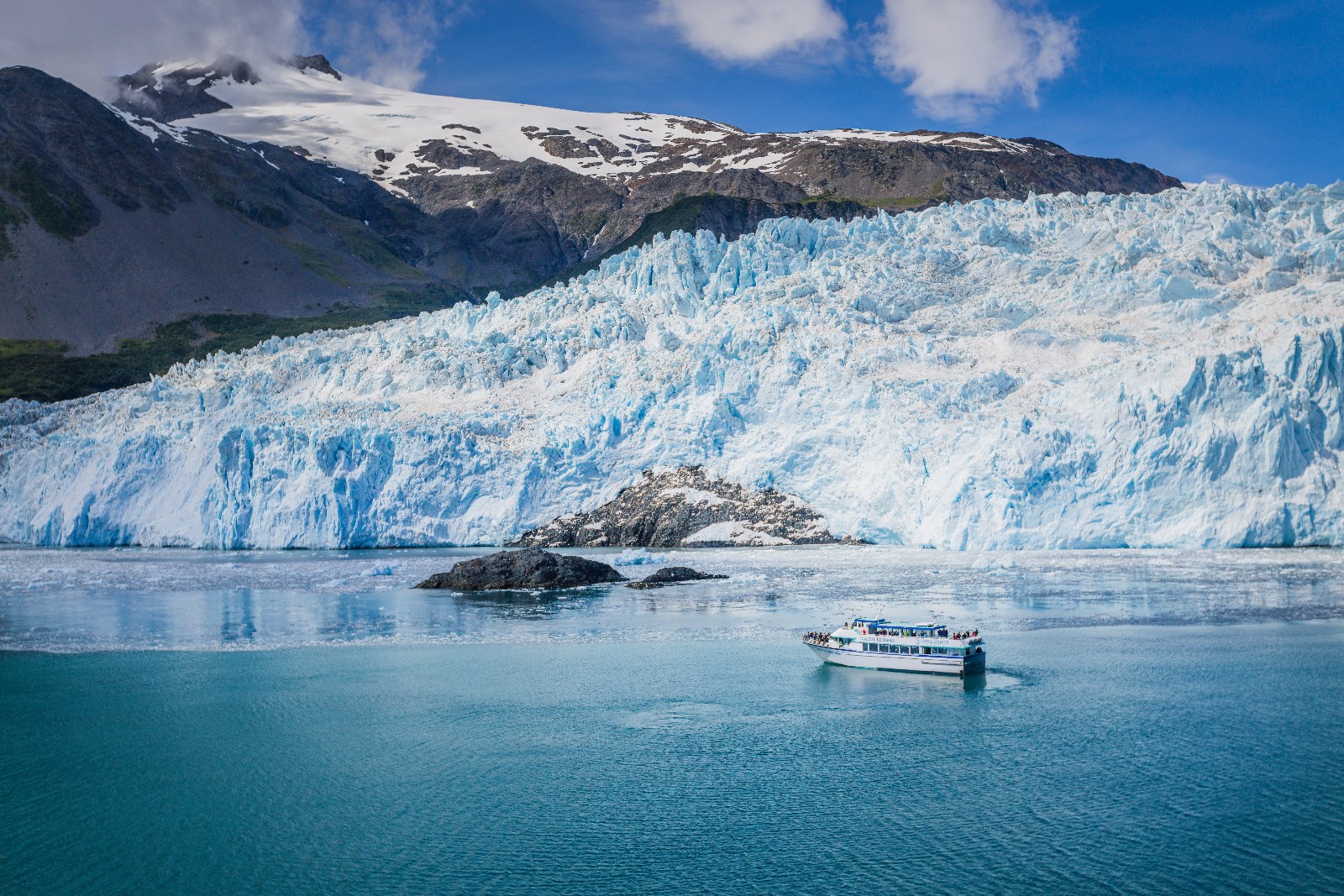
In Seward, boat tours head out into the fjords, where tidewater glaciers calve chunks of ice into the sea. Puffins, sea otters, Steller sea lions, and humpback and orca whales are common sightings, and the boats are the only way to see most of the park.
Exit Glacier is the part you can reach on land, with shuttles from Seward to the trailhead. The trail is lined with signs marking where the glacier’s edge stood in past years, and walking past them shows how far it has retreated. The Harding Icefield Trail climbs about 1,000 feet per mile to a view over a sheet of ice that feeds dozens of glaciers.
Biscayne National Park, Florida
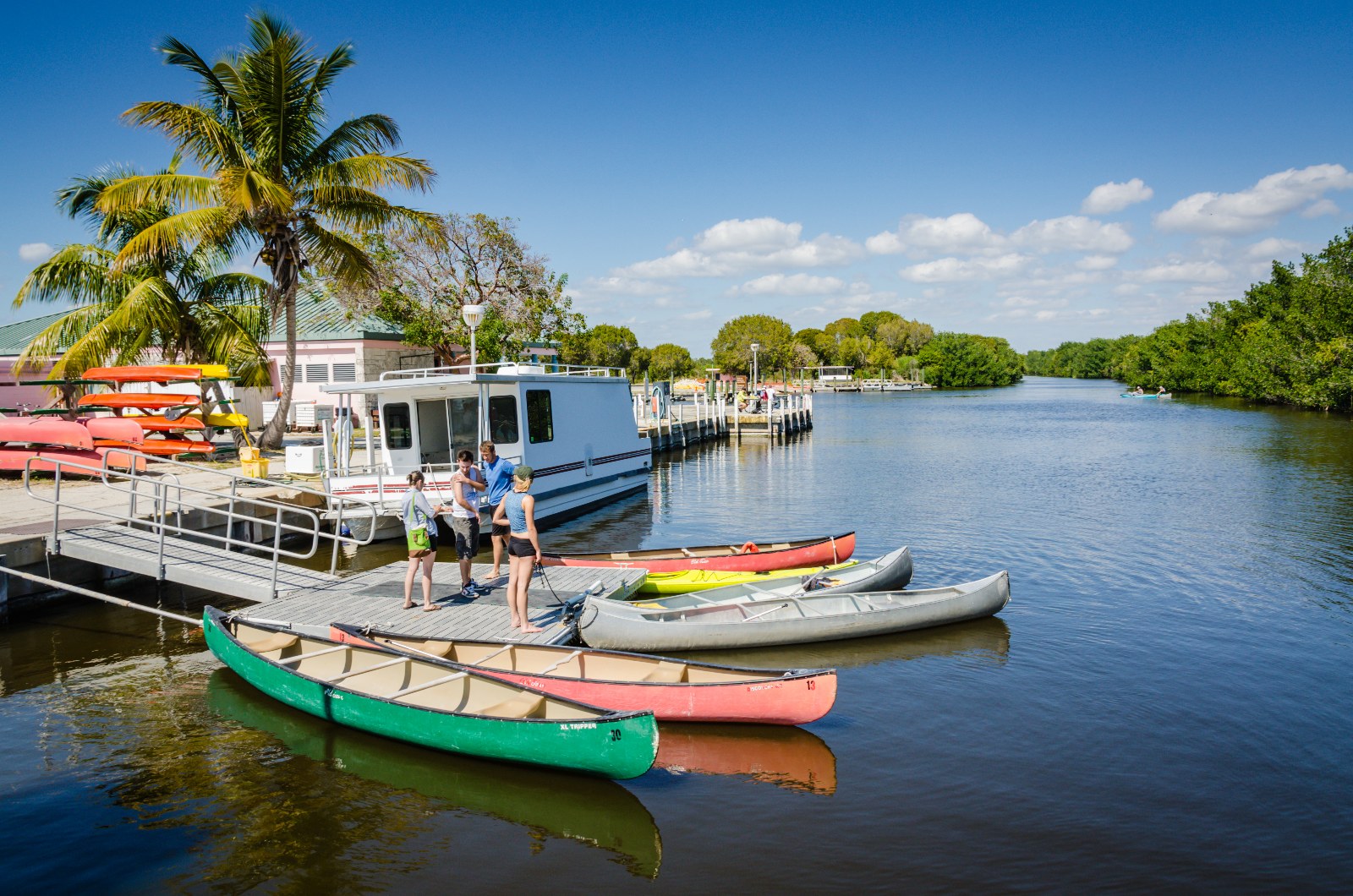
Around 95 percent of Biscayne is underwater, so the boat is the main event. The Biscayne National Park Institute runs boat, snorkel, and paddling trips from the Dante Fascell Visitor Center at Convoy Point.
Tours head to Boca Chita Key, with its ornamental lighthouse built in the 1930s by a wealthy owner who wanted the island to look impressive. Others explore the Maritime Heritage Trail, where shipwrecks rest in the shallows.
Getting there without a car is possible thanks to the free Homestead National Parks Trolley, which runs on weekends during the winter season and connects downtown Homestead to both Biscayne and Everglades. Miami-Dade Transit buses reach Homestead from Miami. Mangroves, coral reefs, and manatees fill the park’s waters, and snorkelers see parrotfish and sea turtles in the clear bay.