
Plenty of American cities were built facing the water and then spent a century turning their backs on it. Rivers got buried under pavement, canals filled with junk, and waterfronts became warehouse districts nobody visited on purpose. The good news is that the past few decades brought a slow, stubborn reversal, and a lot of downtowns have rediscovered the thing that put them on the map.
That shift changes how you see a place. From a deck, a city shows you its loading docks, its old mill races, and the backs of buildings that were designed to greet ships. You get the original front door.
Some of these spots offer full-blown harbor cruises, others a quiet paddle down a restored canal. Either way, you’ll leave knowing which city deserves a weekend where you barely touch the sidewalk.
Chicago, Illinois
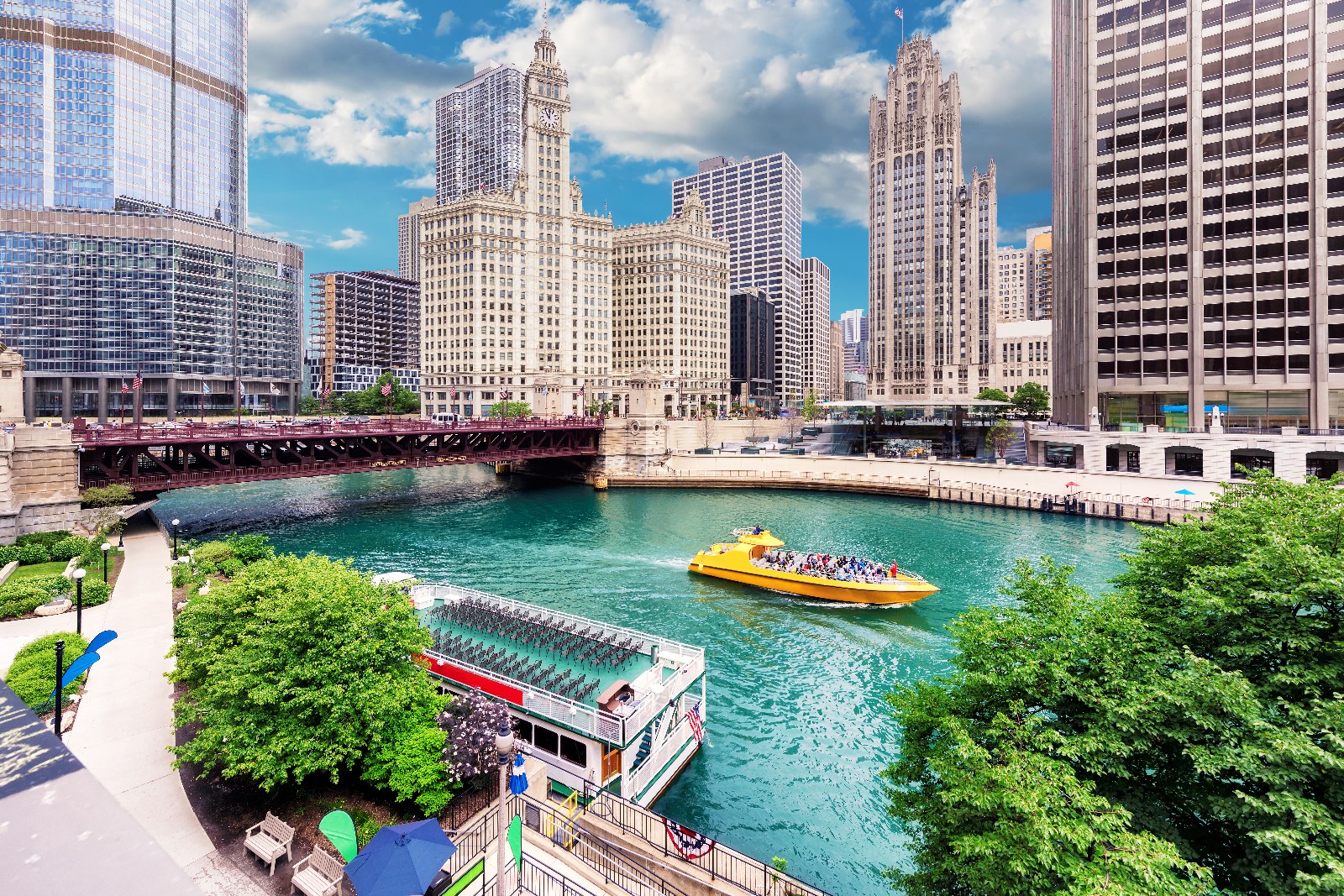
Chicago’s river runs backward, and the city did that on purpose. In 1900, engineers reversed the Chicago River’s flow so sewage would stop draining into Lake Michigan, the source of everyone’s drinking water. Neighbors downstate were thrilled, as you’d expect.
That same once-filthy river is now the best seat for the city’s famous skyline. The Chicago Architecture Center’s river cruise glides past more than 50 buildings in about 90 minutes, and guides cover everything from Art Deco towers to the glassy curve of 333 Wacker Drive, which mirrors the river’s bend.
For a cheaper ride, the Chicago Water Taxi links downtown to Chinatown and works fine for commuters and tourists alike. Come in mid-March and the river turns a shade of green that looks fake because it is: crews dye it for St. Patrick’s Day with a vegetable-based powder whose recipe stays a closely held secret.
Fort Lauderdale, Florida
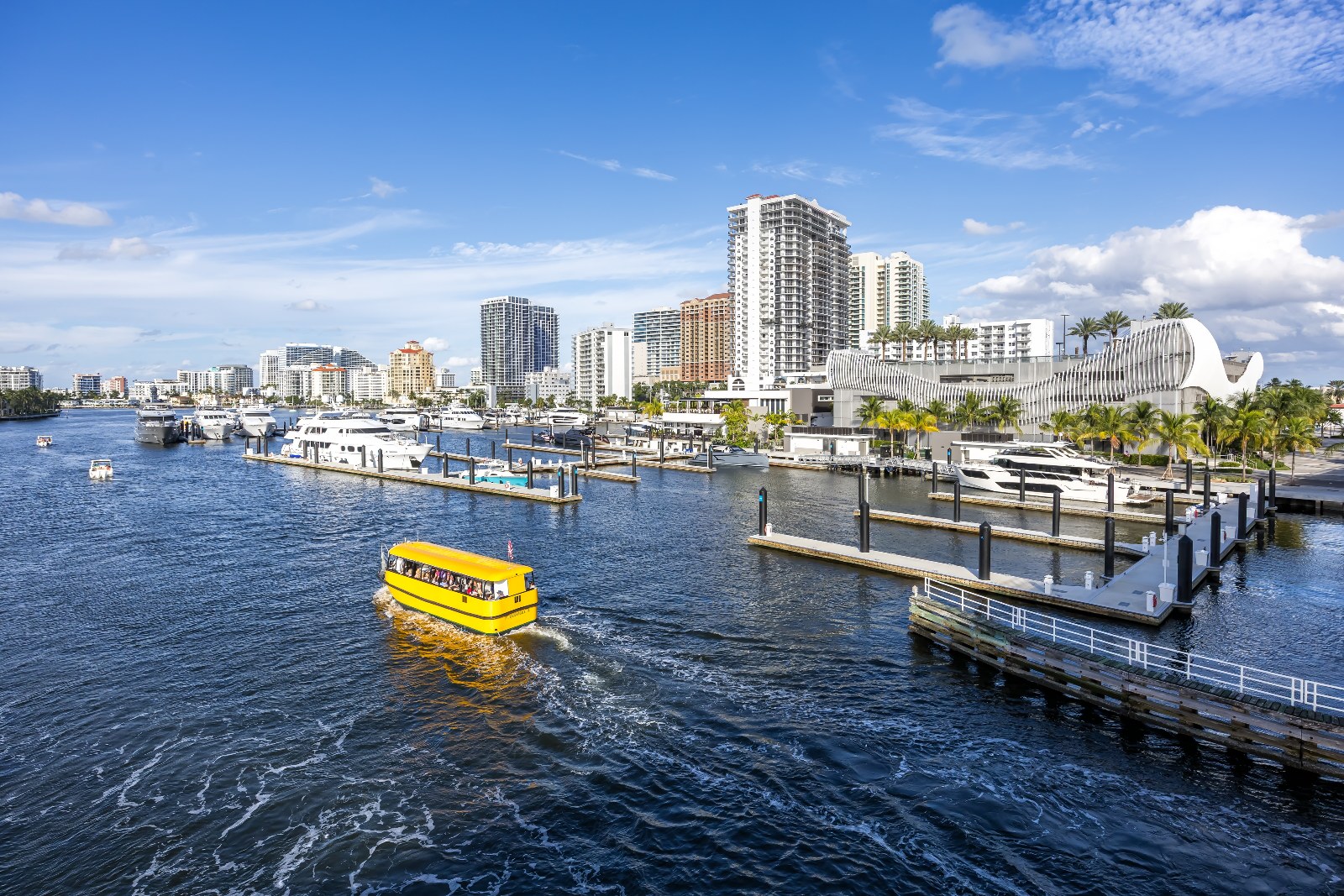
Fort Lauderdale calls itself the “Venice of America,” and with roughly 165 miles of inland waterways, the nickname holds up better than most civic boasts. Canals thread through neighborhoods where nearly every backyard has a dock and a boat worth more than the average house.
The Water Taxi turns that into a hop-on, hop-off tour. Its captains narrate as you pass the Las Olas Isles, and they love pointing out the celebrity mansions along the stretch locals call Millionaire’s Row. Day passes let you jump off for lunch on Las Olas Boulevard and reboard later.
If you prefer a bit of old Florida, the Jungle Queen riverboat has been cruising the New River since 1935. Its trips wind past waterfront estates to a private island, which makes for a funny contrast: yachts the size of office buildings on one bank, and a paddle-style tourist boat that predates most of them chugging by.
San Antonio, Texas
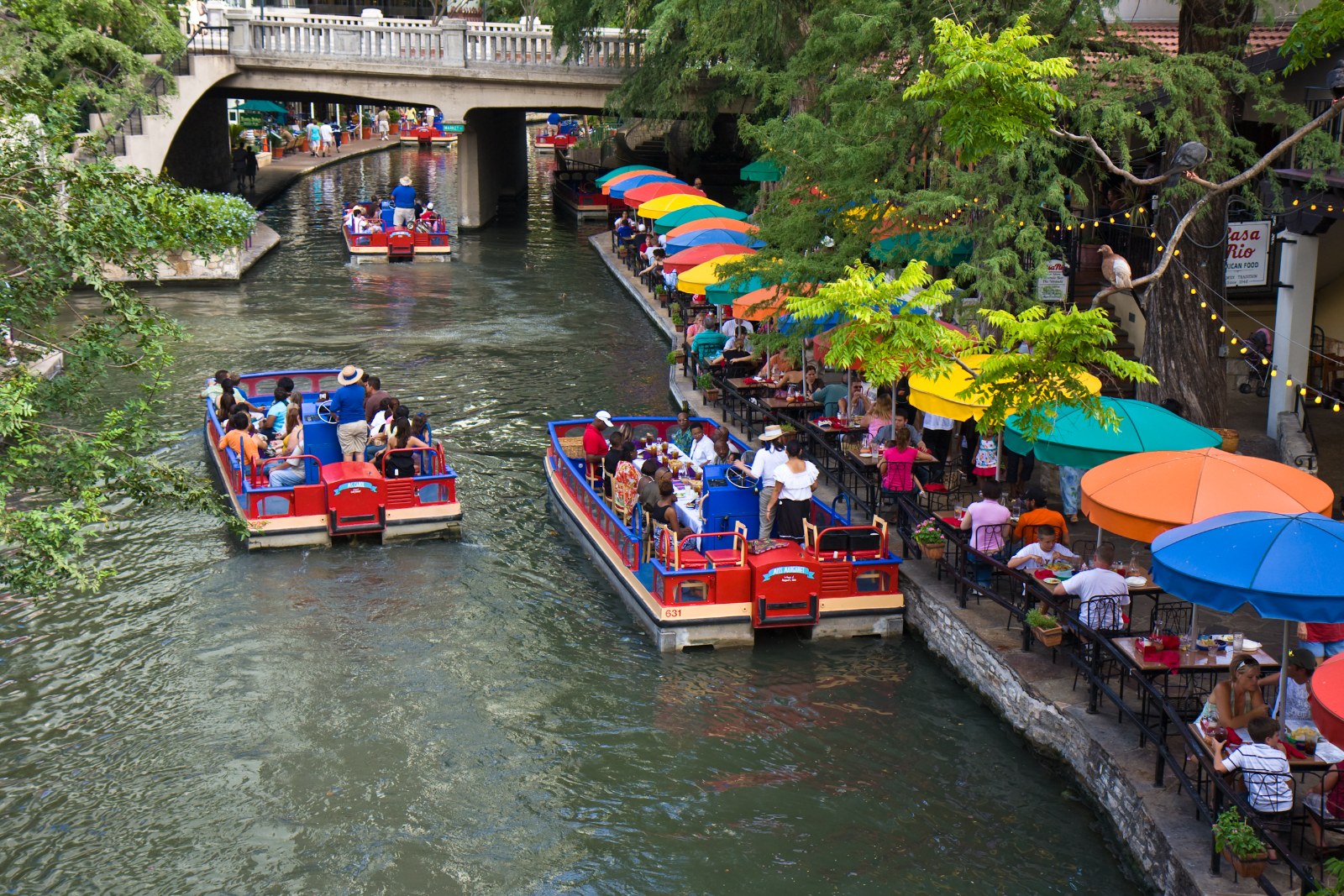
The River Walk exists because an architect refused to let a flood-control plan pave over the San Antonio River. After a deadly 1921 flood, officials considered turning the downtown bend into a covered storm sewer. Robert Hugman pitched a pedestrian river district instead in 1929.
His idea won, and Works Progress Administration crews built much of it in the late 1930s. The result sits a story below street level, so you drop down a staircase from traffic and land in a shaded, cypress-lined world with restaurants spilling onto the banks.
Go Rio river cruises take about 35 minutes and carry you past the Arneson River Theatre, where the audience sits on grass steps across the water from the stage. Boats also pass close enough to patio diners that you can judge their enchilada choices. During the holidays, thousands of lights hang over the water, and the boats run late into the evening.
Buffalo, New York
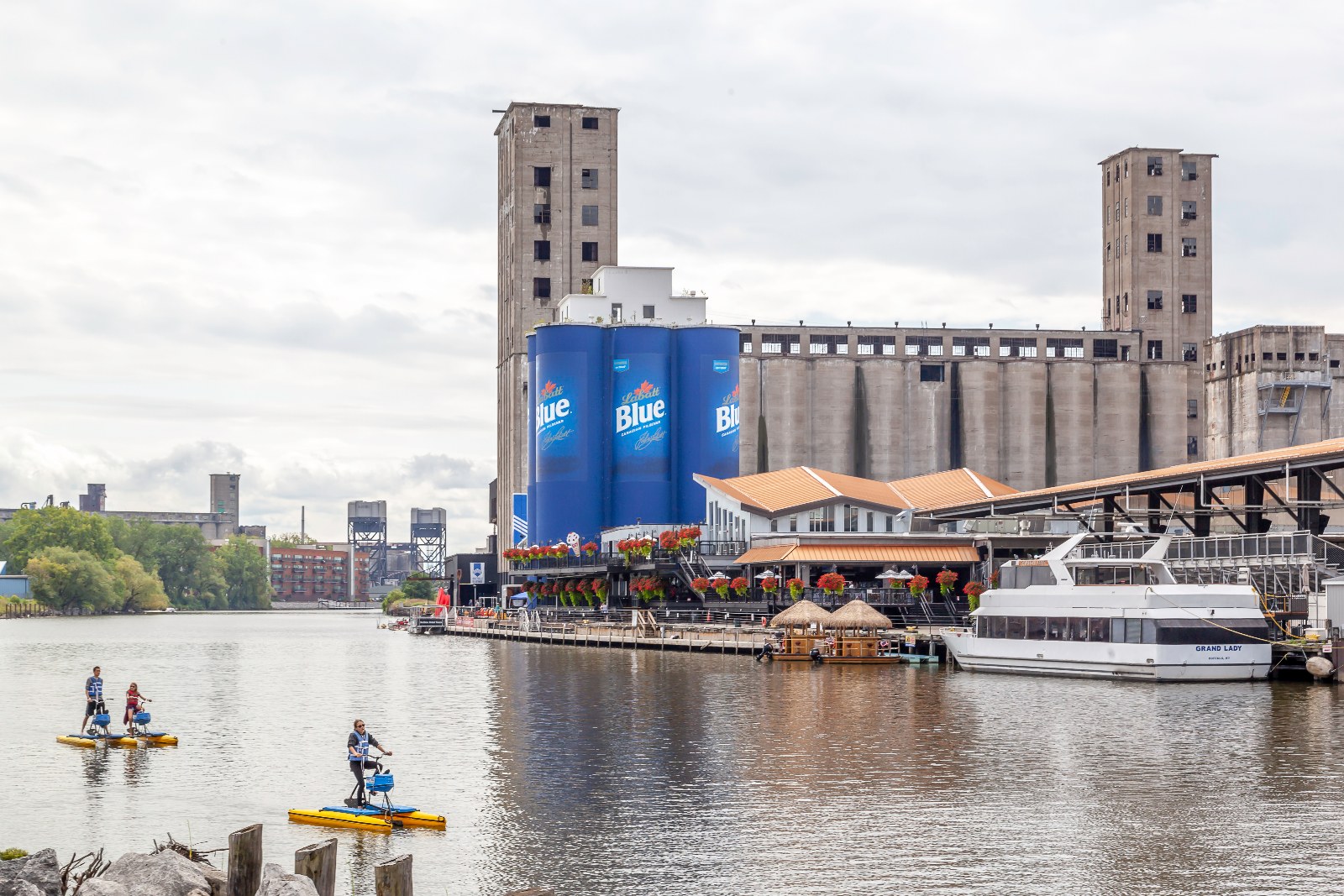
Buffalo boomed because it sat at the western end of the Erie Canal, which opened in 1825. Grain from the Midwest poured in by lake boat, and in 1842 a local merchant named Joseph Dart built the first steam-powered grain elevator to handle it.
Those elevators still loom over the Buffalo River like concrete cathedrals. Kayak and boat tours from Canalside drift right past them, and seeing a row of hundred-foot silos from water level gives you a sense of scale that photos flatten out. Silo City has even turned some into a venue for concerts and readings.
Canalside itself rebuilt the old canal terminus with replica slips and walkways. In summer you can rent pedal boats or join a narrated cruise out toward Lake Erie. In winter, part of the canal freezes into an outdoor skating rink, which is about as Buffalo a move as a city can make.
Augusta, Georgia
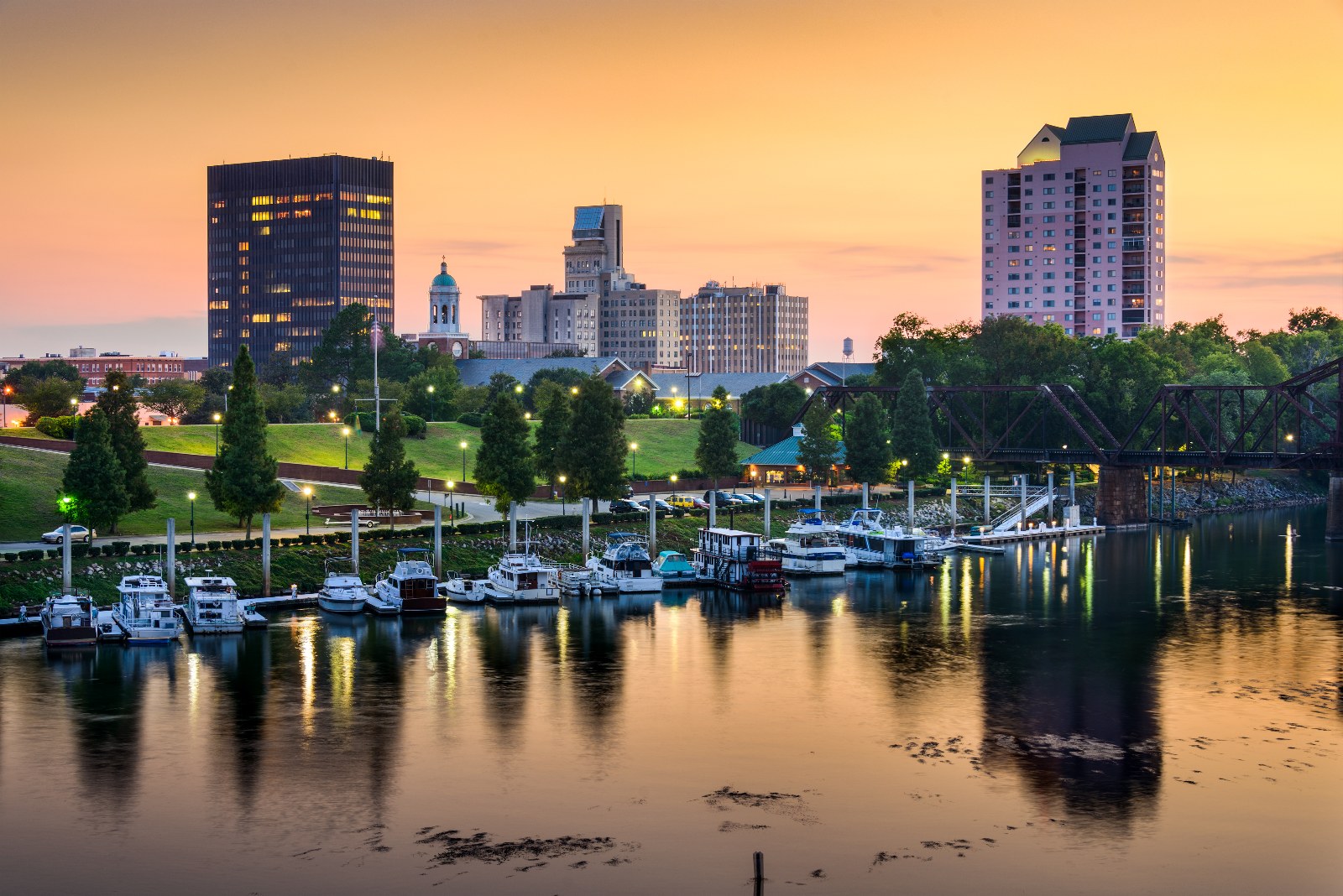
Augusta’s canal, built in 1845, powered the mills that made the city an industrial heavyweight, and few visitors know about it. Most people come for the Masters, then never wander a few blocks to the water that paid for the old downtown.
The Augusta Canal National Heritage Area runs Petersburg boat tours on flat-bottomed replicas of the cargo boats that once hauled cotton downriver. A guide tells the story while you float past the Sibley Mill, whose towering brick chimney is the last remnant of the Confederate Powder Works that stood on the site.
The canal is one of the few in the country still doing its original job, sending water to mills and the city’s water system. The 7-mile towpath works well for biking, and you can rent a kayak or canoe for the stretch. It’s a calmer kind of green than the one at the golf club.
Seattle, Washington
Seattle treats ferries as public transit, and Washington State Ferries runs the largest ferry system in the country. A crossing to Bainbridge Island takes about 35 minutes and gives you the city skyline, Mount Rainier on a clear day, and the occasional orca for the price of a cheap lunch.
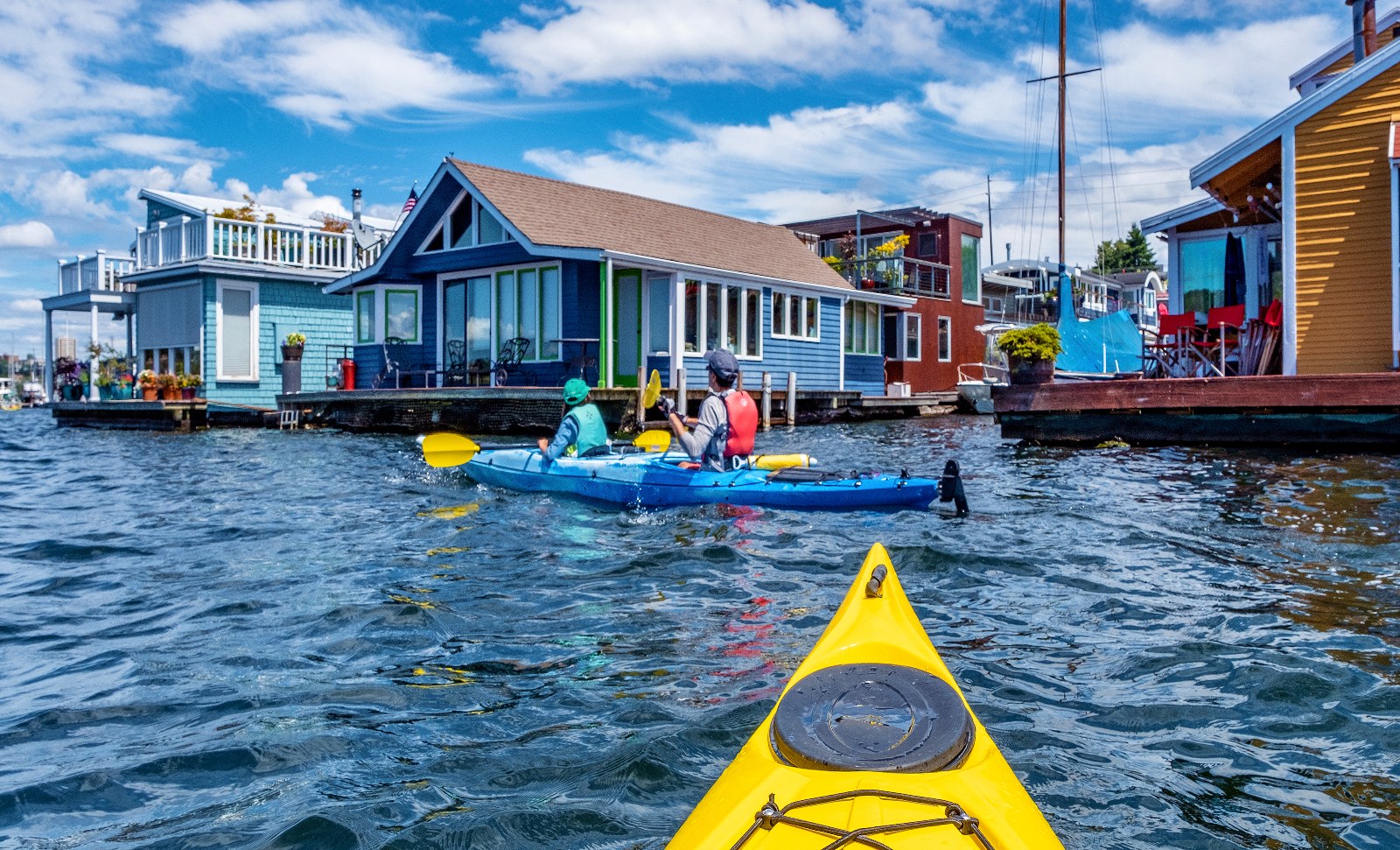
Closer in, Lake Union is where the houseboats live, including the one from “Sleepless in Seattle.” Rent a kayak or electric boat and you can paddle past floating homes with full gardens on their decks.
Then there are the Ballard Locks, which lift boats between saltwater Puget Sound and the freshwater lakes. Watching yachts and fishing boats rise and fall feels like a spectator sport here. On the south side, a fish ladder with underwater viewing windows lets you watch salmon climbing upstream in summer, looking about as tired as anyone heading home from work.
Duluth, Minnesota
Duluth sits at the far western tip of Lake Superior, which makes it the most inland freshwater port reachable by oceangoing ships. Vessels from Europe sail more than 2,000 miles from the Atlantic to dock here.
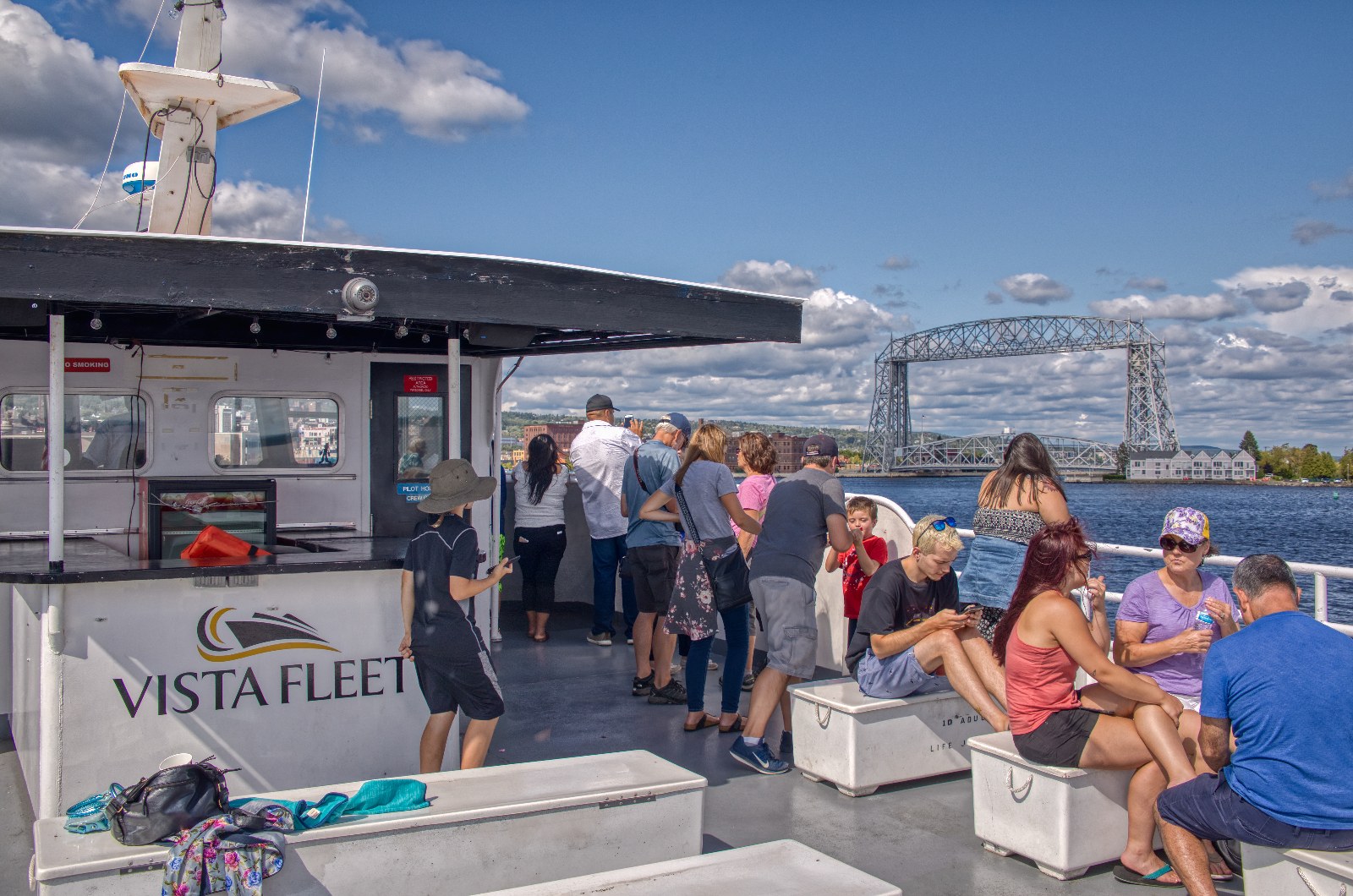
The star attraction is the Aerial Lift Bridge, whose deck rises straight up to let ships pass into the harbor. Locals and visitors line the canal to watch thousand-foot lakers glide through, and ship horns trade salutes with the bridge on the way in.
Vista Fleet harbor cruises give you a closer look, passing iron ore docks and grain terminals that keep the Duluth-Superior port among the busiest on the Great Lakes. Bring a jacket even in July. Lake Superior stays cold enough year-round that the breeze off the water can drop the temperature by 20 degrees, and people in Duluth seem to consider that a feature.
Pittsburgh, Pennsylvania
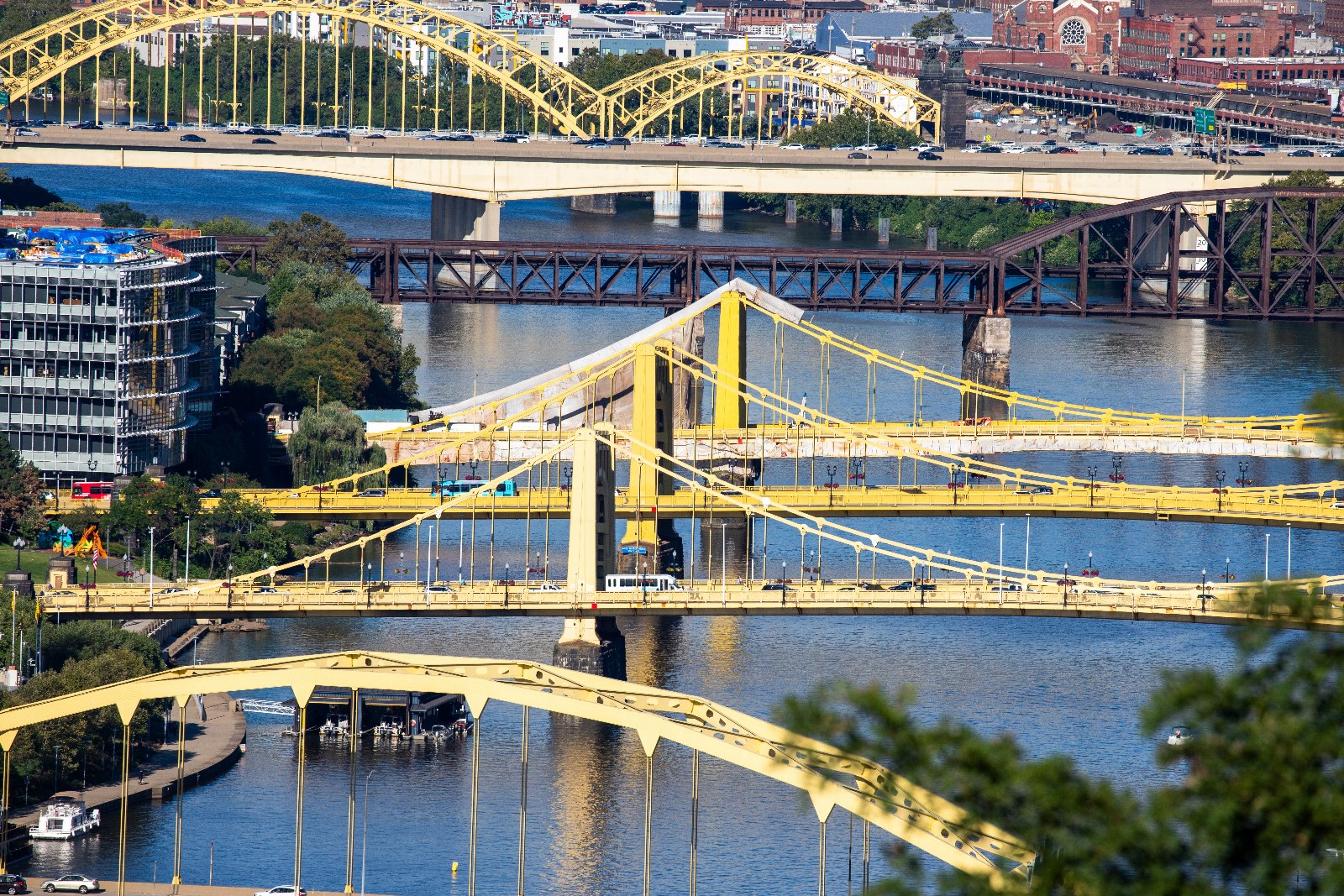
Pittsburgh has 446 bridges, a number the city mentions every chance it gets, partly because it beats Venice. They exist because the Allegheny and Monongahela rivers meet downtown to form the Ohio, carving the city into hills and peninsulas.
The Gateway Clipper Fleet has been running cruises on those rivers since 1958, with sightseeing trips and dinner cruises that pass under several of the yellow-painted bridges. Seen from the water, the skyline pops into view all at once, which is also how it hits drivers coming out of the Fort Pitt Tunnel.
Kayak Pittsburgh rents boats right under the Roberto Clemente Bridge near PNC Park. On a game night, paddlers float in the Allegheny waiting for home run balls to clear the stands and land in the river. A few have caught them, and the rest get a pleasant evening on the water regardless.
St. Augustine, Florida
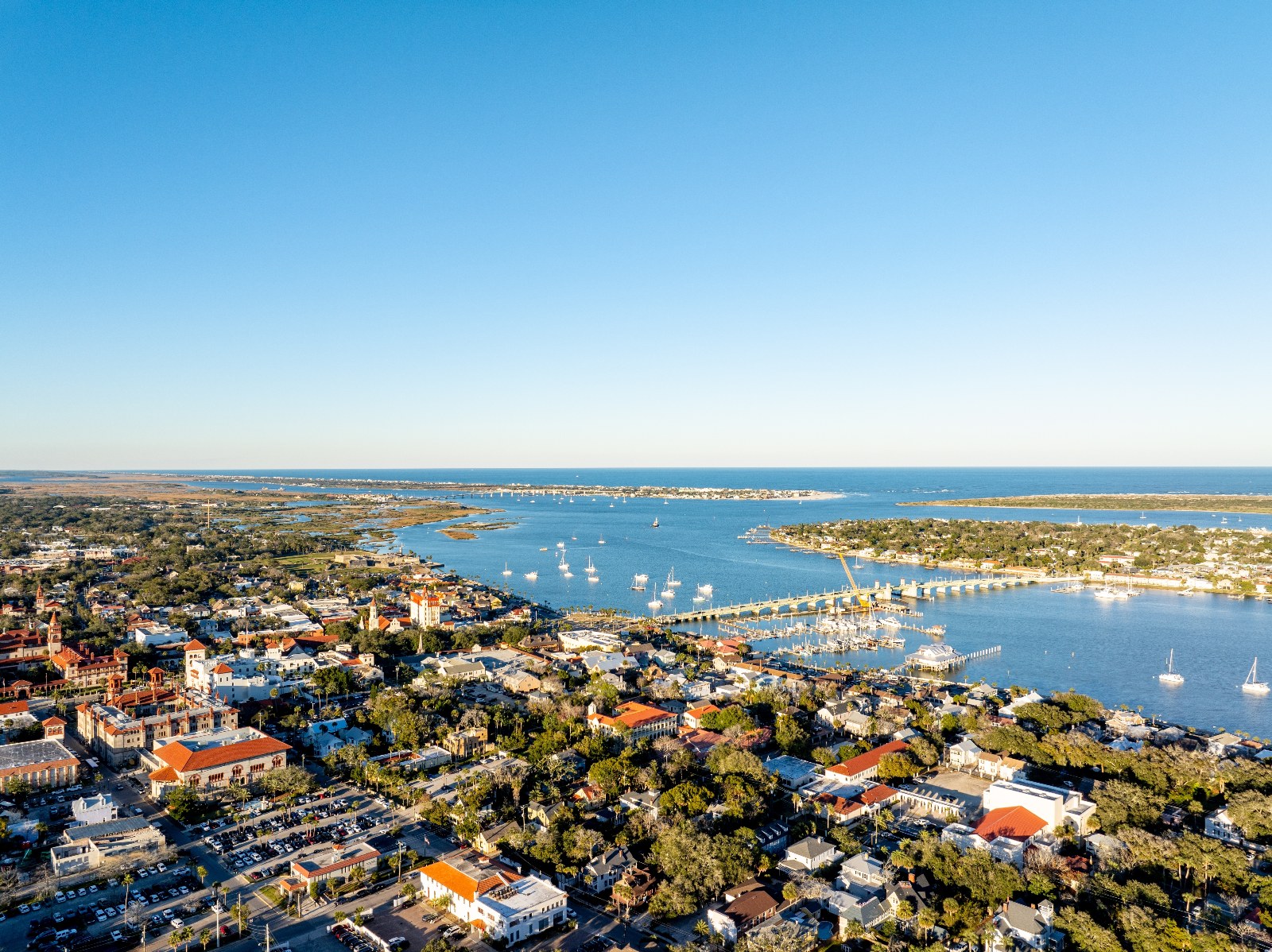
St. Augustine was founded by the Spanish in 1565, making it the oldest continuously inhabited European-founded city in the continental United States. The Spanish chose the spot for its harbor, and the harbor brought trouble: Sir Francis Drake raided and burned the town in 1586.
Pirate-themed cruises lean into that history with costumed crews and cannon fire. If you prefer your sailing less theatrical, the schooner Freedom takes small groups out on the Matanzas River under canvas, with the coquina walls of the Castillo de San Marcos sliding by.
The Castillo, finished in 1695, was built from a local stone made of compressed shells. Cannonballs sank into the soft walls instead of shattering them. From the water, you also get a full view of the Bridge of Lions, where two marble lions guard the approach and draw more photos than most of the town’s 400-year-old buildings.
Milwaukee, Wisconsin
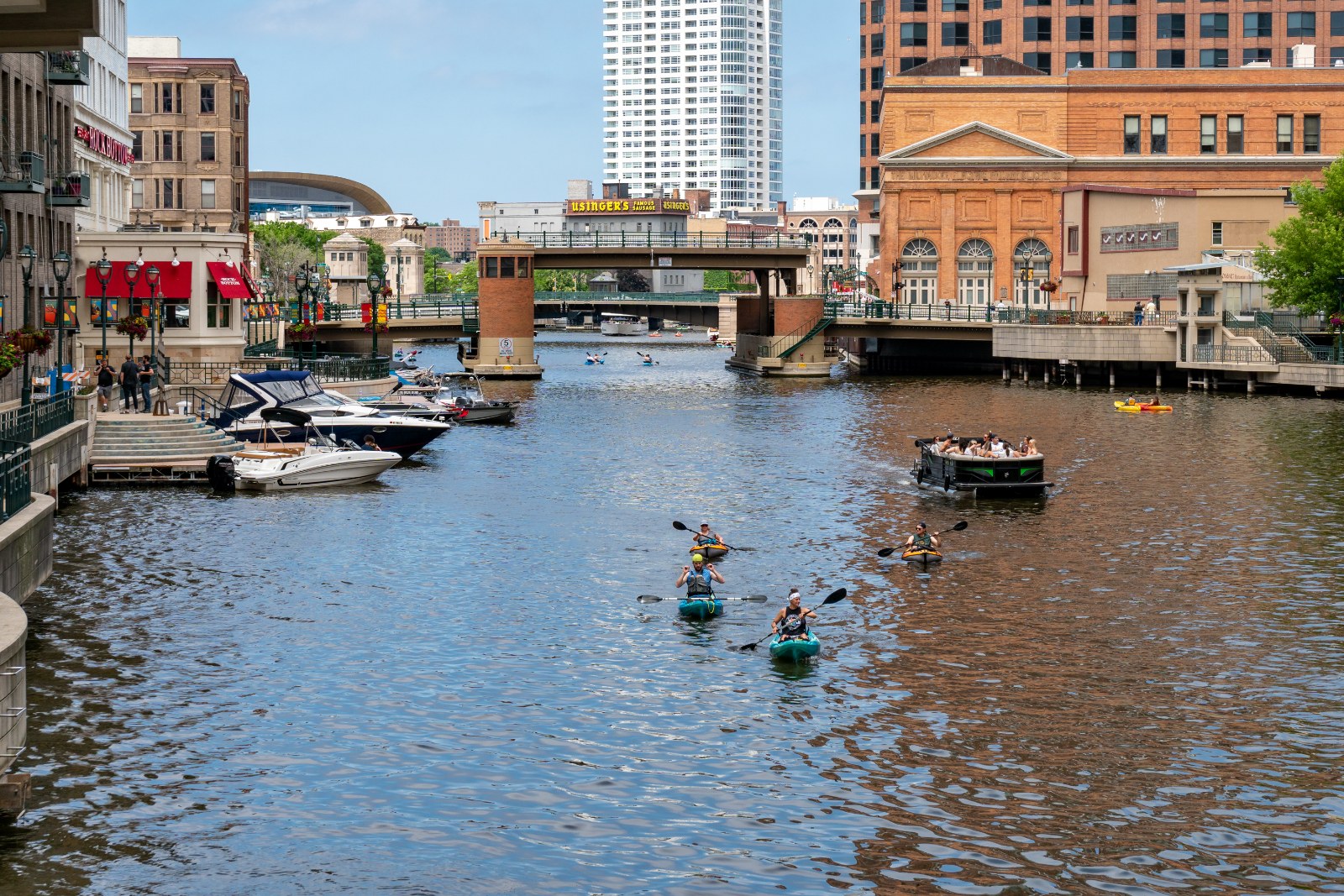
Milwaukee has three rivers, the Milwaukee, the Menomonee, and the Kinnickinnic, all converging before they reach Lake Michigan. The city spent decades connecting their banks with a RiverWalk that now runs about 3 miles through downtown, the Historic Third Ward, and the Beerline area.
Since this is Milwaukee, many boat tours involve beer. Narrated cruises float past old brewery and tannery buildings, and some stop at taprooms along the river. You can also rent kayaks or a small electric boat and pilot yourself around downtown.
Keep an eye on the RiverWalk for the Bronze Fonz, a statue of Arthur Fonzarelli from “Happy Days,” which was set in Milwaukee. He gives a permanent thumbs-up to every passing boat. For bigger water, head out to the lake for a sail or a look at the Milwaukee Art Museum, whose wing-like sunscreen opens and closes over the shoreline.
Oklahoma City, Oklahoma
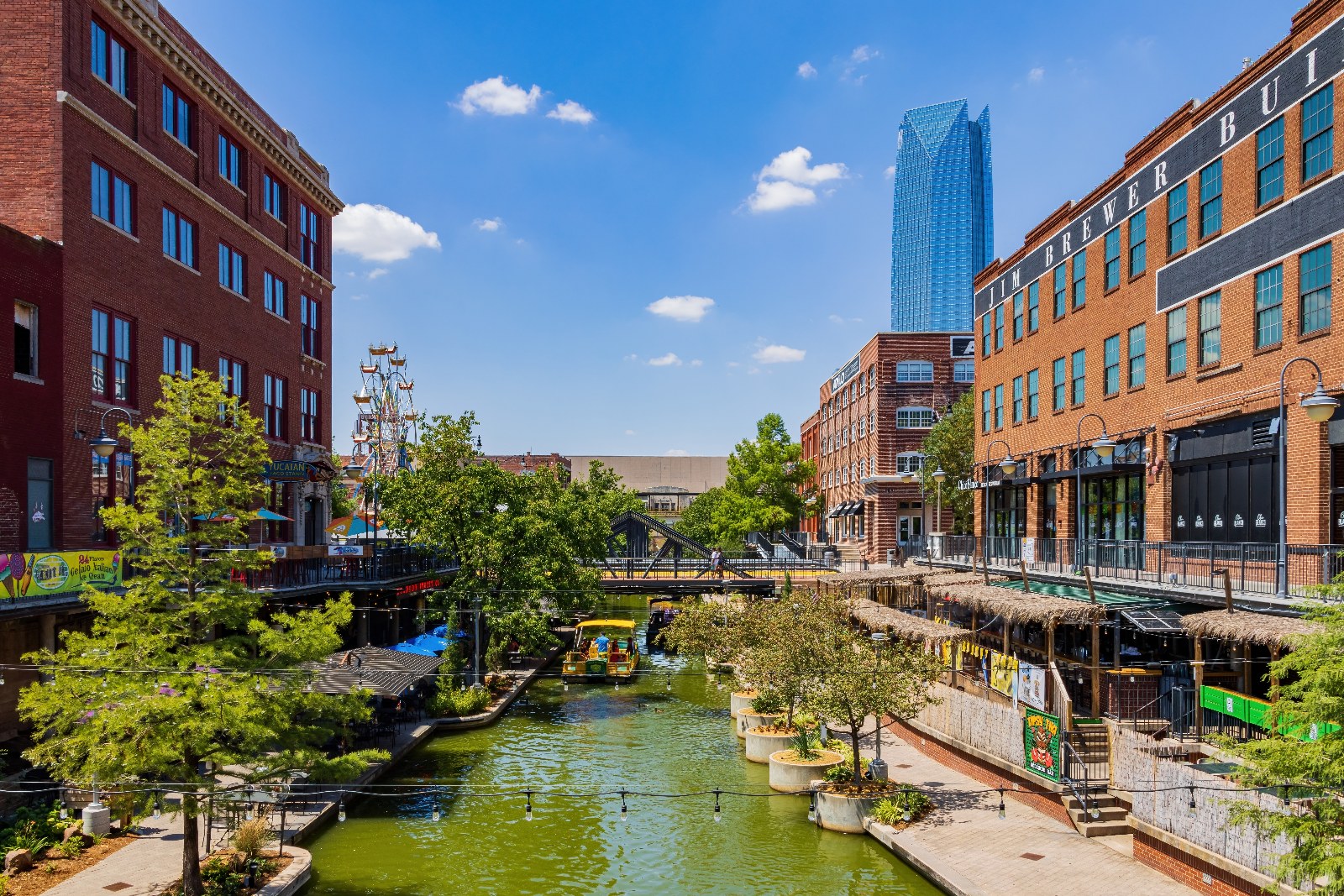
A landlocked city in the middle of the Plains built its own canal, and it works. The Bricktown Canal opened in 1999 as part of a voter-approved downtown revival program, and it runs about a mile through the old warehouse district.
Water taxis loop the canal with drivers who narrate city history and toss in jokes about the weather. The ride is short and inexpensive, and it passes restaurants, the minor league ballpark, and a sculpture series depicting the Oklahoma Land Run.
A few minutes away, the Oklahoma River has been turned into a serious paddling destination. The Riversport complex hosts rowing and kayak races, and U.S. national teams train there. You can try a stand-up paddleboard or kayak yourself, then visit the complex’s whitewater center, an artificial rapids course built in a state better known for tornadoes than rafting.
New Orleans, Louisiana
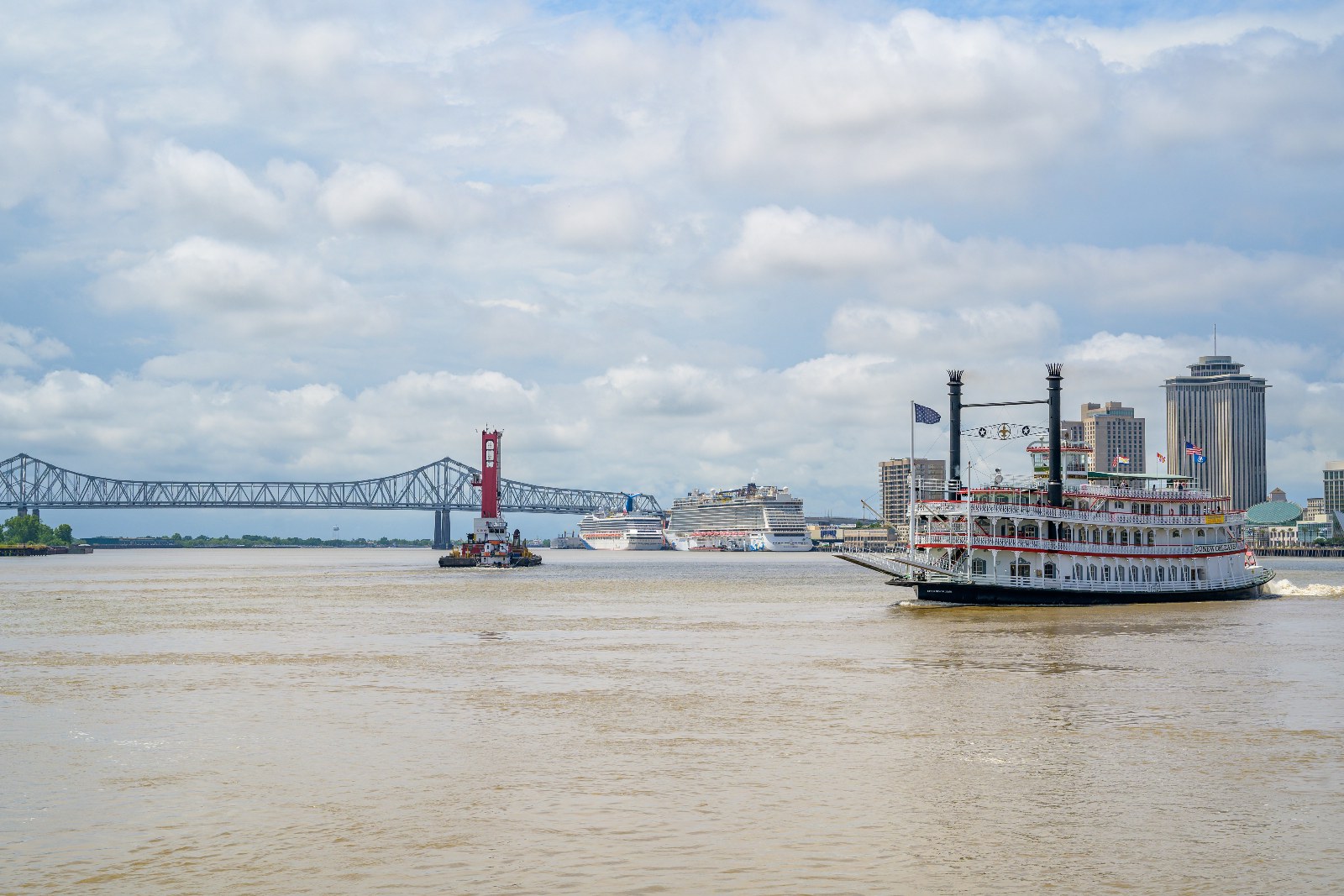
New Orleans owes its existence to the Mississippi River, and the Steamboat Natchez is the classic way to see it. The paddlewheeler departs from the French Quarter, and before it leaves, someone plays its steam calliope, a pipe organ powered by boiler steam that you can hear across half the Quarter.
Jazz cruises on the Natchez last a couple of hours and give you a view of the river’s tight bends, the reason the city’s nickname is the Crescent City. For a cheaper ride, the Algiers ferry crosses to a quieter neighborhood of shotgun houses and levee paths.
Swamp tours outside the city head into bayous thick with cypress, Spanish moss, and alligators that guides lure close with marshmallows. Closer to Mid-City, Bayou St. John offers kayak rentals. That bayou once served as a shortcut for traders between Lake Pontchartrain and the river, and today it mostly hosts paddlers and herons.
Providence, Rhode Island
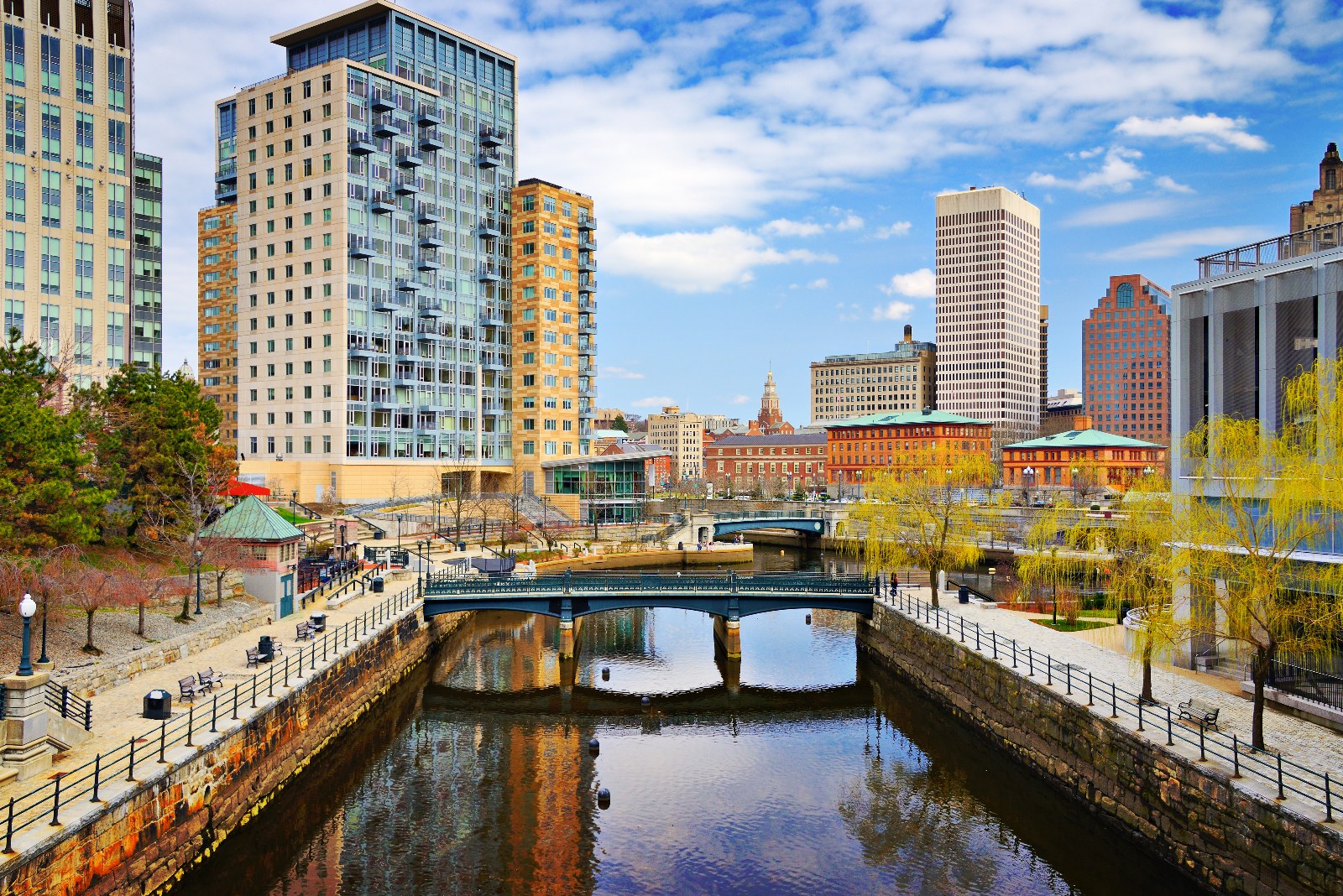
Providence’s downtown rivers were once paved over so thoroughly that a stretch of road was listed as one of the widest bridges in the world. In the 1980s and 1990s the city tore up the concrete, moved the rivers, and built walkways along them.
Then an artist named Barnaby Evans lit a row of bonfires on the water in 1994, and WaterFire was born. Braziers along the river burn after dark on select nights, with music playing and volunteers in boats tending the flames.
You can watch from shore, but a gondola ride puts you right among the fires. La Gondola Providence runs Venetian-style boats with gondoliers who row, sometimes sing, and dodge the fire-tending boats. On non-WaterFire nights the rivers are quieter, and kayaks and small cruises let you see the Italian-style bridges and Waterplace Park basin at your own pace.
San Francisco, California
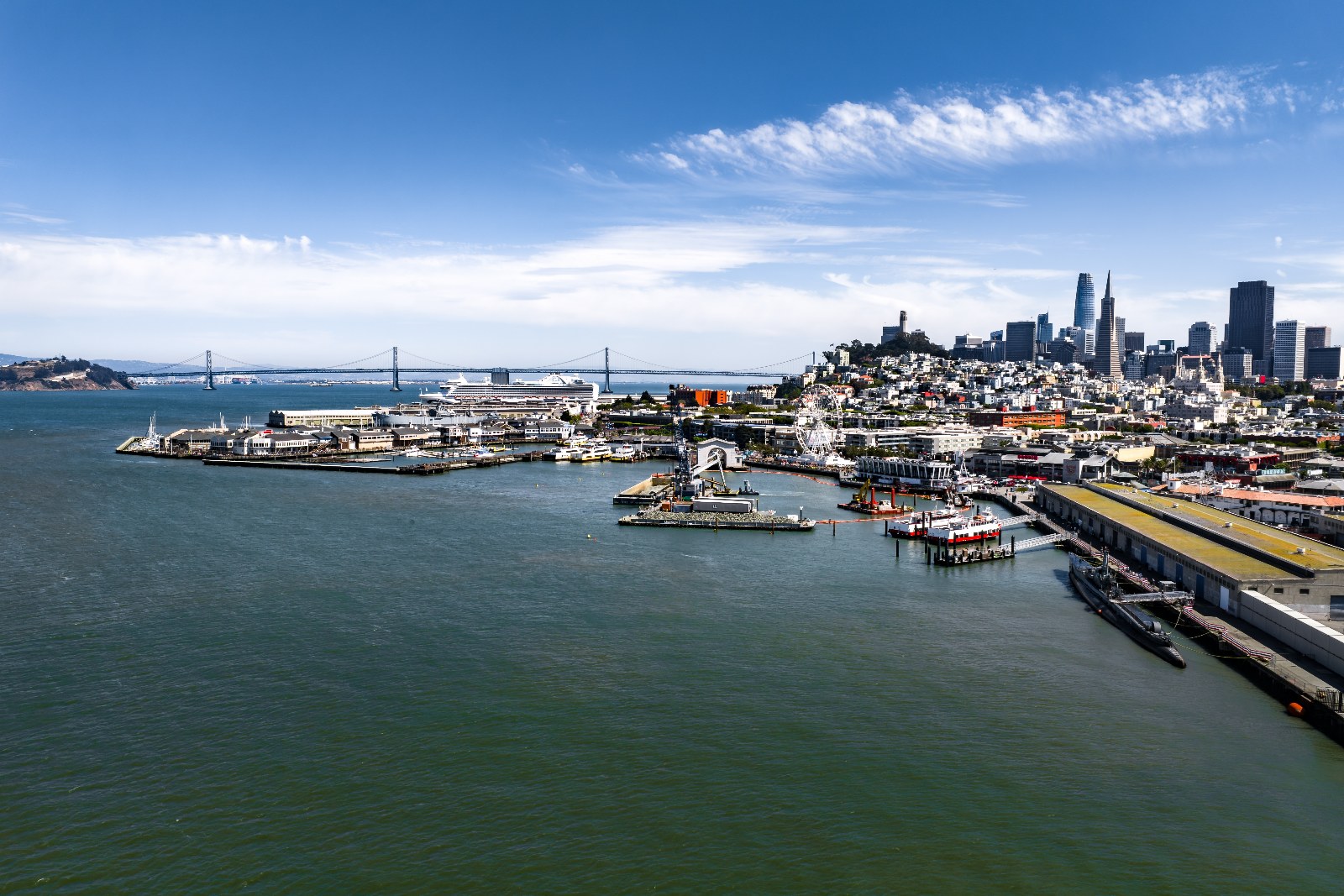
San Francisco Bay hosts one of the most popular boat rides in the country, and it goes to a prison. Ferries to Alcatraz leave from Pier 33 and sell out days or weeks ahead, so book early.
Bay cruises from Fisherman’s Wharf sail under the Golden Gate Bridge, which gives you a look up at the orange towers while wind does unflattering things to your hair. The sea lions at Pier 39 will bark at you on the way out, as they’ve done since they took over the docks in 1990.
For a commuter-style trip, catch a ferry from the Ferry Building to Sausalito or Larkspur. The ride across the bay costs far less than a tour, and Sausalito’s waterfront has its own floating houseboat community. Before you leave, wander the Ferry Building’s marketplace, where the oysters and sourdough make the wait for your boat go by fast.
Frankenmuth, Michigan
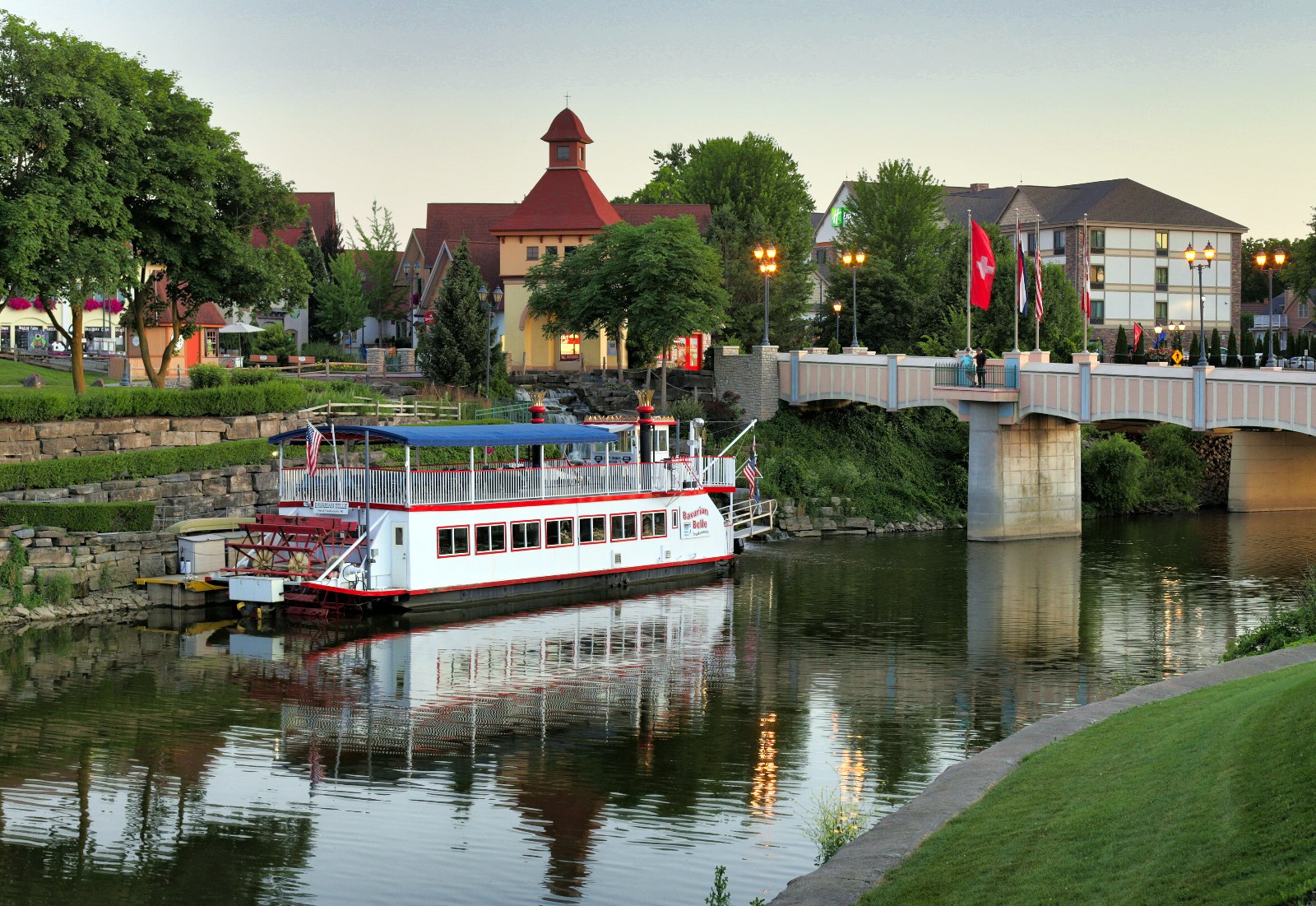
Frankenmuth is a town of about 5,000 people that looks like it was airlifted from Bavaria. German immigrants settled it in 1845, and the town later leaned hard into the theme, with timber-framed buildings and a glockenspiel tower.
The Bavarian Belle, a paddlewheel riverboat, cruises the Cass River through town. The narrated ride lasts about 45 minutes and passes the covered wooden bridge, gardens, and buildings that look straight out of a Christmas card.
That festive look has a source. Bronner’s Christmas Wonderland bills itself as the world’s largest Christmas store, and it stays open nearly every day of the year. After your cruise, the other local ritual is family-style fried chicken at Zehnder’s or the Bavarian Inn, two restaurants across the street from each other that serve hundreds of thousands of chicken dinners a year combined. Arrive hungry and expect a crowd.
Richmond, Virginia
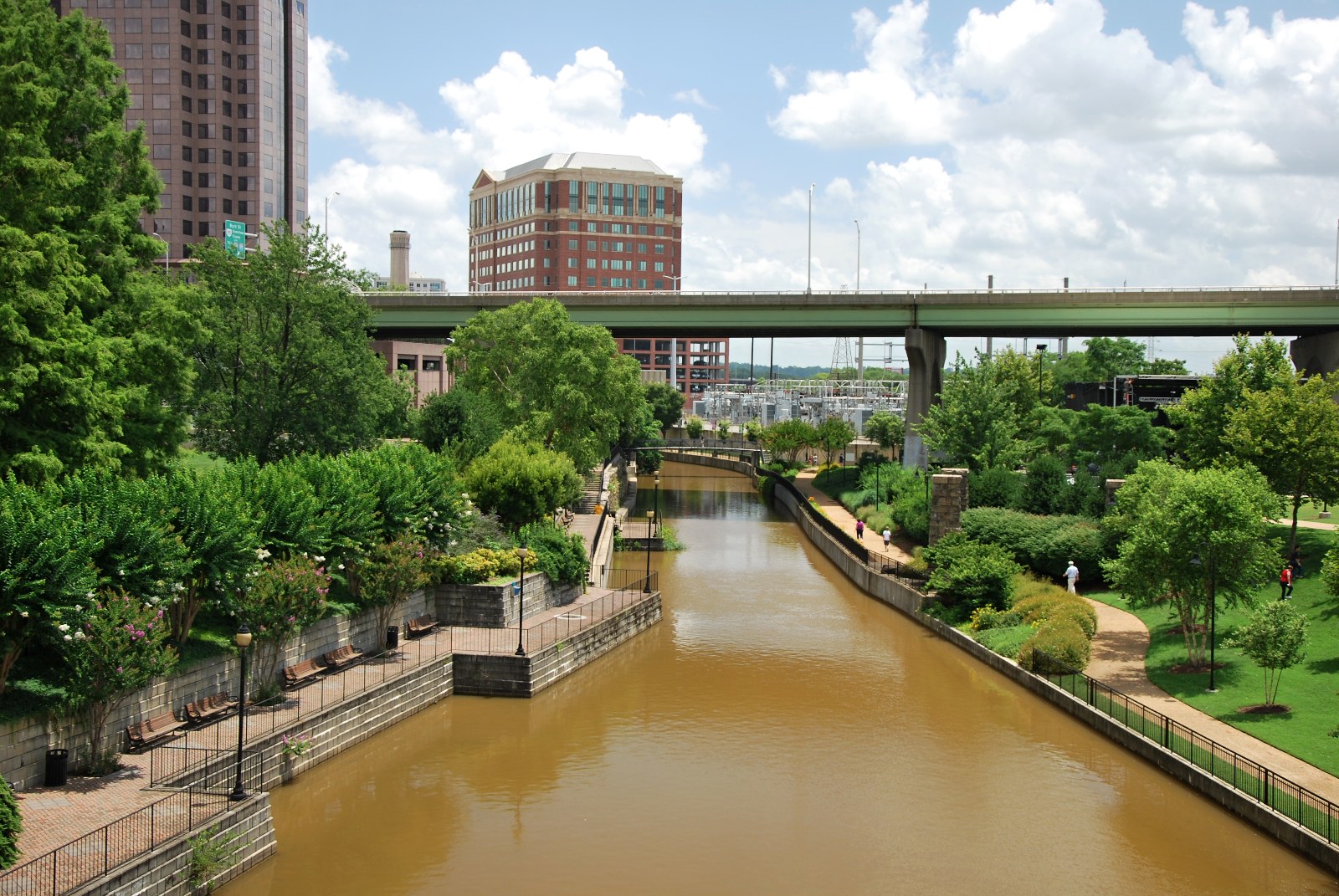
Richmond is one of the only U.S. cities with Class IV whitewater rapids flowing right through downtown. The James River tumbles over a fall line here, and rafting outfitters run trips that put you in serious rapids with office buildings in view.
A gentler option sits a few blocks away on the Canal Walk. Riverfront Canal Cruises takes visitors on narrated trips along the Haxall Canal, part of a canal system George Washington pushed for in the 1780s to connect the James River to the west.
The cruise covers Richmond’s history, including the city’s role as Confederate capital and its slave trade, in about 40 minutes. On land, Belle Isle sits in the middle of the river, and you can walk there on a suspension footbridge hanging below a highway bridge. Locals sunbathe on the flat rocks in summer while kayakers bounce through the rapids nearby.
New York City, New York
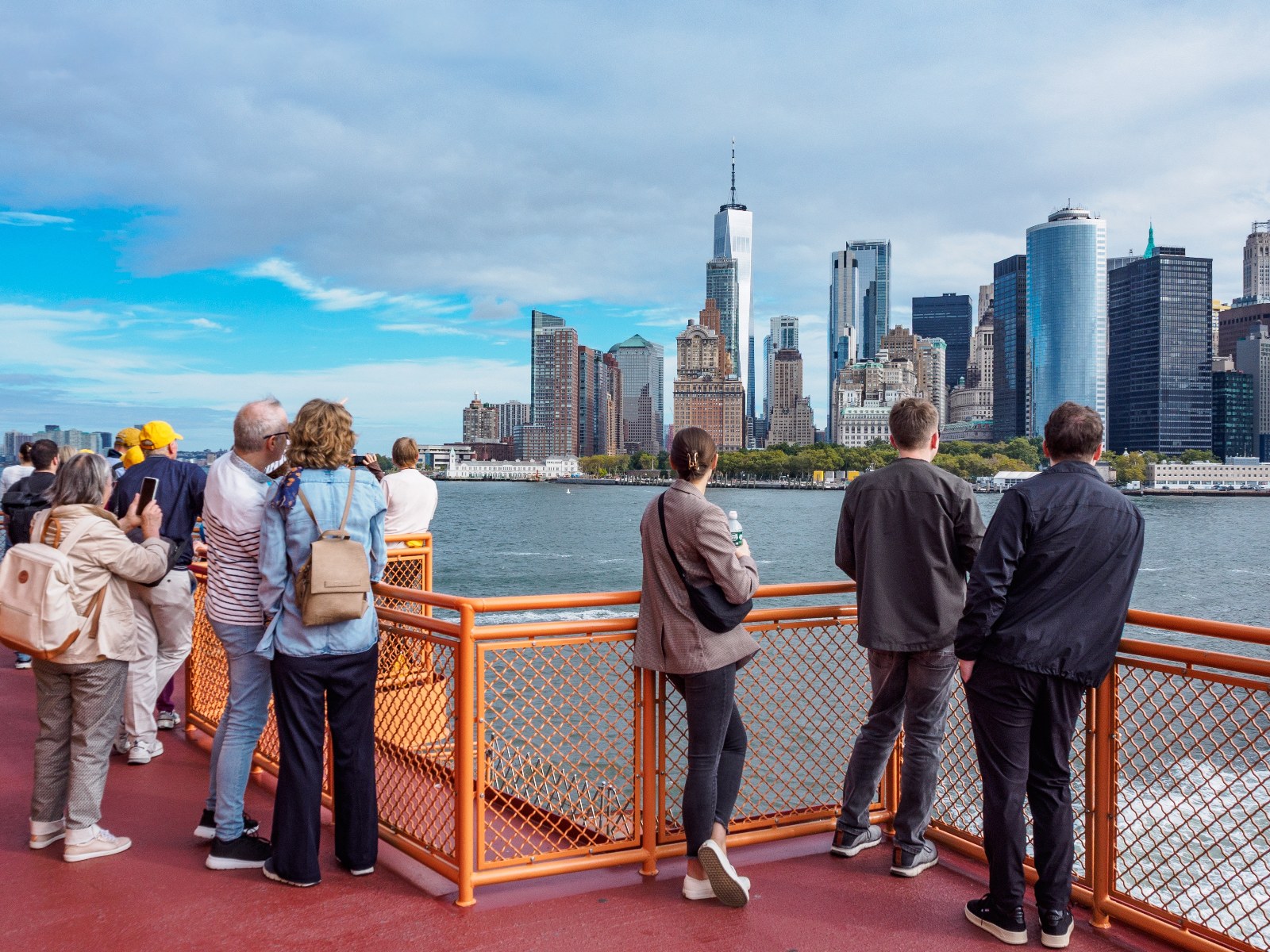
The best boat ride in New York costs nothing. The Staten Island Ferry runs 24 hours a day between Lower Manhattan and Staten Island, and its 25-minute trip passes close enough to the Statue of Liberty for a decent photo.
NYC Ferry routes connect Manhattan to Brooklyn, Queens, and the Bronx for the price of a subway fare. The East River route gives you a skyline view most residents see only when they have guests in town.
For something longer, Circle Line has been circling Manhattan since 1945. Its full island cruise takes about two and a half hours and passes under more than 20 bridges. If you want to row yourself, the Downtown Boathouse offers free walk-up kayaking on the Hudson in summer. Paddling a short loop with ferries and the Manhattan skyline around you is a strange and memorable way to spend a Saturday morning.
Wilmington, North Carolina
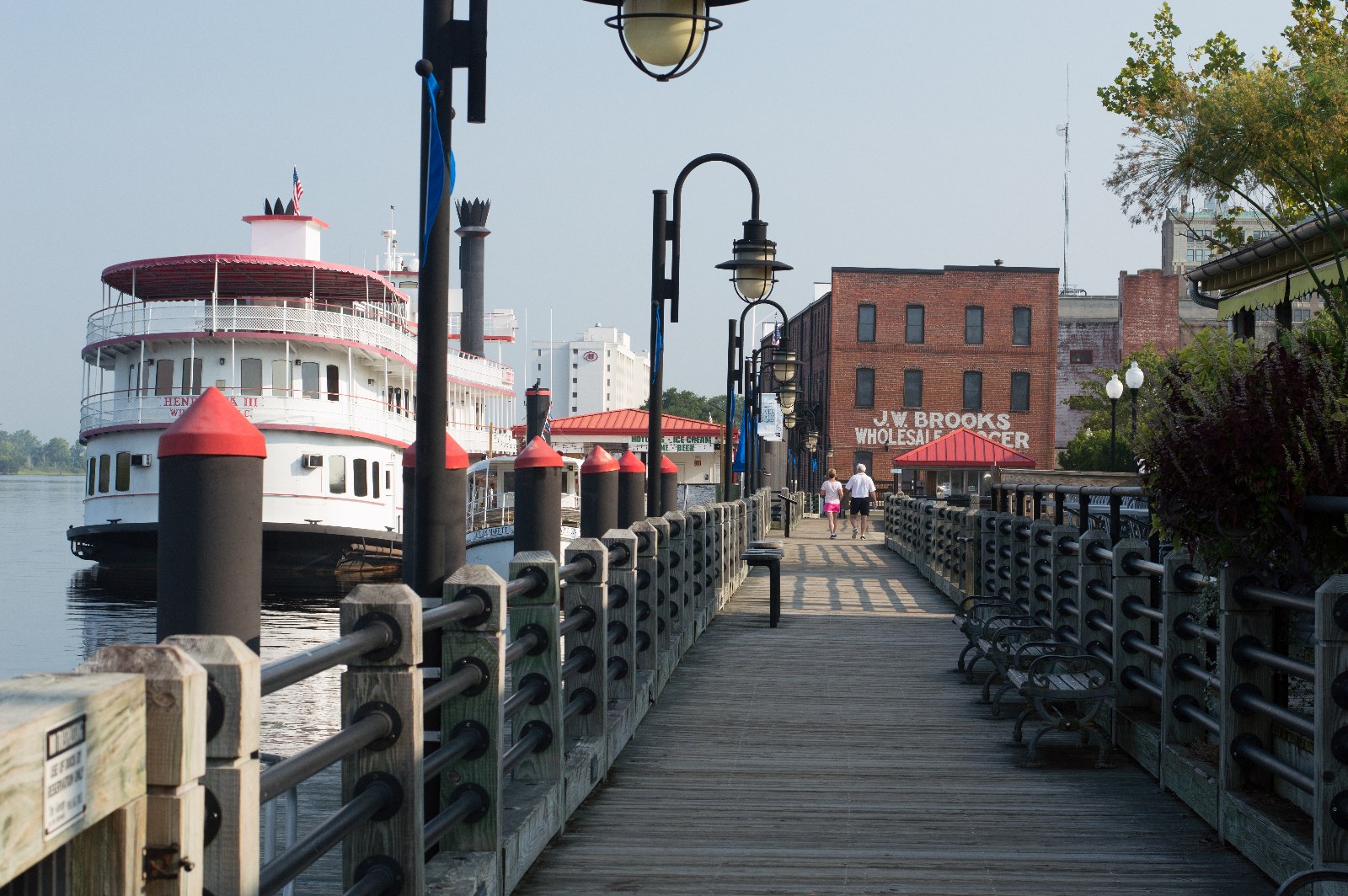
A World War II battleship sits across the Cape Fear River from downtown Wilmington, and you can reach it by boat. The USS North Carolina fought in every major naval offensive in the Pacific and now operates as a museum.
The Riverwalk runs along the downtown waterfront for close to 2 miles, lined with restaurants and shops. Narrated riverboat cruises leave from here and cover the river’s history as a port, from colonial times to Civil War blockade runners slipping in and out to supply the Confederacy.
Wilmington is also a short drive from beach towns like Wrightsville Beach, where you can rent a kayak or paddleboard on the Intracoastal Waterway. The city has hosted so many film and TV productions that locals call it “Wilmywood,” so don’t be surprised if a riverfront street looks familiar from a show you binged.
Annapolis, Maryland
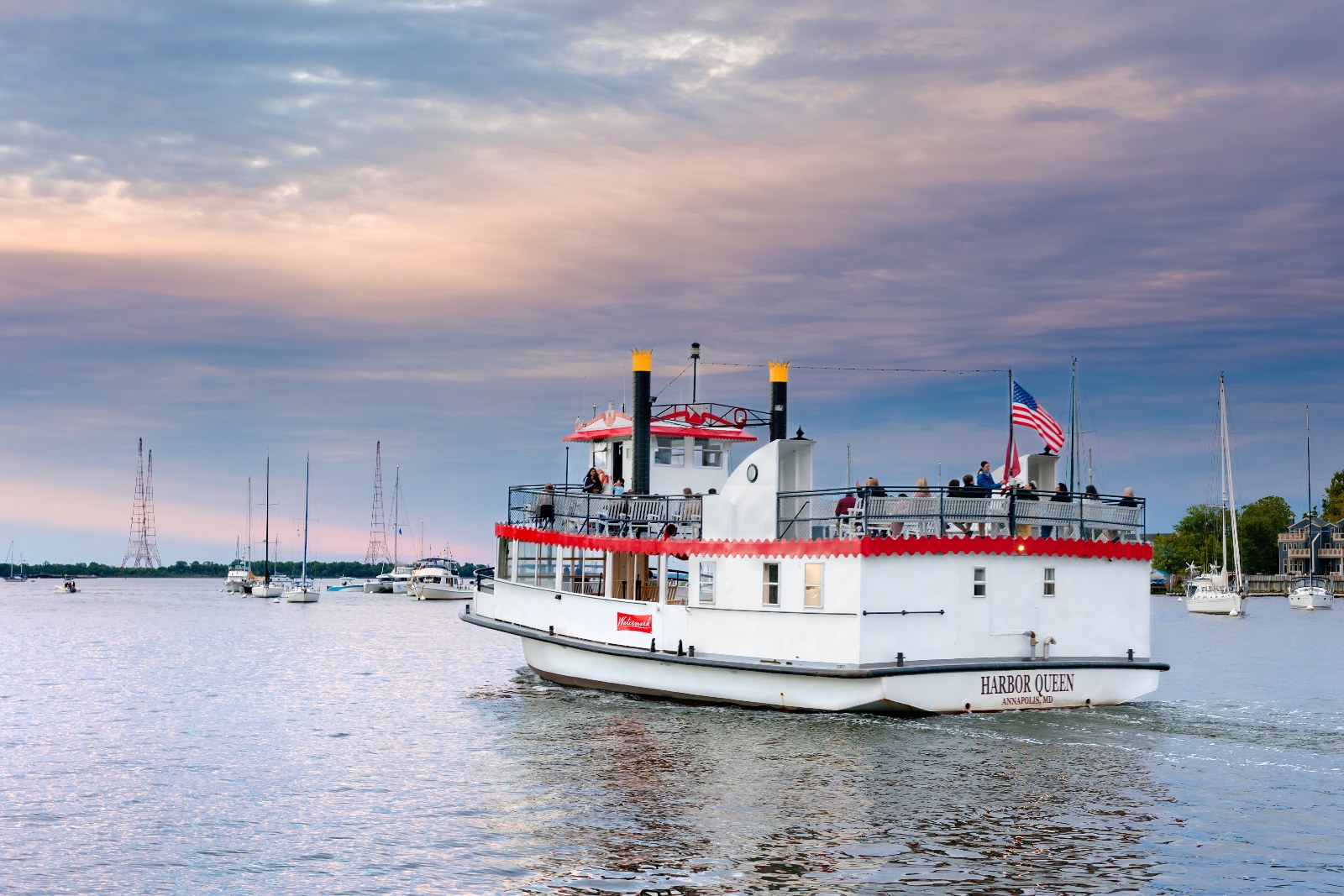
Annapolis calls itself the Sailing Capital of the World, and on a summer evening the harbor makes the case. Dozens of boats crowd the water for Wednesday night races, and spectators line the docks to watch.
The schooner Woodwind offers two-hour sailing trips on the Chesapeake Bay, and passengers can help raise the sails or take a turn at the wheel. Cruises also pass the U.S. Naval Academy, where midshipmen practice on the water.
Downtown’s narrow harbor inlet is nicknamed Ego Alley, because boat owners cruise slowly through it to show off before turning around. It’s a free show. Each October, Annapolis hosts the U.S. Sailboat Show and Powerboat Show, which bring thousands of boats and buyers to town. After a sail, grab steamed blue crabs at a waterfront spot, ideally with Old Bay seasoning and plenty of napkins.
Portsmouth, New Hampshire
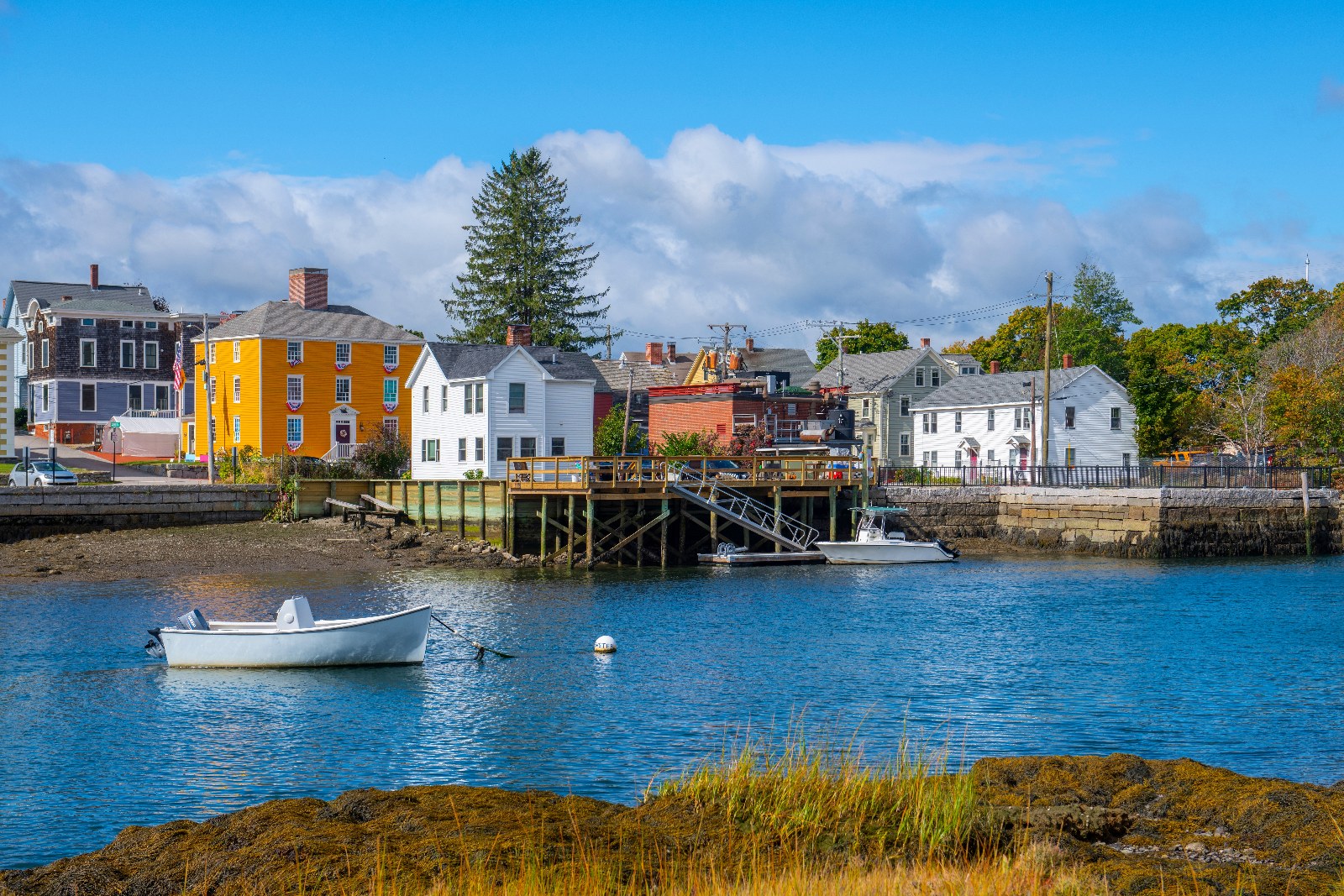
The Piscataqua River in Portsmouth has one of the fastest tidal currents in the country, and the town’s tugboats prove it daily. Watching them nudge cargo ships against the current through a narrow channel is a highlight for many visitors.
Harbor cruises pass lighthouses, old forts, and Portsmouth Naval Shipyard, which sits across the river in Kittery, Maine, despite carrying the New Hampshire city’s name. The two states argued over the border until the U.S. Supreme Court weighed in.
For a longer trip, ferries run about 10 miles offshore to the Isles of Shoals, a cluster of rocky islands with a history of fishermen, pirates, and a famous 1873 double murder. Back in town, the Gundalow Company sails a replica of the flat-bottomed cargo boats that once carried bricks and hay along the river, and its trips mix local history with a quiet afternoon on the water.