
America excels at building hype around things that, in practice, produce a mild shrug and a receipt for an overpriced hot dog. Some of these attractions earned their reputations decades ago and never updated their marketing to reflect the current reality. Others were always somewhat disappointing and somehow convinced millions of people to keep showing up anyway.
This list isn’t about bad places. Most are perfectly fine. They just spent years promising experiences that a crowded sidewalk and a gift shop rarely deliver, and the gap between expectation and reality is worth an honest conversation.
12. Plymouth Rock
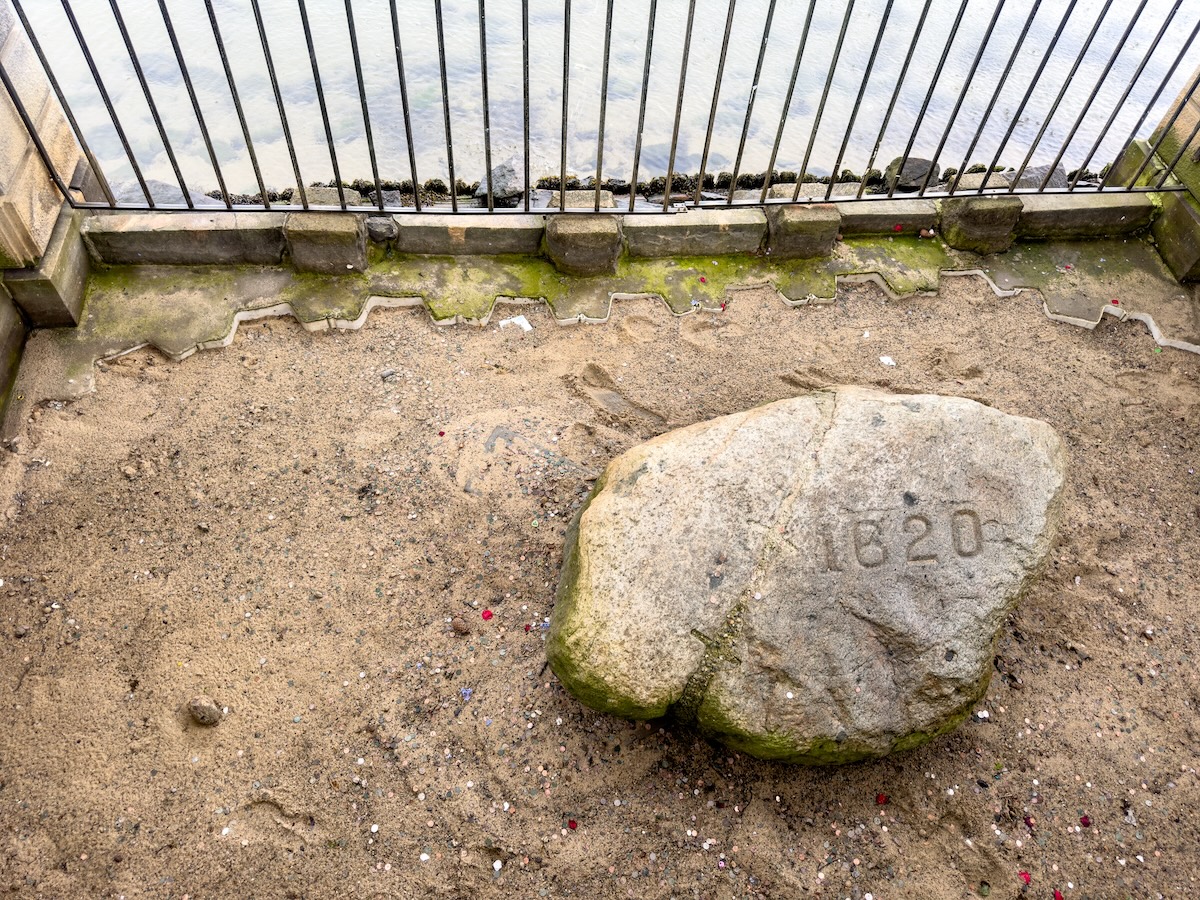
The Mayflower Pilgrims landed here in 1620, establishing one of America’s foundational historical moments, and Plymouth marked the occasion with a rock the size of a coffee table sitting in a pit behind an iron fence. Today’s rock represents a fraction of the original, since souvenir hunters chipped pieces off over the centuries, and a relocation attempt in 1774 split it in two.
The Mayflower II replica ship nearby provides more historical context in a single visit than the rock manages across centuries of symbolic significance. Most visitors walk away feeling that America’s origin story deserved a more impressive monument than this.
11. Nashville’s Broadway
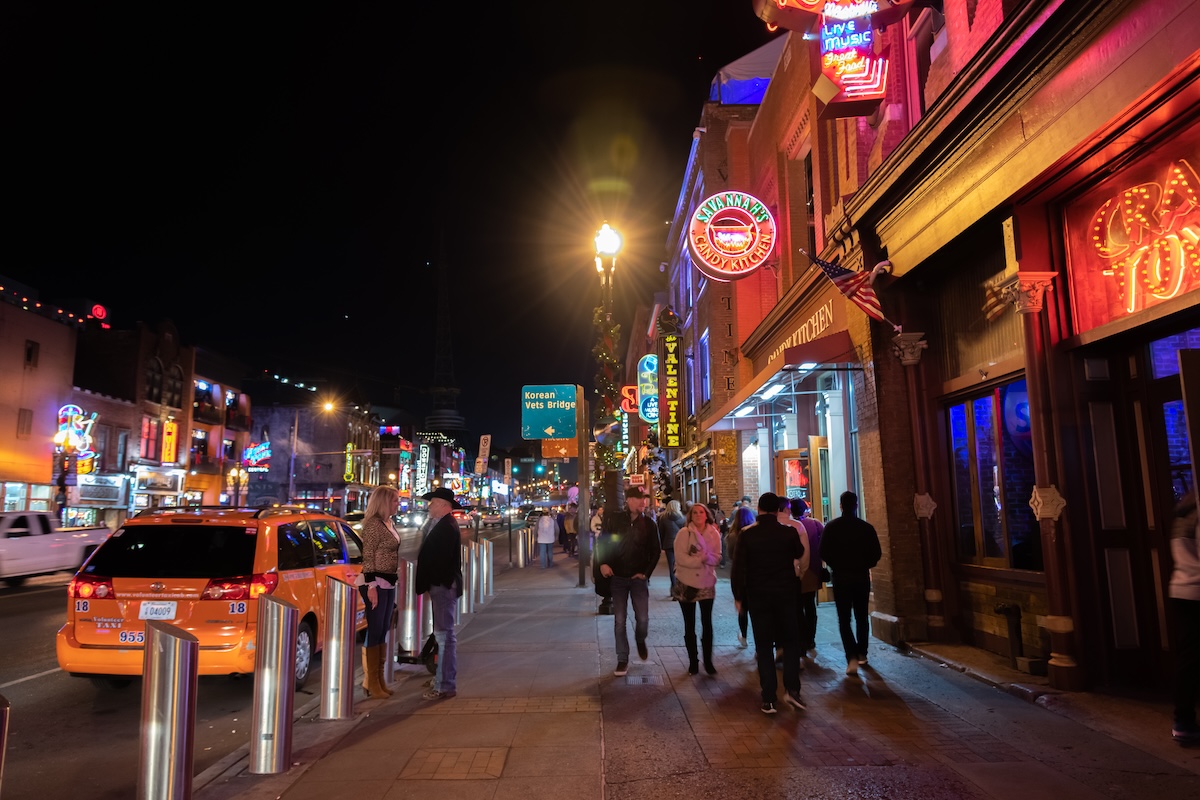
The honky-tonk strip works for exactly one demographic: people wanting a loud, crowded bar experience with country music as background noise. Everyone else discovers that tourist density and a cover-charge economy produced something closer to a theme park version of Nashville’s music culture than anything authentic.
Real Nashville lives elsewhere. The Ryman Auditorium, historic recording studios along Music Row, and smaller venues working musicians actually use all tell a more honest story. Broadway delivers fun on its own terms, but visitors arriving with expectations of genuine country music culture and finding a commercial entertainment corridor tend to leave with complicated feelings.
10. Myrtle Beach
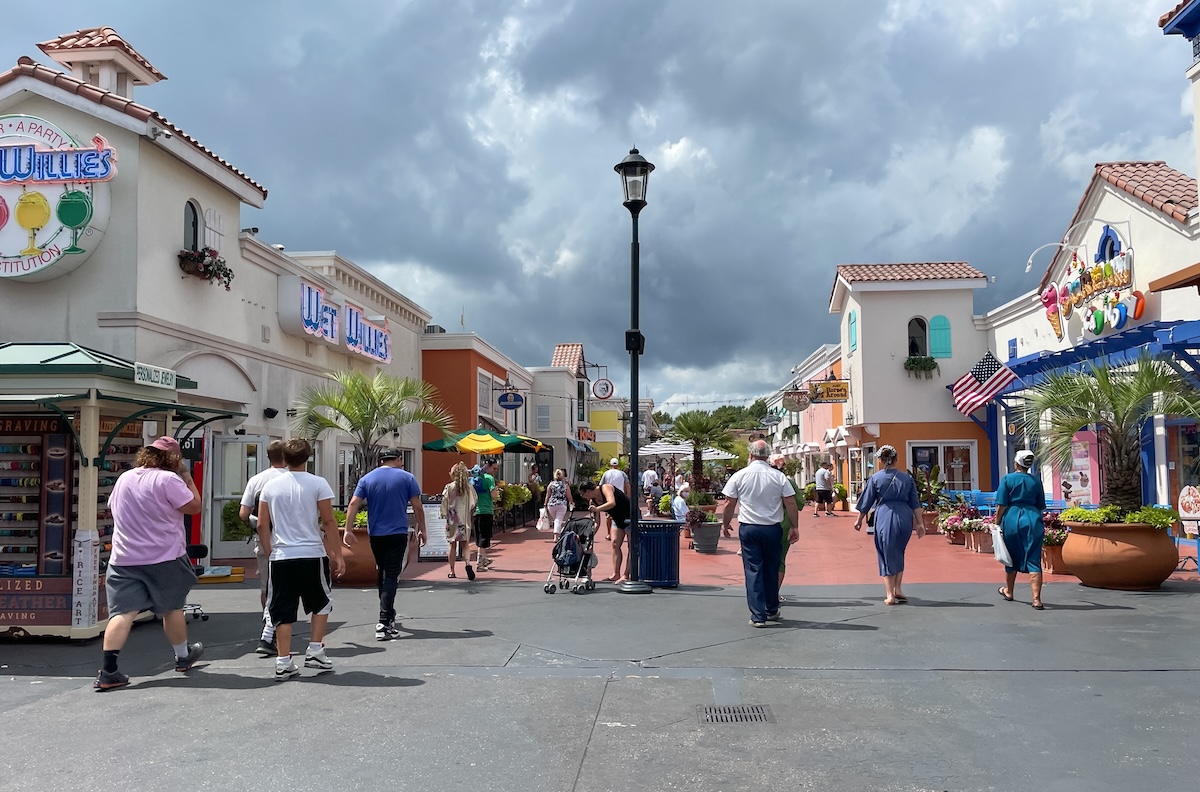
The Grand Strand’s marketing is quite disconnected from what the beach actually delivers. The water runs murky compared to Florida’s Gulf Coast, development density produces traffic that peak-season visitors find exhausting, and the general aesthetic trends toward mini-golf courses and chain restaurants competing with the ocean for attention.
That said, Myrtle Beach works completely for a specific vacation type: affordable, family-focused, and entertainment-heavy. The disappointment mainly hits visitors who arrived expecting pristine coastal scenery and found a resort corridor instead. Arrive thinking Destin and leave confused. Arrive knowing what it actually is and have a perfectly good time.
9. Graceland
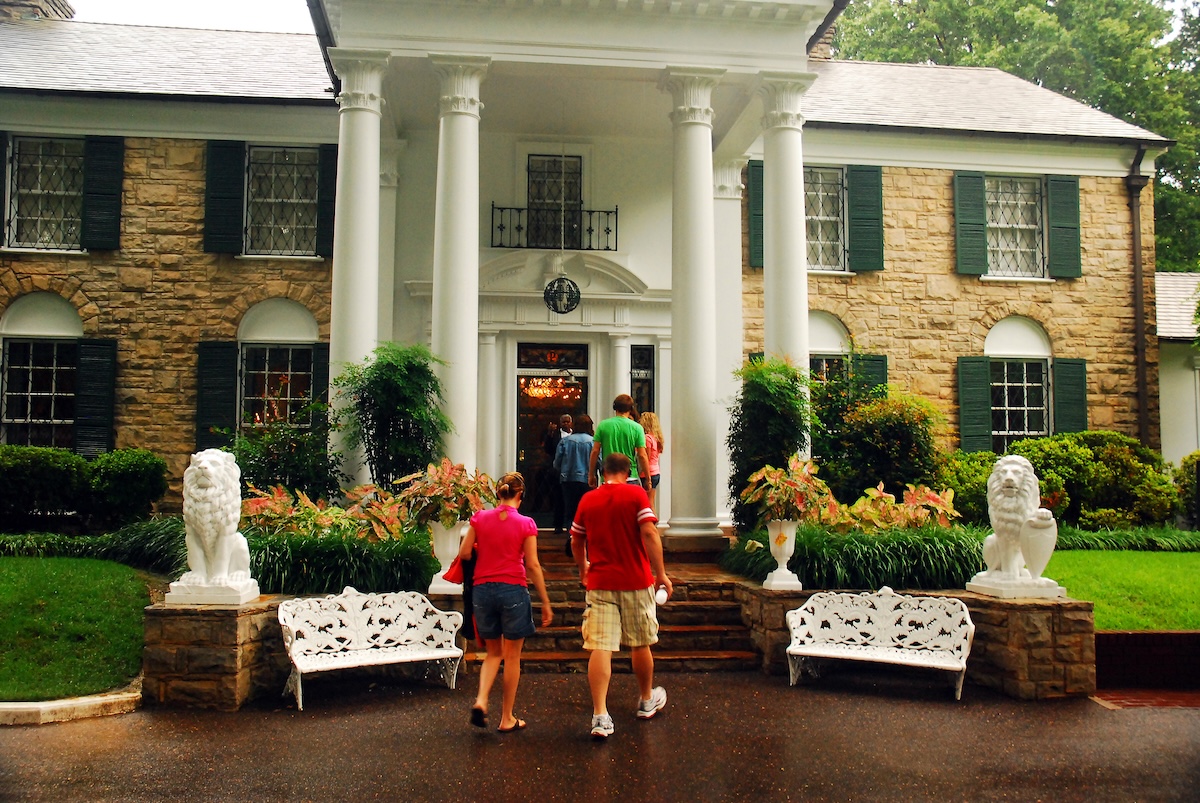
Elvis’s Memphis home contains rooms frozen in 1970s decorating decisions made with complete confidence and considerable disposable income. The Jungle Room, the three-television lounge, and the billiard room in blue and gold are all part of the interior that fascinates, regardless of opinions about the King.
The frustration comes from scale and cost. Graceland runs smaller than most visitors imagine, the ticketing structure charges separately for different sections, and the commercial campus surrounding the mansion has expanded aggressively in recent years. Serious Elvis fans tend to leave satisfied. Casual visitors checking it off a road trip list sometimes wonder what the drive was for.
8. Mall of America
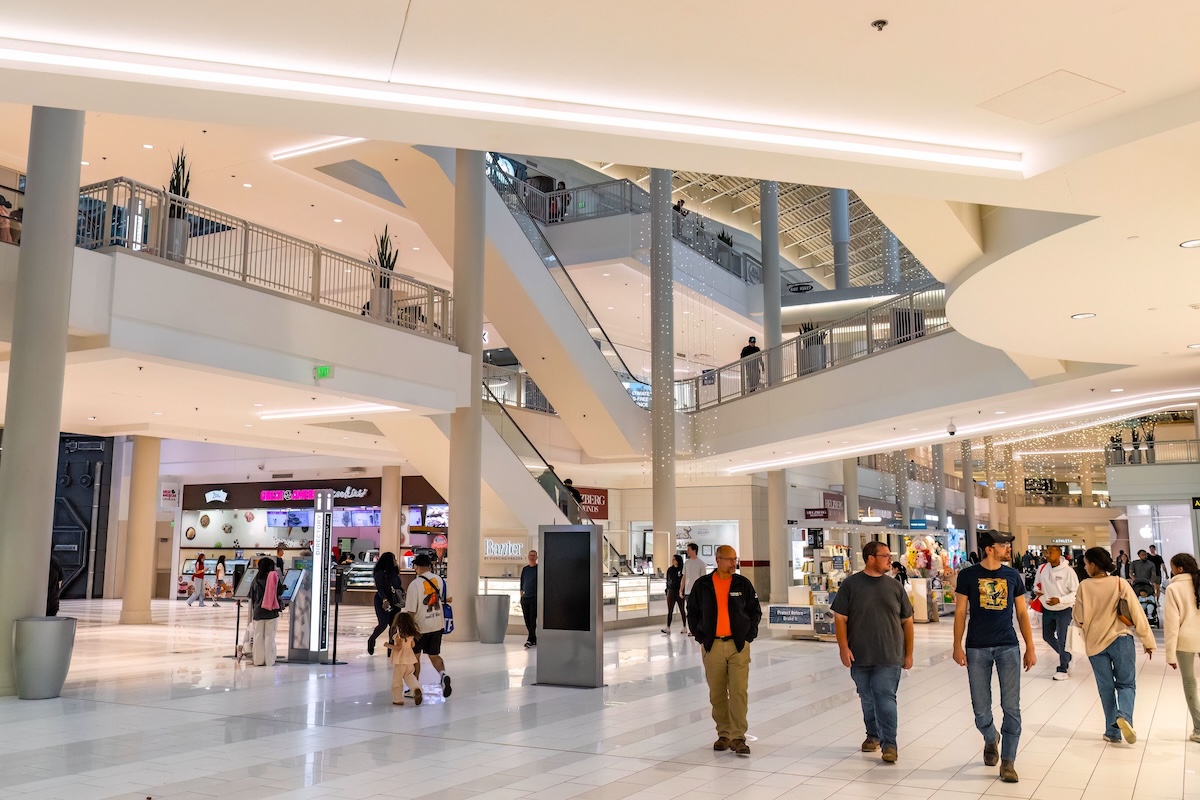
The numbers resist easy comprehension: 520 stores, an indoor theme park, an aquarium, and enough square footage to disorient people with strong spatial awareness. The scale delivers, but the shopping itself runs toward familiar chain stores that exist in every major American city, raising reasonable questions about driving to Minnesota specifically for them.
The theme park and aquarium give the visit real entertainment value, especially with children along. Without them, the Mall of America functions as a very large conventional mall with better parking and a roller coaster visible from the food court. First-timers typically feel overwhelmed in hour one and underwhelmed somewhere after that.
7. The Arch
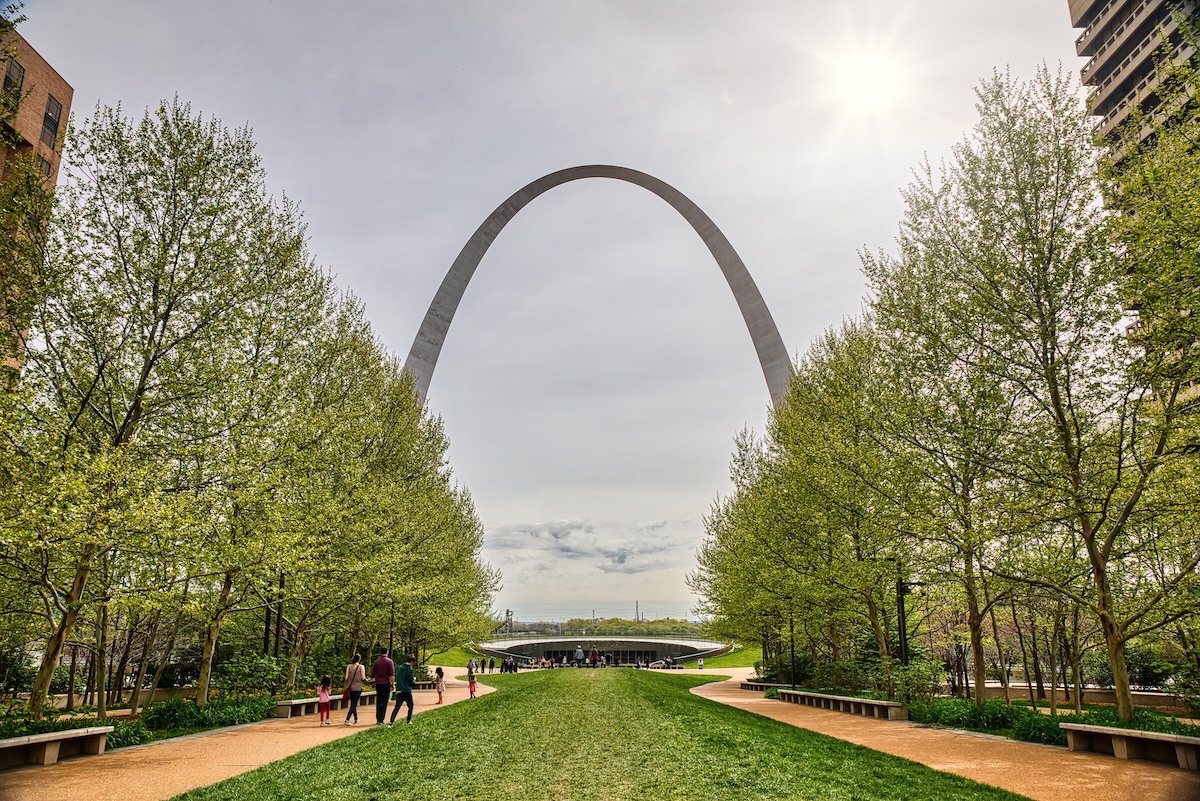
The Gateway Arch stands 630 feet above St. Louis as one of America’s most striking monuments, and the exterior view justifies the trip completely. The interior experience generates more debate. Small tram pods carry visitors to the top in four minutes, a ride that comfortable people find charming and that claustrophobic people remember very differently.
The observation windows at the top give you views across St. Louis and the Mississippi River that should be fabulous, on paper. But the windows are small, crowds limit viewing time, and the descent takes longer than it should. The Arch looks spectacular from the ground, and that version costs nothing.
6. Bourbon Street
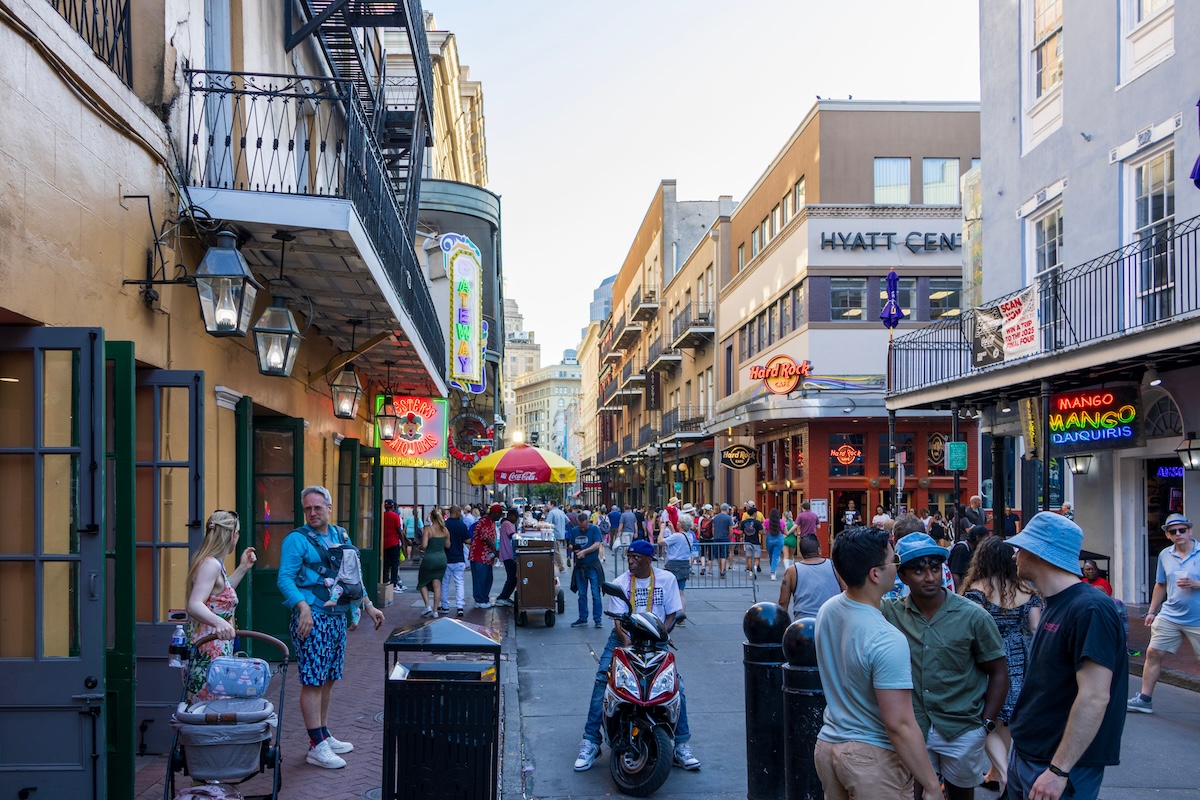
New Orleans is a cultural heartland, which makes Bourbon Street’s tourist dominance slightly frustrating for anyone who knows what the city actually contains. The street promises an authentic Southern experience and delivers plastic cups, loud bars, and crowds thick enough on weekend nights to make forward movement an active project.
The real city sits a few streets in either direction: Royal Street’s antique dealers, the Marigny’s music venues, and food culture spread across the whole city at a level that Bourbon Street’s tourist-facing restaurants barely hint at. Worth one evening. Probably not worth a second.
5. Navy Pier
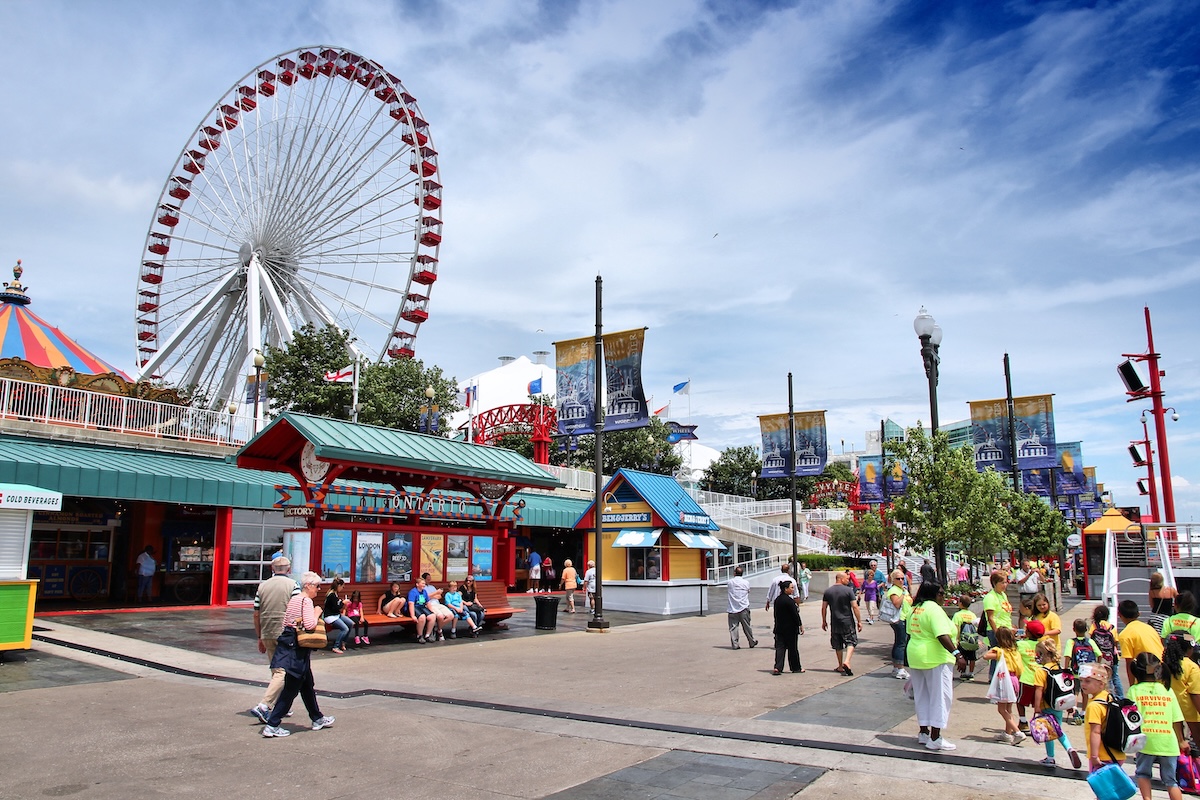
Chicago extended a 3,300-foot pier into Lake Michigan and filled it with shops, restaurants, a Ferris wheel, and a convention center. The skyline view looking back toward Michigan Avenue from the far end impresses consistently. The pier itself is commercial and crowded, but Chicago’s exceptional free lakefront parks never stoop that low.
The Museum of Science and Industry, the Art Institute, Millennium Park, and the lakefront trail all sit within the same city, charge less, and deliver more. Navy Pier’s Ferris wheel and summer fireworks schedule bring visitors back, but the general experience trends toward overpriced snacks and foot traffic management.
4. Voodoo Doughnut
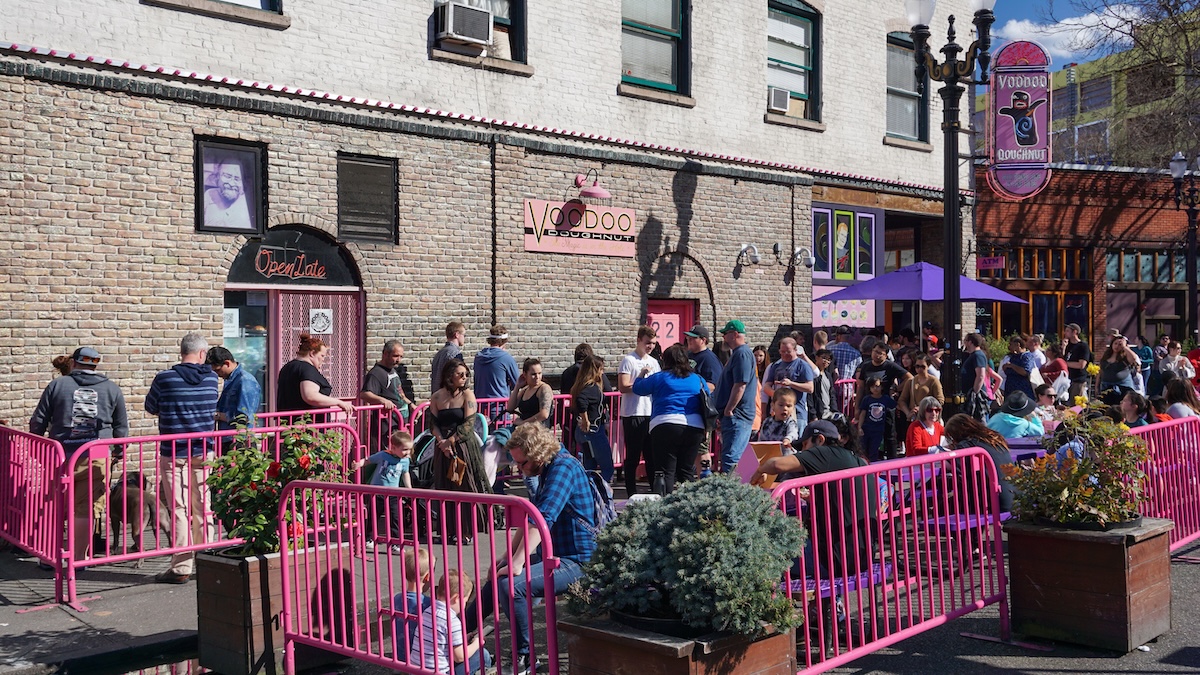
Portland’s most Instagram-famous bakery built its reputation on unusual toppings: bacon, cereal, candy, and flavors that novelty carried further than taste always justified. The line outside the NW 3rd Avenue location is long at most hours, and the wait builds anticipation that a doughnut simply can’t live up to.
The doughnuts taste fine. Good, even. Waiting 45 minutes in Portland drizzle for a Bacon Maple Bar that disappears in four bites isn’t as good. It creates a specific ratio of effort to reward that visitors process differently depending on their tolerance for queuing. Portland’s food scene is considerably broader than one bakery, and plenty of local spots without the line consistently impress more.
3. The Space Needle
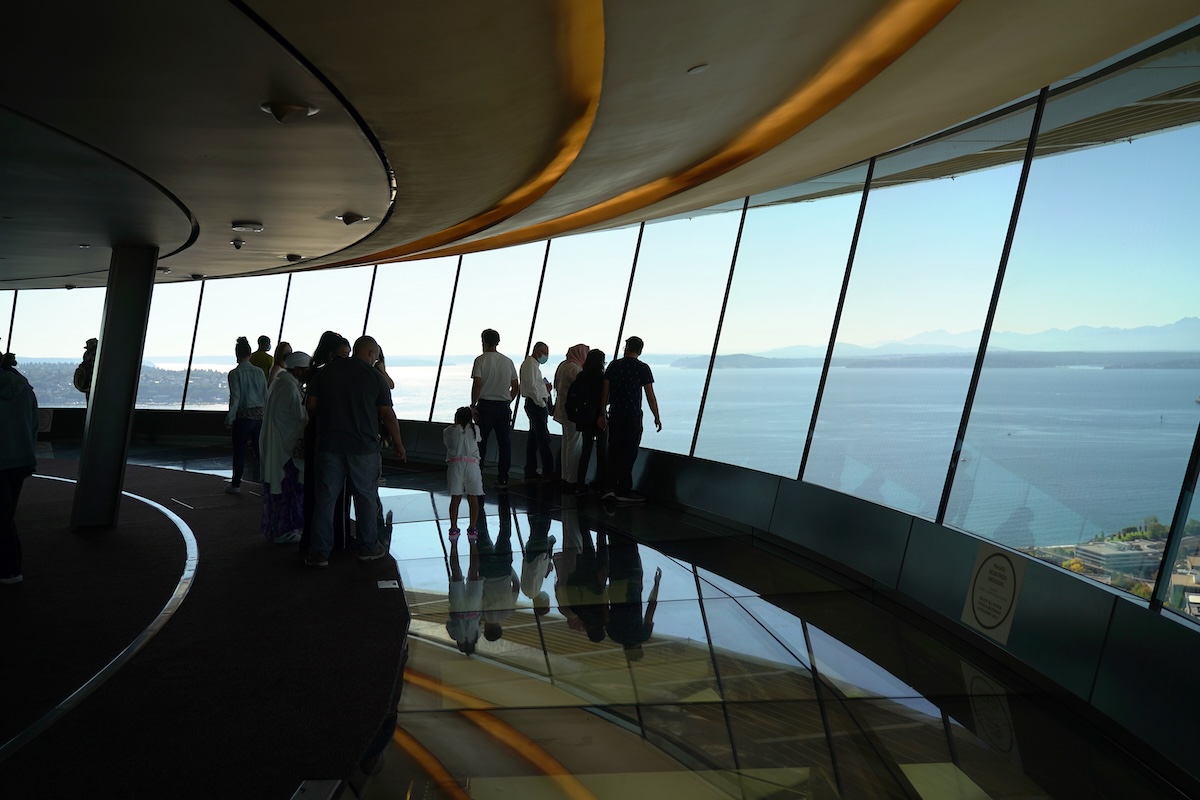
Seattle’s 605-foot observation tower from the 1962 World’s Fair charges premium prices for views that the city’s geography makes spectacular on clear days. The 2018 renovation added glass floors and tilted windows that improved the experience significantly. The problem isn’t the Needle itself but Seattle’s famously cloudy weather, which delivers clear views less often than the marketing photographs suggest.
Columbia Center’s observation deck offers similar views at a lower cost, with the Space Needle appearing in the background as a bonus. That comparison doesn’t make the Needle bad. It just makes the price-to-experience calculation worth thinking through before committing.
2. Fisherman’s Wharf & Pier 39
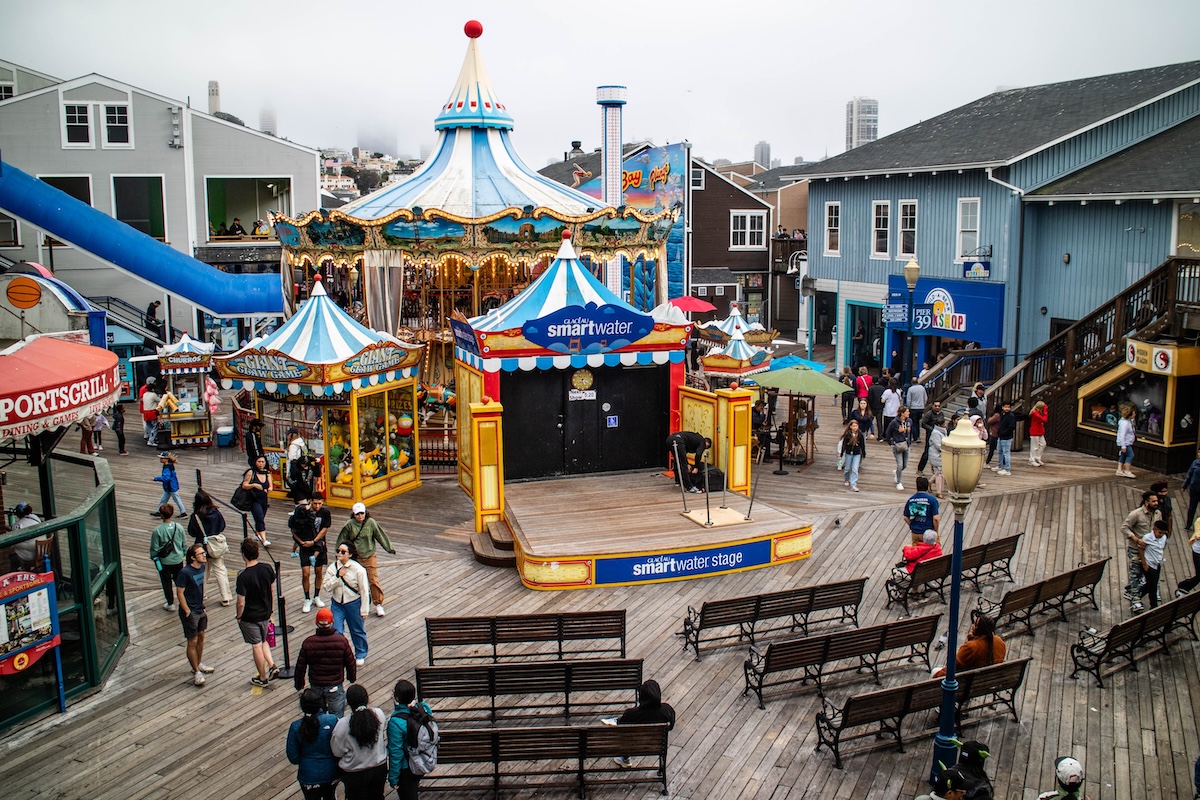
San Francisco’s waterfront district sits on prime real estate with bay views and Alcatraz visible offshore. The sea lion colony at K-Dock ranks among the city’s best free attractions and earns its reputation completely. The rest of Pier 39 runs toward souvenir shops, chain restaurants, and crowd management that most San Francisco locals avoid entirely.
Alcatraz tours departing from the wharf deliver one of the Bay Area’s best experiences. The disappointment mainly hits visitors who spent a significant chunk of San Francisco time here expecting the city’s character and found a waterfront shopping mall instead. One morning covers it thoroughly. Don’t sacrifice more.
1. Times Square
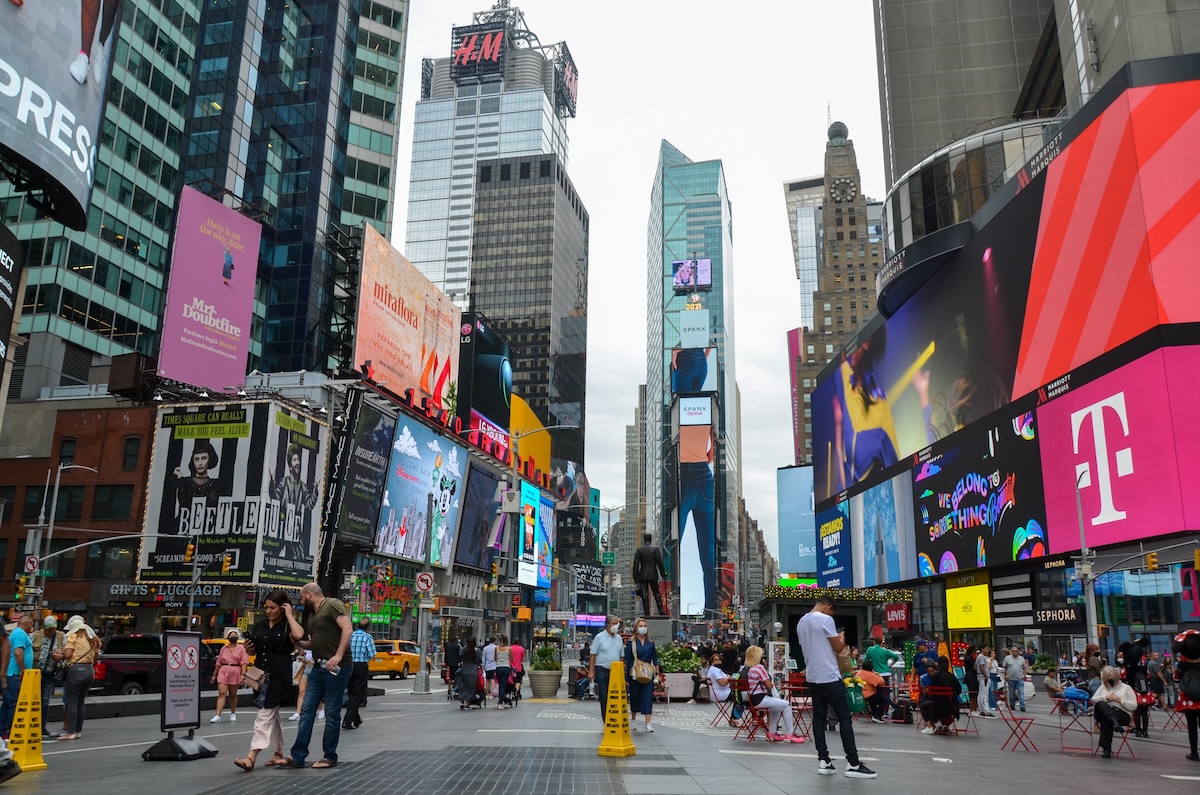
Times Square draws 4 times more annual visitors than the entire country of Australia receives in tourists. The experience involves navigating crowds dense enough to make walking a hazard, avoiding costumed characters angling for tips, and absorbing LED advertising at a scale human visual processing was never designed for.
The spectacle works for the first 20 minutes after dark, when the light density produces something that overwhelms completely. After that, most visitors report feeling less dazzled and more eager to be somewhere quieter. Times Square appears on every New York itinerary because it has to, not because anyone who has been there recommends lingering.