
You’ve likely seen the photos: shoulder-to-shoulder crowds at a famous overlook, a line snaking around a historic landmark, a family wilting under a midday sun nobody warned them about. Those trips often follow school calendars and summer vacation habits. The destination pays the price, along with your patience.
The fix comes down to timing. Many of the country’s most popular places look better and feel calmer in another month, when waterfalls run harder, gardens bloom, foliage turns, or temperatures finally drop to a comfortable range for walking.
Shift your trip by a few weeks or a full season, and you can trade traffic and heat for open trails and lower rates. With that in mind, plan around the calendar that suits each place and pick the month that makes a well-known destination feel new again.
Yosemite
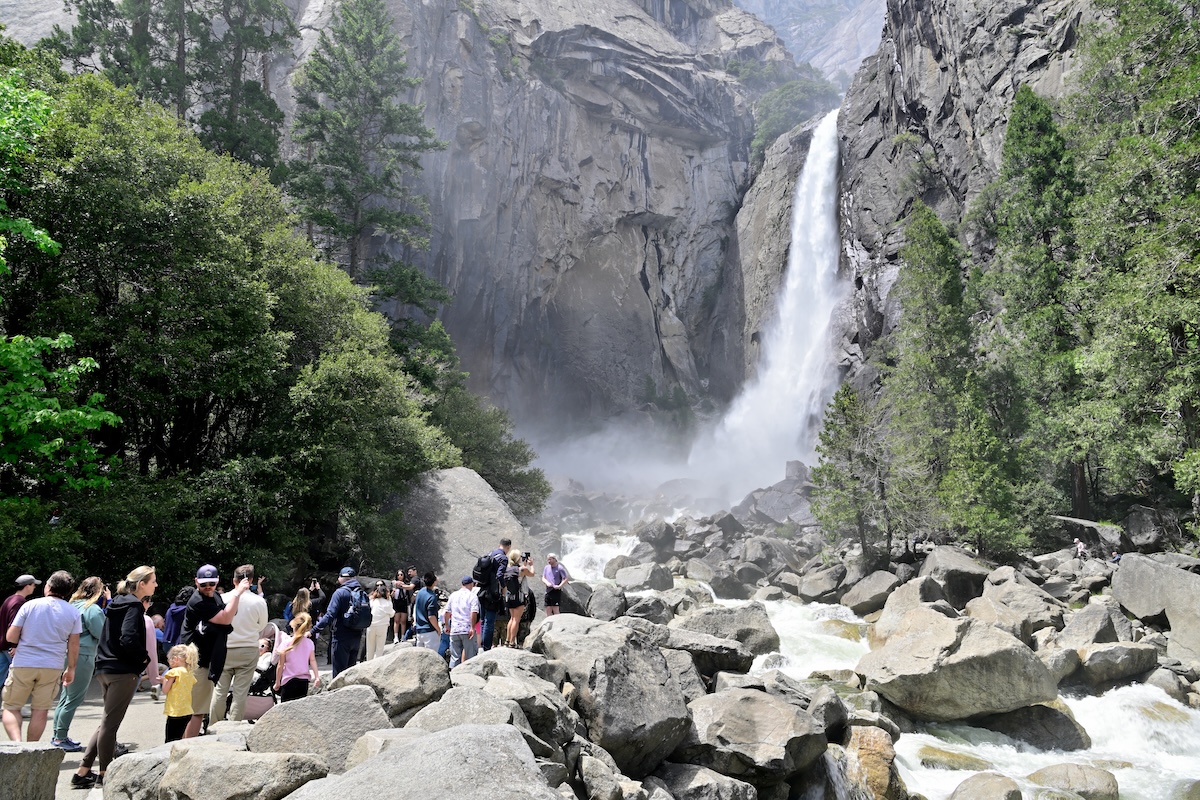
May is when Yosemite’s waterfalls hit their stride, fed by melting Sierra snowpack. Yosemite Falls drops about 2,425 feet in total and thunders loudly enough to hear across the valley floor. Bridalveil Fall sends mist drifting over the road. Cook’s Meadow and the meadows near El Capitan turn deep green, framed by granite walls still streaked with snow up high.
Daytime temperatures in Yosemite Valley sit in the 60s and 70s, making the Mist Trail toward Vernier Fall pleasant. Pack a rain shell, because that trail lives up to its name in spring. Tioga Road and Glacier Point Road can stay closed into late May, so check the park’s road status and any reservation requirements before you go.
Charleston
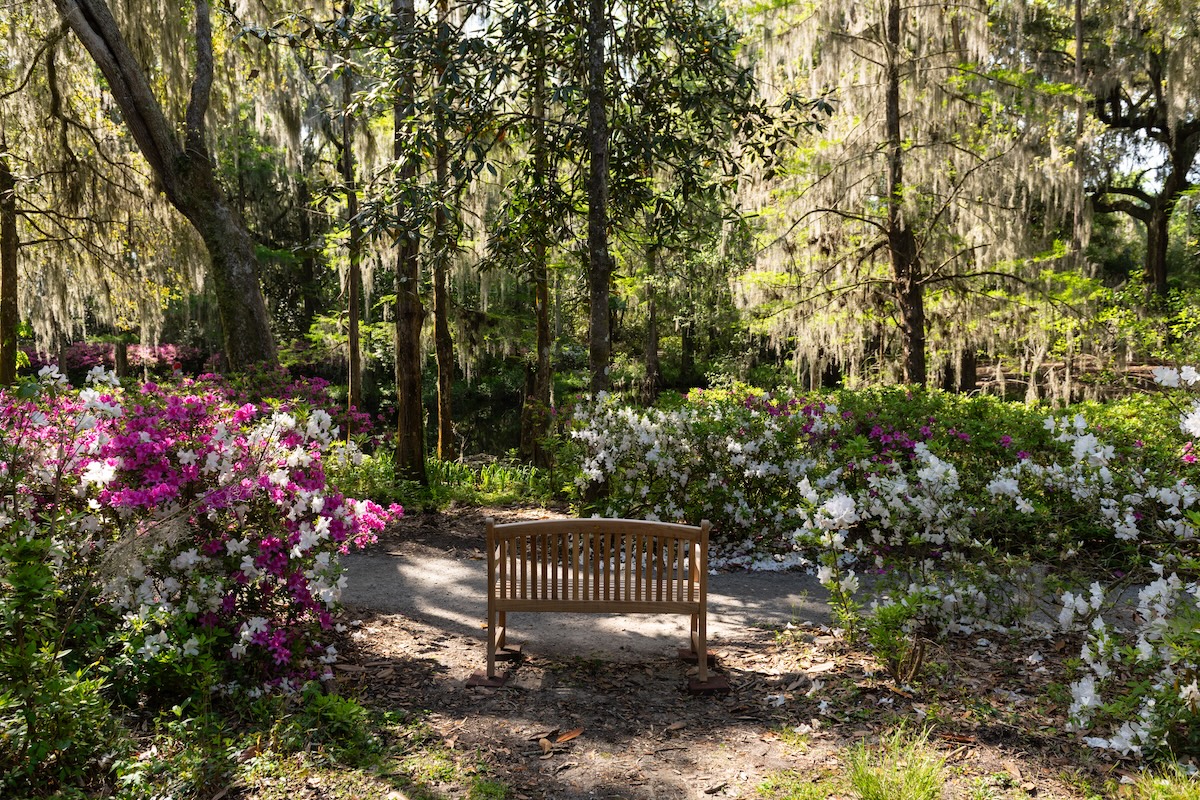
April gives you Charleston at its most walkable, with highs in the 70s and gardens in full color. Azaleas and wisteria spill over wrought-iron gates south of Broad Street. The Historic Charleston Foundation’s Festival of Houses and Gardens opens private homes and courtyards you’d otherwise glimpse only from the sidewalk.
Summer humidity pushes the heat index well past 100 degrees, turning a stroll past Rainbow Row and along the Battery into a sweaty slog. In spring, you can cover the French Quarter, linger at the City Market, and still have energy for a drive to Magnolia Plantation, where the azalea gardens peak in late March and early April.
Grand Canyon
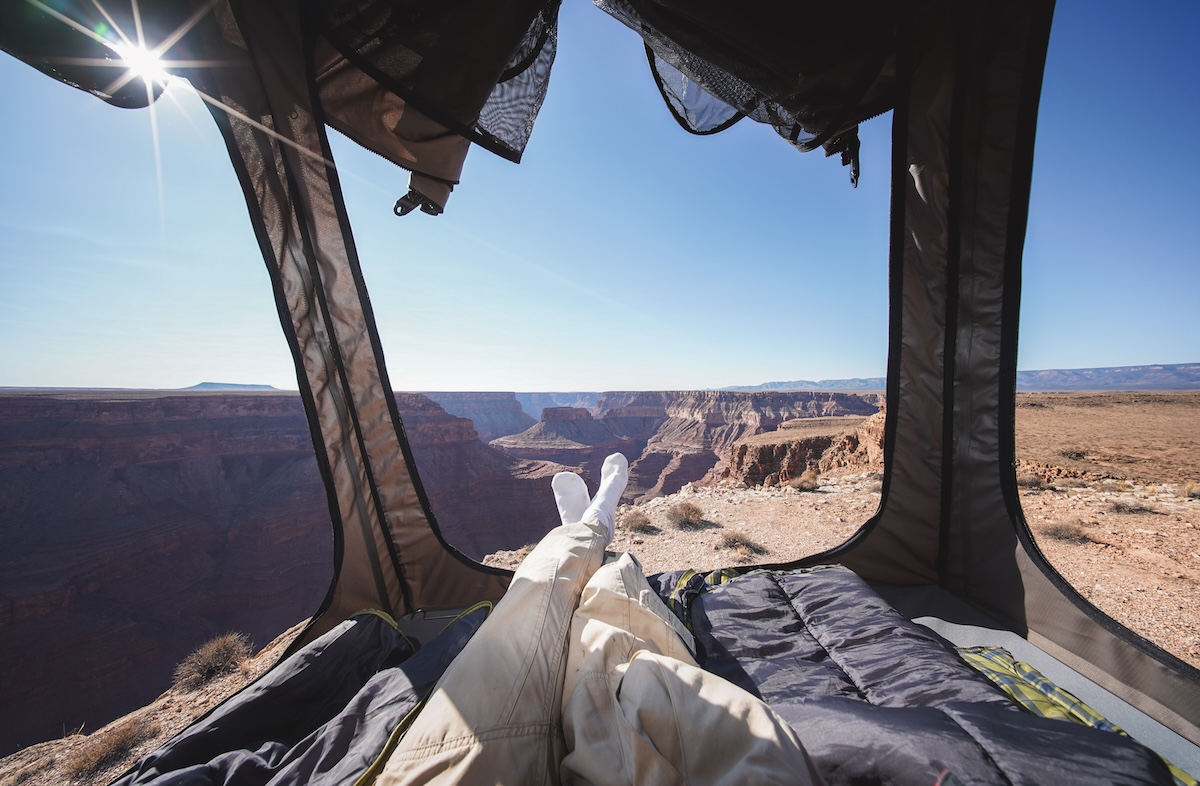
October turns the Grand Canyon into a hiker’s park. Rim temperatures settle into the 60s during the day, and the inner canyon cools from summer’s dangerous highs, when Phantom Ranch regularly tops 100 degrees. That shift lets you descend the Bright Angel or South Kaibab trails with far less risk of heat exhaustion.
The light changes, too. Lower sun angles bring out the reds and oranges of the canyon walls for longer stretches of the afternoon, and sunsets at Hopi Point or Mather Point draw smaller crowds than in July. Nights on the South Rim drop near freezing, so bring warm layers. Book Phantom Ranch or backcountry permits months ahead, since fall is prime season for overnight trips below the rim.
St. Augustine
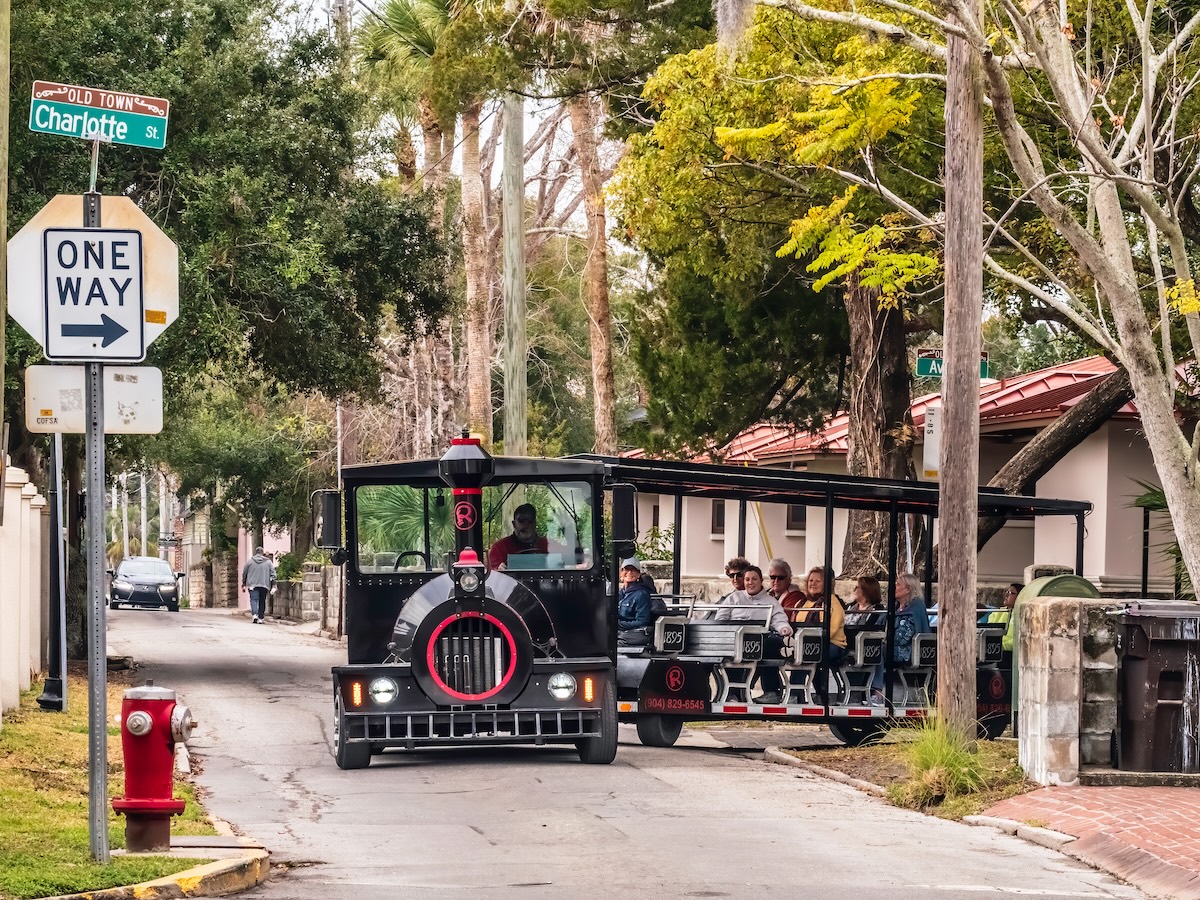
February and March let you explore St. Augustine’s centuries-old streets in daytime highs around the upper 60s and low 70s. Founded in 1565, the city rewards slow exploring: the coquina walls of the Castillo de San Marcos, the narrow pedestrian lanes of St. George Street, and the Spanish Renaissance Revival towers of Flagler College, built as Henry Flagler’s Ponce de Leon Hotel.
Summer pairs the history with nearby beaches, but afternoon heat and thunderstorms cut walking tours short. In late winter, you can climb the 219 steps of the St. Augustine Lighthouse without overheating, tour the Lightner Museum at a relaxed pace, and still catch a mild afternoon on Anastasia Island if you want sand underfoot.
Napa Valley
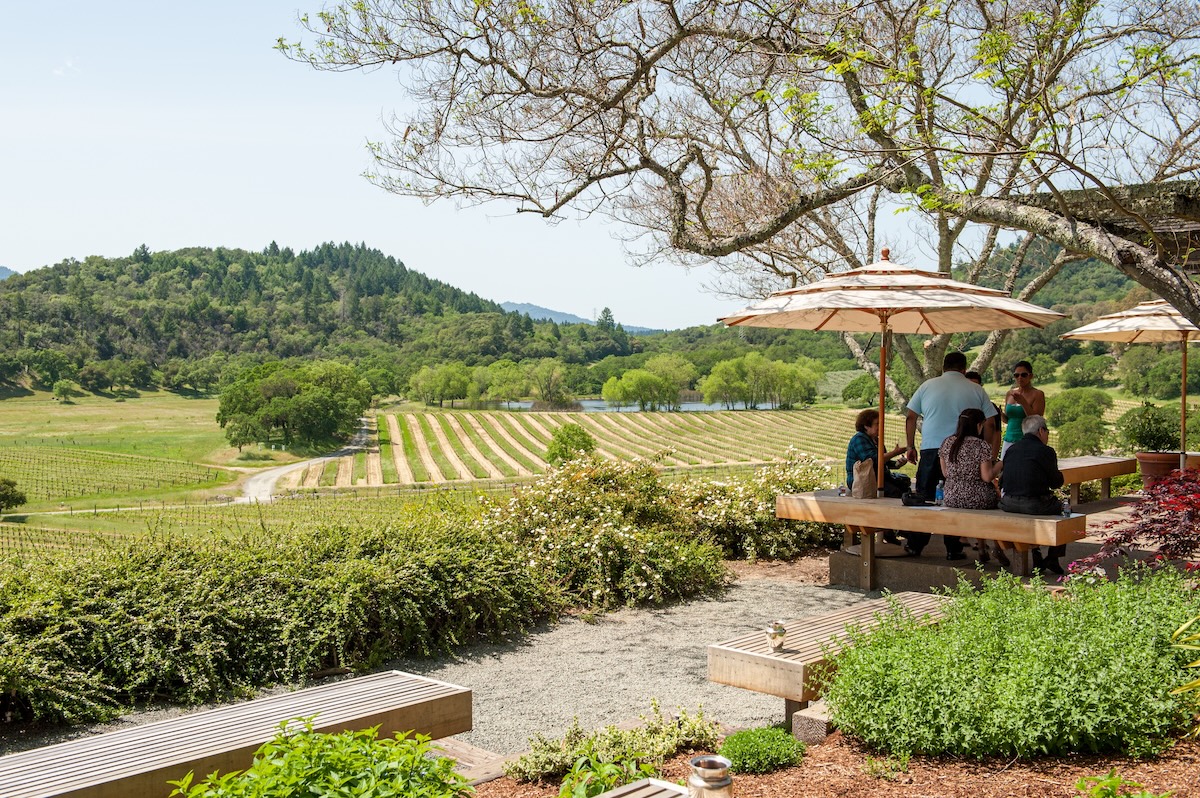
Spring dresses Napa Valley in its greenest season. Bud break arrives in March and April, and by May the vines leaf out in rows of bright green against hillsides scattered with poppies and lupine. Daytime temperatures in the 70s make it easy to bike the Napa Valley Vine Trail or picnic between tastings.
The harvest months of September and October bring packed tasting rooms, peak hotel rates, and slow traffic on Highway 29. In April and May, you have a better shot at walk-in visits at smaller wineries along the Silverado Trail and more time to chat with the staff pouring. Weekdays stay noticeably quieter, and some wineries release spring rosés in time for the season.
Zion National Park
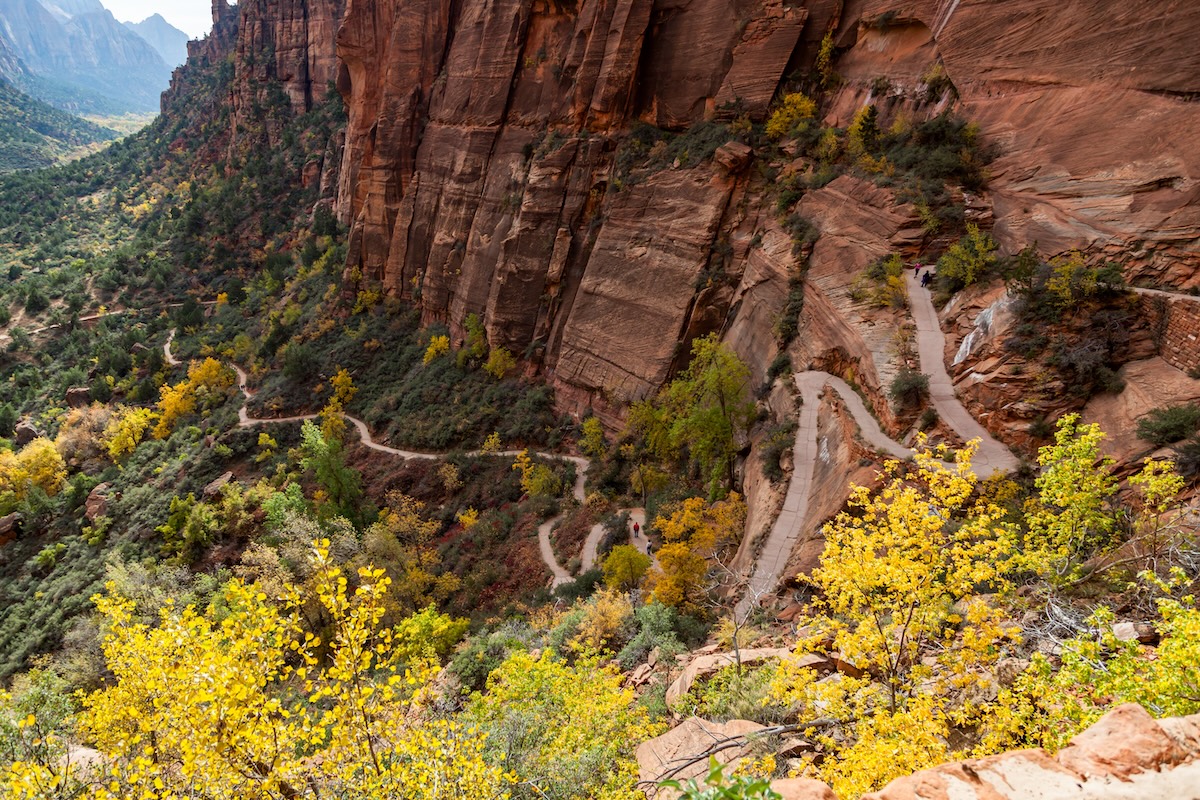
October trades Zion’s brutal summer heat for highs in the 70s and much easier hiking. In July and August, temperatures in the canyon pass 100 degrees, the park shuttle fills fast, and lines form at popular trailheads. Fall cuts both the heat and the wait.
Cottonwoods along the Virgin River start turning gold in late October, adding color against the red Navajo sandstone. The water in The Narrows runs colder, so many hikers rent drysuits or neoprene socks in Springdale. Always check the flash flood forecast before entering. Angels Landing still requires a permit through the park’s lottery system, so apply in advance if that climb is on your list.
Door County
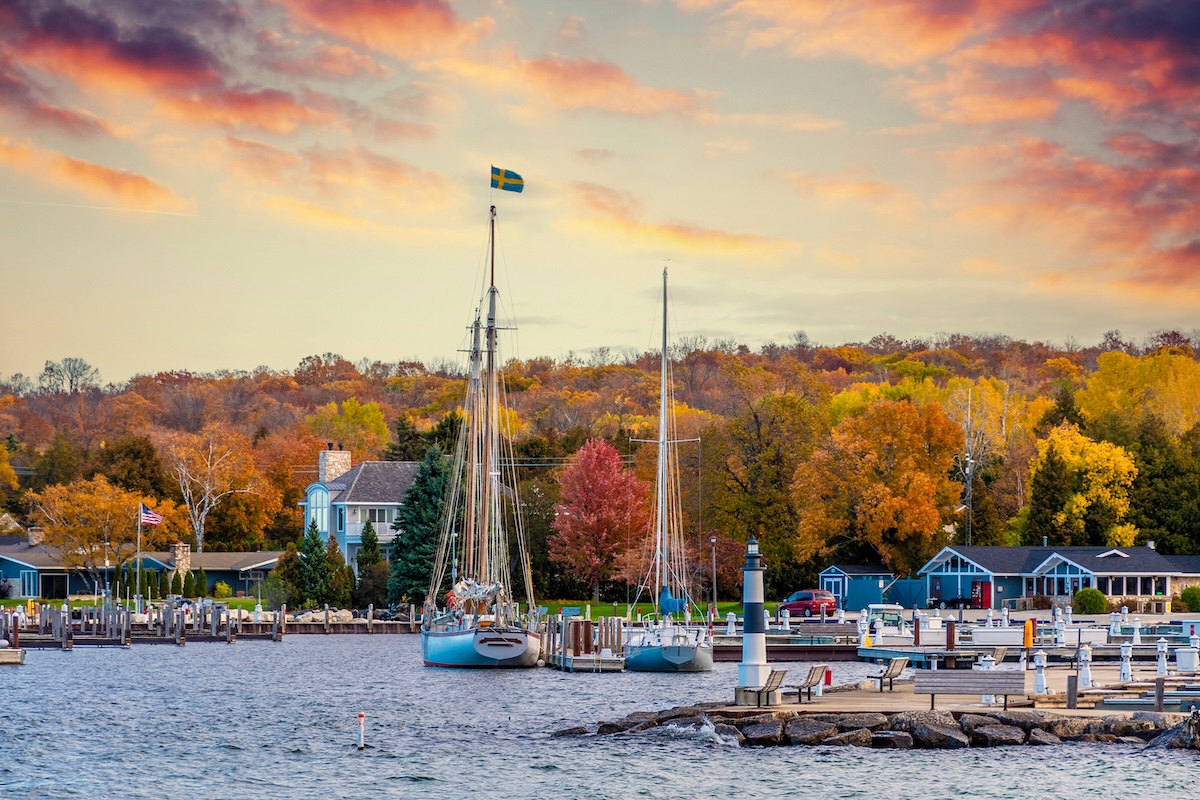
Door County in October feels like a different place from its beach-and-boating summer. Maples and birches along the peninsula turn red and gold, the air off Lake Michigan and Green Bay turns crisp, and orchards fill with apples and pumpkins ready for picking.
The Door County Coastal Byway along Highway 42 and Highway 57 makes an easy loop through Fish Creek, Ephraim, and Sister Bay, with stops for cherry pie and a traditional fish boil along the way. Peninsula State Park’s Eagle Tower gives you a sweeping view over the treetops and the bay. Sister Bay’s Fall Fest draws crowds in mid-October, so book lodging early if your dates overlap.
Washington, D.C.
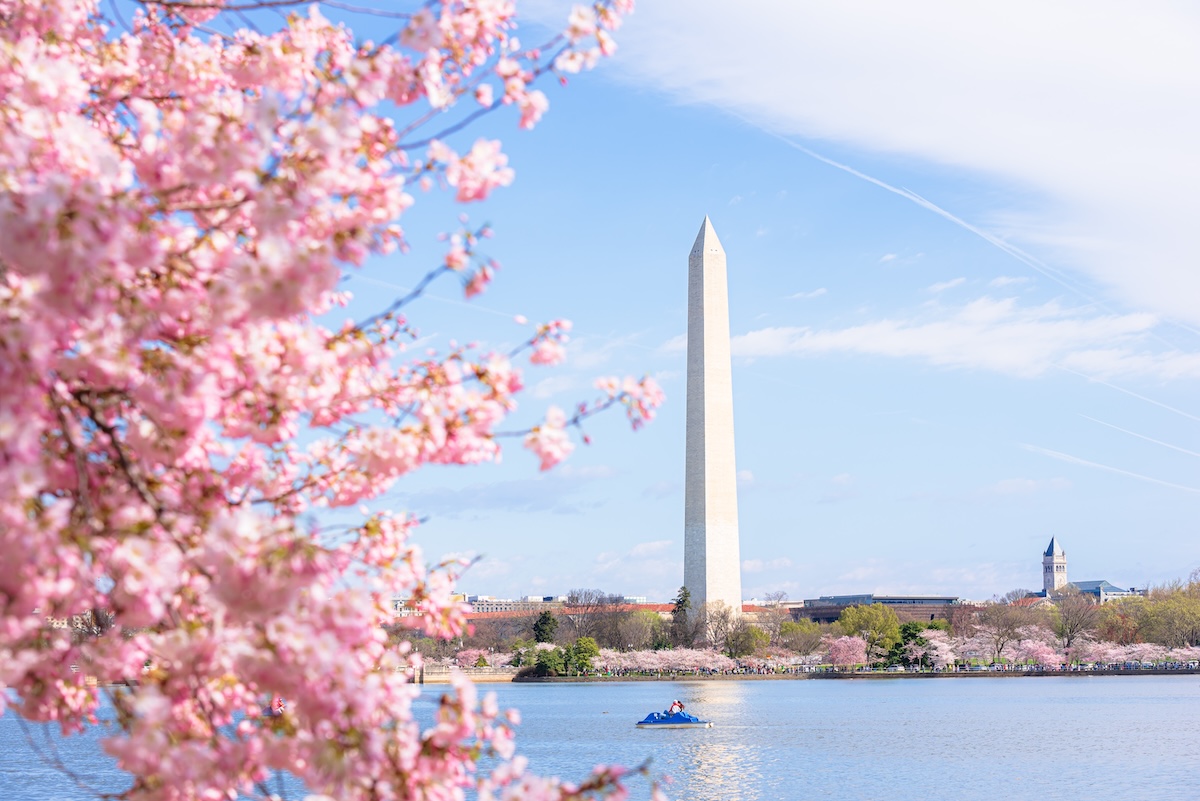
April puts Washington, D.C., in bloom, with the cherry trees around the Tidal Basin as the headline act. The National Cherry Blossom Festival runs from late March into mid-April, and peak bloom shifts each year with the weather. Check the National Park Service forecast before booking.
Spring highs in the 60s make the long walks between monuments on the National Mall comfortable, a stark contrast to July’s humid 90-degree days. The free Smithsonian museums offer shelter on rainy afternoons, and gardens at Dumbarton Oaks and the U.S. Botanic Garden add color beyond the blossoms. Visit the Tidal Basin at sunrise to beat the heaviest crowds and catch soft light on the Jefferson Memorial.
Niagara Falls
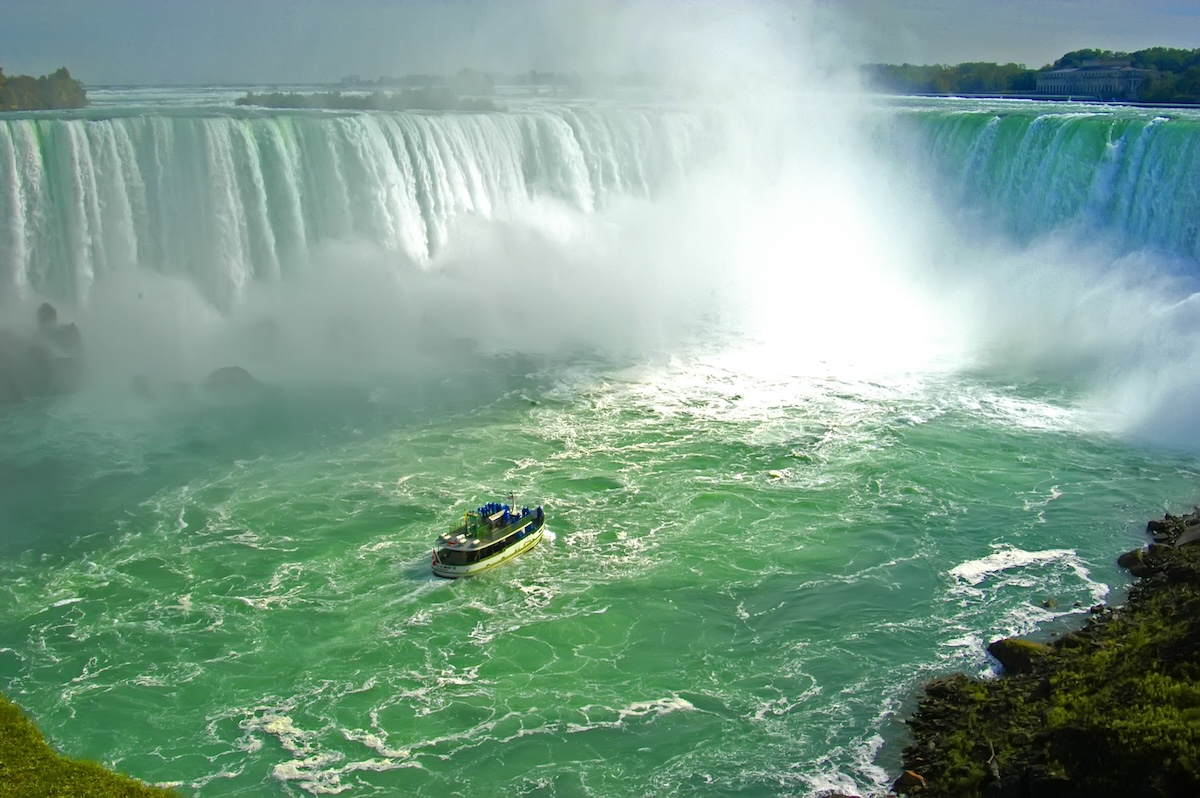
May catches Niagara Falls at full spring power, with snowmelt from the Great Lakes basin feeding heavy flow over Horseshoe Falls and the American Falls. Treaty rules between the U.S. and Canada also guarantee higher flow during daylight hours in the tourist season, which starts in April.
Highs in the 60s make it pleasant to walk the paths of Niagara Falls State Park, the oldest state park in the country, and cross Goat Island for views from Terrapin Point. Boat tours from Maid of the Mist and the Cave of the Winds walkways reopen in spring, though ice conditions can affect access to the lower decks. Lines stay manageable before the mid-June rush.
Sedona
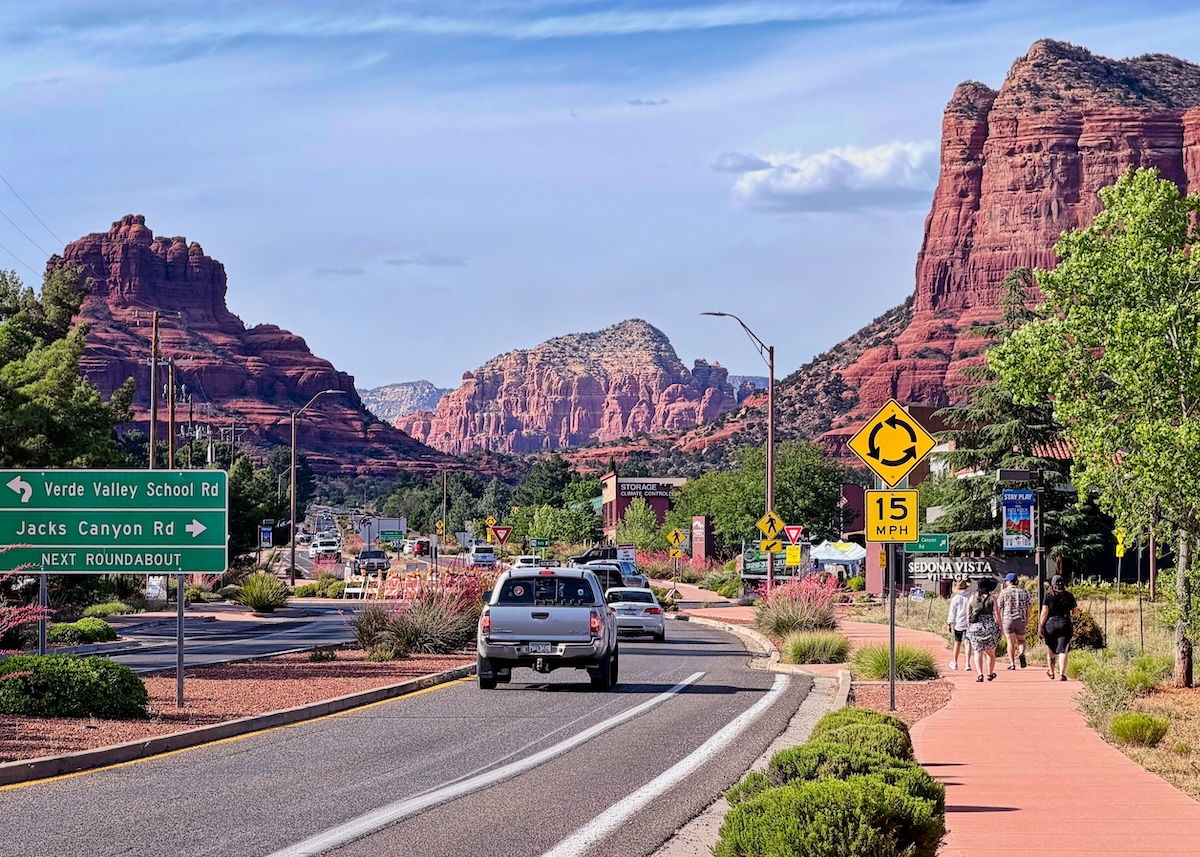
Winter is Sedona’s quiet season, and it suits hikers well. Daytime highs from December through February land in the mid-50s to low 60s, ideal for climbing to Cathedral Rock or walking out to Devil’s Bridge without the heat or the packed parking lots of spring and fall.
An occasional storm dusts the red rock formations with snow, a sight worth timing a trip around if the forecast cooperates. Mornings start cold, sometimes below freezing, so dress in layers and wait for the sun to warm the trails. Fewer visitors mean easier dinner reservations in Uptown Sedona and Tlaquepaque, and some resorts lower their rates outside the holiday weeks.
Great Smoky Mountains
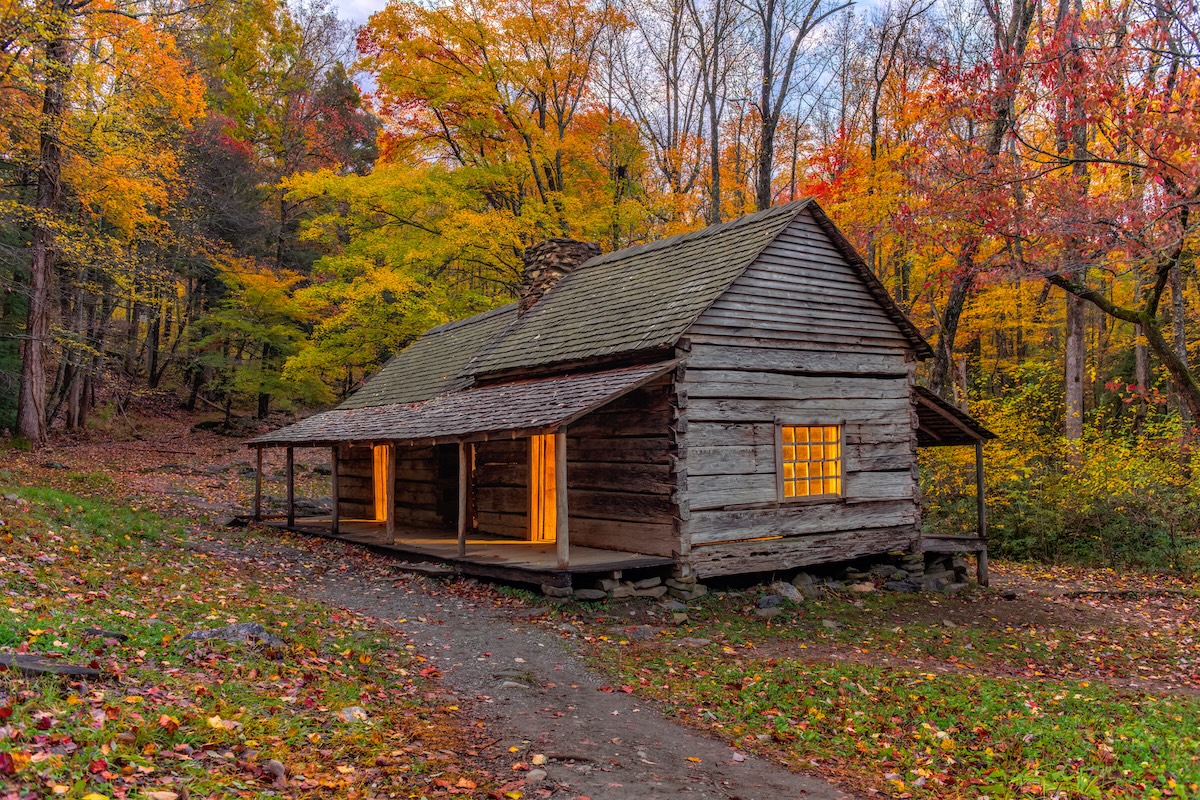
October brings the Smokies’ famous foliage, with color starting at higher elevations in early October and sweeping down to the valleys by late in the month. Sugar maples, hickories, and scarlet oaks light up the slopes along Newfound Gap Road and the Cades Cove Loop.
Cooler temperatures make longer hikes like Alum Cave or the Chimney Tops trail far more pleasant than in muggy July. Great Smoky Mountains is the country’s most visited national park, so autumn weekends still bring traffic. Aim for weekdays and early starts, and remember that you need a parking tag to park anywhere in the park for more than 15 minutes. Get one online or at visitor centers.
Alaska
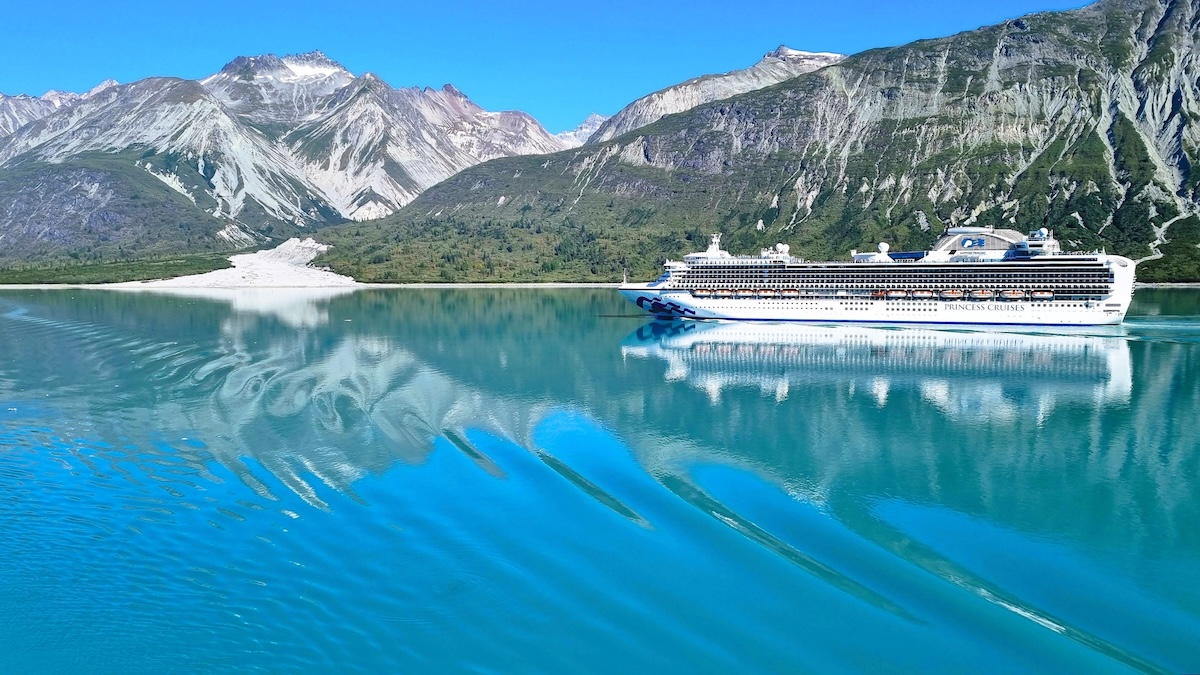
Early September is a sweet spot for an Alaska trip, after the peak cruise and tour crowds have thinned. Tundra in Denali National Park turns red, orange, and gold, and birch forests around Fairbanks and Anchorage start to yellow. Many tours and lodges offer shoulder-season pricing.
Wildlife stays active as bears feed heavily on late salmon runs and berries, while moose and caribou move through the open tundra. Longer nights return, giving you a real chance to see the northern lights around Fairbanks. Denali’s park road bus service and many cruise itineraries operate into mid-September, so confirm closing dates for the specific excursions you want before locking in plans.
Joshua Tree
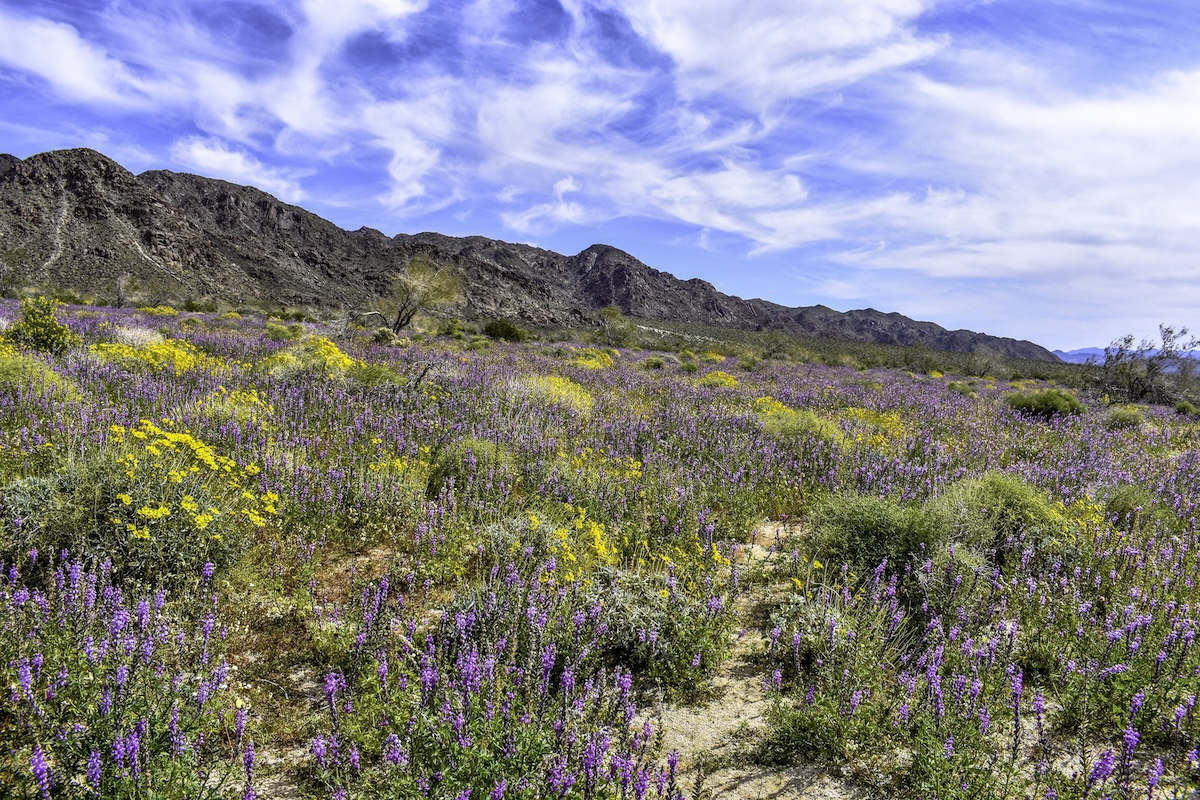
March is one of the most rewarding months in Joshua Tree, with daytime highs near 70 degrees and cool nights perfect for stargazing. You can scramble through the boulders at Jumbo Rocks, hike to Barker Dam, or walk the Cholla Cactus Garden in comfort.
After a wet winter, the park’s lower Colorado Desert section bursts with wildflowers like desert dandelion, chuparosa, and blooming ocotillo near Cottonwood Spring. Bloom strength varies widely from year to year, so check the park’s wildflower updates. Spring break traffic picks up in March, so arrive at the west entrance early, and reserve campsites at Jumbo Rocks or Indian Cove well ahead.
Stowe
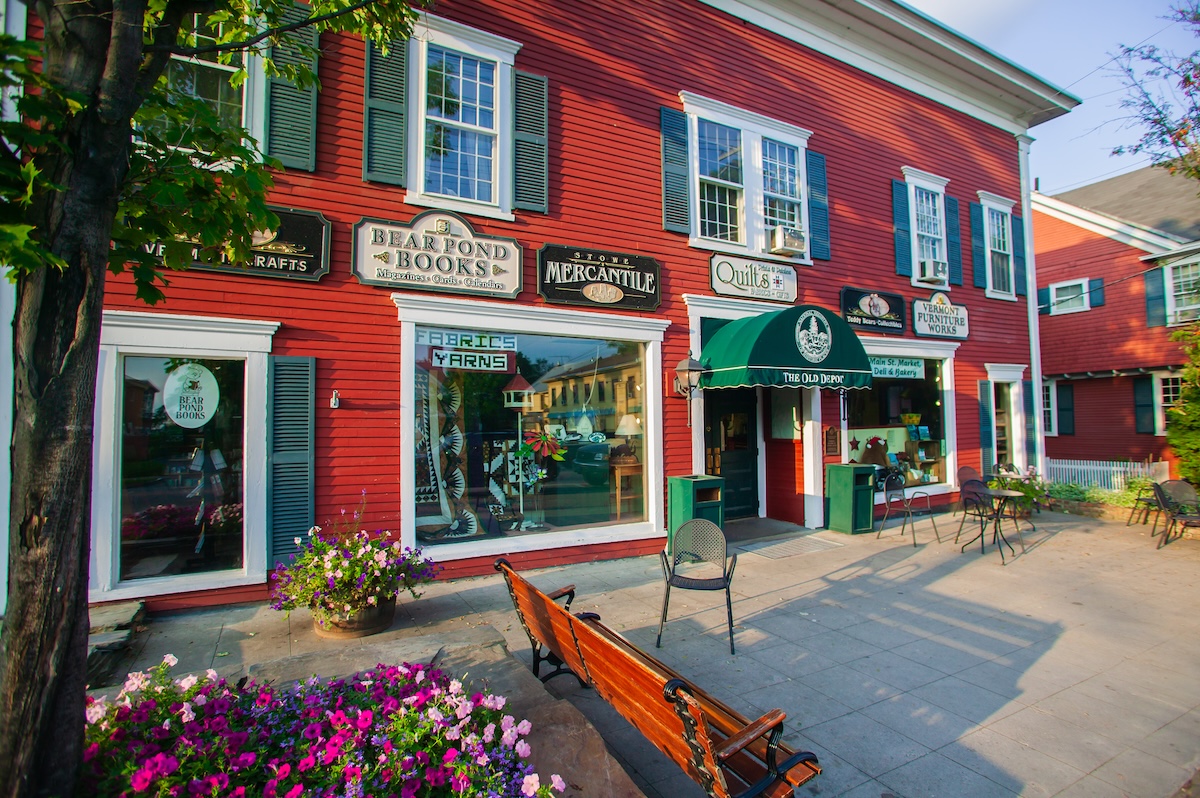
July shows you a lush, green Stowe, free from the tight fall foliage window that drives October prices up. The Stowe Recreation Path winds about 5.3 miles along the West Branch River, making it ideal for an easy bike ride or walk. Swimming holes near Bingham Falls offer relief on warm afternoons.
You can drive the Auto Toll Road toward the summit of Mount Mansfield, Vermont’s highest peak, or take the twisting Smugglers’ Notch route on Route 108. The village stays lively with outdoor concerts, farmers markets, and Fourth of July celebrations. Summer lodging is usually easier to book than in foliage season, and Ben & Jerry’s factory in Waterbury sits just down the road.
New Orleans
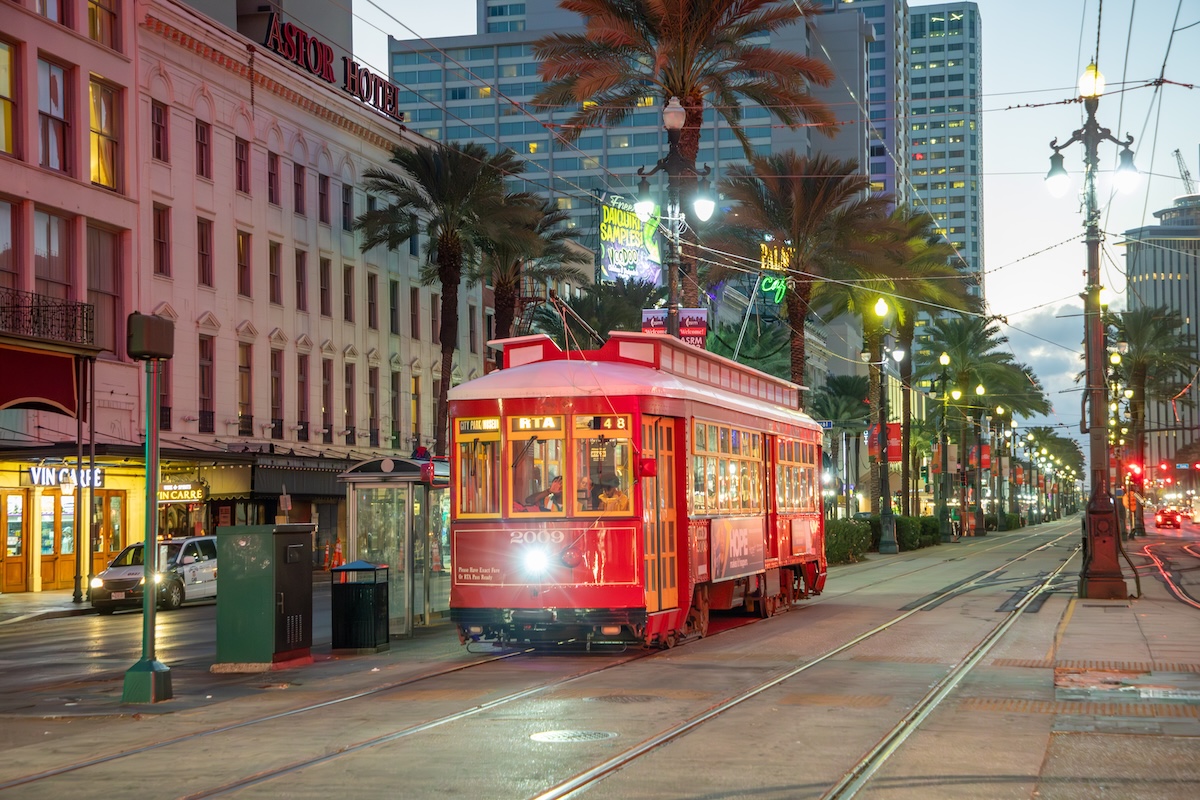
October gives you New Orleans with cooler air, lower humidity, and highs in the low 80s, a major relief after a sticky summer. That weather makes it easy to wander the French Quarter, ride the St. Charles streetcar to the Garden District, and browse the shops along Magazine Street.
The festival calendar stays full, with events like the Crescent City Blues and BBQ Festival in Lafayette Square and the New Orleans Film Festival. Halloween brings costumed parades and street parties across the Marigny and the French Quarter. Hurricane season officially runs through November 30, so buy travel insurance and keep an eye on forecasts as your trip approaches.
New York City
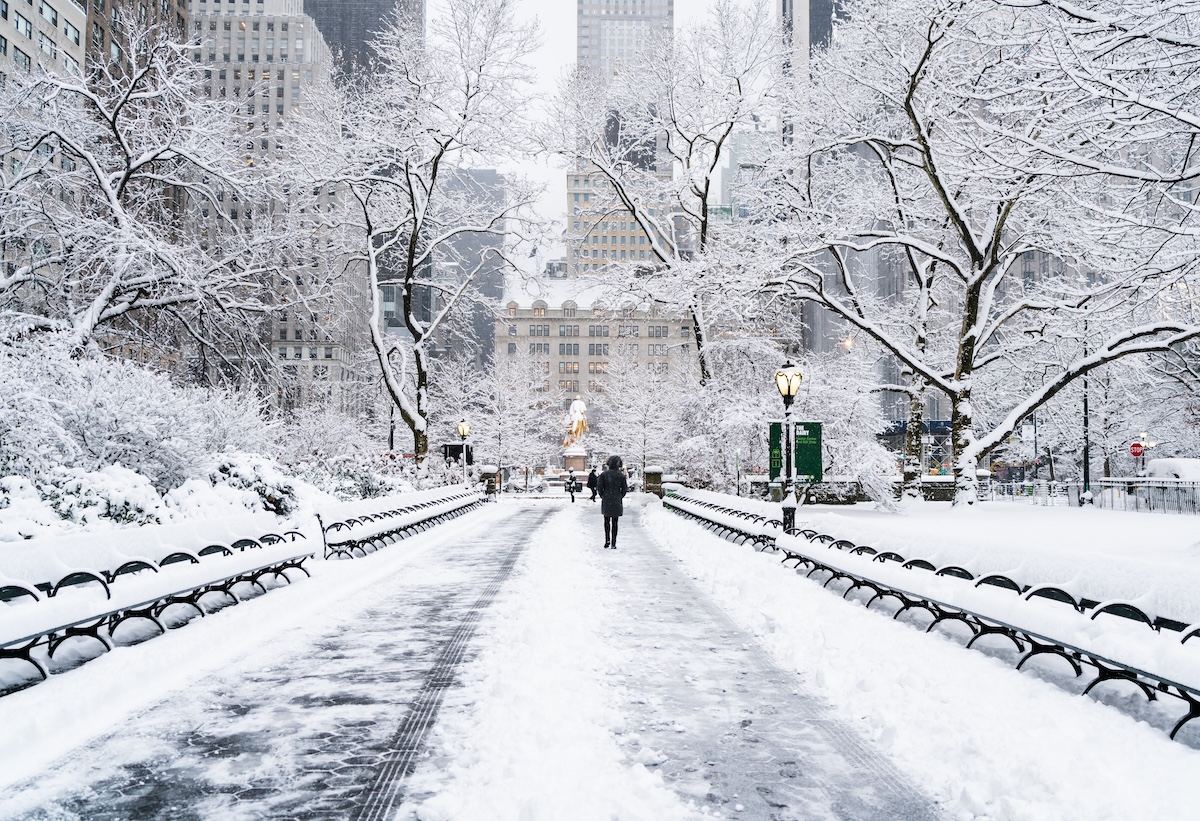
January shows you a quieter New York, once the holiday crowds head home after New Year’s. Hotel rates drop to some of their lowest levels of the year, and tables open up at restaurants that are booked solid in December.
NYC Restaurant Week and Broadway Week typically arrive in late January, offering prix-fixe meals and two-for-one theater tickets. Museums like the Met and MoMA feel less crowded, and a snowfall in Central Park turns the Bow Bridge and the Mall into postcard scenes. Highs hover near 40 degrees, so pack a warm coat, waterproof boots, and a plan for indoor stops between neighborhoods.
Harpers Ferry
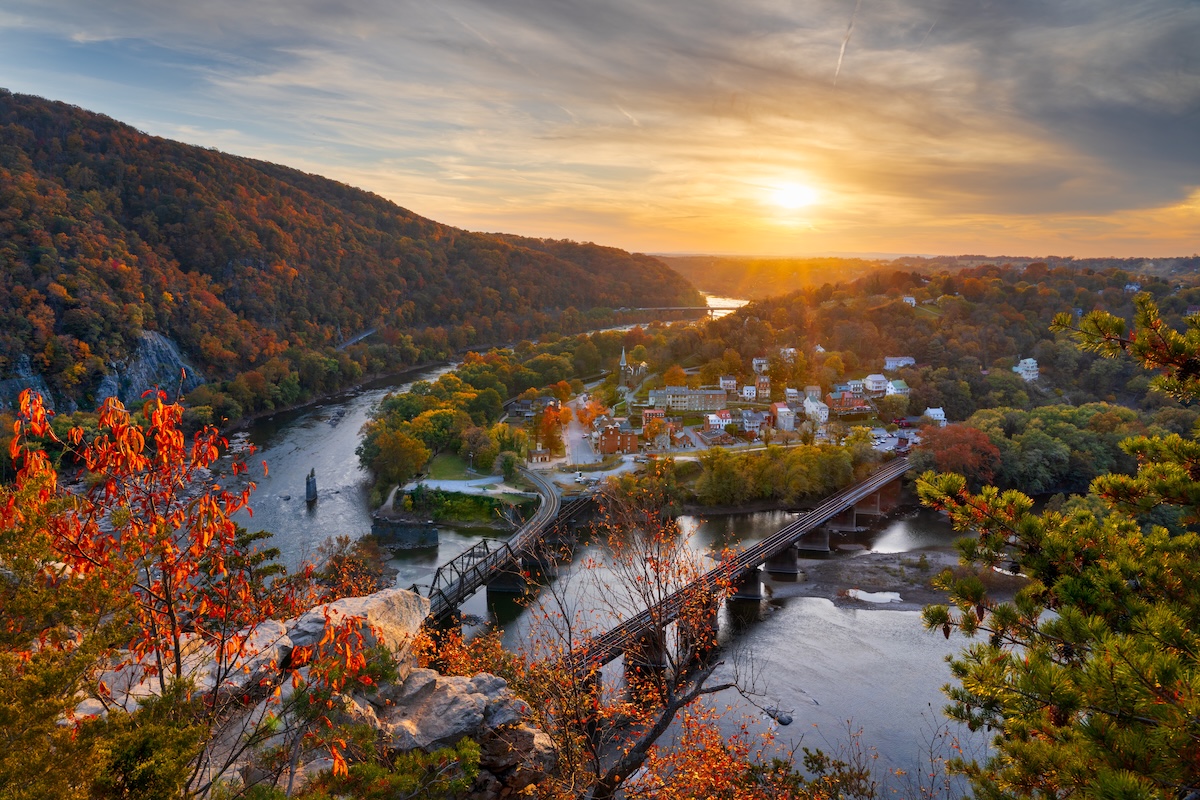
October drapes Harpers Ferry in fall color, with the wooded ridges above the Potomac and Shenandoah rivers turning red and gold around their confluence. The historic lower town, site of John Brown’s 1859 raid, looks especially striking against the autumn hillsides.
Hike the Maryland Heights trail for the classic overlook of the town, or walk up to Jefferson Rock for a shorter climb. The Appalachian Trail runs right through town, and the Appalachian Trail Conservancy’s visitor center sits on Washington Street. Peak foliage usually lands in mid to late October. Parking in the lower town is limited, so use the park’s shuttle from the main visitor center.
Texas Hill Country
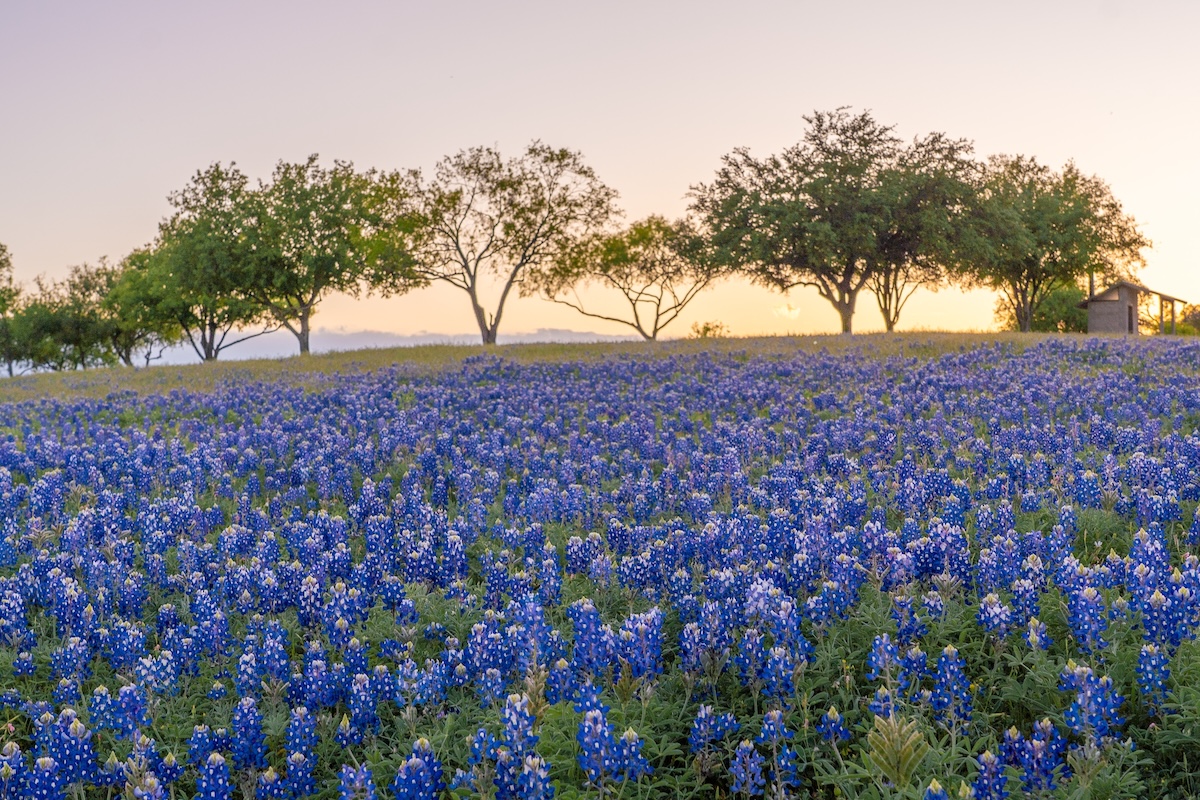
March and April turn the Texas Hill Country into a sea of bluebonnets, the state flower, mixed with Indian paintbrush and other wildflowers. Peak bloom usually runs from late March to mid-April, depending on winter rain.
Drive the Willow City Loop near Fredericksburg for some of the region’s best displays, and stop at Wildseed Farms to walk fields of blooms. Spring highs in the 70s and 80s make hiking at Enchanted Rock pleasant, a big change from summer, when temperatures climb toward 100 degrees. Wineries along Highway 290 and small towns like Wimberley round out a spring road trip, though popular roadside fields get busy on weekends.
Yellowstone
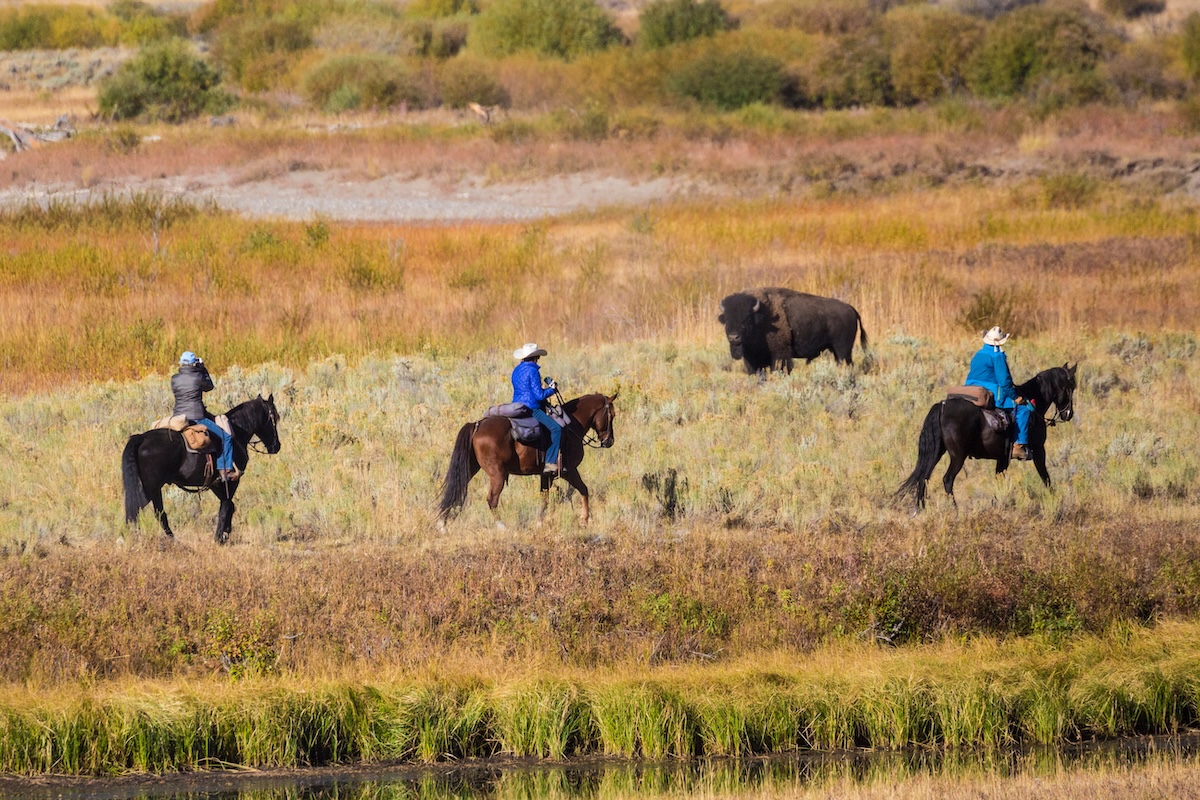
September offers some of Yellowstone’s best wildlife viewing, especially during the elk rut. Bull elk bugle and spar for mates. At Mammoth Hot Springs, you can watch herds wander across lawns near the historic buildings. Keep a safe distance, though. Bulls can get aggressive this time of year.
Bison and wolves remain active in Lamar Valley, and aspens start turning gold late in the month. Cooler air sends thicker steam rising from Grand Prismatic Spring and the Upper Geyser Basin. Crowds thin after Labor Day, but some lodges and services close as fall goes on. Pack warm layers, since snow can fall at higher elevations in September.
Skagit Valley, Washington
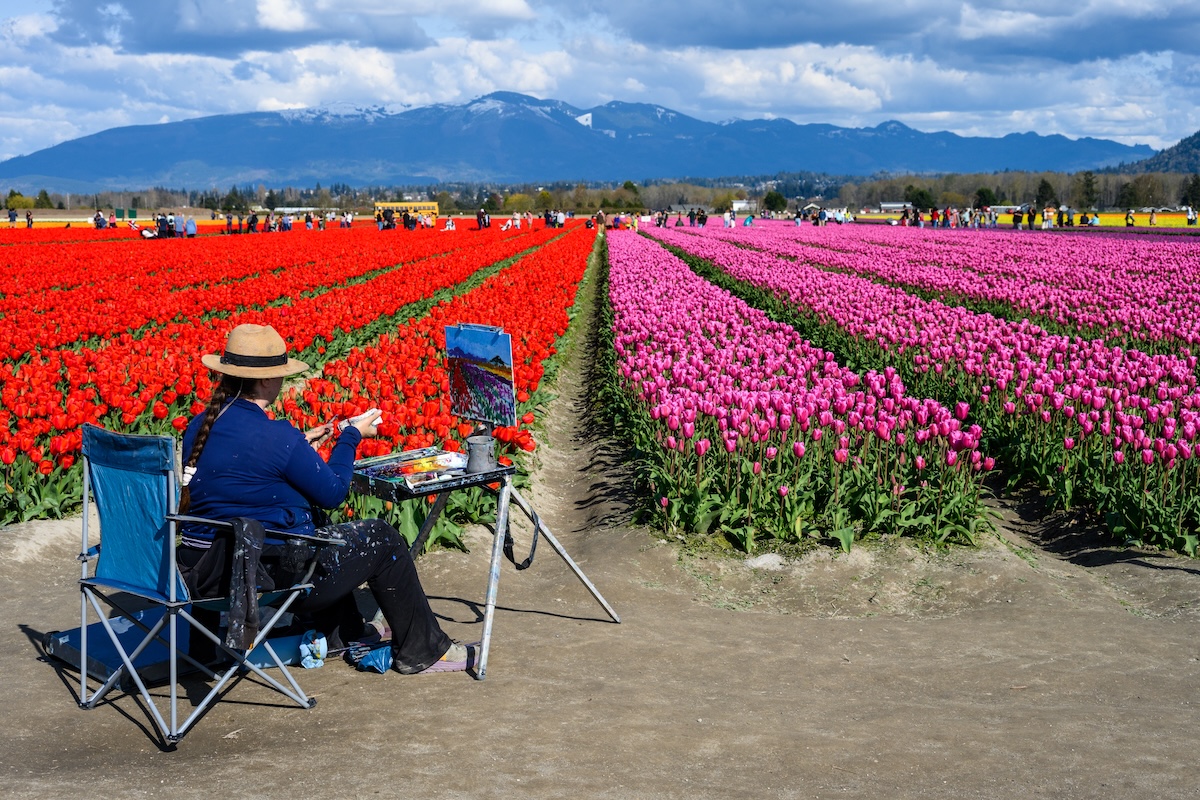
April is tulip season in Skagit Valley, about an hour north of Seattle. Hundreds of acres burst into color, and the Skagit Valley Tulip Festival runs throughout the month. Its display gardens at RoozenGaarde and Tulip Town draw visitors from across the region.
Bloom timing depends on spring weather, so check the festival’s bloom map before driving up. Fields get muddy, so pack rain boots or old shoes. Visit on a weekday and arrive early to avoid long traffic backups near Mount Vernon. Afterward, head to the waterfront town of La Conner for galleries and lunch. On clear days, you can often see Mount Baker.