
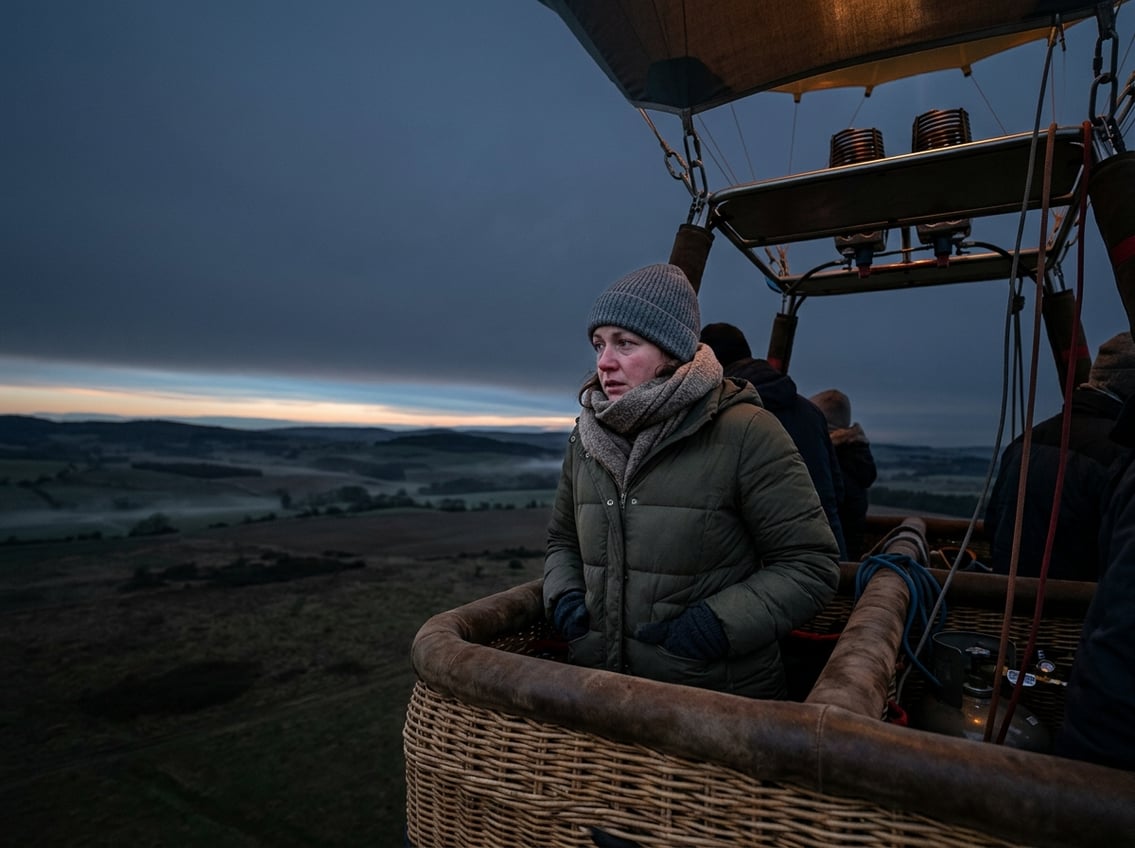
Some trips look perfect from your couch. You see the sunrise photo, the cozy sleeper cabin, the glamping tent strung with fairy lights, and start planning. Then you’re there, tired and cold or stuck in a line, wondering why the dream felt so much better on your phone.
Plenty of popular travel experiences fall into this gap between expectation and reality. Many are still worth doing once. Others cost you sleep, money, or a full day of vacation for a payoff that lasts about ten minutes.
Knowing where that gap tends to open helps you plan smarter. You can skip what drains you, adjust what’s salvageable, and save your energy for the moments that live up to the hype.
Sunrise Missions
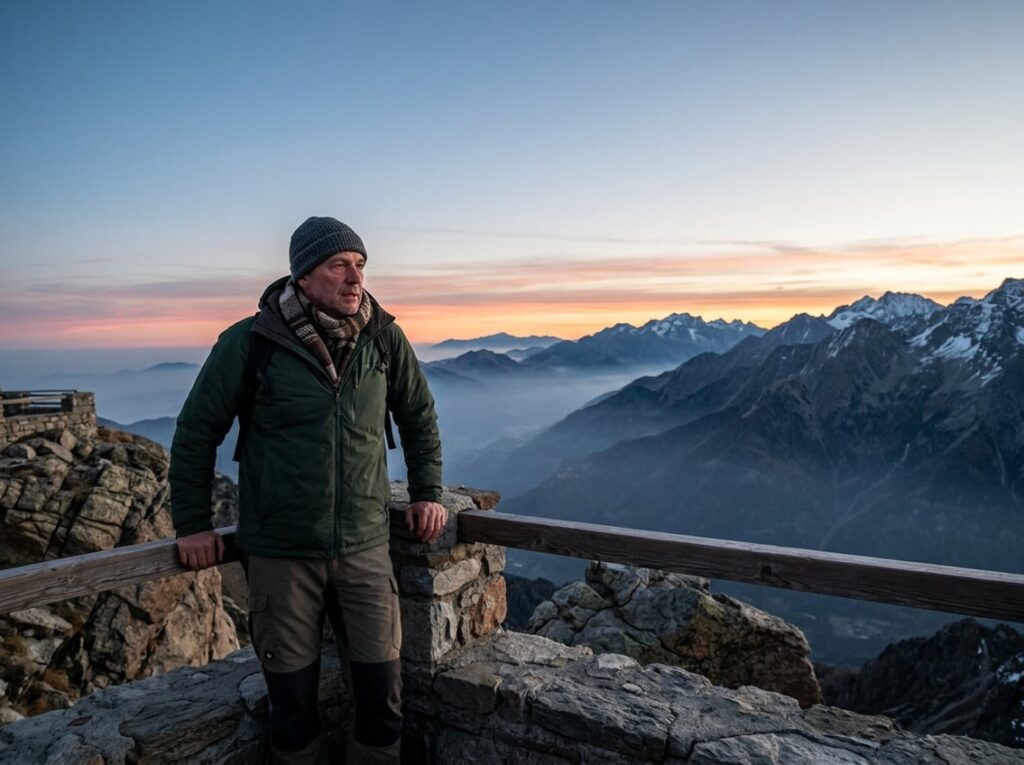
Sunrise hikes reward you with about fifteen minutes of glowing sky after a 3 a.m. alarm, a dark trail, and a crowded summit. At spots like Haleakalā on Maui, temperatures near the top can dip close to freezing, and you’ll need a reservation just to drive up for sunrise.
Clouds don’t care about your alarm, either. Plenty of travelers wait in the cold only to watch fog turn the sky gray. If you go, pack gloves and a thermos, and check the forecast the night before. You could also consider sunset at the same viewpoint. You’ll get similar colors in warmer air and won’t lose the next day to exhaustion.
Whirlwind Day Tours
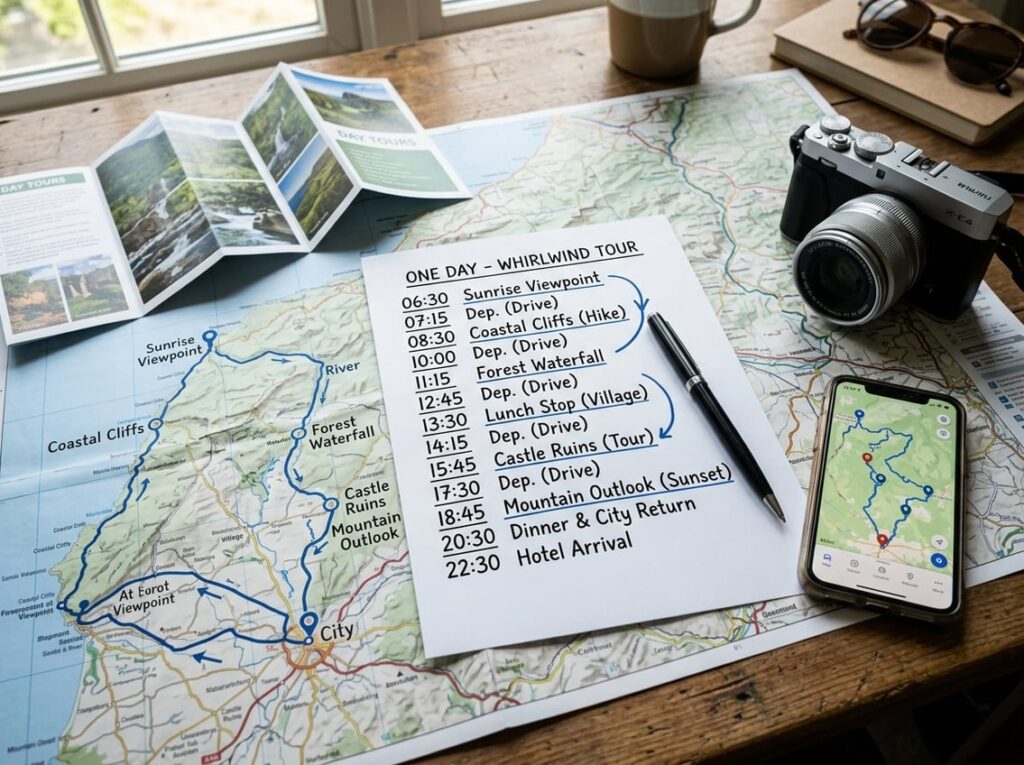
Day tours that promise five landmarks in one trip mostly deliver hours on a bus. A tour from Las Vegas covering the Grand Canyon, Hoover Dam, and a desert stop sounds efficient, until you realize the drive alone eats up most of the day.
You end up with 45 minutes at each stop, barely enough time for a photo and a bathroom break. The rest is highway. Pick one destination and give it a full day, or book a tour with fewer stops and longer visits. Seeing one canyon properly leaves a stronger memory than glimpsing four through a coach window.
Overnight Buses
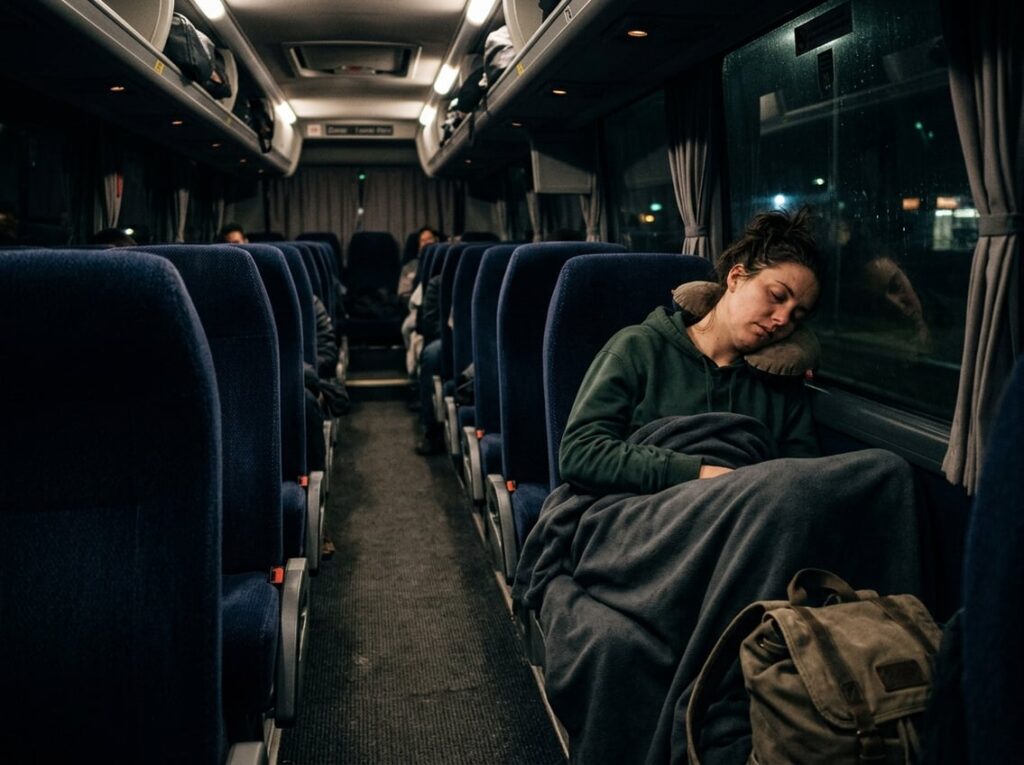
Overnight buses look like a clever way to save on a hotel night, and the math works on paper. In practice, you sleep in short, broken stretches between rest stops and bright station lights, in a seat that reclines just enough to strain your neck.
You arrive at dawn in an unfamiliar city, groggy and with hours to kill before hotel check-in. That lost morning often cancels out the money you saved. If you ride one, bring a neck pillow, an eye mask, and earplugs. Book a hotel that allows early check-in or luggage storage, too.
Packed Group Excursions
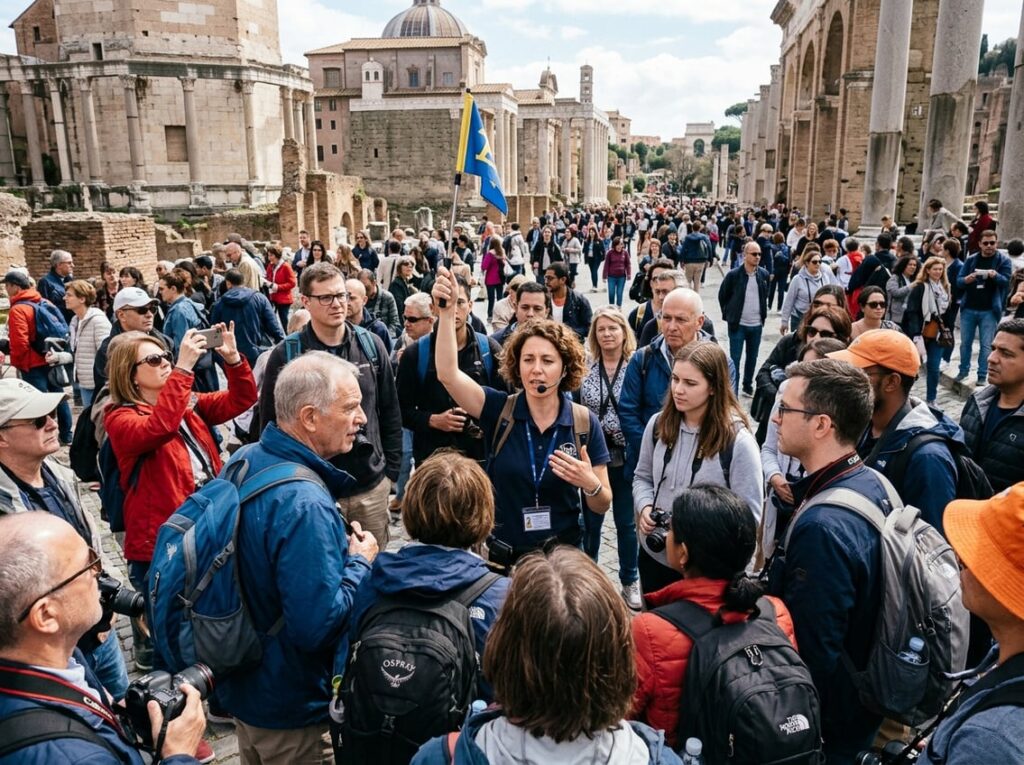
Large group tours handle the logistics for you, but that convenience comes with a crowd of 40 strangers moving at the pace of the slowest person. At busy landmarks, you spend much of the visit craning to hear a guide over other groups doing the same thing.
Bathroom stops, headcounts, and gift-shop detours shrink your free time further. Smaller tours capped at 10 to 15 people cost more, but give you room to ask questions and linger. For major museums or ruins, a private guide for two hours often beats a full day being herded around with a group.
Elaborate Travel Photo Shoots
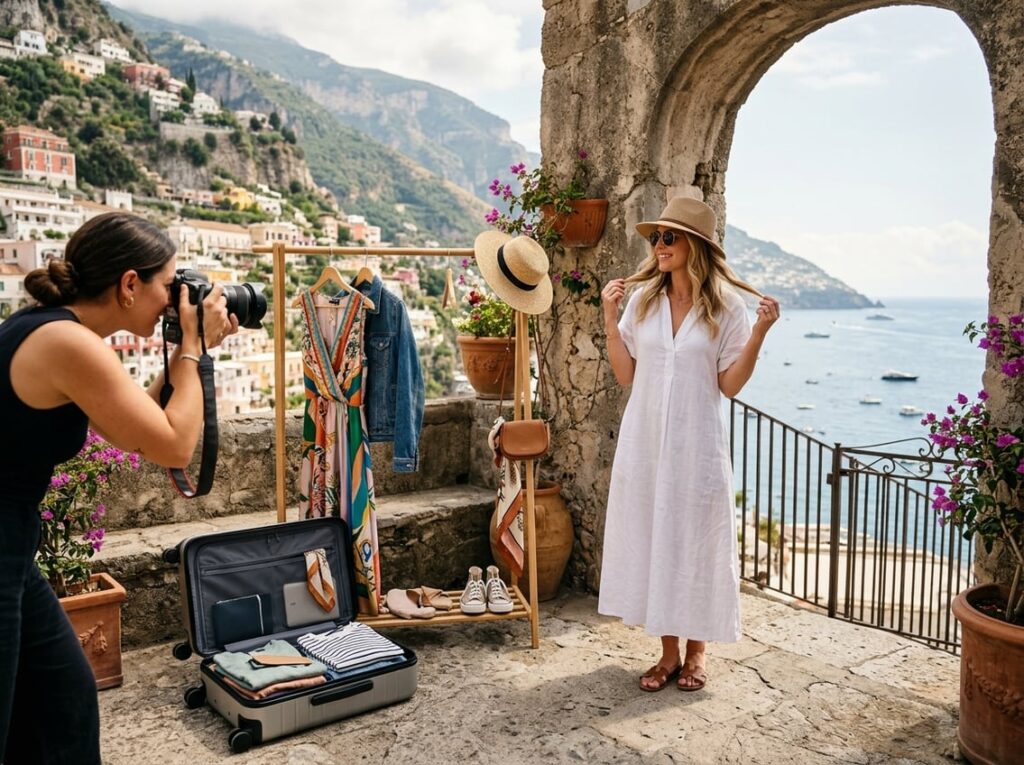
Planning outfit changes for every stop turns your vacation into a work shift. You haul extra clothes, hats, and props through airports and city streets, then spend prime time at each landmark hunting for angles and retakes.
Changing in public restrooms gets old fast, and your travel companions may lose patience by day two. Professional vacation photographers, whom you can book in cities like Paris and New York for about an hour, solve much of this. You get polished shots in one session, then spend the rest of the trip wearing whatever’s comfortable and looking at things with your own eyes.
Ultra-Tight Stopovers
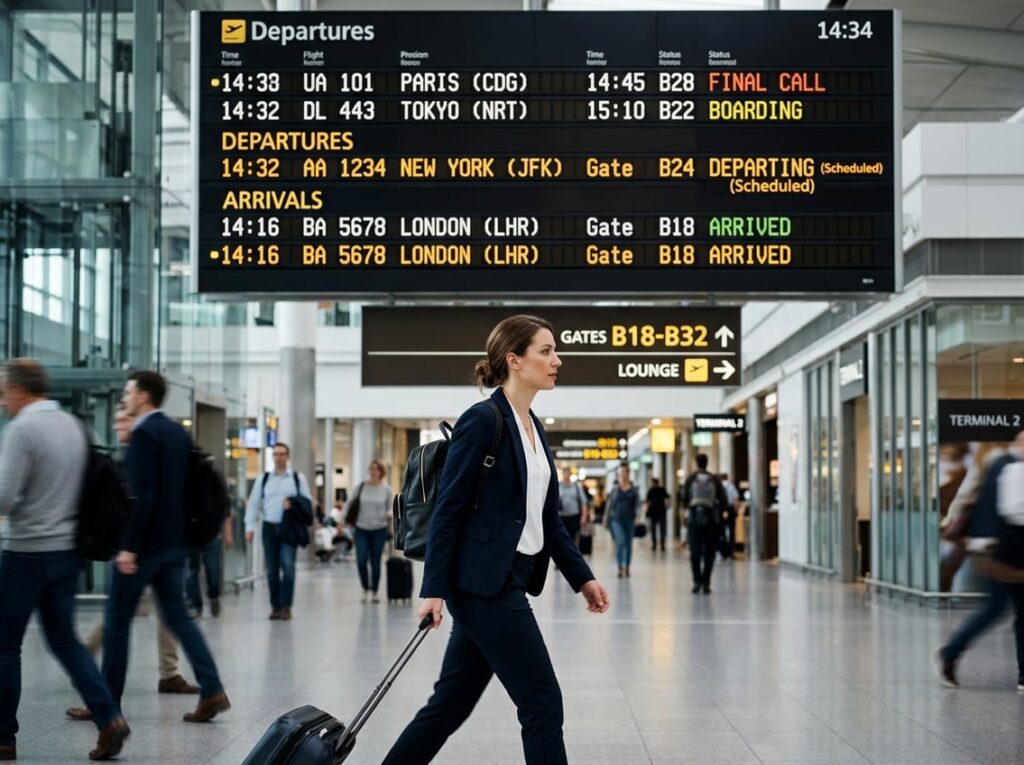
A 40-minute connection looks like a bargain on the booking screen since it gets you there sooner. Then your first flight lands late, you deplane from row 32, and your next gate is in a different terminal at a hub like Chicago O’Hare or Atlanta.
Missing the connection can mean hours of rebooking or an unplanned overnight. International layovers add customs and security rescreening. Give yourself at least 90 minutes for domestic connections and two to three hours for international ones. Book both legs on a single ticket, too, so the airline has to rebook you if the first flight runs late.
Romantic Overnight Trains
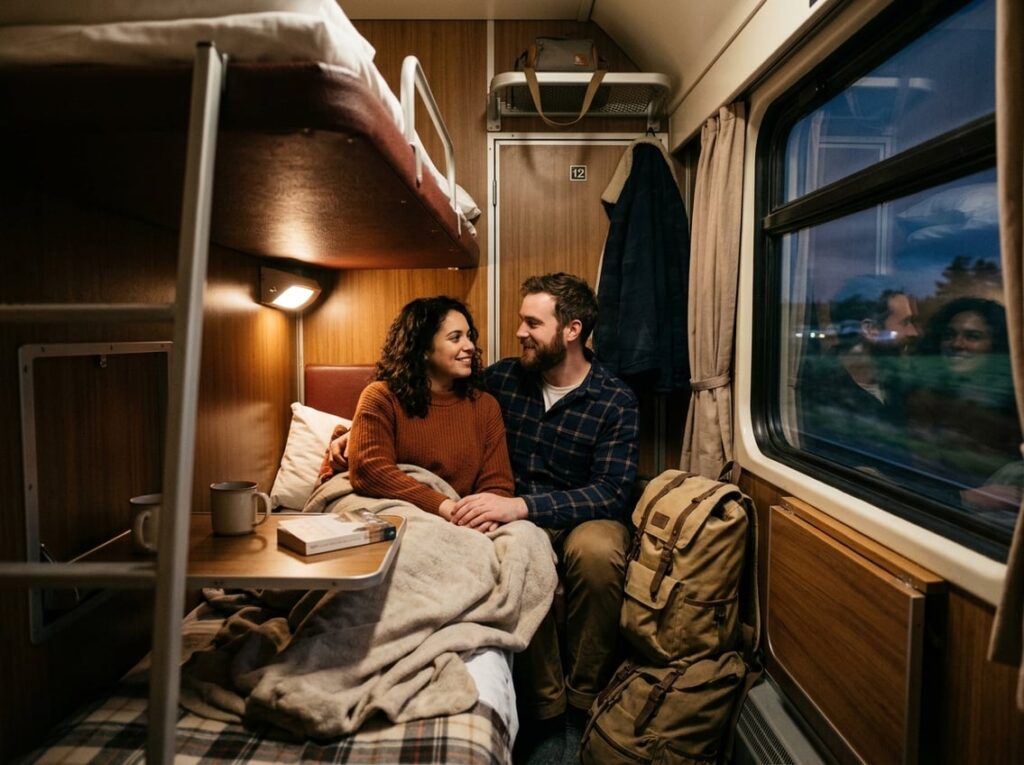
Sleeper trains promise candlelit dinners and a gentle ride to sleep across the countryside. The reality is a compartment roughly the size of a closet, with bunk beds stacked tight and luggage wedged wherever it fits.
Amtrak’s Roomette, for example, fits two people in seats that convert to upper and lower berths. The upper bunk feels tight, and every stop and jolt interrupts your sleep. If you want comfort, book a larger bedroom category, pack light in a soft bag, and treat the journey as an adventure with good views and a dining car.
Sleeping in an Airport
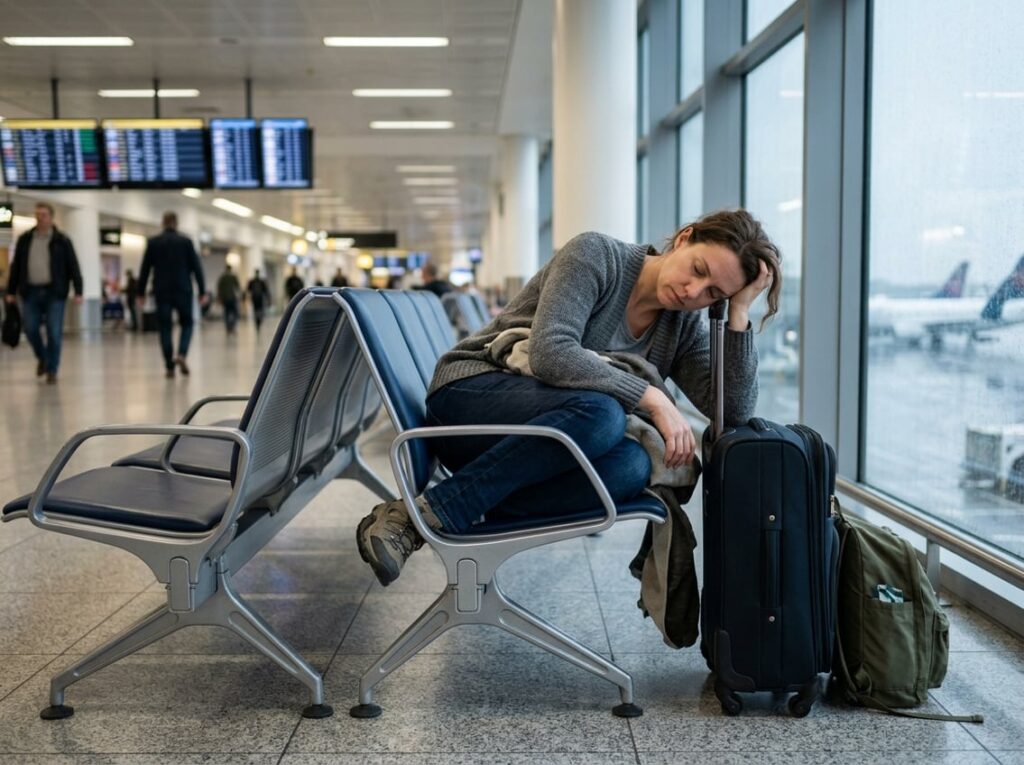
Spending the night at the airport to save on a hotel sounds scrappy and clever until you meet the armrests. Many terminals design seating to stop people from lying down, while cleaning machines and announcements run all night.
You also stay half-alert, guarding your bags. Some airports, including Singapore Changi, offer rest zones or in-terminal hotels, and lounge day passes or sleep pods are worth checking out. If you’re stuck anyway, find a quiet gate away from the main concourse, bring layers because terminals run cold, and keep valuables clipped to you.
Back-to-Back Museum Days

Museum fatigue sets in faster than you expect. A few hours at a museum like the Met in New York can leave your feet aching, and by day three of nonstop galleries, the art starts to blur together.
Standing, walking slowly, and constantly reading can drain you more than a long hike. Limit yourself to one major museum per day, and plan two or three hours around a clear list of rooms you want to see. Spend the afternoon outdoors at a park or market, or walking through a neighborhood, so the details you saw in the morning have time to stick.
Driving to Every Scenic Viewpoint
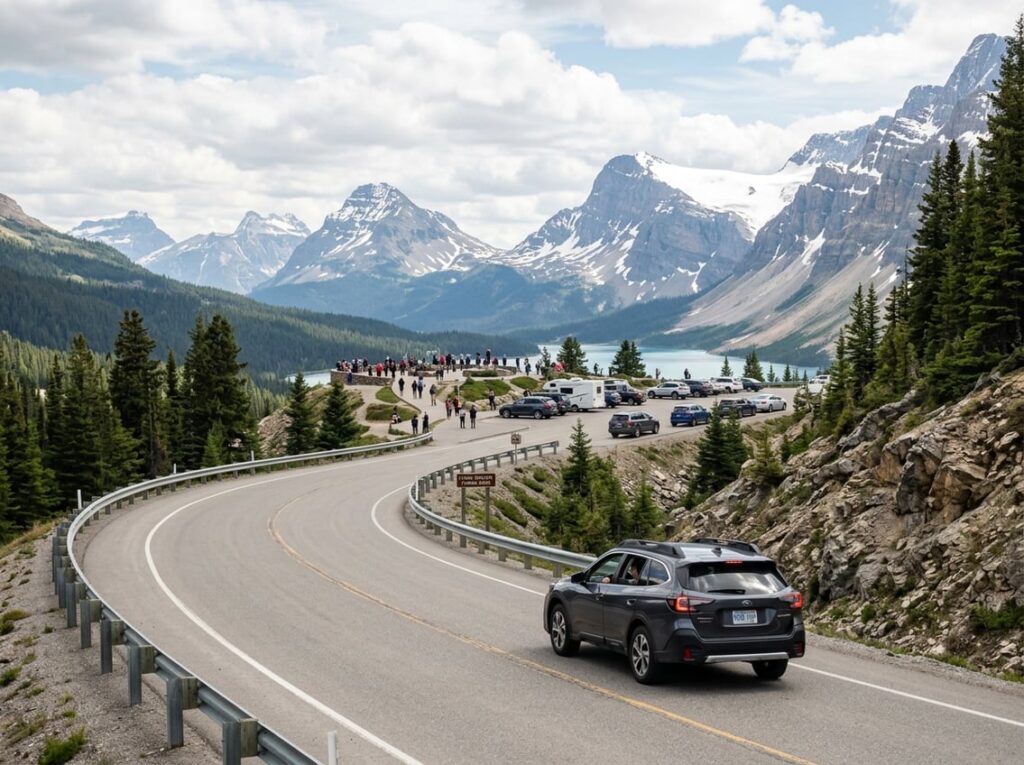
Road trips built around scenic pullouts turn into hours of traffic when everyone has the same idea. Popular routes like Going-to-the-Sun Road in Glacier National Park have required timed vehicle reservations during peak season, and parking at overlooks fills by mid-morning.
You spend more time circling lots than enjoying the views. Pick three or four standout viewpoints and arrive early or late in the day. Park shuttles, where available, take the parking hunt off your plate. Better yet, get out on a short trail, where the crowds thin within the first mile.
Trying to See a City in 24 Hours

Cramming a whole city into one day leaves you with a camera roll and little memory of the place. A sprint through Washington, D.C., linking the monuments, a Smithsonian museum, Georgetown, and the Capitol, means you spend most of your time on transit and navigation.
You miss the long lunches, side streets, and unplanned discoveries that give a city its character. Choose one or two neighborhoods and explore them on foot. Leave space for an unhurried meal. A focused day makes you want to come back instead of feeling like you’ve already crossed the city off.
Beach-Hopping All Day

Visiting several beaches in a day sounds like the ultimate island sampler. Each move means shaking sand out of towels, repacking the cooler, hauling chairs to the car, and hunting for parking again.
On islands like Oahu, popular beaches fill up by late morning, so every new stop means another search for a spot. You end up spending more time packing than swimming. Pick one beach for the main part of your day, then add a second for sunset if you still have energy. A cooler, an umbrella, and a full afternoon in one place feel far more like a vacation.
Luxury Camping (Glamping)
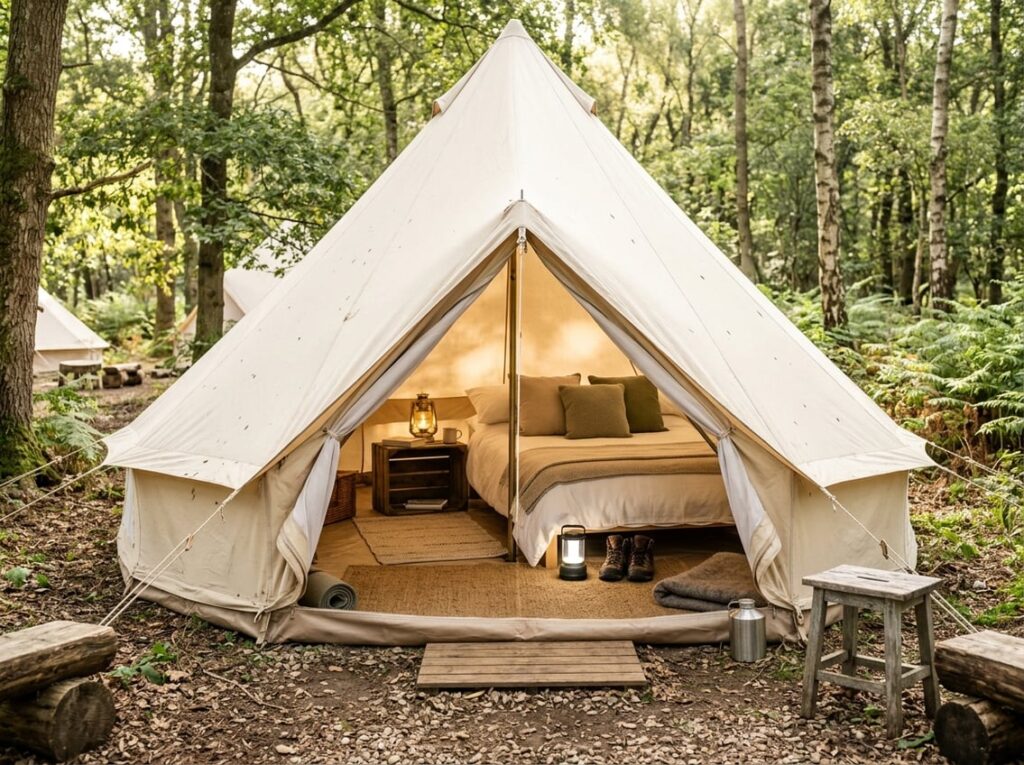
Glamping photos show plush beds and string lights, but they leave out the fact that you’re still sleeping outdoors. Canvas walls don’t block sound, temperatures swing overnight, and the bathroom might be a walk away from your tent.
Popular sites often charge prices that rival boutique hotels, sometimes topping $300 a night, for less space and insulation. Before booking, check whether the tent has a private bathroom, heating or a fan, and solid walls. Read recent reviews for notes on bugs, noise, and how well the site holds up in rain.
Long Scenic Train Journeys
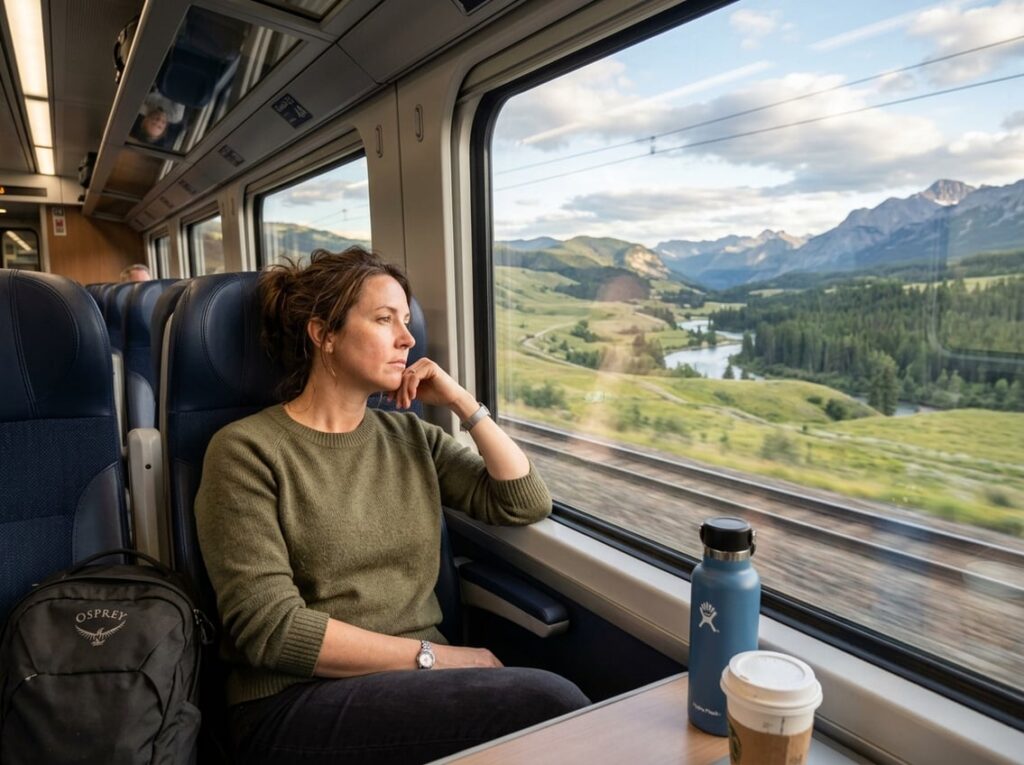
Multi-day rail routes deliver incredible scenery in short, stunning bursts, separated by long stretches of sameness. Amtrak’s California Zephyr runs about 51 hours from Chicago to Emeryville, and delays can stretch the trip even further.
The Rockies and the Sierra Nevada wow you, while flat sections pass slowly. Bring books, downloads, and snacks, and expect patchy Wi-Fi and cell service. You can also ride just the most scenic segment, such as Denver to Glenwood Springs, and get the highlight without spending two full days on board.
Sleeping in a Beach Hut
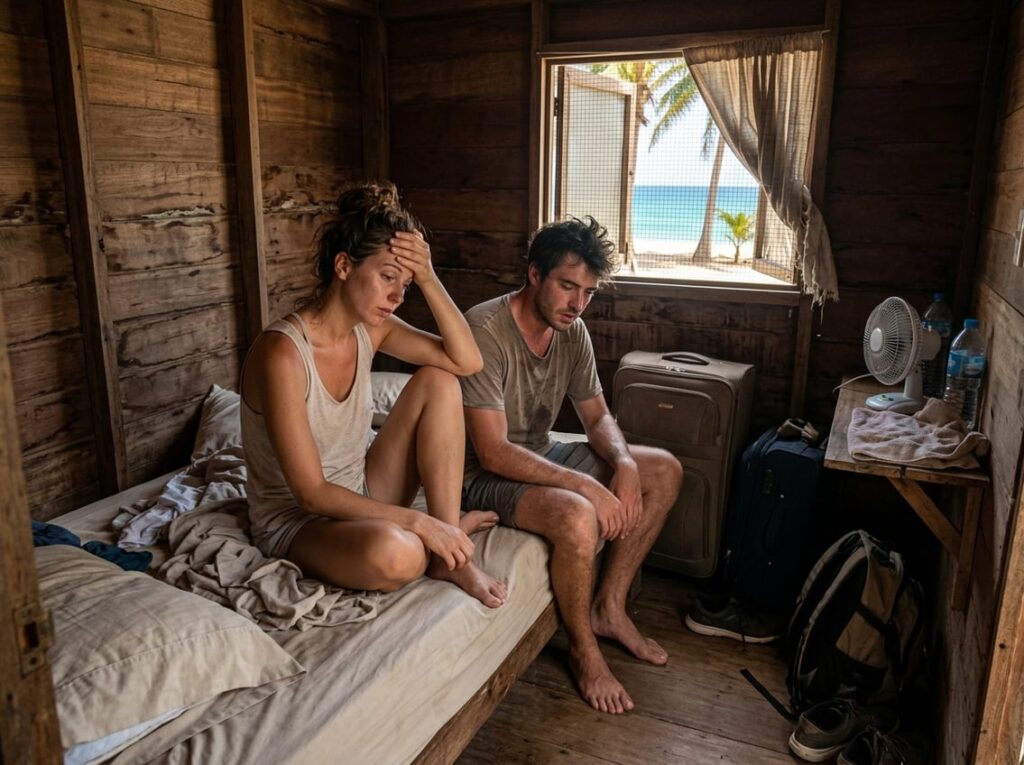
Beach huts look like the perfect barefoot escape from the outside. Inside, many feel hot and stuffy, with thin walls, minimal fans, and limited electricity when the sea breeze dies down at night.
Sand gets into everything, and mosquitoes find their way through gaps in screens. Budget spots often have shared bathrooms and cold-water showers. Before booking, confirm that the hut has air conditioning or at least a strong fan, and check for mosquito nets and private facilities. One night is often enough to enjoy the setting before moving somewhere comfortable.
Tourist Cable Cars at Peak Hours
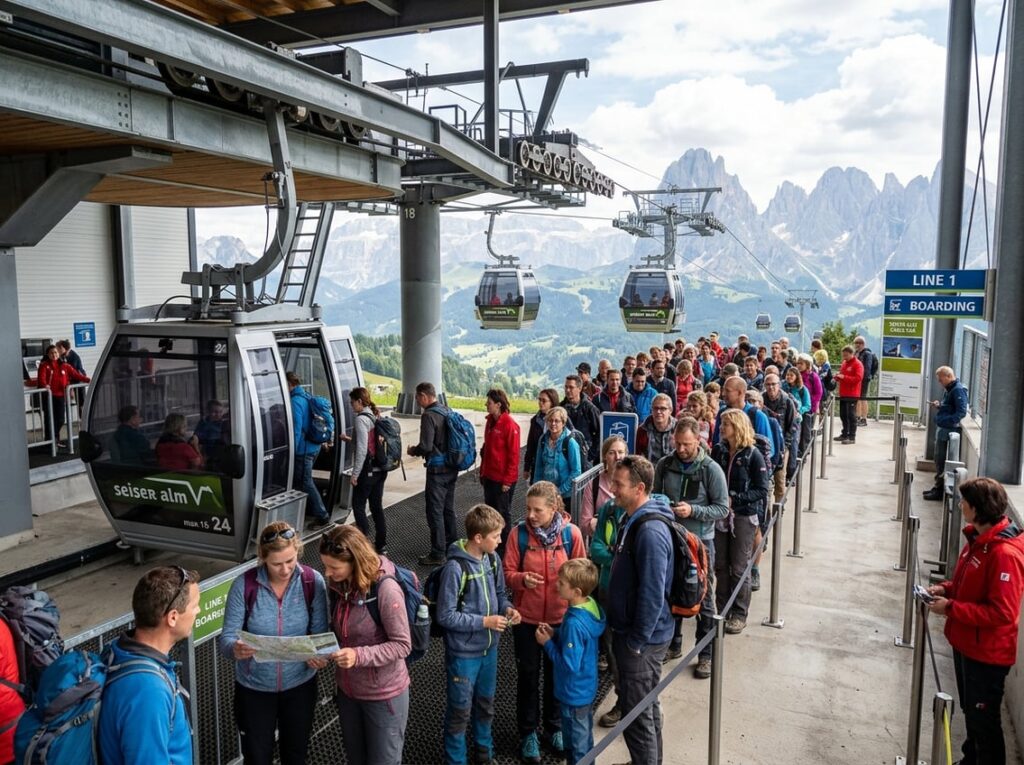
Famous cable cars and trams can mean an hour or more in line for a ride that lasts just minutes. San Francisco’s Powell Street turnaround routinely builds long queues on summer afternoons, and mountain gondolas jam up on clear weekend mornings.
When you finally board, you’re packed shoulder to shoulder with a limited view. Ride early, before 9 a.m., or in the evening. For San Francisco’s cable cars, board at a stop further along the line instead of at the turnaround to get on faster. Buying tickets in advance through official apps also saves time at mountain lifts.
Self-Guided Audio Tours
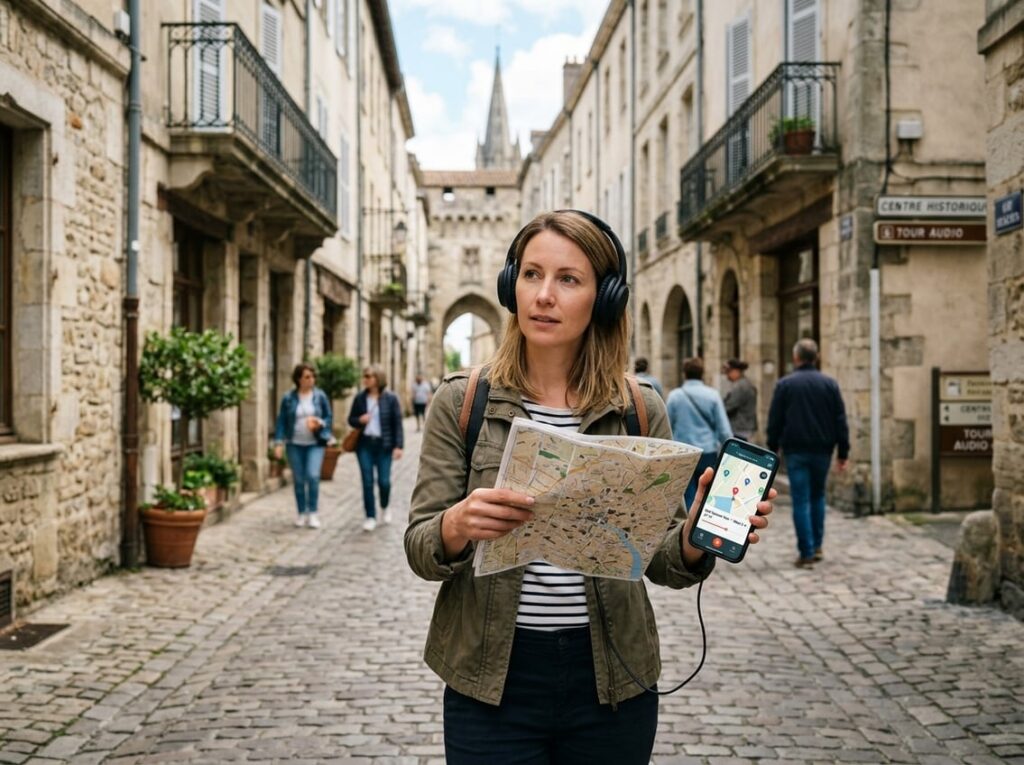
Audio tours promise freedom, but you can spend half the time figuring out where you’re supposed to stand. The narration describes a building or painting you can’t find, and pausing to check the map breaks up the story.
Battery drain, spotty GPS, and dense crowds make city walking tours more frustrating. Download the tour and offline maps before you go, and carry a charged battery pack. Preview the route so you know the general path. Use a single earbud on busy streets so you stay aware of traffic.
Remote Mountain Lodges
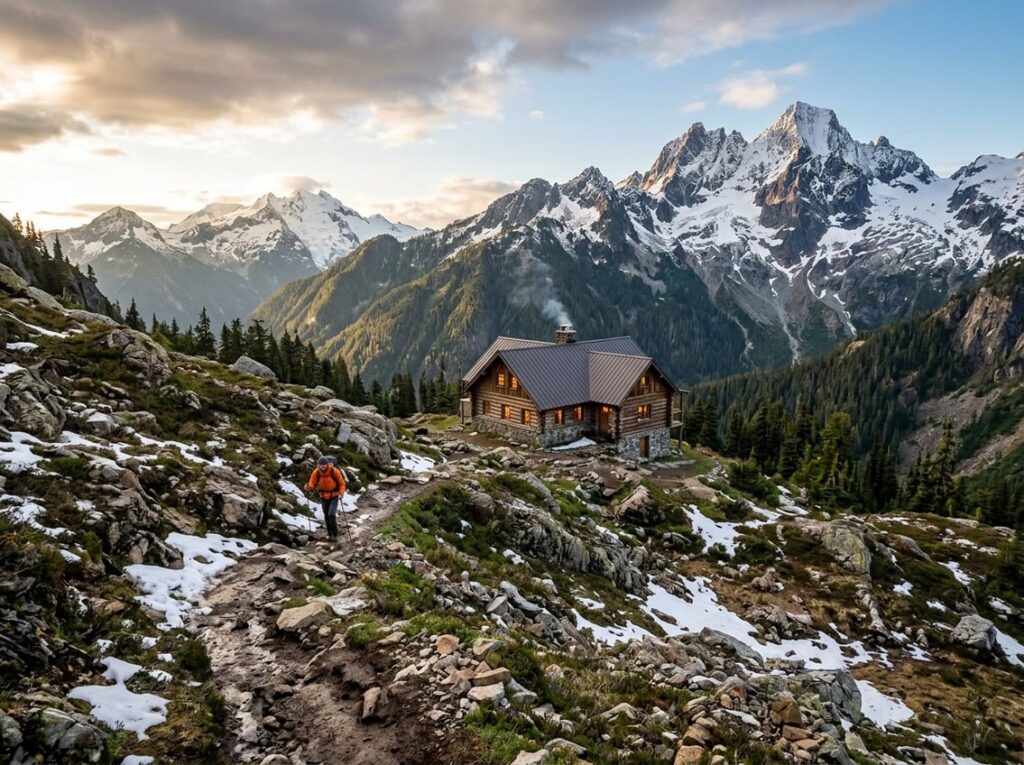
Remote lodges sell solitude, but getting there takes real effort. Expect long drives on gravel roads, steep hikes with gear, or small charter flights, as you’ll find with backcountry lodges in Alaska or Montana.
Once you arrive, you’re tied to fixed meal times, limited menus, and patchy connectivity. Replacing forgotten items can be difficult. Pack carefully, confirm what the lodge provides, and stay at least three nights to justify the travel. Check weather conditions before departure, since road closures or storms can delay your arrival or departure.
Early-Morning Hot-Air Balloon Rides
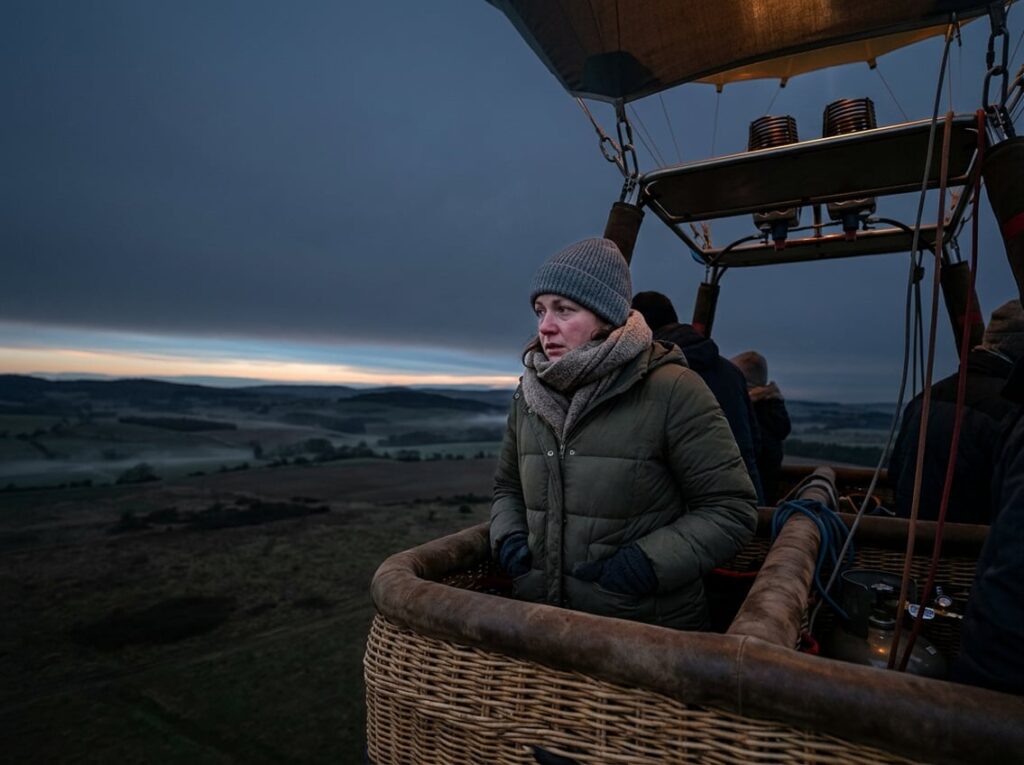
Balloon flights launch near dawn, when winds are calmest, so you trade sleep for a pre-sunrise pickup in the cold. Even in Albuquerque or Cappadocia, mornings can be chilly, and you’ll stand in a field while crews inflate the balloons.
Flights also cancel often because of wind or weather, sometimes after you’ve already arrived. The ride itself lasts about an hour. Dress in warm layers, wear a hat, and book early in your trip so there’s room to reschedule. Many operators include a post-flight breakfast to make the early start worthwhile.
Trying to Recreate a Famous Travel Photo
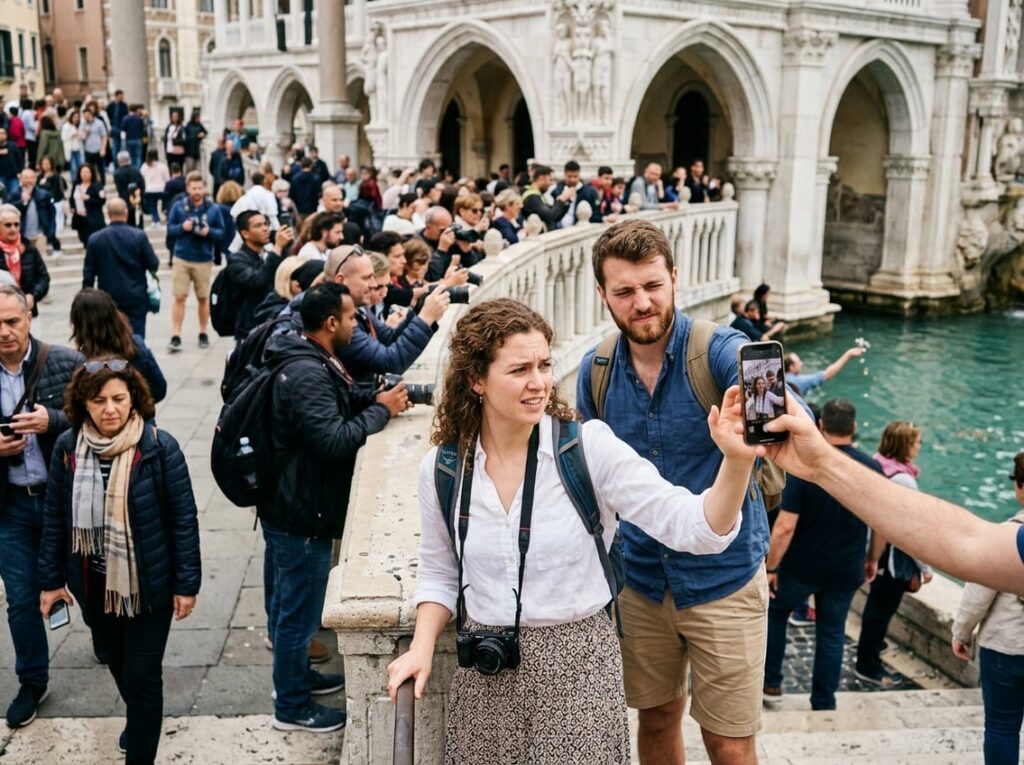
Matching an iconic Instagram shot means competing with everyone else who had the same idea. Places like Horseshoe Bend in Arizona and the Brooklyn Bridge fill up with photographers waiting for that exact same angle.
Those viral images often rely on drone footage, editing, or empty early-morning conditions you probably won’t find at midday. Arrive at sunrise to avoid the crowds, or skip the famous framing and try a different angle nearby. You’ll get a photo that feels more like your own, and spend more time enjoying the view.