
Touropia Logo

Touropia Travel

Discover the World

  • Destinations
  • Videos

This State Park Has a Waterfall Taller Than Niagara’s American Falls

By Nikki Rodgers · Last updated on June 9, 2026

Swallow Falls State Park

Forest trails, cascading waterfalls, and quiet mountain scenery make this one of Maryland’s most beautiful outdoor escapes. Hidden away in the western part of the state, it feels far removed from the busy cities and coastline most people associate with the region.

Tucked into the Appalachian mountains of Maryland, Swallow Falls State Park is best known for its rushing waterfalls, old-growth forest, and peaceful atmosphere. The park attracts visitors year-round, though summer is especially popular for swimming, fishing, and escaping the heat.

Whether hiking beside the river or simply relaxing near the falls, the park offers a quieter and more scenic side of Maryland that many travelers rarely see.

Hike the Canyon Trail
Canyon Trail

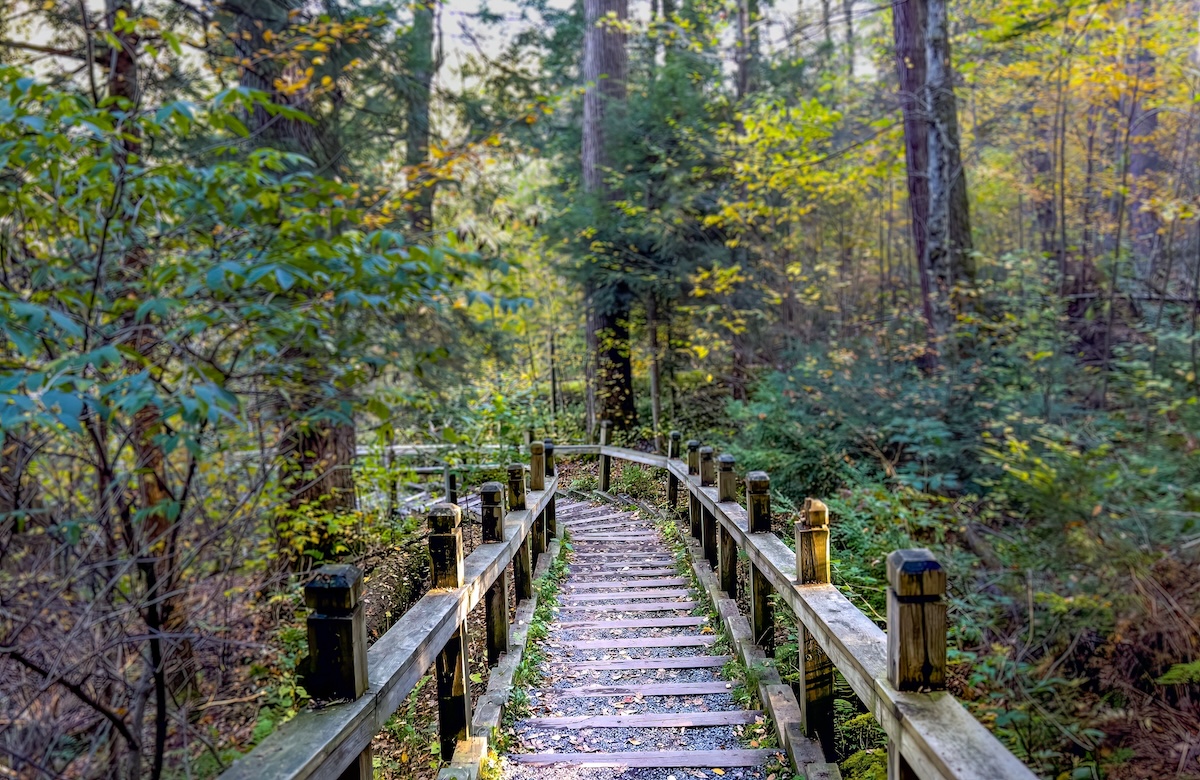
If you want to experience some of the most scenic hiking in Maryland, the Canyon Trail at Swallow Falls State Park is a great place to start. This mile-and-a-half trail takes you past wild rhododendrons, rocky outcroppings, and beautiful forest scenery. Along the Canyon Loop Trail, you can also access Muddy Creek and Tolliver Falls, one of the park’s hidden gems.

Stay in a Camper Cabin
Forest

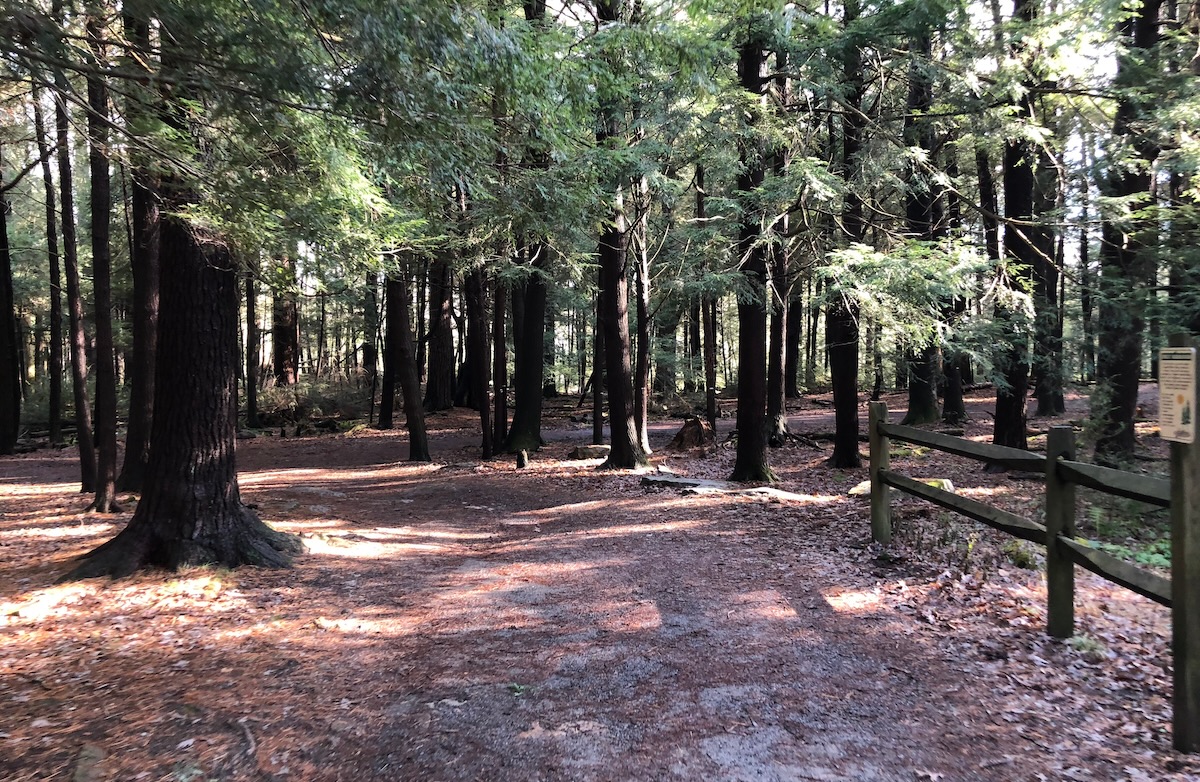
If you’re planning to spend more than a day in the area, staying in a camper cabin is a comfortable way to stay close to nature without needing an RV. Swallow Falls offers several cabin options, many of which include a double bed, air conditioner, mini fridge, microwave, chairs, and a folding table.

Surrounded by hemlock trees, the cabins provide a quiet and relaxing atmosphere where you can unwind after a day outdoors.

Visit Muddy Creek Falls
Muddy Creek Falls

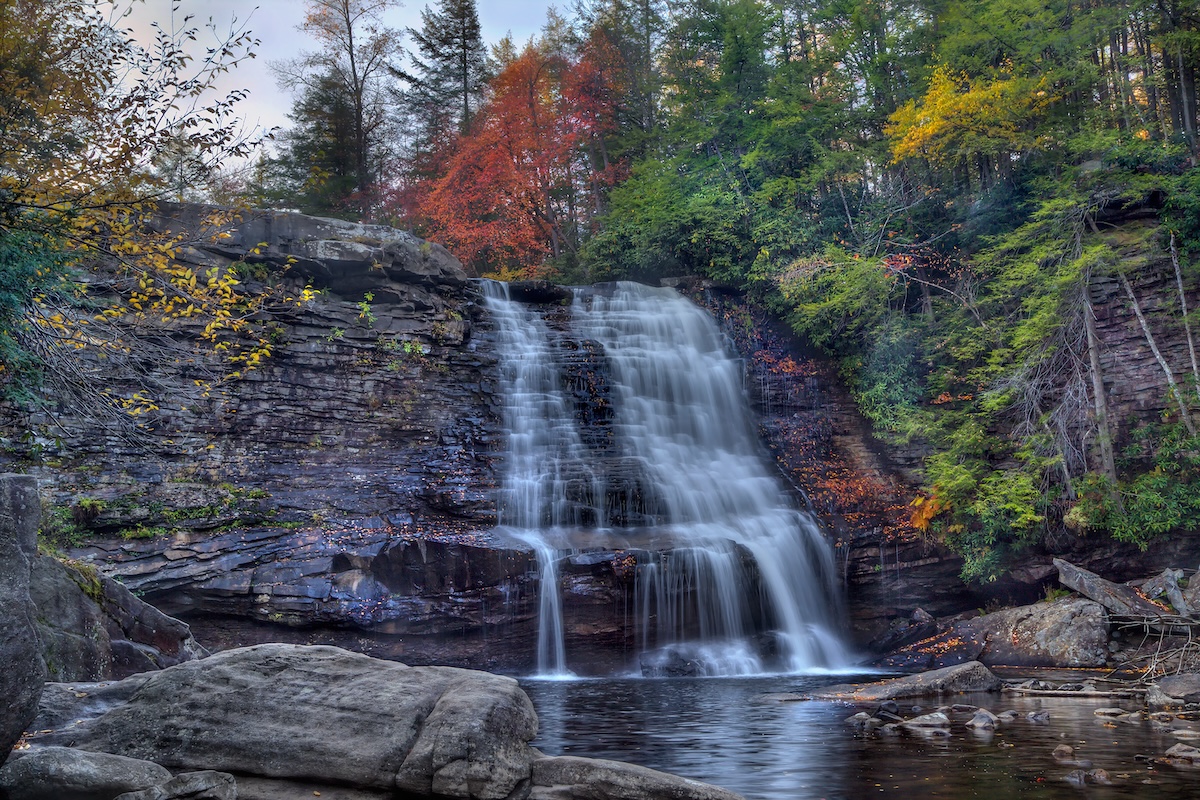
No trip to Swallow Falls feels complete without visiting Muddy Creek Falls, one of the tallest waterfalls in Maryland. A boardwalk leads to scenic overlooks, while nearby trails and stairs let you get closer to the falls for an even better view. The area is surrounded by towering hemlock trees, and the clearly marked pathways make it easy to explore.

Take a Dip in the Swimming Hole at Tolliver Falls
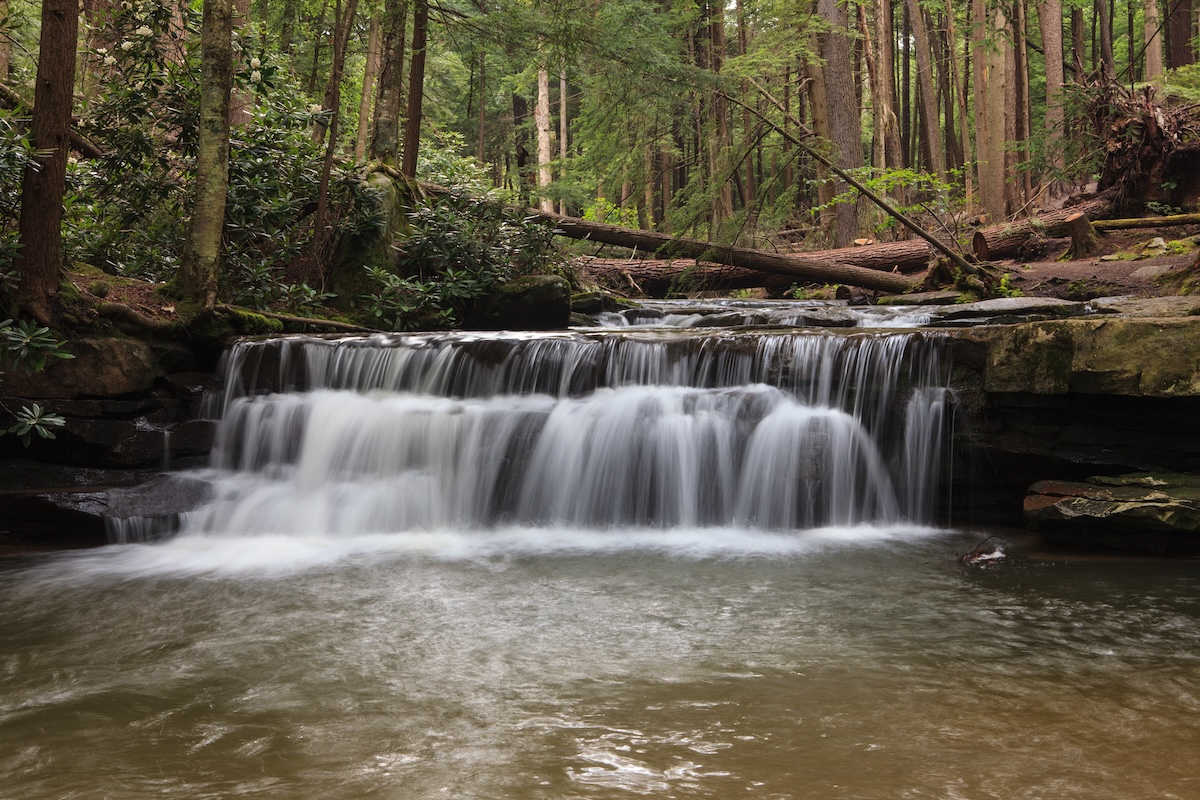
Tolliver Falls

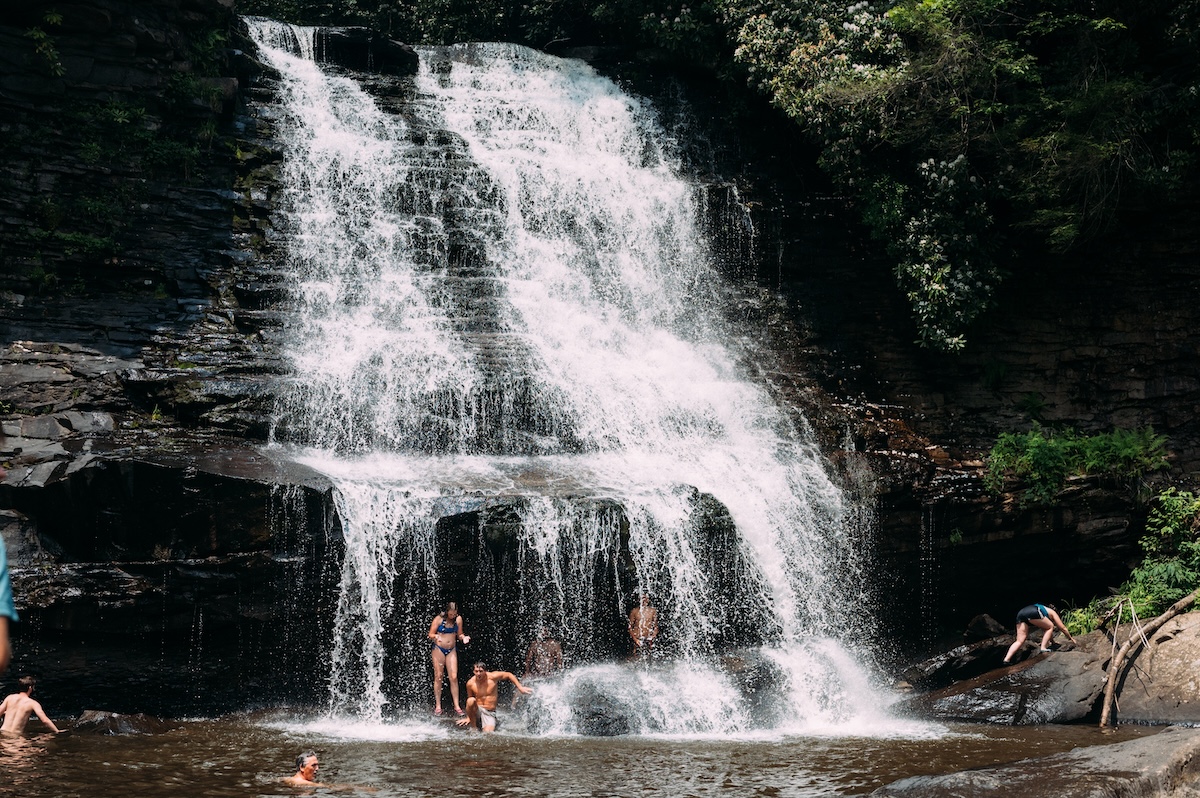
If you’re looking for a quieter swimming spot, head to Tolliver Falls. This smaller waterfall may not be as dramatic as Muddy Creek Falls, but the cascading water and shallow swimming hole make it a peaceful place to cool off during the summer.

Because many visitors overlook this area, you’ll usually find fewer crowds and a more relaxing atmosphere. It’s a perfect stop if you want a break from the busier parts of the park.

Go Fishing

Fishing

If you enjoy fishing, Swallow Falls offers plenty of opportunities along the river. The waters are stocked with smallmouth bass and rainbow trout, and the fishing area stretches for four miles between Deep Creek Lake and the Sang Run Bridge.

Whether you’re an experienced angler or just fishing for fun, you’ll find several great spots throughout the park.

Walk Along the Youghiogheny River

Youghiogheny River

Walking along the Youghiogheny River gives you a chance to experience both calm stretches of water and more rugged sections filled with rapids and waterfalls. As you continue along the river, the landscape becomes narrower and more dramatic, with fast-moving currents that attract kayakers and rafting enthusiasts.

Some parts of the river can be dangerous if you’re inexperienced, so guided rafting or floating tours are a good option if you want to explore the water safely.

Go Mountain Biking
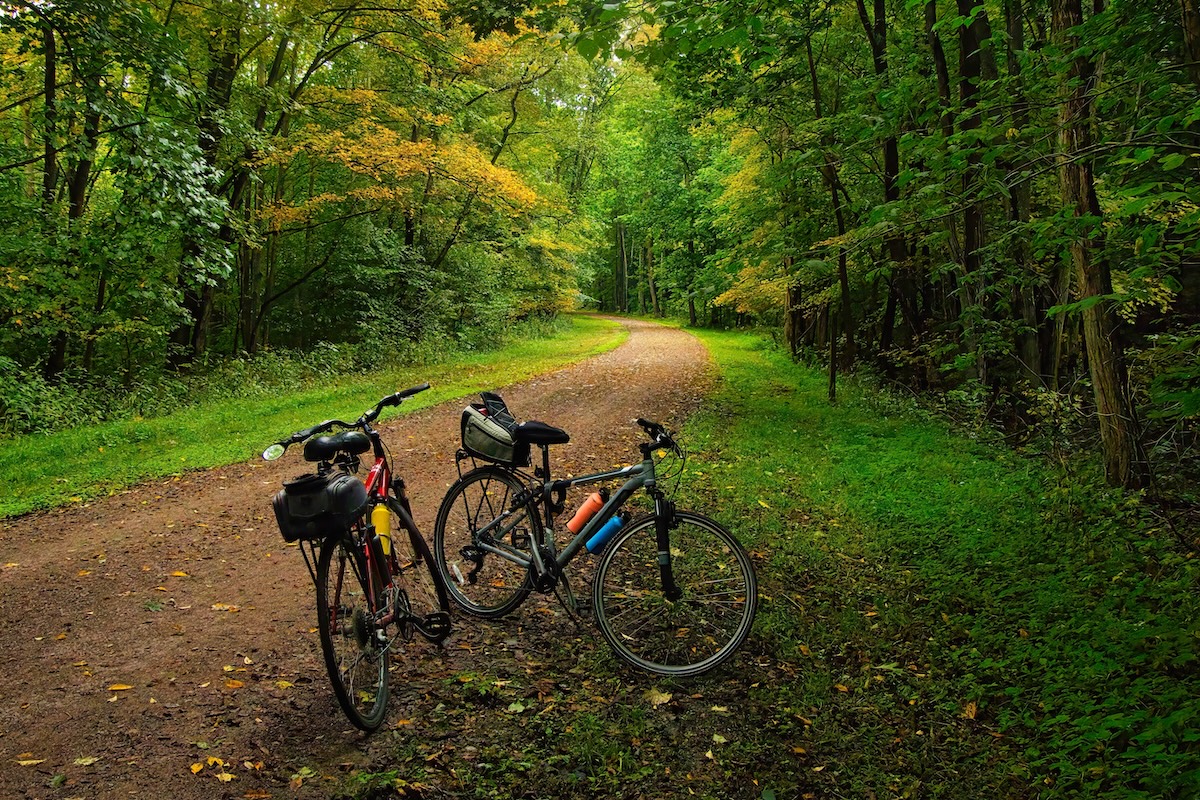
Mountain Biking

Mountain biking is another great way to explore the area’s scenery. One popular route starts at Herrington Manor and continues back toward Swallow Falls along a straightforward five-and-a-half-mile trail.

If you don’t have your own bike, rentals are available nearby. Hourly rentals work well for shorter rides, while full-day options are better if you plan to spend more time exploring the trails.

Primary Sidebar

Latest

Bardstown, Kentucky

Bourbon Made This Town Famous, but That’s Not What Makes It Special

George Peabody Library Baltimore Visitor Guide Most visitors don't expect to find one of the most striking interiors in America tucked behind a row of white columns in a quiet Baltimore neighborhood. You walk through the doors of the Peabody Institute in Mount Vernon, turn a corner, and suddenly you're standing beneath a skylit atrium that climbs six stories above a polished marble floor. It stops you cold. The George Peabody Library Baltimore is that kind of place. It doesn't announce itself from the street. There's no flashy signage, no grand plaza. But step inside the stack room and you'll see why people call it a "cathedral of books." Over 300,000 volumes line the walls, and the space itself feels like something pulled from a 19th-century novel you half-remember reading. Johns Hopkins University runs the place as part of its Sheridan Libraries system. This isn’t a museum replica—it’s a working research collection. You can visit for free during public hours, which makes it one of the easiest cultural stops in Baltimore. Whether you’re chasing that perfect symmetrical shot up through the iron balconies or just want a quiet ten minutes surrounded by something genuinely beautiful, the library delivers without asking much of your time or your wallet. Cast-Iron Balconies And The Soaring Atrium The first thing that hits you is the scale. Five tiers of ornamental cast-iron balconies rise from the ground floor and climb 61 feet to a massive skylight that floods the room with natural light. The effect is vertical and dramatic, like standing inside a very elegant cage made of books and ironwork. Each balcony tier is lined with gold-and-black volumes shelved behind low railings, and the repeating geometric patterns of the iron railings create a visual rhythm that photographers obsess over. Point your camera straight up from the center of the floor and you'll get that iconic symmetrical shot that's all over travel feeds. The image almost looks digitally generated, but it's real, and it's been here since 1878. The marble floor adds to the atmosphere. Sound carries differently in here. Footsteps echo softly, and conversations drop to whispers without anyone being told. The reading room on the ground level sits just off the main atrium, offering a quieter space with wooden tables and the kind of warm, worn-in feeling that modern libraries rarely manage. The light keeps the space from feeling like a museum. On a clear afternoon, sunlight pours through the skylight and shifts across the iron railings and book spines, changing the room's character every hour. You could visit twice in the same day and walk away with completely different impressions. A Quick History Of The Landmark George Peabody, a financier who got his start in Baltimore before heading off to London, founded the Peabody Institute in 1857. He wanted to give something meaningful back to the city that launched his career—a free public library, a lecture series, a music conservatory, and an art gallery. The library building itself took its sweet time, finally opening up in 1878. Baltimore architect Edmund G. Lind teamed up with Nathaniel H. Morison, the institute's first provost, to design the interior. Lind focused on that dramatic stack room—he wanted it to feel grand enough to match Peabody's vision but still practical for researchers. Local craftsmen made the decorative cast-iron balconies, and people immediately noticed the design. It stood out as one of the most distinctive library interiors on the East Coast. The collection changed hands a few times. In 1966, the City of Baltimore took over and ran things through the Enoch Pratt Free Library. Then, in 1982, Johns Hopkins University stepped in, and the library became part of the Sheridan Libraries system. These days, the focus is on 18th- and 19th-century works—architecture, religion, science, geography, literature—with gems from folks like Edgar Allan Poe and Walt Whitman. George Peabody Library Baltimore

One of America’s Most Beautiful Interiors Is Hidden in Baltimore

Mount Vernon

It’s Hard to Believe an American President Once Called This Beautiful Estate Home

Travel Inspiration

Borobudur

50 Greatest Man-Made Wonders of the World

Burano

21 Laid-back Islands Where Cars Are Not Allowed

Uruguay

These Countries Are at Their Absolute Best in January

Copyright © 2026· Touropia.com · Contact · About · Privacy Policy · Disclaimer