
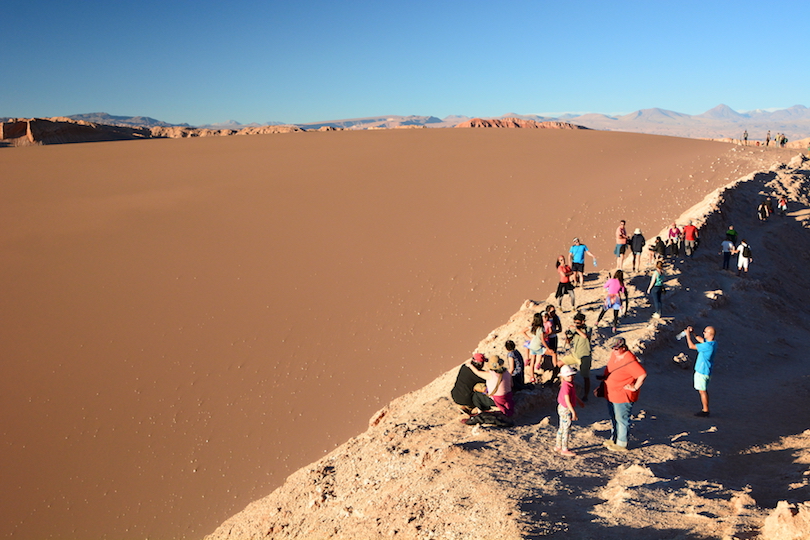
A small town located in the Antofagasta Region of Chile, San Pedro de Atacama is renowned for the wealth of incredible landscapes that surround it, with mountains, deserts, salt lakes and more all nearby. A very popular tourist destination, San Pedro is a picturesque town full of dusty cobbled streets and is the perfect place from which to explore the delights of the Atacama Desert.
With lots of tour operators based in the town, visitors can easily explore the pre-Columbian ruins nearby, head to the fantastic hot springs or visit the otherworldly landscapes that dot the region. Bordering an oasis on a high plateau, there is a plethora of things to do in San Pedro de Atacama for visitors and is a must-visit place when in Chile.
12. Laguna Chaxa
 © Antonella865 / Dreamstime
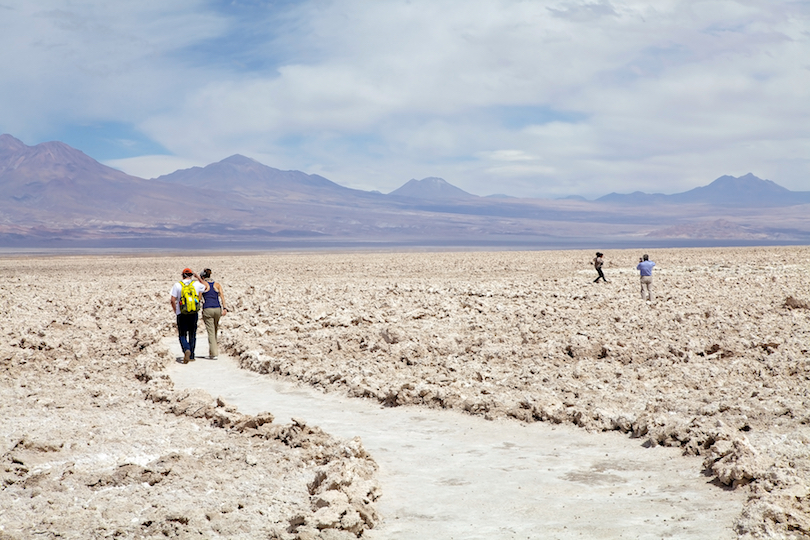
Home to huge flocks of pink flamingos, the Laguna Chaxa is well worth visiting for a glimpse of these fantastic creatures and the scenery on show is stunning. The gigantic salt lake stretches endlessly below the blue heavens above and off in the distance mountains loom on the horizon.
With three species of flamingo, the footpaths and trails take you past their flocks and you can often see hundreds of them at a time. Particularly gorgeous at sunset, visitors invariably come away impressed and astounded at Laguna Chaxa’s mesmerizing landscape.
11. Pukara de Quitor
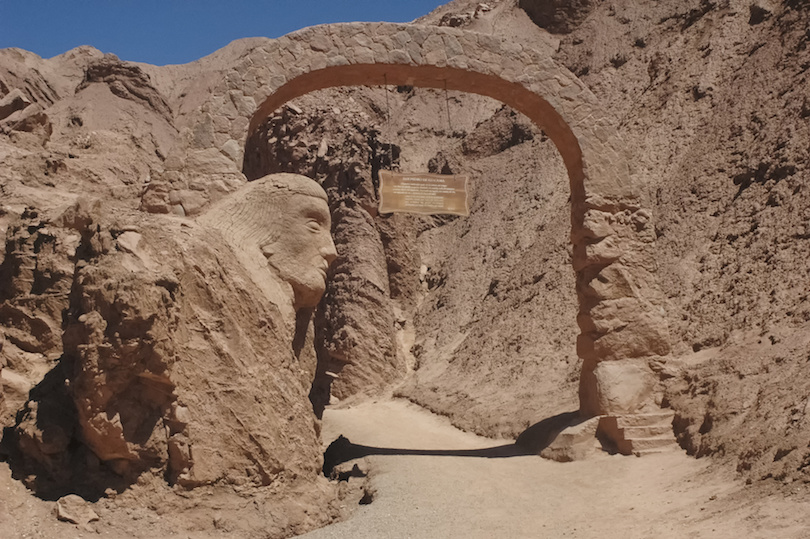
Remarkable to gaze upon, the ancient fortress of Pukara de Quitor dates all the way back to the 12th century and is one of the most spectacular man-made attractions in the region. Located only a few kilometers outside of San Pedro de Atacama, the archaeological site of the pre-Columbian fortress is fascinating to wander around and is perched on the slopes of a dusty hillside.
Made out of stacked stones, the defensive walls snake their way here and there and offer up an impressive view over the surrounding landscape and the oasis down below.
10. ALMA Observatory
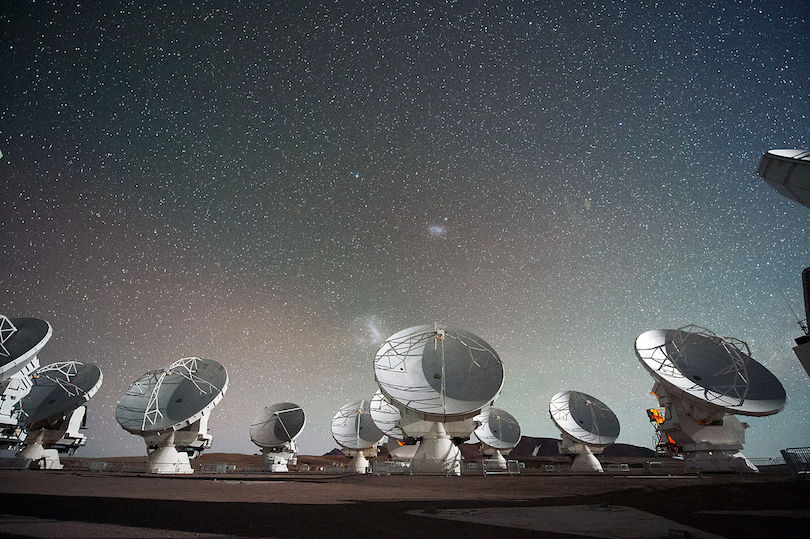
The Atacama Desert is an absolute treat if you love star gazing; due to the lack of lights and human settlements, the night’s sky is illuminated with beautiful stars that dot the heavens. For visitors interested in the celestial sky, a visit to the ALMA Observatory is a must; it is the largest and most powerful observatory open to the public in the world.
Wandering around the antennas, laboratories and control room is interesting and informative. Your guide tells you all there is to know about ALMA and it is a fascinating experience to learn how it works and what achievements the observatory has made possible.
9. Laguna Tebinquinche
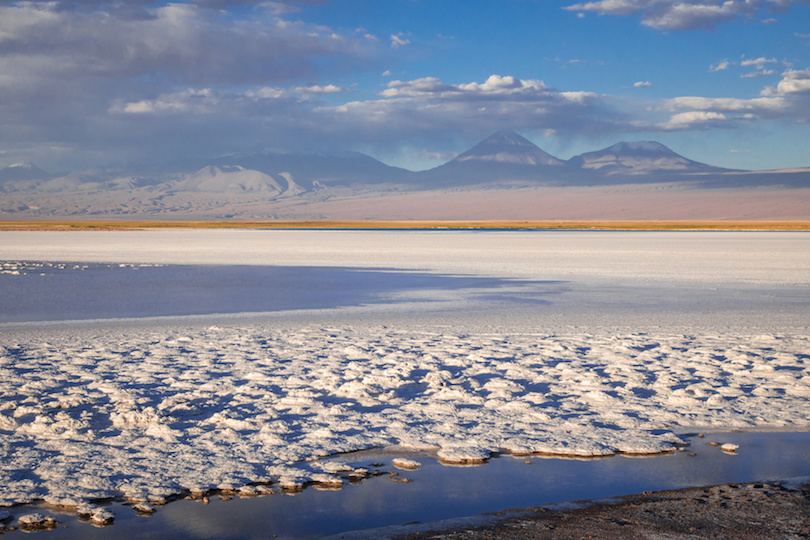
This huge saltwater lake lies in the arid Atacama Desert and its reflective surface leads to some amazing sights and photo opportunities. With a range of mountains off in the distance, the scenery is absolutely divine.
The lake is particularly beautiful to view at sunset when a myriad of yellows, reds, , and oranges light up the shimmering, mirror-like waters. The views during the day are equally arresting due to the wonderful lake, salt-crusted shorelines, and towering mountains.
8. Salar de Tara
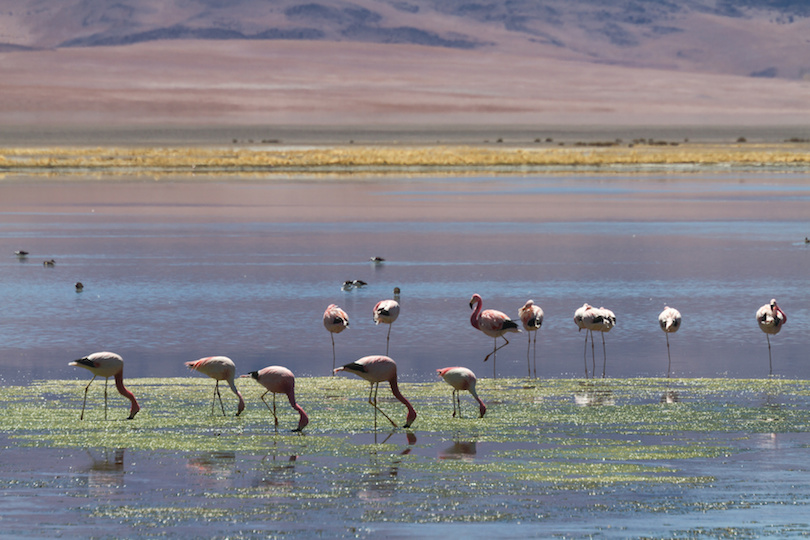
The magnificent landscape of the Salar de Tara is absolutely stunning and visitors to the salt flats all come away raving at the amazing sights they’ve seen. Stretching away into the distance, the salt fields are covered in a thin layer of water.
As such, there are incredible reflections of the blue skies and white fluffy clouds above. With marvelous mountains popping up here and there, the Salar de Tara is great fun to explore. You can create loads of interesting optical illusions as much of the landscape is so flat. A very unique phenomenon to behold, the salt flats of Salar de Tara are sure to live long in the memory.
7. Piedras Rojas
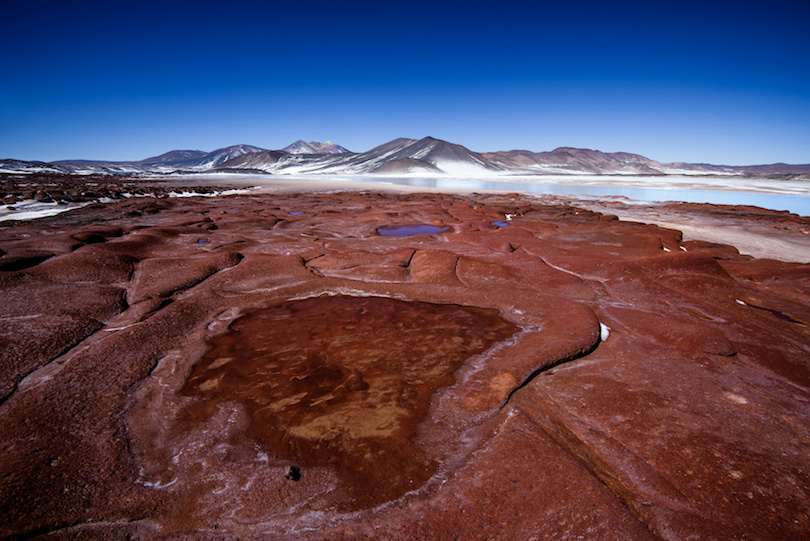
The Piedras Rojas (Red Rocks) is a very popular tourist destination and it is easy to see why; the landscape is an eclectic mix of dazzling colors. Located at over 4000 meters above sea level, the red of the rock formations stands out delightfully against the turquoise waters of the nearby saline lake, the glimmering white of the salt flat and the glorious blue skies above.
With a ring of snow-capped volcanoes around them, the Piedras Rojas are beautiful to behold and the spectacular scenery is certainly worth a trip from San Pedro de Atacama.
6. Valle de la Muerte
 © Luca Roggero / Dreamstime
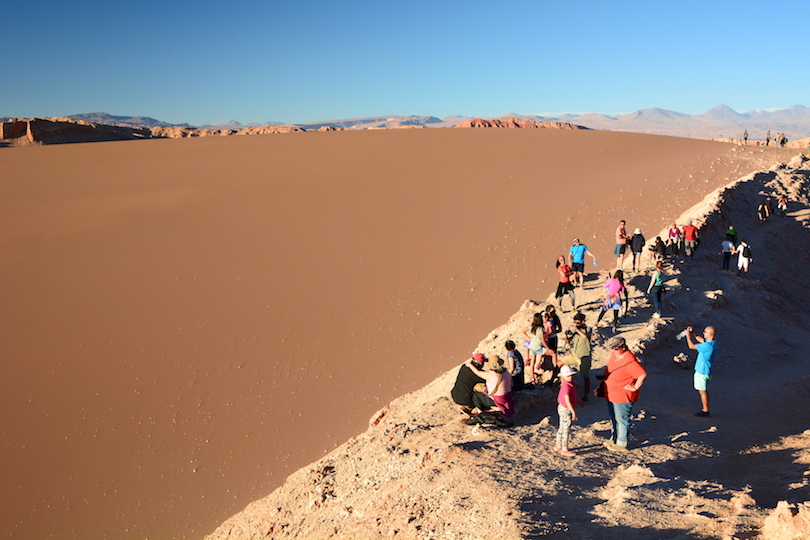
Ominously called Death Valley in English, it is easy to see why Valle de la Muerte is so named once you see the endless red rocks and unforgiving terrain that characterizes this part of the world.
Lying just north of Moon Valley, the dusty red rock formations that look so spectacular have earned it the nickname of “Mars Valley,” and it certainly does feel as if you are on another planet. Wandering around the sand dunes, sweeping valleys and towering mountains is an unforgettable experience and the views are simply breathtaking.
With some great hiking and sand boarding, horse riding and mountain biking to boot, there is loads to see and do – the Valle de la Muerte will almost feel like your own endless adventure playground.
5. Termas de Puritama
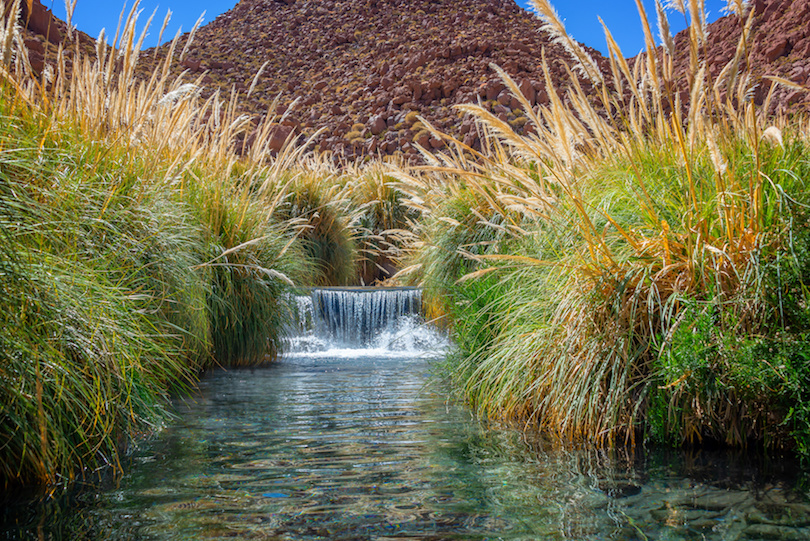
Tucked away in the Atacama Desert, the Termas de Puritama is a wonderful feat of nature to visit. The eight geothermal pools are remarkably located at 3,475 meters above sea level. A popular tourist destination, the hot springs have long been used by the local Atacama people for their healing powers; bathing in their warm waters certainly does you the world of good.
Sitting back and relaxing in their clear waters is a delightful way to spend the day and the scenery only adds to the splendor. Located not far from San Pedro de Atacama and other tourist sites – such as Valle de la Luna, El Tatio Geysers and Salar de Atacama – Termas de Puritama is a lovely spot that you won’t regret visiting.
4. Laguna Cejar
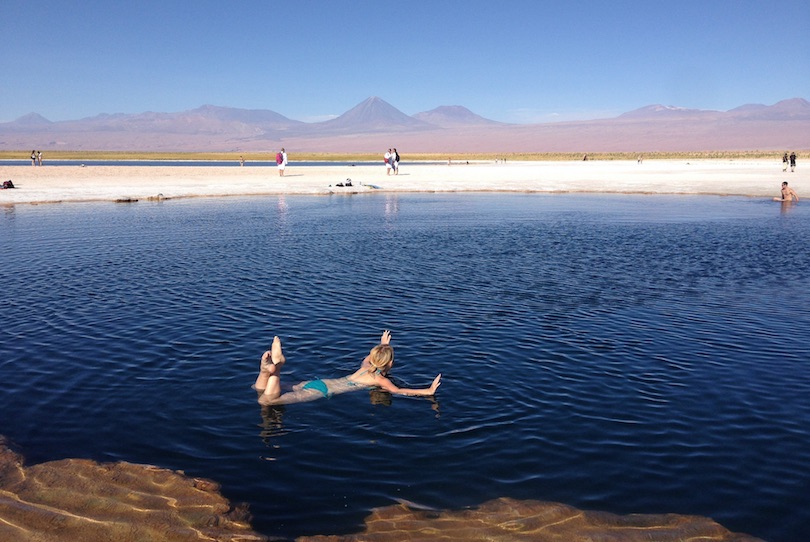
Floating upon the salty waters that make up the Laguna Cejar is a heavenly sensation, as volcanoes rise up around you and the clear blue sky seems to stretch endlessly towards the horizon. A relaxing and peaceful spot, the lagoon is awe-inspiring.
Its turquoise waters stand out beautifully amidst the ruddy desert and clouds passing by are reflected in its waters. Situated not far from San Pedro de Atacama, Laguna Cejar is easy to get to and visitors are certainly in for a memorable time as they peacefully float upon its tranquil waters amidst the sumptuous scenery.
3. Lagunas Miscanti y Miniques
 © Luca Roggero / Dreamstime
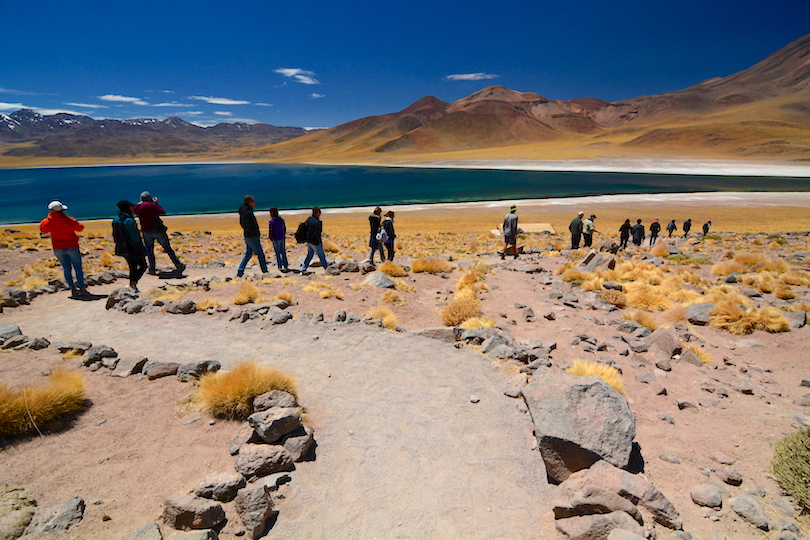
Located amidst such desolate and arid terrain, it should come as no surprise that the sparkling blue waters of Lagunas Miscanti y Miniques are so fantastic to witness. The barren landscapes that surround them are stark and unforgiving, yet the warm yellows and browns of the hills contrast delightfully with the lakes themselves.
Located at over 4000 meters above sea level, the two glimmering bodies of water light up the Andean altiplano and are not too far away from two of the desert’s other main attractions: the Piedras Rojas and Salar de Talar. Well worth checking out when in San Pedro de Atacama, the views on offer of the Lagunas Miscanti y Miniques are simply divine.
2. Valle de la Luna
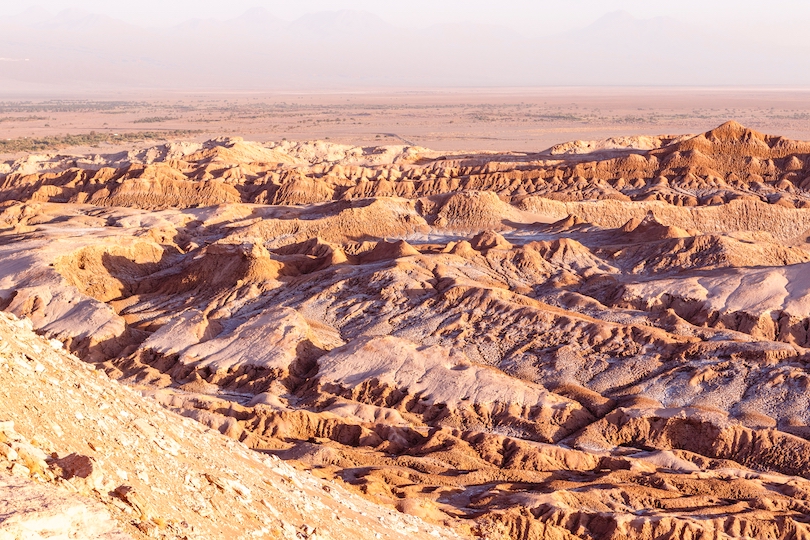
An absolutely magical place to explore, the Valle de la Luna is aptly named; the desolate landscape looks so lunar-like in appearance. Moon Valley – as it is known in English – is a sprawling place full of ridges, caverns, dunes and rock formations.
Visitors invariably come away astounded at the beauty and there are loads of great activities for them to enjoy. Due to its proximity to San Pedro de Atacama, it is very easy to visit. Visitors can cycle, hike, rock climb or drive their way around this awe-inspiring terrain.
One of the most popular tourist destinations in the Atacama Desert, the Valle de la Luna has loads of great viewpoints and is simply a must when visiting this spectacular corner of the globe.
1. El Tatio Geysers
 © pcc / Dreamstime
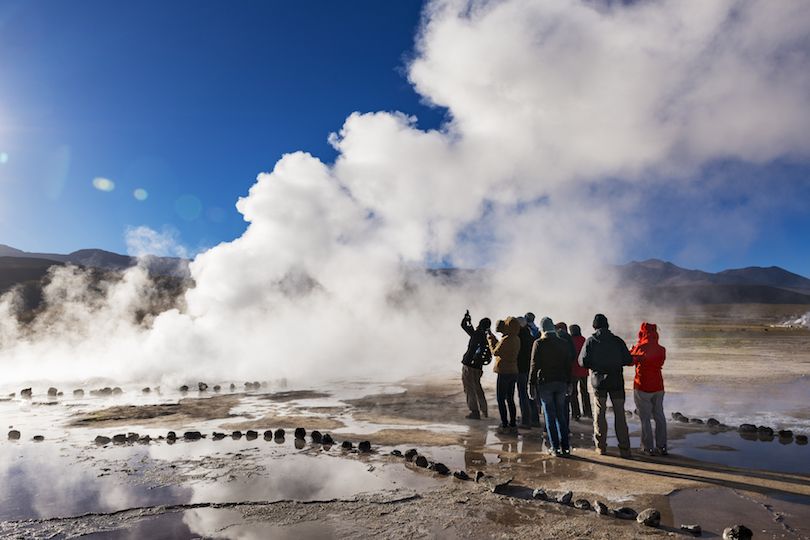
Wildly popular among visitors to the Atacama Desert, the El Tatio Geysers are gorgeous; their wispy jets of steam and water that spurt into the air look majestic amidst the desolate terrain that surrounds them.
The most beautiful time to view the geysers is at dawn when the light catches the water so spectacularly – it almost looks as if you are on another planet. Located a few hours’ drive from San Pedro de Atacama, the El Tatio Geysers are a very unique phenomenon and are certainly among the many highlights that the desert has to offer.
Located at a height of 4,320 meters, they are the highest geothermal field on Earth. These geysers need to be seen to be believed as stratovolcanoes can be dotted around them. With mud pools, hot springs and spectacular views on offer, the El Tatio Geysers are not to be missed.