
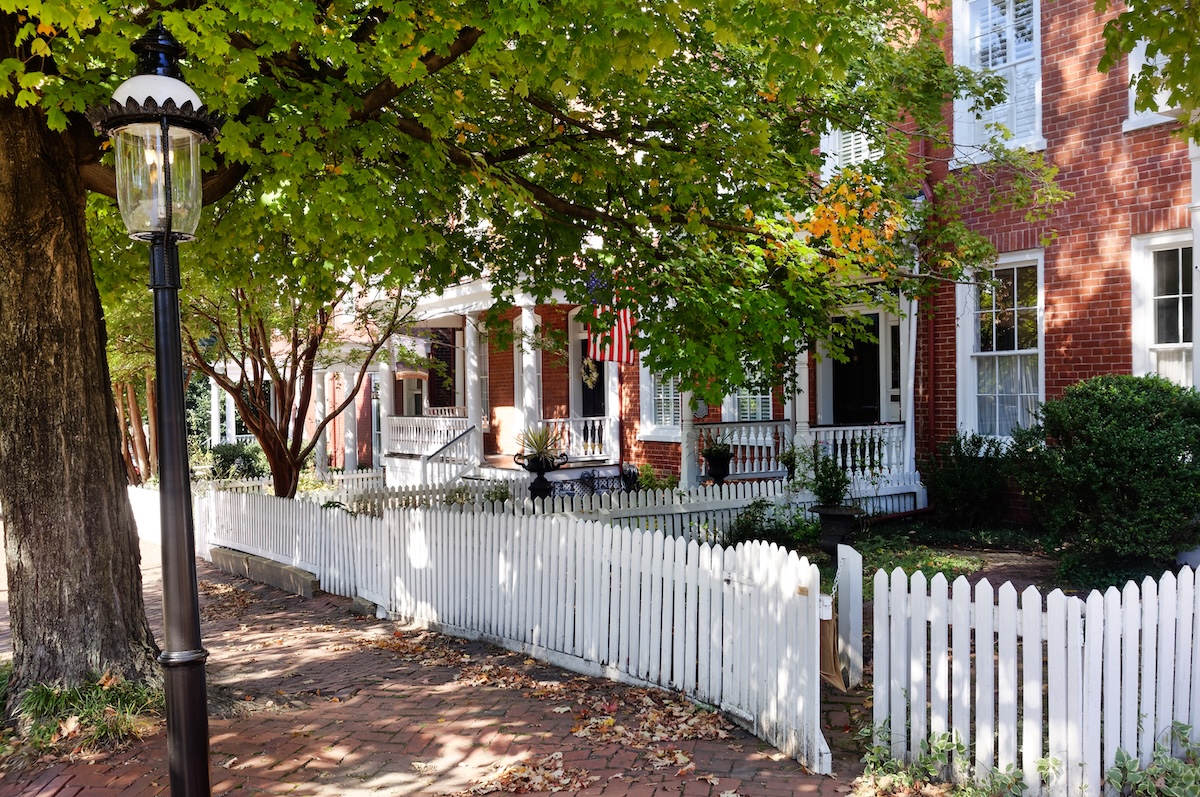
Historic neighborhoods, cobbled streets, and grand old mansions give this riverside city a strong sense of character and history. Yet alongside its past, there’s also a creative and energetic side shaped by art, local breweries, and evolving cultural districts.
One of the oldest cities in the United States, Richmond has served as the capital of Virginia since 1780. The city played a major role during the Civil War, something still reflected in its many landmarks, monuments, and museums. At the same time, neighborhoods such as Carytown and Church Hill each bring their own distinct atmosphere to the city.
Beyond its historic attractions, Richmond is also known for its parks, riverside trails, and the scenic James River flowing through the city. Landmarks such as the Virginia State Capitol and Maymont only add to its appeal.
Canal Walk
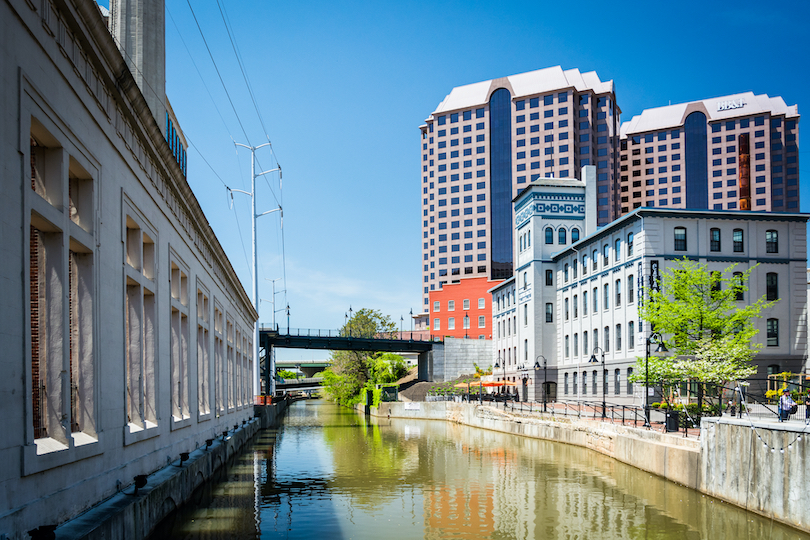
Canal Walk takes you along a scenic part of Richmond’s recently rejuvenated waterfront. As well as offering some fabulous views of the river, rapids and downtown, it has captivating historic sights and artworks to stop off at along the way.
Although it only stretches 1.25 miles in length, the picturesque path certainly packs a lot in with the 22 bronze medallions along the route teaching you all about its storied past. These highlight the key role the canal played in the city’s development by focusing on the various factories and districts to have lined it over the centuries.
Numerous sculptures and colorful and creative murals litter its banks which meander about not just the Haxall and Kanawha canals but the James River and Brown’s Island too.
Carytown
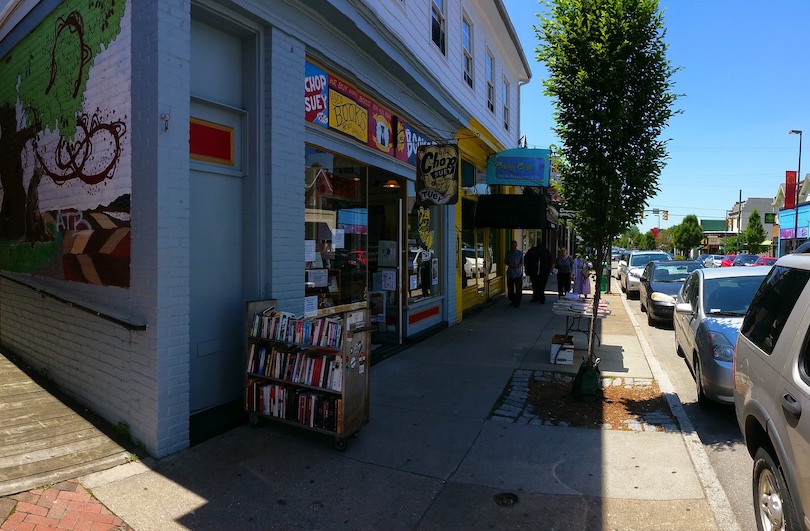
One of the hippest and most happening spots to hit up in the city is the lively yet laidback Carytown next to the Museum District. Packed with enticing indie boutiques and award-winning restaurants, the bohemian district is loads of fun to explore at any time of day.
Established in the late 1920s, the historic neighborhood is known for its eclectic array of shops and eateries. These now number well over two hundred in total with cozy cafes and cool clothes boutiques lying alongside lovely little local restaurants and family-run bakeries.
Plenty of public art pieces and well-preserved old buildings are also on display while the latest films can be enjoyed in the Byrd Theater’s beautiful auditorium. Each year, the exciting exhibits and live music shows of the Watermelon Festival draw huge crowds of both locals and tourists to the district.
Lewis Ginter Botanical Garden
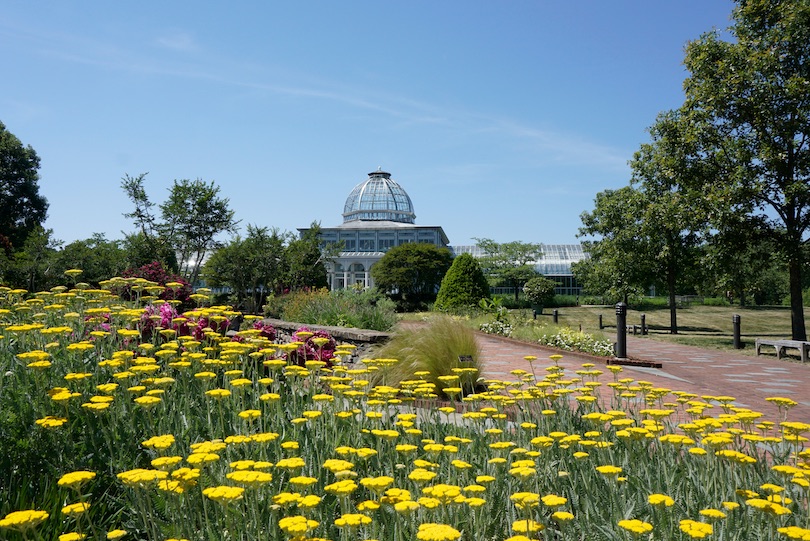
An absolute treat to wander about peacefully, the gorgeous Lewis Ginter Botanical Garden is full of colorful plants, flowers, trees and shrubs. Its fantastic themed gardens cover a ginormous area just north of the city limits with arresting artworks and reflective ponds punctuating its flowerbeds.
First opened to the public in 1984, it is now regularly included on lists of the best botanical gardens in the country due to its dozen or so delightfully different sections. These include rows of blooming rose bushes and an extensive Asian Valley with old-fashioned Victorian-style gardens also featuring.
The highlight though is of course its classical glass-domed conservatory which is the only one along the mid-Atlantic. It houses an amazing collection of exotic and unusual plants and a live tropical butterfly section where they flutter about beneath its tall dome’s intricate ironwork.
Virginia Museum of Fine Arts
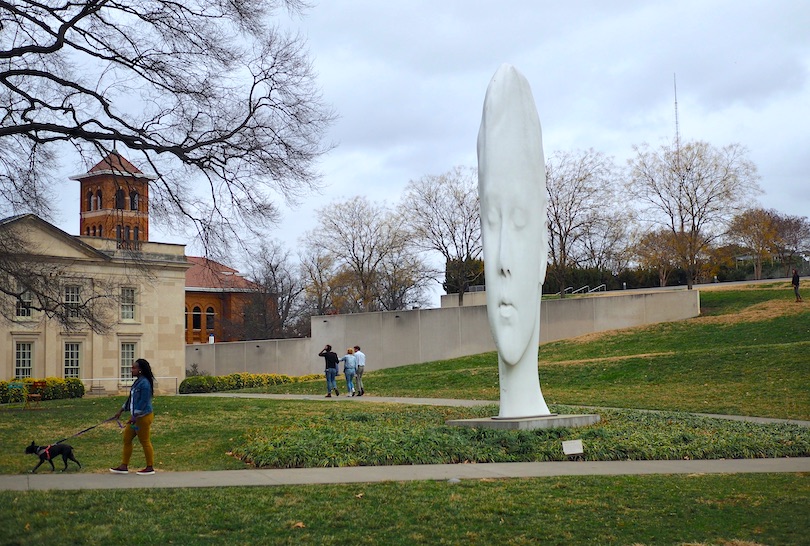
Besides the nearby Maymont estate, the phenomenal Virginia Museum of Fine Arts is undoubtedly the city’s standout sight. Located in the Museum District, it boasts an extraordinary collection of art pieces and artifacts that cover more than 5,000 years of art history.
Now displaying roughly 22,000 paintings, photos and ceramics, the magnificent museum occupies a distinctive modern building while a superb sculpture garden lies outside. Alongside masterpieces by Rubens and Rousseau, you can see an ancient Egyptian mummy, Tibetan cultural treasures and lots of glittering Faberge eggs.
Other parts of the museum focus on both Art Nouveau and Art Deco design elements with American landscapes and African artworks also decorating its airy galleries. Thanks to its impressive scope, it is no wonder the museum has been a firm favorite with families ever since 1936.
Maymont
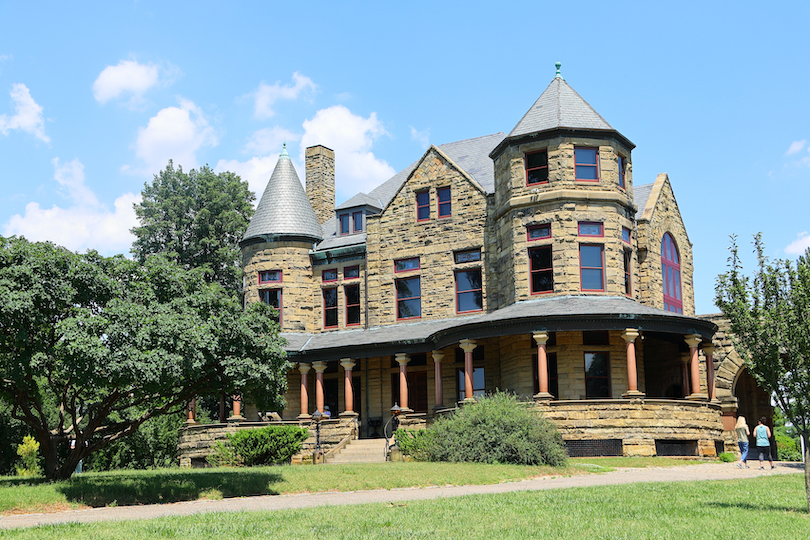
Richmond’s top tourist attraction however has to be the massive and majestic Maymont which is set just ten minutes drive west of downtown. At the elaborate Gilded Age estate, guests can tour its huge historic house museum and immaculately groomed grounds.
Once home to a dairy farm, the scenic site that overlooks the James River was acquired by the wealthy lawyer James Dooley and his wife Sallie in 1886. They set about building the estate and the lovely Japanese Garden home to fountains, a koi pond and waterfall.
The real showstopper though is exploring Maymont Mansion which is adorned with antiques and lavish furnishings. Afterwards, there is a leafy arboretum and large carriage collection to see while its wildlife center contains black bears, bald eagles and a bobcat.
Fan District
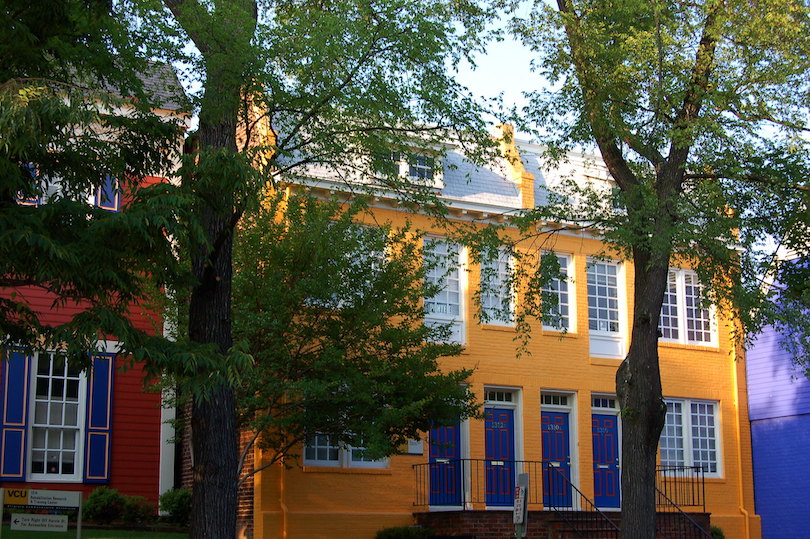
So named due to the distinctive shape its streets make, the Fan District boasts lovely historic houses and tree-lined avenues. Centered on the Virginia Commonwealth University campus, the very lively neighborhood can be found in between both the Museum District and downtown.
Although it hums with life and energy, the Fan is primarily residential with most of its fine old buildings dating to around the turn of the twentieth century. Despite being known for its wealth of Victorian architecture, just as many houses showcase exquisite Edwardian and Queen Anne-style features.
Plenty of colorful shops and local restaurants line its streets while the charming district’s bars host excellent live music nights. You can also enjoy great shows and concerts at the Altria Theater on the college campus alongside Monroe Park.
American Civil War Museum
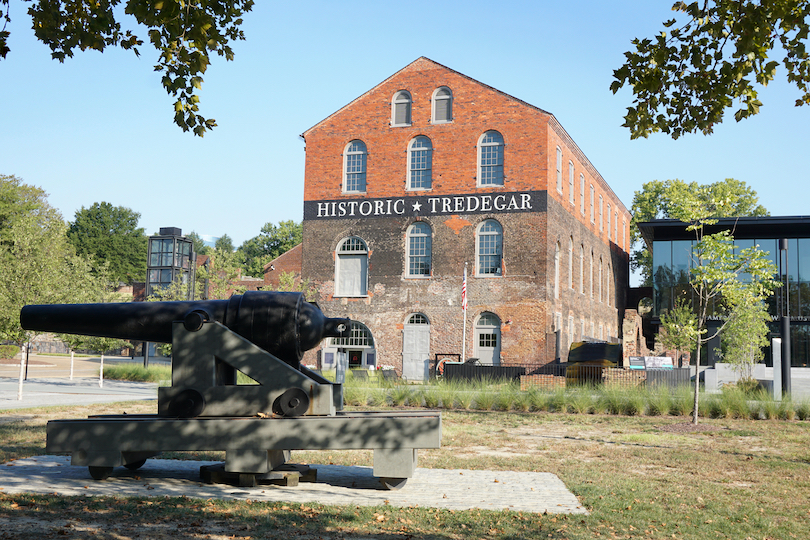
As Richmond served as the capital of the Confederacy during the American Civil War, it would be remiss to visit and not stop by this magnificent museum. Housed at the historic Tredegar Iron Works just off Brown’s Island, its engaging exhibits and original artifacts present a picture of the war from numerous perspectives.
Only opened in 2019, its beautiful new building blends perfectly with the battered old bricks of the 1837 industrial site around it. Inside, well-done displays document the history of the Civil War, its key events and figures. These exhibits cover not just the Union and Confederate positions but those of common soldiers, civilians and both enslaved and free African Americans too.
Its immersive A People’s Contest film also highlights the important role Richmond played while a statue of Abraham Lincoln and his son sits outside.
Agecroft Hall & Gardens
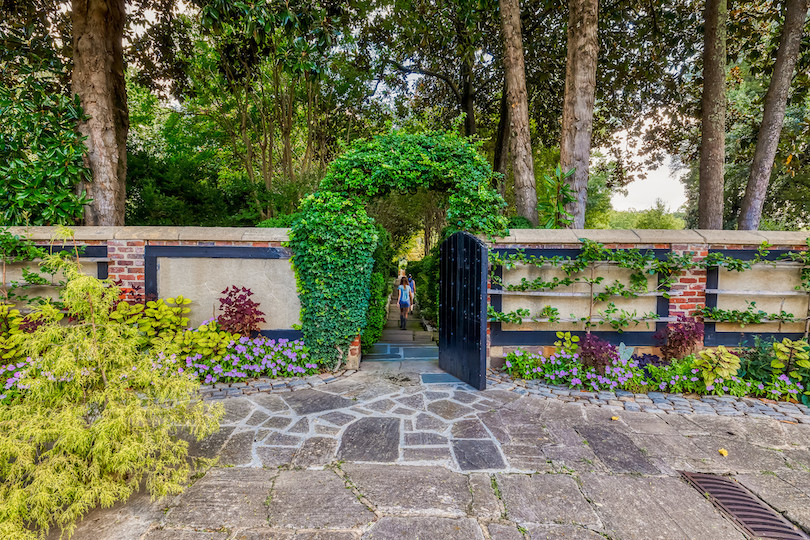
A very peaceful and picturesque place to explore, Agecroft Hall and its gorgeous gardens lie just a ten minute drive up the James River from downtown. After touring around the terrific Tudor mansion, you can wander about the lovely landscaped grounds outside.
Remarkably enough, the manor house was built in the late fifteenth century in Lancashire, England before being painstakingly dismantled and rebuilt in the Windsor Farms part of Richmond. Now a historic house museum, the hall is adorned with ornate wood panels while fabulous furnishings and period pieces decorate its rooms.
Once you’ve taken in its delightful decorative features and heard about its journey to the States, you can bask in the beauty of its garden and fine views over the river. In summer, hordes of people flock here for its fantastic Shakespeare Festival which sees plays performed in the garden.
T. Tyler Potterfield Memorial Bridge
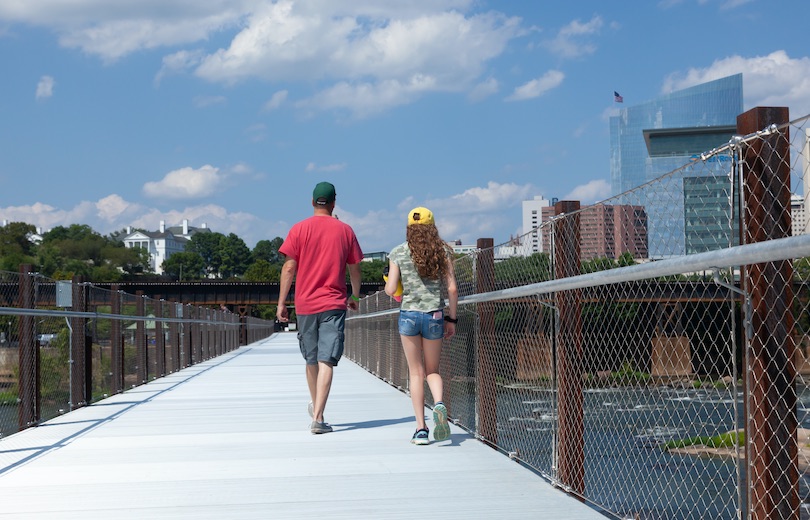
Offering fantastic views of the river, rapids and downtown is the T. Tyler Potterfield Memorial Bridge. Connecting the center to the Manchester side of the city, it’s a popular spot to walk, run or cycle for locals and tourists.
A key part of the city’s Riverfront Plan to rejuvenate the waterfront, the 1,600-foot-long walkway is built atop what was once a hydroelectric dam. Only opened in 2016, it is now named in honor of the senior planner who was such a staunch advocate of improving access to the city’s green spaces.
Aside from strolling across the bridge and taking in its delightful panoramas, you can also read the various informative plaques and historical markers lining its sides.
Church Hill Historic District
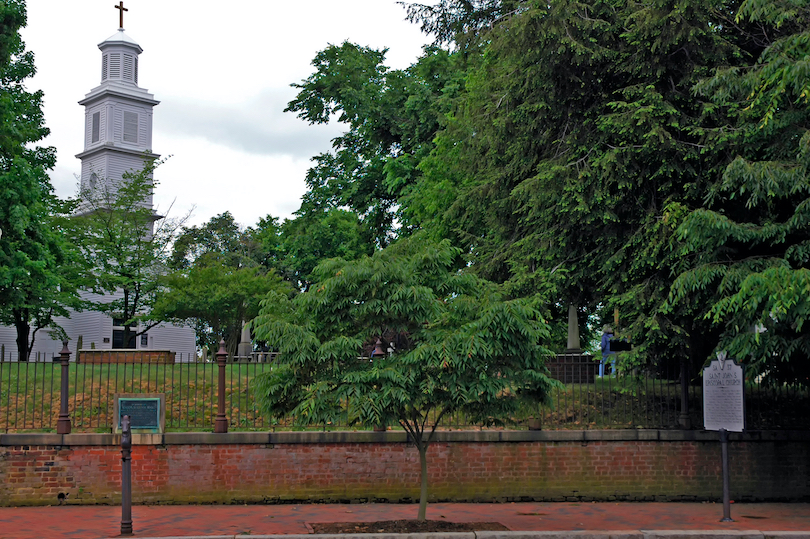
If you want to step back in time and see what Richmond was like before the Civil War, make sure to stroll around the charming Church Hill Historic District. As well as attractive old houses and gas-lit cobblestone streets, it contains important landmarks such as St. John’s Episcopal Church.
Now located directly east of downtown, it was here in 1773 that Richmond was actually born on the banks of the James River. Its collection of compact neighborhoods and all their Queen Anne-style buildings are very well-preserved while leafy parks and arresting monuments are also dotted about.
Aside from taking in the area’s atmospheric old look and feel, you can see the church where Patrick Henry gave his famous ‘Give me liberty, or give me death’ speech in 1775. Now a National Historic Landmark, it has tours to take around its graveyard with reenactments also regularly taking place.
Belle Isle
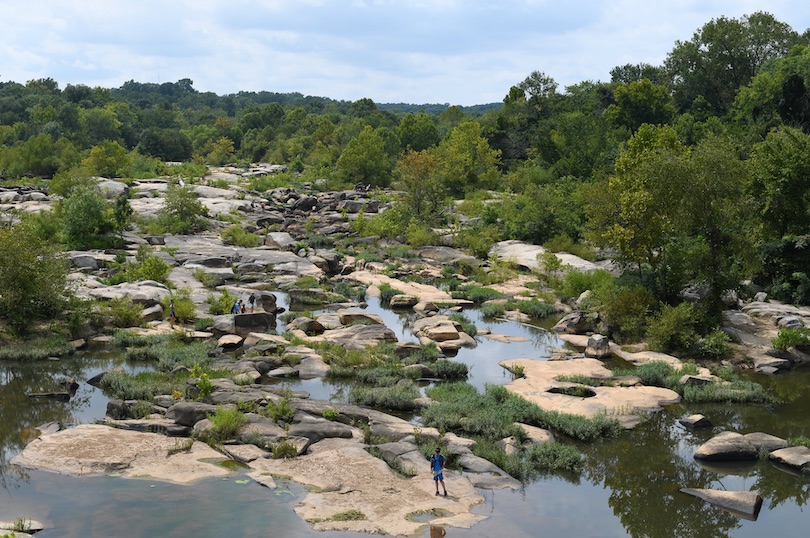
Surrounded by the rushing waters of the James River is the scenic and serene Belle Isle. One of the most picture-perfect places to spend time in Richmond, its untouched wild spaces and rock-studded shores can be accessed from the center via a pedestrian suspension bridge.
Originally known as Broad Rock Island, it was explored by Captain John Smith in 1607 before later serving as a prison for Union forces during the Civil War. While wandering along its trails, you will come across ruined structures from the 1860s village that once occupied the isle.
Besides hopping from rock to rock and sunbathing or picnicking atop particularly large boulders, you can swim and kayak in the river’s cool waters. Outdoor lovers can also drink in divine views of the rocky rapids and downtown skyline rising up before them.
White House of the Confederacy
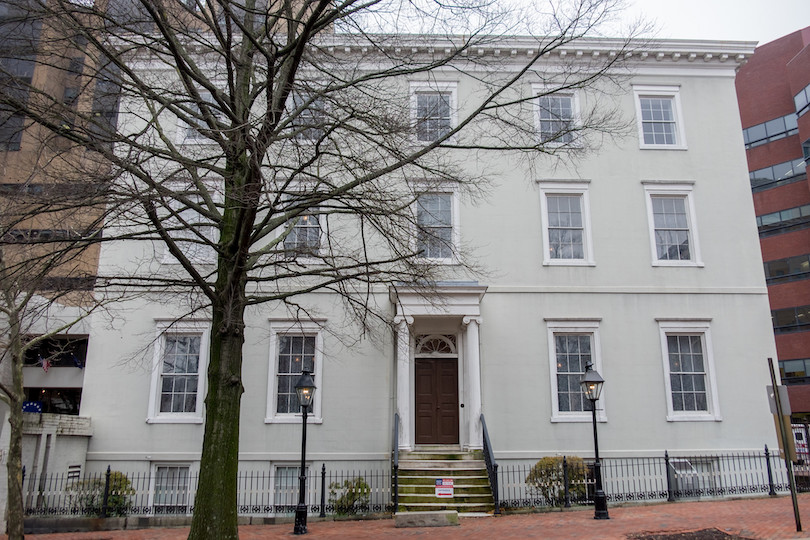
Yet another of the capital’s hugely interesting historic sights to check out is the White House of the Confederacy. Lying in the Court End neighborhood just north of downtown, the restored mansion’s three floors are full of original furnishings and period pieces that highlight how its former occupants used to live.
Now preserved as a National Historic Landmark, the handsome historic house was built in 1818 and features some understated neoclassical architecture. Between 1861 and 1865, it served as the main executive residence of Jefferson Davis; the sole President of the Confederate States of America.
Nowadays, visitors can take a tour around its interior and learn about his and his family’s lives during the Civil War and how they eventually had to flee before the invading Union forces.
Edgar Allan Poe Museum
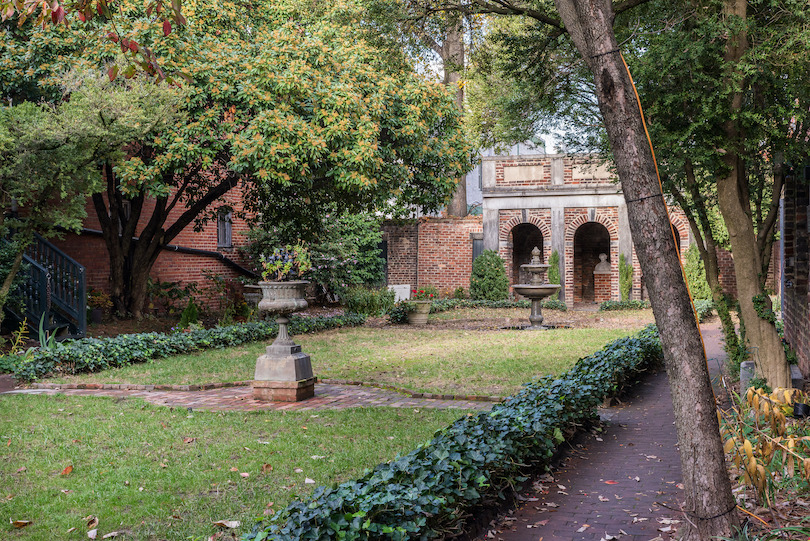
Not far away is the excellent Edgar Allan Poe Museum which commemorates his time spent living in the city. Through all its original manuscripts, letters and other memorabilia, guests learn all about the beloved American author’s life and career.
Home to one of the world’s largest collections of his works and personal belongings, it opened back in 1922 in the Old Stone House – the oldest original residential building in Richmond. After having taken in the quaint brickwork of the 1740s house, venture inside for exhibits on his early childhood, important poems and mysterious death.
After having seen a lock of his hair and furniture from his former homes, you can also stroll around several gardens behind the building inspired by Poe’s writing.