
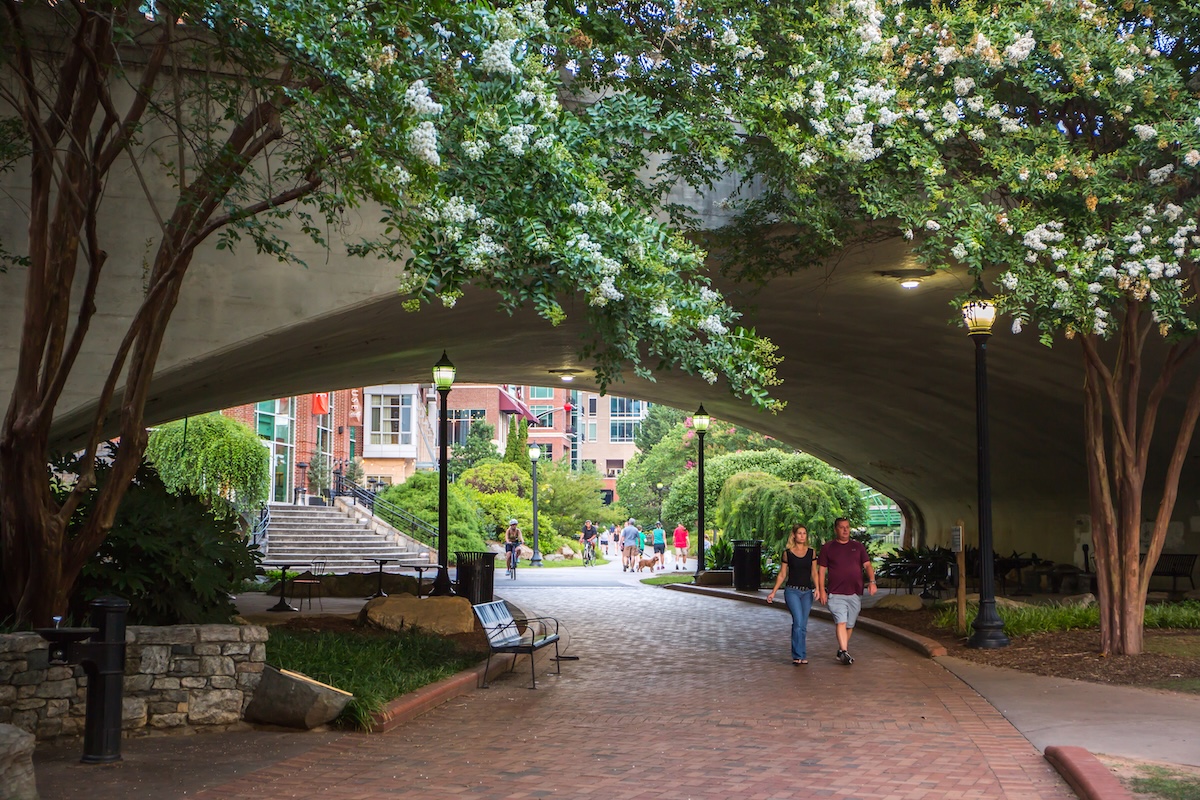
Set in a picturesque location at the foothills of a famous mountain range, this charming city has quickly become a favorite among travelers. With a lively downtown, beautiful natural surroundings, and a growing list of attractions, it offers a well-rounded and rewarding experience.
Greenville lies in a scenic spot near the Blue Ridge Mountains and is the largest city in the Upstate region of South Carolina. The city straddles the Reedy River, where a series of waterfalls form a stunning centerpiece right in the heart of downtown.
Often described as a place where the “Old South” meets the “New South,” its streets showcase a blend of historic homes and modern buildings, alongside a thriving business and cultural scene.
With its many restaurants, attractions, and events, along with easy access to outdoor activities, Greenville is well worth a visit for those exploring the region.
Falls Park on the Reedy
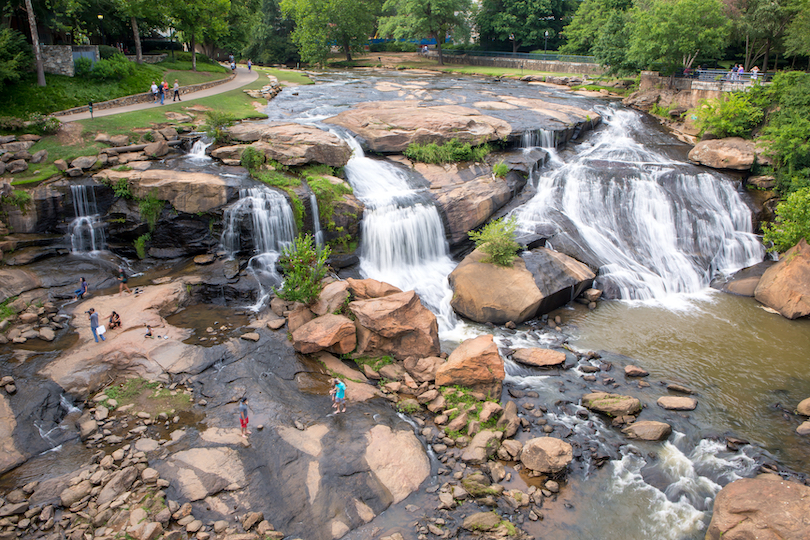
Boasting not only beautiful waterfalls and lush nature but the lovely Liberty Bridge too, Falls Park on the Reedy is undoubtedly the city’s standout sight. Popular with locals and tourists alike, it lies right in the heart of downtown, just a stone’s throw from countless shops, restaurants and attractions.
Considered to be the birthplace of Greenville, the fabulous falls and the idyllic ravine were turned into a park in 1967, having previously been used by textile mills. Nowadays, there are pretty paths for you to stroll along with picnic areas, public art installations and gorgeous green spaces.
The highlight is, of course, wandering across Liberty Bridge and taking in the phenomenal views of the falls down below. These stand out delightfully against the rugged rocks and verdant trees that surround them.
Swamp Rabbit Trail
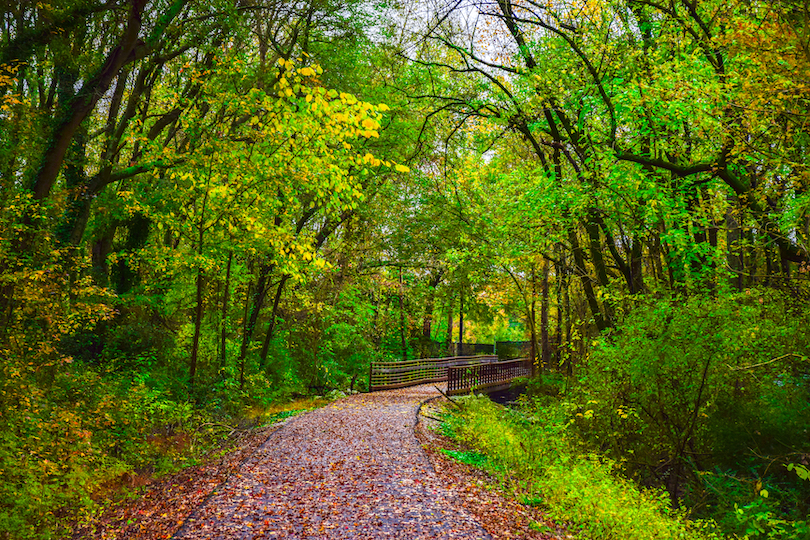
A wonderful way to see both Greenville and its surroundings is to walk, run, cycle or skateboard along the Swamp Rabbit Trail. Running alongside the Reedy River, the paved path weaves its way through downtown, taking you past shops, sights, and nature spots along the way.
Opened in 2010, it already stretches over 20 miles in length with new scenic sections being added all the time. Mostly following the bed of a former railroad, it currently terminates at Travelers Rest, a small city that lies to the north of Greenville.
Besides connecting up various parks and picnic spots, the multi-purpose trail also meanders its way past some great cafes and restaurants. Other trails and attractions can also be found at various points along the route.
Table Rock State Park
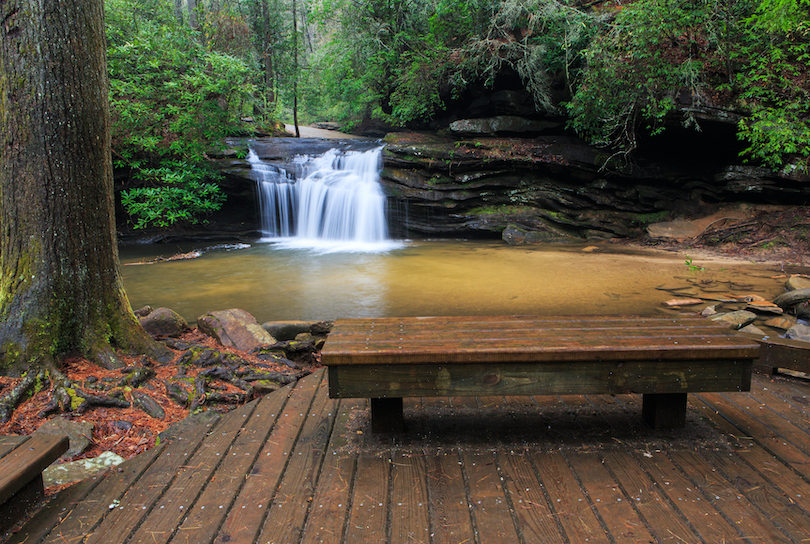
Table Rock State Park is certainly well worth visiting when in town. Situated forty minutes drive northwest of Greenville, it offers a wealth of outstanding outdoor activities, and epic views can be had atop its lofty peaks.
While it is named after the massive flat-topped mountain that lies at its heart, the park actually also contains the largest mountain located entirely within South Carolina. Towering 3,415 feet in height, Pinnacle Mountain is a treat to hike with spellbinding panoramas from its summit.
Visitors can camp in the park or swim at one of its lakes with sparkling waterfalls and streams found here and there.
Paris Mountain State Park
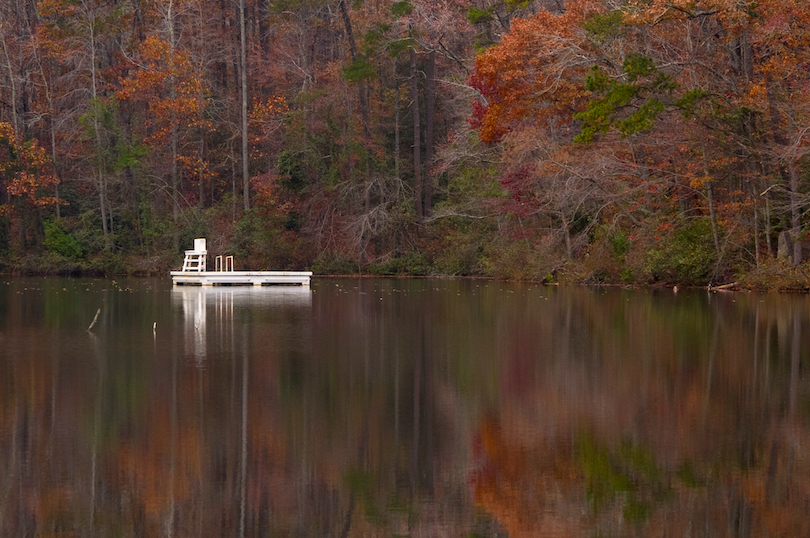
Located just fifteen minutes drive north Greenville is the picturesque Paris Mountain State Park; one of the most popular places to enjoy outdoor activities in the area. Its sprawling and scenic confines offer hiking, mountain biking, swimming, kayaking, and camping.
Centered around the large mount that lies at its heart, the park was founded in 1935 and has attracted nature lovers and outdoor enthusiasts ever since. While some splendid swimming, kayaking and fishing can be had at its four lakes, countless hiking trails weave their way through its woods.
In addition to its fabulous fauna and flora and epic outdoor activities, the Park Center also has interesting exhibits on the history and nature of the region to explore.
Peace Center
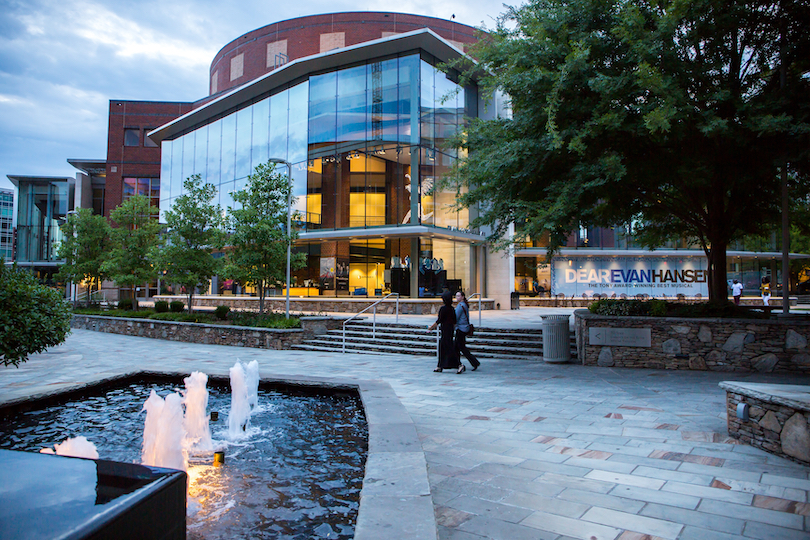
The Peace Center is the place to go if you want to see a play, concert or dance show. Lying right in the heart of downtown, the performing arts center puts on countless performances during the year, with music shows and spectacles that will appeal to everyone.
Made up of a concert hall, theater and amphitheater, it was opened in 1990 and has attracted full houses of locals and tourists alike ever since. As well as the Greenville Symphony Orchestra, it is also home to two ballet companies and the South Carolina Children’s Theater.
In total, the state-of-the-art center now hosts more than 300 events a year. Broadway shows and classical music concerts take place alongside stand-up comedy nights, theater plays, and dance performances.
Liberty Bridge
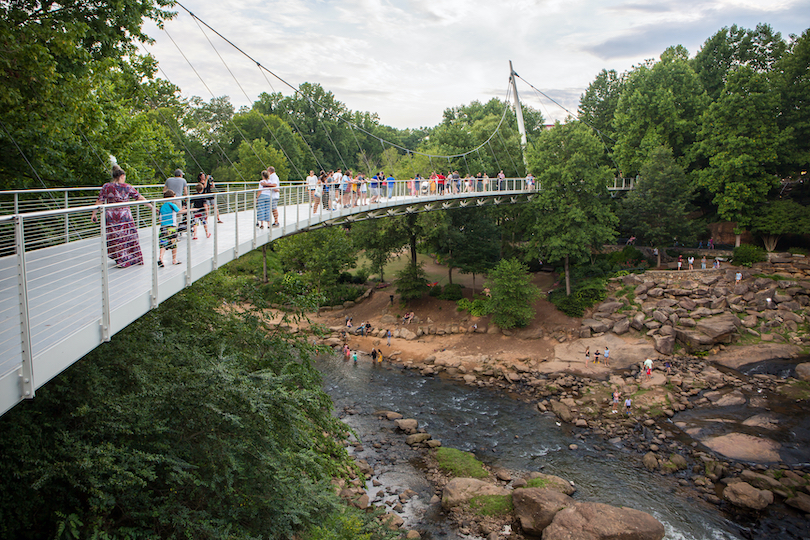
Curving its way gracefully above the Reedy River is the striking Liberty Bridge, which boasts the best view of the city’s famed falls. Set right in the center of town, it is a treat to stroll along due to its modern architecture and the views it offers of the river, trees and waterfall below.
Built in 2004, the pedestrian bridge is supported by two inclined towers and is held up by a single suspension cable. Stretching 345 feet in length, it spans the breadth of the forested ravine that surrounds the Reedy River and bisects the city in two.
Due to its innovative, award-winning design, the bridge appears to almost float above the landscape and is majestically lit up at night. With such stunning views on offer of the falls below, no trip to town can be complete without a visit to the iconic bridge.
Spartanburg
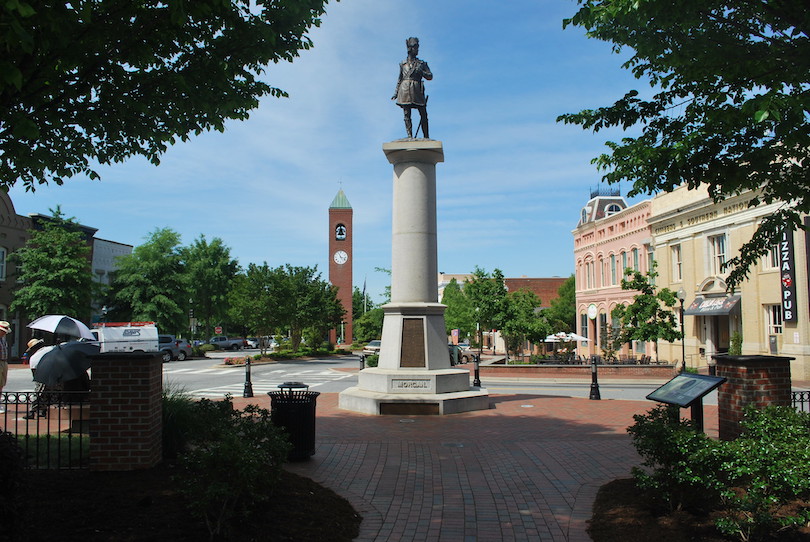
A great day trip destination or afternoon away, Greenville’s sister city Spartanburg is located forty minutes’ drive east of town. Nestled amidst the foothills of the Blue Ridge Mountains, ‘Sparkle City’ has lots to see and do with something for everyone to enjoy.
Founded in 1787, it has a rich history and heritage with the city both a railway hub and textile manufacturing center. It also has a charming downtown and thriving arts scene.
Aside from stopping by its interesting historic sights or enjoying a show or concert at its cultural centers, you can also go hiking or cycling as there are parks and nature spots nearby.