
Touropia Logo

Touropia Travel

Discover the World

  • Destinations
  • Videos
Subscribe for your daily dose of beautiful places you never knew existed 👉

This Underrated Gulf Coast Destination Is Perfect for a Laid‑back Weekend by the Water

By Jamie Gambetta · Last updated on May 29, 2026

Corpus Christi

Set between calm bay waters and the open Gulf coastline, this sunny coastal city blends beach-town relaxation with plenty of outdoor adventure. Long stretches of sand, waterfront views, and warm weather make it an easy place to slow down and stay awhile.

Located along the Gulf Coast in southern Texas, Corpus Christi sits beside Corpus Christi Bay and a chain of barrier islands separating the bay from the Gulf of Mexico. The city is known for its beaches, family-friendly attractions, and relaxed coastal atmosphere.

Beyond the shoreline, visitors can explore museums, enjoy water sports, hike nearby nature areas, or simply spend time around the waterfront and downtown districts.

Texas Surf Museum
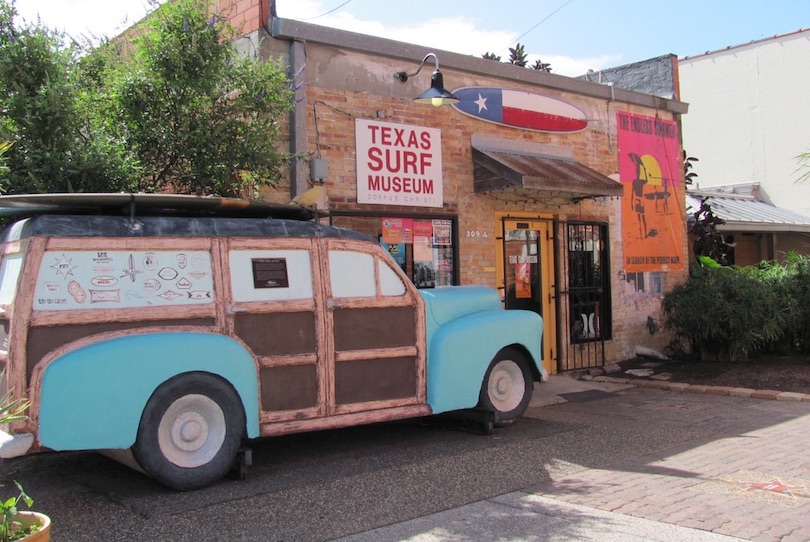
Texas Surf Museumrufus / Flickr

The Texas Surf Museum is in downtown Corpus Christi and is the only museum of its kind in the state. Don’t miss out on this unique opportunity to get to know the surf scene in Texas, and the incredible surfers that put Texas on the map.

The museum has lots of incredible in-action photographs, a variety of eye-catching surfboards hanging on the walls, and documentaries you can sit and watch in their projection theater.
The museum opened in 2005 and is run by some young locals who want to educate visitors and the local community about the benefits and importance of surfing. Pop by for a chat!

Selena Museum
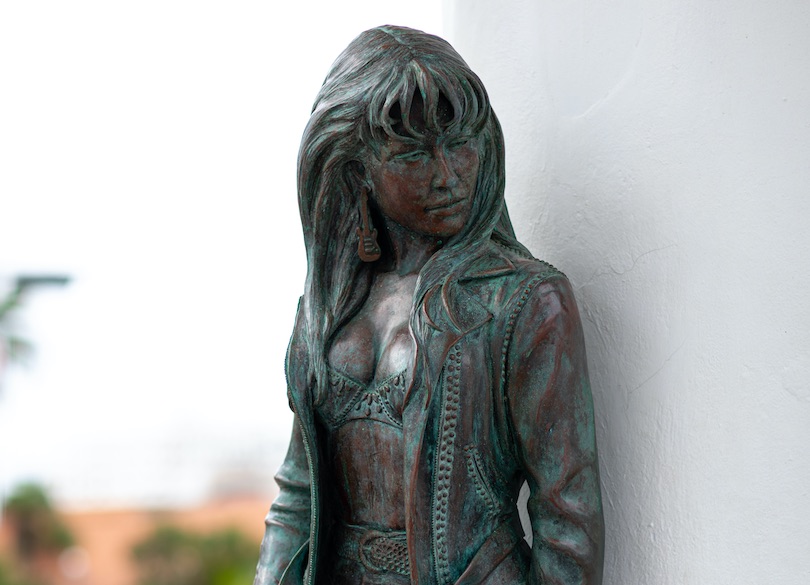
Selena Museum

Corpus Christi was the home of the famous Tejano singer Selena Quintanilla. This Mexican American singer grew up in Corpus Christi and grew to be an international star, known as the “Queen of Tejano.”

Sadly, she was murdered in a hotel room in the city in 1995, when she was just 23. She was killed by a close friend, who was also the founder of one of her biggest fan clubs. But before her tragic death, she won Grammy awards and pulled off iconic ‘90s looks, which you can now see on display in the museum.

Recently Netflix ran a TV show that tells the story of her life, called “Selena, The Series”. You can watch it before your visit if you want to know more. Amazingly, some visitors even got to meet her family members!

Bob Hall Pier
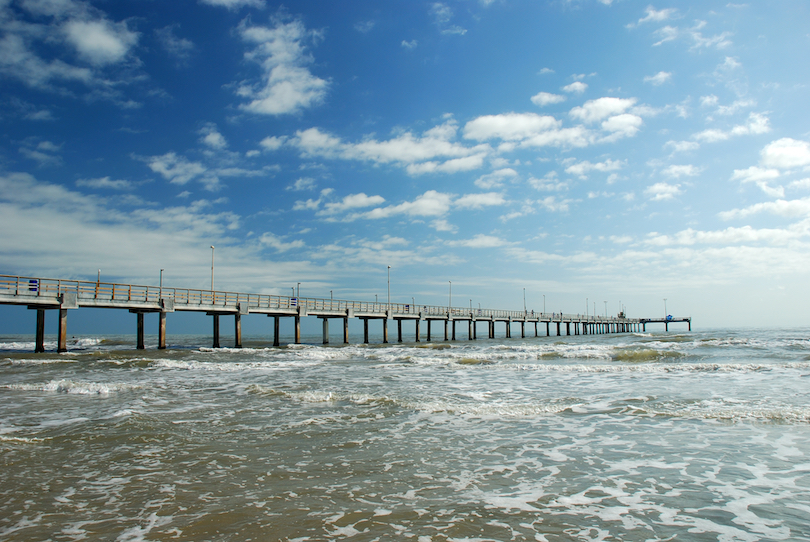
Bob Hall Pier

This old pier was built in 1950 and extended various times throughout its history. When it was first opened it was just 300 feet, now it’s 1240 feet long! If you head down to Padre Balli Beach and walk along the sandy shore, you’d find it hard to miss the long pier.

Once you’re on the Bob Hall Pier you can walk out into the sea and admire the views of the islands and ocean in the distance. Sunset is an especially magical time to visit the pier.

It’s also a renowned fishing spot. If you’ve got your fishing pole with you, you can try to catch fish directly off the pier. If you can’t make it during the day, don’t worry! The pier is lit up at night for night fishing too.

USS Lexington Museum

USS Lexington Museum

The USS Lexington is an old military ship that was built in 1941. She is the nation’s longest-serving Essex Class aircraft carrier, victorious in each of her battles! She was used by the U.S. Navy until 1990 when a more modern, and cheaper ship, took her place.

Various communities started fundraising and coming together to bring the iconic ship to their city, but Corpus Christi was her chosen resting place! The boat was towed to the city and positioned on North Beach in 1992.

You can now climb on board this incredible ship and find out about her long history at the museum, right here in Corpus Christi. You’ll have lots of stories to take home!

Texas State Aquarium
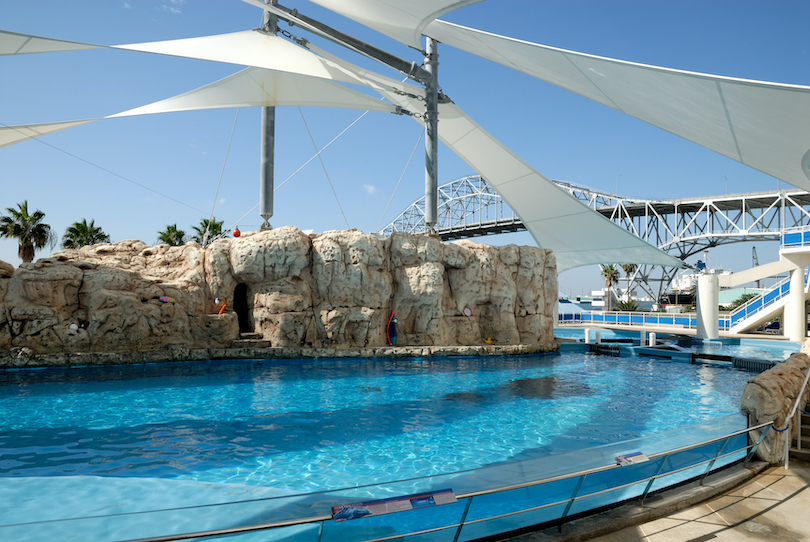
Texas State Aquarium

The local aquarium is a great place to take the family on a rainy, grey day. The bright colors and mysterious creatures inside are sure to brighten everyone’s mood. The Texas State Museum is especially known for the numerous aquatic species from the Gulf of Mexico and the Caribbean Sea on display.

The vibrant, eye-catching colors of the aquarium’s exotic fish will have you gasping in disbelief! You can spend some time with the friendly dolphins, followed by a trip to see the most dangerous of sharks.

Don’t leave before seeing their coral reef exhibits, this unique opportunity is increasingly hard to come by! All in all, the aquarium is an easy and fun way for the whole family to pass the day.

Padre Island National Seashore
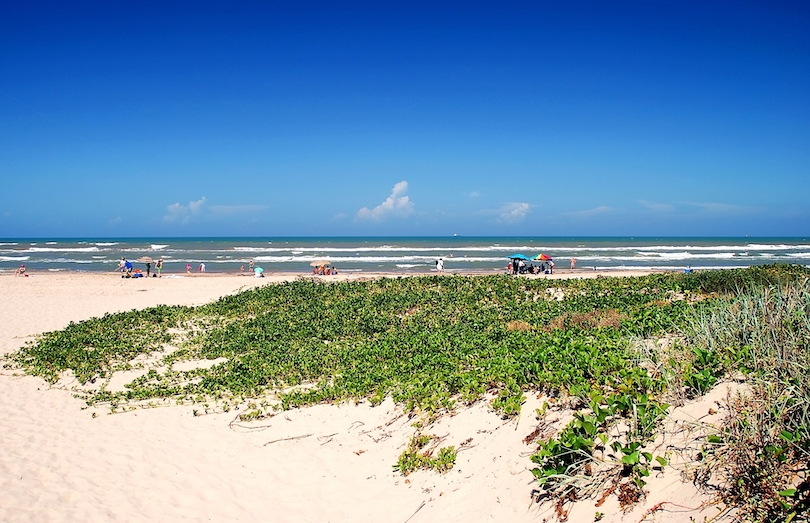
Padre Island National Seashore

The Padre Island National Seashore is surrounded by sandy white beaches and unique natural habitats that can only be found in the area. The park is at the end of Park Road 22 on Mustang Island, a straightforward half-hour drive from the city.

Once you’re in the National Seashore you can keep yourself busy fishing, surfing, boating, and even windsurfing on the coast. If you haven’t tried any of these before, now’s your chance!

The area is famous for its Laguna Madre, one of the saltiest water reserves on Earth. The laguna is far saltier than the surrounding sea. There’s enough to keep you busy for a few days, so it might be worth considering staying at a campsite to make the most of your trip.

Primary Sidebar

Latest

Bardstown, Kentucky

Bourbon Made This Town Famous, but That’s Not What Makes It Special

George Peabody Library Baltimore Visitor Guide Most visitors don't expect to find one of the most striking interiors in America tucked behind a row of white columns in a quiet Baltimore neighborhood. You walk through the doors of the Peabody Institute in Mount Vernon, turn a corner, and suddenly you're standing beneath a skylit atrium that climbs six stories above a polished marble floor. It stops you cold. The George Peabody Library Baltimore is that kind of place. It doesn't announce itself from the street. There's no flashy signage, no grand plaza. But step inside the stack room and you'll see why people call it a "cathedral of books." Over 300,000 volumes line the walls, and the space itself feels like something pulled from a 19th-century novel you half-remember reading. Johns Hopkins University runs the place as part of its Sheridan Libraries system. This isn’t a museum replica—it’s a working research collection. You can visit for free during public hours, which makes it one of the easiest cultural stops in Baltimore. Whether you’re chasing that perfect symmetrical shot up through the iron balconies or just want a quiet ten minutes surrounded by something genuinely beautiful, the library delivers without asking much of your time or your wallet. Cast-Iron Balconies And The Soaring Atrium The first thing that hits you is the scale. Five tiers of ornamental cast-iron balconies rise from the ground floor and climb 61 feet to a massive skylight that floods the room with natural light. The effect is vertical and dramatic, like standing inside a very elegant cage made of books and ironwork. Each balcony tier is lined with gold-and-black volumes shelved behind low railings, and the repeating geometric patterns of the iron railings create a visual rhythm that photographers obsess over. Point your camera straight up from the center of the floor and you'll get that iconic symmetrical shot that's all over travel feeds. The image almost looks digitally generated, but it's real, and it's been here since 1878. The marble floor adds to the atmosphere. Sound carries differently in here. Footsteps echo softly, and conversations drop to whispers without anyone being told. The reading room on the ground level sits just off the main atrium, offering a quieter space with wooden tables and the kind of warm, worn-in feeling that modern libraries rarely manage. The light keeps the space from feeling like a museum. On a clear afternoon, sunlight pours through the skylight and shifts across the iron railings and book spines, changing the room's character every hour. You could visit twice in the same day and walk away with completely different impressions. A Quick History Of The Landmark George Peabody, a financier who got his start in Baltimore before heading off to London, founded the Peabody Institute in 1857. He wanted to give something meaningful back to the city that launched his career—a free public library, a lecture series, a music conservatory, and an art gallery. The library building itself took its sweet time, finally opening up in 1878. Baltimore architect Edmund G. Lind teamed up with Nathaniel H. Morison, the institute's first provost, to design the interior. Lind focused on that dramatic stack room—he wanted it to feel grand enough to match Peabody's vision but still practical for researchers. Local craftsmen made the decorative cast-iron balconies, and people immediately noticed the design. It stood out as one of the most distinctive library interiors on the East Coast. The collection changed hands a few times. In 1966, the City of Baltimore took over and ran things through the Enoch Pratt Free Library. Then, in 1982, Johns Hopkins University stepped in, and the library became part of the Sheridan Libraries system. These days, the focus is on 18th- and 19th-century works—architecture, religion, science, geography, literature—with gems from folks like Edgar Allan Poe and Walt Whitman. George Peabody Library Baltimore

One of America’s Most Beautiful Interiors Is Hidden in Baltimore

Mount Vernon

It’s Hard to Believe an American President Once Called This Beautiful Estate Home

Travel Inspiration

Pink Beach

9 Most Colorful Sand Beaches Around The World

Uruguay

These Countries Are at Their Absolute Best in January

Cinque Terre

17 Places Putting a Cap on Tourist Numbers

Copyright © 2026· Touropia.com · Contact · About · Privacy Policy · Disclaimer