
America’s story begins in its oldest settlements, places where human ambition first took root on this land. Each state has a community that can claim the title of “first,” whether Indigenous peoples, European colonists, or westward pioneers founded it. These towns and cities reflect the diverse origins of American settlement.
You’ll discover that the oldest settlement in each state reveals distinct chapters of history, from Spanish missions in the Southwest to Native American pueblos that predate European contact by centuries. Some remain vibrant communities today, while others have changed far beyond their humble beginnings.
This journey through all fifty states takes you from the 1100s to the 1860s, tracing exploration, colonization, and expansion. You’ll see how geography, culture, and timing shaped the places where people built their first permanent homes.
Alabama: Mobile (1702)
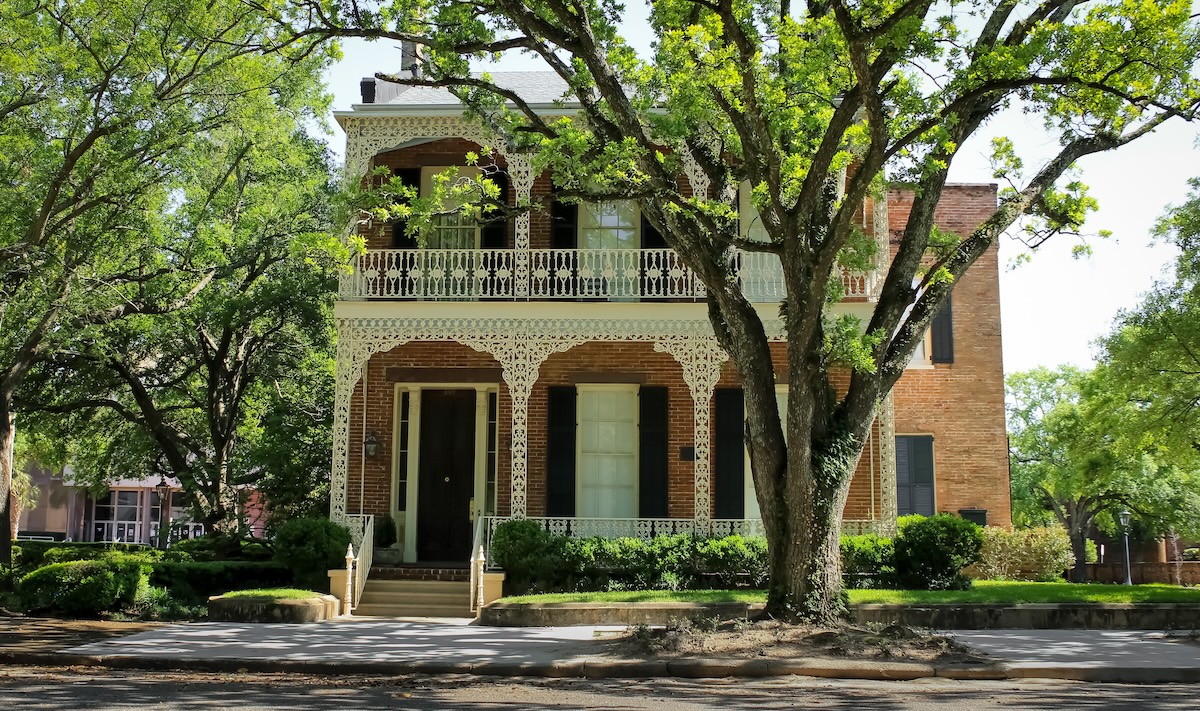
When you explore Alabama’s history, you’ll find Mobile, the state’s oldest settlement. French colonists established this port city in 1702 under Jean-Baptiste Le Moyne de Bienville, making it older than many other colonial settlements across the South. The French chose the site for its strategic position along Mobile Bay, which offered access to the Gulf of Mexico and inland waterways.
Mobile’s colonial heritage runs deeper than that of most American cities. It flew under French, British, and Spanish flags before joining the United States in 1813. You can still see this layered past in the city’s architecture, street names, and cultural traditions. The city is famous for hosting America’s original Mardi Gras celebration, a tradition that predates New Orleans’ version by fifteen years. In Mobile’s historic districts, you’ll encounter buildings and landmarks that reflect more than three centuries of continuous habitation and cultural exchange.
Alaska: Kodiak (1792)
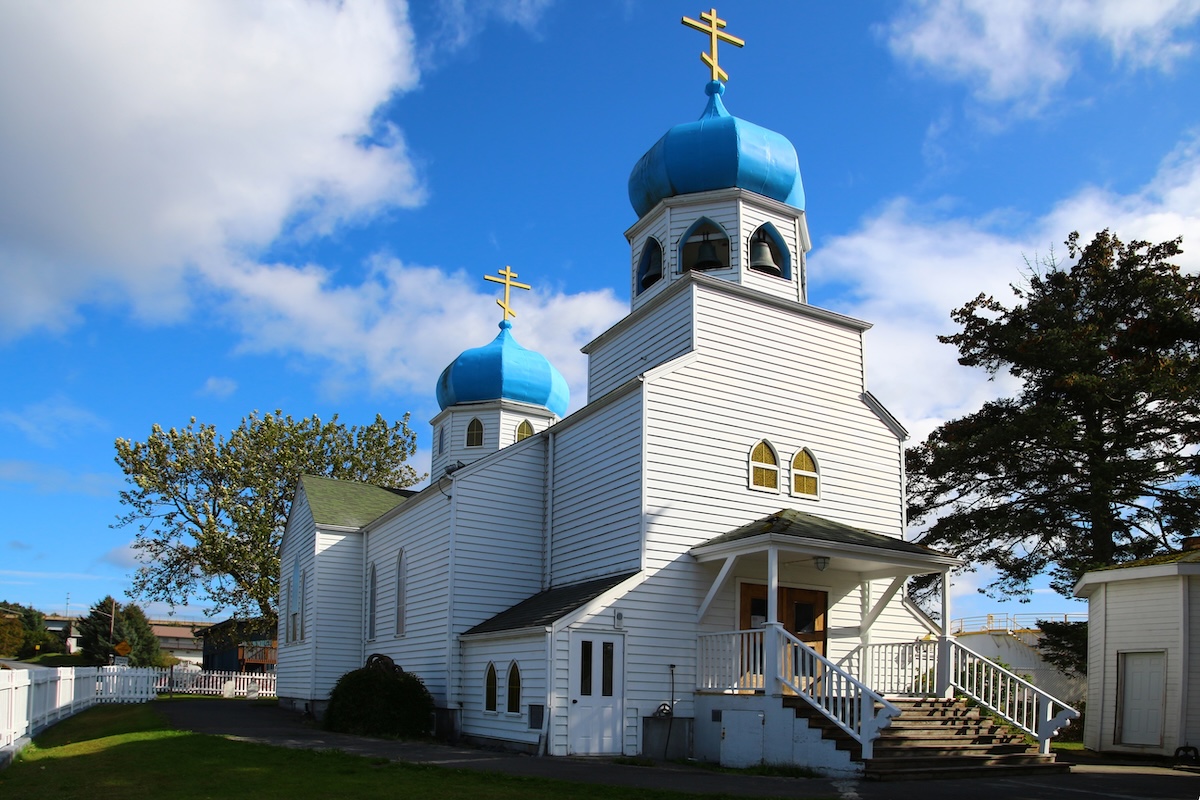
When you visit Kodiak, you’re stepping into Alaska’s oldest permanent European settlement. Russian fur traders established this outpost in 1792, drawn by the region’s abundant sea otters and strategic location. The settlement served as the capital of Russian America until 1808, making it a key hub for the Russian-American Company’s operations along the Pacific coast.
Kodiak’s Russian heritage remains visible throughout the modern city, though much has changed since those early trading days. The settlement predates American ownership of Alaska by 75 years. The United States didn’t purchase the territory until 1867. Today, Kodiak is known for fishing and for hosting the country’s largest Coast Guard base, but its roots as a Russian colonial outpost give it a distinctive character among Alaskan communities. The island also hosts the famous Kodiak bears. Meanwhile, the city has grown into a vital fishing port while keeping ties to its founding era.
Arizona: Tubac (1752)
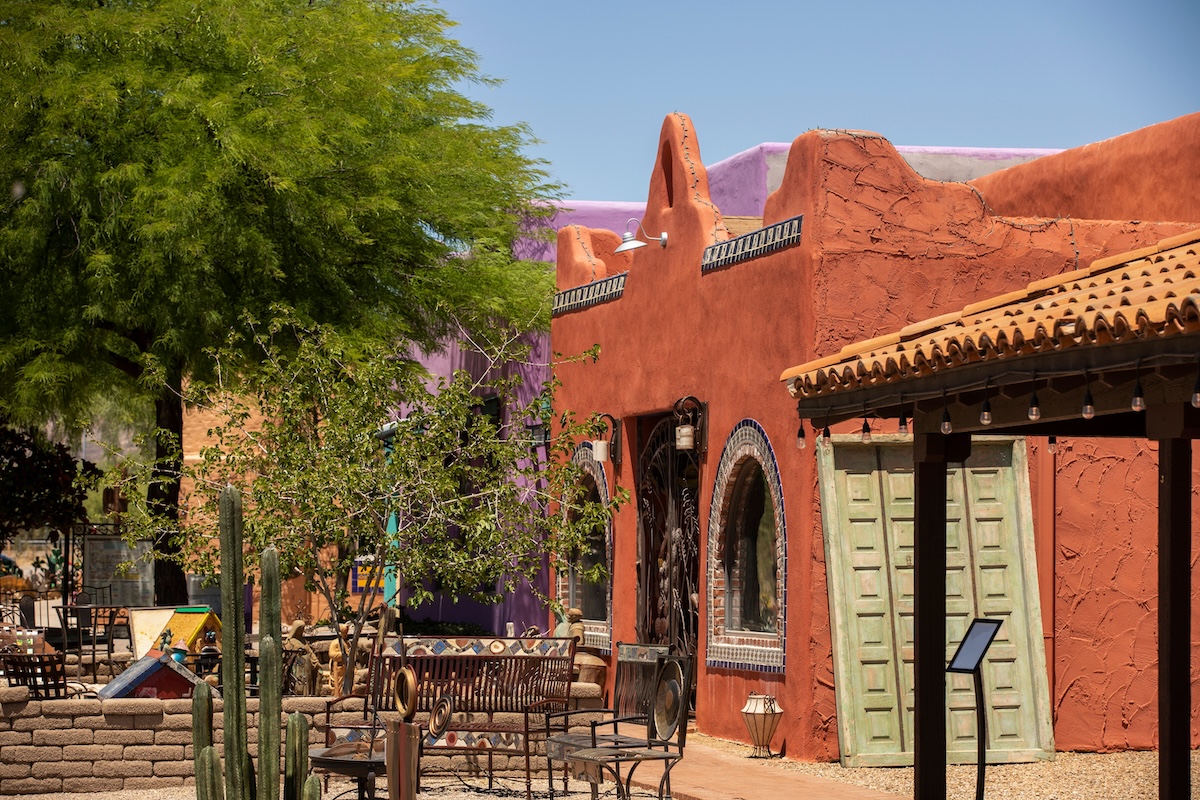
You’ll find Arizona’s oldest European settlement in the Santa Cruz River valley, just 45 miles south of Tucson. Tubac began as a Spanish presidio in 1752. The fort protected nearby missions and mining operations from Apache raids. It served as a key military outpost on New Spain’s northern frontier, and soldiers stationed there helped maintain Spanish control over the region for decades.
Today, Tubac is a thriving artist colony and historic destination. The town’s Tubac Presidio State Historic Park preserves parts of the original fortress and displays artifacts from the colonial period. Tubac also served as a staging area for Juan Bautista de Anza’s famous 1775-1776 expedition to establish San Francisco. The community has grown from its military origins into a cultural hub with over 80 art galleries and studios, creating a striking blend of deep history and contemporary creativity. When you visit, you’re walking streets that have seen over 270 years of continuous habitation.
Arkansas: Batesville (1812)
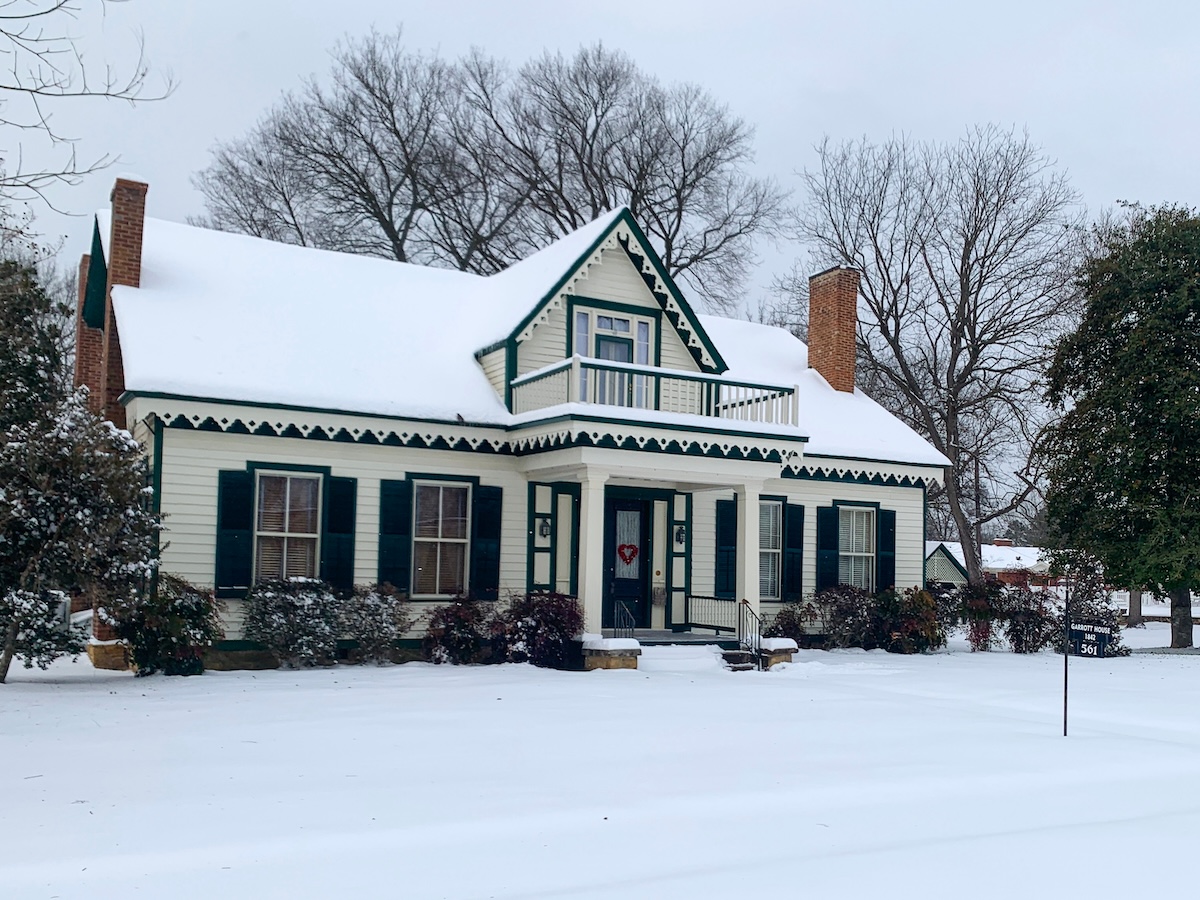
You’ll find Batesville along the White River in Independence County, where it holds the distinction of Arkansas’s oldest incorporated city. Founded in 1812, the settlement emerged when Arkansas was still part of the Missouri Territory. The town grew around a natural river landing that offered a practical stopping point for early traders and settlers moving through the region.
When you visit today, you can still sense the layers of history built up over more than two centuries. Batesville’s position along the White River helped it become an important trading post and river port during the 19th century. Downtown, historic buildings reflect several architectural periods, from antebellum structures to Victorian-era commercial buildings. The community has preserved its connection to the past while developing into a modern Arkansas town, giving you a chance to explore historic sites and the natural beauty of the surrounding Ozark foothills.
California: San Diego (1769)
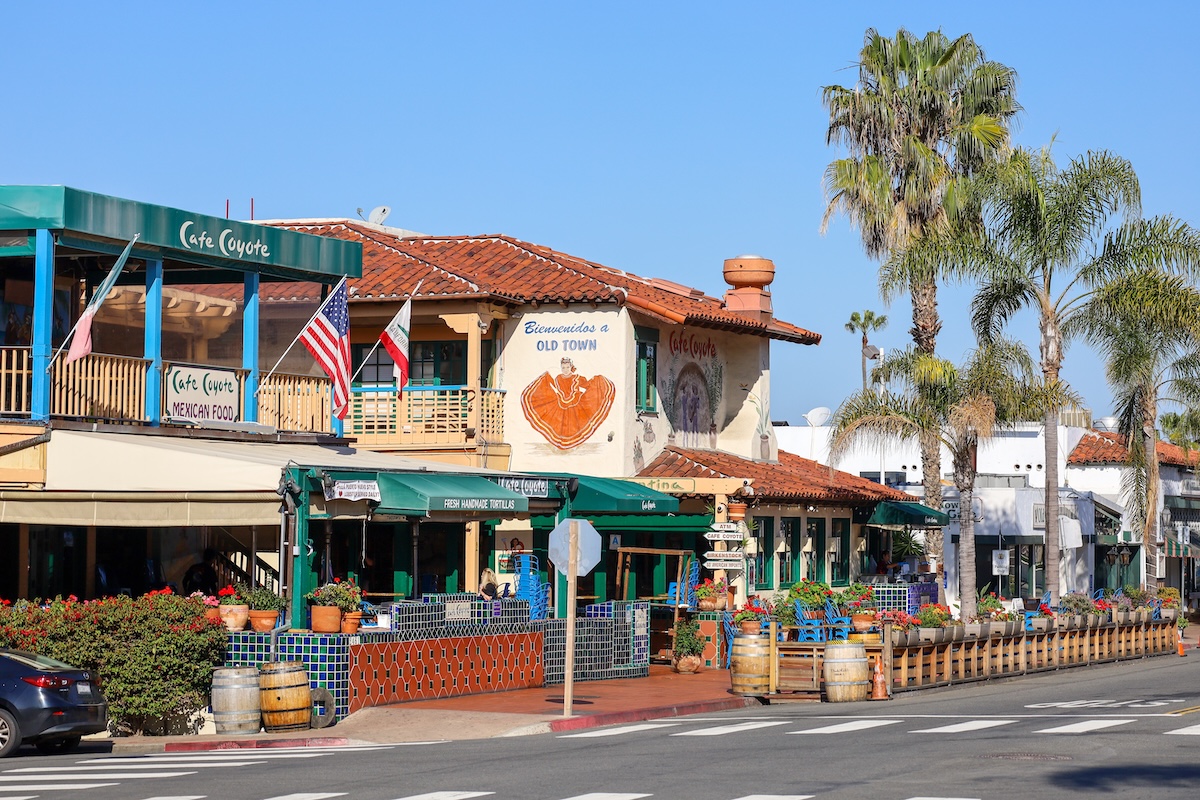
When you visit San Diego today, you’re walking through California’s oldest European settlement. The Spanish established the Presidio of San Diego in July 1769, making it the first permanent European settlement in what would become the Golden State. Father Junípero Serra founded Mission San Diego de Alcalá at the same time, launching California’s famous chain of 21 missions along El Camino Real.
You can still explore this colonial past in Old Town San Diego State Park, where adobe buildings and museums recreate the Mexican and early American periods. The original mission moved from its 1769 location, but you’ll find the current Mission San Diego de Alcalá still active in Mission Valley. Long before the Spanish arrived, the Kumeyaay people had lived in this region for thousands of years, establishing villages throughout the area. Today’s San Diego combines its layered history with modern urban life, from the historic Gaslamp Quarter to the beaches that first attracted those early settlers.
Colorado: San Luis (1851)
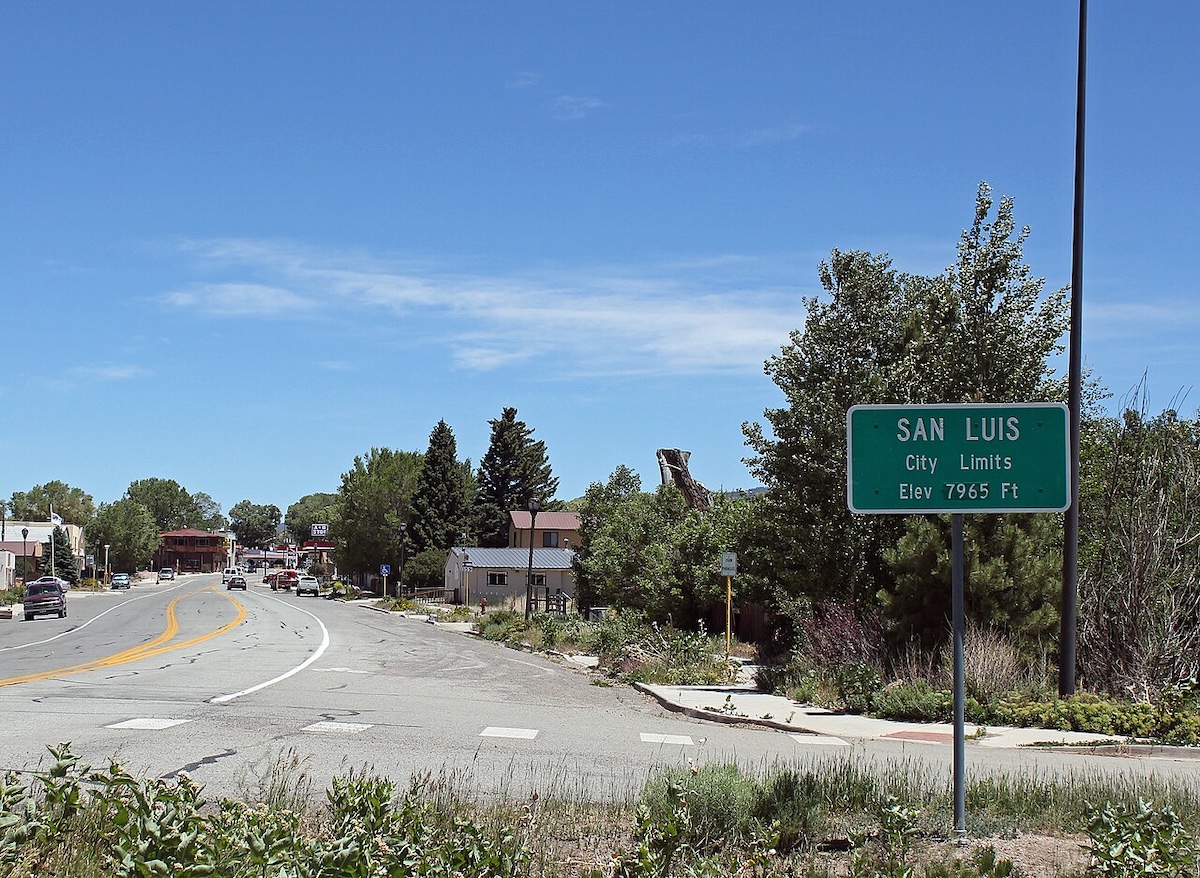
You’ll find Colorado’s oldest continuously inhabited settlement in the San Luis Valley, where Spanish-speaking settlers from New Mexico established San Luis in 1851. The town sits about 8,000 feet above sea level in Costilla County, near the Sangre de Cristo Mountains. When you visit, you’re entering a community that predates Colorado’s statehood by 25 years and represents the earliest permanent European settlement in what would become the state.
San Luis maintains strong ties to its Hispanic heritage through cultural traditions and historic sites. The town is home to the Sangre de Cristo Parish, Colorado’s oldest church, and features the Stations of the Cross Shrine on a nearby mesa. Many San Luis families can trace their roots to the original settlers who came seeking grazing land and agricultural opportunities. The community preserves access to the Culebra Range through traditional land grants, allowing locals to gather wood, graze livestock, and hunt as their ancestors did.
Connecticut: Windsor (1633)
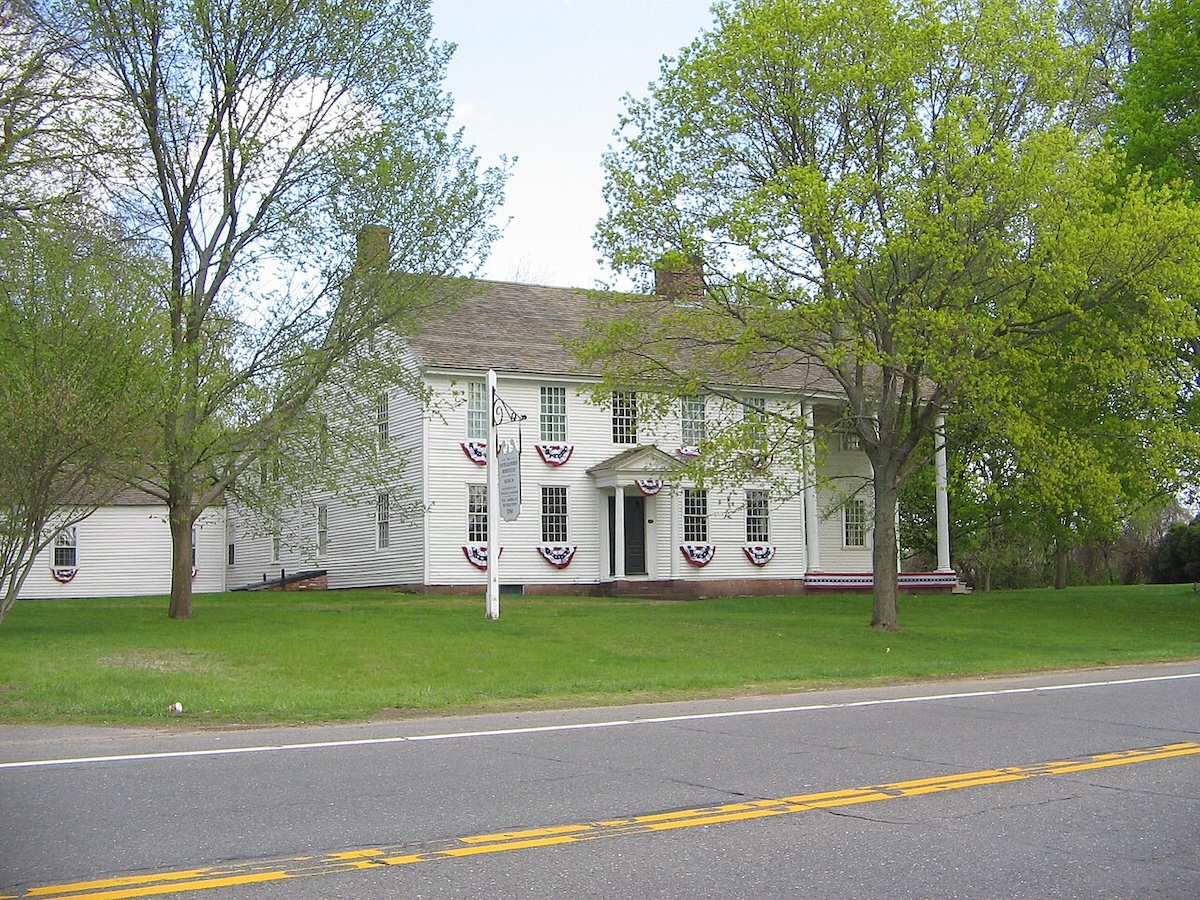
When you visit Windsor, you’re stepping into Connecticut’s oldest permanent English settlement. Founded along the Connecticut River in 1633, the town predates both Hartford and New Haven. English settlers from Plymouth Colony arrived first. Colonists from Massachusetts Bay Colony followed soon after, drawn by the area’s fertile farmland and strategic river access.
Windsor’s location wasn’t chosen by accident. The Connecticut River offered essential transportation routes and rich agricultural soil, making the area ideal for early colonial development. You can still sense this history in the town’s historic district, where colonial-era homes and buildings tell the story of Connecticut’s earliest English inhabitants. The settlement played an important role in founding the Connecticut Colony and helped establish patterns of governance that influenced the region for centuries. Today, Windsor balances its colonial roots with modern suburban life, offering a glimpse into where Connecticut’s English settlement story began.
Delaware: Wilmington (1638)
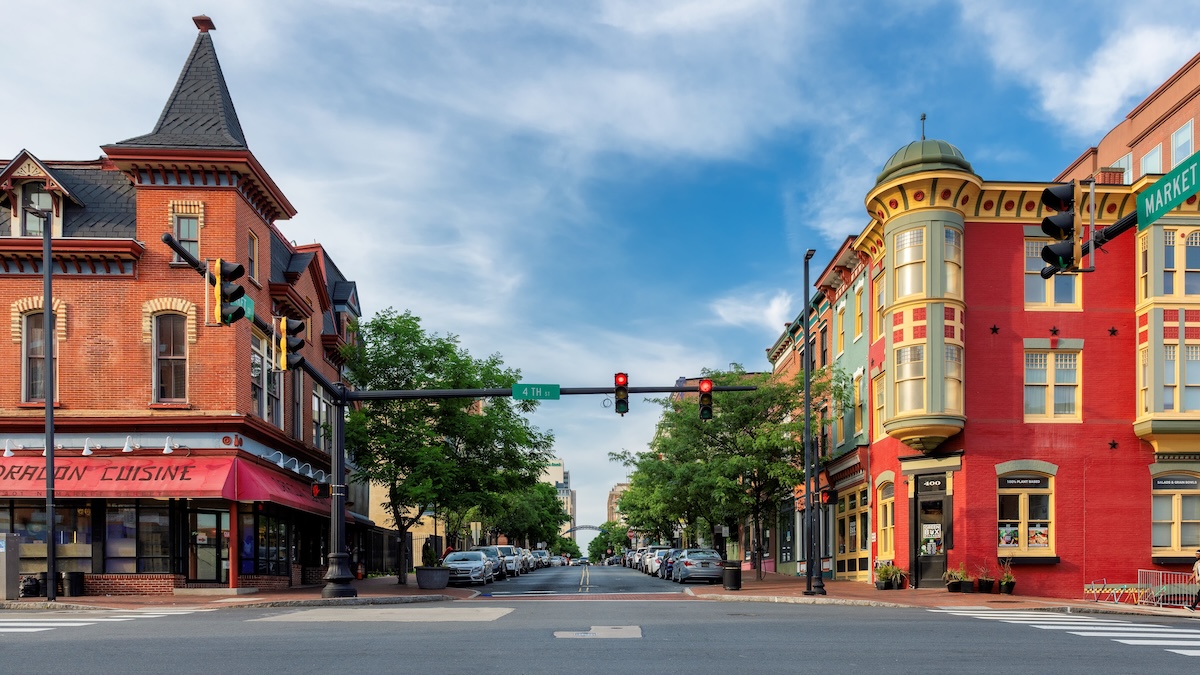
When you explore Wilmington, you’re walking through Delaware’s oldest settlement, established by Swedish colonists in 1638. They called it Fort Christina, after Sweden’s twelve-year-old queen. The Swedes built a trading post along the Christina River, beginning the New Sweden colony and introducing log cabin construction to North America.
Your visit reveals layers of colonial history beyond Wilmington’s Swedish origins. The Dutch took control in 1655, and the English followed in 1664. Each group left its mark on the settlement. Today, you can visit Fort Christina State Park, where monuments commemorate the first Swedish settlers who arrived on the Kalmar Nyckel. The city grew from this modest trading outpost into Delaware’s largest city, though it never became the state capital. Wilmington’s waterfront along the Delaware River still shapes its character, much as it did when those Swedish colonists recognized the site’s strategic and commercial potential nearly four centuries ago.
Florida: St. Augustine (1565)
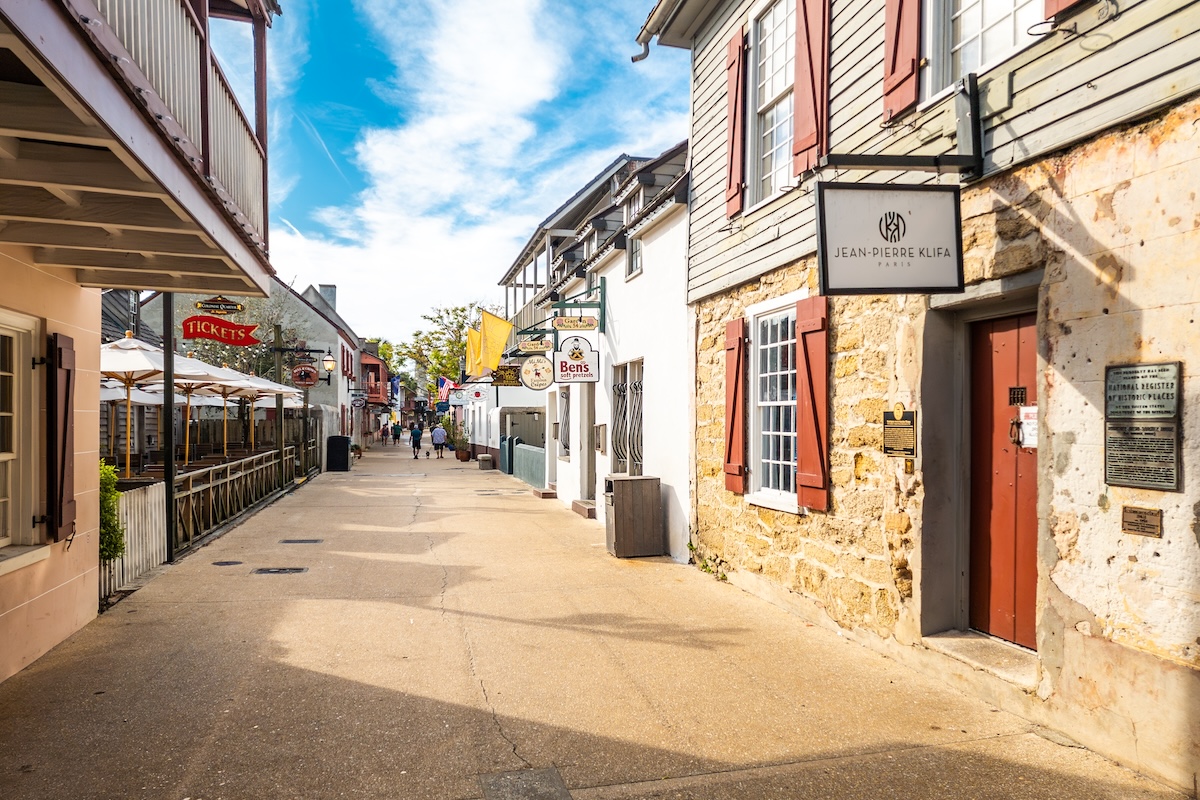
When you walk through St. Augustine’s narrow cobblestone streets, you’re exploring the oldest continuously occupied European settlement in the continental United States. Spanish admiral Pedro Menéndez de Avilés founded the coastal city in 1565, making it 42 years older than Jamestown and 55 years older than Plymouth. The settlement served as Spain’s strategic military outpost and protected treasure fleets traveling from the Caribbean to Europe.
You’ll find the city’s Spanish colonial heritage in landmarks like the massive Castillo de San Marcos, a stone fortress completed in 1695 that still overlooks Matanzas Bay. The historic district offers a glimpse into centuries of continuous habitation, with buildings from the Spanish colonial period, British occupation, and eventual American control. St. Augustine changed hands between Spain, Britain, and the United States several times before Florida became a U.S. territory in 1821. Today, you can experience this history through the preserved colonial quarter, historic churches, and museums that showcase more than 450 years of continuous settlement.
Georgia: Savannah (1733)
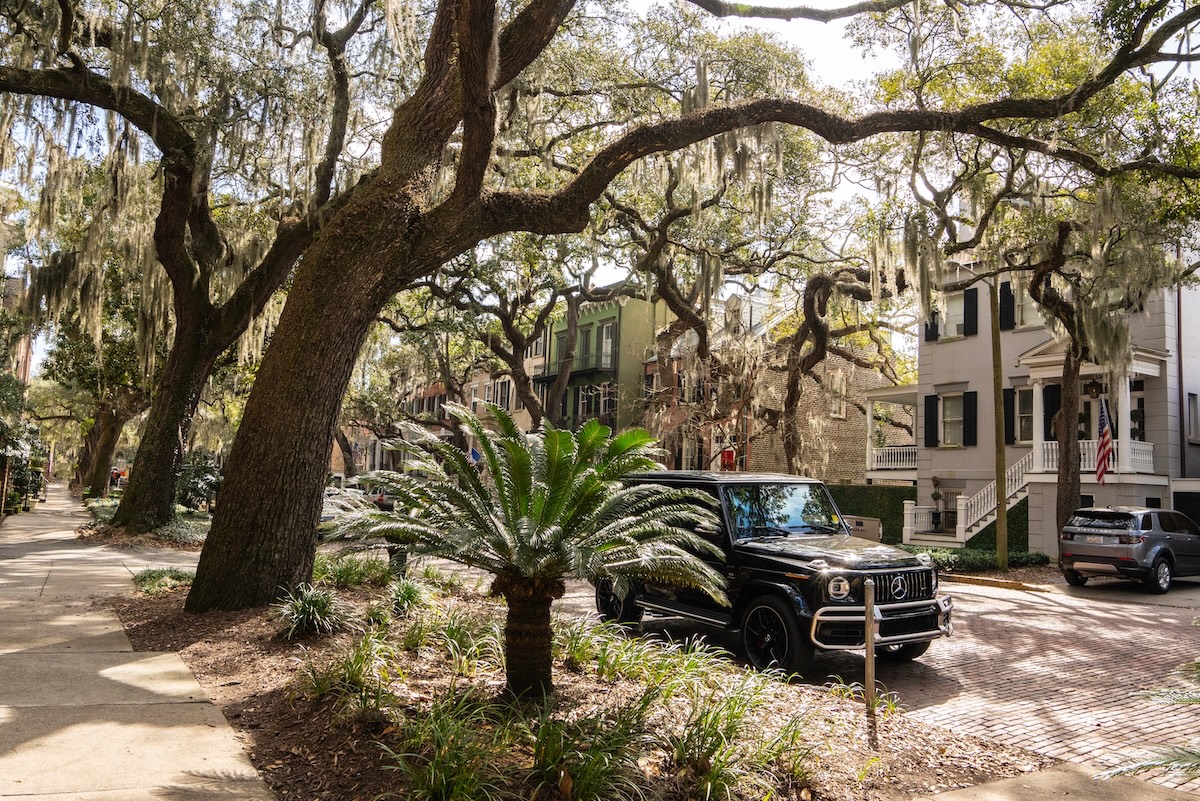
When you walk through Savannah’s historic district, you’re exploring Georgia’s oldest city and one of America’s most carefully planned colonial settlements. General James Oglethorpe founded Savannah in 1733 as the first city in the thirteenth colony, building it on a bluff overlooking the Savannah River. The city served as a buffer between British South Carolina and Spanish Florida while offering a fresh start for England’s working poor.
You’ll notice Savannah’s distinctive layout right away. Oglethorpe designed the city around a series of squares that still define its character, with 22 of the original 24 remaining intact. These public spaces create a unique urban landscape where you can experience centuries of Southern history within a few city blocks. The port made Savannah an important commercial hub from its earliest days, and you can still see that maritime heritage in the restored warehouses and cobblestone streets along River Street.
Hawaii: Hilo (c. 1100)
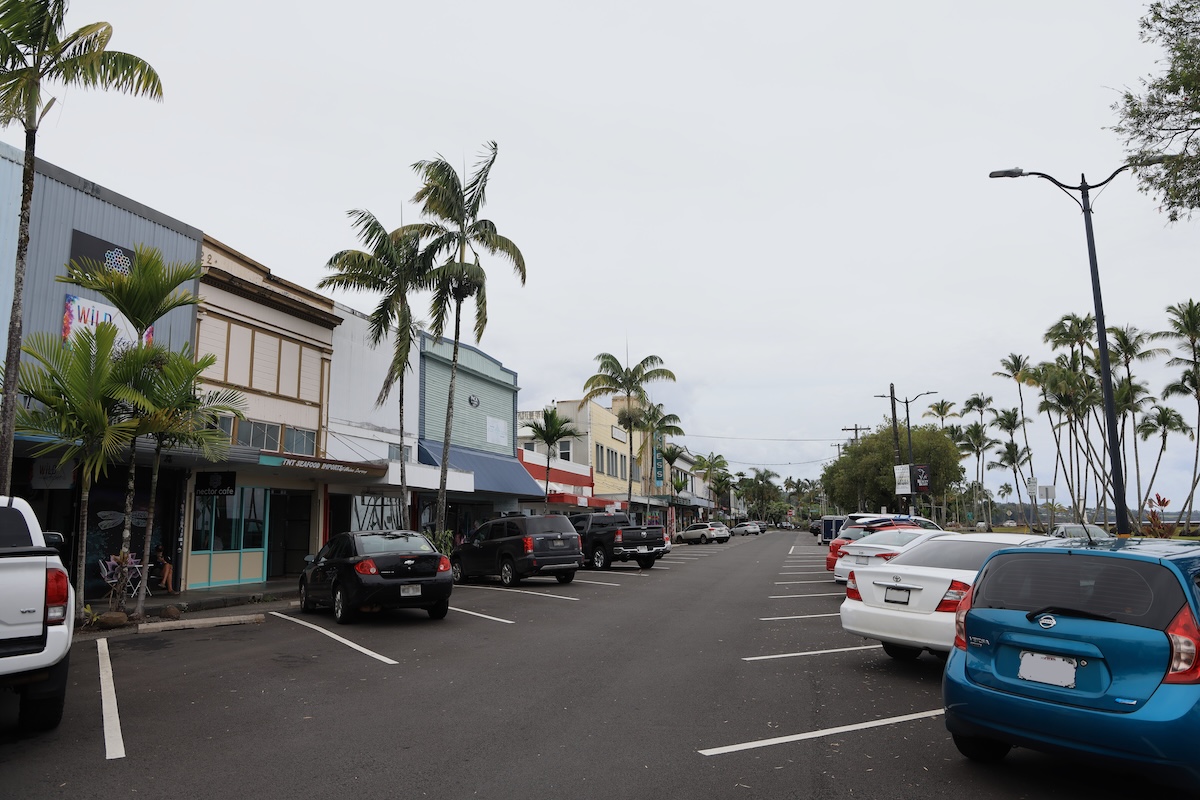
When you visit Hilo on the Big Island’s eastern coast, you’re stepping into one of Hawaii’s oldest continuously inhabited settlements. Polynesian voyagers established the community around 1100 CE, drawn by its abundant rainfall, fertile volcanic soil, and protected bays, which supported both agriculture and fishing.
Hilo’s longevity comes from these natural advantages. The region receives over 130 inches of rain each year, allowing early Hawaiian settlers to cultivate taro in extensive wetlands and support a thriving population for centuries. The town grew around Wailuku River and Hilo Bay, where ancient Hawaiians built fish ponds and developed sophisticated aquaculture systems. Today, you can still explore historical sites throughout the area, including ancient heiau (temples) and petroglyphs that connect you to the first settlers who arrived nearly a millennium ago.
Idaho: Franklin (1860)
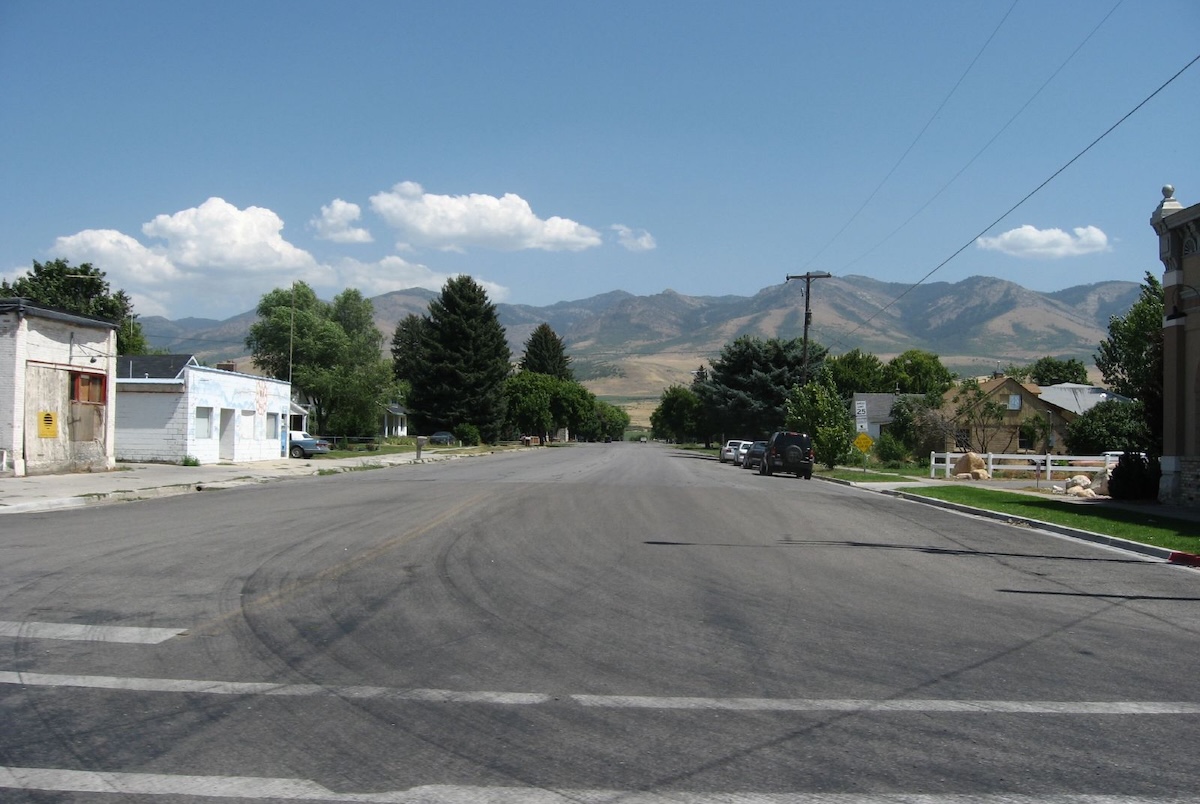
You’ll find Idaho’s oldest permanent settlement in the state’s southeastern corner, just a stone’s throw from the Utah border. Mormon pioneers established Franklin in 1860, believing they were settling in Utah Territory. A boundary survey in 1872 revealed that they’d been living in Idaho all along, making the community an accidental first for the state.
When you visit Franklin today, you can explore a town that has preserved much of its pioneer heritage. The settlement served as an important waypoint for travelers and traders moving through the region during the 19th century. Historic architecture still lines the streets, including the Franklin Cooperative Mercantile Institution building, often called the Coop. Dating to 1868, it stands as Idaho’s oldest existing commercial building. The town has a quiet, rural character that gives you a genuine sense of life for the early settlers who carved out homes in this remote valley.
Illinois: Cahokia (1699)
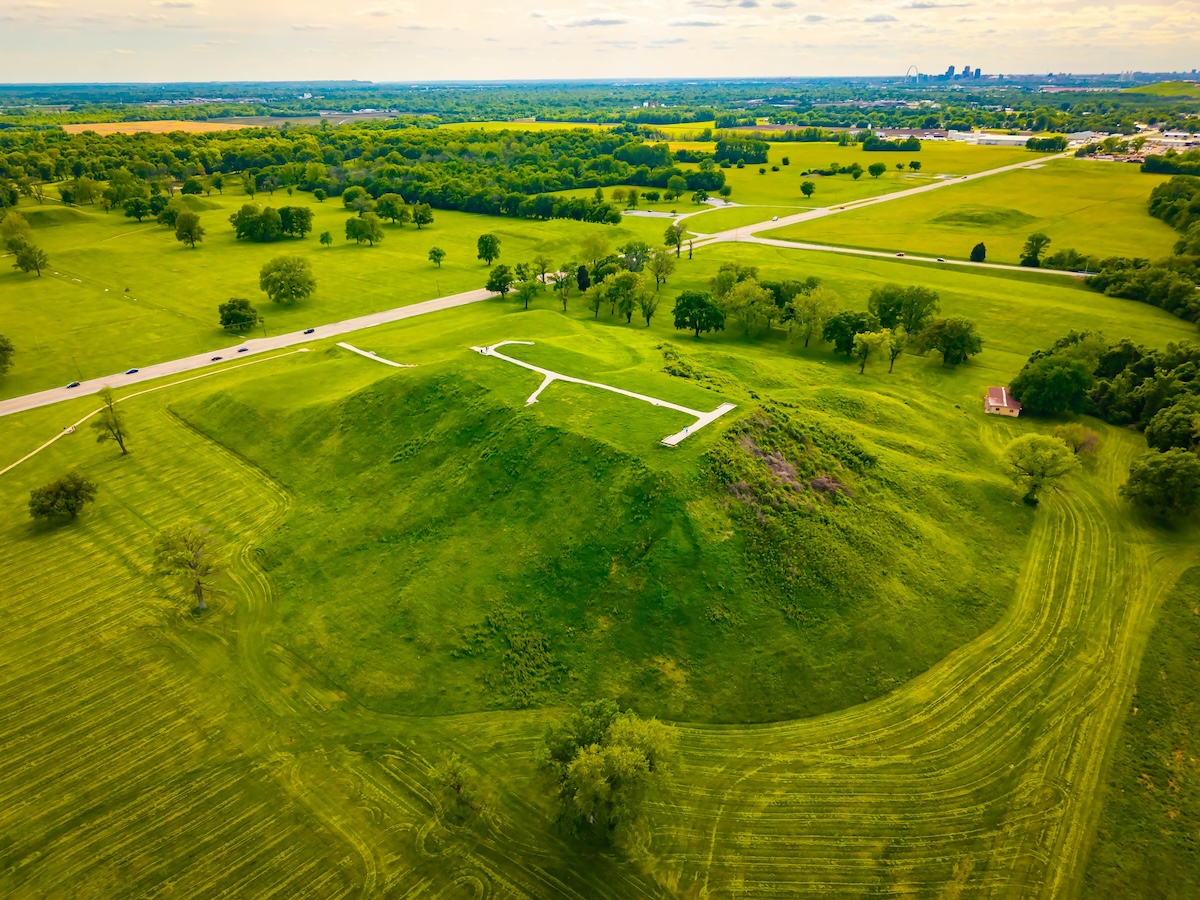
When you visit Cahokia, you’re stepping into one of Illinois’s oldest European settlements, established by French missionaries in 1699. The village took its name from the Cahokia people, part of the larger Illiniwek confederation that had inhabited the region for centuries. You’ll find this historic site just across the Mississippi River from St. Louis, where French colonists built a mission and trading post that linked New France to its expanding territory.
The settlement connects to a much deeper history. Before the French arrived, the area was home to the ancient Mississippian city of Cahokia Mounds, which thrived between 1050 and 1350 CE. In the region, you can visit the nearby Cahokia Mounds State Historic Site and see remnants of this pre-Columbian civilization. The French colonial village became an important agricultural center and remained under French control until the British took over after the French and Indian War. You’re looking at a place where multiple layers of American history meet.
Indiana: Vincennes (1732)
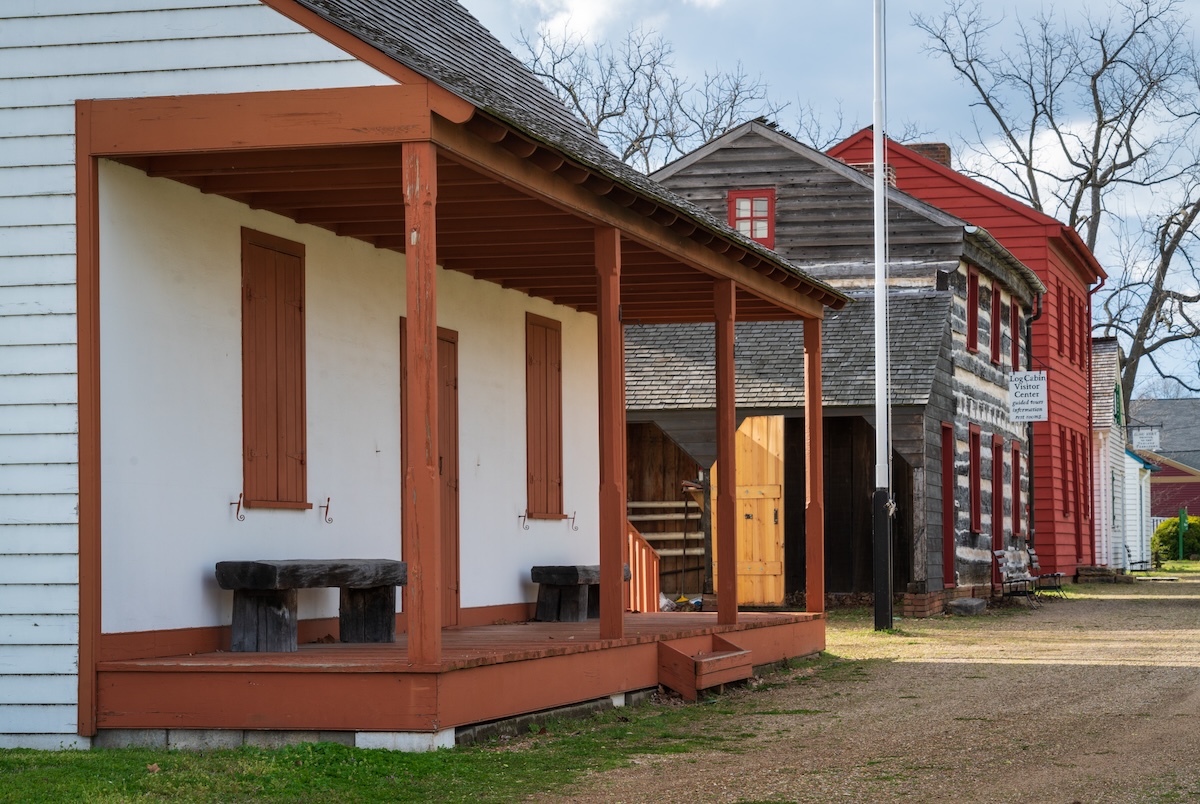
When you visit Vincennes along the Wabash River, you’re stepping into Indiana’s oldest European settlement. French fur traders established this outpost in 1732, creating a vital link in the French colonial towns stretching from Canada to Louisiana. The settlement quickly became an important trading center where French colonists, Native Americans, and later British and American settlers met.
You can still explore remnants of this layered history throughout town. The George Rogers Clark National Historical Park commemorates the Revolutionary War battle that transferred control from British to American hands in 1779. As you walk through Vincennes, you’ll encounter historic buildings like the Old Cathedral, completed in 1826, and the territorial capitol building where Indiana’s early government took shape. French heritage remains visible in the street names and architecture, offering a glimpse into the region’s complex colonial past before it became part of the American frontier.
Iowa: Dubuque (1833)
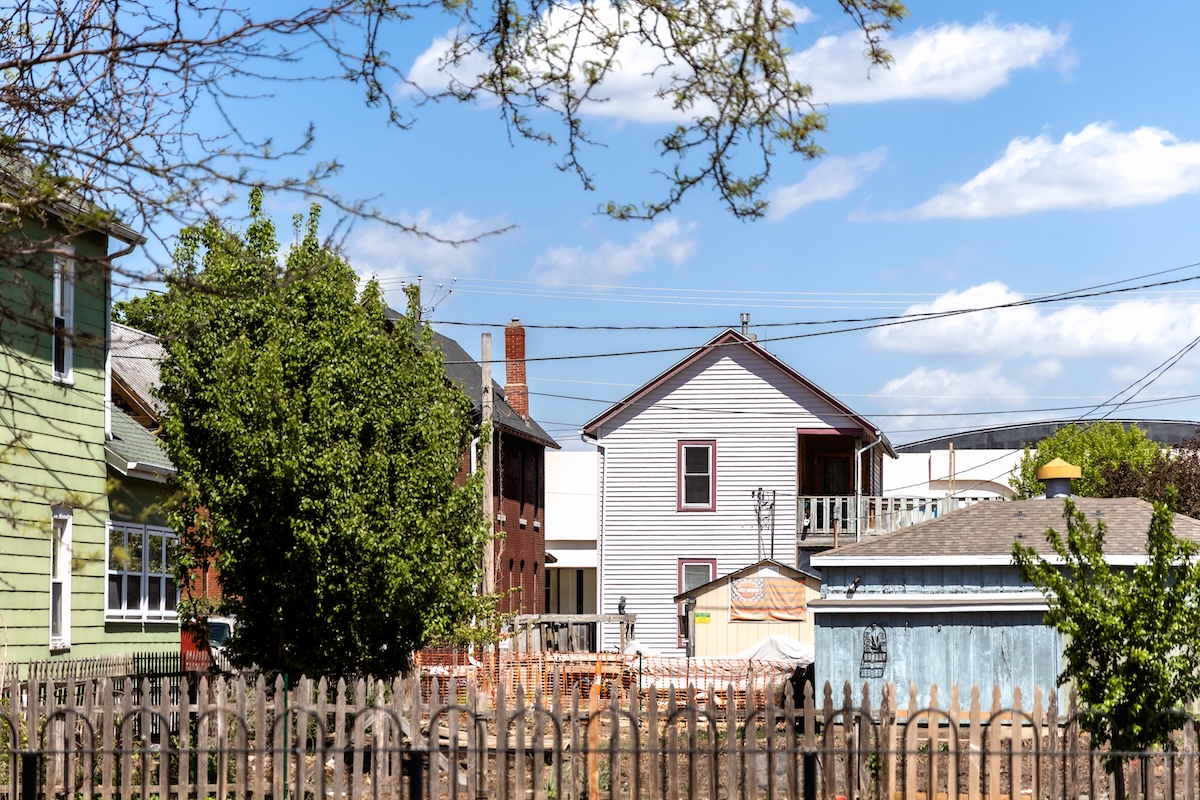
You’ll find Iowa’s oldest settlement perched along the Mississippi River, where French-Canadian explorer Julien Dubuque established a lead mining operation in 1788. The city became a permanent settlement in 1833, when the U.S. government opened the region for development after decades of mining activity. Rich lead deposits drew miners and entrepreneurs, transforming the frontier outpost into a bustling river town.
When you visit Dubuque today, you can still see remnants of its mining heritage throughout the historic downtown district. Its location on the bluffs above the Mississippi helped the city grow into a major trading and transportation hub during the 19th century. You’ll notice the blend of Victorian architecture and modern amenities that gives Dubuque its distinctive character. The settlement predates Iowa’s statehood by more than a decade and connects the city to the state’s territorial period, when lead mining drove the regional economy.
Kansas: Leavenworth (1854)
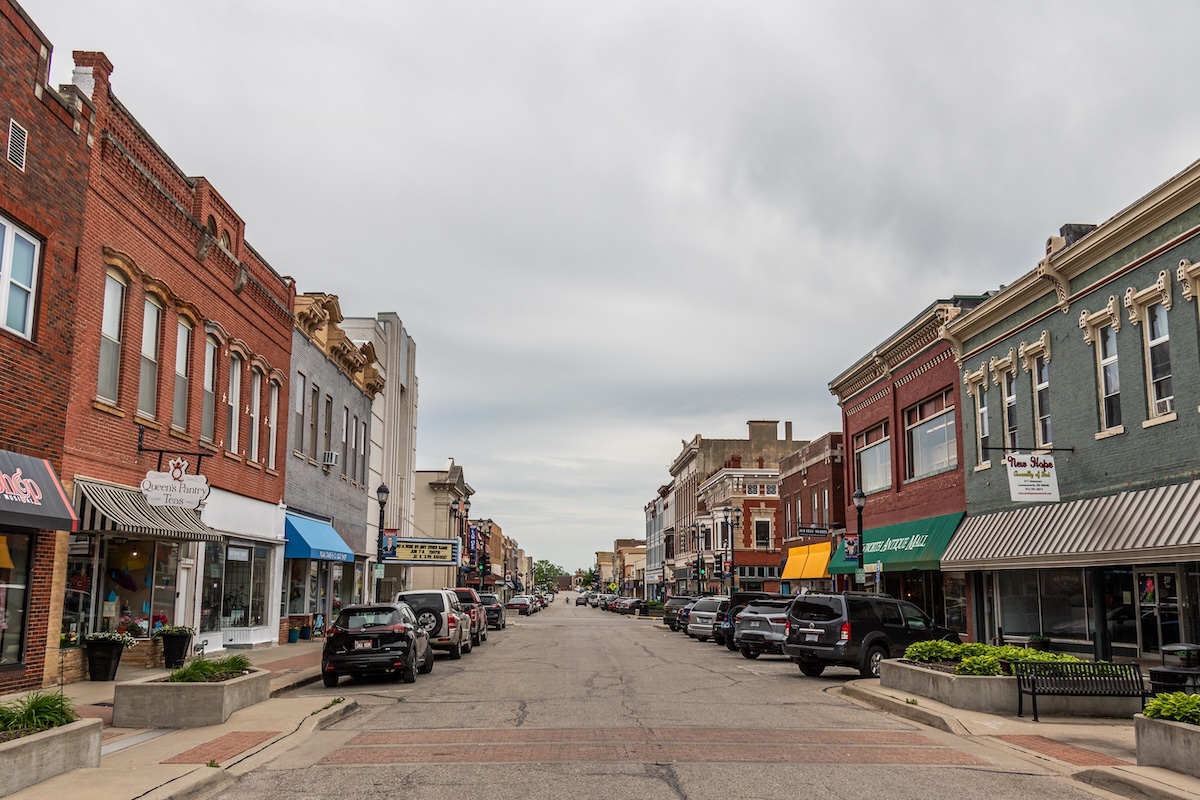
When you visit Leavenworth, you’re stepping into Kansas’s oldest permanent European-American settlement, established in 1854 along the Missouri River’s western bank. The city grew around Fort Leavenworth, a military outpost and critical supply hub for westward expansion. Its strategic location also made it a natural gathering point for pioneers heading to Oregon and California during the great migration period.
Today, you can explore Leavenworth’s blend of military heritage and frontier history throughout the downtown district. Victorian architecture reflects the city’s prosperity during the steamboat era, when it served as a major transportation center for the region. If you’re interested in military history, Fort Leavenworth remains an active Army post and houses several museums that chronicle the area’s role in shaping the American West. The settlement’s early years unfolded during the turbulent Bleeding Kansas period, making it an important site for understanding pre-Civil War tensions.
Kentucky: Harrodsburg (1774)
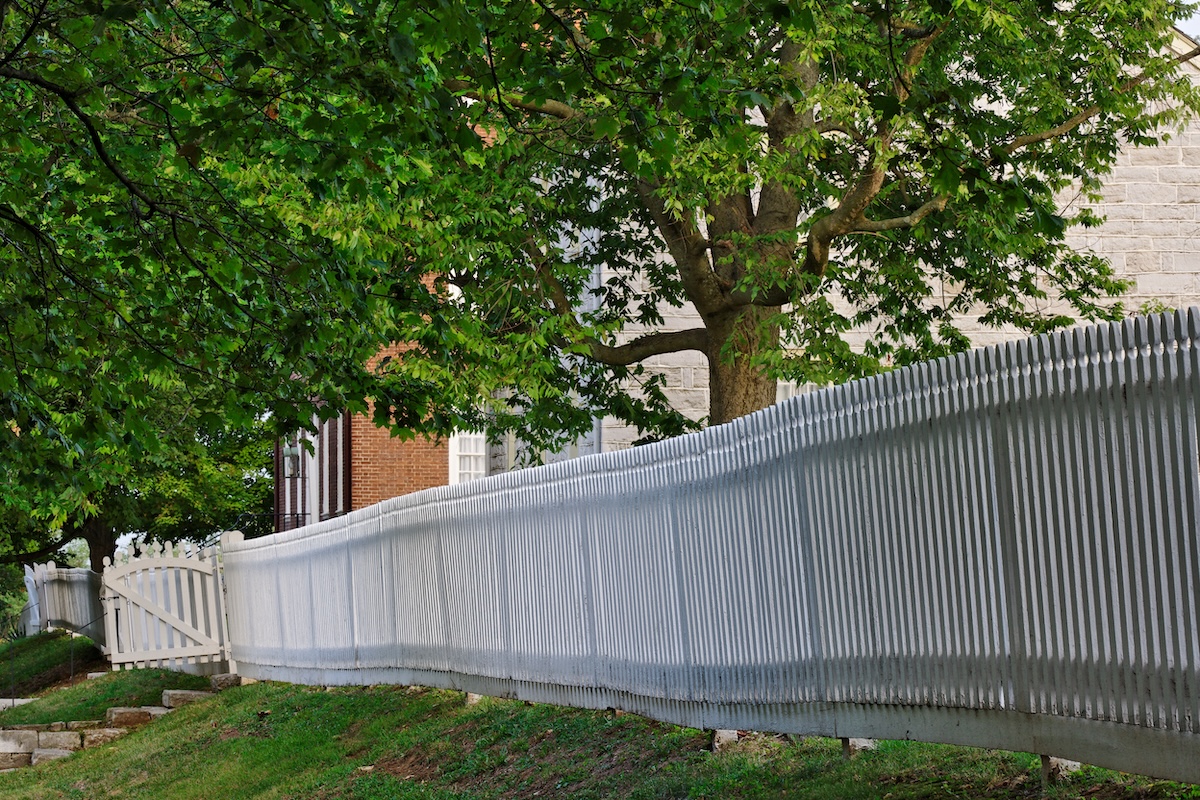
You’ll find Kentucky’s oldest permanent settlement in Harrodsburg, established by James Harrod and his party of frontiersmen in June 1774. Originally known as Harrodstown, this fortified settlement predates the more famous Boonesborough by a full year. When you visit today, you can explore Old Fort Harrod State Park, where a replica of the original fort includes reconstructed cabins and blockhouses that offer a sense of frontier life in the 1770s.
The settlement faced numerous challenges during its early years, including Revolutionary War conflicts and the harsh conditions of wilderness life. You can walk the same ground where Kentucky’s first permanent Euro-American community took root and watch demonstrations of pioneer crafts like blacksmithing and weaving. The town also houses the Lincoln Marriage Temple, which shelters the cabin where Abraham Lincoln’s parents married in 1806. Harrodsburg’s historic downtown still reflects its deep colonial heritage and connects the town to Kentucky’s founding era.
Louisiana: Natchitoches (1714)
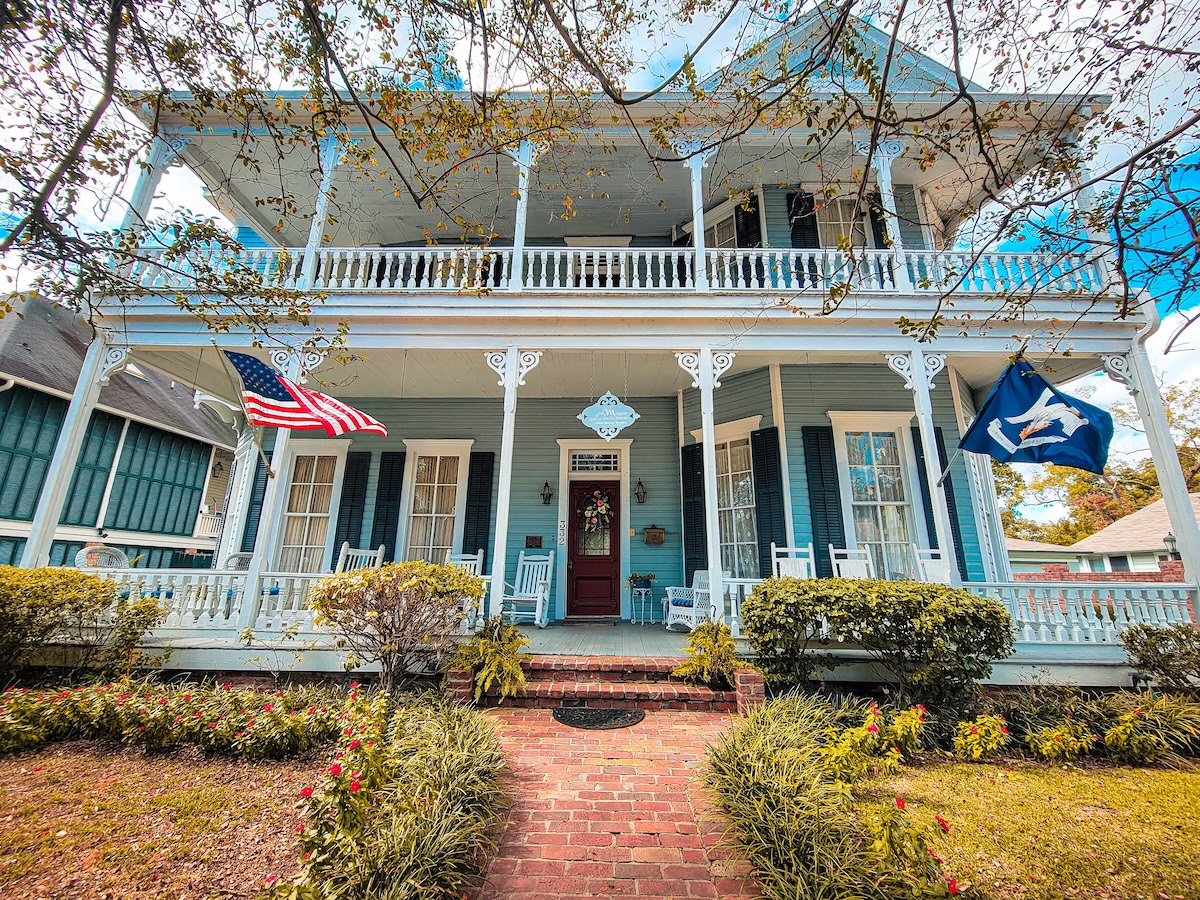
You’ll find Louisiana’s oldest permanent settlement along the banks of the Cane River, where French-Canadian explorer Louis Juchereau de St. Denis established a trading post in 1714. Natchitoches predates New Orleans by four years, making it an important part of Louisiana’s colonial history. The town began as a strategic frontier outpost that supported trade between French and Spanish territories while maintaining relations with local Native American tribes.
When you visit today, you can walk through the 33-block National Historic Landmark District, where Creole townhouses and French colonial architecture line the streets. A reconstruction of Fort St. Jean Baptiste offers a glimpse into 18th-century frontier life. Natchitoches played a vital role in northwestern Louisiana’s development, serving as a cultural and commercial hub for centuries. The town’s famous Cane River Creole culture grew from the unique blend of French, Spanish, African, and Native American influences that developed here over generations.
Maine: Kittery (1623)
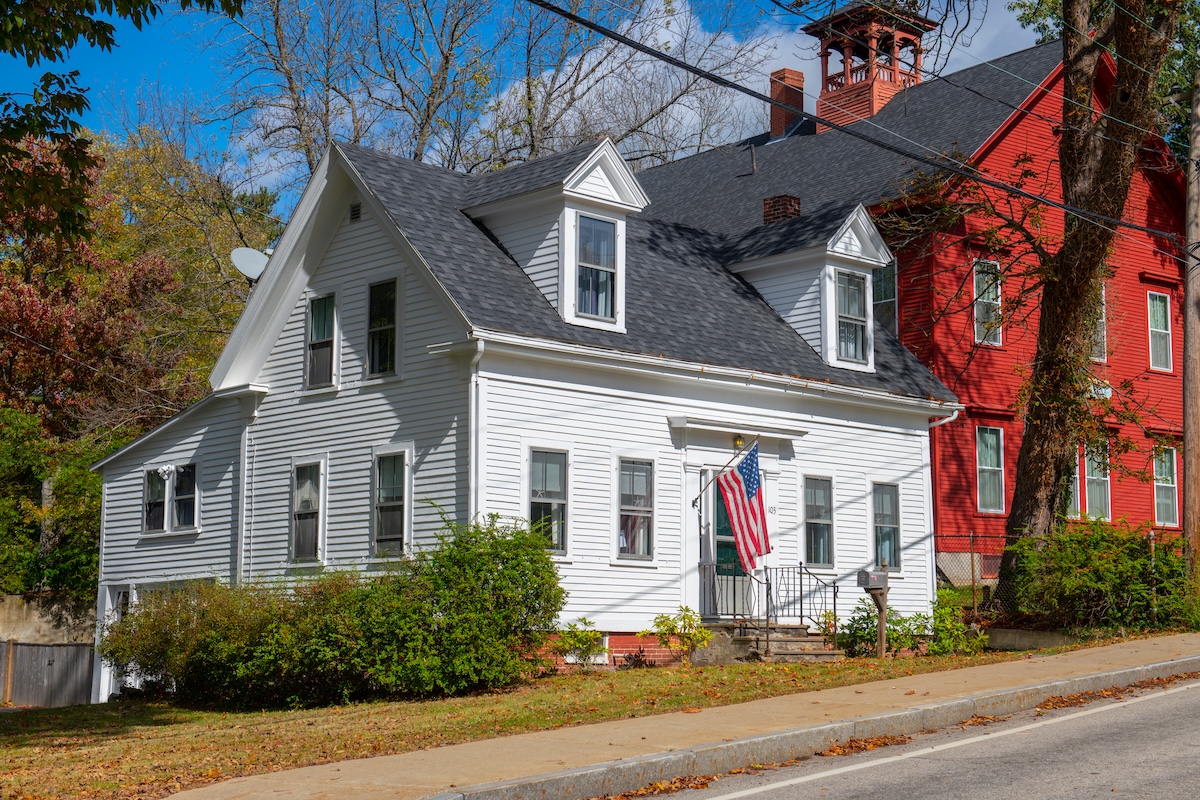
You’ll find Maine’s oldest settlement along the southern coast, where Kittery has welcomed residents and visitors since 1623. The town sits at the mouth of the Piscataqua River, just three years after the Pilgrims landed at Plymouth Rock. When you visit today, you’re walking through nearly four centuries of American history.
Kittery began as a fishing and trading post that took advantage of its prime coastal location. The settlement grew around Fort William and Mary, which protected early colonists from potential threats. You can still explore historical sites throughout town, including the First Congregational Church and various colonial-era buildings. Kittery also played a significant role in shipbuilding, and the Portsmouth Naval Shipyard on Seavey Island has operated since 1800. When you cross into Maine from New Hampshire today, Kittery is your first stop, offering outlet shopping alongside its rich historical heritage.
Maryland: Annapolis (1649)
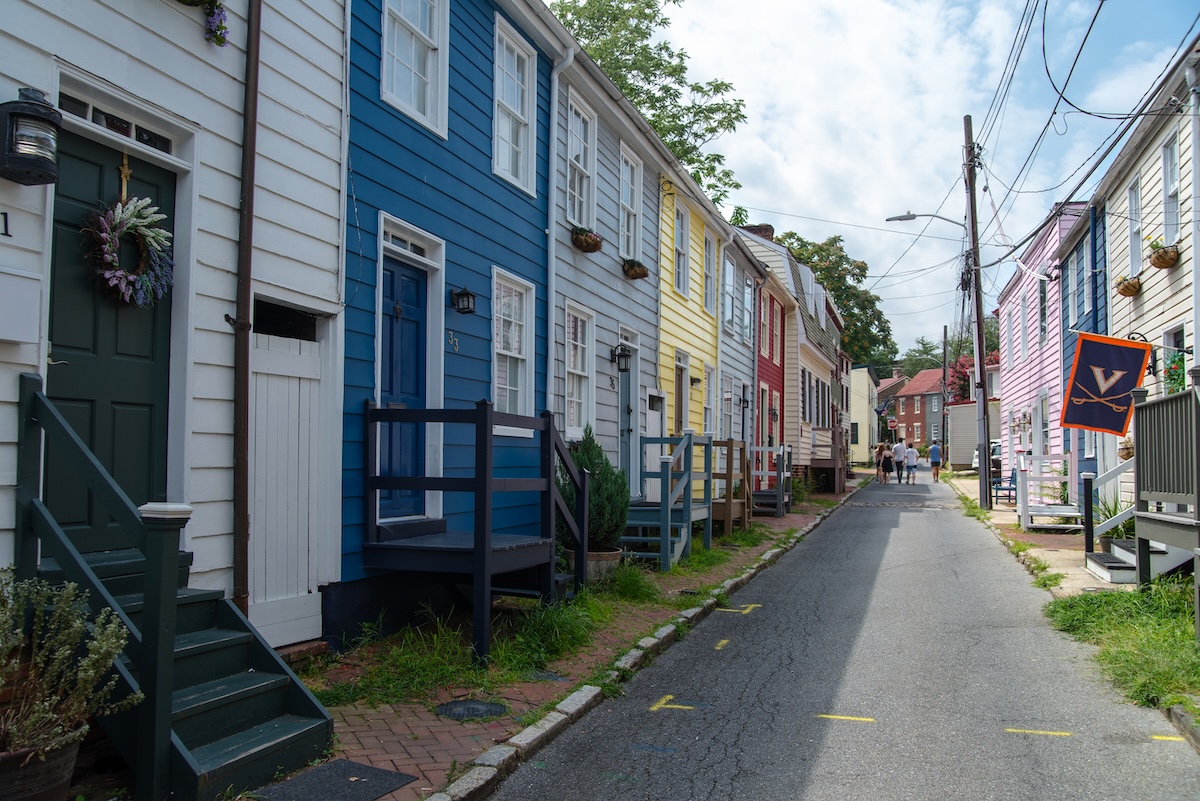
You’ll find Maryland’s oldest settlement on the shores of the Chesapeake Bay, where Annapolis has stood since 1649. Puritan settlers from Virginia originally called the town Providence. It later became Anne Arundel Town before taking the name Annapolis in 1694. The city became Maryland’s capital, a distinction it still holds today.
When you visit Annapolis, you’re walking through streets that have witnessed nearly four centuries of American history. The city’s colonial architecture remains remarkably intact, with the Maryland State House serving as the oldest state capitol still in continuous legislative use. You can explore the historic downtown district, where 18th-century buildings line narrow streets that wind toward the harbor. The city’s maritime heritage is evident everywhere, from the United States Naval Academy campus to the sailing vessels crowding the waterfront. Annapolis has grown from a colonial port into a lively destination that balances its rich past with modern coastal life.
Massachusetts: Plymouth (1620)
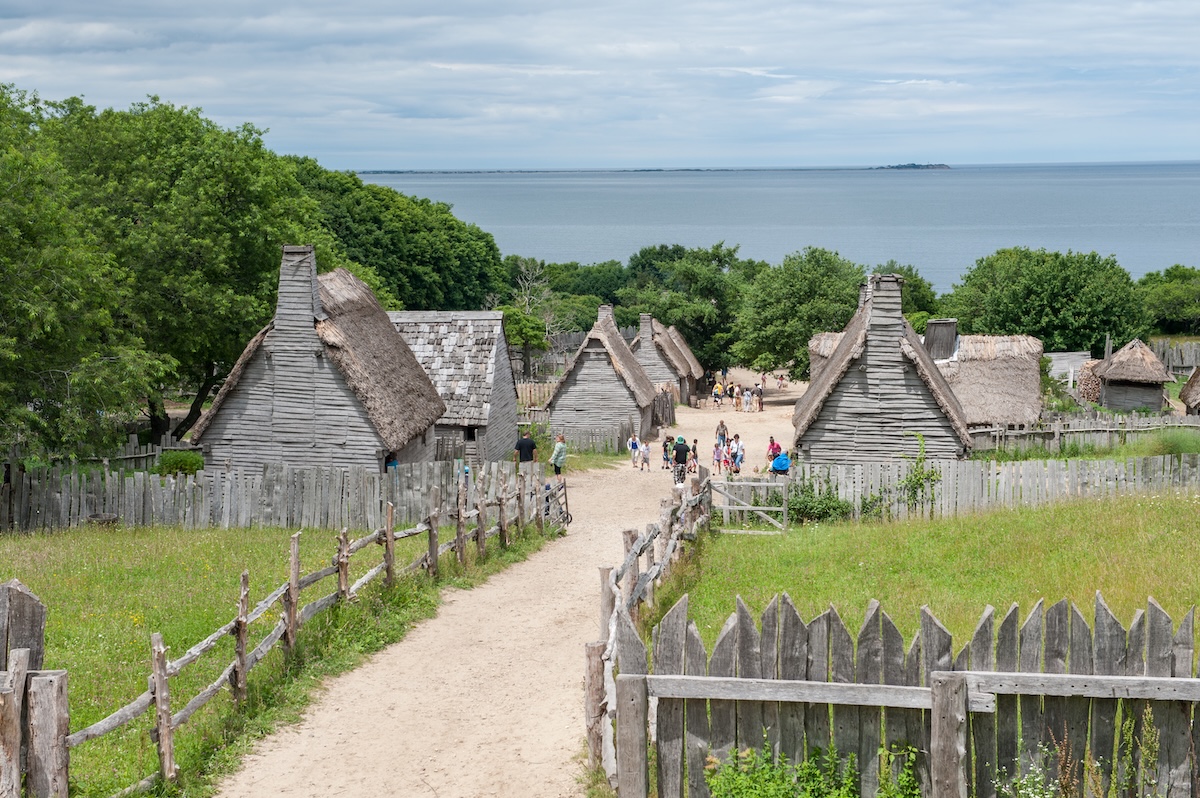
When you think of early American settlements, Plymouth stands as one of the best-known names in colonial history. The Pilgrims arrived aboard the Mayflower in December 1620 and established what became the second permanent English settlement in North America. Plymouth holds a special place in American culture through the story of the first Thanksgiving and the Mayflower Compact, an early framework for self-government that the settlers signed before going ashore.
Today, you can visit Plimoth Patuxet Museums (formerly Plimoth Plantation), where interpreters recreate 17th-century life in period costume and character. The famous Plymouth Rock, traditionally regarded as the Pilgrims’ landing site, sits along the waterfront beneath a protective portico. Modern Plymouth blends historical preservation with coastal New England charm, offering waterfront dining, museums, and walking tours that trace the settlers’ footsteps. The town commemorates English colonial history as well as the Wampanoag people who lived in the region long before European arrival.
Michigan: Sault Ste. Marie (1668)
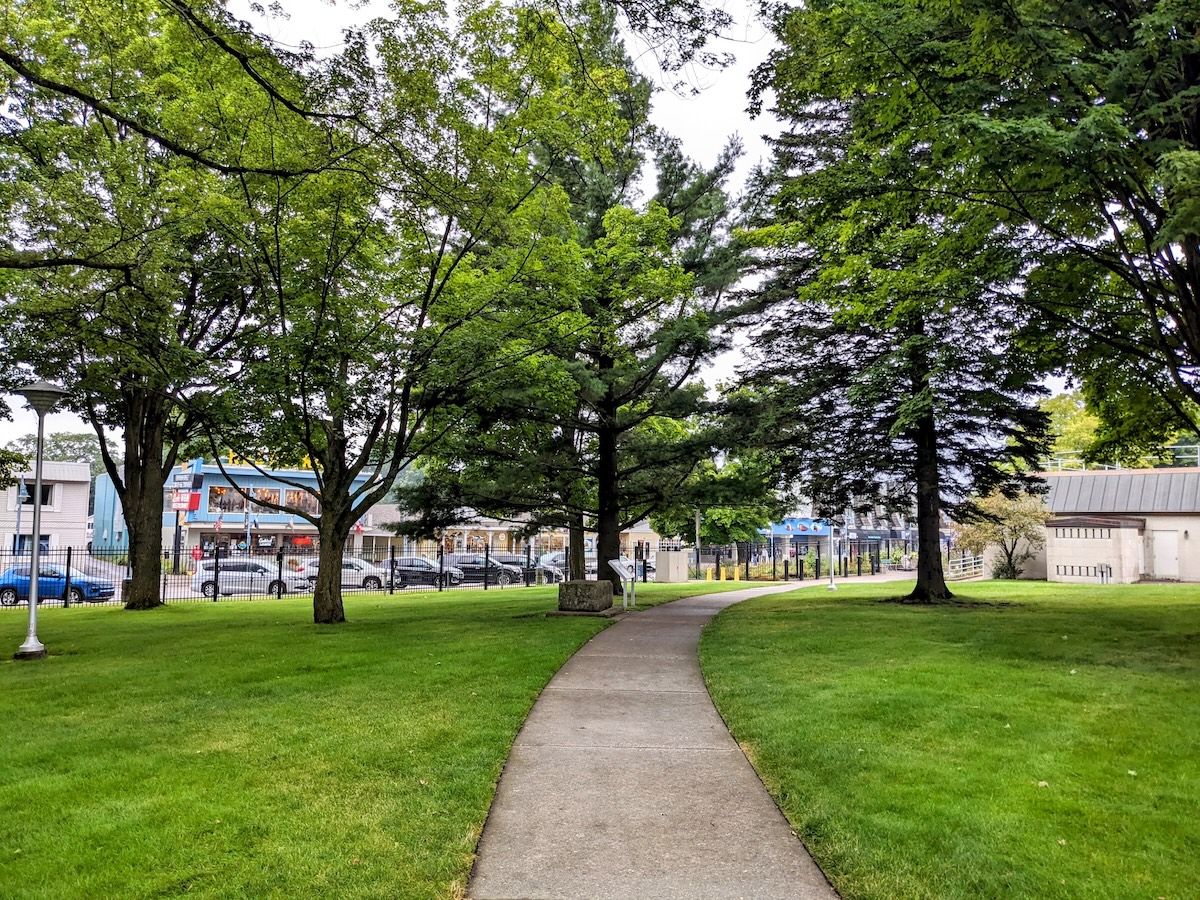
When you visit Sault Ste. Marie, you’re stepping into Michigan’s oldest continuously inhabited European settlement. French missionary Father Jacques Marquette established a mission here in 1668, drawn by Native American communities that had gathered for centuries at the rapids connecting Lake Superior and Lake Huron. The location’s strategic importance made it a natural meeting point for trade and cultural exchange long before Europeans arrived.
Today, you can explore this border city’s history while watching massive freighters navigate the famous Soo Locks, which replaced the natural rapids as the main passage between the lakes. The city sits directly across from its Canadian twin, also named Sault Ste. Marie, creating a unique binational community. You’ll find French, British, and American influences throughout the area, along with evidence of the Indigenous peoples who shaped its history. The settlement predates Detroit by several decades, making it a gateway to Michigan’s earliest colonial history and the complex relationships between European settlers and Indigenous peoples in the Upper Peninsula.
Minnesota: Mendota (1812)
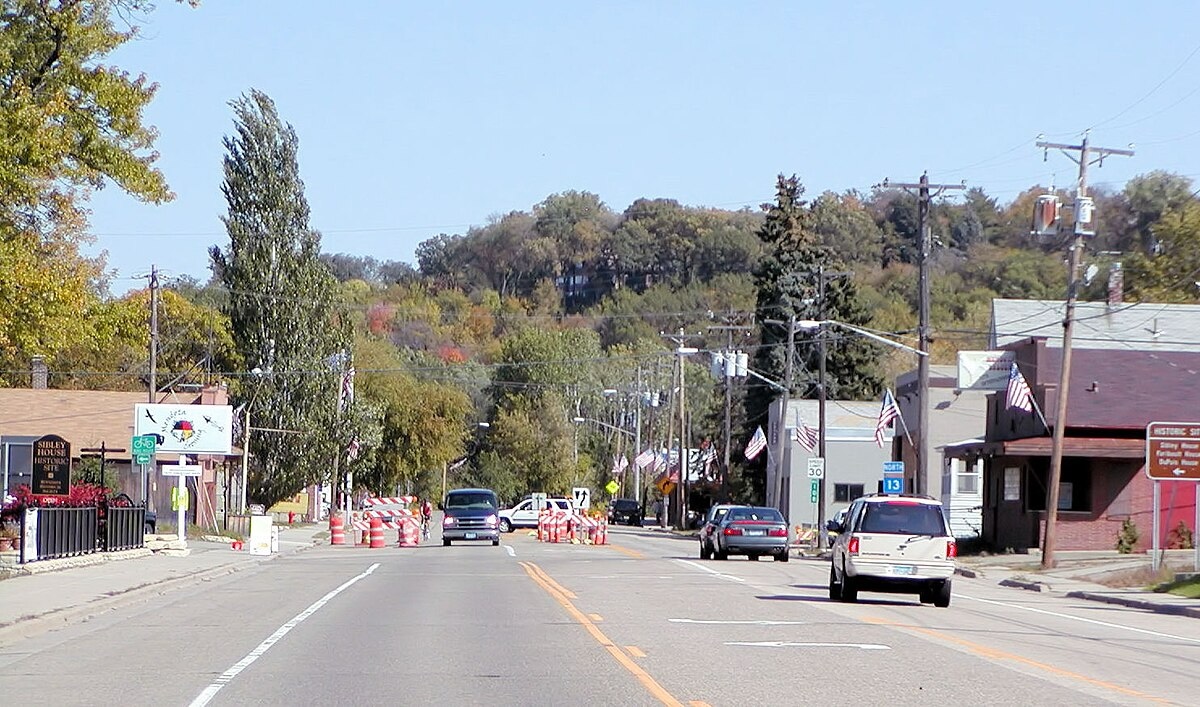
You’ll find Minnesota’s oldest permanent European settlement at the confluence of the Minnesota and Mississippi Rivers, where Mendota has stood since 1812. The town emerged as a vital fur trading post after traders established operations at this strategic location. Its name comes from the Dakota word meaning “meeting of the waters,” reflecting an Indigenous presence that began thousands of years before European arrival.
When you visit Mendota today, you can explore the historic Sibley House, built in 1838 for Henry Hastings Sibley, who later became Minnesota’s first state governor. The settlement played a crucial role in the region’s fur trade throughout the early 19th century. You’ll notice how small the community remains, preserving its historic character just across the river from modern Minneapolis-St. Paul. Its Minnesota River valley location made Mendota an ideal place for commerce and transportation during the territorial period. Several original limestone buildings still stand, giving you a tangible connection to Minnesota’s earliest days of European settlement.
Mississippi: Ocean Springs (1699)
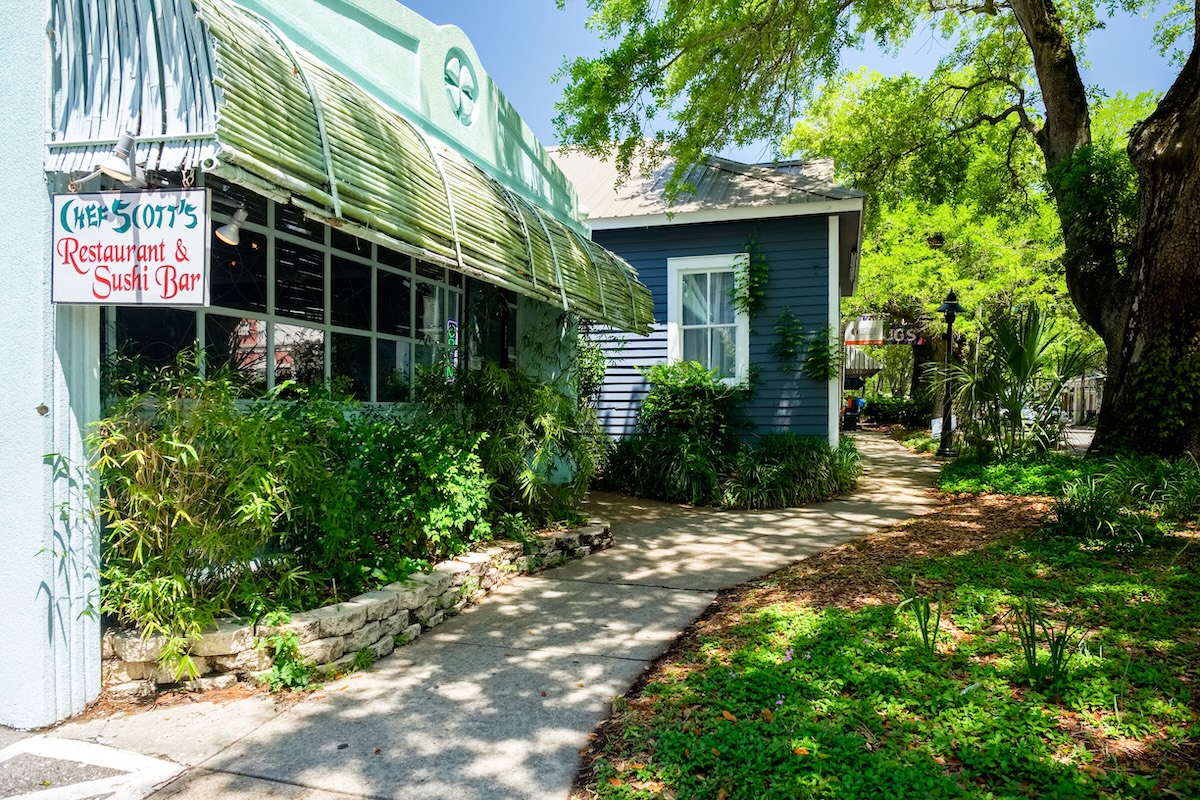
You’ll find Mississippi’s oldest settlement tucked along the Gulf Coast, where French-Canadian explorer Pierre Le Moyne d’Iberville established Fort Maurepas in 1699. The makeshift fort became the first permanent European settlement in the Lower Mississippi Valley, predating New Orleans by nearly two decades. The French chose the site for its protected harbor and access to the Mississippi Sound, which suited their colonial ambitions.
Today, Ocean Springs maintains its historical character while offering a charming coastal town experience. You can explore the Walter Anderson Museum of Art, stroll through the historic downtown district, and enjoy the natural beauty that attracted those early French settlers. The town’s artistic community and laid-back atmosphere reflect centuries of cultural influence, from its French origins through Spanish and British colonial periods. When you visit, you’re walking through more than three centuries of Gulf Coast history, beginning with the French settlement that helped shape the region.
Missouri: Ste. Genevieve (c. 1750)
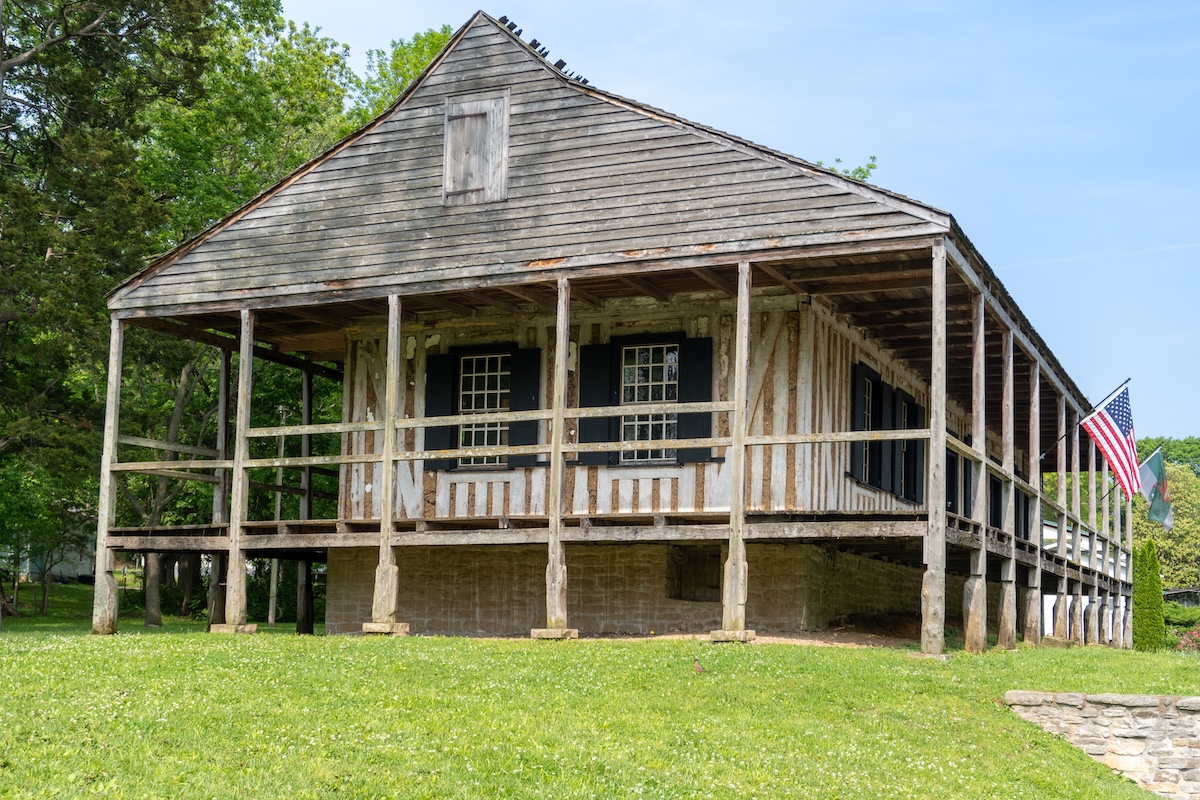
You’ll find Missouri’s oldest permanent settlement nestled along the western banks of the Mississippi River. French Canadian colonists established Ste. Genevieve around 1750 after being drawn to the area’s rich farmland and valuable salt deposits. The town originally stood closer to the river, but devastating floods in the late 1700s pushed residents to higher ground.
When you visit today, you can explore one of the best-preserved collections of French Colonial architecture in North America. The Bolduc House Museum and Amoureux House showcase the distinctive poteaux-sur-solle construction technique, in which vertical logs rest on stone sills. These structures reflect the town’s deep French heritage, which persisted even after the Louisiana Purchase transferred the region to American control in 1803. The historic district offers a genuine glimpse into 18th-century frontier life, with original buildings, period furnishings, and interpretive programs that bring the settlement’s early days to life.
Montana: Stevensville (1841)
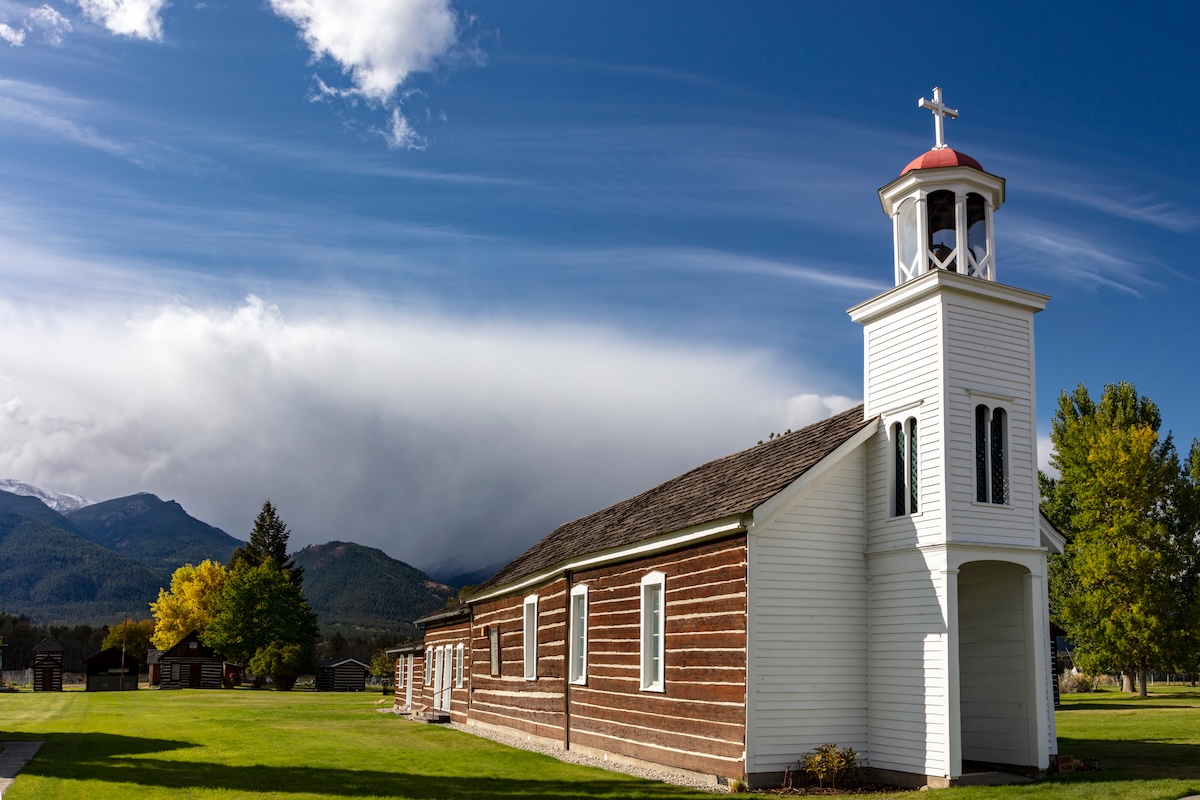
You’ll find Montana’s oldest settlement nestled in the Bitterroot Valley, where Jesuit missionaries established St. Mary’s Mission in 1841. Father Pierre-Jean De Smet founded the outpost to minister to the Salish people, creating the first permanent European settlement in what would become Montana. The mission served as a religious center, and priests and Native Americans worked together to cultivate crops and raise livestock.
Today, you can visit the restored St. Mary’s Mission, which operates as a museum of Montana’s frontier history. The town that grew around the mission maintains its historic character, with several 19th-century buildings still standing along Main Street. You’ll discover exhibits about the interactions between missionaries and Indigenous peoples, along with artifacts from the settlement’s early days. Stevensville’s location at the base of the Bitterroot Mountains makes it a scenic stop for exploring historical sites and outdoor recreation in the surrounding wilderness.
Nebraska: Bellevue (1822)
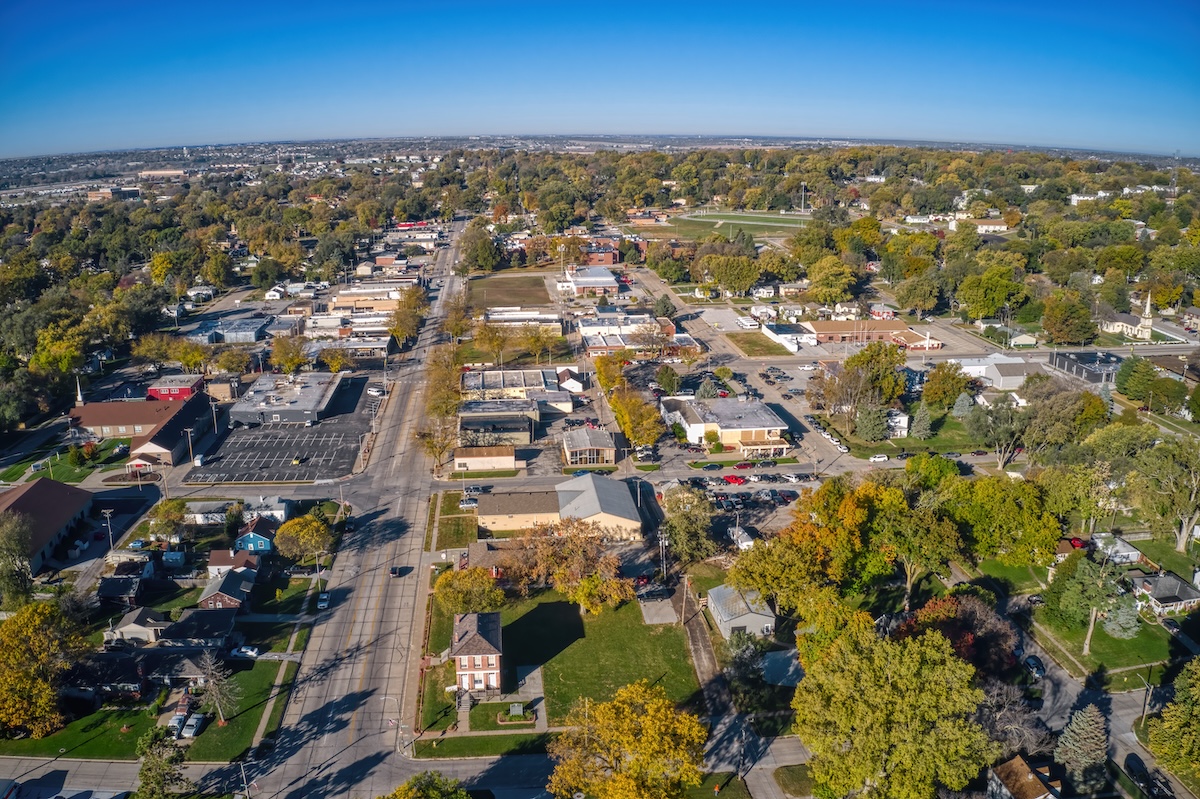
When you visit Bellevue, you’re stepping into Nebraska’s oldest continuously inhabited town. The Missouri Fur Company founded it as a fur trading post in 1822, nearly four decades before Nebraska achieved statehood. Its location along the Missouri River made it ideal for traders and trappers working with Native American tribes in the region.
Bellevue’s role extended beyond its origins as a trading post. The town served as a mission site and became an important stopping point for westward pioneers. Today, you can explore historic sites that preserve this frontier heritage, including the Sarpy County Museum and buildings dating to the community’s early settlement days. Bellevue has grown into a modern Omaha suburb while maintaining ties to its pioneering past through preserved landmarks and historical markers scattered throughout the area.
Nevada: Genoa (1851)
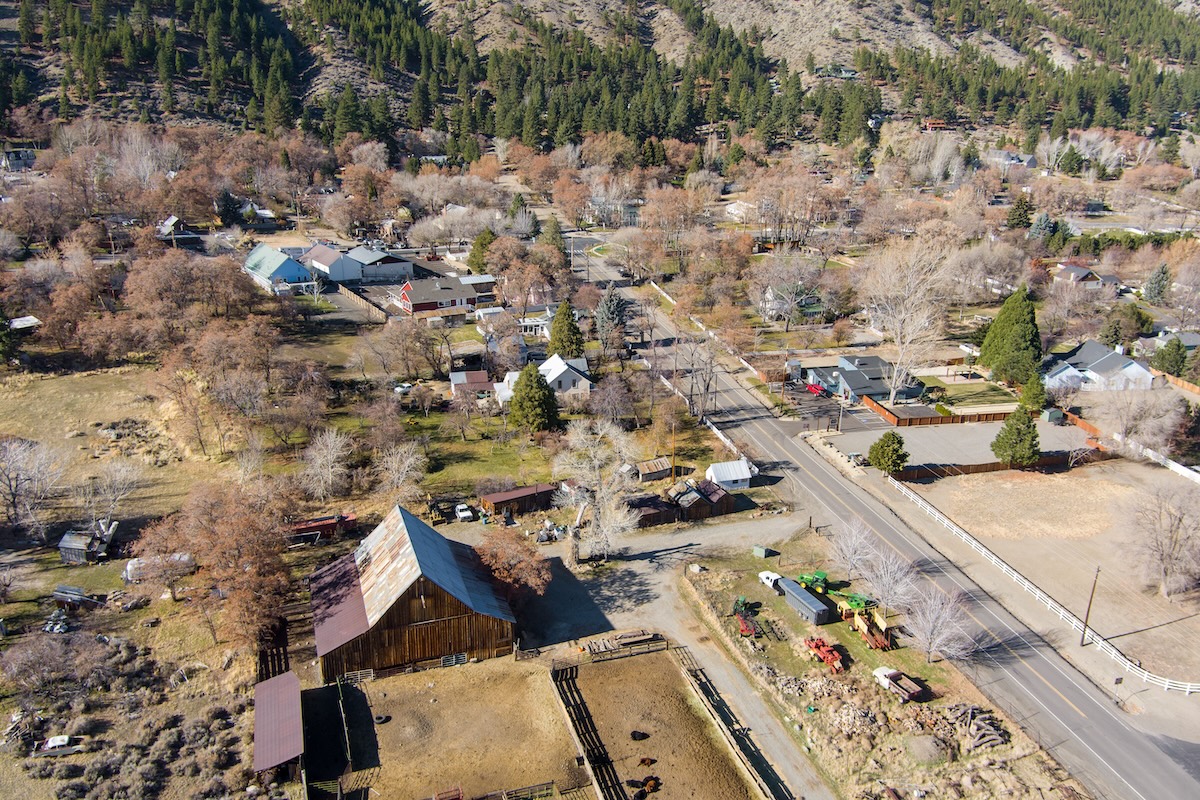
Nevada’s oldest settlement sits in the Carson Valley at the base of the Sierra Nevada. Genoa began as a trading post called Mormon Station in 1851, established by pioneers heading to California’s gold fields. The settlement provided supplies and rest for travelers crossing the mountains.
Today, you can explore the original town site, historic buildings, and museums. The town changed its name to Genoa in 1855 and became the first capital of the Nevada Territory. Well-preserved structures line Main Street, including Nevada’s oldest saloon, which dates to 1853. The surrounding valley still offers the stunning mountain views that greeted the first settlers more than 170 years ago.
New Hampshire: Dover (1623)
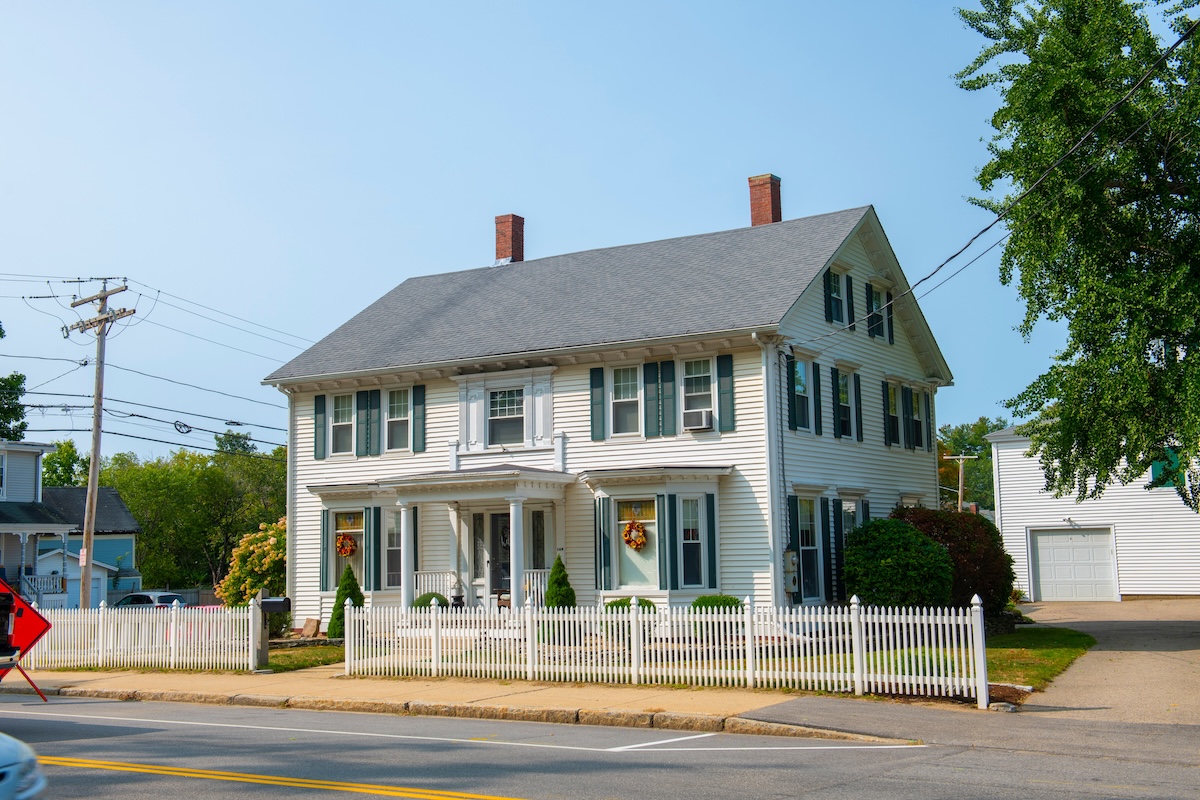
Dover sits along the Cochecho River and holds the title of New Hampshire’s oldest permanent settlement. English fishermen and traders established the community in 1623, making it seven years older than the state’s better-known coastal neighbor, Portsmouth. The settlement began as a fishing and trading post, using the river’s access to inland resources and the Atlantic Ocean.
Dover’s early years weren’t always peaceful, as you might expect from a frontier settlement. The town faced serious conflicts with local Native American tribes during the 17th century, especially during King Philip’s War. Today, you can explore Dover’s colonial heritage in its historic downtown, where buildings from the 18th and 19th centuries still stand. The Woodman Institute Museum houses artifacts from the settlement’s earliest days and offers a glimpse into life for the first English colonists who entered the New Hampshire wilderness nearly four centuries ago.
New Jersey: Bergen (1660)
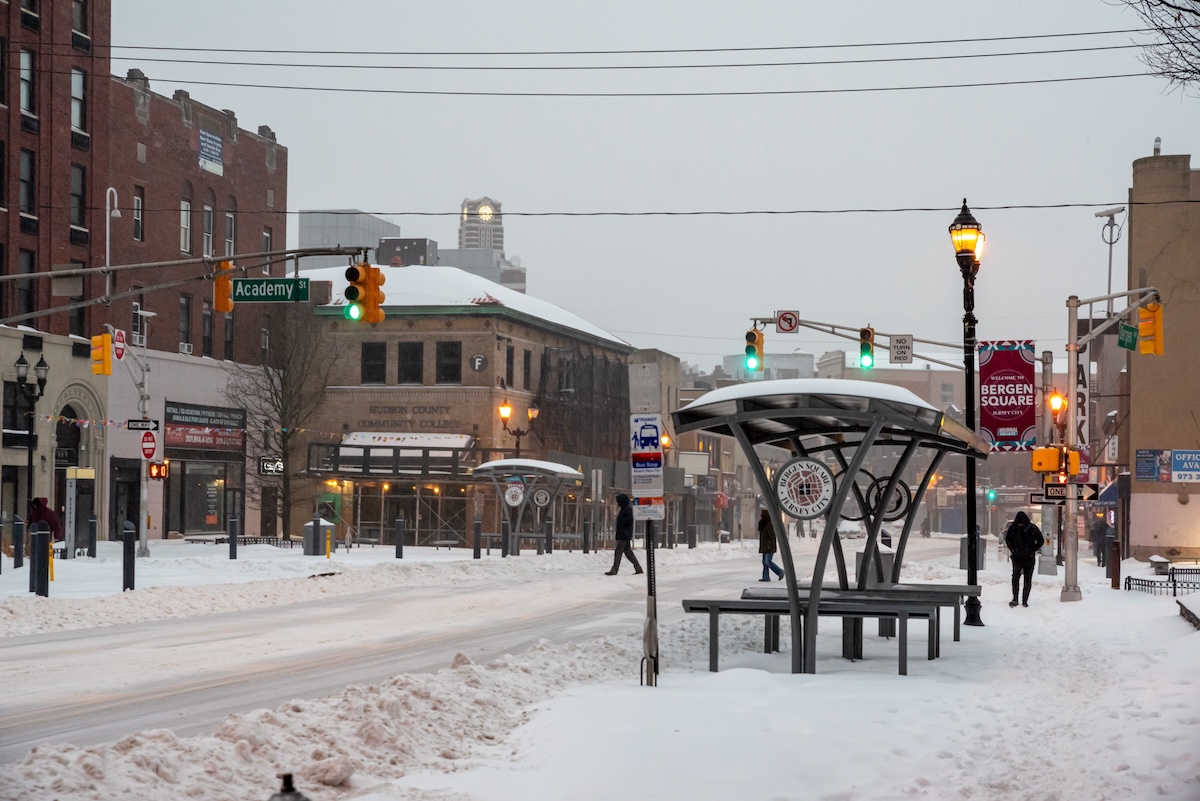
New Jersey’s colonial history begins with Bergen, the state’s oldest permanent European settlement. Dutch colonists founded it in 1660 in what is now Jersey City’s Bergen Square neighborhood. The settlement operated under the government of New Netherland until the English took control in 1664.
You can still trace Bergen’s historical footprint in modern Jersey City, where its original layout influenced the city’s development. The Dutch built Bergen as a fortified village with protective walls and a central square, making it one of the region’s first planned communities. The settlement became an important trading post and agricultural center as Dutch families established farms nearby. Its location along the Hudson River also supported commerce and transportation between New Amsterdam and other colonial settlements.
New Mexico: Acoma Pueblo (c. 1100)
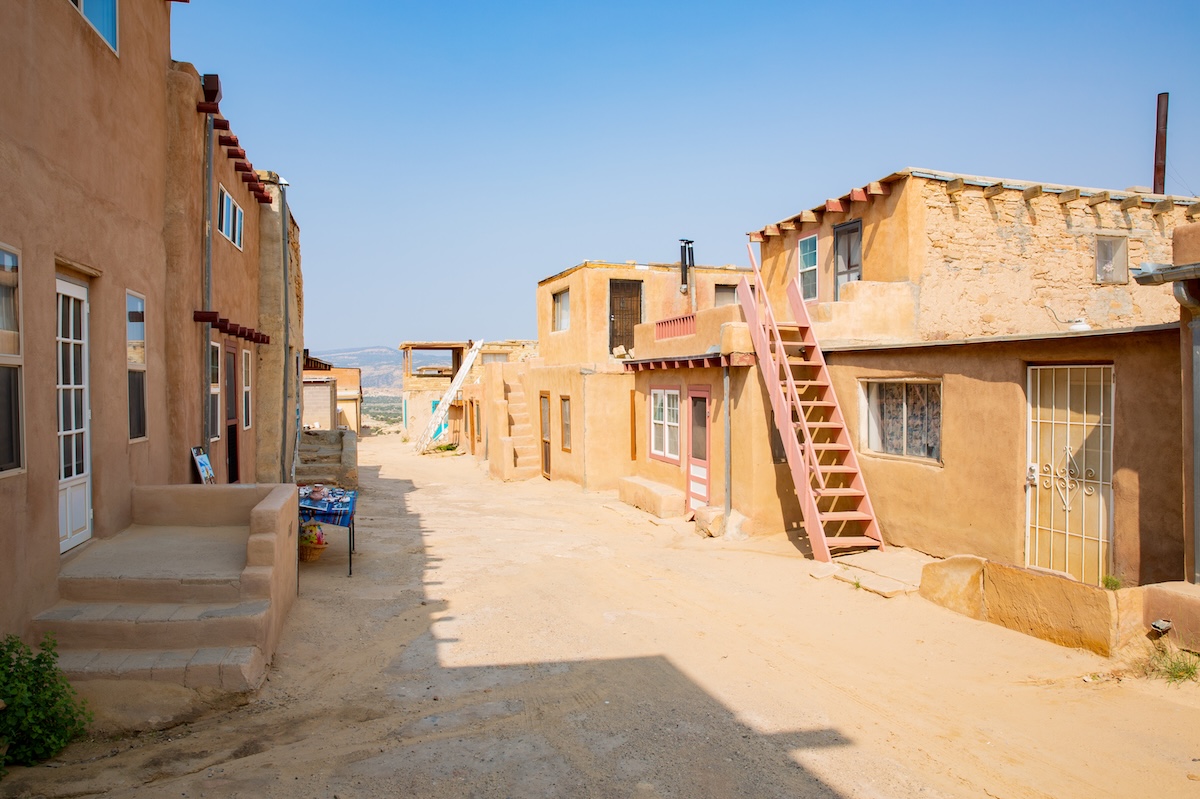
One of North America’s oldest continuously inhabited communities sits atop a 367-foot sandstone mesa west of Albuquerque. Acoma Pueblo, known to its residents as “Sky City,” has been home to the Acoma people for nearly a thousand years. The mesa’s dramatic, flat-topped form offered natural defenses and shaped daily life for generations.
Today, you can walk through a living community where families still maintain traditional adobe and stone homes. Multi-story structures fill the pueblo, modified and rebuilt over the centuries while keeping their essential character. Historically, people reached the mesa top by climbing hand-carved steps in the rock face, though modern roads now make visits easier. Around 50 people live at the pueblo full-time, while many more Acoma tribal members keep homes there and return for ceremonies and gatherings. Guided tours offer insight into the pueblo’s architecture, history, and continuing cultural practices.
New York: Albany (1624)
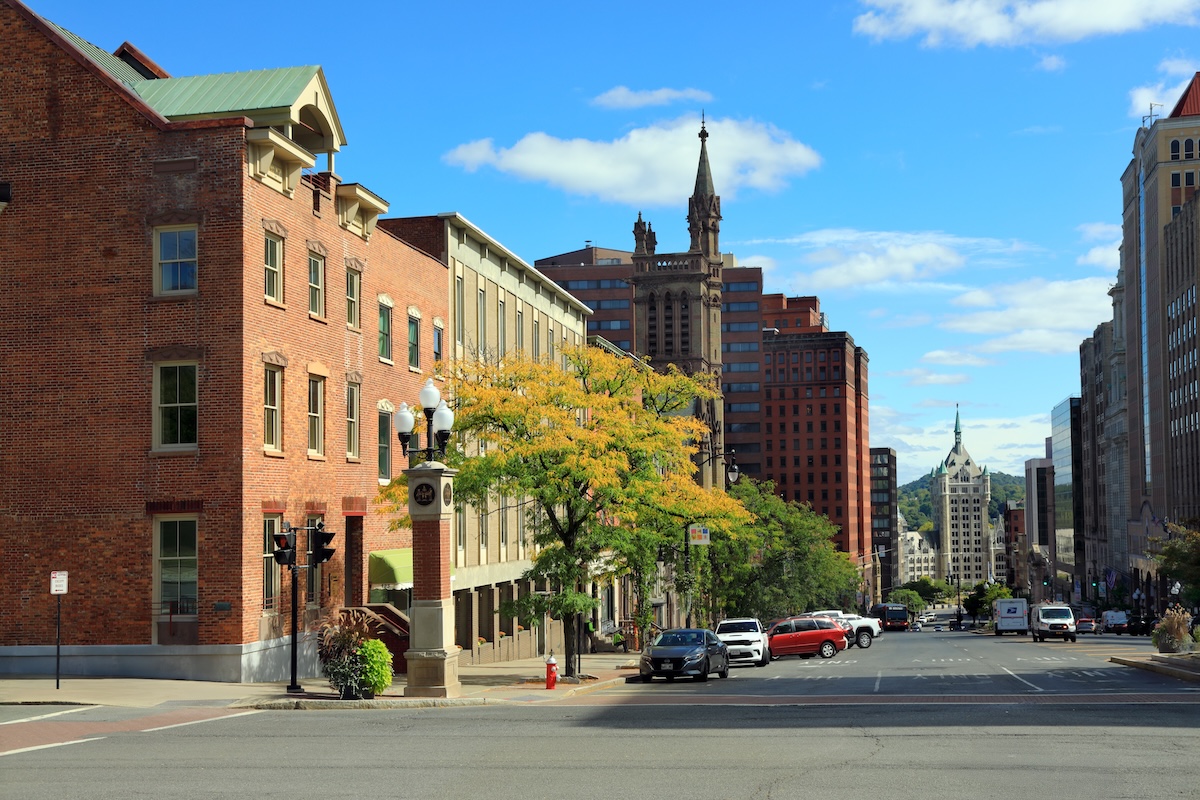
New York’s oldest settlement stands along the Hudson River, where Dutch traders established Fort Orange in 1624. The outpost served as a fur-trading center, exchanging goods with the Mohawk and other Indigenous peoples. When the English took control in 1664, they renamed it Albany after the Duke of Albany, who later became King James II.
Albany’s location made it a vital commercial hub throughout the colonial period and beyond. You can still see the city’s Dutch heritage in its historic architecture and downtown street layout. Albany became New York’s state capital in 1797 and remains so today. Museums, century-old buildings, and historic neighborhoods preserve the city’s evolution from a modest trading post into an important political center.
North Carolina: Bath (c. 1690)
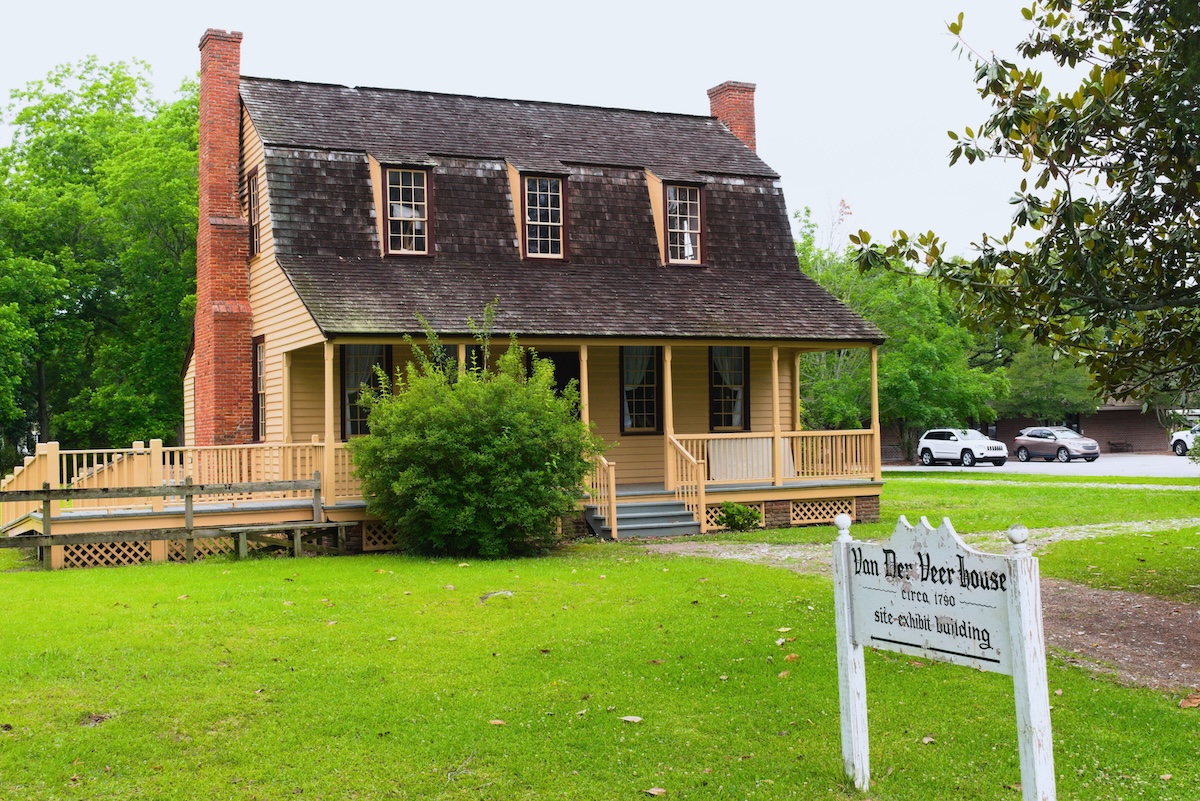
North Carolina’s oldest town rests along the Pamlico River, where Bath has existed quietly since around 1690. The modest waterfront settlement became the state’s first incorporated town in 1705, giving it a distinction that larger cities can’t claim. Today, you can walk streets that once welcomed the infamous pirate Blackbeard, who called Bath home for a short time in the early 1700s.
The town’s historic district preserves several colonial-era structures, including the St. Thomas Church from 1734, which still holds regular services. You can also explore the Palmer-Marsh House and the Van Der Veer House, both dating to the early 18th century. Bath never grew beyond a small village, and that helped preserve its colonial character. About 250 residents live there, making it one of the rare places where you can experience early American history without large crowds or modern development hiding the past.
North Dakota: Pembina (1797)
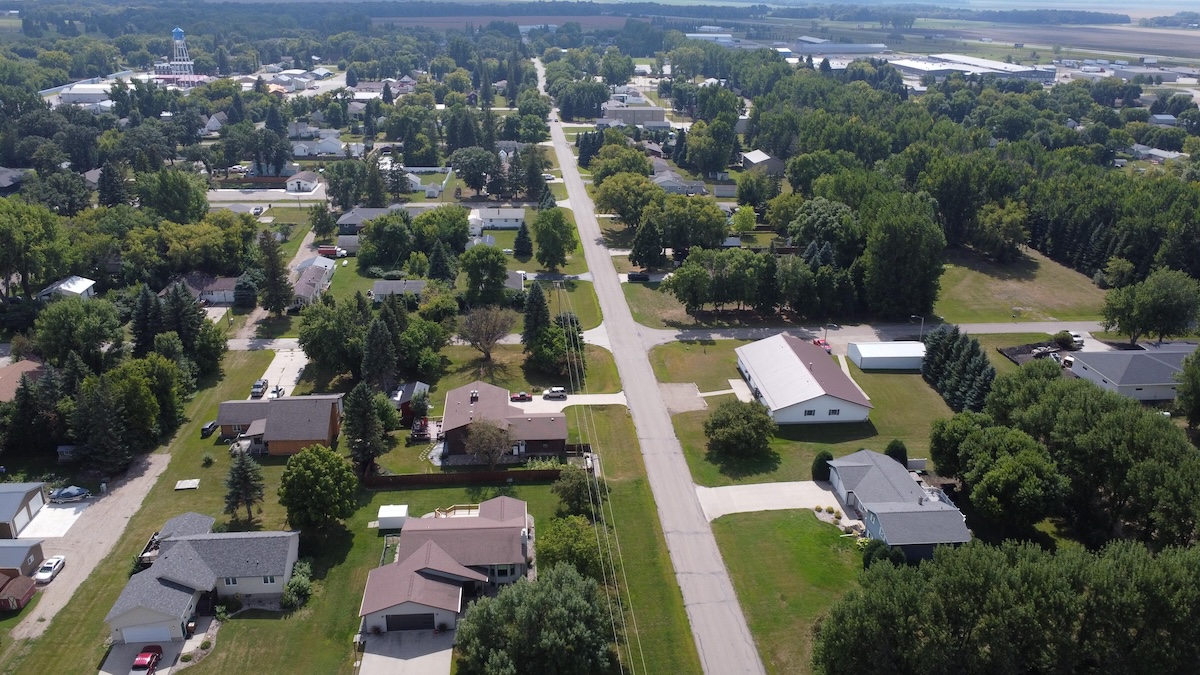
North Dakota’s oldest permanent European settlement lies along the Canadian border, where Pembina sits at the meeting point of the Pembina and Red Rivers. Fur trader Charles Chaboillez built a North West Company trading post here in 1797. The outpost became an important fur-trade hub, attracting Métis families, French-Canadian traders, and Indigenous peoples who had long lived in the region.
Today, you can explore the site where this multicultural community first took root on North Dakota soil. The settlement predates statehood by nearly a century and served as an important crossing between British and American territories. Its location made Pembina a natural gathering place for commerce and cultural exchange throughout the early 1800s. The town also saw the creation of North Dakota’s first church, school, and post office, establishing its place in the region’s settlement history.
Ohio: Marietta (1788)
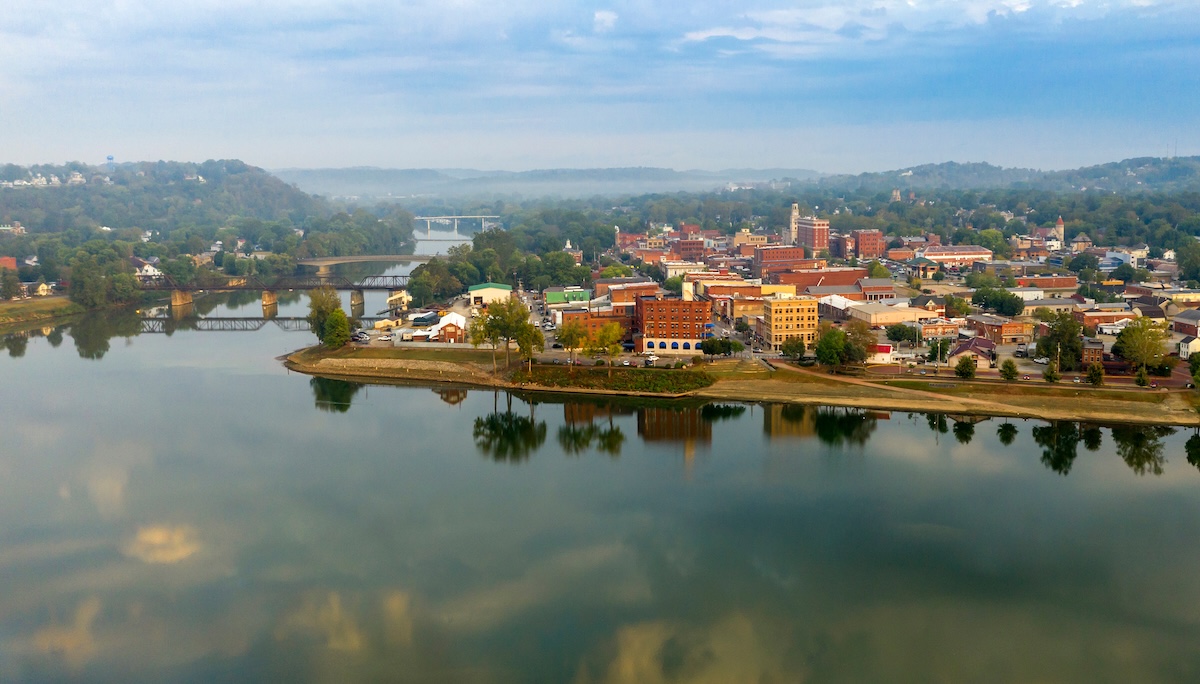
When you visit Marietta, you’re standing in Ohio’s first permanent settlement. General Rufus Putnam and the Ohio Company of Associates founded the riverside town on April 7, 1788. Its location at the meeting point of the Muskingum and Ohio Rivers suited early settlers arriving by flatboat from New England.
The town takes its name from French Queen Marie Antoinette, recognizing France’s support during the Revolutionary War. Downtown, you can still see remnants of Campus Martius, the original fortified settlement that protected early residents from conflict. Marietta’s historic architecture reflects its New England roots, with many structures dating to the late 18th and early 19th centuries. The town became a gateway for westward migration and helped shape settlement patterns across the Midwest. The Ohio River Museum and other historic sites let you follow the journey of the pioneers who turned wilderness into Ohio’s first community.
Oklahoma: Salina (1796)
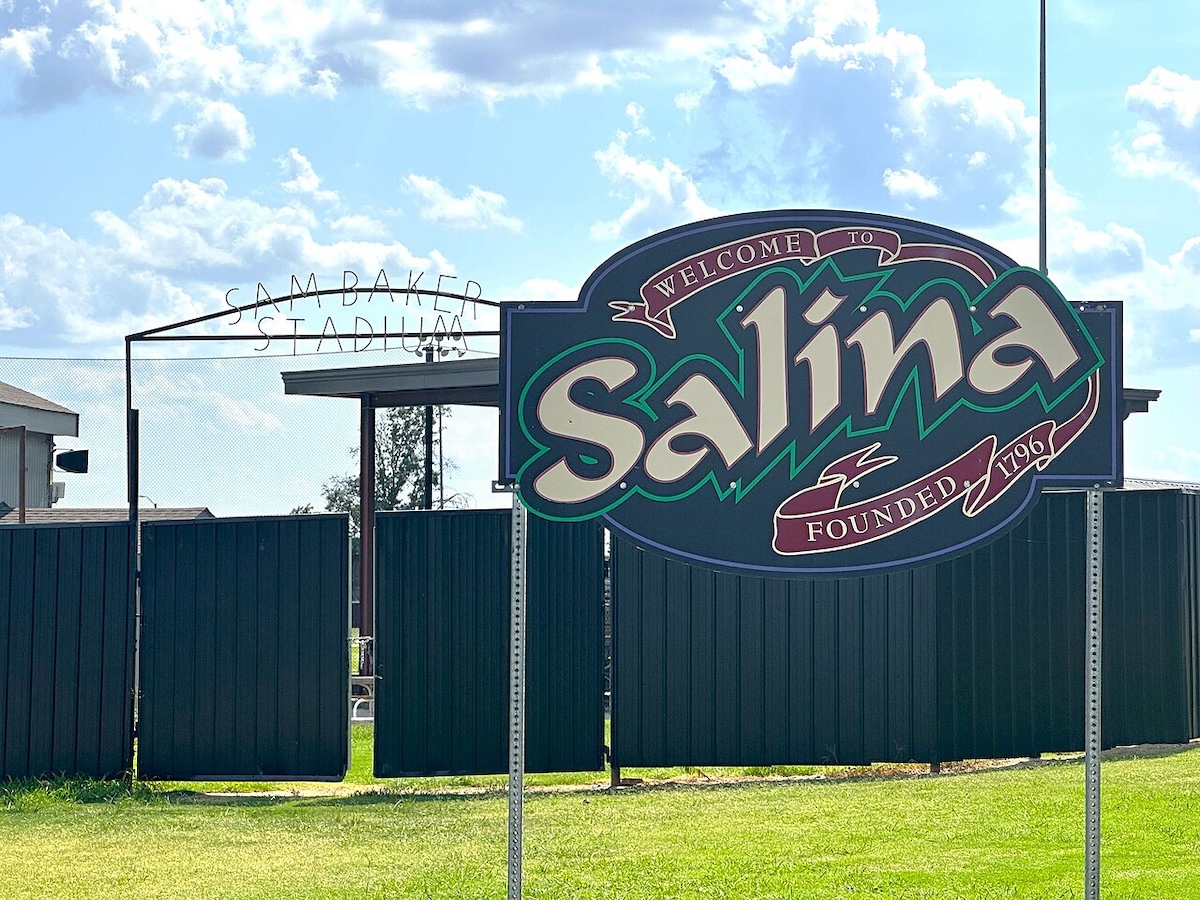
Salina sits in Mayes County and holds the distinction of Oklahoma’s oldest permanent settlement. Its history reaches back to 1796, when Jean Pierre Chouteau established a trading post along the Grand River to do business with the local Cherokee Nation. The French-Canadian fur trader’s outpost predates Oklahoma statehood by more than a century, giving it an important place in the region’s pre-territorial history.
Today, you can walk through a community that has witnessed Oklahoma’s entire development. The settlement linked Native American communities with European traders during the late 18th and early 19th centuries. The modern town is modest in size, but its historical importance is much greater than its population suggests. Local historical markers and sites commemorate its role as a pioneering settlement in what eventually became the 46th state.
Oregon: Astoria (1811)
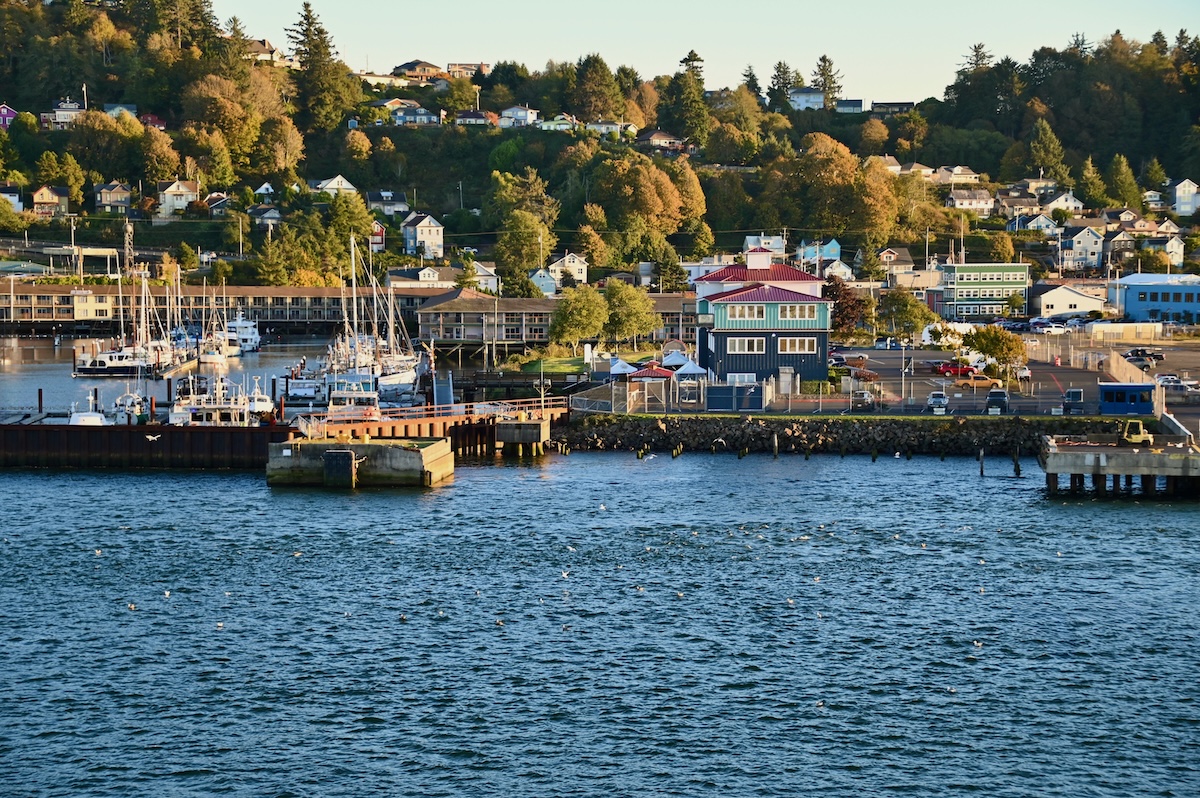
Astoria is Oregon’s oldest American settlement, standing where the Columbia River meets the Pacific Ocean. John Jacob Astor’s Pacific Fur Company established Fort Astoria in 1811 as a trading post, making it the first permanent American settlement west of the Rockies. The location suited the fur trade, though the fort changed hands to the British during the War of 1812 before returning to American control.
Today, you can explore Astoria’s maritime heritage in its Victorian-era downtown and waterfront district. The city’s Astoria Column rises 125 feet above Coxcomb Hill and offers panoramic views of the river, ocean, and surrounding forests. Museums cover the fishing industry, Lewis and Clark’s nearby winter encampment, and the region’s Pacific Northwest history. Historic buildings from the late 1800s fill the compact downtown, many now housing cafes, breweries, and shops. Together, they reflect Astoria’s shift from fur-trading outpost to fishing hub and modern coastal community.
Pennsylvania: Chester (1644)
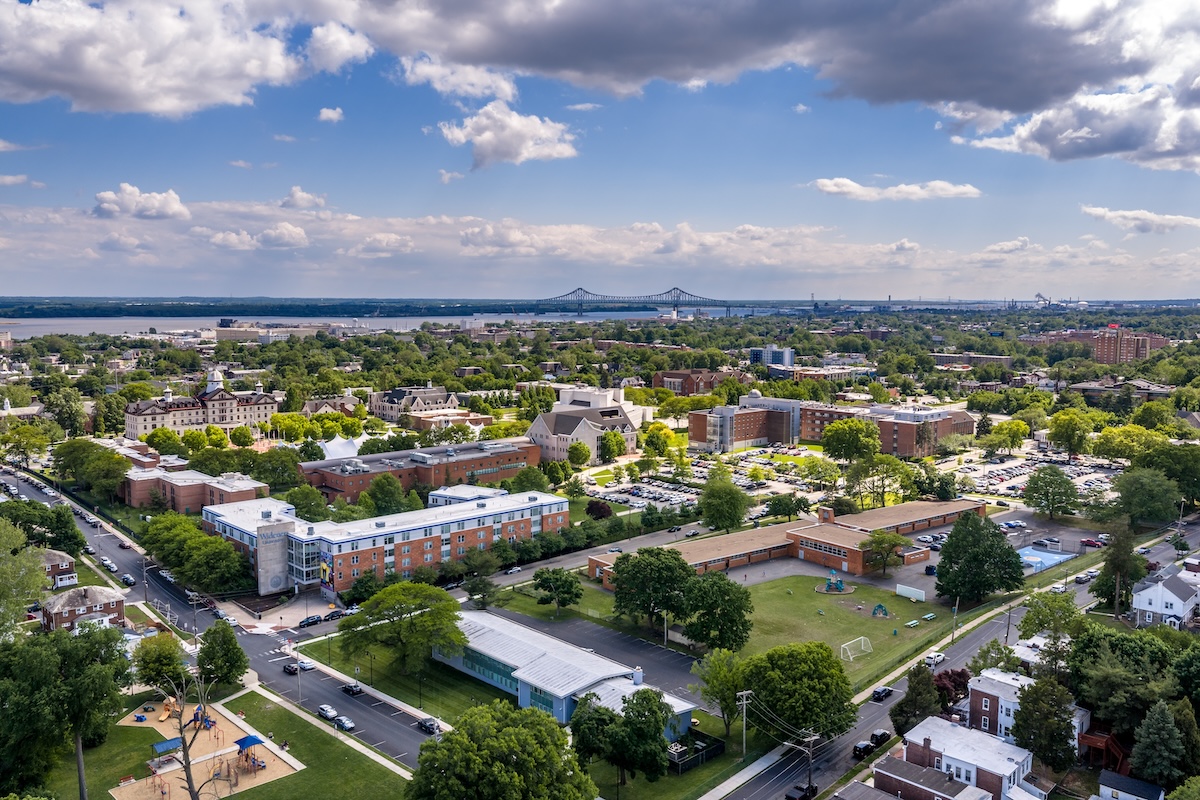
Chester is Pennsylvania’s oldest settlement, established by Swedish colonists in 1644 along the Delaware River. The founders called it Upland, and the town predates William Penn’s famous Philadelphia by nearly four decades. The Swedes built their community as part of New Sweden, a colonial effort that left a lasting mark on the mid-Atlantic before the Dutch and, later, the English took control.
Chester’s waterfront location made it a natural center for trade and shipbuilding during colonial times. After Penn arrived in 1682, he renamed the settlement Chester and briefly used it as his colonial capital before moving his focus to Philadelphia. The town remained important through the Revolutionary War and into the industrial age, although its northern neighbor eventually overshadowed it. Today, historic buildings and street layout still reveal the area’s deep colonial roots, making Chester a worthwhile stop for anyone interested in the earliest European settlements in what became the Keystone State.
Rhode Island: Providence (1636)
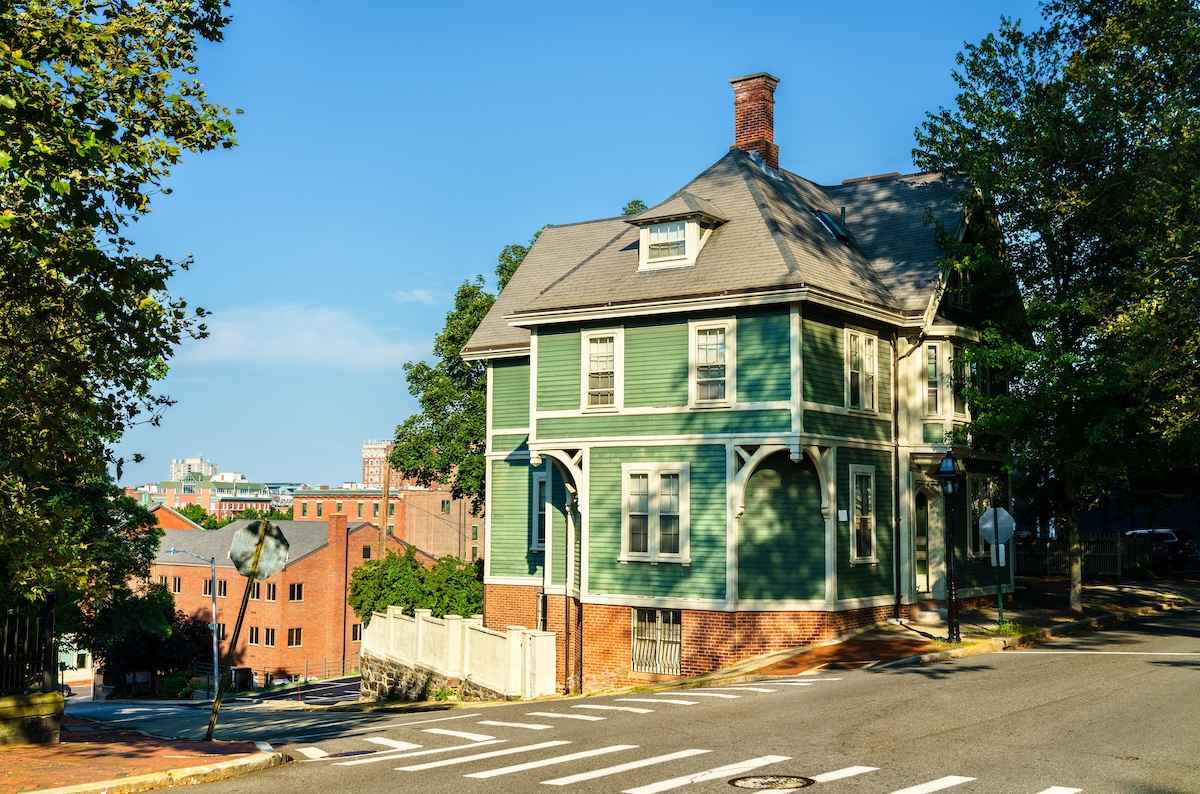
Rhode Island’s oldest settlement grew along the Providence River, where Roger Williams established a haven for religious freedom in 1636. Williams fled Massachusetts Bay Colony after clashing with Puritan authorities over religious tolerance and fair treatment of Native Americans. He purchased land from the Narragansett people and created a community where settlers could worship freely without persecution.
Providence grew into a busy port city and became the state capital, although it shares that status with Newport. Today, you can explore College Hill’s colonial architecture and walk along Benefit Street, known as the “Mile of History” for its preserved 18th-century buildings. The city’s founding principles of religious liberty and separation of church and state later influenced American democratic ideals. Brown University, founded in 1764, adds to Providence’s historic character and remains one of the nation’s prestigious Ivy League institutions.
South Carolina: Charleston (1670)
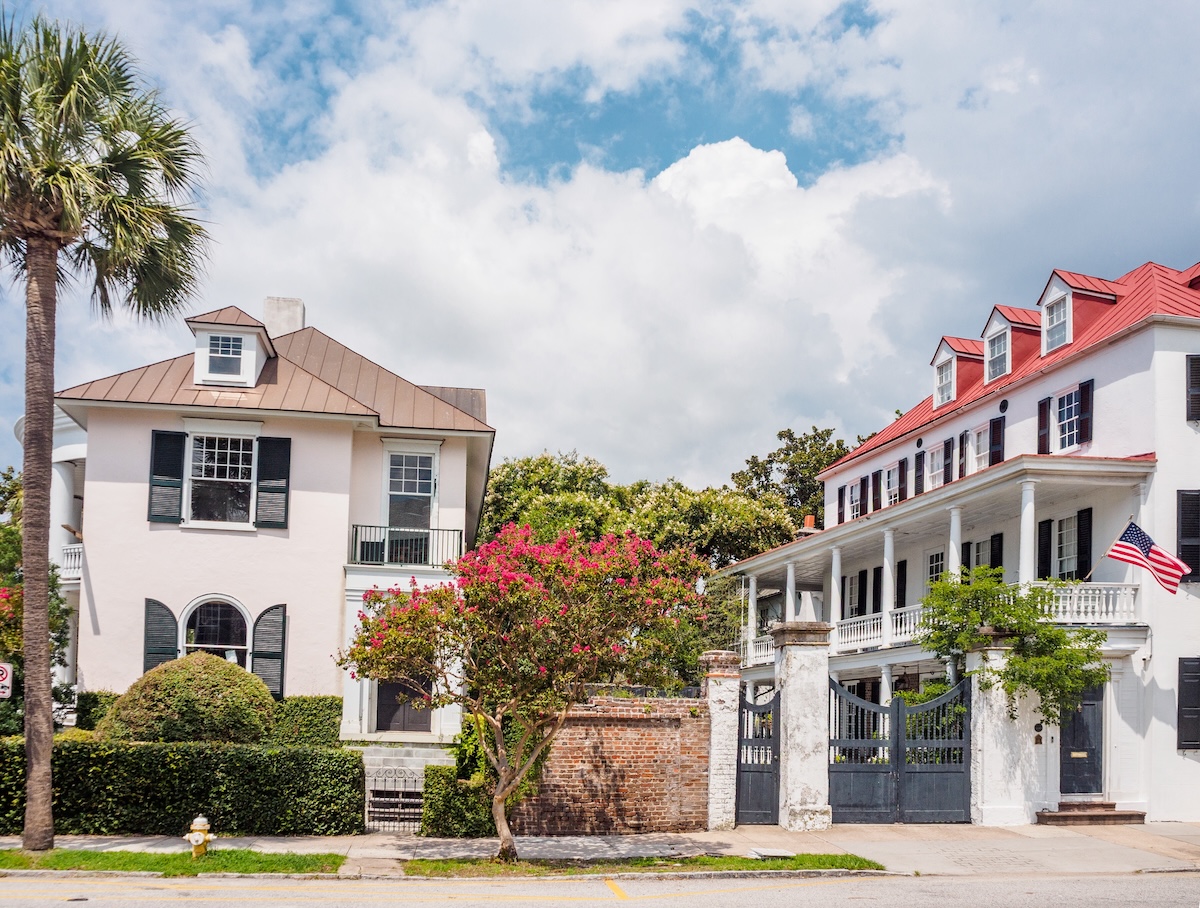
Charleston is South Carolina’s oldest city and one of the most historically significant ports in the American South. English colonists established it in 1670, first calling it Charles Town after King Charles II. The city’s location at the meeting point of the Ashley and Cooper rivers supported trade and commerce, quickly turning the settlement into a busy colonial center.
Charleston’s historic district preserves centuries of architectural heritage, from colonial-era structures to antebellum mansions. The city served as a major port for international trade throughout the colonial period and beyond. As you explore the cobblestone streets and waterfront, you can trace its growth from a small English settlement into one of the wealthiest and most influential cities in pre-Revolutionary America. Preserved buildings and historic neighborhoods offer a tangible connection to nearly 350 years of American history.
South Dakota: Fort Pierre (1817)
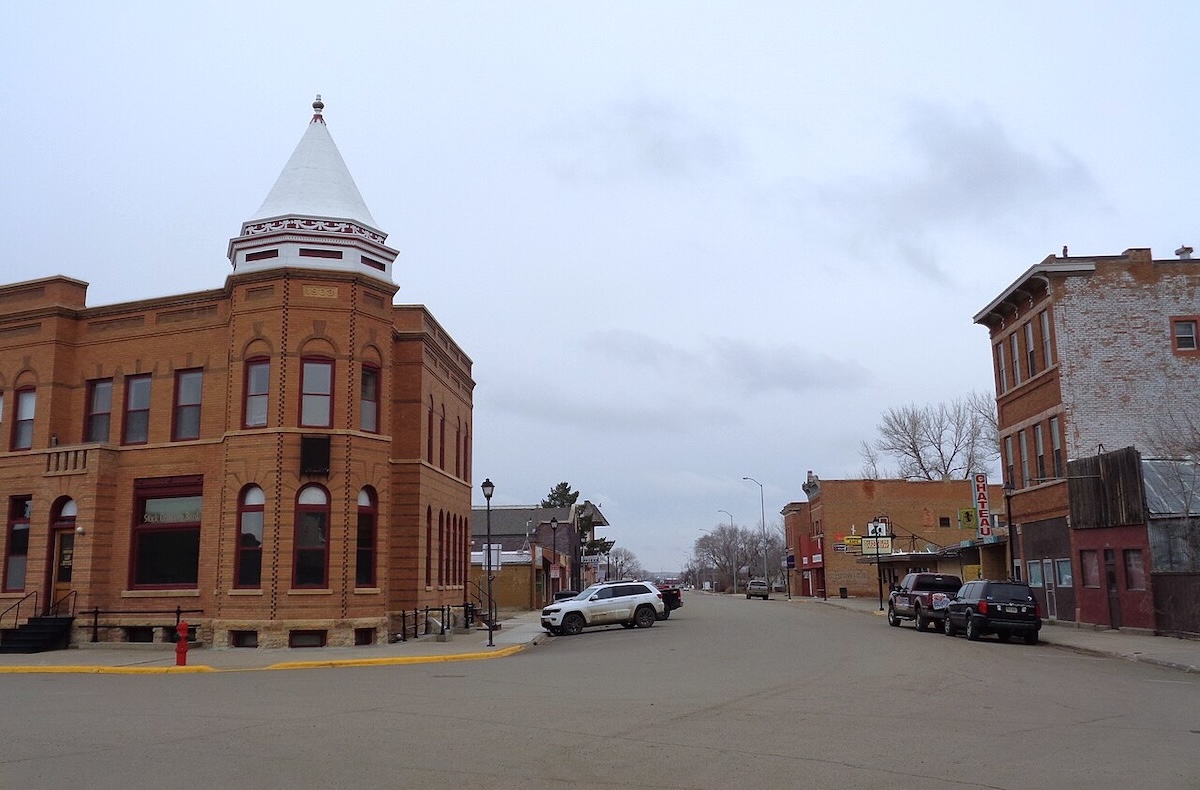
South Dakota’s oldest continuously inhabited settlement stands along the Missouri River, where Fort Pierre has existed since 1817. French-Canadian trader Pierre Chouteau Jr. established the fur-trading post, which quickly became an important commercial hub in the Upper Missouri region. The fort brought European traders and Native American tribes together to exchange beaver pelts and buffalo hides, the goods that drove the frontier economy.
Today, Fort Pierre has grown from its fur-trading origins into a modern town while maintaining its historical importance. The settlement predates South Dakota’s statehood by more than seven decades and witnessed the full sweep of westward expansion. You can explore the area where traders once negotiated deals and imagine the activity that defined frontier life. The town sits directly across the river from its larger neighbor, Pierre, which later became the state capital.
Tennessee: Jonesborough (1779)
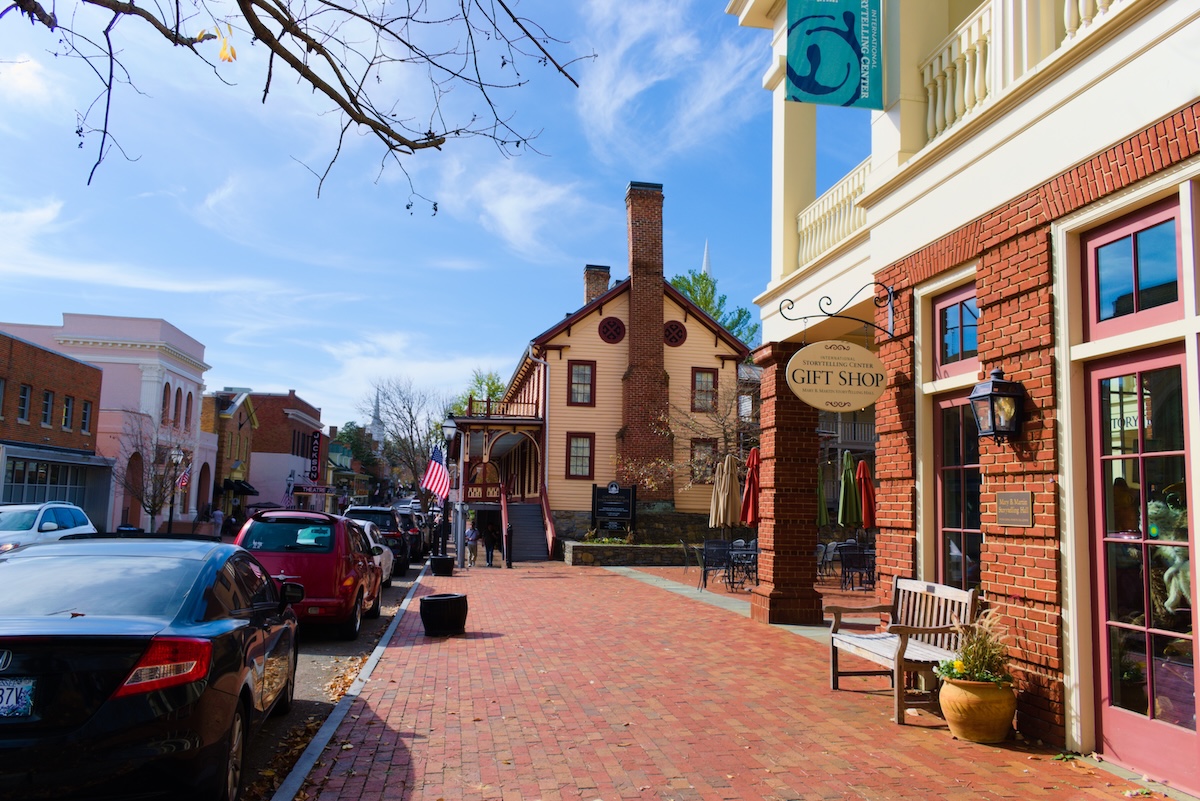
When you visit Jonesborough, you’re stepping into Tennessee’s oldest town, established in 1779 before Tennessee even became a state. The settlement served as the capital of the short-lived State of Franklin, an independent territory that existed from 1784 to 1788. You’ll find this historic town in northeastern Tennessee, just a few miles from the North Carolina border.
Today, you can walk along a remarkably preserved Main Street lined with buildings from the early 1800s. The town embraces its heritage while maintaining an active arts scene, especially through its reputation as the storytelling capital of the world and its annual National Storytelling Festival. You’ll find antique shops, local restaurants, and the Chester Inn State Historic Site, which once hosted notable figures such as President Andrew Jackson. Original log structures and Federal-style buildings still appear throughout the downtown area.
Texas: Ysleta (1680)
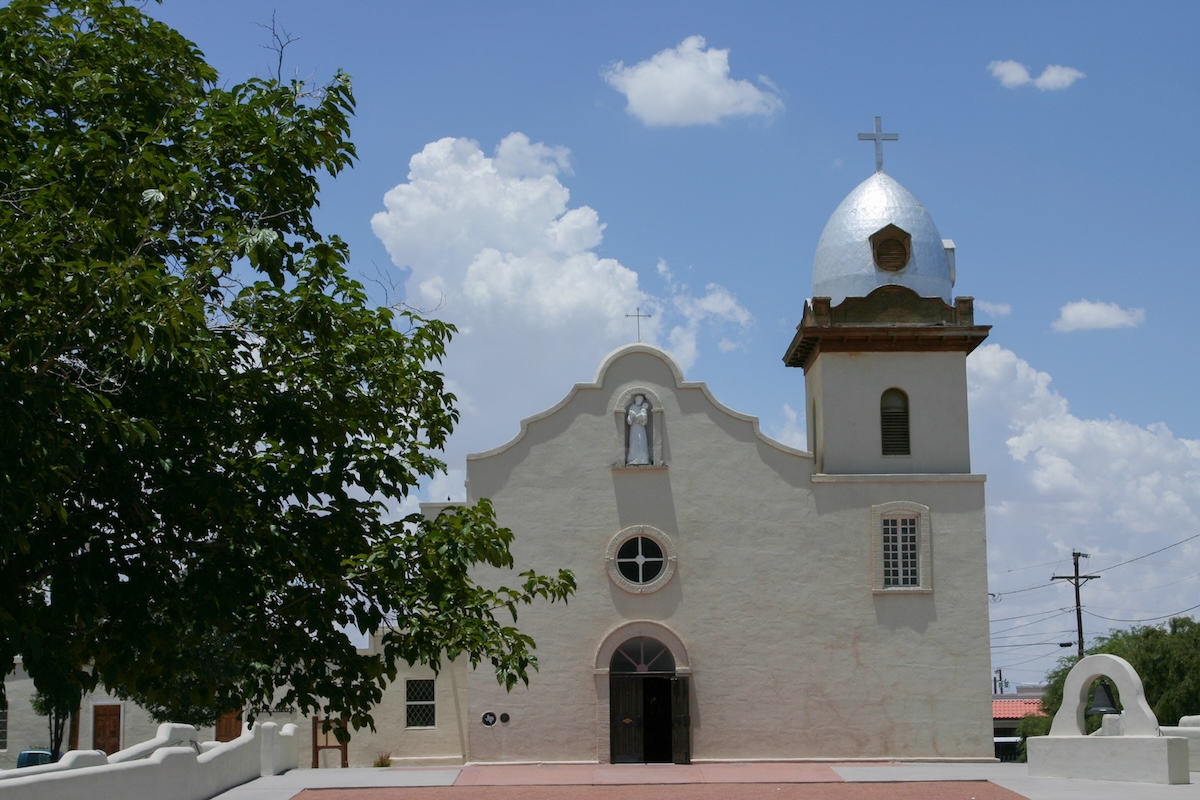
You’ll find Ysleta in what is now El Paso. Spanish missionaries and Tigua Indians established it after fleeing south from New Mexico during the Pueblo Revolt. The settlement offered refuge to people escaping the uprising, and the community they built has endured for more than three centuries. The mission they constructed, Mission Corpus Christi de la Ysleta del Sur, still stands as one of Texas’s oldest missions.
When you visit, you’re walking through a living piece of Texas history that predates most American settlements by decades. The Ysleta del Sur Pueblo remains an active community where the Tigua people maintain their cultural traditions and heritage. You can explore the historic mission church, which floods and fires have forced residents to rebuild several times. It still retains its original purpose and spiritual significance. The area offers a glimpse into the Spanish colonial period and the lasting legacy of Indigenous peoples in the Southwest.
Utah: Ogden (1845)
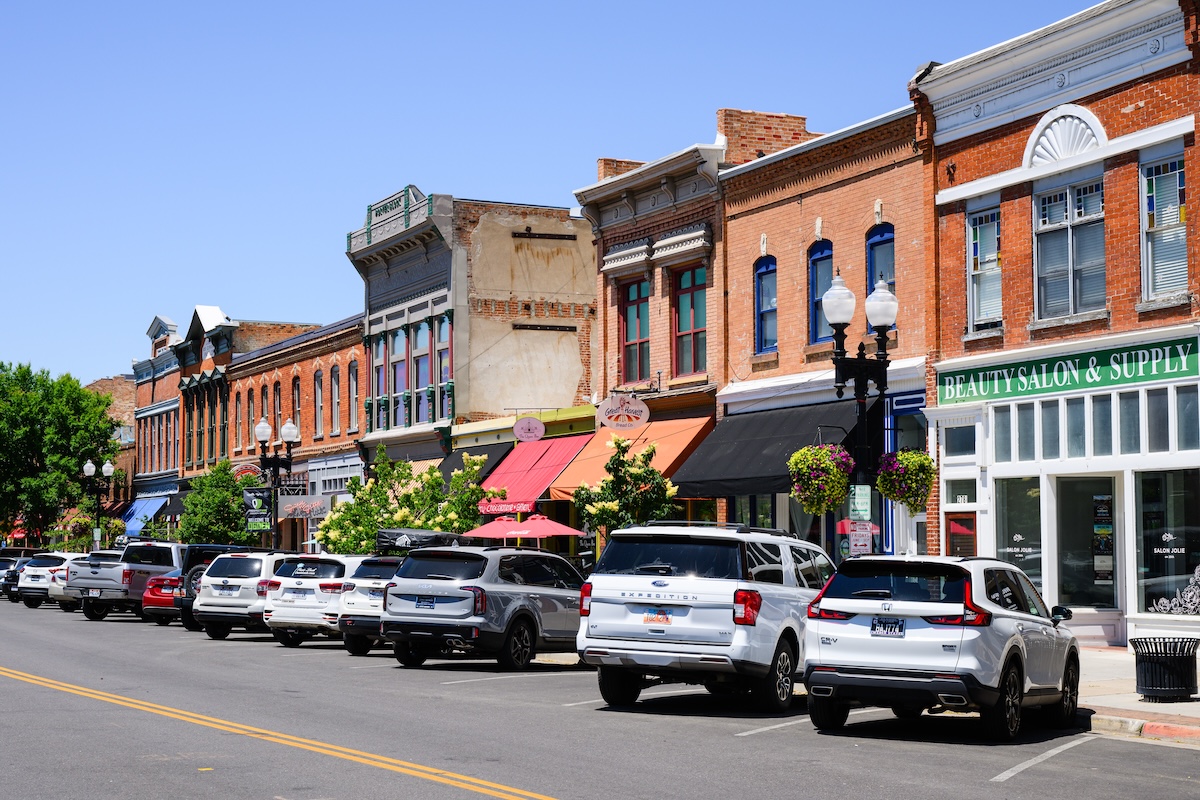
You’ll find Ogden at the base of the Wasatch Mountains, where Mormon pioneer Miles Goodyear established Fort Buenaventura as a trading post in 1845. This made it one of the first permanent European-American settlements in what would become Utah. Goodyear chose the strategic site along the Weber River to trade with trappers and Native American tribes moving through the region.
Two years later, Mormon settlers purchased the fort from Goodyear and turned the area into a thriving community. Today, you can explore Historic 25th Street, which preserves the feel of Ogden’s railroad boom days, when the transcontinental railroad brought prosperity to the settlement. The city offers easy access to outdoor adventures in the nearby mountains while preserving its historic downtown charm. Ogden has grown from a frontier trading post into a modern mountain town, but it still honors its pioneer past through preserved architecture and historic sites.
Vermont: Bennington (1761)
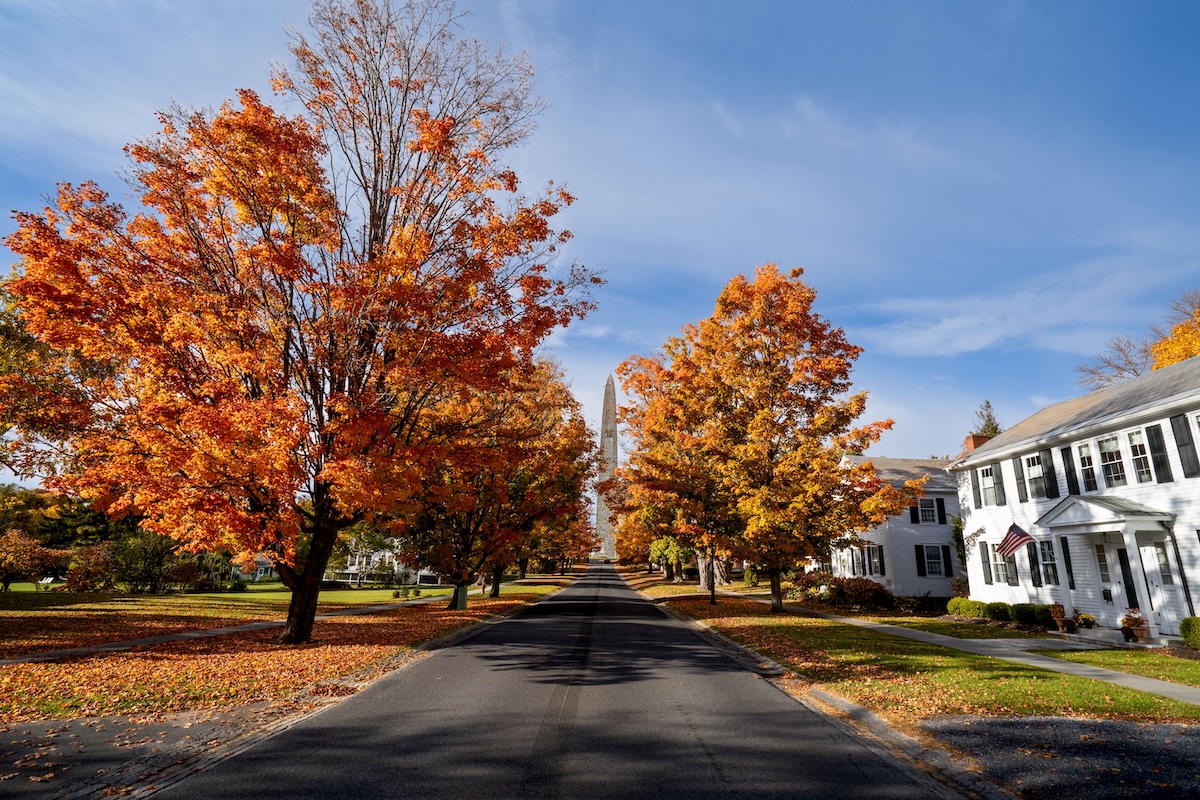
Bennington is Vermont’s oldest chartered settlement. New Hampshire’s colonial governor established it in 1761 by granting the land to settlers from Connecticut and Massachusetts. You’ll find this historic town in southwestern Vermont, where it played a crucial role in the region’s early development and the fight for independence.
The town became famous for the Battle of Bennington in 1777, a pivotal Revolutionary War victory that helped turn the tide against British forces. Today, you can visit the Bennington Battle Monument, a 306-foot limestone obelisk that marks the site and offers panoramic views of three states from its observation platform. The Old First Church, dating to 1805, remains one of Vermont’s most photographed landmarks, with its iconic white steeple and colonial architecture. You’ll also find the poet Robert Frost buried in the church cemetery, adding literary significance to this already historic place.
Virginia: Hampton (1610)
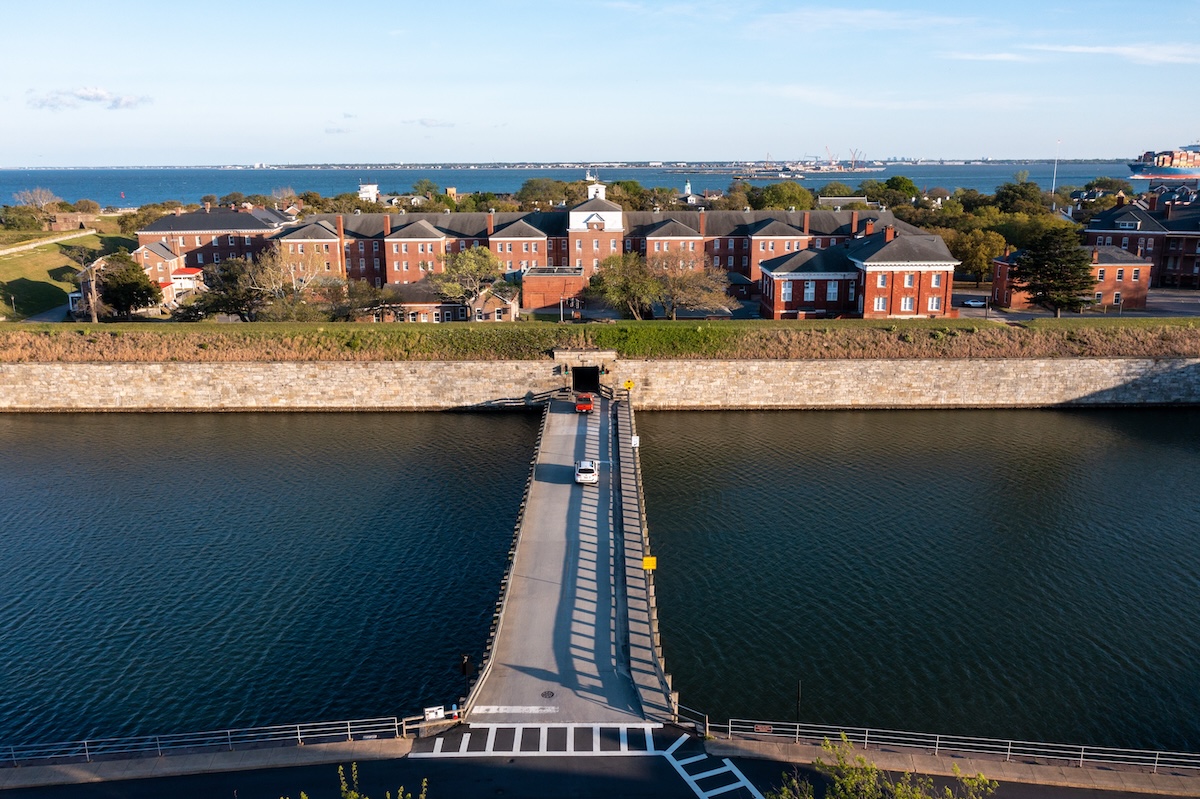
When you visit Hampton, you’re stepping into one of America’s oldest continuously inhabited English settlements. Founded in 1610, this coastal city emerged just three years after Jamestown and has remained inhabited for more than four centuries. Colonists from Jamestown established a defensive outpost at Old Point Comfort, where the James River meets the Chesapeake Bay.
You’ll find Hampton’s history woven throughout the modern city, from Fort Monroe-where the first enslaved Africans arrived in English North America in 1619-to the historic downtown waterfront. The city played crucial roles in every major American conflict, including the Revolutionary War, War of 1812, and Civil War. Today, you can explore sites such as St. John’s Church, which dates to 1610 and stands as the oldest continuous English-speaking parish in the United States. Hampton combines its colonial heritage with contemporary attractions, including the Virginia Air & Space Science Center and miles of beaches along Hampton Roads harbor.
Washington: Tumwater (1845)
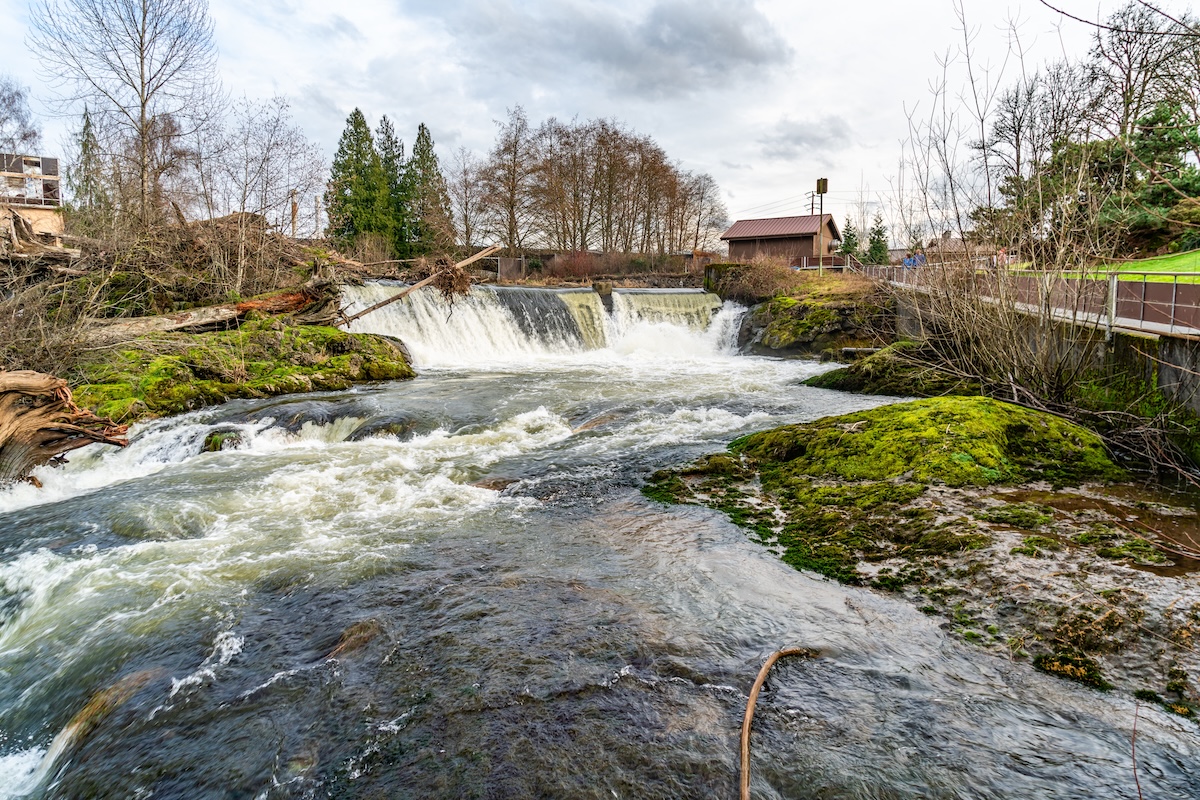
You’ll find Washington’s oldest American settlement at Tumwater, established in 1845 by pioneers who traveled west along the Oregon Trail. Michael Simmons led the group. They initially planned to settle in Oregon Territory but decided to venture north of the Columbia River instead. They chose the site at the southern end of Puget Sound because the powerful Tumwater Falls offered water for mills and other early industries.
When you visit Tumwater today, you can explore the historic district and its reminders of the pioneer era. The falls that attracted the first settlers still cascade through town, now surrounded by parks and walking trails. The site became an important early economic center in Washington, with the first American-built flour mill and sawmill north of the Columbia River. The town’s name comes from the Chinook word for waterfall, reflecting the natural feature that made permanent settlement possible.
West Virginia: Shepherdstown (c. 1719)
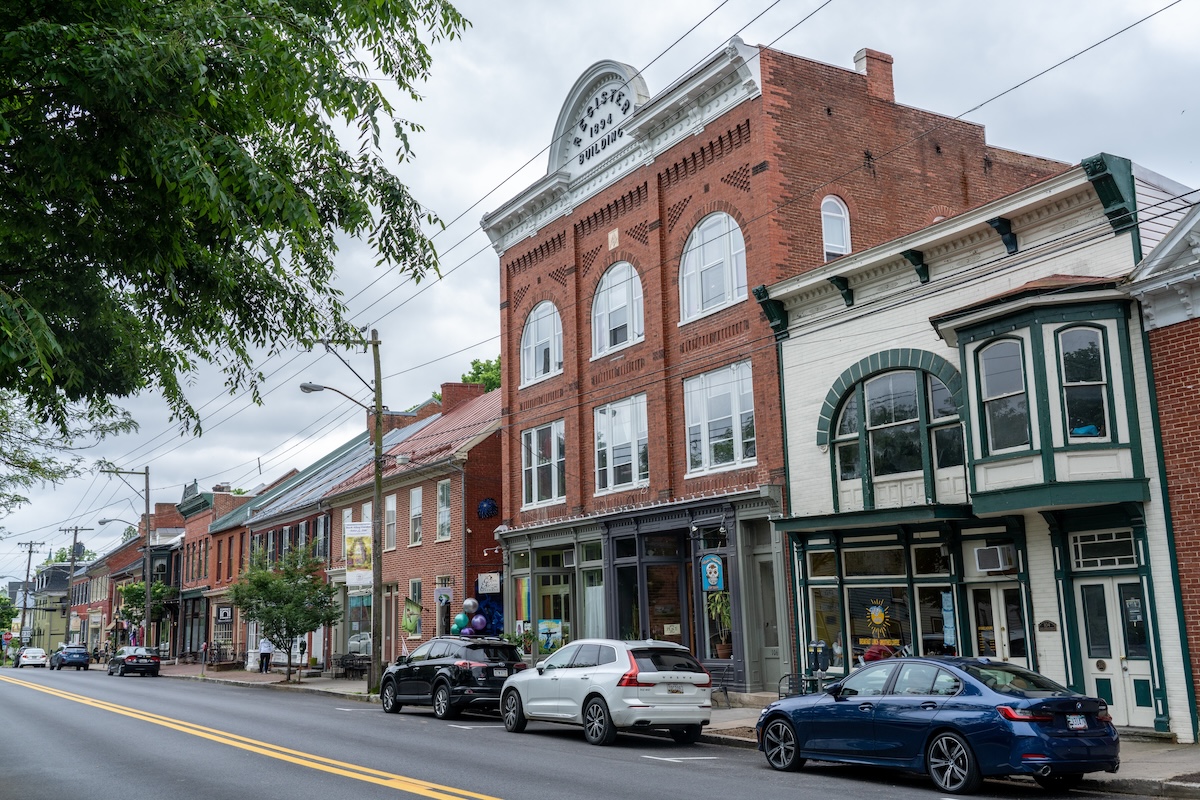
You’ll find West Virginia’s oldest settlement along the Potomac River, where Shepherdstown has welcomed visitors since around 1719. German settlers established the town after recognizing the area’s strategic location and fertile land. Thomas Shepherd formally laid it out in 1762, giving it the structure that still shapes the historic downtown.
When you walk through Shepherdstown’s streets, you’re experiencing one of the Mountain State’s most authentic colonial-era communities. The town played a significant role during the Civil War because of its proximity to major battle sites, and many of its 18th- and 19th-century buildings still stand. You can explore Shepherd University, which traces its roots to 1871, making it one of the state’s oldest institutions of higher learning. The compact downtown features well-preserved architecture, local shops, and restaurants that offer a genuine taste of small-town Appalachian history, without the crowds you might encounter at larger historic sites.
Wisconsin: Green Bay (1765)
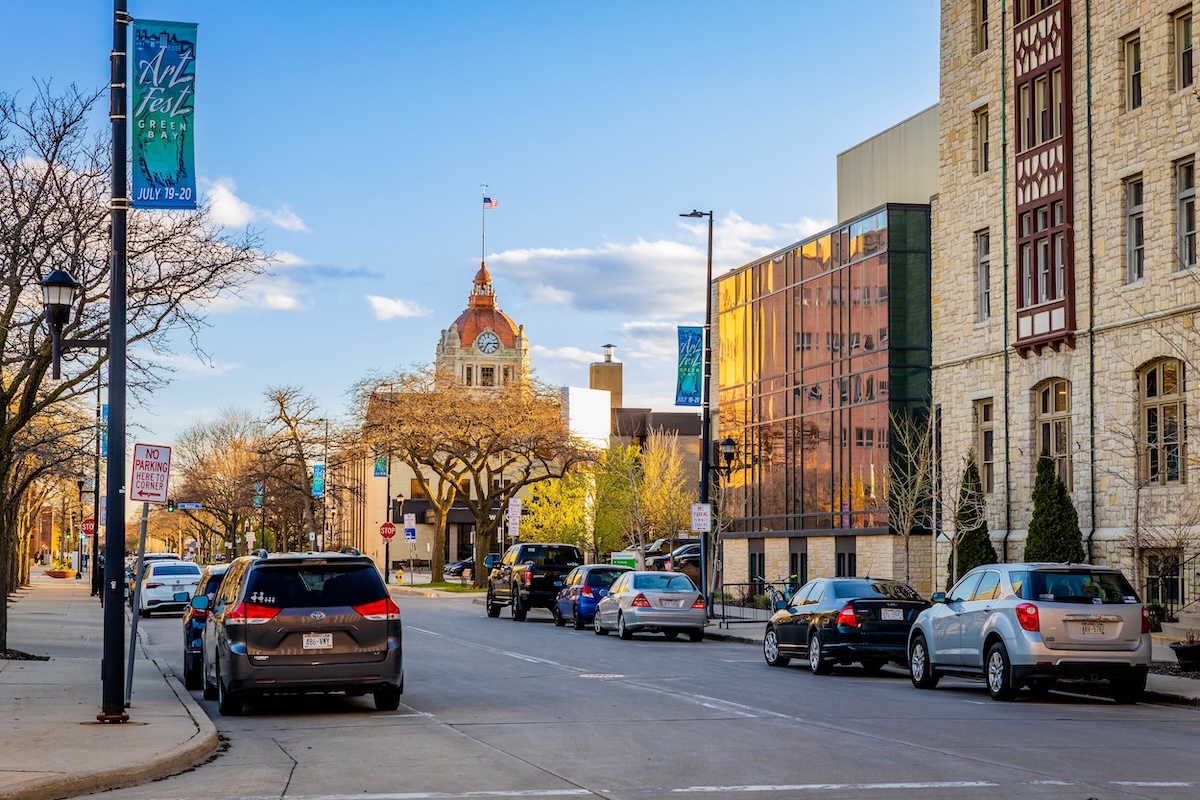
When you visit Green Bay today, you’re stepping into Wisconsin’s oldest permanent settlement, established in 1765 as a French trading post. Its strategic location along the Fox River made it ideal for fur traders, and French Canadian settlers quickly recognized its commercial potential. The city’s name comes from the French “La Baye Verte,” a reference to the bay’s greenish water.
Before it became the Packers’ beloved home, Green Bay served as an important meeting point between European traders and Native American tribes, especially the Menominee and Ho-Chunk nations. You can still trace the settlement’s French heritage through historic sites and street names across the city. The community grew slowly at first, shifting from French to British control before becoming part of the United States after the Revolutionary War. By the time Wisconsin achieved statehood in 1848, Green Bay had already been thriving for more than eight decades.
Wyoming: Cheyenne (1867)
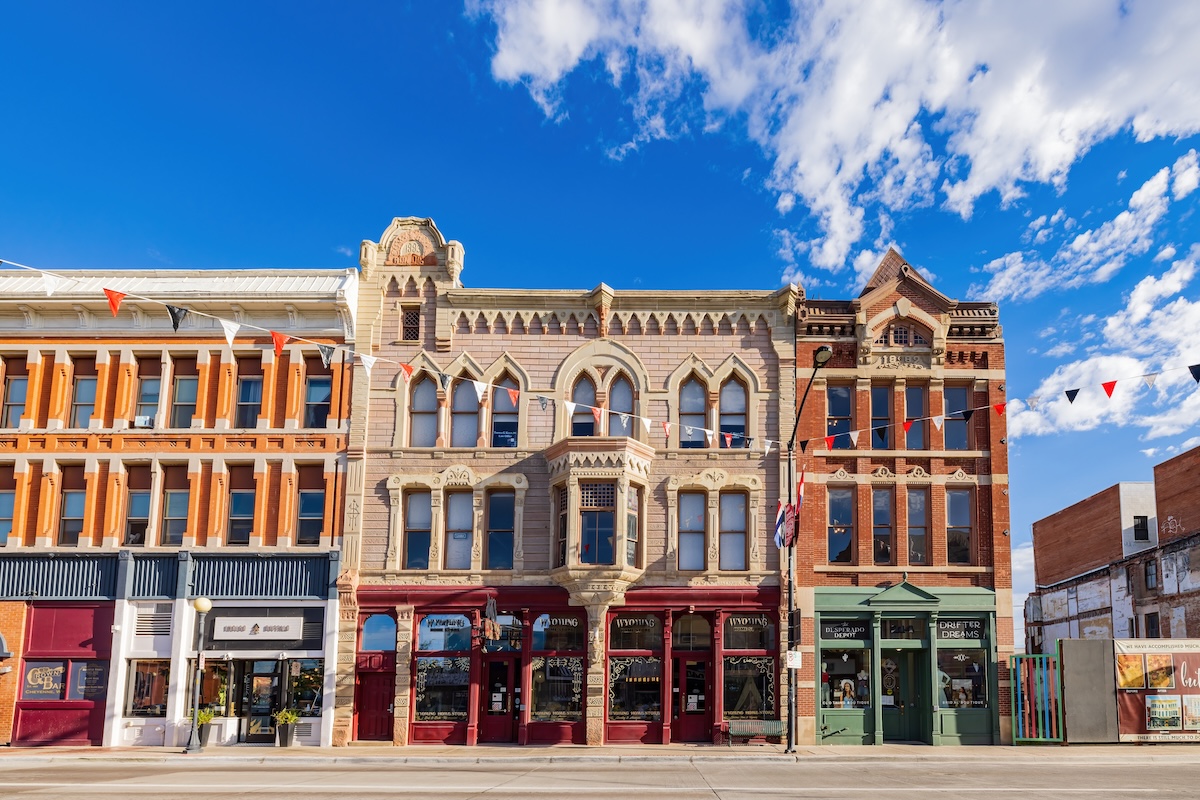
When you visit Cheyenne, you’re stepping into Wyoming’s oldest settlement, established in 1867 as the Union Pacific Railroad pushed west across the continent. The town sprang up almost overnight, changing from empty prairie into a busy frontier outpost within weeks. Cheyenne’s founding tied directly to the transcontinental railroad, which made the city a key supply point and transportation hub for the surrounding region.
Today, you can explore Cheyenne’s railroad heritage throughout its historic downtown. The settlement quickly grew from a rough-and-tumble railroad camp into Wyoming’s territorial capital in 1869, just two years after its founding. Cheyenne became the state capital when Wyoming achieved statehood in 1890. The city’s Wild West history comes alive during Cheyenne Frontier Days, an annual rodeo celebration held since 1897 and one of the oldest rodeos in the country.