
It’s easy to assume you know a state’s biggest city. Sometimes it’s the capital. Sometimes it’s the place with the famous skyline, the major sports teams, or the airport everyone flies into. But population doesn’t always follow reputation.
Part of the confusion comes down to where you draw the line. A city can anchor an enormous metro area without having the largest population within its actual boundaries, while another can stretch across far more land than most people realize. Using official city limits produces a few obvious winners—and plenty that aren’t.
1. Alabama: Huntsville
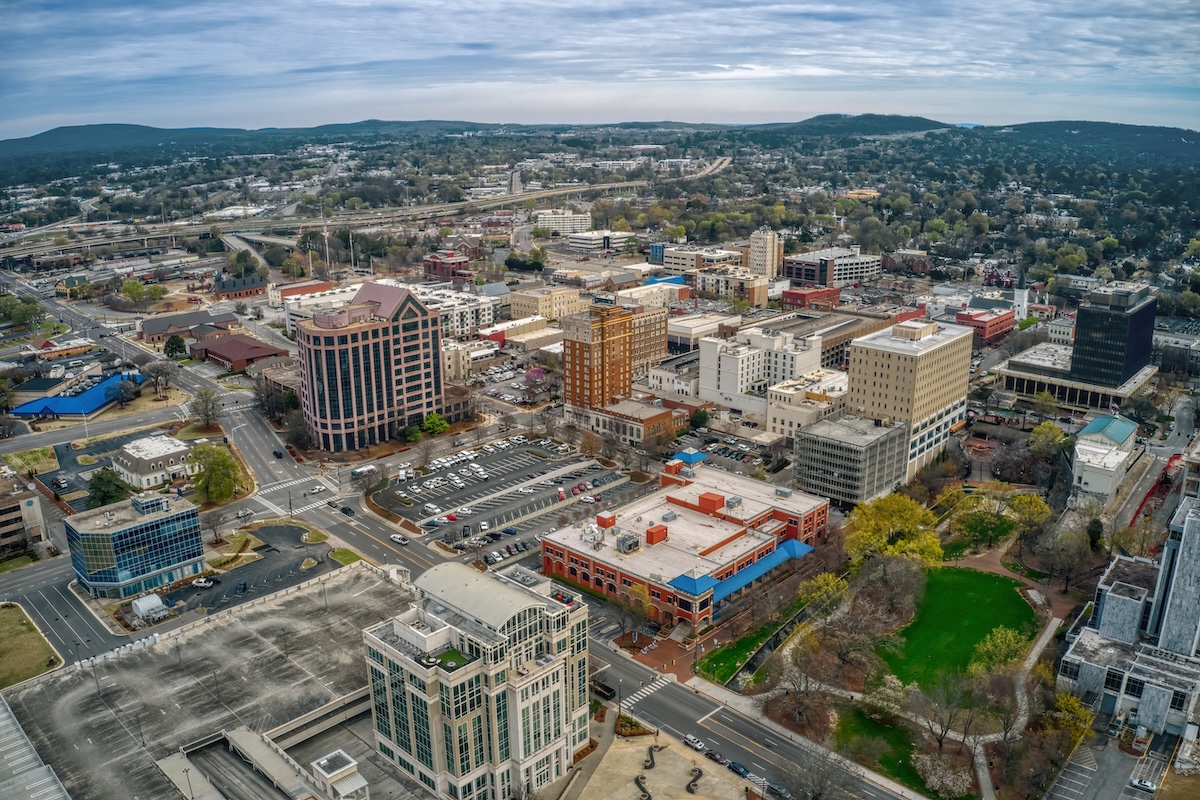
Huntsville took the top spot from Birmingham after the 2020 census, thanks in large part to rockets and research. NASA’s Marshall Space Flight Center and Redstone Arsenal anchor an economy packed with engineers, defense contractors, and tech firms. No wonder newcomers keep settling in North Alabama.
You can see that history up close at the U.S. Space & Rocket Center, where a full Saturn V rocket hangs overhead. Downtown, the Big Spring Park area and the converted Lowe Mill Arts & Entertainment building make for an easy afternoon. Monte Sano State Park sits just east of town, with trails and overlooks across the Tennessee Valley.
2. Alaska: Anchorage
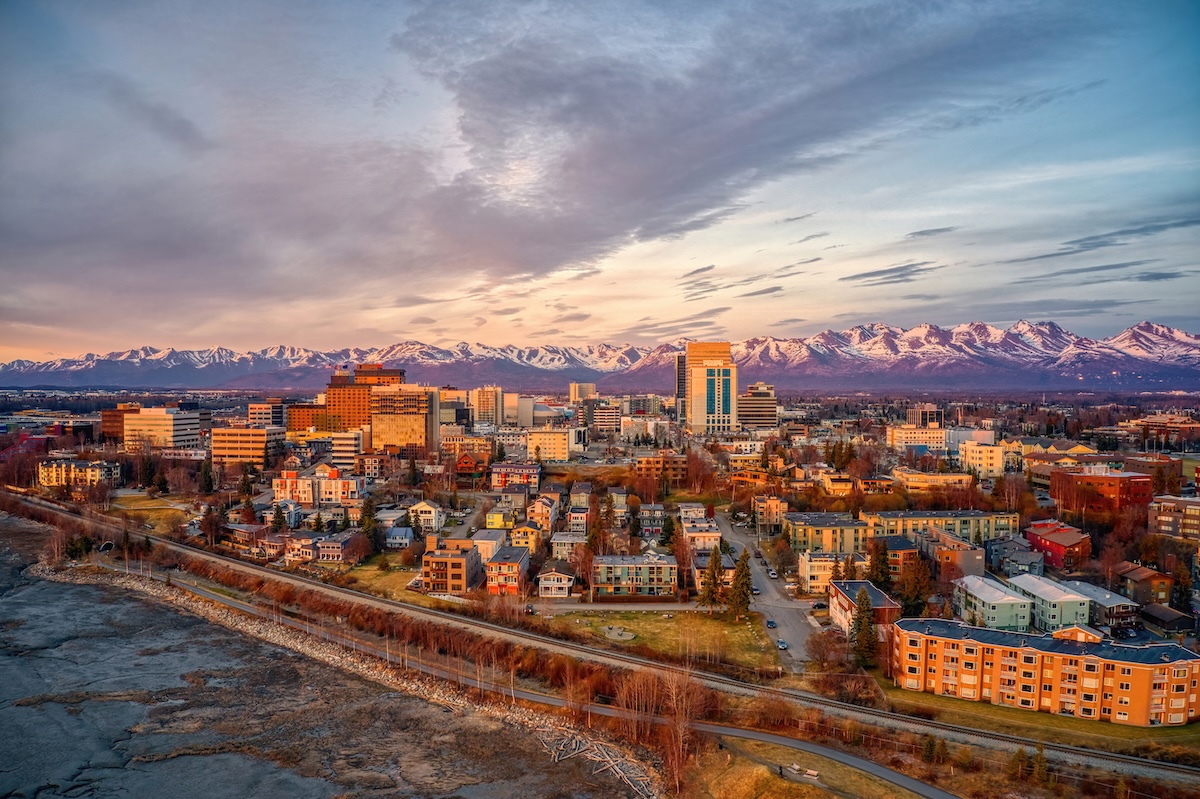
Roughly 40 percent of Alaska’s residents live in Anchorage, making it the state’s dominant urban center by a wide margin. The city spreads across a bowl between the Chugach Mountains and Cook Inlet. Moose wander through neighborhoods often enough that locals barely blink.
Bike the Tony Knowles Coastal Trail for 11 miles of water views. On clear days, you can see Denali. The Anchorage Museum offers a solid introduction to Alaska Native cultures and Arctic history. Summer brings near-endless daylight, while winter offers chances to see the aurora and the ceremonial start of the Iditarod each March.
3. Arizona: Phoenix
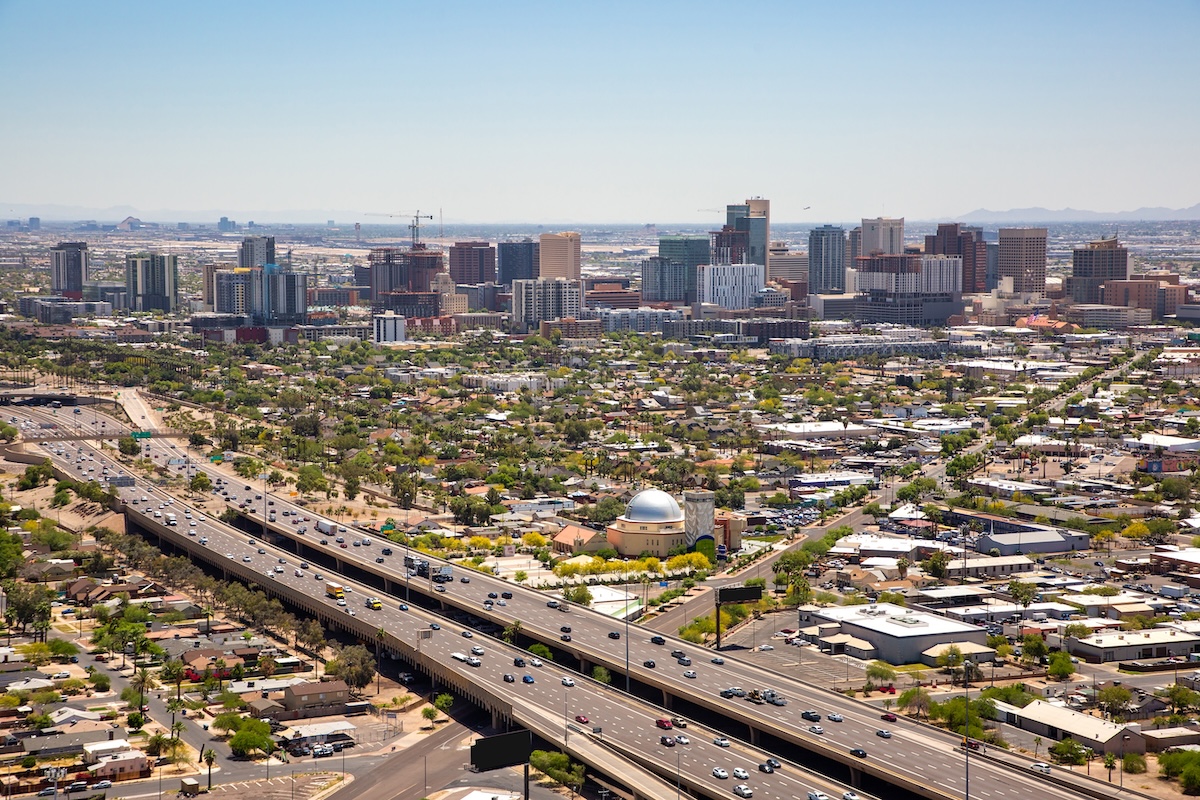
Phoenix is the country’s fifth-largest city and Arizona’s capital. More than 1.6 million people live within city limits, and the wider Valley of the Sun includes Scottsdale, Tempe, and Mesa. Summer highs regularly top 110 degrees, so locals plan outdoor time around sunrise.
Camelback Mountain and Piestewa Peak offer steep morning hikes with skyline views. The Desert Botanical Garden showcases thousands of cactus species, and the Heard Museum explores Indigenous art of the Southwest in depth. From October through April, patio dining, spring training baseball, and golf fill the calendar.
4. Arkansas: Little Rock
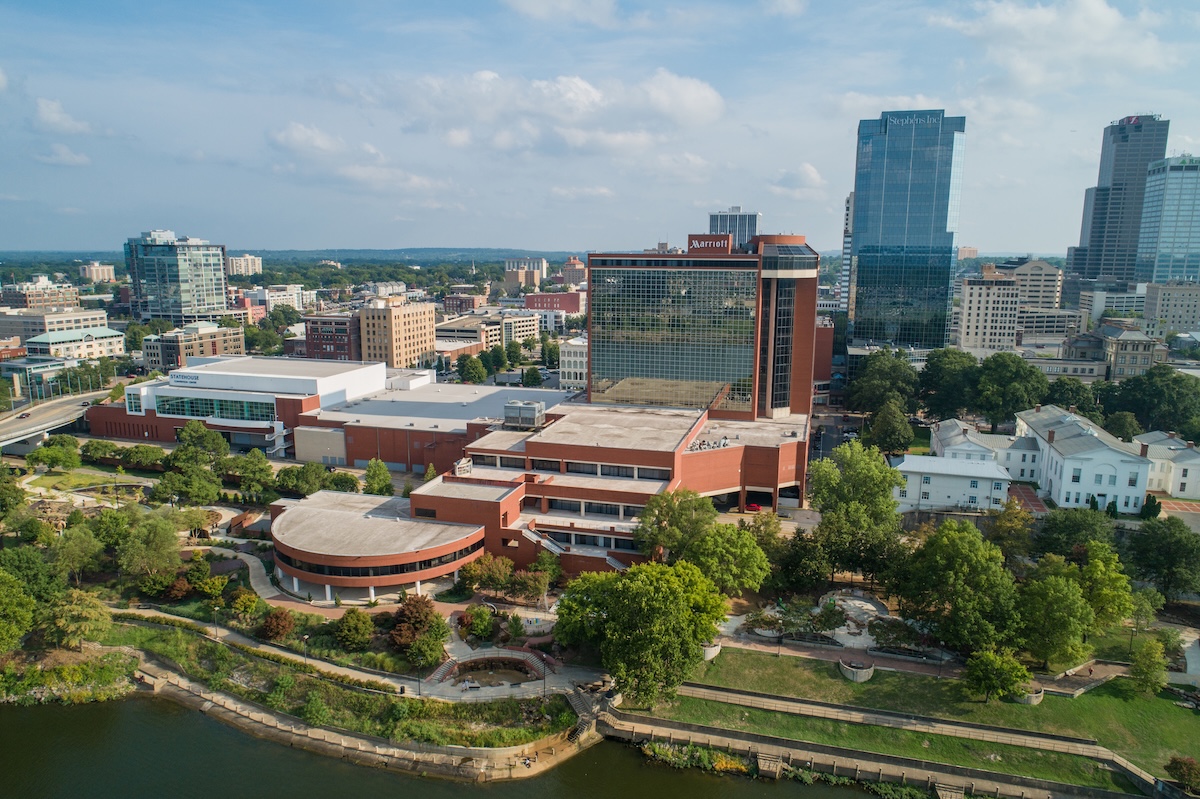
Little Rock is both the capital and largest city in Arkansas. It sits in the middle of the state on the Arkansas River, with a population of around 200,000. Downtown feels manageable and walkable.
Little Rock Central High School National Historic Site tells the story of the 1957 desegregation crisis and draws visitors from around the world. The William J. Clinton Presidential Library sits along the riverfront, near the Big Dam Bridge. That span is one of North America’s longest pedestrian and bike bridges. The River Market District packs restaurants and a farmers market into a few blocks.
5. California: Los Angeles
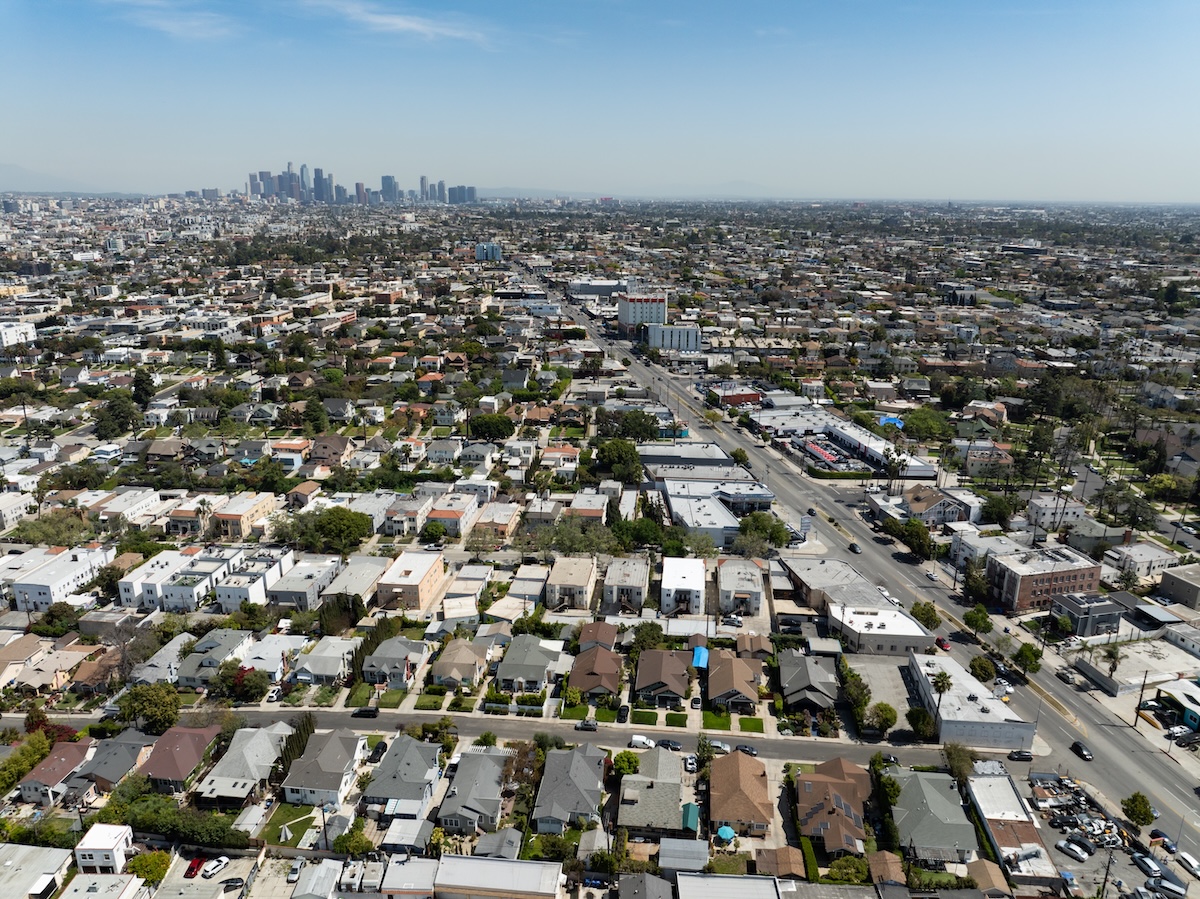
Los Angeles is California’s largest city and the nation’s second largest after New York, with nearly 3.9 million residents. It sprawls across about 470 square miles. You’ll want to group your plans by neighborhood to keep drive times sane.
Hollywood and the Griffith Observatory deliver the classic film-and-skyline experience. The Getty Center and LACMA anchor a serious museum scene, while Santa Monica and Venice offer the beach side. Food is a major draw, from tacos in Boyle Heights to Koreatown barbecue and the San Gabriel Valley’s Chinese restaurants. Expect mild weather year-round, with June gloom along the coast in early summer.
6. Colorado: Denver
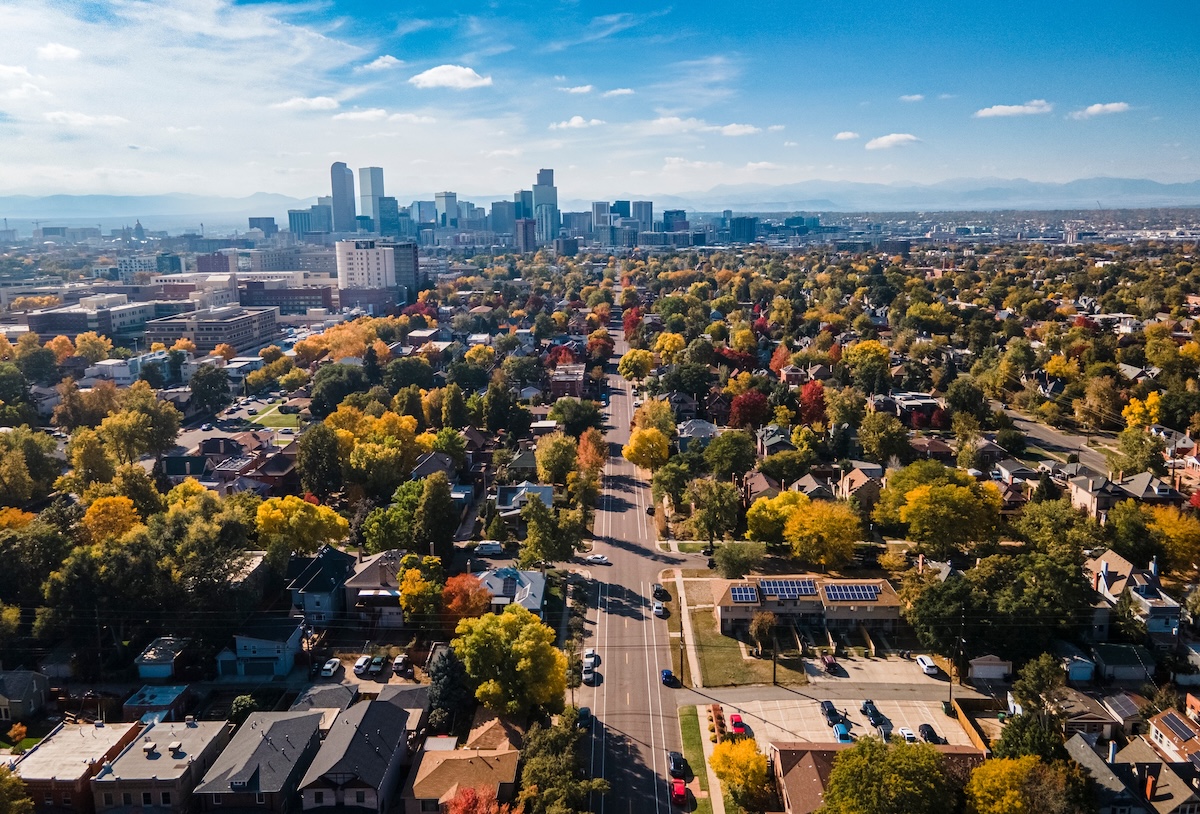
Denver is Colorado’s capital and biggest city, home to around 715,000 people a mile above sea level. The 13th step of the State Capitol marks exactly 5,280 feet. The thinner air means you’ll feel drinks faster and burn quicker in the sun.
Union Station anchors a revived downtown, while the RiNo neighborhood fills old warehouses with murals, breweries, and food halls. Red Rocks Amphitheatre sits about 30 minutes west, hosting concerts framed by sandstone. The Rocky Mountain foothills put hiking, skiing, and mountain towns within an easy day trip. That’s why so many residents keep a ski pass in the glovebox.
7. Connecticut: Bridgeport
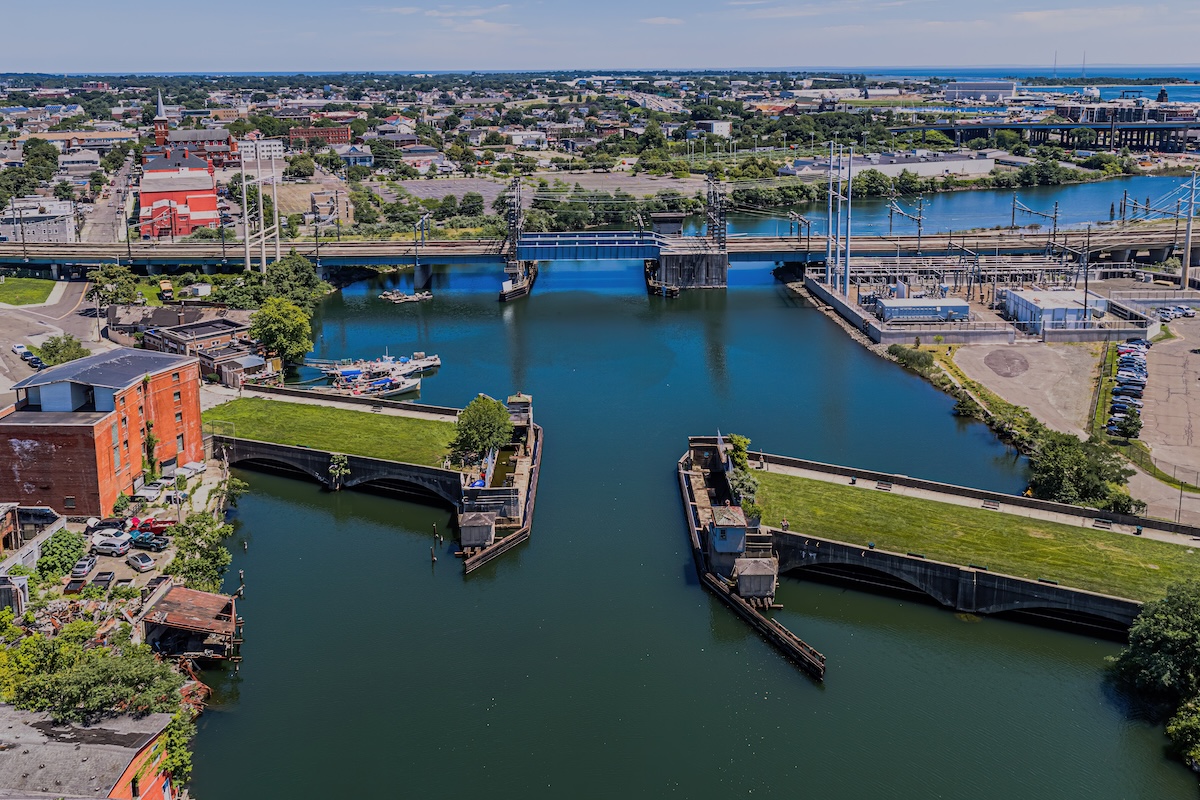
Bridgeport is Connecticut’s largest city, with about 148,000 residents on Long Island Sound. It edges out New Haven and the capital, Hartford. Its industrial past brought everything from sewing machines to helicopters.
P.T. Barnum lived here and served as mayor, and the Barnum Museum preserves his circus legacy. Seaside Park, designed in part by Frederick Law Olmsted, gives you a long stretch of shoreline for walking and summer swims. The Connecticut’s Beardsley Zoo is the state’s only zoo. Frequent Metro-North trains connect you to New York City in about 90 minutes, making Bridgeport an affordable base for exploring the coast.
8. Delaware: Wilmington
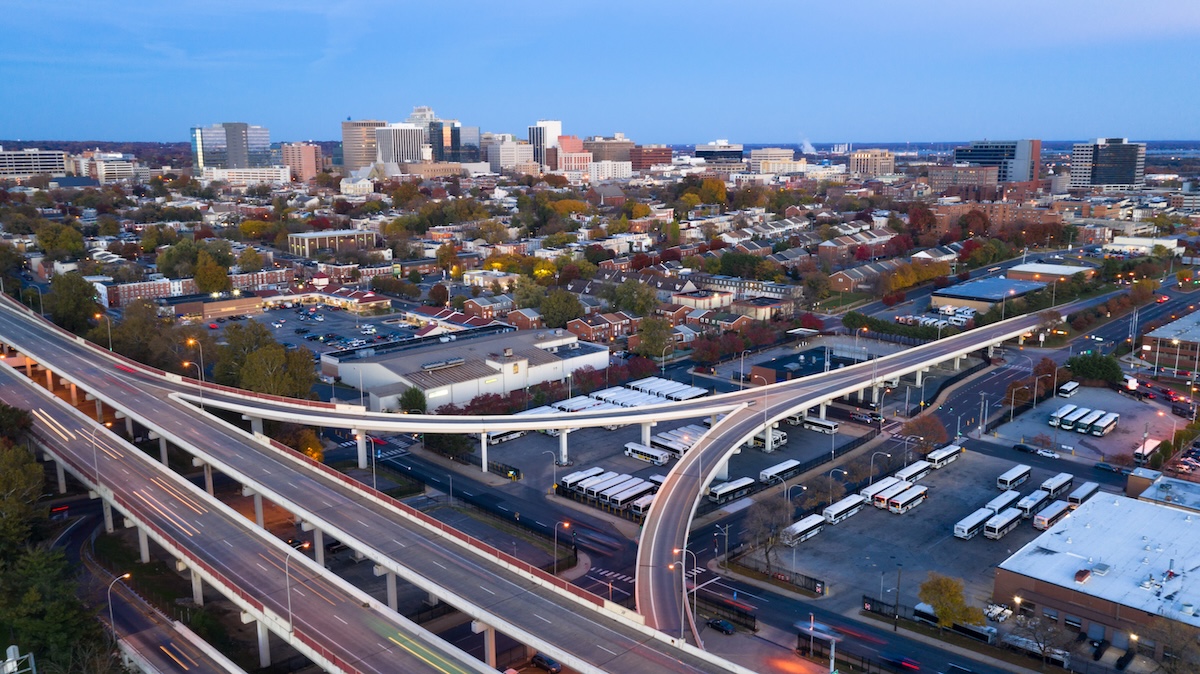
Wilmington has roughly 70,000 residents, making it Delaware’s largest city by a comfortable margin over Dover. The state’s business-friendly laws helped turn it into a corporate hub. More than half of Fortune 500 companies incorporate in Delaware.
The Brandywine Valley around the city is the big draw for visitors. Longwood Gardens sits just over the Pennsylvania line, while Winterthur and the Hagley Museum preserve du Pont family estates and gunpowder mills. Back in town, the Riverfront Wilmington area offers a walkable promenade with restaurants. Delaware charges no sales tax, so shopping here stretches your budget further.
9. Florida: Jacksonville
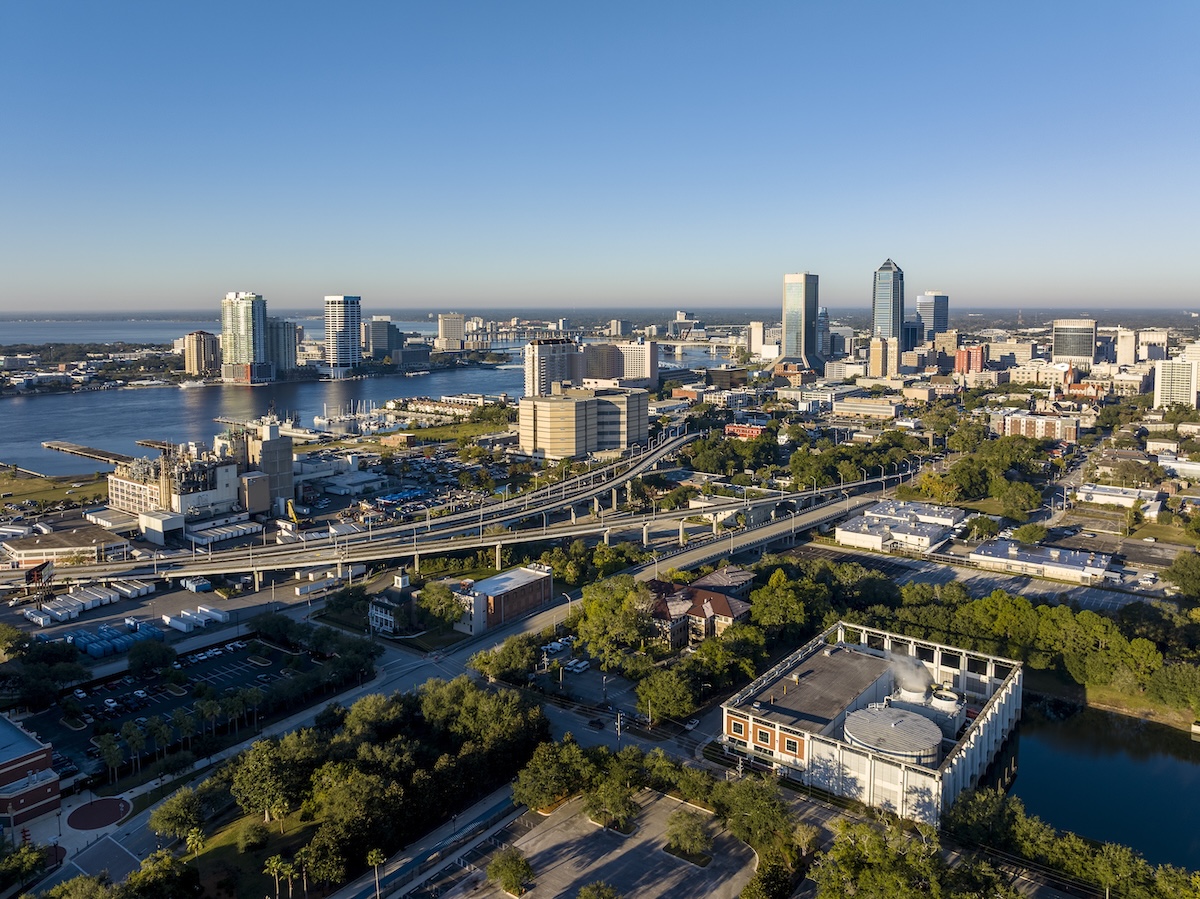
Jacksonville outranks Miami in population because it merged with Duval County in 1968, making it the largest city by land area in the lower 48. About 985,000 people live within its limits. The St. Johns River curves right through downtown.
You’ll find more than 20 miles of Atlantic beaches, including Jacksonville Beach, Neptune Beach, and Atlantic Beach. The city runs one of the country’s largest urban park systems, with Timucuan Ecological and Historic Preserve protecting salt marshes and Fort Caroline. St. Augustine, the nation’s oldest city, sits about 40 minutes south, making for an easy day trip.
10. Georgia: Atlanta
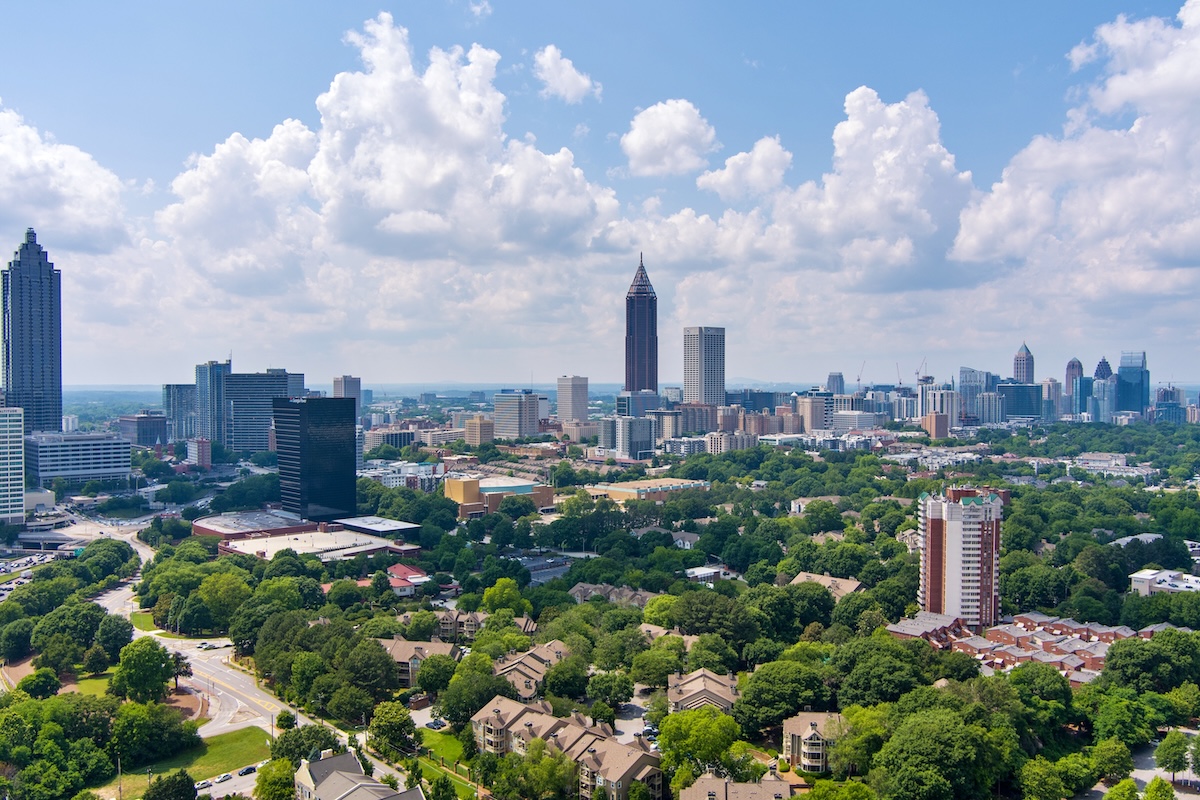
Atlanta is Georgia’s capital, largest city, and the economic center of the Southeast. The city proper counts around 510,000 residents. The metro area tops six million, and Hartsfield-Jackson ranks among the world’s busiest airports.
The Martin Luther King Jr. National Historical Park preserves his birth home and Ebenezer Baptist Church on Auburn Avenue. The BeltLine trail loops through neighborhoods like Old Fourth Ward and Inman Park, connecting food halls such as Ponce City Market. Atlanta’s tree canopy has earned it the nickname “City in a Forest,” and its music scene has shaped decades of hip-hop and R&B.
11. Hawaii: Honolulu
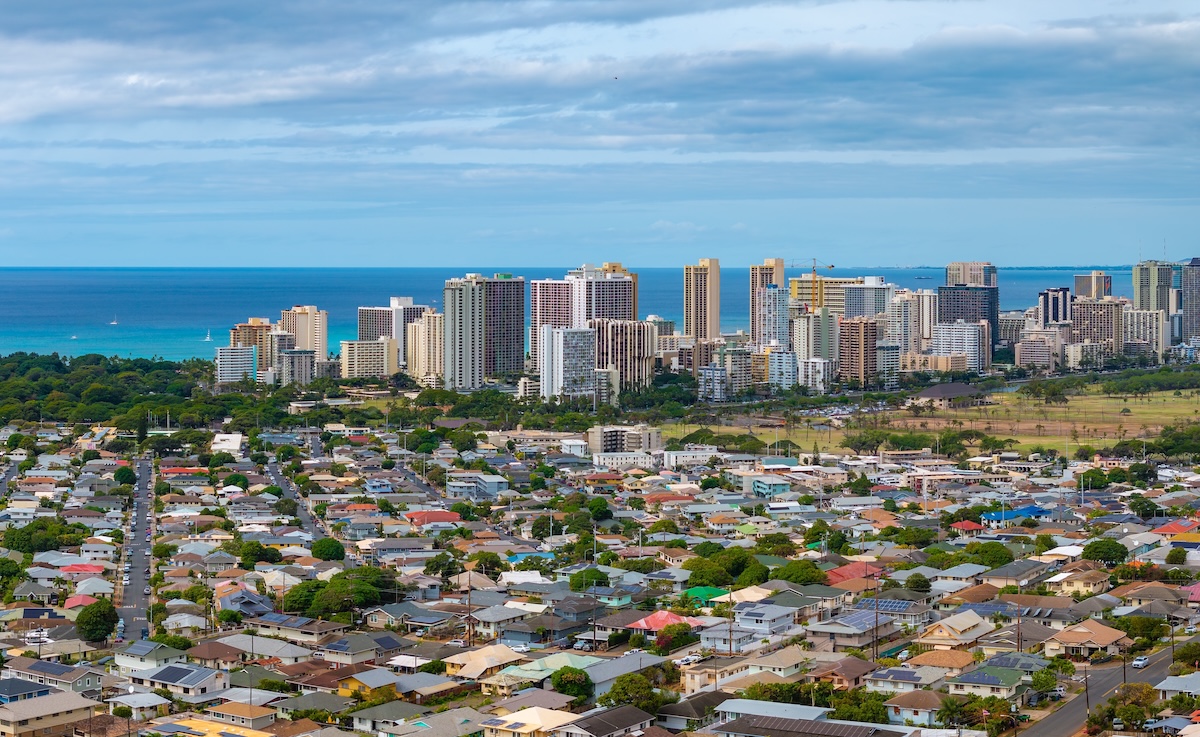
Honolulu is Hawaii’s capital and only major city, home to around 350,000 people on Oahu’s southern shore. Officially, the City and County of Honolulu covers the entire island, so its population total varies depending on how you count.
Waikiki offers the famous beach and hotel strip, with Diamond Head’s crater hike rising behind it. Pearl Harbor National Memorial is one of the state’s most visited sites, so book USS Arizona tickets early. Iolani Palace, the only royal palace on U.S. soil, sits downtown, and Chinatown delivers lei shops, dim sum, and cocktail bars.
12. Idaho: Boise
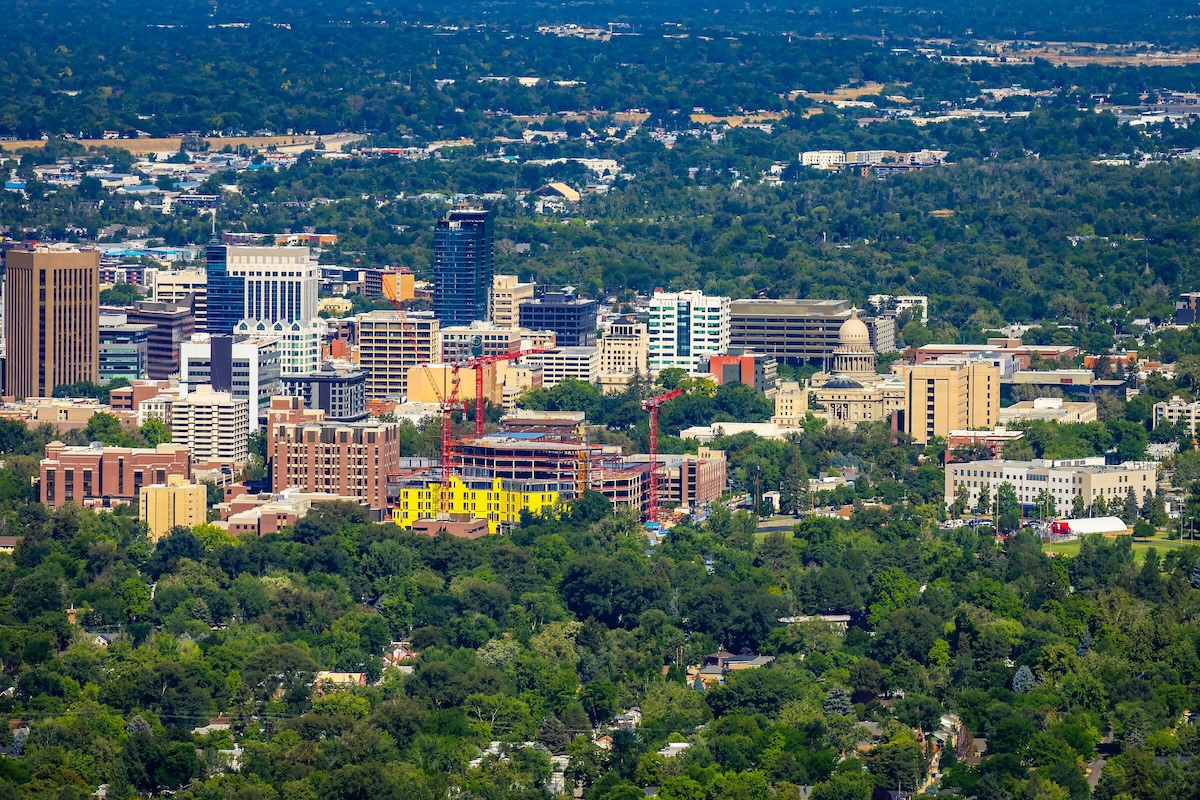
Boise is Idaho’s capital and biggest city, with roughly 240,000 residents and some of the fastest growth in the Mountain West. The Boise River runs straight through town, and a 25-mile Greenbelt path lines both banks for walking and biking.
In summer, rent a tube and float the river from Barber Park to Ann Morrison Park. The Boise Foothills offer more than 190 miles of trails just minutes from downtown, and Bogus Basin ski area sits about 16 miles up the road. Don’t miss the Basque Block, where one of the largest Basque communities outside Spain serves chorizo, croquetas, and kalimotxo.
13. Illinois: Chicago
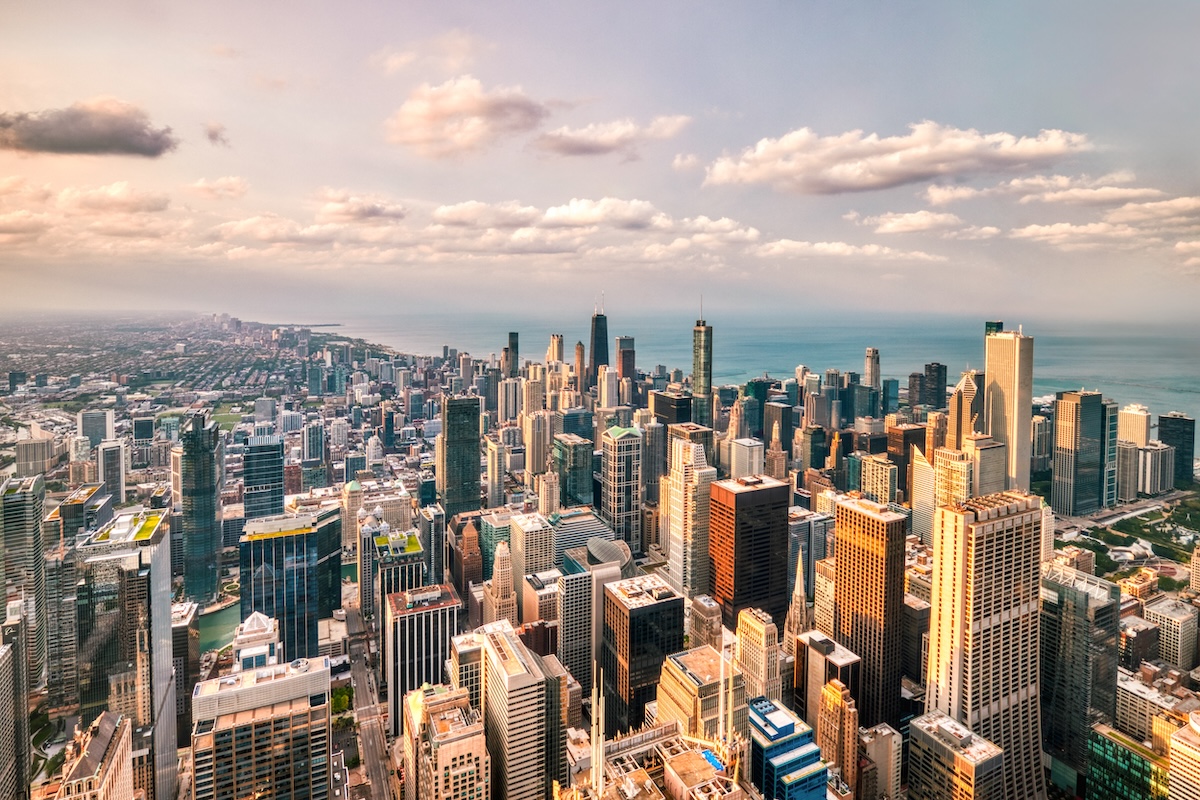
Chicago is the U.S.’s third-largest city, with about 2.7 million residents spread along Lake Michigan’s western shore. Springfield holds the capital title, but Chicago drives the state’s economy and culture by a huge margin.
The skyline itself is an attraction. Take the Chicago Architecture Center’s river cruise to see why. Millennium Park, the Art Institute, and the 18-mile Lakefront Trail can easily fill your days. Food ranges from deep-dish pizza and Italian beef to Michelin-starred tasting menus in the West Loop. Neighborhoods like Pilsen, Andersonville, and Wicker Park each have their own personality, and the L train links most of them.
14. Indiana: Indianapolis
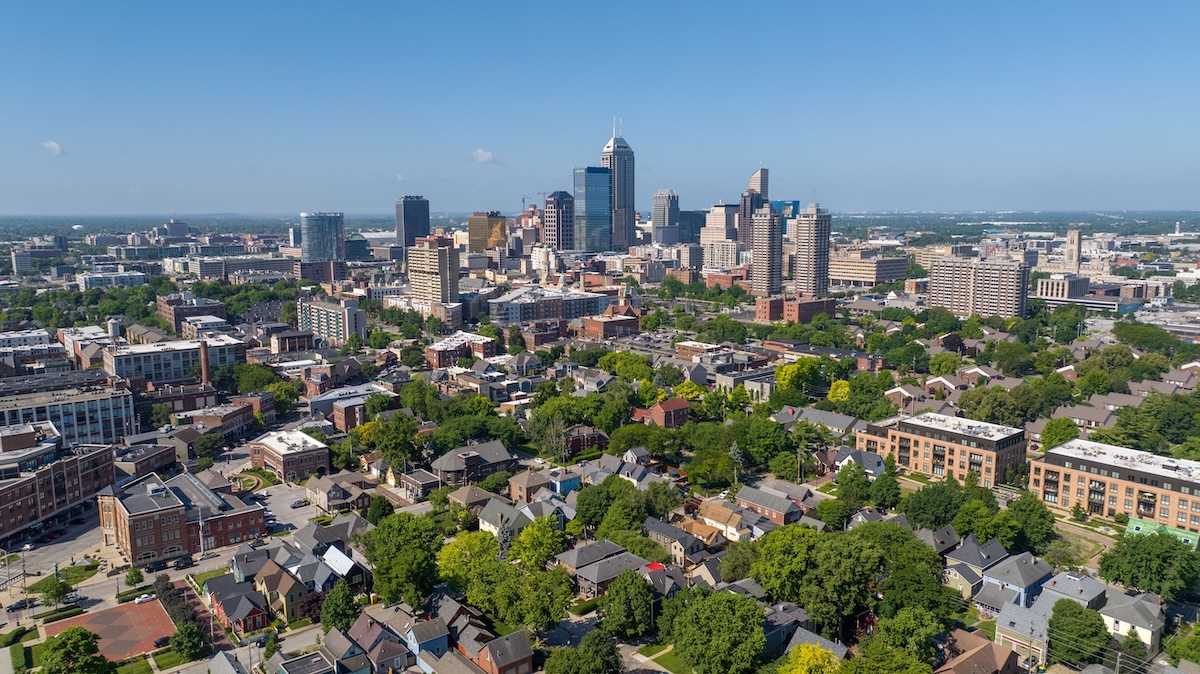
Indianapolis is Indiana’s capital and largest city, with nearly 880,000 residents. Its consolidated city-county government helped push it into the national top 20. Locals call it Indy, and racing defines its reputation.
The Indianapolis Motor Speedway hosts the Indy 500 every Memorial Day weekend, drawing crowds of more than 300,000. You can tour the track and museum year-round. The Cultural Trail, an eight-mile bike and pedestrian path, links downtown districts like Mass Ave and Fountain Square. The Children’s Museum of Indianapolis is the world’s largest, and the canal walk makes for a pleasant evening stroll.
15. Iowa: Des Moines
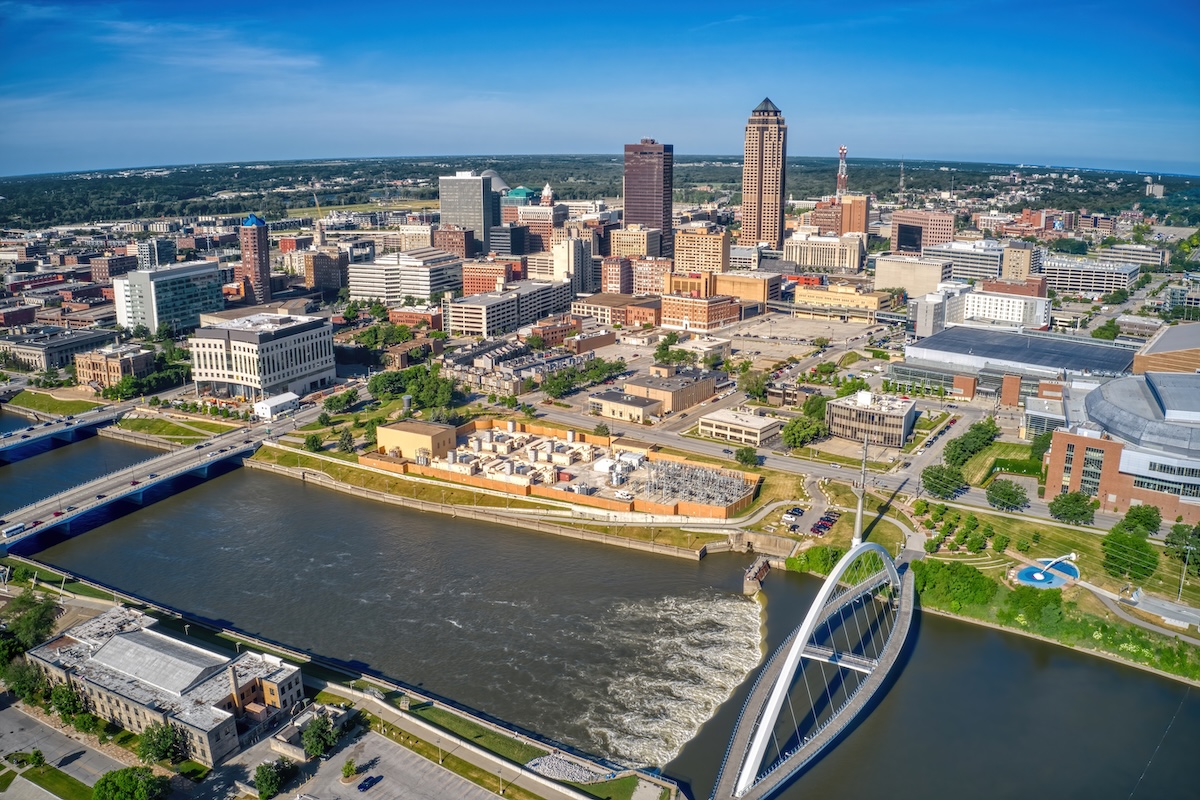
Des Moines is both Iowa’s capital and largest city, home to around 210,000 people. Insurance and financial firms form its economic backbone. Every four years, the Iowa caucuses put it in the national spotlight.
The Iowa State Fair runs each August, famous for its butter cow and food on a stick. The Downtown Farmers’ Market ranks among the country’s largest on summer Saturdays. You’ll find the Pappajohn Sculpture Park downtown and the gold-domed State Capitol on the east side. The East Village neighborhood packs independent shops, bars, and restaurants into a few walkable blocks.
16. Kansas: Wichita
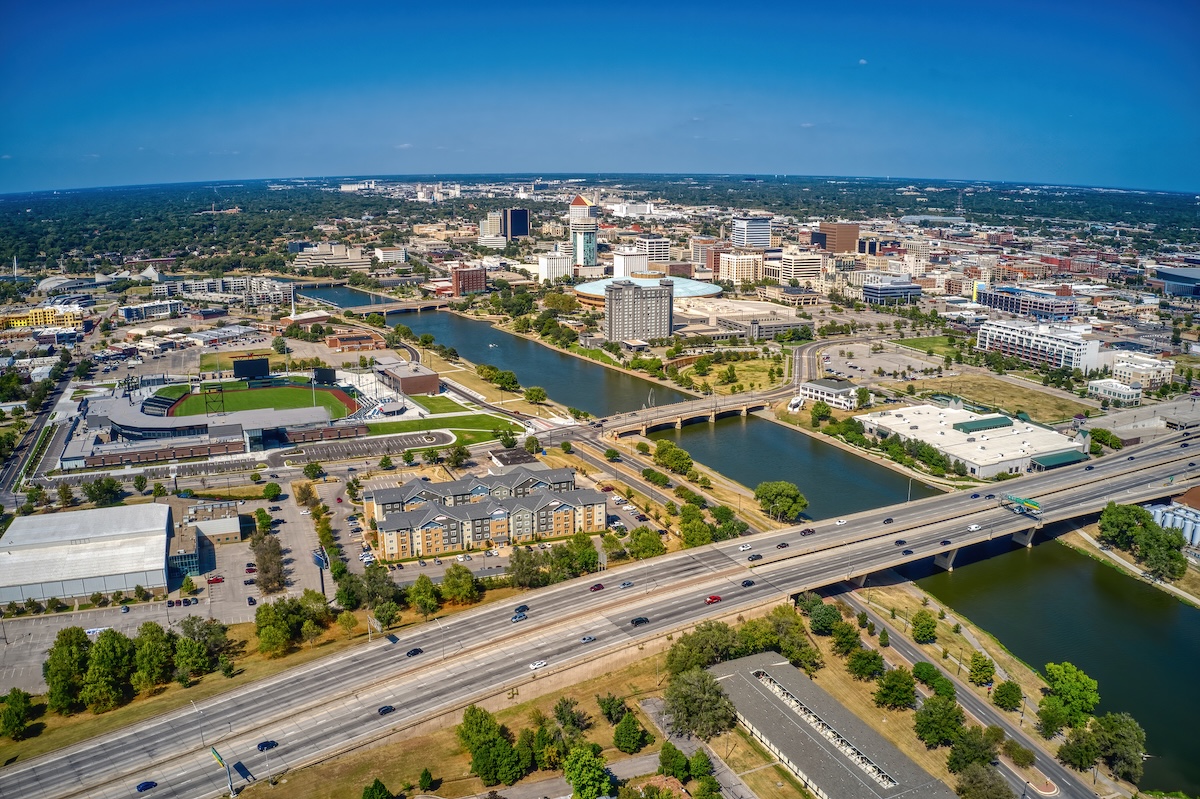
Wichita is Kansas’s largest city, with about 395,000 residents, well ahead of the capital, Topeka. Its nickname, the Air Capital of the World, comes from the aviation industry. Cessna, Beechcraft, and Spirit AeroSystems all have deep roots here.
The Keeper of the Plains, a 44-foot steel sculpture, stands where the Arkansas and Little Arkansas rivers meet. In warmer months, a ring of fire lights up each night. Old Town fills restored brick warehouses with restaurants and breweries. The Museum of World Treasures and Old Cowtown Museum cover everything from dinosaurs to the city’s cattle-trail beginnings.
17. Kentucky: Louisville
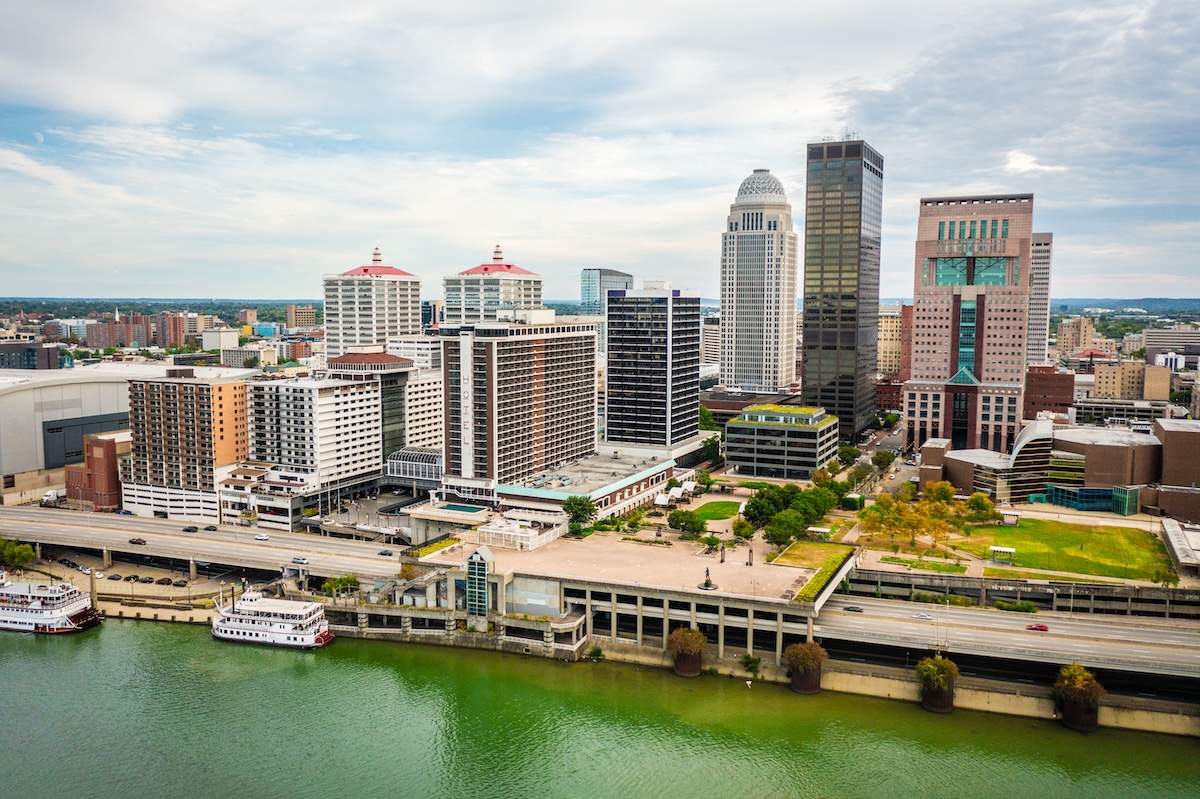
Louisville is Kentucky’s largest city, with around 620,000 residents after merging with Jefferson County. Frankfort is the capital. Louisville sits on the Ohio River across from Indiana and has a strong mix of Southern and Midwestern character.
Churchill Downs hosts the Kentucky Derby on the first Saturday in May, and the Kentucky Derby Museum runs year-round. Whiskey Row and the Urban Bourbon Trail put distillery tours steps from downtown hotels. The Louisville Slugger Museum & Factory and the Muhammad Ali Center honor two local icons. Olmsted-designed parks like Cherokee Park add green space throughout the city.
18. Louisiana: New Orleans
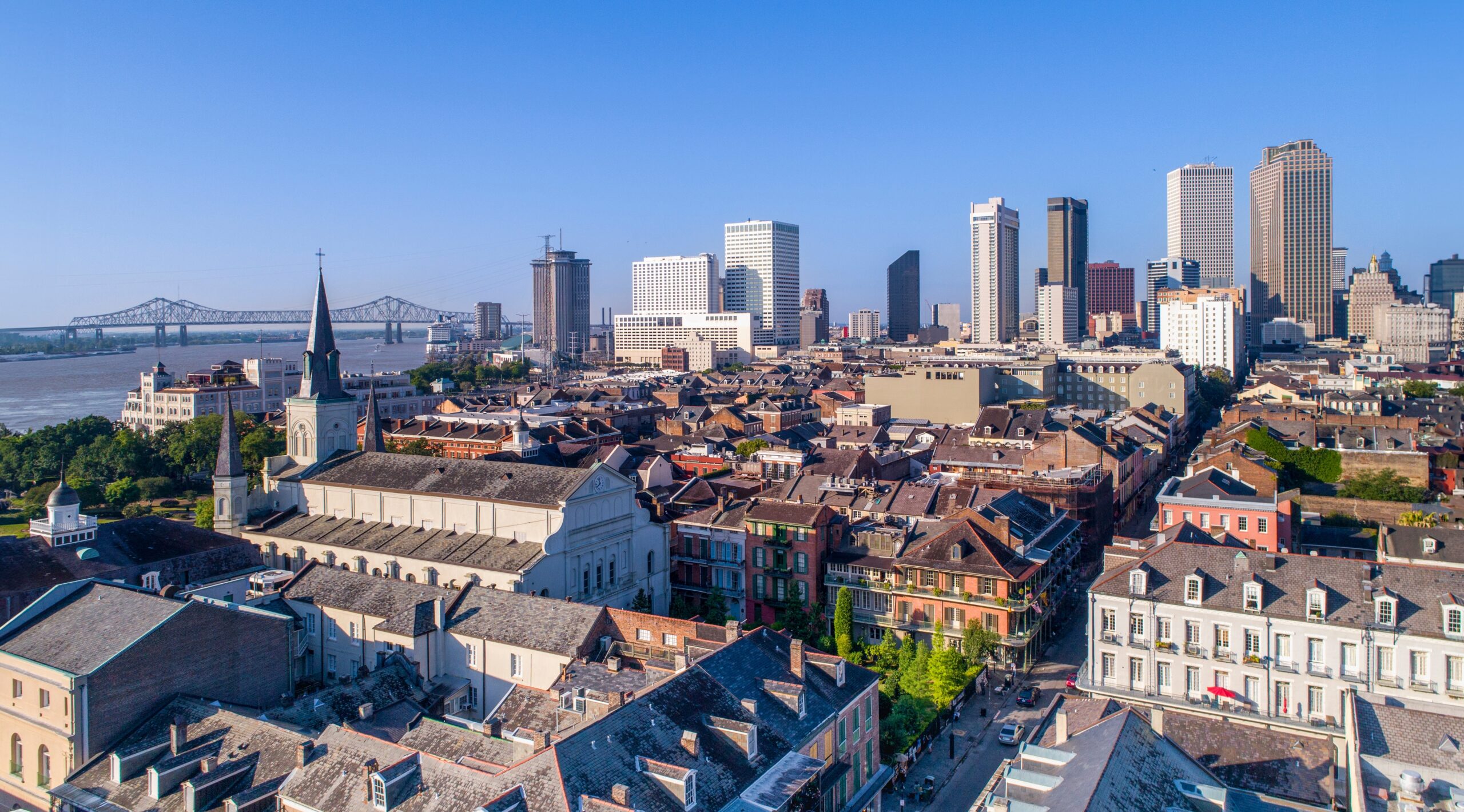
With about 365,000 residents, New Orleans is Louisiana’s largest city, though Baton Rouge is the capital. The French founded the city in 1718, and it blends French, Spanish, African, and Caribbean influences. You can see that mix in its food, music, and architecture.
The French Quarter offers wrought-iron balconies, Jackson Square, and beignets at Café du Monde. Frenchmen Street has live jazz most nights, with fewer crowds than Bourbon Street. Ride the St. Charles streetcar past Garden District mansions. Mardi Gras peaks in February or March, and Jazz Fest fills late April and early May, so book lodging well ahead.
19. Maine: Portland
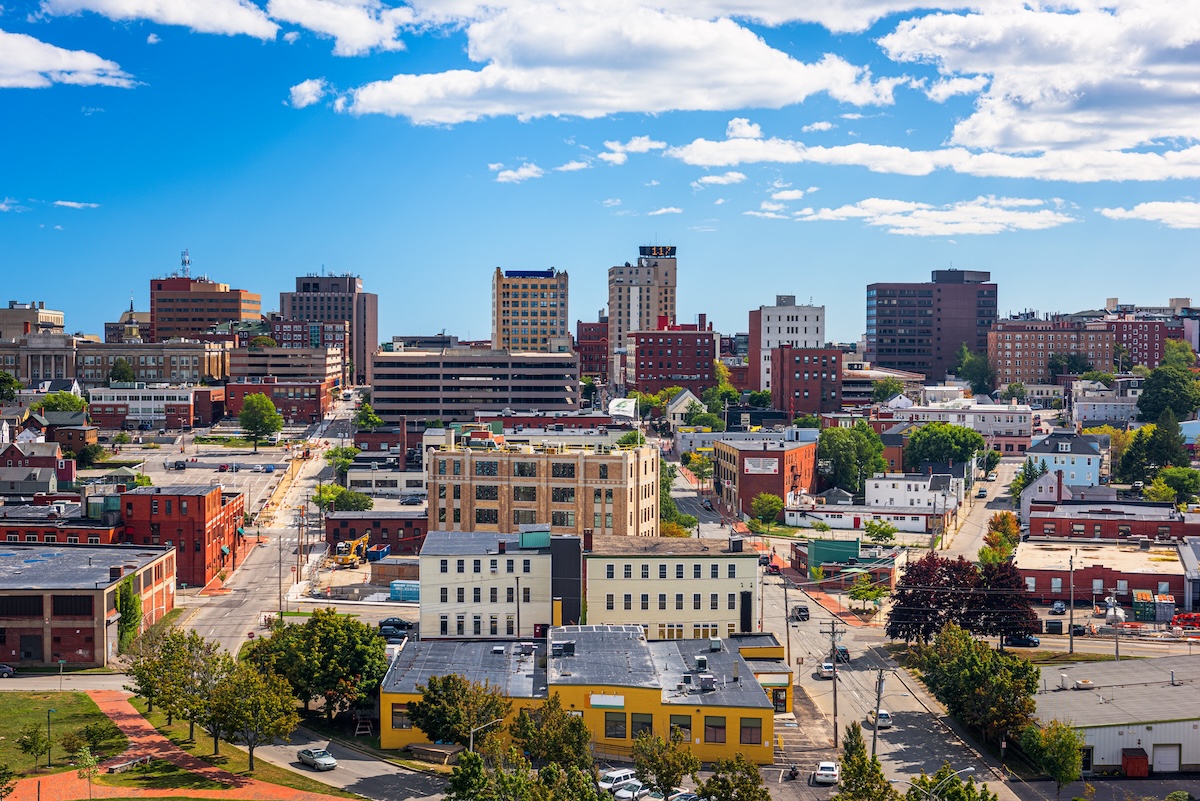
Portland is Maine’s largest city, with about 68,000 residents on a peninsula jutting into Casco Bay. Augusta is the capital. Portland carries the state’s cultural weight, especially when it comes to food.
The Old Port’s cobblestone streets and brick warehouses house seafood shacks, cocktail bars, and boutiques. For its size, Portland has an outsized number of acclaimed restaurants, and lobster rolls are easy to find. Portland Head Light in nearby Cape Elizabeth is one of the country’s most photographed lighthouses. Casco Bay Lines ferries take you to islands like Peaks Island for a quiet afternoon.
20. Maryland: Baltimore
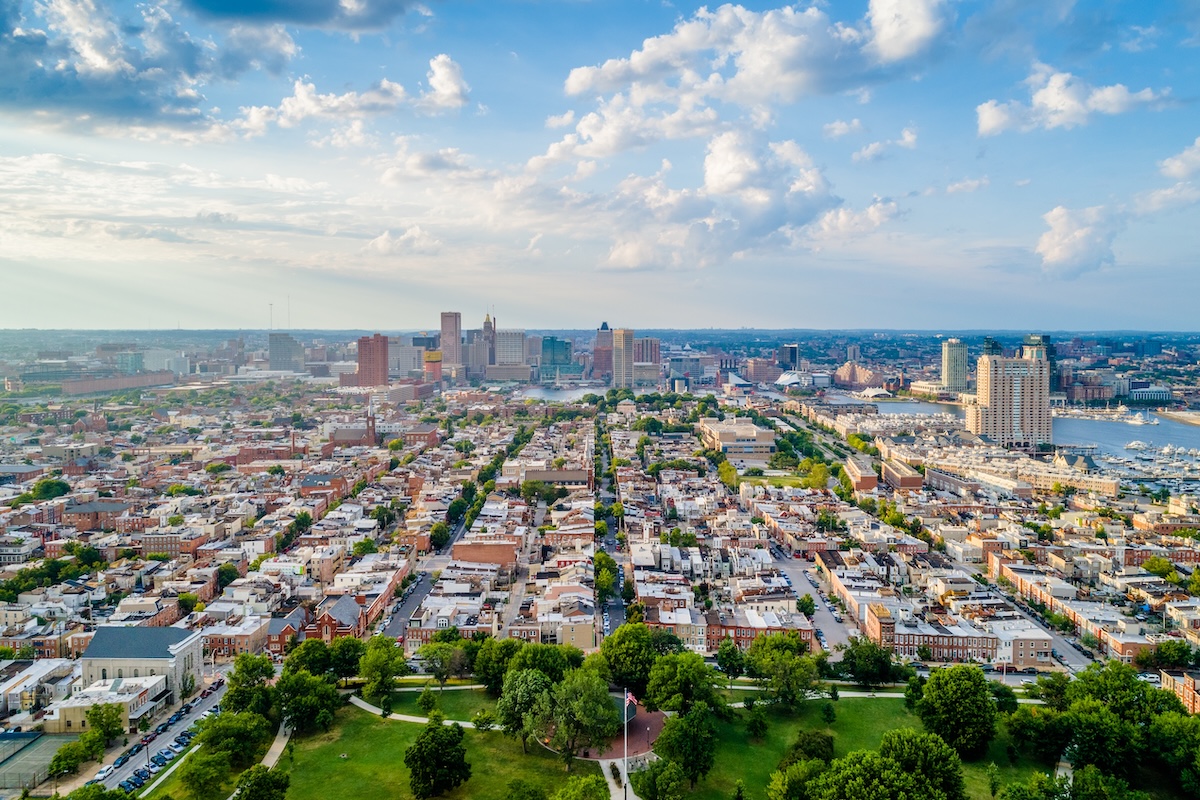
Baltimore leads Maryland with about 570,000 residents, while Annapolis is the capital. Its port has shaped the city since the 1700s, and its rowhouse neighborhoods give it a distinctly gritty, close-knit feel.
The Inner Harbor anchors tourism with the National Aquarium and historic ships. Fort McHenry is where Francis Scott Key wrote the Star-Spangled Banner during the War of 1812. Fells Point offers cobblestones, pubs, and water taxis. Try steamed blue crabs dusted with Old Bay, and stop by the American Visionary Art Museum for a quirky, memorable look at self-taught artists.
21. Massachusetts: Boston
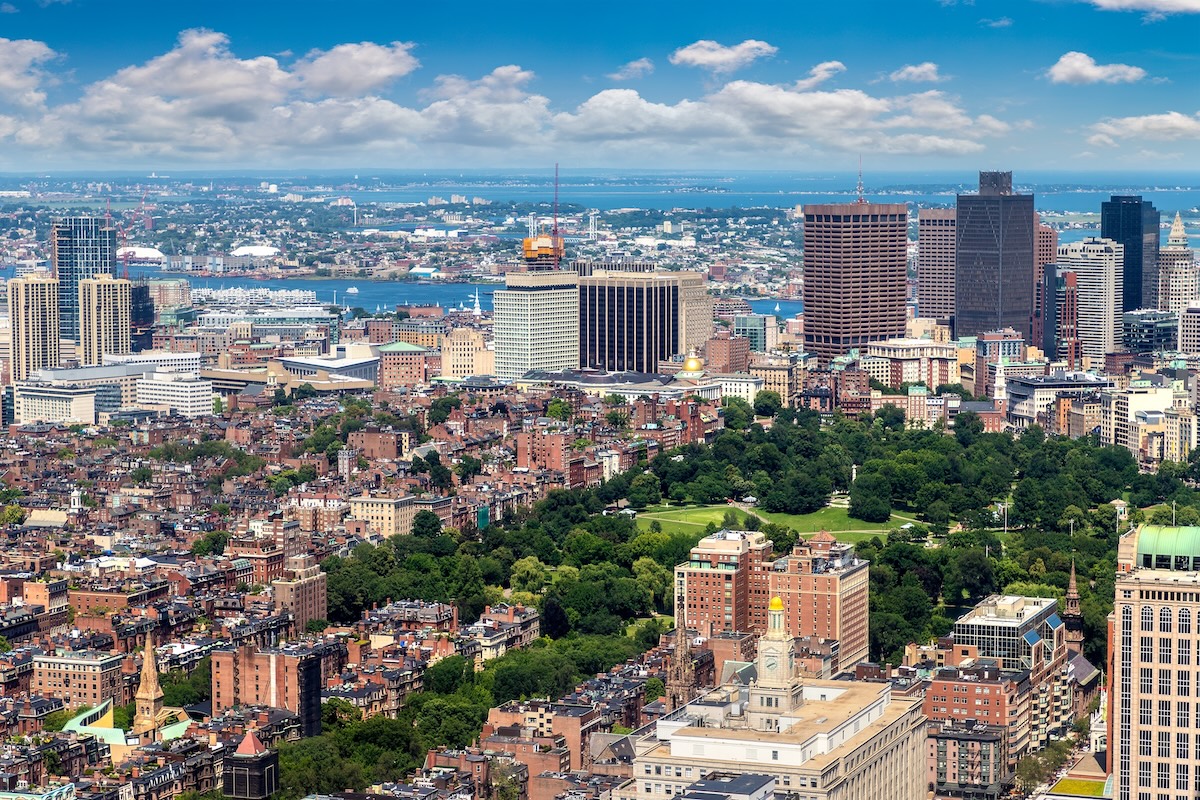
Boston is Massachusetts’s capital and largest city, with roughly 650,000 residents. Founded in 1630, it’s one of the country’s oldest cities. Universities and hospitals now drive its economy.
The 2.5-mile Freedom Trail takes you past 16 Revolutionary-era sites, from Boston Common to the USS Constitution. Fenway Park opened in 1912 and remains Major League Baseball’s oldest ballpark. The North End serves cannoli and red-sauce Italian food, while Back Bay offers brownstones and Newbury Street shopping. Fall foliage and mild temperatures make September and October prime months to visit.
22. Michigan: Detroit
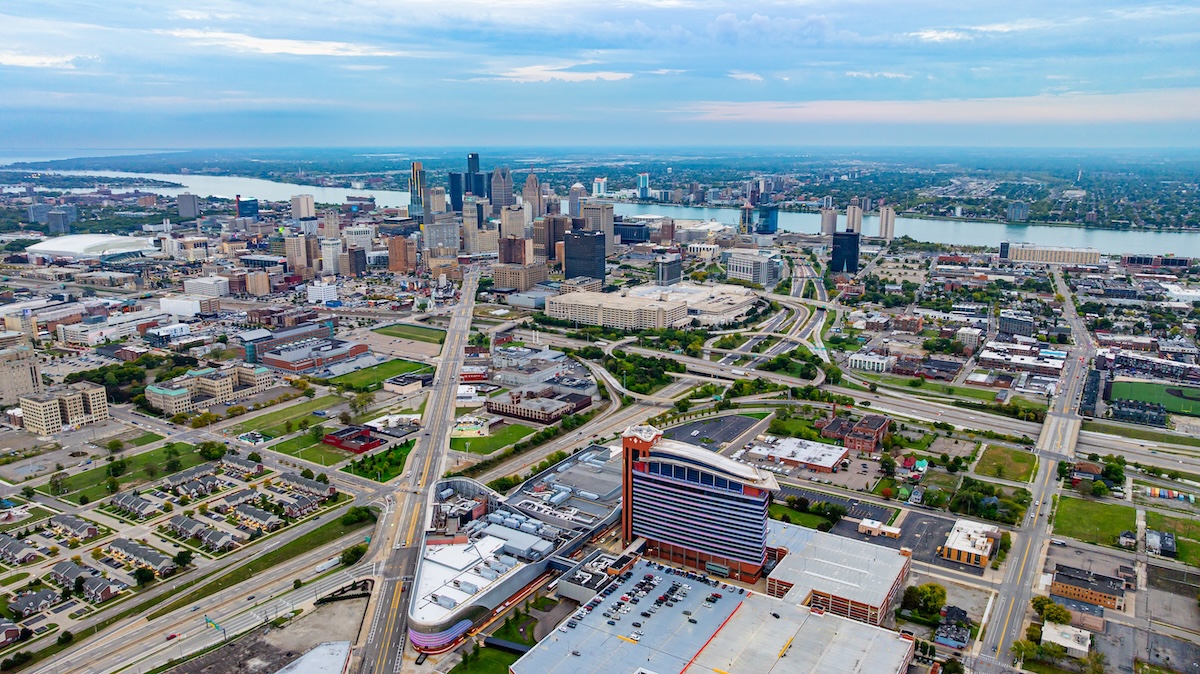
Detroit is Michigan’s largest city, with around 630,000 residents, though Lansing is the capital. Henry Ford’s assembly line earned it the Motor City nickname. Motown Records gave the city a global sound in the 1960s.
The Detroit Institute of Arts houses Diego Rivera’s Detroit Industry murals, while Hitsville U.S.A. preserves the original Motown studio. Downtown and Corktown have seen a significant revival, and Michigan Central Station has reopened after years of restoration. The Detroit RiverWalk offers views across the river to Windsor, Ontario. Try a Coney dog at Lafayette or American Coney Island, and grab a square Detroit-style pizza, too.
23. Minnesota: Minneapolis
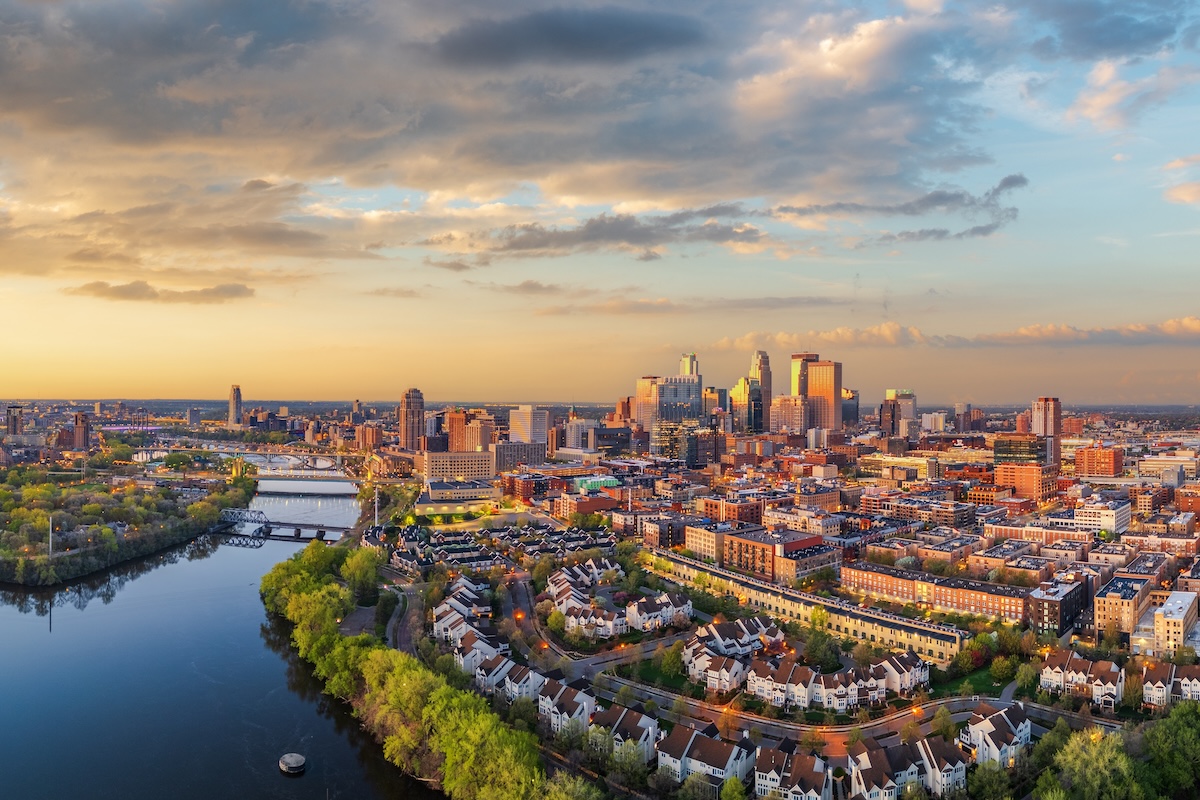
With about 425,000 residents, Minneapolis is Minnesota’s largest city. It forms the Twin Cities with St. Paul, the capital. The Mississippi River runs through downtown, and more than a dozen lakes dot the city.
The Chain of Lakes, including Bde Maka Ska and Lake Harriet, offers paths for summer biking and winter skating. The Walker Art Center and adjacent Minneapolis Sculpture Garden feature the famous Spoonbridge and Cherry. The Guthrie Theater anchors a strong arts scene. When January temperatures drop below zero, the skyway system lets you cross downtown indoors.
24. Mississippi: Jackson
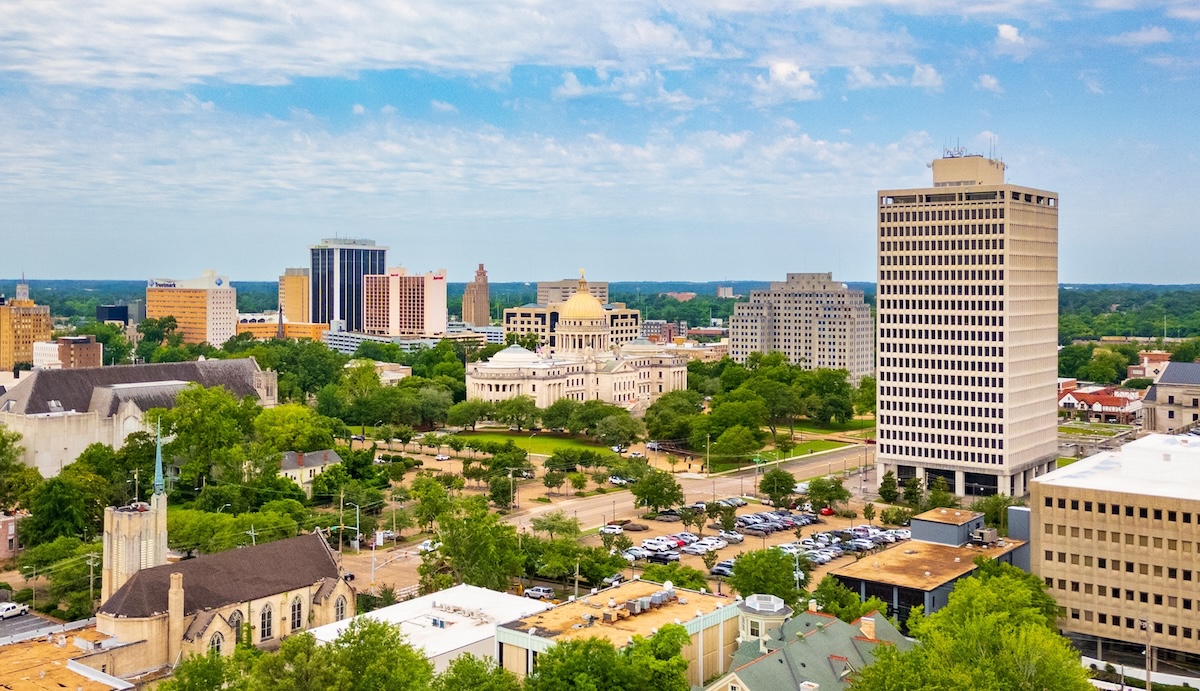
Jackson is Mississippi’s capital and largest city, with around 145,000 residents. It sits along the Pearl River in the center of the state and played a central role in the civil rights movement.
The Mississippi Civil Rights Museum and Museum of Mississippi History share a building and offer a powerful look at the state’s past. Visit the Medgar Evers Home Museum to learn about the activist who lived there. The Fondren District offers galleries, coffee shops, and restaurants. Blues lovers can start the Mississippi Blues Trail here, with markers across town.
25. Missouri: Kansas City
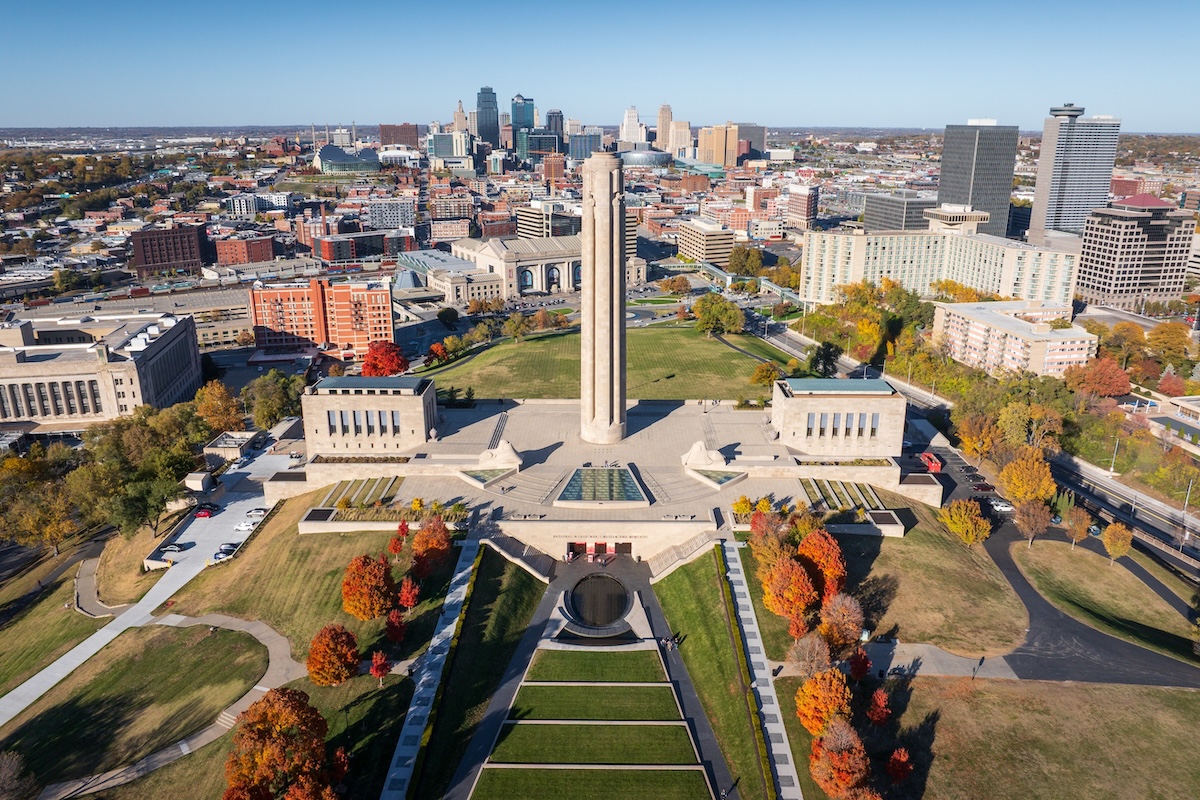
Kansas City is Missouri’s largest city, with about 510,000 residents, edging out St. Louis. Jefferson City is the capital. The metro area straddles the state line, so part of Kansas City sits in Kansas.
Barbecue anchors the city’s identity. Joe’s Kansas City, Arthur Bryant’s, and Gates are standard stops for burnt ends. The 18th & Vine District houses the American Jazz Museum and Negro Leagues Baseball Museum. Country Club Plaza offers Spanish-inspired architecture and fountains. Kansas City claims more fountains than almost any city outside Rome, and the free KC Streetcar runs through downtown.
26. Montana: Billings
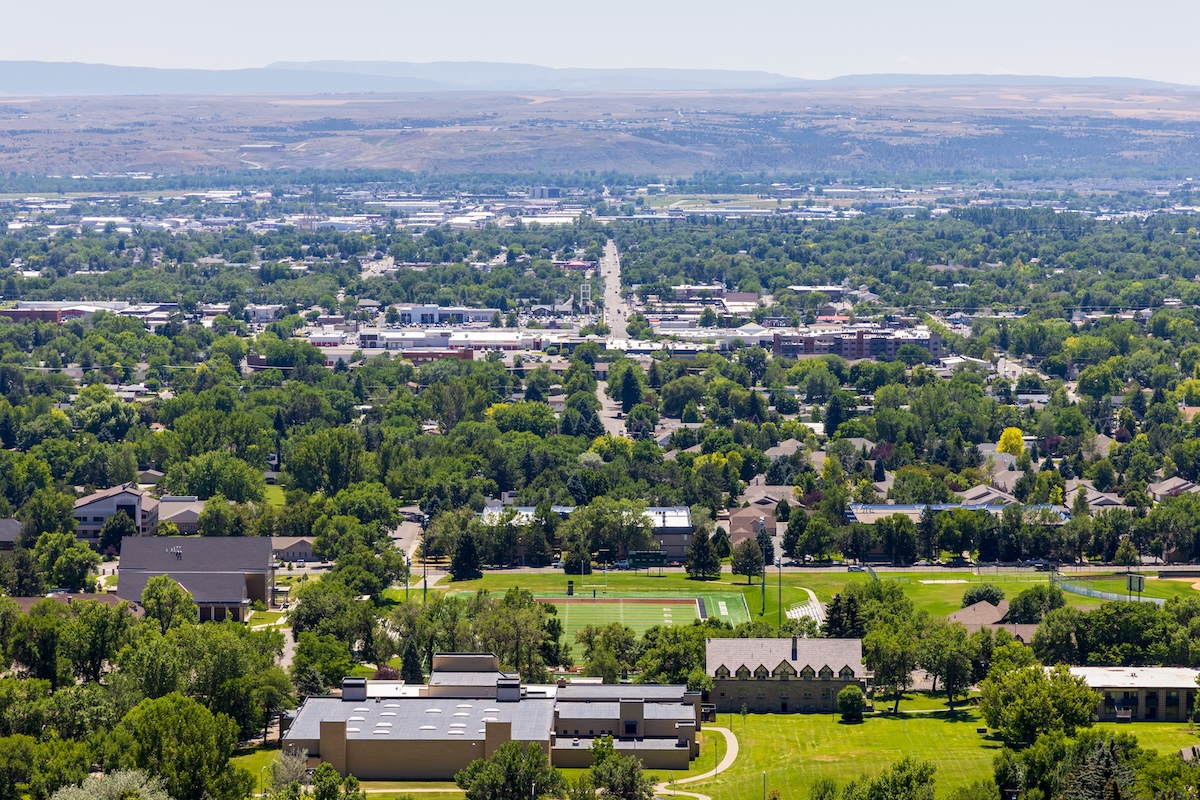
With around 120,000 residents, Billings is Montana’s largest city, well ahead of Helena, the capital. It sits on the Yellowstone River, with the sandstone cliffs of the Rimrocks rising along its northern edge.
Drive or hike the Rims for views over the city and valley. Pictograph Cave State Park preserves rock art created over thousands of years. Little Bighorn Battlefield National Monument lies about an hour southeast. Downtown, breweries and distilleries cluster along the Billings Brew Trail. Billings also makes a good gateway to Yellowstone via the Beartooth Highway, roughly a three-hour drive.
27. Nebraska: Omaha
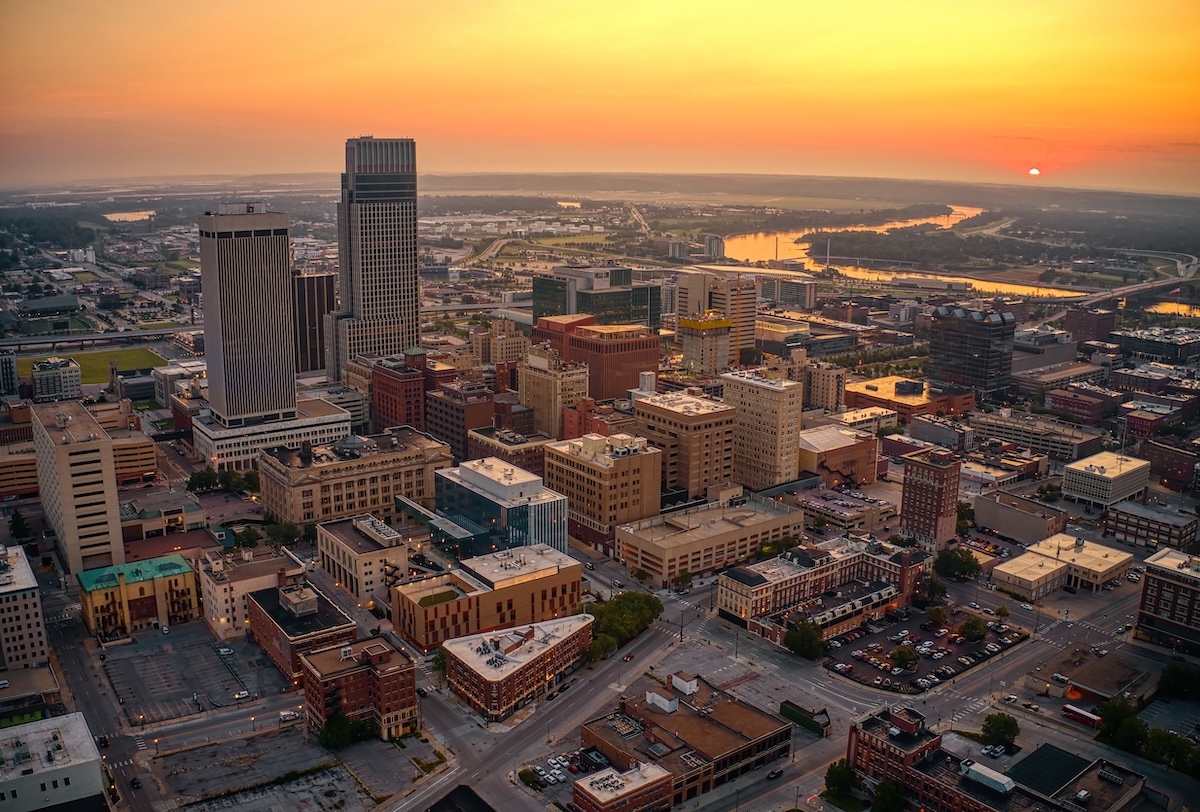
Omaha is Nebraska’s largest city, with about 485,000 residents on the Missouri River. Lincoln is the capital. Major companies, including Berkshire Hathaway, call Omaha home. Warren Buffett led the company for decades.
The Henry Doorly Zoo and Aquarium ranks among the country’s most popular zoos, with an indoor desert dome and rainforest. The Old Market district offers brick streets, restaurants, and art galleries. Each June, Omaha hosts the Men’s College World Series. You’ll find excellent steakhouses across town, and the Bob Kerrey Pedestrian Bridge lets you walk across the river into Iowa.
28. Nevada: Las Vegas
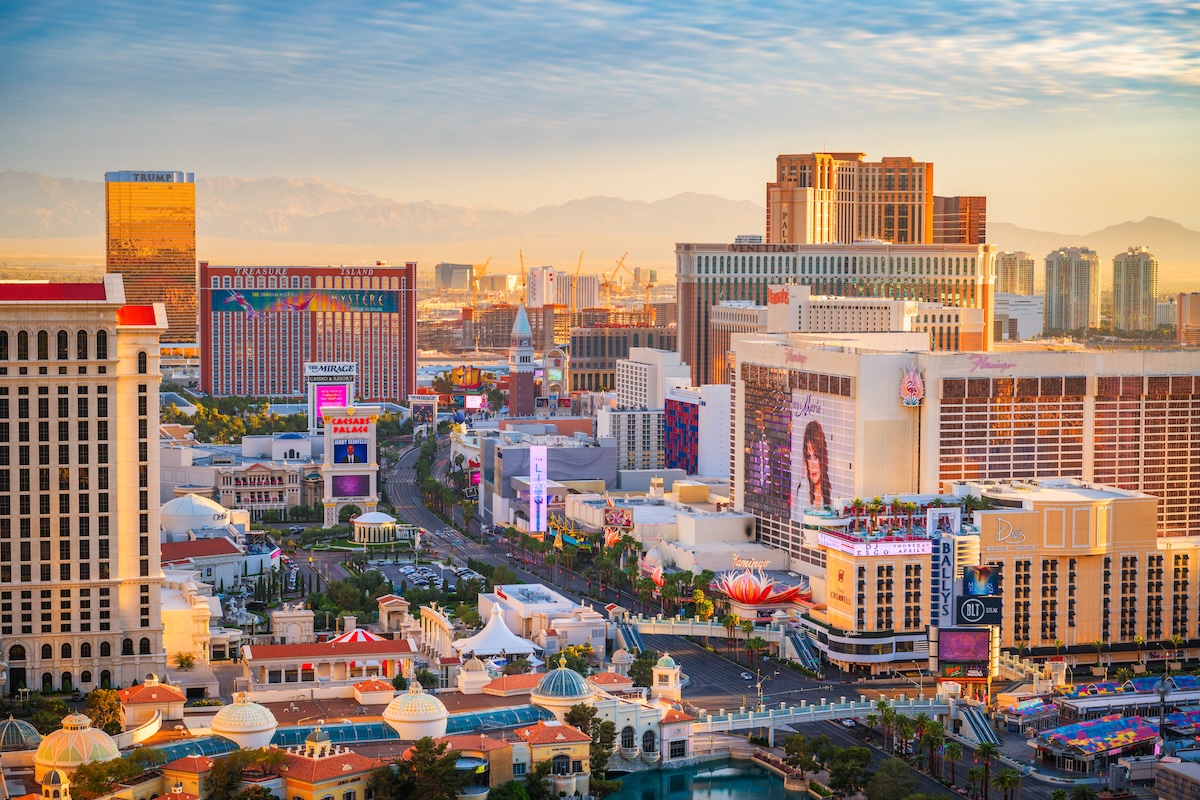
With around 660,000 residents, Las Vegas is Nevada’s largest city, far ahead of Carson City, the capital. Most of the famous Strip lies outside city limits in Paradise and Winchester. Downtown Las Vegas sits within the city proper.
Fremont Street offers a covered pedestrian zone with light shows and vintage casinos. The Neon Museum displays retired signs from old Vegas. Beyond gambling, you’ll find celebrity-chef restaurants, residencies, and the Sphere in nearby Paradise. Red Rock Canyon sits just 20 minutes west, with hiking and scenic drives. Summer temperatures top 110 degrees, so spring and fall are best.
29. New Hampshire: Manchester
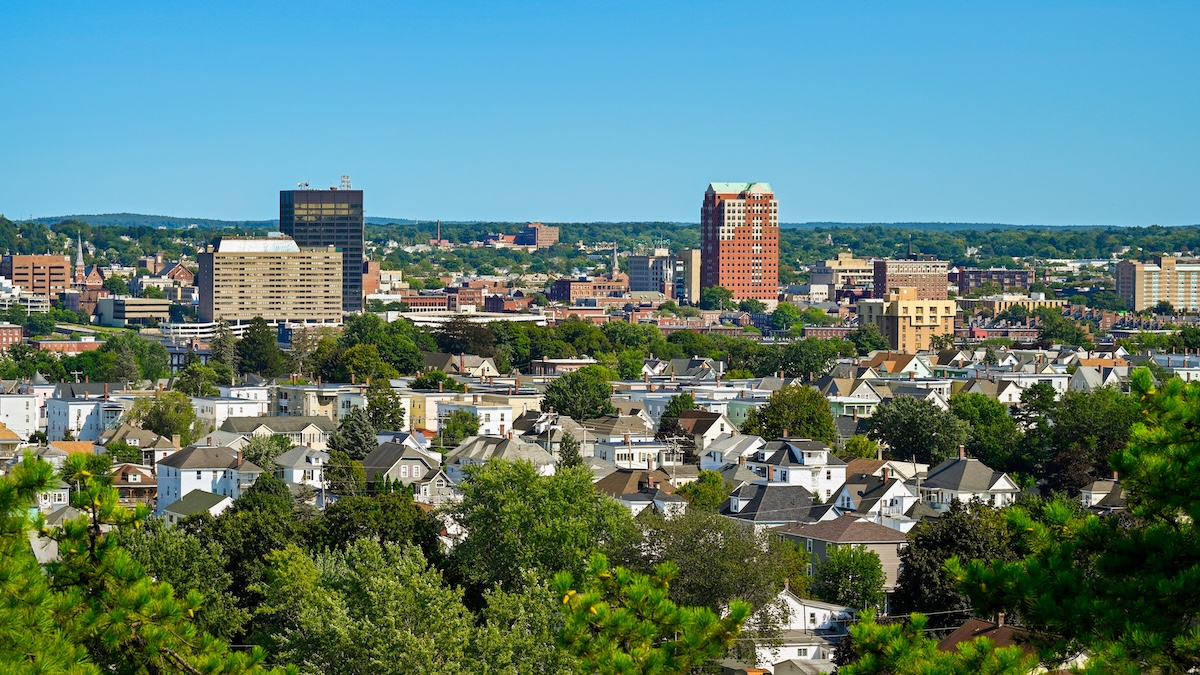
Manchester is New Hampshire’s largest city, with about 115,000 residents on the Merrimack River. Concord is the capital. Manchester once housed the Amoskeag Manufacturing Company, one of the world’s largest textile mill complexes.
The Millyard’s brick buildings now house tech companies, restaurants, and the SEE Science Center. The Currier Museum of Art displays works by Monet and Picasso. You can also tour Frank Lloyd Wright’s Zimmerman House through the museum. Manchester is about an hour from Boston and the White Mountains. The state has no sales tax, which makes shopping easier on your wallet.
30. New Jersey: Newark
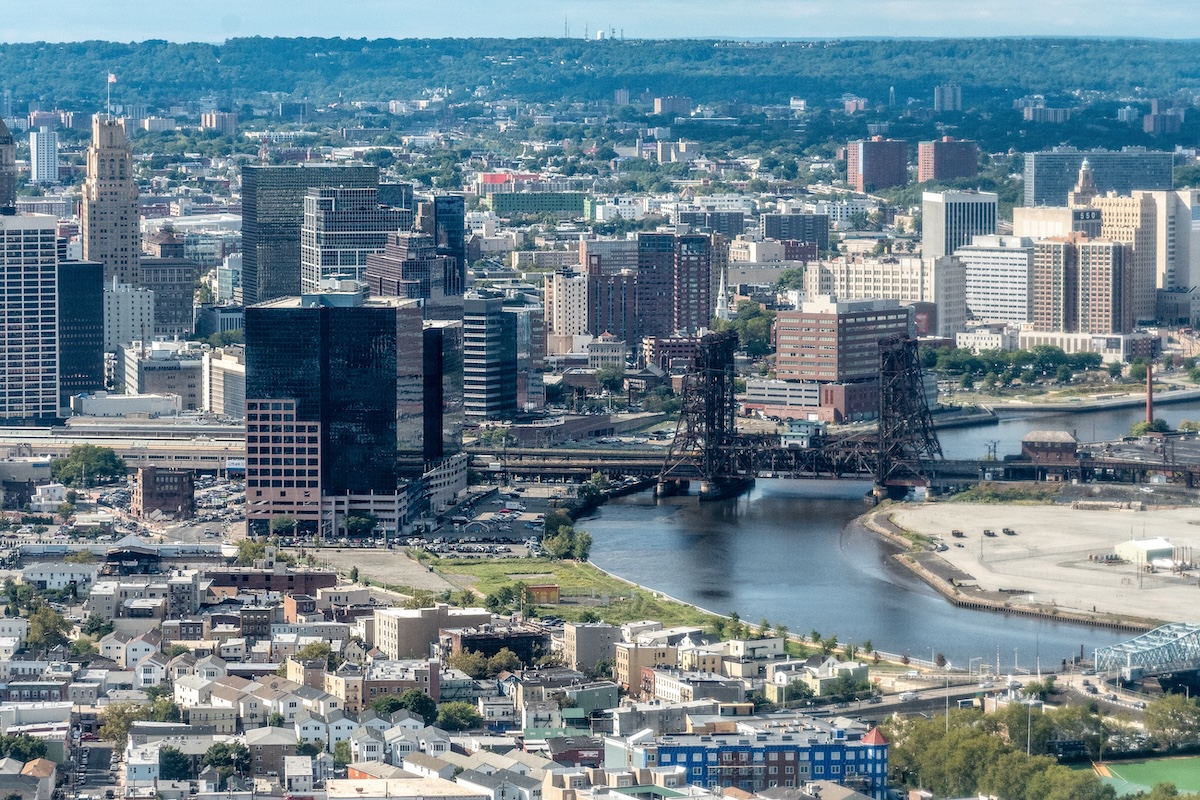
Newark is New Jersey’s largest city, with around 305,000 residents, while Trenton is the capital. Founded in 1666, it’s one of the country’s oldest cities. Newark Liberty International Airport makes the city a major travel gateway.
The Ironbound neighborhood is known for Portuguese and Brazilian food, including seafood, rodizio grills, and pastries. The Newark Museum of Art holds collections ranging from Tibetan art to American painting. Branch Brook Park displays more cherry blossom trees than Washington, D.C., with peak blooms in April. The Prudential Center hosts concerts and New Jersey Devils games, and trains reach Manhattan in about 20 minutes.
31. New Mexico: Albuquerque
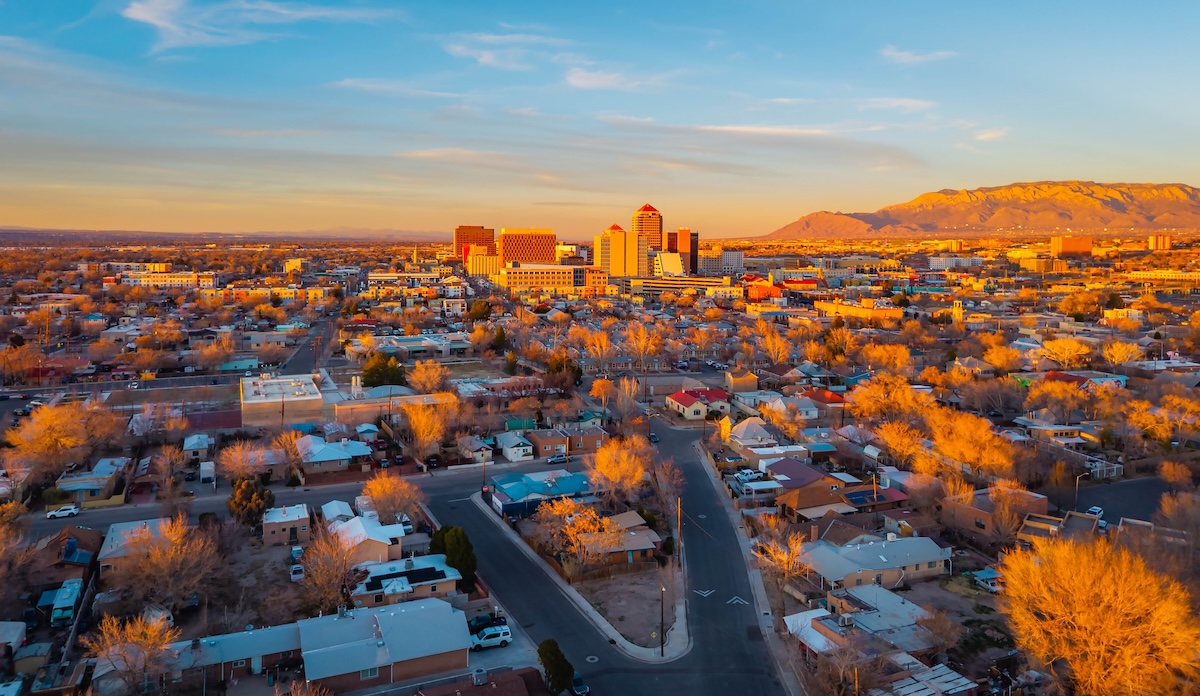
With about 560,000 residents, Albuquerque is New Mexico’s largest city, while Santa Fe is the capital. It sits along the Rio Grande at roughly 5,300 feet. At sunset, the Sandia Mountains glow pink.
Each October, the Albuquerque International Balloon Fiesta draws hundreds of hot air balloons. The Sandia Peak Tramway carries you nearly 2.7 miles to the summit. Old Town preserves adobe buildings dating to 1706. You’ll want to try green chile on everything, from burgers to enchiladas. Petroglyph National Monument protects thousands of ancient carvings on the city’s west side.
32. New York: New York City
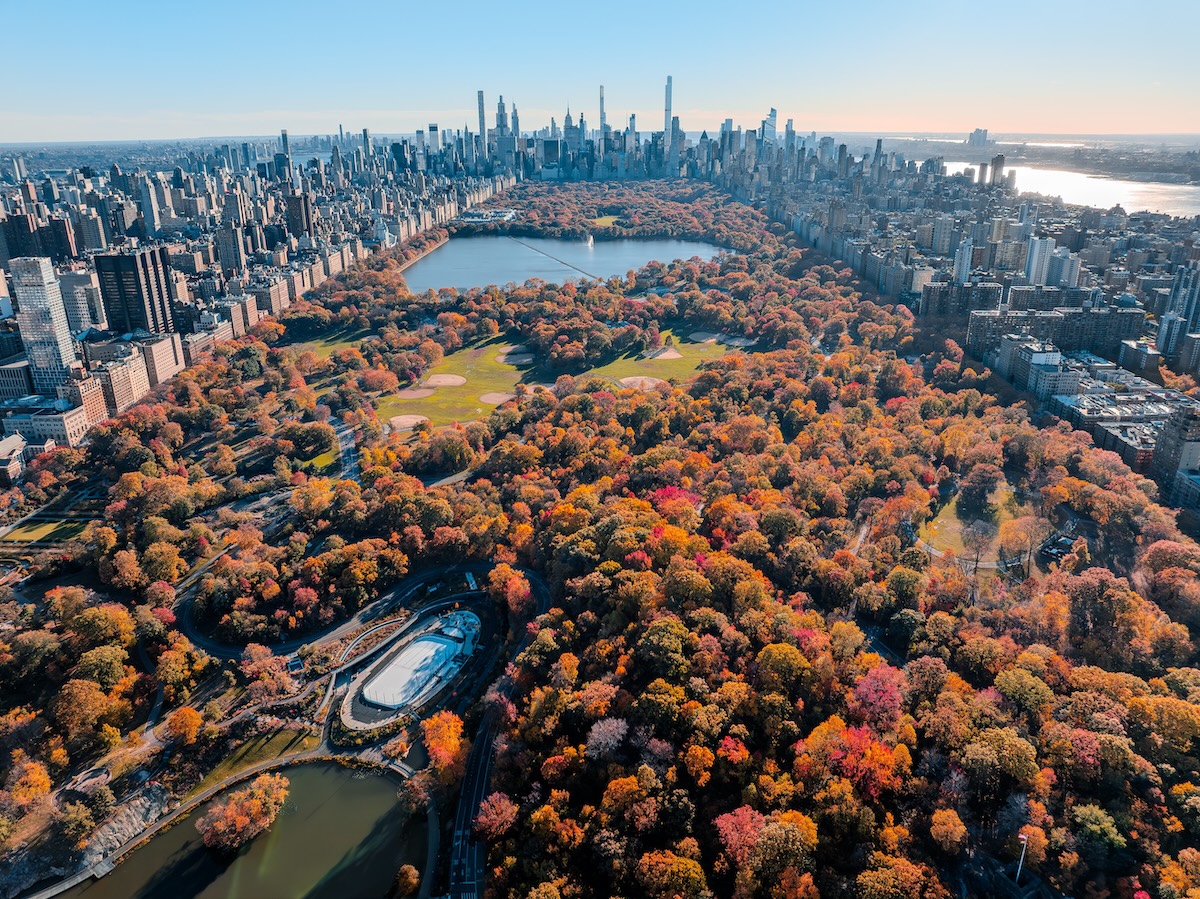
New York City is the country’s largest city, with about 8.3 million residents across five boroughs. Albany is the capital. NYC dominates the state’s economy, culture, and population.
Manhattan has the classics: Central Park, Times Square, the Metropolitan Museum of Art, and the Statue of Liberty ferry. Brooklyn offers DUMBO, Prospect Park, and neighborhood food scenes. Queens ranks among the most diverse places on earth, with food from nearly every country. The subway runs 24 hours, and walking is the best way to explore neighborhoods like the West Village and Harlem.
33. North Carolina: Charlotte
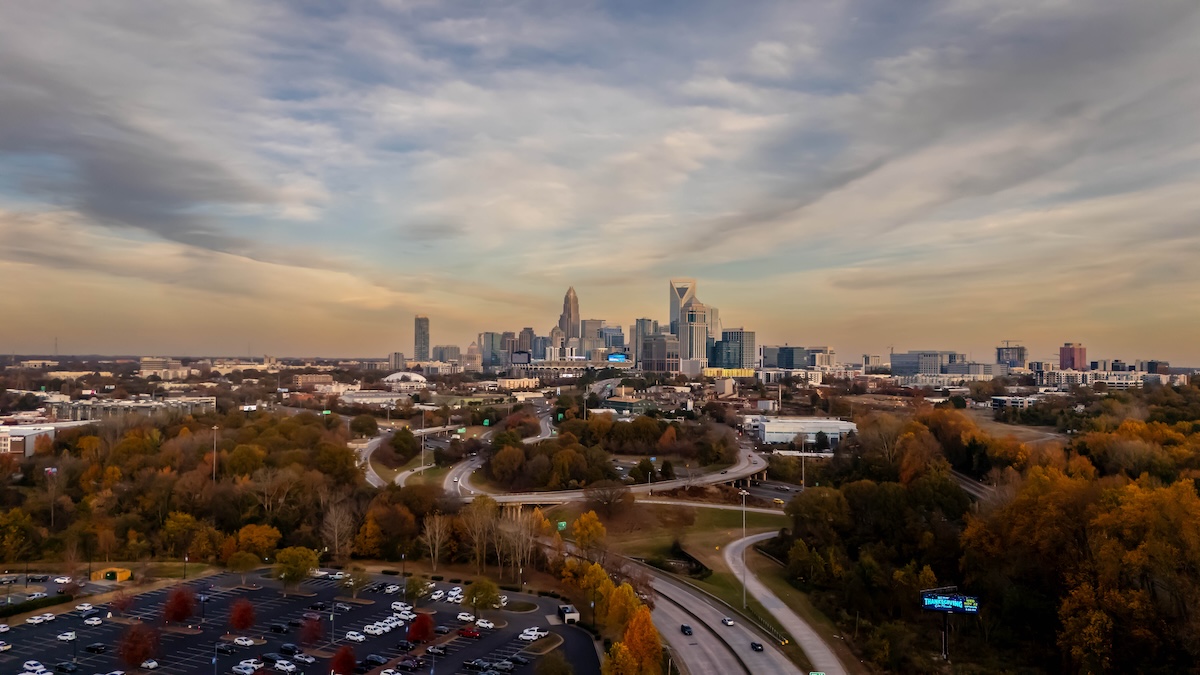
With about 910,000 residents, Charlotte is North Carolina’s largest city, ahead of Raleigh, the capital. It ranks as one of the nation’s largest banking centers, and Bank of America is headquartered uptown.
The NASCAR Hall of Fame tells the story of stock car racing, which has roots in the Carolinas. The U.S. National Whitewater Center offers rafting, kayaking, and zip lines on a man-made river. Neighborhoods like South End and NoDa offer breweries, murals, and restaurants. The Blue Line light rail connects many of them. The Blue Ridge Mountains sit about two hours west.
34. North Dakota: Fargo
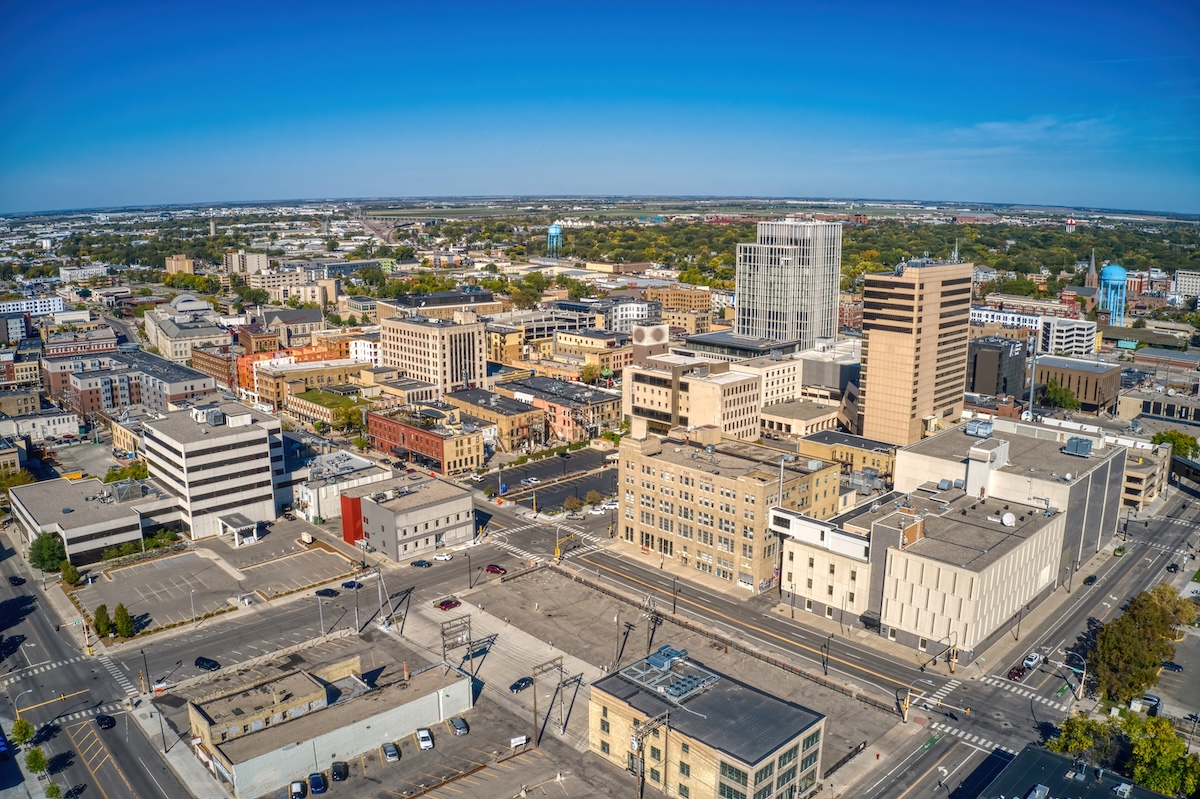
Fargo is North Dakota’s largest city, with about 130,000 residents on the Red River. Bismarck is the capital. The Coen brothers’ 1996 film made the name famous, though they set most of it in Minnesota.
The Fargo-Moorhead Visitors Center displays the original woodchipper from the movie. Downtown Fargo has seen a strong revival, with restaurants, bars, and the restored Fargo Theatre, built in 1926. North Dakota State University keeps the city young, and Bison football draws big crowds. Winters are harsh, with lows well below zero, so summer is the best time to visit.
35. Ohio: Columbus
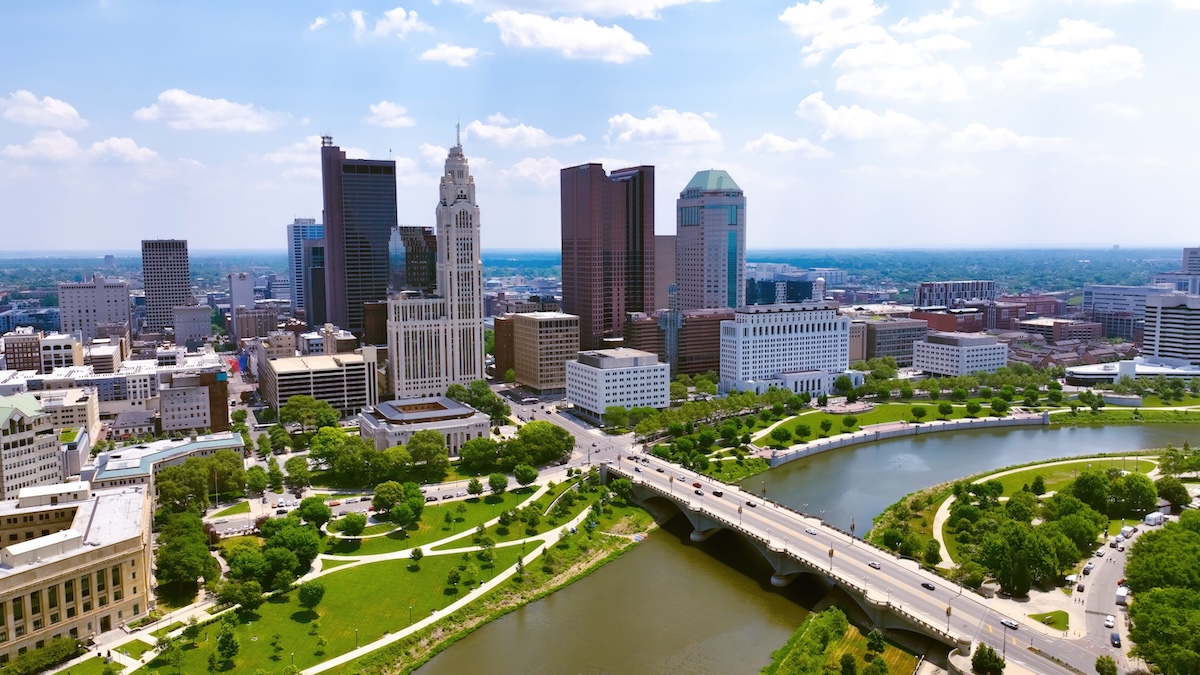
Columbus is Ohio’s capital and largest city, with about 915,000 residents, ahead of Cleveland and Cincinnati. Ohio State University, one of the country’s largest universities, gives the city a youthful energy.
The Short North Arts District offers galleries, boutiques, and restaurants along High Street. German Village preserves 19th-century brick homes and Schmidt’s Sausage Haus. The Columbus Museum of Art and COSI science center anchor the cultural scene. On fall Saturdays, Ohio Stadium fills with over 100,000 fans for Buckeyes football. Columbus is also a major test market for restaurant chains.
36. Oklahoma: Oklahoma City
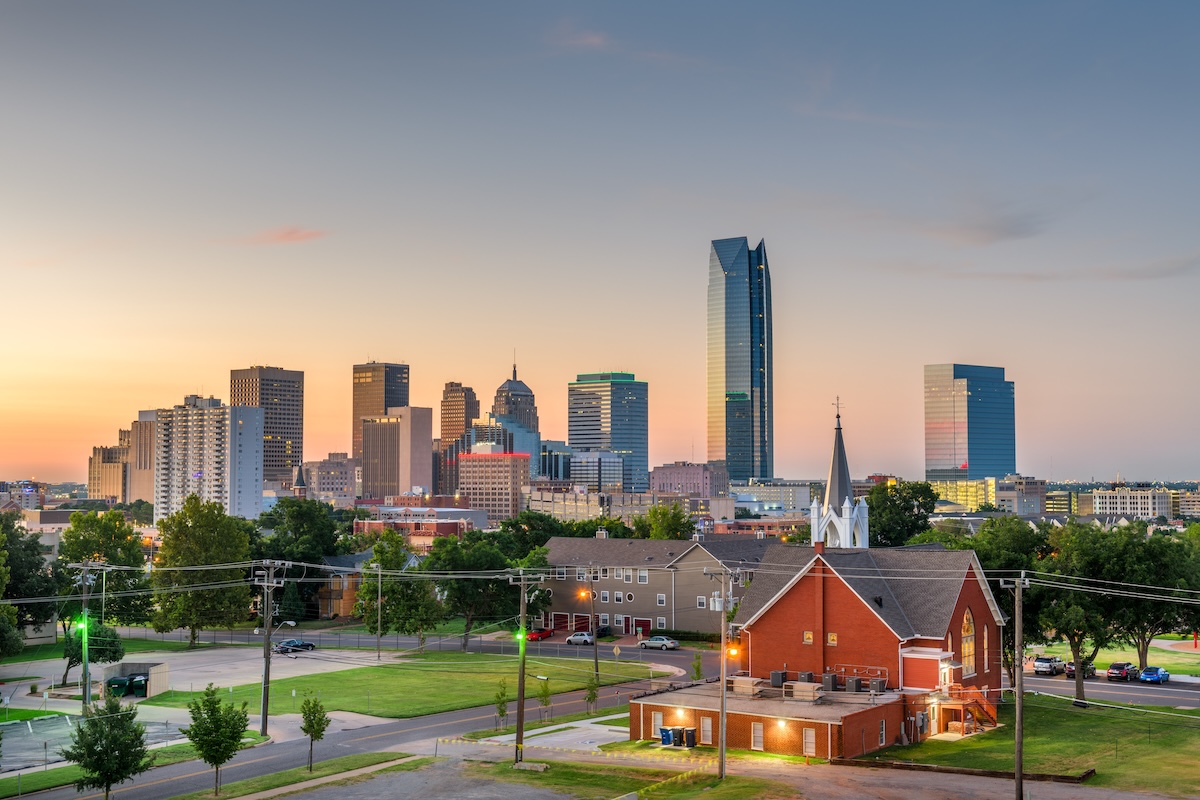
Oklahoma City is Oklahoma’s capital and largest city, with about 700,000 residents. It covers over 600 square miles and began in a single day during the Land Run of 1889.
The Oklahoma City National Memorial & Museum honors victims of the 1995 bombing. Bricktown offers a canal, restaurants, and minor league baseball. The First Americans Museum covers 39 tribal nations in Oklahoma. You’ll want to try onion burgers and chicken-fried steak. The National Cowboy & Western Heritage Museum displays art and artifacts from the American West.
37. Oregon: Portland
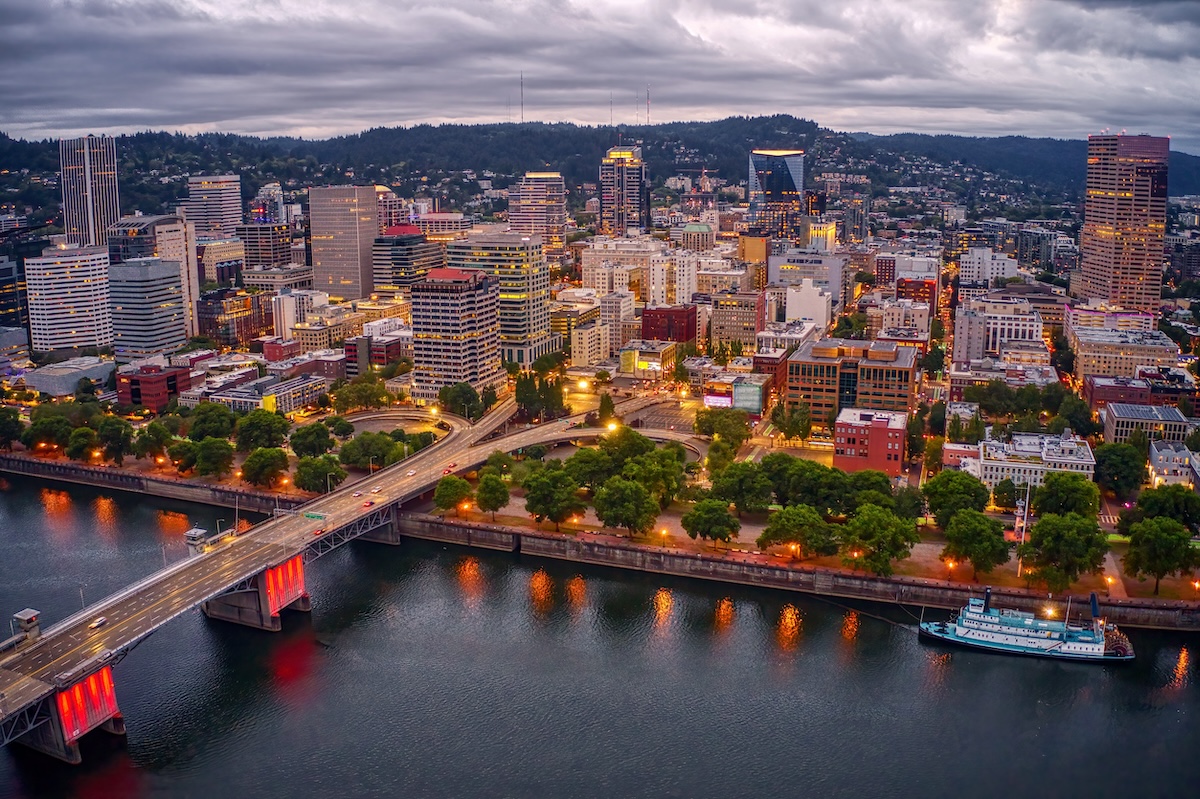
Portland is Oregon’s largest city, with about 630,000 residents, while Salem is the capital. It sits where the Willamette meets the Columbia River, and Mount Hood appears on clear days.
Forest Park is one of the country’s largest urban forests, with over 80 miles of trails. Powell’s City of Books takes up an entire city block. Food carts, coffee roasters, and craft breweries fill neighborhoods like Hawthorne and the Pearl District. The Columbia River Gorge, including Multnomah Falls, sits about 30 minutes east. Expect rain from October through May.
38. Pennsylvania: Philadelphia
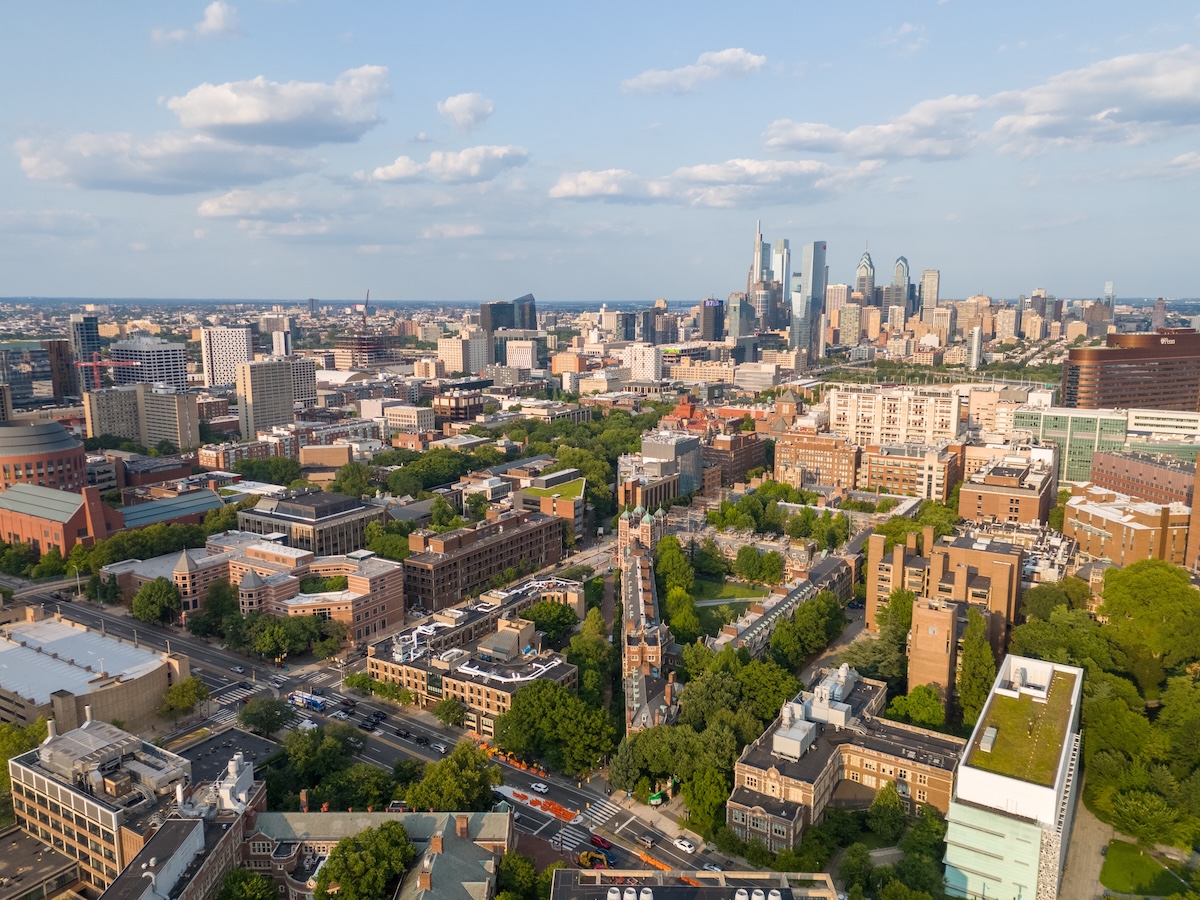
With about 1.55 million residents, Philadelphia is Pennsylvania’s largest city, while Harrisburg is the capital. The Declaration of Independence and Constitution were signed here, making Philadelphia a must-see for American history.
Independence National Historical Park includes the Liberty Bell and Independence Hall. The Philadelphia Museum of Art features the Rocky Steps. Reading Terminal Market offers dozens of food vendors. You’ll want to try a cheesesteak, a soft pretzel, and a roast pork sandwich. Neighborhoods like Old City, Fishtown, and Rittenhouse Square each have their own character.
39. Rhode Island: Providence
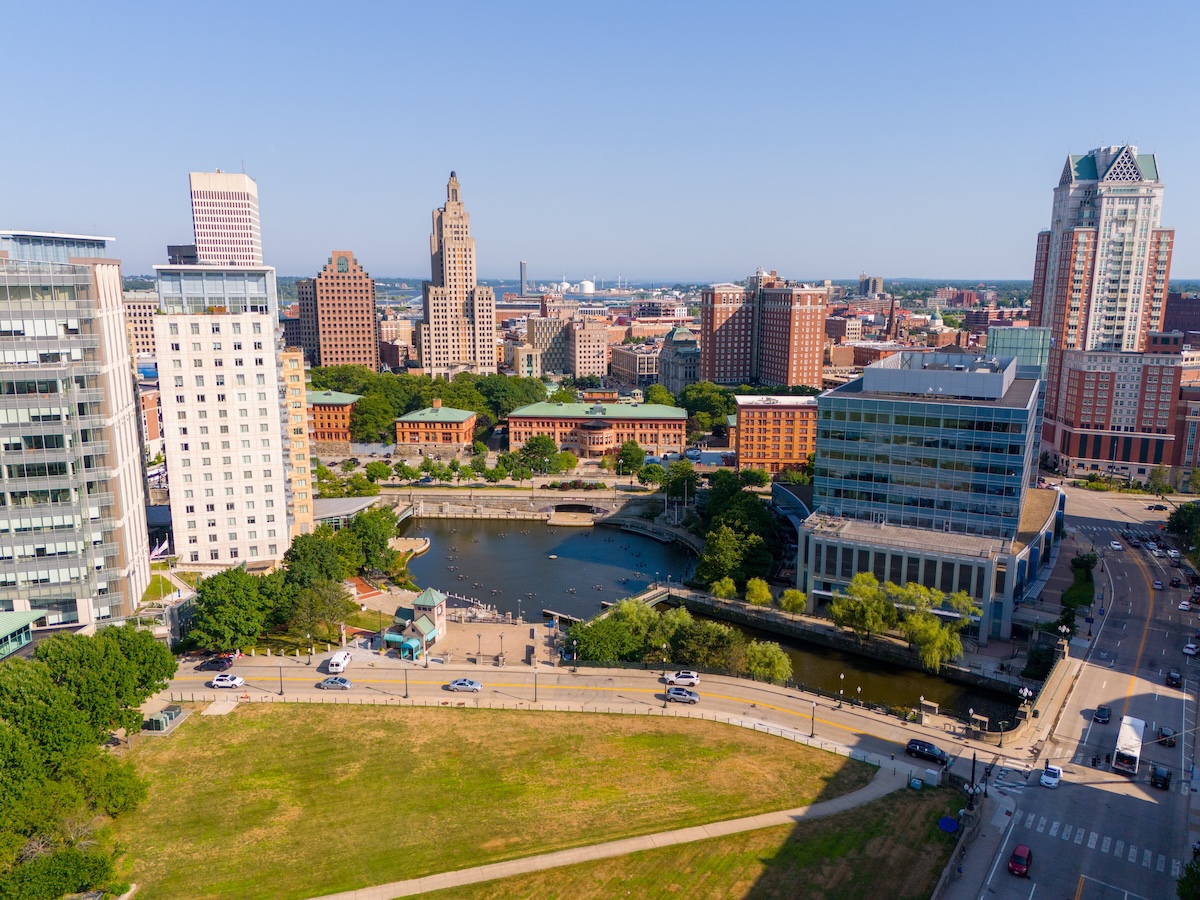
Providence is Rhode Island’s capital and largest city, with about 190,000 residents. Roger Williams founded it in 1636 as a haven for religious freedom, making it one of New England’s oldest cities.
WaterFire lights bonfires on the rivers downtown on select evenings from spring through fall. Brown University and the Rhode Island School of Design give College Hill its character. The RISD Museum offers a strong collection. Federal Hill is the city’s Little Italy, and Benefit Street preserves colonial homes. Newport’s mansions sit about 40 minutes south.
40. South Carolina: Charleston
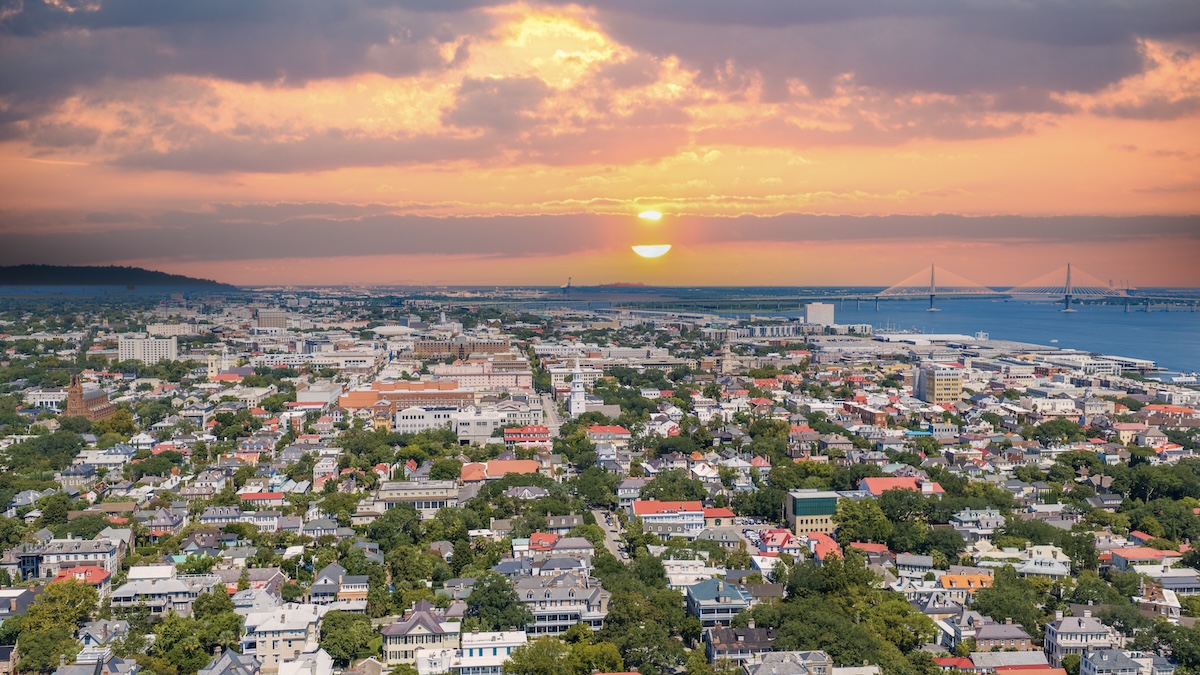
Charleston is South Carolina’s largest city, with about 155,000 residents, edging out Columbia, the capital. Founded in 1670, it’s known for preserved architecture and Southern cuisine.
Rainbow Row and the Battery offer postcard views of pastel homes. You can reach Fort Sumter, where the Civil War began, by ferry. Plantation sites like McLeod and Middleton Place address the history of slavery. You’ll want to try shrimp and grits and she-crab soup. Nearby beaches like Folly Beach and Sullivan’s Island offer an escape from summer heat.
41. South Dakota: Sioux Falls
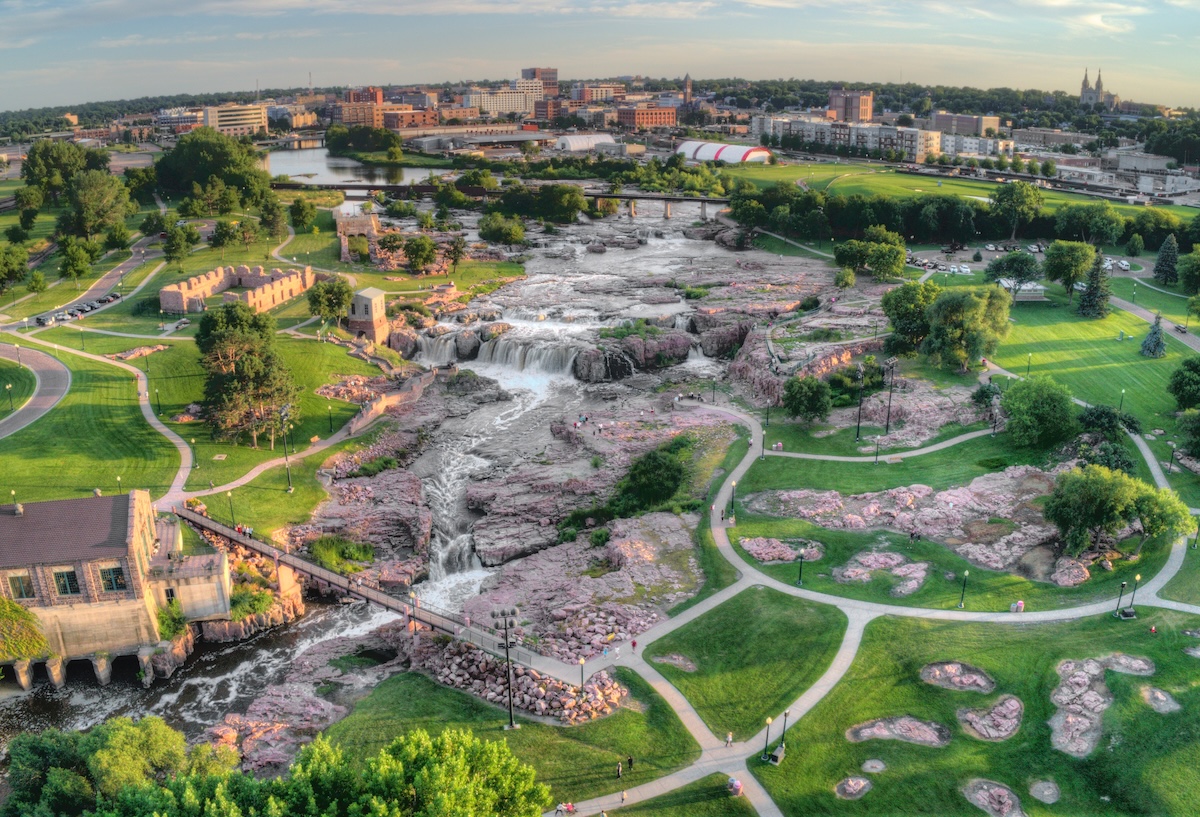
Sioux Falls is South Dakota’s largest city, with about 200,000 residents, far ahead of Pierre, the capital. The city takes its name from the waterfalls on the Big Sioux River.
Falls Park lets you see the cascades over pink quartzite from an observation tower. The SculptureWalk downtown displays dozens of rotating sculptures. You’ll find arts and science exhibits at the Washington Pavilion. Phillips Avenue offers restaurants and shops. Sioux Falls makes a good stop on a trip west to the Black Hills and Mount Rushmore, about five and a half hours away.
42. Tennessee: Nashville
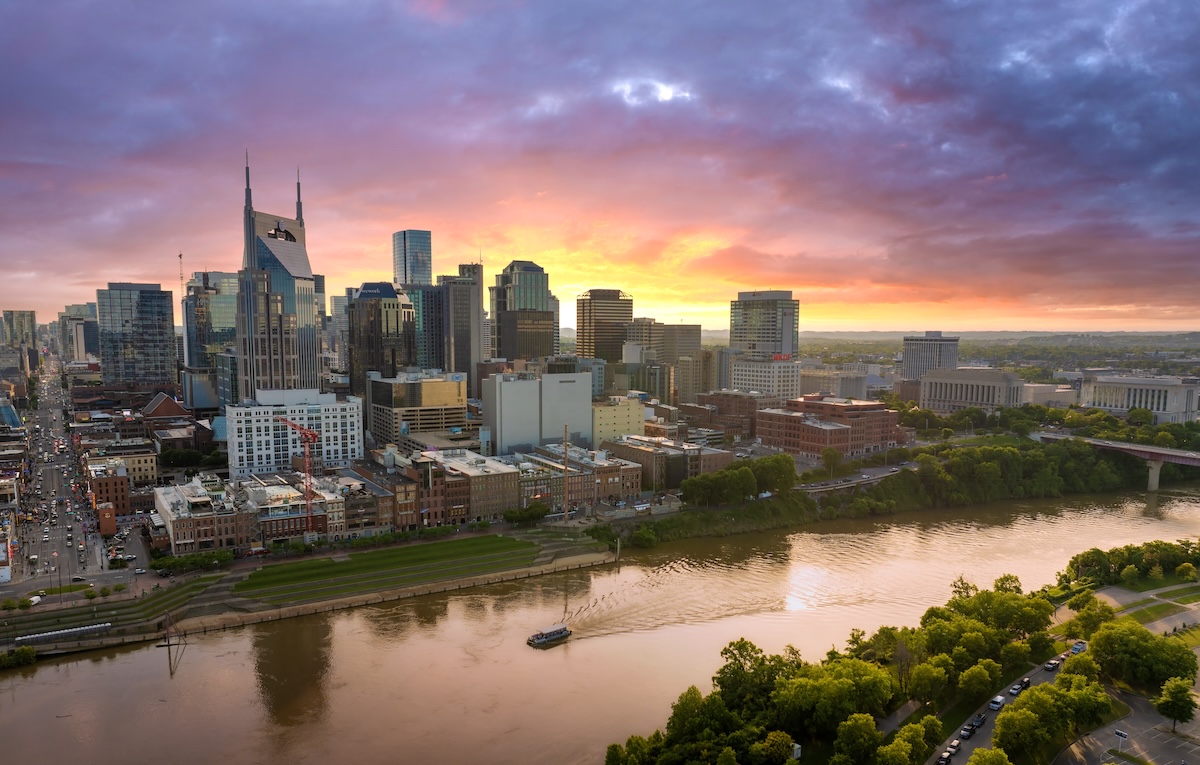
Nashville is Tennessee’s capital and largest city, with about 705,000 residents within its consolidated city-county limits. Memphis held the title for decades before Nashville pulled ahead. Music City is home to country music.
The Grand Ole Opry, Ryman Auditorium, and Country Music Hall of Fame are essential stops. Lower Broadway’s honky-tonks offer live music from late morning until late at night. You’ll want to try Nashville hot chicken at Prince’s or Hattie B’s. Neighborhoods like East Nashville and 12 South offer a more local experience.
43. Texas: Houston
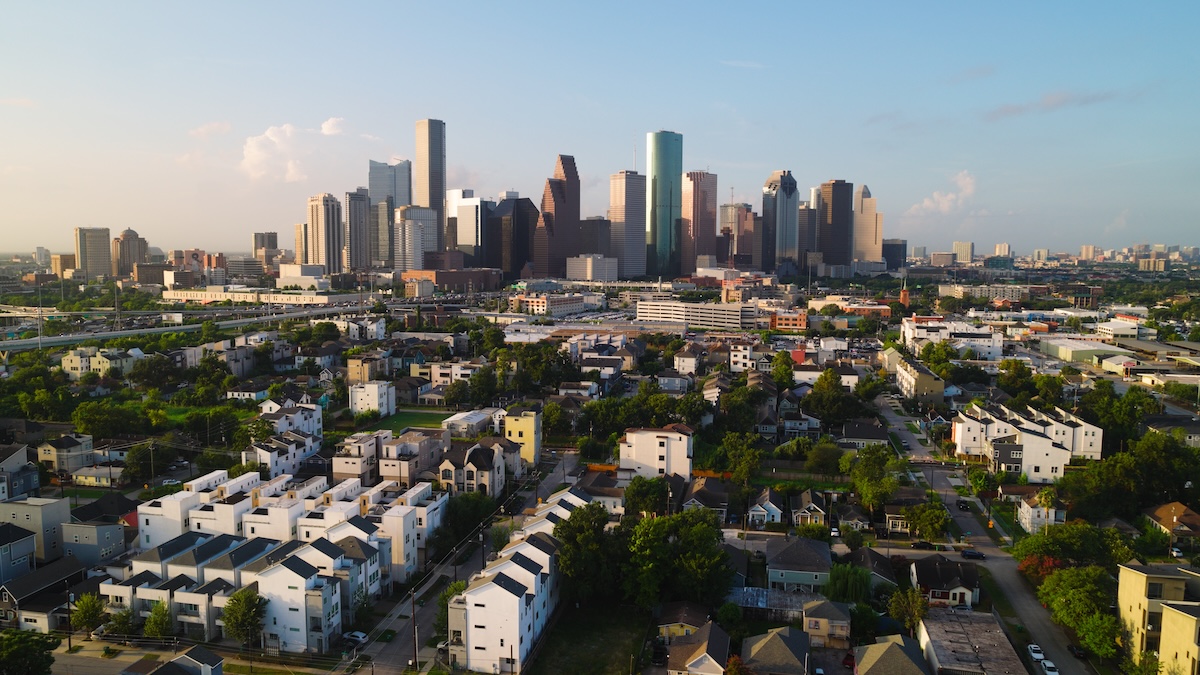
With about 2.3 million residents, Houston is Texas’s largest city. Austin is the capital. Houston ranks as the country’s fourth-largest city and is one of its most diverse, with no single ethnic majority.
Space Center Houston serves as the visitor center for NASA’s Johnson Space Center. The Museum District includes 19 museums, many of them free. You’ll find excellent food, from Tex-Mex and barbecue to Vietnamese and Nigerian. Buffalo Bayou Park has trails that wind through downtown. Summers get hot and humid, so spring or fall is a better time to visit.
44. Utah: Salt Lake City
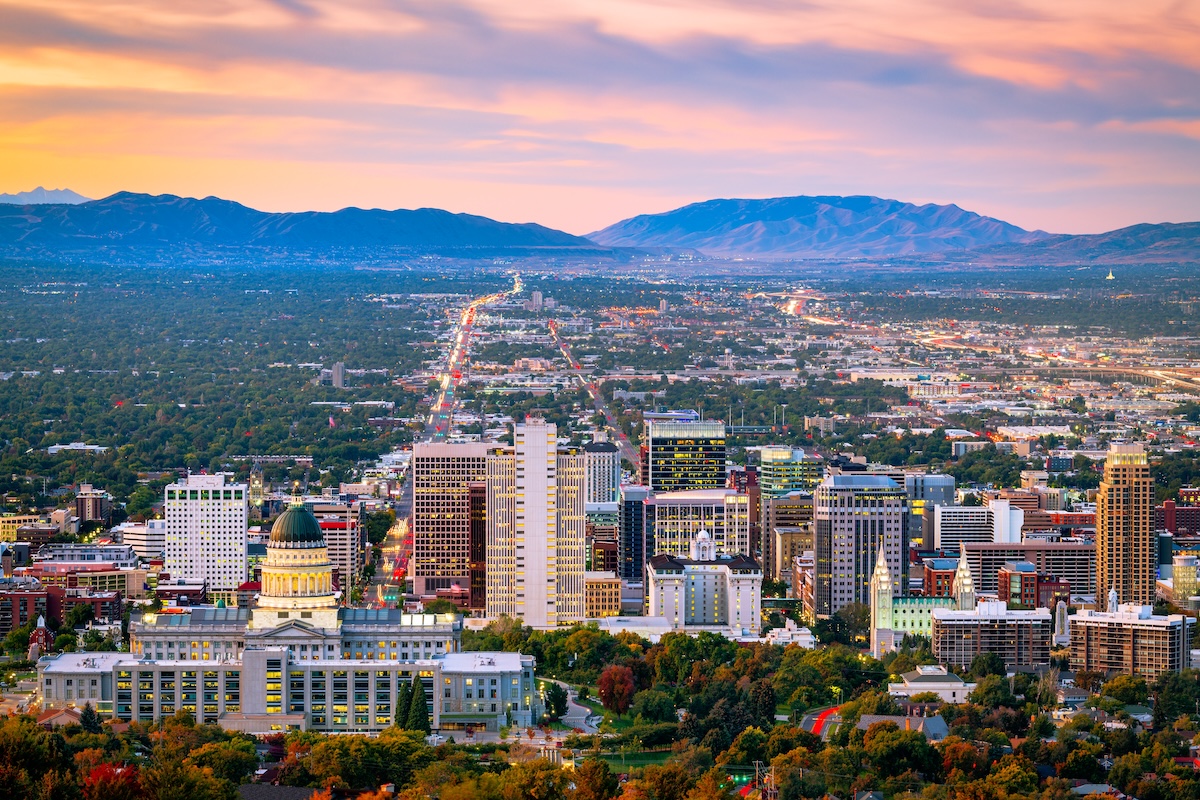
Salt Lake City is Utah’s capital and largest city, with about 210,000 residents. Mormon pioneers led by Brigham Young founded it in 1847. It remains the headquarters of the Church of Jesus Christ of Latter-day Saints.
Temple Square sits at the heart of downtown. The Great Salt Lake is a short drive away, and Antelope Island State Park offers bison and sunset views. Seven ski resorts, including Alta and Snowbird, lie within an hour. In summer, the Wasatch Mountains are great for hiking and biking. You can reach Utah’s national parks within a few hours.
45. Vermont: Burlington
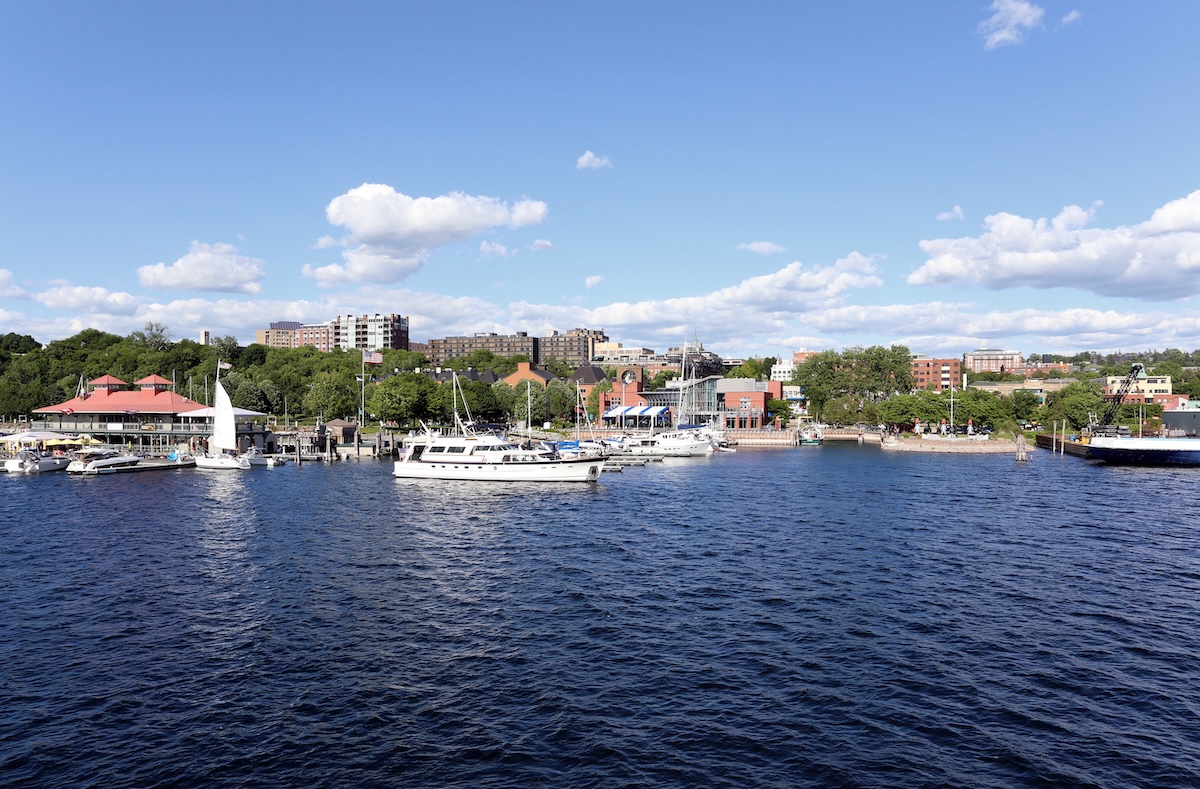
Situated on Lake Champlain, Burlington is Vermont’s largest city, with about 45,000 residents. Montpelier is the capital. Burlington is the smallest city on this list to hold its state’s top spot, after Wyoming’s Cheyenne.
The Church Street Marketplace has shops and restaurants. The Burlington Bike Path runs about eight miles along the lake. The University of Vermont gives the city a youthful feel. You’ll want to visit the original Ben & Jerry’s factory in Waterbury, about 30 minutes away. Fall foliage peaks in late September and early October.
46. Virginia: Virginia Beach
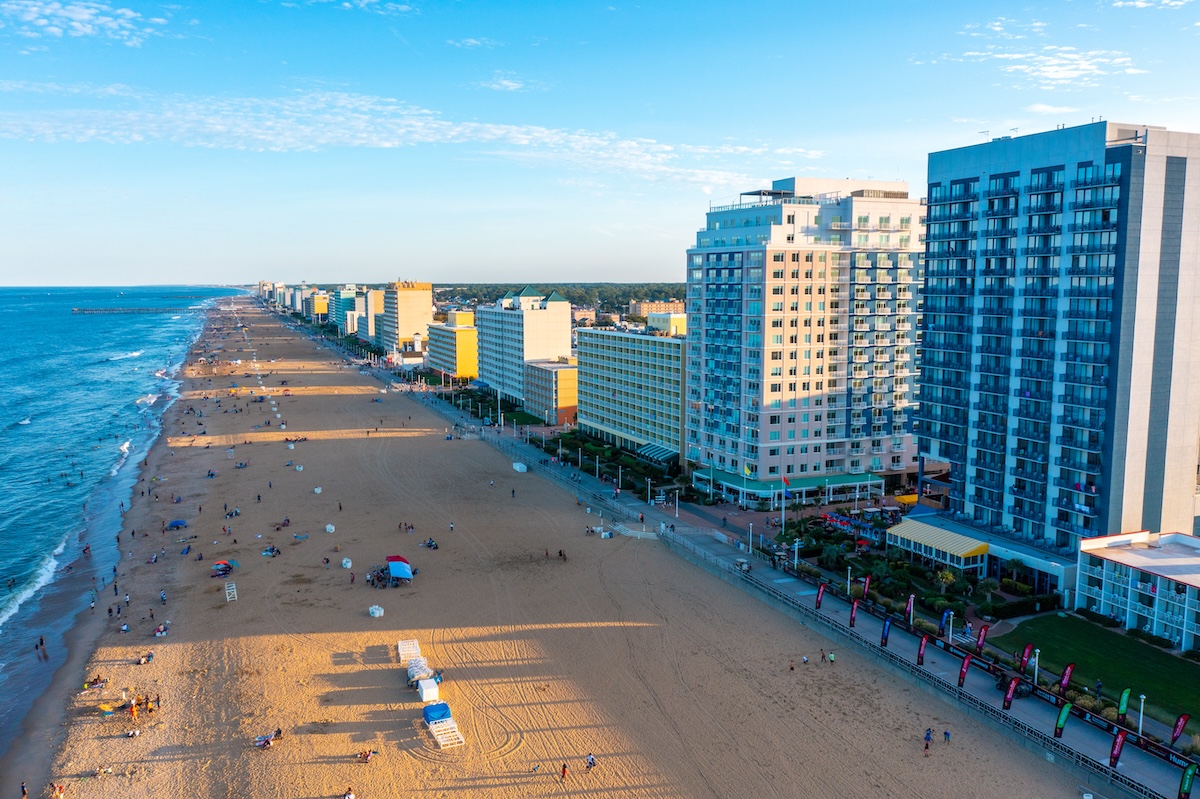
Virginia Beach is Virginia’s largest city, with about 455,000 residents, ahead of the capital, Richmond. It sits where the Chesapeake Bay meets the Atlantic Ocean, giving the city a long coastline.
The three-mile boardwalk runs along the oceanfront, lined with hotels, restaurants, and the King Neptune statue. At First Landing State Park, English colonists landed in 1607 before settling Jamestown. False Cape State Park and Back Bay National Wildlife Refuge offer quieter beaches. Colonial Williamsburg is about an hour away, and the Chesapeake Bay Bridge-Tunnel stretches 17.6 miles.
47. Washington: Seattle
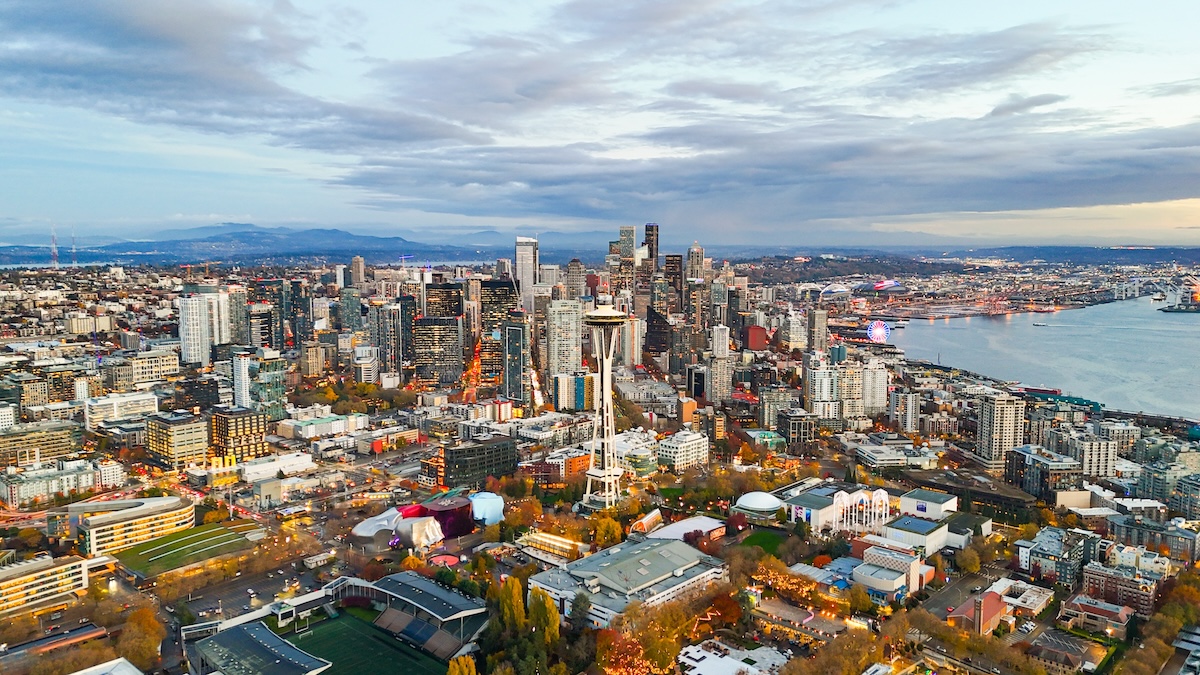
With about 755,000 residents, Seattle is Washington’s largest city. Olympia is the capital. Amazon calls Seattle home, and Microsoft is nearby. That tech presence fuels the city’s rapid growth.
Pike Place Market opened in 1907 and includes the original Starbucks. The Space Needle offers views of Mount Rainier and Puget Sound. The Museum of Pop Culture and Chihuly Garden and Glass are nearby. Ferries to Bainbridge Island offer great skyline views. Summers are dry and mild, while fall through spring brings clouds and drizzle.
48. West Virginia: Charleston
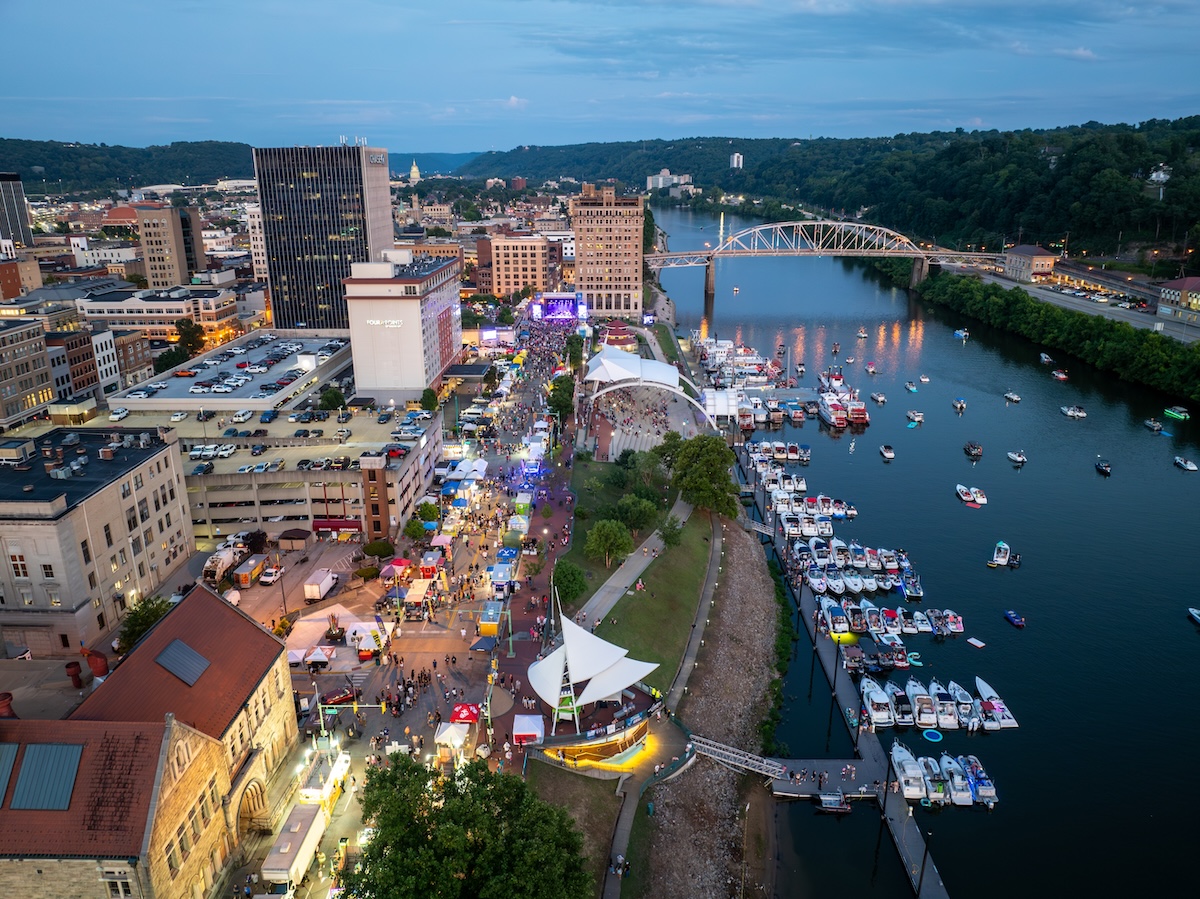
With about 47,000 residents, Charleston is West Virginia’s capital and largest city. It sits where the Elk and Kanawha rivers meet. Its gold-domed State Capitol stands taller than the U.S. Capitol.
The Clay Center for the Arts & Sciences includes a museum, planetarium, and concert hall. Capitol Market sells local produce, and the West Virginia State Museum covers the state’s coal history. You’ll want to visit New River Gorge National Park, about an hour away, for whitewater rafting. Kanawha State Forest is also close by and has hiking trails.
49. Wisconsin: Milwaukee
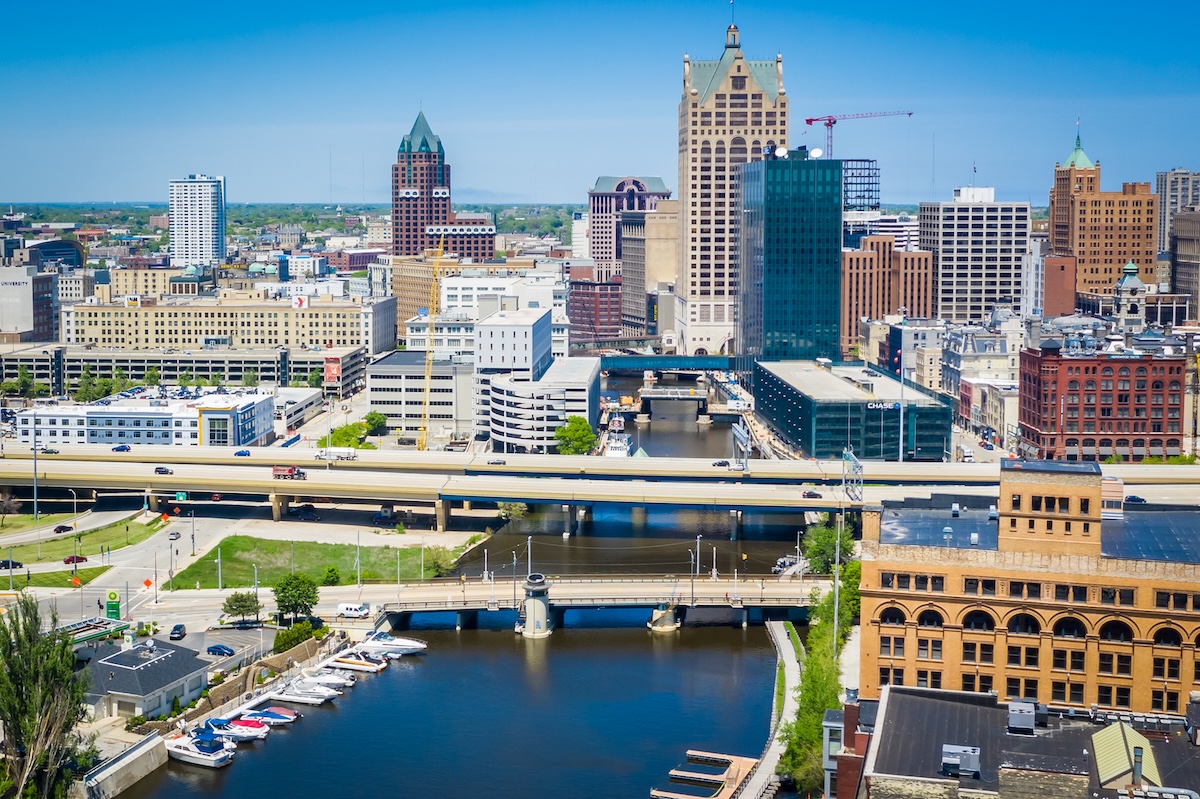
With about 560,000 residents, Milwaukee is Wisconsin’s largest city. Madison is the capital. Milwaukee’s German heritage helped make it a brewing capital. Pabst, Schlitz, and Miller all once called the city home.
You can tour Miller Brewing Company and the Pabst Mansion. The Milwaukee Art Museum’s Calatrava-designed wing opens and closes its wings. Summerfest, one of the world’s largest music festivals, takes place on the lakefront each summer. The Harley-Davidson Museum celebrates the motorcycle maker. You’ll want to try cheese curds, bratwurst, and a Friday fish fry.
50. Wyoming: Cheyenne
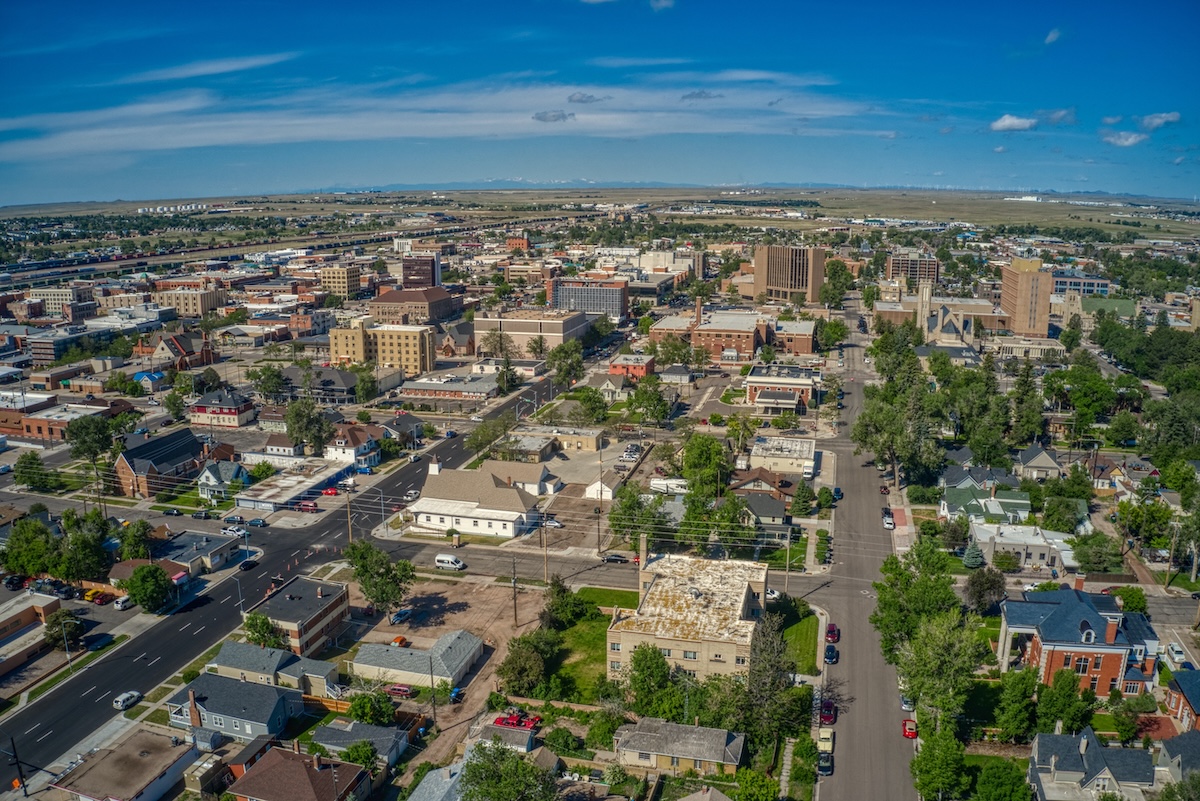
With about 65,000 residents, Cheyenne is Wyoming’s capital and largest city. Wyoming is the least populous state, so even its largest city remains small. The city grew as a Union Pacific railroad town.
Held each July since 1897, Cheyenne Frontier Days is one of the world’s largest outdoor rodeos. The Frontier Days Old West Museum explores the event’s history. The Wyoming State Capitol has been restored, and the Cheyenne Depot Museum sits in the old Union Pacific station. About 25 miles west, Curt Gowdy State Park offers hiking and mountain biking among granite formations.