
America’s state capitals range from sprawling cities to places that barely feel like cities at all. Their stories are just as varied. Some were chosen for their position along rivers and trade routes, others for their central location, and still others emerged from political compromises that made sense centuries ago.
Those decisions left behind an unusual map of capitals, from a 400-year-old adobe city in the high desert to a glacier-backed port accessible only by air or sea. Today, these cities are more than seats of government: they’re places to explore state history, distinctive architecture, local landmarks, and regional food.
Alabama: Montgomery
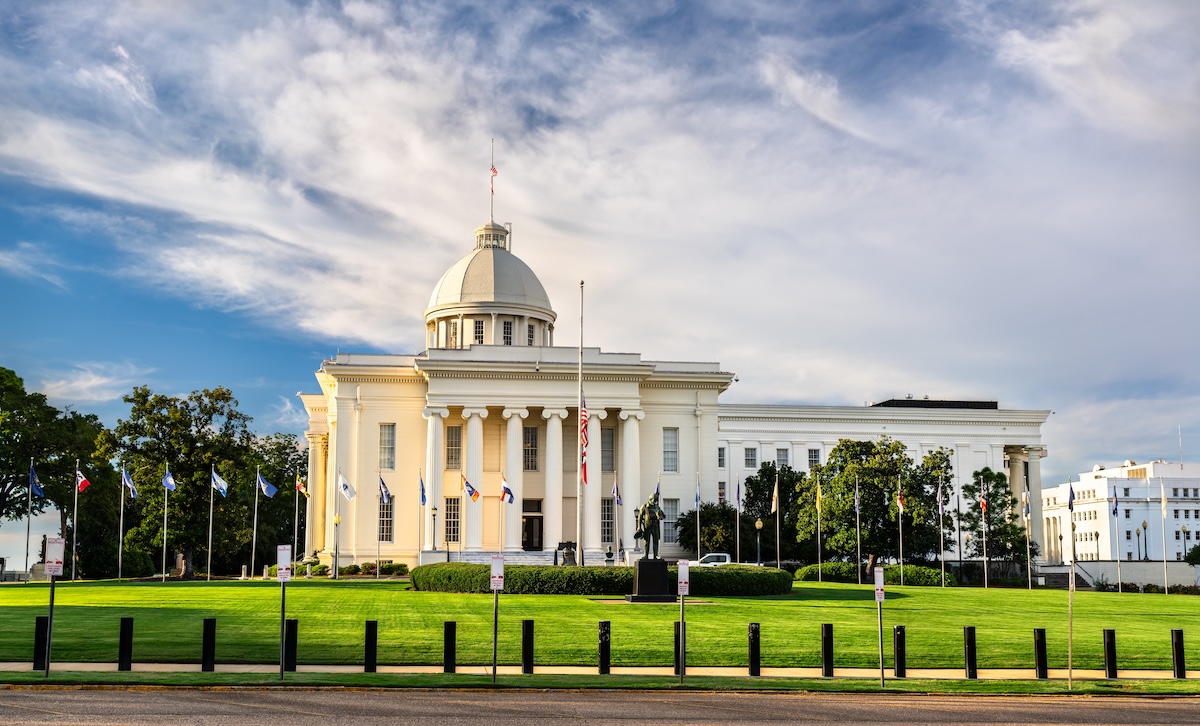
Montgomery sits at the center of two opposing chapters of American history. In 1861, it served as the Confederacy’s first capital. Less than a century later, Rosa Parks refused to give up her bus seat here, sparking the 1955 Montgomery Bus Boycott.
You can trace that story on foot. Dexter Avenue King Memorial Baptist Church, where Martin Luther King Jr. preached, stands a block from the Capitol steps where the 1965 Selma to Montgomery march ended. Save a full afternoon for the Legacy Museum and the National Memorial for Peace and Justice. Both opened in 2018 and confront the history of slavery and lynching in unflinching detail.
Alaska: Juneau
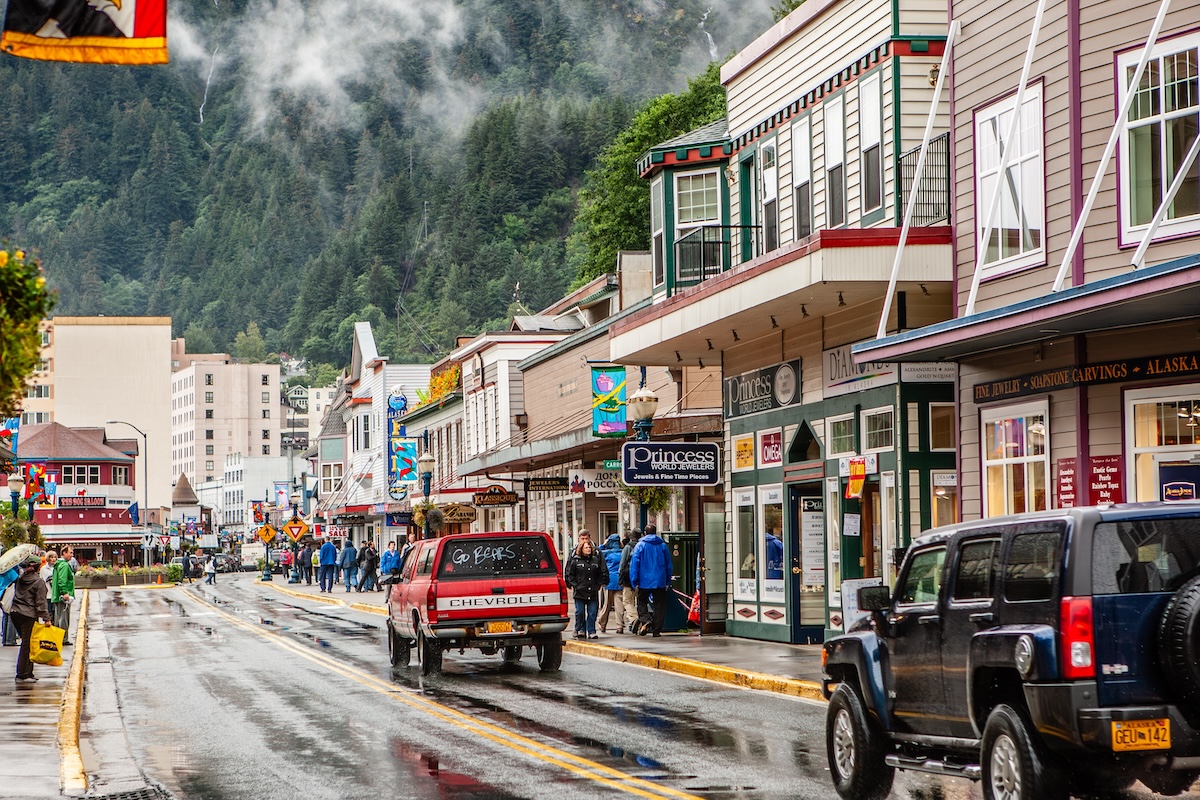
No road connects Juneau to the rest of North America, so you’ll arrive by plane or ferry. The city took over as capital from Sitka in 1906. Today, around 32,000 residents live between steep mountains and the Gastineau Channel.
Mendenhall Glacier sits roughly 12 miles from downtown, and trails lead to a waterfall beside the ice. For a bird’s-eye view, ride the Mount Roberts Tramway 1,800 feet up from the cruise docks. Summer brings whale-watching tours in nearby waters, where humpbacks feed through the long daylight hours. Pack rain gear. Juneau ranks among the wettest capitals in the country.
Arizona: Phoenix
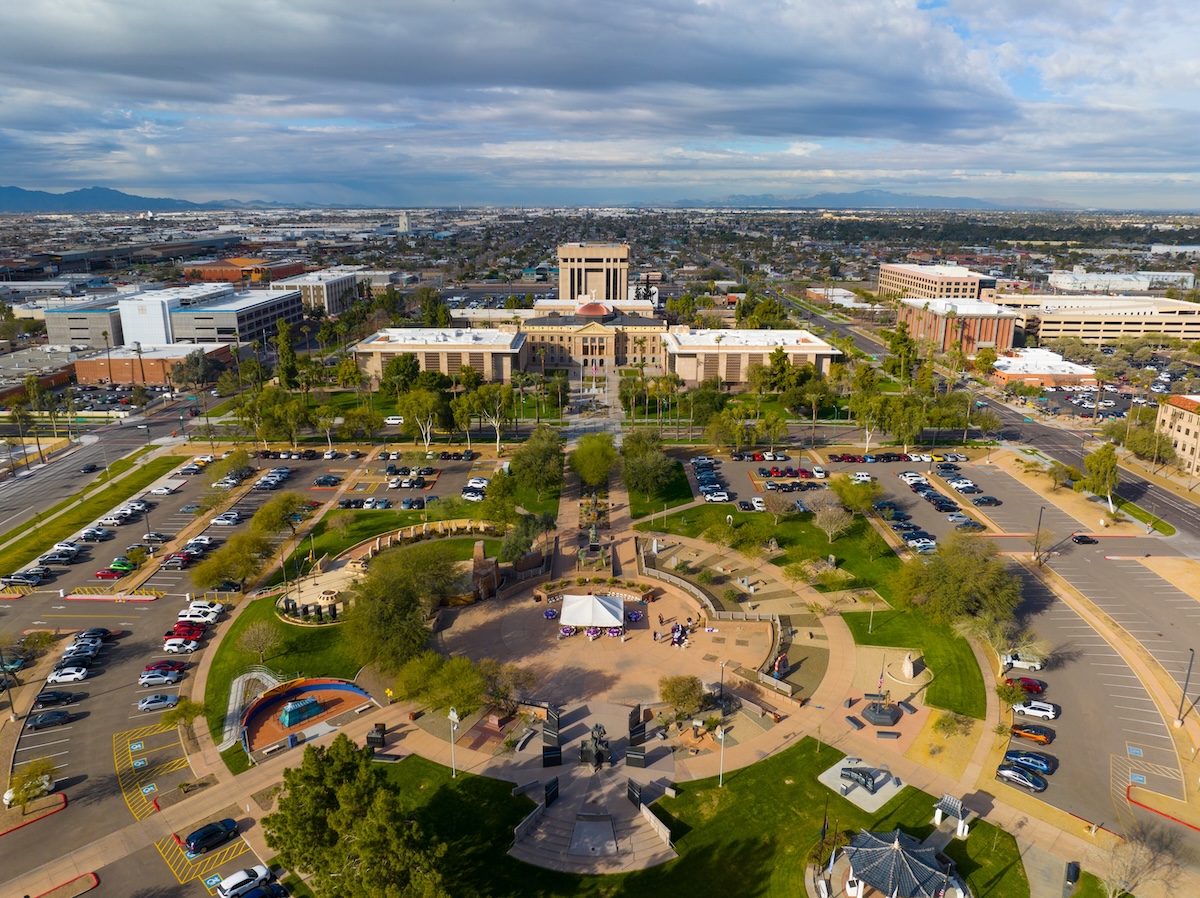
Phoenix is the most populous state capital, with roughly 1.6 million people in the city alone. The old Capitol building, topped with a copper dome that nods to Arizona’s mining past, now serves as a museum.
The Heard Museum, known for its collections of Native American art, is one of the city’s best cultural stops. The Desert Botanical Garden showcases saguaros and thousands of other arid-land plants, while Camelback Mountain offers a steep, rewarding hike right in town. Plan around the heat: summer highs regularly top 110°F, so locals hit the trails at sunrise, and visitors tend to come between October and April.
Arkansas: Little Rock
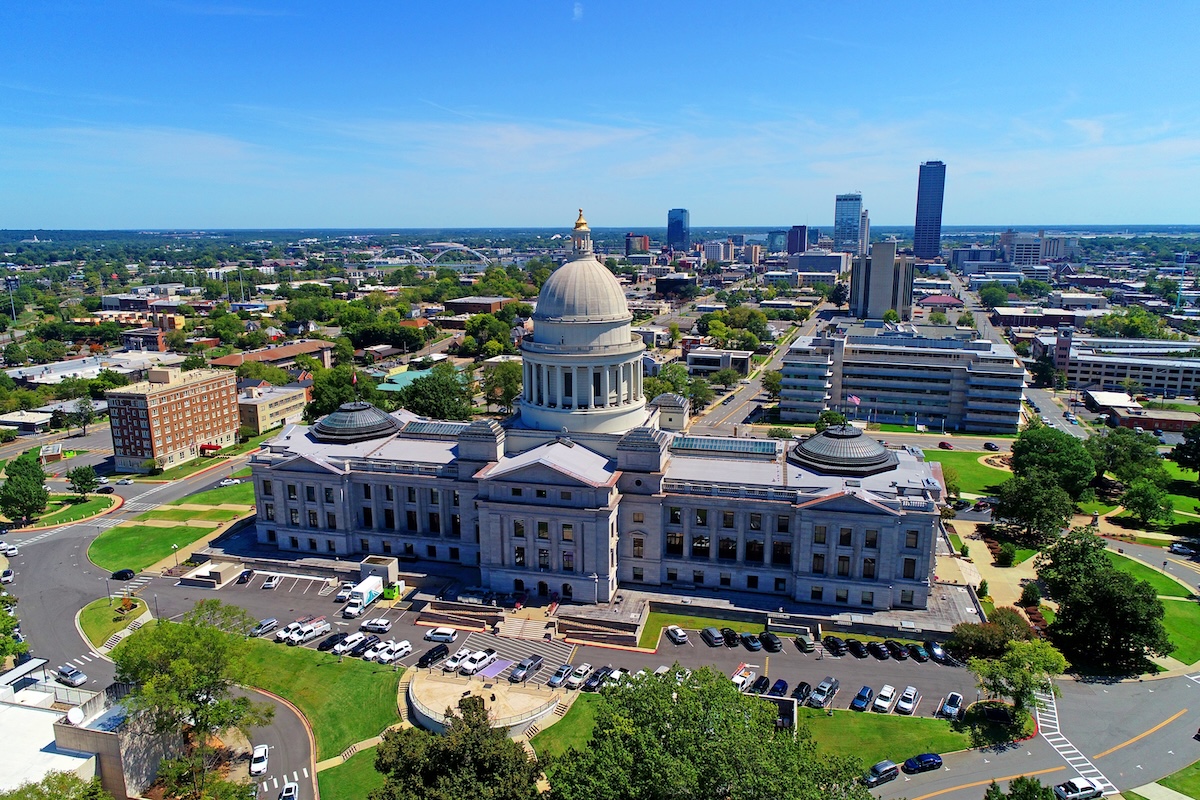
Little Rock earned a permanent place in civil rights history in 1957, when federal troops protected nine Black students as they integrated Central High School. The school still operates and also serves as a National Historic Site, with a visitor center across the street.
Down by the Arkansas River, the Clinton Presidential Center houses a full-scale replica of the Oval Office. Walk or bike the Arkansas River Trail, which crosses the Big Dam Bridge, one of the country’s longest pedestrian bridges built specifically for walkers and cyclists. Completed in 1915, the Capitol looks so much like the U.S. Capitol that filmmakers have used it as a stand-in.
California: Sacramento
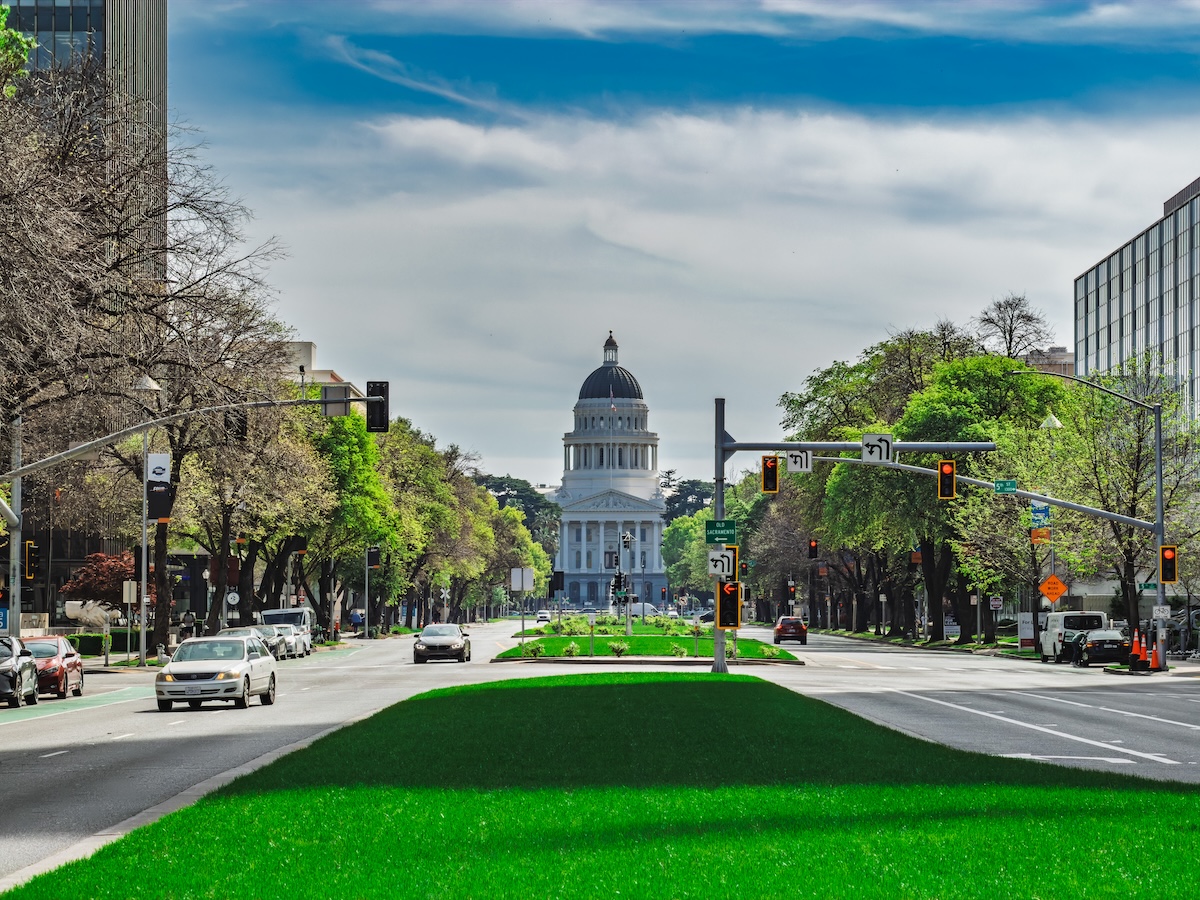
Sacramento became California’s permanent capital in 1854, fueled by Gold Rush wealth. Old Sacramento’s wooden boardwalks and riverfront buildings preserve that era, while the California State Railroad Museum marks the city’s role as the western start of the Transcontinental Railroad.
The surrounding farmland supplies much of the nation’s produce, which is why the city calls itself America’s Farm-to-Fork Capital. You’ll taste that influence in its restaurants and weekend farmers markets. Stroll Capitol Park’s 40 acres of trees and memorials, then visit Sutter’s Fort, a reconstructed 1839 settlement where the city’s story began.
Colorado: Denver
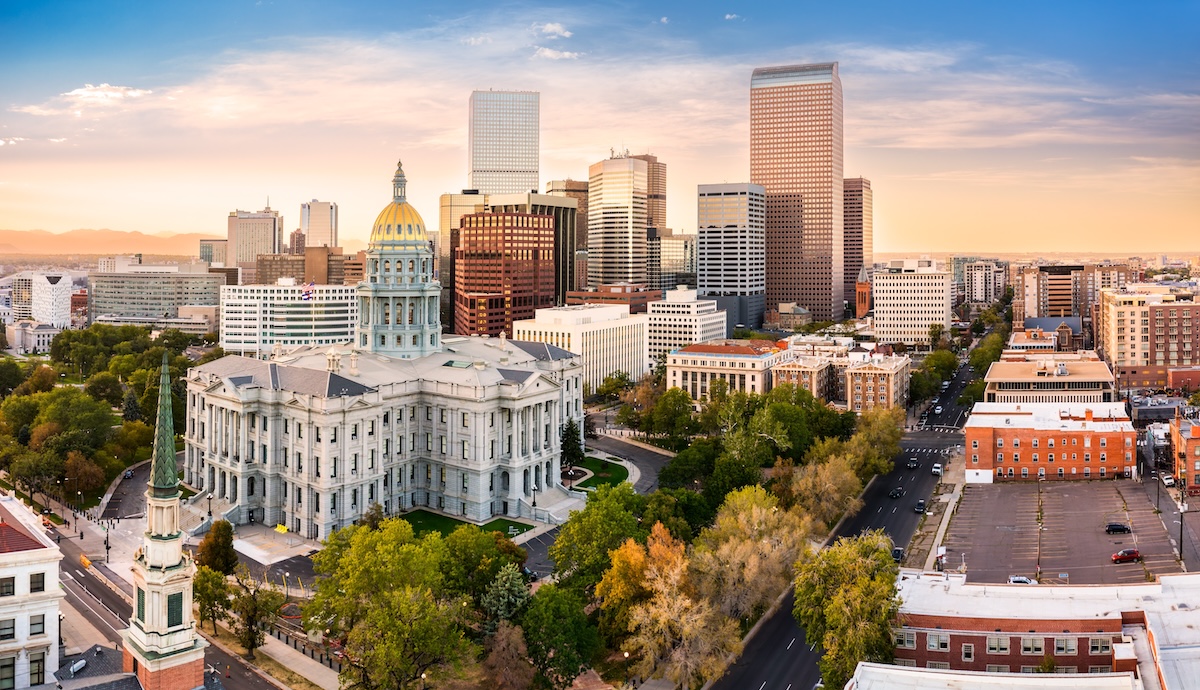
Denver lives up to its Mile High nickname, and you can stand on the exact spot. A marker on one of the Capitol’s west steps sits at 5,280 feet above sea level, and the building’s dome glints with Colorado gold leaf.
The Rocky Mountains fill the western horizon from downtown. Red Rocks Amphitheatre, carved into sandstone about 15 miles away in Morrison, hosts concerts from spring through fall and opens for hiking on non-show days. Back in the city, restored Union Station anchors a lively hub of bars and restaurants. Drink extra water on your first day. The altitude hits faster than most visitors expect.
Connecticut: Hartford
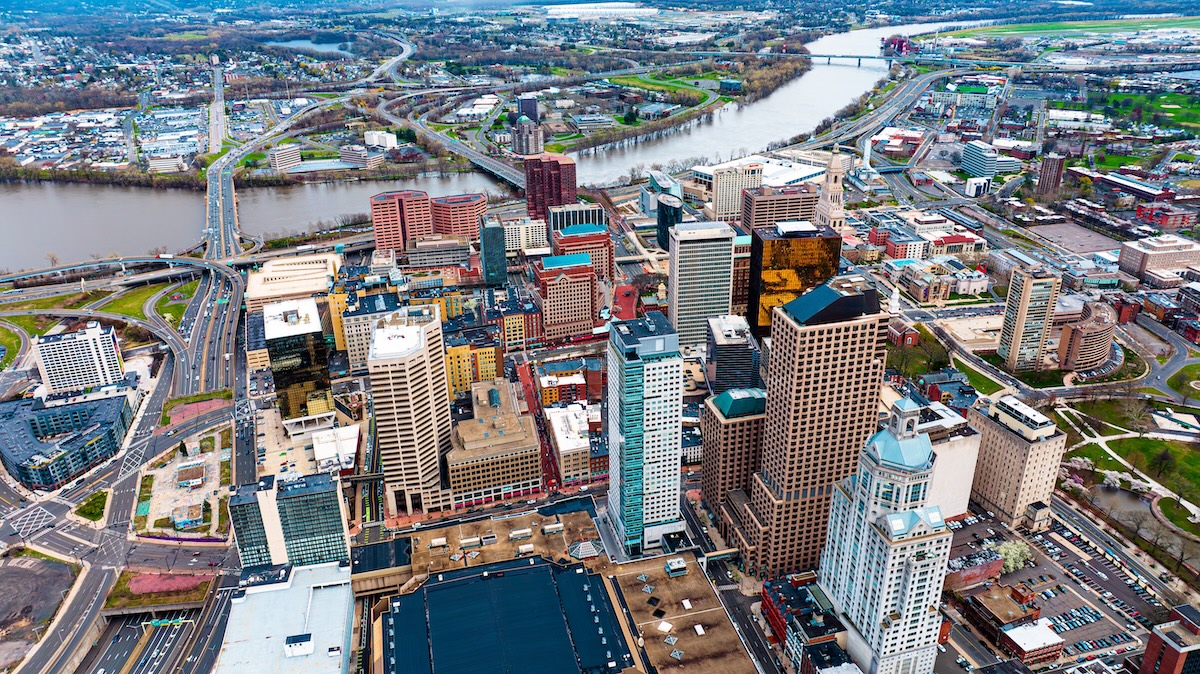
Hartford once ranked among the wealthiest cities in America and earned the title Insurance Capital of the World. That money left a legacy of grand architecture, including a gold-domed Capitol that opened in 1879.
Literary fans head to Farmington Avenue, where the Mark Twain House sits steps from the Harriet Beecher Stowe Center. Twain wrote Adventures of Huckleberry Finn while he lived here. Founded in 1842, the Wadsworth Atheneum is the country’s oldest continuously operating public art museum. Bushnell Park, the oldest publicly funded park in the U.S., still has a 1914 carousel where you can ride for a small fare.
Delaware: Dover
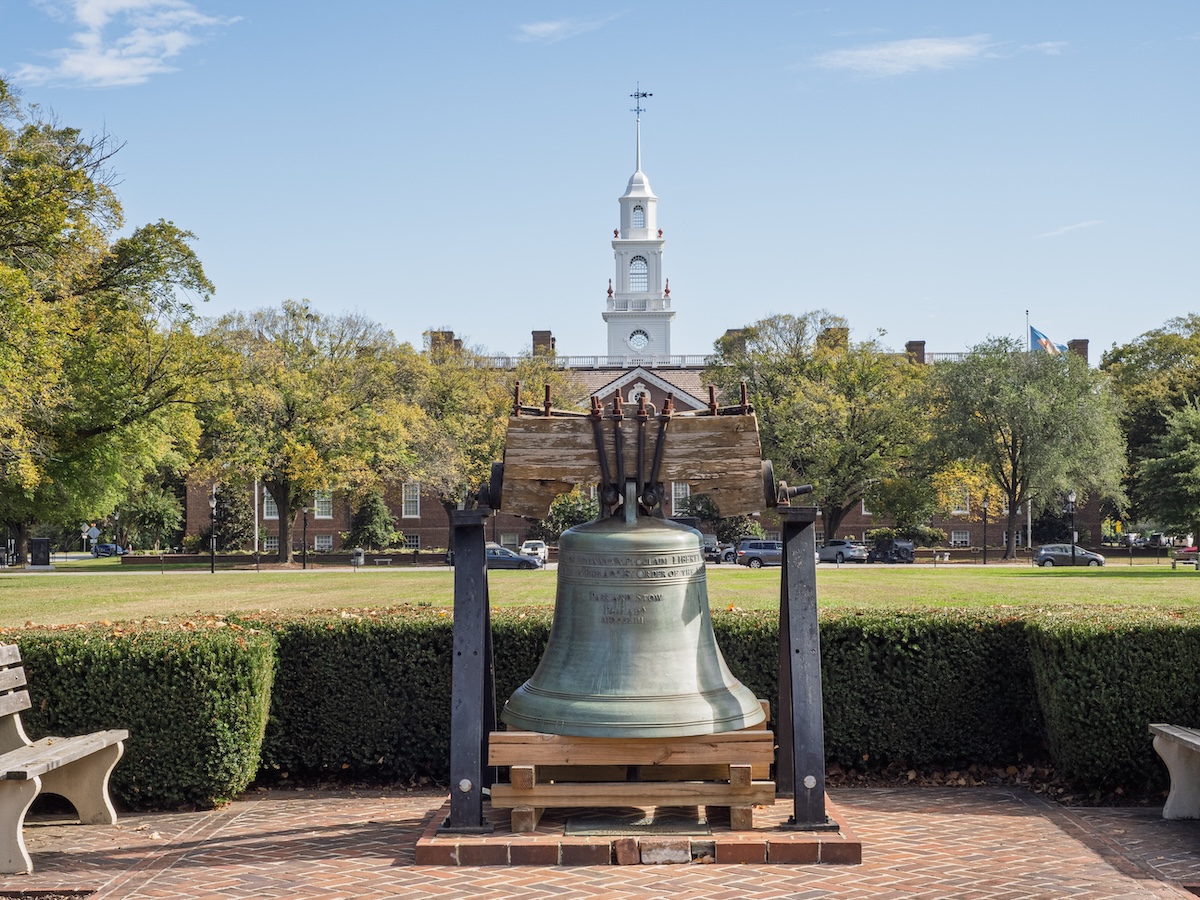
As the capital of the First State, Dover takes pride in Delaware’s ratification of the Constitution on December 7, 1787. The Old State House, built in 1791, sits on The Green, a square laid out under a plan from William Penn.
Racing fans know Dover for its Monster Mile, the high-banked track at Dover Motor Speedway that draws NASCAR crowds. Dover Air Force Base hosts the free Air Mobility Command Museum, where you can walk through historic cargo planes. Downtown moves at a relaxed pace, and the beaches of Rehoboth and Lewes sit within an hour’s drive southeast.
Florida: Tallahassee
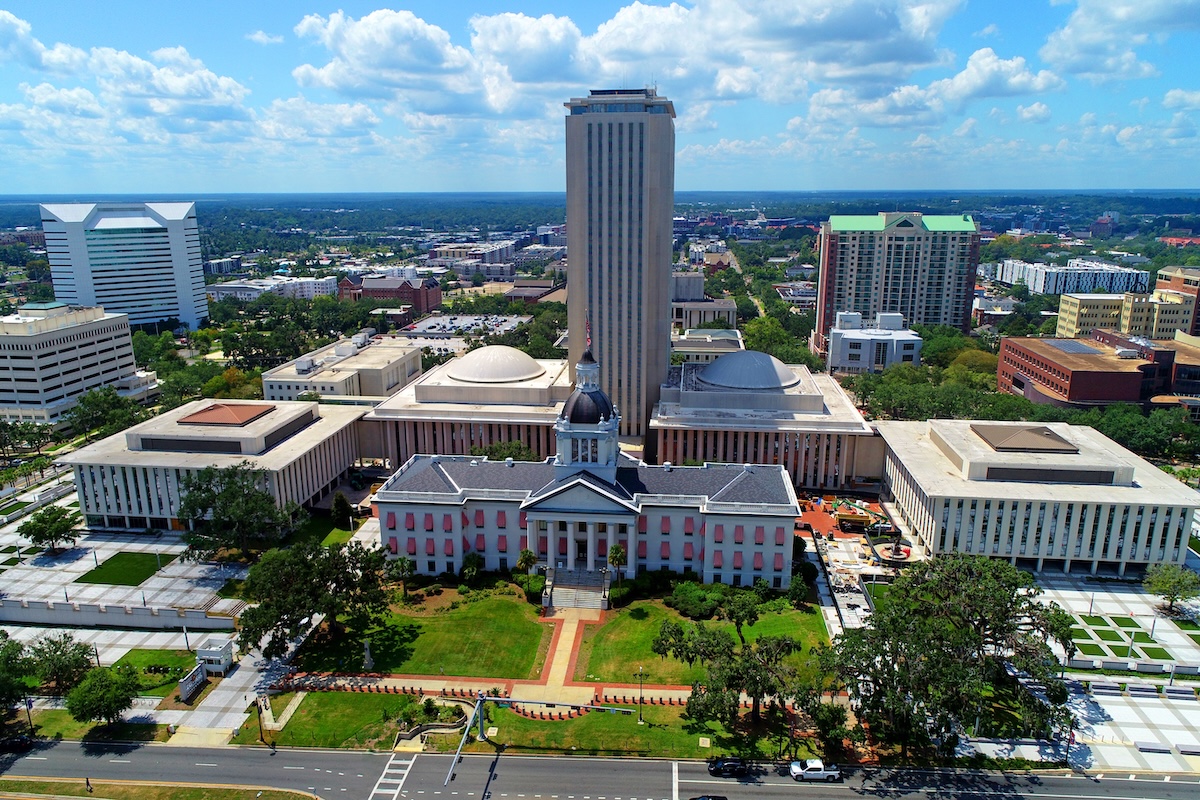
Tallahassee feels far removed from Florida’s beach-resort image. Officials chose the site in 1824 because it sat roughly midway between Pensacola and St. Augustine. Its rolling hills and moss-draped oaks feel closer to Georgia than Miami.
The Historic Capitol, with its striped red-and-white awnings, now serves as a museum. Behind it, the 22-story New Capitol offers free views across the city from its top-floor observation deck. Florida State University and Florida A&M bring college energy to town on game days. Drive one of the designated canopy roads, where live oaks arch over the pavement.
Georgia: Atlanta
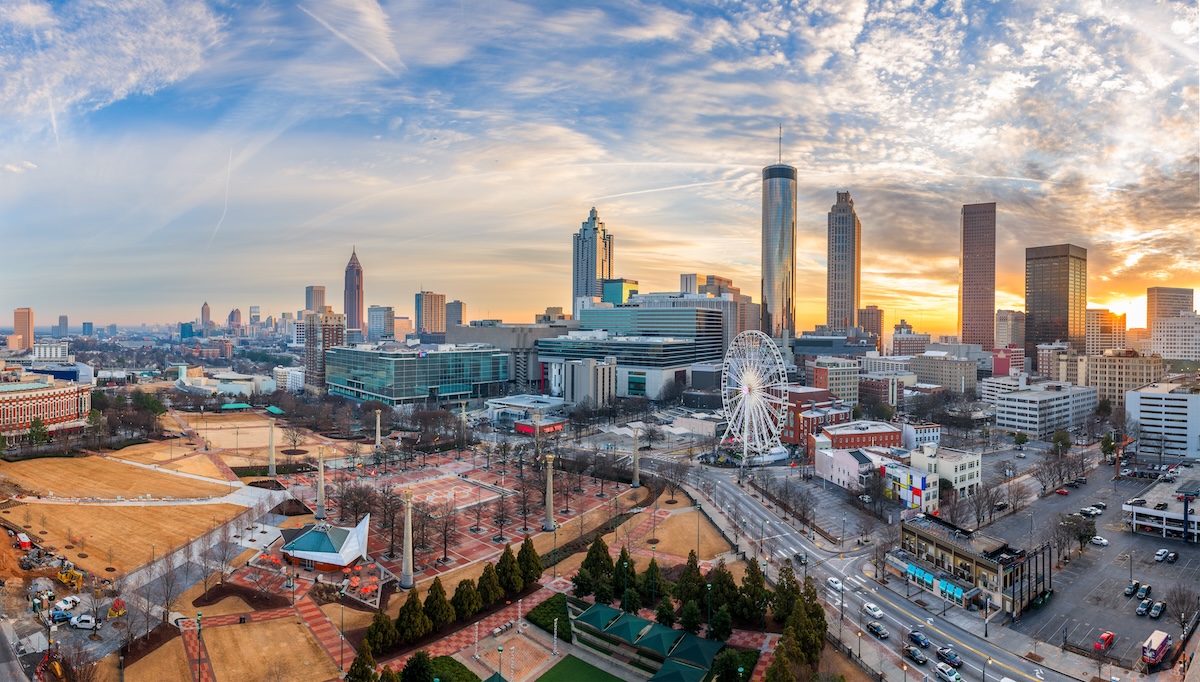
Atlanta serves as both Georgia’s capital and the economic engine of the Southeast. Gold leaf mined in Dahlonega, site of the nation’s first major gold rush, covers the Capitol dome.
Set aside time for the Martin Luther King Jr. National Historical Park in the Sweet Auburn neighborhood. It includes his birth home and Ebenezer Baptist Church. Centennial Olympic Park, built for the 1996 Games, connects to the Georgia Aquarium and the World of Coca-Cola. The Atlanta BeltLine turns old rail corridors into walking paths lined with murals and food halls. Hartsfield-Jackson ranks among the world’s busiest airports.
Hawaii: Honolulu
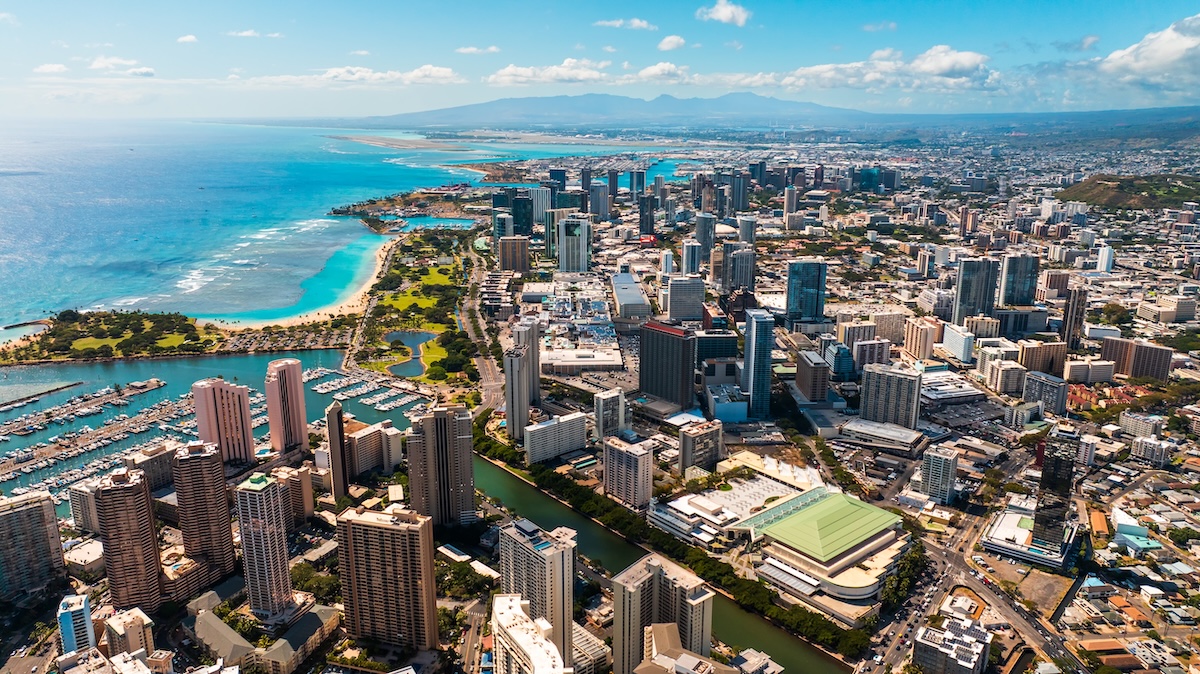
Honolulu has the only royal palace on U.S. soil. Iolani Palace, completed in 1882, housed Hawaii’s last monarchs before the kingdom’s overthrow in 1893. Guided tours take you through its restored throne room.
Right next door, the Hawaii State Capitol stands open to the sky. Its design evokes a volcano, its columns suggest palm trees, and its reflecting pool represents the surrounding Pacific. From there, you can reach Waikiki Beach in about 15 minutes or hike Diamond Head’s summit trail for views over the coast. Reserve Pearl Harbor National Memorial tickets ahead for the USS Arizona Memorial boat program.
Idaho: Boise
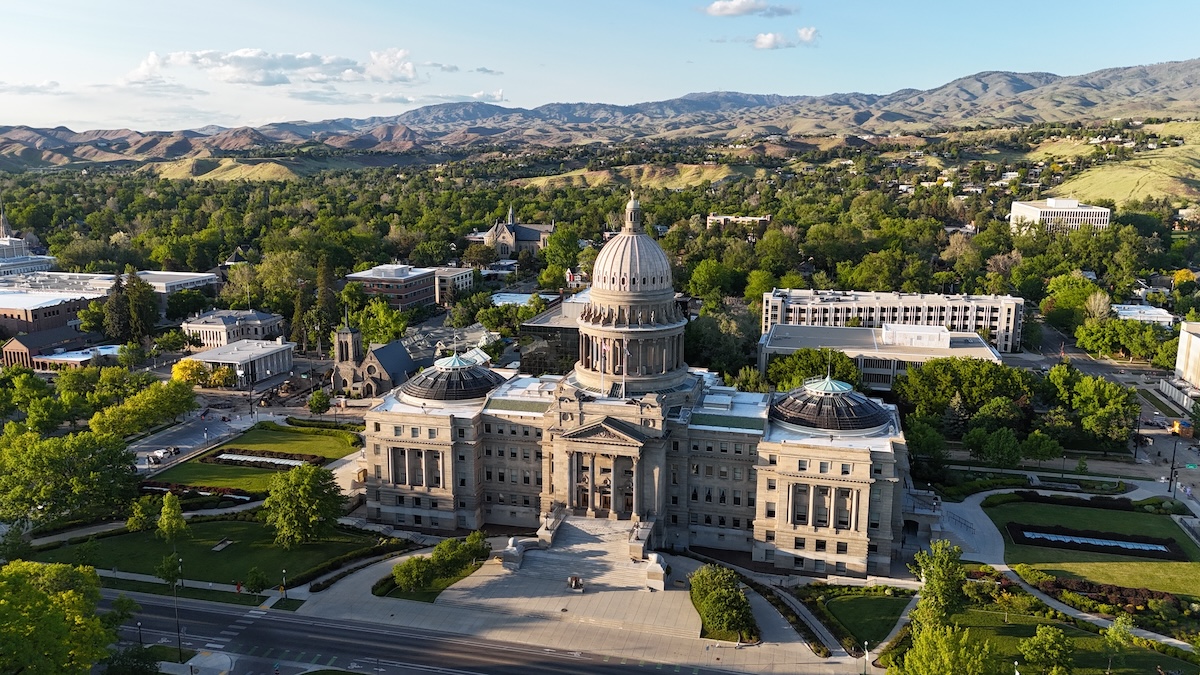
Boise’s Capitol taps the earth for warmth. It’s the only state capitol in the U.S. that geothermal water heats, piped from wells beneath the city.
The Boise River Greenbelt runs about 25 miles through town, linking parks and neighborhoods for walkers, bikers, and summer floaters. Downtown, the Basque Block celebrates one of the largest Basque communities outside Spain, with chorizo, croquetas, and a cultural museum. For sunset views, hike up to Table Rock, a mesa overlooking the valley. Boise has a reputation for friendly locals and easy access to skiing at Bogus Basin, about 16 miles north.
Illinois: Springfield
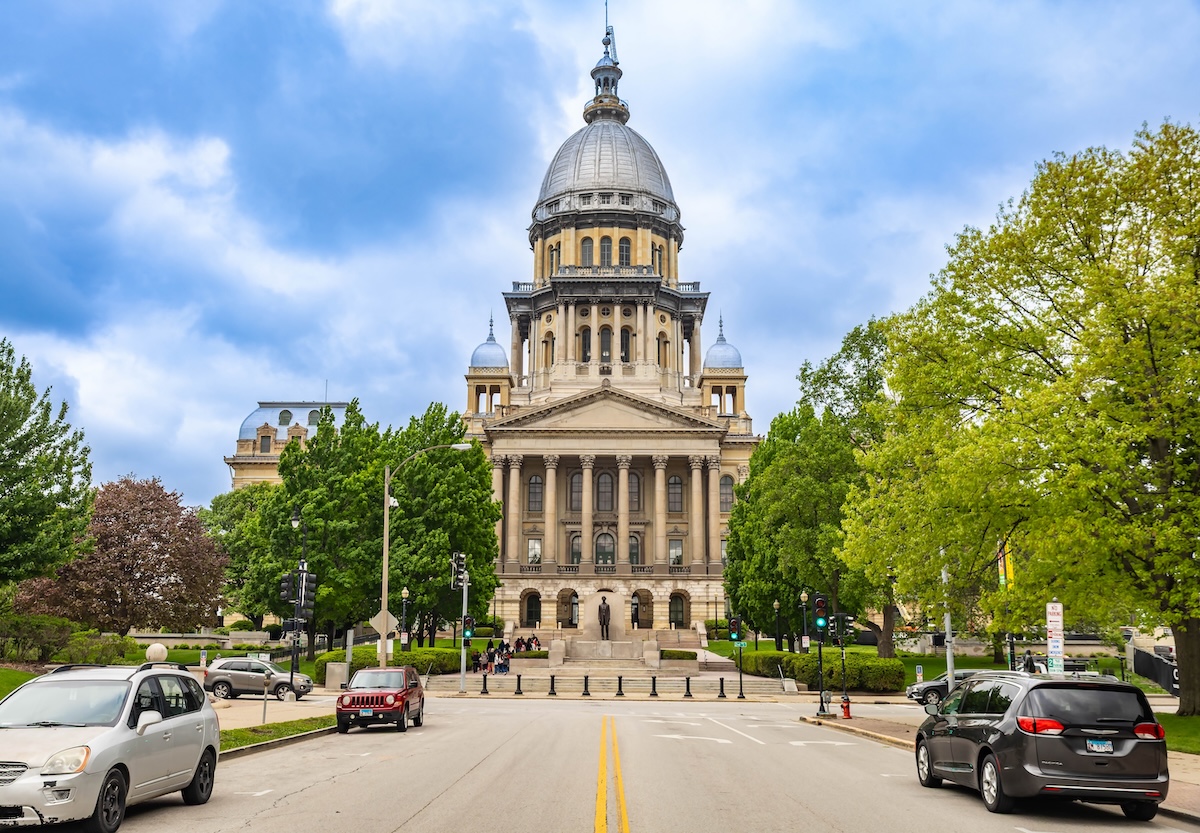
Springfield revolves around Abraham Lincoln, who lived here for 24 years before heading to the White House. You can tour the only home he ever owned, now a National Historic Site with free admission.
The Abraham Lincoln Presidential Library and Museum brings his life to the page through immersive exhibits. The Old State Capitol is where he delivered his House Divided speech in 1858, and Lincoln’s Tomb sits in Oak Ridge Cemetery, north of downtown. Old Route 66 passes through town, so grab a horseshoe sandwich, a local open-faced creation piled with fries and cheese sauce.
Indiana: Indianapolis
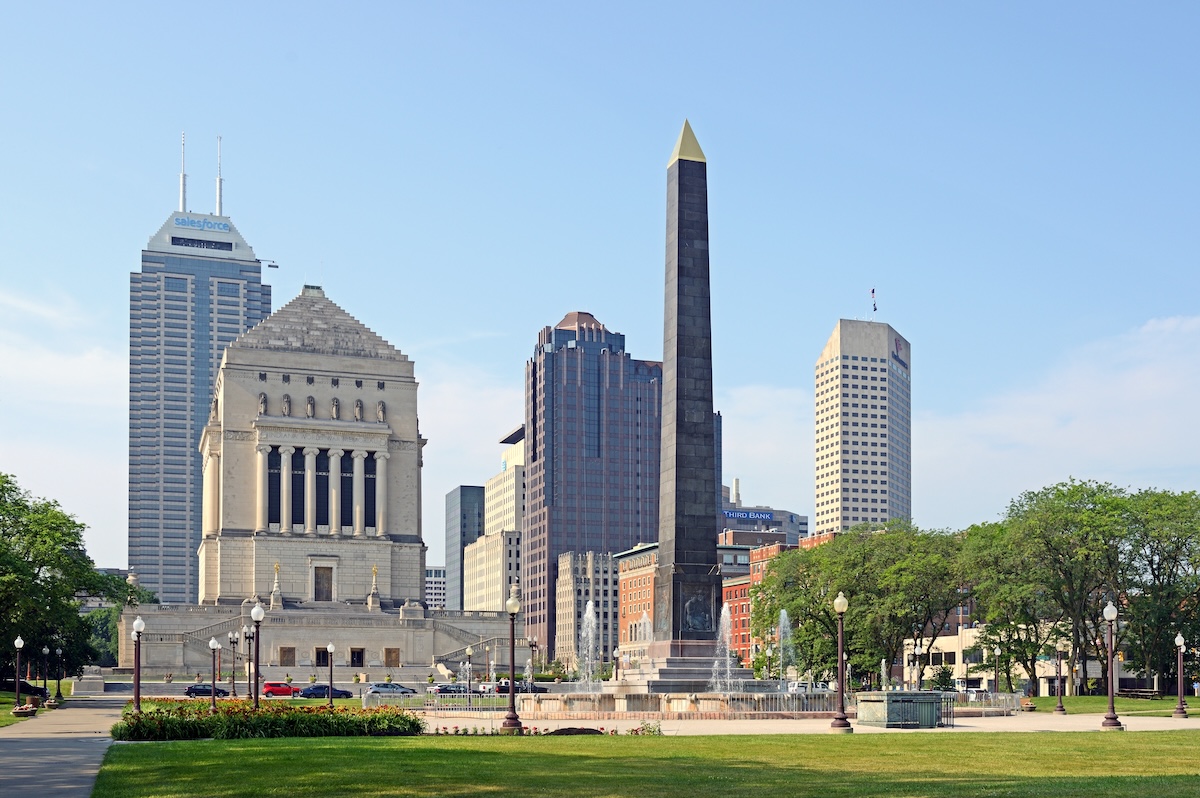
Racing defines Indianapolis each May, when the Indianapolis 500 draws more than 300,000 fans to the Motor Speedway. The track’s museum displays winning cars, and bus tours let you kiss the famous yard of bricks.
Downtown centers on Monument Circle and the Soldiers’ and Sailors’ Monument, with an observation deck near the top. The Indianapolis Cultural Trail, an eight-mile path, links neighborhoods like Fountain Square and Mass Ave. Indiana limestone forms the Capitol, and builders used the same stone in the Empire State Building. The Children’s Museum of Indianapolis ranks among the world’s largest.
Iowa: Des Moines
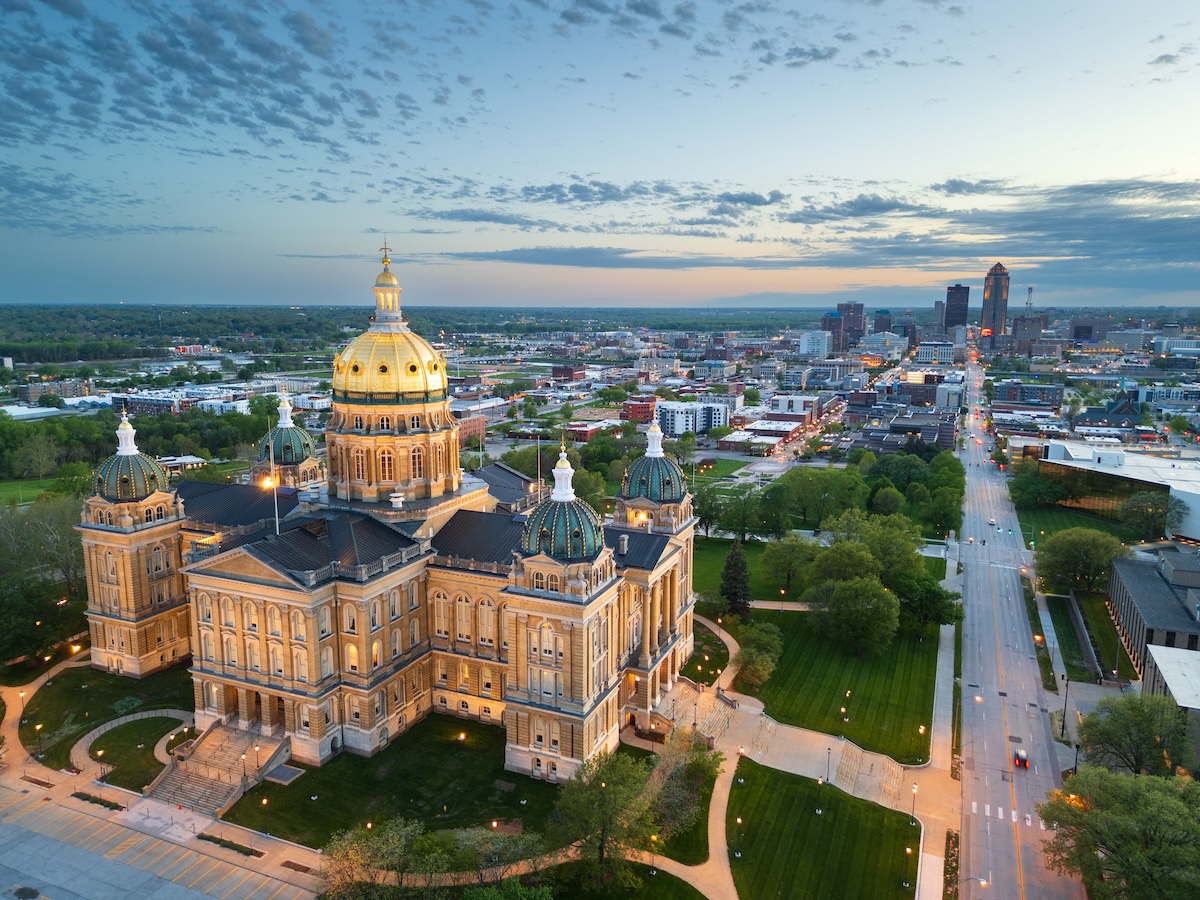
Des Moines punches above its size. Its Capitol has a central dome gilded in 23-karat gold and four smaller domes at the corners. Inside, the ornate law library ranks among the state’s most photographed rooms.
Every August, the Iowa State Fair draws more than a million visitors for its famous butter cow, livestock shows, and foods on a stick. Every four years, presidential hopefuls flood town ahead of the Iowa caucuses. The Pappajohn Sculpture Park displays works by major artists for free in the heart of downtown, and the Saturday farmers market spills across several blocks.
Kansas: Topeka
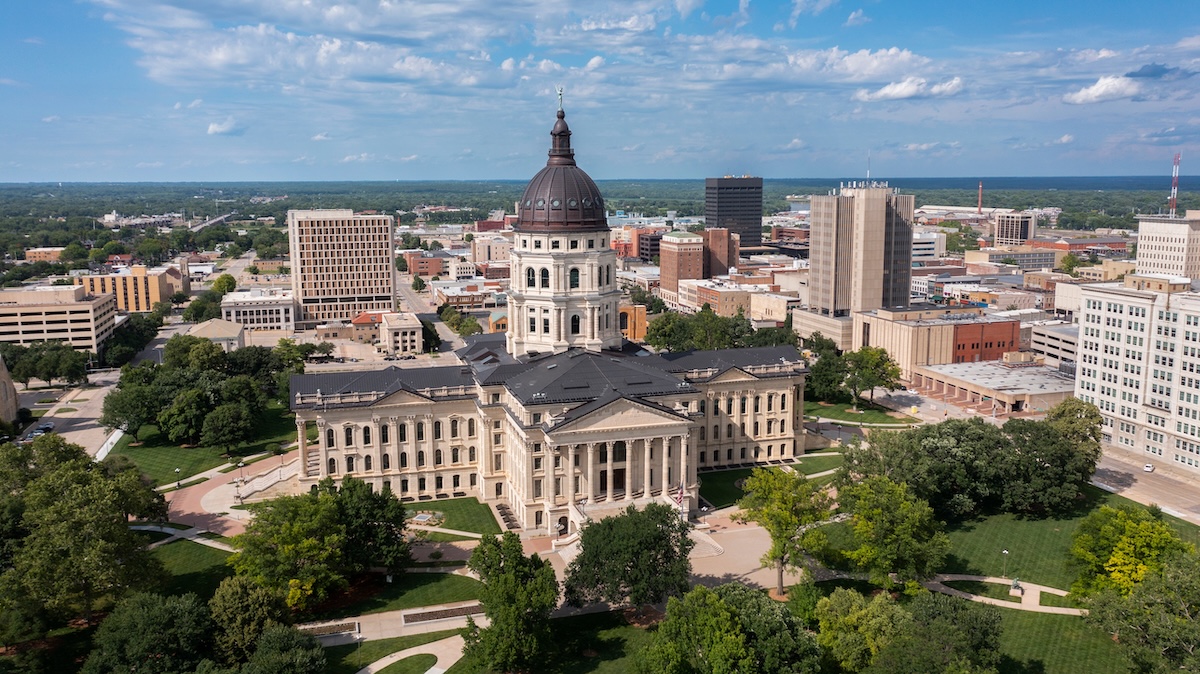
Topeka played a central role in one of the most significant Supreme Court cases in history. The Brown v. Board of Education National Historical Park occupies Monroe Elementary, one of the city’s segregated Black schools at the heart of the 1954 ruling.
At the Capitol, you can climb 296 steps on a guided tour to the top of the dome, where the Ad Astra statue of a Kaw warrior has stood since 2002. Inside, John Steuart Curry’s mural Tragic Prelude depicts a fiery John Brown. The Kansas Museum of History, west of town, brings the state’s frontier history to life.
Kentucky: Frankfort
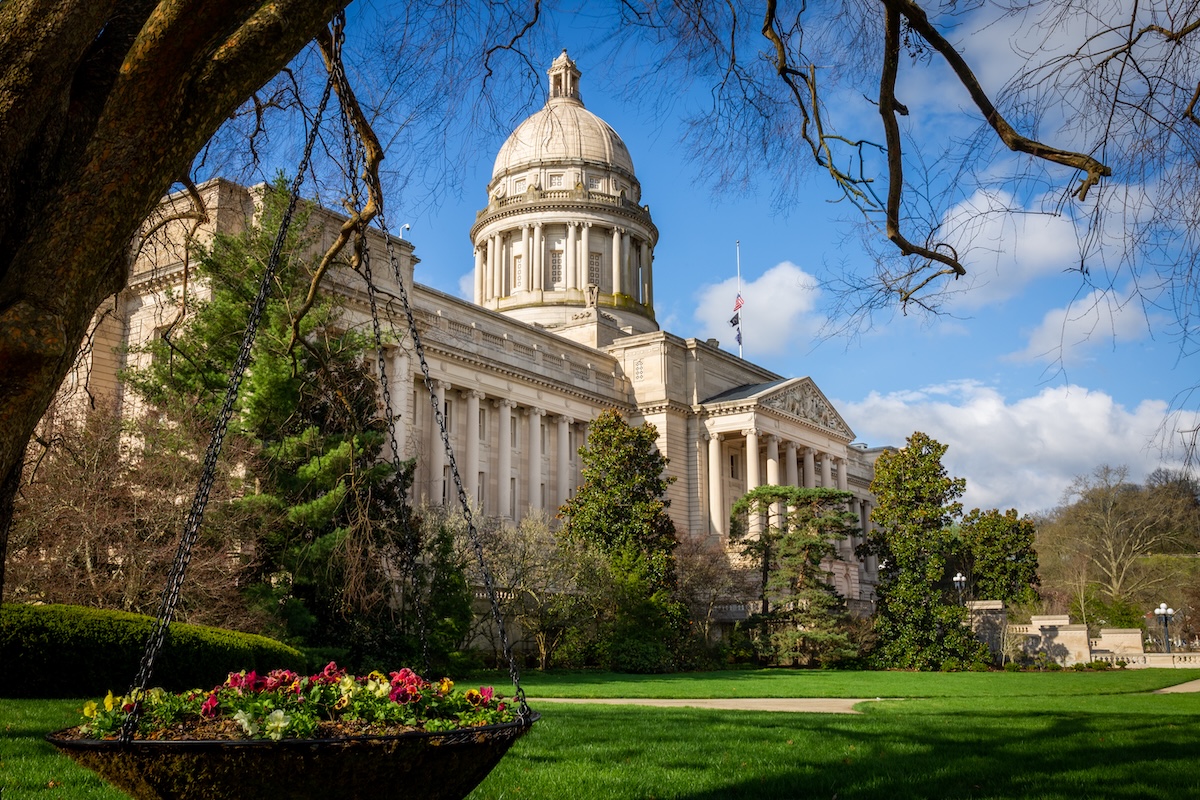
Frankfort sits in a deep bend of the Kentucky River and keeps a small-town feel, with fewer than 30,000 residents. A giant floral clock, its face planted with thousands of flowers, stands on the Capitol grounds.
Bourbon draws plenty of visitors. Buffalo Trace Distillery, within the city limits, offers free tours and tastings. Frankfort Cemetery holds frontiersman Daniel Boone’s grave on a bluff above the river. You can paddle the Kentucky River from downtown launch points, and the Thomas D. Clark Center for Kentucky History covers the state’s past in detail.
Louisiana: Baton Rouge
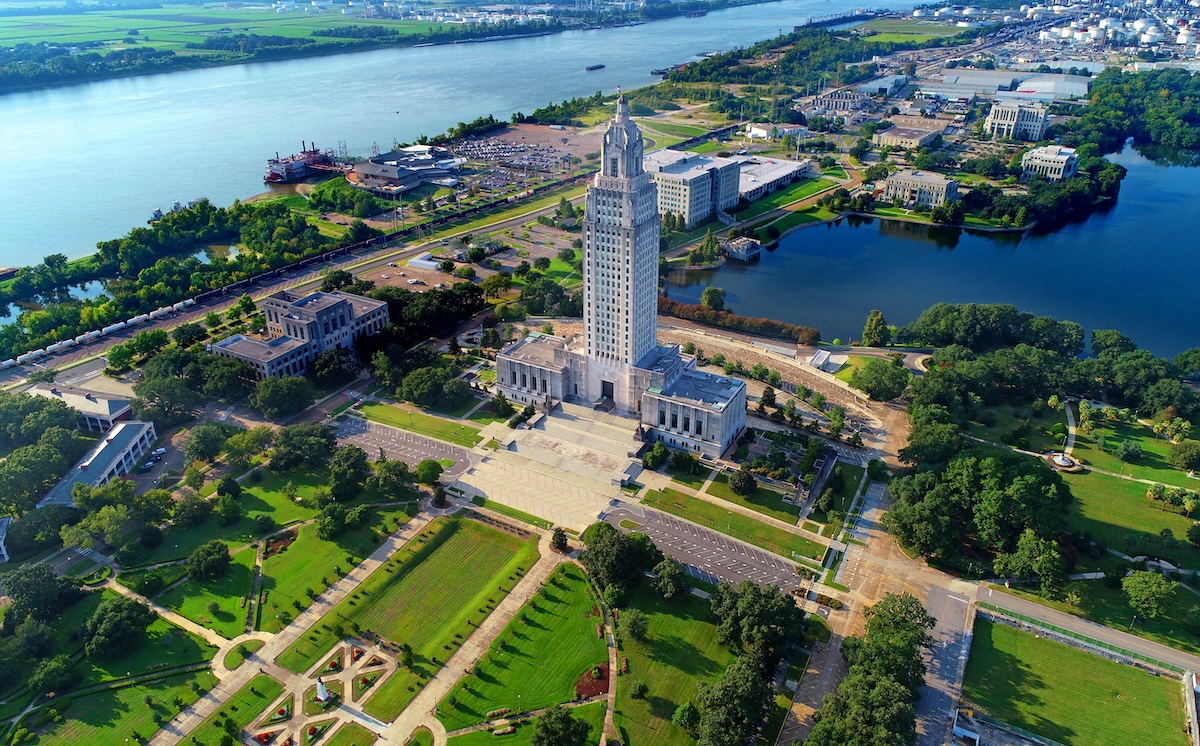
Louisiana’s Capitol rises 450 feet and has 34 floors, making it the tallest in the nation. Governor Huey Long pushed for its construction in 1932. Three years later, someone assassinated him inside the building, a story you’ll hear on tours.
The Old State Capitol, a Gothic Revival building that resembles a castle, sits a short walk away overlooking the Mississippi River. Louisiana State University fills Tiger Stadium on fall Saturdays with one of college football’s loudest crowds. Along the river, the USS Kidd, a restored World War II destroyer, welcomes visitors aboard. The food scene leans hard into Cajun and Creole cooking.
Maine: Augusta
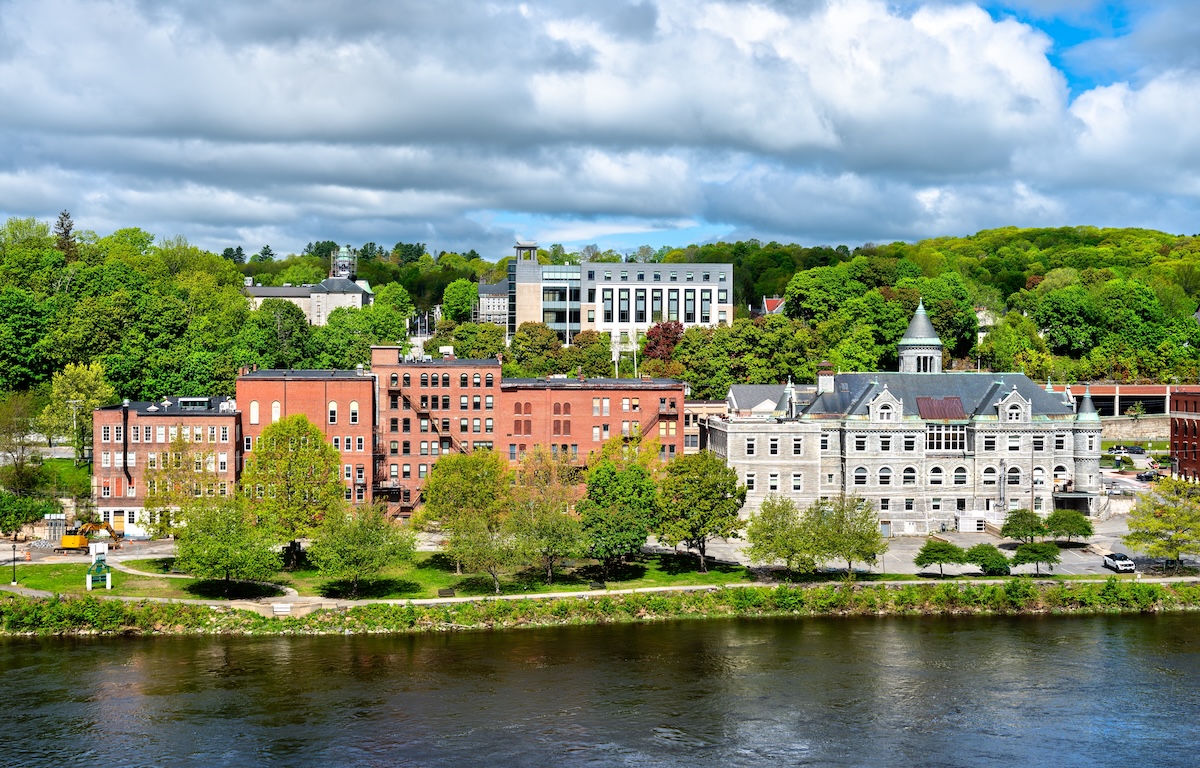
Augusta stretches along the Kennebec River and has fewer than 20,000 residents, making it one of New England’s smallest capitals. Charles Bulfinch, the architect behind the Massachusetts State House, designed its granite State House.
Built in 1754, Old Fort Western is the oldest surviving wooden fort in the United States. Costumed interpreters bring it to life in summer. The Maine State Museum sits beside the State House, with exhibits on logging, fishing, and the state’s natural history. The Kennebec River Rail Trail runs about 6.5 miles south to Gardiner along the water.
Maryland: Annapolis
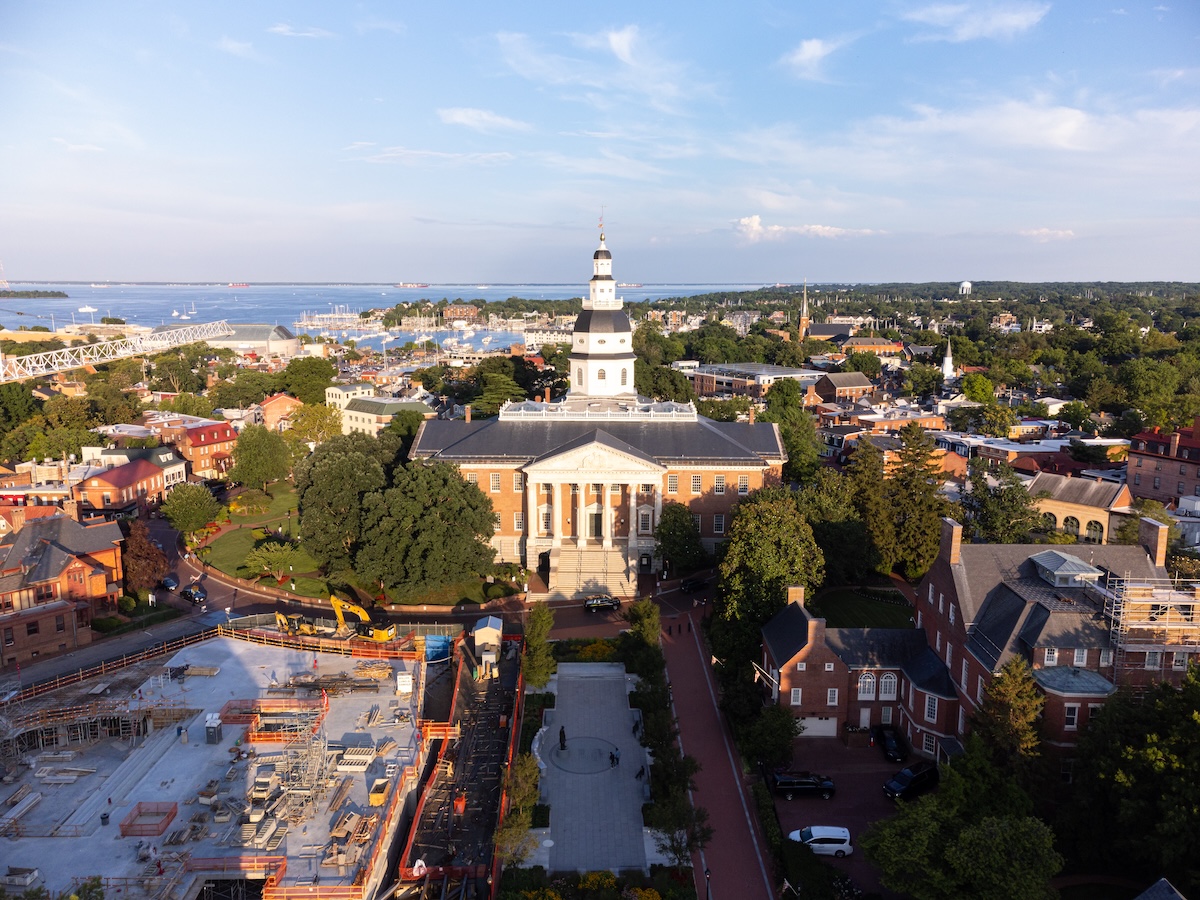
Annapolis briefly served as the nation’s capital from 1783 to 1784. The Maryland State House, the oldest still in continuous legislative use, is where George Washington resigned his military commission.
The U.S. Naval Academy anchors the waterfront, and guided tours take you onto the Yard to see midshipmen and John Paul Jones’s crypt. Known as America’s Sailing Capital, the city fills its harbor with boats every weekend. You can join a schooner cruise on the Chesapeake Bay, too. Brick streets lead to seafood joints serving steamed blue crabs coated in Old Bay.
Massachusetts: Boston
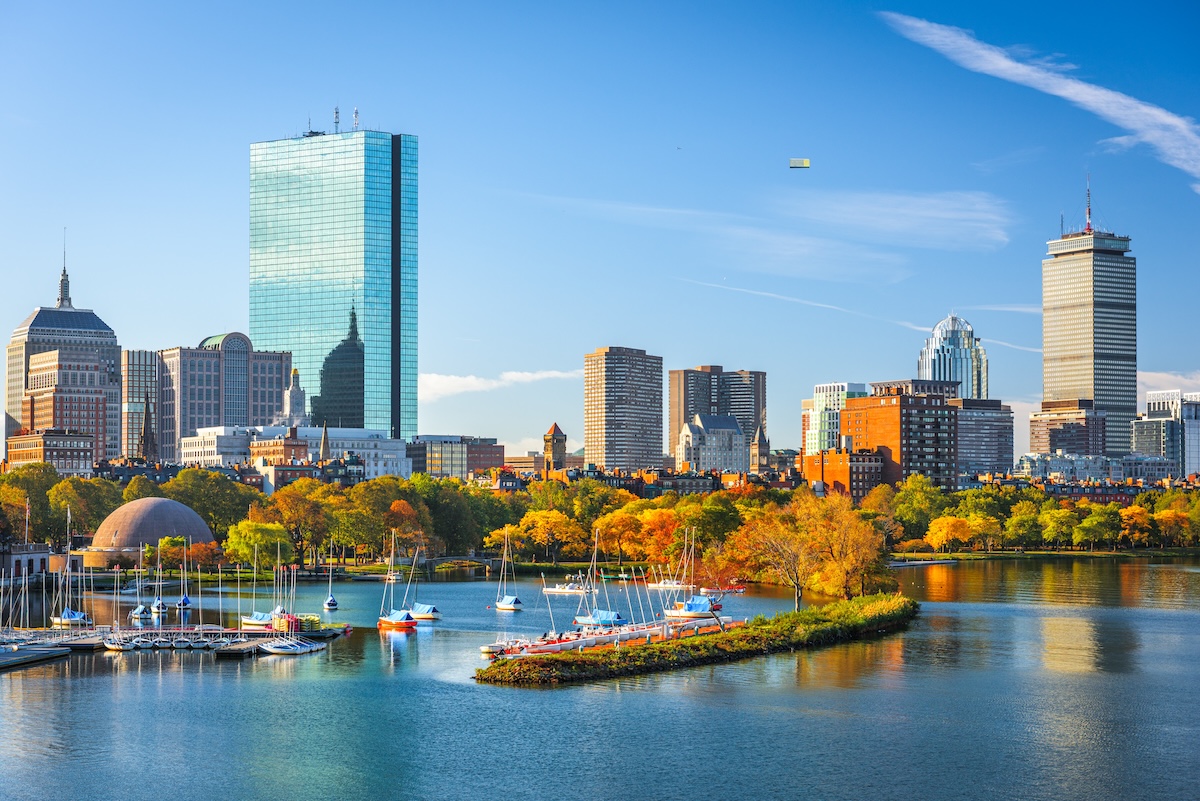
Boston blends Revolutionary history with a modern academic city. The Massachusetts State House, completed in 1798, gleams beneath a 23-karat gold-leaf dome overlooking Boston Common.
Founded in 1634, Boston Common is the country’s oldest public park and marks the start of the Freedom Trail. The trail’s 2.5-mile red line connects 16 historic sites, including Paul Revere’s House and the Old North Church. Sports fans make the pilgrimage to Fenway Park, which opened in 1912, while food lovers head to the North End for cannoli and pasta. The T makes it easy to get around without a car.
Michigan: Lansing
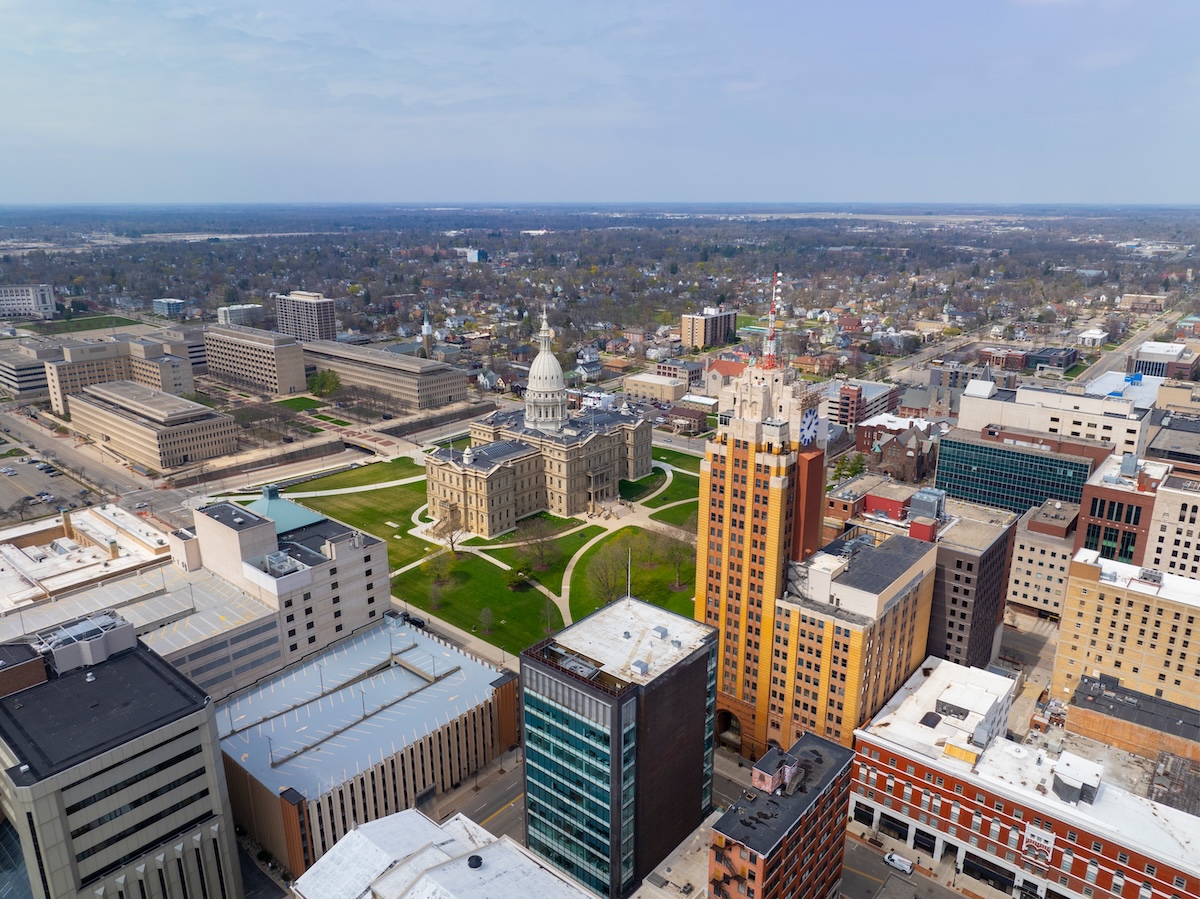
Lansing became Michigan’s capital in 1847 as a compromise. The state chose it partly because it sat far from Detroit and any foreign threat. At the time, the site was mostly wilderness.
The restored Capitol, completed in 1879, wows visitors with painted ceilings and a glass-floored rotunda. Lansing’s auto heritage lives on at the R.E. Olds Transportation Museum, which honors the founder of Oldsmobile. East Lansing, home to Michigan State University, sits next door. Its campus gardens and dairy store ice cream are worth a visit. The Lansing River Trail runs more than 20 miles along the Grand and Red Cedar Rivers.
Minnesota: Saint Paul
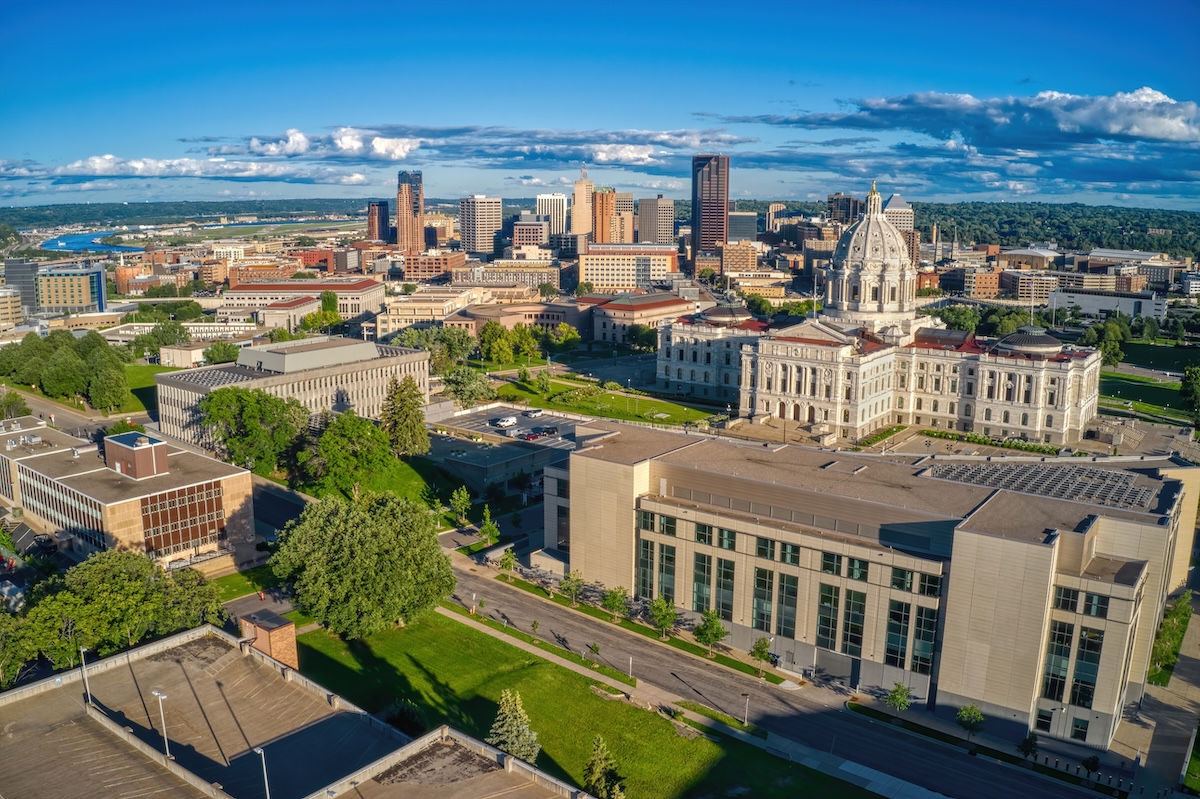
Saint Paul shares the Twin Cities spotlight with Minneapolis but has a quieter, more historic personality. Designed by Cass Gilbert and completed in 1905, the Capitol features one of the world’s largest self-supporting marble domes.
Summit Avenue boasts a long stretch of preserved Victorian mansions, including the house where F. Scott Fitzgerald finished his first novel. Since 1886, the Saint Paul Winter Carnival has welcomed winter with ice sculptures and parades. Explore the Science Museum of Minnesota along the Mississippi River or catch a show at the Fitzgerald Theater.
Mississippi: Jackson
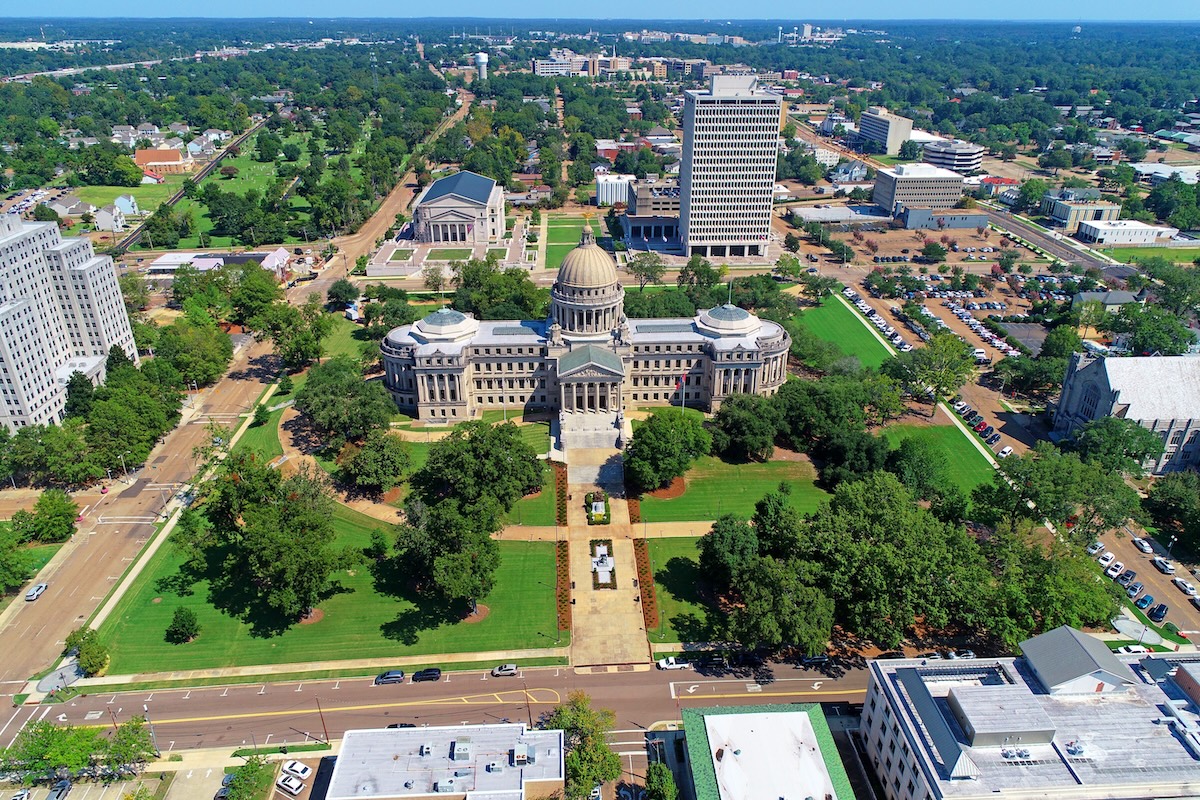
Jackson anchors Mississippi’s civil rights and blues heritage. The Mississippi Civil Rights Museum and the Museum of Mississippi History opened side by side in 2017, and you can visit both with a single ticket.
Civil rights leader Medgar Evers lived in Jackson, and his home is now a national monument. Farish Street once served as the center of Black business and nightlife, and Mississippi Blues Trail markers dot the city. The Old Capitol, built in 1839, now operates as a museum. Fondren, an artsy neighborhood north of downtown, offers galleries, coffee shops, and Southern cooking.
Missouri: Jefferson City
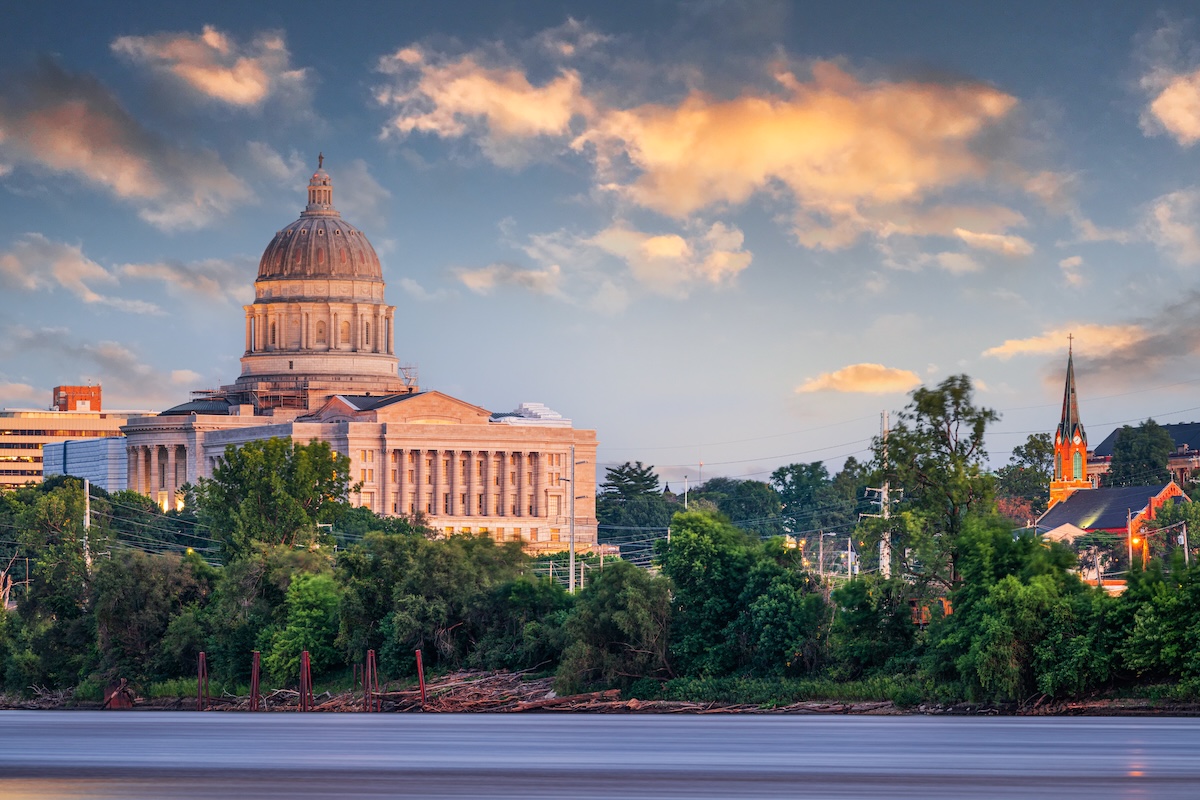
Named for Thomas Jefferson, Missouri’s capital overlooks the Missouri River from a high bluff. The Capitol’s House Lounge features Thomas Hart Benton’s mural A Social History of the State of Missouri, a sprawling and sometimes controversial portrait of the state.
The Missouri State Penitentiary opened in 1836 and once earned the label “the bloodiest 47 acres in America.” Today, you can tour its cells, and ghost tours run after dark. Cyclists can reach the Katy Trail across the river. This converted rail line stretches more than 240 miles across the state. Nearby wineries in Missouri’s river valleys make for easy day trips.
Montana: Helena
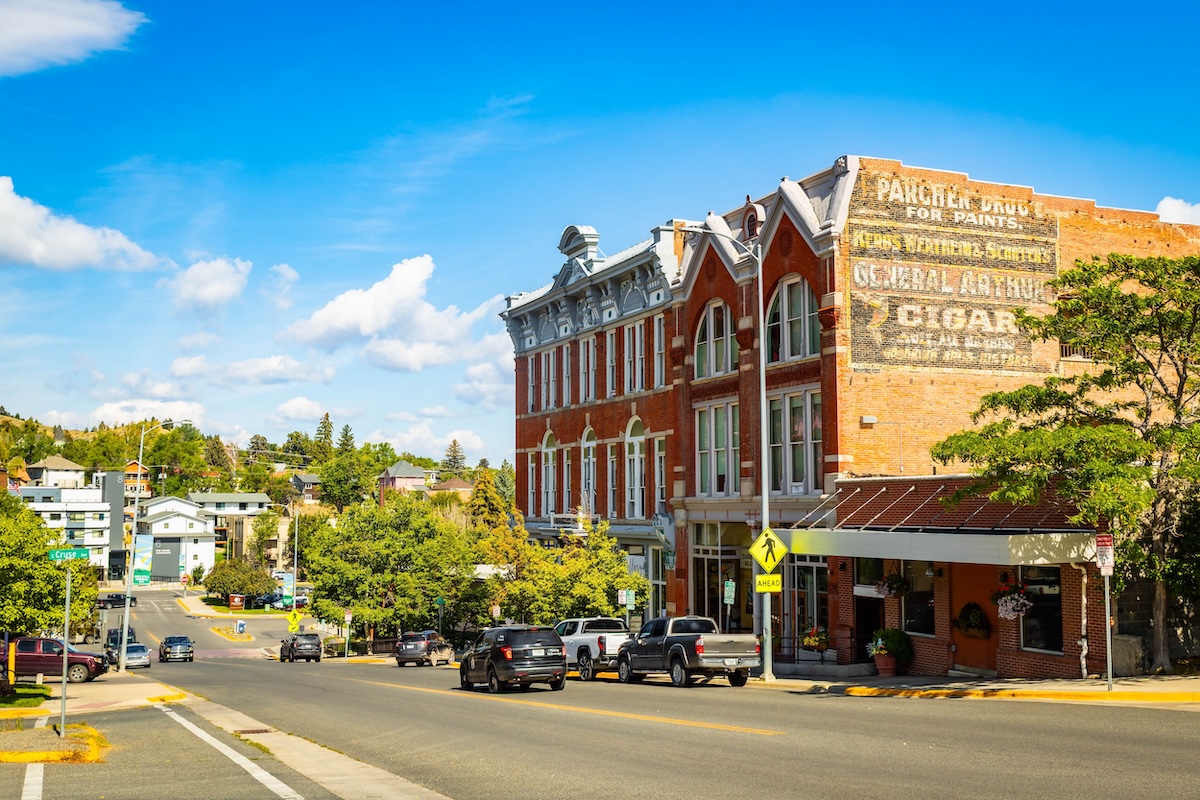
Helena began as a gold camp after prospectors struck it rich at Last Chance Gulch in 1864. The gulch is now the city’s walking mall, lined with Victorian buildings funded by the boom.
At one point, Helena claimed more millionaires per capita than almost anywhere in the world. You can see that wealth in the Mansion District’s homes and the Cathedral of St. Helena’s twin spires. The Capitol’s copper dome honors Montana’s mining heritage. Mount Helena City Park has trails that start right in town and offer views over the valley.
Nebraska: Lincoln
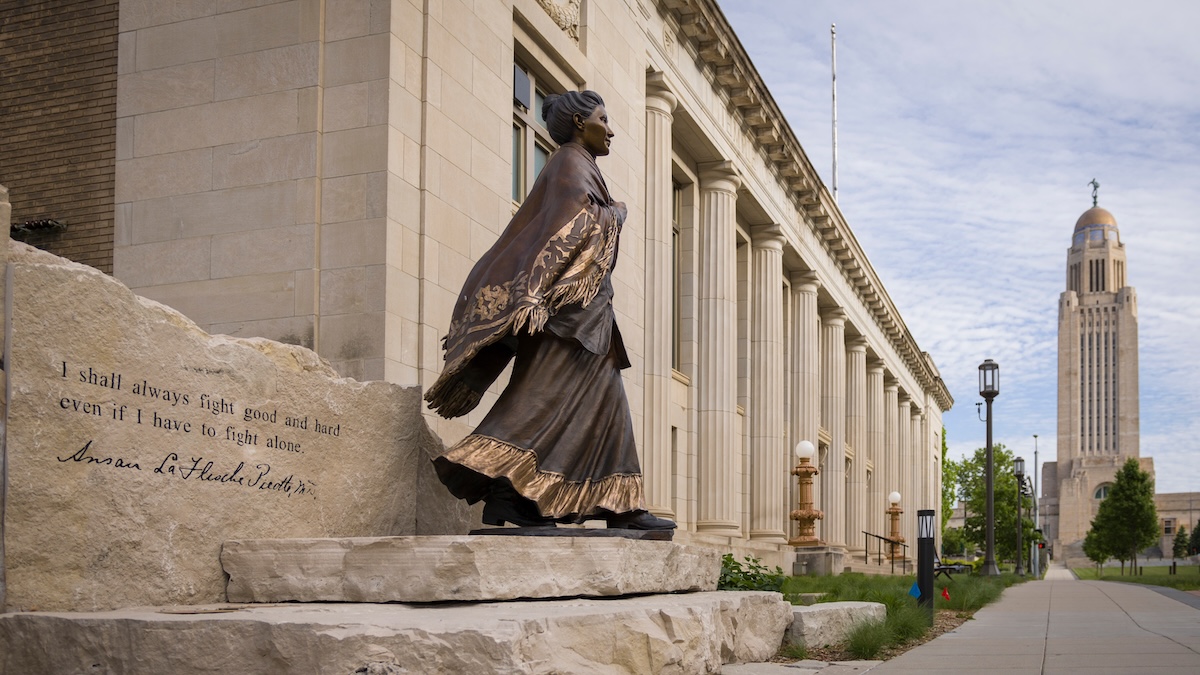
Lincoln’s Capitol stands out on the plains with its 400-foot tower, topped by a bronze statue called The Sower. Inside, mosaics and murals tell Nebraska’s story.
Nebraska is the only state with a unicameral legislature, and you can watch its single chamber in session. On fall Saturdays, Husker fans fill Memorial Stadium, making it one of Nebraska’s most populated places. Lincoln’s Historic Haymarket District packs restaurants, bars, and shops into old brick warehouses. In summer, the Sunken Gardens burst with colorful plantings.
Nevada: Carson City
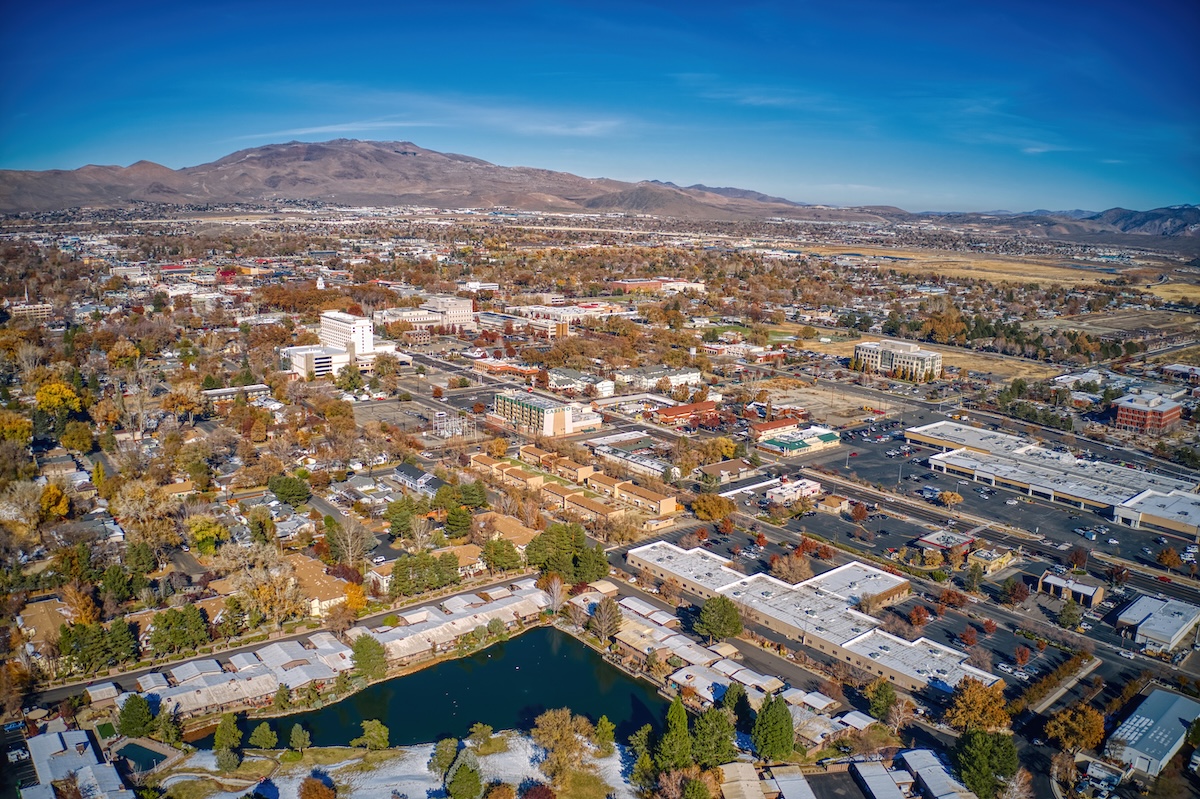
Carson City carries the name of frontiersman Kit Carson. Its Capitol, built in 1871, features a silver-colored cupola that references the state’s silver mining past. The building still houses the governor’s office.
The Nevada State Museum occupies the former Carson City Mint, where you can watch historic coin presses at work on special days. The Kit Carson Trail leads past Victorian homes on a self-guided walk. Lake Tahoe sits about 30 minutes west, and the Virginia & Truckee Railroad runs scenic rides toward Virginia City.
New Hampshire: Concord
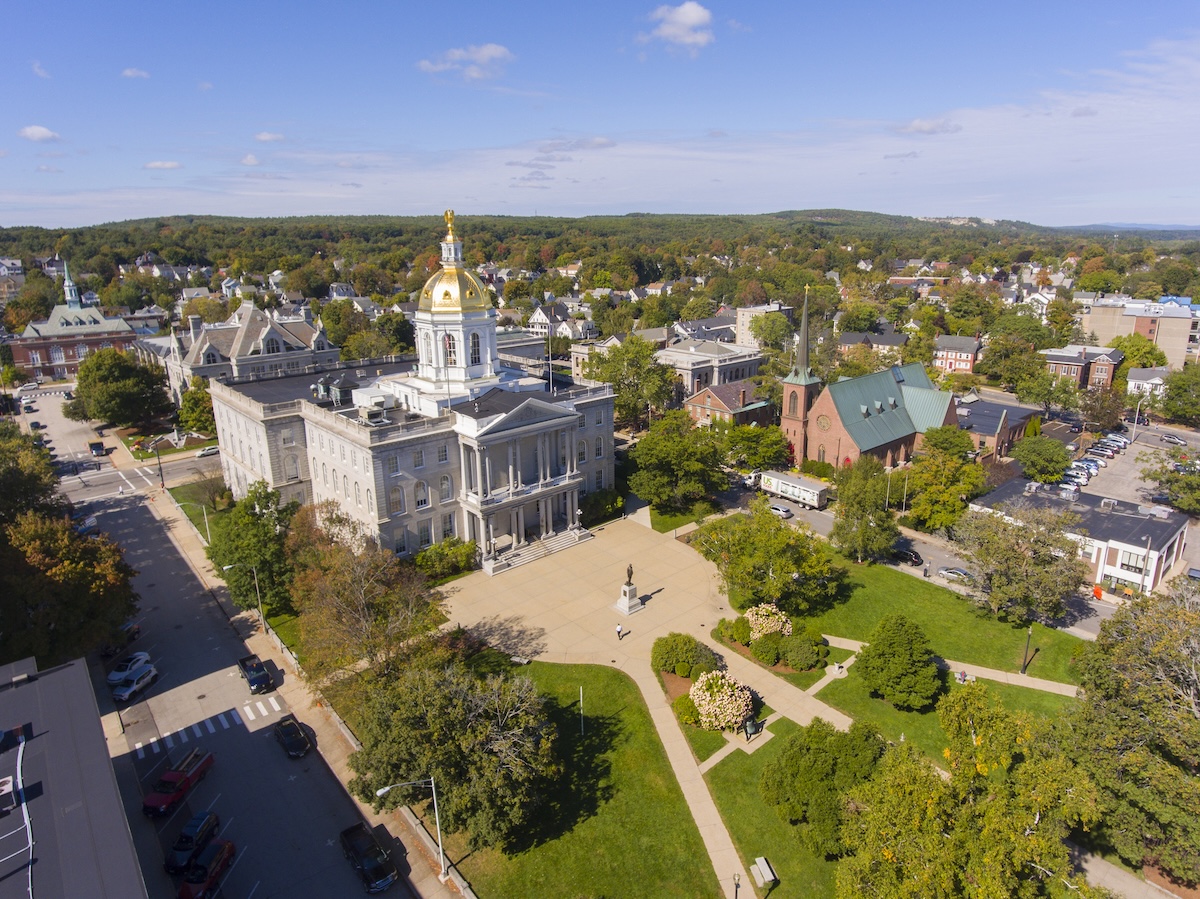
New Hampshire’s State House opened in 1819. It’s the oldest capitol where the legislature still meets in its original chambers. That legislature ranks among the largest in the English-speaking world, with 400 House members.
Concord has a small, walkable downtown along Main Street. The McAuliffe-Shepard Discovery Center honors Christa McAuliffe, the teacher who died aboard Challenger, and astronaut Alan Shepard, both New Hampshire natives. Every four years, presidential candidates flood the area before the first-in-the-nation primary. In fall, the surrounding hills burst into peak foliage colors.
New Jersey: Trenton
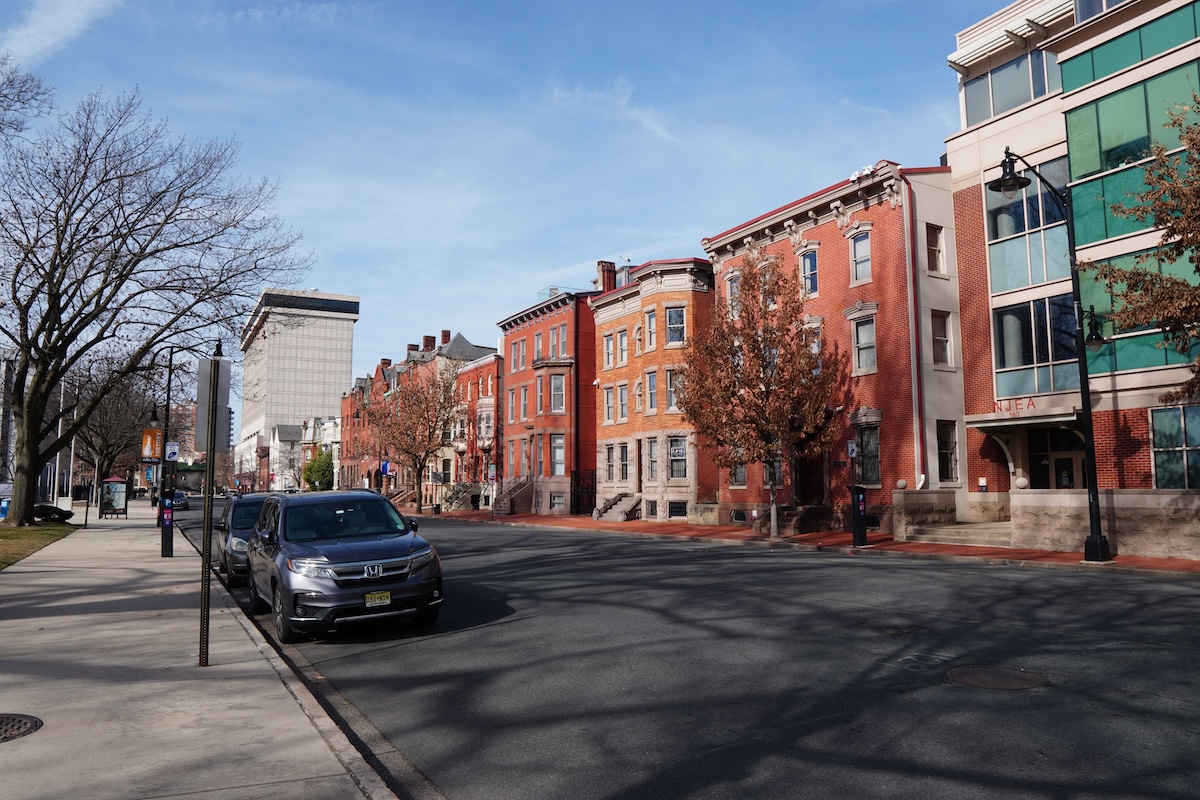
Trenton marks the site of a turning point in the American Revolution. After George Washington’s army crossed the Delaware River on December 25, 1776, it surprised Hessian troops here the next morning.
Built in 1758, the Old Barracks Museum interprets the battle with reenactments. Drivers crossing the Lower Trenton Bridge see the illuminated slogan “Trenton Makes, The World Takes,” a nod to the city’s manufacturing past. The New Jersey State House is among the oldest capitols in continuous use. Tomato pie, a local pizza with sauce on top of the cheese, is a must-try.
New Mexico: Santa Fe
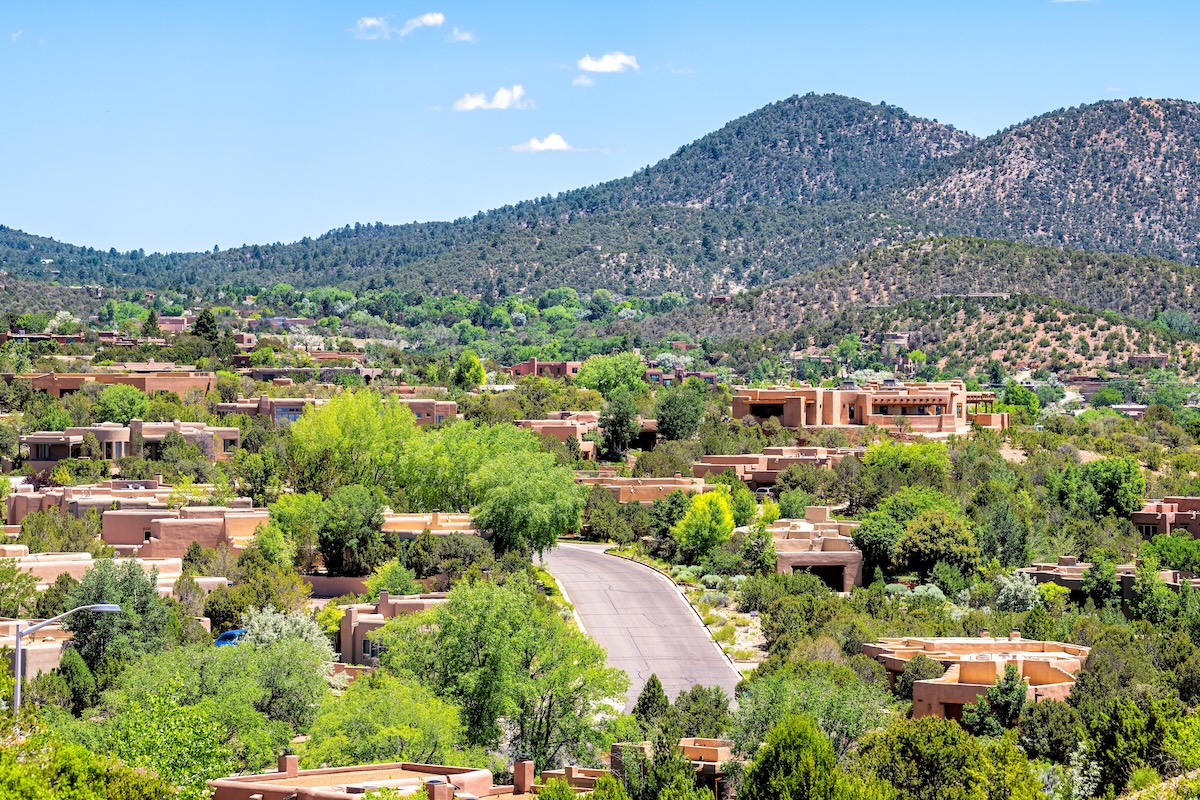
Santa Fe is the oldest state capital in the U.S., founded in 1610, and the highest, at around 7,000 feet. Its Capitol, nicknamed the Roundhouse, takes its shape from the Zia sun symbol.
Built in the early 1600s, the Palace of the Governors faces the historic Plaza, where Native artisans sell jewelry beneath its portal. Canyon Road holds more than 100 galleries along a half-mile stretch, and the Georgia O’Keeffe Museum showcases the artist tied to the region. When you order, servers will ask red or green chile; answer “Christmas” to get both.
New York: Albany
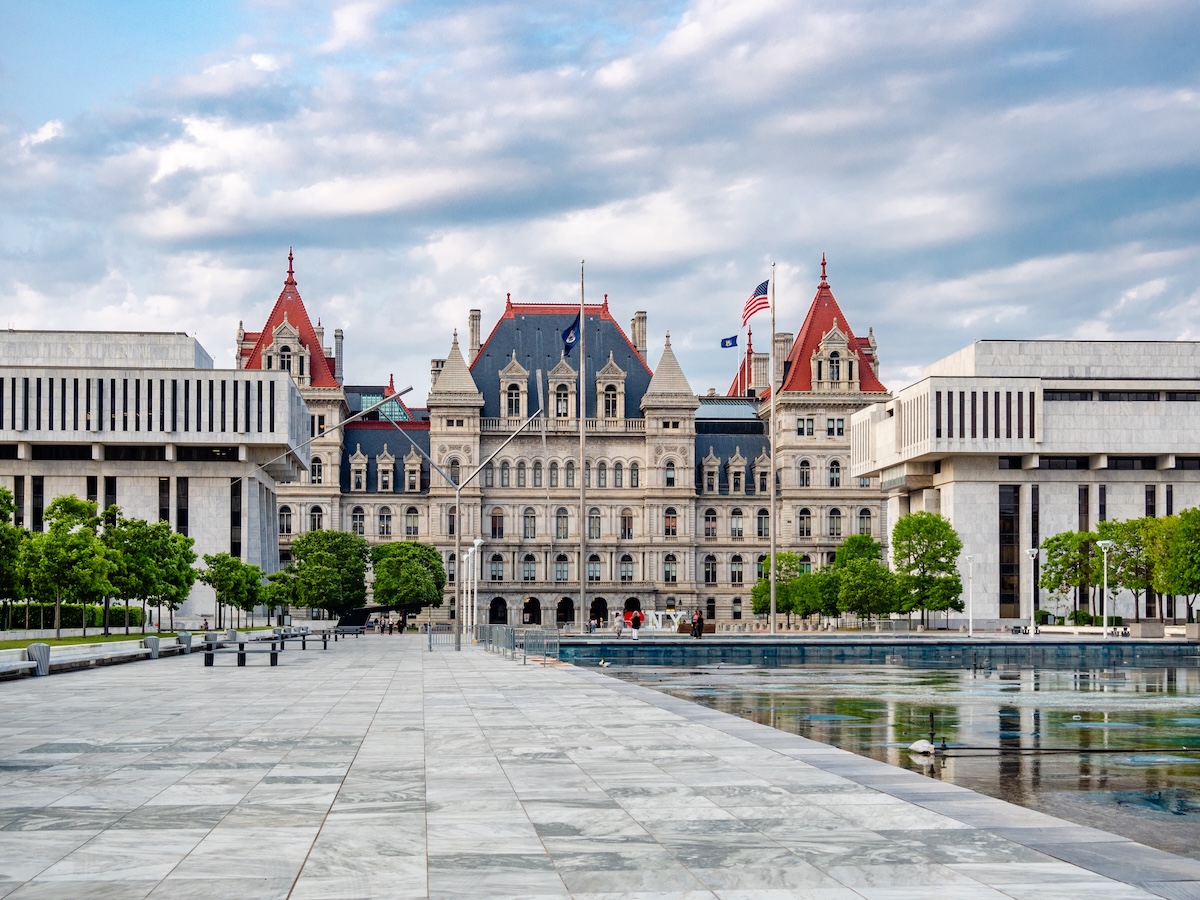
Albany often surprises visitors who assume New York City runs the state. Dutch traders established Fort Orange here in 1624, making Albany one of the oldest European settlements in the original 13 colonies.
Workers took 32 years to complete the Capitol, and its Million Dollar Staircase features carved stone faces. Across the Empire State Plaza, the Egg, a bowl-shaped performing arts venue, adds a modernist contrast. The New York State Museum offers free admission. Each May, the Tulip Festival celebrates the city’s Dutch roots with thousands of blooms in Washington Park.
North Carolina: Raleigh
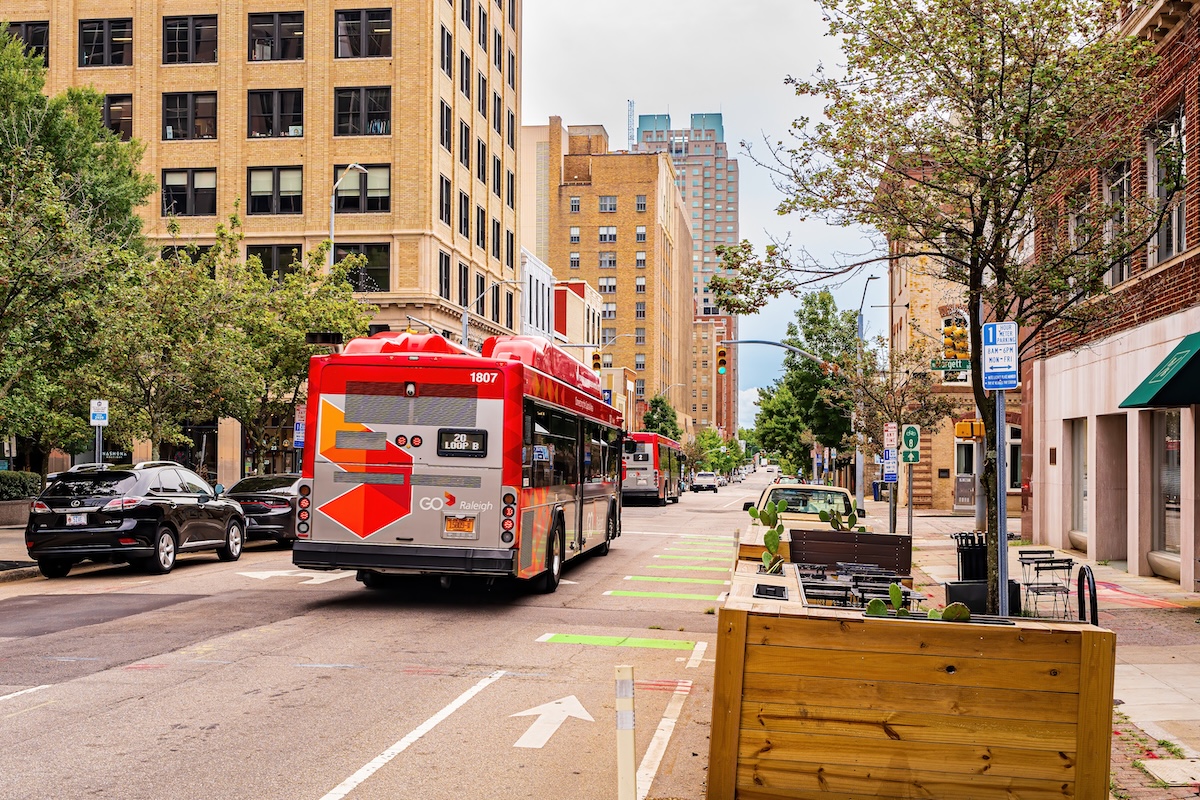
Raleigh, nicknamed the City of Oaks, forms one corner of the Research Triangle with Durham and Chapel Hill. The region’s universities and tech companies give it a young, educated population.
Completed in 1840, the Capitol is among the country’s best-preserved Greek Revival civic buildings. Next door, the North Carolina Museum of Natural Sciences offers free admission and a dinosaur skeleton gallery. The North Carolina Museum of Art pairs its galleries with a 164-acre park full of trails and outdoor sculpture. In fall, the State Fair draws crowds from across the region.
North Dakota: Bismarck
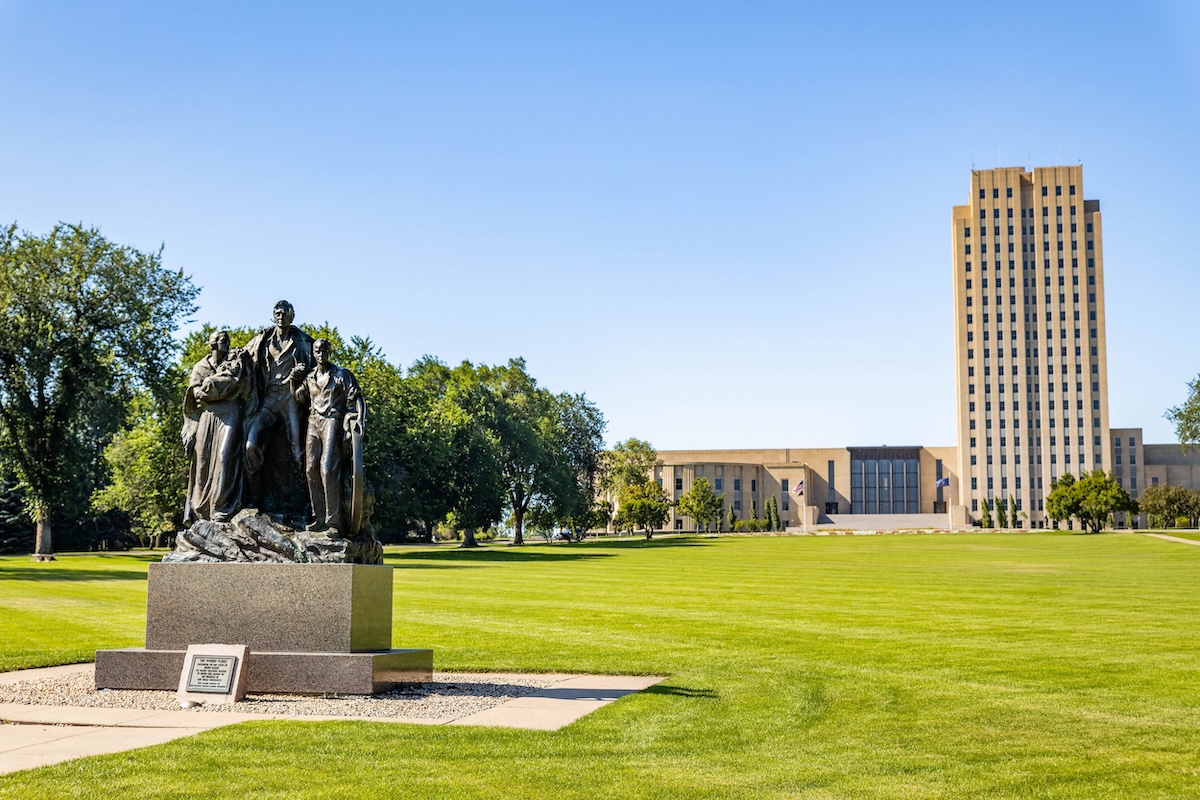
Bismarck’s Capitol rises 21 stories, earning the name Skyscraper of the Prairie. The Art Deco tower, completed in 1934, has an 18th-floor observation deck with views over the Missouri River valley.
Lewis and Clark passed through this stretch of the Missouri River, and the North Dakota Heritage Center on the Capitol grounds explores that history. Across the river in Mandan, Fort Abraham Lincoln State Park preserves the reconstructed home of George Custer and the On-A-Slant Mandan village. Pack layers year-round; prairie winds can shift temperatures quickly.
Ohio: Columbus
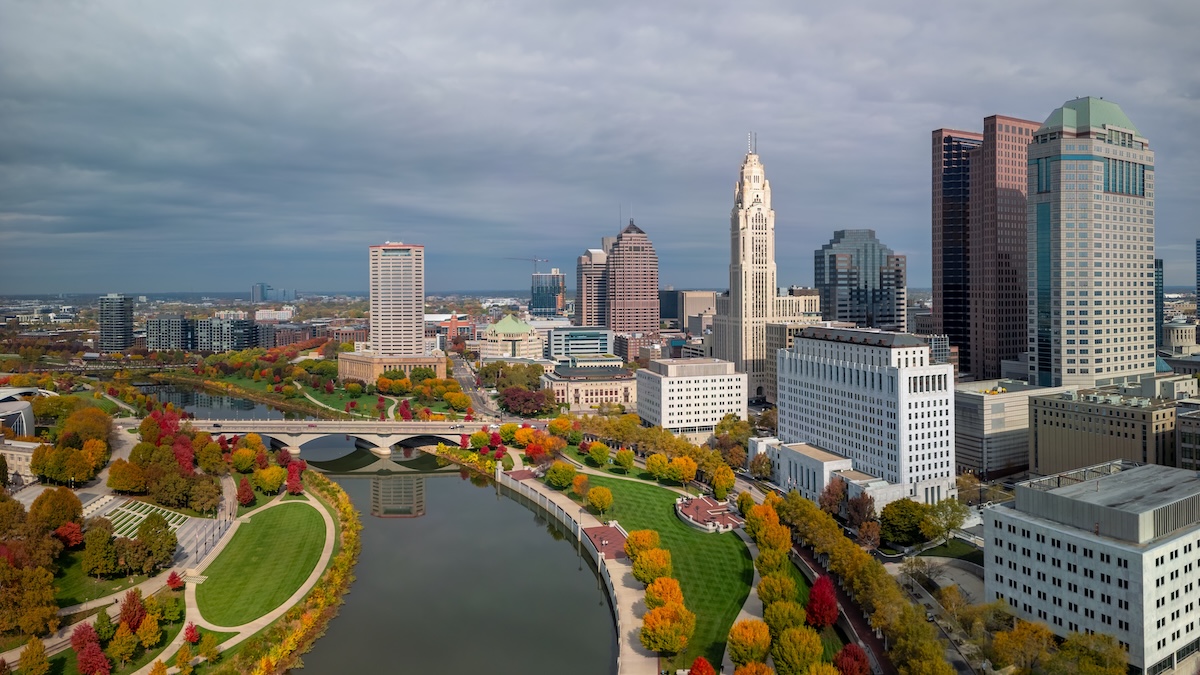
Columbus serves as both Ohio’s capital and its largest city. The Ohio Statehouse, a Greek Revival building finished in 1861, swaps a traditional dome for a flat-topped cupola.
Ohio State University gives the city a huge student population and a football obsession every fall. The Short North Arts District offers galleries, murals, and restaurants along High Street. German Village, a brick-lined neighborhood south of downtown, has restored 19th-century homes and the Book Loft, a bookstore with 32 rooms. Families head to COSI, one of the nation’s top science museums.
Oklahoma: Oklahoma City
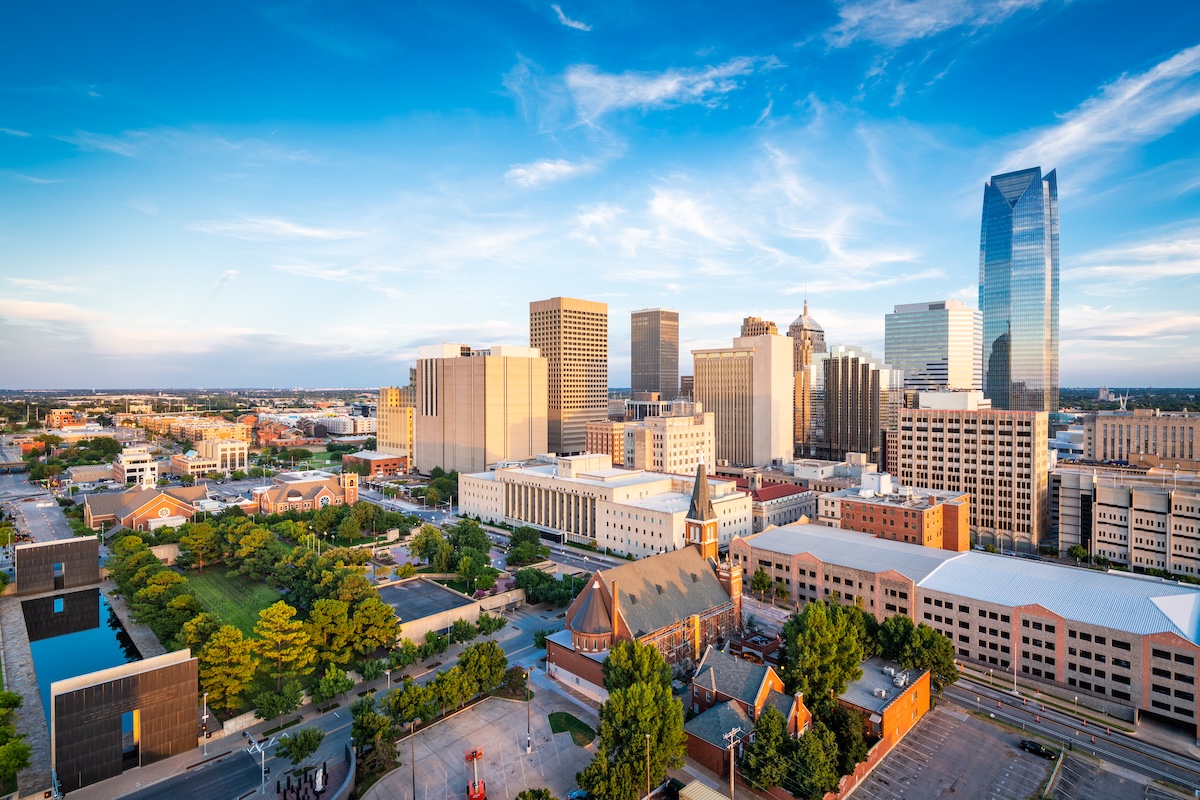
Oklahoma City grew overnight during the Land Run of 1889, when roughly 10,000 settlers claimed land in a single day. Oil wells still pump on the Capitol grounds, and workers added the building’s dome in 2002.
The Oklahoma City National Memorial and Museum honors the 168 people killed in the 1995 bombing. It features a reflecting pool and a field of empty chairs. Bricktown, a warehouse district along a canal, offers water taxi rides, restaurants, and minor league baseball. Stockyards City keeps cowboy culture alive with western-wear shops and steakhouses near a working cattle auction.
Oregon: Salem
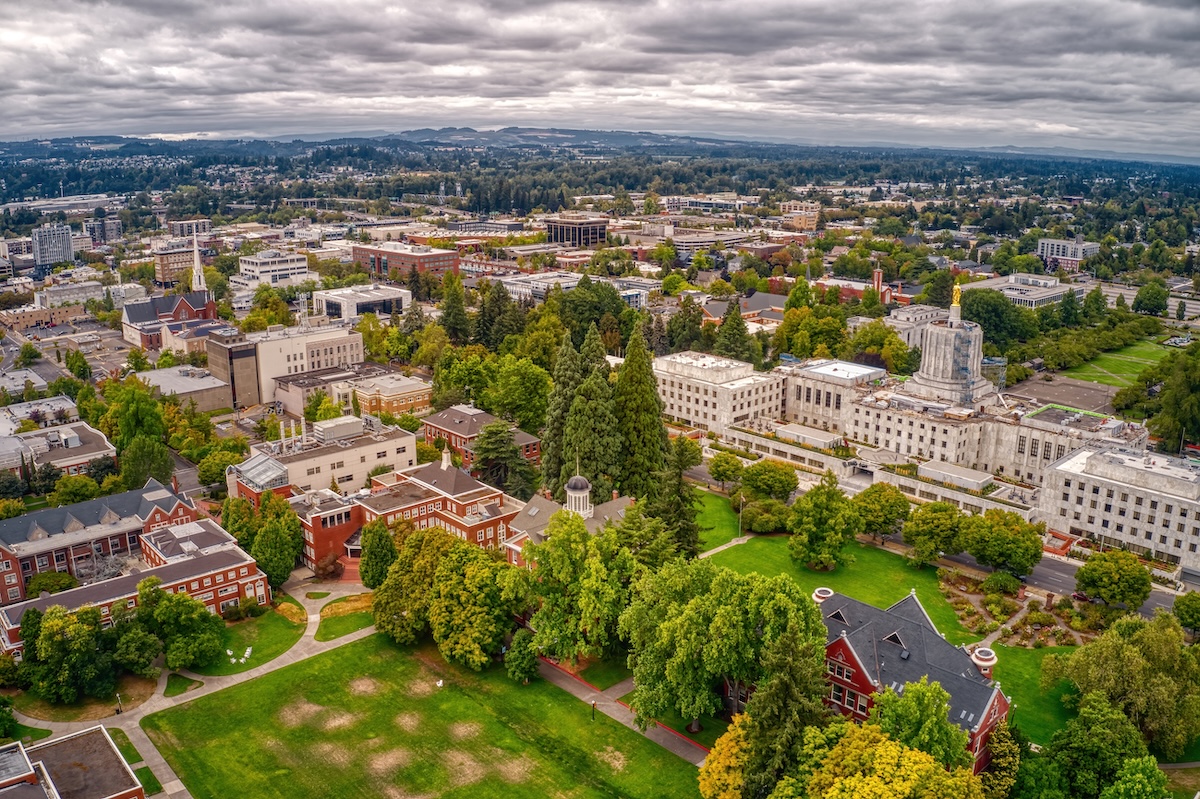
Salem sits in the heart of the Willamette Valley, one of the top wine regions for pinot noir in the U.S. A gilded bronze Oregon Pioneer statue stands atop the Art Deco Capitol, which workers built in 1938.
Riverfront Park holds the Salem Riverfront Carousel, with hand-carved horses created by local volunteers. About 26 miles east, Silver Falls State Park features the Trail of Ten Falls, a loop that passes behind several waterfalls. You can taste wines at dozens of vineyards within a short drive, and the Willamette Heritage Center preserves an 1800s woolen mill.
Pennsylvania: Harrisburg
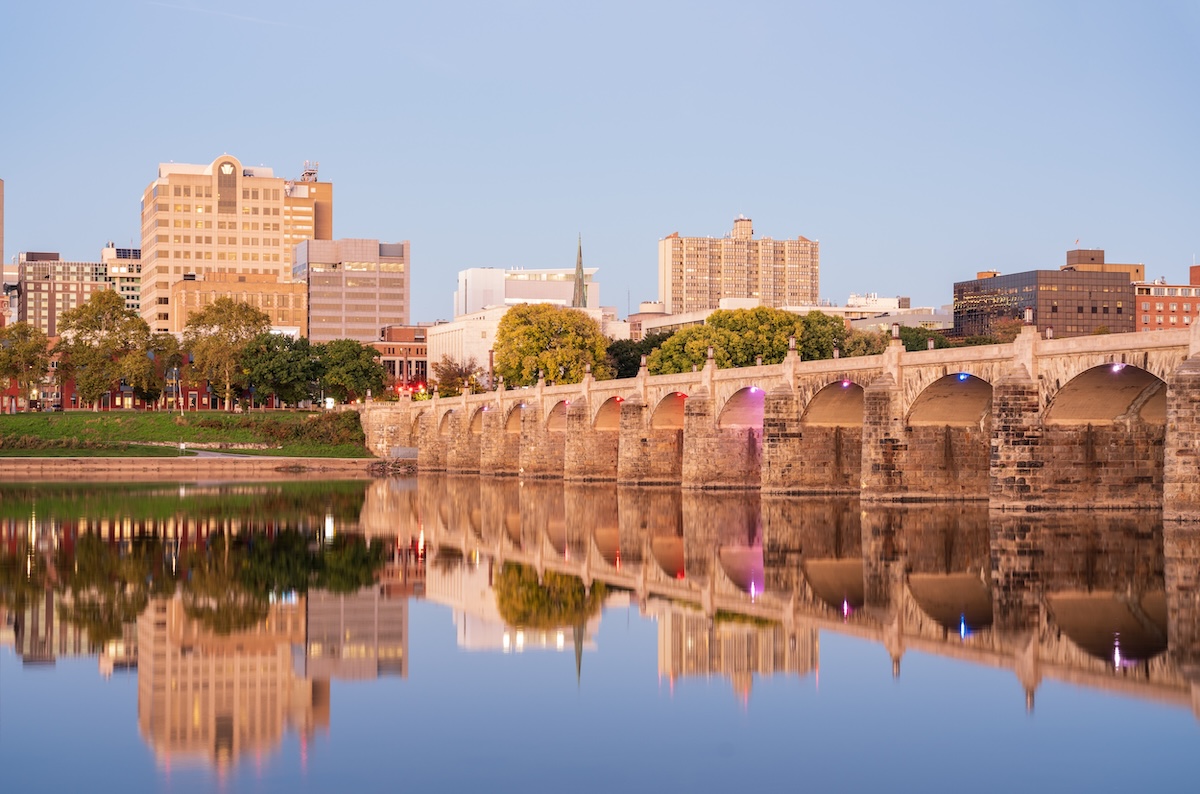
Theodore Roosevelt praised Harrisburg’s Capitol as the handsomest building he had ever seen at its 1906 dedication. Its dome takes inspiration from St. Peter’s Basilica in Rome.
The city sits along the Susquehanna River, and City Island offers a minor league ballpark, riverboat rides, and walking paths. The National Civil War Museum holds a large collection of artifacts from both sides of the conflict. Hershey, home to chocolate and an amusement park, sits about 15 miles east, and Gettysburg is less than an hour away.
Rhode Island: Providence
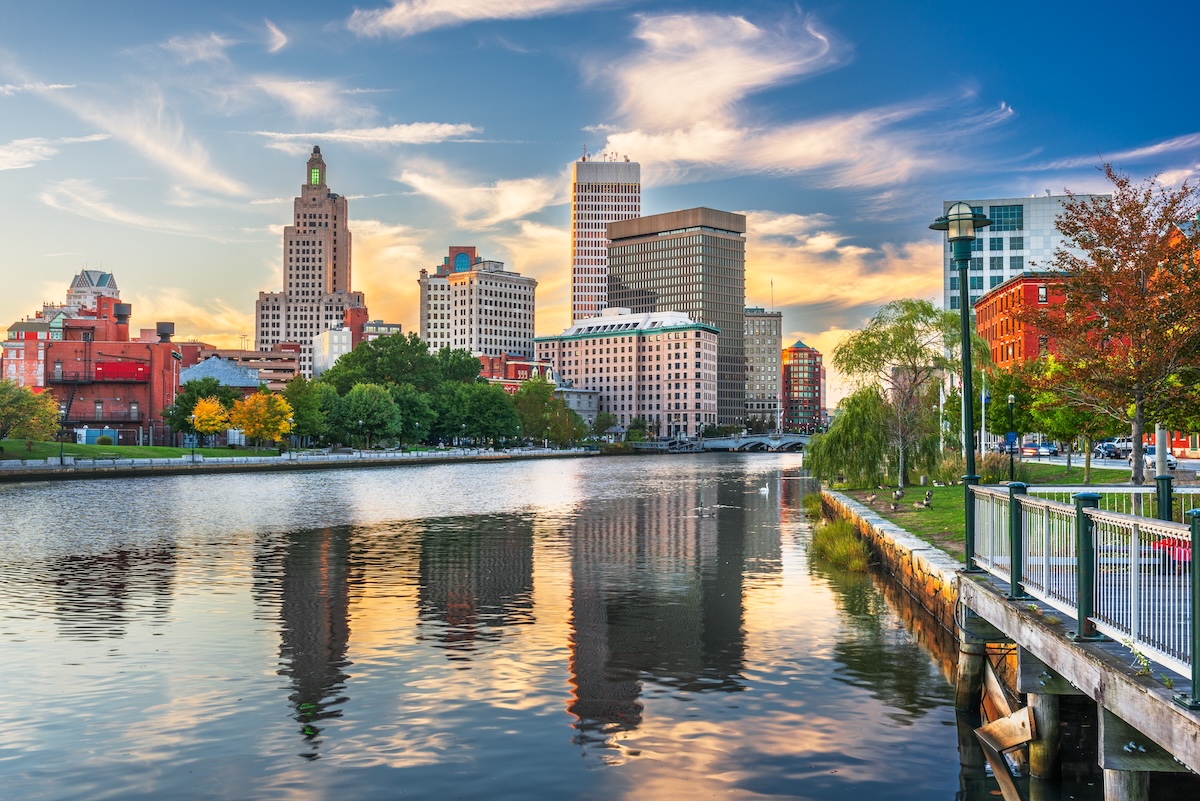
Providence serves as the capital of the smallest state but packs plenty of culture into its compact downtown. The Rhode Island State House features one of the world’s largest self-supporting marble domes.
WaterFire, an art installation of bonfires floating on the rivers downtown, draws crowds on select evenings from spring through fall. Brown University and the Rhode Island School of Design give College Hill a lively feel, and the RISD Museum holds a wide-ranging art collection. Federal Hill, the city’s Italian neighborhood, serves pasta, cannoli, and espresso along Atwells Avenue.
South Carolina: Columbia
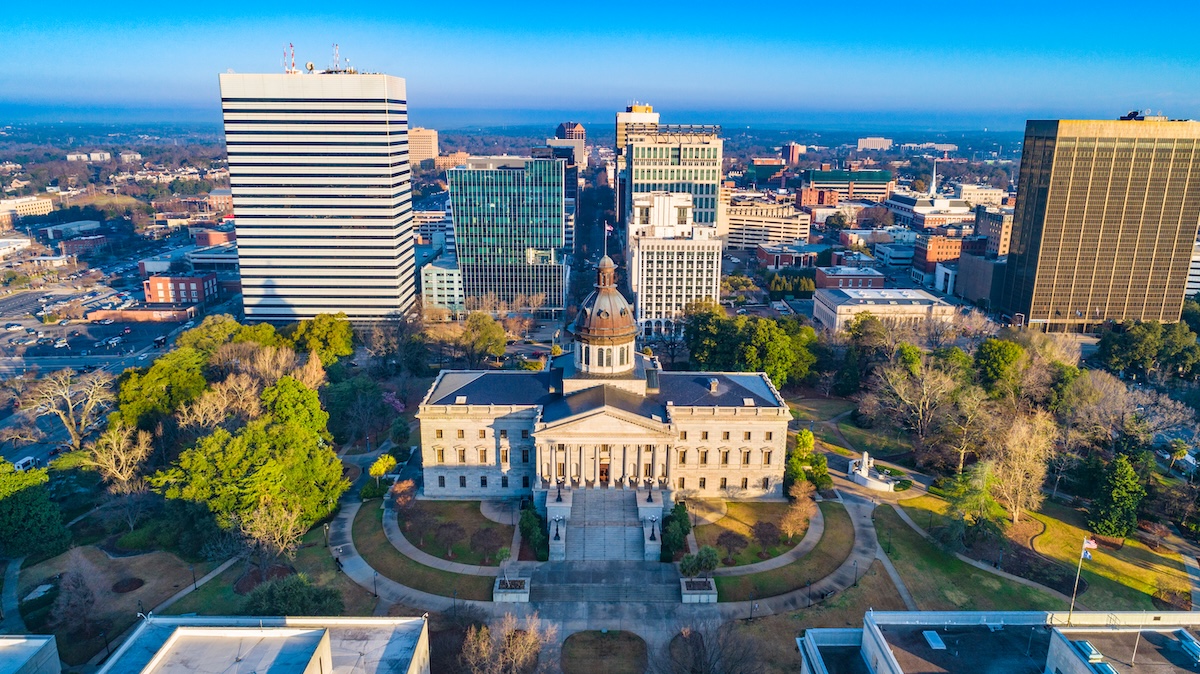
Columbia’s State House still shows scars from the Civil War. Bronze stars mark where Union artillery struck the building in 1865 during General William Tecumseh Sherman’s advance.
The University of South Carolina keeps downtown busy, and the Saturday Soda City Market fills Main Street with food vendors. Riverbanks Zoo and Garden, one of the Southeast’s top zoos, sits where the Saluda and Broad Rivers meet. About 20 miles southeast, Congaree National Park protects one of the country’s largest old-growth bottomland hardwood forests, with boardwalks and canoe trails.
South Dakota: Pierre
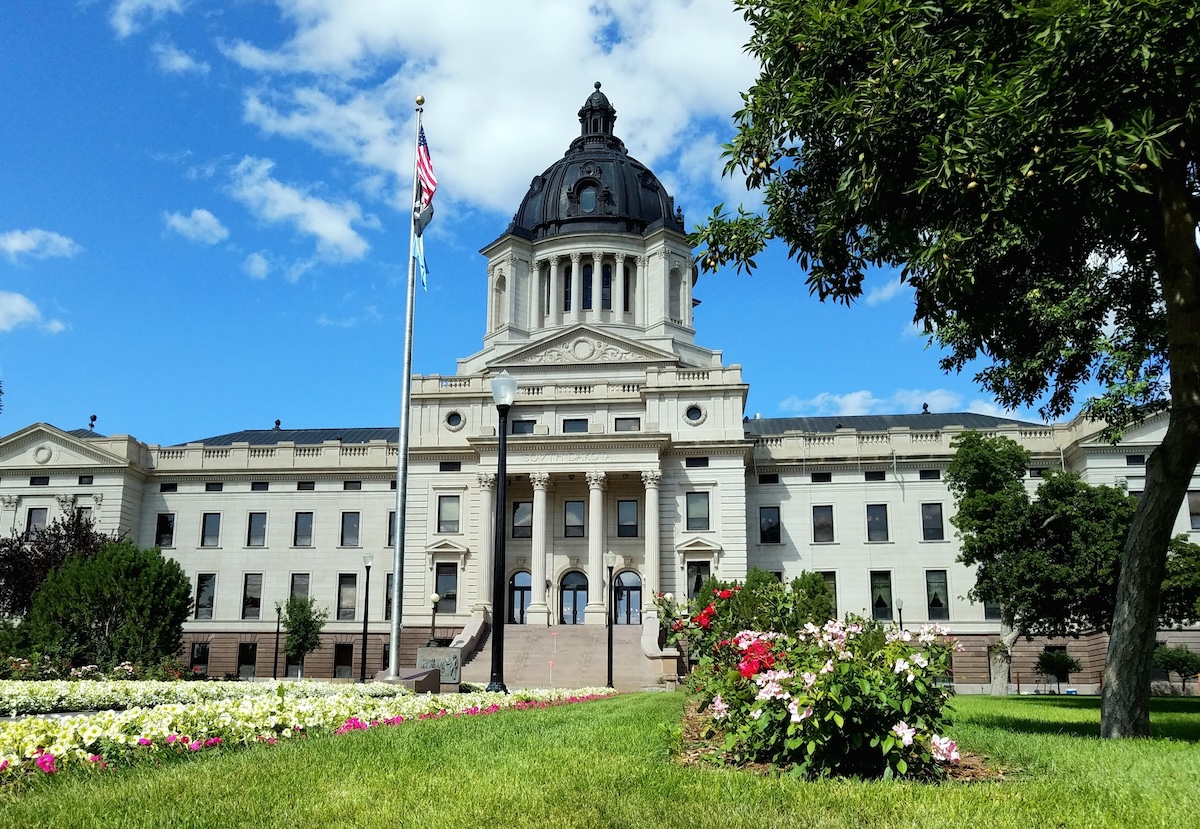
Locals pronounce it “peer,” and the city ranks as the second-smallest state capital by population, with roughly 14,000 residents. No interstate reaches Pierre, which keeps the town feeling quiet and self-contained.
The Missouri River dominates life here. Just north, Oahe Dam holds back Lake Oahe, a reservoir known for walleye fishing. Lewis and Clark camped nearby in 1804, and the South Dakota Cultural Heritage Center explores the state’s Native American and pioneer history. Completed in 1910, the Capitol features a copper dome and marble interiors.
Tennessee: Nashville
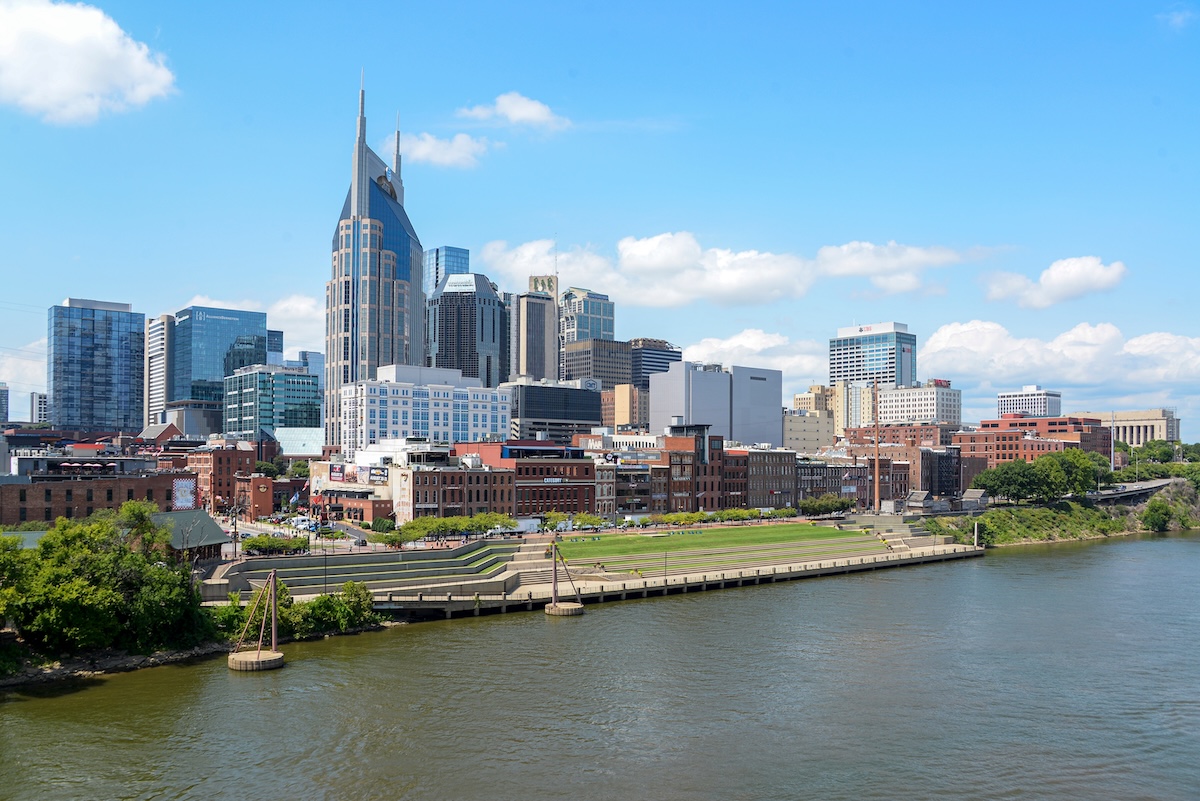
Nashville runs on music, and you’ll hear it pouring from honky-tonks along Lower Broadway at nearly any hour. The Ryman Auditorium, the Grand Ole Opry, and the Country Music Hall of Fame anchor the city’s sound.
Completed in 1859, the Capitol holds a quirky distinction: its architect, William Strickland, is buried inside its walls. In Centennial Park, you can visit a full-scale replica of the Parthenon, complete with a towering Athena statue. Nashville hot chicken, fried and coated in cayenne paste, has become the city’s signature dish.
Texas: Austin
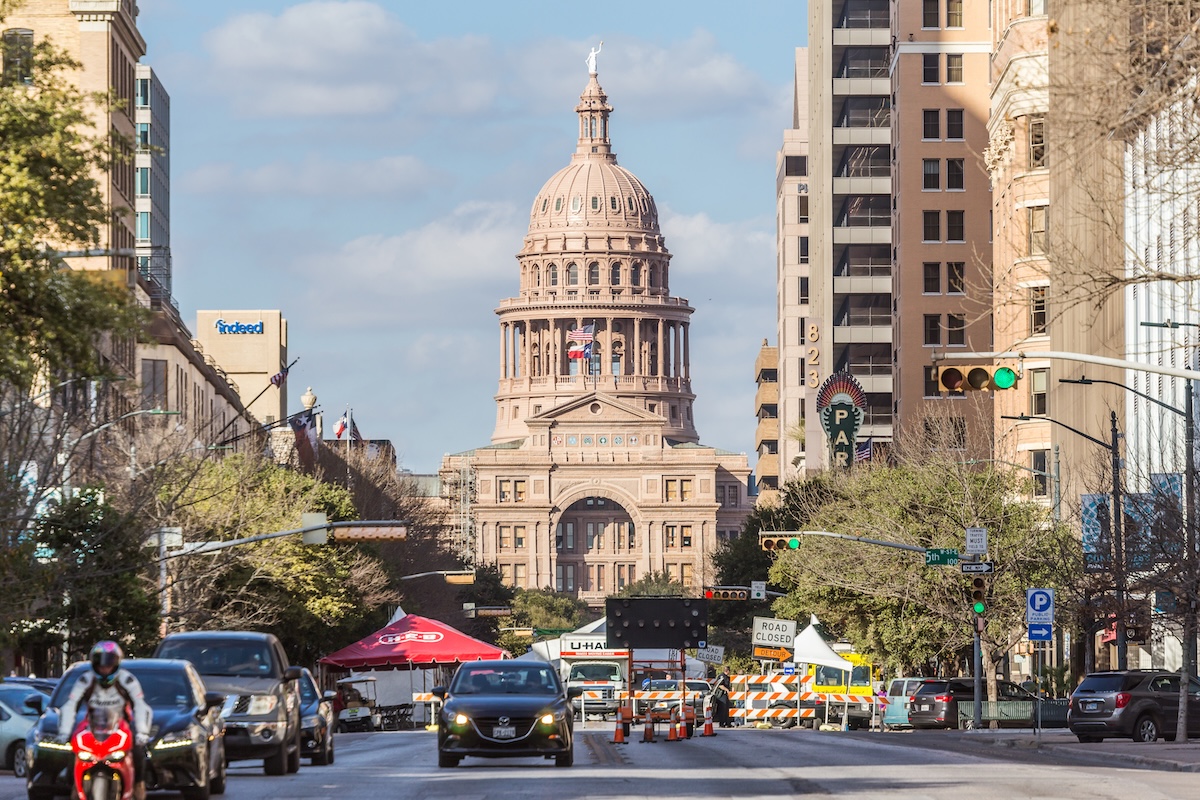
Everything’s bigger in Texas, including the Capitol, which stands taller than the U.S. Capitol in Washington. Built from sunset red granite and completed in 1888, it anchors Congress Avenue.
From late spring through fall, about 1.5 million Mexican free-tailed bats emerge at dusk from beneath the Congress Avenue Bridge, drawing nightly crowds. Austin calls itself the Live Music Capital of the World, and South by Southwest brings film, music, and tech to town each March. Barton Springs Pool, a spring-fed swimming hole, stays around 68 to 70°F year-round.
Utah: Salt Lake City
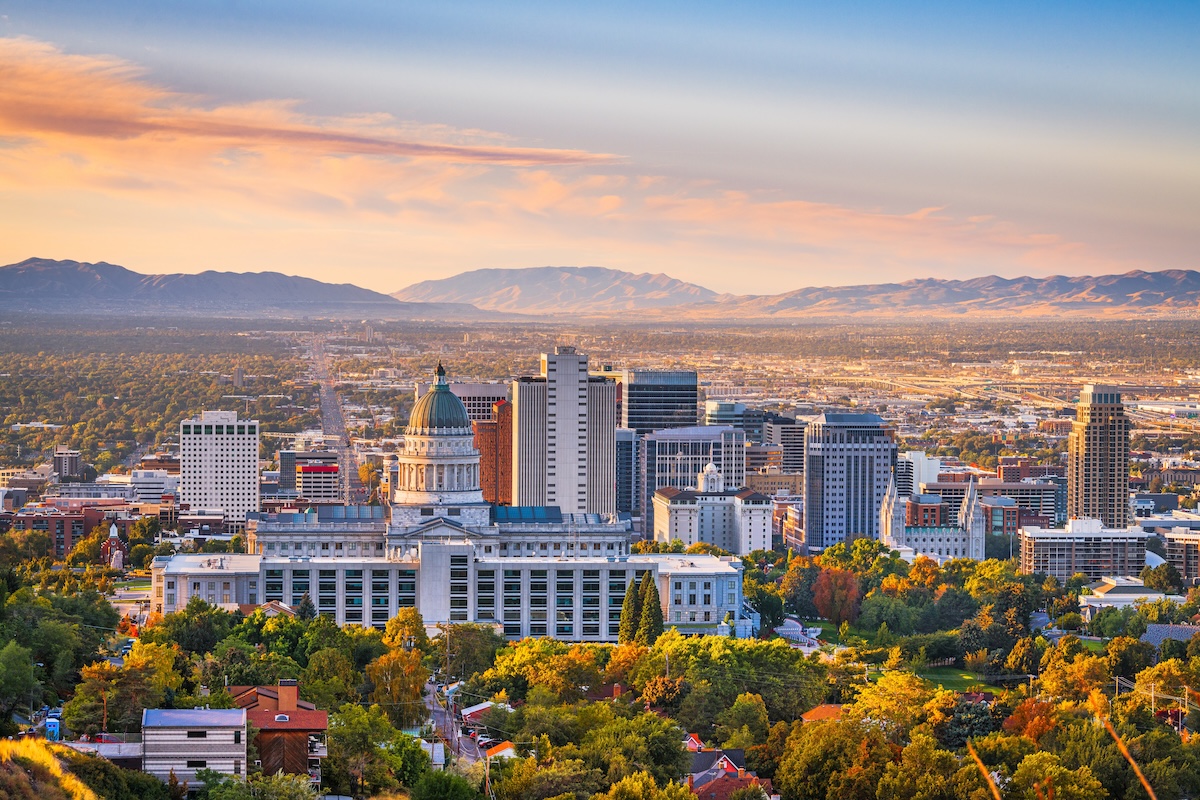
Salt Lake City’s street grid starts at Temple Square, the headquarters of the Church of Jesus Christ of Latter-day Saints. Addresses count outward from there, so navigating is surprisingly simple once you understand the system.
The Capitol sits on a hill overlooking downtown, with views of the Wasatch Range. More than half a dozen ski resorts, including Alta and Snowbird, are about 45 minutes from the airport. To the northwest, the Great Salt Lake stretches out, its water saltier than the ocean. The city also has a growing food scene and the Natural History Museum of Utah.
Vermont: Montpelier
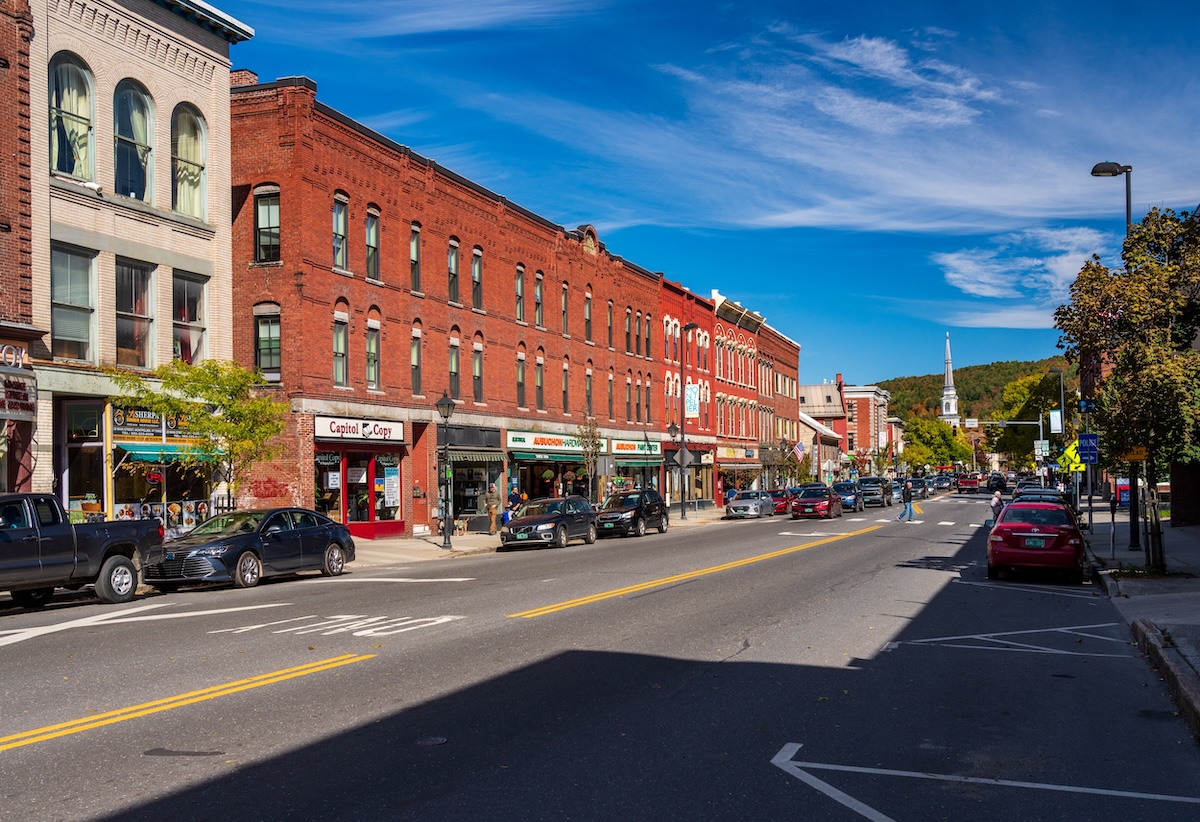
Montpelier is the smallest state capital by population, with roughly 8,000 residents. It’s also famously the only capital without a McDonald’s, a distinction that fits its independent, local-business character.
The gold-domed State House stands against a wooded hillside, and a statue of Revolutionary War figure Ethan Allen guards the entrance. Hubbard Park offers trails and a stone observation tower just above downtown. A few miles north, Morse Farm Maple Sugarworks lets you taste maple syrup and sugar-on-snow. Leaf-peepers flock to the city from late September into October for fall foliage.
Virginia: Richmond
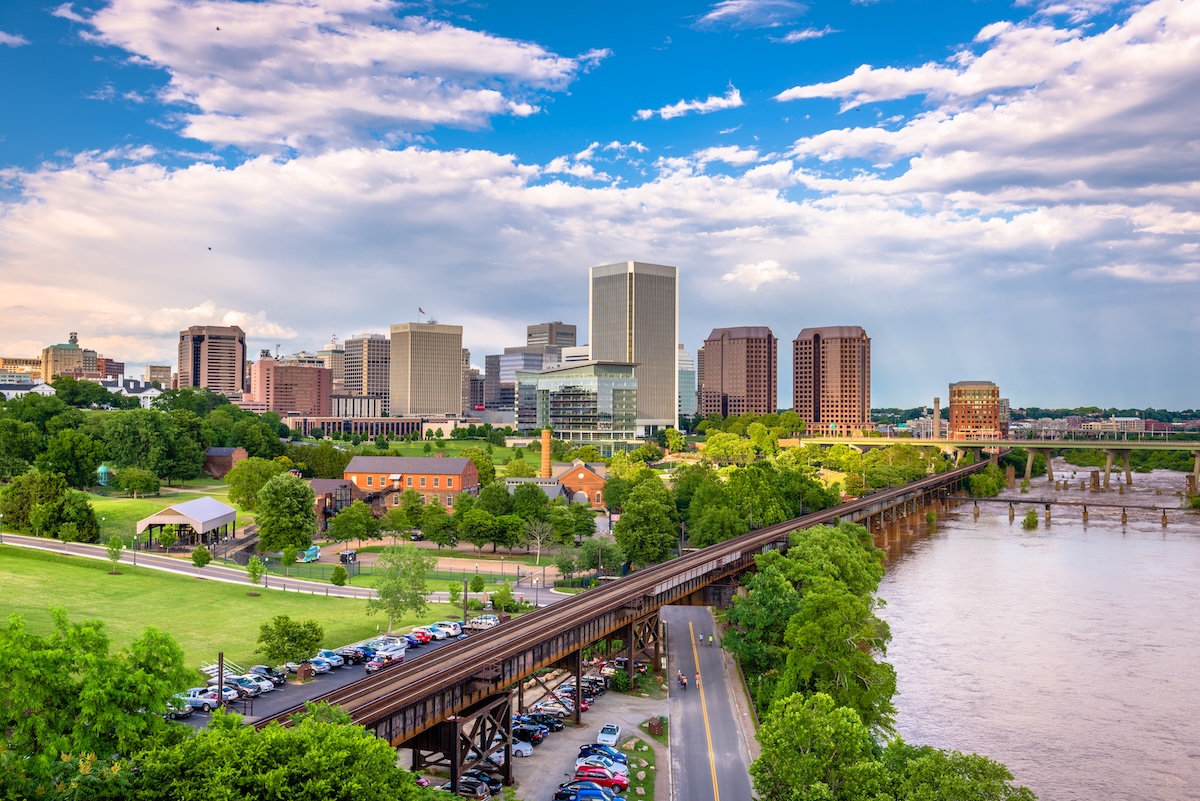
Thomas Jefferson designed Richmond’s Capitol in 1785, modeling it after a Roman temple in France. The city later served as the capital of the Confederacy, a history it now interprets through several museums.
Patrick Henry delivered his “Give me liberty, or give me death” speech at St. John’s Church in 1775, and reenactments take place on summer Sundays. The James River runs through downtown, with Class III and IV rapids that make Richmond one of the few cities with urban whitewater rafting. The Virginia Museum of Fine Arts offers free general admission.
Washington: Olympia
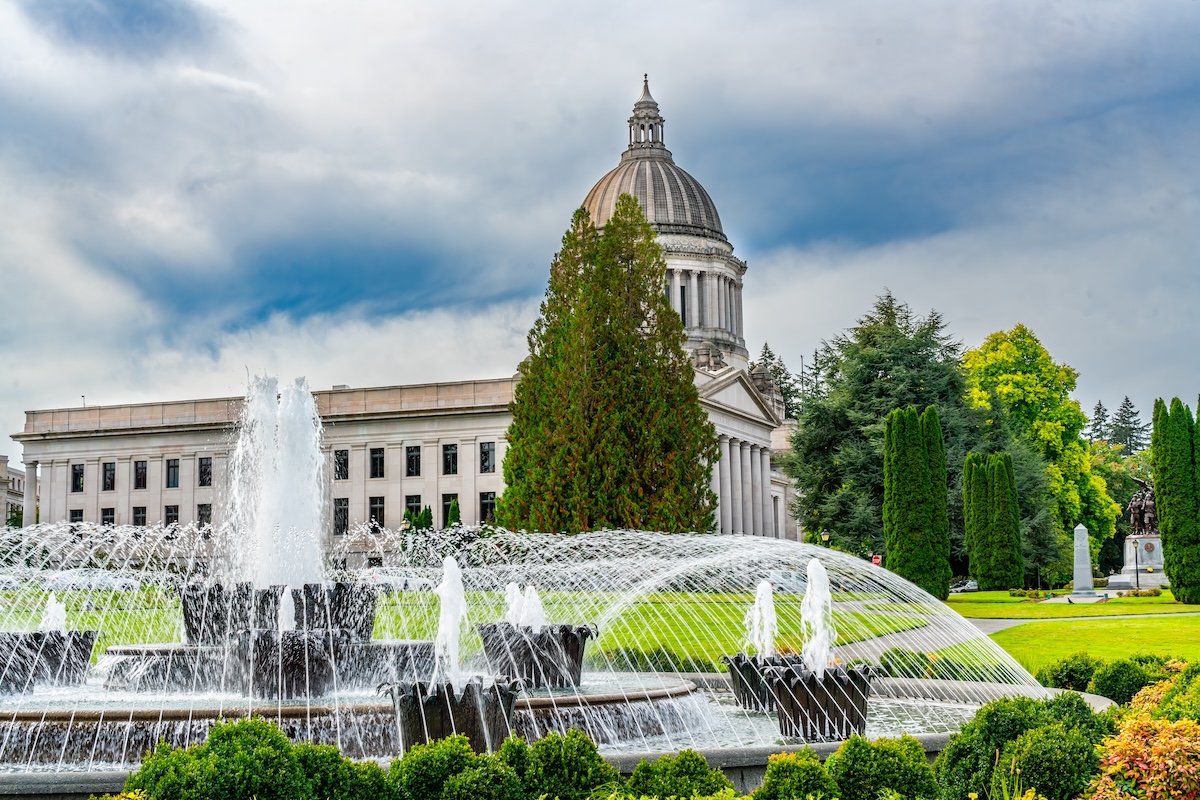
Olympia sits at the southern tip of Puget Sound, surrounded by forests and water. Its Capitol dome ranks among the world’s tallest self-supporting masonry domes.
Along the waterfront at Percival Landing, the Olympia Farmers Market sells oysters, local produce, and baked goods. About 15 minutes away, the Billy Frank Jr. Nisqually National Wildlife Refuge has boardwalks through bird-filled estuaries. The Olympic Peninsula and Mount Rainier both make easy day trips, while the city’s coffee shops and music venues give it an artsy streak.
West Virginia: Charleston
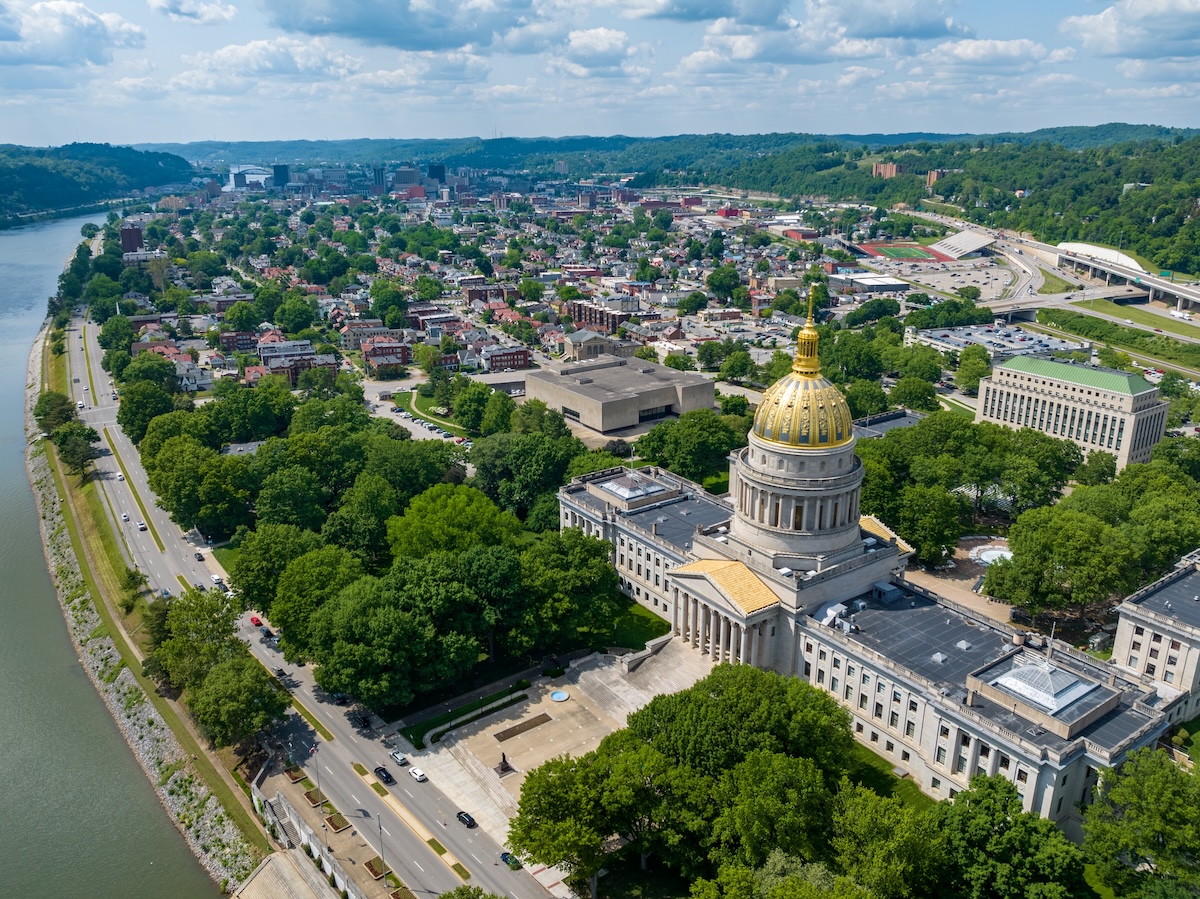
Charleston sits along the Kanawha River. Cass Gilbert designed its Capitol, whose gold dome rises higher than the dome of the U.S. Capitol. Inside, imported marble and a massive crystal chandelier stand out.
The Capitol Market occupies a converted rail depot, where vendors sell local produce, meats, and West Virginia-made goods. The Clay Center brings together a science museum, planetarium, and performance halls. About an hour east, New River Gorge National Park and Preserve offers whitewater rafting, rock climbing, and the famous New River Gorge Bridge.
Wisconsin: Madison
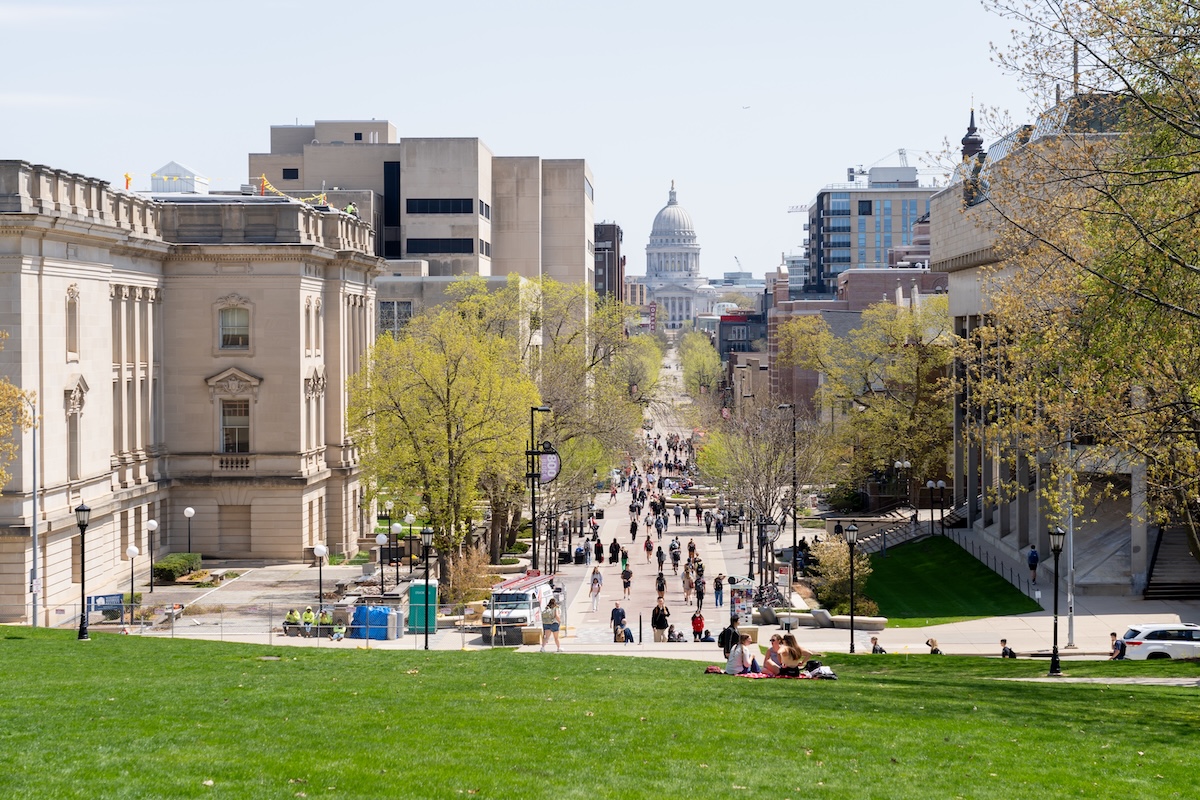
Madison sits on an isthmus between Lake Mendota and Lake Monona, with its Capitol at the center of that narrow strip. City height limits protect views of the dome from across town.
On summer Saturdays, the Dane County Farmers’ Market circles Capitol Square, selling cheese curds, produce, and baked goods at one of the country’s largest producer-only markets. The University of Wisconsin campus borders Lake Mendota, where the Memorial Union Terrace offers sunset views and its iconic sunburst chairs. Bike paths connect much of the city.
Wyoming: Cheyenne
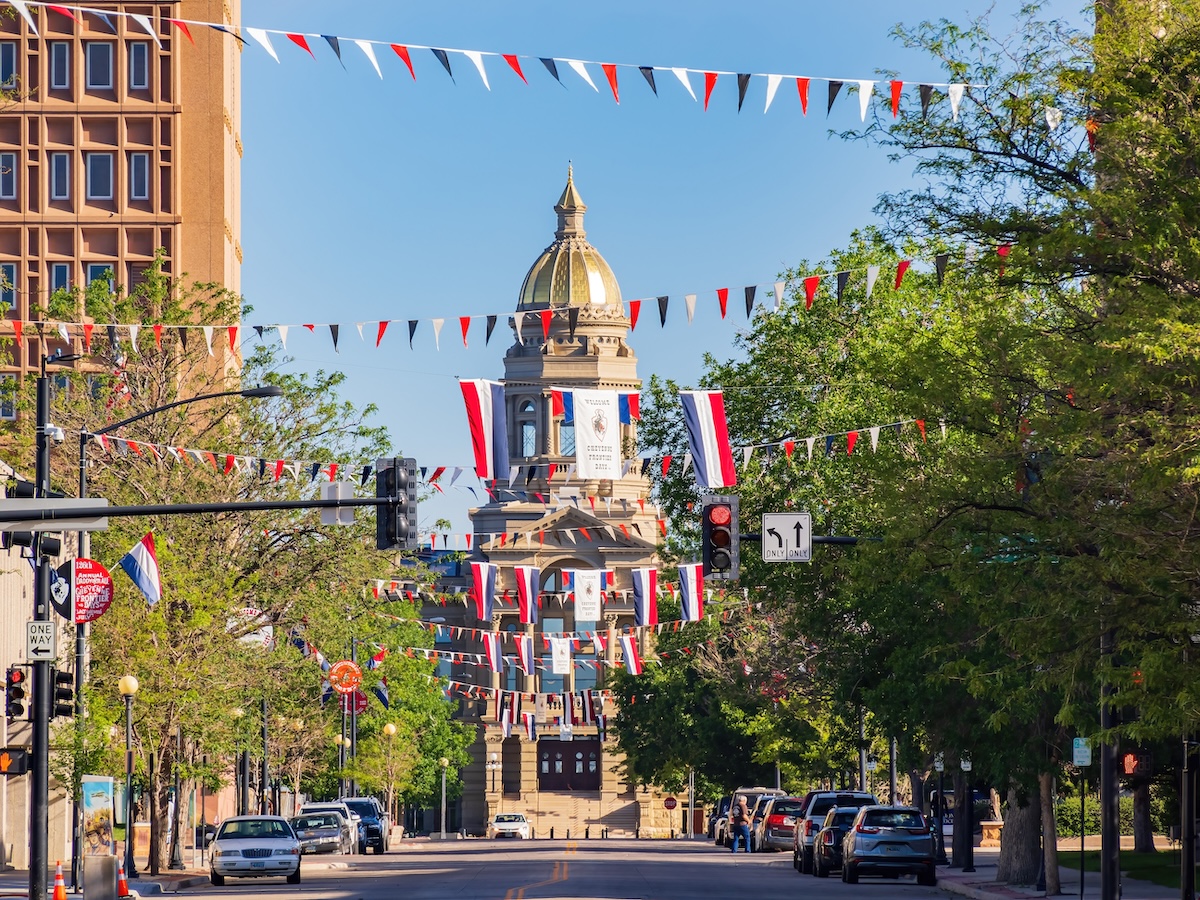
Each July, Cheyenne celebrates its cowboy roots with Cheyenne Frontier Days. The event has hosted rodeos since 1897 and calls itself the world’s largest outdoor rodeo and western celebration. Bull riding, parades, and concerts fill the town.
Cheyenne grew up around the Union Pacific Railroad. You can see Big Boy, one of the largest steam locomotives ever built, on display in Holliday Park. The Capitol reopened in 2019 after a major restoration. Look for giant painted Big Boots around downtown, each decorated by a local artist.