
For most of history, luxury travel meant bringing your comforts with you. Grand Tour aristocrats in the 1700s hauled servants, silver, and sometimes their own mattresses over the Alps, because the inns ahead were cold, damp, and full of fleas.
That equation has flipped. The best high-end trips now hinge on what a place already does better than anywhere else: a chef who has perfected one broth for forty years, a tracker who reads paw prints like a morning paper, a villa perched over water so clear you can count fish from bed. Fancy sheets are the easy part. Every country here has those.
What sets the best countries for a luxury vacation apart is that your money buys access to something rooted in the place itself. Use these picks to decide which kind of splurge you’d still be talking about in ten years.
Italy
Italy has been selling glamour to foreigners for about 300 years, and it has never once looked tired doing it. Those Grand Tour travelers ended up here, and the hospitality industry rose up to meet them.
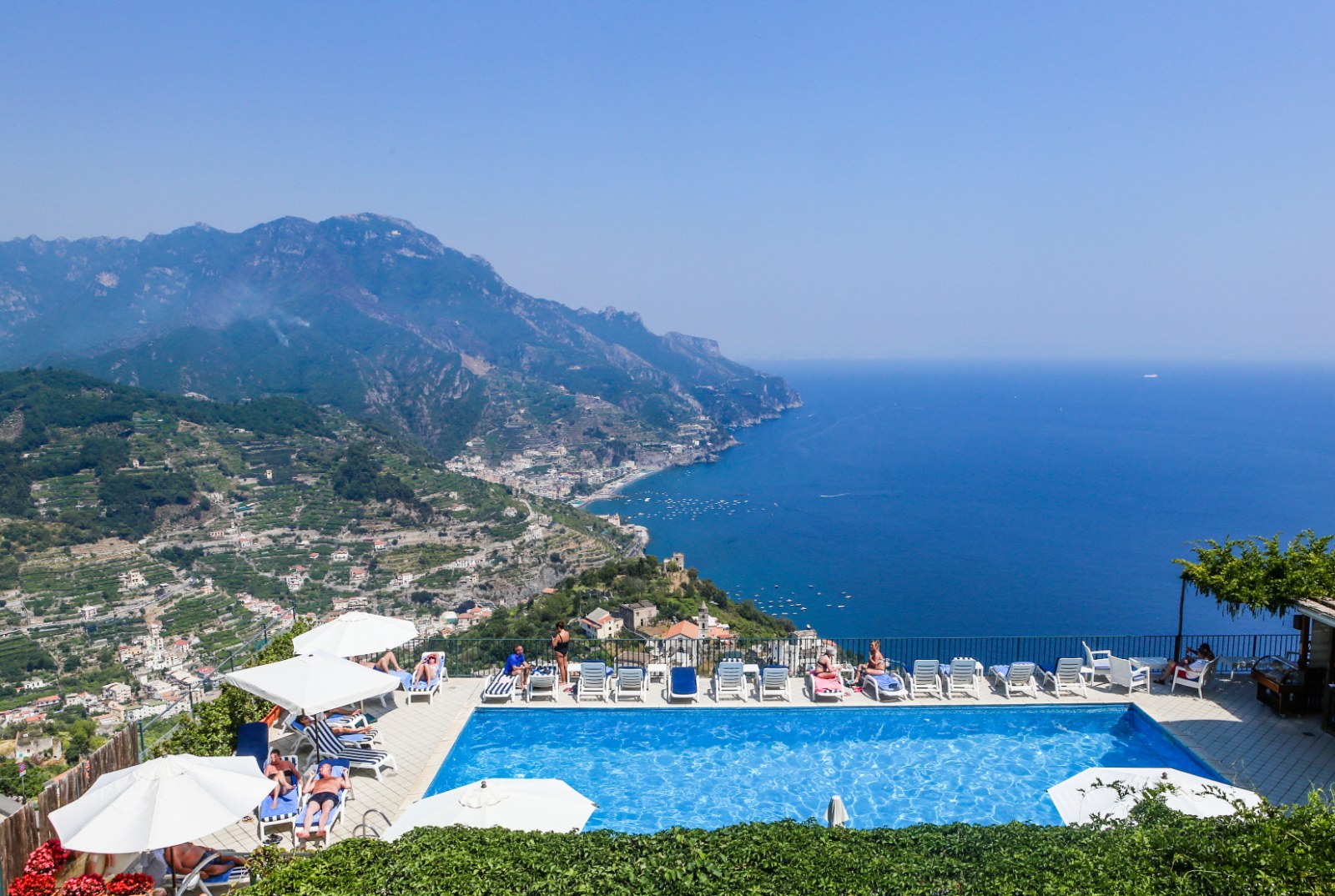
You can still sleep inside that history. Villa d’Este on Lake Como was built as a cardinal’s residence in the 1500s and became a hotel in 1873. The gardens look like someone kept tweaking the same postcard for five centuries. Down south, the Amalfi Coast stacks lemon-scented hotels on cliffs so steep that some of them bring luggage up by elevator carved into rock.
The real indulgence is the food, which feels almost unfair. A plate of pasta at a family trattoria in Bologna can outshine a tasting menu elsewhere. Then you go to Florence, where a Renaissance palazzo might double as your hotel, and the bar is suddenly much higher.
Maldives
Imagine a country that is roughly 99 percent water, and you’ve basically pictured the Maldives. Its 1,190-odd coral islands sit so low that the highest natural point is only about eight feet above sea level.
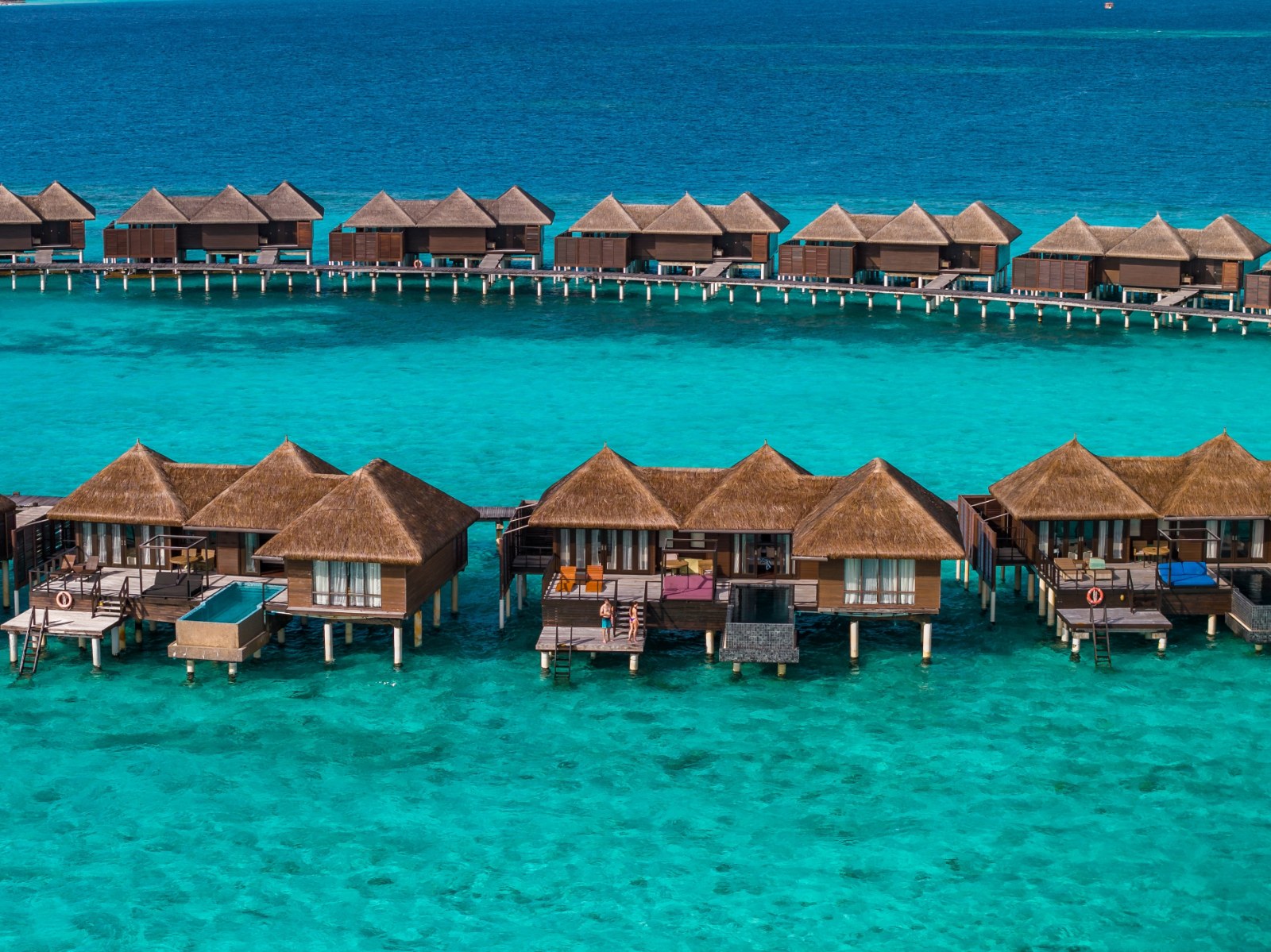
That geography created the “one island, one resort” model. Each resort gets its own private island, so your neighbors are mostly reef sharks and the occasional manta ray. Getting there is half the fun: seaplanes buzz over turquoise atolls, and the pilots famously fly barefoot.
Overwater villas are the default here, and many come with glass floors, slides into the lagoon, and private pools. Some resorts push it further. At the Conrad Maldives, Ithaa sits five meters below the surface, so you can eat lobster while fish stare back at you through curved acrylic walls. It’s mildly unsettling and completely unforgettable.
Japan
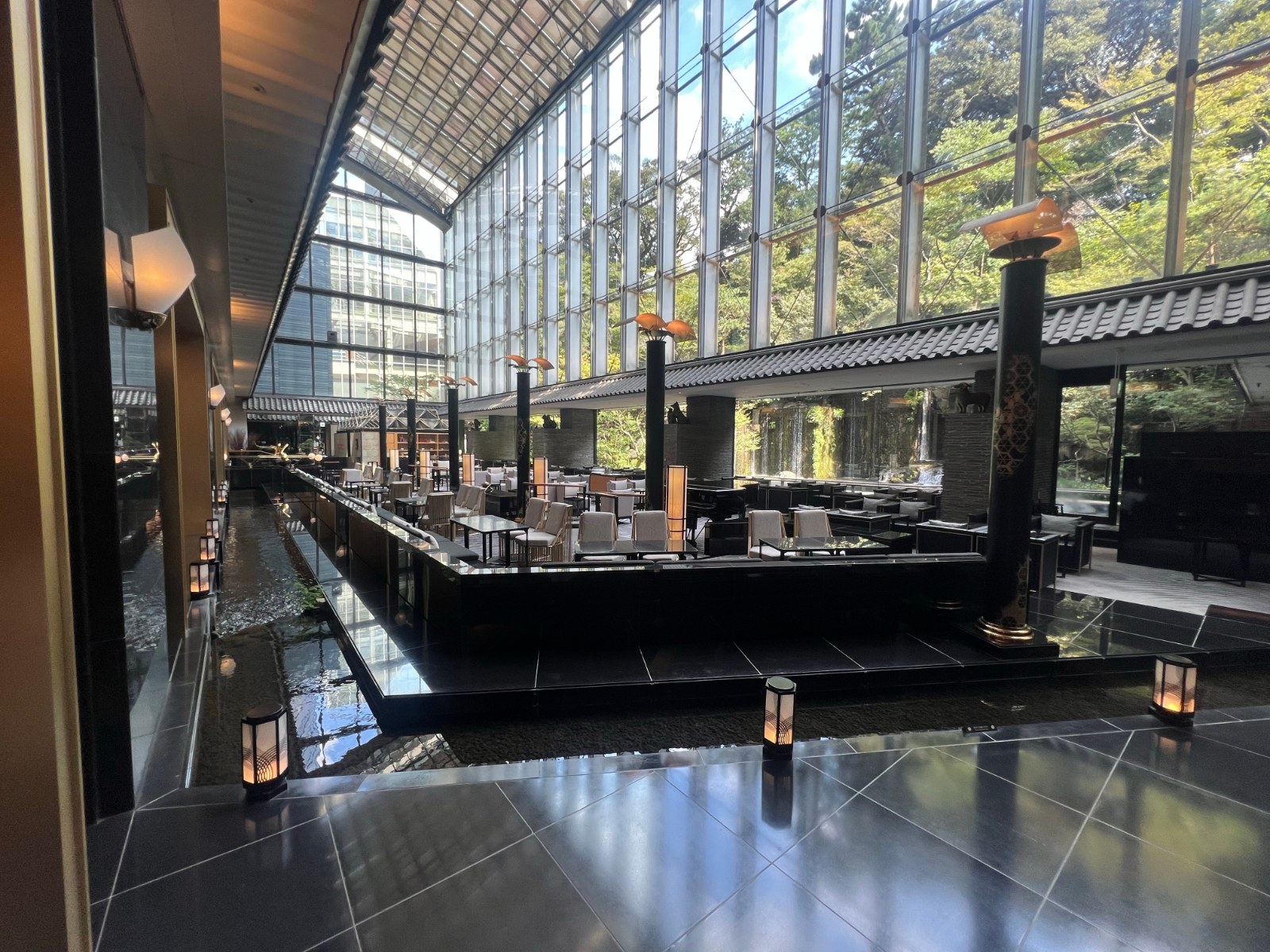
Luxury in Japan is quiet, precise, and almost invisible until you notice it everywhere. The word for it is omotenashi, hospitality so anticipatory that your slippers are turned to face the door before you’ve even thought about leaving.
The best way to feel it is at a high-end ryokan. You soak in a private onsen, change into a yukata, and then sit down to a multi-course kaiseki dinner where every dish matches the season, down to the color of the plate. Breakfast is just as serious, with grilled fish served as the sun is coming up.
Tokyo holds more Michelin stars than any other city on Earth, and some of the best counters seat only eight people. Getting a reservation can be harder than the flight. One bonus that surprises Americans: tipping isn’t part of the culture, and staff will sometimes chase you down the street to return your money.
South Africa
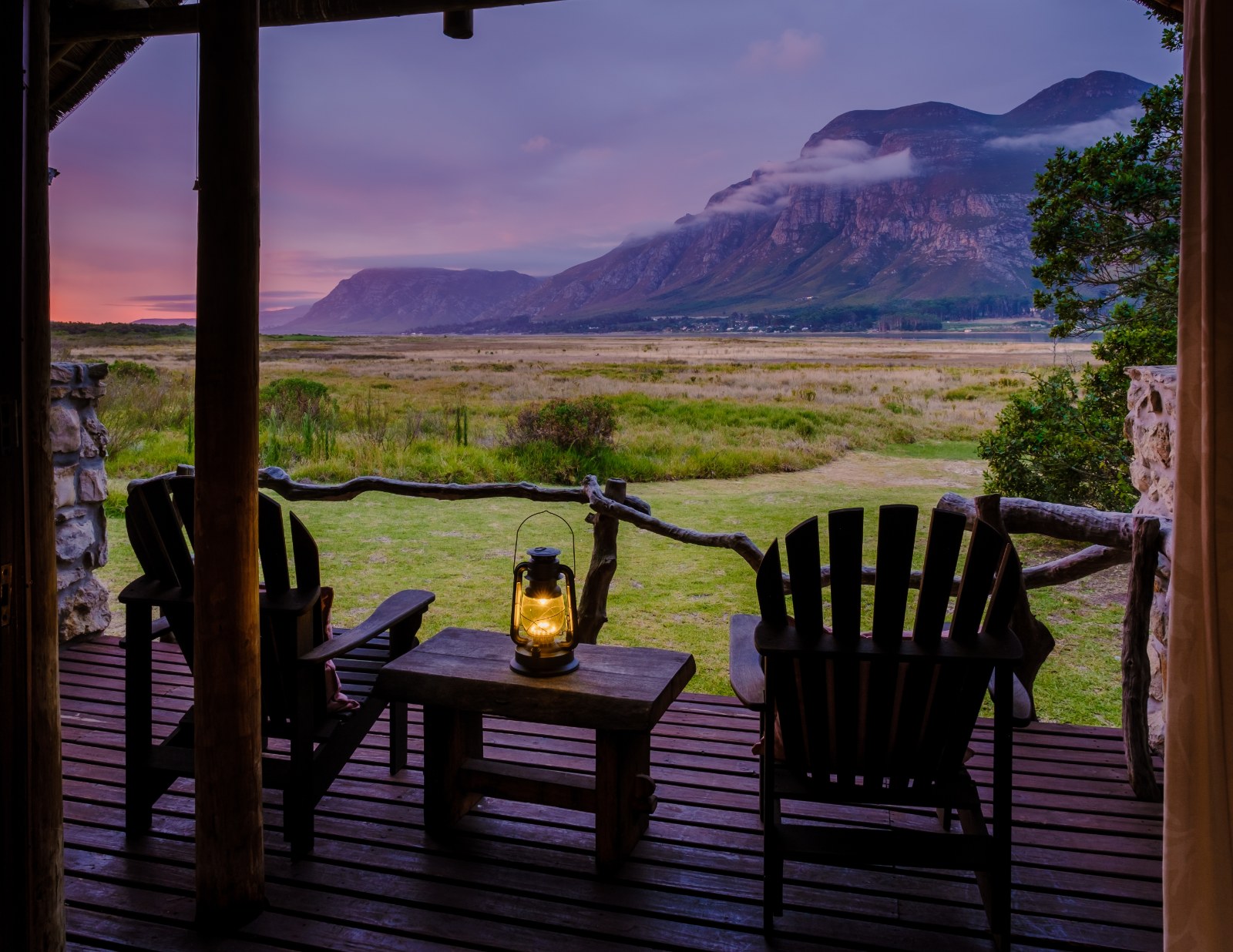
South Africa lets you go from watching leopards at dawn to sipping Chenin Blanc in the Cape Winelands by the next evening. Few countries pair wilderness and refinement this smoothly.
The private game reserves in Sabi Sand, bordering Kruger National Park, are the main event. Off-road driving is permitted there, so your ranger can follow a leopard straight into the bush while you’re sitting in a heated Land Cruiser with a blanket. Lodges like Singita make the downtime as good as the drives, with plunge pools overlooking watering holes where elephants come to drink.
Then fly down to Cape Town. Franschhoek and Stellenbosch are home to estates that have been producing wine since the late 1600s, and some of the best restaurants in Africa. Your dollar goes surprisingly far against the rand, which means a level of luxury that would cost much more in Europe.
Switzerland
Winter vacations exist mostly because of a bet. In 1864, St. Moritz hotelier Johannes Badrutt promised a group of English summer guests that they’d love his town in December, offering to pay their travel costs if they didn’t. They stayed until Easter, and Alpine winter tourism was born.
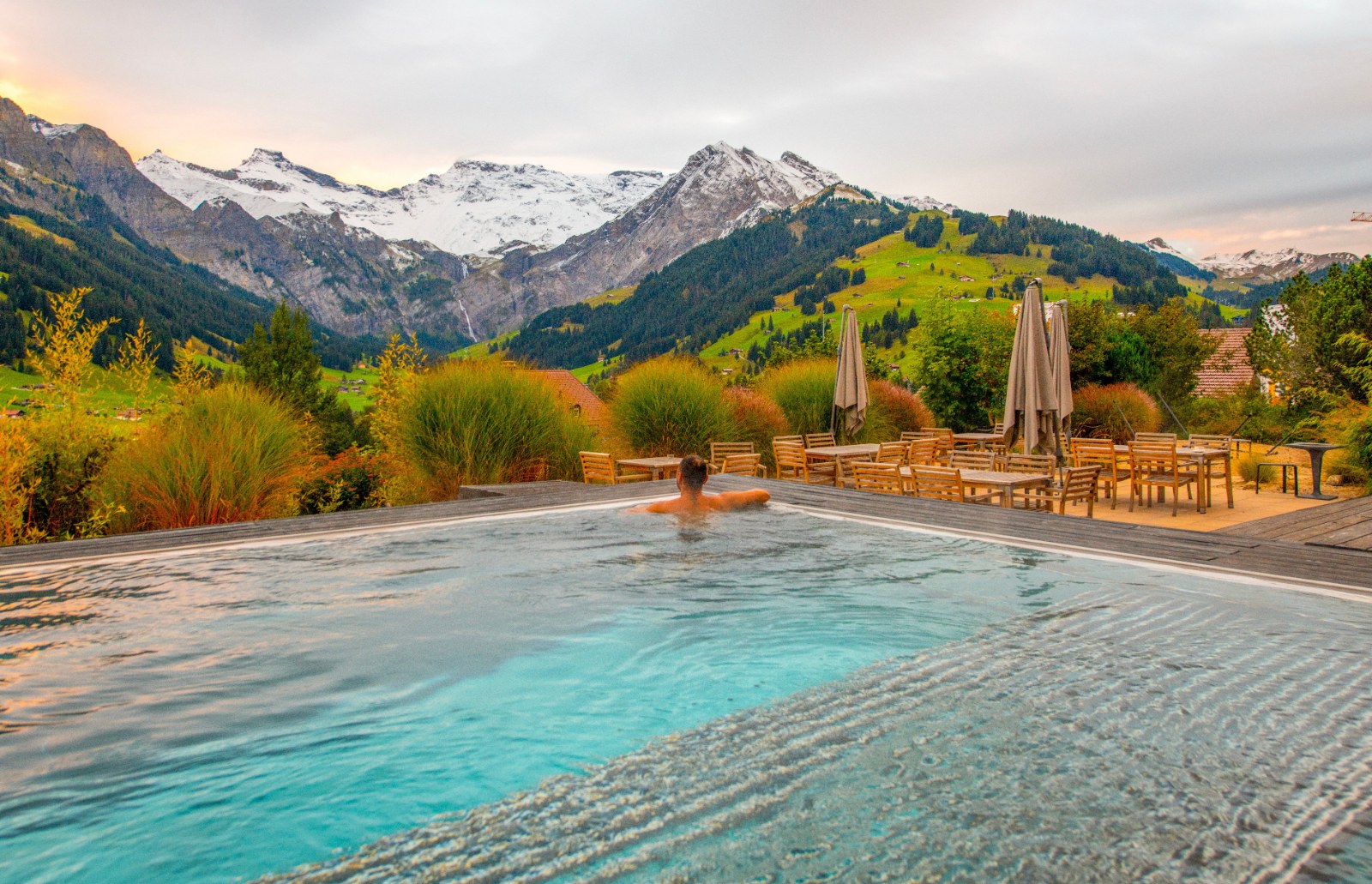
St. Moritz has kept its swagger. It hosts horse races on a frozen lake and has the original Cresta Run, a terrifying headfirst toboggan track. Gstaad is a slightly quieter alternative, with old chalets and the kind of discreet wealth that never posts on Instagram.
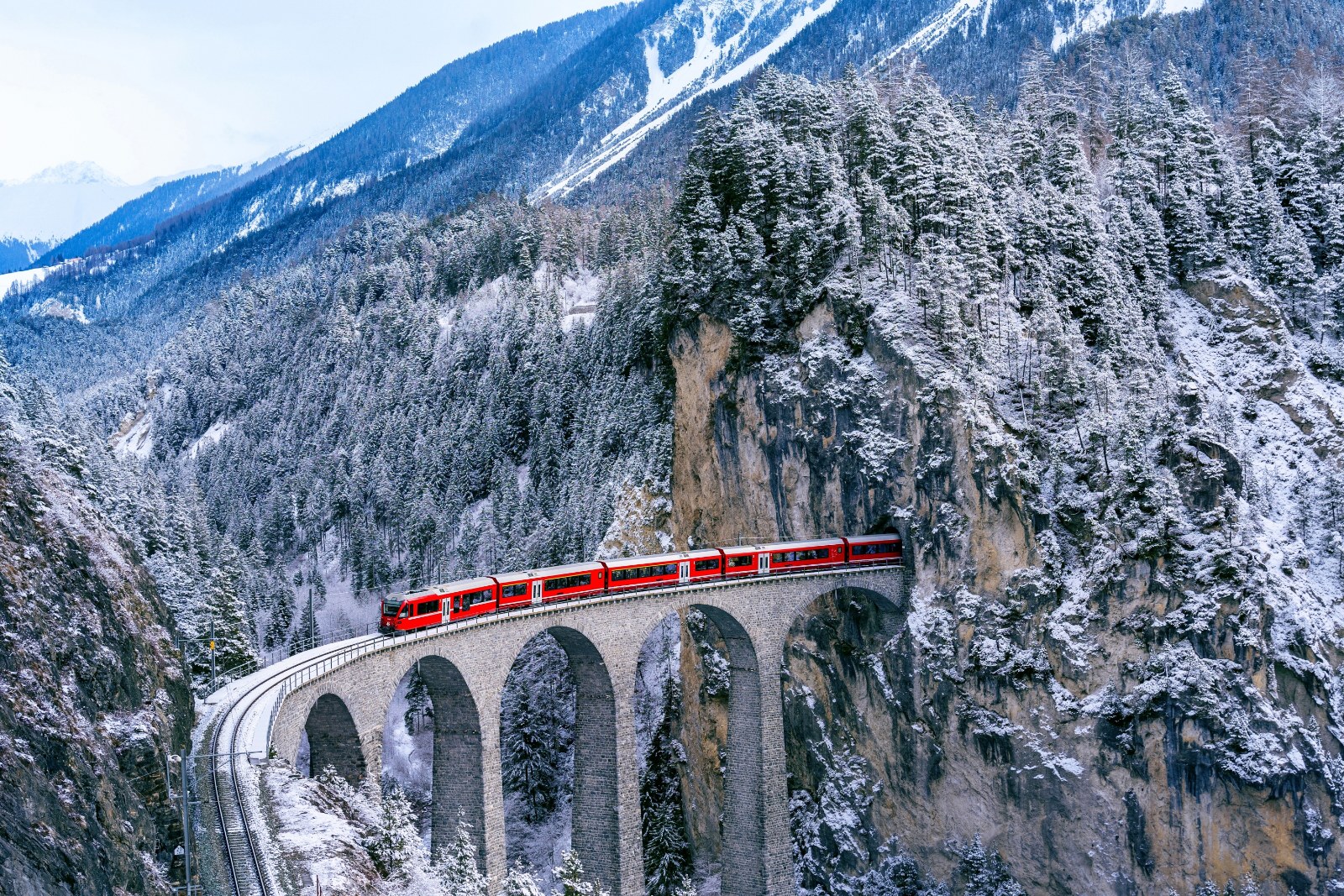
The trains are their own kind of luxury. The Glacier Express crawls between Zermatt and St. Moritz over 291 bridges in about eight hours, and it’s billed as the slowest express train in the world. Considering how good the Matterhorn looks from your panoramic window, no one complains.
India
Maharajas understood excess on a level that would make modern billionaires feel underdressed, and in India, you can sleep in the palaces they left behind.
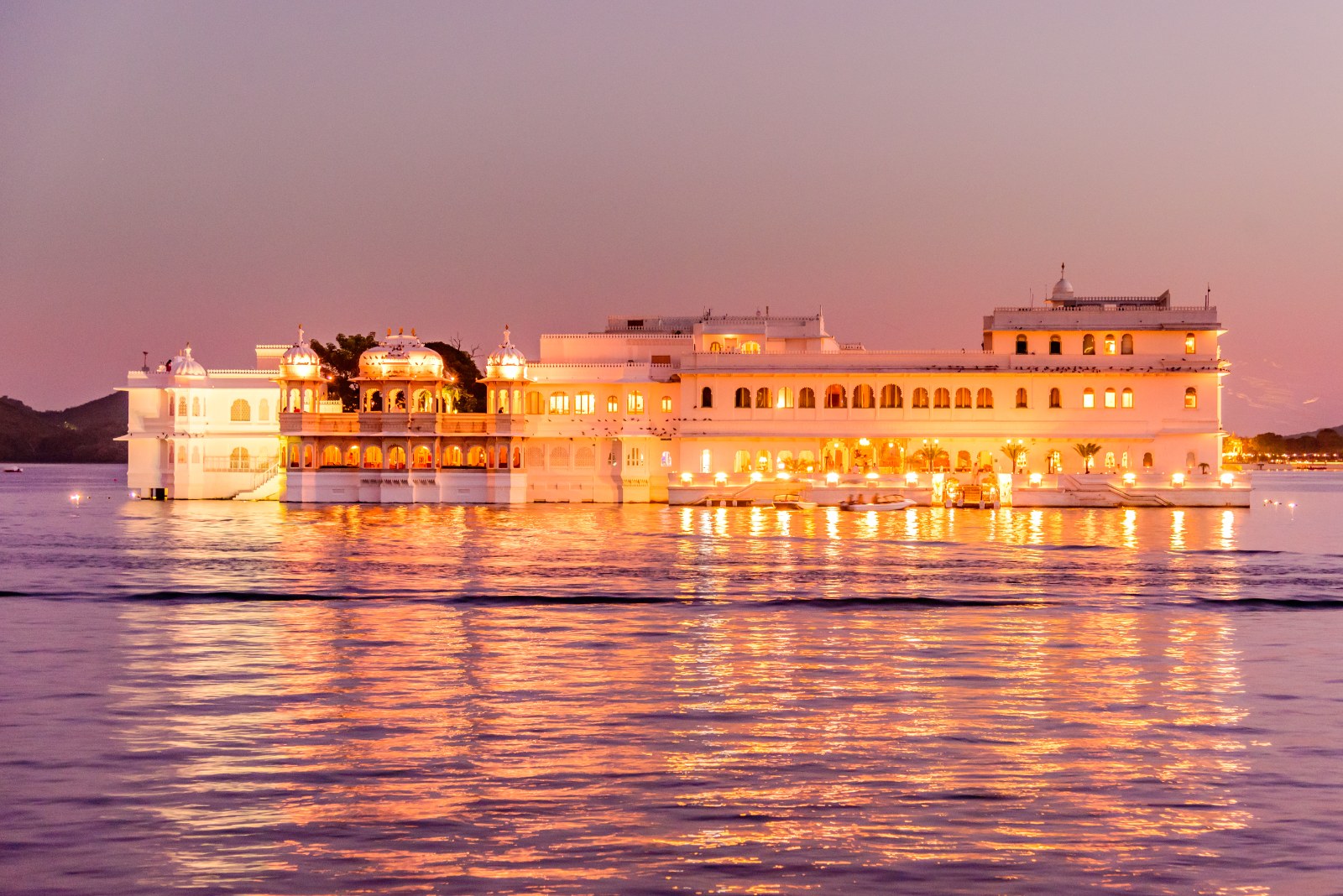
Rajasthan is the place to do it. The Taj Lake Palace in Udaipur appears to float in the middle of Lake Pichola, and you arrive by boat. In Jodhpur, Umaid Bhawan Palace has 347 rooms, and the former royal family still lives in one wing, which makes it the most unusual hotel lobby you’ll ever check into.
The service is at a scale that’s hard to find anywhere else. Expect personal butlers, welcome rituals with rose petals, and private dinners on rooftops lit by hundreds of candles. If you want to see India in palace style, the Maharajas’ Express train makes a slow, gilded loop through Rajasthan with stops at the Taj Mahal and Ranthambore, where you can spot tigers.
French Polynesia
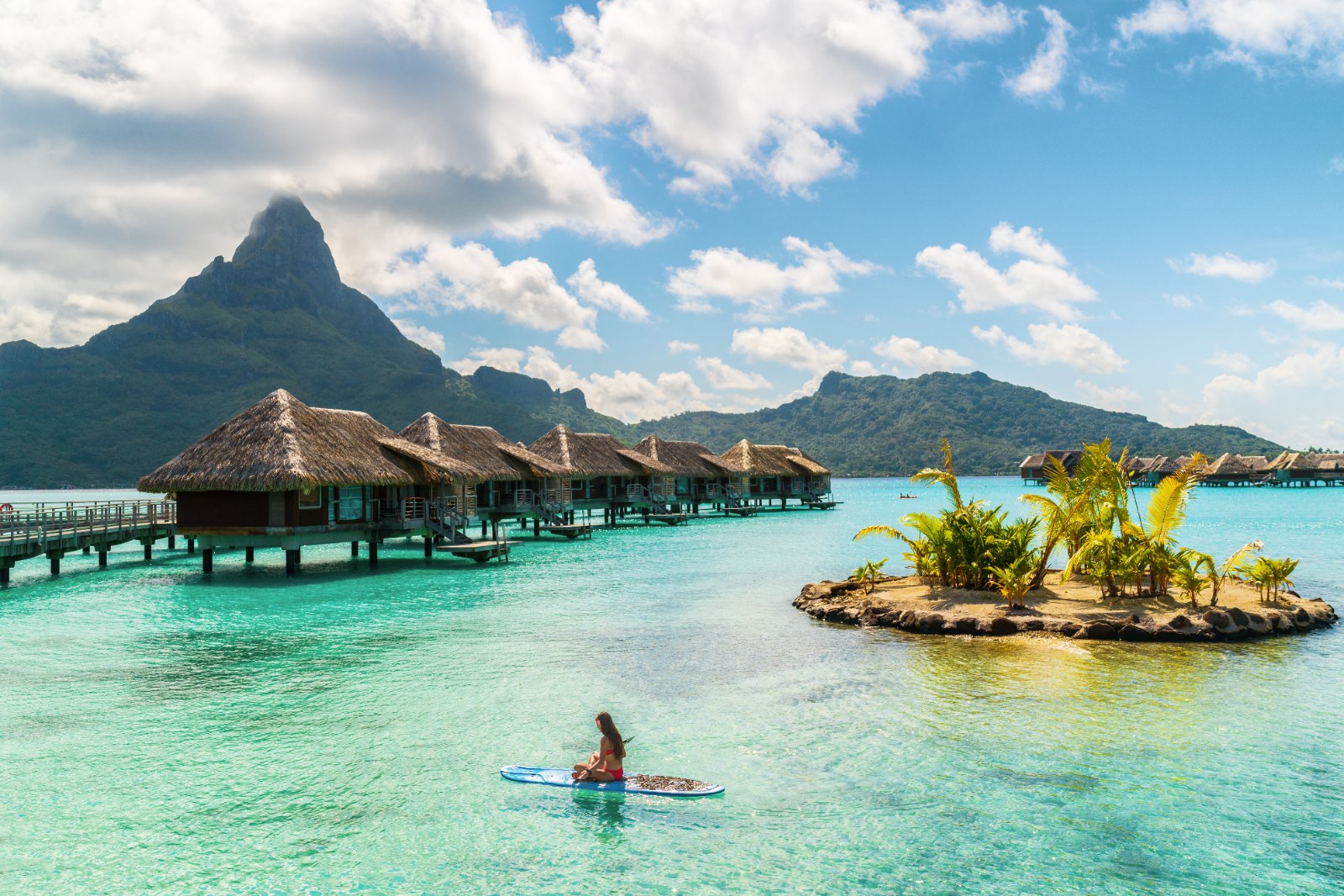
Marlon Brando fell so hard for Tahiti while filming Mutiny on the Bounty in the 1960s that he bought an entire atoll. That atoll, Tetiaroa, is now home to The Brando, one of the most exclusive resorts in the world.
It’s a fitting symbol for French Polynesia. The islands are scattered over an area of ocean about the size of Western Europe, and the most famous of them, Bora Bora, wraps a lagoon in layers of blue around the jagged volcanic peak of Mount Otemanu. Overwater bungalows were invented here in the 1960s, before the Maldives adopted the idea.
The French part shows up at dinner. Expect baguettes and good wine next to poisson cru, raw tuna marinated in lime and coconut milk. Getting here from Los Angeles takes about eight hours, which is shorter than many people expect for somewhere that feels this far from everything.
Greece
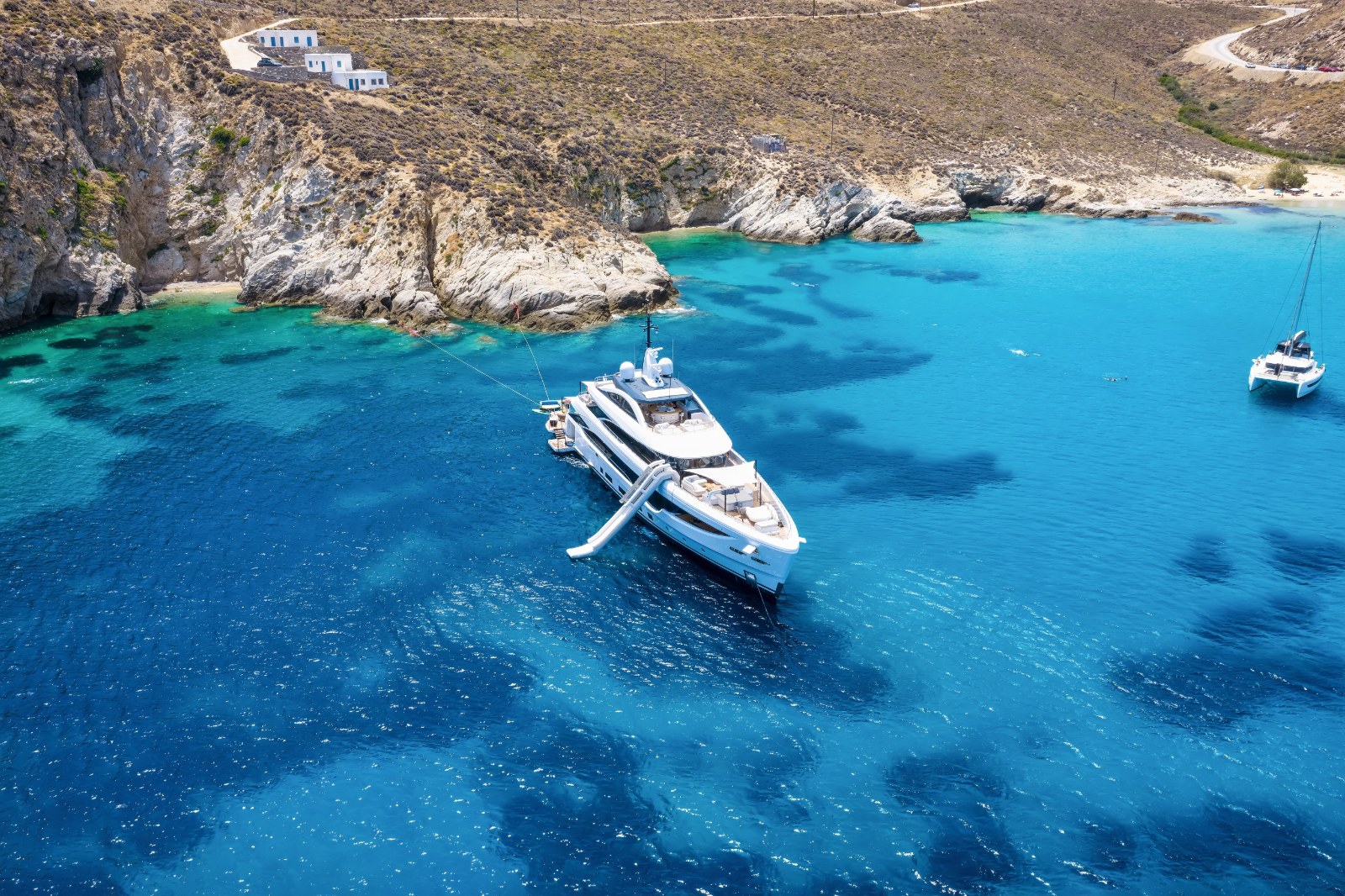
The best way to see Greece is from the deck of a yacht. With more than 6,000 islands and islets, the country practically begs you to hop between them, and chartering a crewed boat lets you have breakfast on one island and dinner on another.
On land, Santorini delivers the most famous views: whitewashed cave suites carved into the caldera, private plunge pools, and sunsets so popular that crowds applaud them in Oia. Mykonos supplies the nightlife, which tends to start around midnight and end when the ferries begin running.
For something calmer, head to the Peloponnese, where Costa Navarino features championship golf courses and olive groves along an empty stretch of coast. Wherever you go, the simplest meals are hard to beat. A grilled fish, a Greek salad with tomatoes that taste like tomatoes, and a carafe of local white wine by the water would cost a fortune anywhere else.
Botswana
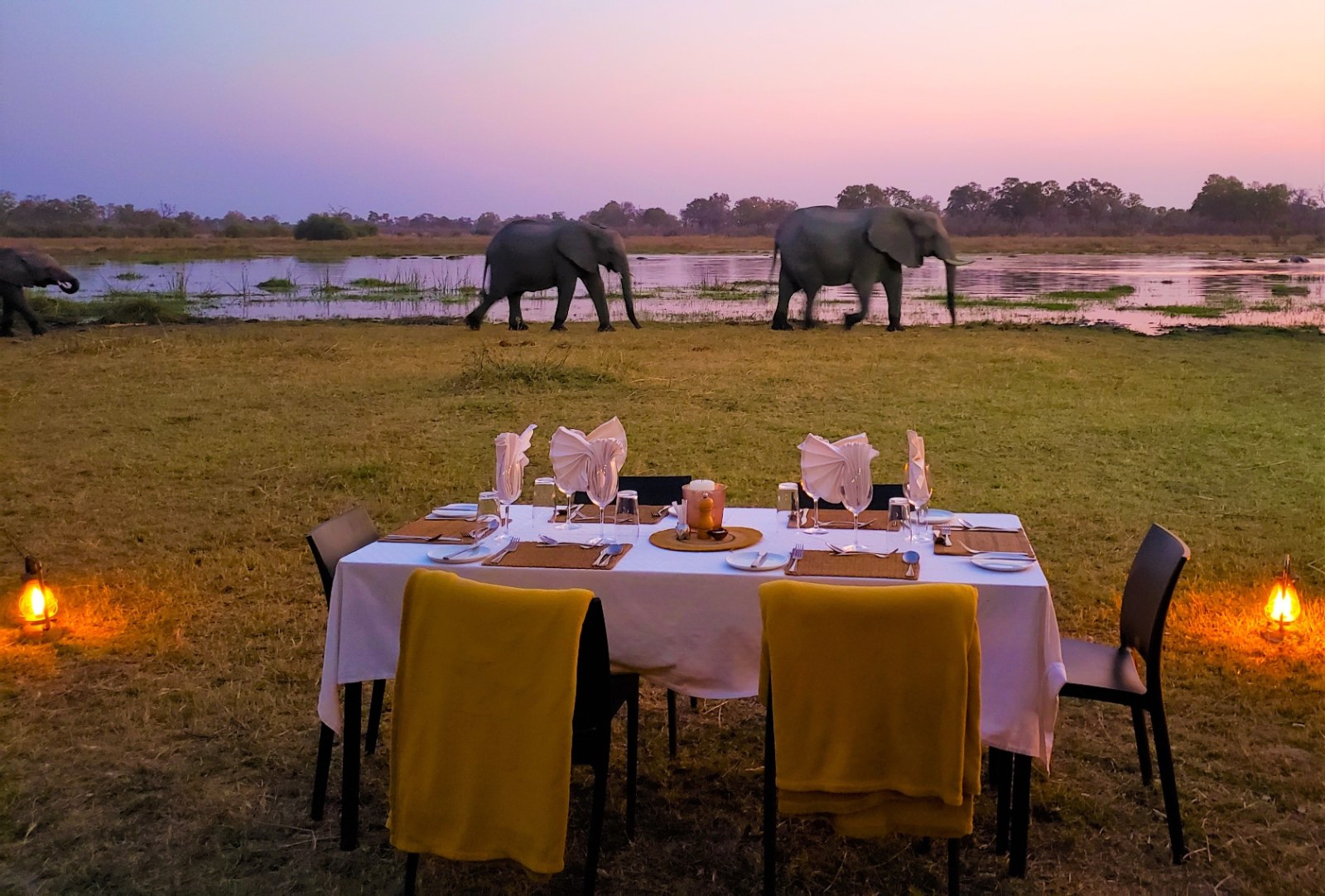
Botswana keeps crowds out by charging more, and it has turned that policy into an exceptional safari. The government’s “high-value, low-volume” approach limits the number of camps and beds in its wildest areas, so you rarely share a sighting with another vehicle.
The star is the Okavango Delta, a river that flows into the Kalahari Desert and never reaches the sea. Each winter, floodwaters spread across the sand and create a maze of channels that draw huge herds of elephants. You explore partly by mokoro, a dugout canoe that’s poled silently past hippos, which is thrilling once you stop counting the hippos.
Most camps are reachable only by small plane, and the dirt airstrips sometimes need to be cleared of zebras before landing. Rooms are often luxurious tented suites with outdoor showers. Prices run high, frequently over $2,000 per person per night at top camps.
Thailand
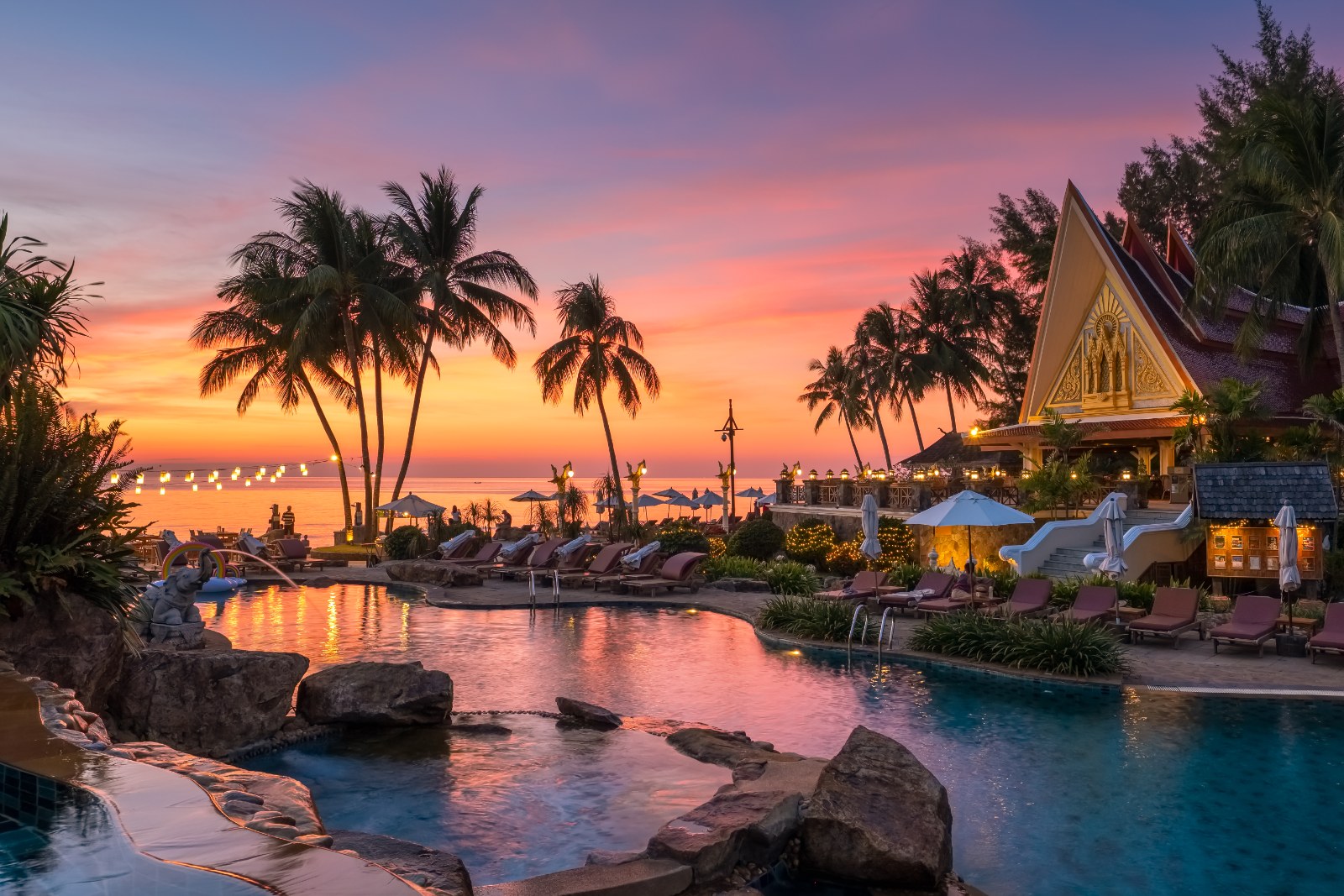
No place on Earth gives you more luxury for your money than Thailand. Five-star service here costs a fraction of what you’d pay in Europe or the Caribbean, and the service itself is famously warm.
Bangkok sets the tone. The Mandarin Oriental opened on the Chao Phraya River in 1876 and has hosted writers like Joseph Conrad and Somerset Maugham, who both have suites named after them. You can take the hotel’s boat across the river to its spa, then come back to some of the best street food in the world, eaten from plastic stools next to a Michelin-starred stall.
The islands complete the picture. Phuket is home to Amanpuri, the first Aman resort, which opened in 1988 and inspired a generation of minimalist luxury hotels. Koh Samui and the quieter Koh Yao Noi offer pool villas overlooking limestone karsts rising from the Andaman Sea.
Spain
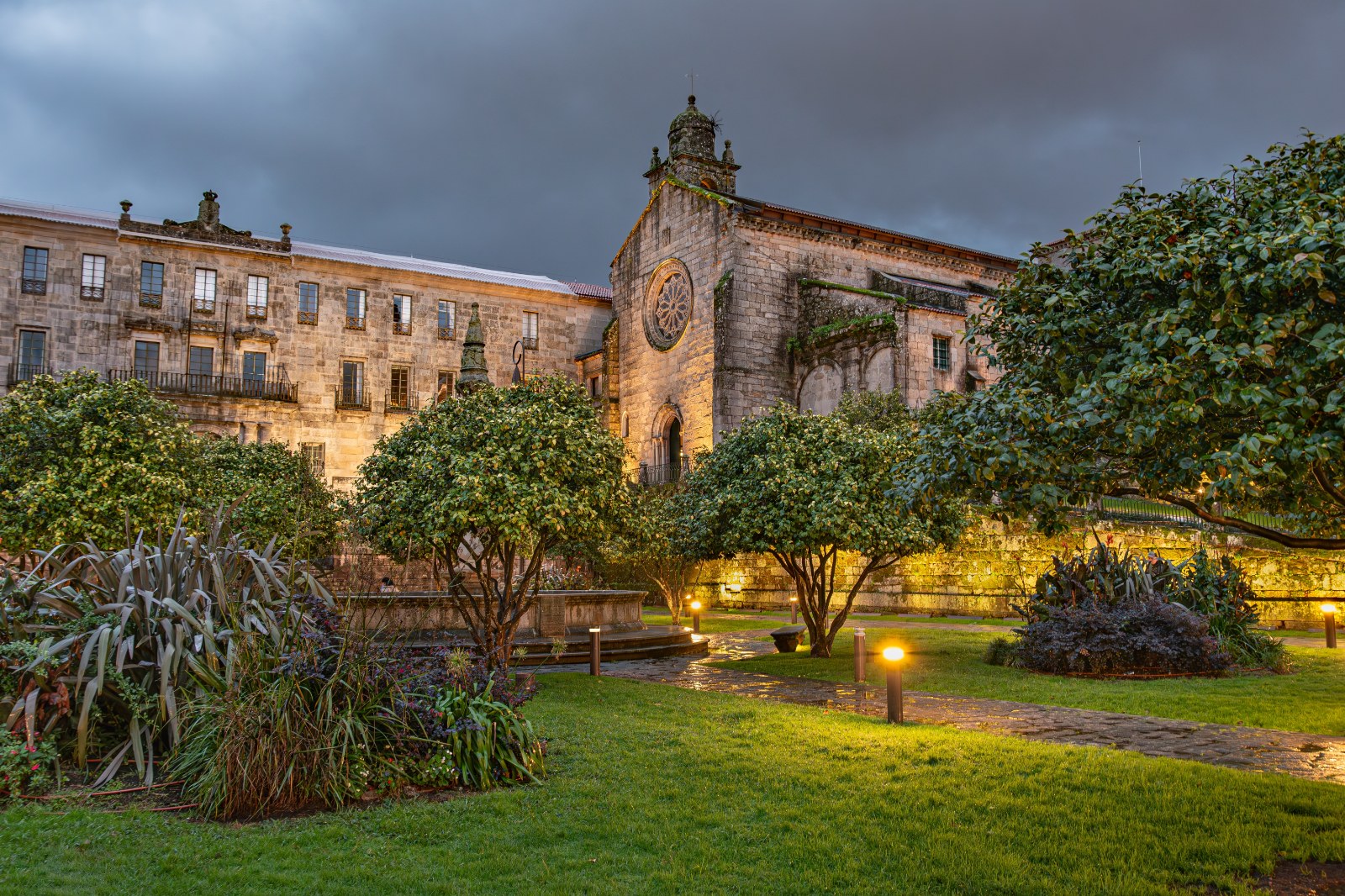
Spain’s big luxury is time. Dinner begins around 10 p.m., lunch lasts three hours, and an entire nation seems to agree that rushing a meal is bad manners.
Nowhere takes eating more seriously than San Sebastián. This small Basque city has a startling concentration of Michelin stars for its size, and its bars line up pintxos along the counter like edible jewelry. The ideal evening involves wandering from bar to bar, eating one bite and drinking one glass of txakoli at each.
For lodging, the paradores are a uniquely Spanish treat. These state-run hotels are housed in castles, monasteries, and palaces, including one inside the Alhambra complex in Granada. If you’d rather have beach clubs and superyachts, Marbella and Ibiza have plenty of those. Madrid adds the Prado Museum, where you’ll find Velázquez’s Las Meninas, plus rooftop bars that are packed until 3 a.m.
Seychelles
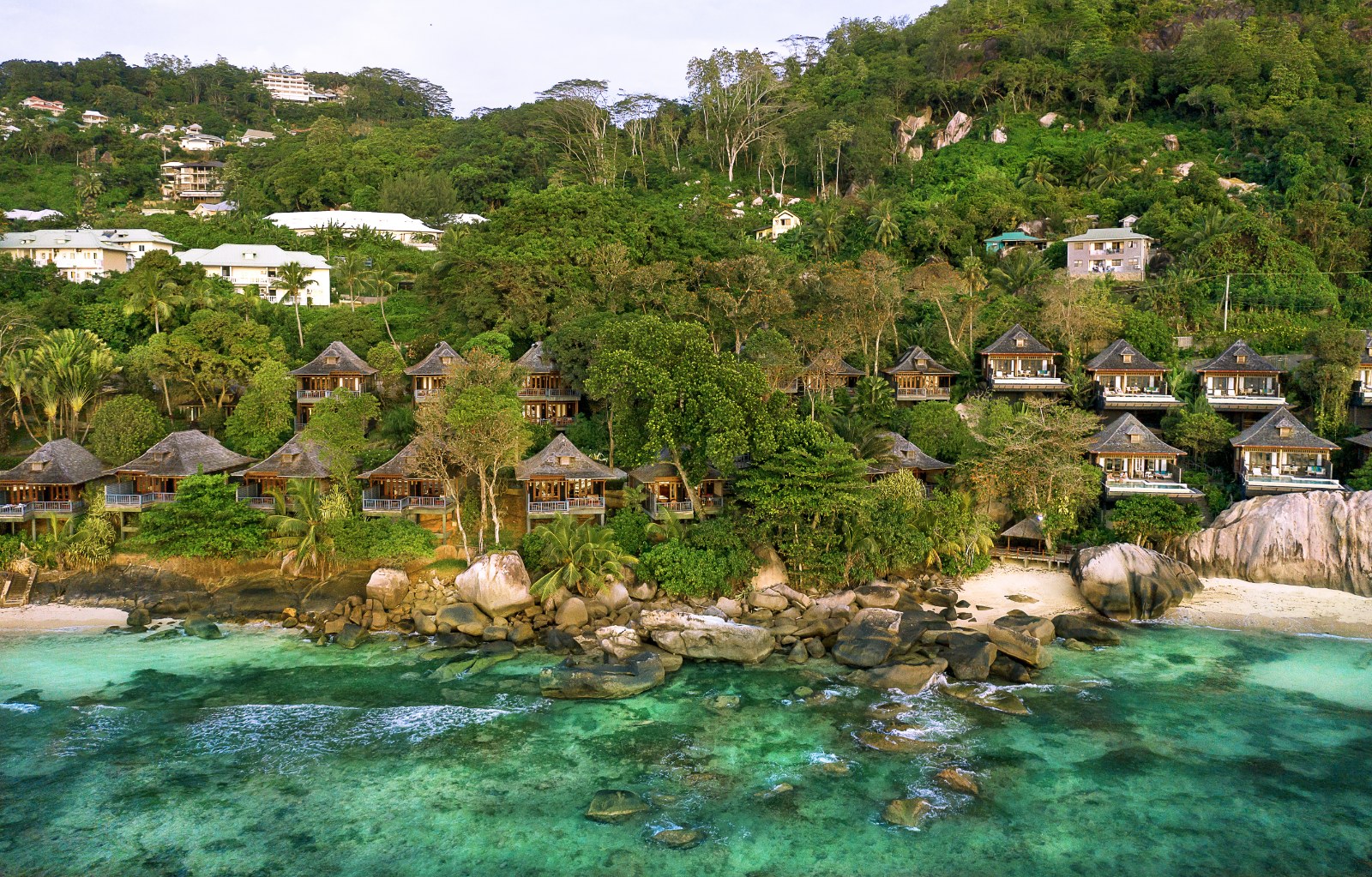
The Seychelles looks like someone took a tropical beach and dropped enormous pink granite boulders all over it. These islands are some of the oldest oceanic islands on Earth, remnants of the supercontinent Gondwana, and that granite gives them a look you won’t find in other island destinations.
Anse Source d’Argent on La Digue is the beach you’ve probably seen as a screensaver. People get around La Digue mostly by bicycle and ox cart, which provides a pleasant change from the luxury vehicles back home.
Several resorts occupy their own private islands. North Island, where Prince William and Kate honeymooned, has just 11 villas. The wildlife is a bit strange. Aldabra giant tortoises wander around some resorts and can live over 150 years. The coco de mer palm produces the largest seed in the plant kingdom, weighing up to 40 pounds, with a shape so suggestive that it led to centuries of awkward legends.
United Arab Emirates
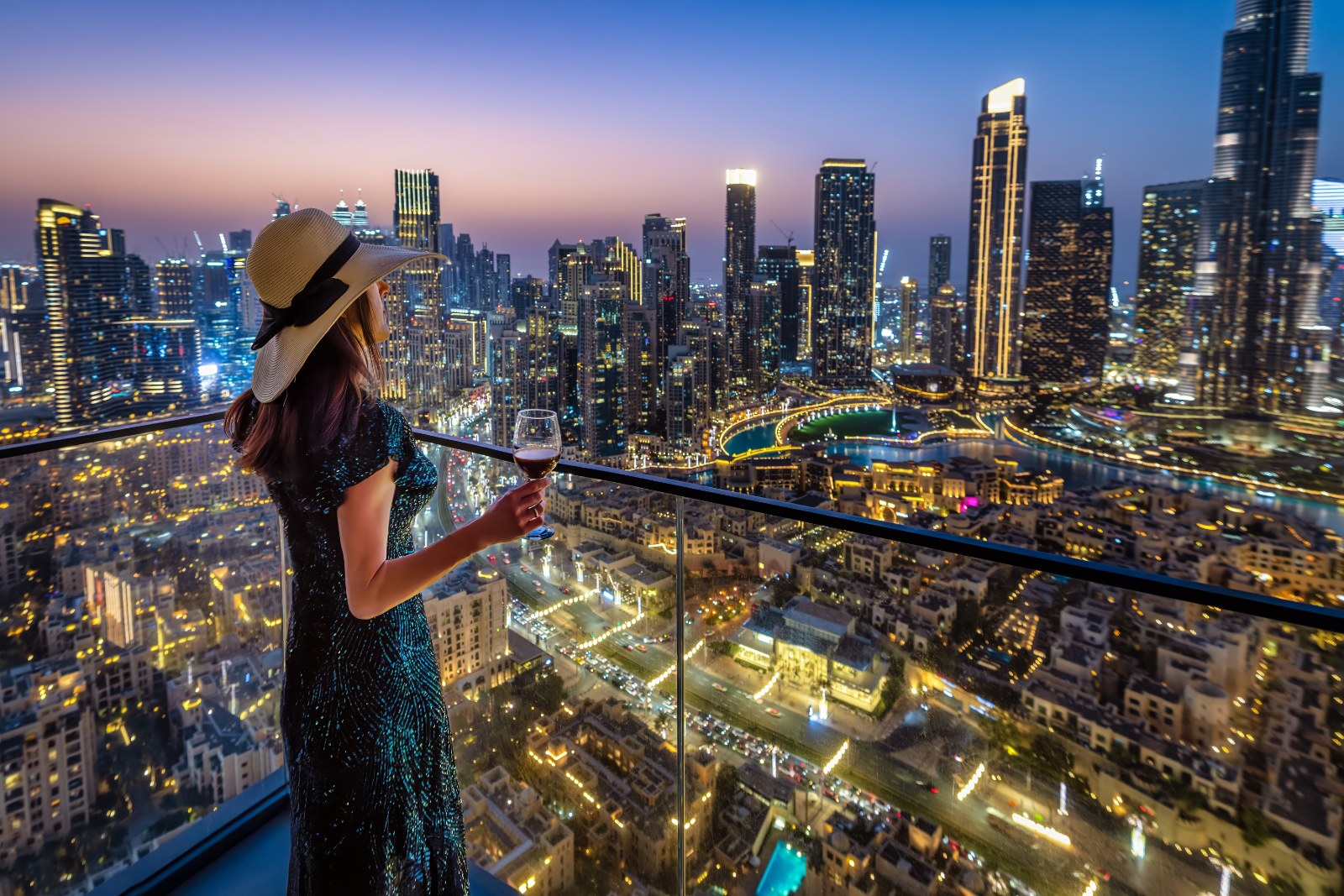
The UAE treats extravagance as a matter of national pride. Fifty years ago, Dubai was mostly a fishing and pearling port. Today it has the world’s tallest building, an indoor ski slope inside a shopping mall, and hotel suites with gold-leaf ceilings.
The Burj Al Arab, built on its own island in the shape of a sail, set the standard. It offers Rolls-Royce transfers and a helipad that has hosted tennis matches. You’ll also find more understated options, such as desert resorts like Al Maha, where Arabian oryx roam outside your private pool, and dinner happens beneath a sky full of stars.
Abu Dhabi offers a more cultured side. The Louvre Abu Dhabi sits under a huge latticed dome that scatters sunlight like palm fronds. And because Emirates and Etihad are based here, getting to the UAE can be part of the splurge. Some first-class cabins even include onboard showers.
New Zealand
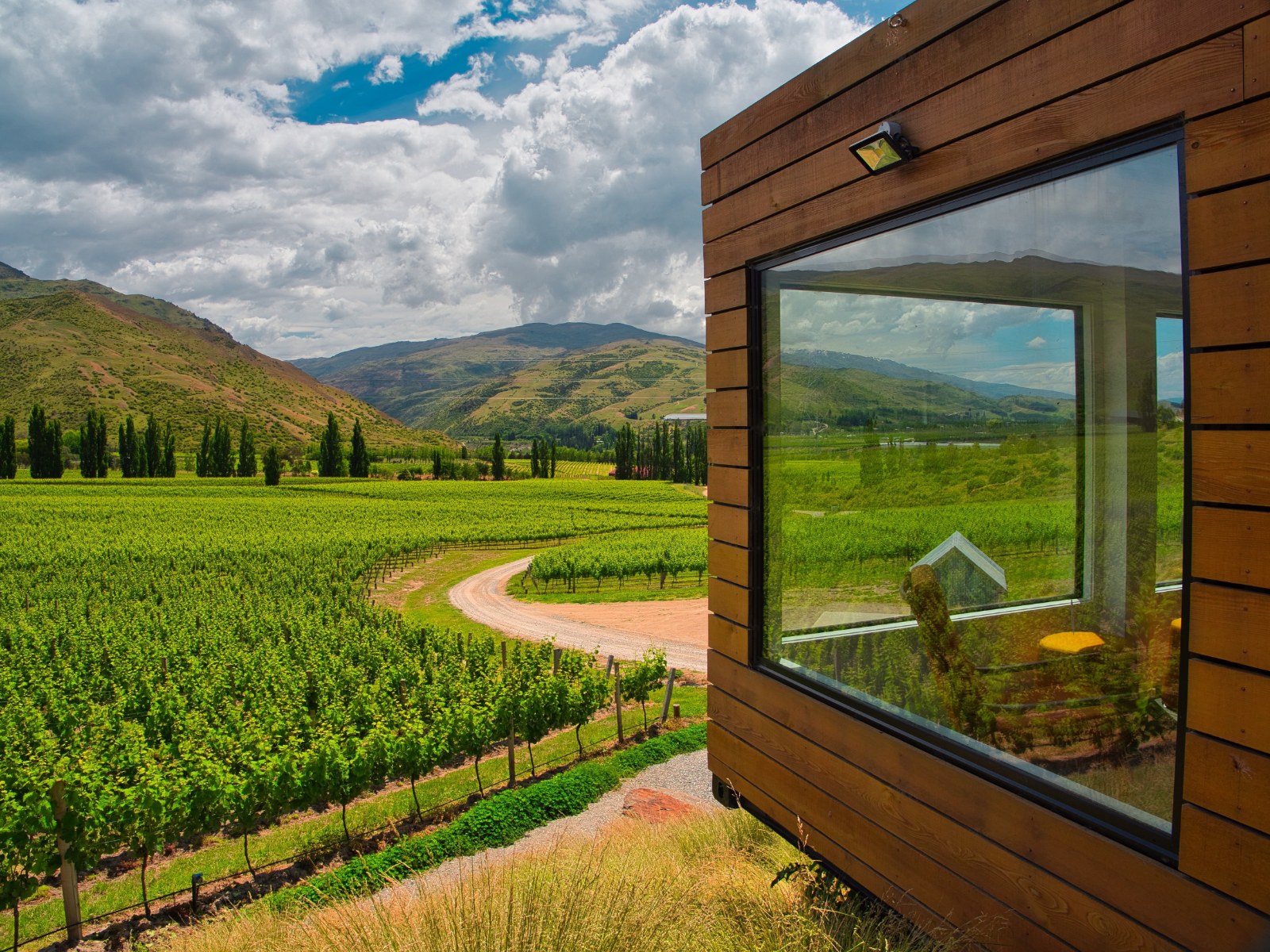
New Zealand’s luxury lodges have mastered the art of putting you in the middle of nowhere and then serving you a fantastic dinner. The country’s spectacular landscapes and small population make the isolation feel intentional.
Huka Lodge near Lake Taupo has hosted Queen Elizabeth II and was one of the first places to define the Kiwi lodge style: wood fires, trout fishing, and dinners served wherever you’d like on the property. Places like The Farm at Cape Kidnappers add a golf course on cliffs above the Pacific.
Queenstown is the center of adventure, and it’s where the commercial bungee jump started in 1988. If you’d like your adrenaline with a bit more comfort, take a helicopter to a remote glacier for a picnic or fly into Milford Sound before the tour buses arrive. Central Otago’s Pinot Noir is just a short drive away, and many tastings come with views that look straight out of the Lord of the Rings films.
Mexico
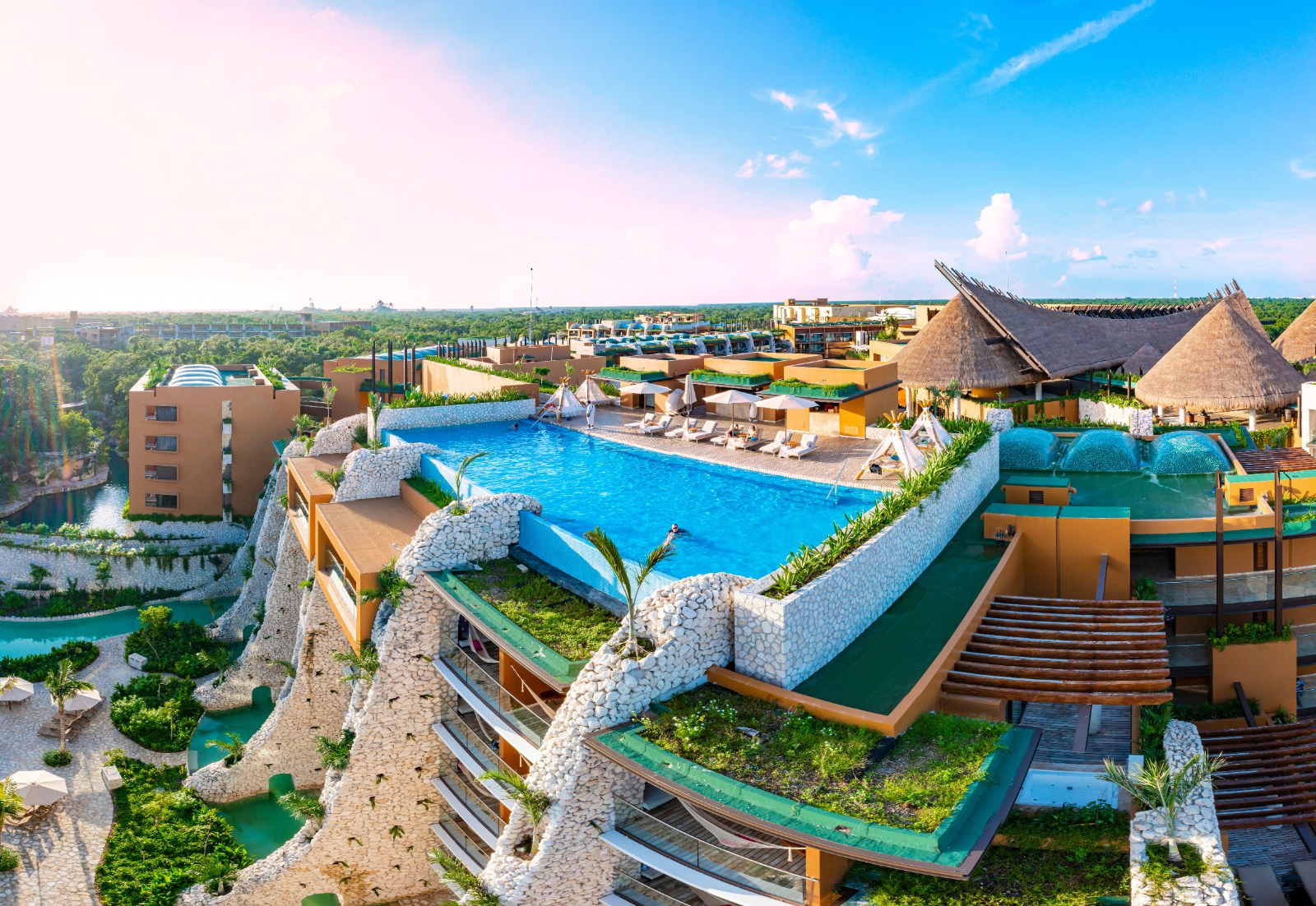
Mexico might be the easiest world-class luxury trip you can take from the US. Flights from many American cities take less than four hours, and some resorts in Los Cabos rival the best in the Mediterranean.
Los Cabos has dramatic desert cliffs meeting the Pacific, with resorts like One&Only Palmilla and Las Ventanas al Paraíso offering private butlers and tequila sommeliers. On the other coast, the Riviera Maya pairs calm Caribbean water with cenotes, natural sinkholes that the Maya considered entrances to the underworld. Swimming in one is cold, clear, and slightly spooky.
Then there’s Mexico City, where the food scene has become a reason to travel all by itself. Pujol’s mole madre has been simmered and replenished for over a thousand days, and the best tacos in town still cost a couple of dollars from a street cart. Many luxury travelers fly in just to eat, and they’re right to do it.
Bhutan
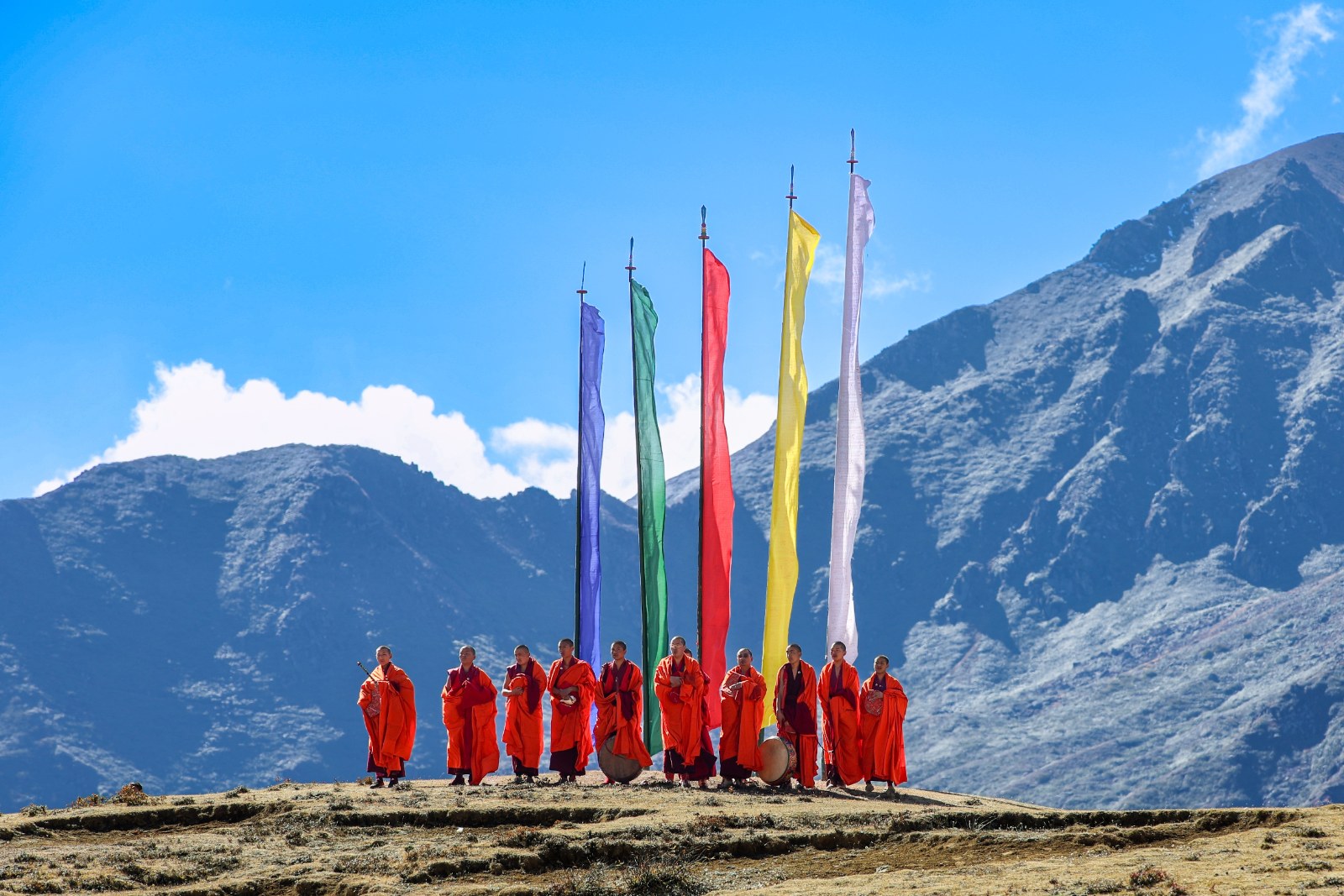
Bhutan charges you a daily fee just for being there, and it may be the best-value line item of any trip on this list. The Sustainable Development Fee is $100 per person per night and goes toward free healthcare, education, and conservation in a country that measures its progress by Gross National Happiness.
The result is a nation that’s almost entirely free of mass tourism. More than 70 percent of the land is forested, and the country is carbon negative. Luxury lodges like Amankora and Six Senses spread small properties across several valleys, so you go from one to another as you travel, staying in rammed-earth buildings with views of rice terraces and fortress monasteries.
The highlight is the hike up to Tiger’s Nest, a monastery clinging to a cliff about 3,000 feet above the Paro Valley. It takes a few hours, it’s steep, and the final view is worth every step.
Indonesia
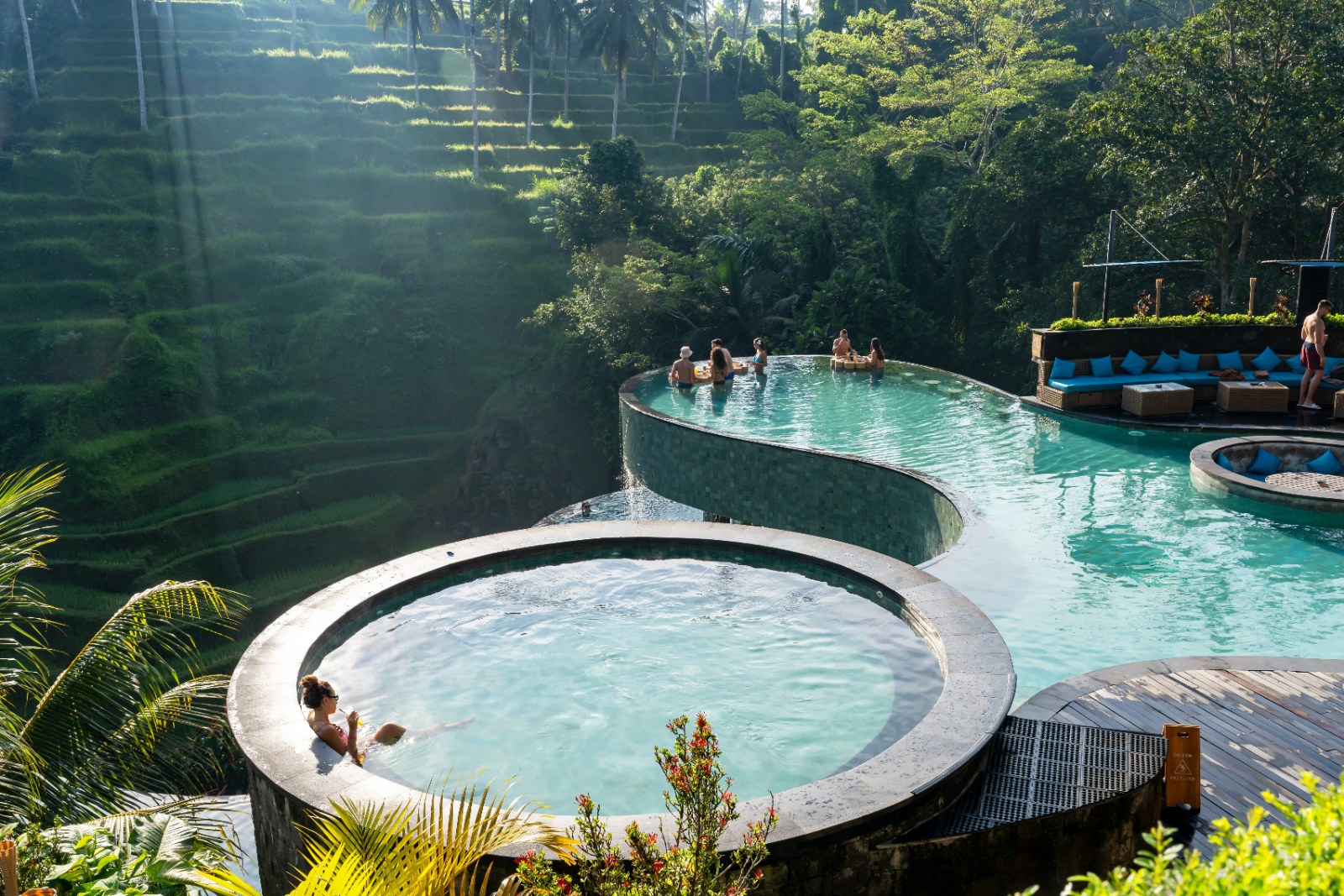
Bali basically invented the modern boutique luxury resort. In the late 1980s and 1990s, hoteliers like Adrian Zecha, founder of Aman, built open-air pavilions with infinity pools facing rice terraces and jungle ravines, and the rest of the world spent decades copying them.
Ubud remains the center of that spirit, with villas overlooking the Ayung River and spa treatments that draw on traditional Balinese healing. Wherever you stay, you’ll see small offerings of flowers and rice set out each morning, which makes even the most luxurious resort feel connected to the island around it.
Indonesia has more than 17,000 islands, and that should push you beyond Bali. On Java, Amanjiwo looks out onto Borobudur, the world’s largest Buddhist temple. Further east, you can charter a traditional phinisi sailing yacht through Komodo National Park, where you’ll see Komodo dragons on land and manta rays in the water, then end the day with dinner on deck.
Morocco
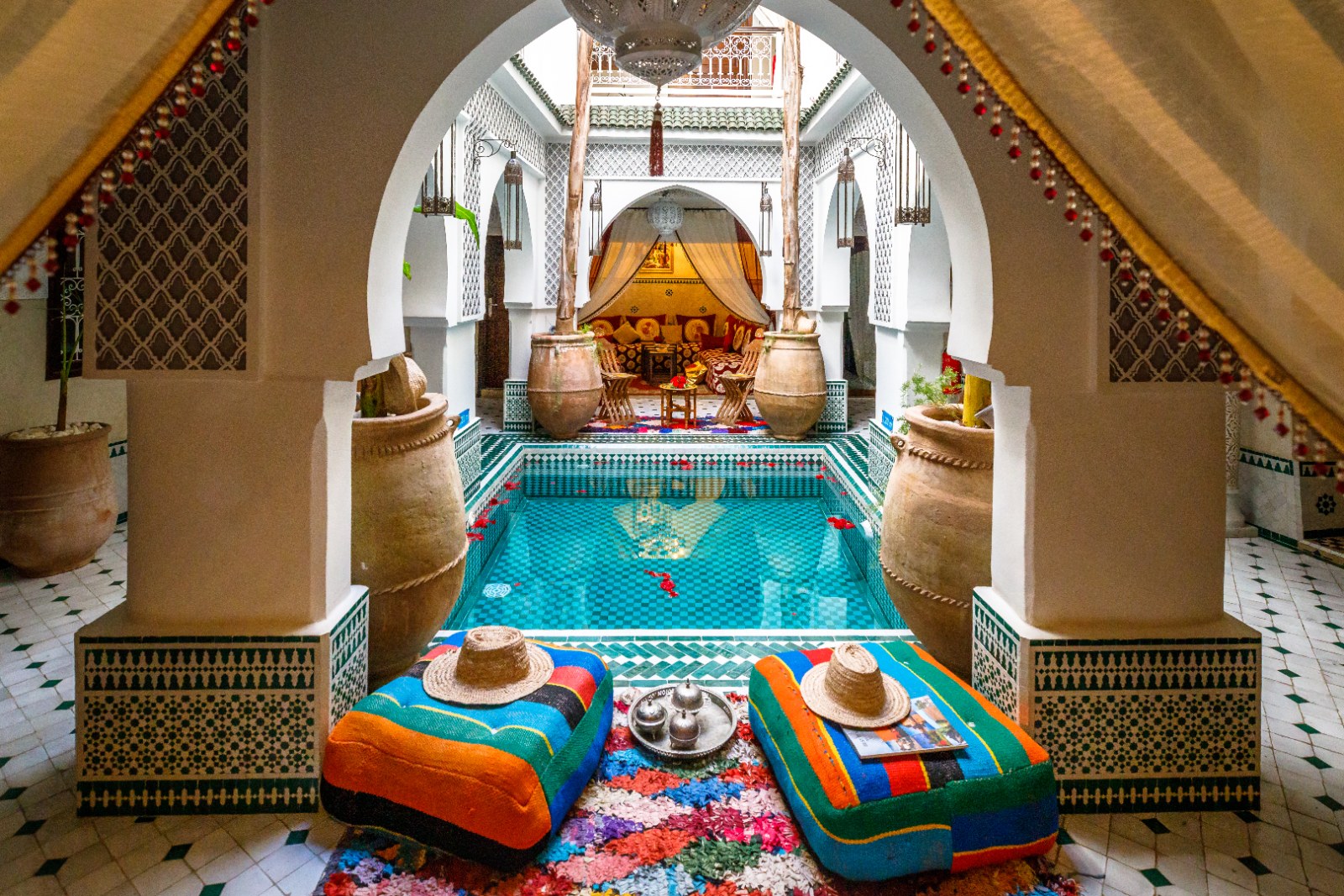
Marrakech hides its luxury behind plain walls. From the outside, a riad in the medina looks like a closed door on a dusty lane, but behind it is a tiled courtyard with orange trees, a fountain, and a rooftop terrace where the call to prayer drifts over the city at sunset.
La Mamounia has been the city’s grande dame since 1923. Winston Churchill loved it so much that he spent winters painting there, and the hotel still has a suite named for him. Its gardens date back to the 18th century and smell of jasmine and olive trees.
When the souks get overwhelming (and they will), you can escape to the Atlas Mountains, where Kasbah Tamadot looks out over Berber villages and snowy peaks. Or head to the Agafay Desert, less than an hour from the city, where luxury tented camps serve tagines by lantern light under remarkably dark skies.
United States
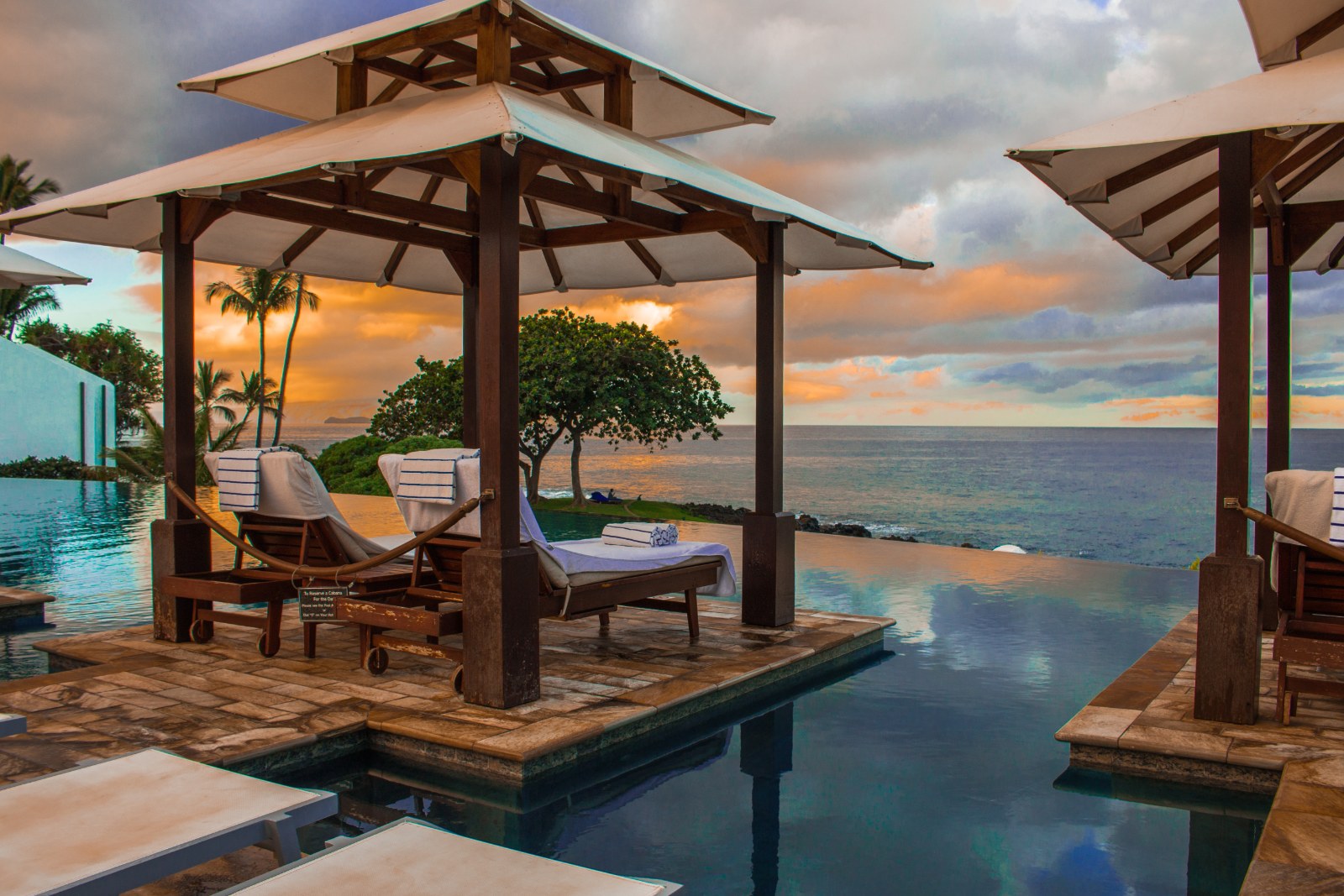
Your best luxury trip might not need a passport. The US covers almost every category on this list, from tropical beaches to snowy ski towns, without the jet lag.
Take Amangiri in southern Utah. The concrete resort blends into the desert canyons so closely that it seems to have formed there, and it’s become a pilgrimage site for travelers who think they’ve seen everything. Aspen and Jackson Hole deliver some of the most glamorous ski scenes anywhere, while Napa and Sonoma rival any wine region in Europe, with tasting rooms that are open year-round.
Hawaii brings a Polynesian experience a five-hour flight from the West Coast. Then there’s New York City, which provides more fine dining, Broadway, and world-class museums per block than almost anywhere. For something more rugged, consider a private guide in Yellowstone during winter, when the crowds disappear and bison wander through the steam rising from the geysers.