
The National Park Service gets the marketing budget and the bumper stickers. On the other hand, America’s state park system quietly protects some of the most extraordinary landscapes in the country. Without charging the entrance fees or managing the crowd volumes that the famous parks now struggle with.
Several entries on this list would anchor a national park system in any other country without anyone questioning the designation. The common thread here isn’t scenery type or geography. It’s the specific pleasure of arriving somewhere extraordinary and finding the parking lot half empty.
25. Caddo Lake State Park, Texas
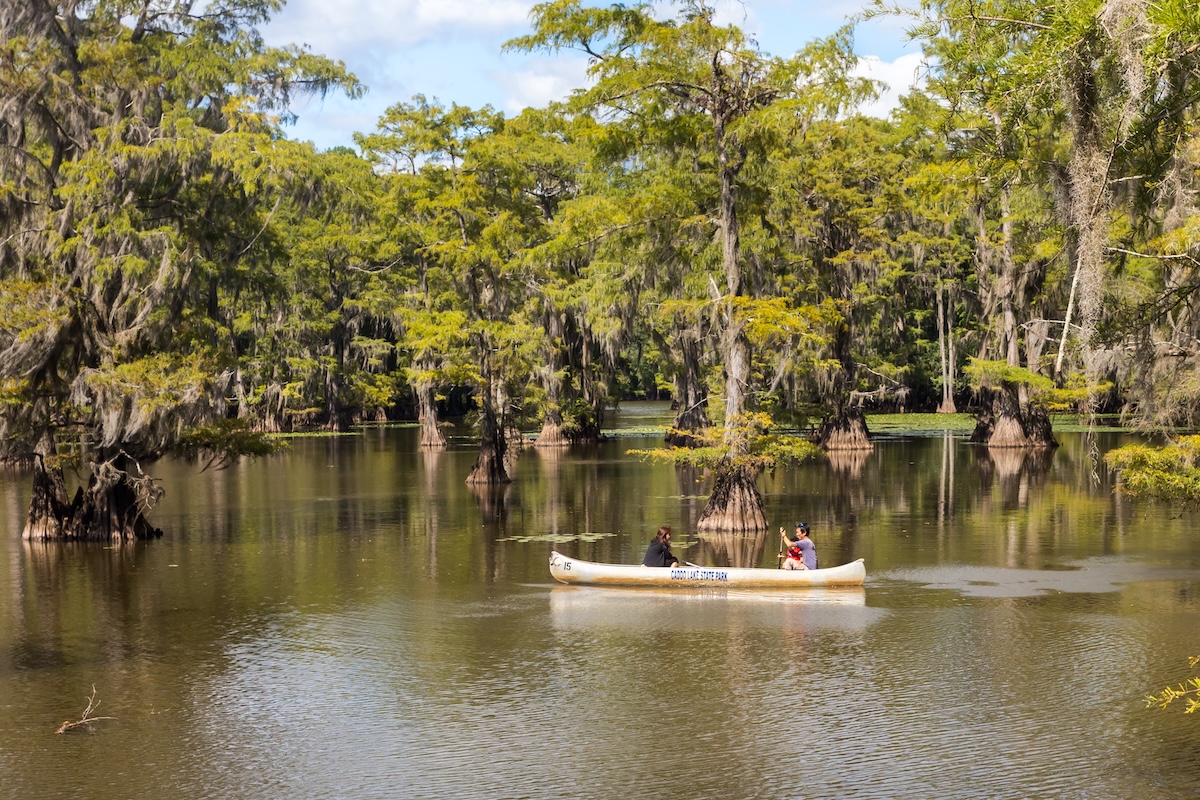
Step into Caddo Lake State Park in East Texas and it almost feels like you’ve slipped into another realm. The park protects part of the 25,400-acre Caddo Lake, a mysterious wetland draped in Spanish moss where bald cypress trees rise from dark, tannin-stained waters. Paddle through a maze of bayous and sloughs that feel more like Louisiana’s swamplands than typical Texas terrain.
This is the only naturally occurring large lake in Texas, straddling the Texas-Louisiana border. Launch a canoe or kayak and wind your way between ancient cypress stumps, keeping an eye out for alligators, turtles, and more than 200 bird species. Hike the trails, drop a line in the water, or set up camp and soak in the stillness. It’s easy to see why this otherworldly landscape stands out, with primeval forests and mirror-like waters making for a truly unforgettable visit.
24. Devil’s Lake State Park, Wisconsin
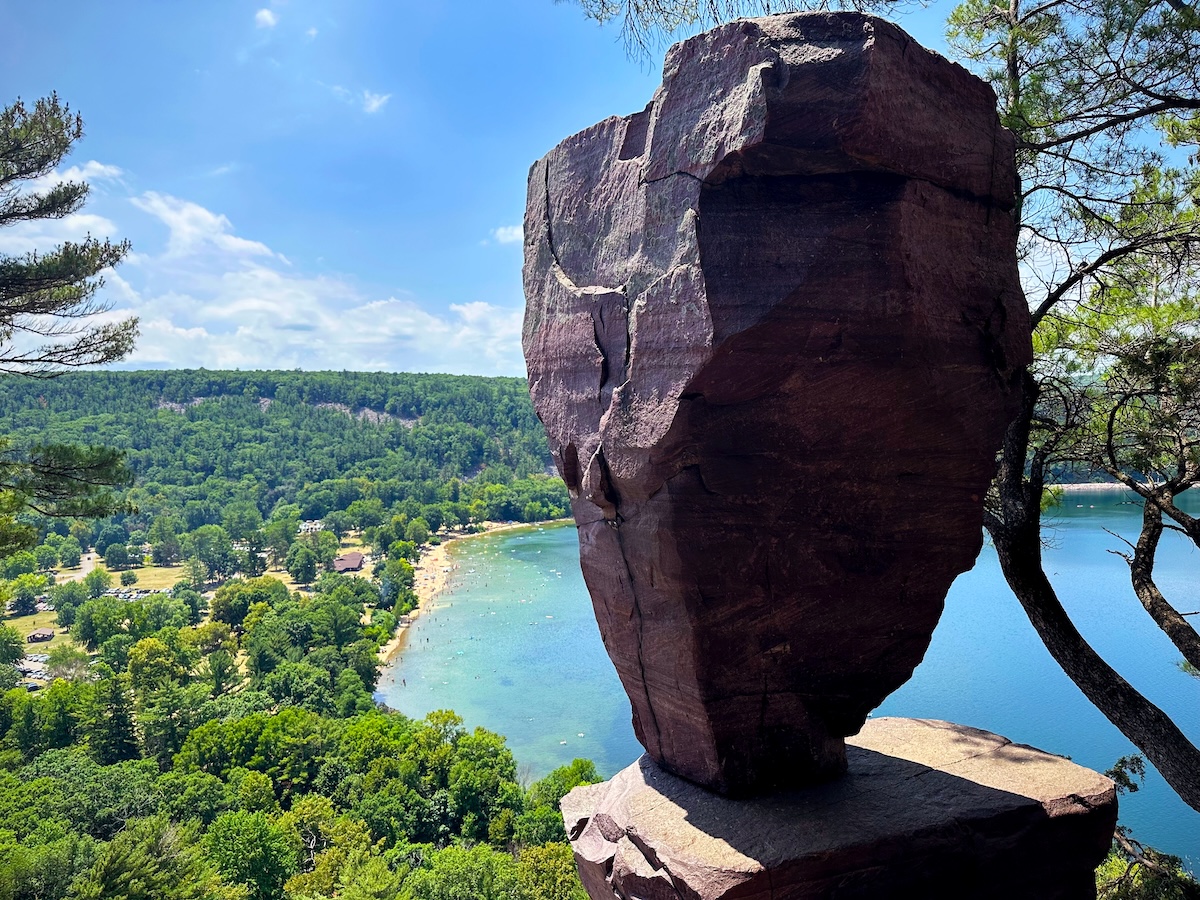
Tucked into the Baraboo Hills, Devil’s Lake State Park features 500-foot quartzite bluffs towering over a pristine, spring-fed lake. Nearly 10,000 acres of Wisconsin wilderness draw rock climbers, hikers, and swimmers eager for dramatic scenery. These bluffs formed over a billion years ago—some of the oldest rock you’ll find in North America.
Take your pick of 29 miles of hiking trails that wind through the bluffs and along the lakeshore. Climbers flock here for the ancient quartzite faces, with routes for all skill levels. In summer, jump in the clear lake or lounge on sandy beaches. When winter rolls around, the park turns into a playground for cross-country skiing, snowshoeing, and even ice climbing. Devil’s Lake’s unique geology and range of activities make it a Midwest favorite.
23. Hunting Island State Park, South Carolina
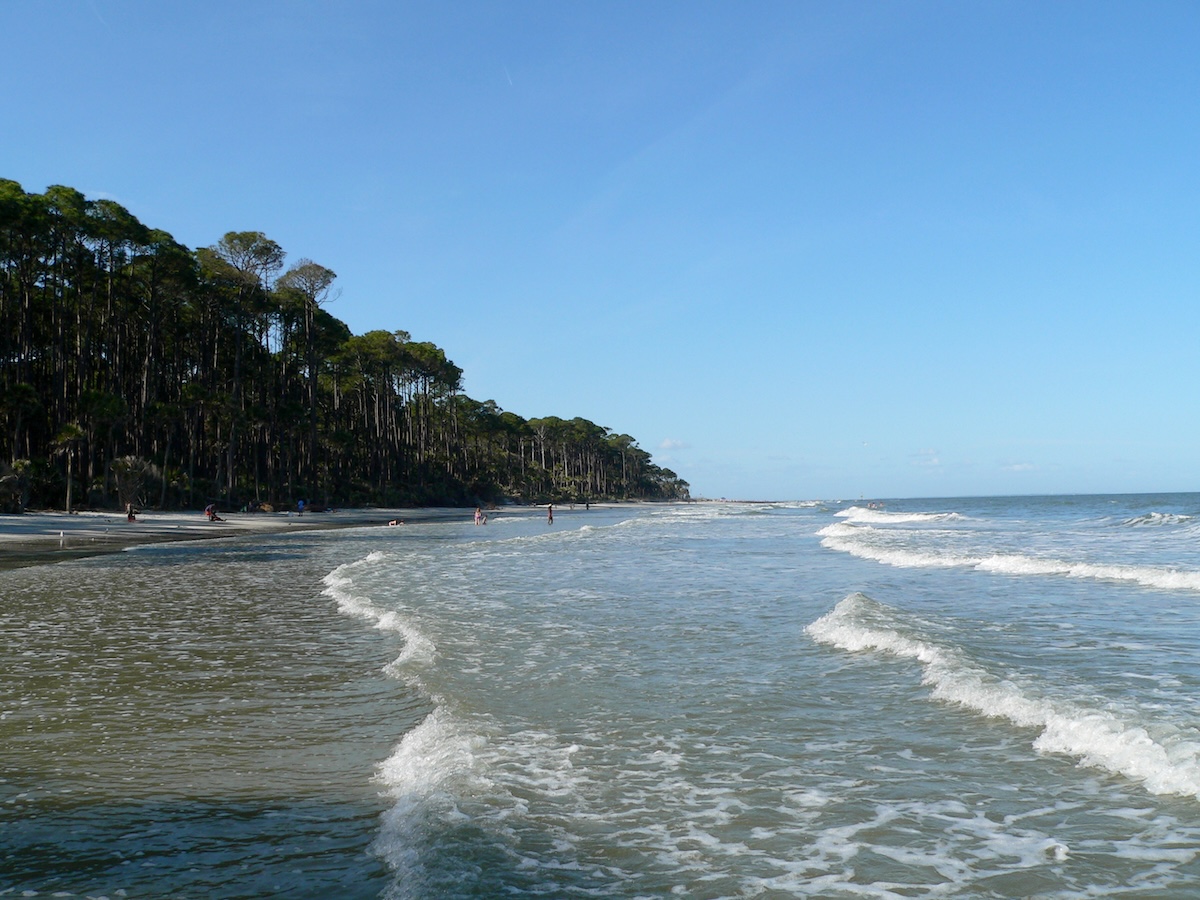
Hunting Island State Park shows off one of the East Coast’s prettiest maritime forests, with five miles of unspoiled beaches meeting dense palmetto groves and salt marshes. The park’s black-and-white lighthouse, built in 1859, is South Carolina’s only publicly accessible lighthouse—climb its 167 steps for sweeping Atlantic views.
There’s more than just sand here. Wander maritime forest trails beneath twisted live oaks draped in Spanish moss, camp just steps from the ocean at one of 200 campsites, or fish from the 1,120-foot pier stretching into Fripp Inlet. The island’s wild character supports loggerhead sea turtles, alligators, and flocks of shorebirds. Though it’s only 16 miles from historic Beaufort, the place feels a world apart.
22. Smith Rock State Park, Oregon
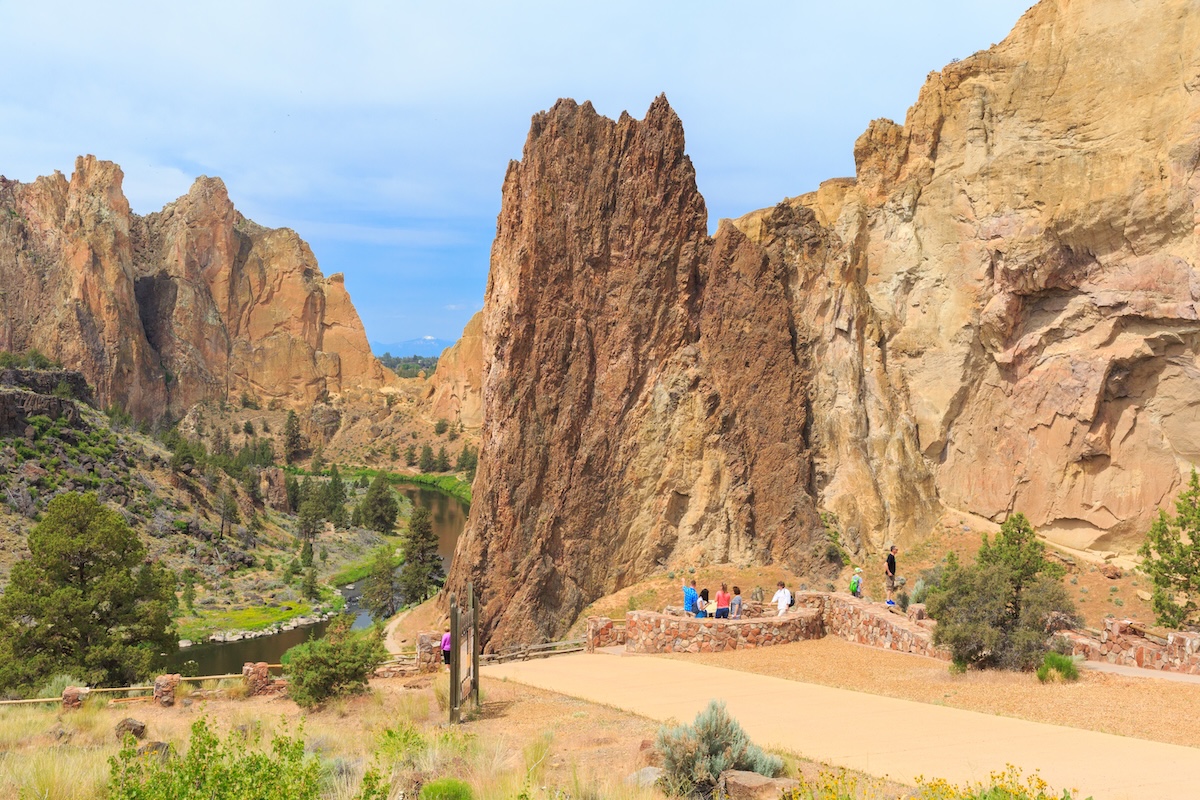
In central Oregon’s high desert, Smith Rock State Park’s rock formations rise 600 feet above the Crooked River. Climbers from all over the globe come to test themselves on the park’s volcanic tuff and basalt cliffs—there are more than 1,800 climbing routes, from easy to expert.
If climbing’s not your thing, the park’s eight-plus miles of hiking trails offer plenty to explore. Take the Misery Ridge Trail for jaw-dropping views of the Cascade Mountains—Mount Jefferson and Three Sisters usually steal the show. Watch golden eagles overhead or spot river otters below. The park’s geology paints the rocks in ever-changing shades of orange and red, making it a dream for photographers. Spring brings wildflowers, and summer’s ideal for a hike followed by a dip in the river.
21. Franconia Notch State Park, New Hampshire
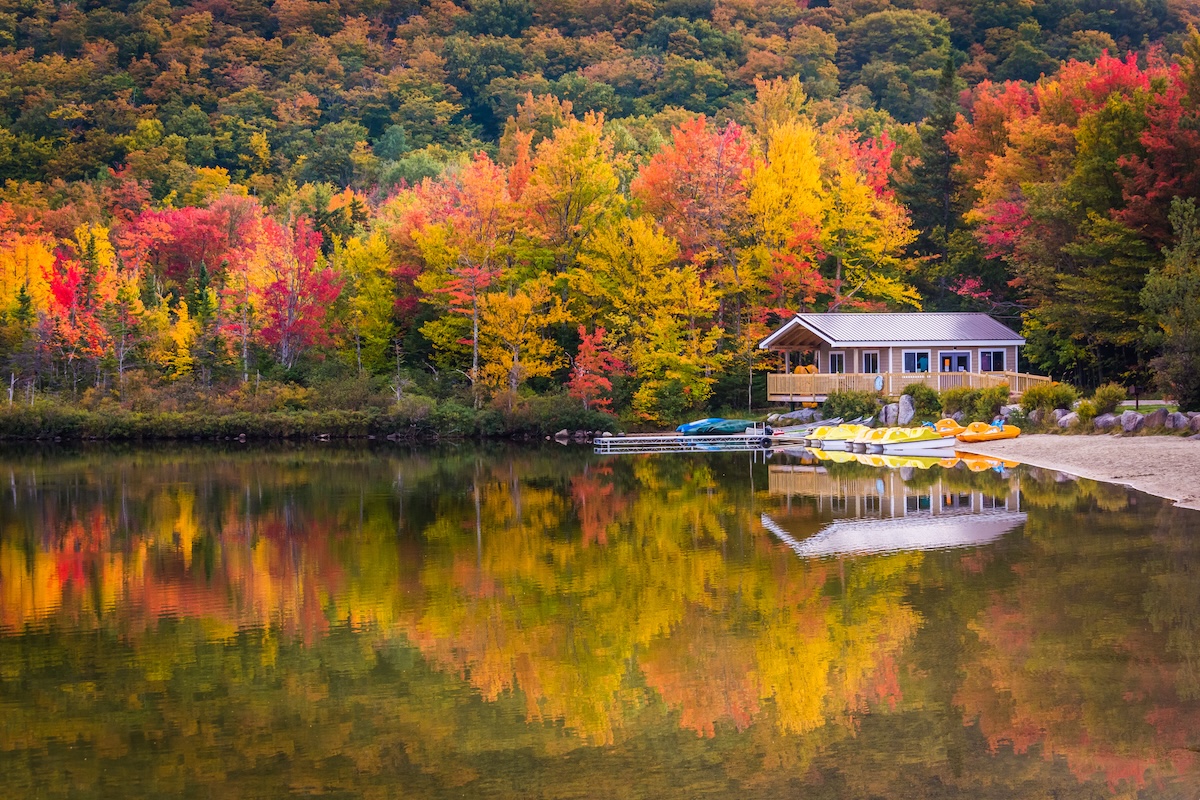
Nestled in the White Mountains, Franconia Notch State Park surrounds you with dramatic scenery. The park runs through a steep pass between the Kinsman and Franconia ranges, creating landscapes that feel surprisingly grand for a state park.
Check out the Flume Gorge—a natural chasm with granite walls soaring up to 90 feet—and Echo Lake, perfect for a summer swim. Hike to waterfalls, bike the paved recreation path, or ride the aerial tramway up Cannon Mountain for sweeping views. Profile Lake sits quietly at the base, once watched over by the Old Man of the Mountain before its collapse in 2003. The mix of accessible activities and true alpine atmosphere gives this spot a big-mountain feel.
20. Letchworth State Park, New York
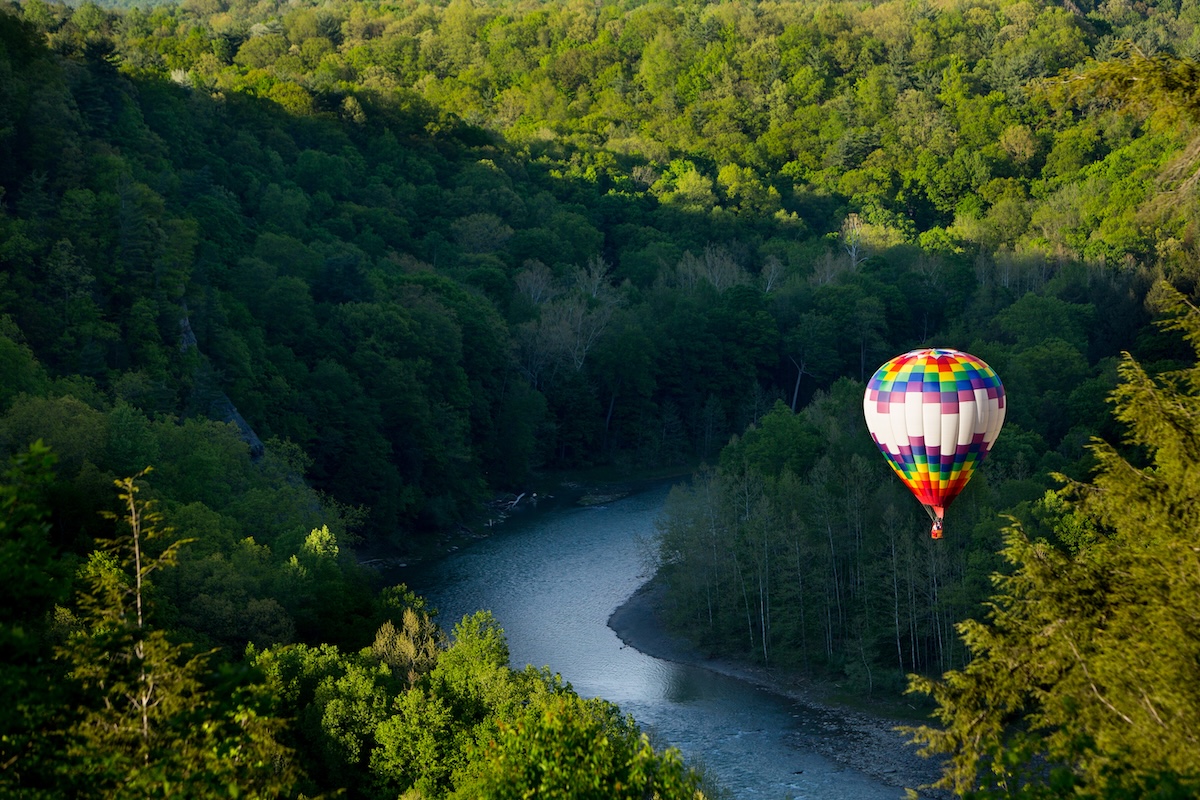
Stand at the rim of Letchworth State Park’s gorge and you’ll get why locals call it the “Grand Canyon of the East.” The Genesee River carves a 17-mile canyon through ancient rock, creating three major waterfalls that plunge between cliffs up to 600 feet high. Over 66 miles of trails let you wander along the rim or down into the valley, always with a fresh perspective of the falls and forested slopes.
Each season brings something new. Fall turns the canyon into a riot of crimson and gold, while winter freezes the waterfalls into icy sculptures. Spring runoff makes the falls thunder, and you can even take a hot air balloon ride for a bird’s-eye view. Hike, bike, or just sit and watch the river do its thing—there’s no wrong way to take it in.
19. Tettegouche State Park, Minnesota
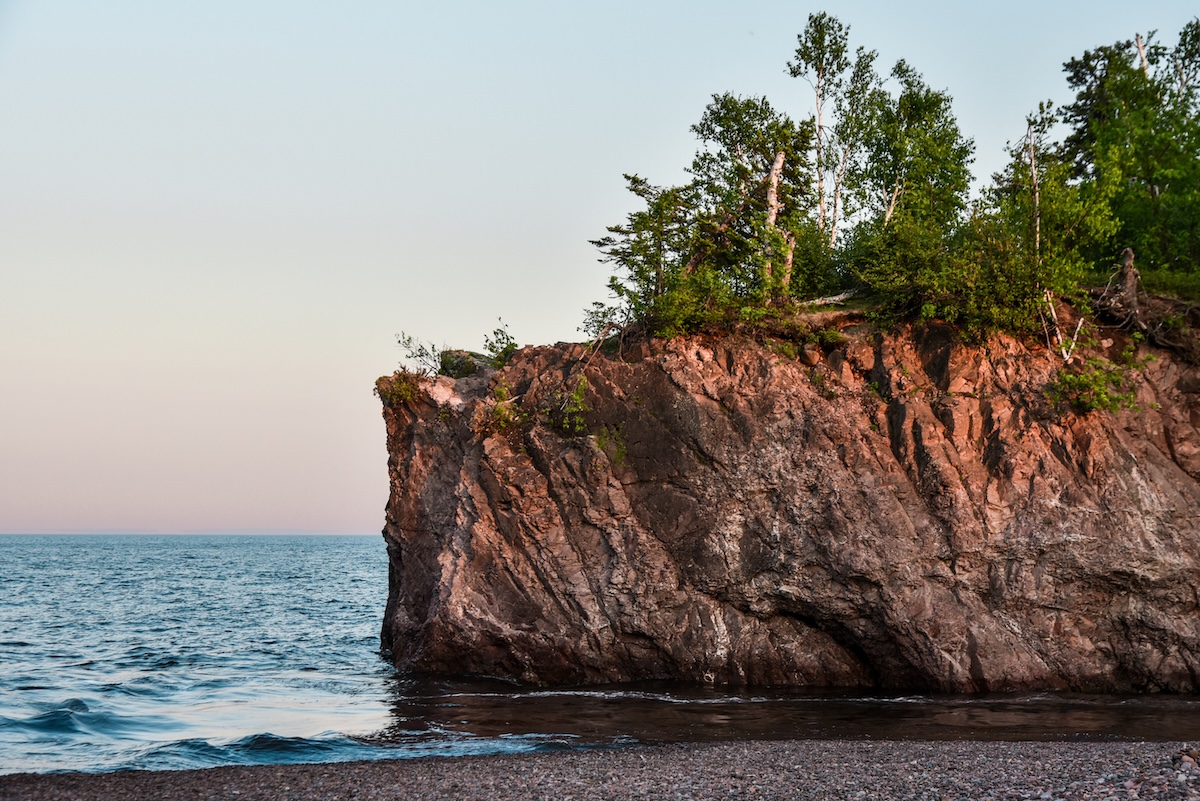
On Minnesota’s North Shore, Tettegouche State Park delivers rugged beauty where cliffs plunge into Lake Superior’s icy waters. Sheer rock faces rise over 170 feet above the lake, and dense forests stretch inland. The Baptism River cascades over High Falls, a 60-foot drop that ranks among the state’s tallest.
More than 20 miles of hiking trails wind through wild terrain, past four inland lakes and stands of birch and pine. Rocky overlooks give you sweeping views of Lake Superior, or head to Shovel Point, where ancient lava flows form a headland jutting into the lake. In winter, the landscape becomes a snowy playground for cross-country skiing and snowshoeing. When things warm up, rock climbers test themselves on the park’s challenging cliffs.
18. Cumberland Falls State Resort Park, Kentucky
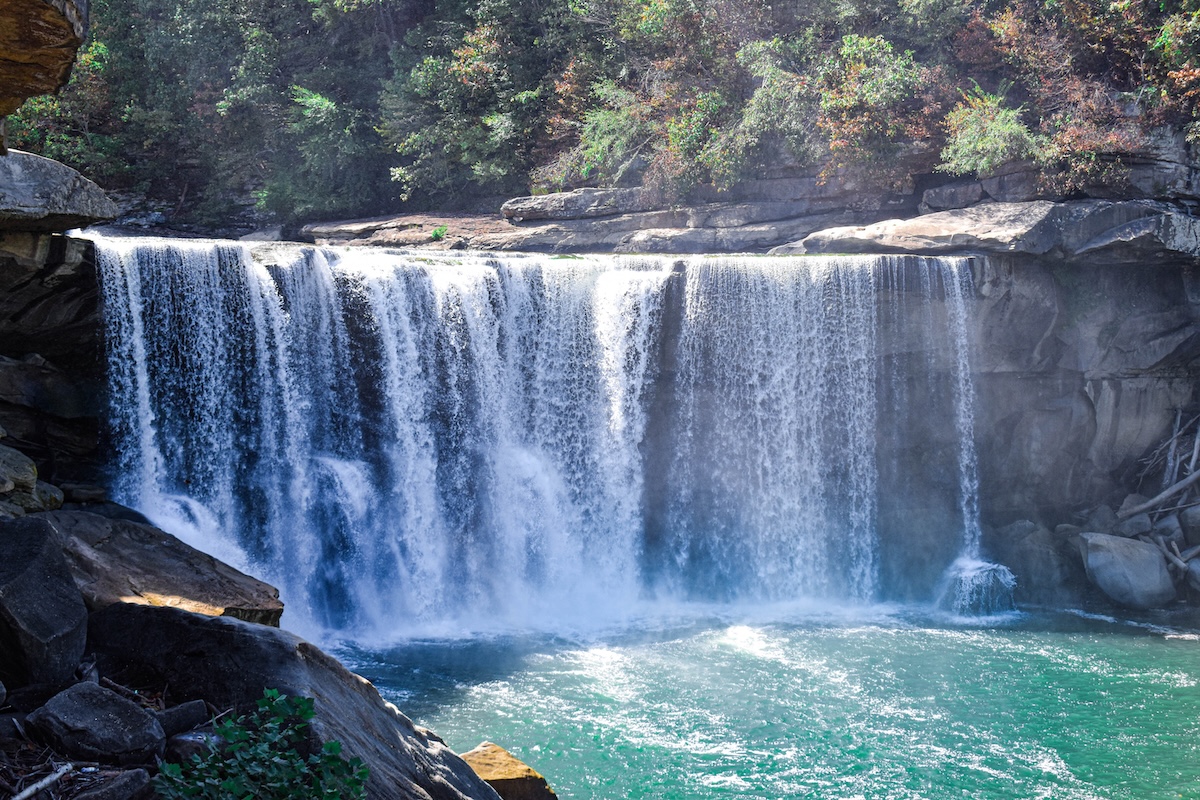
Cumberland Falls State Resort Park boasts one of the Southeast’s most impressive waterfalls, where the Cumberland River drops 68 feet across a 125-foot-wide curtain of water. Dubbed the “Niagara of the South,” this Kentucky spot offers a rare natural phenomenon—a moonbow that appears in the mist during clear, full-moon nights. Only one other place in the Western Hemisphere regularly puts on this show.
The park features more than 17 miles of hiking trails through Daniel Boone National Forest, leading to overlooks of the falls and the river gorge. Explore the woods on horseback, fish the Cumberland River, or paddle the calmer stretches upstream. If you want to stay a while, the park has a lodge, cabins, a seasonal pool, and dining options—making it easy for families or anyone looking for a comfortable outdoor escape.
17. Chimney Rock State Park, North Carolina
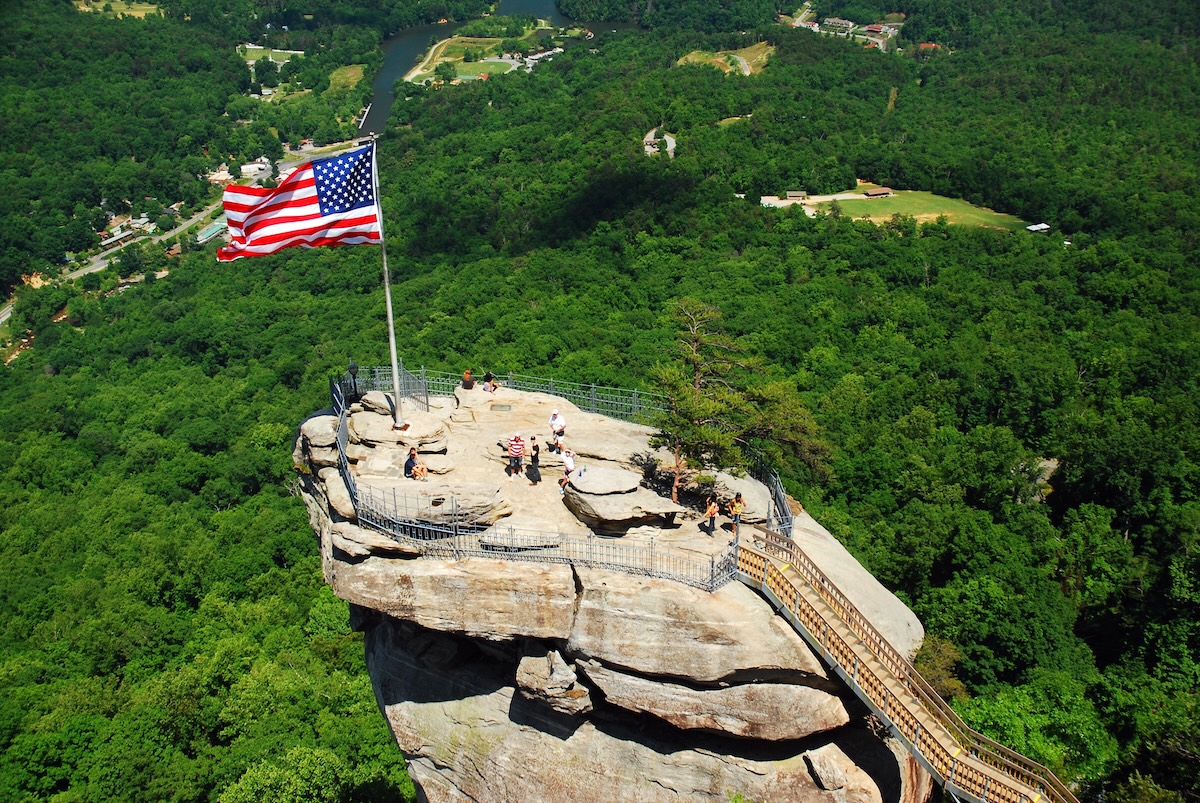
Reach the top of Chimney Rock’s 315-foot granite monolith and you’ll find yourself gazing out over miles of rolling Blue Ridge Mountains. The park sits in scenic Hickory Nut Gorge, where cliffs and rock formations offer views that easily rival those at more famous national parks. On a clear day, Lake Lure shimmers below, and the vistas stretch on and on.
But there’s more than just the namesake tower. Hike to Hickory Nut Falls—at 404 feet, it’s one of the tallest waterfalls east of the Mississippi and may look familiar if you’ve seen The Last of the Mohicans. Trails wind through forests and along exposed cliffs where rare plants cling to rock. Whether you take the elevator up or tackle the trails, Chimney Rock delivers dramatic mountain scenery without the crowds you’ll find at Great Smoky Mountains National Park.
16. Baxter State Park, Maine
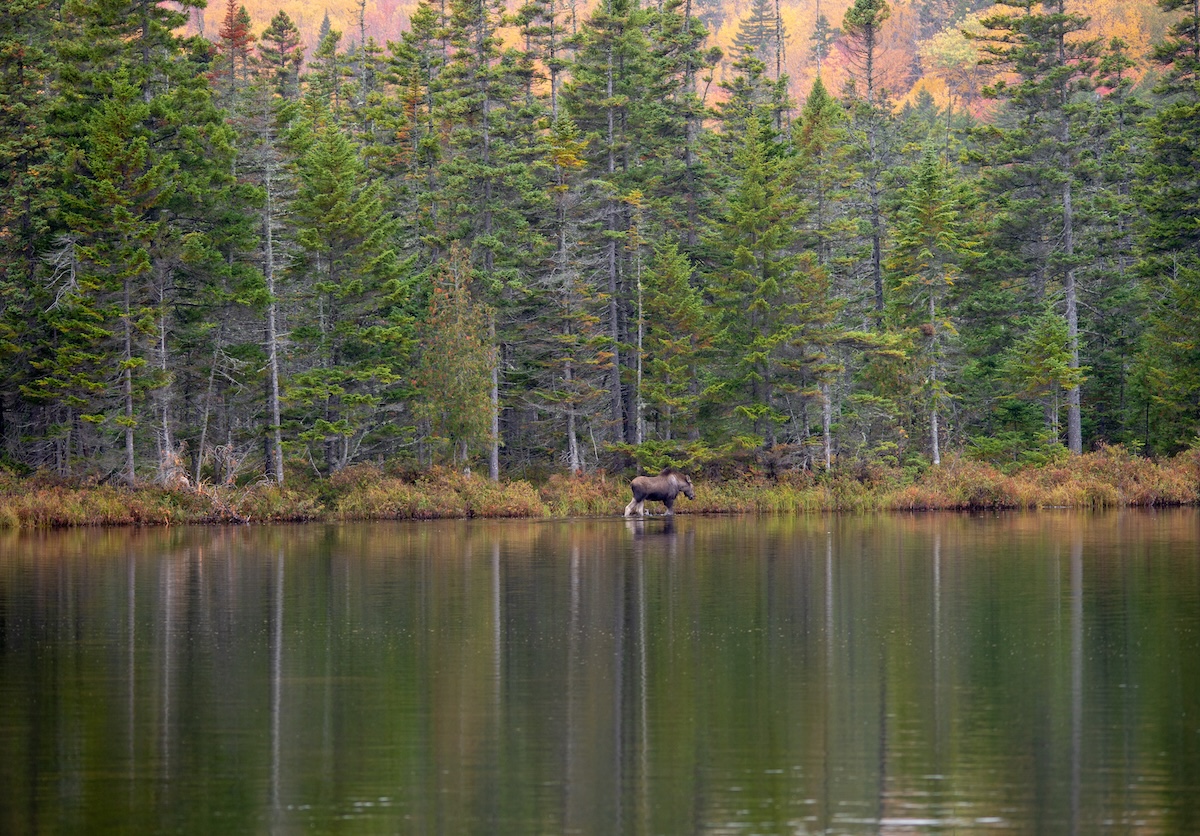
Baxter State Park sprawls over 200,000 acres in Maine, anchored by Mount Katahdin—the state’s highest peak at 5,267 feet. This is the northern terminus of the Appalachian Trail, and it feels a world apart from most state parks. Strict regulations keep it wild: limited vehicle access, no pets in most areas, and no cell service or paved roads inside the park.
With more than 200 miles of hiking trails, you can choose anything from gentle walks to tough alpine scrambles. Moose, black bears, and deer roam the forests and wetlands, and the park’s remoteness guarantees solitude. Camping ranges from traditional sites to lean-tos and backcountry spots, but you’ll need to plan ahead—reservations fill up fast. Percival Baxter, the former governor, gifted the land to Maine with the promise it would stay “forever wild,” and honestly, it still feels that way.
15. Bahia Honda State Park, Florida
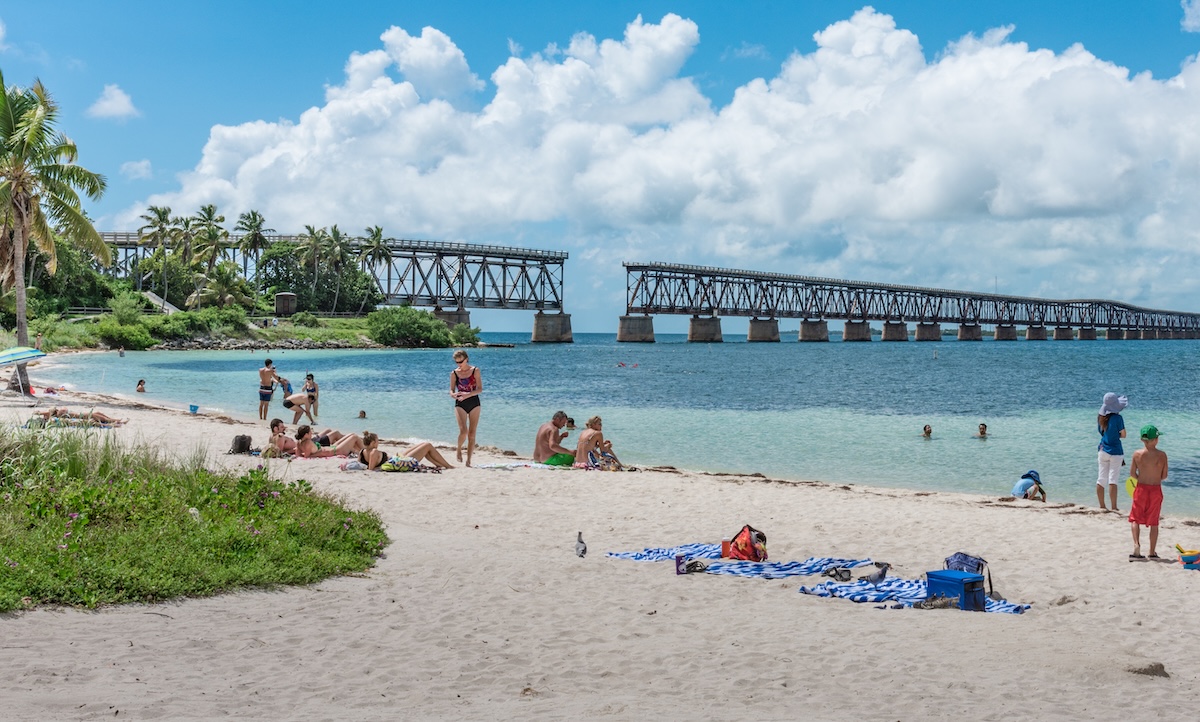
Bahia Honda State Park, about 35 miles from Key West in the Lower Keys, has some of Florida’s most pristine beaches. The island’s turquoise waters could fool you into thinking you’re in the Caribbean. Sandspur Beach often ranks among the state’s best, with soft white sand and calm, clear water perfect for swimming and snorkeling.
But it’s not just about the beach. Explore the old Bahia Honda Rail Bridge—a relic of Henry Flagler’s Overseas Railroad that once linked the Keys to the mainland. The bridge makes a striking backdrop for photos. Kayak through mangrove channels, fish from the shore or bridge, or camp with ocean views. Snorkeling here is top-notch, with coral reefs and tropical fish just offshore. Birders might spot ospreys and herons flitting through the park’s habitats.
14. Custer State Park, South Dakota
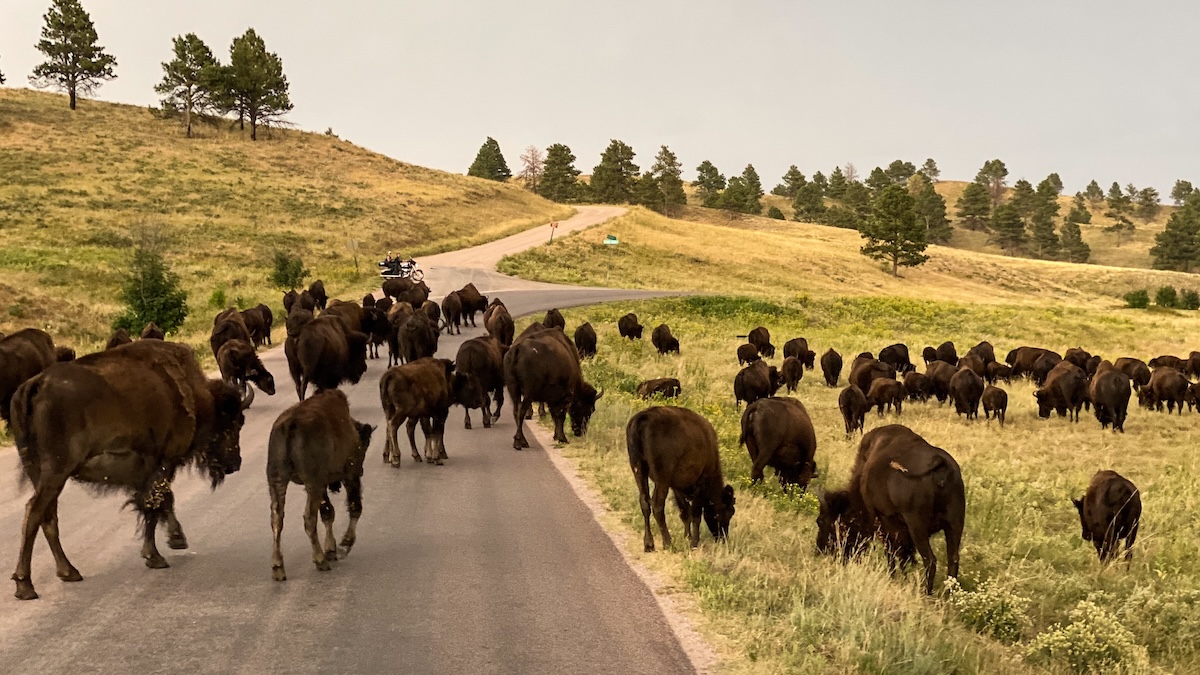
Custer State Park, tucked into South Dakota’s Black Hills, covers 71,000 acres of wildly varied terrain. It delivers the kind of dramatic scenery and wildlife you’d expect from a national park—granite spires, rolling prairies, and clear mountain lakes. Drive the famous Needles Highway, where rock formations tower overhead, or cruise the Wildlife Loop Road for up-close encounters with bison, bighorn sheep, pronghorn, and even burros that sometimes stroll right up to your car.
There’s a bit of everything here: more than 100 miles of trails, scenic drives, pine forests, and grasslands that glow golden late in the season. Camp under the stars, fish in cold streams, or pull off at one of many overlooks to snap a photo. Unlike some packed national parks, you might just have a stretch of road or trail all to yourself.
13. Emerald Bay State Park, California
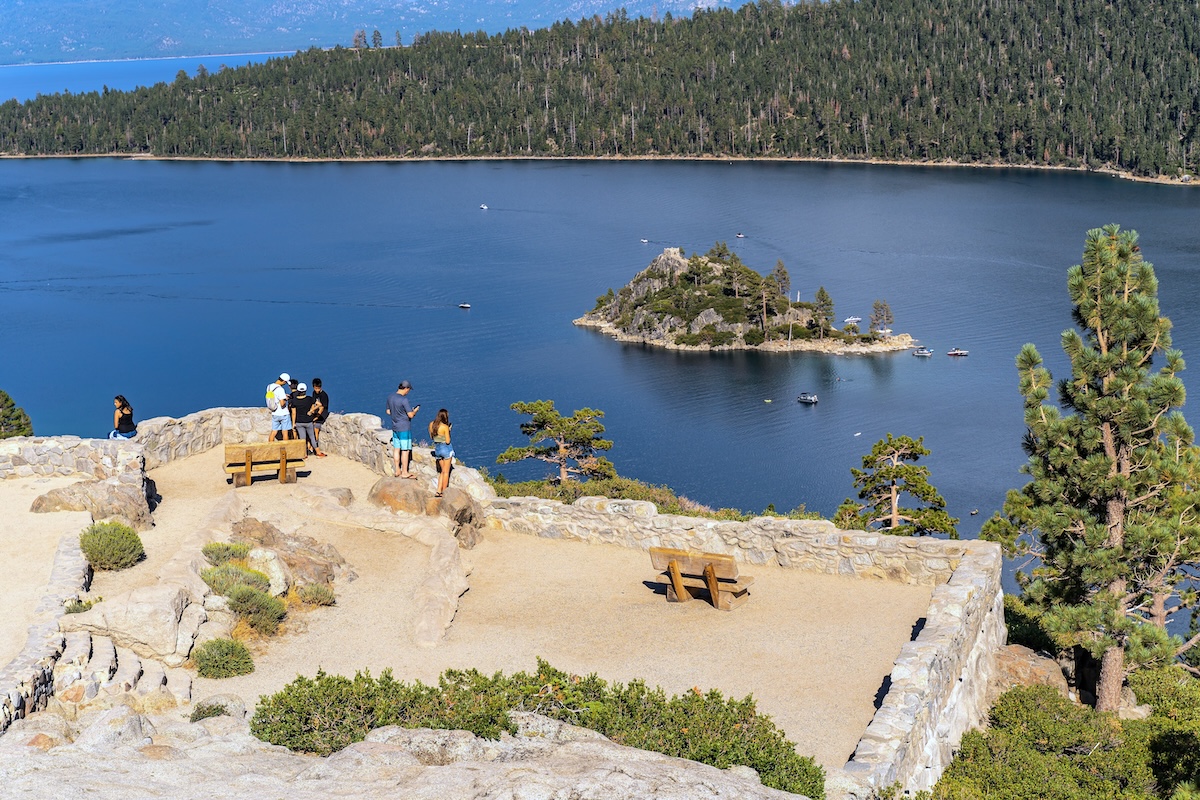
Emerald Bay State Park sits at the heart of Lake Tahoe’s most iconic views, where bright turquoise water crashes up against rugged Sierra Nevada granite. That incredible color? It’s all about the lake’s depth and crystal-clear water, popping against thick pine forests and jagged rocks. Tucked along the shore, you’ll stumble on Vikingsholm—a 38-room mansion built in 1929 in a style straight out of Scandinavia. Honestly, it’s one of the coolest examples of Nordic architecture you’ll find anywhere in North America.
If you’re into hiking, the park’s got plenty to offer. You can trek the trail down to Vikingsholm or, if you’re up for it, tackle the tougher climb to Eagle Falls. Out in the middle of the bay, Fannette Island rises up—Lake Tahoe’s only island. There’s a quirky old stone tea house perched on top, just waiting for a little exploration. Kayak across those emerald waters, camp out along the shore, or just pull over at the highway overlook and take it all in. The scenery here? It’s the kind that makes you wonder why you’d go anywhere else.
12. Hocking Hills State Park, Ohio
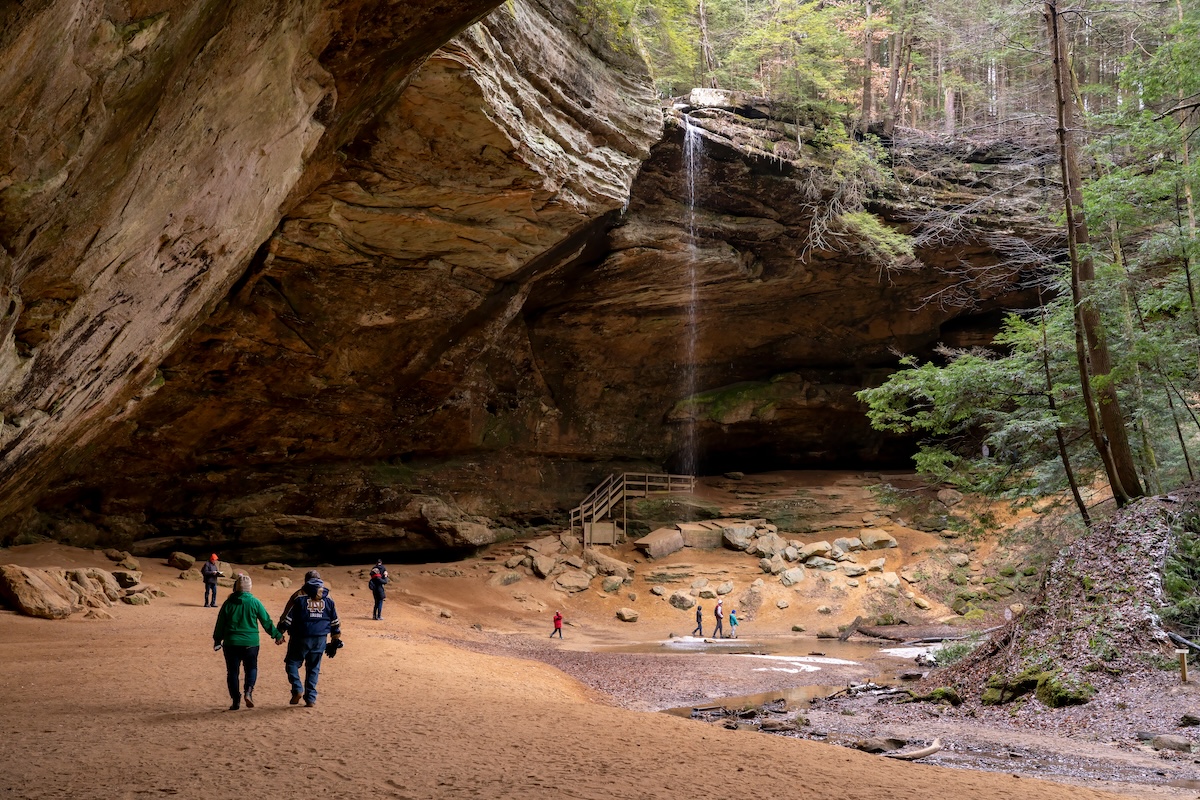
Recess caves, waterfalls, and hemlock-lined gorges cut through Black Hand sandstone in southeastern Ohio, and first-time visitors who arrived expecting modest Midwest scenery tend to stand at the rim of Old Man’s Cave and reassess their assumptions about the state. The park covers several distinct areas connected by trail, each presenting sandstone formations that glaciers shaped into overhangs, amphitheaters, and rock shelters deep enough to walk inside.
Ash Cave’s semicircular recess cave stretches 700 feet across and 100 feet deep, making it one of the largest of its kind east of the Mississippi. Cedar Falls runs between the two main cave areas through old-growth hemlock forest that stays cool through summer heat. The trail connecting all three sites covers terrain that Ohio simply has no business being this dramatic about.
11. Fall Creek Falls State Park, Tennessee
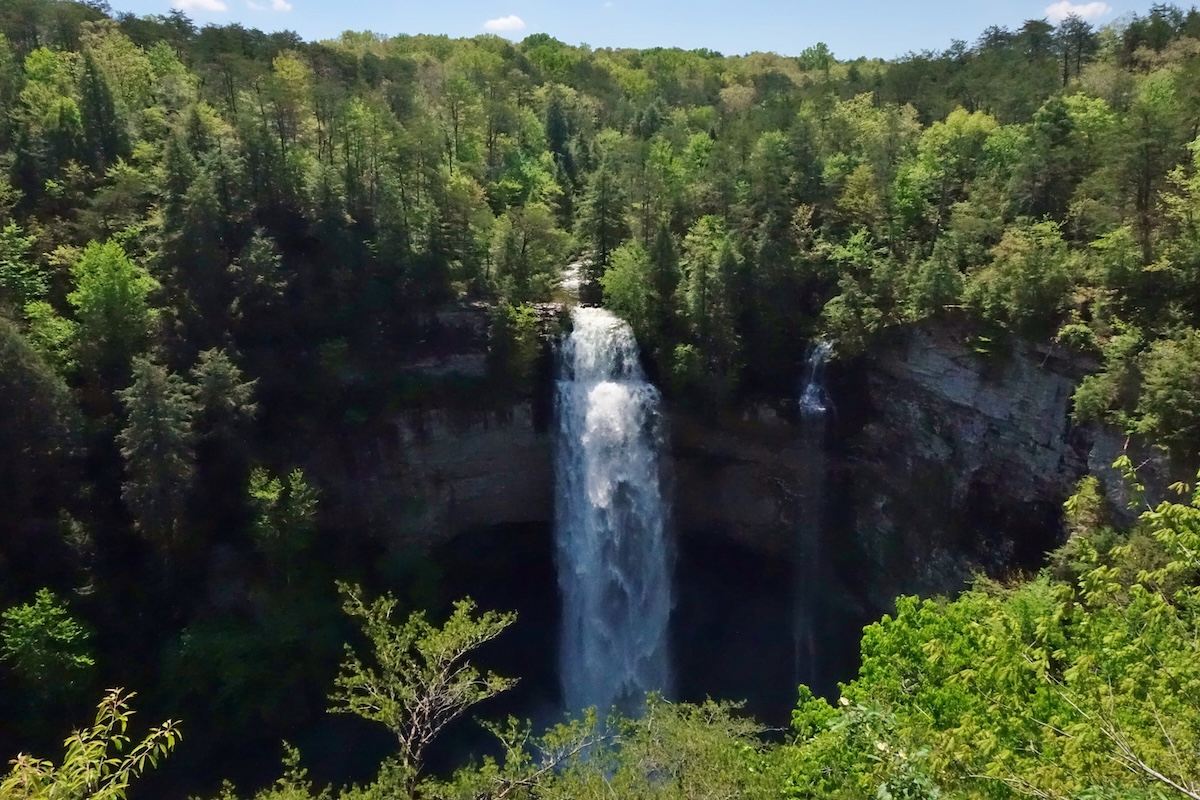
The waterfall drops 256 feet straight down into a plunge pool, making it the tallest free-falling waterfall east of the Rocky Mountains, and the Cumberland Plateau surrounding it has enough additional cascades, gorges, and suspension bridges that the main attraction doesn’t carry the whole visit alone. The park covers over 26,000 acres of mixed hardwood forest that turns spectacular through October.
A suspension bridge crossing the gorge near the main falls puts you above the tree canopy with the creek visible far below, and the swaying tends to sort visitors quickly into two distinct personality categories. The gorge trail reaching the base of the falls involves a steeper descent than the distance suggests, and the view from the bottom looking straight up at 256 feet of falling water makes every step of it worthwhile.
10. Kachemak Bay State Park, Alaska
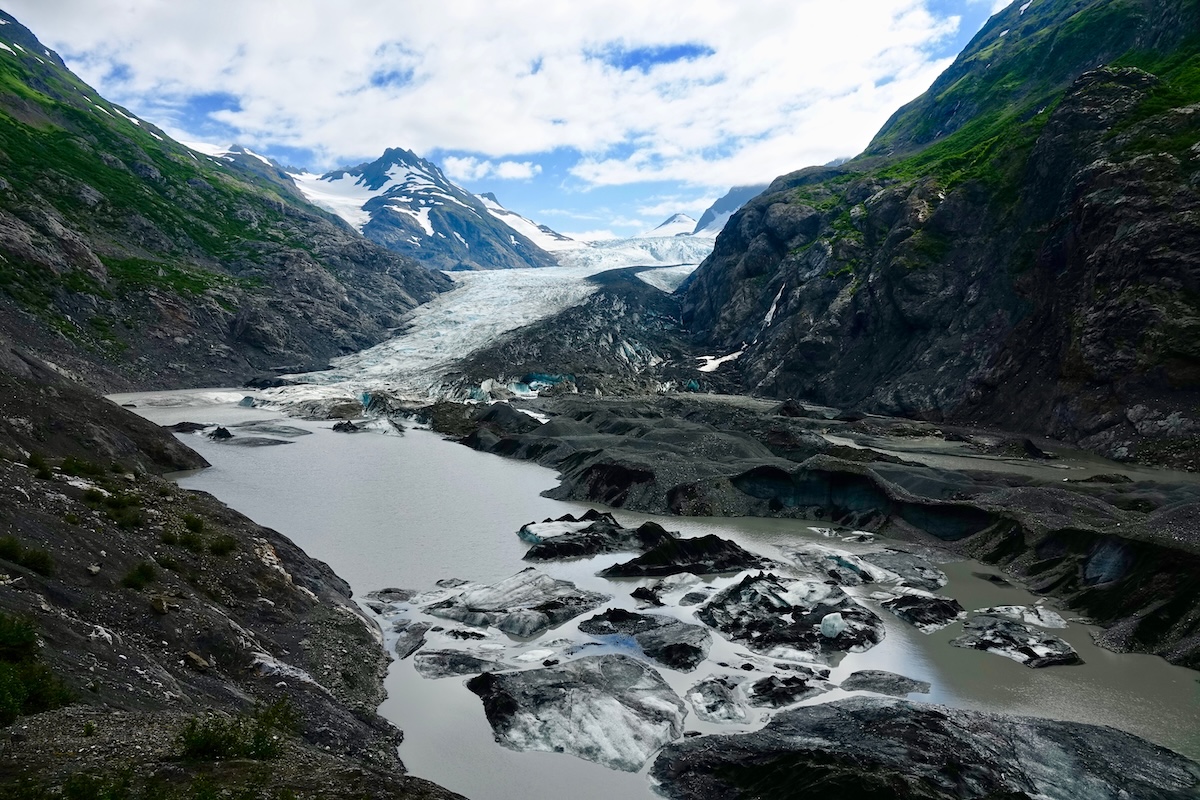
No roads reach this park across Kachemak Bay from Homer, so a water taxi handles the crossing and immediately establishes the tone for everything that follows. The park covers glaciers, old-growth Sitka spruce forest, and coastline on the southern Kenai Peninsula that the road system simply never reached, keeping the wildlife and wilderness perfectly wild.
Brown bears fish the salmon streams, sea otters float in the kelp beds offshore, and the Grewingk Glacier sits close enough to hike to from the water taxi landing. The park has no entrance fee, no visitor center, and very few trail markers, which sounds like freedom but can be a logistical concern depending on your backcountry experience level.
9. Watkins Glen State Park, New York
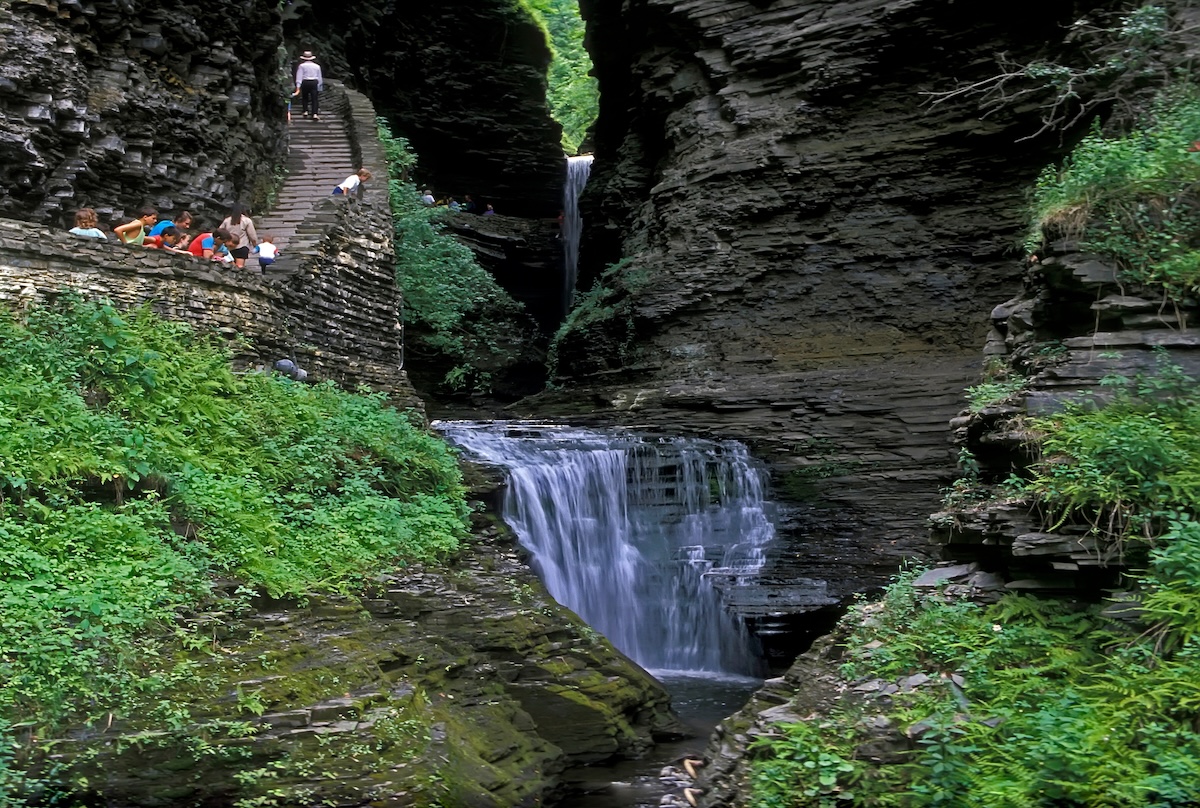
You will find nineteen waterfalls in under two miles of gorge trail as you make your way through layered shale and sandstone in the Finger Lakes region of New York State. The gorge path runs alongside and sometimes directly behind the falls, through tunnels and over bridges that the Civilian Conservation Corps built in the 1930s with pure craftsmanship.
The stone pathways and carved staircases fit the gorge so naturally that they read as geological features, which is the highest compliment possible for trail infrastructure of this type. Seneca Lake sits at the top of the gorge, and the surrounding Finger Lakes wine region gives the visit a second act that the gorge alone doesn’t require but benefits from regardless.
8. Palo Duro Canyon State Park, Texas
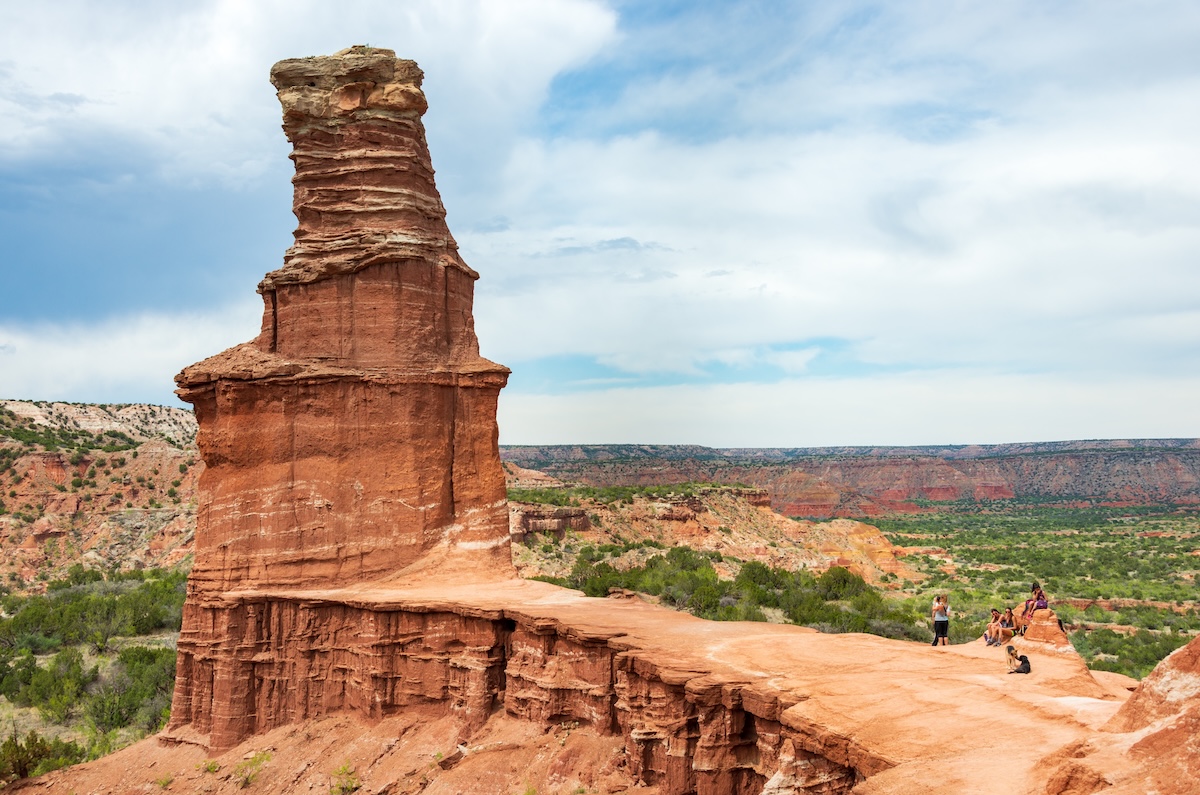
The second largest canyon in the United States abruptly drops 800 feet into the Texas Panhandle flatlands. Most visitors driving through the surrounding prairie have no idea it exists until they’re standing at the rim. The Lighthouse rock formation, a 310-foot hoodoo rising from the canyon floor, sits at the end of a 6-mile round-trip trail that earns the destination status it receives from Texas hikers willing to make the Amarillo drive.
The canyon walls expose 250 million years of geological history in red, orange, and purple layers that are best viewed in the warm afternoon sun. Georgia O’Keeffe painted here before New Mexico claimed her attention, and the landscape makes the artistic connection obvious.
7. Makoshika State Park, Montana
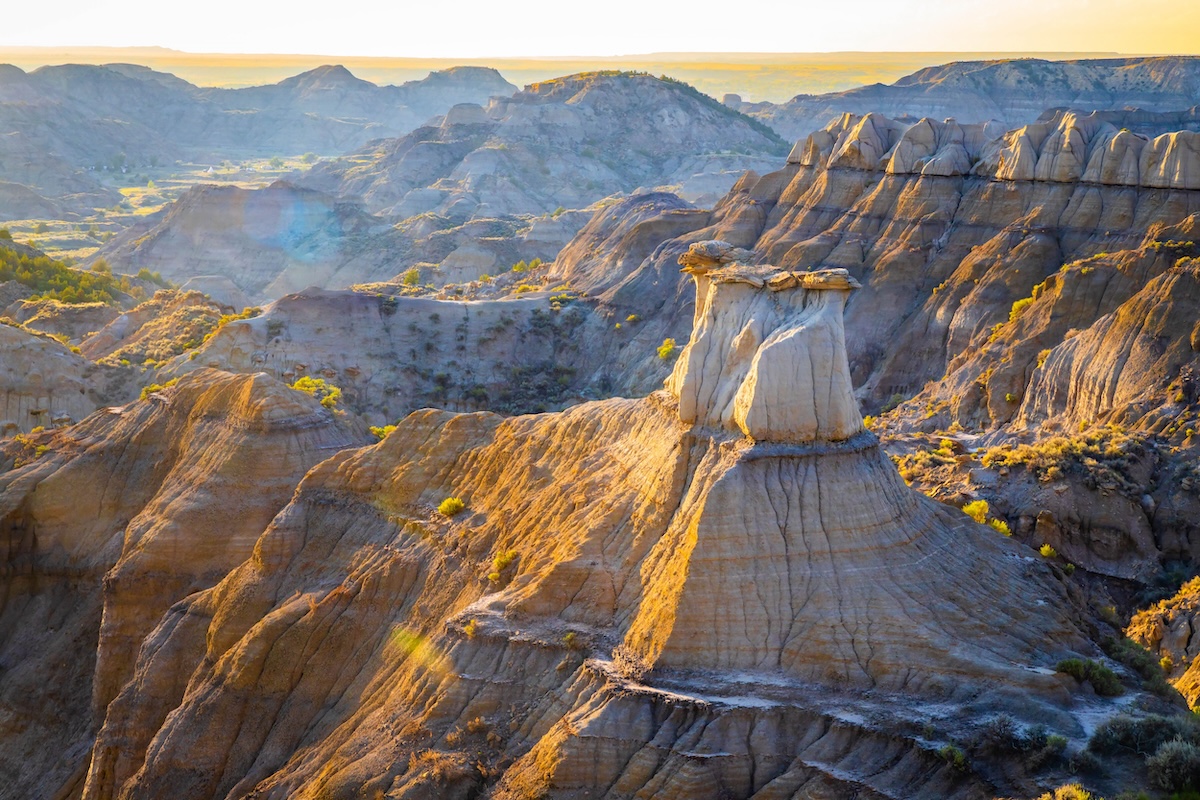
Montana’s largest state park sits outside Glendive in the eastern badlands, covering eroded butte country that looks borrowed from the Utah desert and placed in the northern plains without explanation. The park sits above one of the richest dinosaur fossil beds in North America, and the visitor center displays Triceratops and Tyrannosaurus rex specimens pulled from the surrounding formations.
The cap rock formations and juniper-covered slopes are home to prairie rattlesnakes, mule deer, and golden eagles in a captivating high desert ecosystem. The solitude here is something that more famous badlands destinations charge admission for and still spectacularly fail to deliver.
6. Nā Pali Coast State Wilderness Park, Hawaii
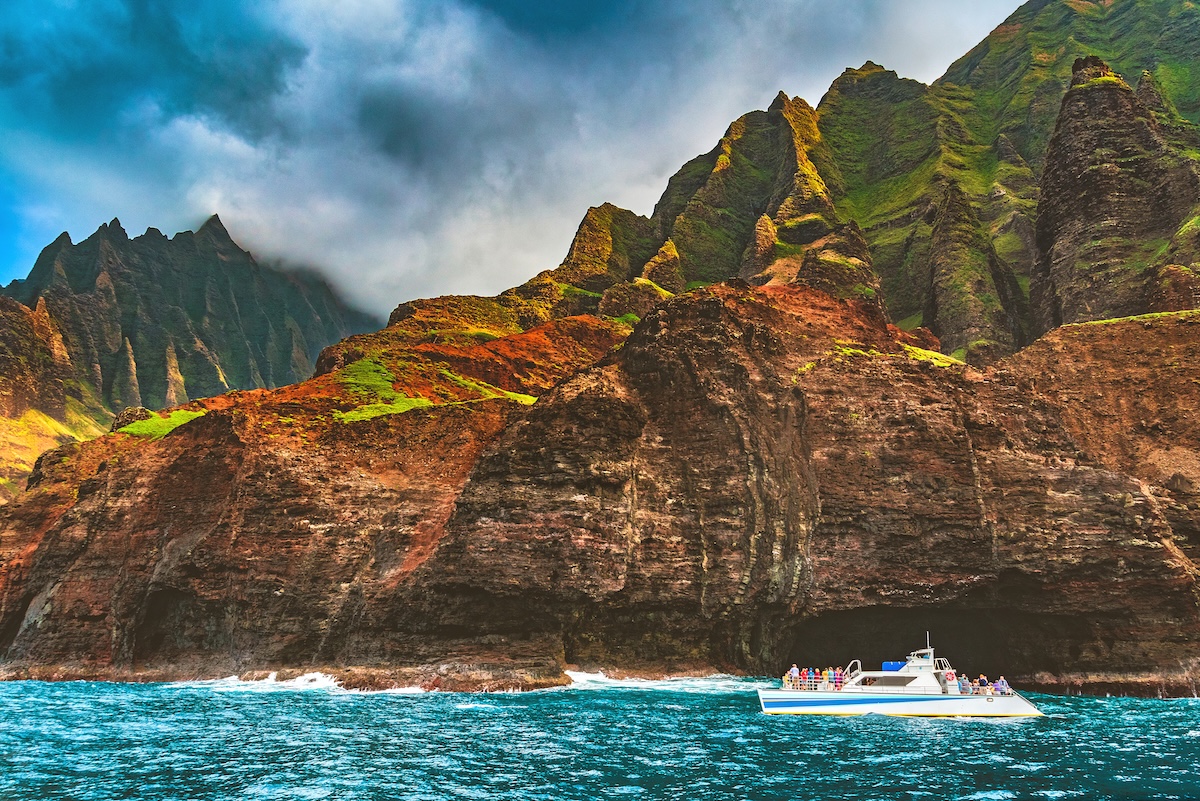
Eleven miles of Kauai’s northwestern coastline drop from 4,000-foot ridges directly into the Pacific through valleys that ancient Hawaiians farmed for centuries and the modern road system never reached. The Kalalau Trail covers the full length, but experienced hikers will tell you you need to respect it, as casual visitors regularly underestimate their own physical prowess.
The view from the Kalalau lookout above is free and spectacular. The full trail experience requires a permit, camping gear, and several days of commitment that the mud, stream crossings, and exposed ridge sections thoroughly test. Sea kayakers cover the coastline from the ocean side between May and September, when the swell drops enough to make the sea cave landings something other than dreadfully dangerous.
5. Valley of Fire State Park, Nevada
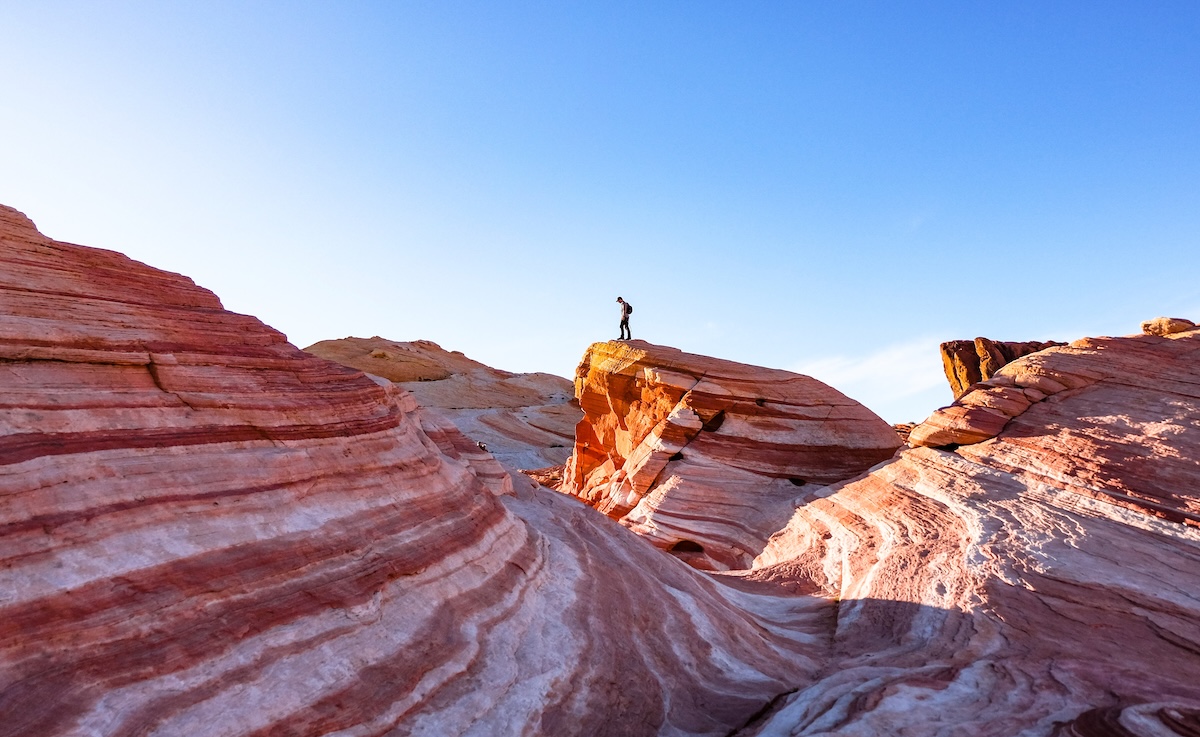
Drive forty miles from Las Vegas through the Mojave Desert, and then suddenly, Aztec sandstone formations in shades of red and orange take over your field of vision. The park covers ancient sand dunes compressed into rock over 150 million years, carved by erosion into elephant rocks, beehive formations, and natural arches that cover more photographic variety per square mile than most parks ten times the size.
Petroglyphs at Atlatl Rock and Mouse’s Tank document 3,000 years of human presence in a landscape that gets hostile between June and September. Spring and fall visits catch the sandstone in morning light and make the whole affair more pleasant past 9 am.
4. Julia Pfeiffer Burns State Park, California
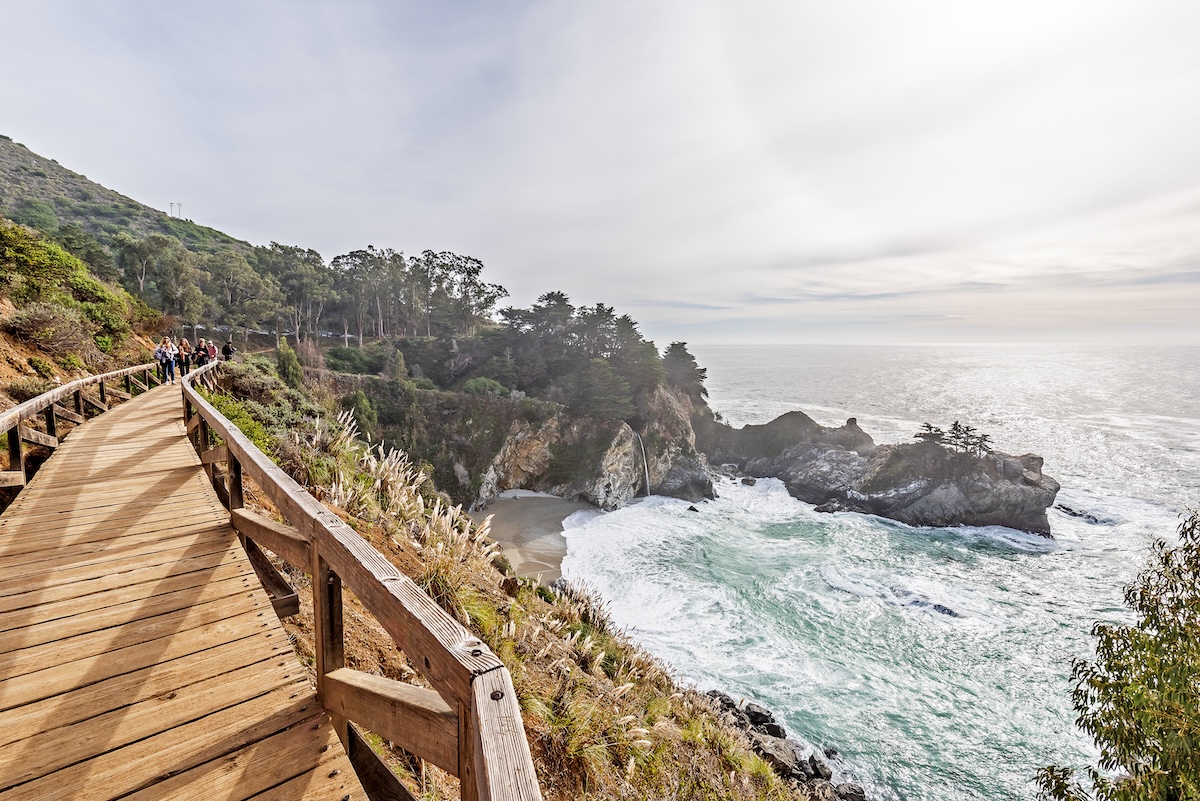
McWay Falls drops 80 feet onto a beach that visitors cannot access, which turns out to be the correct arrangement because the view from the overlook trail above the cove puts the waterfall, turquoise water, and white sand into a composition that would be ruined by standing on the beach. The overlook sits a ten-minute walk from the Highway 1 parking area, making it the most rewarding short walk on the California coast by some distance.
The park covers Big Sur’s coastal mountains above the falls with backcountry camping and old-growth redwood groves that the overlook crowd mostly misses entirely. Parking fills by mid-morning on weekends, and the difference between arriving at 8 am and 11 am on a summer Saturday is significant enough to set an alarm for.
3. Silver Falls State Park, Oregon
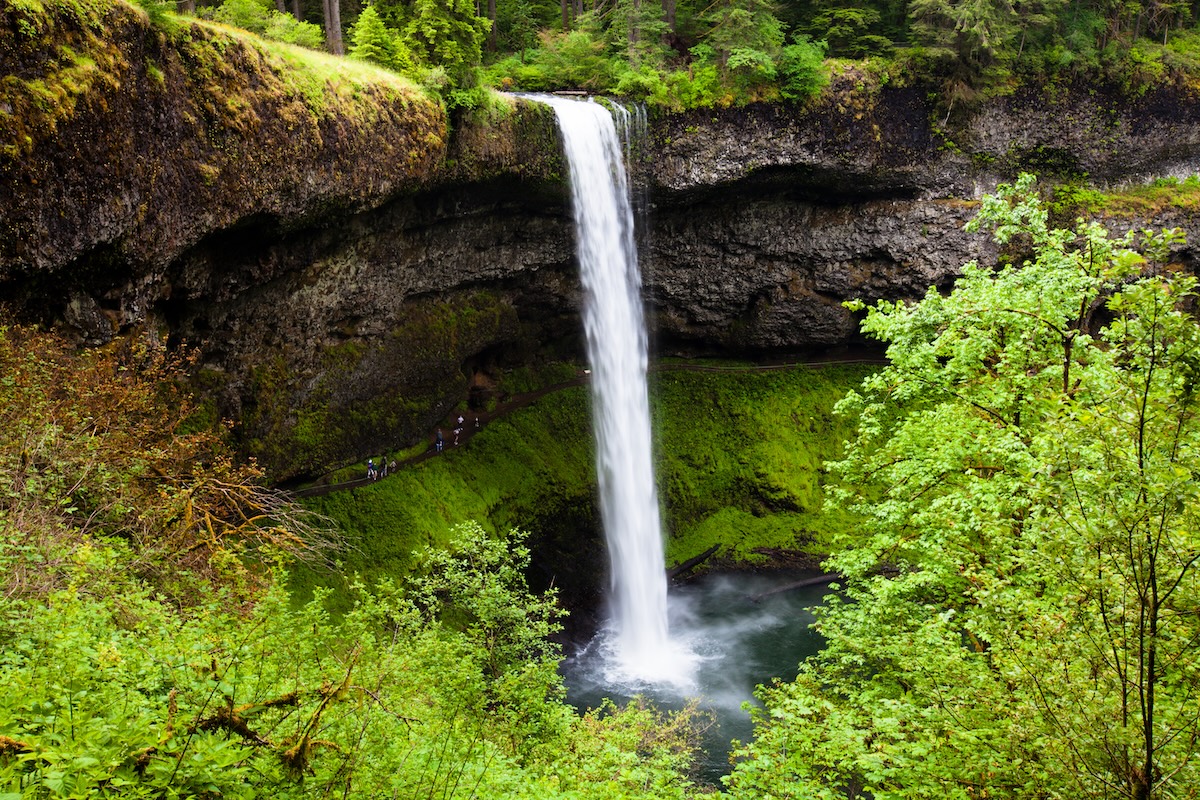
The Trail of Ten Falls covers ten waterfalls in a ten-mile loop through old-growth Douglas fir forest in the Oregon Cascades foothills, and the trail passes behind four of the falls through basalt caverns carved by the water over centuries. South Falls drops 177 feet, and the trail goes directly behind it, putting hikers inside the waterfall’s curtain, looking out through falling water at the forest below.
The park sits an hour from Portland and Salem, which keeps it busy on summer weekends without approaching the crowd levels that the Columbia River Gorge waterfalls absorb further north. The old-growth forest canopy keeps the trail cool through summer heat, and the moss-covered basalt walls stay green through a season that dries out most of the Oregon lowlands.
2. Dead Horse Point State Park, Utah
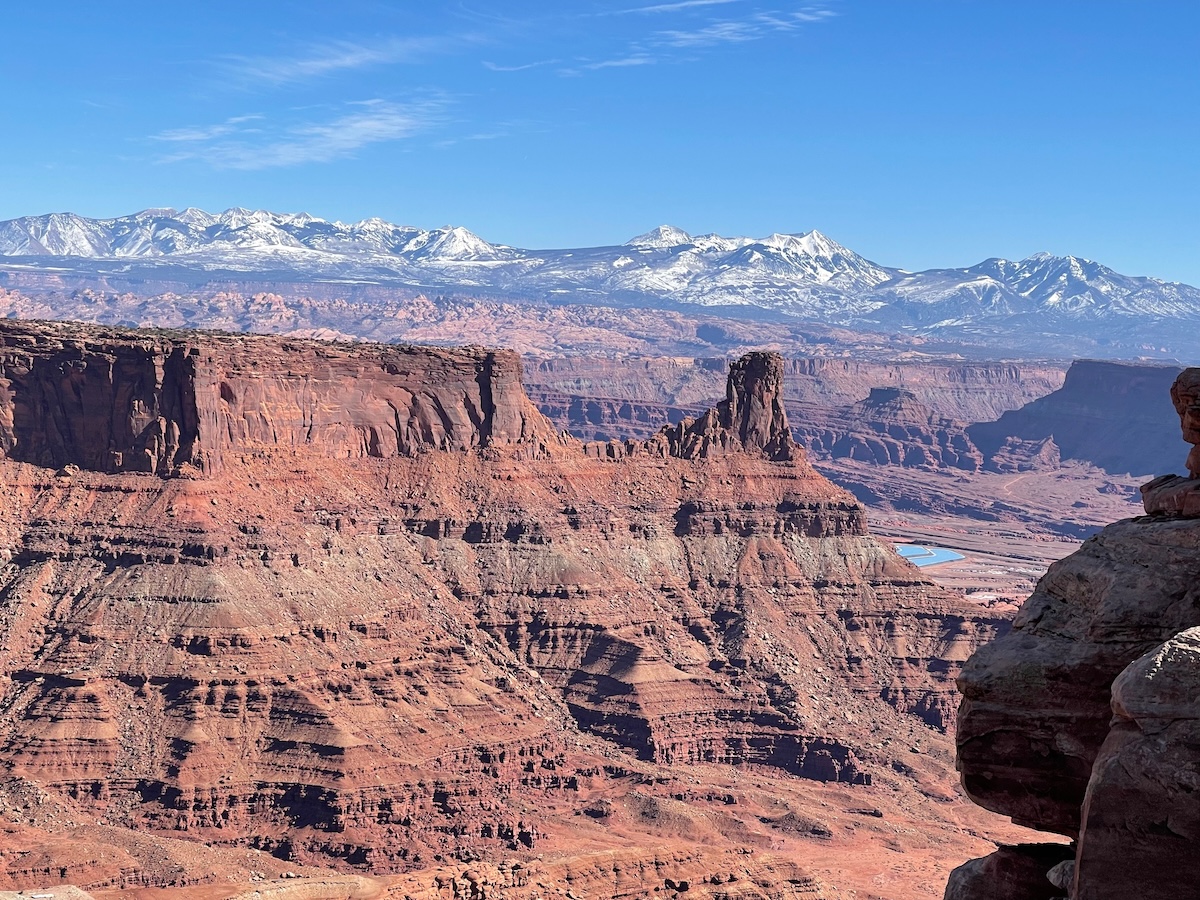
The Colorado River bends 1,000 feet below the mesa rim in a horseshoe that makes the Grand Canyon’s famous viewpoints feel slightly less compositionally dramatic, and Dead Horse Point delivers that view without the four-hour drive from Las Vegas or the summer crowds that make the national park heave. The mesa sits 30 miles from Moab, and the potash evaporation ponds visible in the canyon below turn vivid blue and green from the minerals involved in the extraction process, adding industrial color to a geological landscape.
Canyonlands National Park spreads across the horizon beyond the river bend, and the 270-degree panorama from the point covers more canyon country than any single national park viewpoint provides. Sunset here is not a casual suggestion.
1. Jedediah Smith Redwood State Park, California
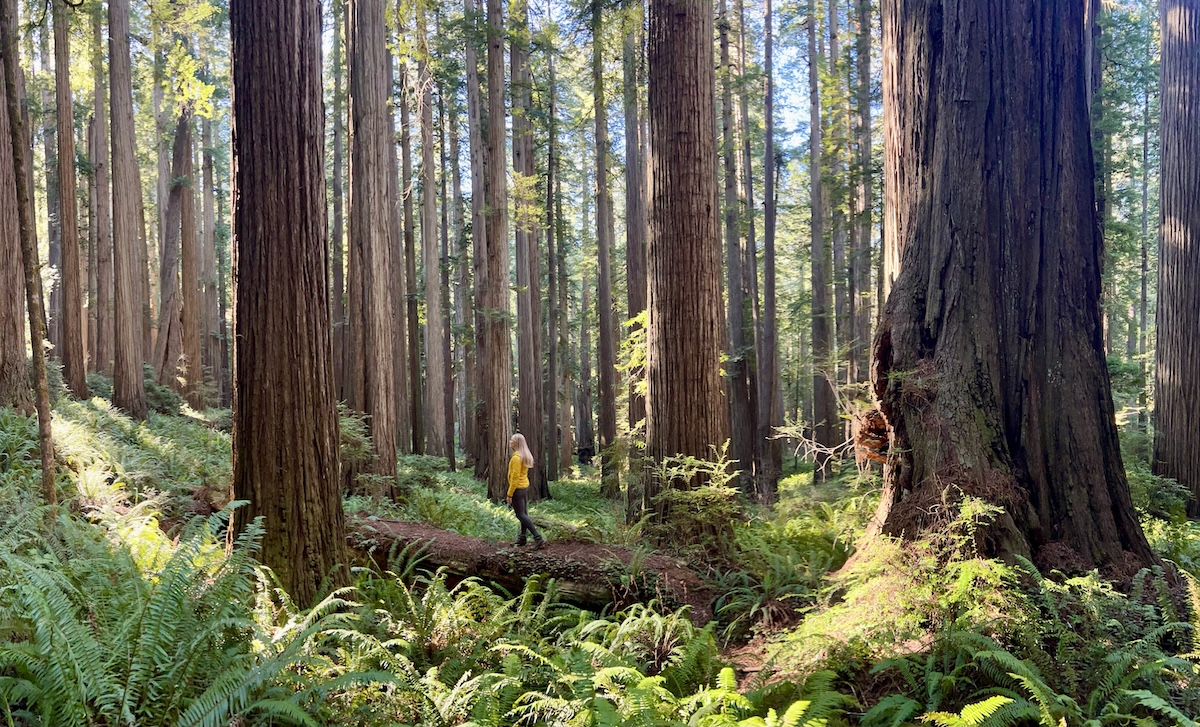
The tallest trees on Earth grow here in groves so dense that noon sunlight reaches the forest floor as filtered green rather than direct light. The Stout Grove sits beside the Smith River, where clear green water runs beside trees reaching 340 feet, and the combination of old-growth forest and a wild river running through it covers more natural beauty per acre than anywhere in the American state park system.
The park connects to the Redwood National and State Parks complex but maintains a particular intimacy that the national designation’s visitor volumes don’t always allow. Driving the unpaved Howland Hill Road through the old-growth forest is the correct decision regardless of what the rental car agreement says about unpaved surfaces.