
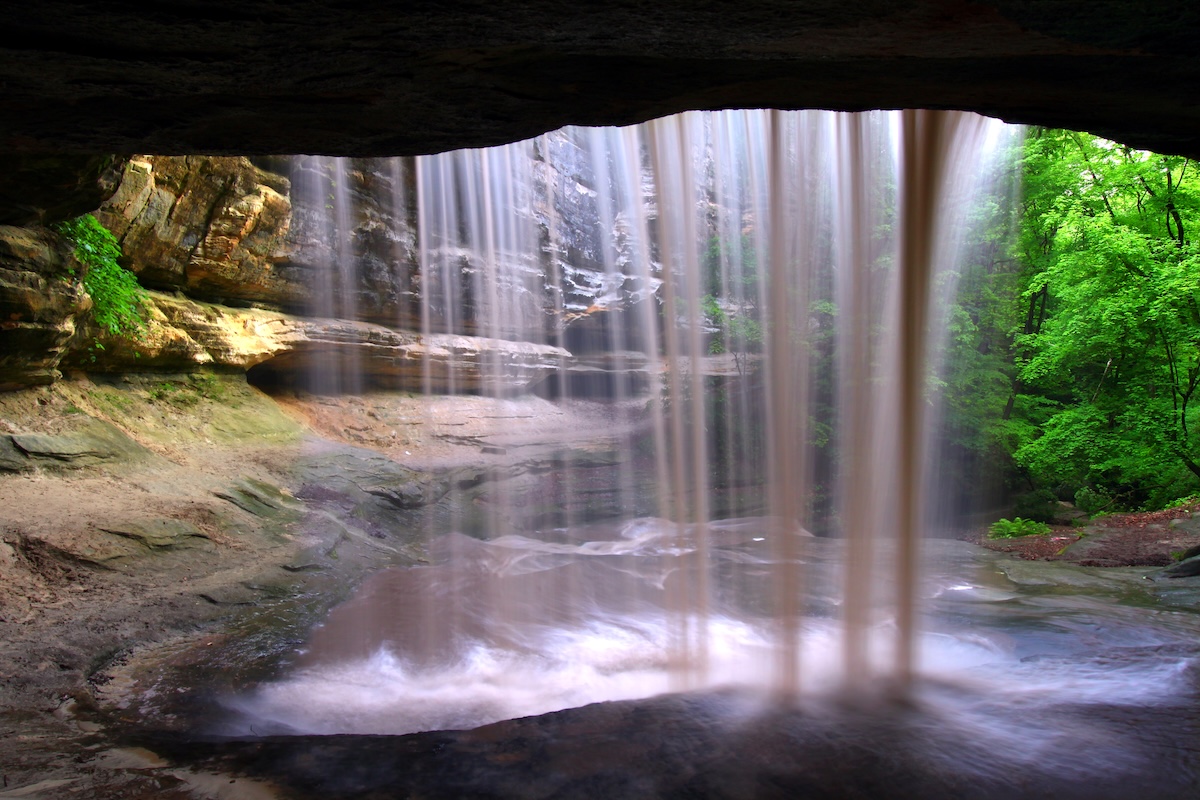
This place stands out—almost defiantly—against the endless prairie that surrounds it, and you really can’t miss the contrast. Over thousands of years, water and ice worked their slow magic here, shaping the landscape into something that feels almost out of place in Illinois. Tucked along the banks of a major Midwestern river, the state park draws hundreds of thousands every year with its wild mix of deep ravines and towering rock formations.
Starved Rock State Park gives you access to 18 canyons, seasonal waterfalls, and miles of trails that wind through wooded bluffs overlooking the Illinois River. This 2,630-acre park sits in north-central Illinois, about 90 miles southwest of Chicago. Not exactly a quick hop from the city, but close enough for a day trip if you’re up for it.
The park’s rugged terrain keeps things interesting all year long. In winter, the canyons sometimes freeze into these surreal ice sculptures. Spring brings carpets of wildflowers and, if you’re lucky, a few waterfalls at full throttle. Come fall, the trees light up in orange and red. Along the way, you might spot bald eagles, deer, or a squirrel that’s just a little too bold for its own good.
Sandstone Canyons and Seasonal Waterfalls
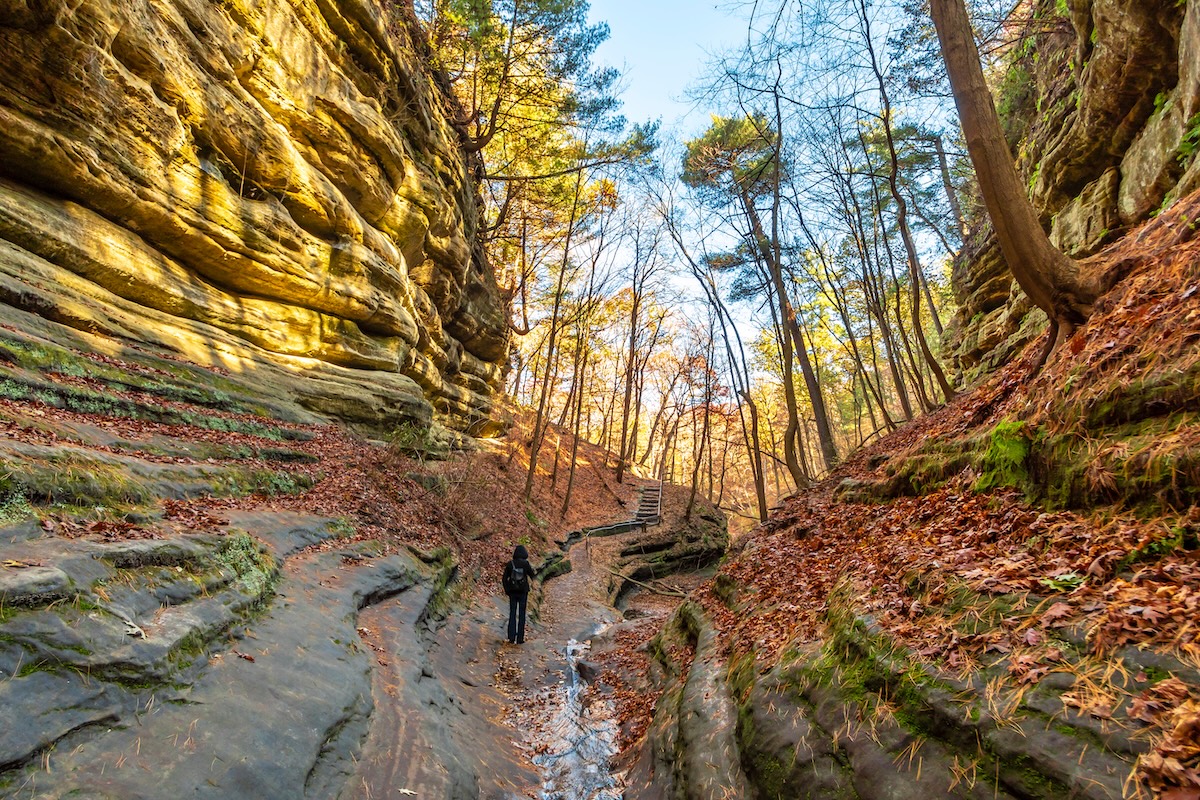
Eighteen canyons, all carved into St. Peter sandstone, twist through the park. Glacial meltwater did most of the heavy lifting thousands of years ago, slicing narrow gorges into the pale rock. Walk through one of these shady passageways and you’ll notice the air gets cooler, moss creeps up the canyon walls, and everything suddenly feels a bit quieter.
The waterfalls are a bit fickle—they only show up after heavy rain or when the snow melts, usually between March and May. When conditions line up, water pours over ledges at spots like French Canyon, LaSalle Canyon, and Wildcat Canyon. Sometimes the falls hit 30 feet or more, but honestly, it all depends on the weather.
By summer, most of the waterfalls dry up or slow to a whisper, leaving behind damp stone and silent canyon floors. The sandstone keeps eroding, so the canyons and falls are always changing, even if you can’t see it happening. If you’re chasing waterfalls (and who isn’t, at least a little?), early spring is your best bet. That’s when the water puts on its most dramatic show, and the park feels almost otherworldly—especially for Illinois.
Illinois River Bluffs, Wildlife, and Overlooks

Some of the park’s most striking scenery pops up along the sandstone bluffs that rise above the Illinois River. These formations shoot up more than 100 feet in spots, letting you take in sweeping views of the valley and the endless stretch of trees beyond.
Wildlife loves these bluffs, too. In winter, bald eagles flock here—you might catch a glimpse of one perched high up or gliding over the river, always on the lookout for fish. The overlooks dotting the bluff edges give you a place to soak in the view without clambering through underbrush or wandering off the trail.
The river shaped all of this. Over thousands of years, water, ice, and erosion carved out these canyons and set the stage for the mix of plants that grow in the different nooks and crannies. Standing at one of these overlooks, you can’t help but feel a bit awed by how the river still leaves its mark on the land and the whole vibe of Starved Rock.