
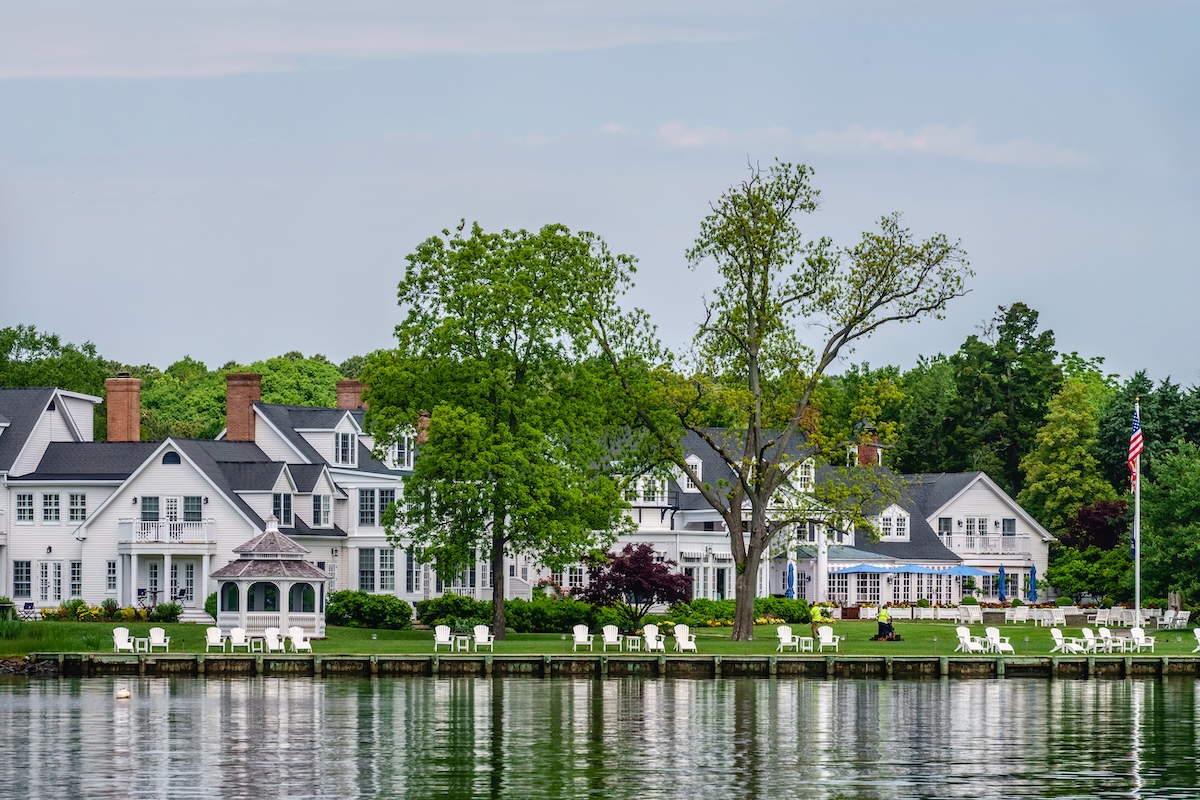
Located on a stubby peninsula where the Miles River meets the Chesapeake Bay, this charming waterfront town lies about 90 minutes east of Washington, D.C. The locals love to tell the story of how the town “fooled the British” during an 1813 bombardment—residents hung lanterns in the trees to draw cannon fire over their rooftops. You’ll hear that tale in just about every inn or tavern. It gives you a sense of the place: St. Michaels leans into its history, but doesn’t turn itself into a living museum.
When you get there, you’ll find a compact waterfront community with about 1,000 year-round residents, a harbor full of sailboat masts, and a main street you can walk end to end in ten minutes. That’s the charm. You can check out the Chesapeake Bay Maritime Museum, eat dockside crab cakes, browse a couple of boutiques, and still be back on the road before sunset. If you stay for the weekend, the pace slows down even more—think spa days, sunset cruises, and long, relaxed dinners at farm-to-table spots like Bistro St. Michaels or Theo’s.
If you’re weighing different Eastern Shore towns, St. Michaels stands out for a few reasons: the museum campus sits right on the harbor, the dining scene is way better than you’d expect for a town this size, and the historic core feels authentic rather than staged. It’s not trying to be a beach getaway or a resort. It’s a Bay town, and that makes a difference once you’re there.
Harbor-Centered Atmosphere
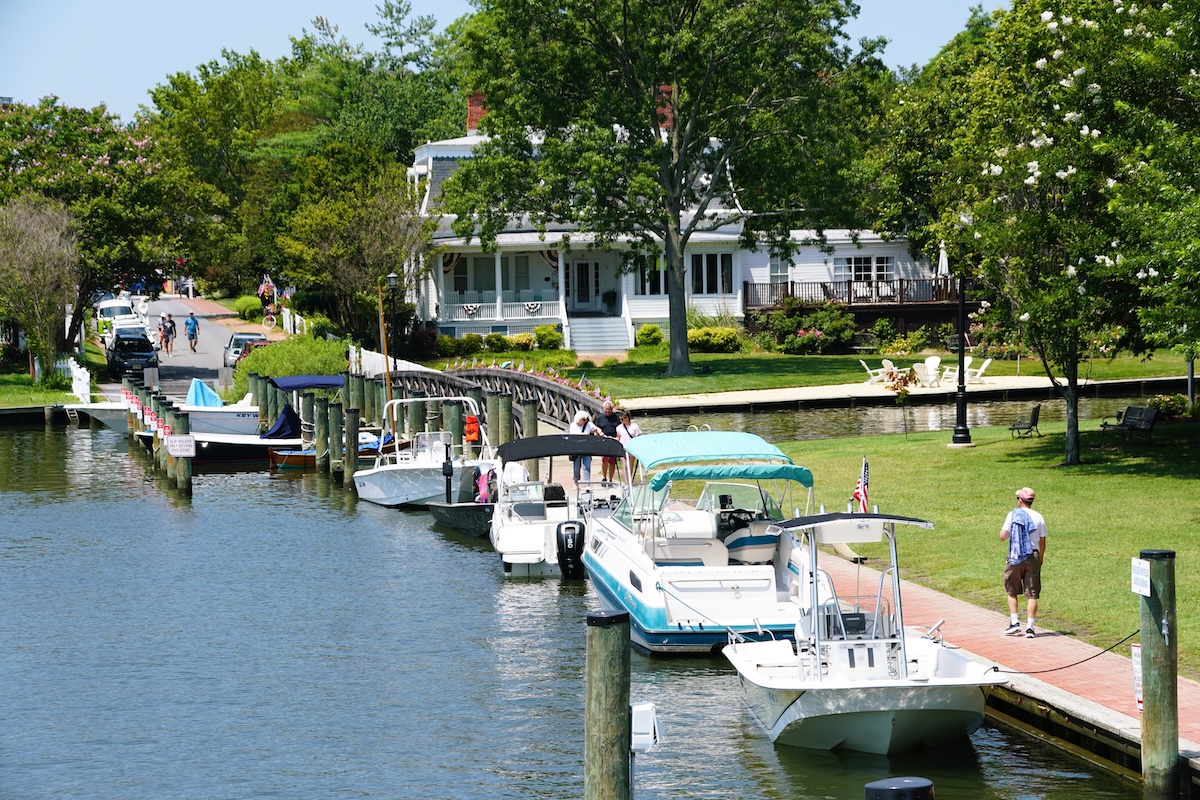
Your first real impression of St. Michaels hits at the harbor. The whole town orients itself around the water, and most of what you’ll want to do spreads out from the docks along the Miles River. Skipjacks, cruising sailboats, and charter boats all share the slips, and most mornings you’ll see workboats heading out while tourists line up for Patriot Cruises—those have been running since 1969.
The Chesapeake Bay Maritime Museum stretches across 18 acres right at the harbor’s edge. You’ll wander among historic boats, a working boatyard, and a restored 1879 Hooper Strait Lighthouse, all without losing sight of the water. The museum really anchors the town, tying together the area’s oystering, crabbing, and shipbuilding traditions with exhibits you can actually touch or climb aboard.
Step off the museum grounds and you’re just a short walk from waterfront dining. A bunch of restaurants set their outdoor tables facing the harbor, so lunch basically turns into a slow-moving boat parade. The seafood’s local and changes with the seasons—expect Chesapeake blue crab, oysters from nearby beds, and rockfish if you hit the right time of year.
This harbor works differently than a lot of other Eastern Shore waterfronts. Once you park, you don’t need your car. The harbor isn’t just a nice view—it’s where everything happens, and pretty much everything you’ll care about loops back to the water.
Walkable Historic Core
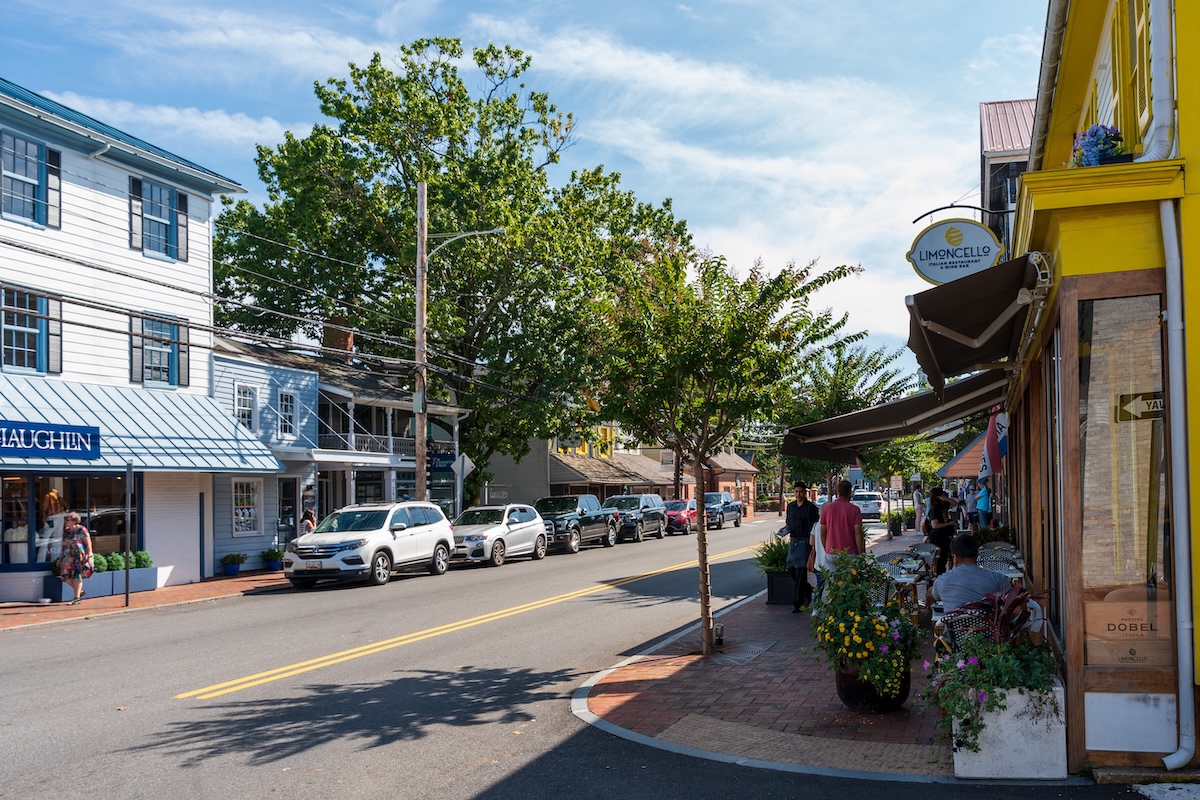
Talbot Street slices right through the heart of St. Michaels, Maryland, serving as the main commercial drag. You can walk from one end to the other in about ten minutes—honestly, it’s a relief not to slog through endless empty blocks. Here, shops, galleries, and restaurants are packed close together, so you’re always just a few steps from something interesting.
Most of the buildings lining Talbot Street hail from the 18th or 19th century. Locals have put real care into restoring them, treating preservation as a community effort rather than just a way to lure tourists. Expect clapboard facades, brick storefronts, and side streets that twist into old residential lanes—apparently, sea captains called these home back in the day. St. Mary’s Square, the original town green, still sits at the center of town, just as British land agent James Braddock laid it out in the 1770s.
Shopping here leans heavily toward independent boutiques, local crafts, and coastal décor. You won’t find big chains—thankfully. A handful of galleries swap out work from regional artists now and then. If you want coffee or a snack, the Blue Crab’s got a beefed-up daytime menu these days, with quiche, burritos, shrimp salad, and the usual espresso lineup.
The St. Michaels Museum offers a self-guided walking tour that covers about three miles if you’re up for the whole thing. It links War of 1812 sites, old homes, and churchyards. Christ Episcopal Church, founded in the 1670s, still stands and actually gave the town its name. You can grab the tour guide at the museum or just download it before you show up.