
Europe’s most famous cities do their job well. But somewhere between the fifth museum queue in Rome and the seventh overpriced café in Paris, most travelers start wondering what the continent looks like when nobody’s performing for a camera. These twelve small cities answer that question convincingly.
Each one has character developed over centuries, not manufactured for tourist consumption. Some sit hours from the nearest airport. Others hide behind famous neighbors who take all the shine. All of them deliver the kind of European travel that people describe when they say they want something real.
12. Sibiu, Romania
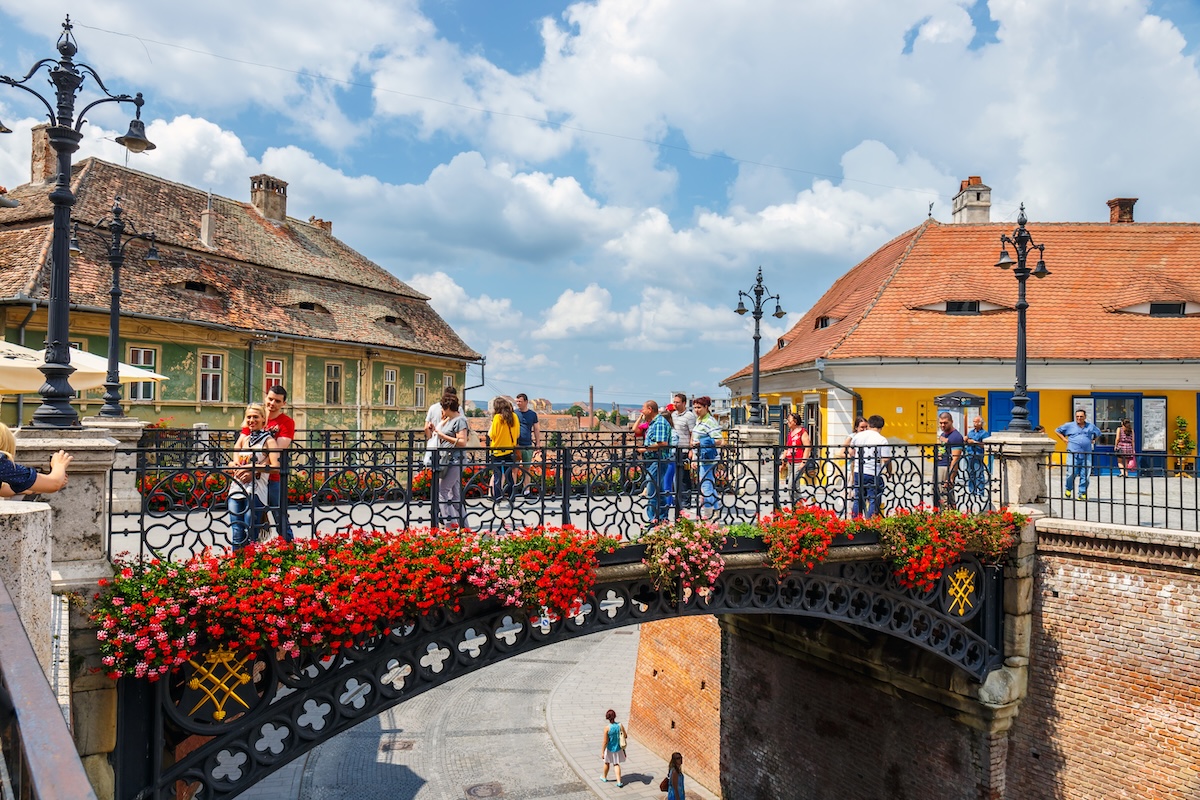
The historic center is divided into upper and lower towns connected by stairs and narrow passageways, with the large central square, Piața Mare, ranking among Central Europe’s most beautiful. But you wont be fighting off crowds like the ones that Prague and Krakow collect. The Saxon settlement history left the city with Gothic churches, merchant houses, and a cultural depth that Transylvania’s vampire tourism reputation completely undersells.
Dormer windows set into the rooftops at angles resembling watching eyes appear throughout the historic district, giving the city an atmospheric quality that local folklore ran with enthusiastically for centuries. Sibiu served as a European Capital of Culture in 2007, and the arts programming that grew from that designation still shapes the city’s identity.
11. Coimbra, Portugal
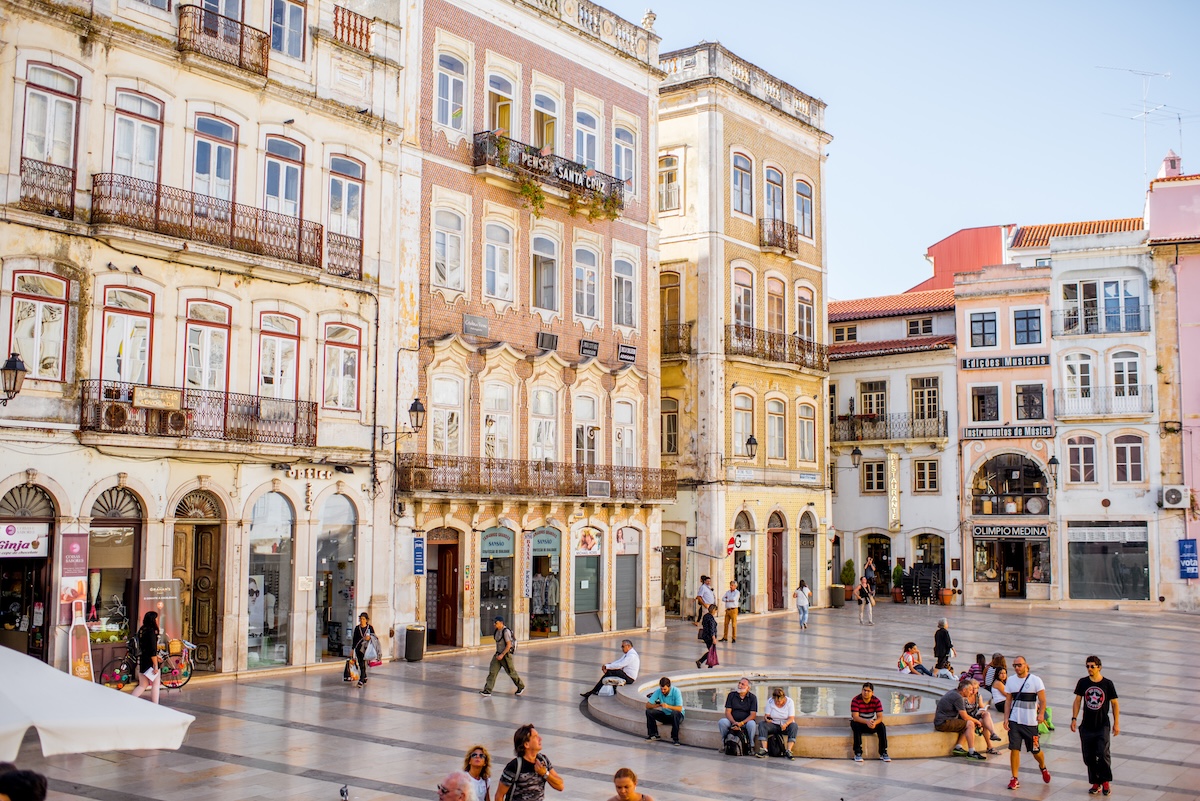
Portugal’s third city runs one of Europe’s oldest universities from a hilltop campus above the Mondego River, and that academic history seeps into everything at street level. The Biblioteca Joanina, a baroque library completed in 1728, manages its rare manuscript collection partly through a resident bat colony that emerges nightly to control insects that would otherwise damage the books.
Evening culture here belongs to the students, and the fado tradition specific to Coimbra sounds considerably more melancholic than the Lisbon version. The lower city café culture and the steep medieval streets connecting campus to river give Coimbra a layered texture that visitors passing between Lisbon and Porto consistently underestimate.
10. Delft, Netherlands
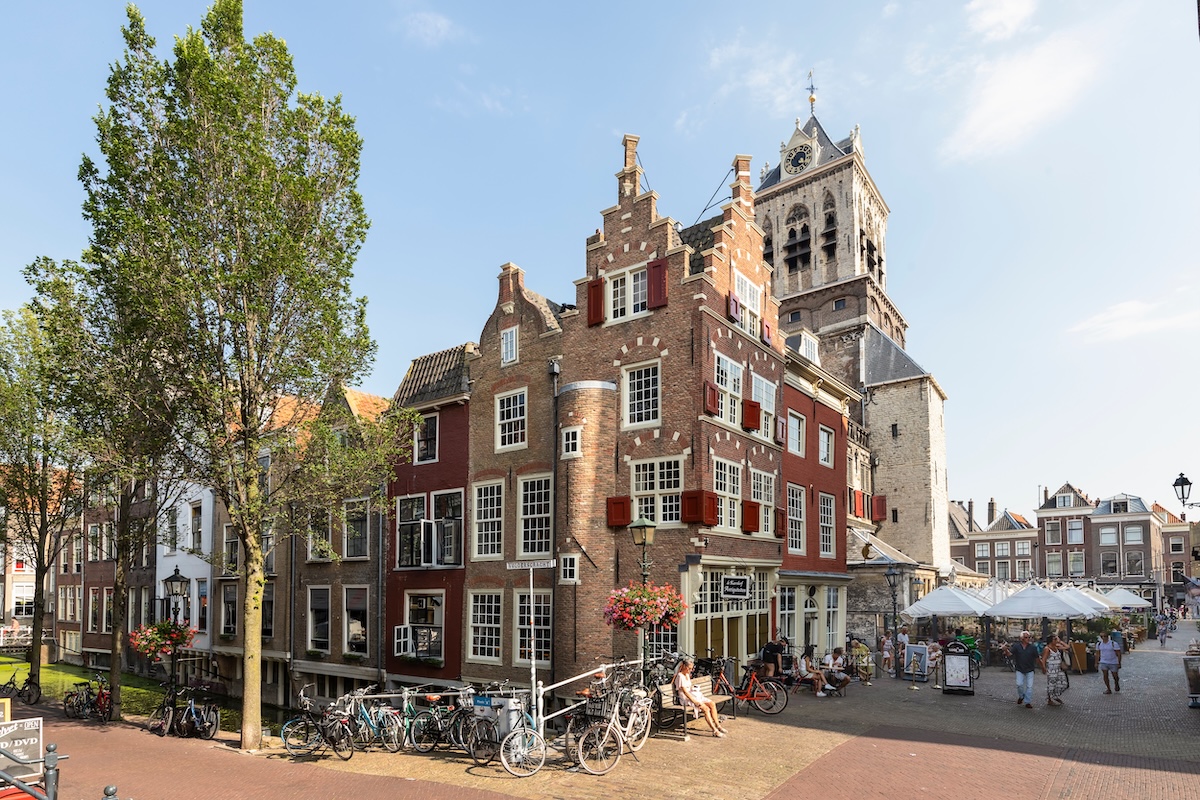
Forty-five minutes from Amsterdam by train, Delft overperforms with its canal network, Dutch Golden Age architecture, and the porcelain tradition the city’s name became globally synonymous with. Vermeer painted throughout most of his working life in this city, and the historic center looks substantially similar to the backgrounds he composed in the 17th century.
The market square has a Gothic church and a Renaissance town hall facing each other, and they are interrupted by a market on the weekends. Blue and white Delftware ceramics appear throughout the city across a range covering authentic handmade pieces and factory-produced souvenirs; your budget will determine which one you indulge in.
9. Split, Croatia
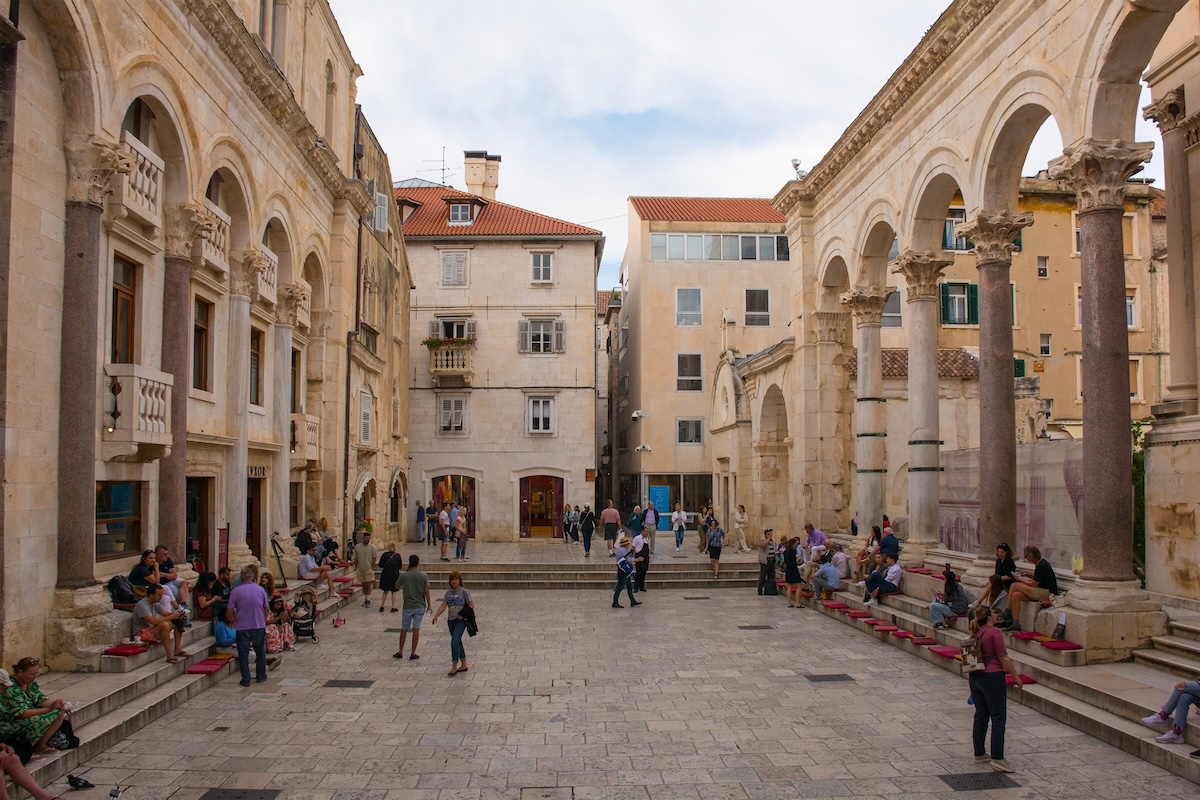
Diocletian built his retirement palace on the Dalmatian coast in 305 AD, and around 3,000 people currently live inside its walls. They are occupying spaces the Roman emperor earmarked for storage, military quarters, and imperial ceremony with apartments, restaurants, and bars that nobody planned for at the original construction phase. The result is one of the world’s more unusual urban environments, but no one is complaining.
The fish market running inside the eastern palace gate each morning, the café culture spreading across the Peristyle square, and the evening promenade along the Riva waterfront give Split a daily rhythm that Dubrovnik’s tourist saturation simply can’t match. The surrounding islands and the Dalmatian coast stretching in both directions make staying longer a very easy decision.
8. San Sebastián, Spain
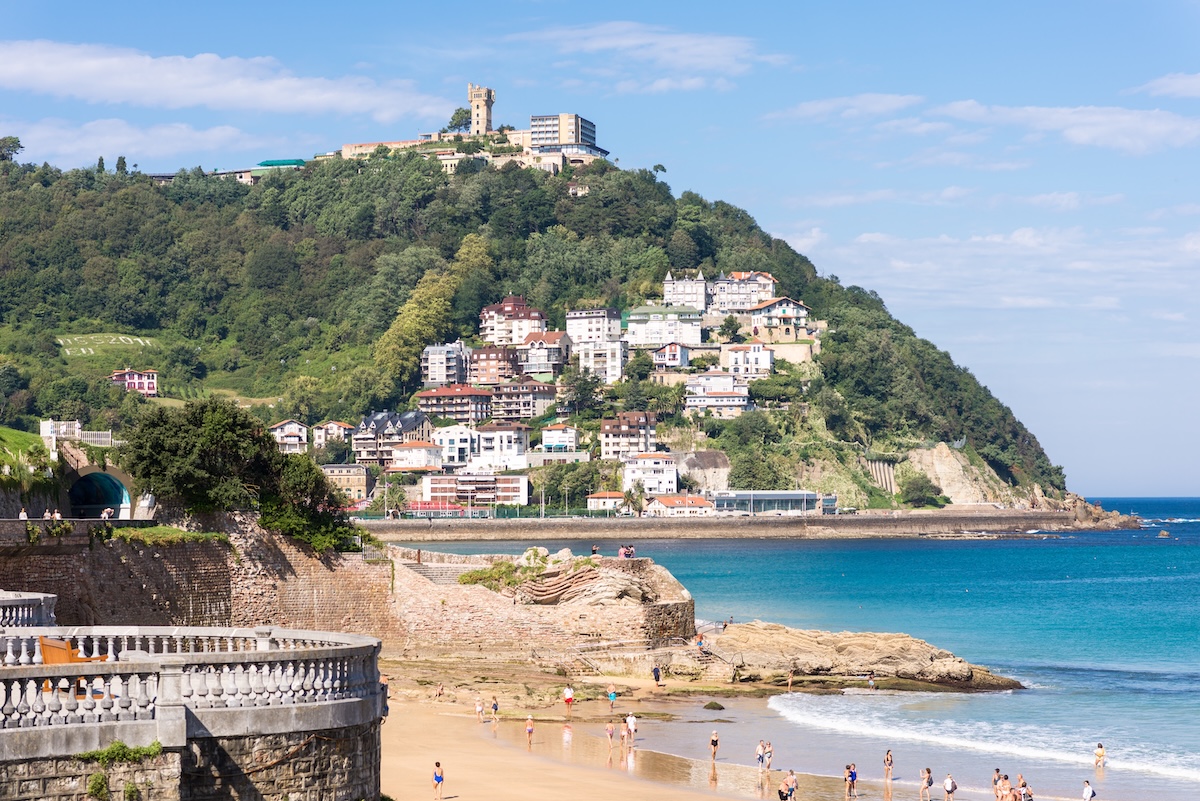
The pintxos bar crawl through the old town stands as one of Europe’s great casual eating traditions. San Sebastián’s Michelin star count per capita immediately reinforces this, too. Moving counter to counter through the Parte Vieja, collecting small plates of anchovy, grilled seafood, and jamón washed down with txakoli wine poured from height, covers most of what the city does best for very little money.
La Concha beach curves below the old town in a sheltered bay that consistently ranks among Europe’s finest urban beaches. The surrounding Basque Country landscape of green hills dropping to the Atlantic gives San Sebastián a natural setting that most food destinations don’t come close to matching.
7. Lucca, Italy
The Renaissance walls encircling the entire historic center survived intact and now carry a tree-lined promenade at the top where cyclists and pedestrians share elevated views above the rooftops. Lucca sits in Tuscany without attracting anything near the tourist volume that Florence and Siena generate, keeping the medieval piazzas and tower-lined streets perfectly charming, just how the region was meant to be enjoyed.
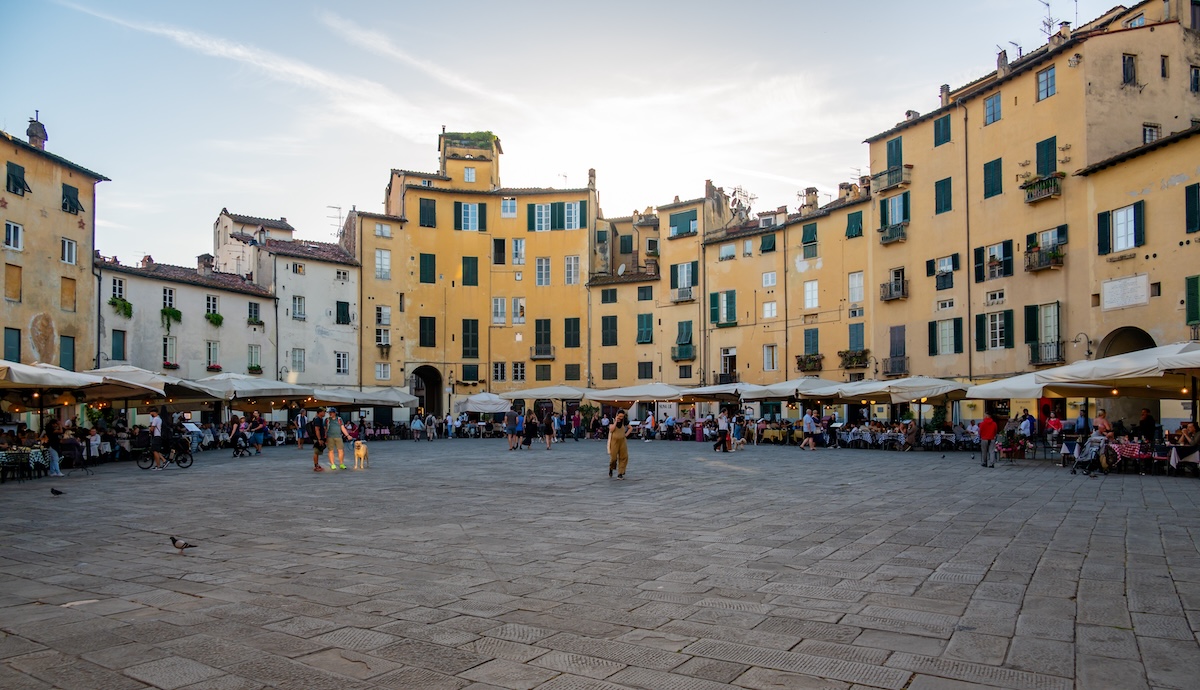
The Piazza dell’Anfiteatro traces the exact oval outline of a Roman amphitheater that once stood on this ground, with medieval buildings following the curved foundations so precisely that the original structure’s shape survives entirely in the street plan. Puccini was born here, and the city carries that musical legacy through festival programming and a general attitude toward culture.
6. Bruges, Belgium
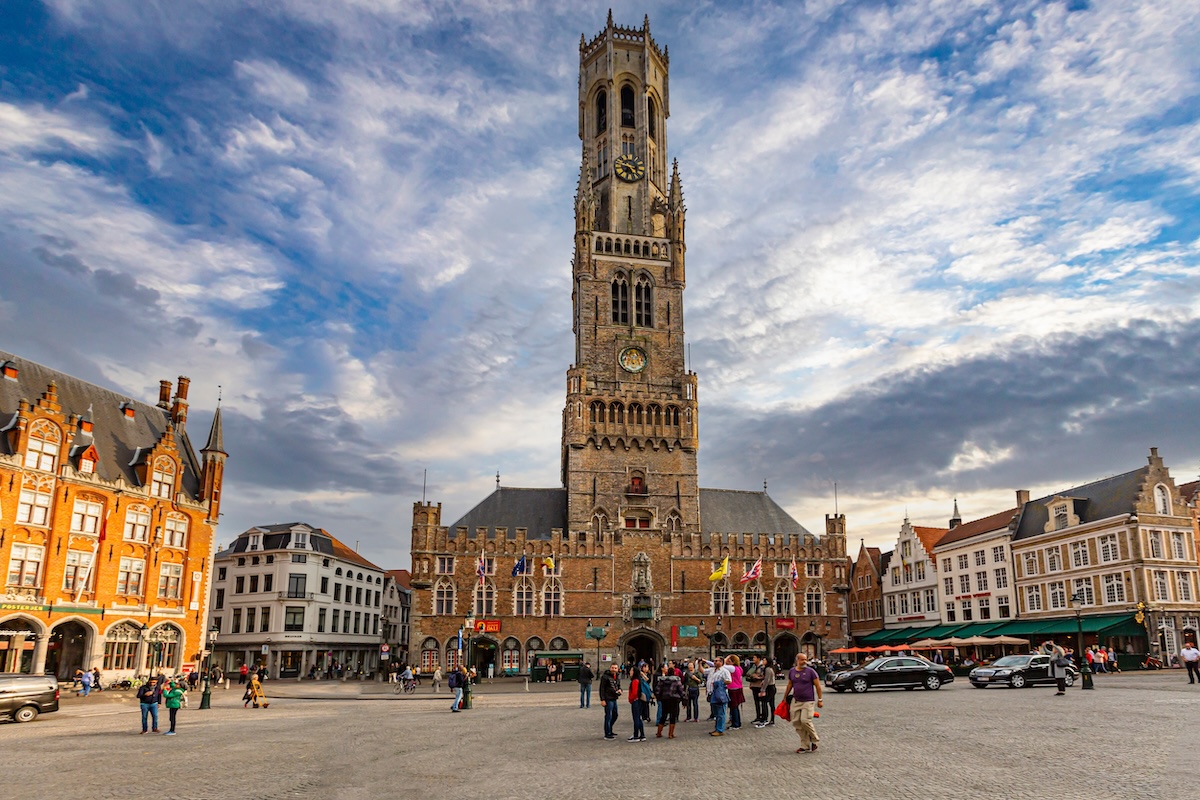
Day-trip crowds from Brussels and London pour through Bruges during peak season, filling the canal-side streets, a visitor density that tests the medieval infrastructure’s patience. Staying overnight changes everything. When the crowds clear out, and the illuminated guild houses and canal reflections beg for slow evening walks, the streets suddenly feel like they belong to the city again.
Belgian beer culture here holds some of the continent’s most significant brewing traditions, and the café scene takes those traditions seriously enough that choosing between venues involves some research. The chocolate shops finish the trifecta of indulgences, making sure you get your fill of caffeine, craft brews, and cacao.
5. Avignon, France
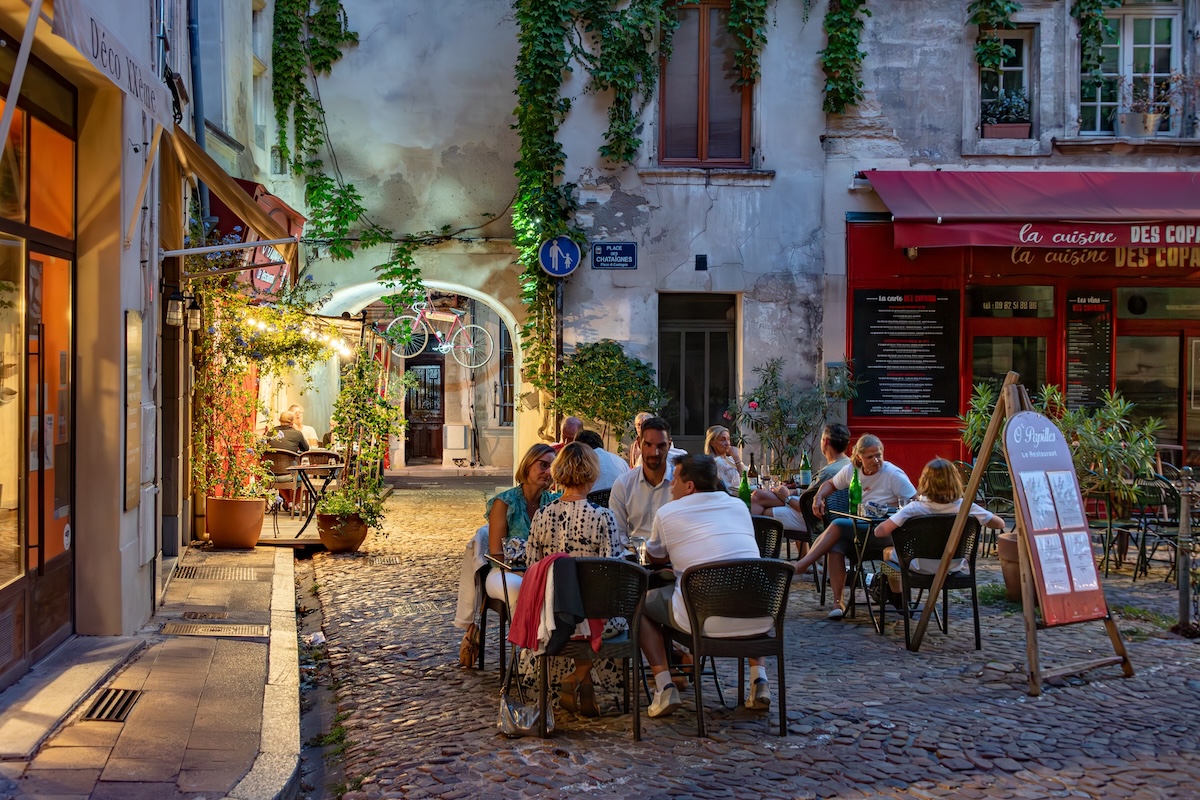
In 1309, the papal court relocated from Rome to Avignon and stayed for 67 years, leaving behind the Palais des Papes, the largest Gothic palace complex in Europe, and a building that dominates the walled city’s skyline. The scale suggests the papacy felt strongly about architectural statements. The surrounding ramparts circle the entire historic center intact, which few comparable walled cities in France can claim.
The famous bridge, the Pont Saint-Bénézet, stretches into the Rhône and stops halfway across, something the famous song fails to mention. Provence’s lavender fields, Châteauneuf-du-Pape vineyards, and perched hill villages all sit within easy striking distance, making Avignon a natural base for exploring the wider region.
4. Innsbruck, Austria
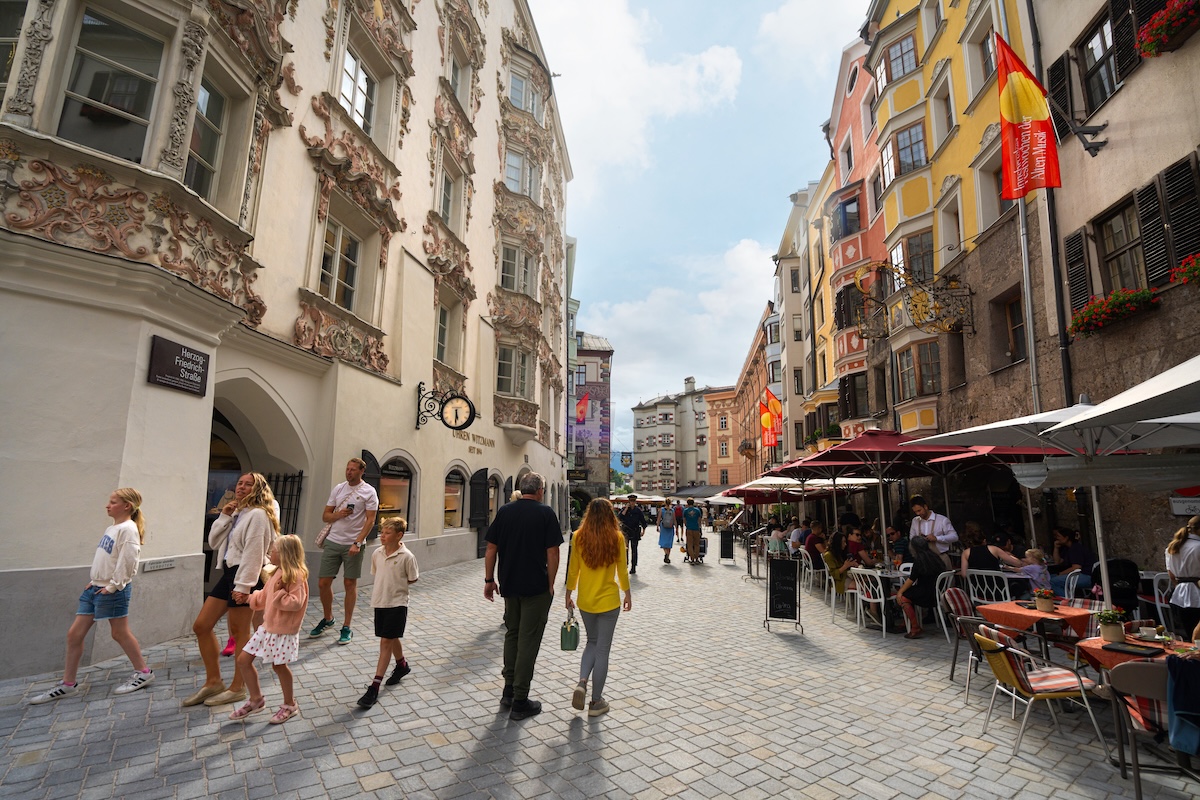
Nowhere else in Europe does a cable car connect a pedestrian old town to serious Alpine terrain in under 25 minutes, but Innsbruck does exactly that, lifting visitors from the medieval city center to 2,256 meters on the Nordkette range above. The Golden Roof, a Habsburg oriel window covered in 2,657 gilded copper tiles that has anchored the historic center since 1500, handles its tourist fame quite adequately.
The Tyrolean identity gives Innsbruck a particular character that separates it from Austrian cities further east, and the outdoor culture built around two Winter Olympics shapes the city’s rhythm across every season. Summer hiking access into the surrounding Alps adds a dimension that most European city breaks simply cannot offer.
3. Kotor, Montenegro
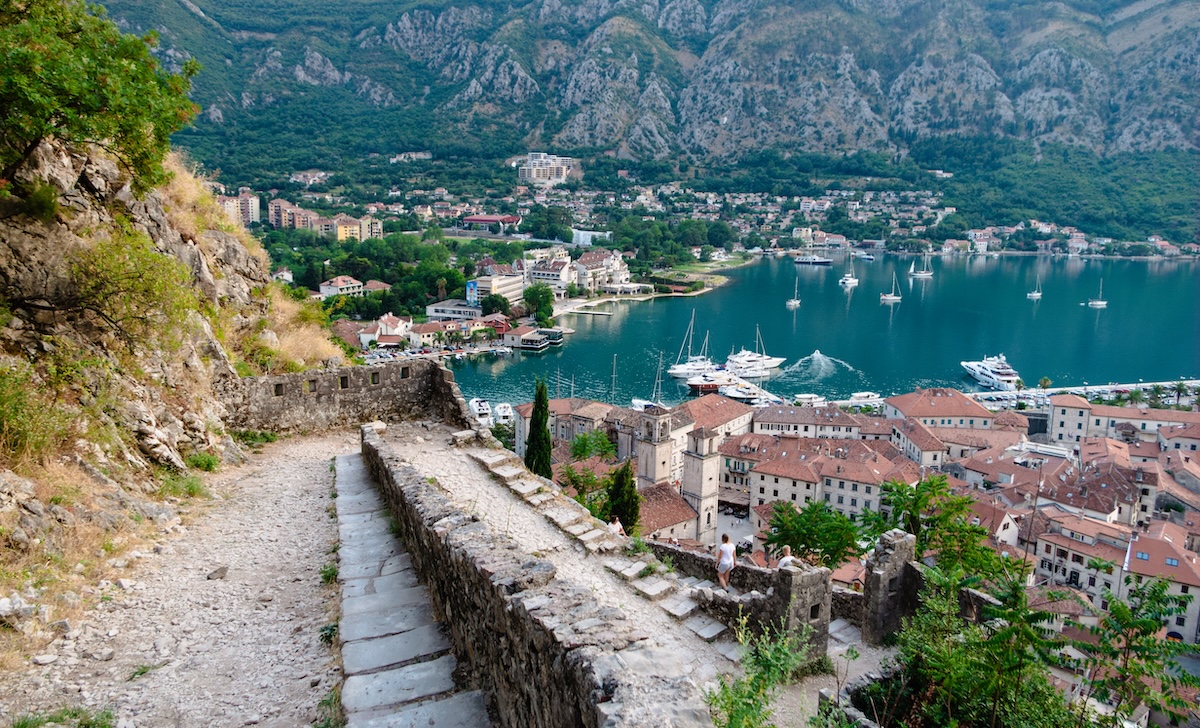
This medieval walled city is wedged between limestone mountains and a bay so enclosed it passes for a fjord. Kotor compresses Venetian, Byzantine, and Serbian history into a street plan that disorients first-time visitors productively. The city walls climb 260 meters up the mountain above the old town, and the walk to the fortress at the top delivers views across the bay that make the considerable leg effort feel like a reasonable trade.
Kotor’s cats deserve their own mention. The city supports a celebrated feline population that locals feed, and tourists photograph with full commitment, and the dedicated cat museum inside the old town confirms that Kotor embraced this particular reputation completely and without reservation.
2. Regensburg, Germany
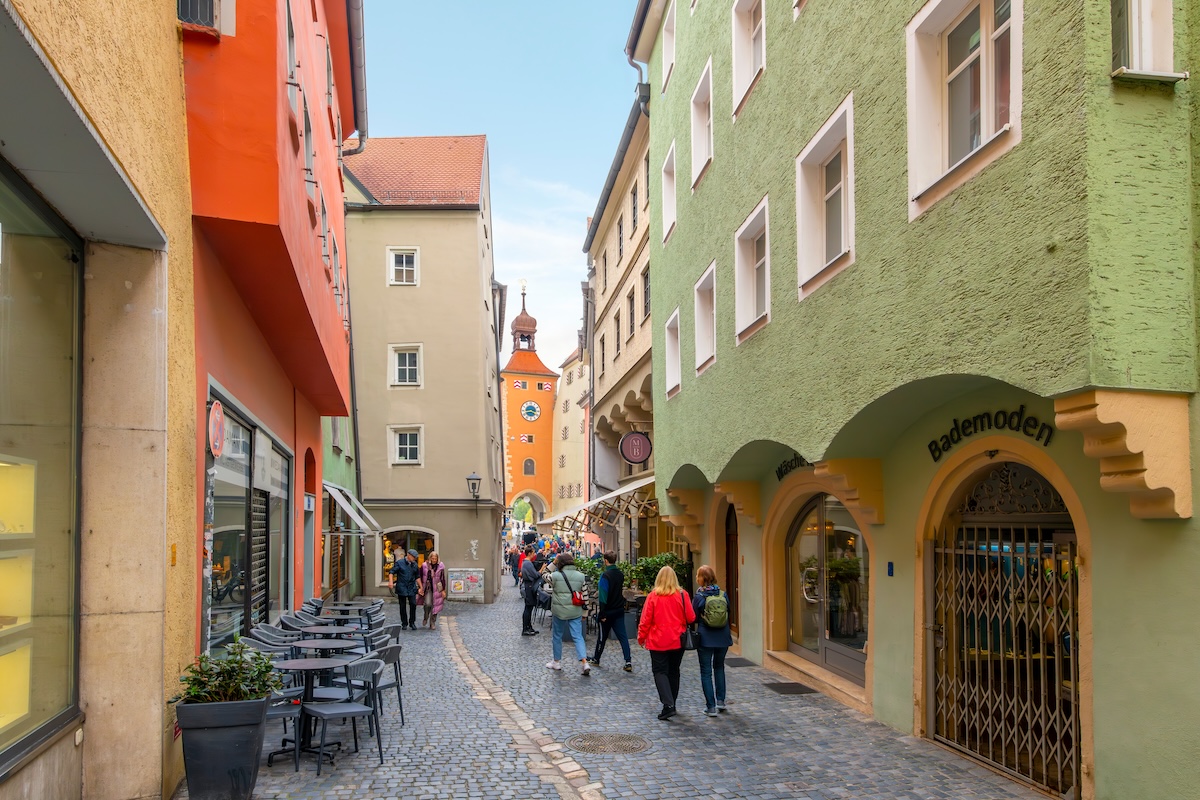
For centuries, the medieval Stone Bridge crossing the Danube here held the only crossing between Bavaria and the north, making Regensburg one of the most strategically significant cities in medieval Europe. That importance shows throughout the intact old town, where Roman ruins, medieval towers, and Gothic architecture coexist across a UNESCO-listed historic center that the city never cleared to make room for something more modern.
The historic sausage kitchen beside the bridge claims continuous operation since the 12th century, which would make it Germany’s oldest restaurant and a very specific reason to cross the Danube in one particular direction. The Bavarian countryside and Danube cycling routes extending from the city give visitors enough territory to build several days around comfortably.
1. Córdoba, Spain
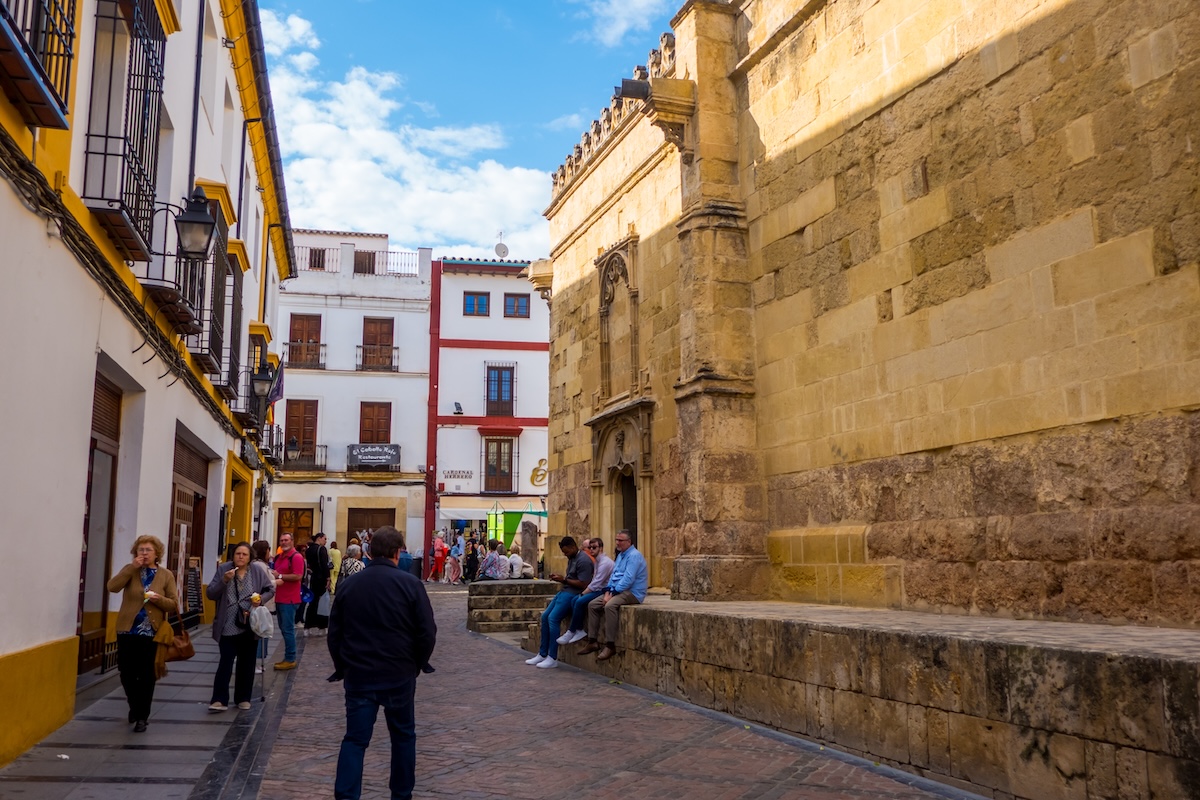
The Mezquita-Catedral stands among the world’s most extraordinary buildings, an 8th-century mosque that the Umayyad caliphate built to reflect the power of the largest empire in the world. It was later converted to a cathedral by adding a Renaissance nave directly through the forest of arches. The architectural collision produces something that neither tradition planned, but both now claim, and the interior stops visitors cold regardless of what the photographs suggested beforehand.
The Jewish Quarter surrounding the Mezquita holds flower-filled courtyards that the city throws open during the Patio Festival each May, turning private homes into competitive floral displays that Córdoba residents take very seriously. Salmorejo, oxtail stew, and wines from the Montilla-Moriles region give the food culture a strong Andalusian character that rounds out one of Spain’s most underrated city visits.