
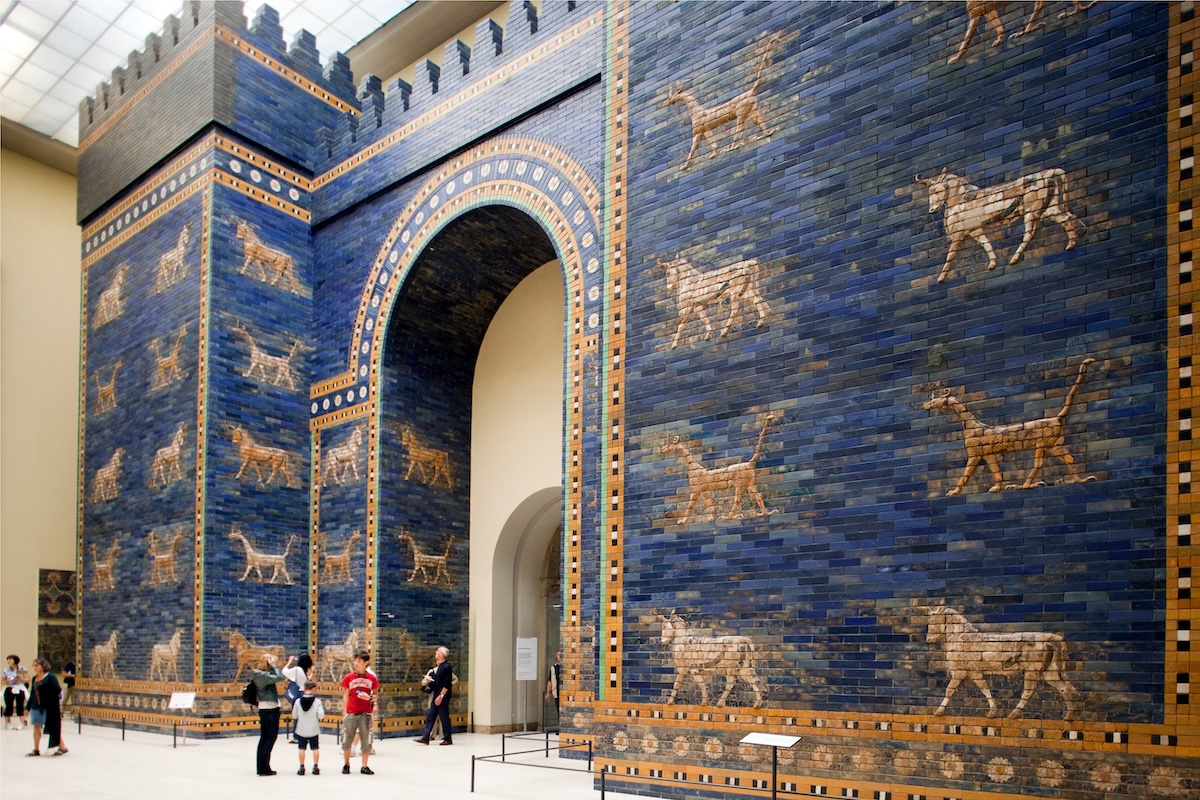
Imagine standing inside a massive ancient gate, blue-glazed bricks soaring above your head, every piece carried here from a civilization that flourished thousands of years ago. You’re not wandering ruined temples in Mesopotamia or sweating through an archaeological dig in the Middle East. You’re smack in the middle of Berlin, surrounded by some of the boldest reconstructions of ancient architecture anywhere.
The Pergamon Museum doesn’t just display history—it lets you walk through it. Since opening its doors in 1930, it’s pulled in crowds from all over the world, folks eager to get close to these archaeological marvels.
You’ll wander through halls full of treasures from ancient Greece, Rome, the Islamic world, and the Near East. The museum sits right on Museum Island, a UNESCO World Heritage site that’s really Berlin’s way of saying, “Yeah, we’re serious about culture.”
Monumental Ancient Architecture Rebuilt Indoors
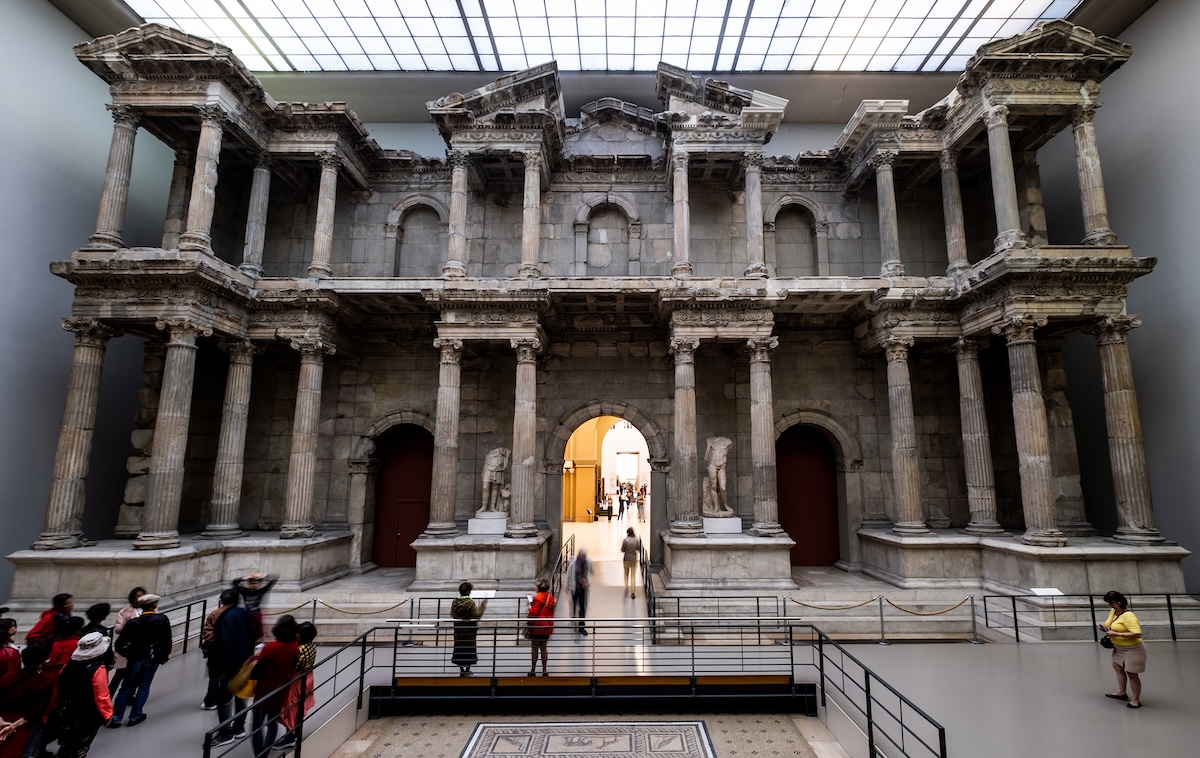
Step inside the Pergamon Museum, and you won’t just see artifacts tucked behind glass. You’ll actually walk through entire ancient structures, transported and rebuilt piece by piece inside these walls. The museum’s got these full-scale reconstructions that just tower over you, almost overwhelming in their size and detail.
The Ishtar Gate from Babylon might just stop you in your tracks. Its deep blue tiles and golden animal figures make for an entrance that stretches up several stories. You can stroll right through the gate and along the Processional Way, feeling the same sense of awe that ancient visitors probably did.
Then there’s the Market Gate of Miletus, a staggering chunk of Roman architecture. This two-story facade, brought over from what’s now Turkey, fills an entire hall with its grand columns and intricate carvings. Standing there, you really get a sense of the scale and craftsmanship that old photos or broken fragments just can’t deliver.
A Crossroads of Ancient Civilizations
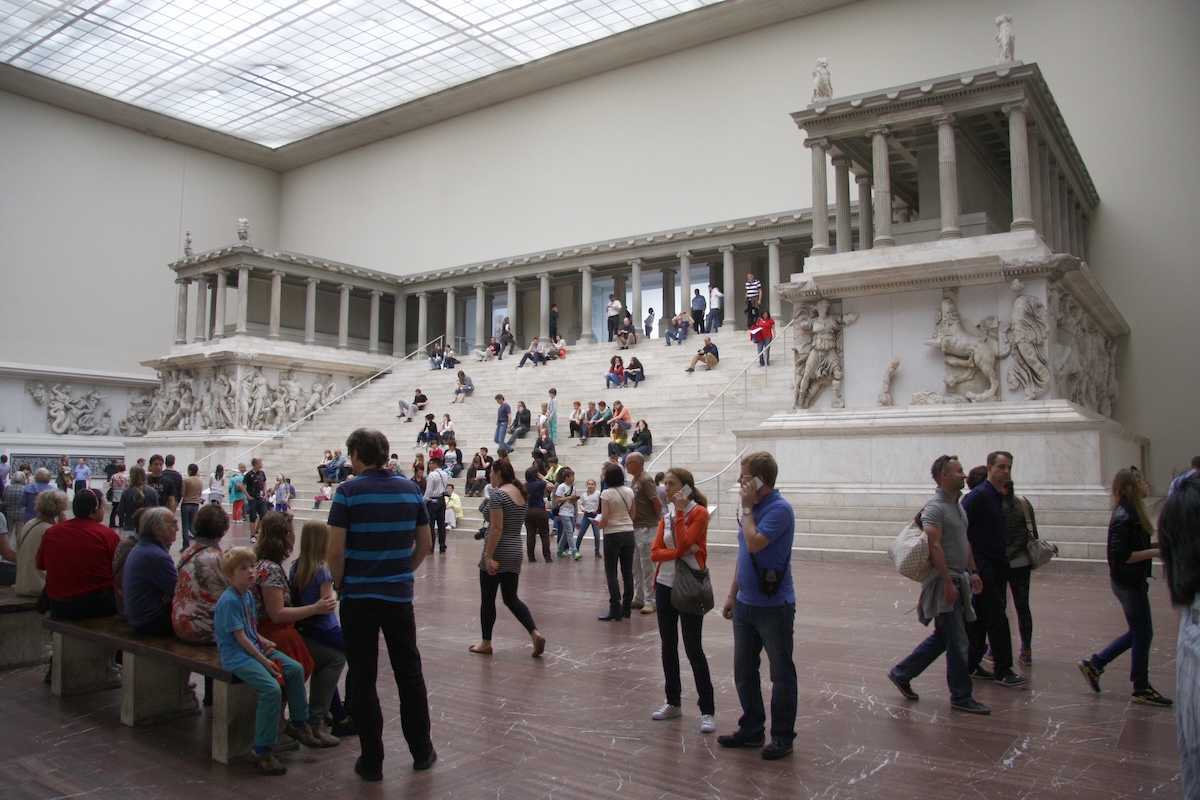
Inside the Pergamon Museum, you’ll find one of the richest collections of ancient artifacts anywhere. The place brings together wonders from the Near East, the Greek and Roman worlds, and Islamic societies—all under one roof.
What really stands out is how the museum shows these civilizations weren’t isolated. Trade routes carried styles and ideas from Mesopotamia to the Mediterranean, and back again. Religious beliefs, building techniques, and artistic flourishes traveled the same roads as merchants and wanderers.
Empires borrowed from each other, mixing foreign traditions with their own to create something new. You’ll spot Persian touches in Greek statues, Romans riffing on Egyptian designs, and Islamic art drawing on Byzantine roots. It’s all a bit tangled—in the best way. The museum’s layout puts objects from different regions side by side, so you can actually see these shared histories come alive. It’s a reminder that the ancient world was never static; it was always in motion, always changing.