
Most people drive into the mountains, stop at a viewpoint, snap a few photos, and leave. That’s a fine way to visit. But if you want to actually feel the mountain—wake up at 5,400 feet with glaciers filling your window—Paradise Inn is the place that makes it happen.
Paradise Inn sits on the south slope of Mount Rainier inside the park, welcoming guests since 1916. The lodge opens from mid-May through September 30, so your chance to stay here lines up almost perfectly with wildflower season and the best hiking weather. There are 121 rooms between the original main lodge and an annex from 1920. The rooms are small. No televisions, no phones, no Wi-Fi. That’s the point.
You’re here for the setting, the trails right outside, and the chance to settle into a historic alpine lodge after a long day on the mountain. Here’s what you should know before booking—from the building itself to the hikes and wildflower meadows just steps away.
What Makes It A Highlight Of A Mount Rainier Visit
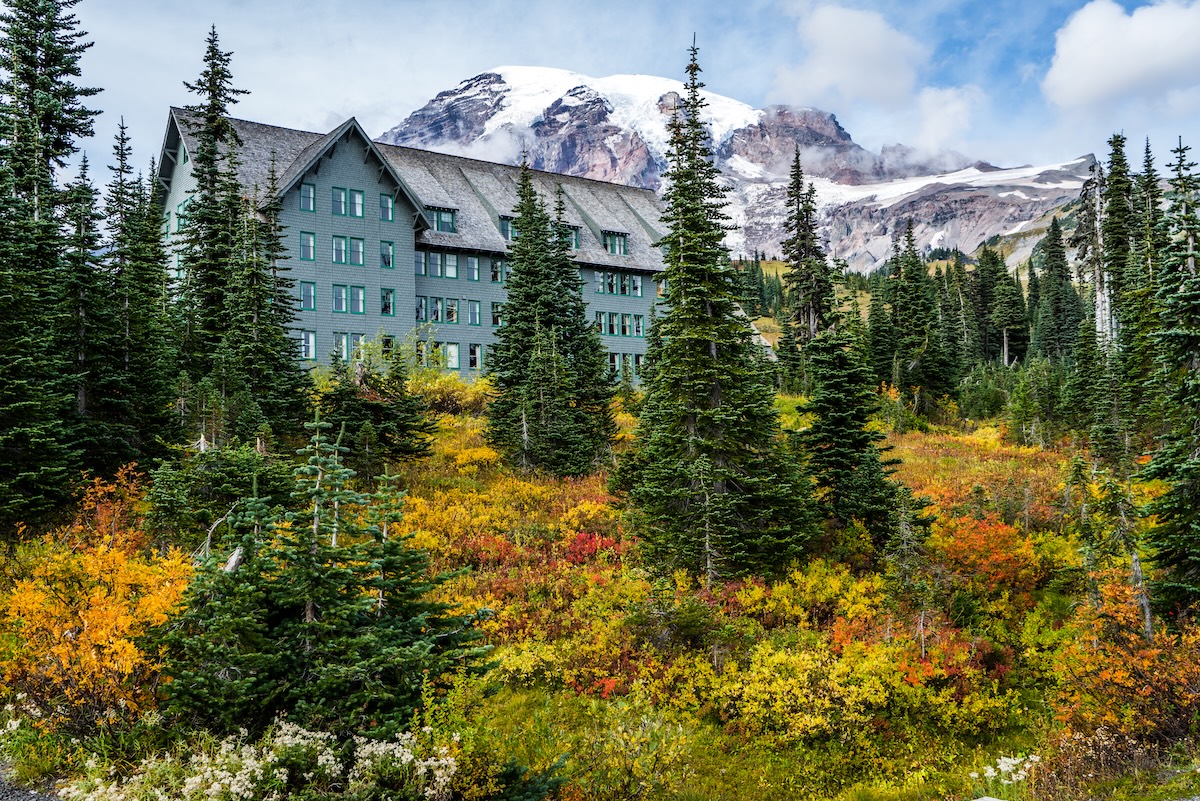
Location does most of the heavy lifting. Paradise Inn is the only lodge inside the park that puts you directly in the subalpine zone, surrounded by wildflower meadows and close-up views of Rainier’s glaciers. You don’t need to drive anywhere after checking in. The trailheads start right from the parking lot.
The dining room serves Pacific Northwest dishes like steelhead and hearty comfort food, with a stone fireplace and mountain views setting the mood. After a full day of hiking, you can grab hot chocolate in the lobby or maybe join a ranger-led stargazing program outside. Those small moments add up.
Staying here also solves a practical problem. Paradise is the most popular area of the park, and parking fills up early on summer weekends. When you’re already checked in, you skip the stress and hit the trails before the crowds show up.
Check-in starts at 4:00 PM, and checkout is at 11:00 AM. The rooms feel cozy, not spacious. Some original lodge rooms share restrooms down the hall, while annex rooms come with private bathrooms. Plush robes and slippers soften the trade-off if you’re in a shared-bath room.
The real selling point? You get to stay on the mountain instead of driving back down to Ashford or Packwood at the end of the day. That extra time, the quiet evening light on the glaciers, the empty morning trails—those are the things that turn a day trip into something you remember.
Historic Lodge Character And Design
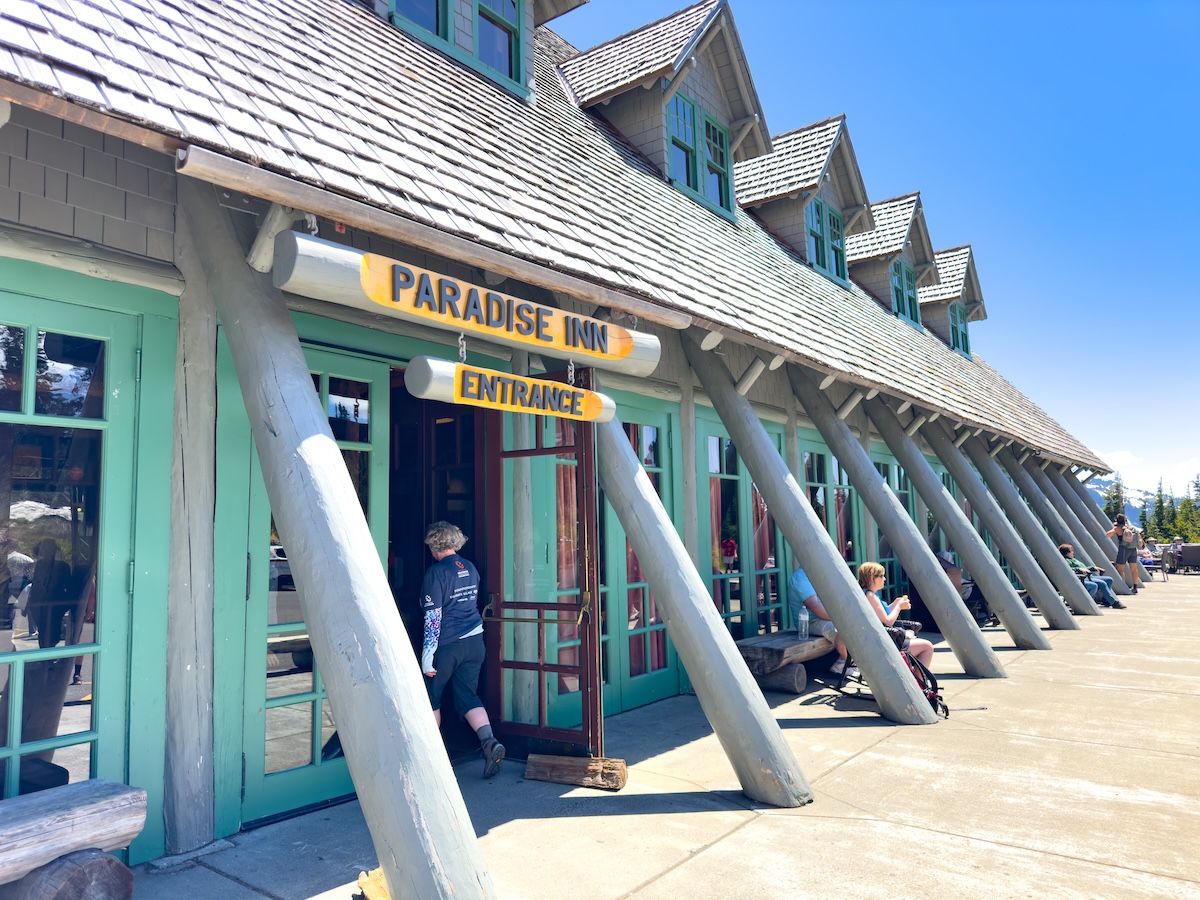
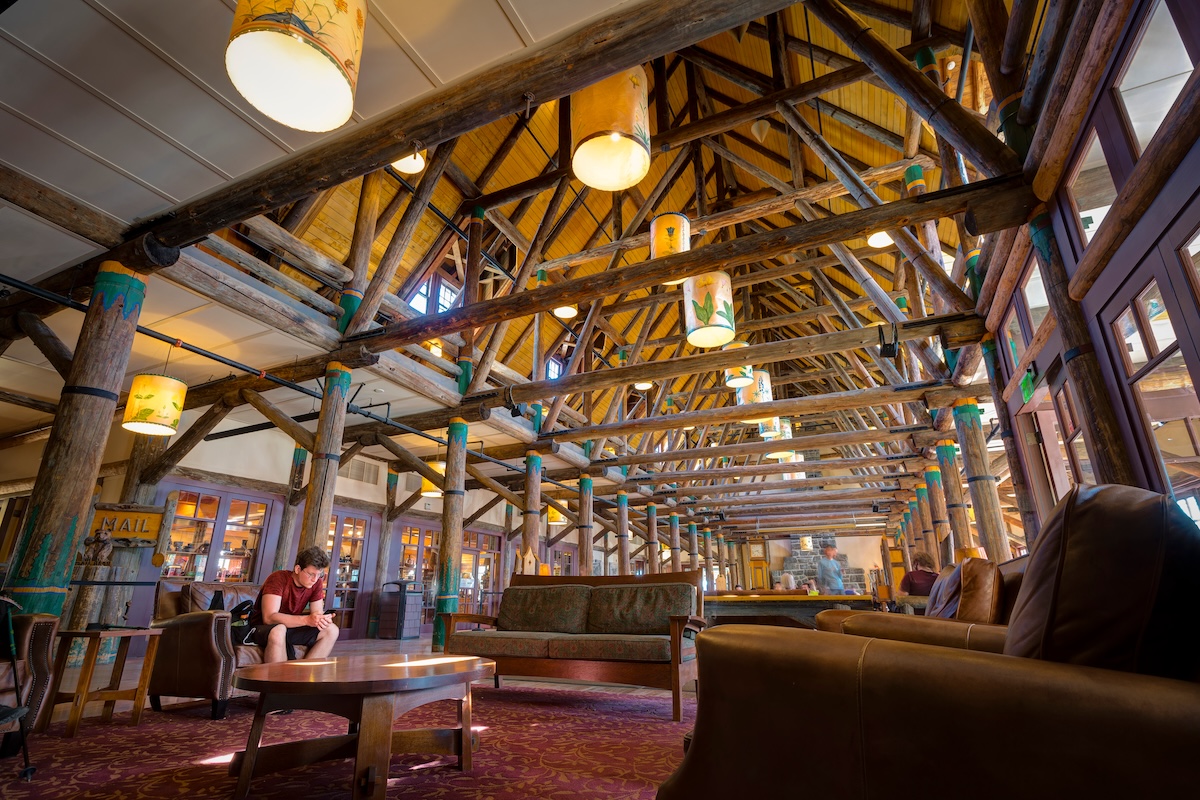
Paradise Inn was built in 1916 by the Rainier National Park Company for just over $90,000. Frederick Heath, Gove, and Bell, a Tacoma firm, designed it in a rustic style meant to blend with the alpine landscape instead of competing with it. Massive old-growth timbers frame the interior, and the lobby opens up to a cathedral ceiling that makes the whole space feel like a mountain cathedral made of wood.
The great fireplace anchors the main lobby. This stone fireplace climbs two stories and stays the gathering spot for guests coming back from the trails. Nearby, you’ll spot handcrafted furniture and fixtures built by Hans Fraehnke, a German carpenter who made tables, a grandfather clock, and a piano from salvaged Alaska cedar. The floral lampshades scattered through the lobby add a soft, handmade warmth to the space.
The lodge earned a spot on the National Register of Historic Places and later became a National Historic Landmark—one of only 22 in Washington state. It’s also recognized as one of the Great Lodges of the West, a distinction shared with just a handful of iconic national park lodges across the country.
Over the years, crews reinforced the structure and updated safety systems, but the National Park Service has kept the historic character intact. The exposed beams, the worn wood, the slightly creaky floors—they all stay. You’re not getting a modern hotel experience here, and honestly, that’s exactly what makes it worth the visit.
Trails, Wildflowers, And Scenic Access
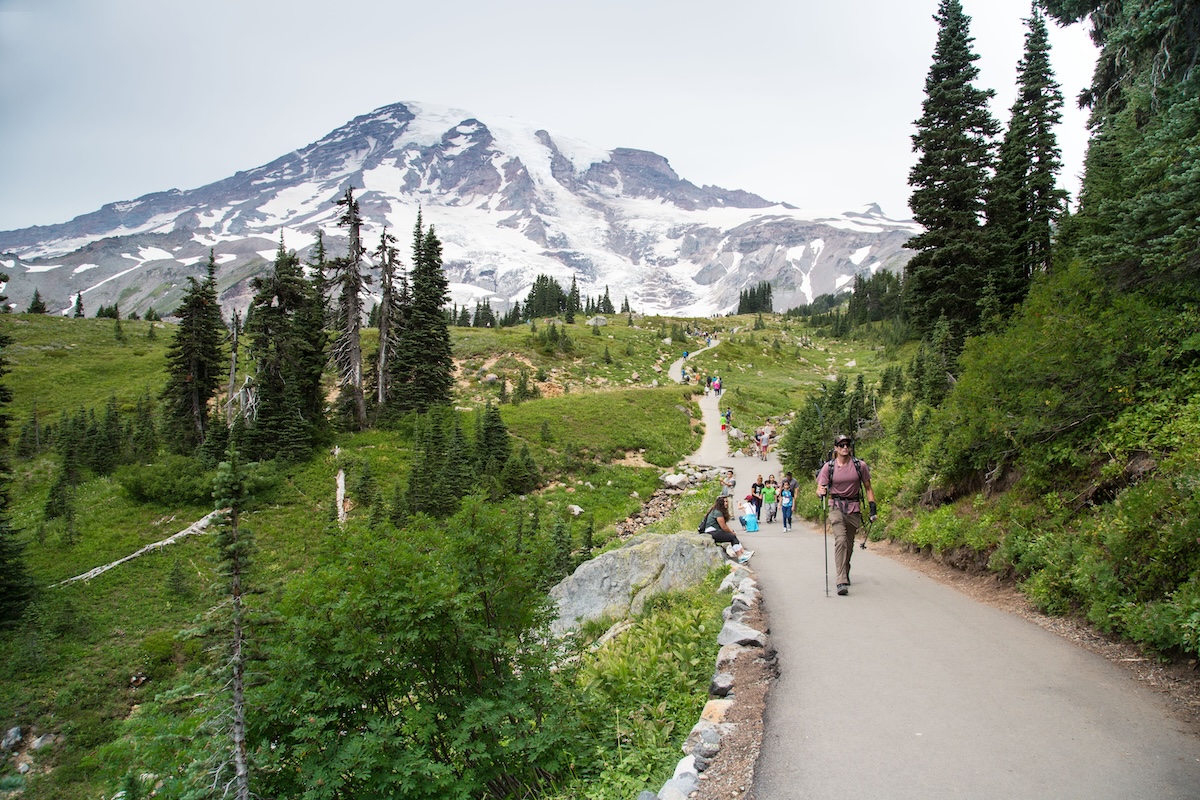
The trailheads at Paradise sit just steps from the inn. You can lace up your boots and hit a trail within minutes of stepping outside. The Skyline Trail stands out as the signature loop—climbing through wildflower meadows, passing Myrtle Falls, and winding up to Panorama Point at 6,800 feet. Up there, the Nisqually Glacier feels close enough to touch. The full loop is about 5.5 miles with a decent climb, so don’t forget water and a few extra layers.
Wildflowers usually peak between mid-July and mid-August, drawing visitors from all over. Lupine, paintbrush, and avalanche lilies spill color across the subalpine meadows. If you want some context, ranger-led wildflower tours run during the summer. Paved paths near the visitor center keep the lower meadows accessible, even if you don’t feel like tackling a longer hike.
The road from the Stevens Canyon entrance links you to Reflection Lakes, the Grove of the Patriarchs, and those sweeping Tatoosh Range views. Most park roads open by late May and close in early October, so you’ll want to plan your visit in that window. Sure, you could drive the full park loop in a day, but honestly, giving yourself two days feels much better. That way, you can pair a few shorter hikes with the drive and not feel like you’re just racing the clock.