
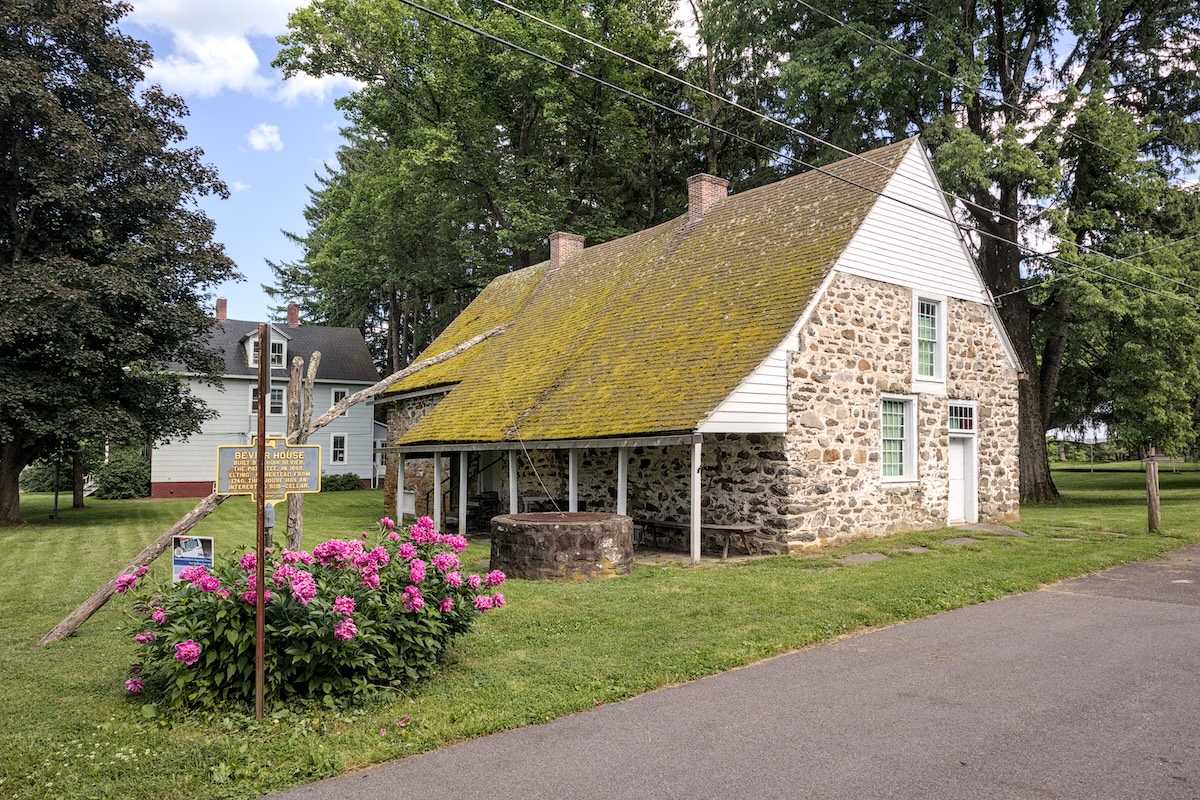
Picture a spot where rugged cliffs loom over quiet, historic streets, where you might hike along mountain ridges in the morning and wander among centuries-old stone houses by afternoon. This Hudson Valley gem somehow blends wild scenery with a sense of deep-rooted history, managing to feel far removed from the bustle of nearby cities. There’s a college town vibe here, sure, but it’s mixed with outdoor adventure and cultural landmarks that reach all the way back to the 1600s.
New Paltz, New York sits right where wilderness meets history, giving visitors easy access to some of the East Coast’s best rock climbing and hiking, plus one of the country’s oldest continuously lived-in streets. The town opens the door to the Shawangunk Ridge—a dramatic limestone and conglomerate formation that calls to climbers and hikers from all corners.
What you’ll find is a community that’s held onto its historical roots, even as it’s grown into a lively, eclectic place. The mix of outdoor fun, old architecture, and that unmistakable small-town energy makes New Paltz much more than just a quick escape from New York City.
The Shawangunk Ridge and Mohonk Preserve
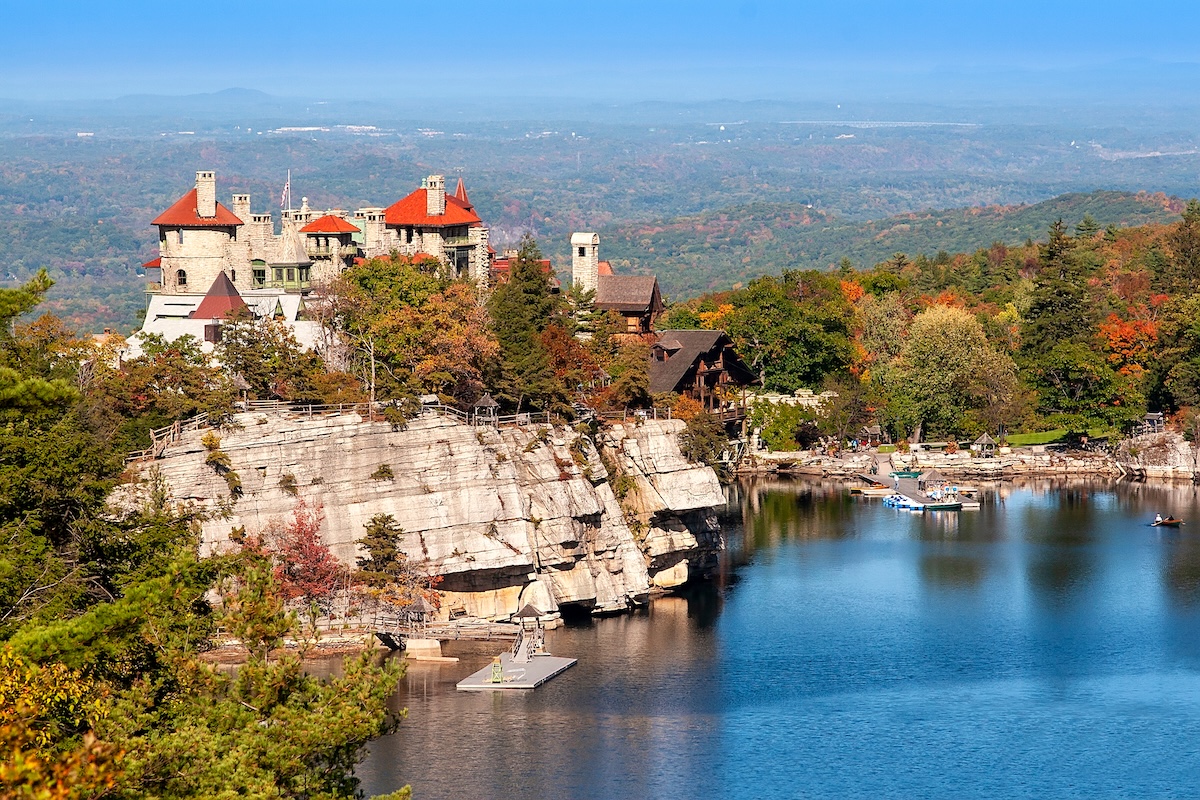
The Shawangunk Ridge rises just to the west, shaping one of the Hudson Valley’s most striking backdrops. These pale cliffs run for miles, sometimes towering over 2,000 feet, and they give you sweeping views across the valley and distant mountains.
The Mohonk Preserve protects over 8,000 acres of this ridge, making it one of New York’s largest member-supported nature preserves. More than 70 miles of trails and carriage roads wind through forests, skirt cliff edges, and circle around glacial lakes. Rock climbers flock here for the legendary routes, and hikers can pick anything from gentle paths to steep, hands-on scrambles.
Several trailheads near New Paltz get you into the preserve. Day-use fees go right back into keeping the place wild. The carriage roads work great for cycling or cross-country skiing when winter hits. Spring and fall usually bring the best weather for heading outdoors, but there’s something to love about the ridge in any season.
Historic Huguenot Street
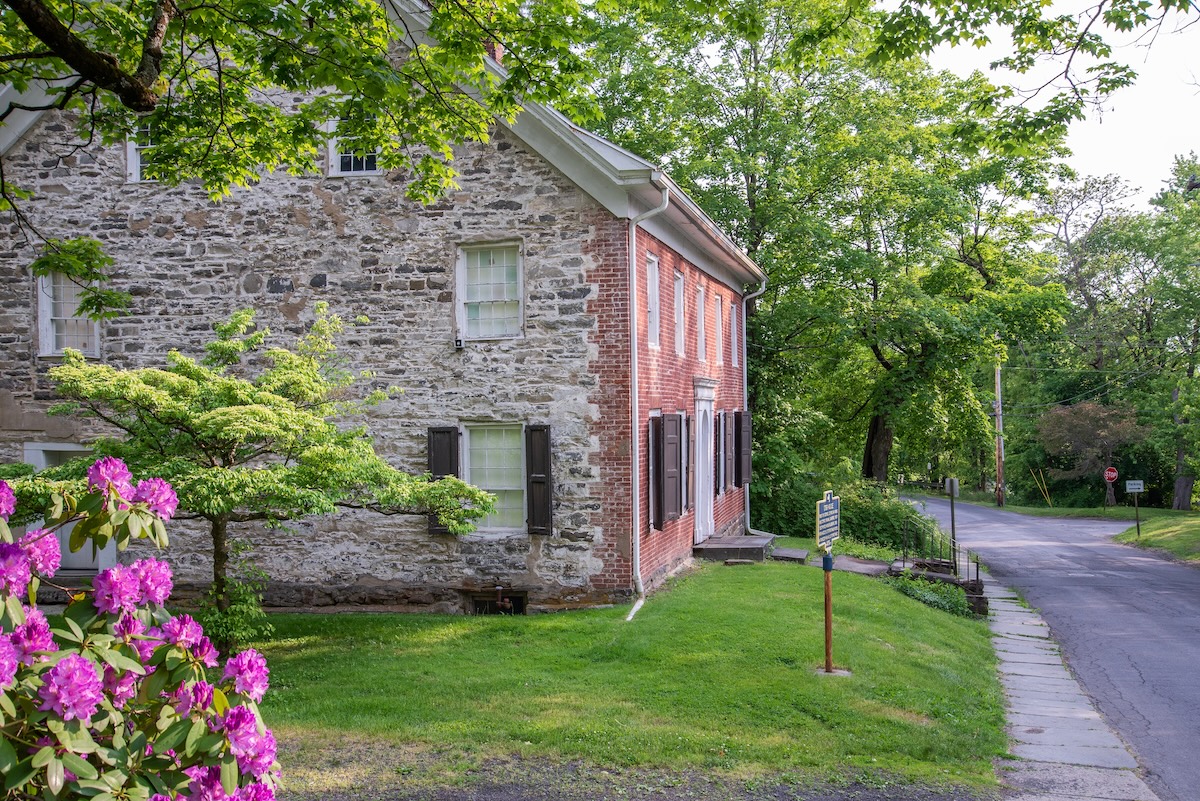
You can stroll down one of the oldest lived-in streets in America when you visit this preserved colonial district. Back in the 1670s, French Huguenot families showed up here, escaping religious persecution in Europe, and started what eventually became New Paltz. Along the street, you’ll find seven original stone houses these settlers built, plus a reconstructed French church and a burial ground.
The architecture really tells a story—thick limestone walls, steep roofs, and those small windows all point to the practical needs of early colonists, mixed with their European roots. These aren’t modern replicas. They’re the actual homes where families lived, worked, and left their mark on the Hudson Valley’s culture.
Take a guided tour and step inside a few of the houses. You’ll see period furnishings and get a feel for daily life in colonial America. The site serves as both a National Historic Landmark District and a working historical museum. It’s a rare chance to connect with 17th-century settlement patterns, French Protestant heritage, and the complicated relationships between European settlers and Indigenous peoples that shaped this region’s early days.